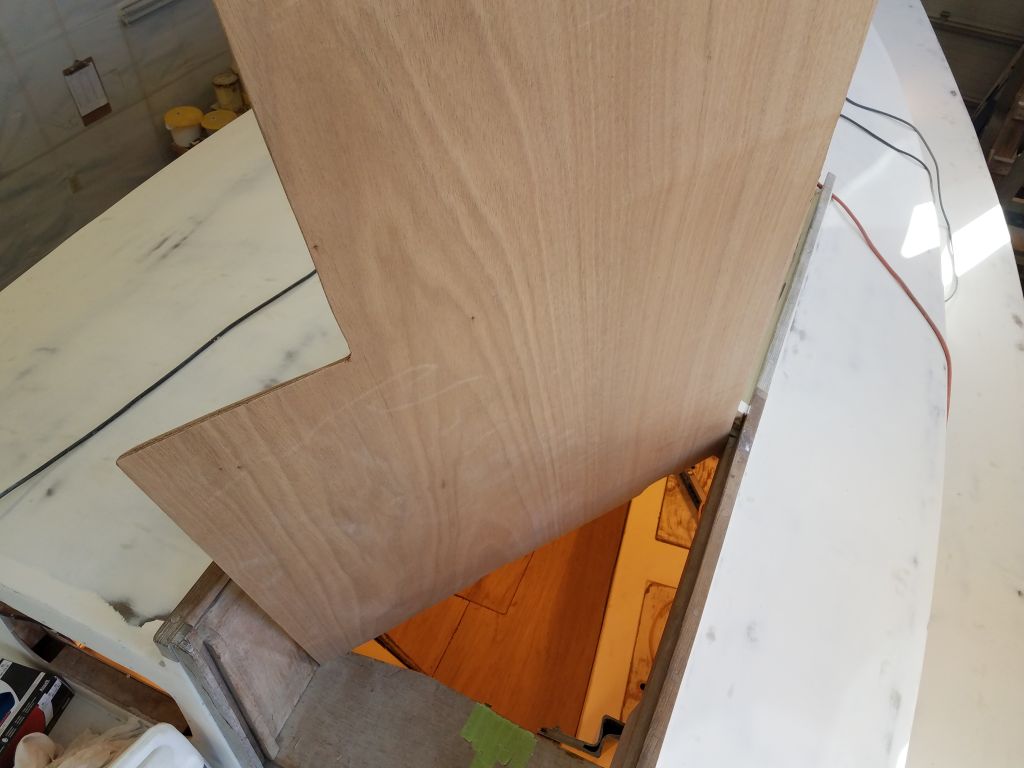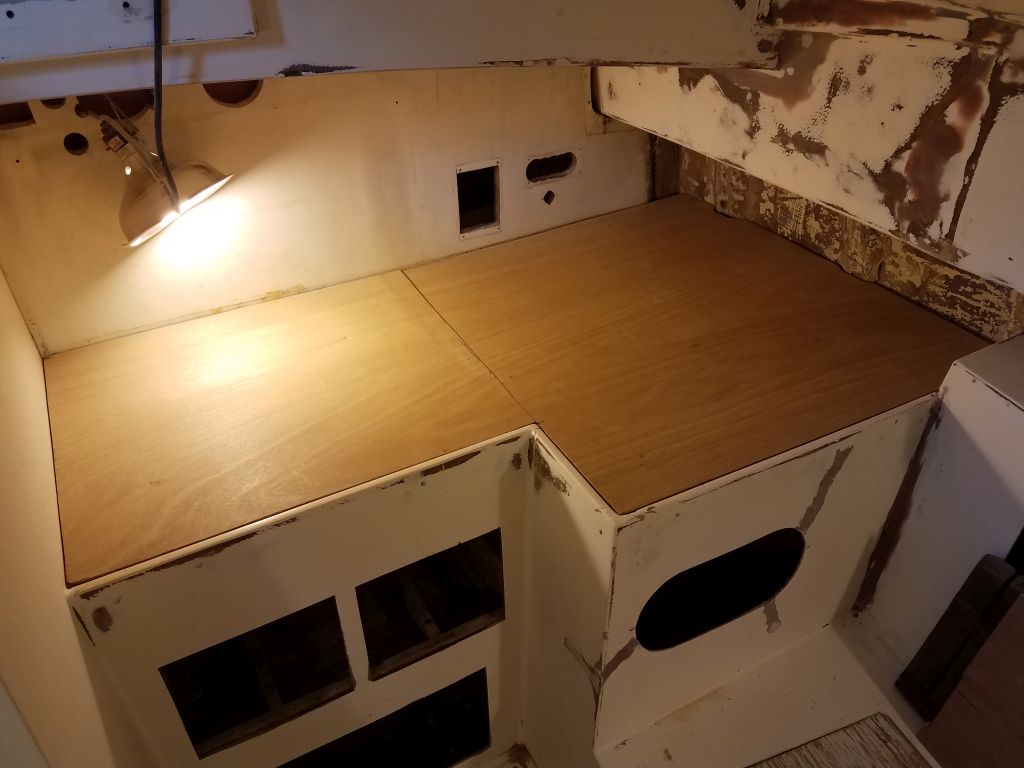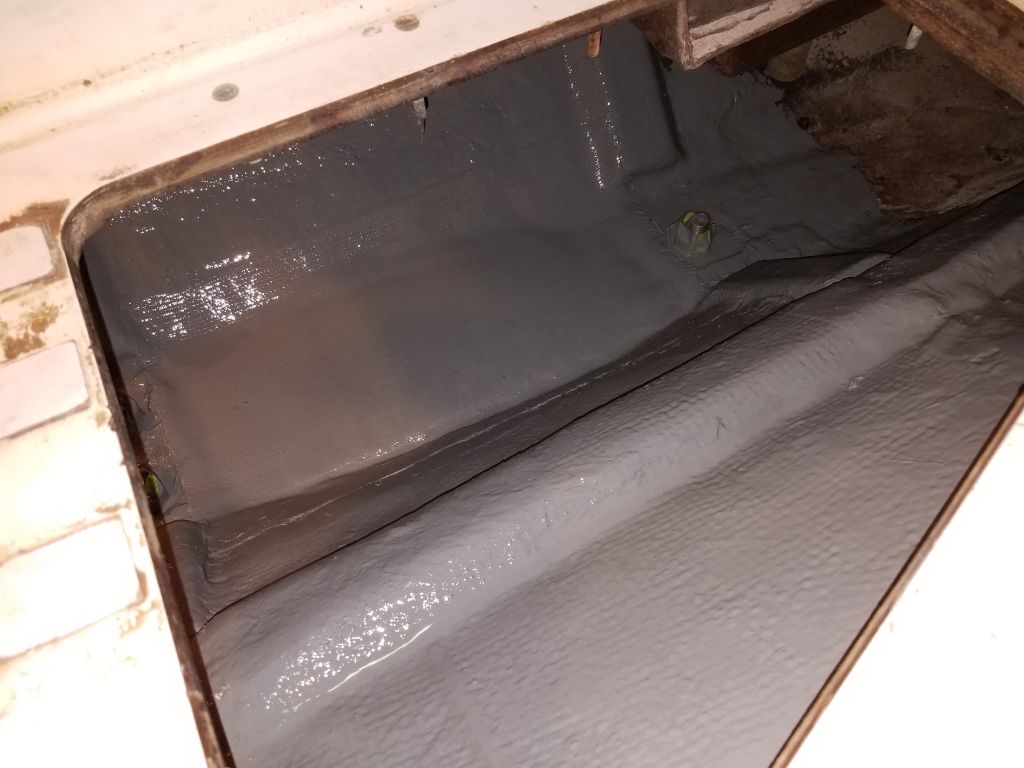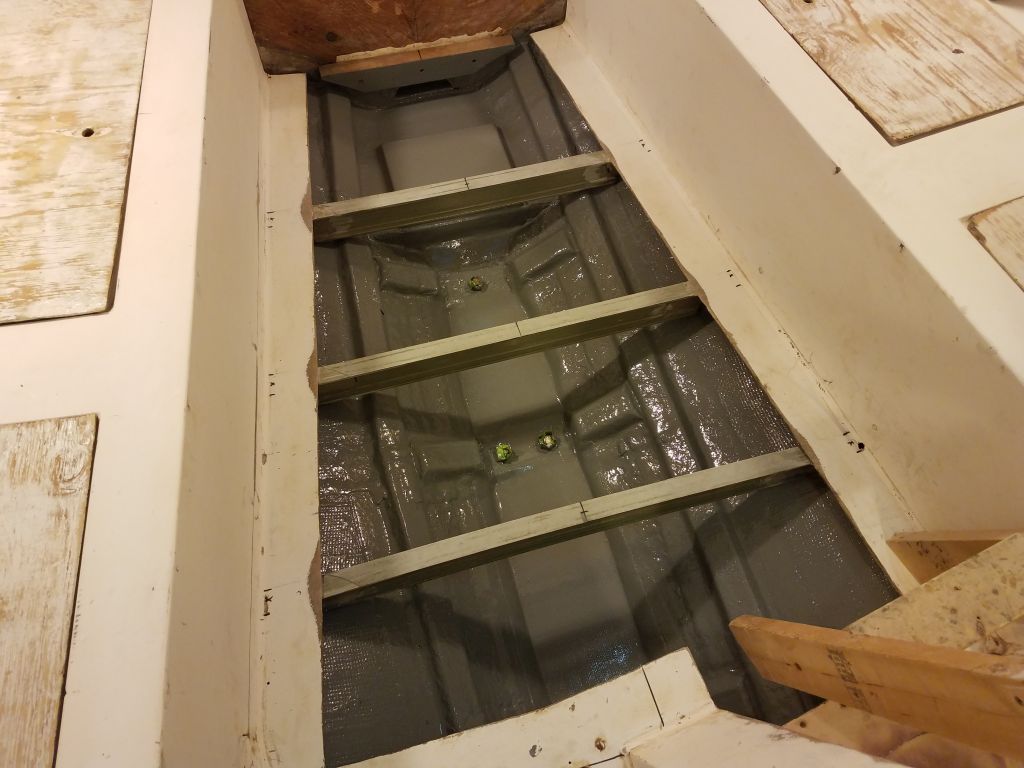

(page 102 of 165)

Scupper 69

Wednesday

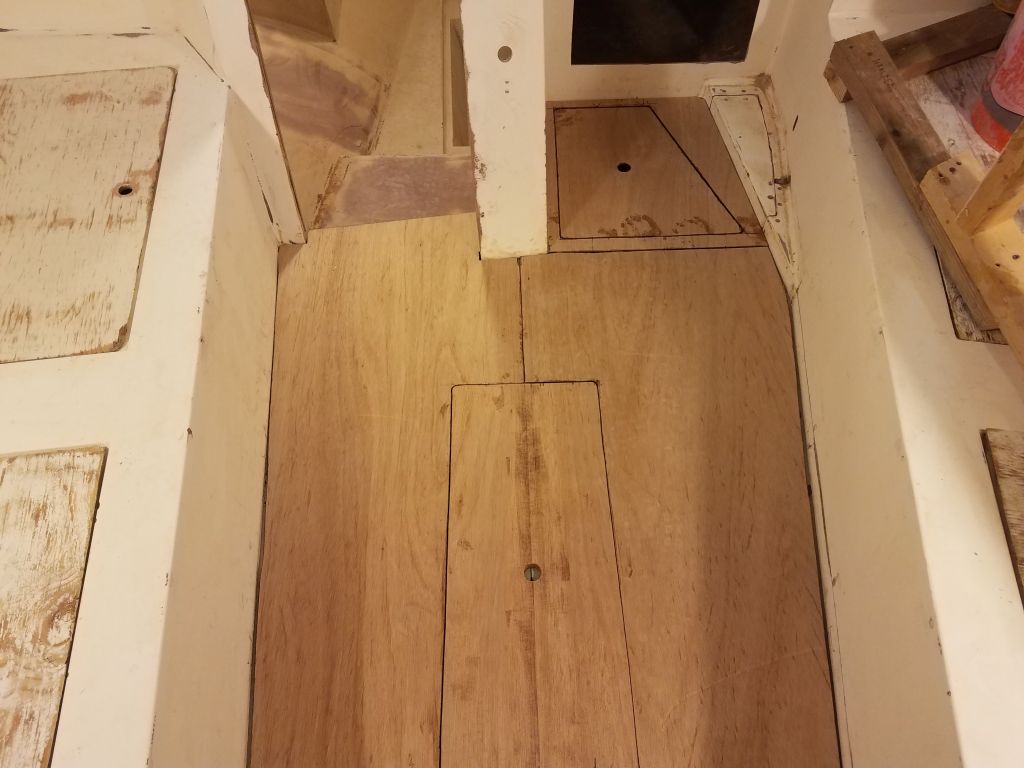
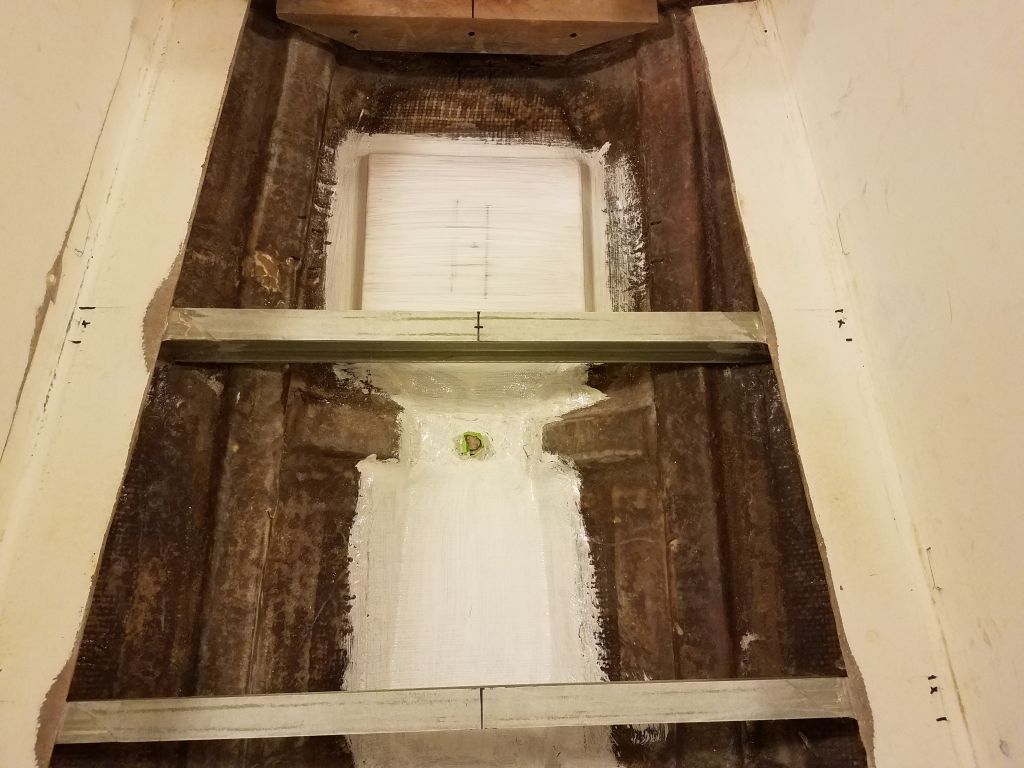
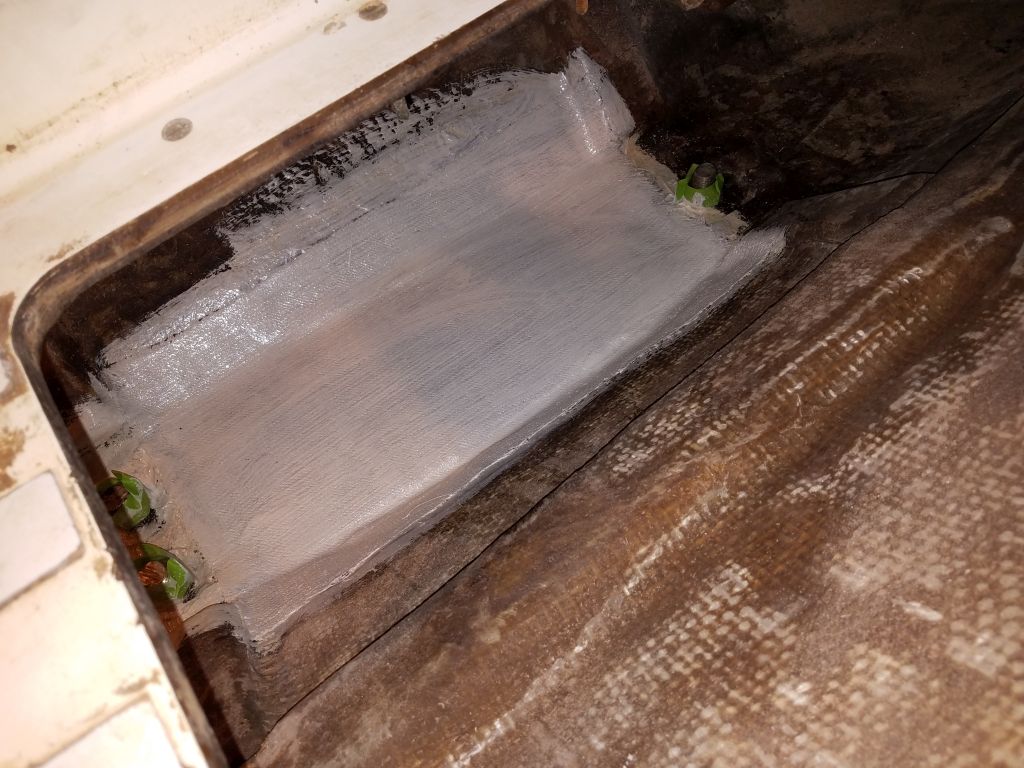
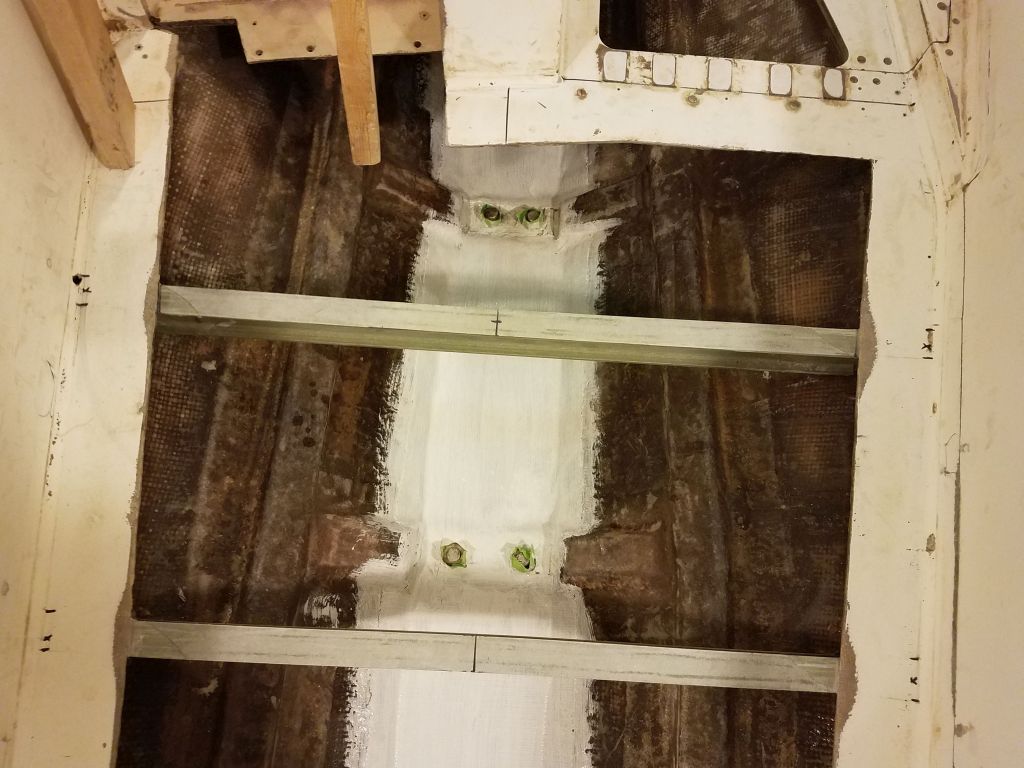
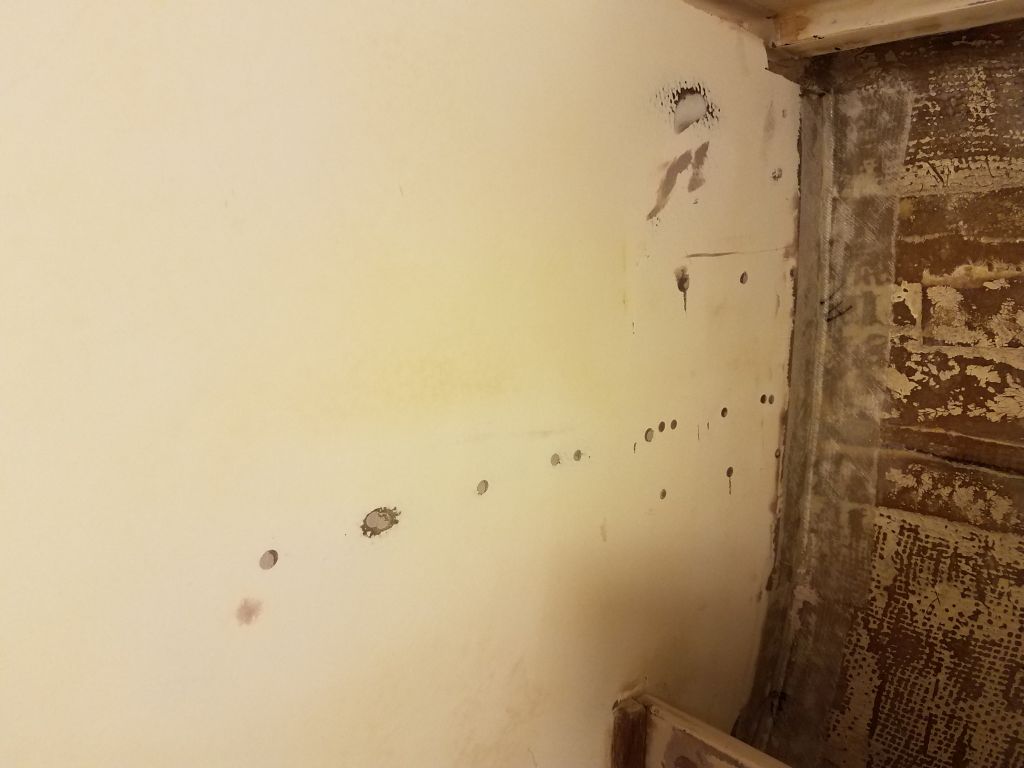
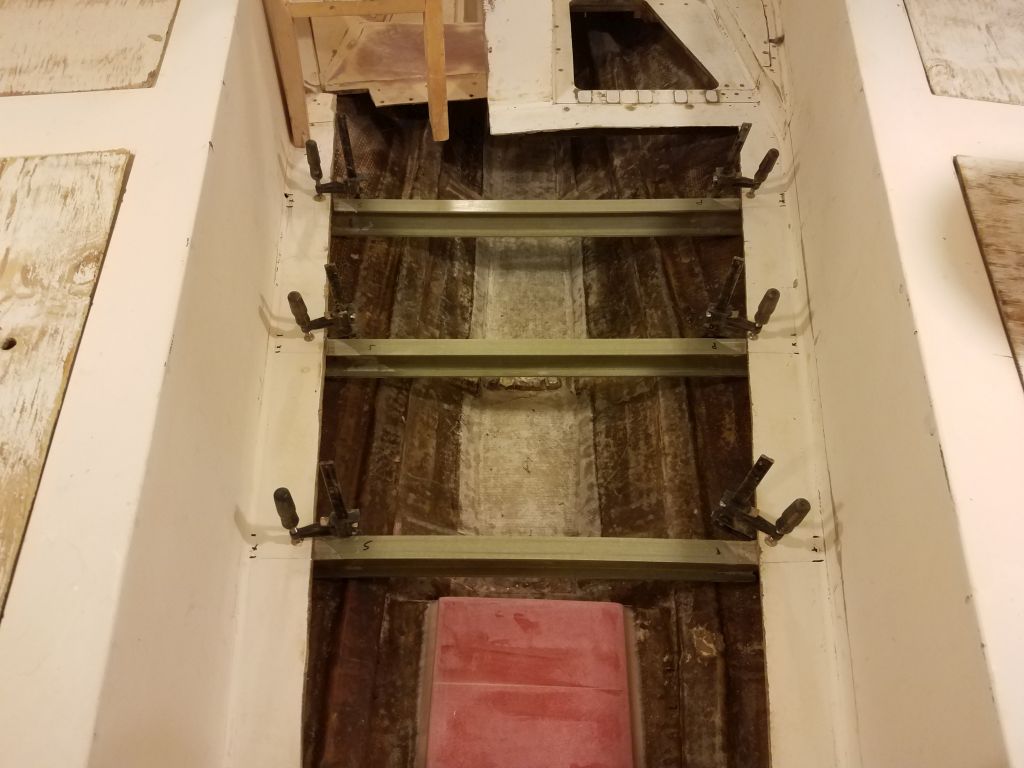
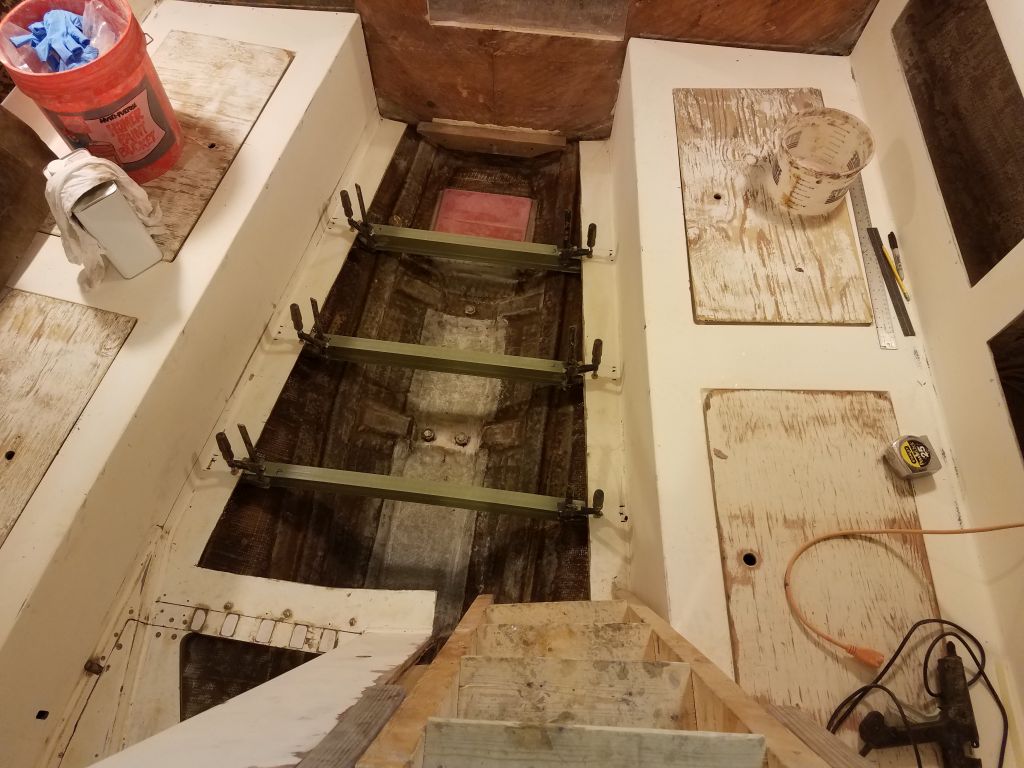
To begin, I cleaned up the interior pretty thoroughly, vacuuming and then solvent-washing as needed to prepare all the surfaces for epoxy filler.  Once clean, I went around the boat and applied a coat of filler to the fastener holes  and other areas I’d prepared.

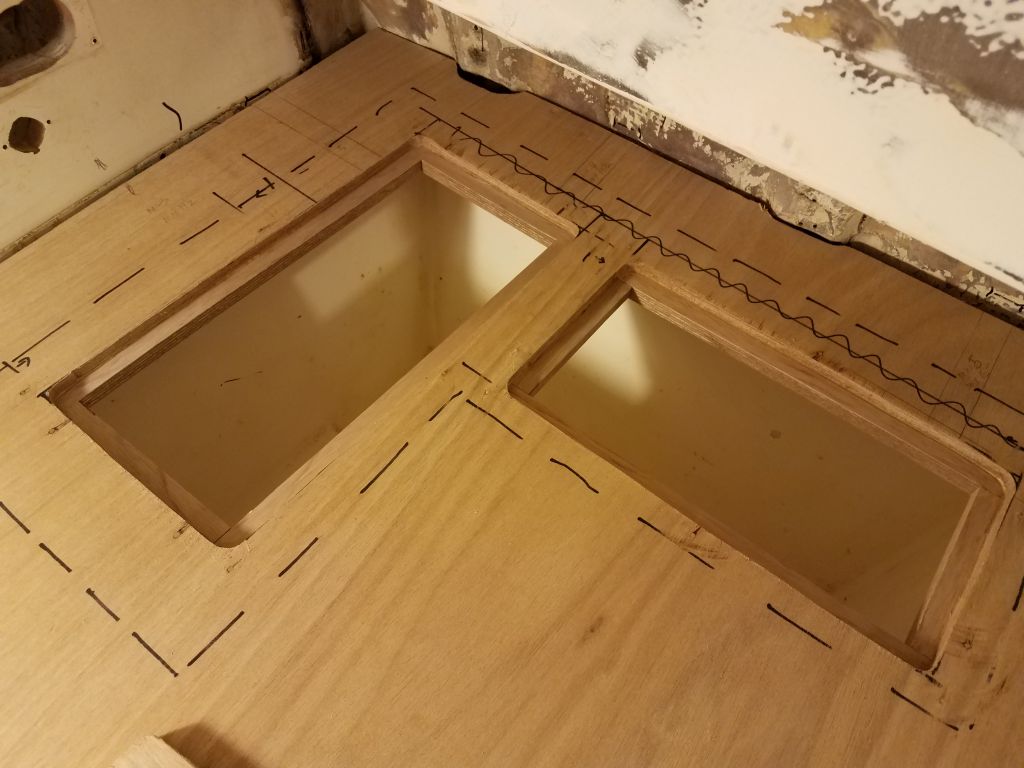
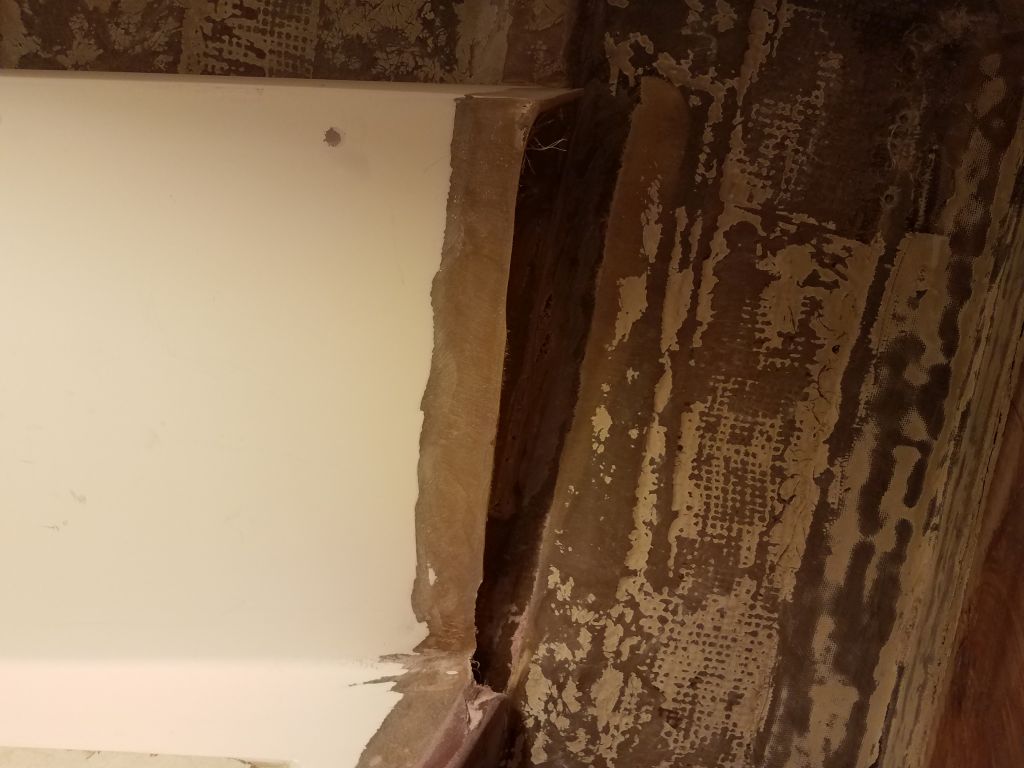
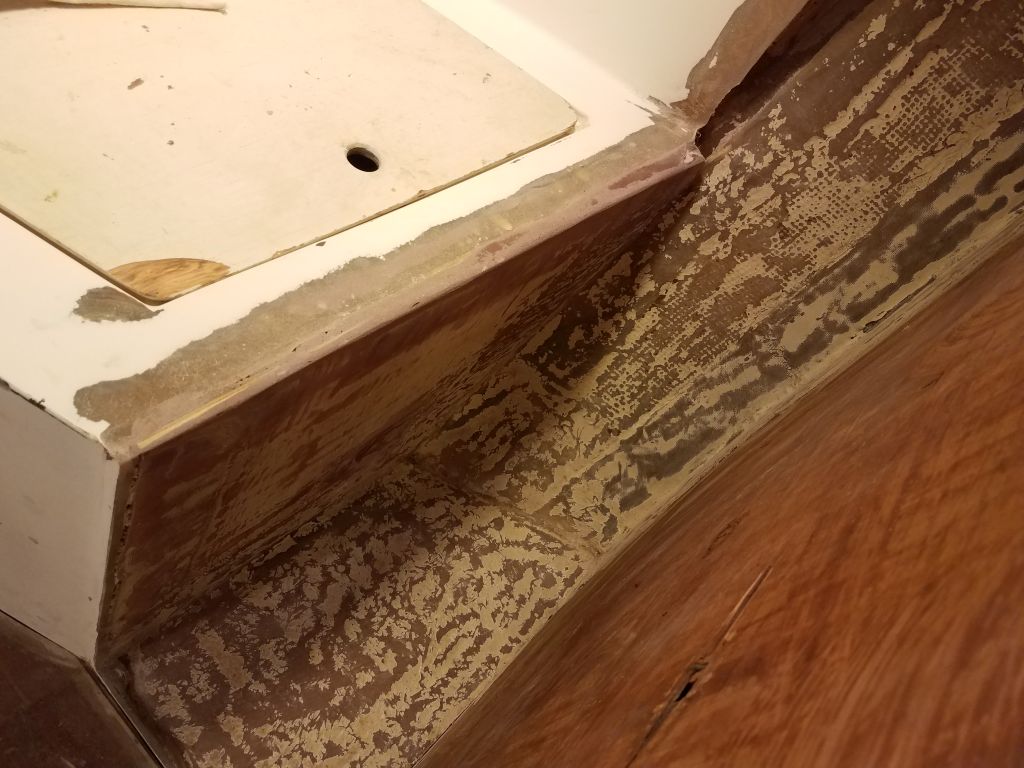
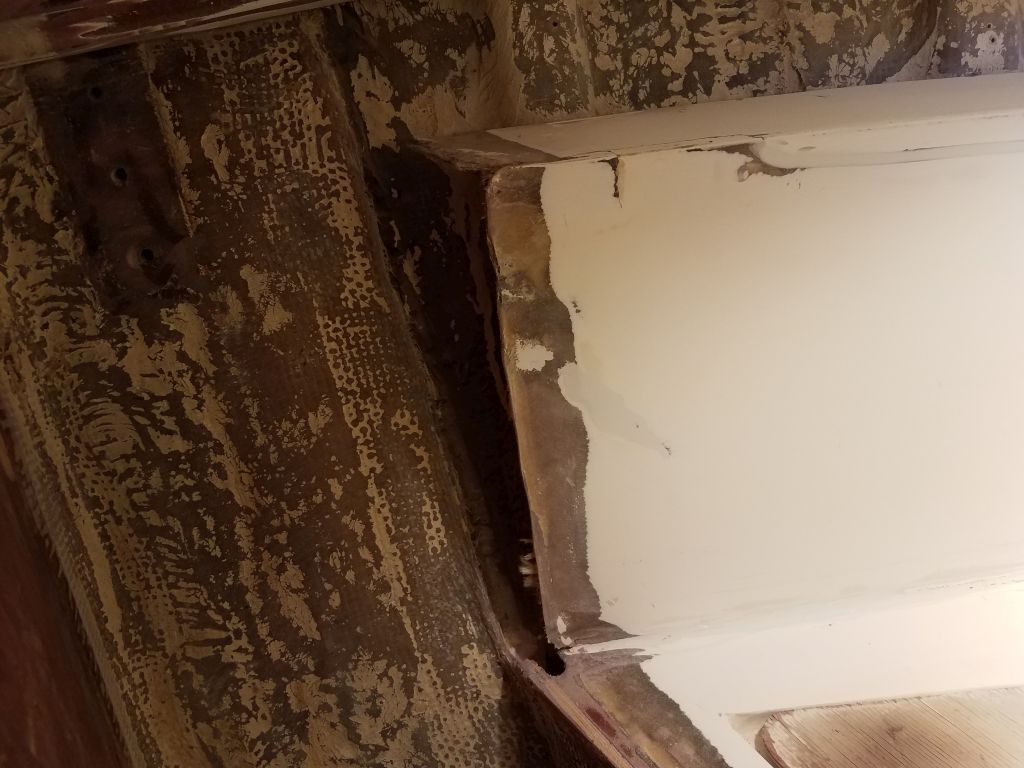
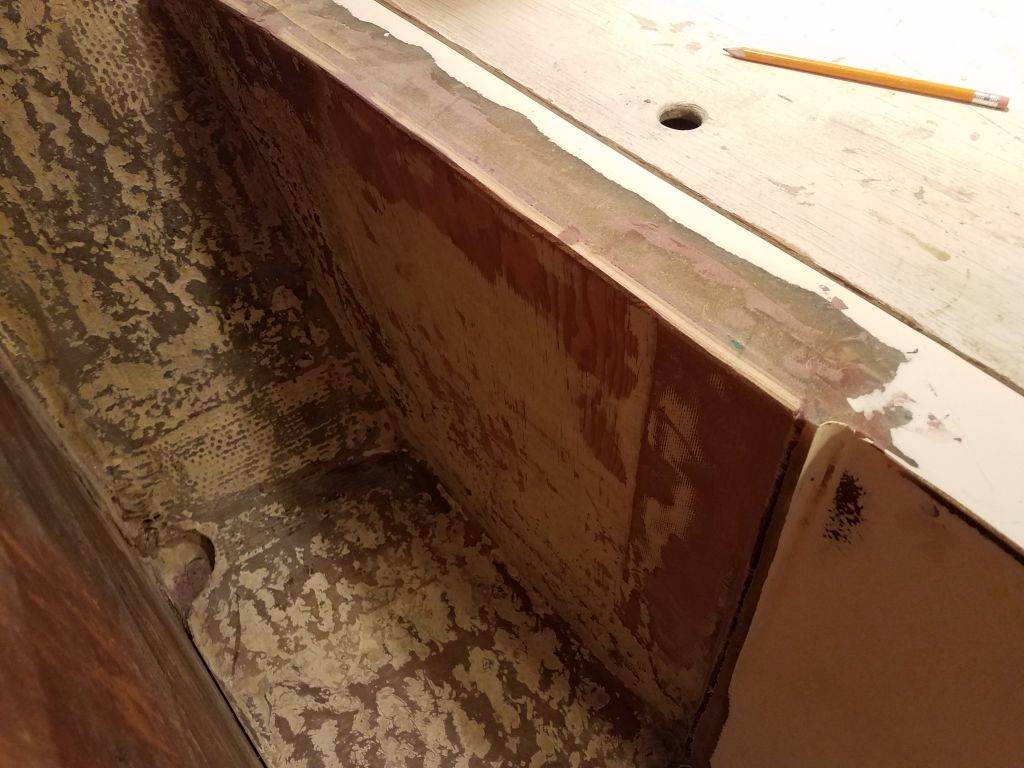
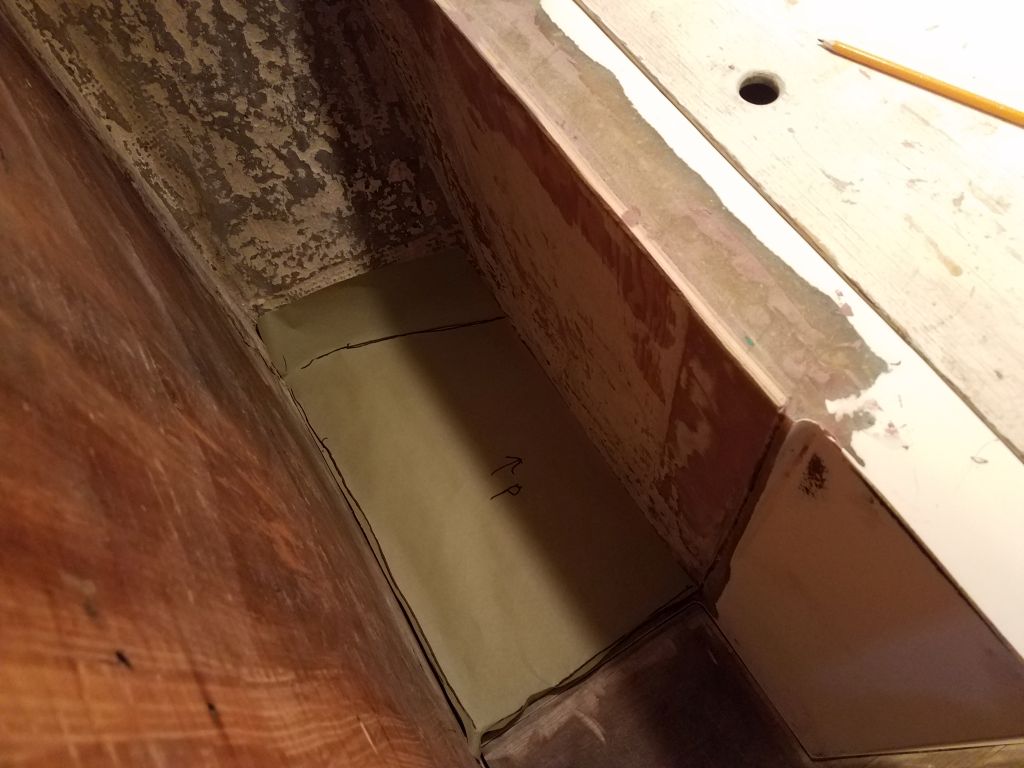
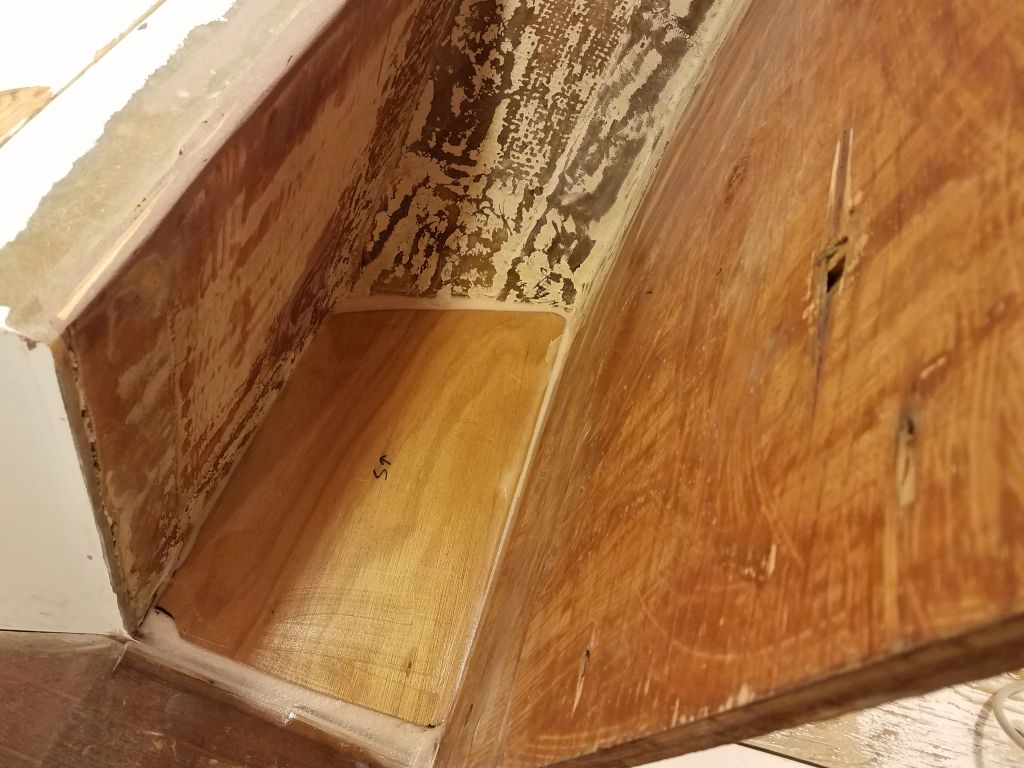
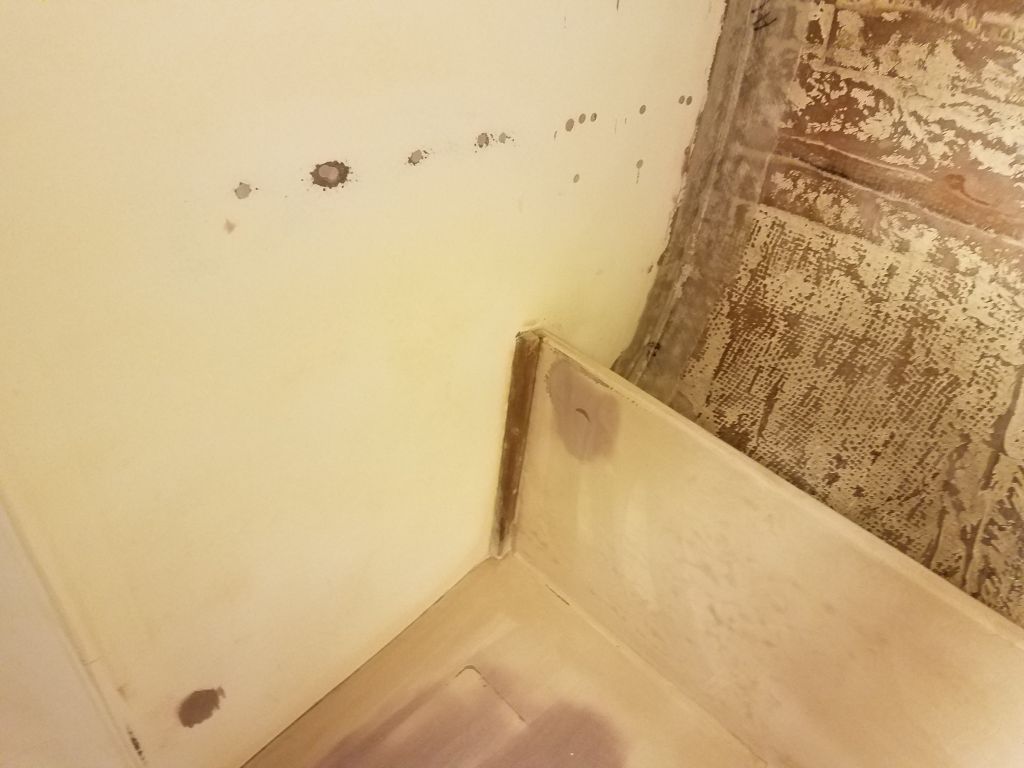
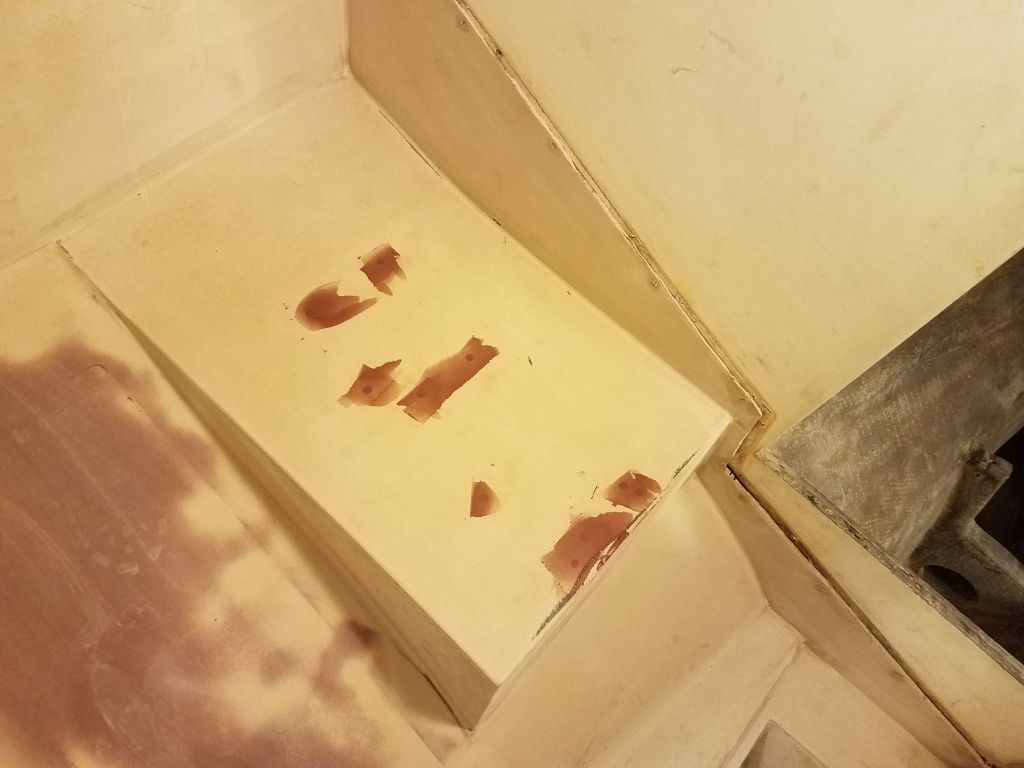
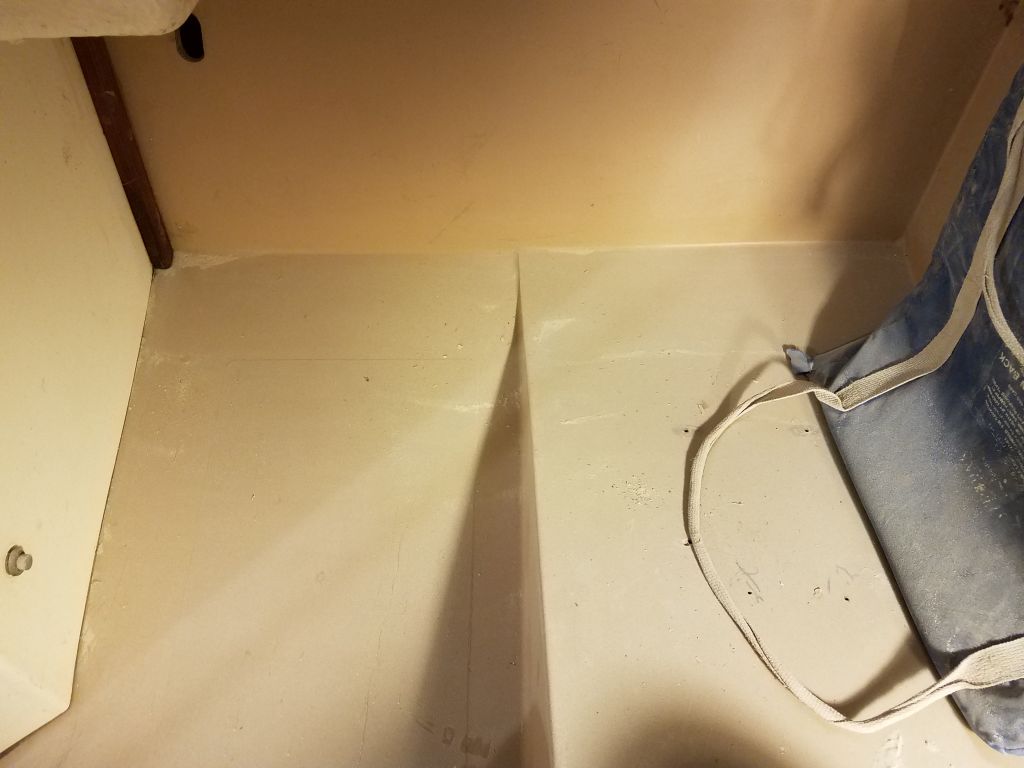
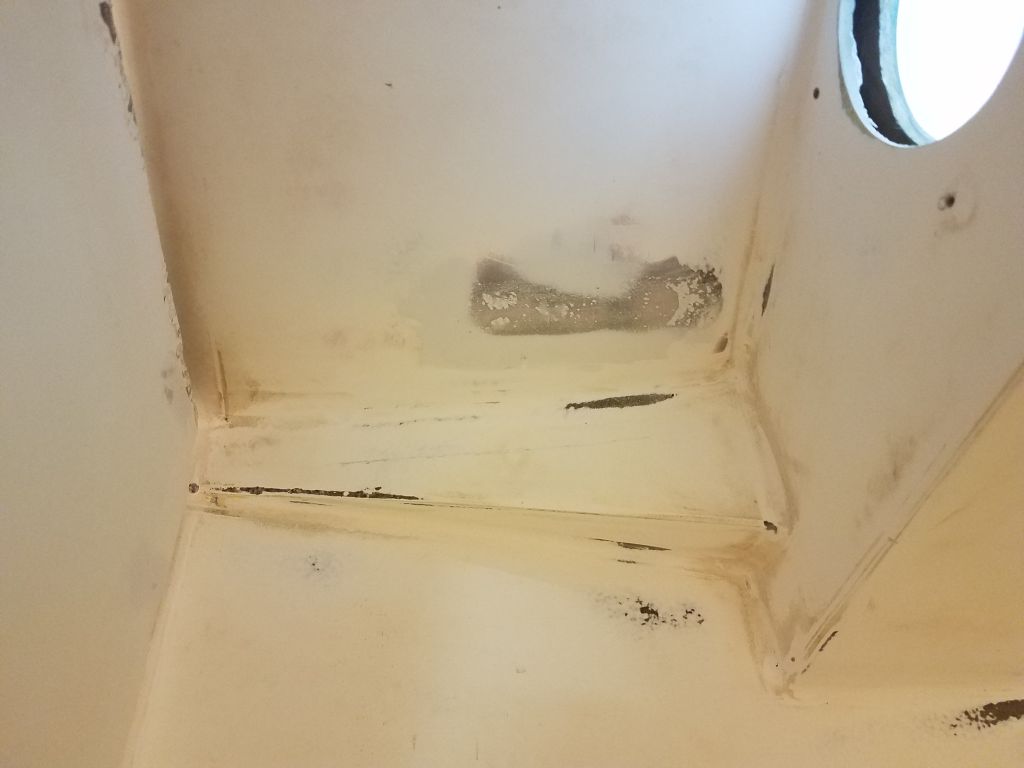
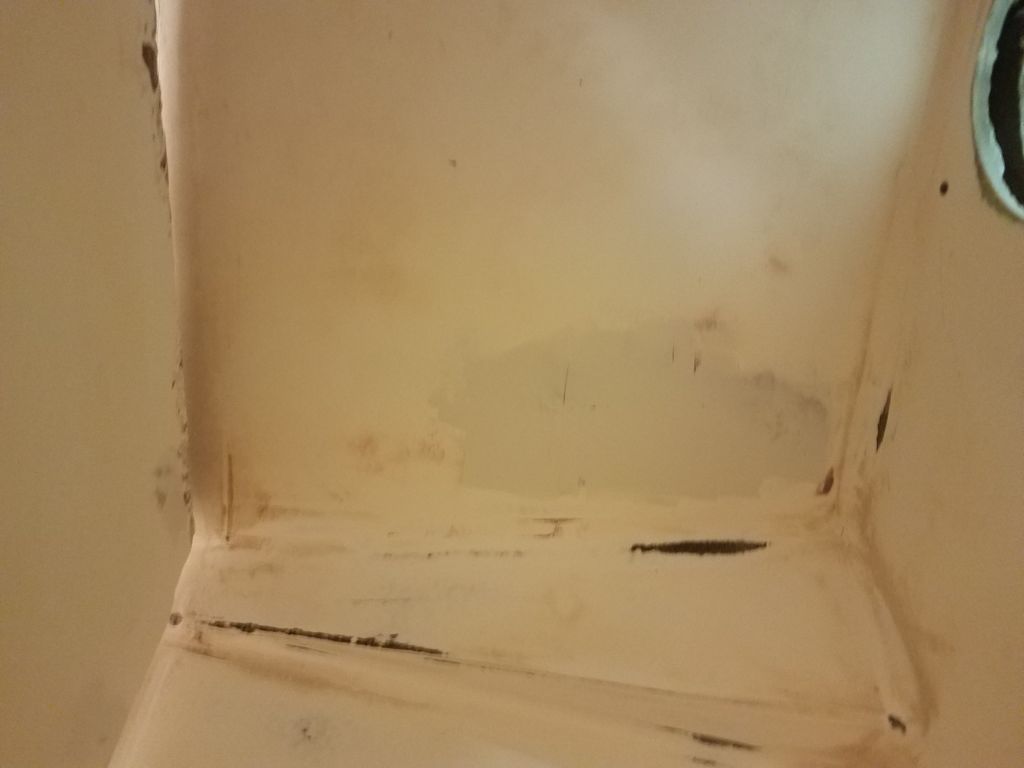
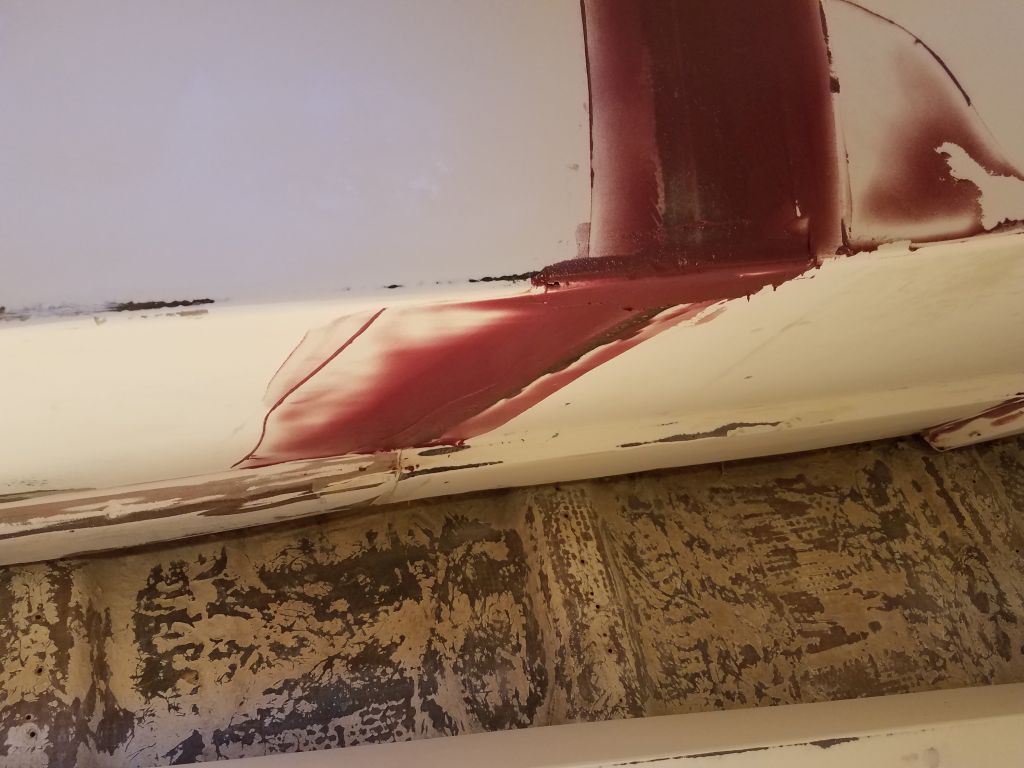
In the lockers beneath the settees, where I’d removed that old core material, there remained an edge around the insides of the lockers leftover from the old fiberglass, and, having sanded it as far as practicable, I used some epoxy filler to smooth out the transition. not going crazy with the process since these were only storage lockers.

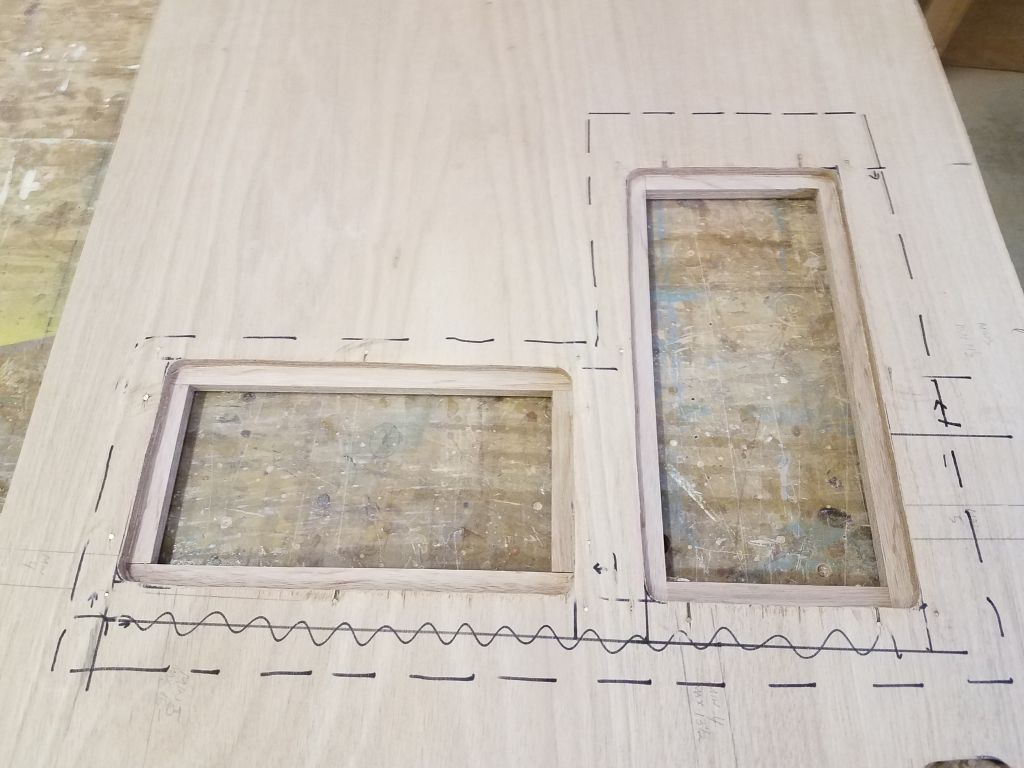
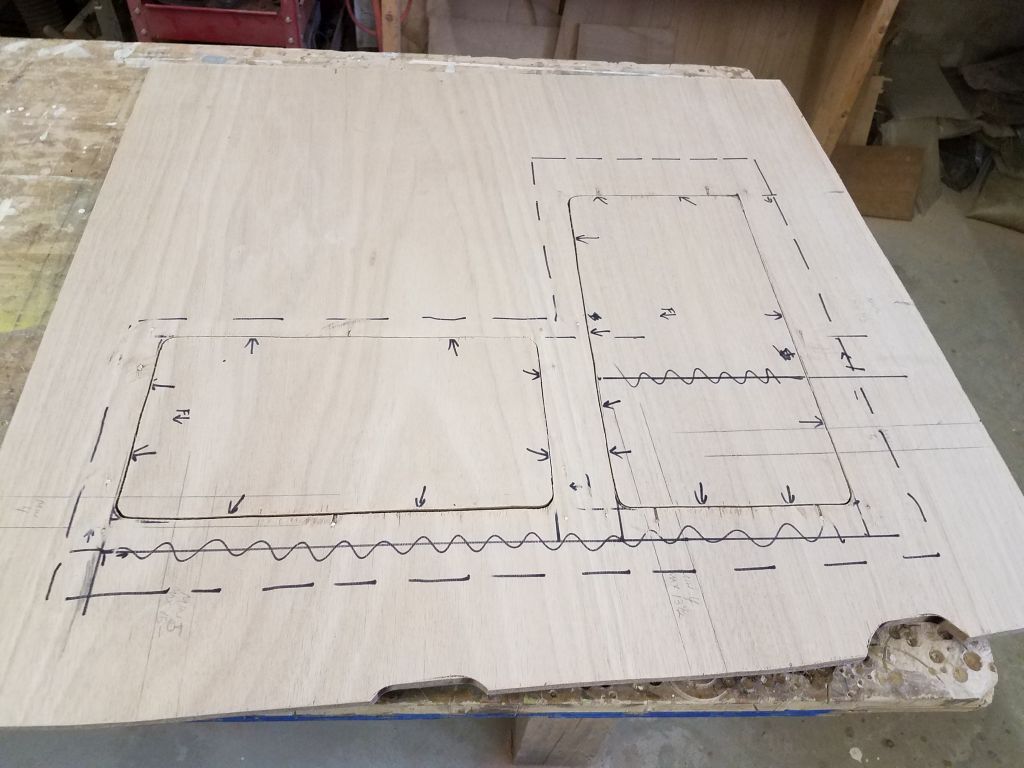
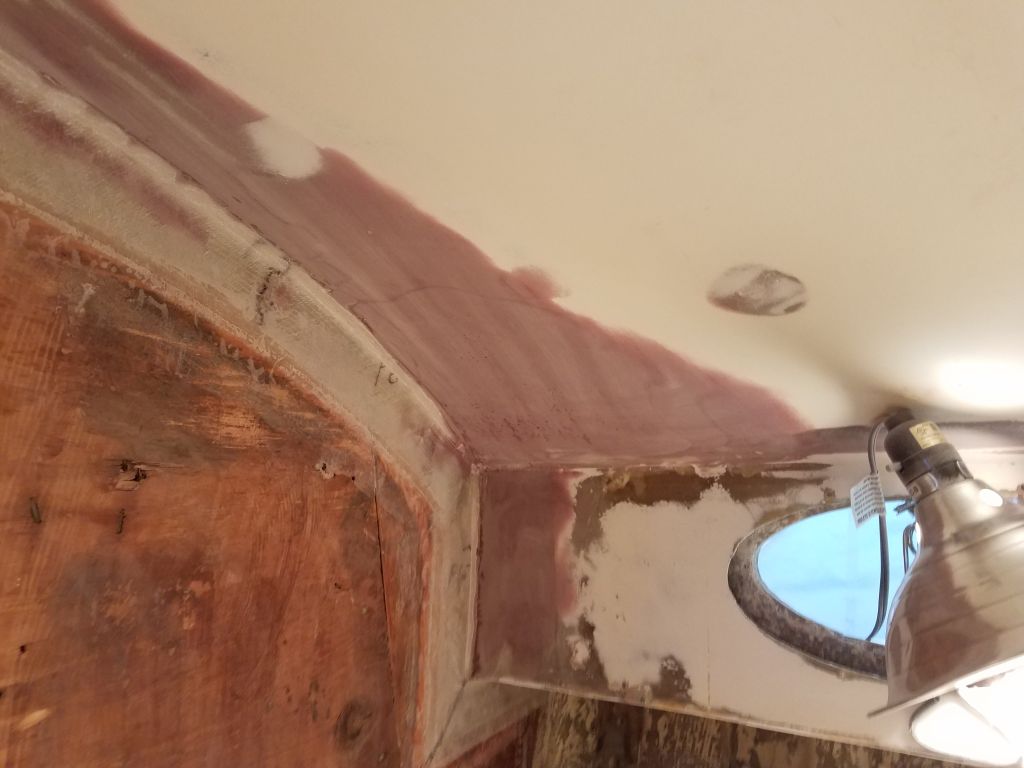
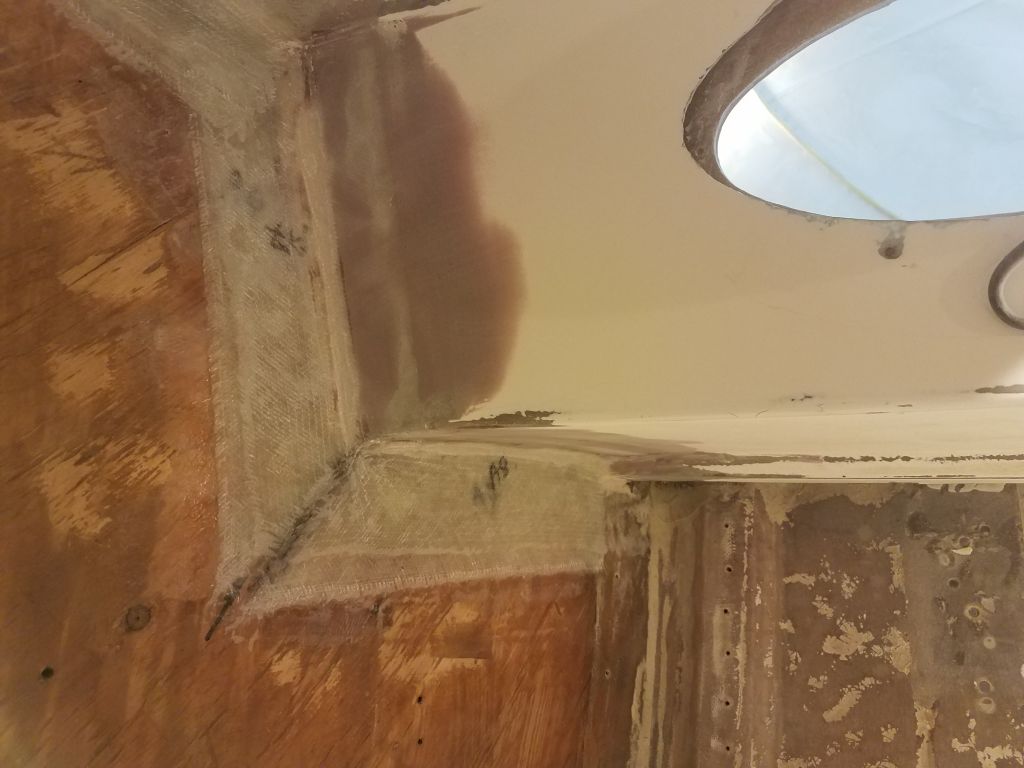
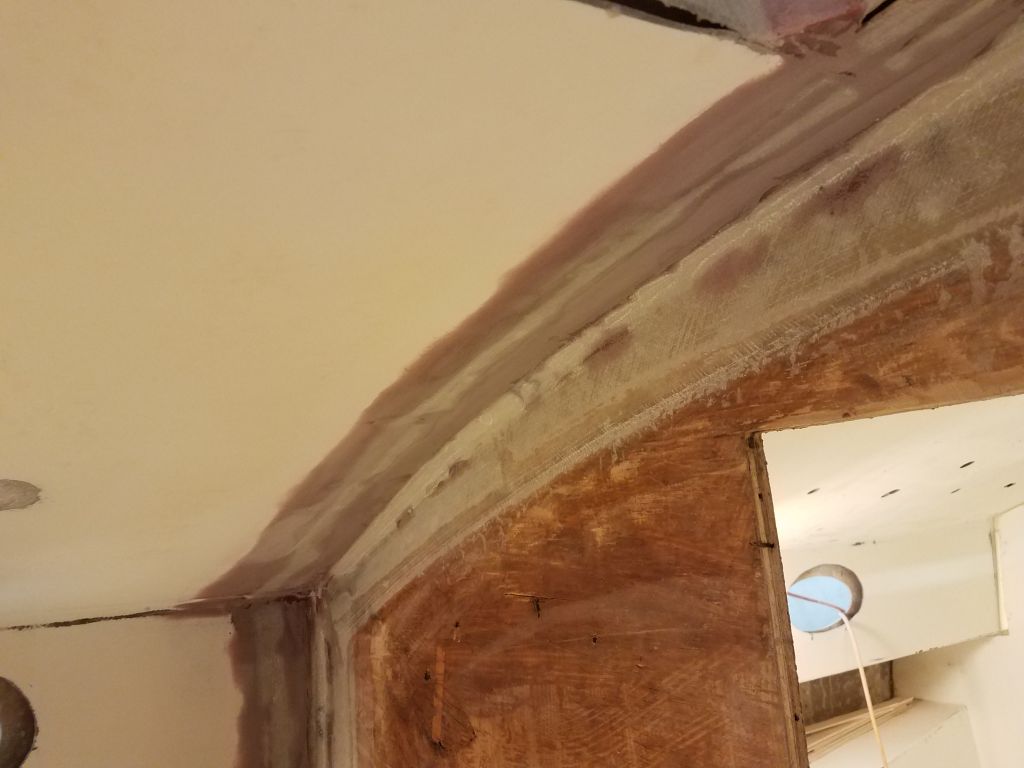
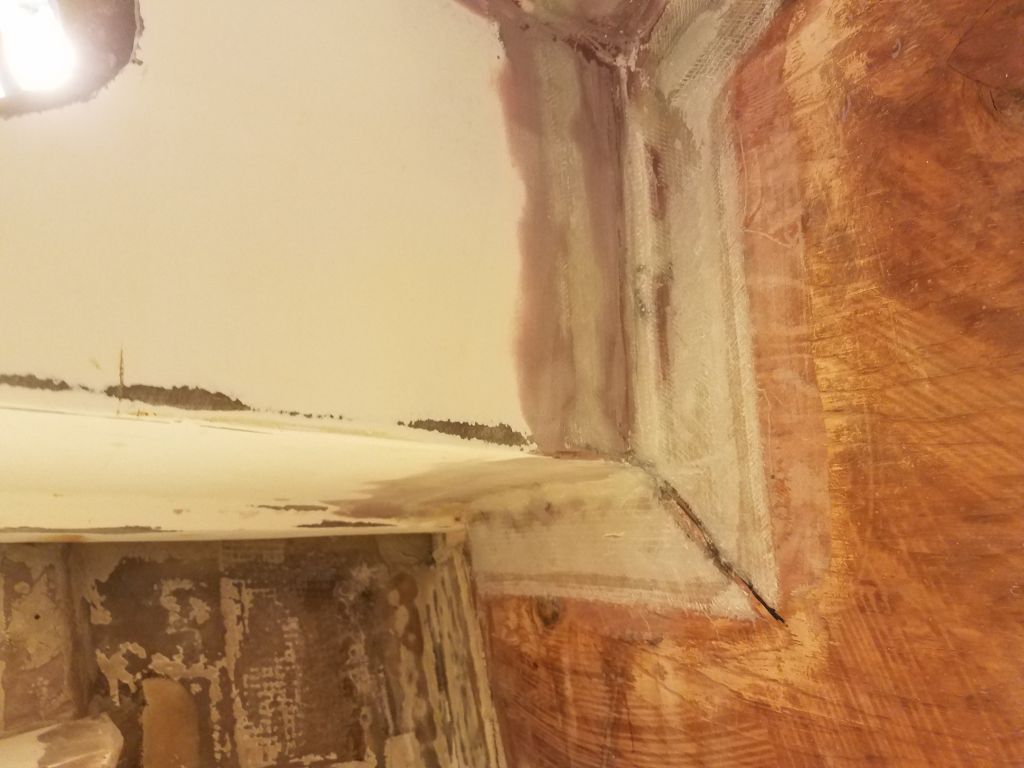
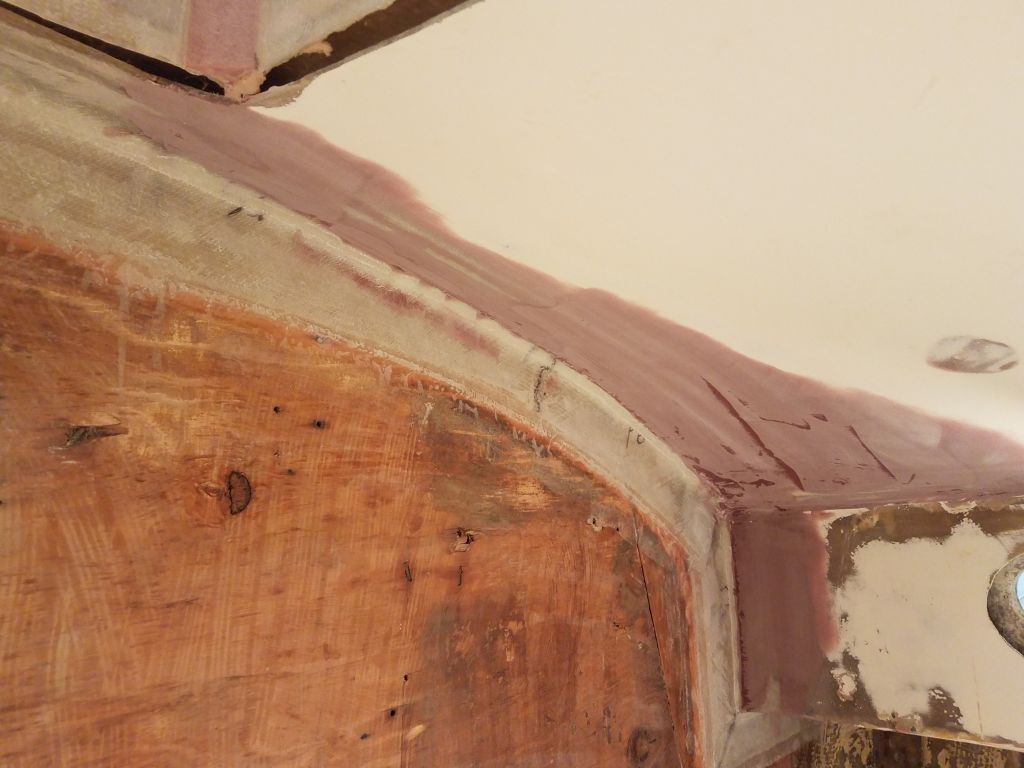
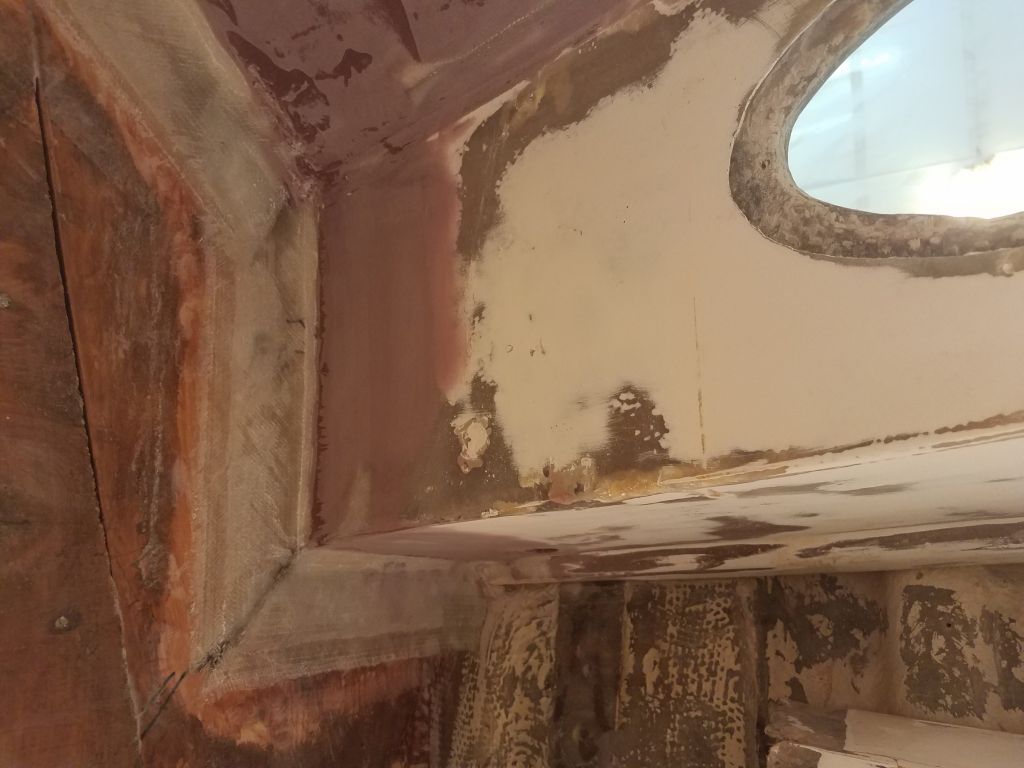
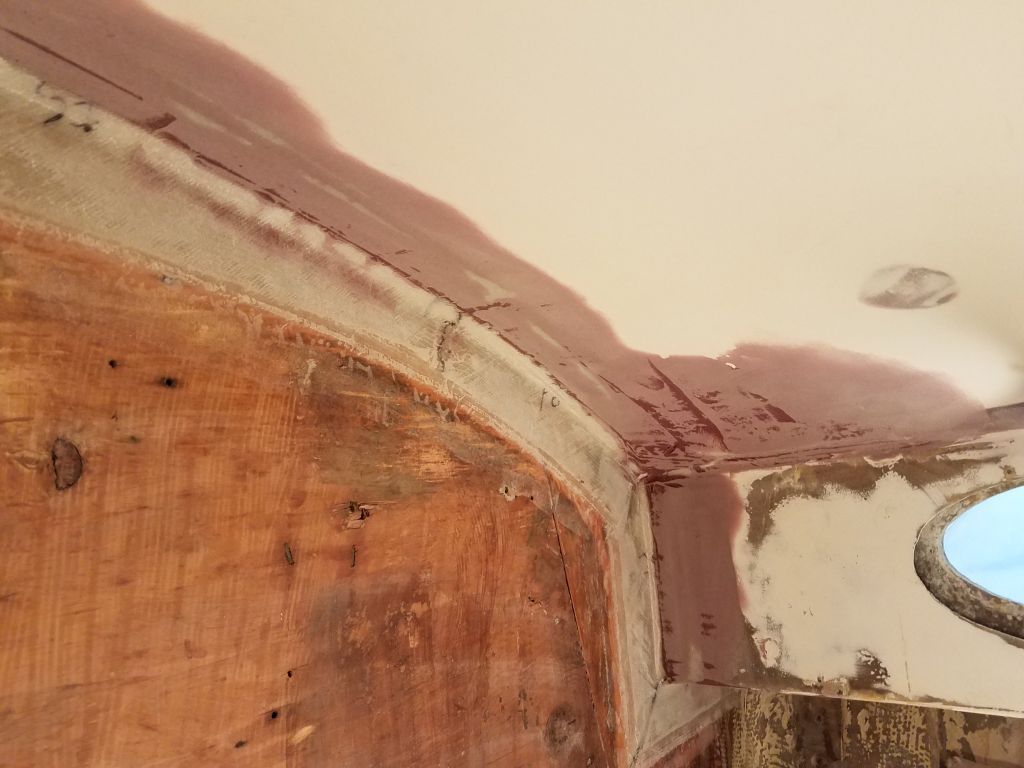
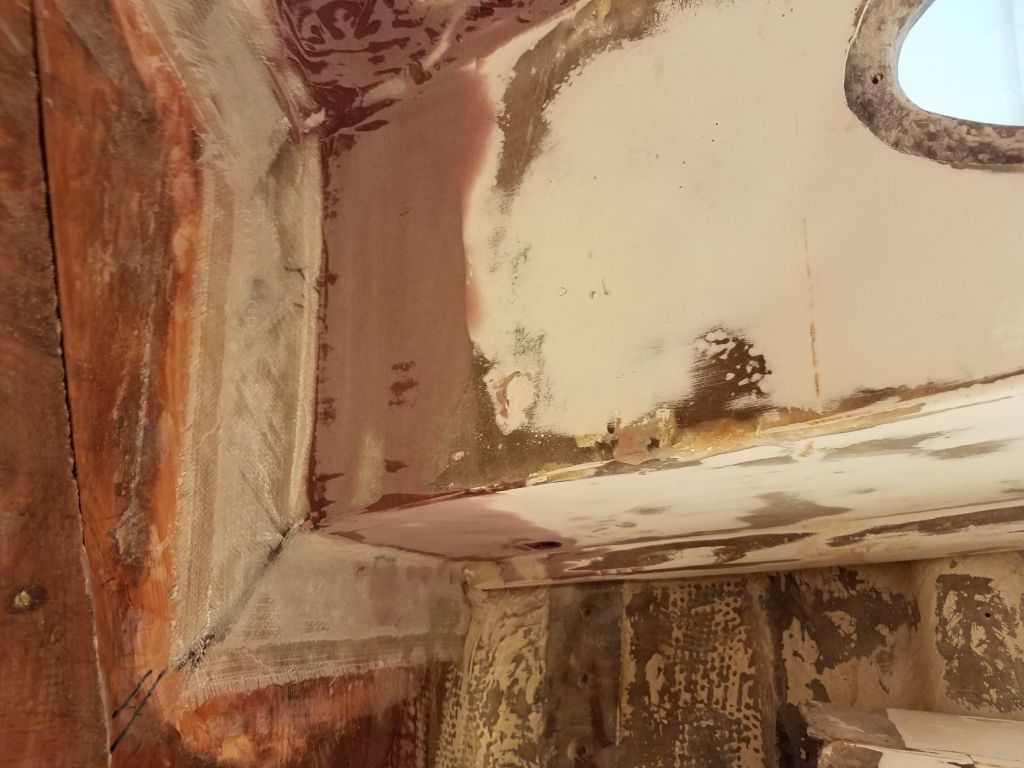
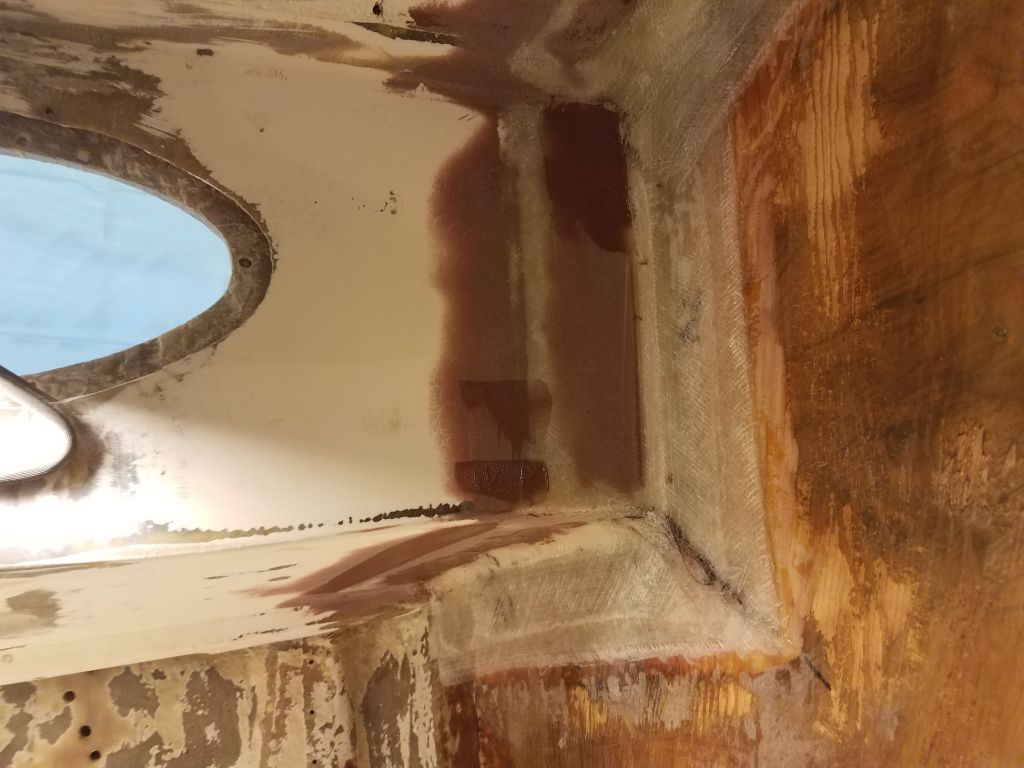
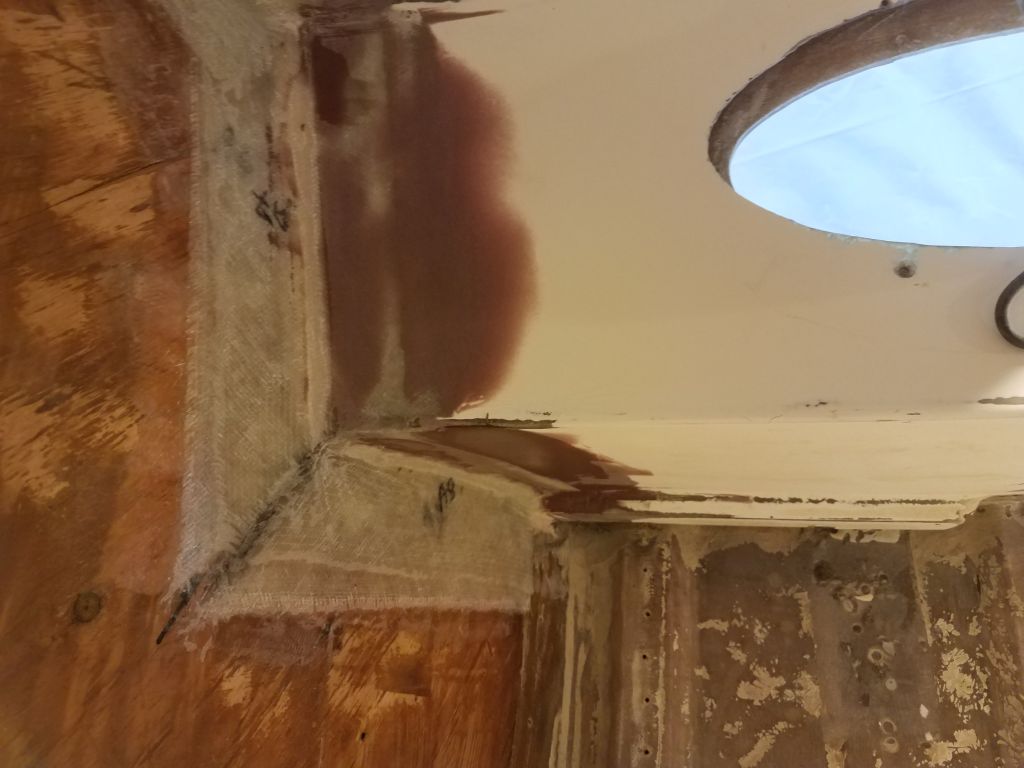
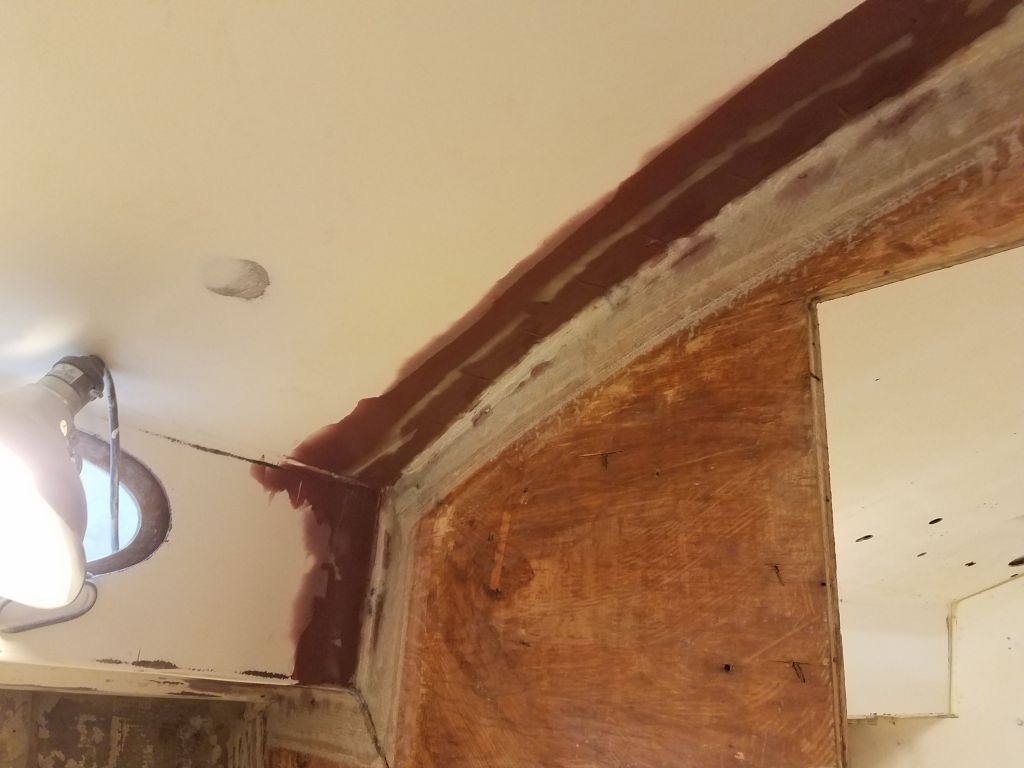
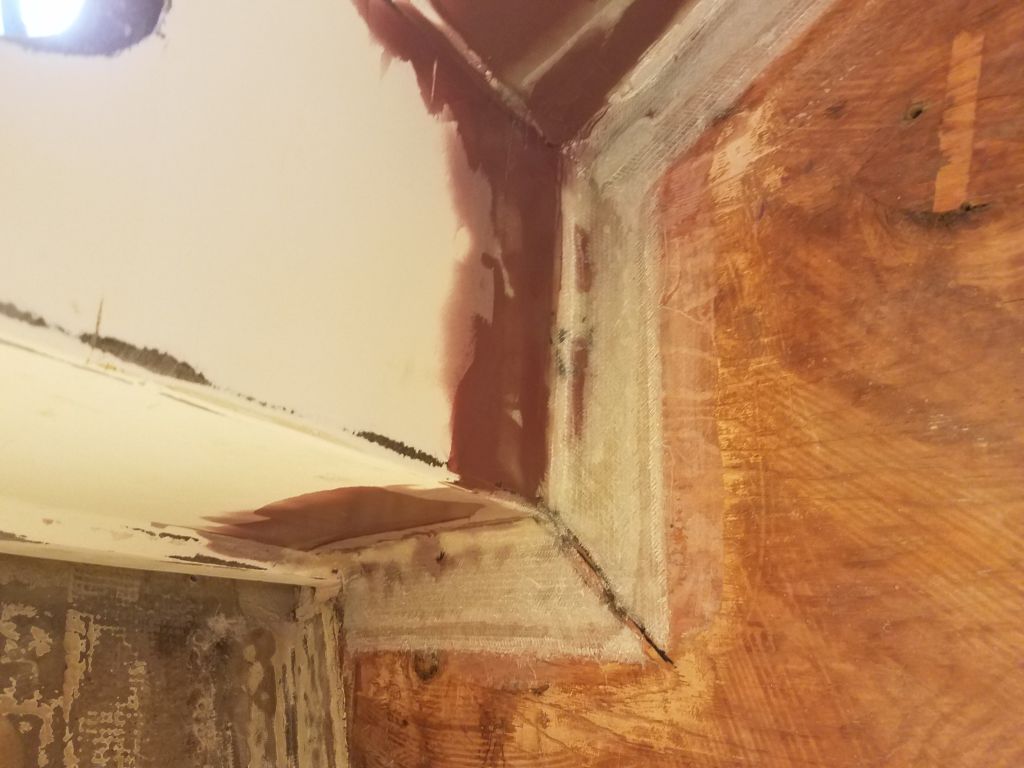
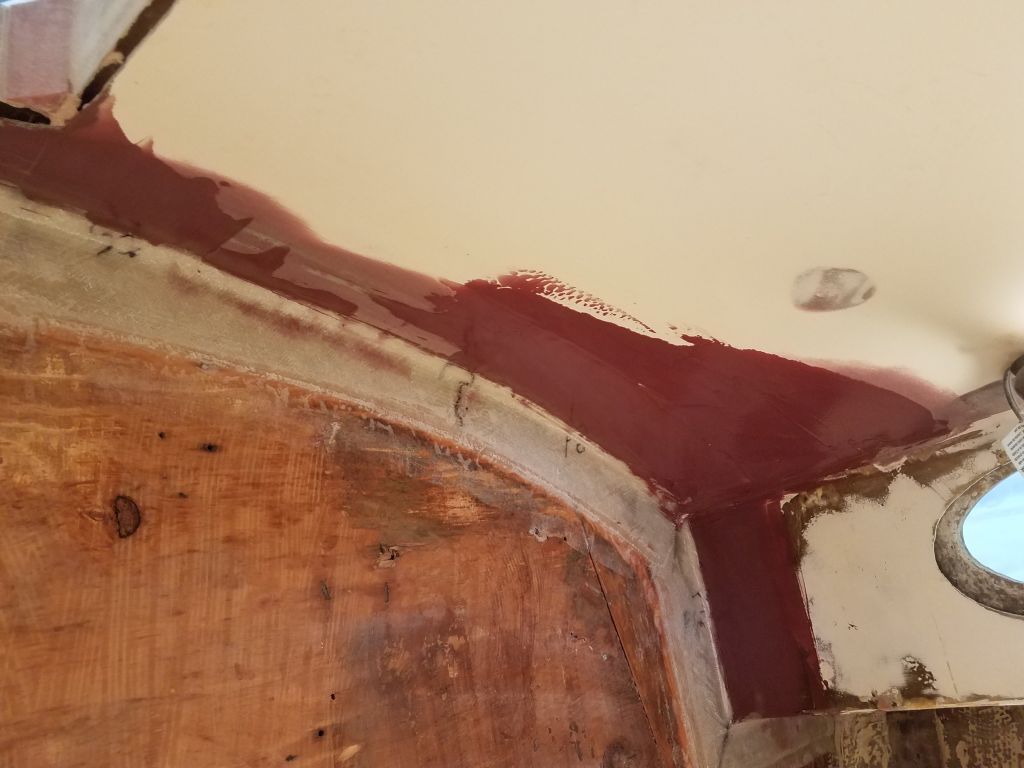
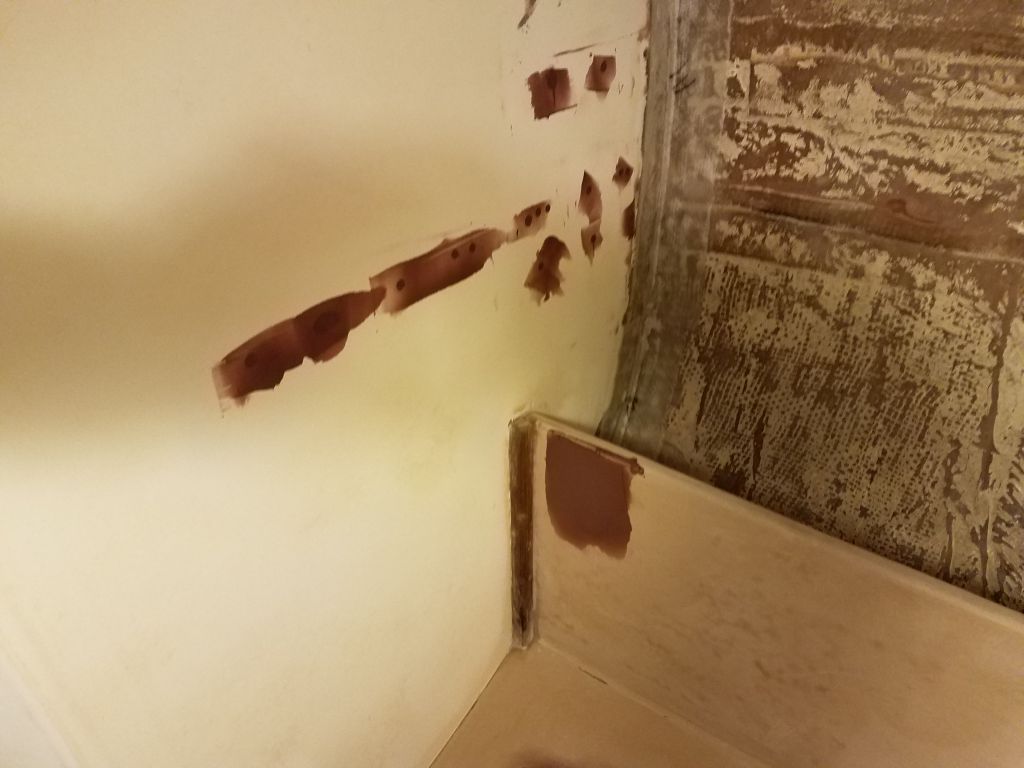
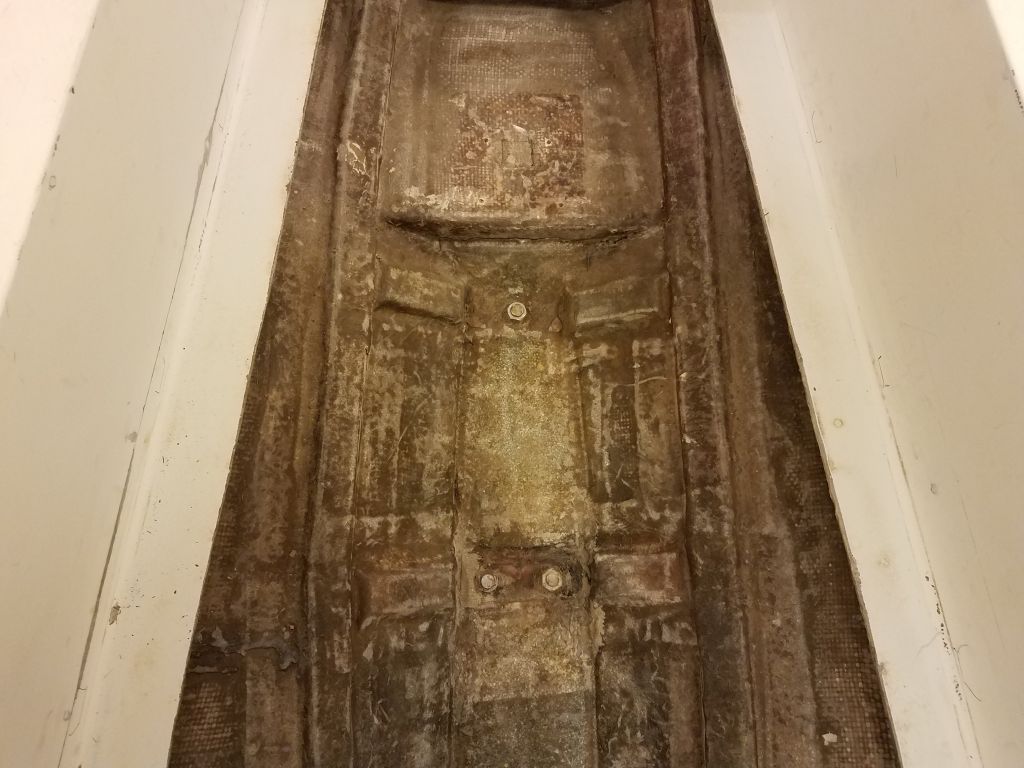
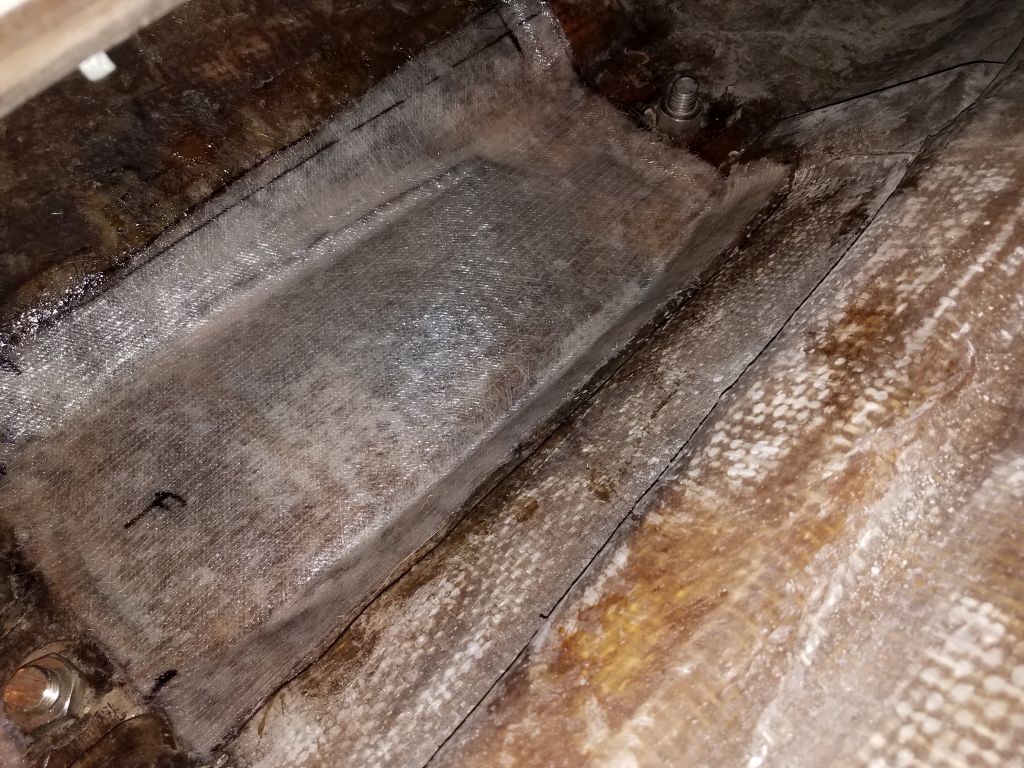
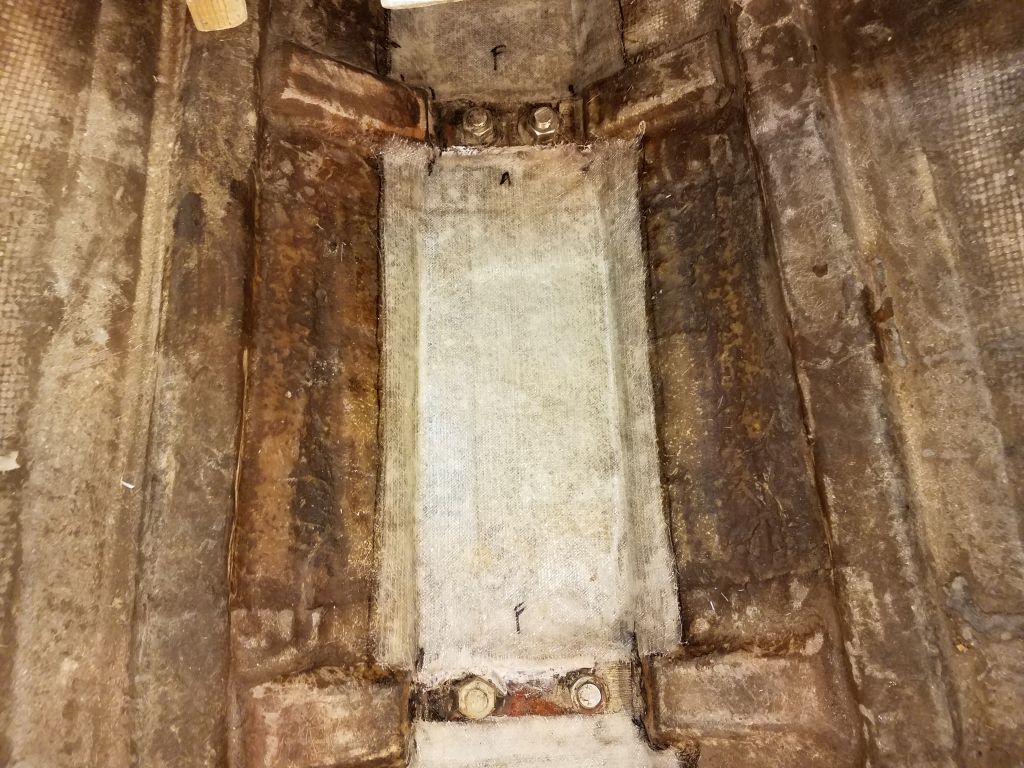
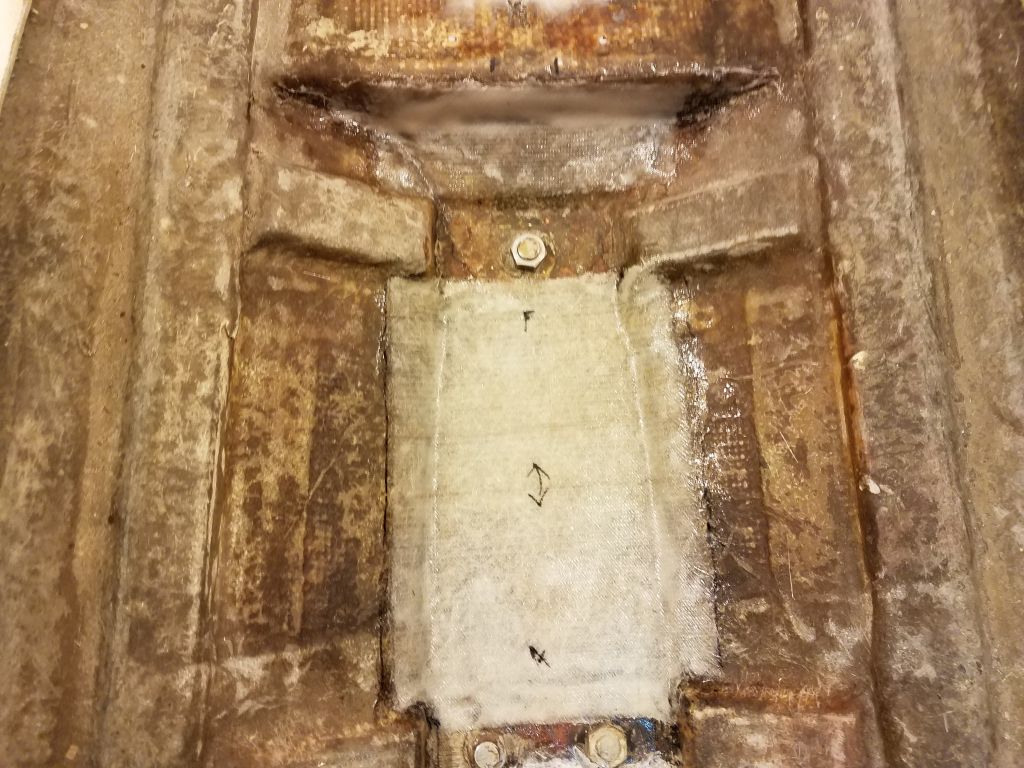
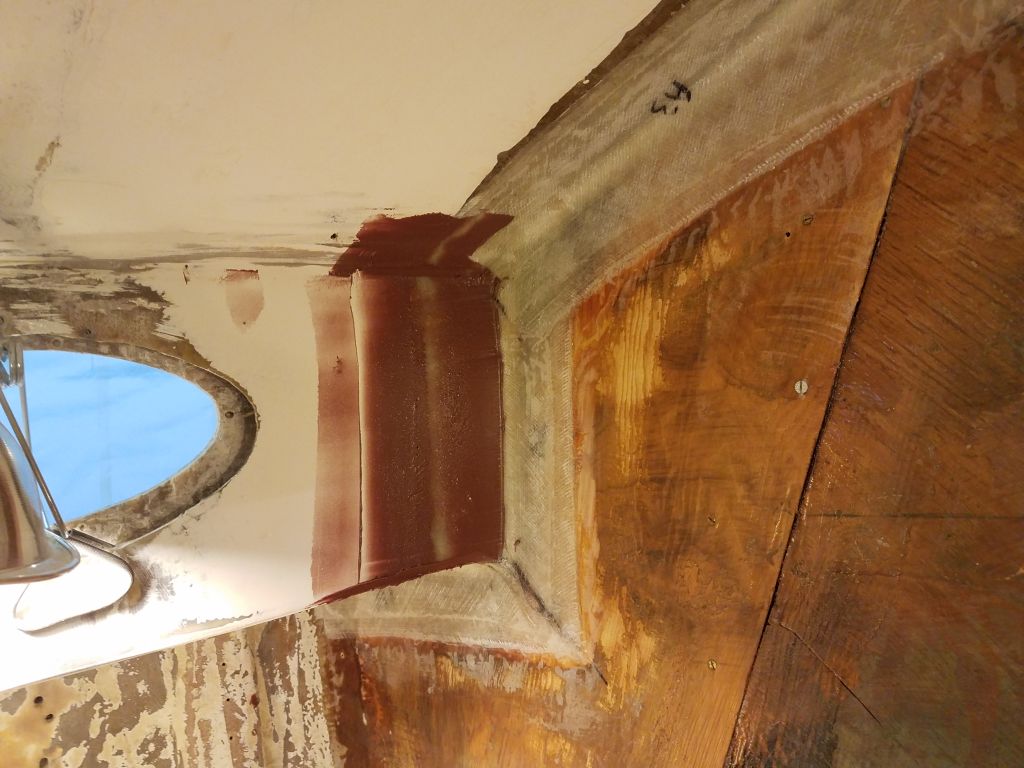
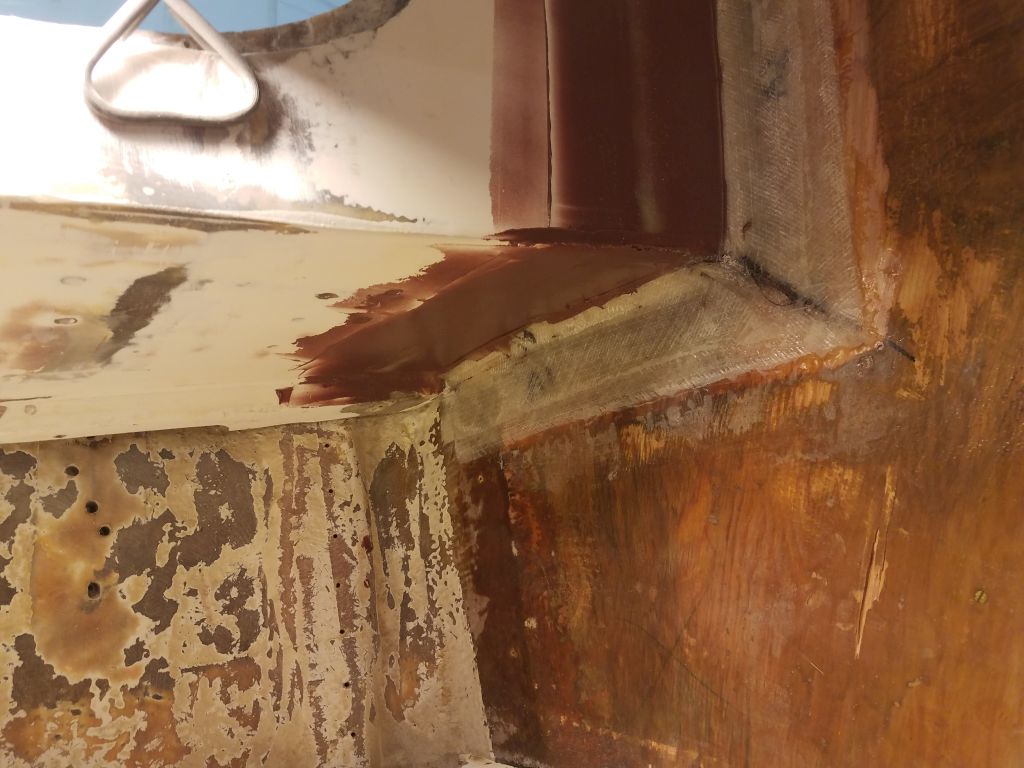
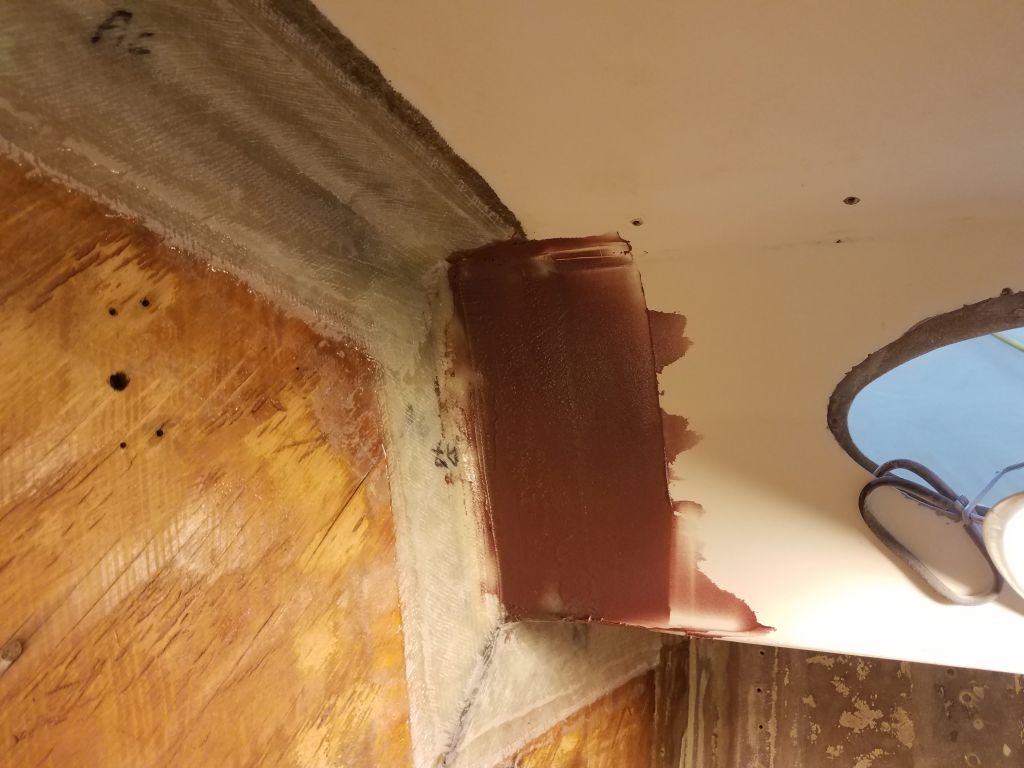
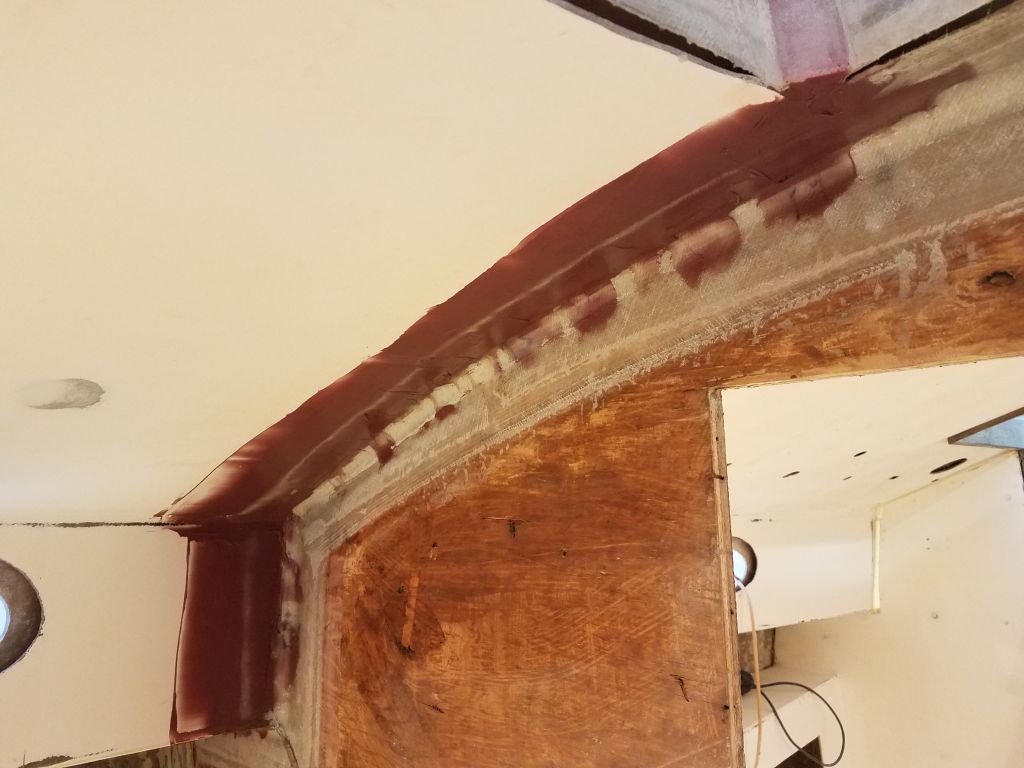
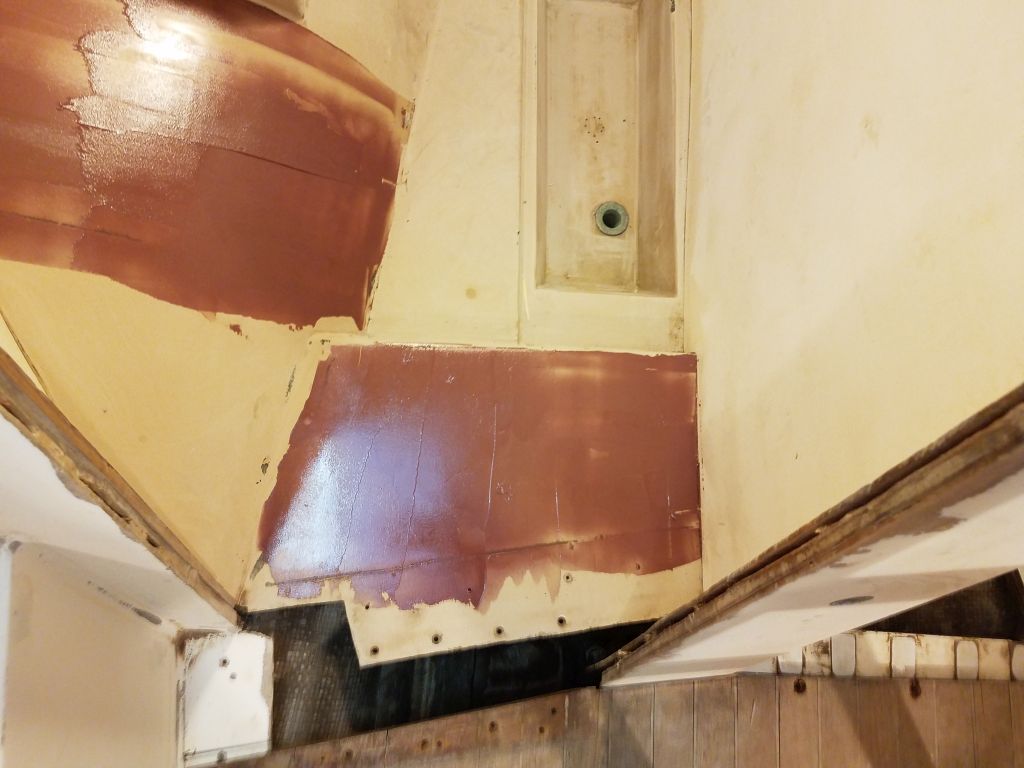
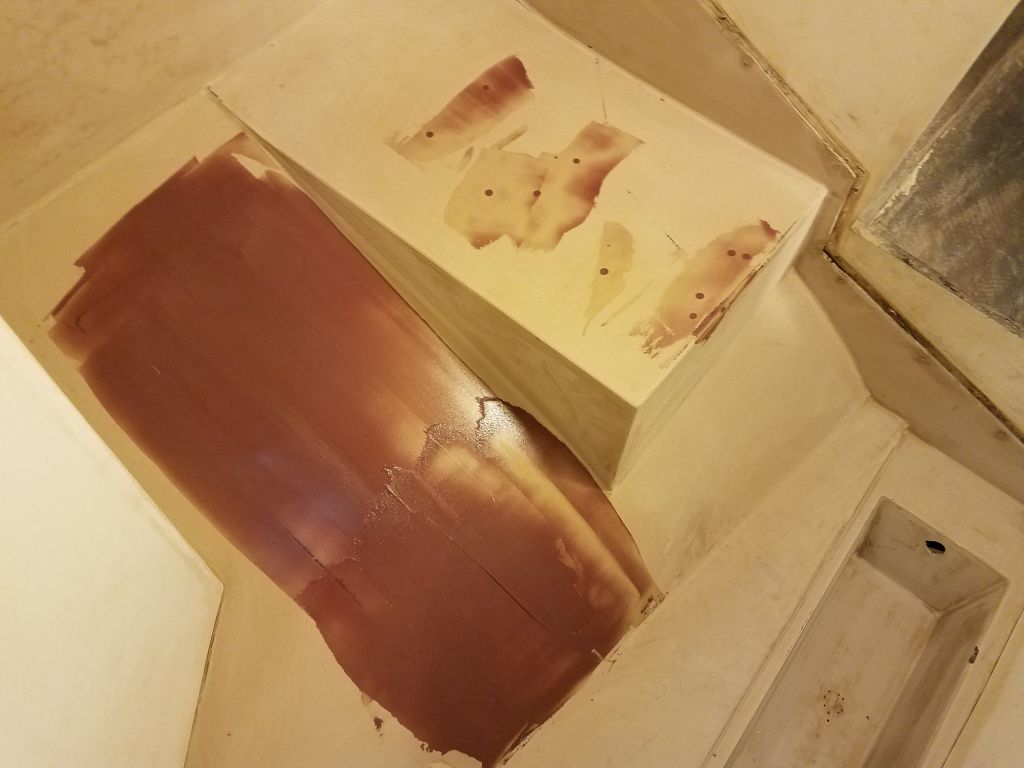
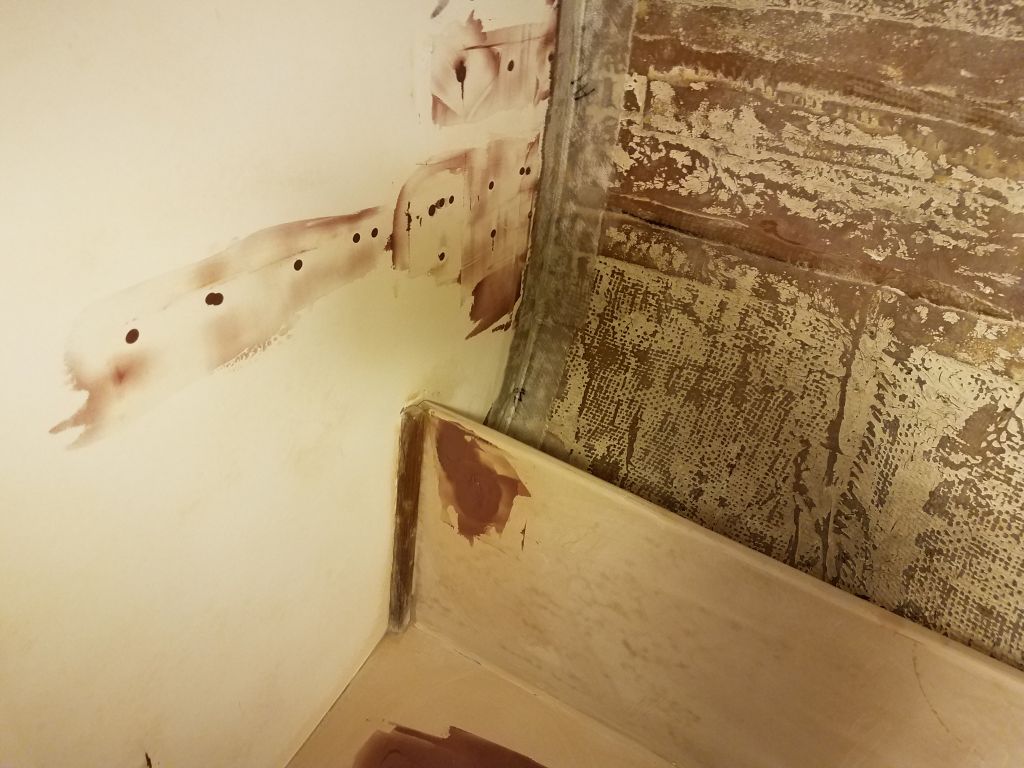
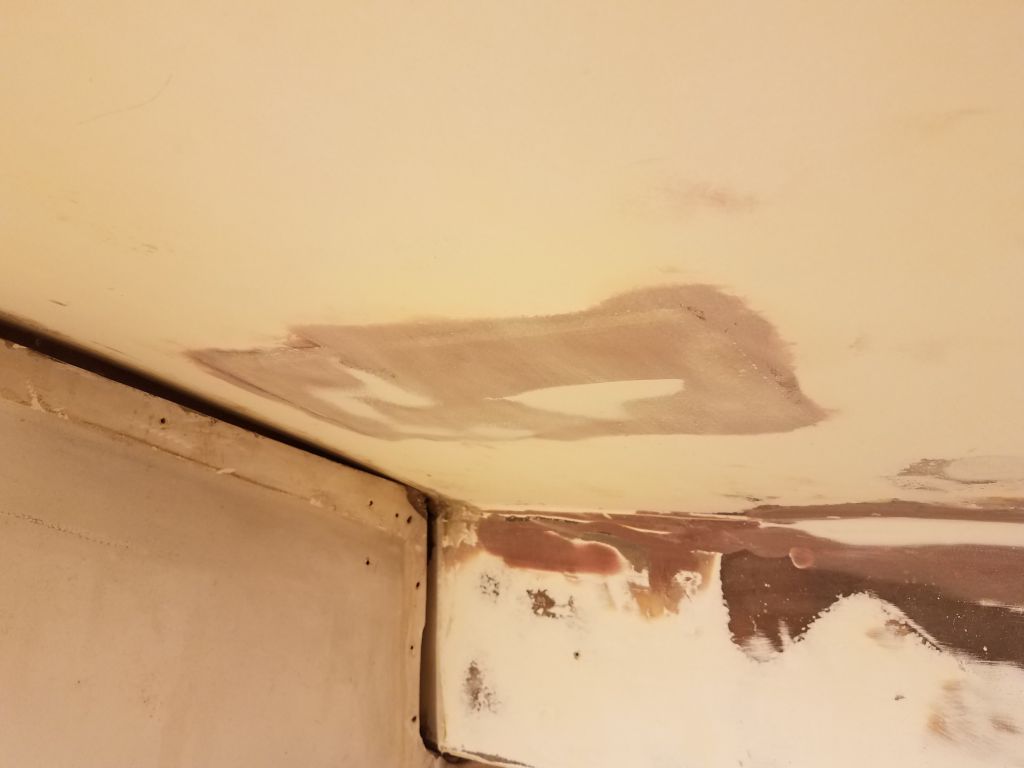
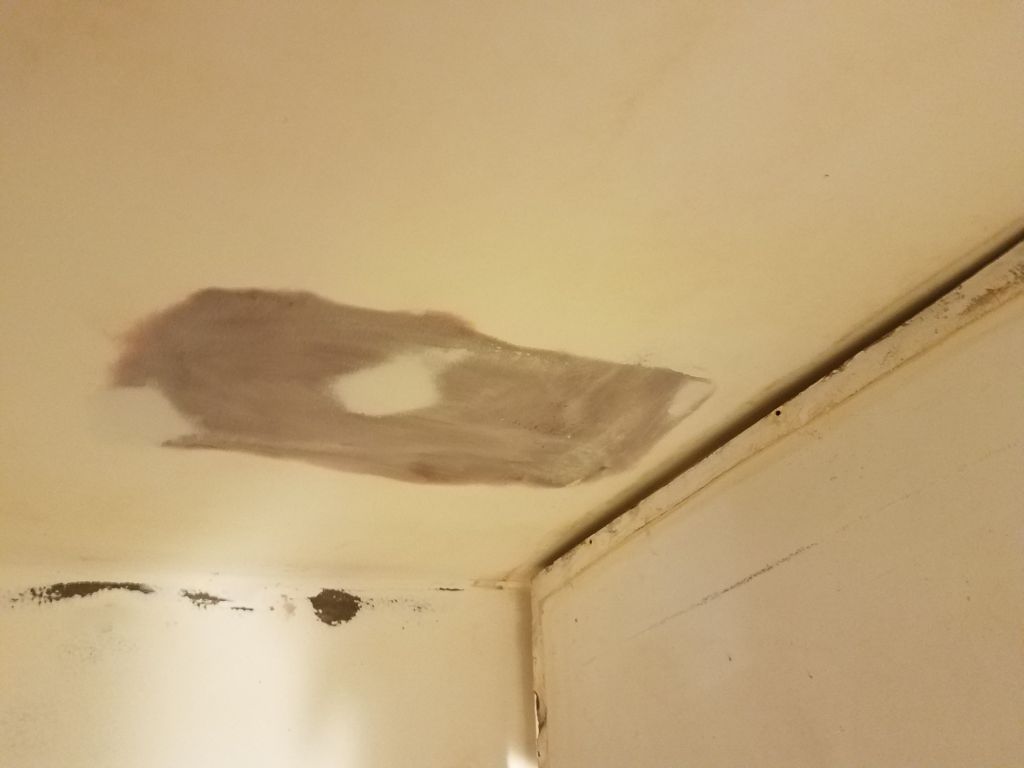
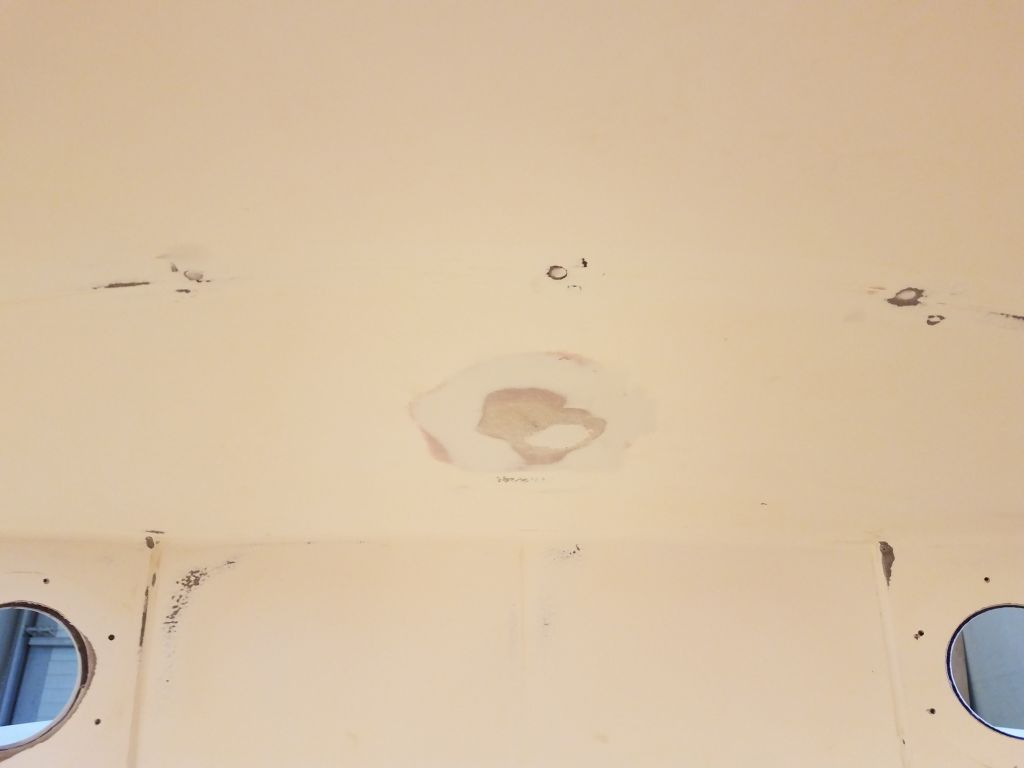
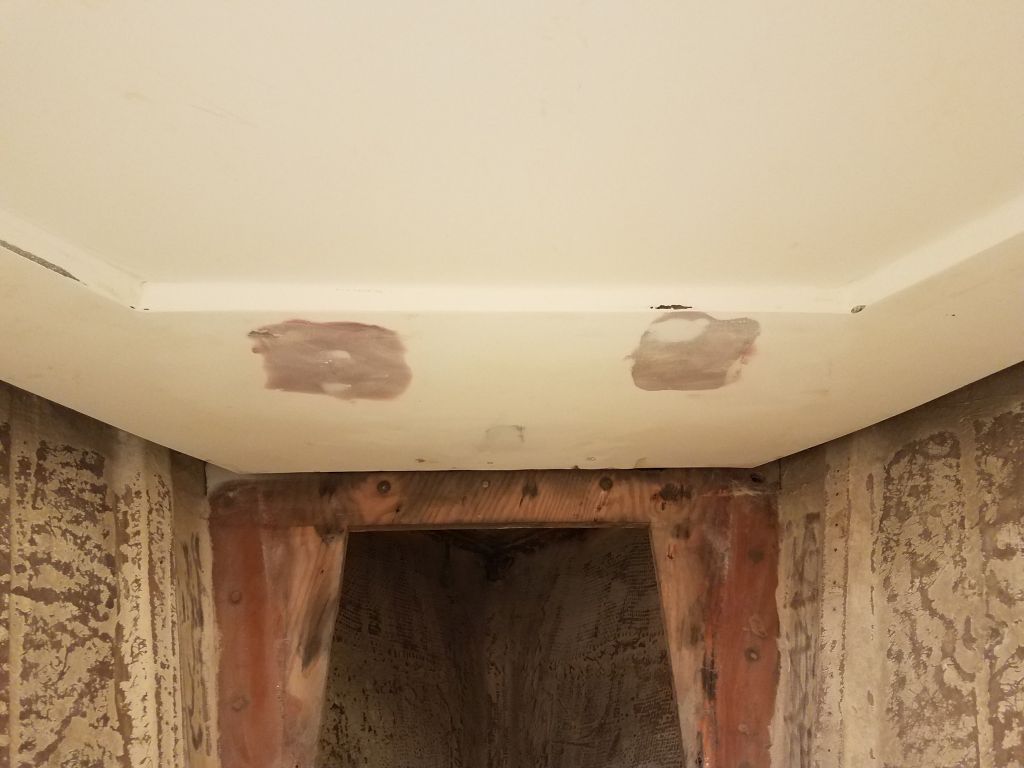
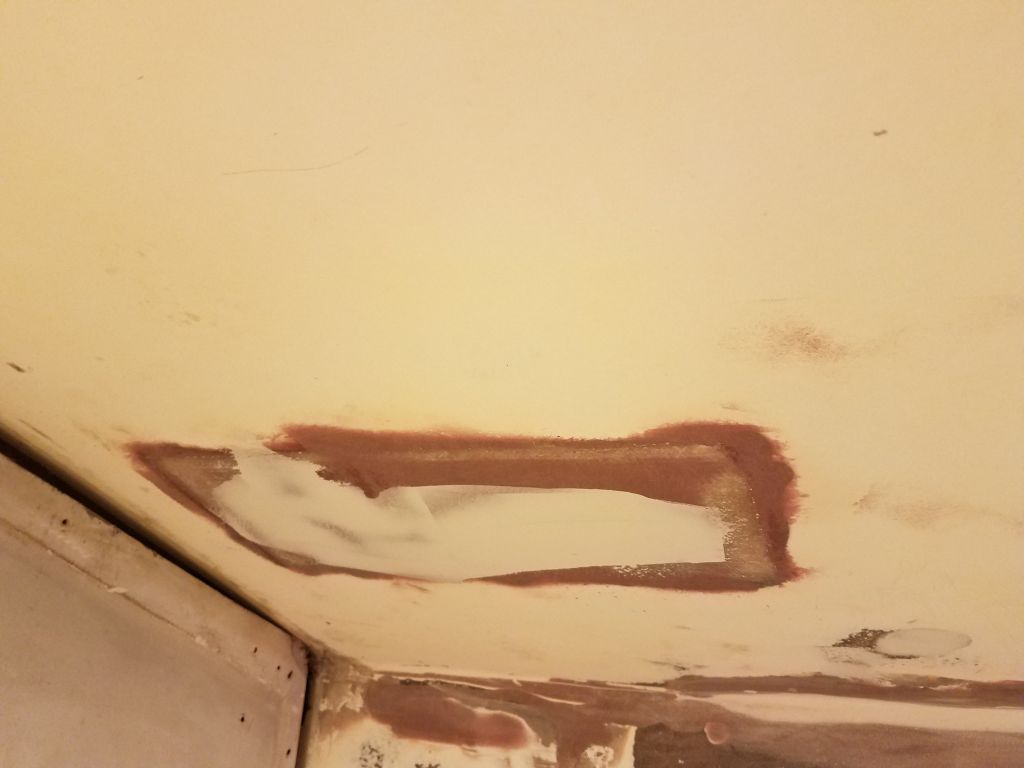
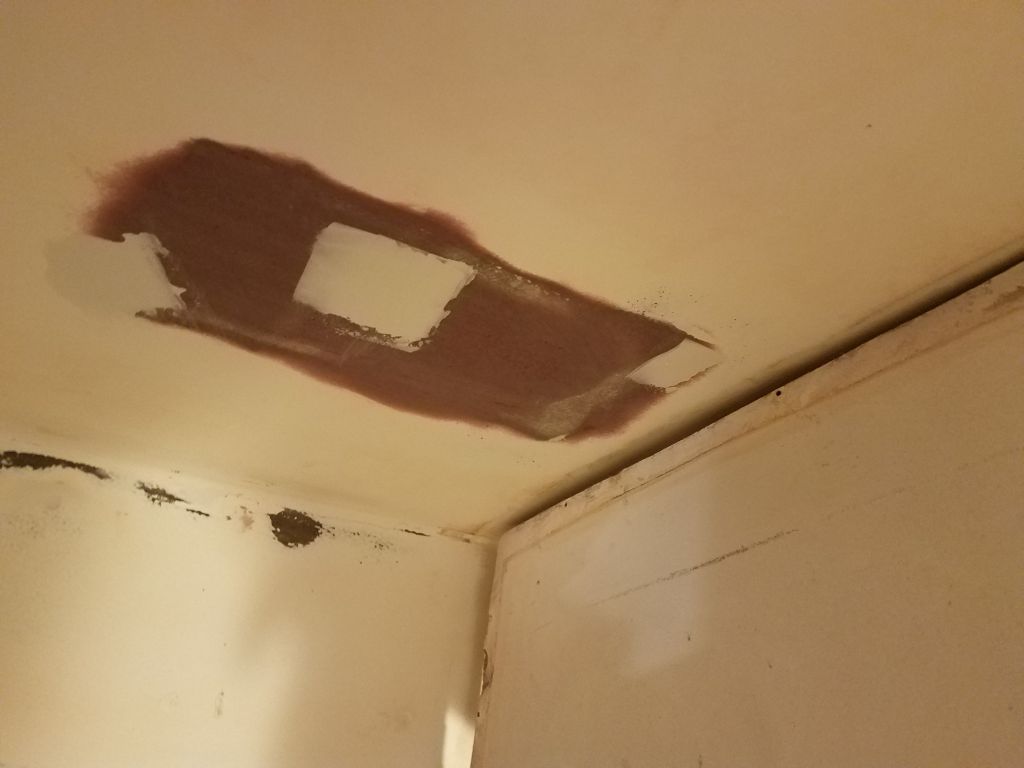
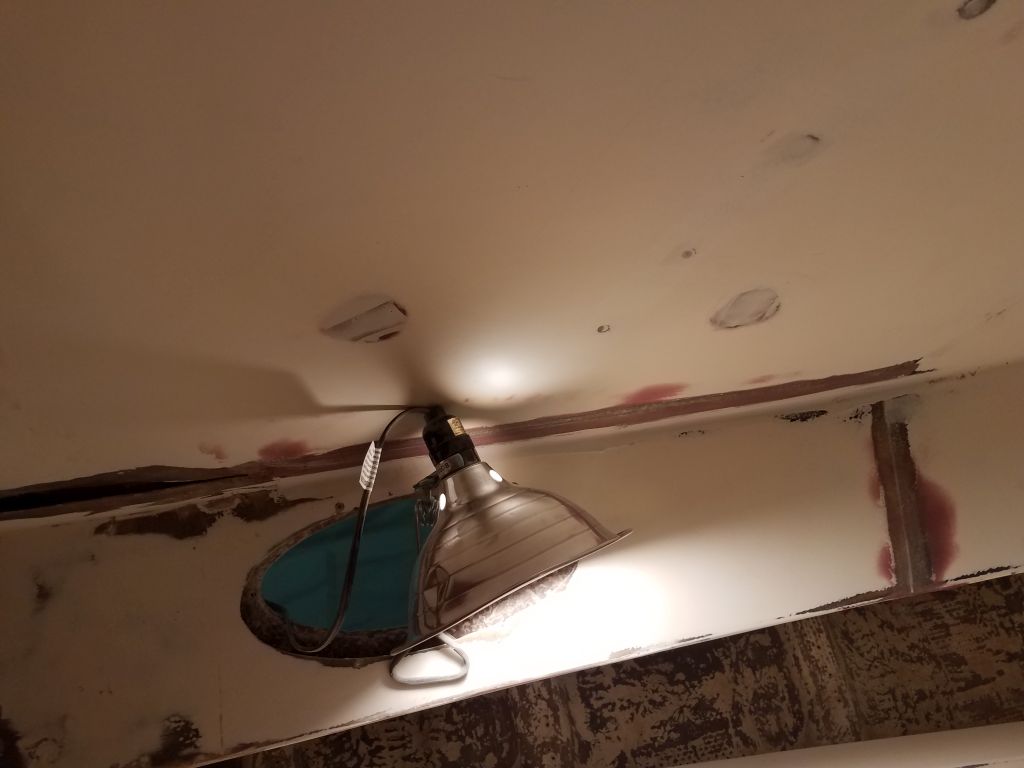
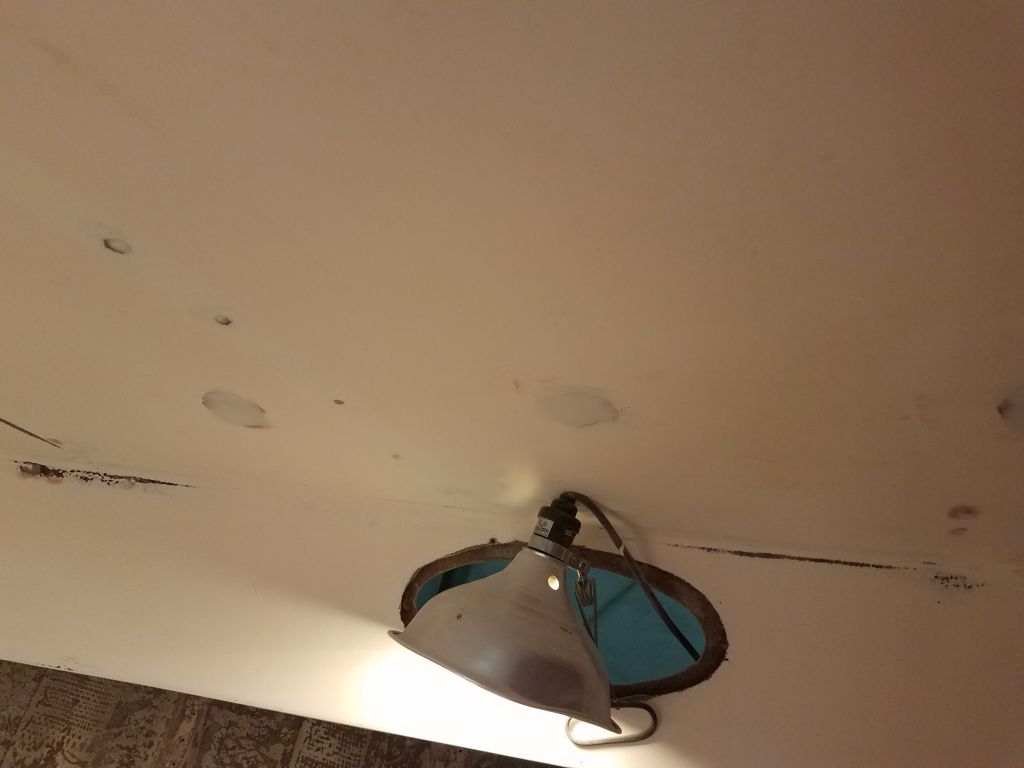
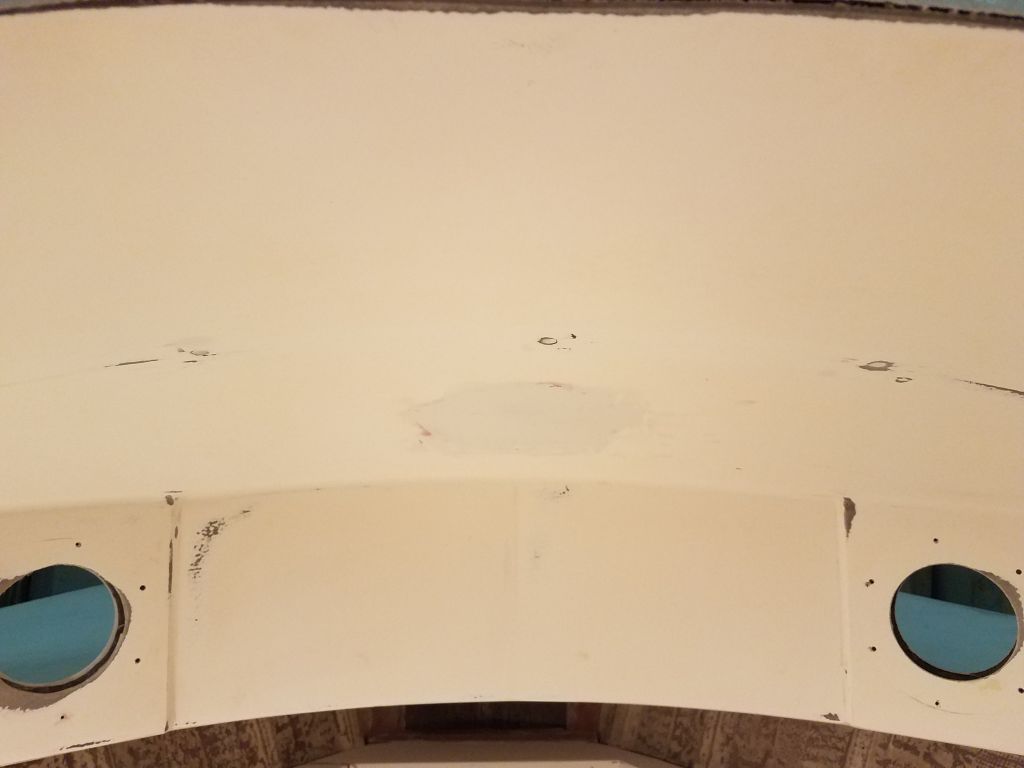
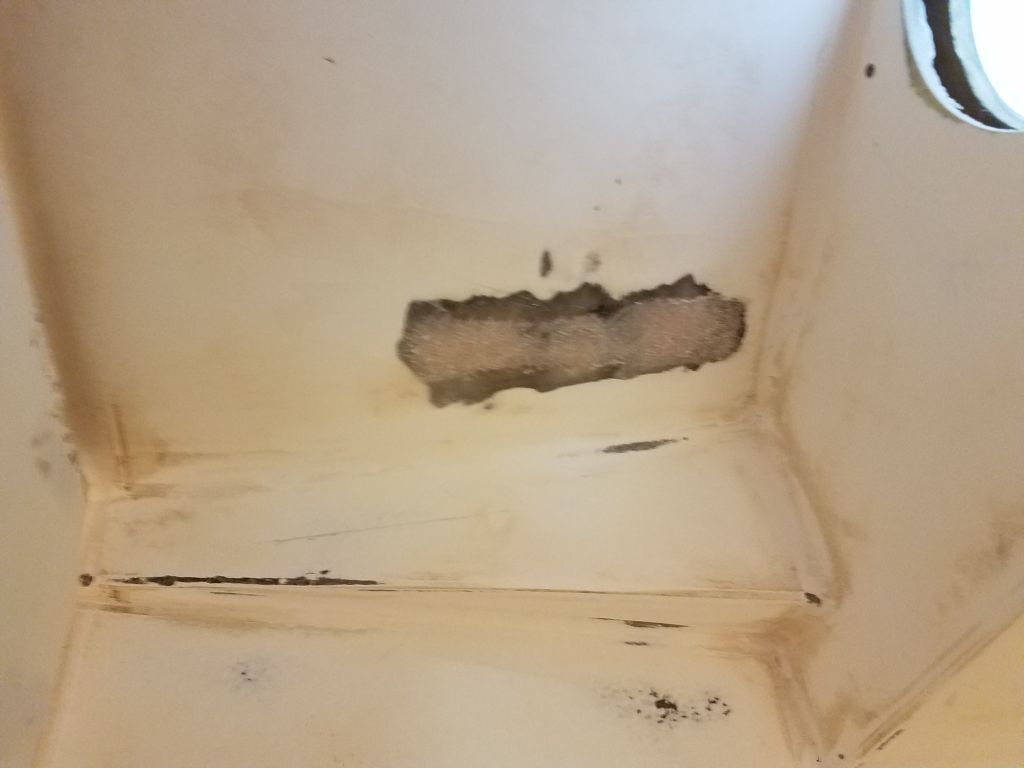
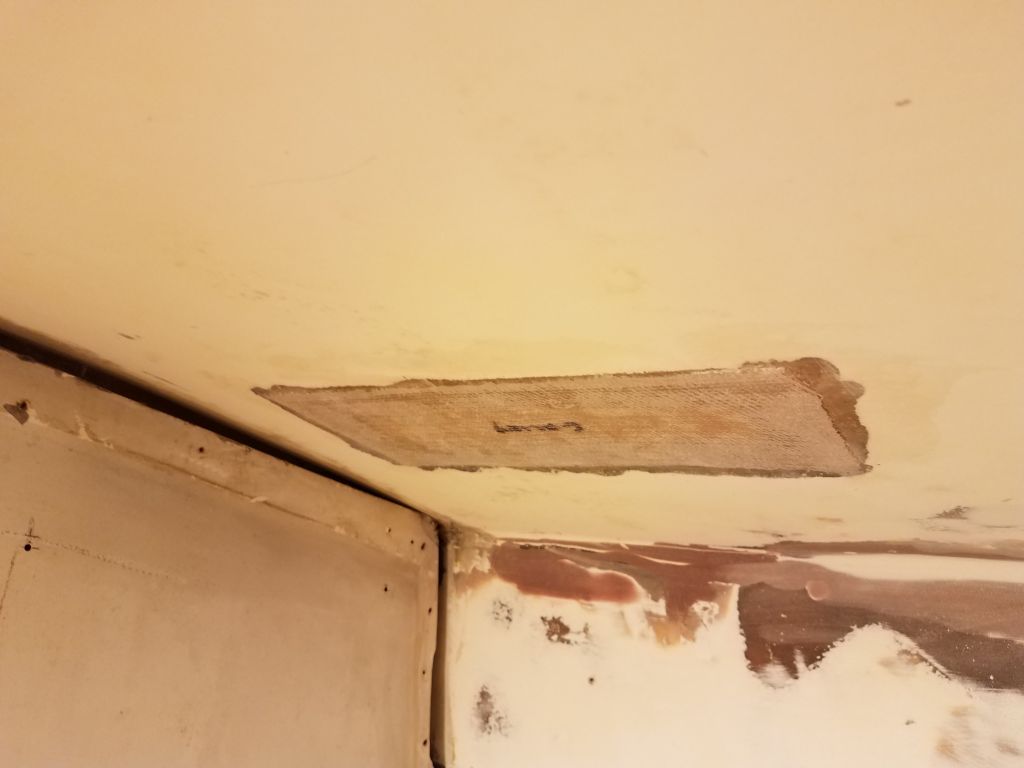
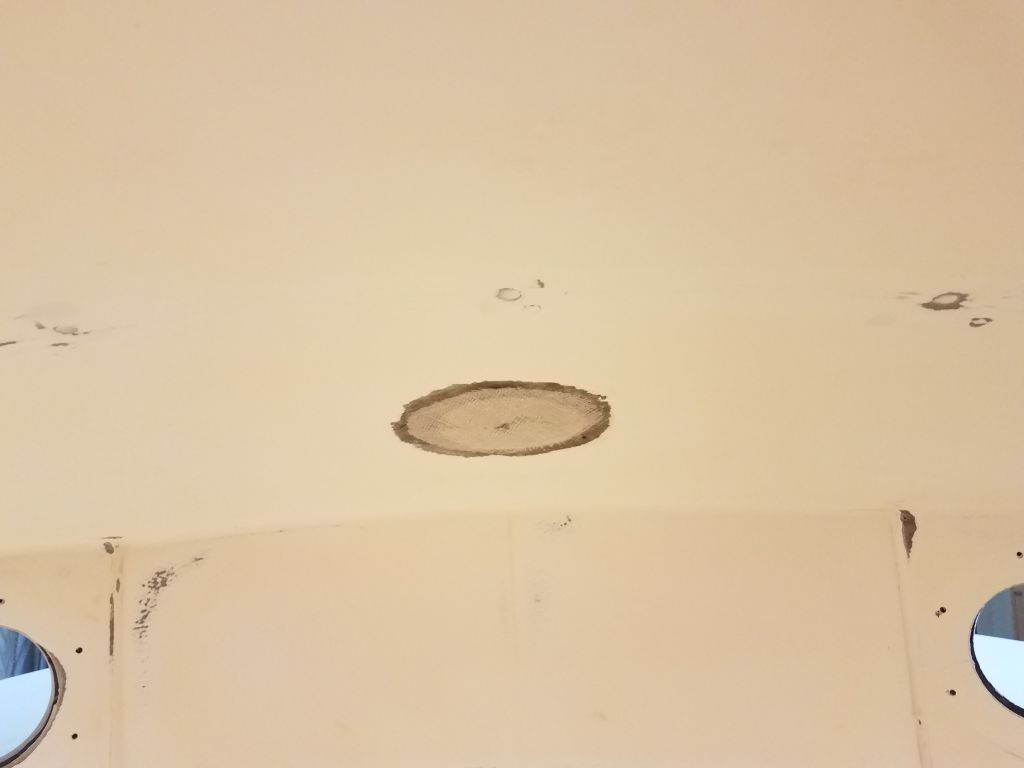
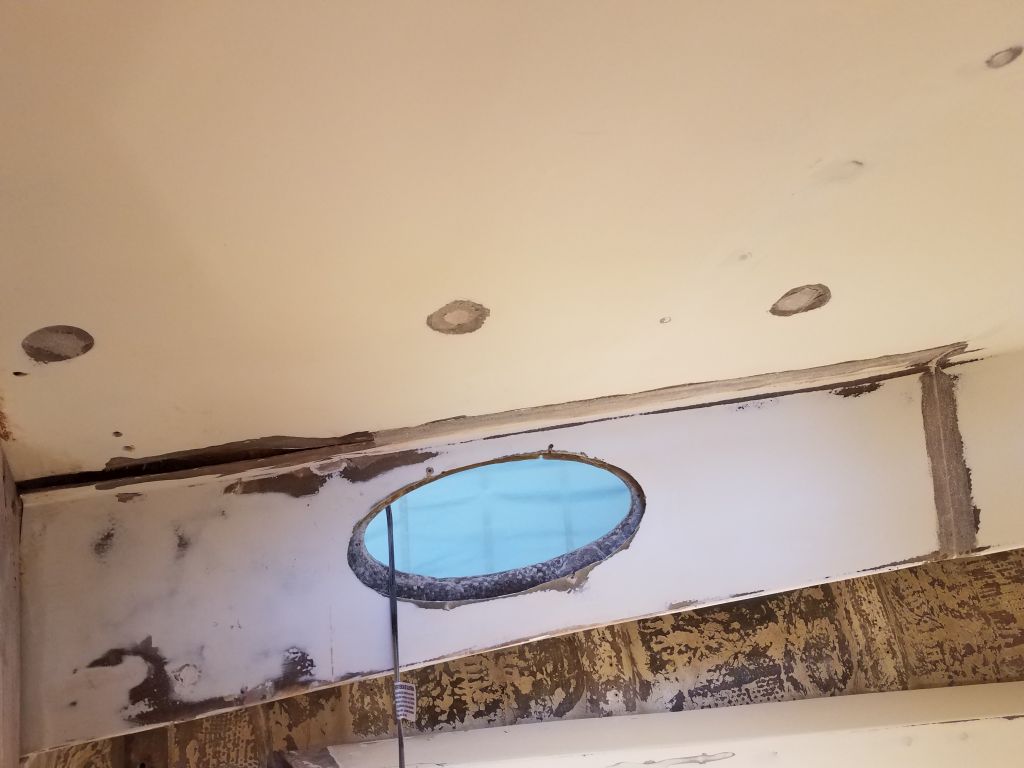
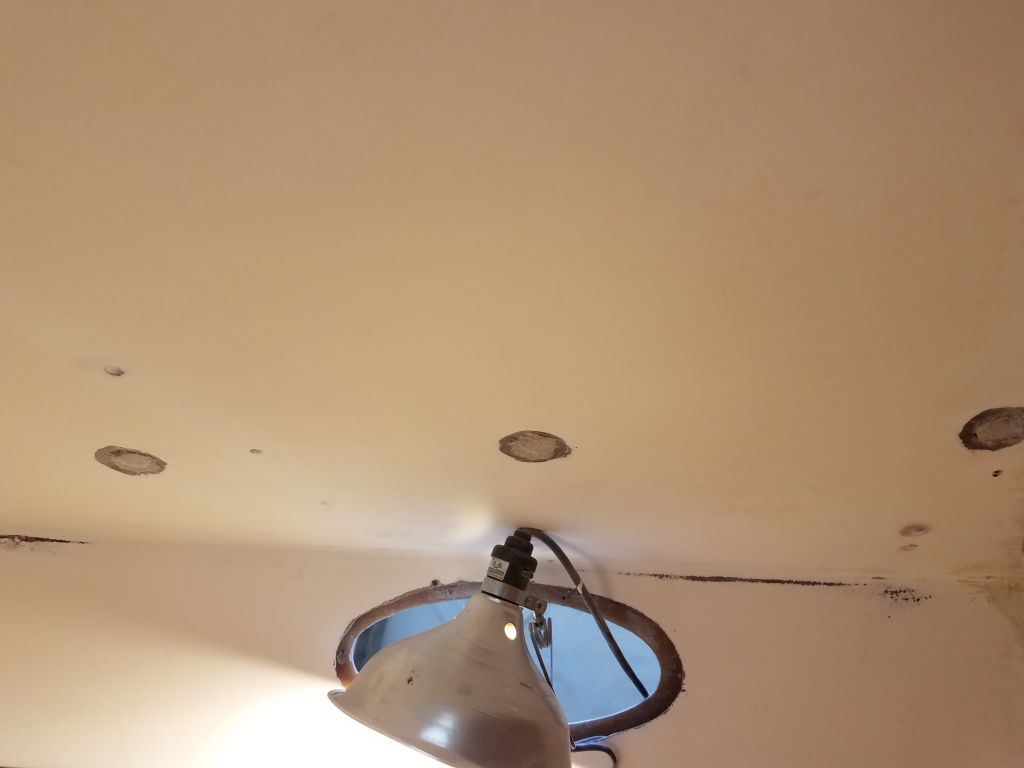
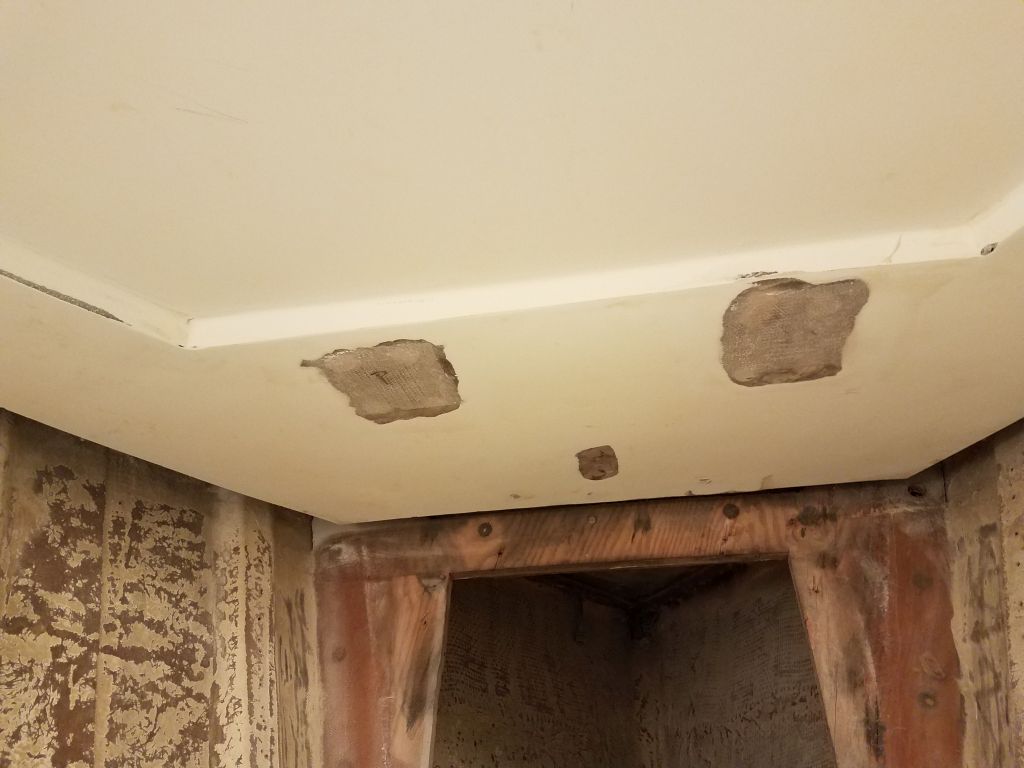
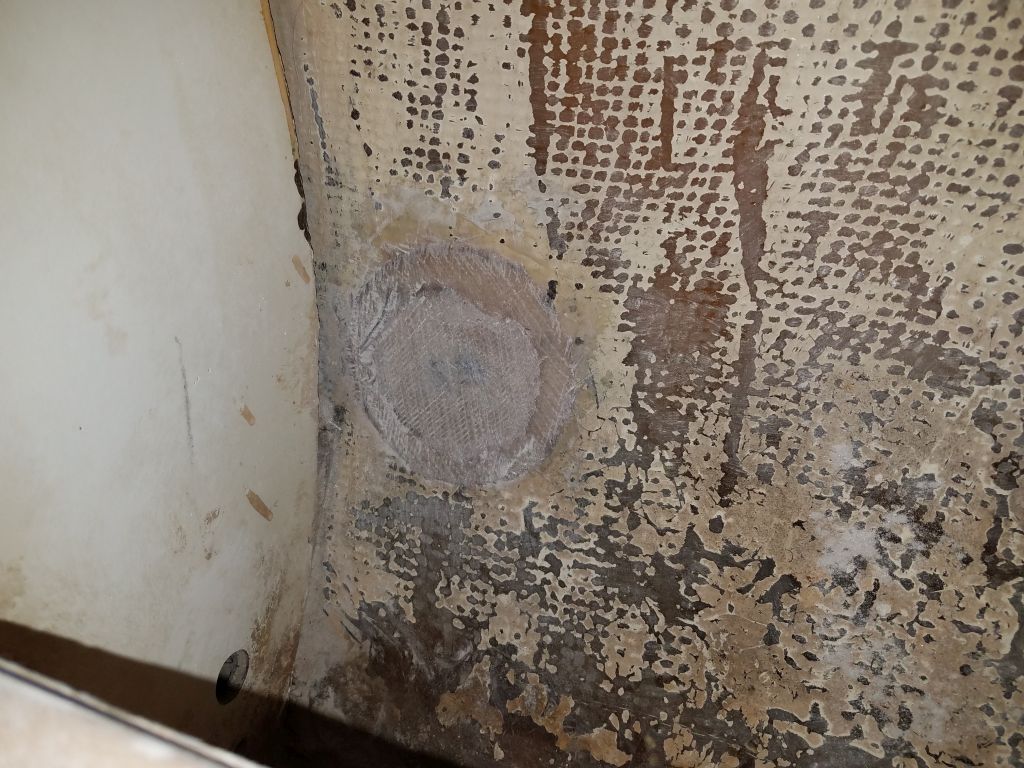
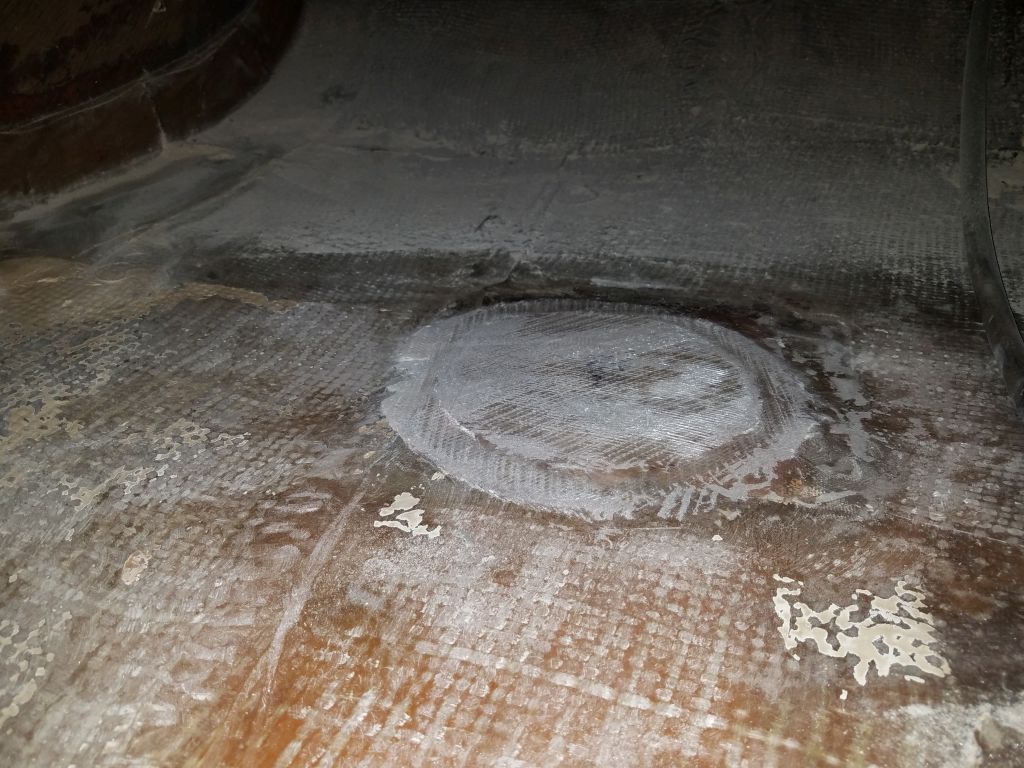
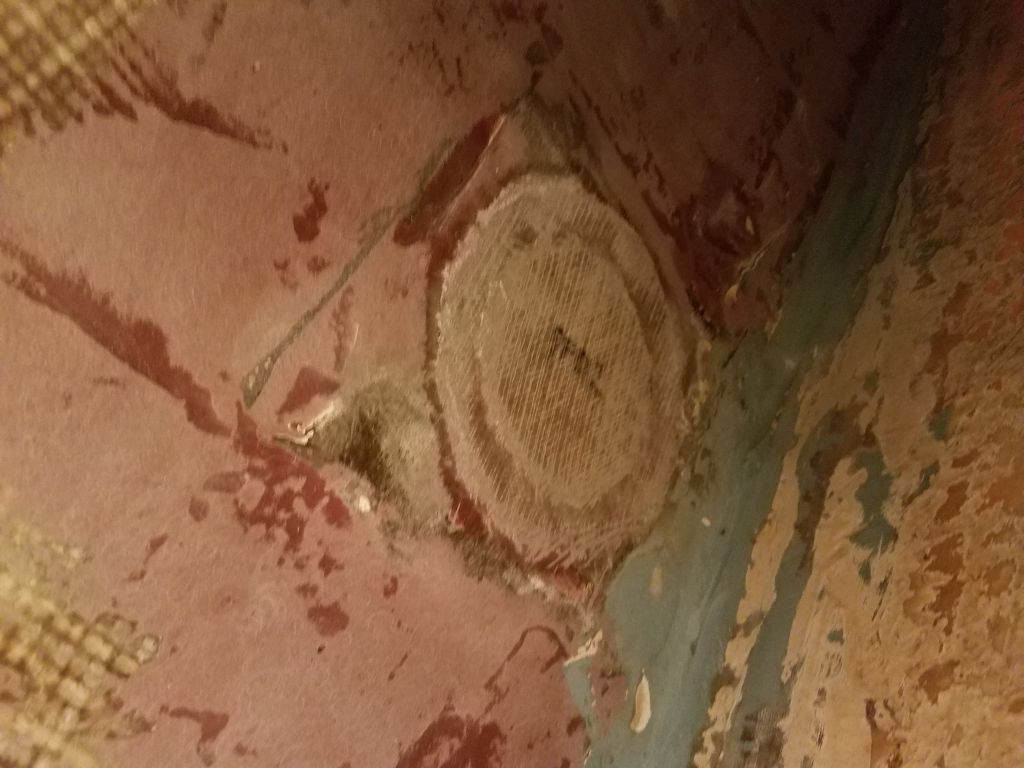
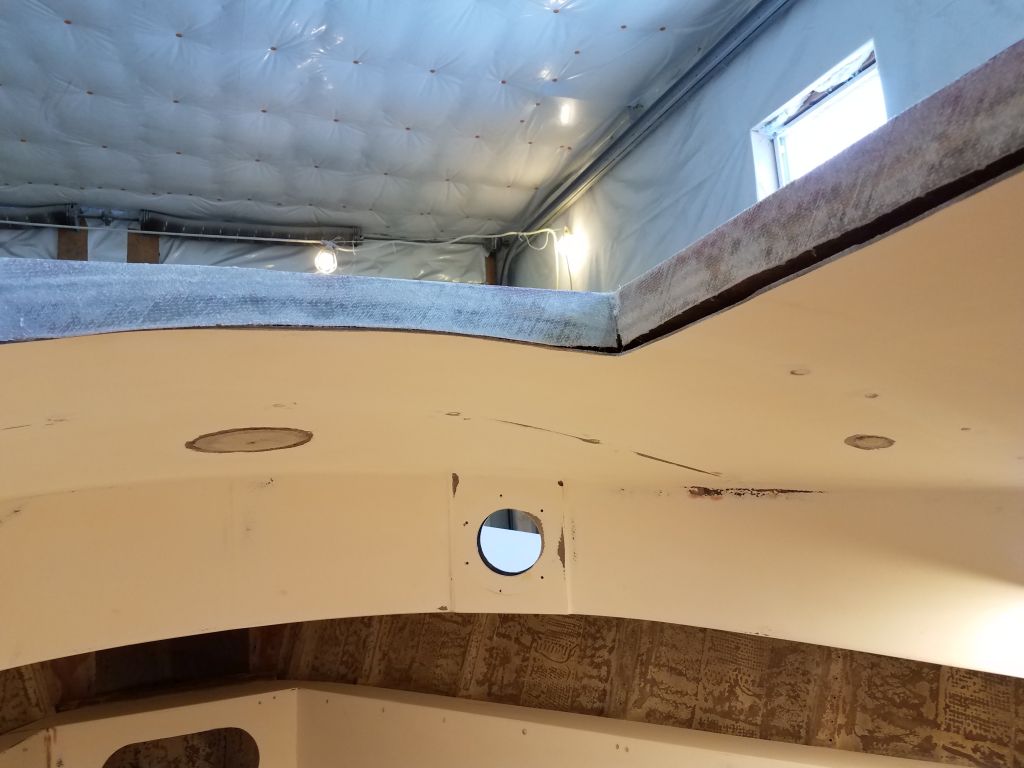
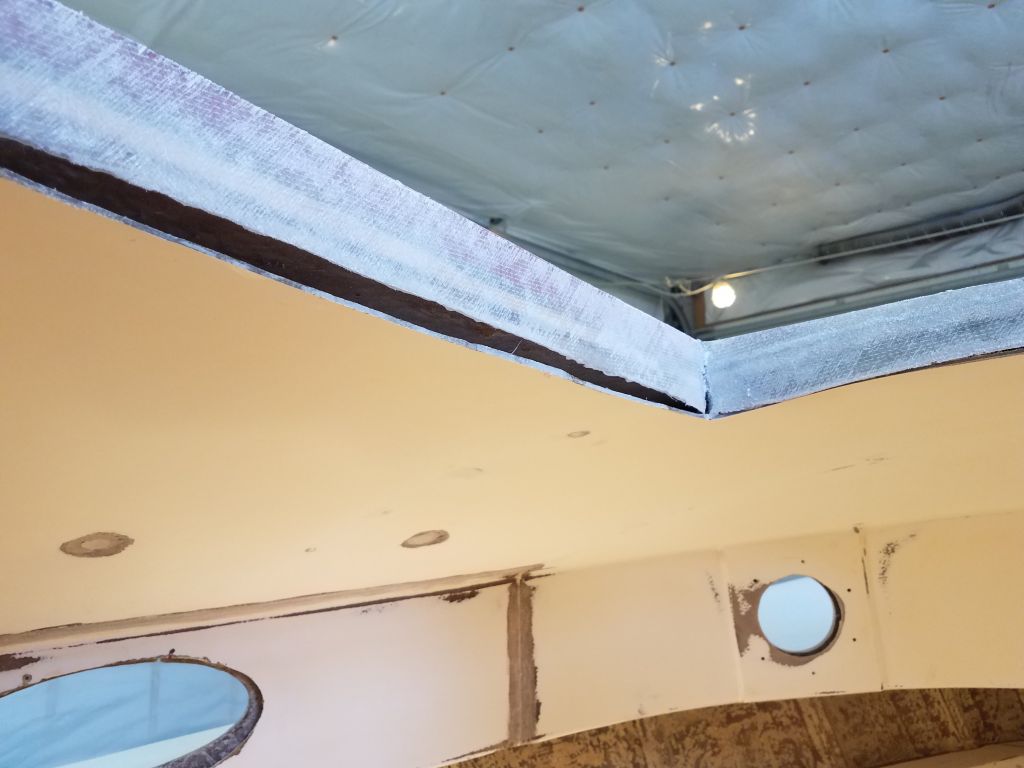
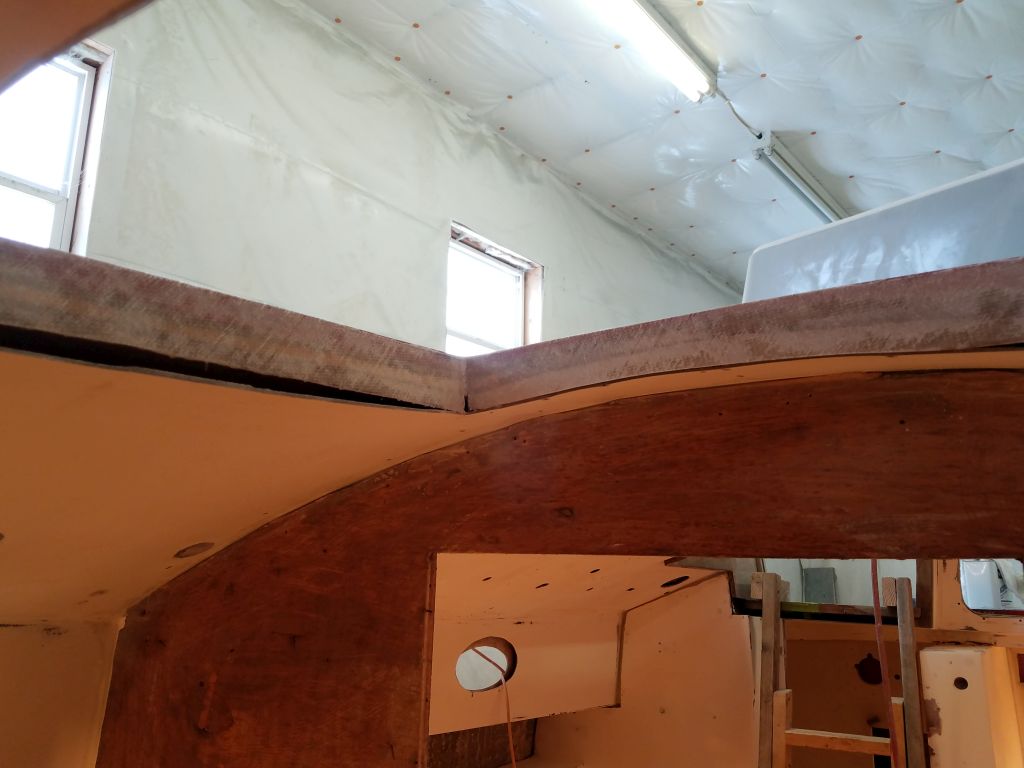
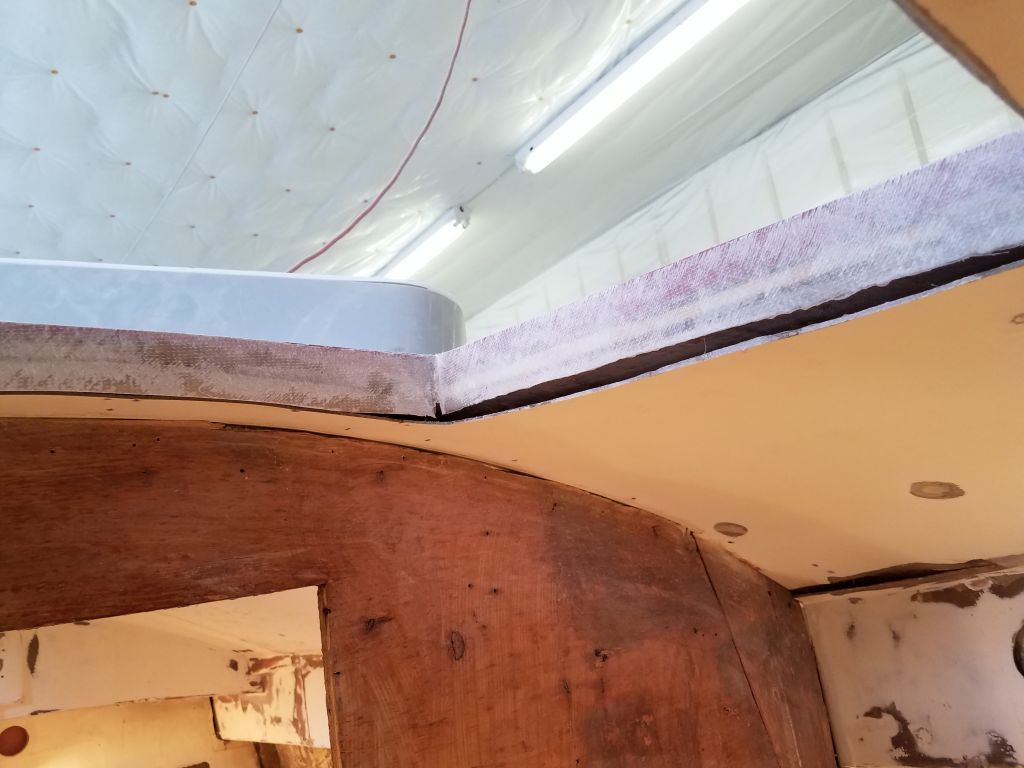
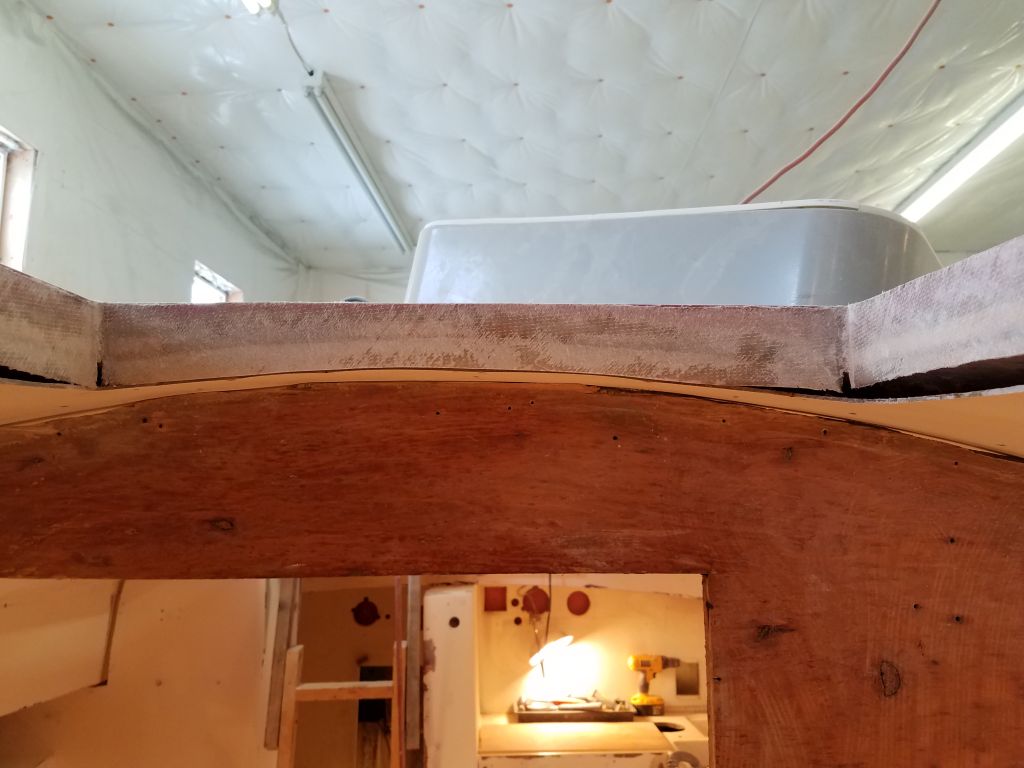
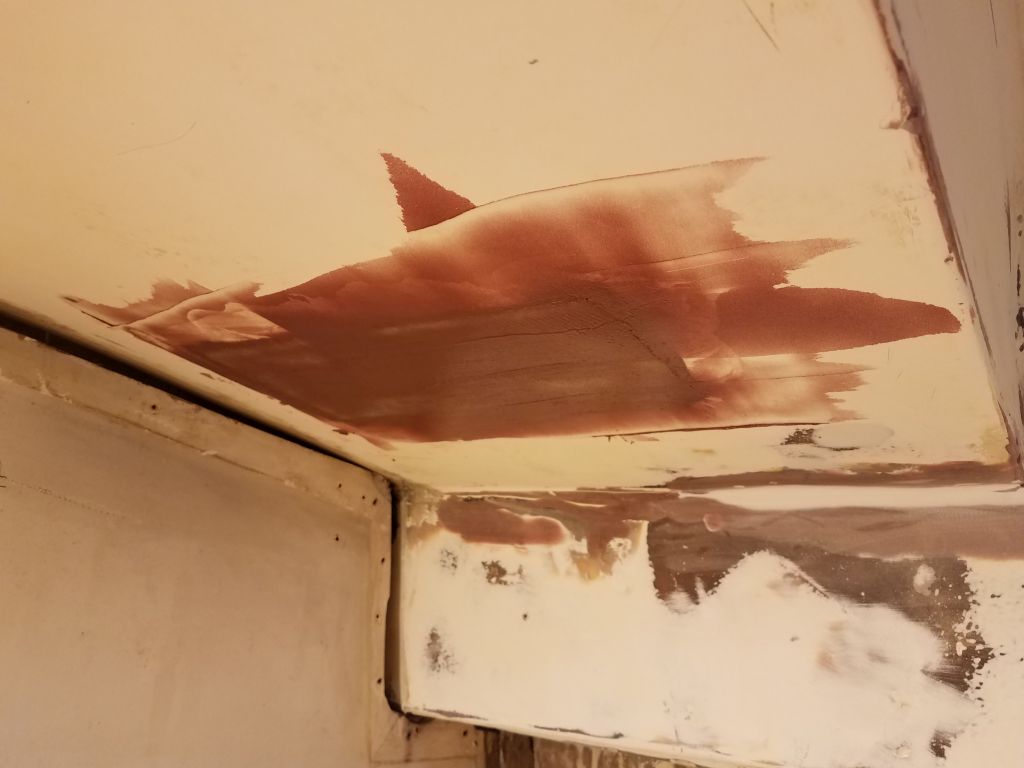
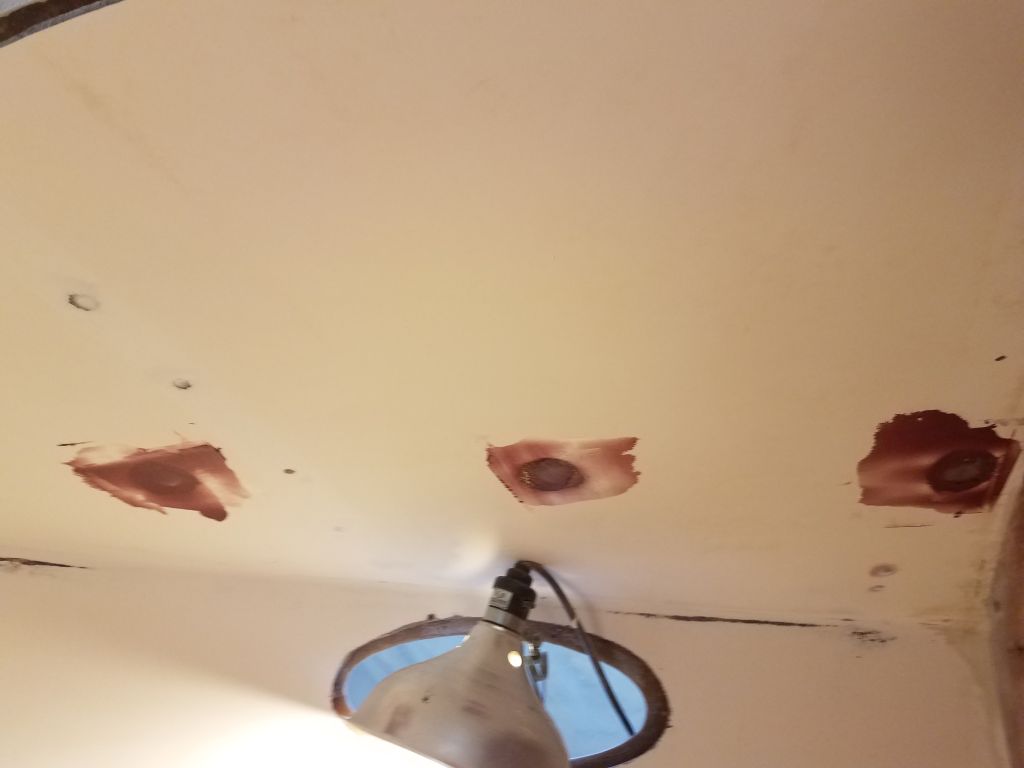
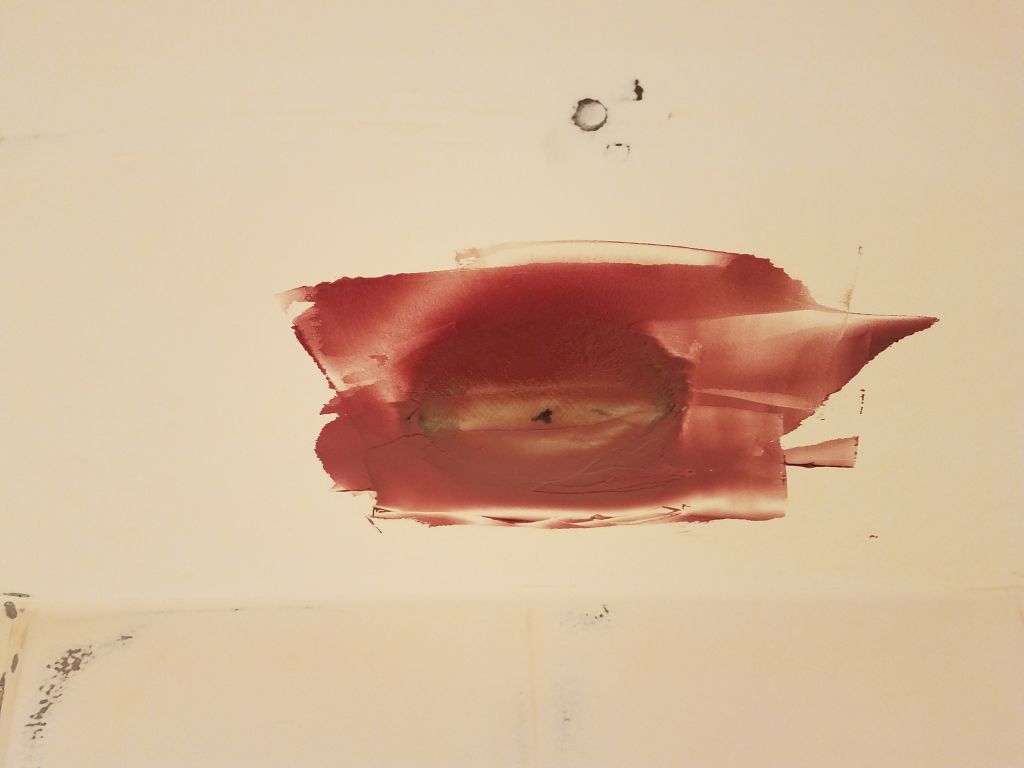
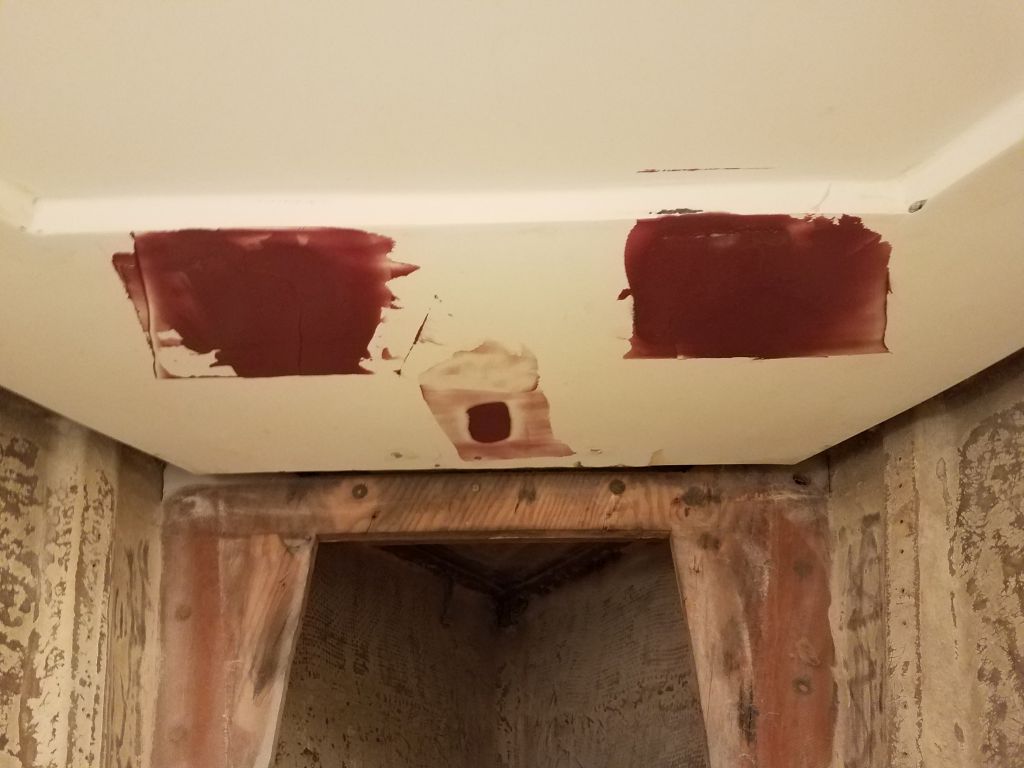
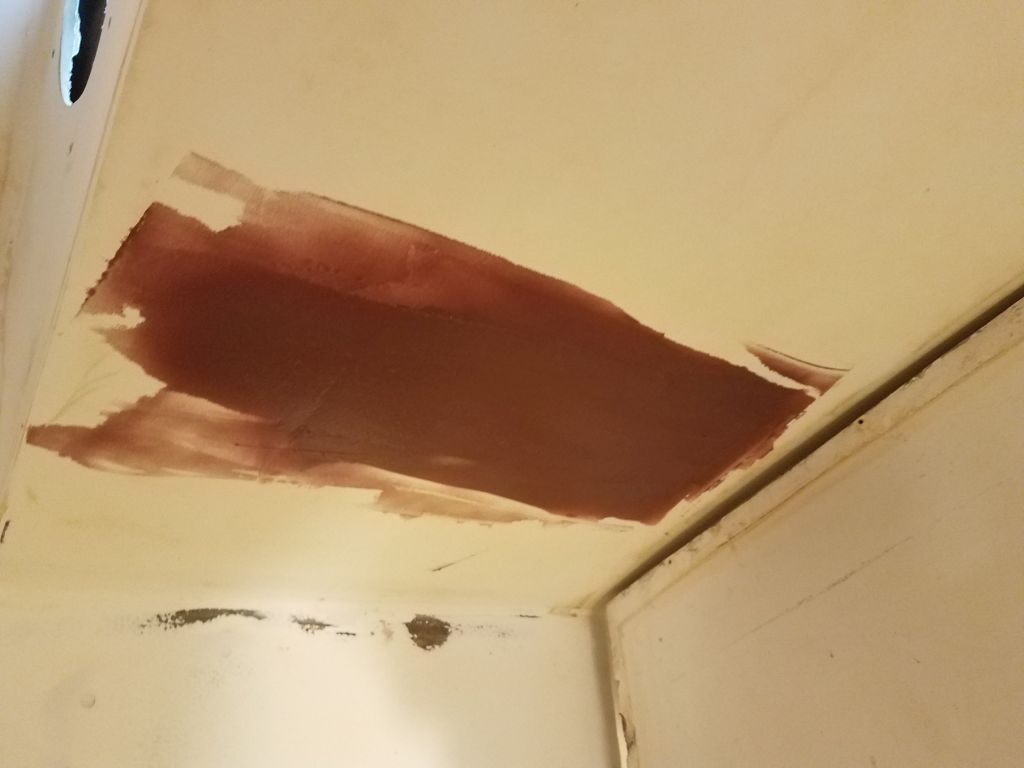
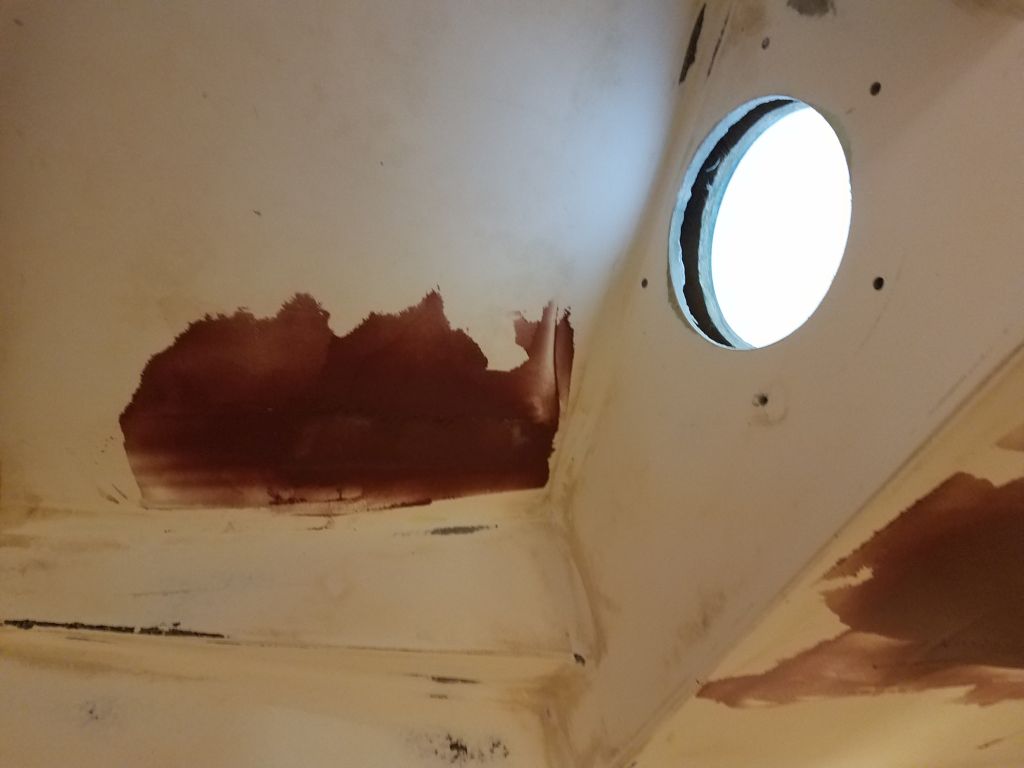
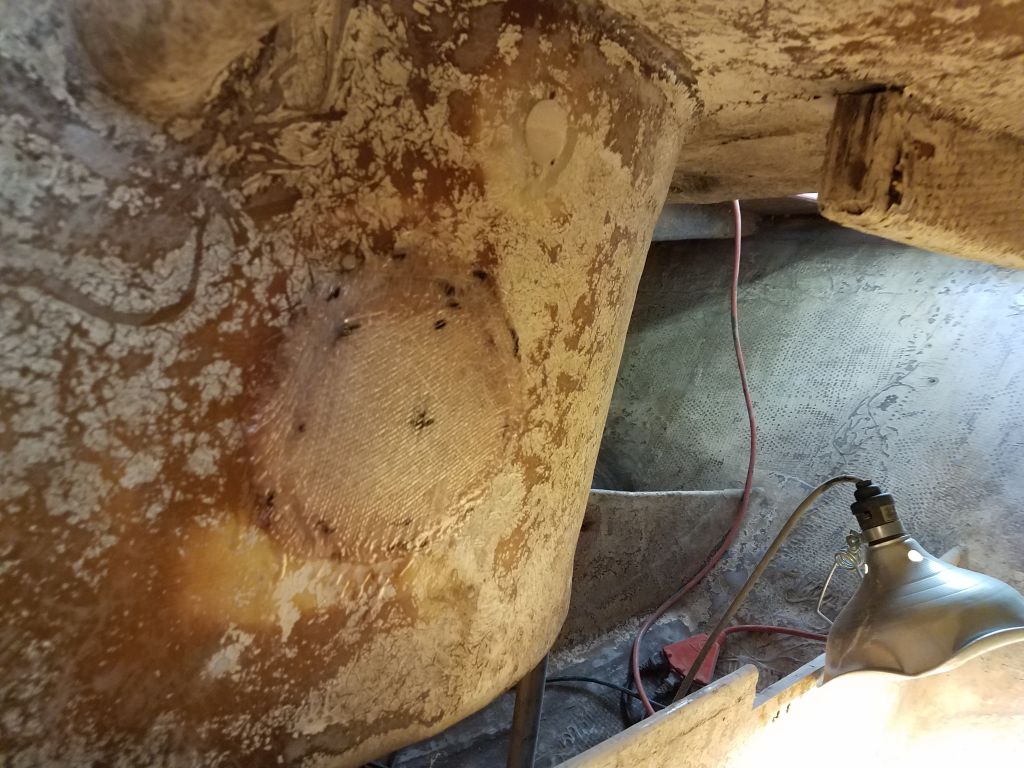
In the overhead in the galley and head, I filled the shallow voids left from the deck prism patches I’d installed on the deck side during the bridgedeck recore with a strengthened epoxy mixture, bringing the center areas flush with the surrounding fiberglass that I’d prepared.  Similarly, I filled some larger fastener holes beneath the foredeck and in the head with the mixture as well, preparing these areas for a layer of fiberglass that would come soon.

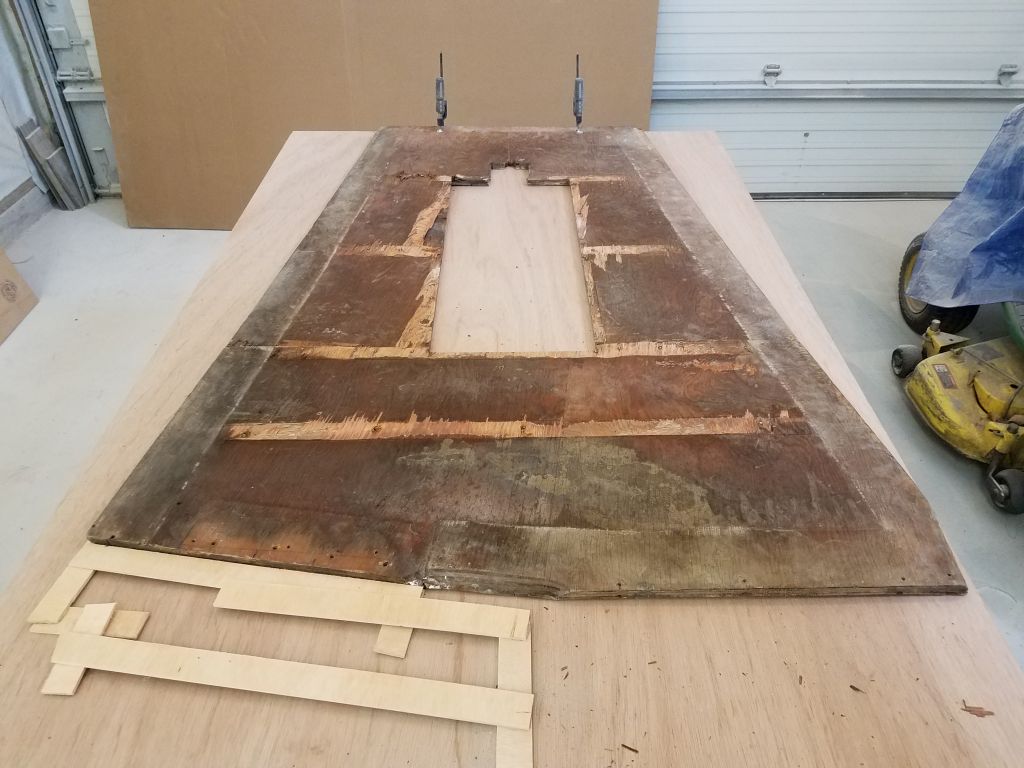
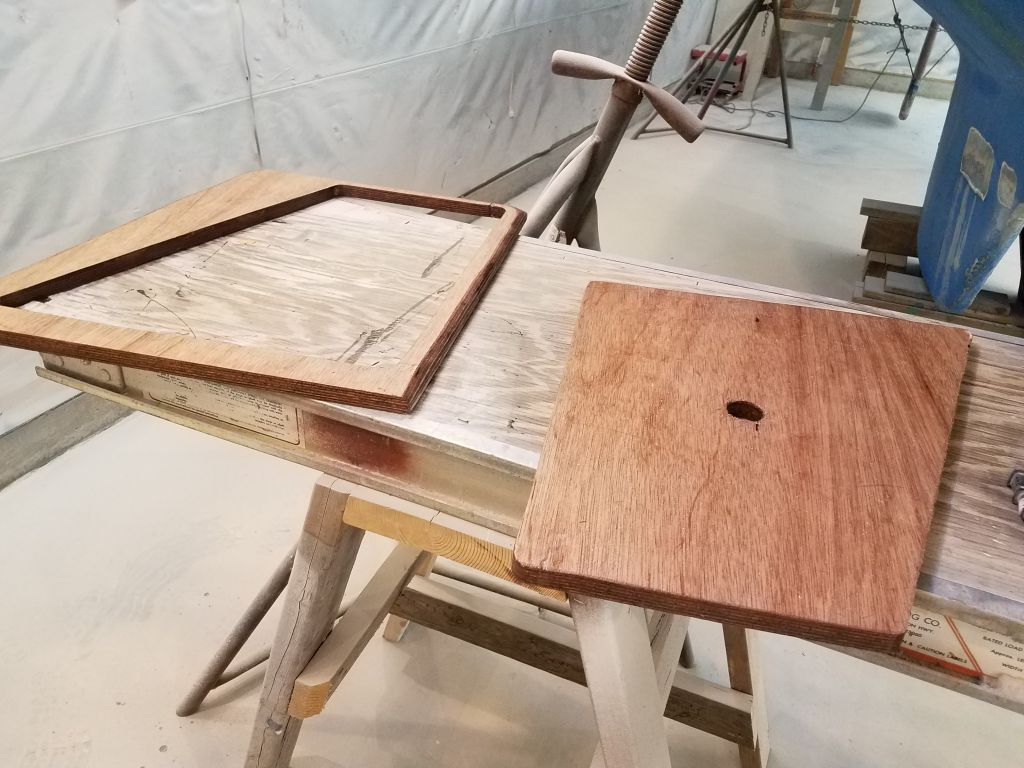
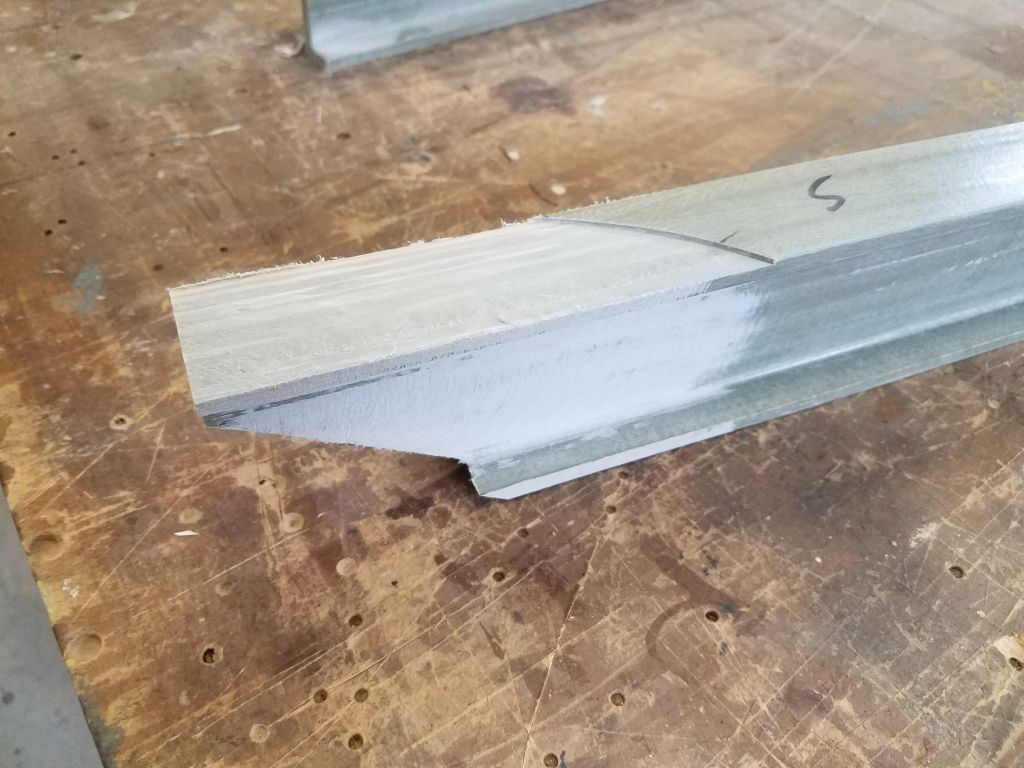
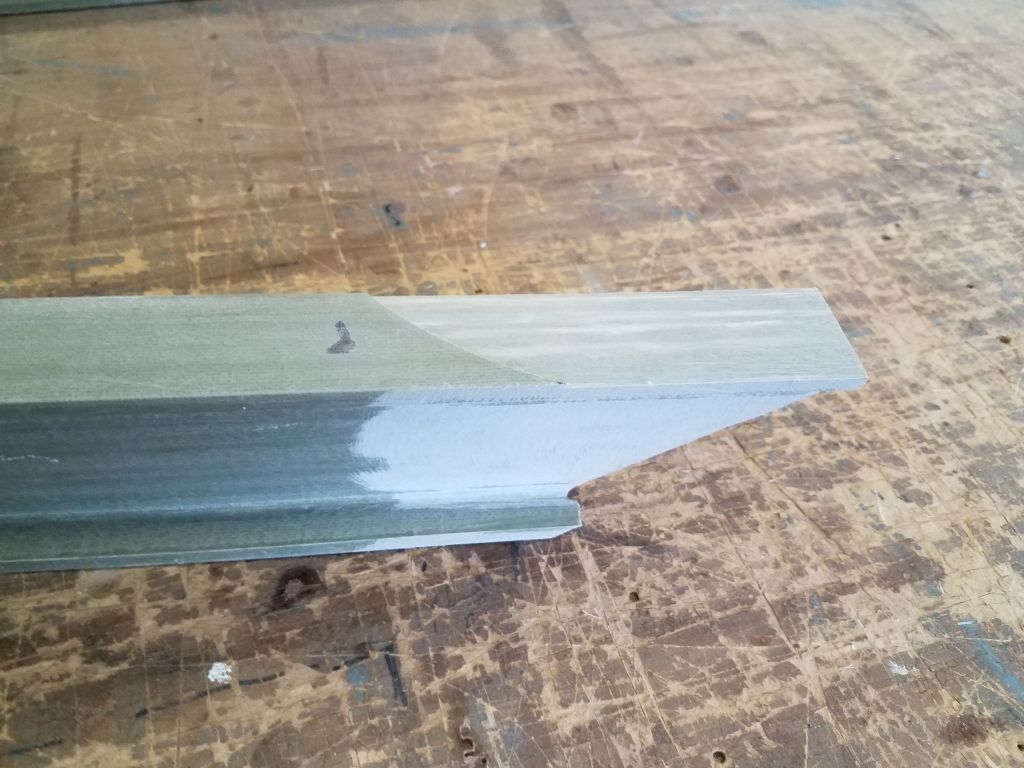
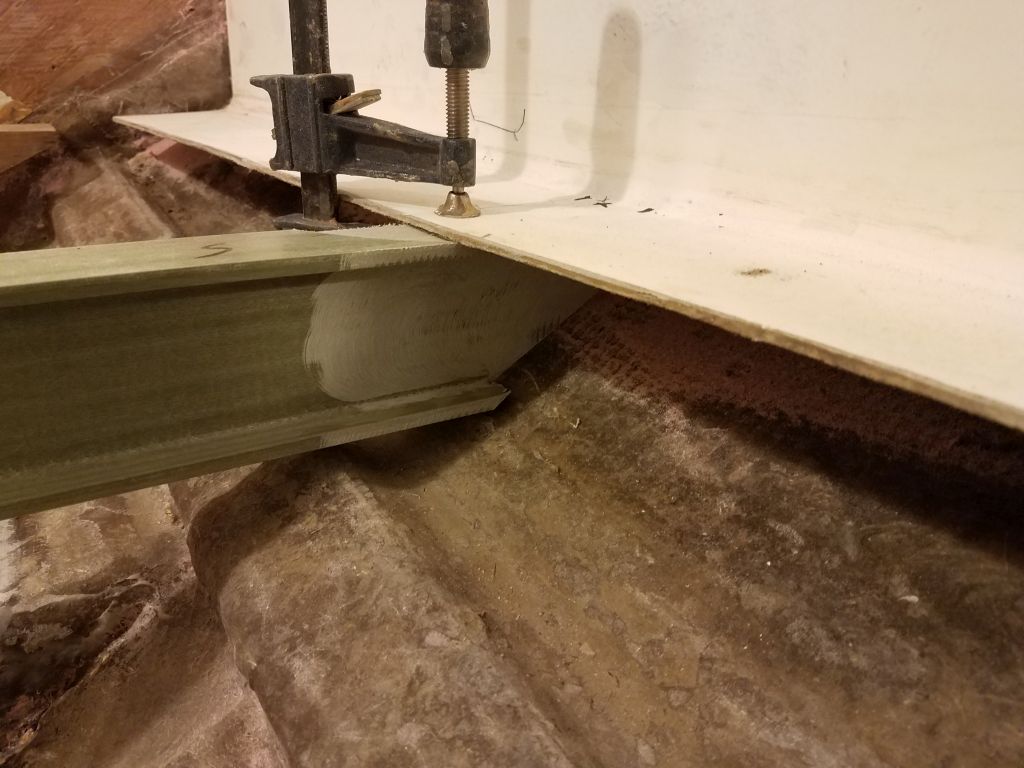
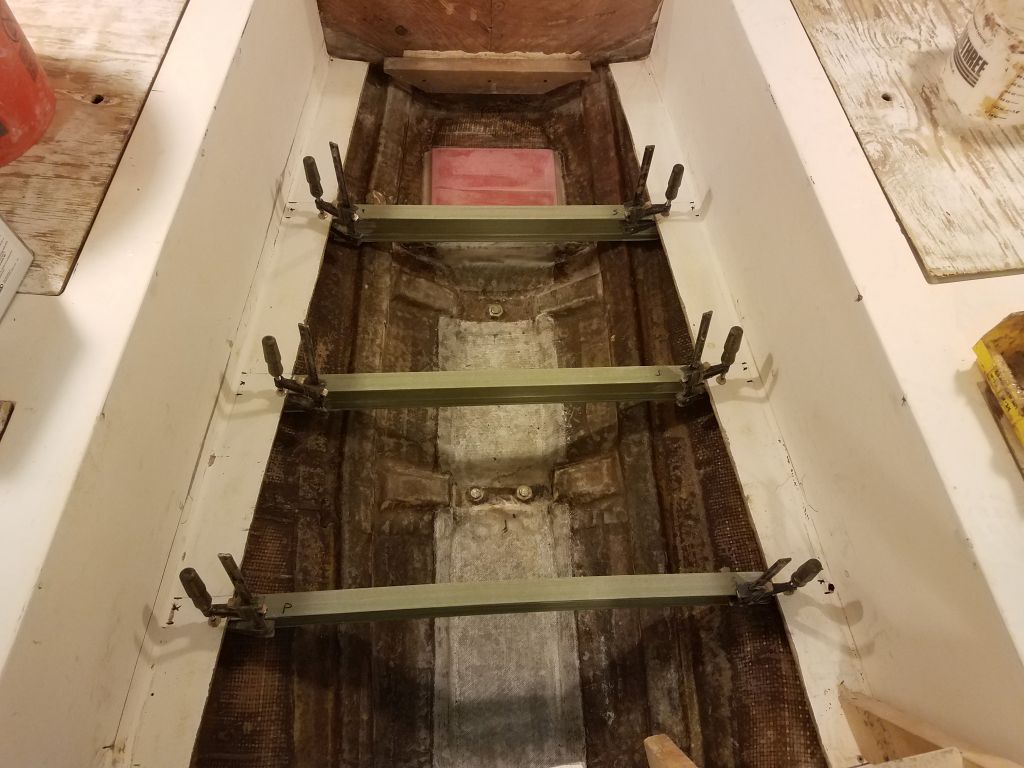
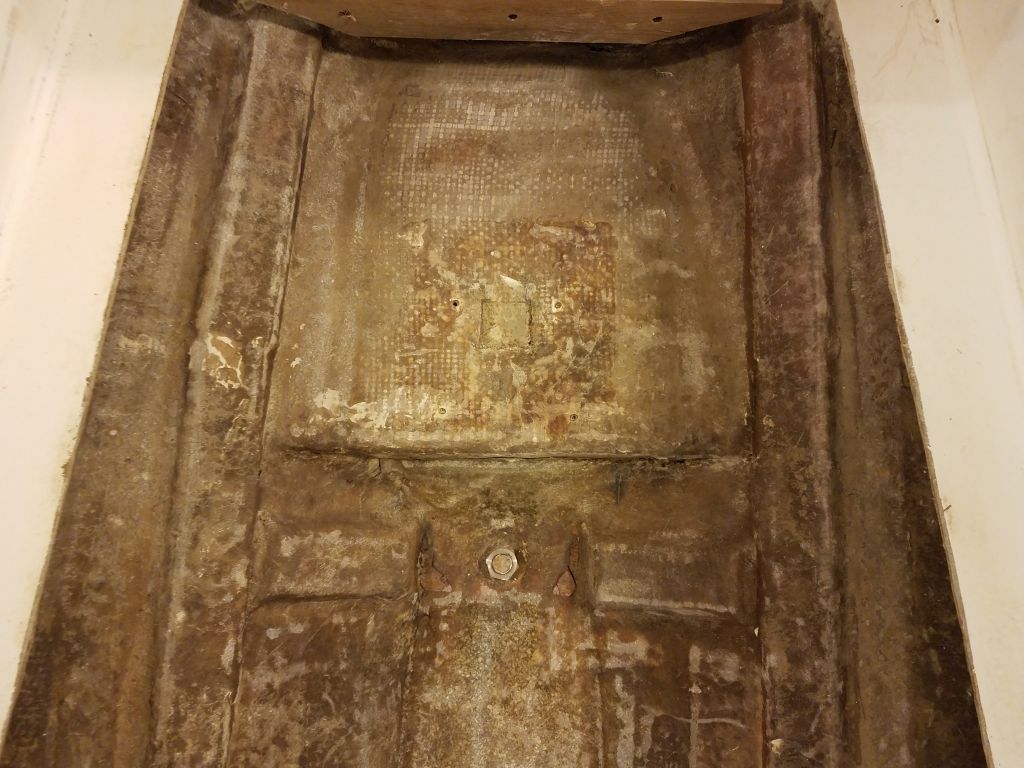
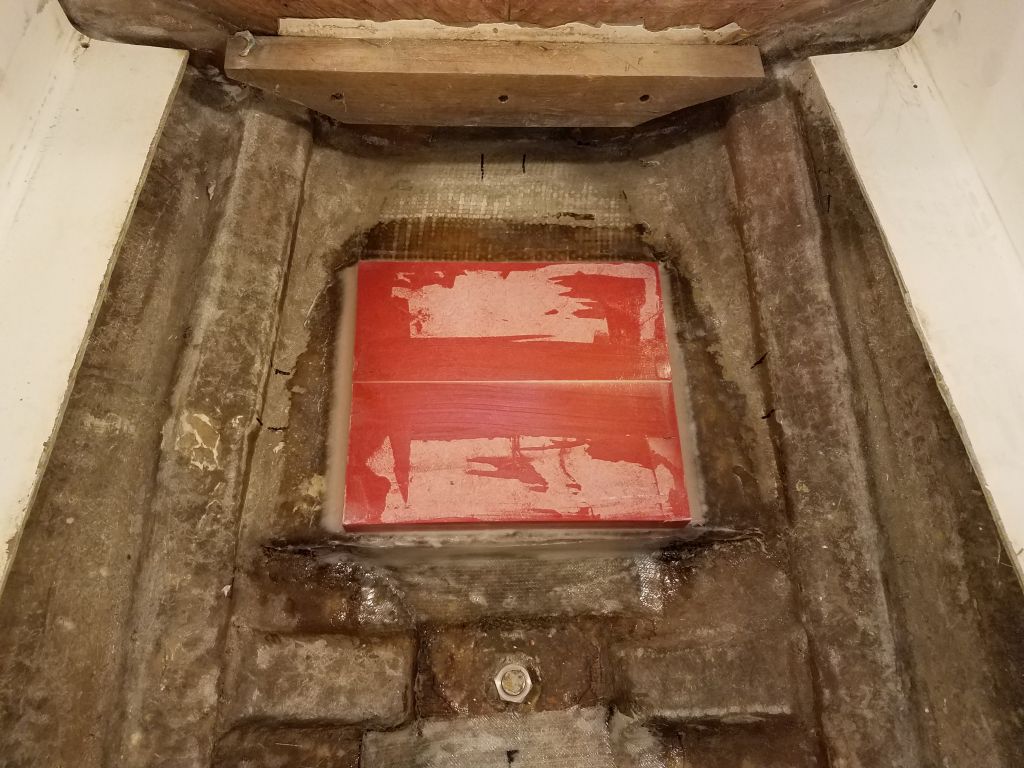
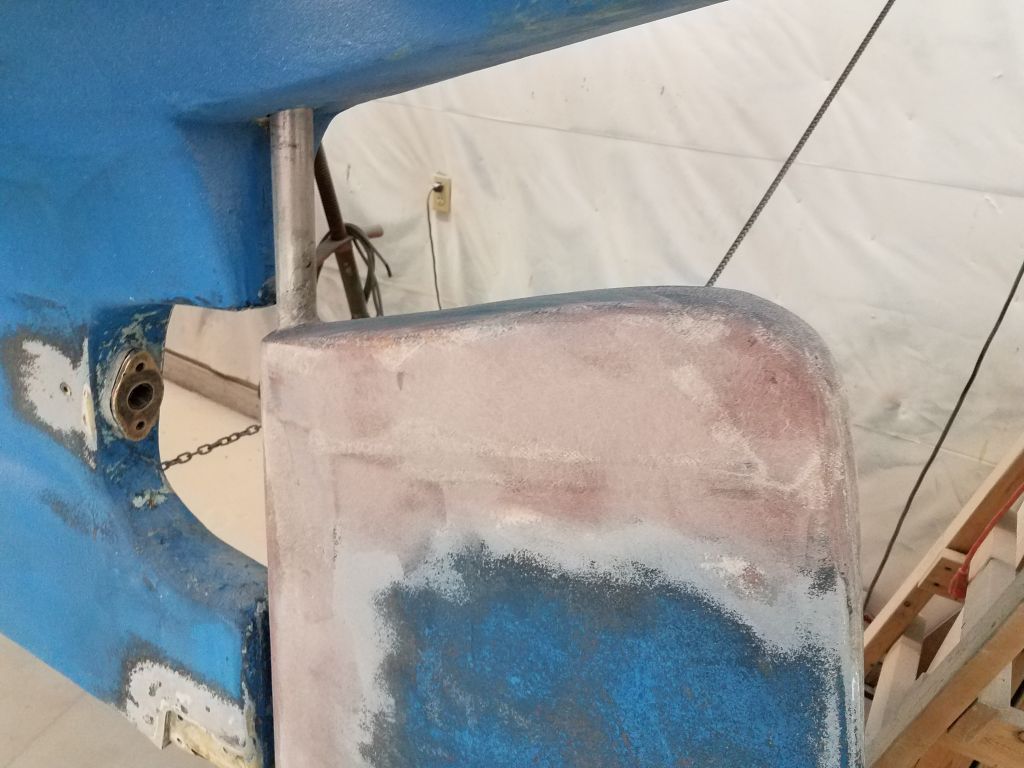
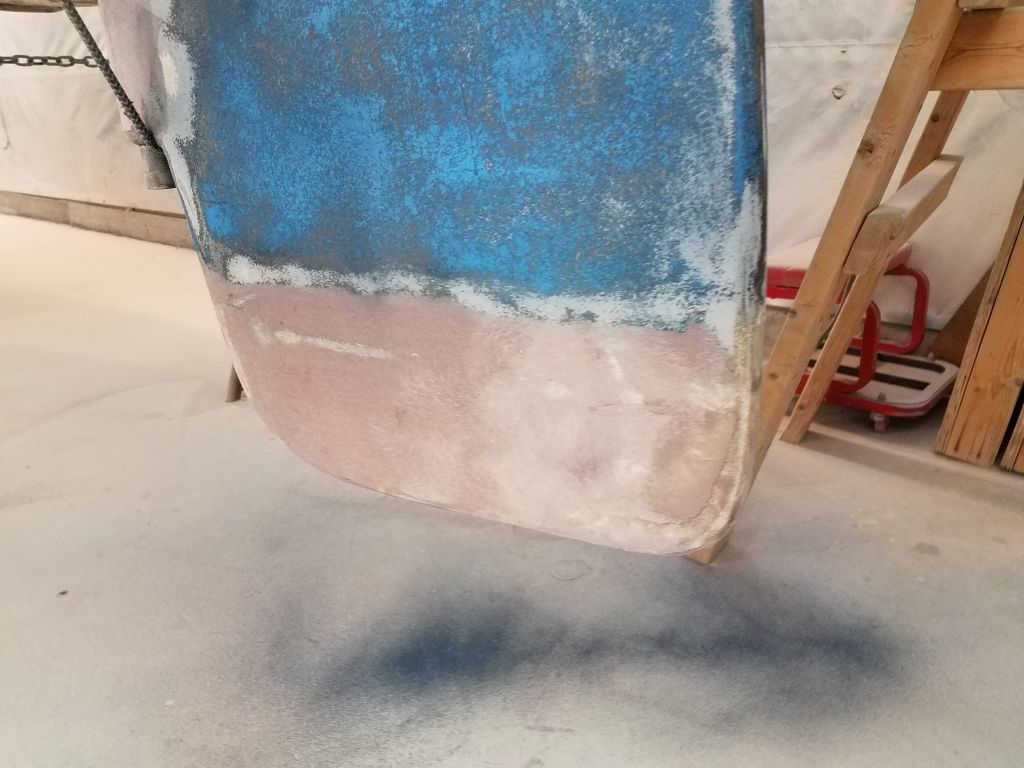
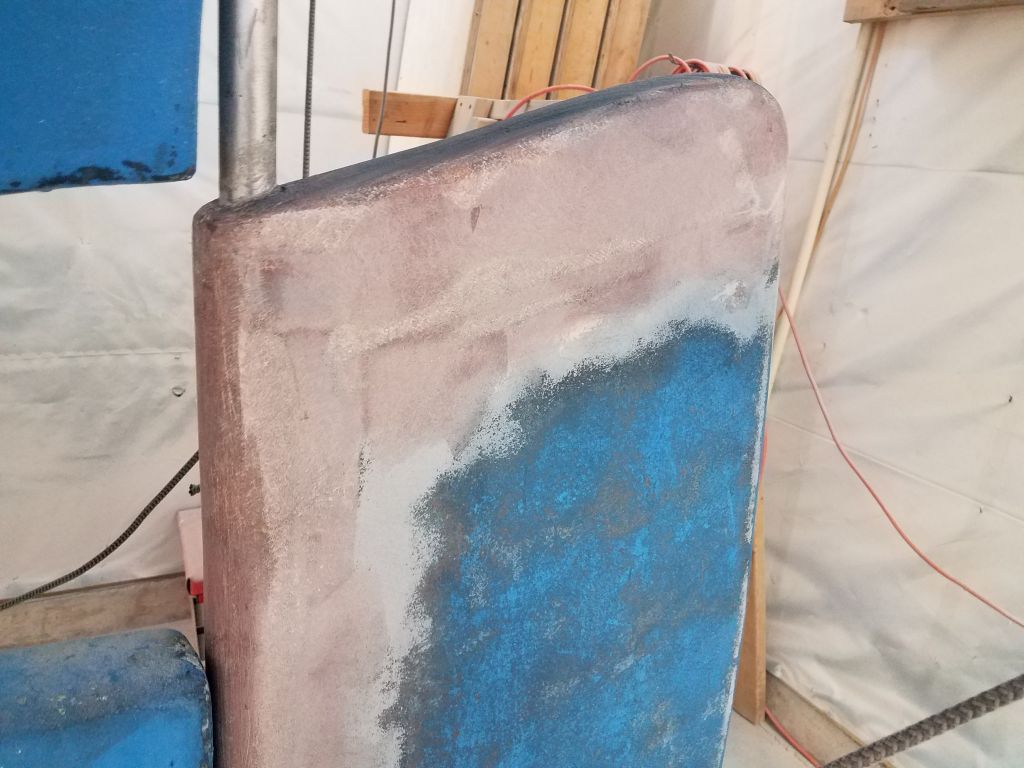
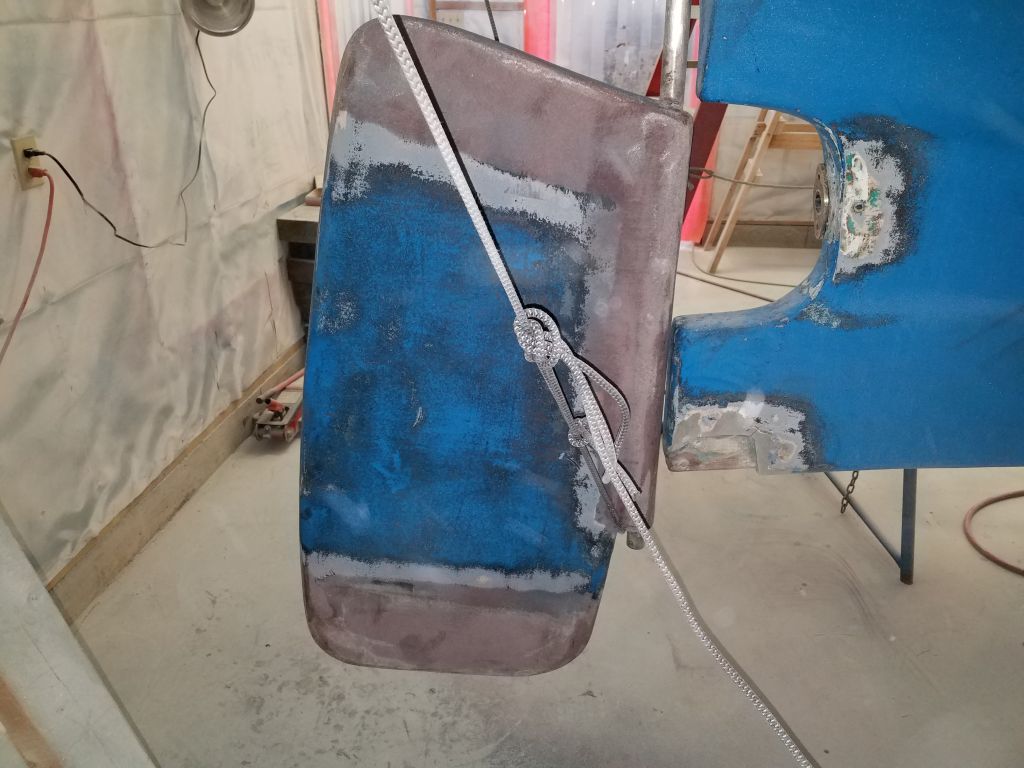
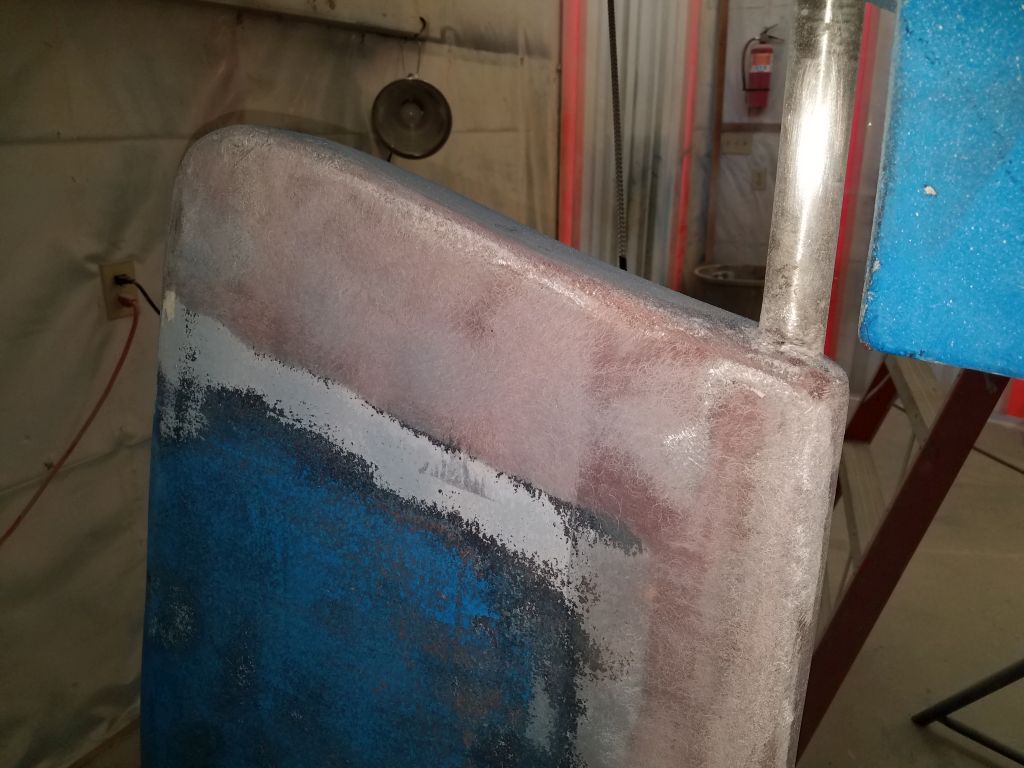
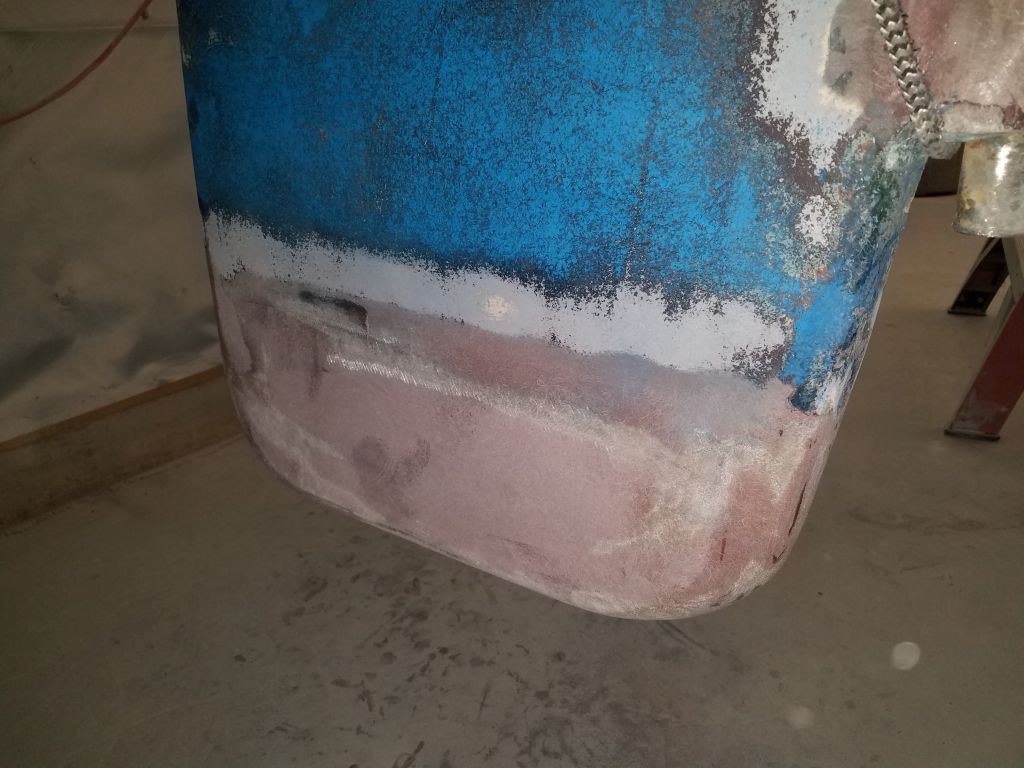
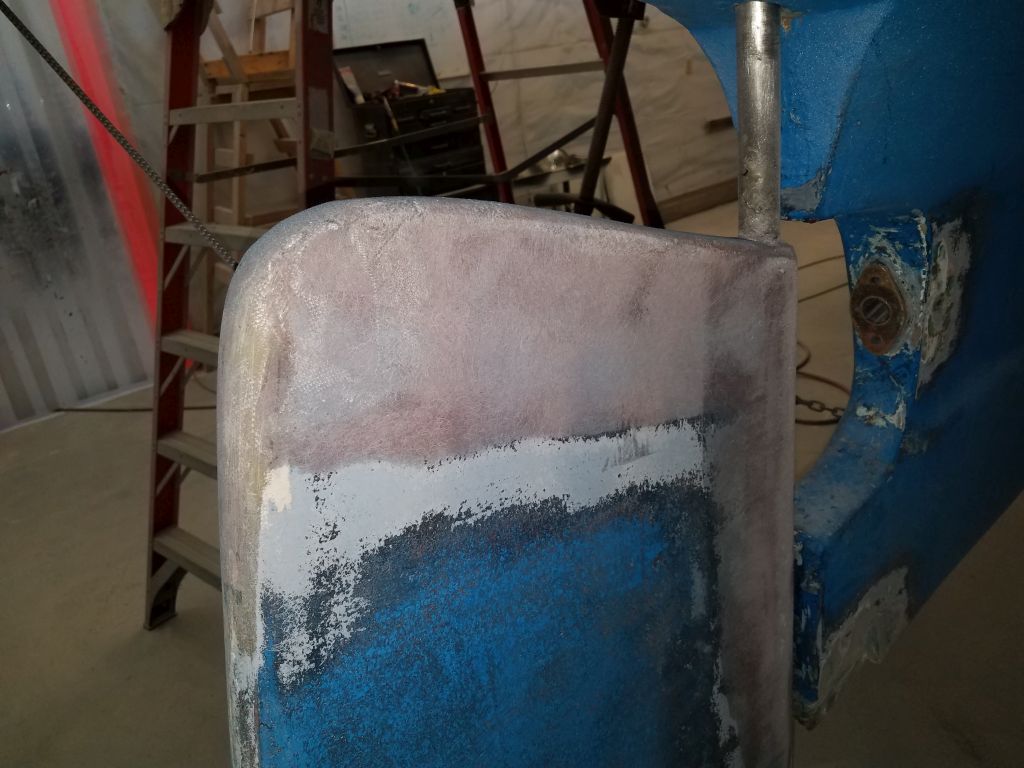
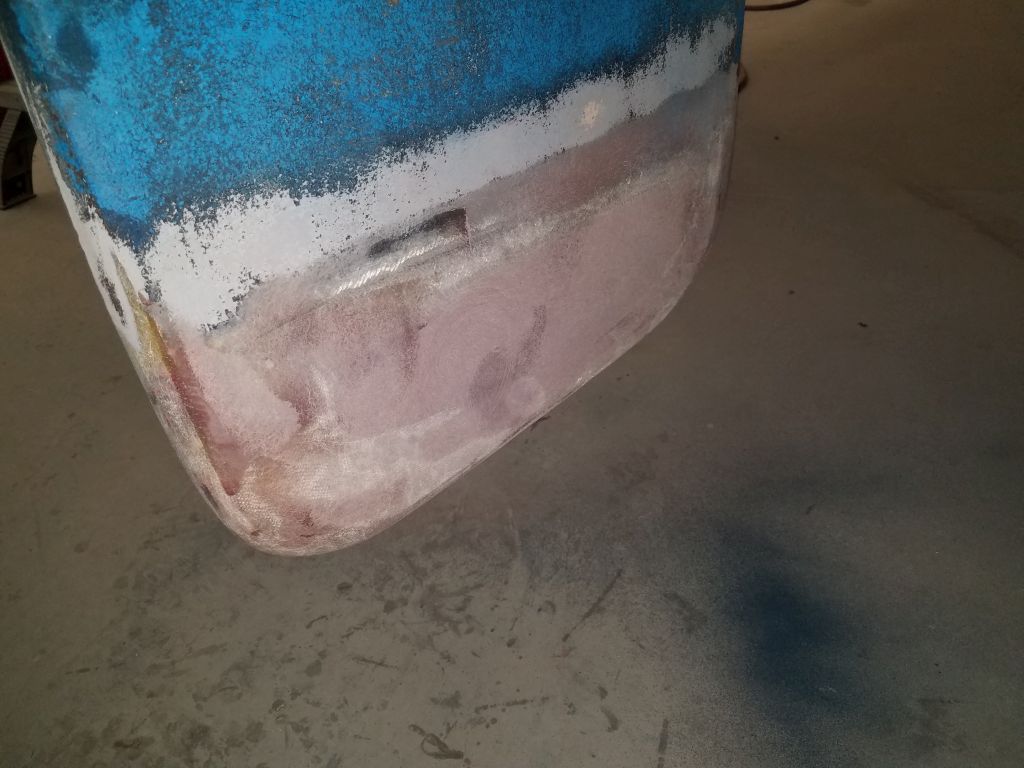
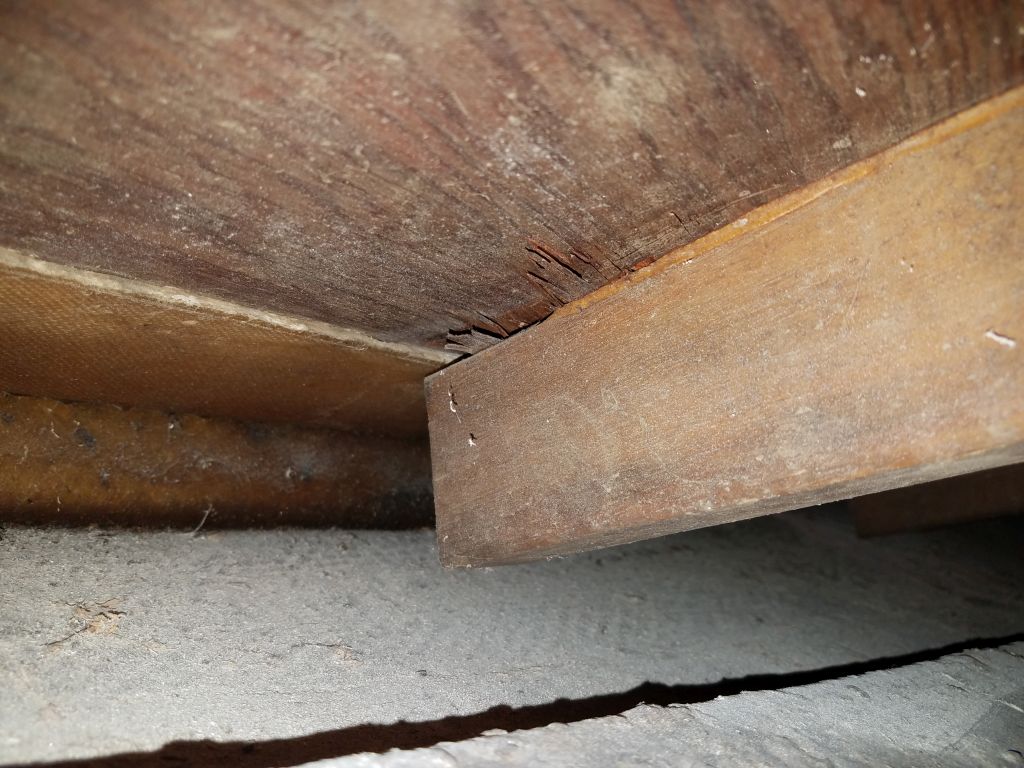
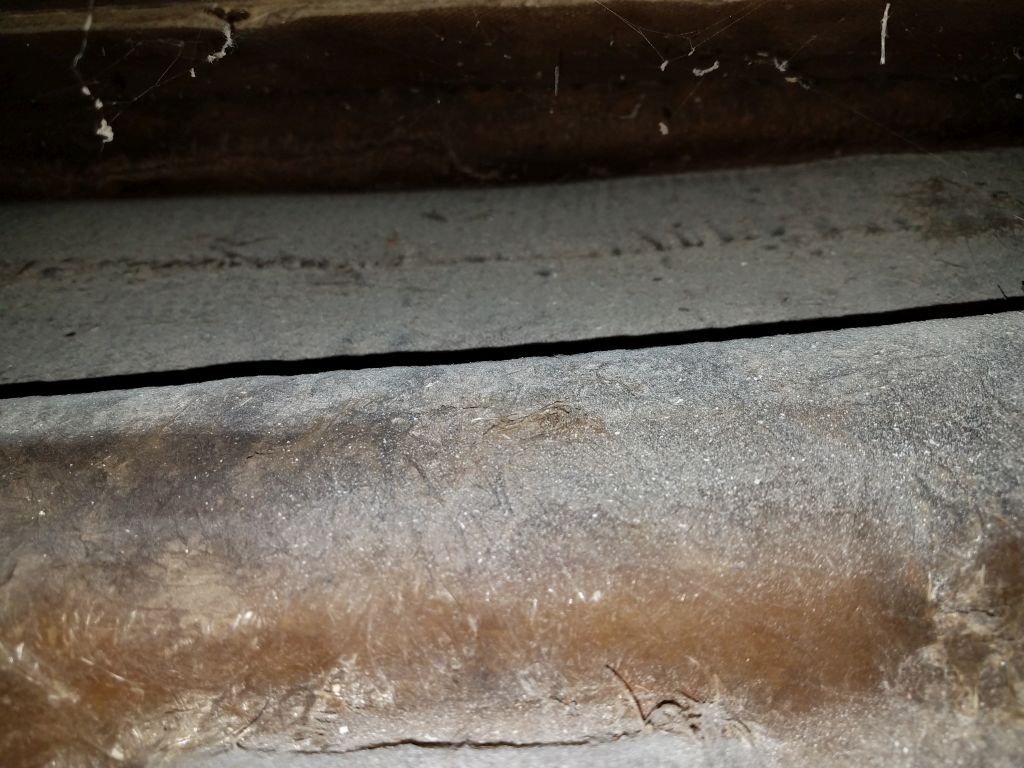
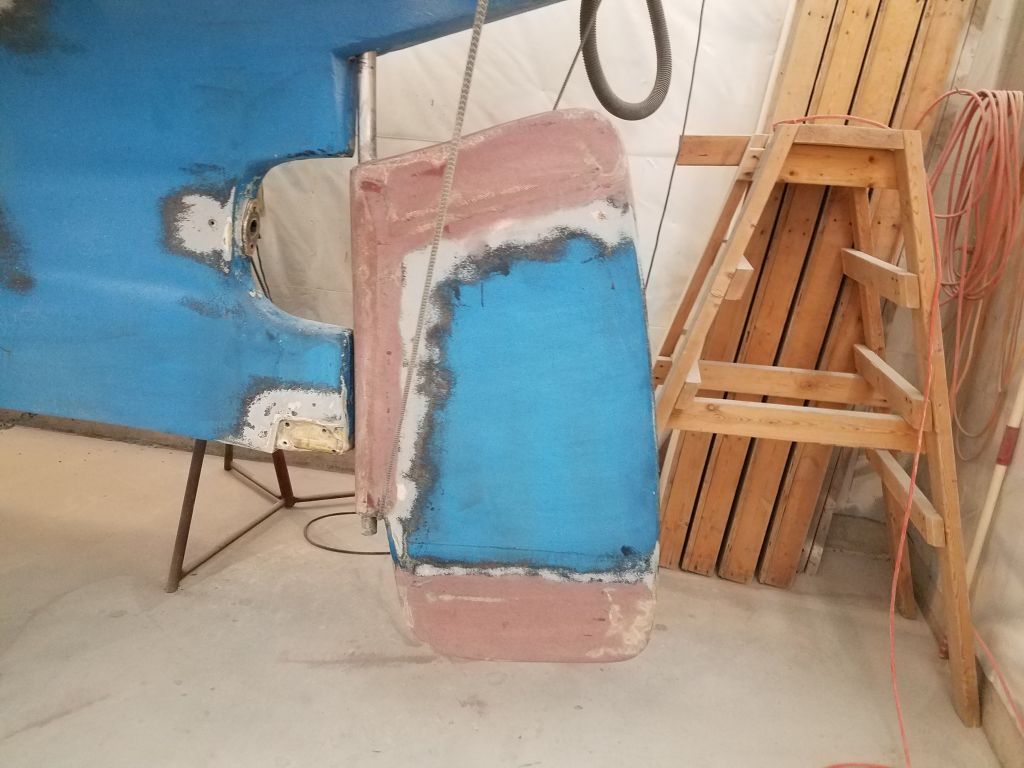
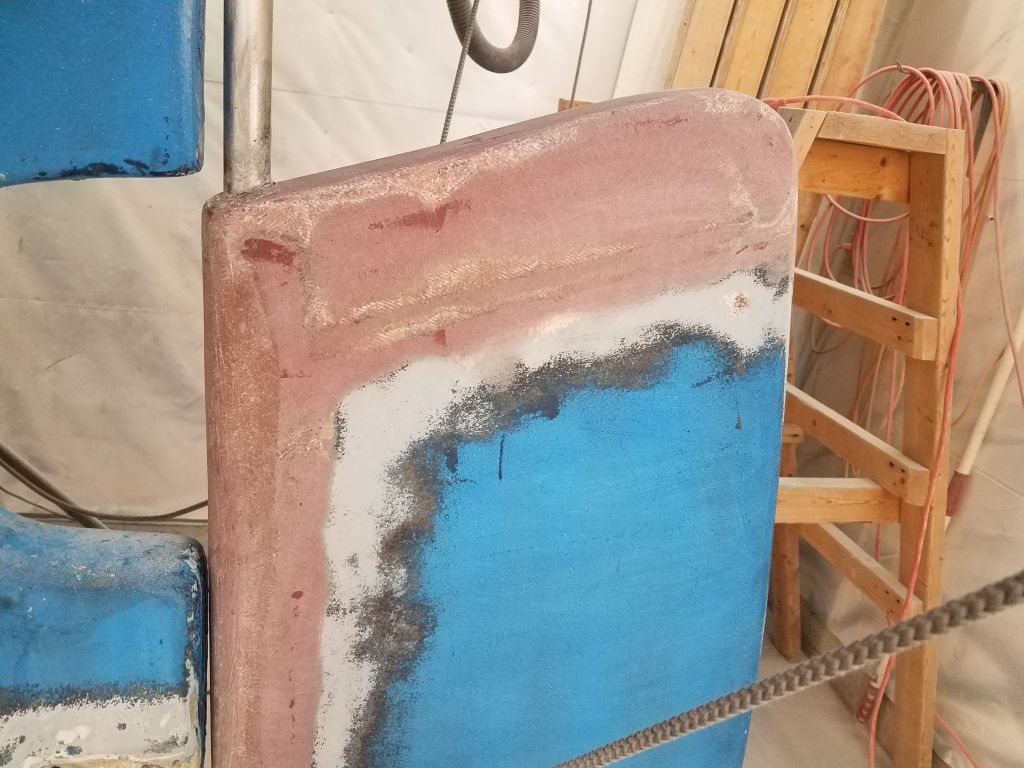
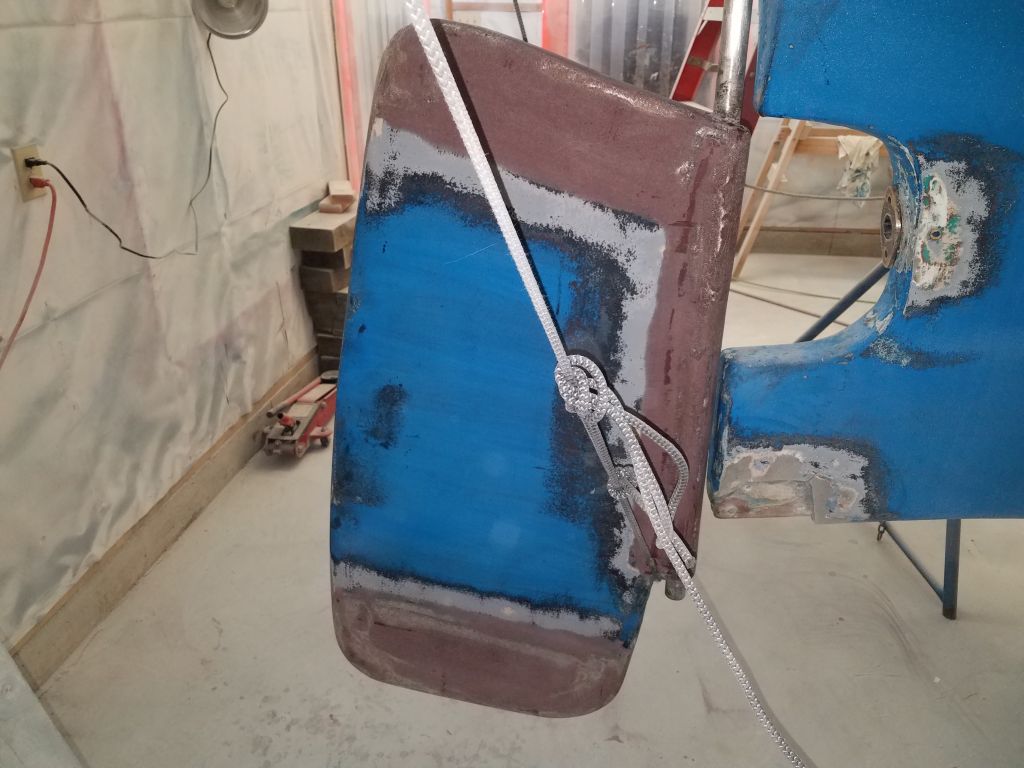
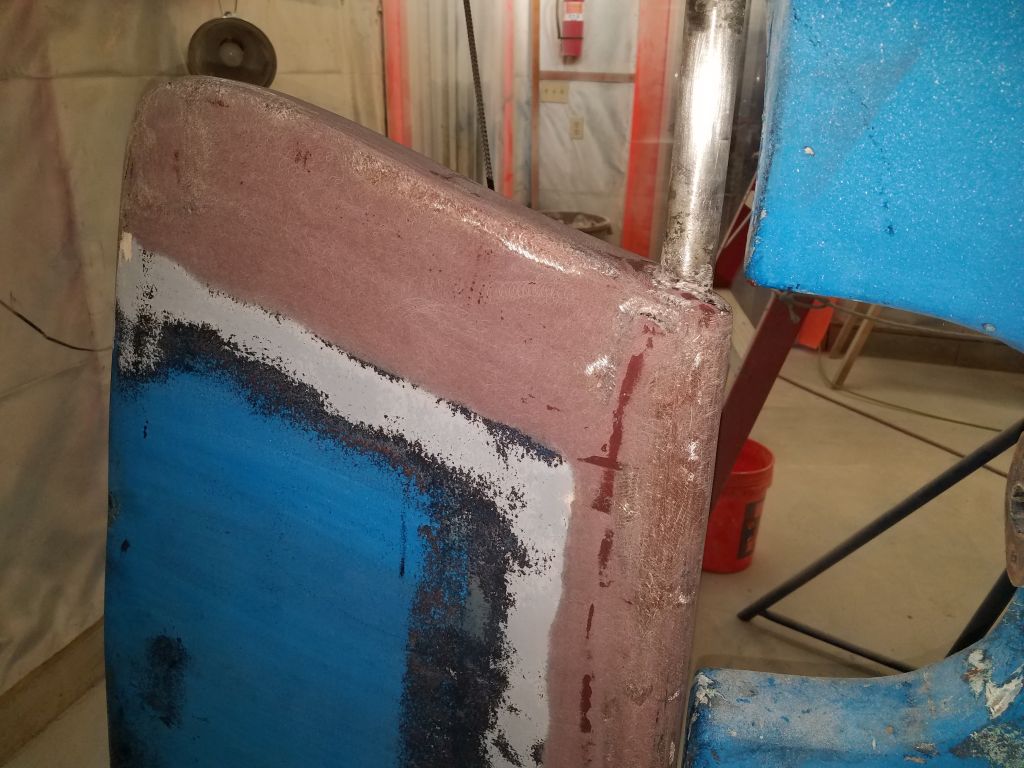
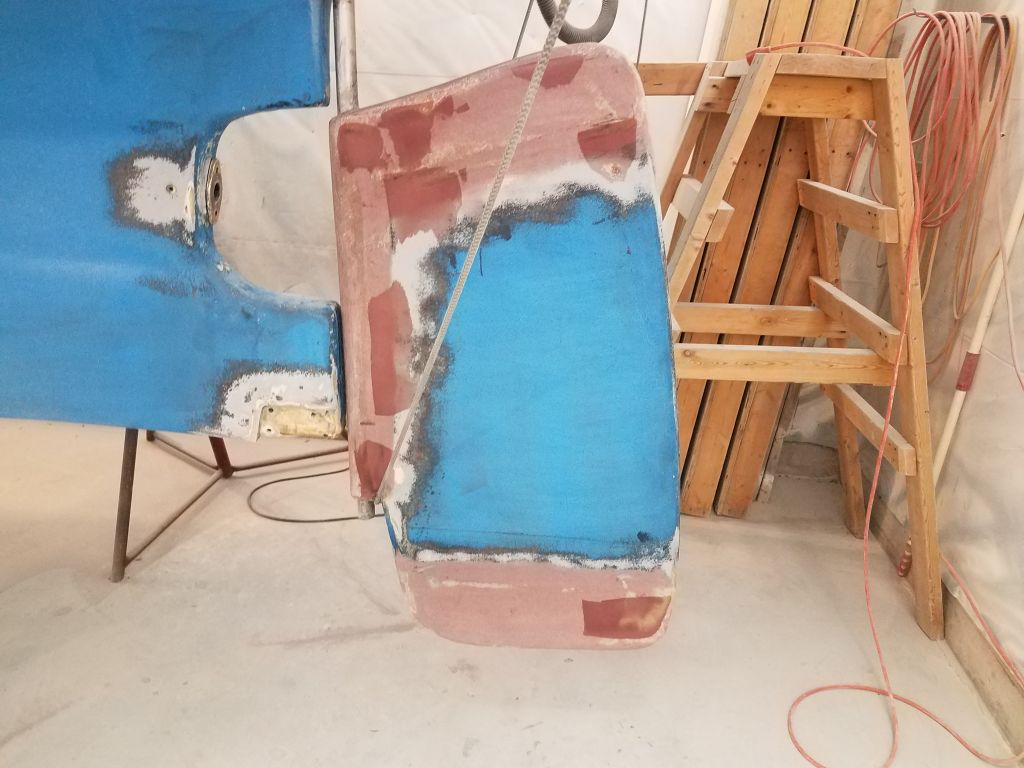
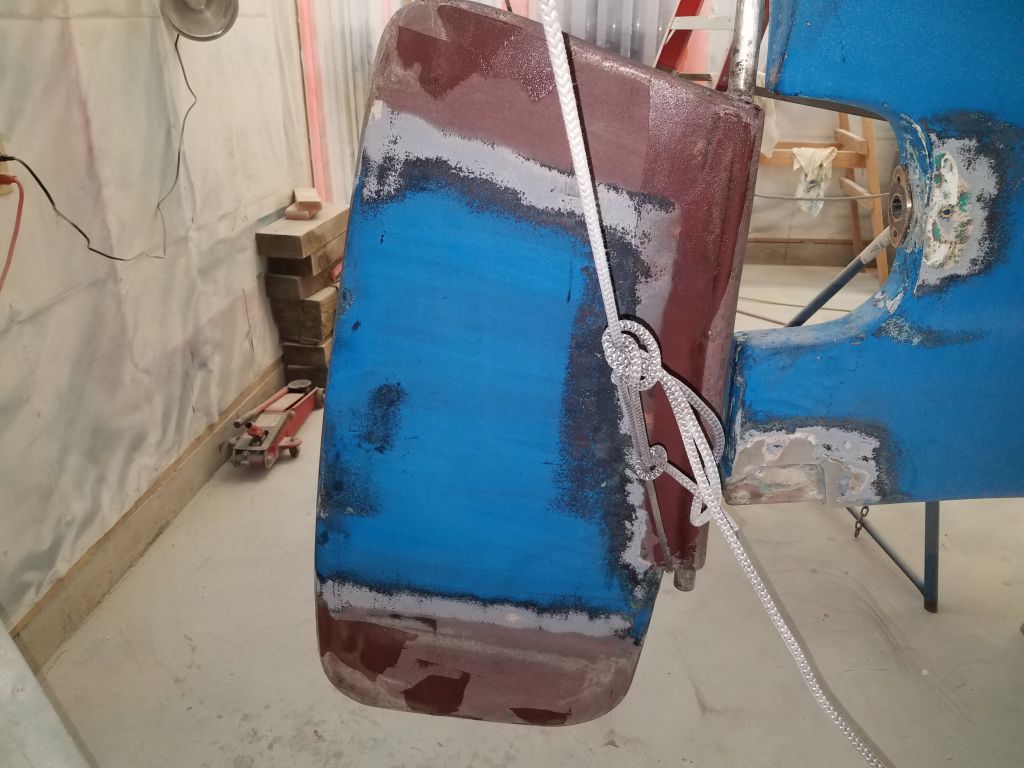
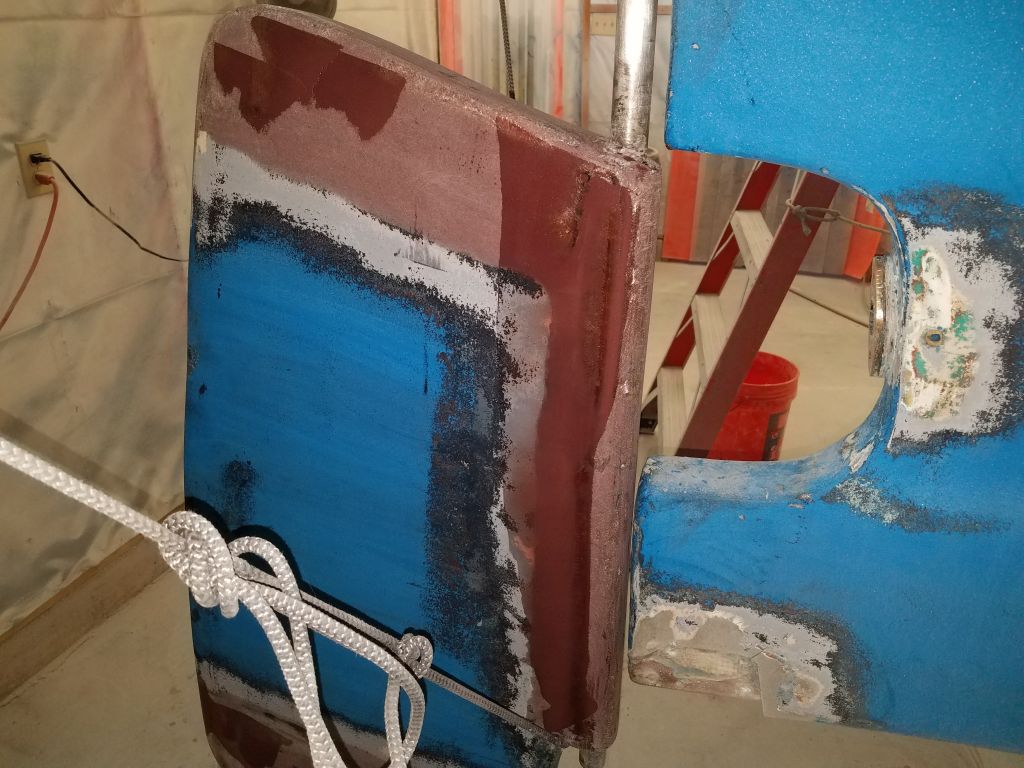
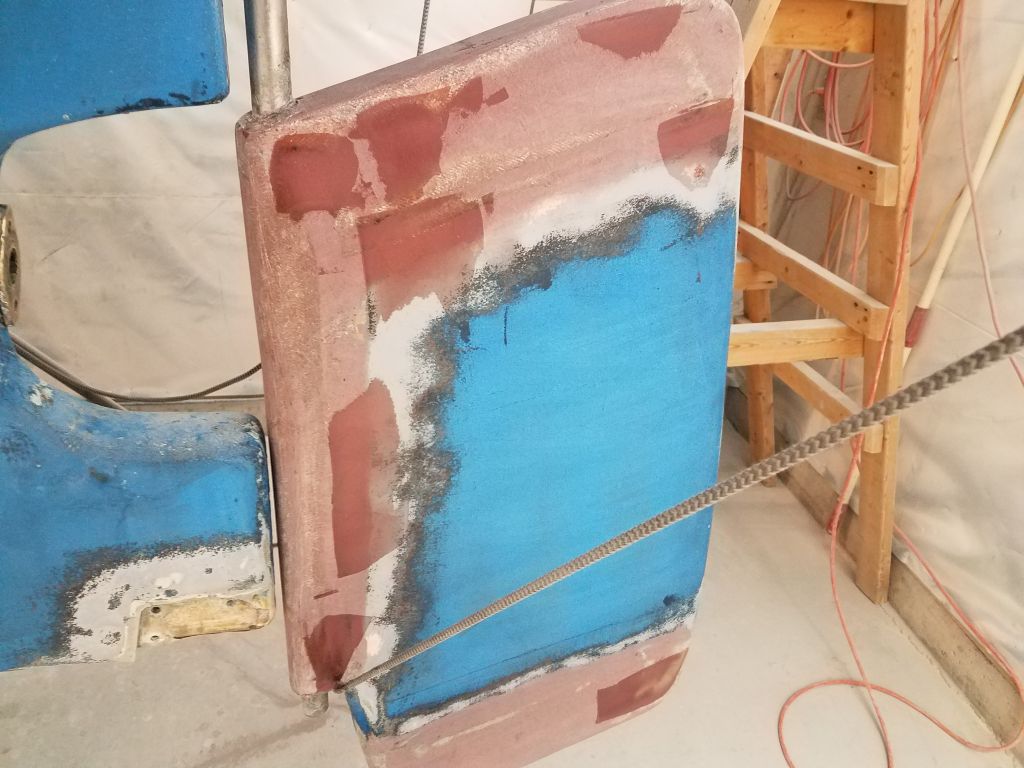
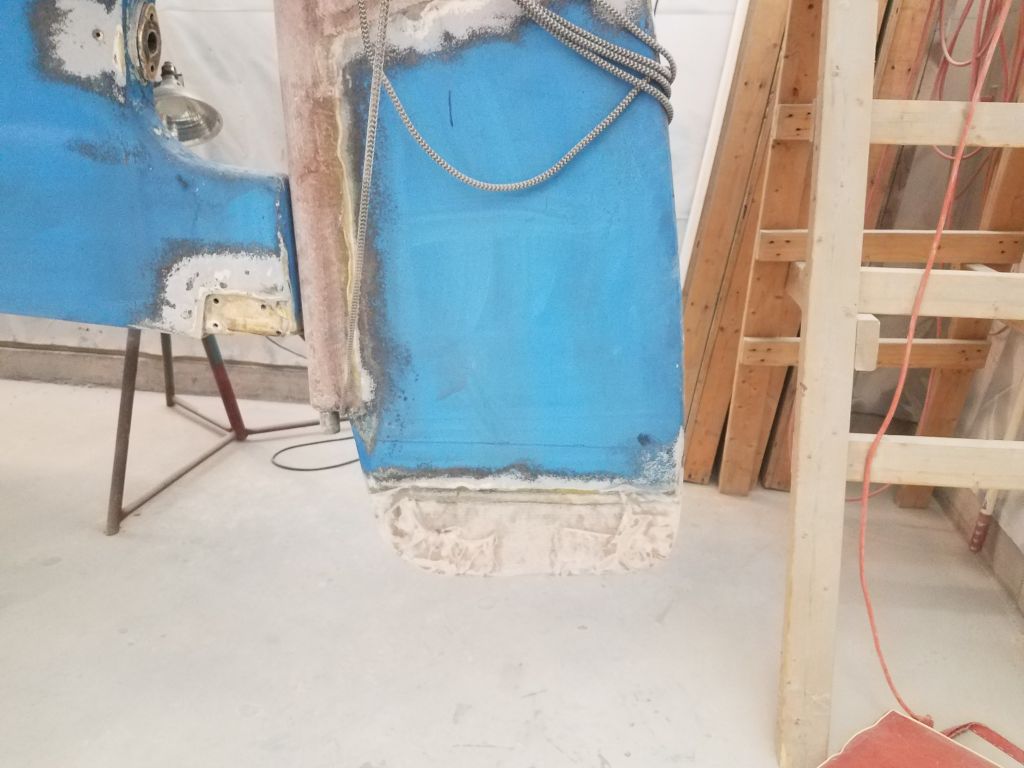
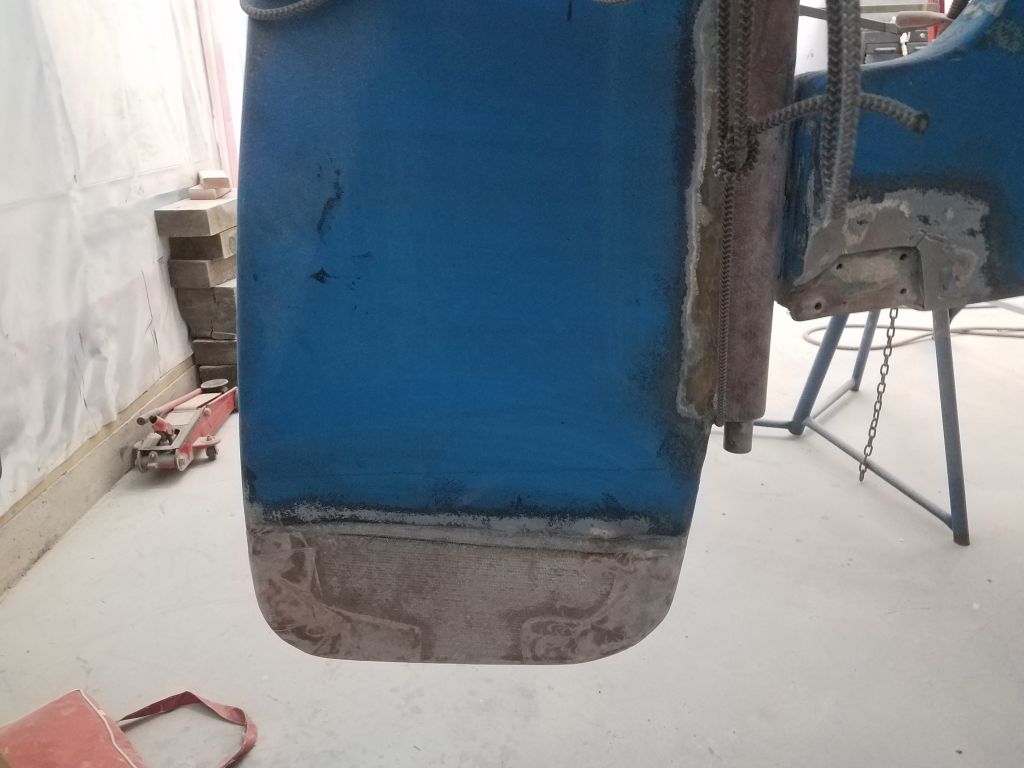
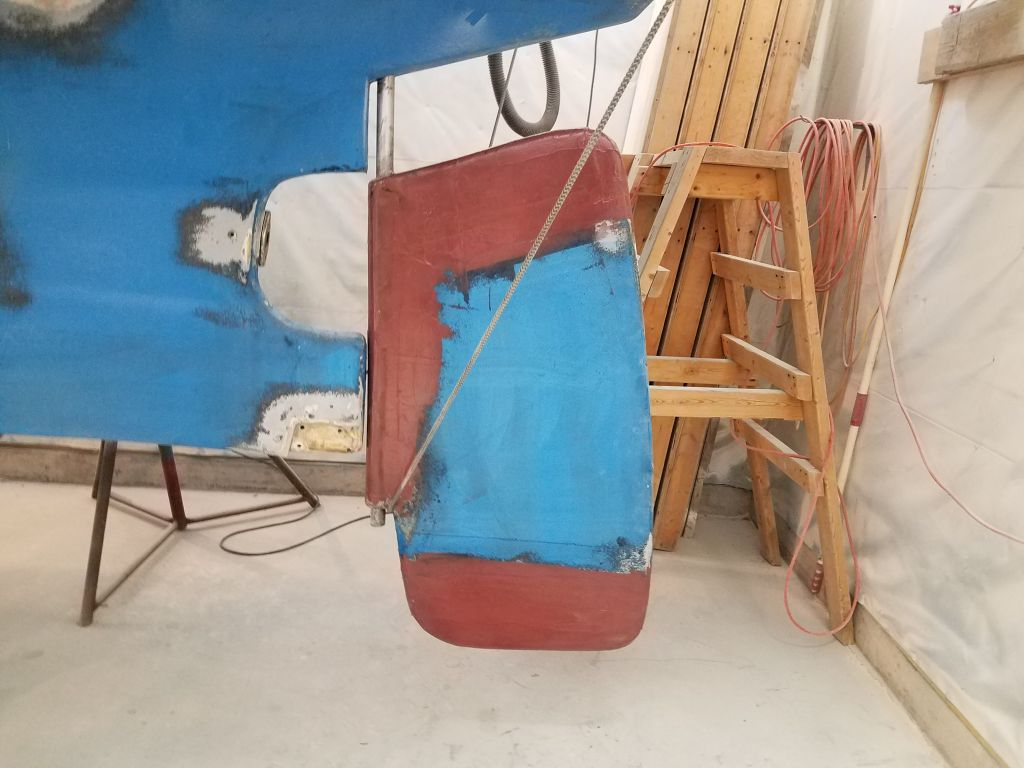
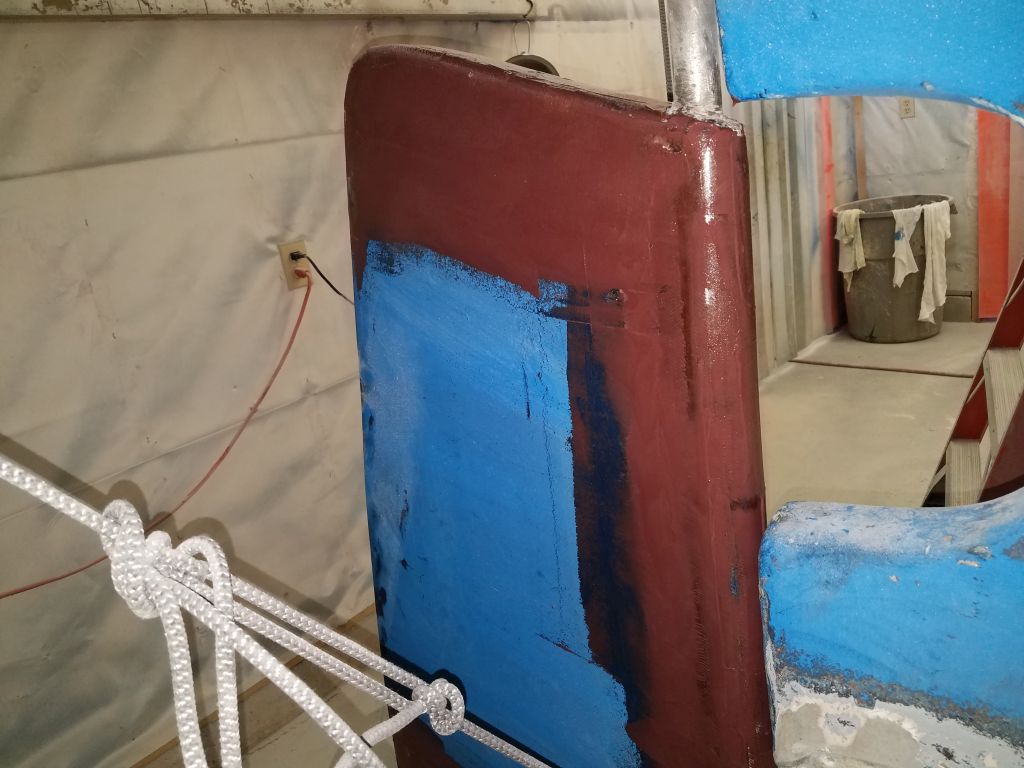
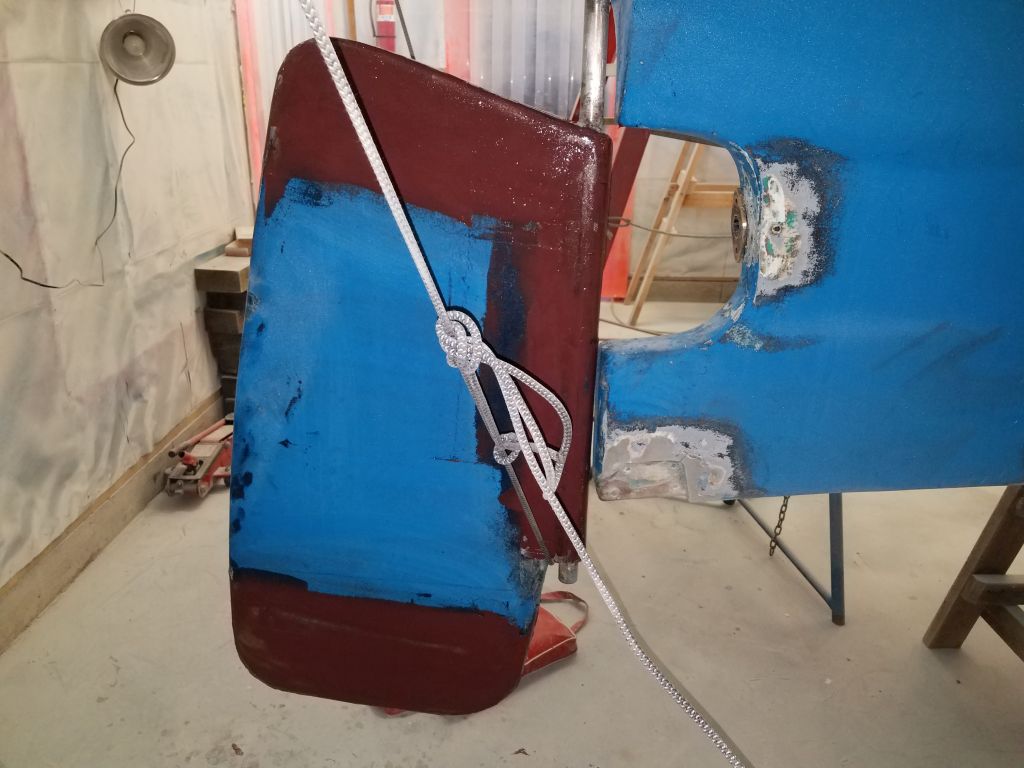
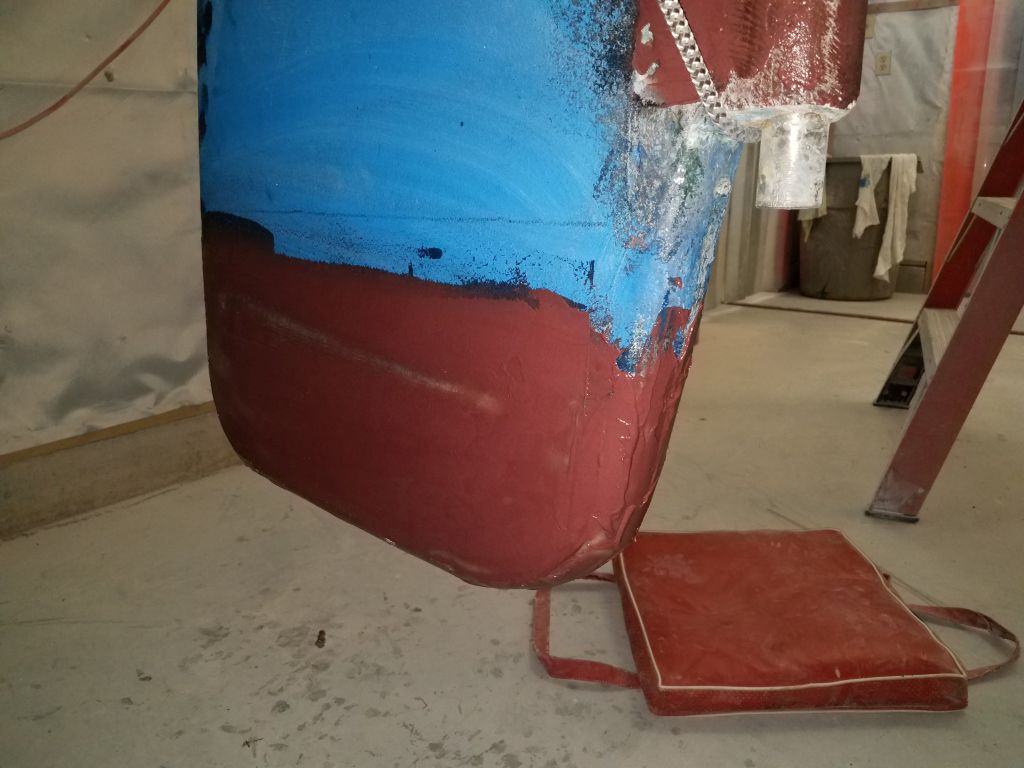
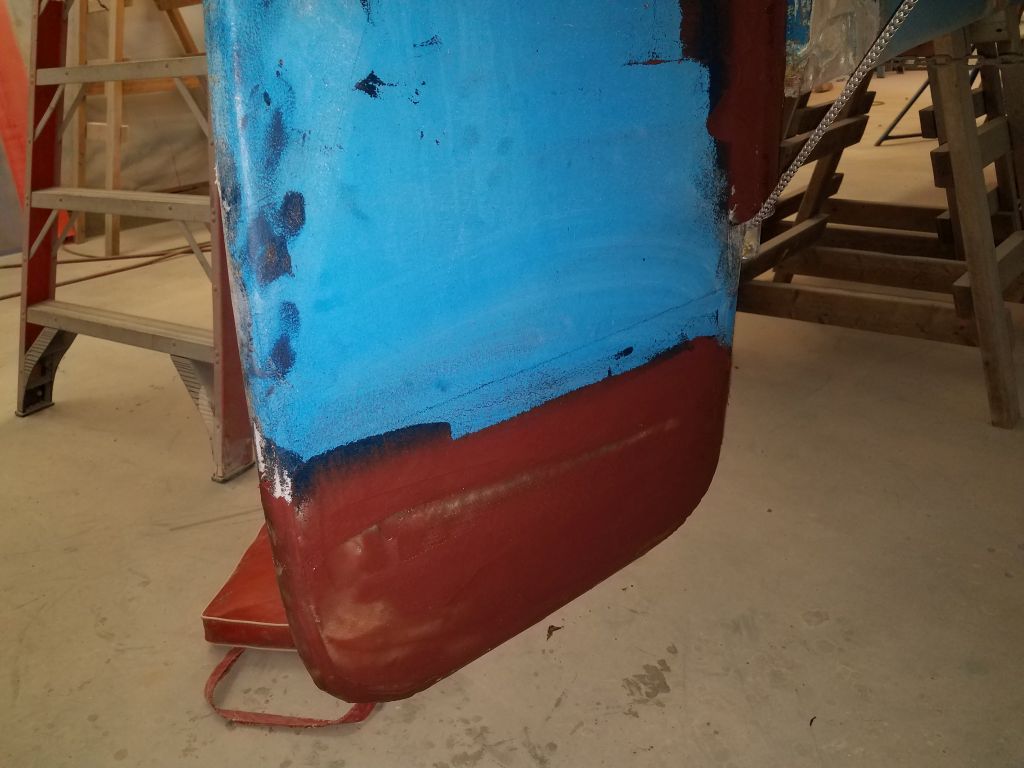
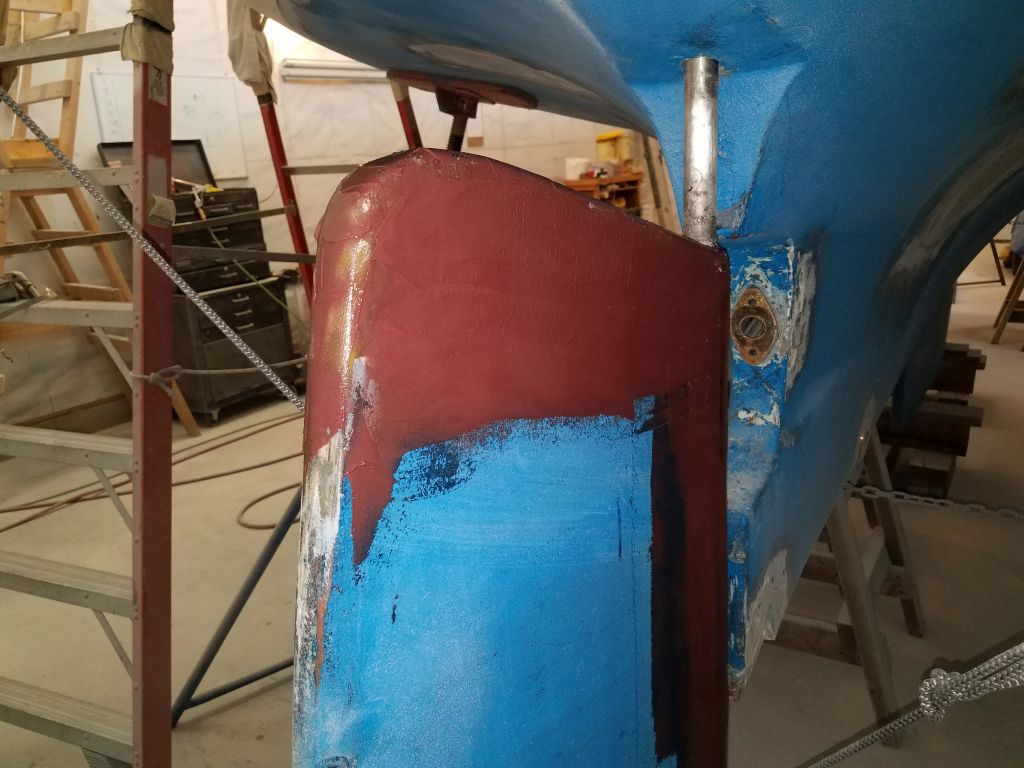
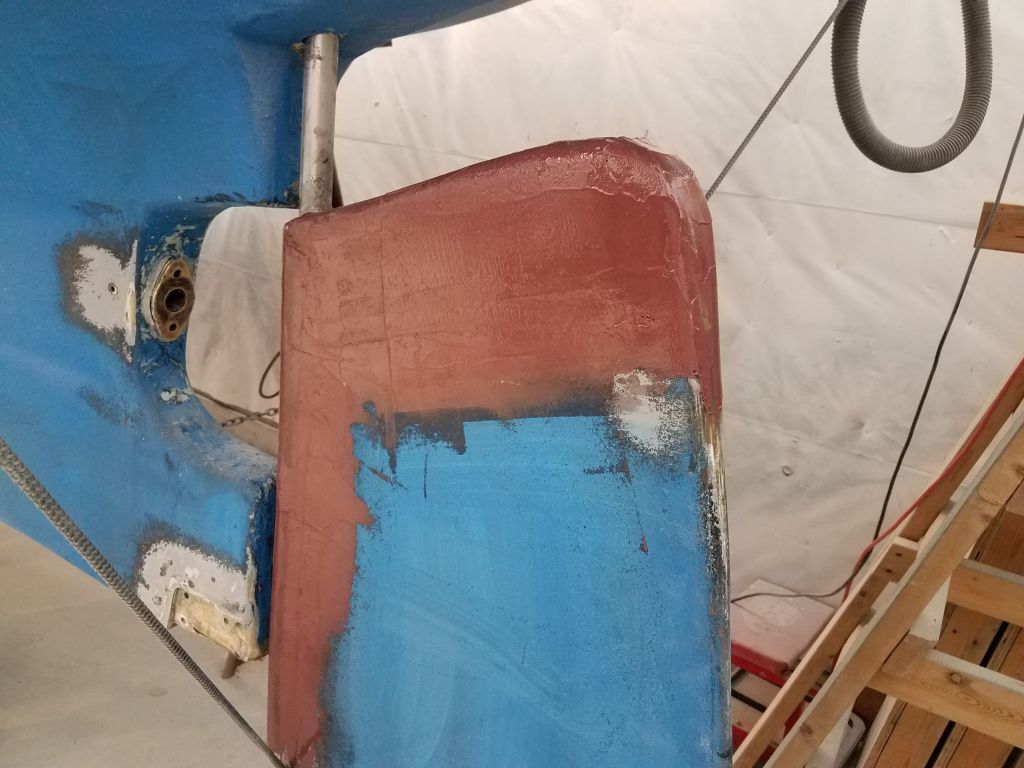
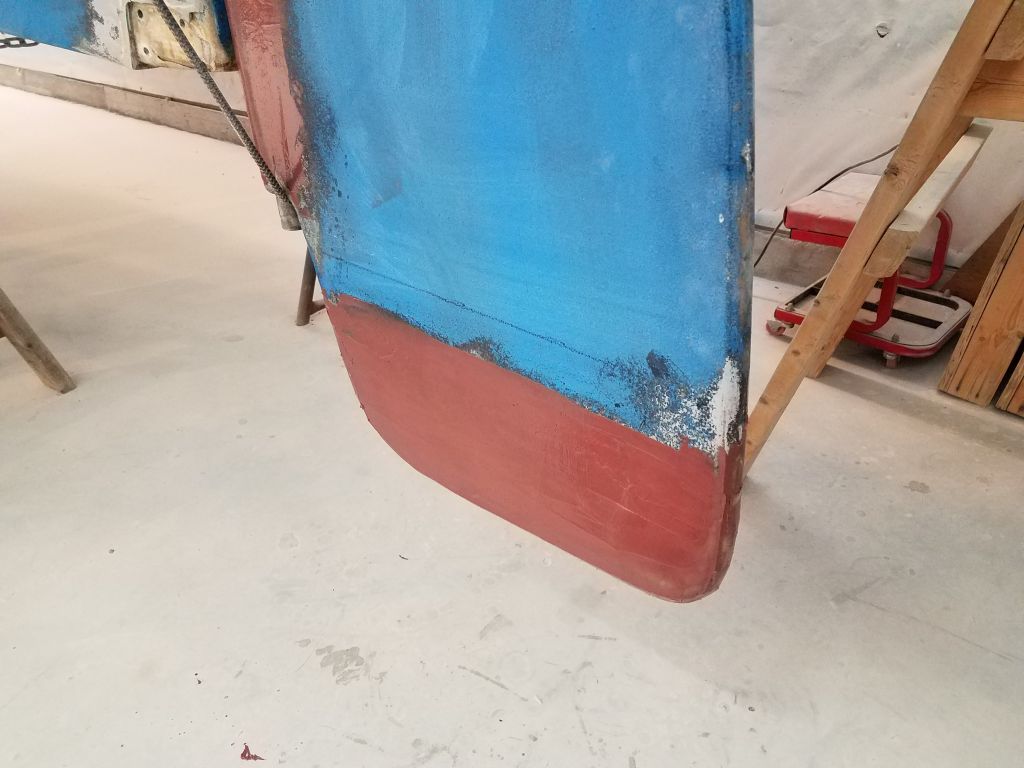
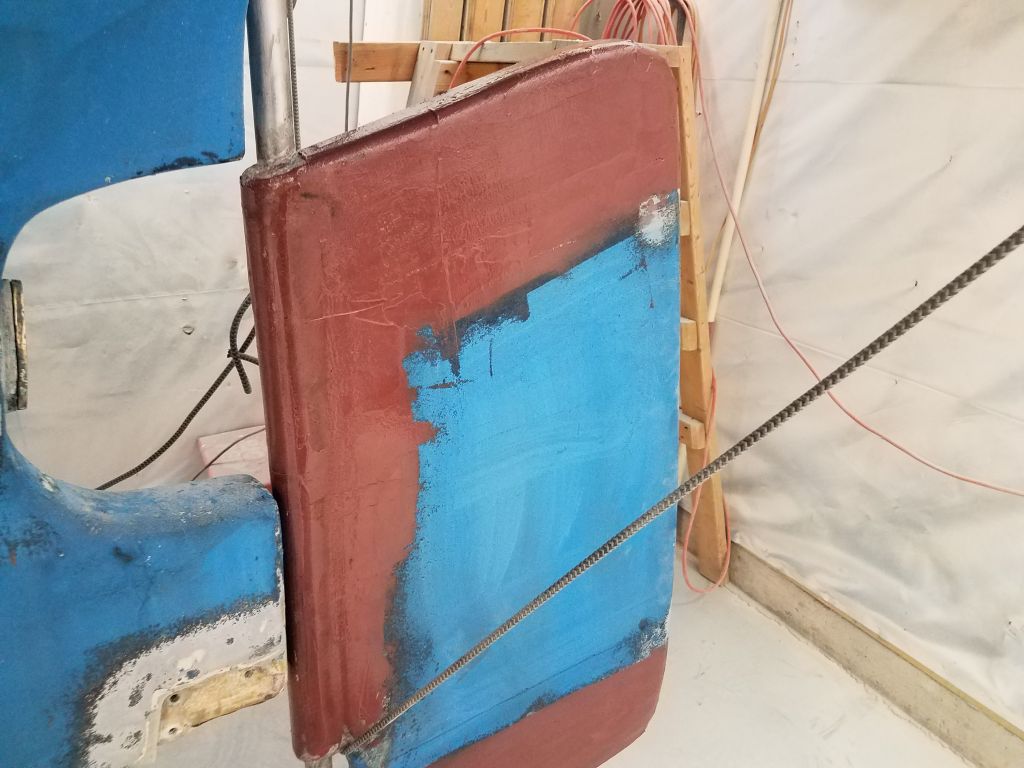
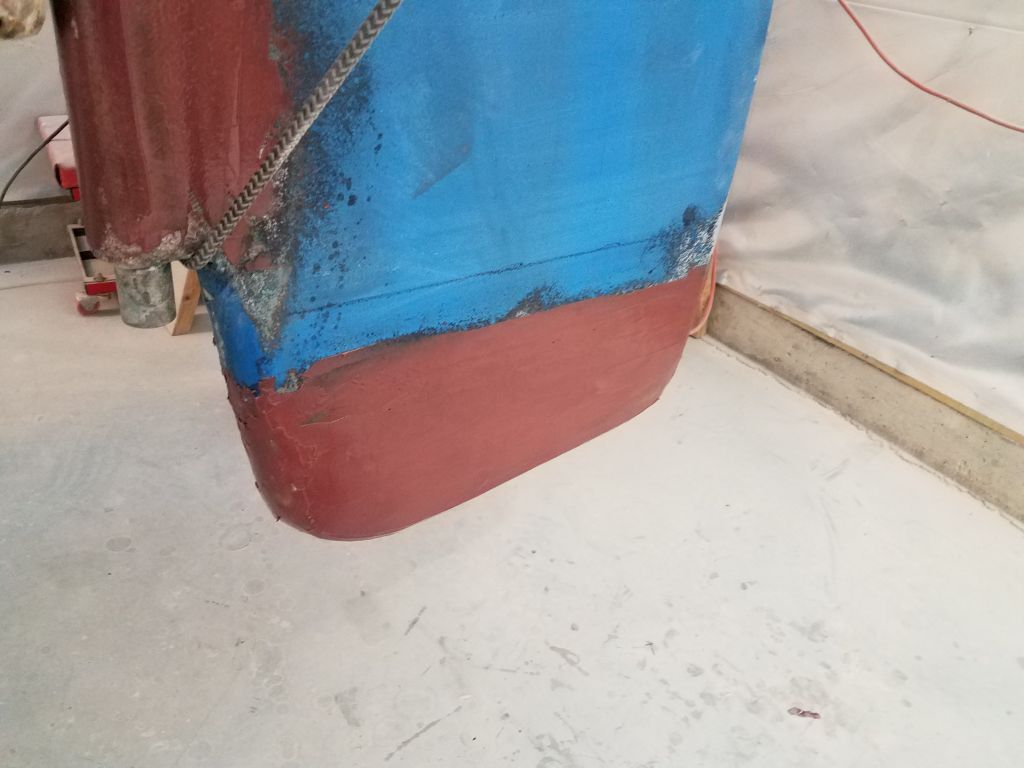
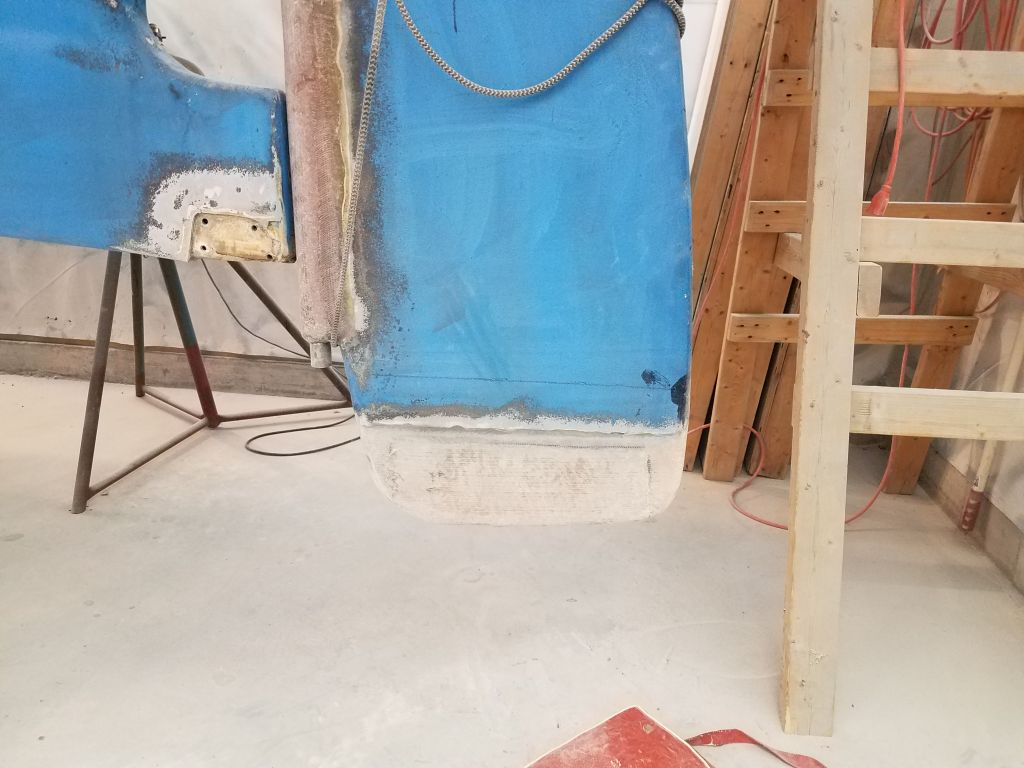
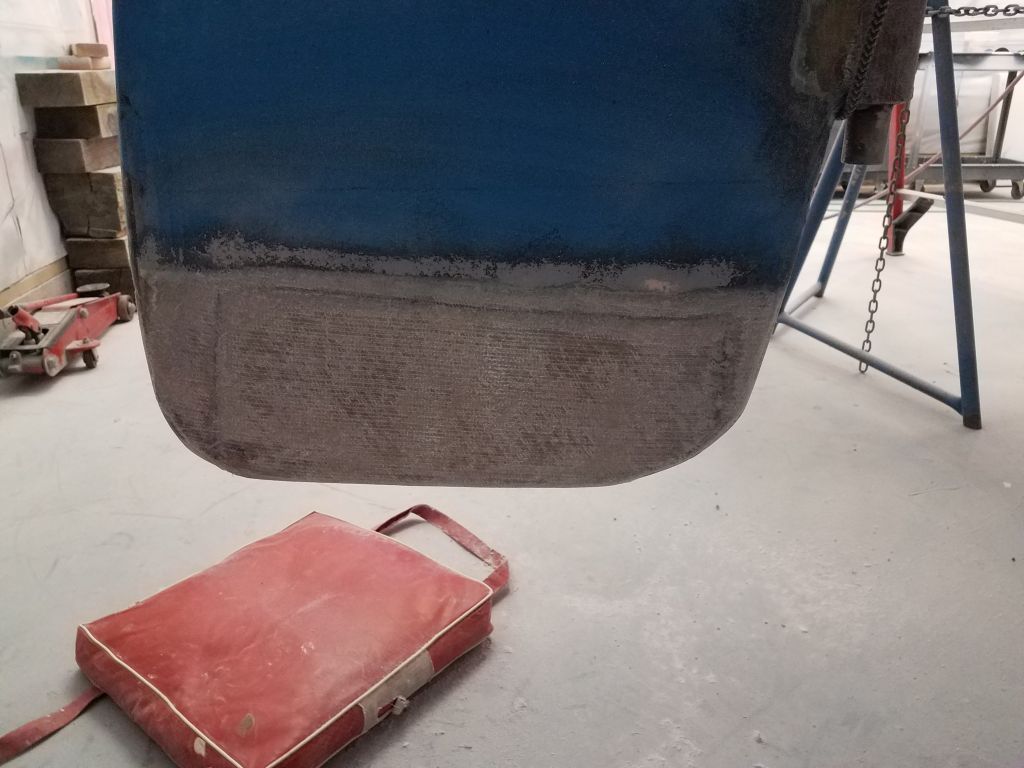
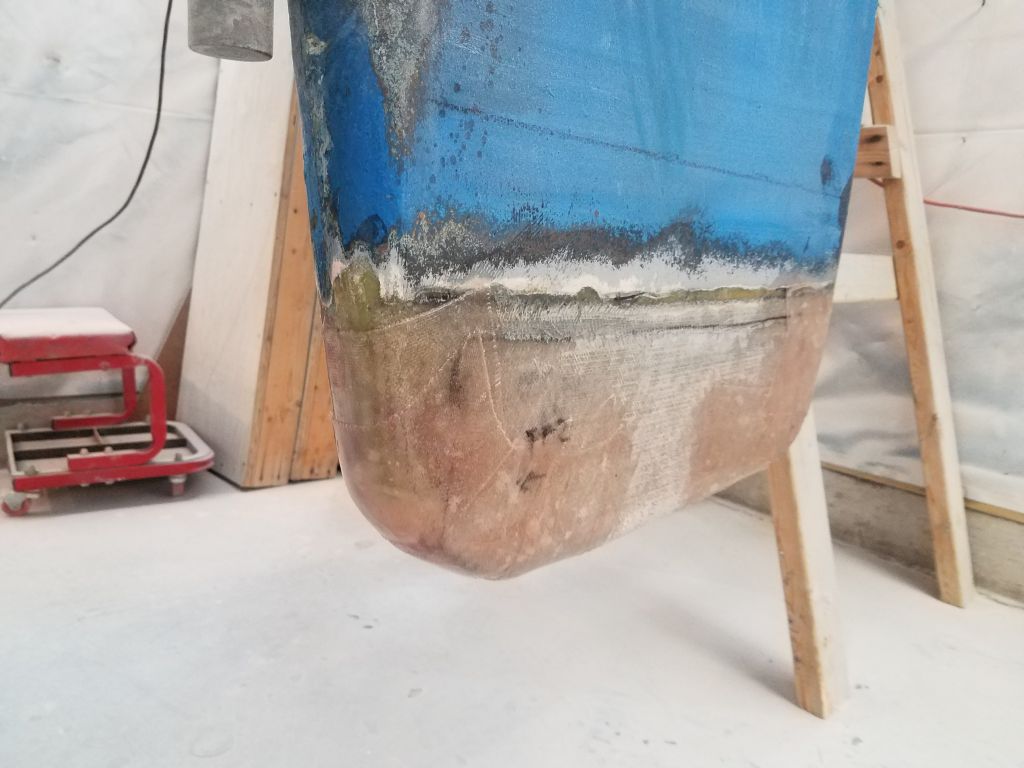
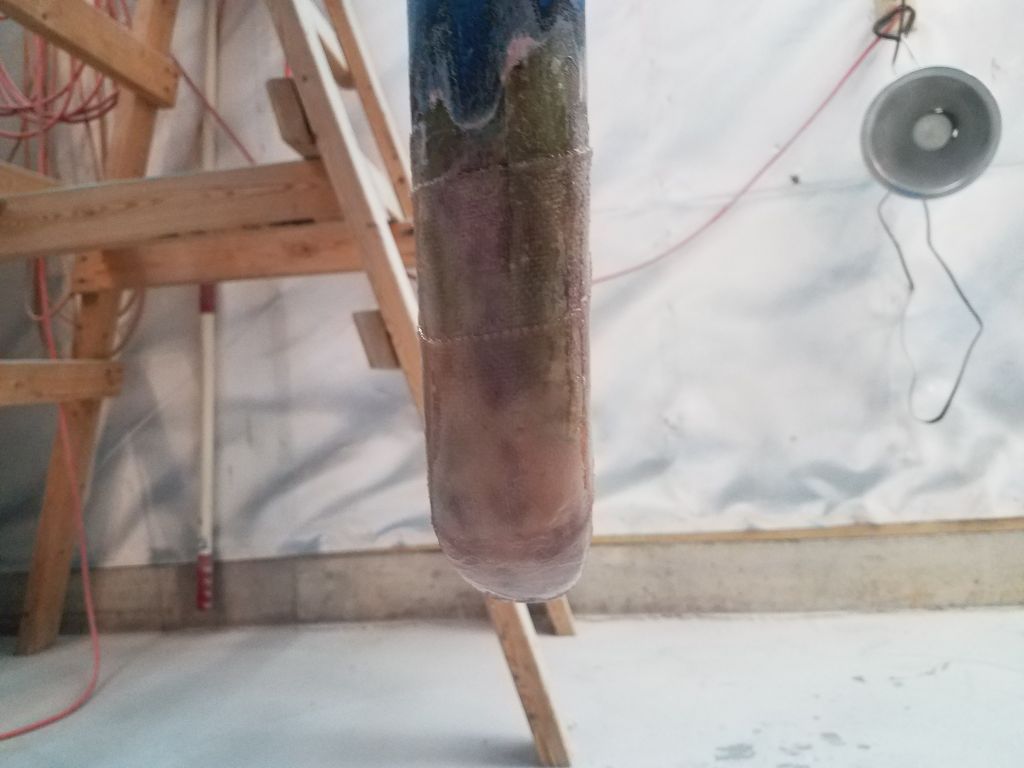
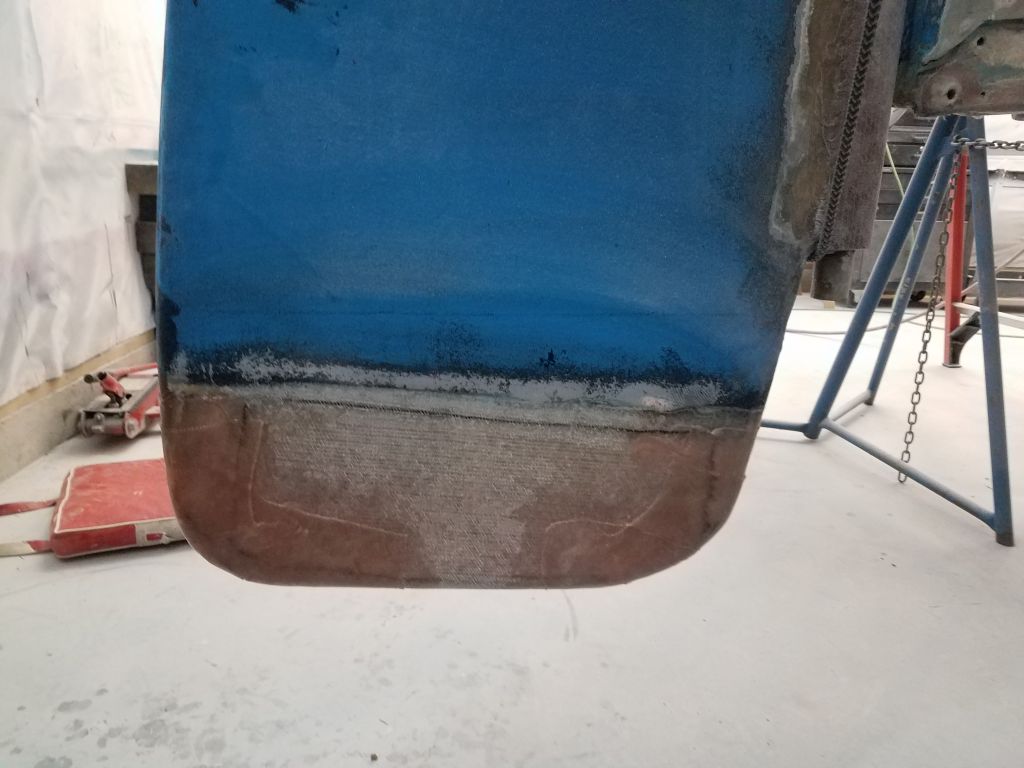
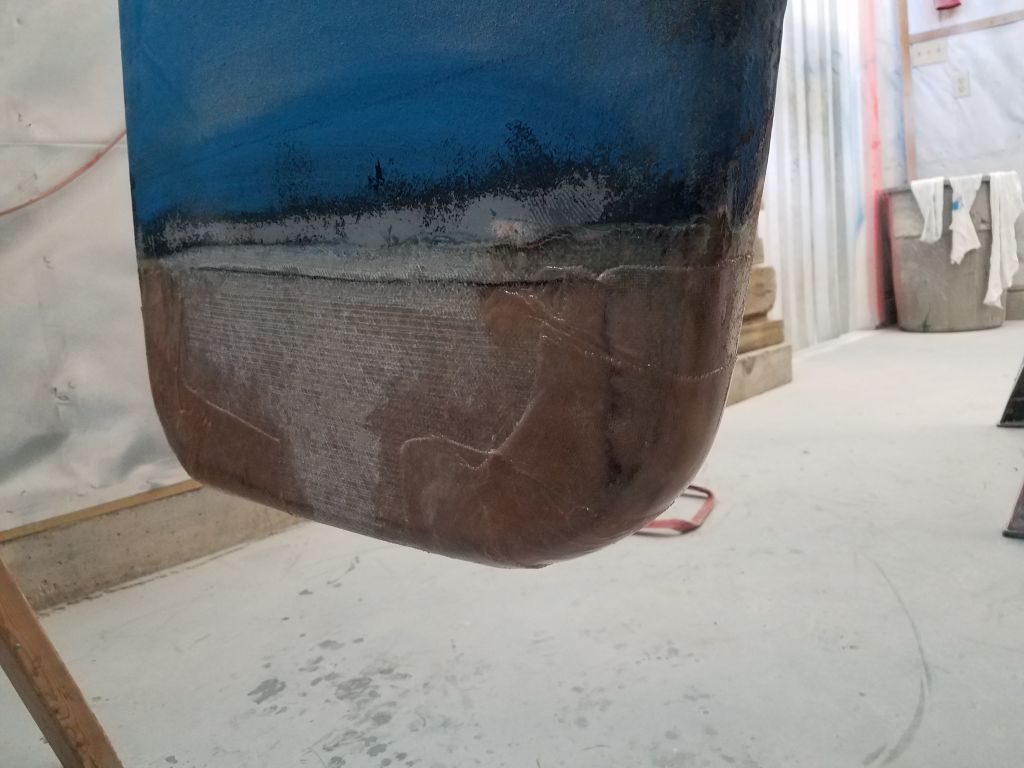
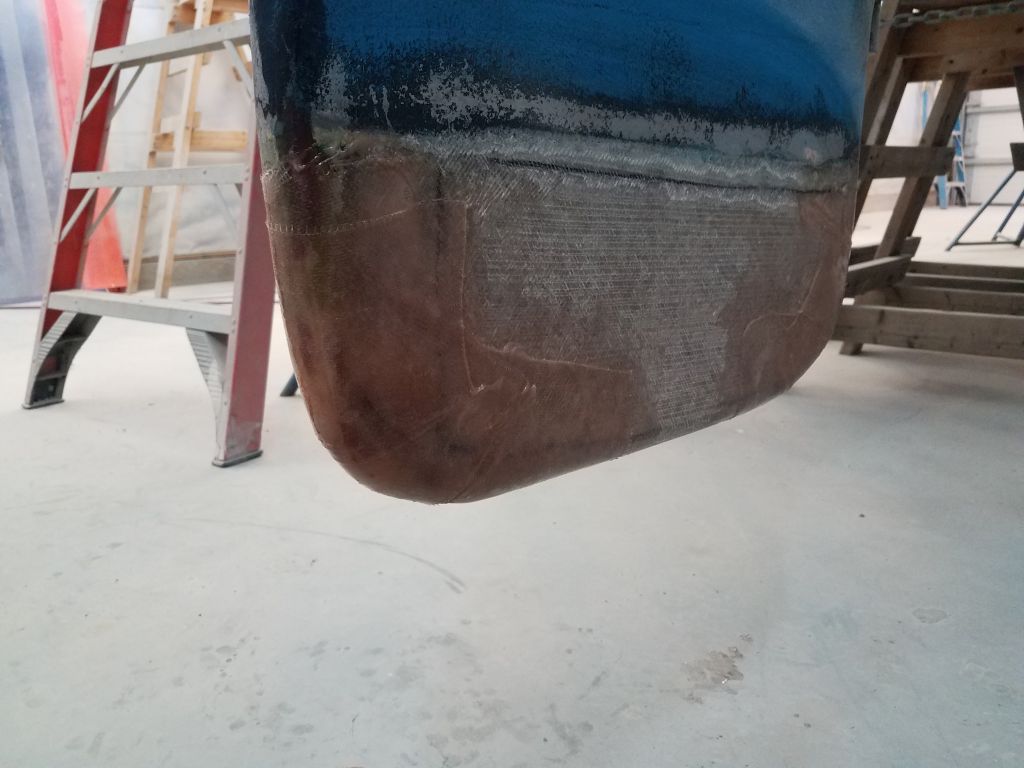
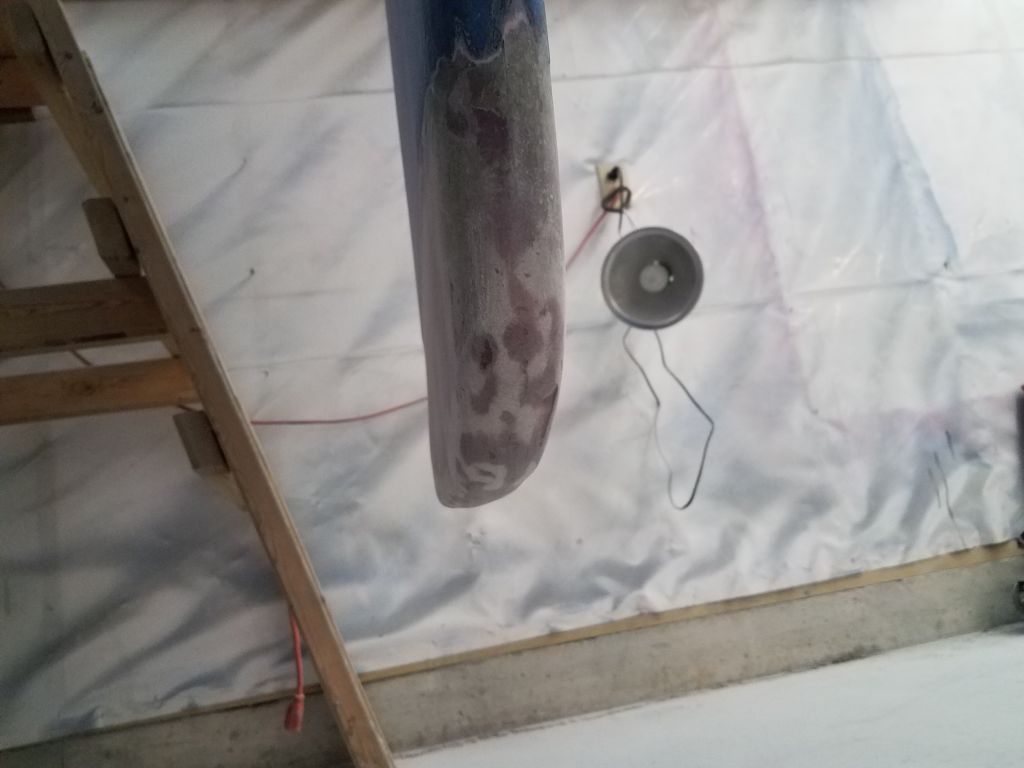
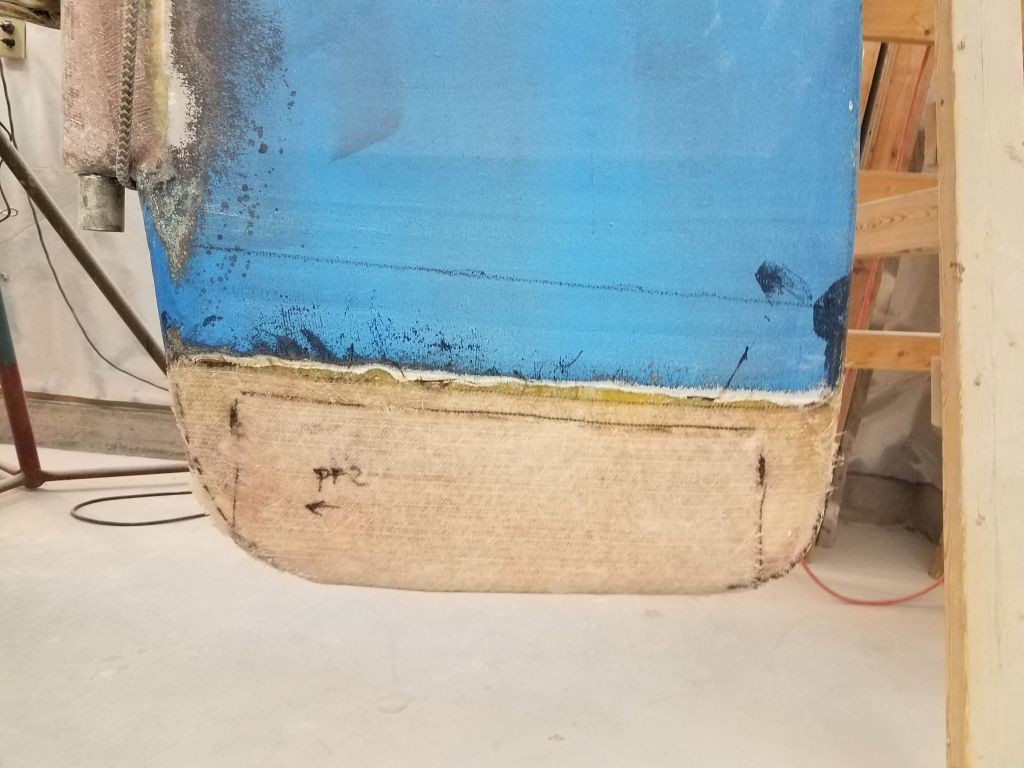
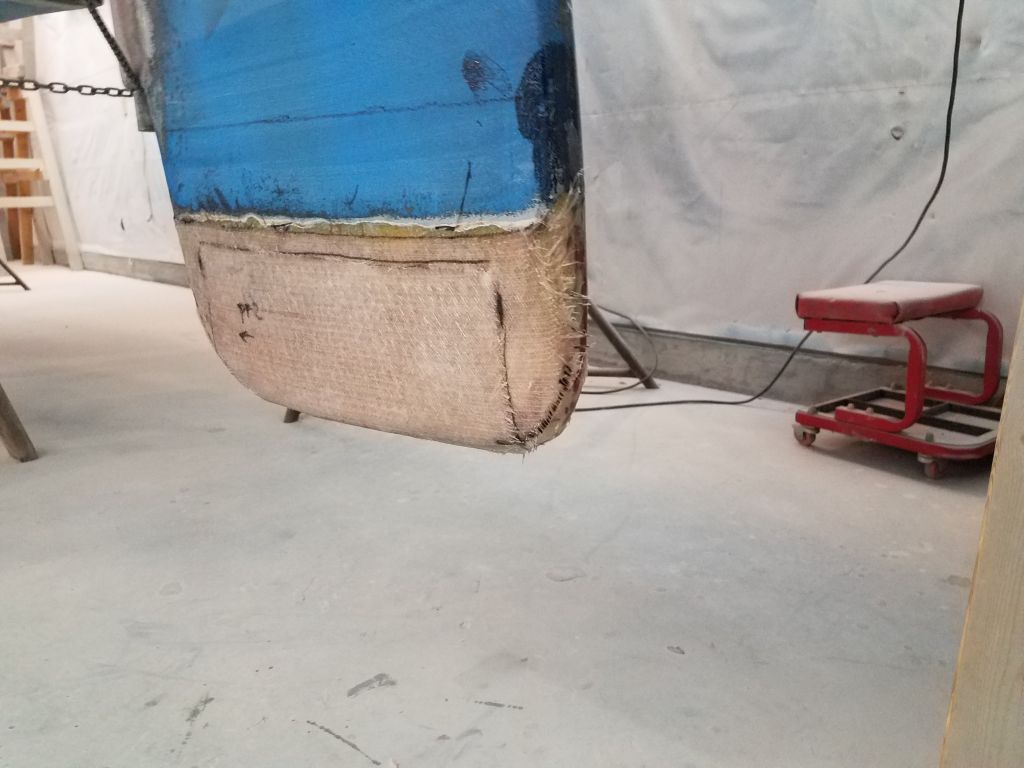
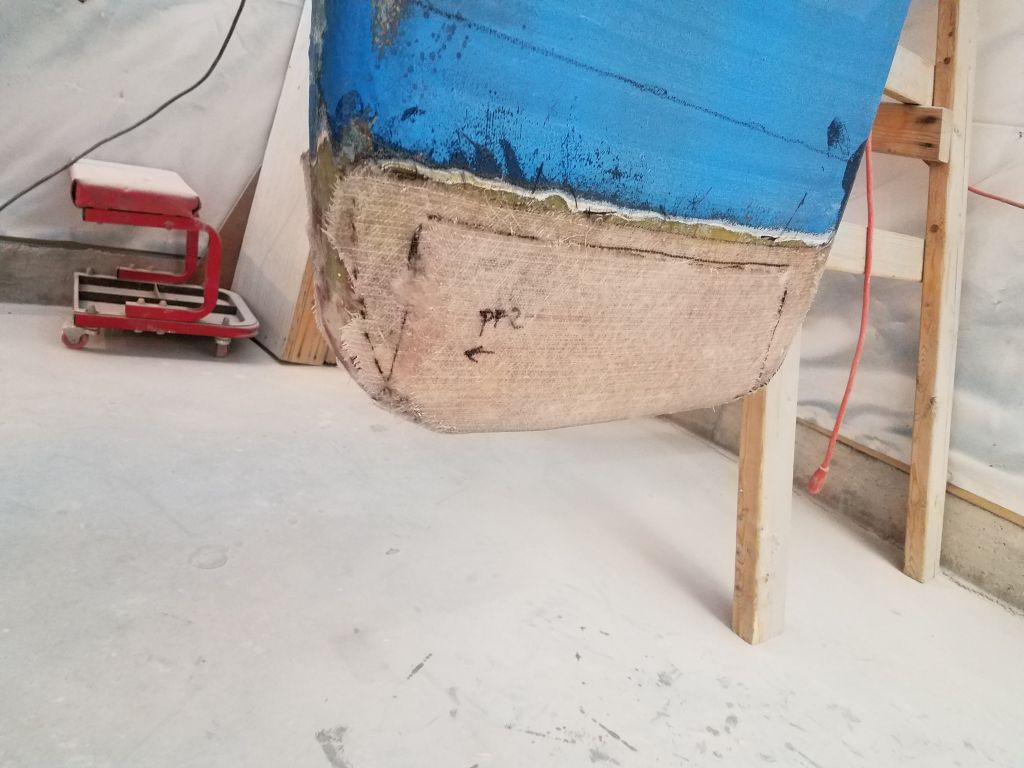
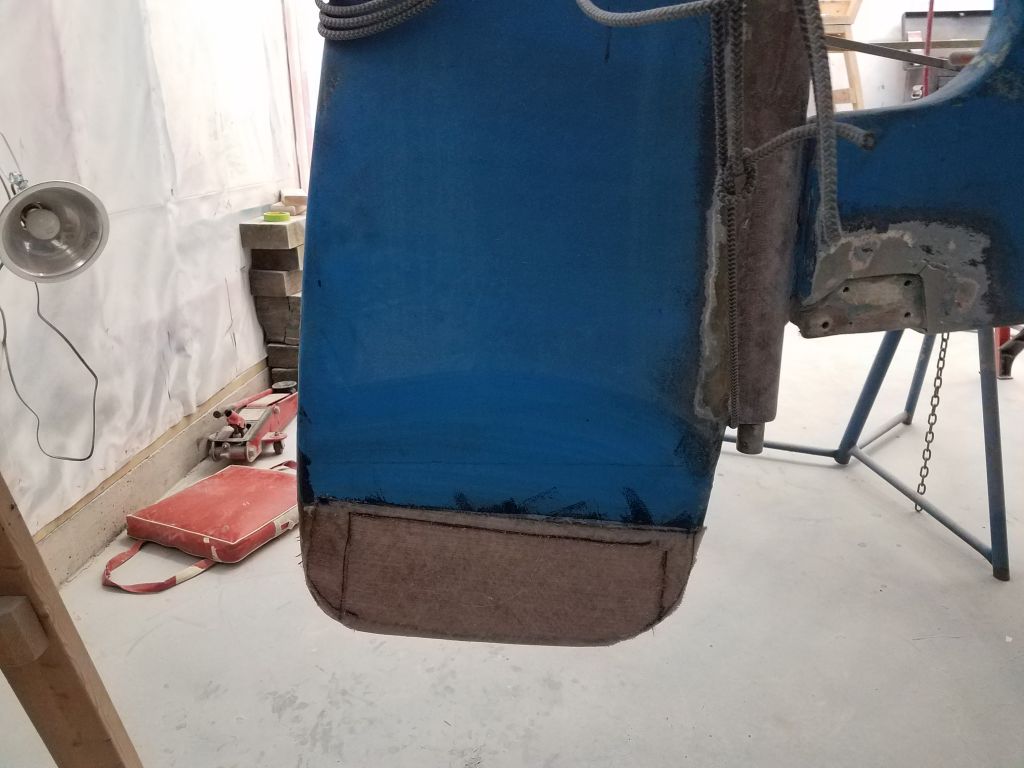
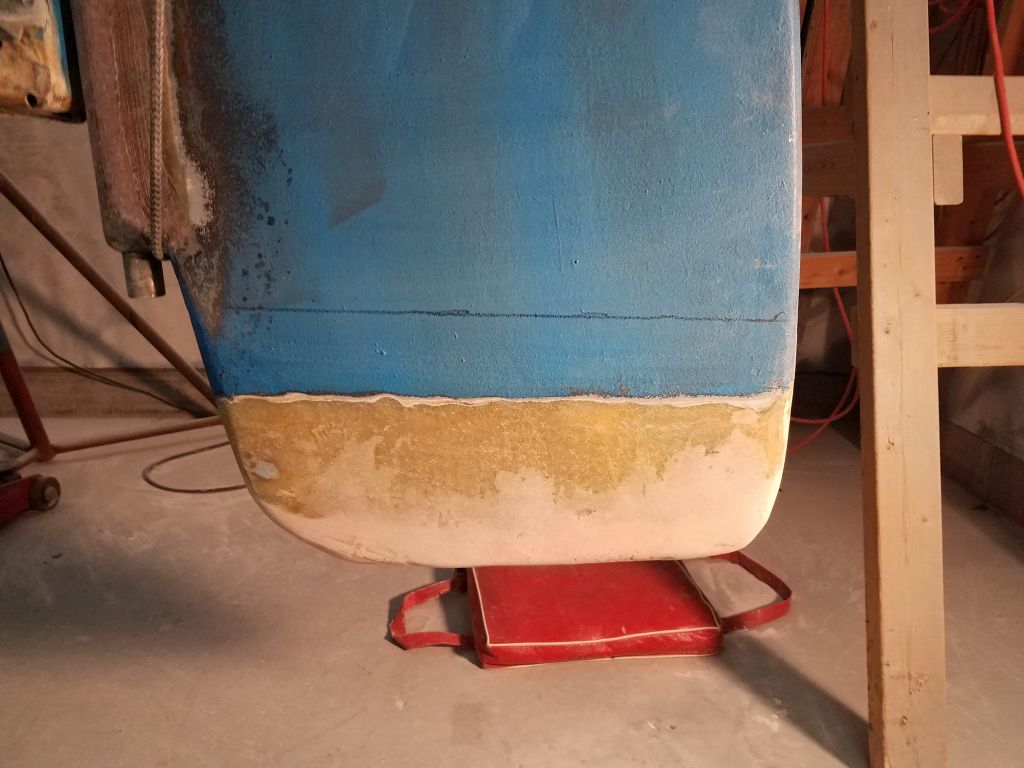
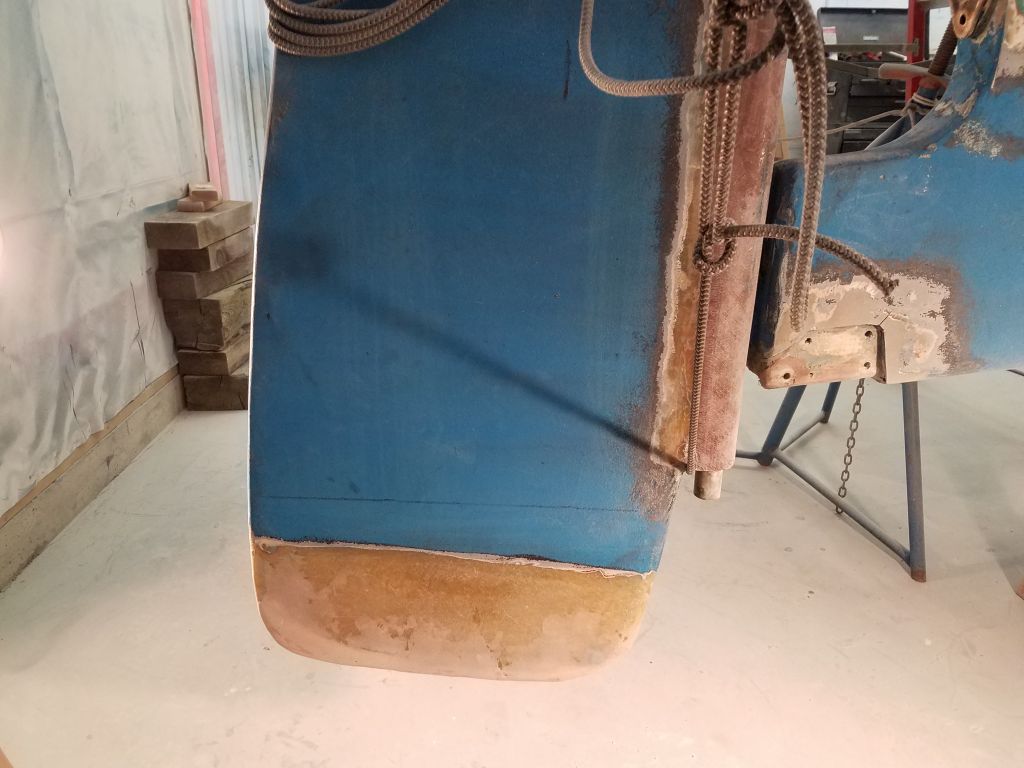
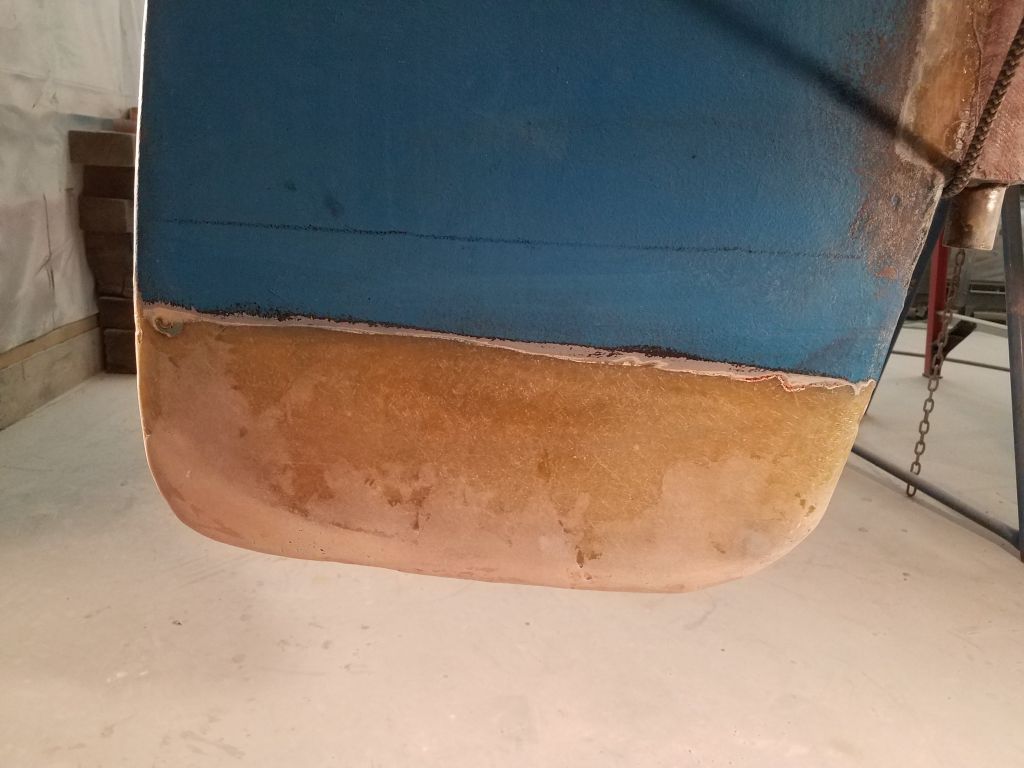
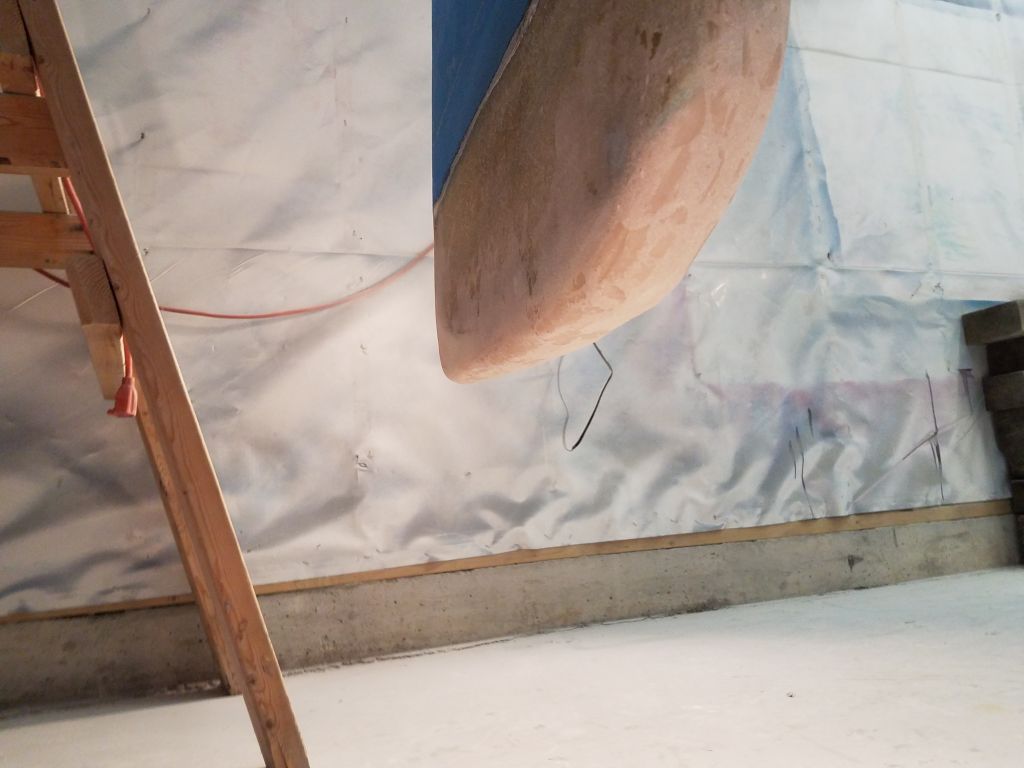
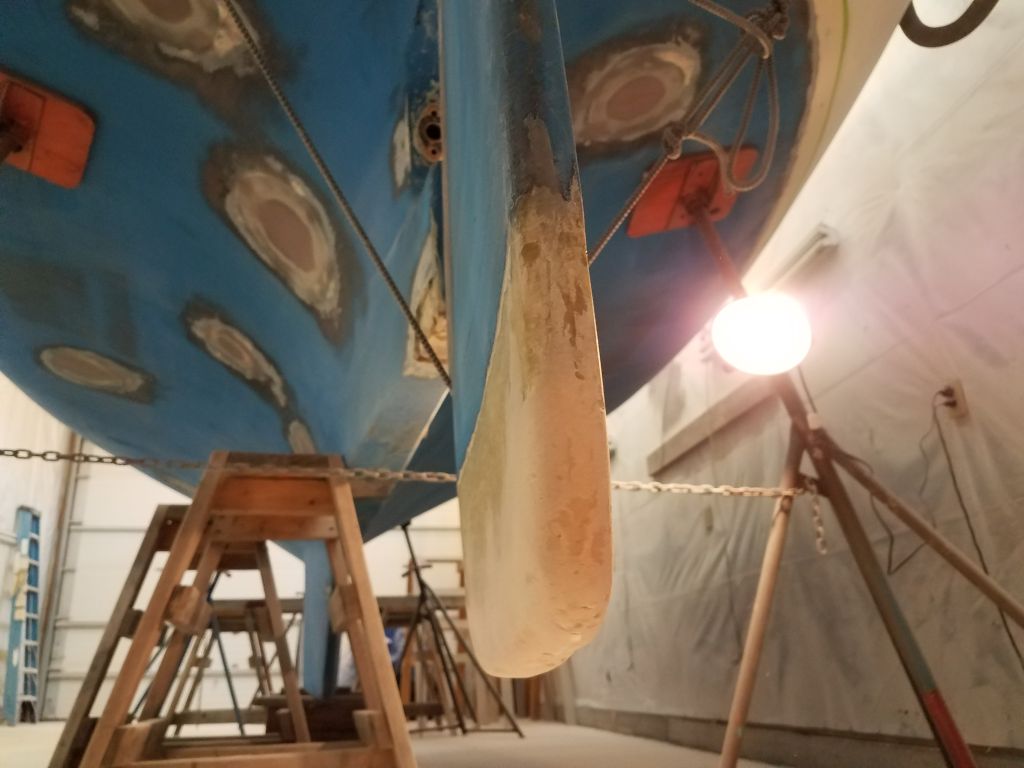
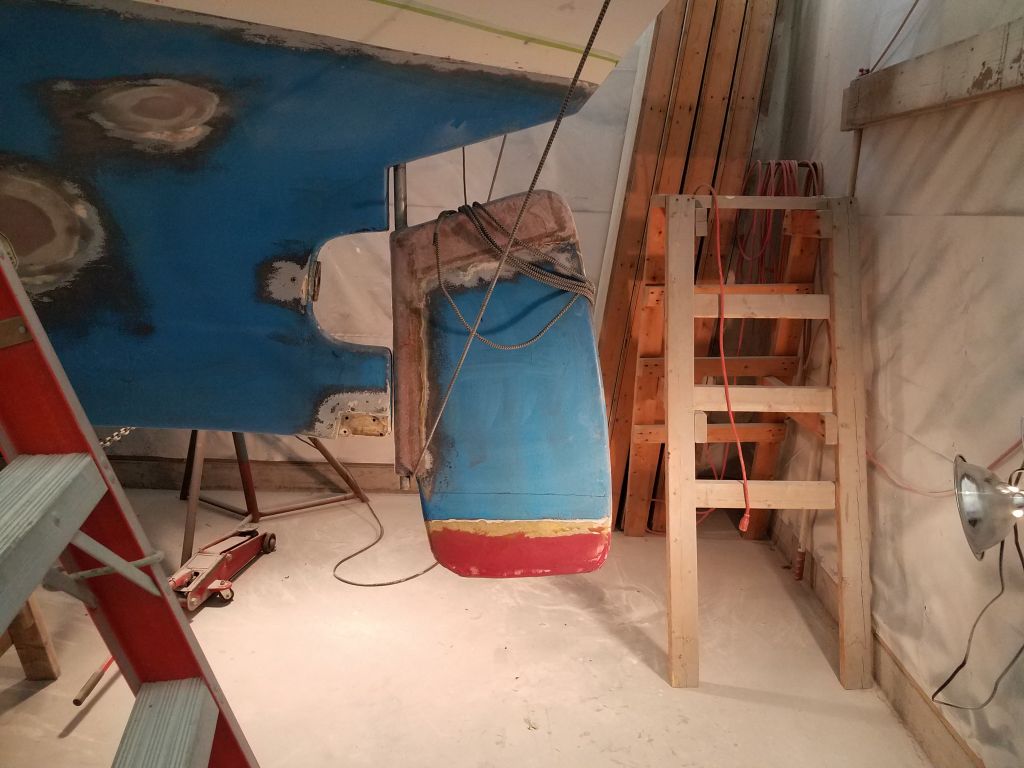
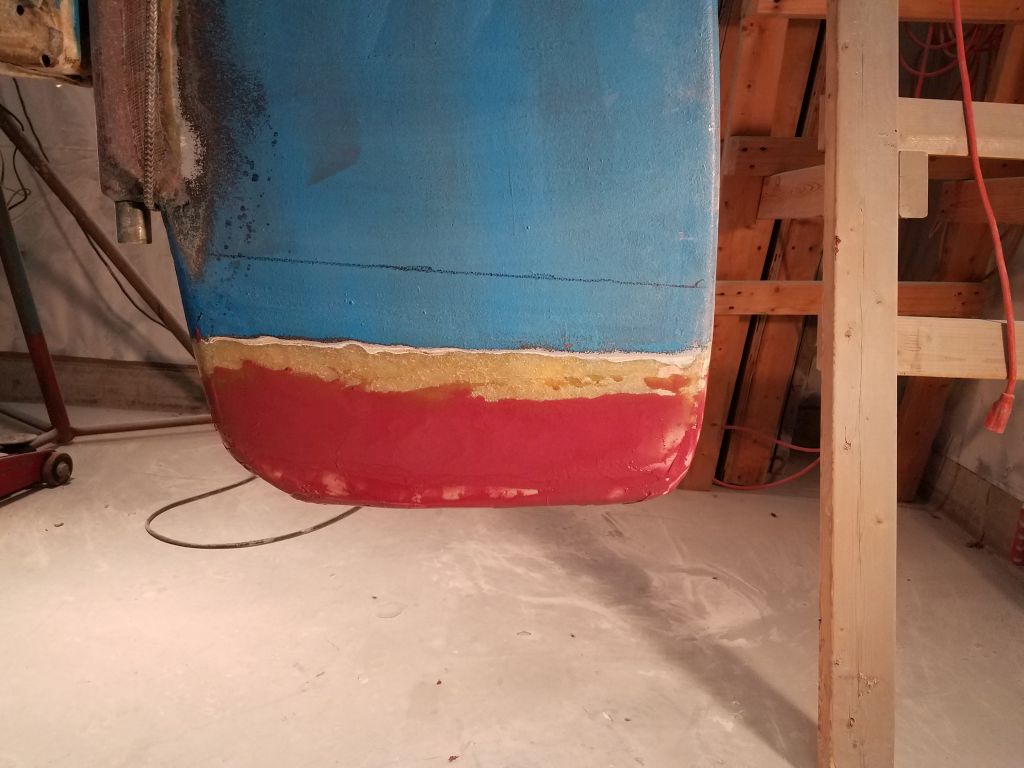
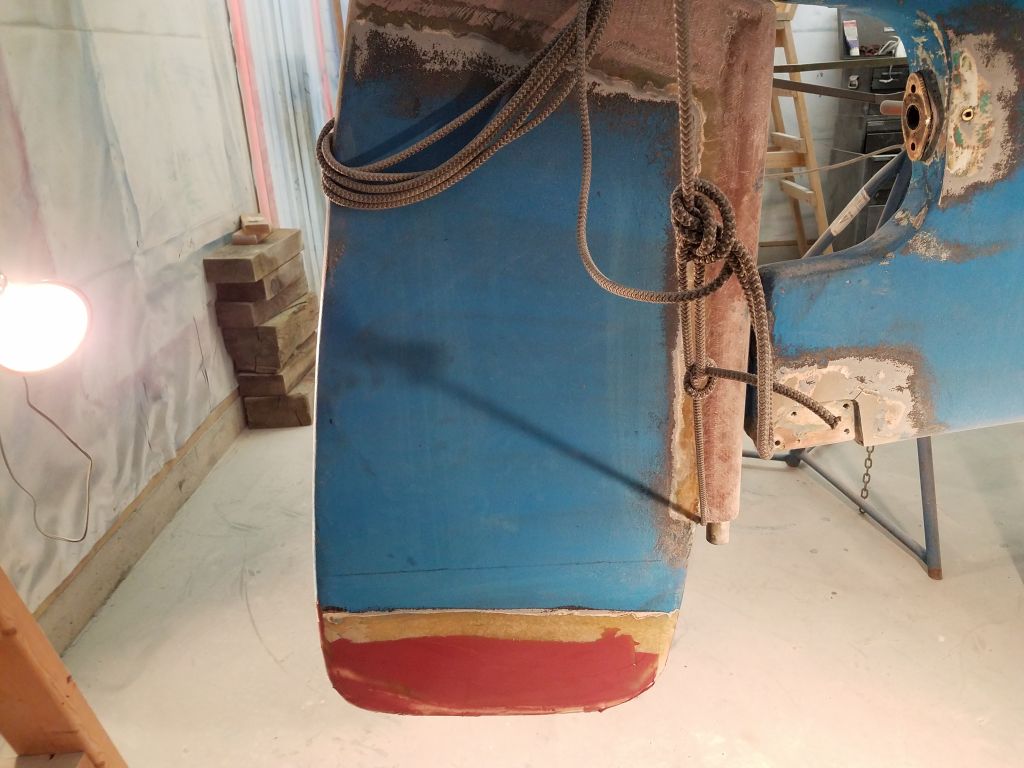
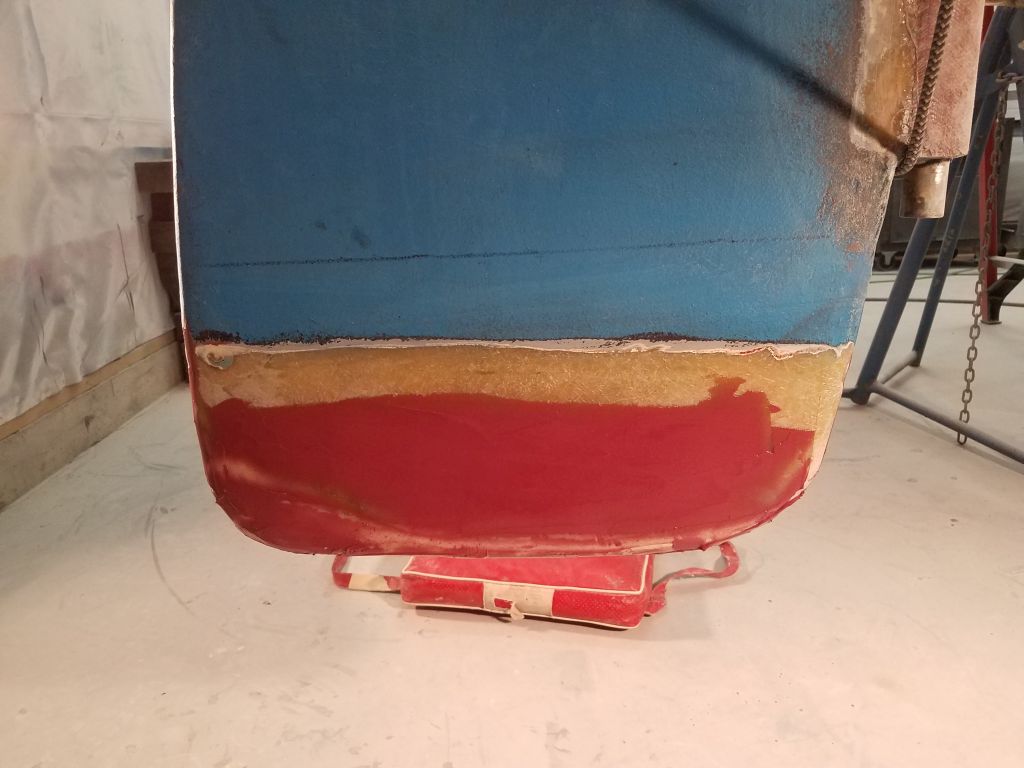
Having taken the interior as far as I could from now, and with some time left in the day, I turned to the rudder.  The lower edge of the blade still required some rebuilding and repair, and to begin, I sanded off the bottom paint, barrier coat, and gelcoat with a grinder, preparing a section of the bottom of the blade for new fiberglass.  I also cleaned up the mess that passed for the bottom edge to prepare it for filling and eventual reglassing.

I thought the basic shape left on the starboard side of the blade was more or less how the rudder had been originally shaped, and served as the most raw basis for how to rebuild the lower edge, though in the end I’d judge the final shape by eye as needed.  After cleaning up the area, I started with some epoxy thickened with high-density filler, pressing it into the voids between the rudder sides and then beginning to rebuild the shape from there.  It would most likely take a couple more applications to get the shape back where it needed to be, after which time I could glass over the whole thing to complete the repair.

Total time billed on this job today:  7.5 hours

0600 Weather Observation:  31°, snow, about 3-4 inches down so far.  Forecast for the day:  Snow ending (about 5-6″ total) and clearing, growing colder with snow squalls.

Scupper 68

Tuesday

After a mid-morning start following some errands and other business, I continued finish-sanding work on the remaining surfaces in the main cabin, including the port settee, both sides of the cabin trunk, and the galley area.  When I was through with the larger tool, I switched to a small palm sander and 120 grit paper and finished up work on various corners and tight spots to complete the basic prep work in the main and forward cabins.

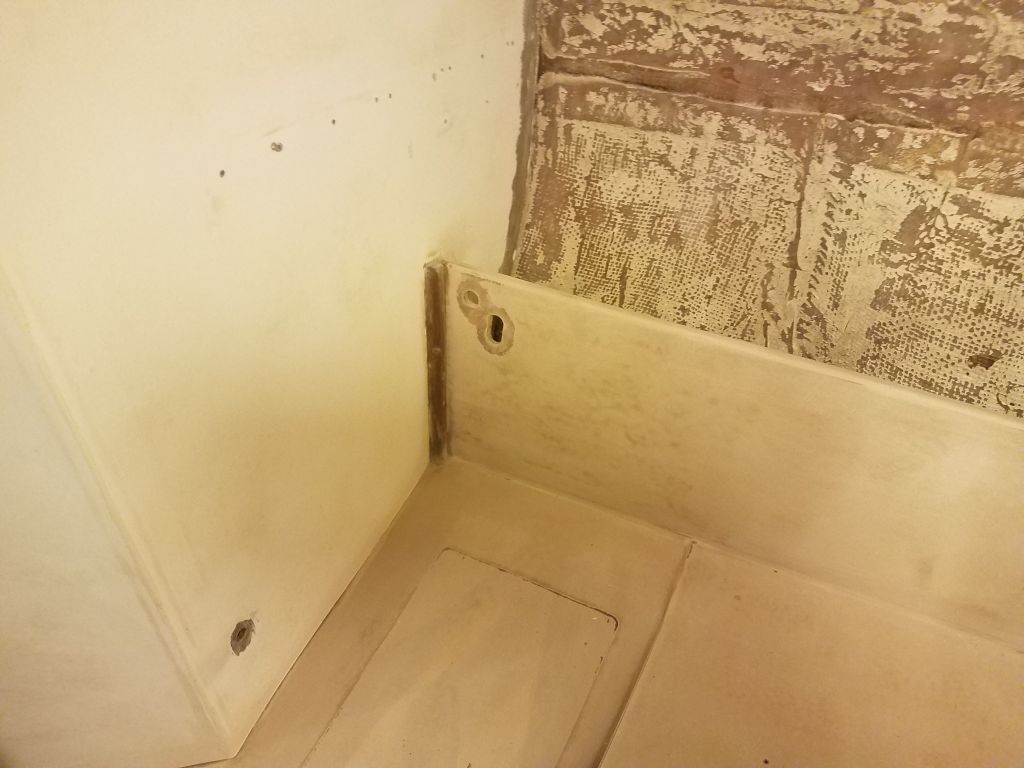
Afterwards, I went around the interior with a drill and countersink bit, and reamed out all the old screw holes throughout the interior, making the holes wider to better accept epoxy filler.  I liked to start with a clean slate and not be tied to any existing holes, particularly in a situation where I wasn’t sure how new trim and other details would come together.

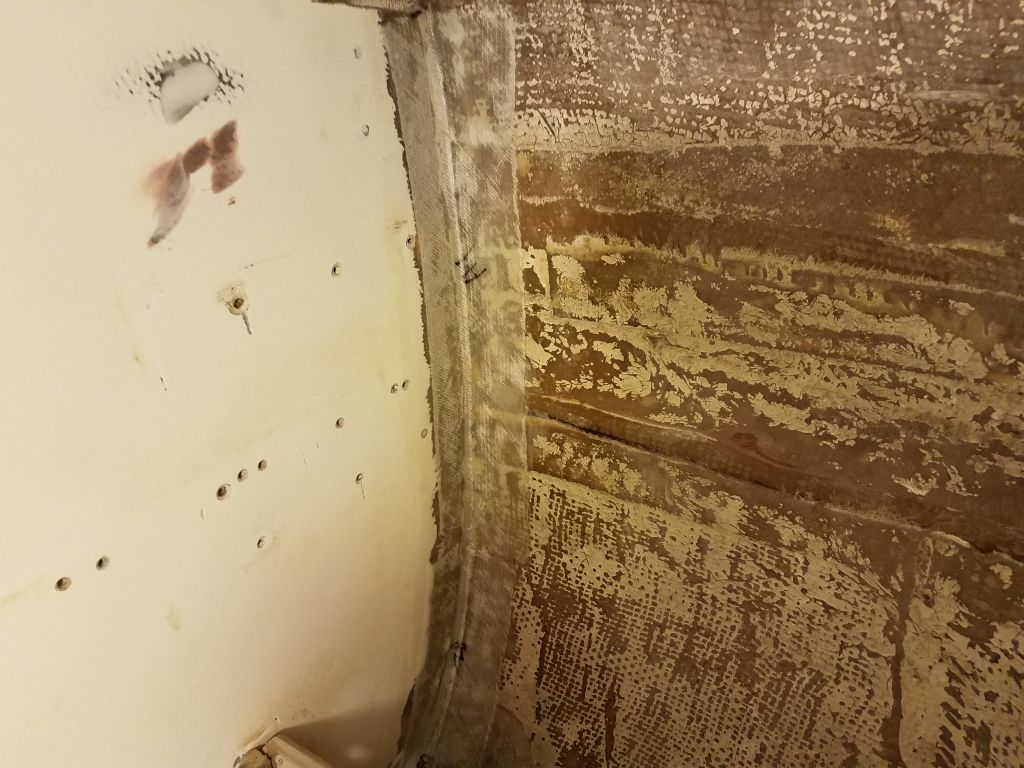
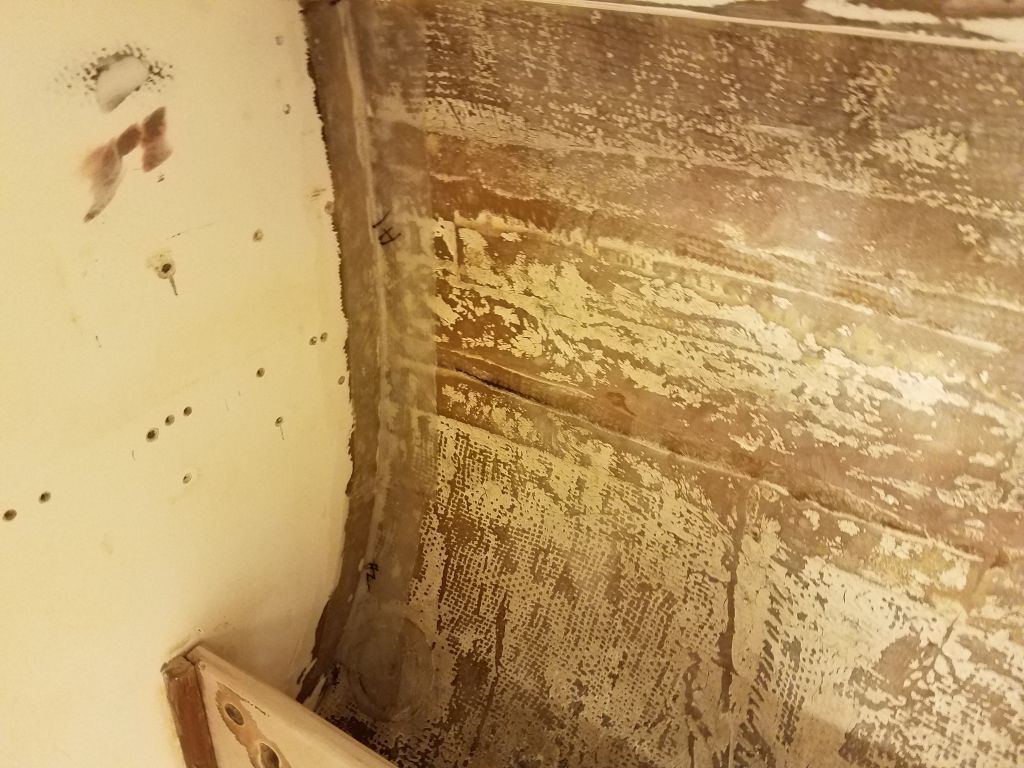
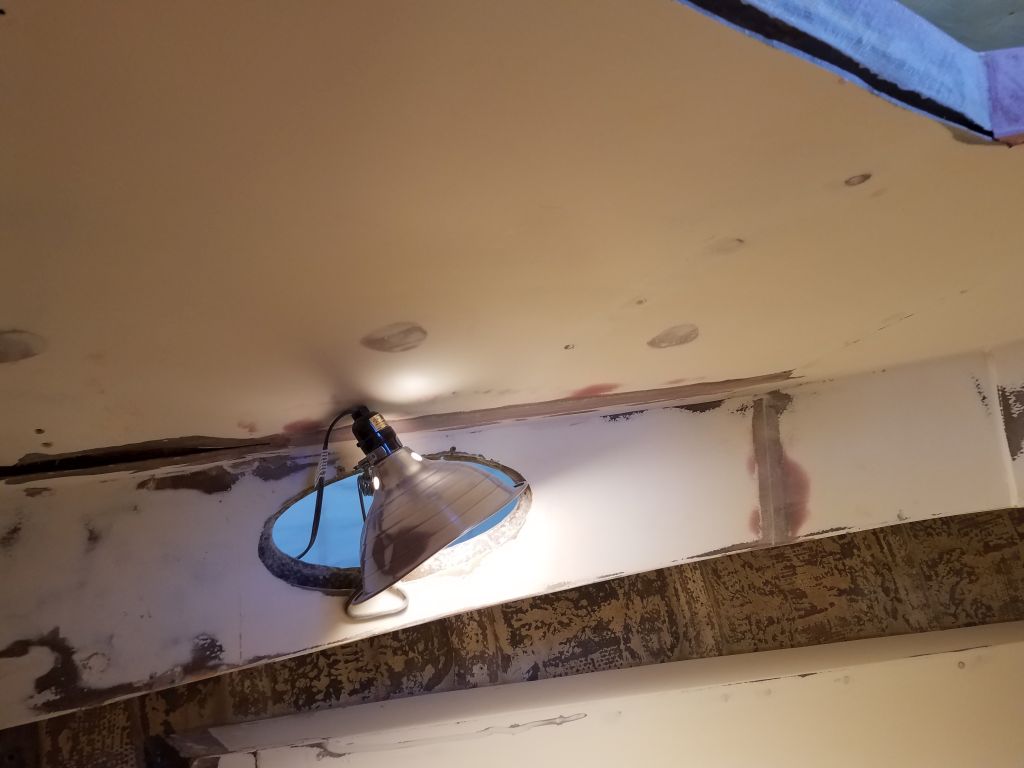
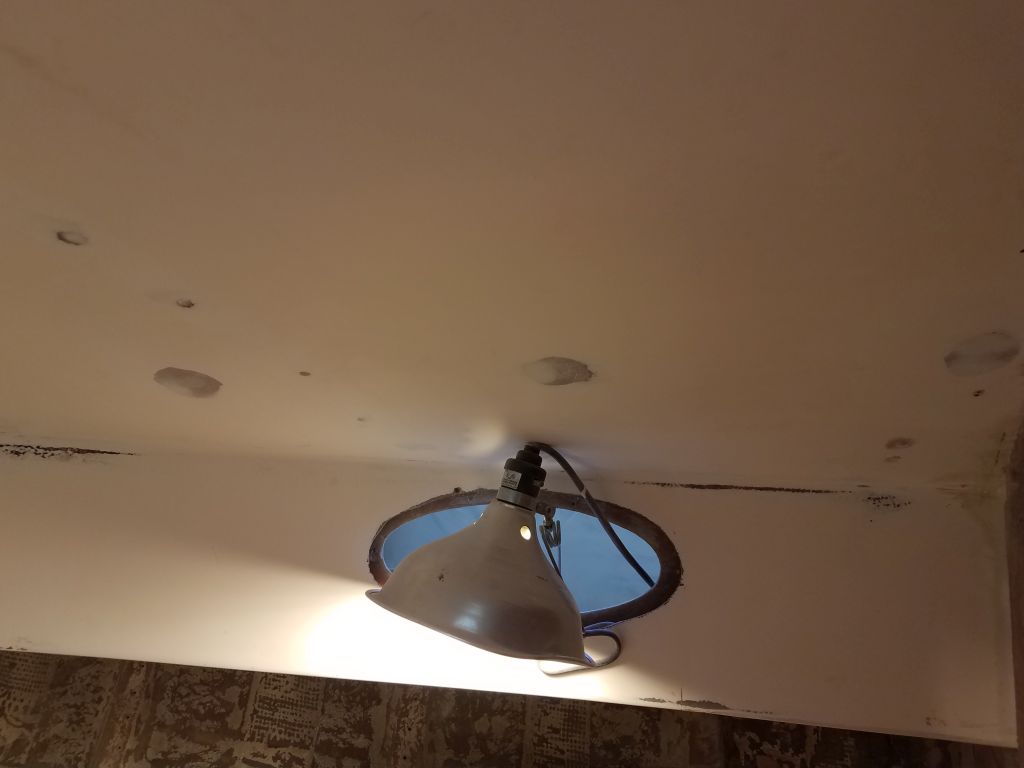
Next, I used a grinder to open up a few cracks here and there, mainly in sections of the port side where the liner had apparently once been cut out for access to the hull and deck.  These seams had opened up in places, and the non-reinforced seams would show through new coatings unless I improved the bonding.  I kept these areas minimal, since this was just a non-structural interior liner and my only purpose was to better hide these seams and old cracks.  While I had the grinder out, I prepared the area around the old deck prism above the galley, and also some old fastener holes beneath the foredeck that required more substantial filling and patching.

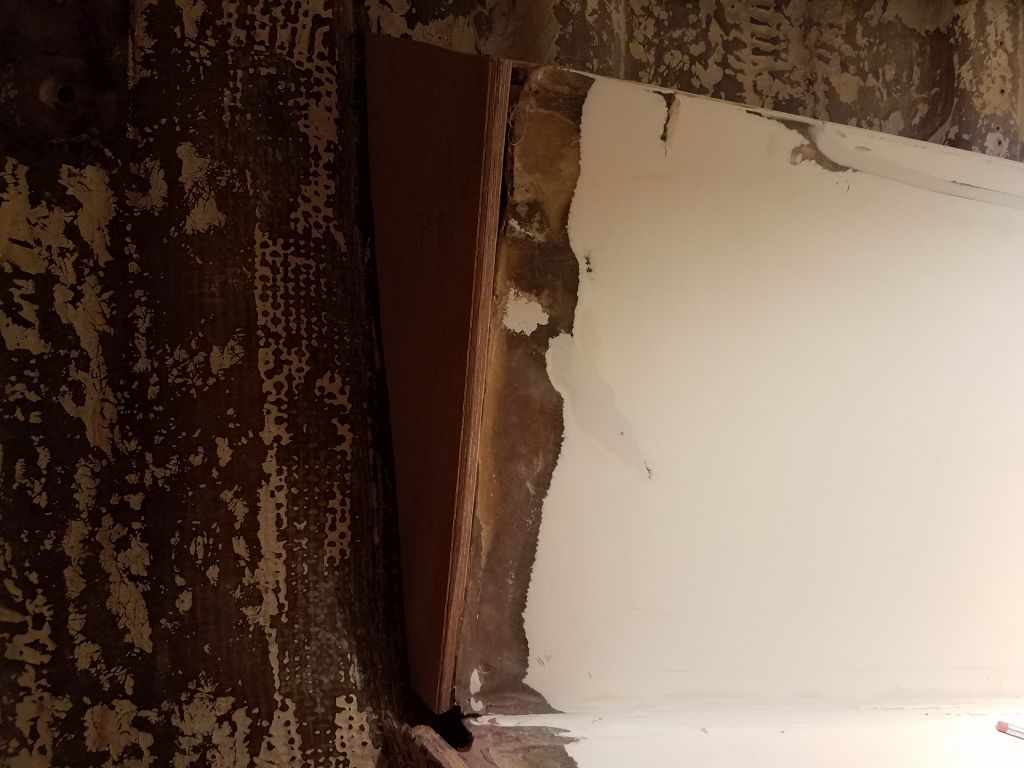
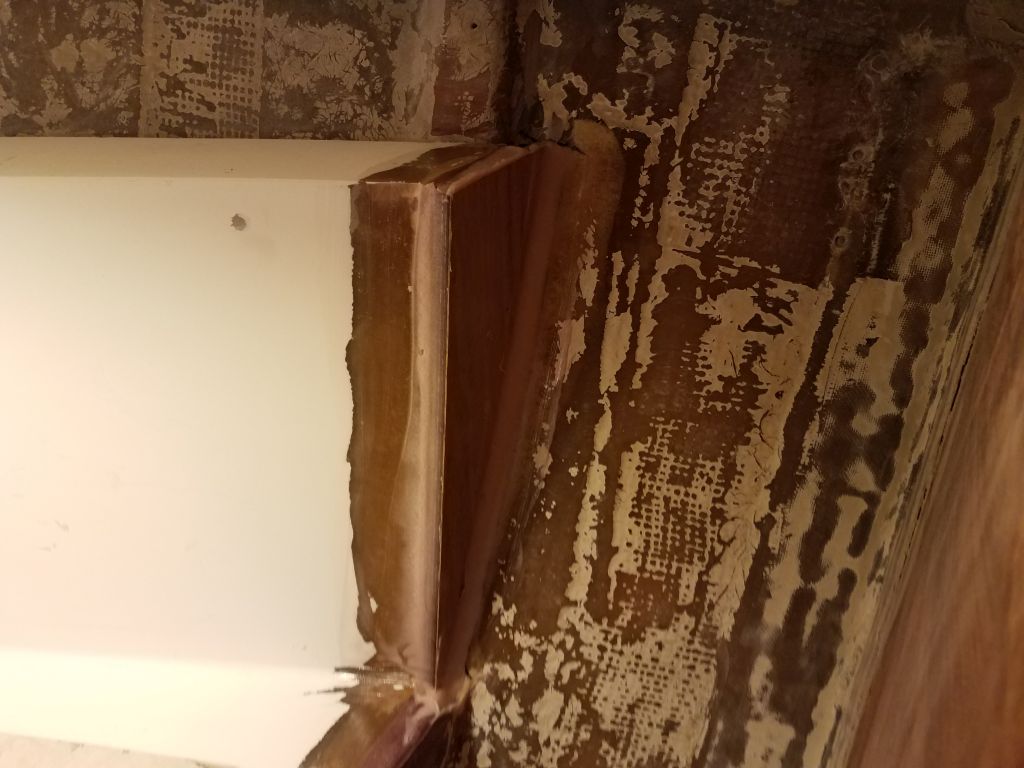
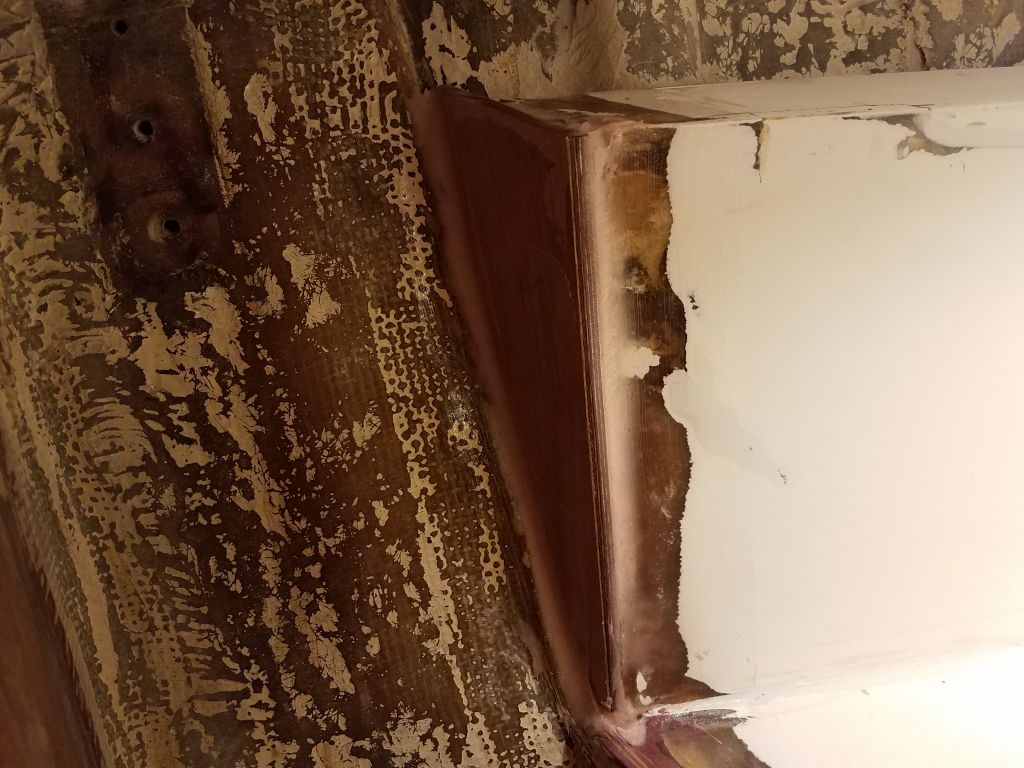
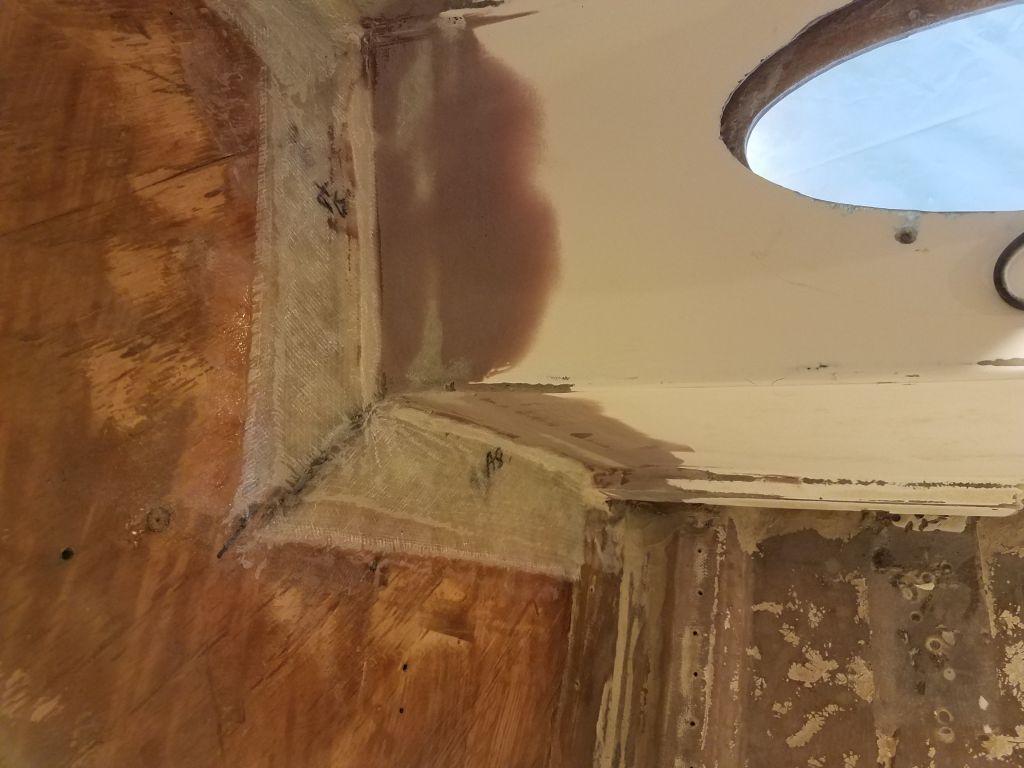
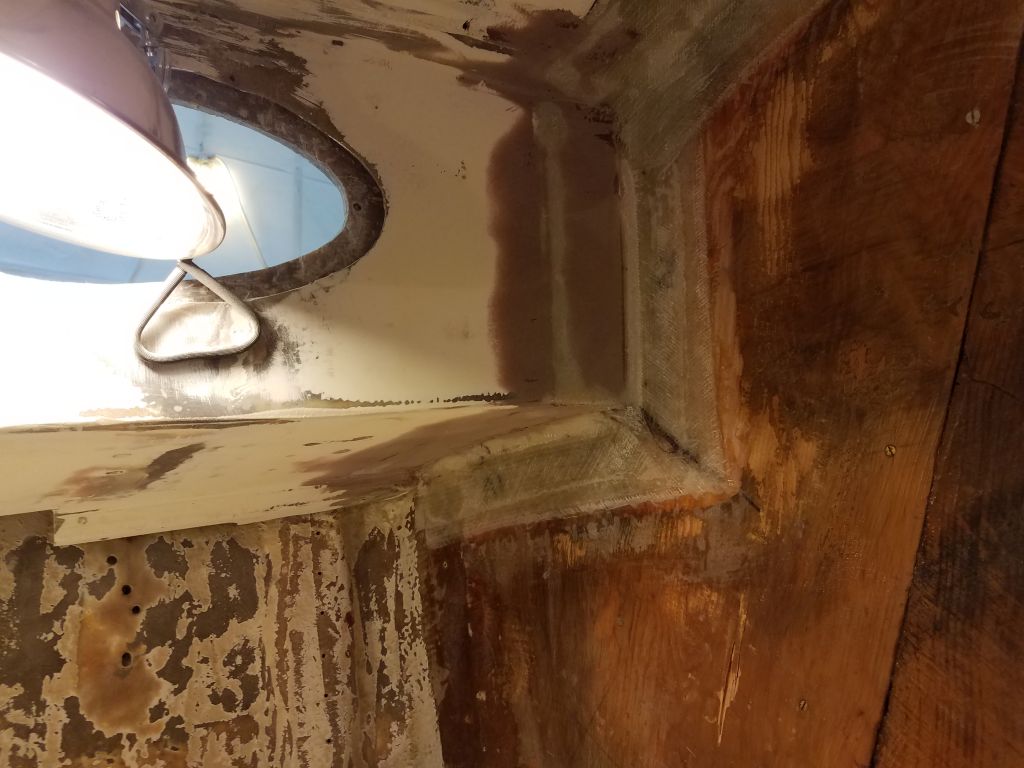
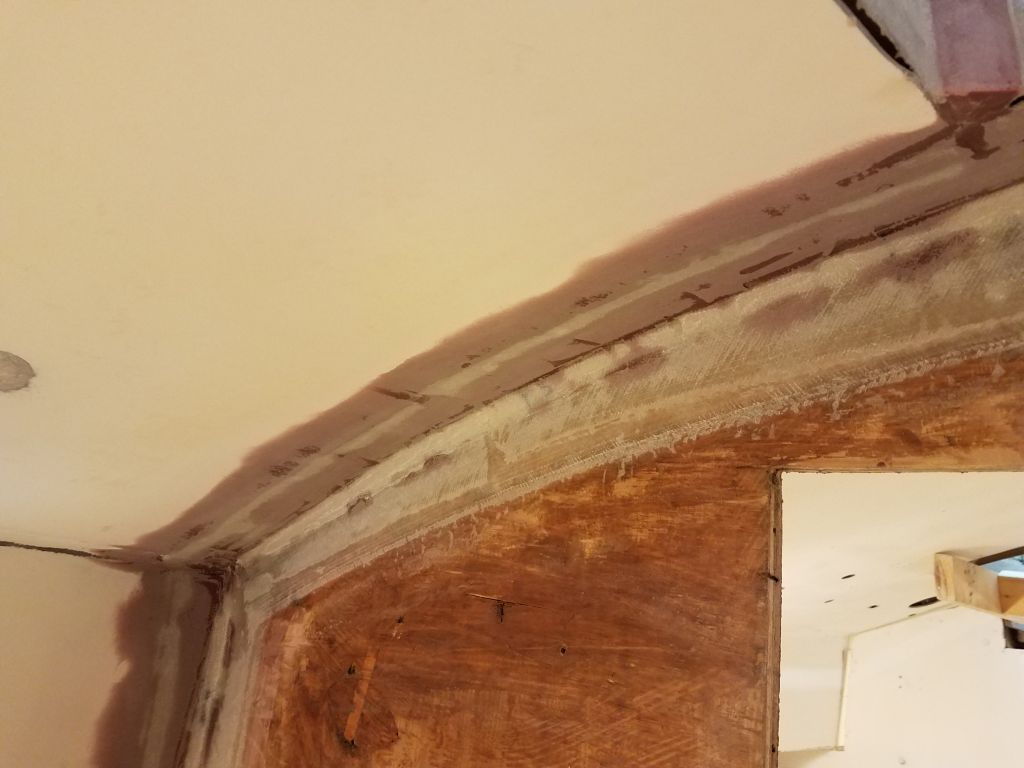
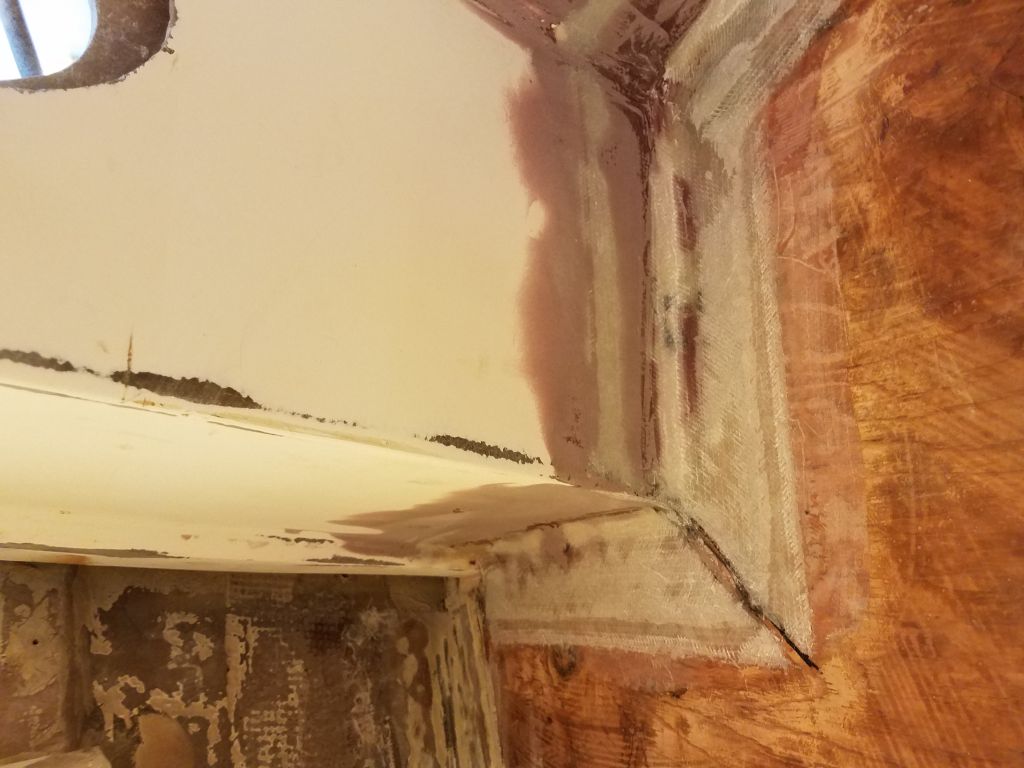
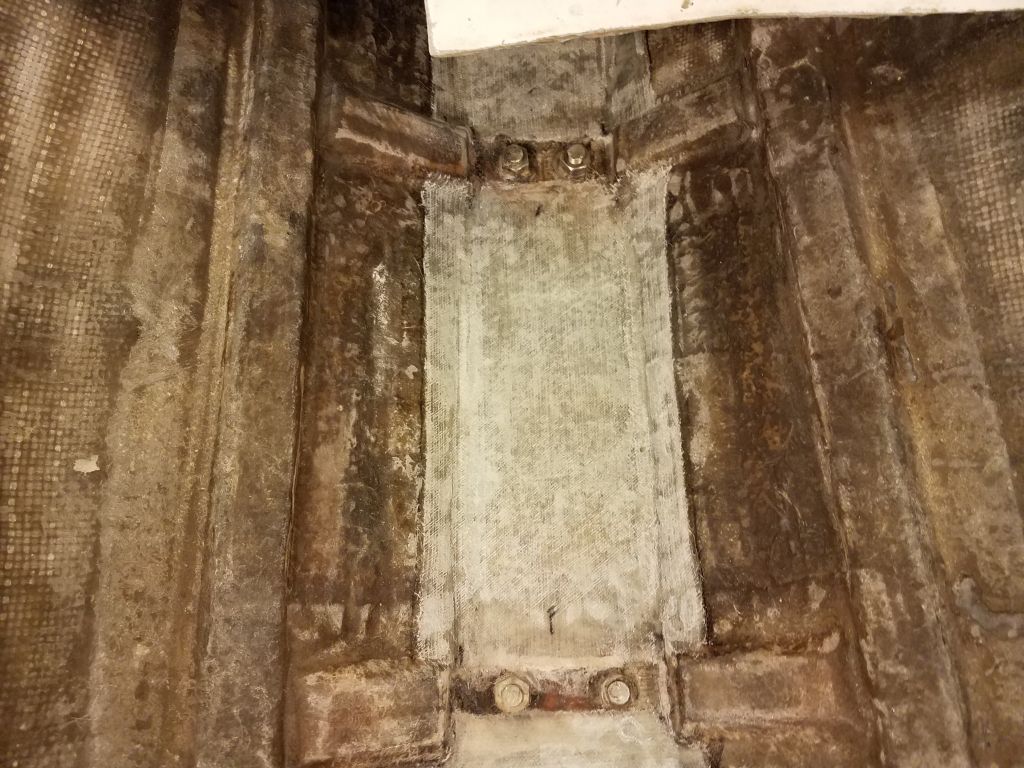
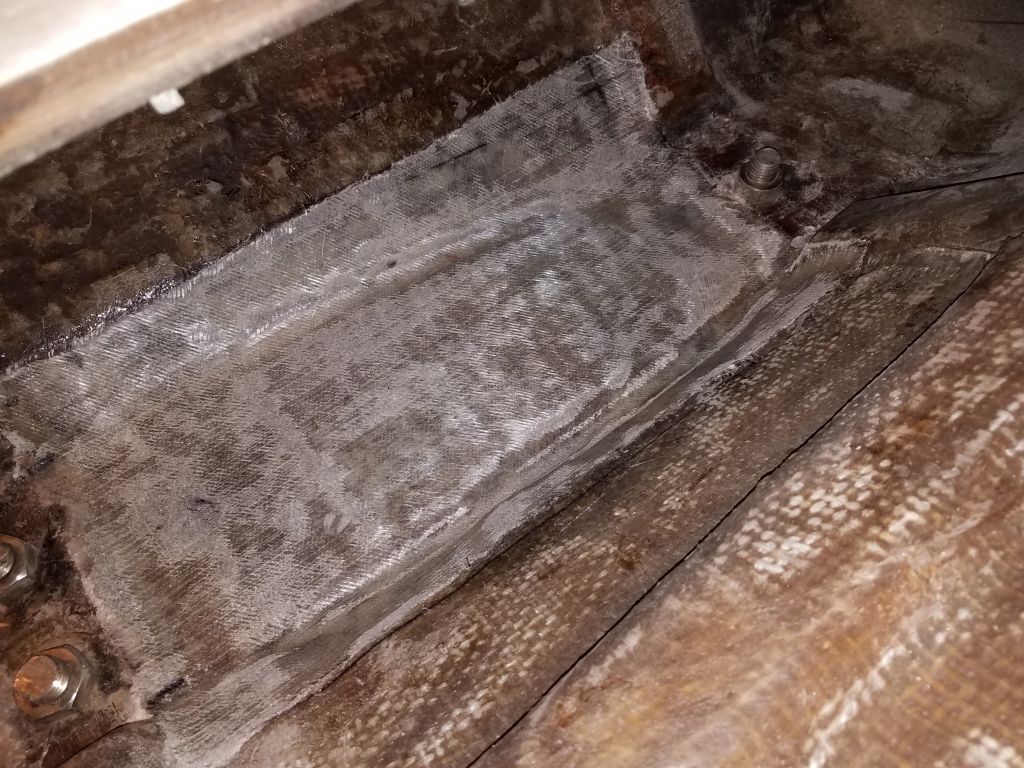
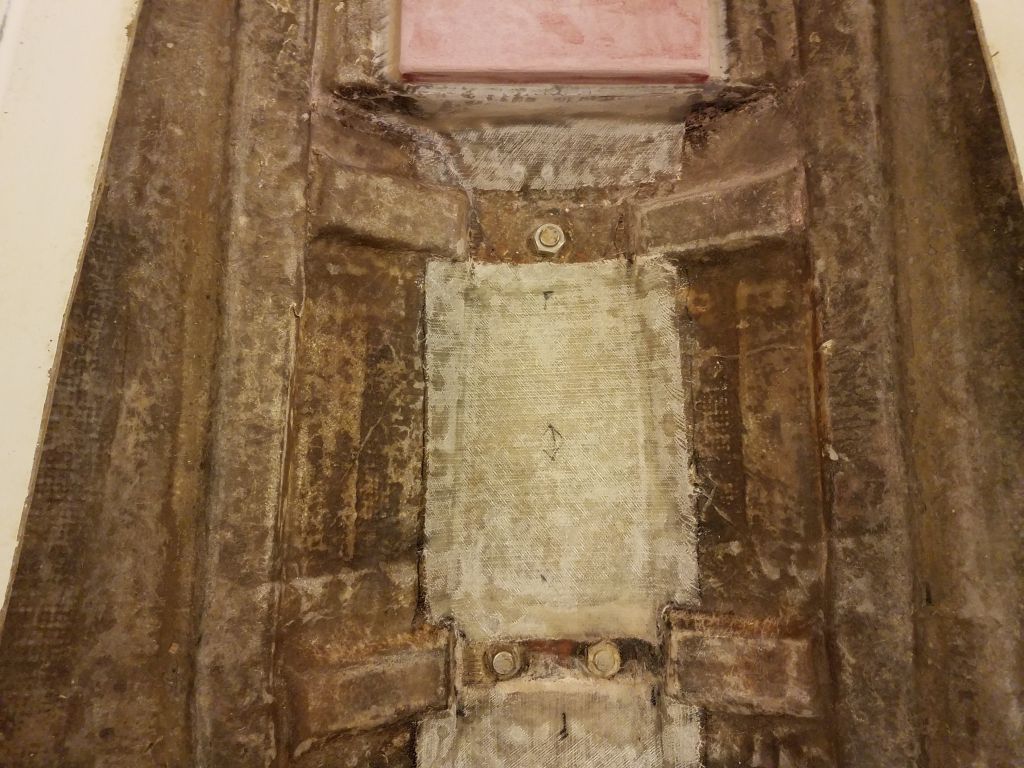
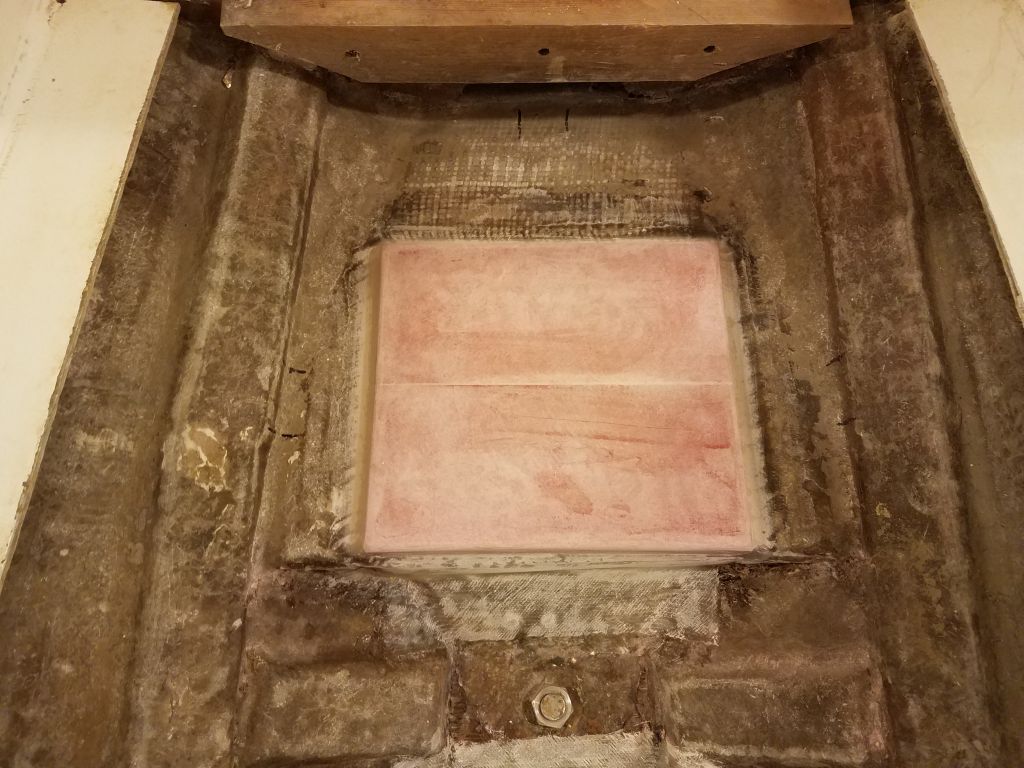
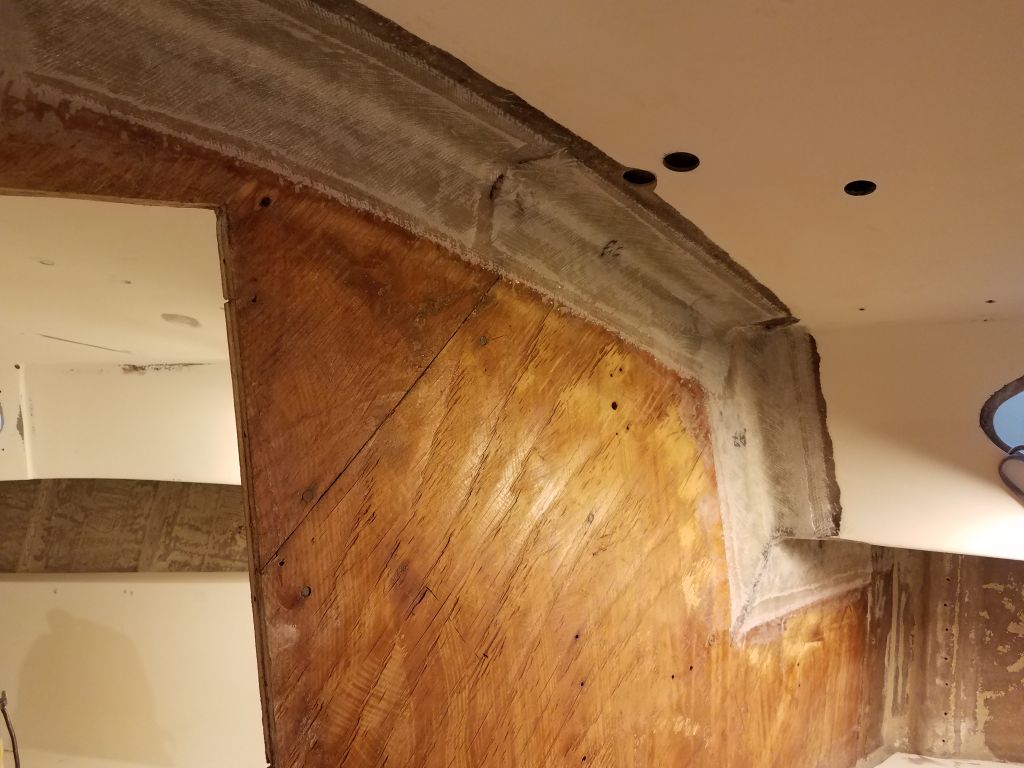
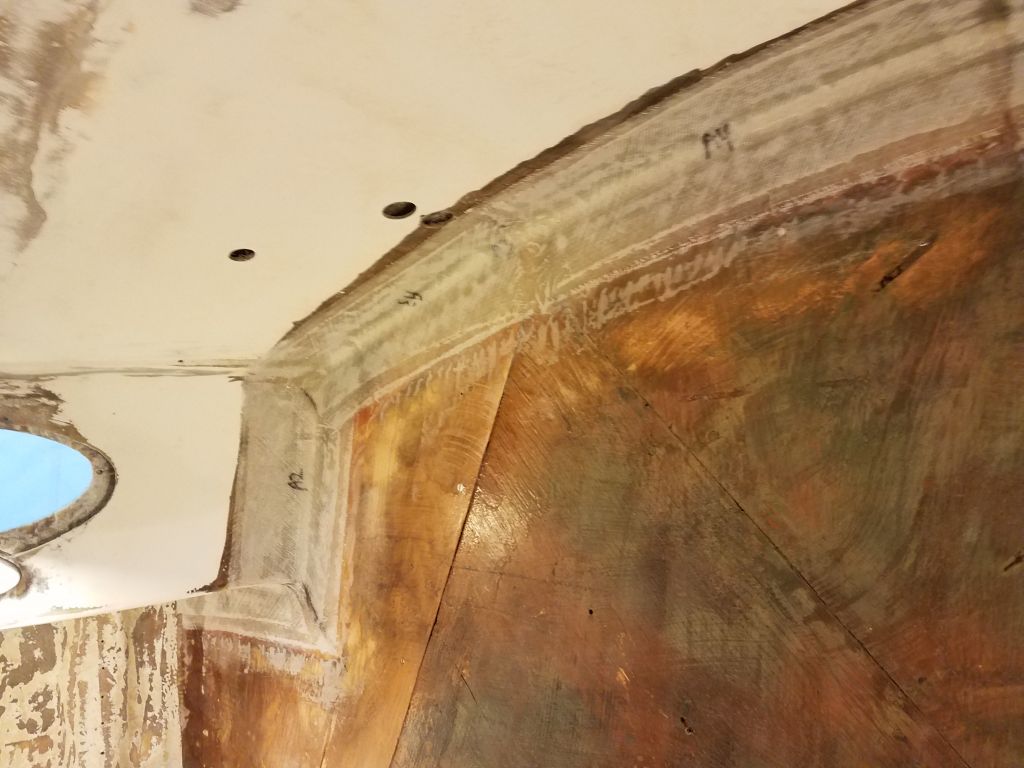
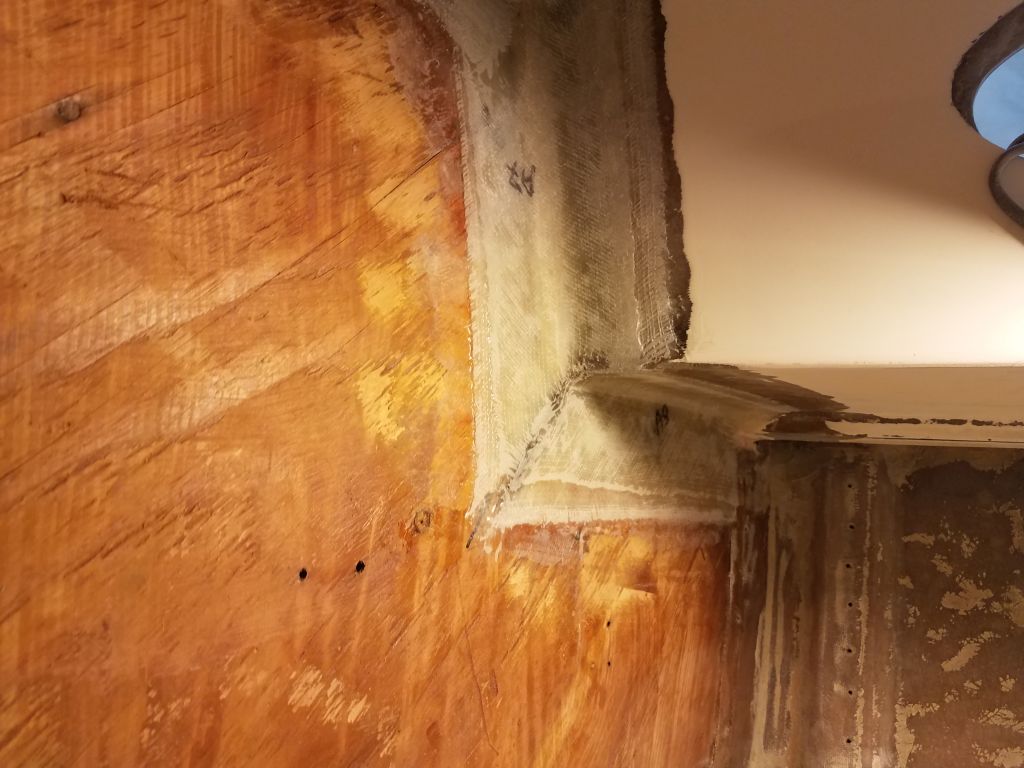
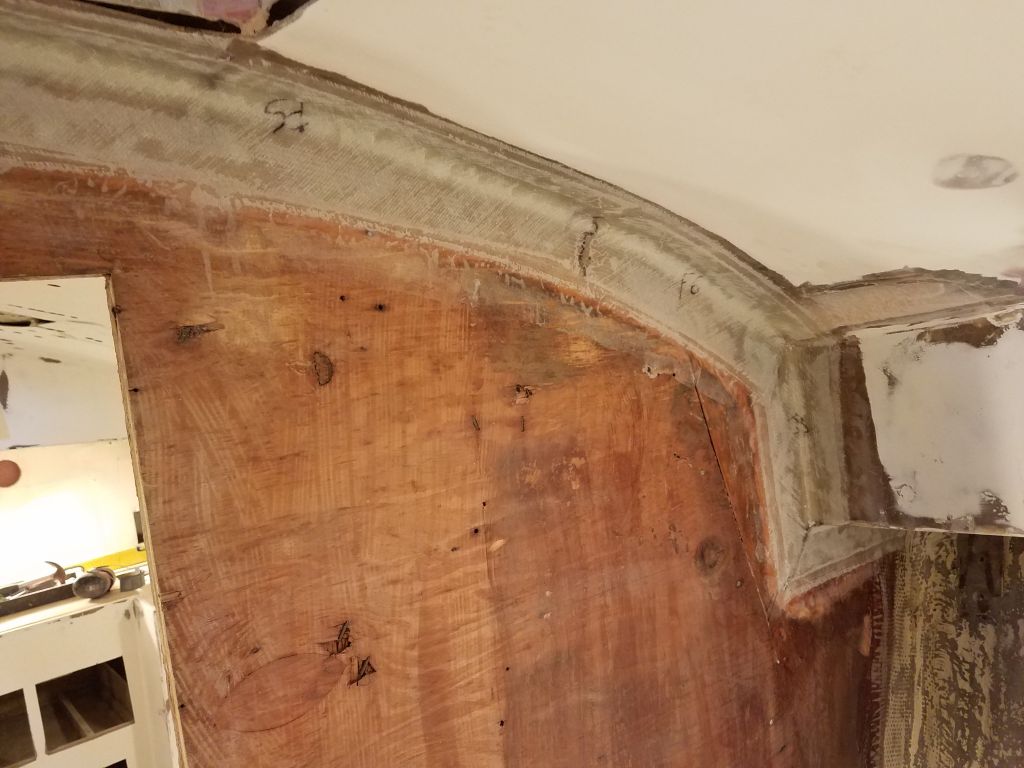
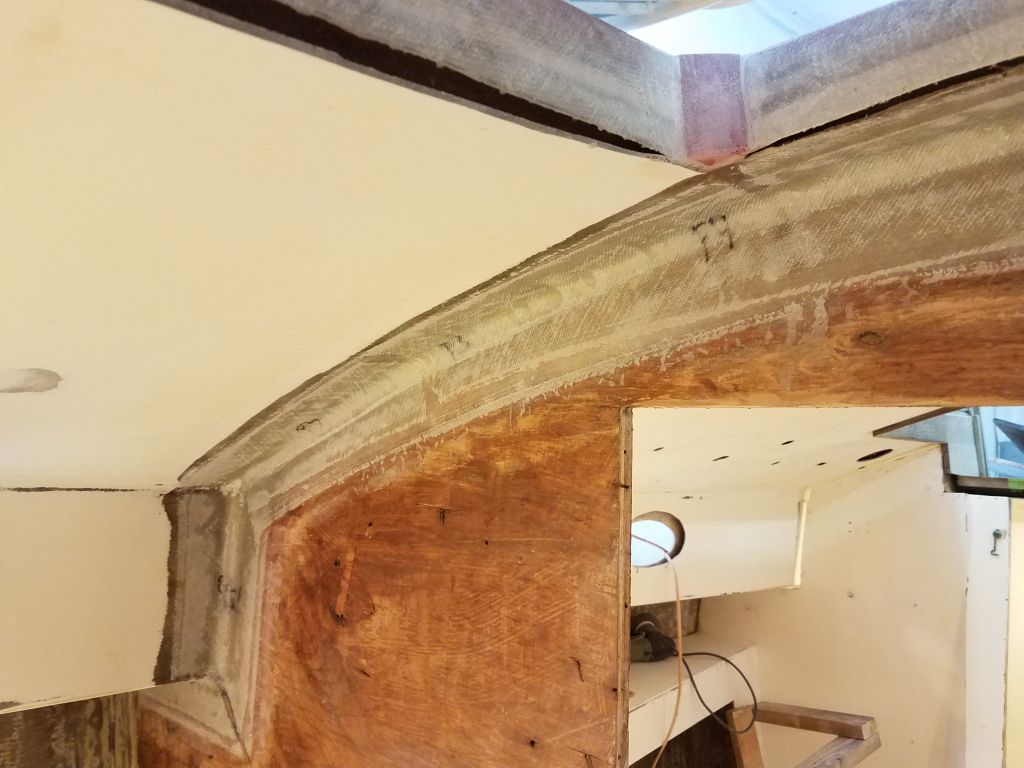
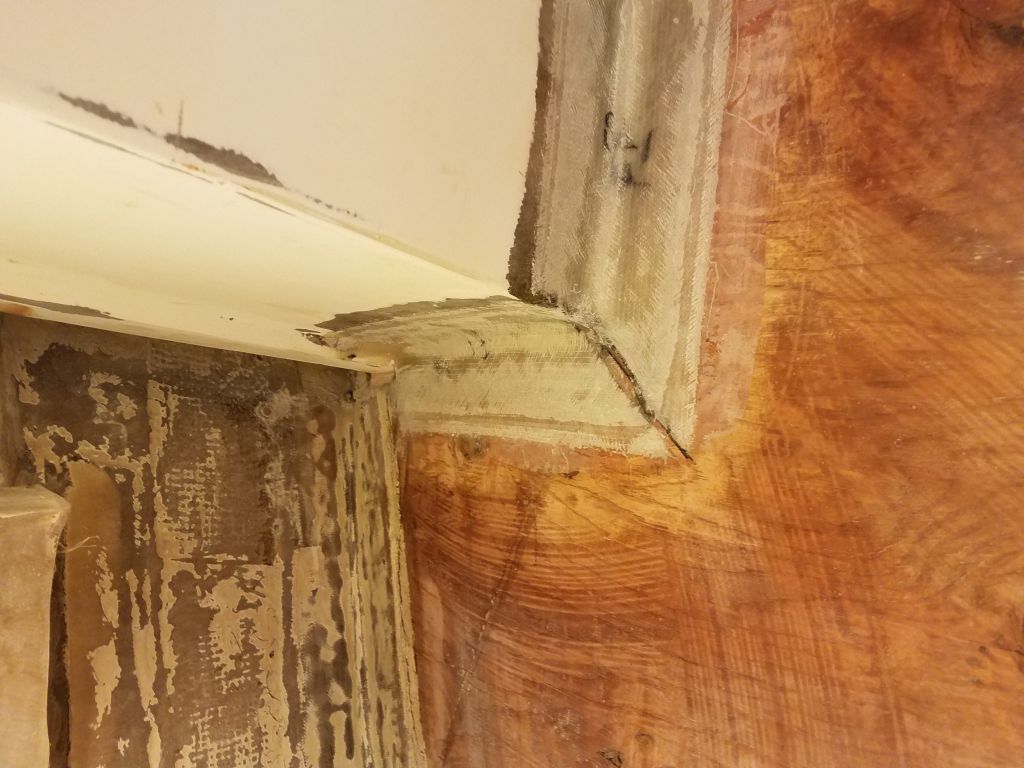
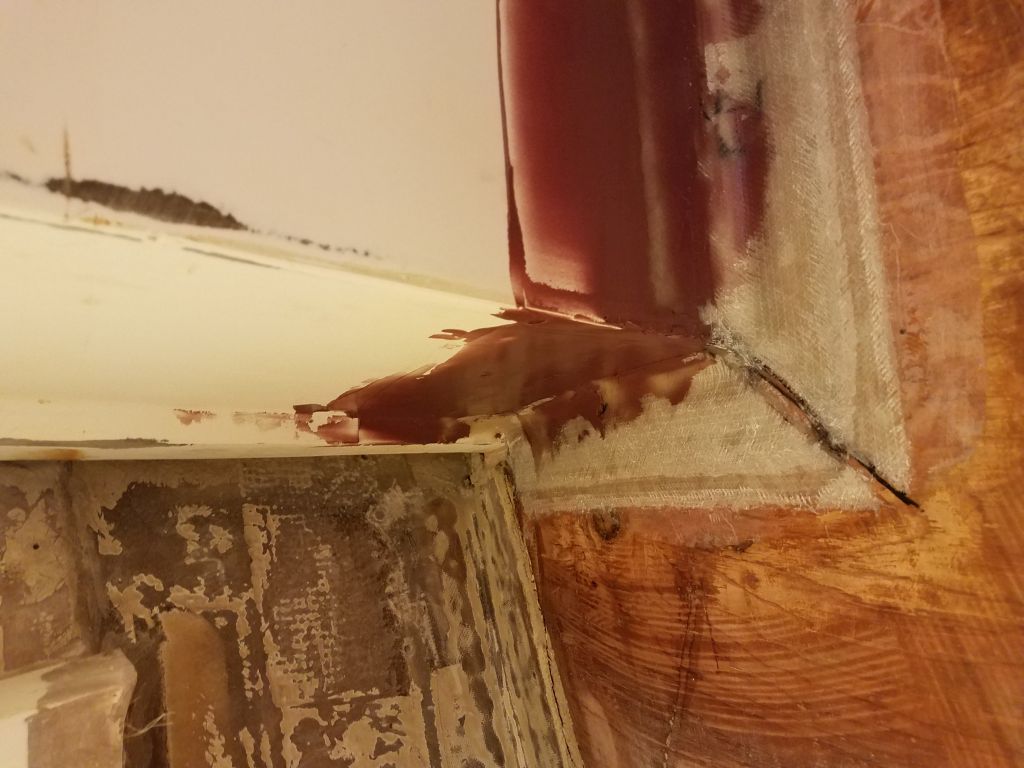
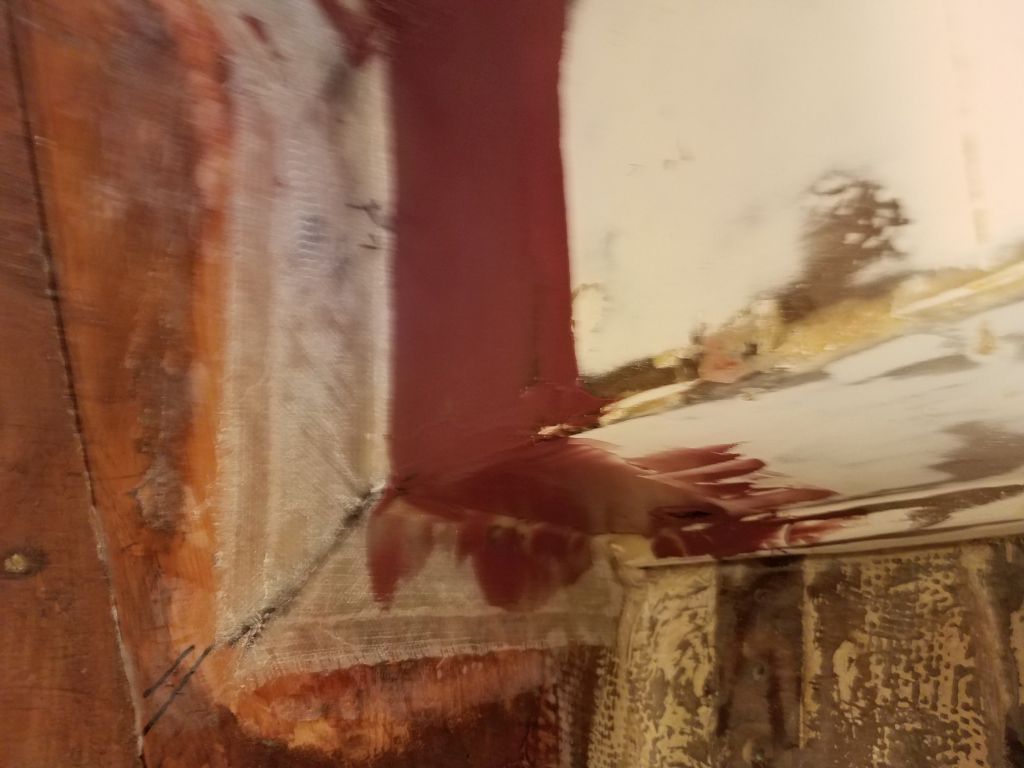
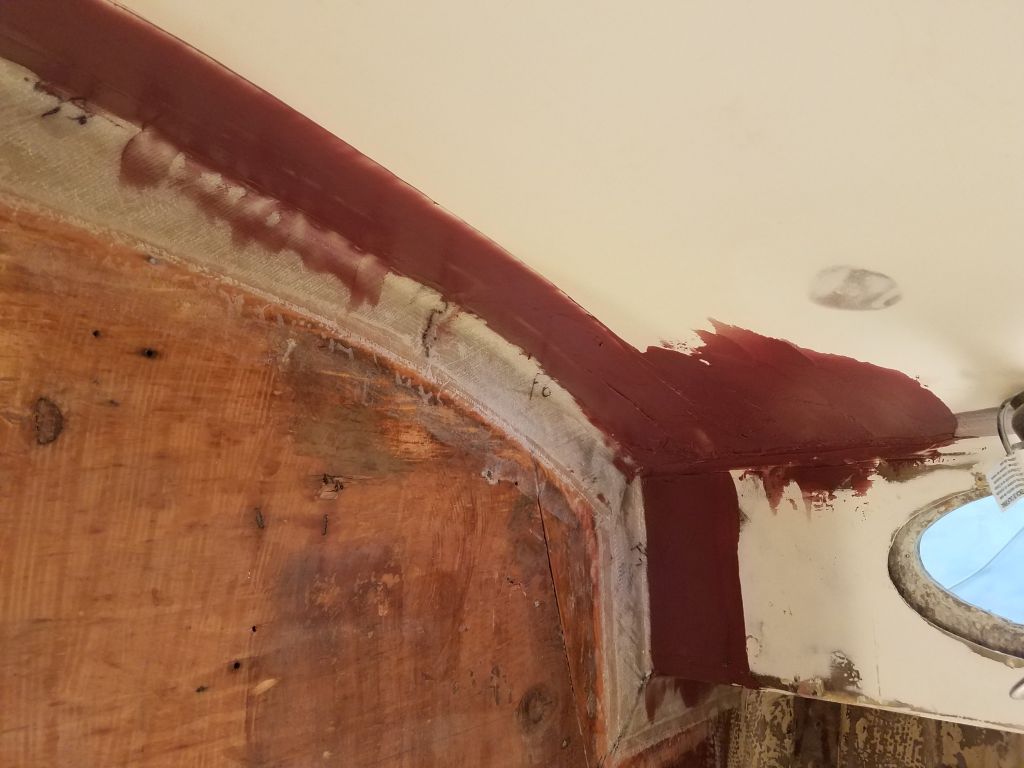
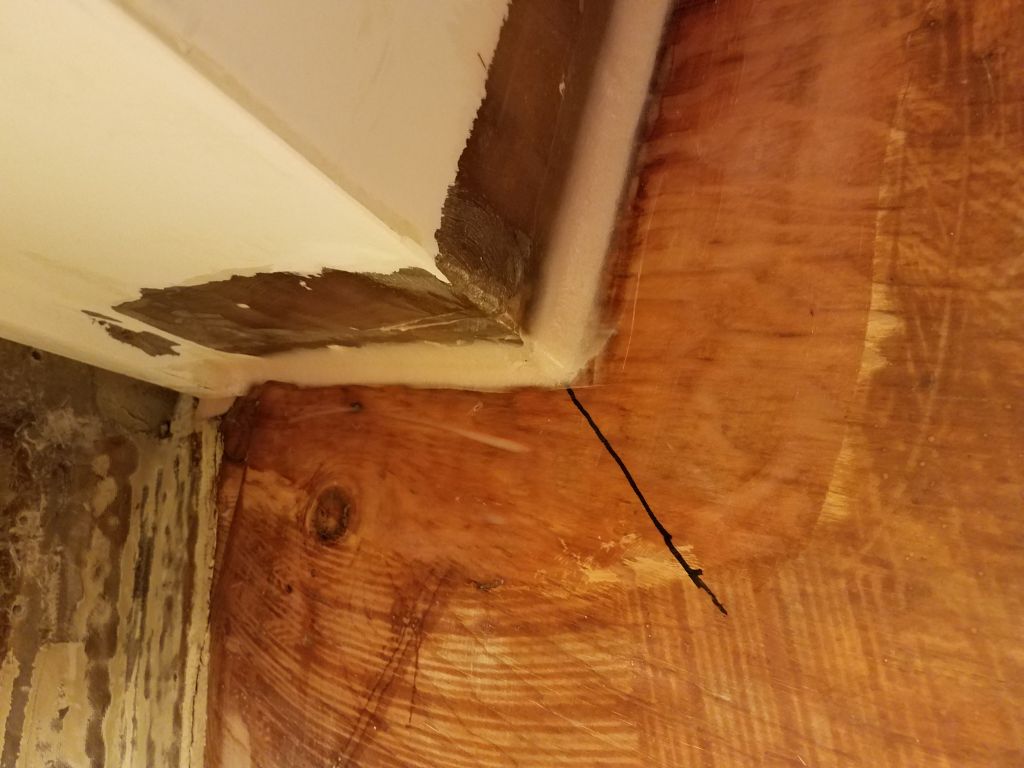
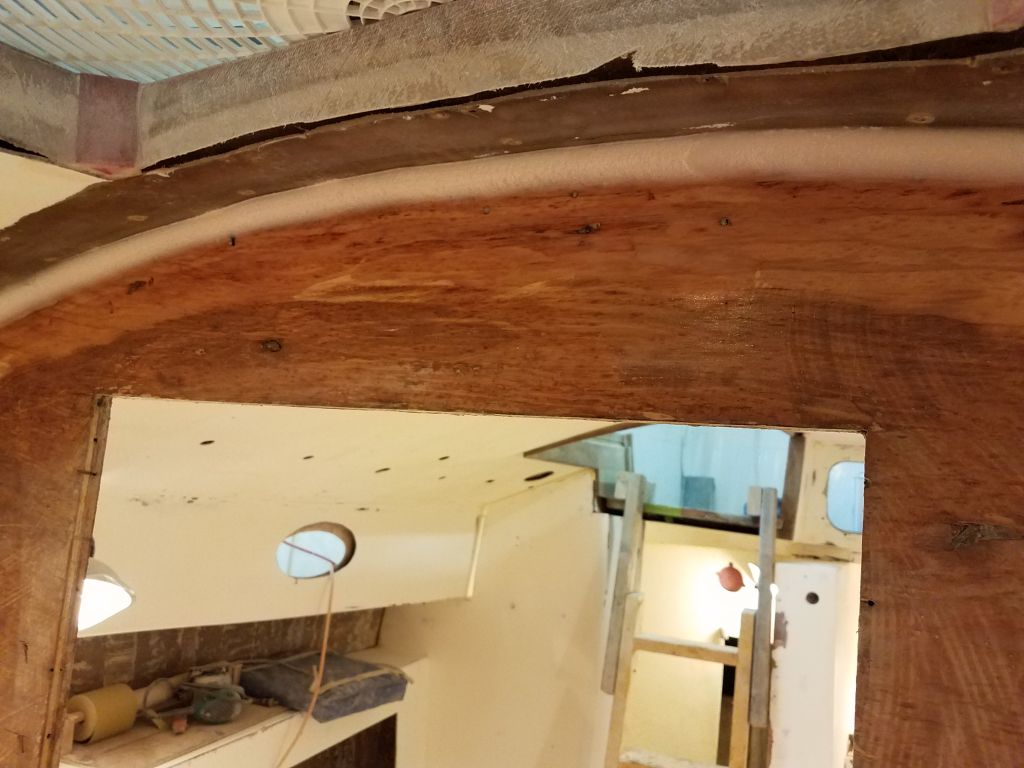
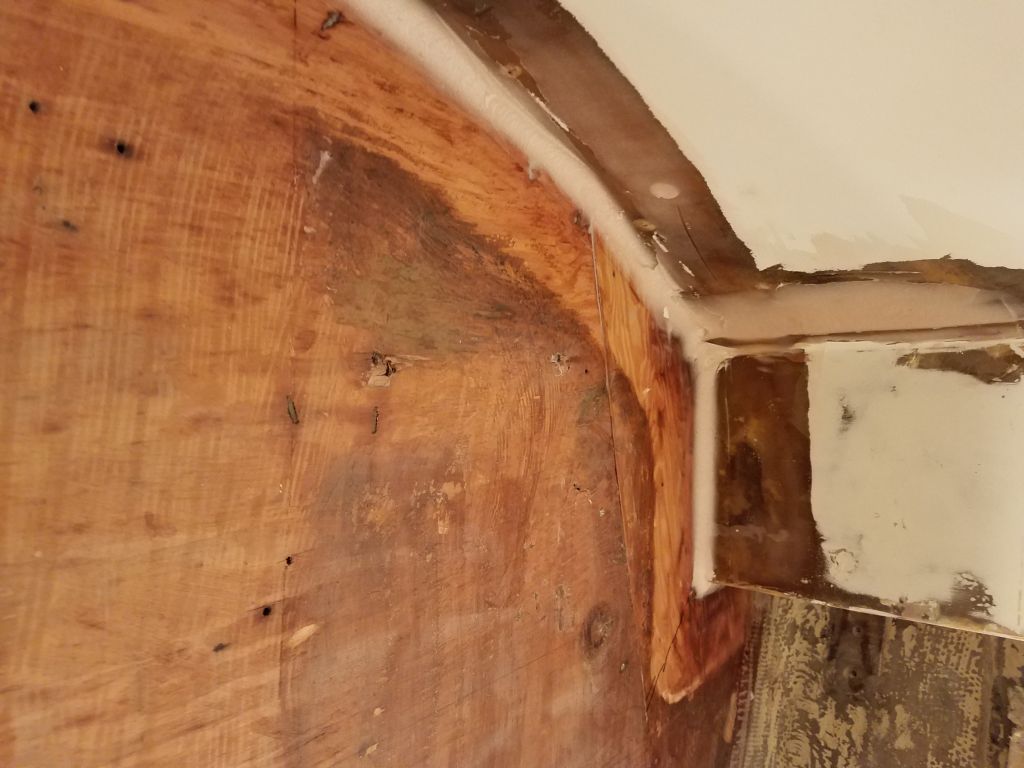
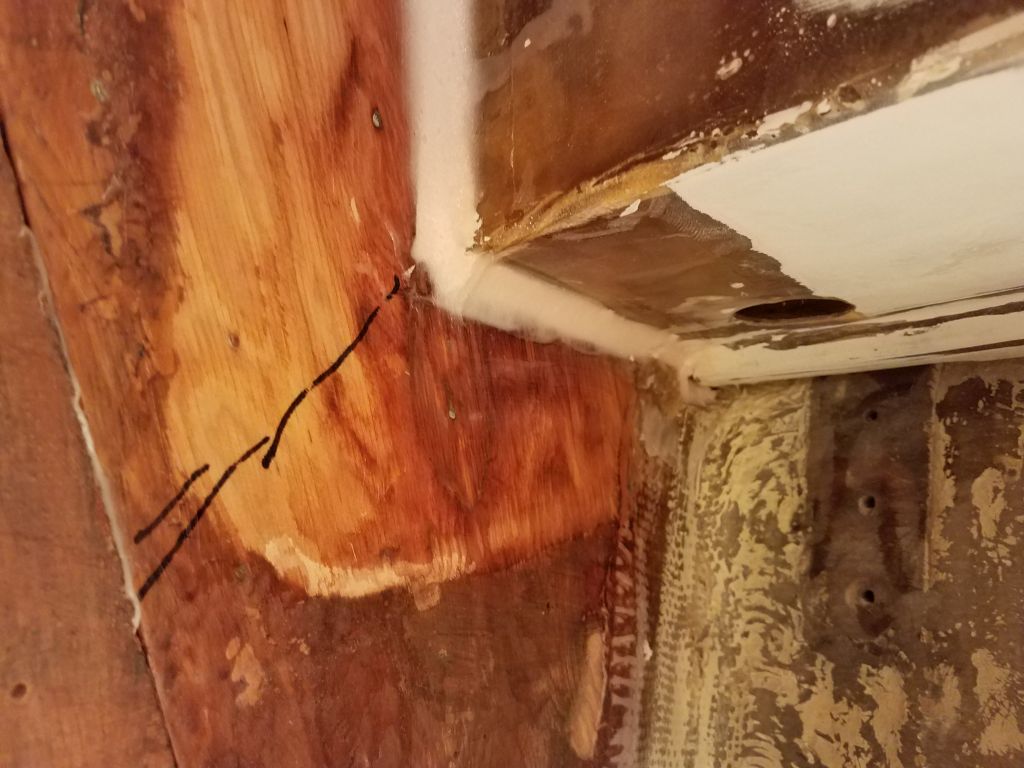
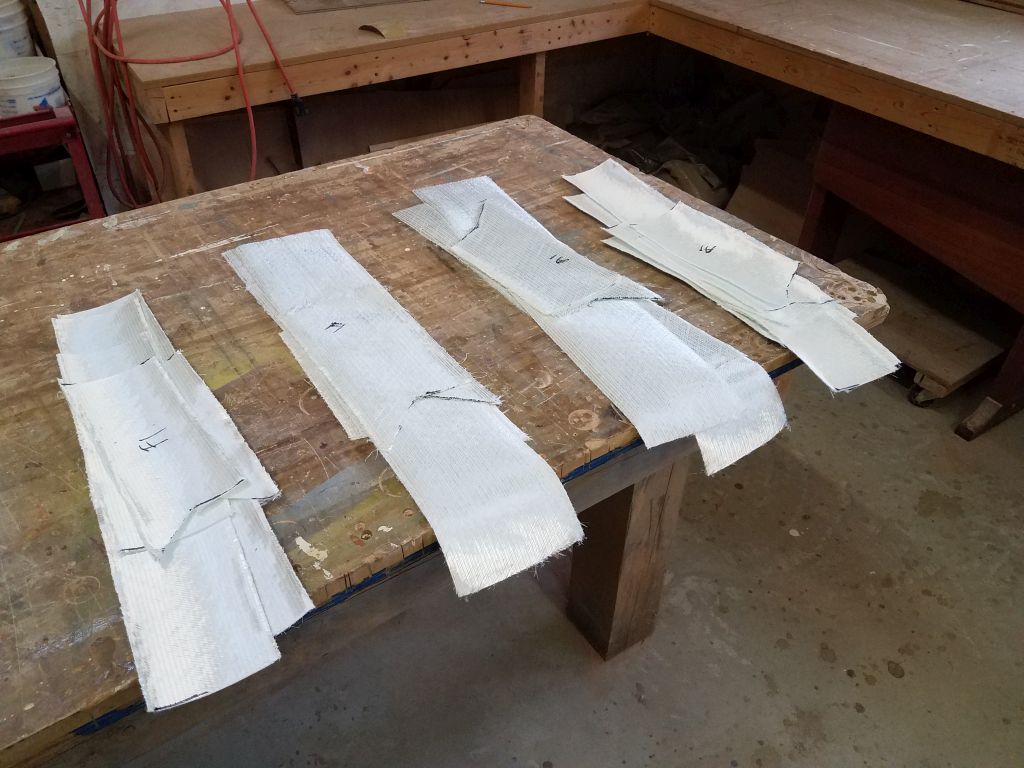
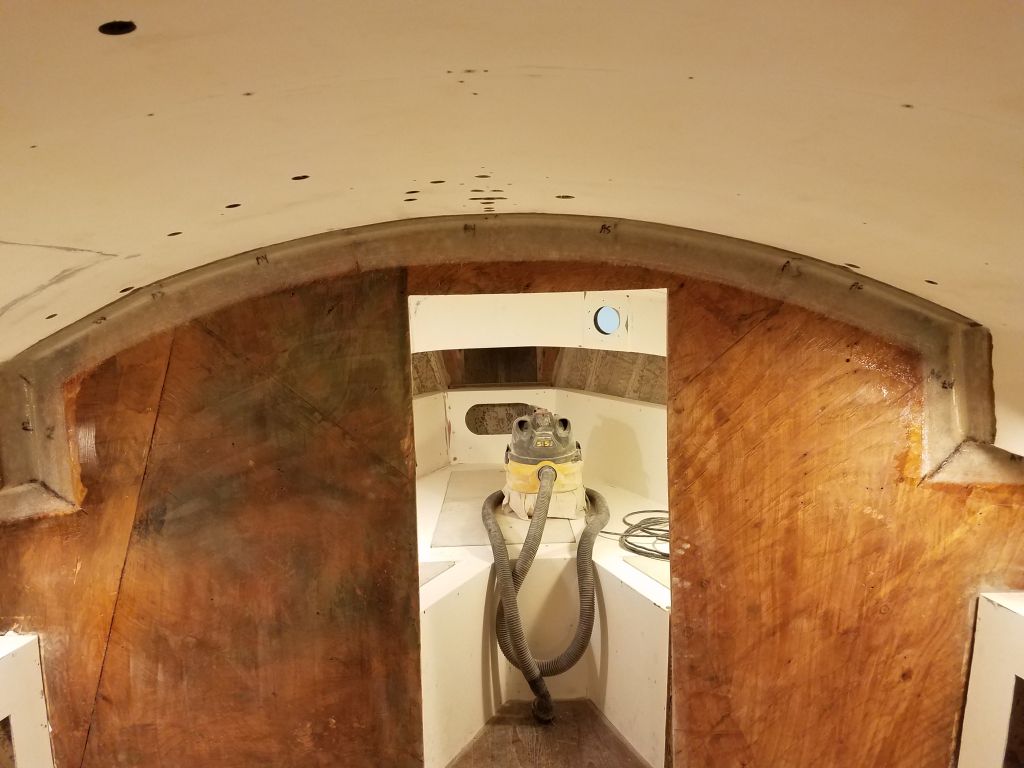
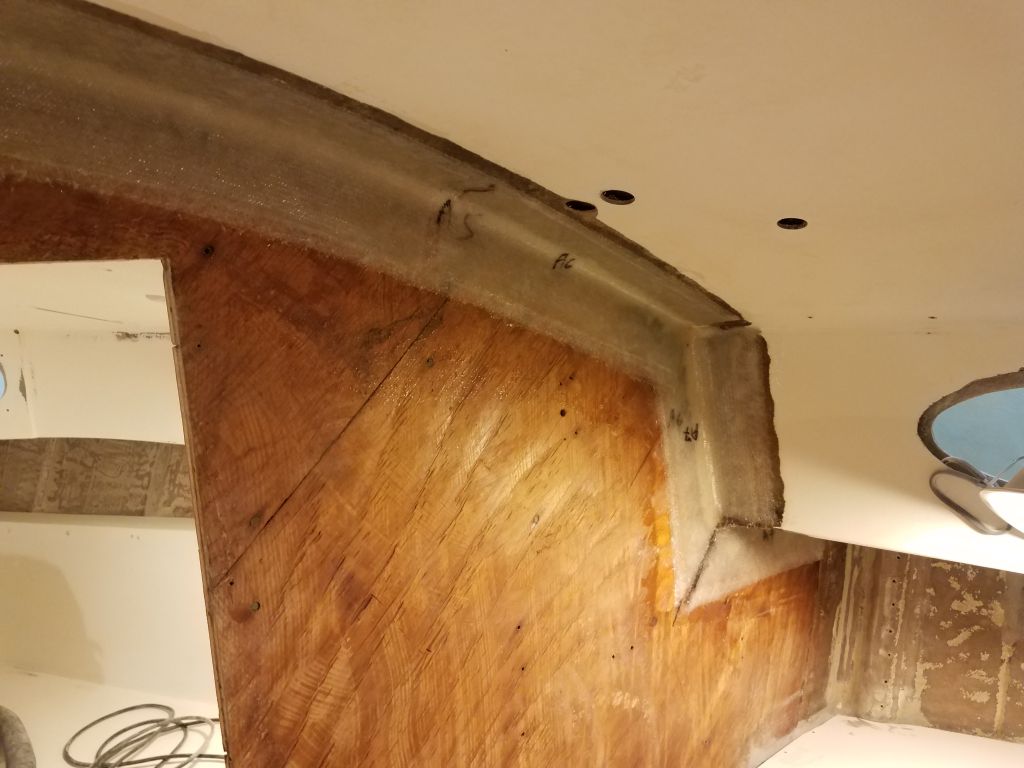
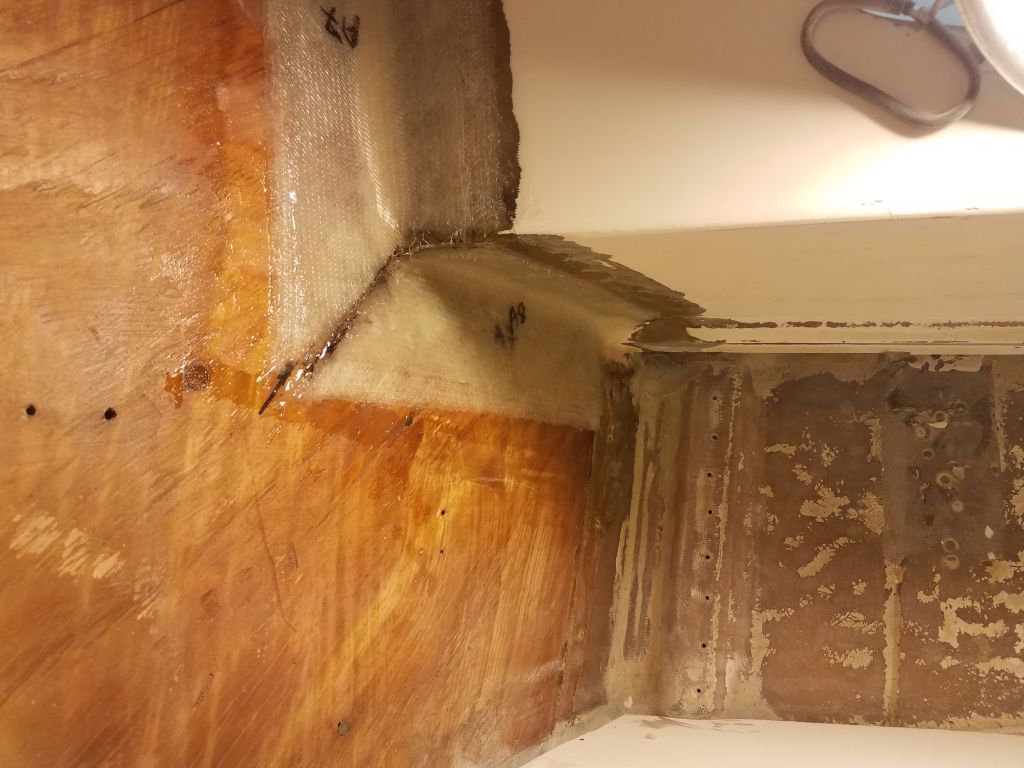
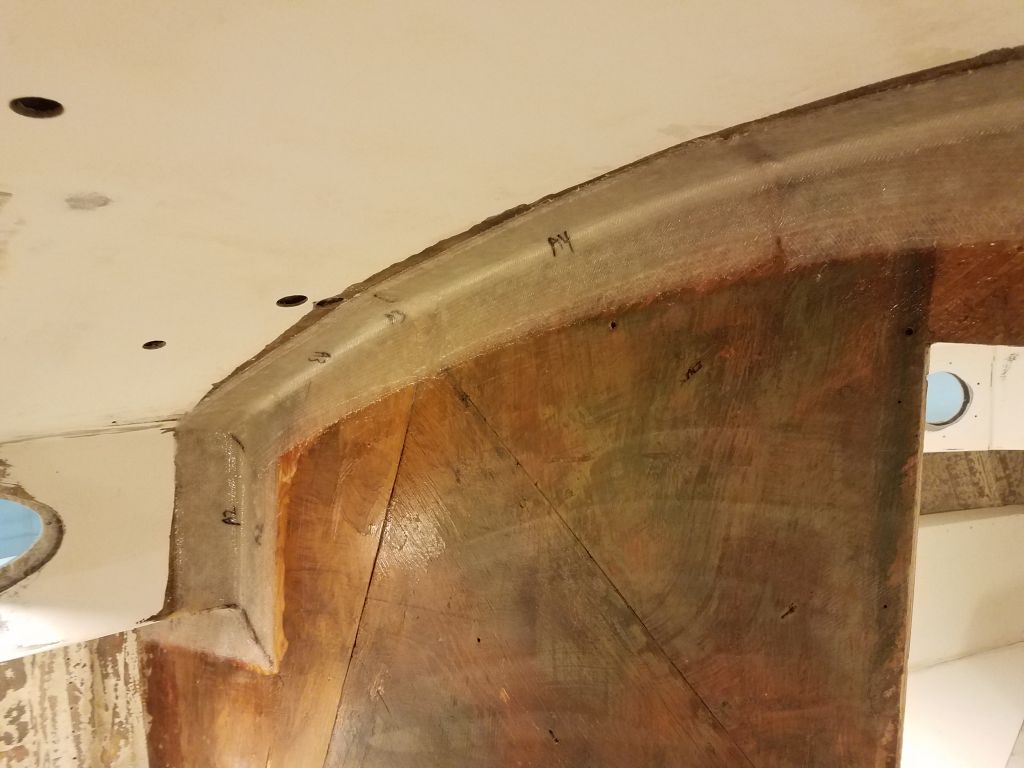
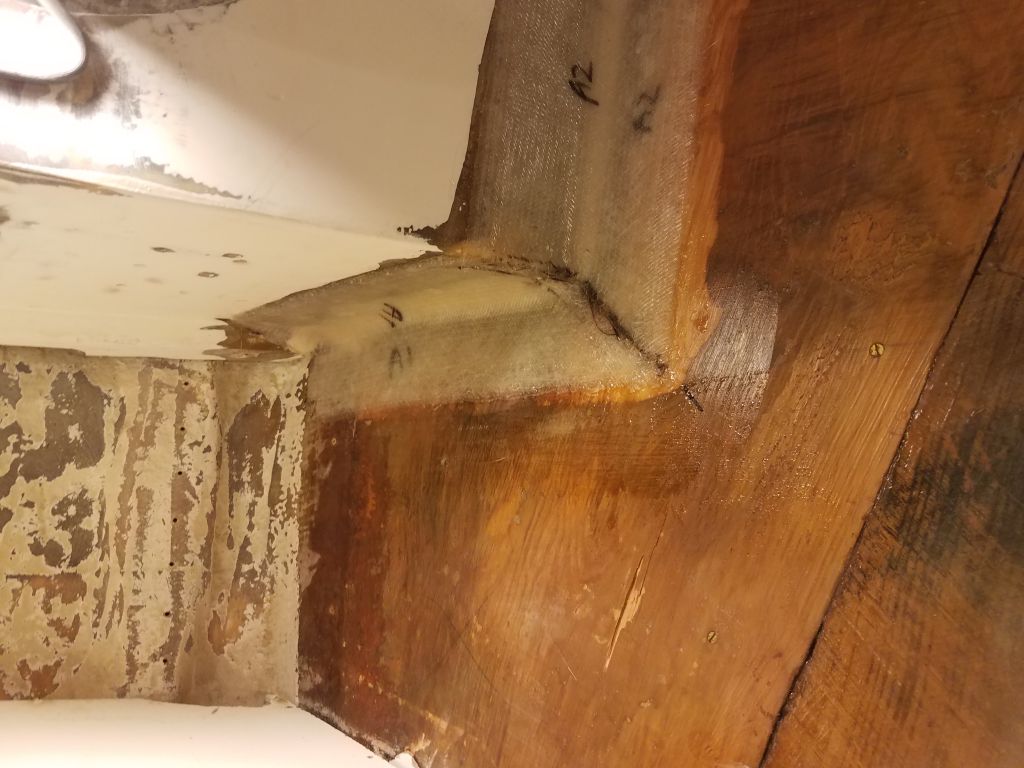
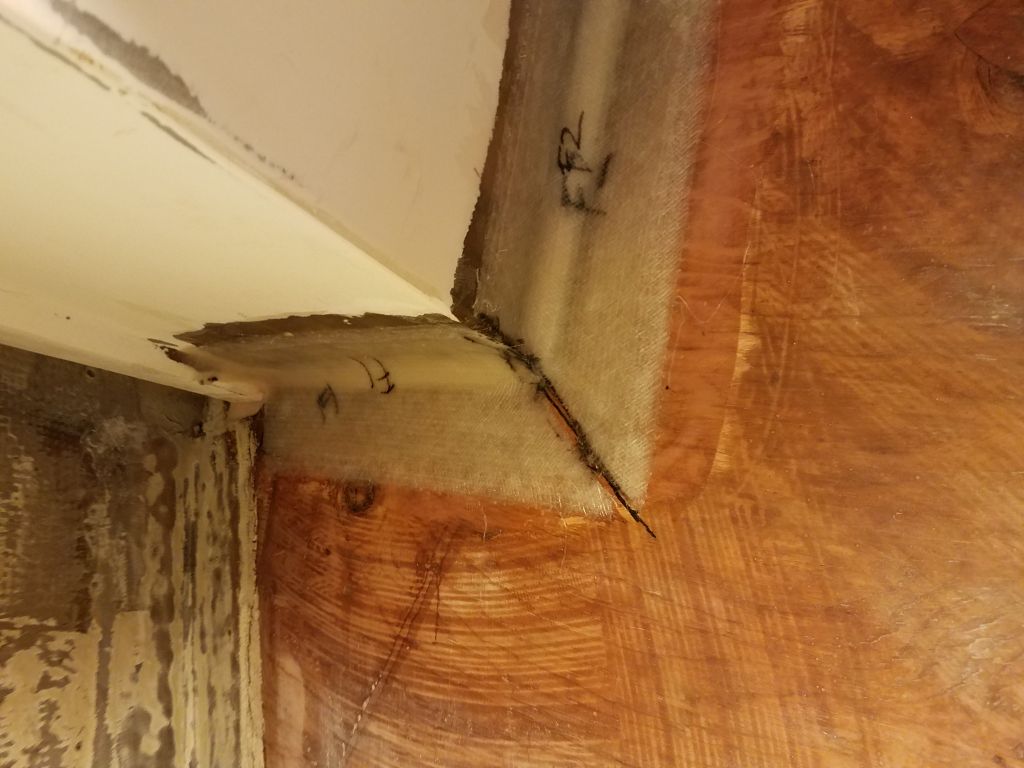
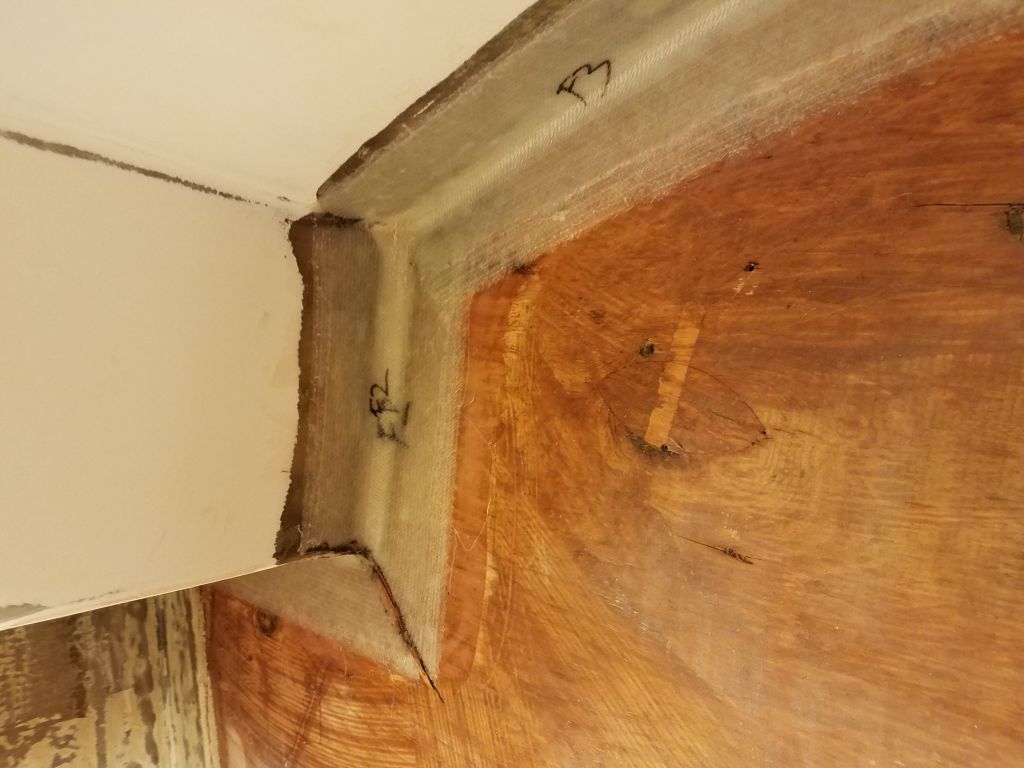
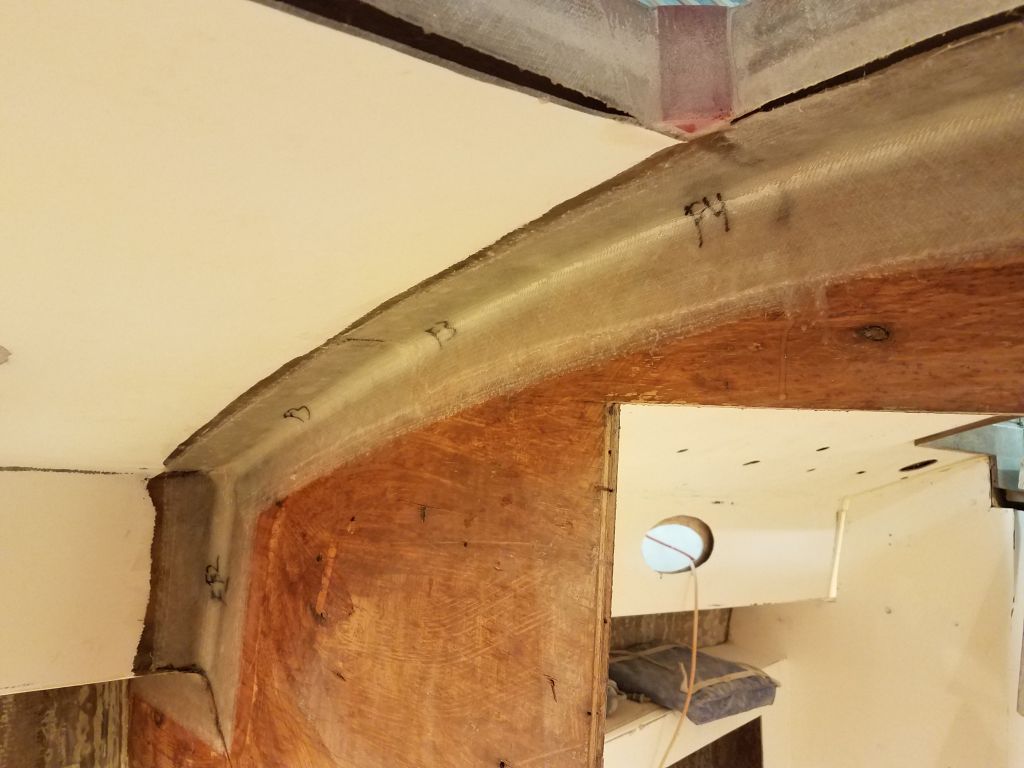
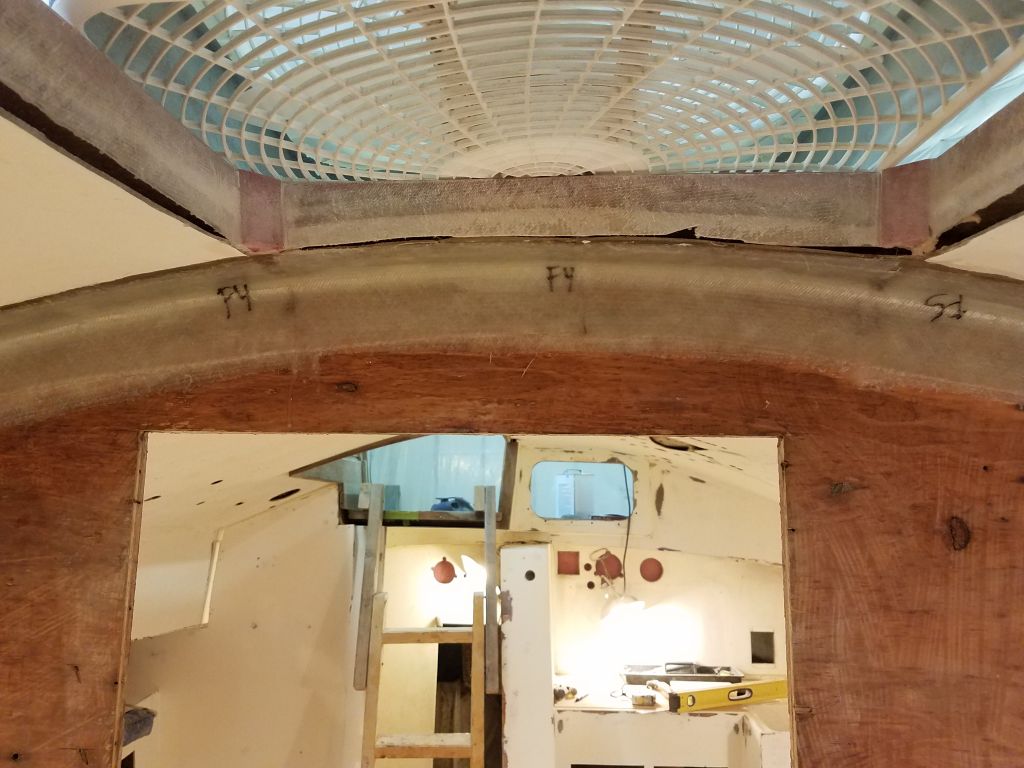
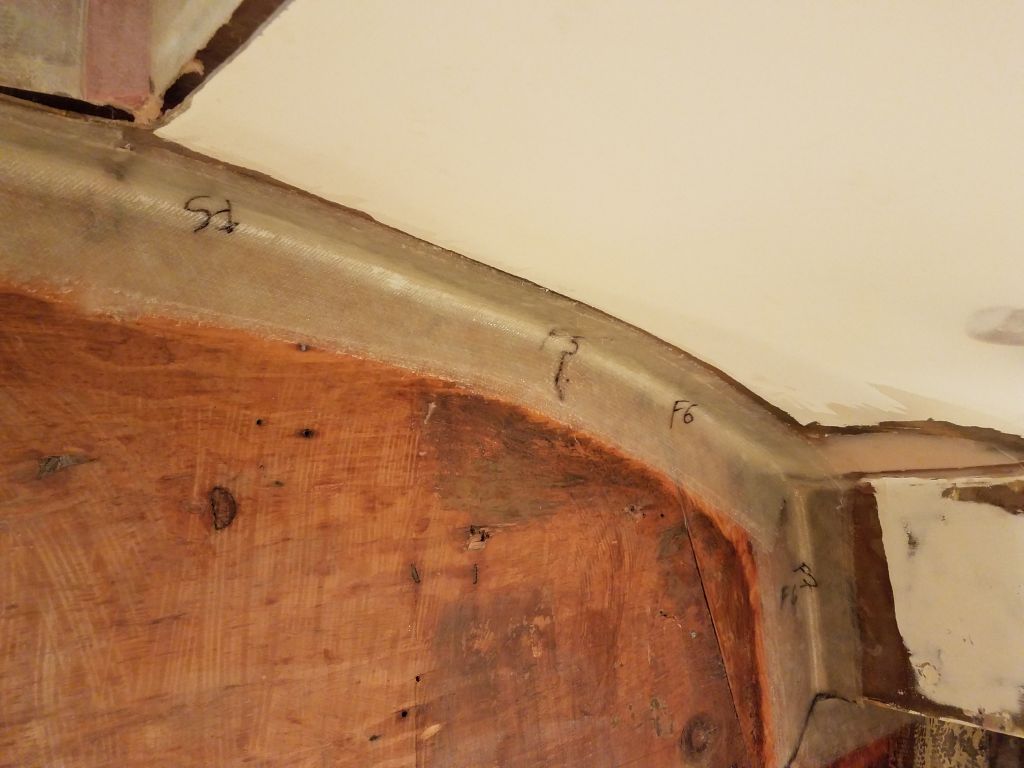
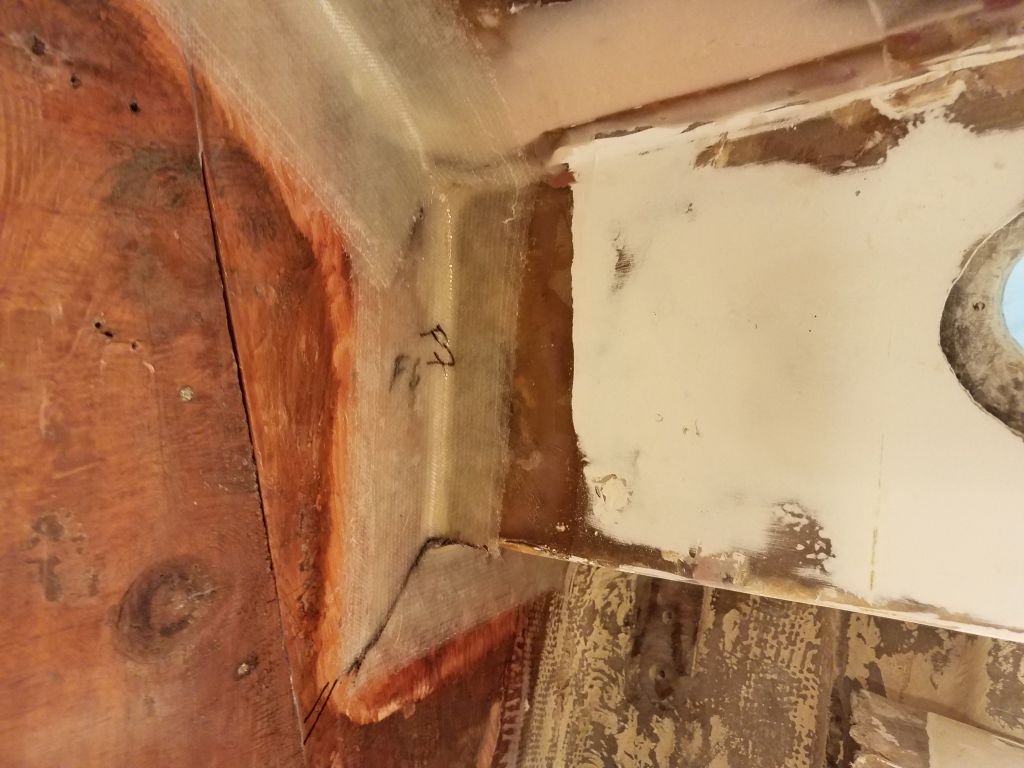
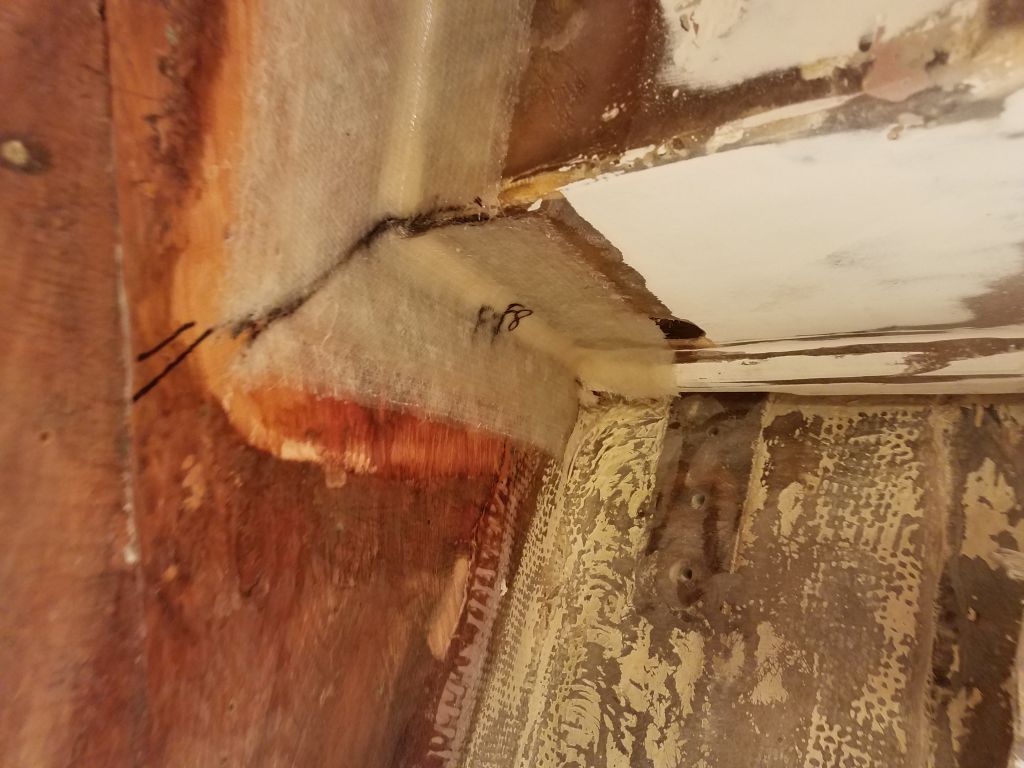
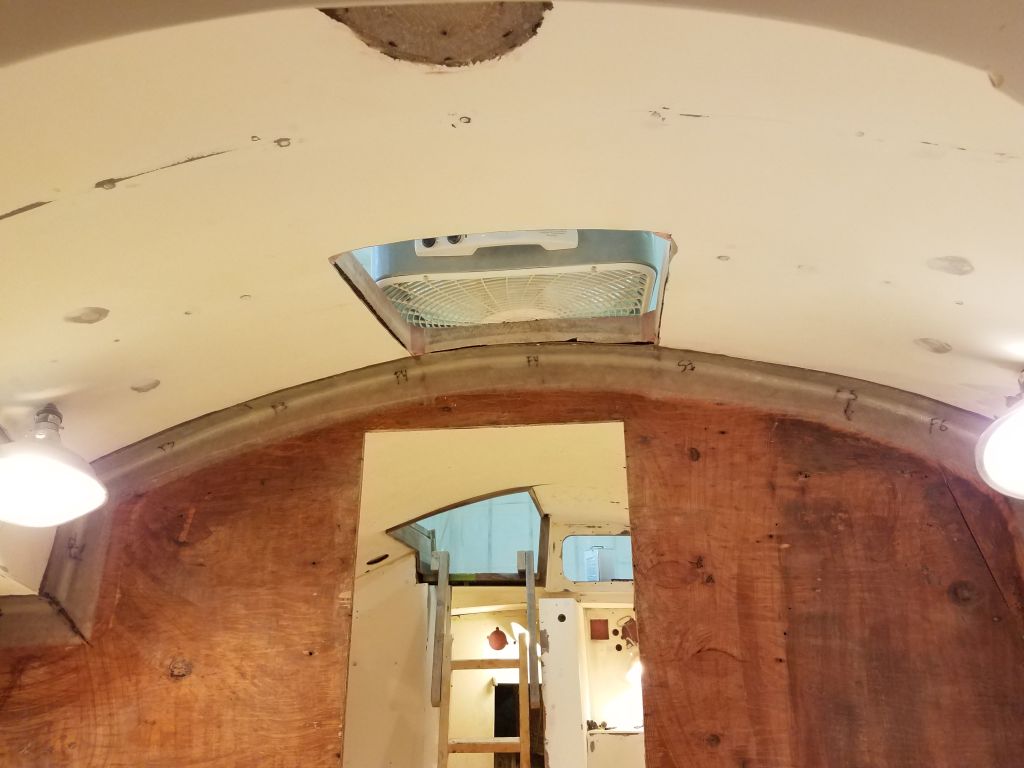
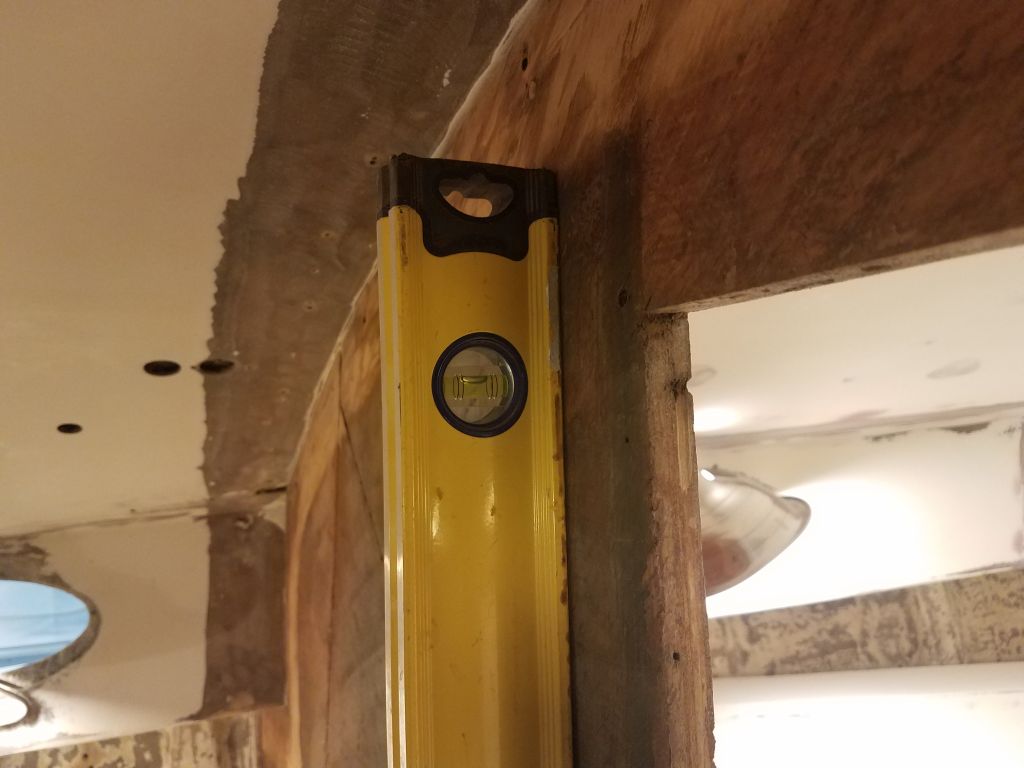
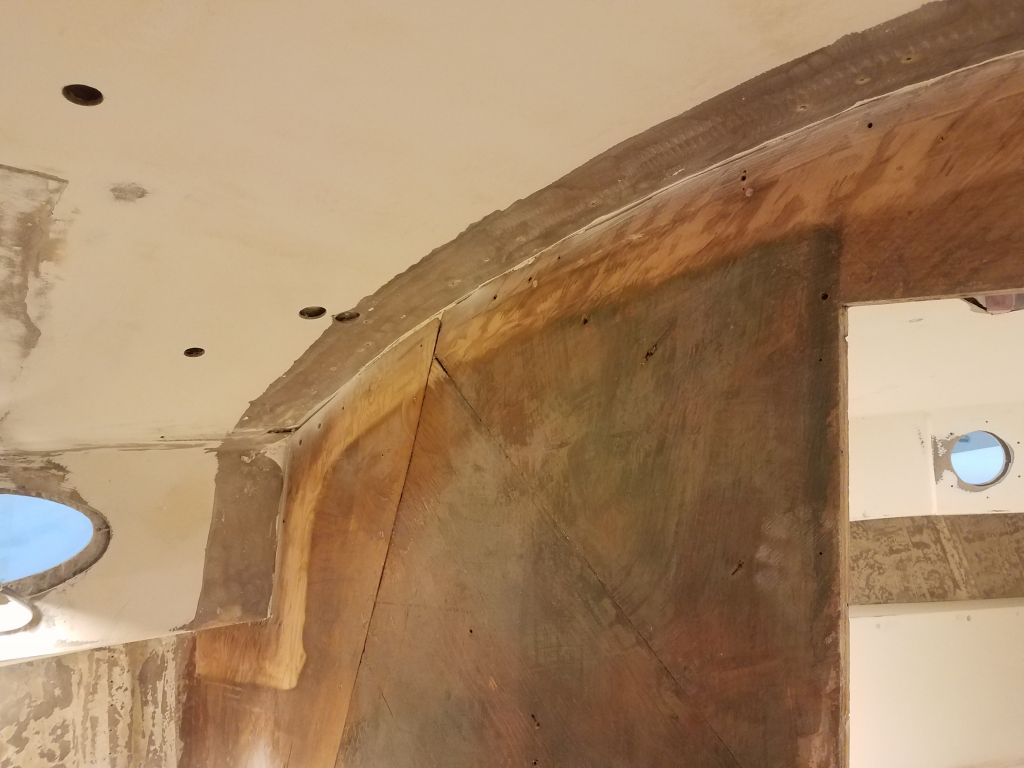
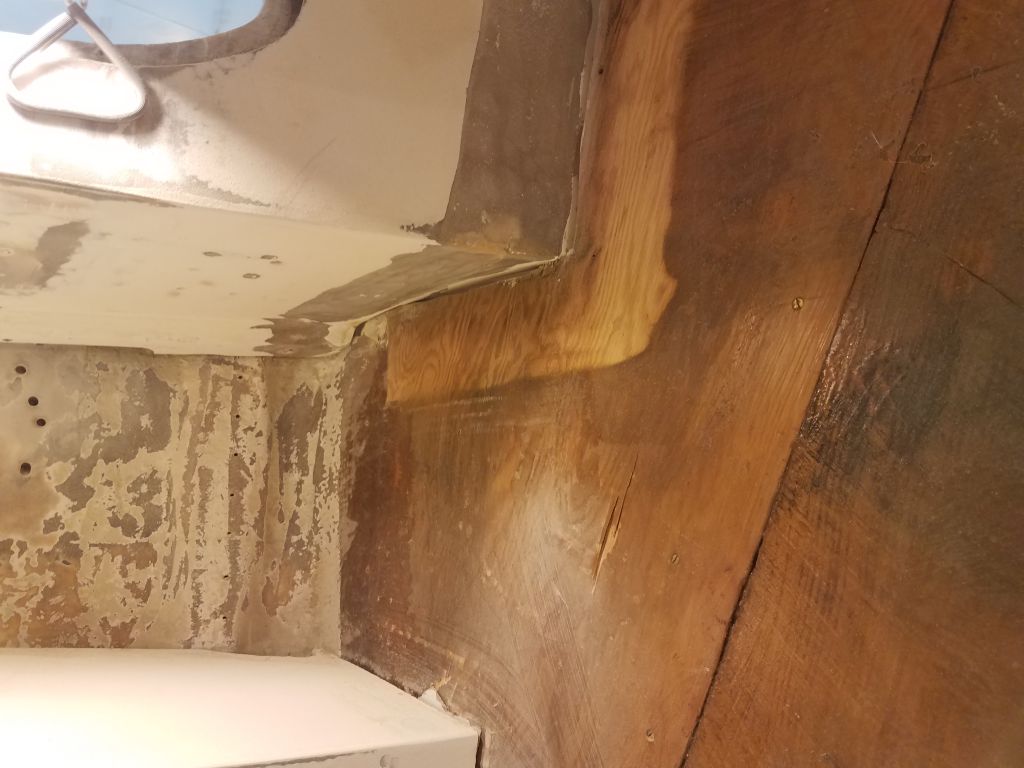
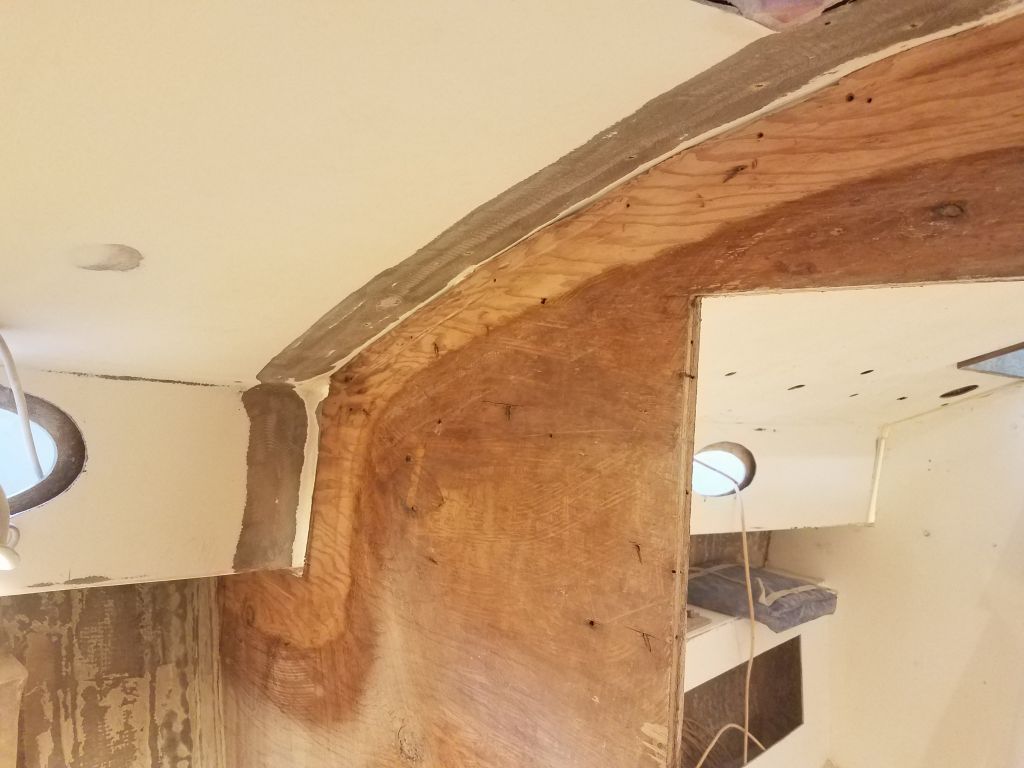
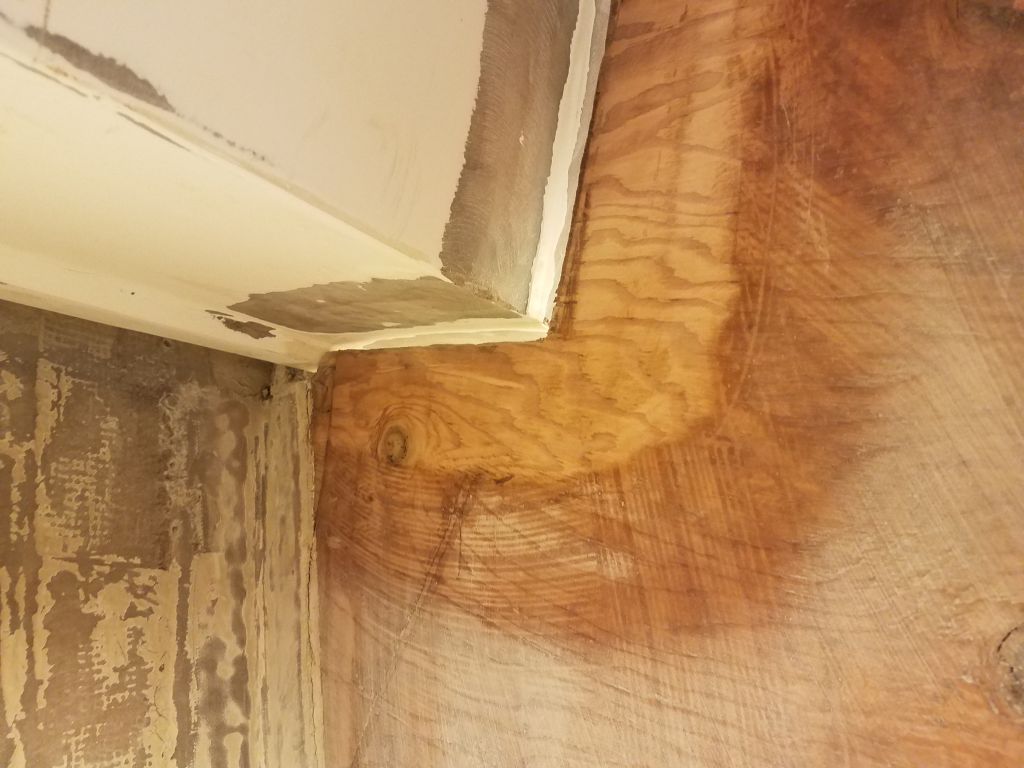
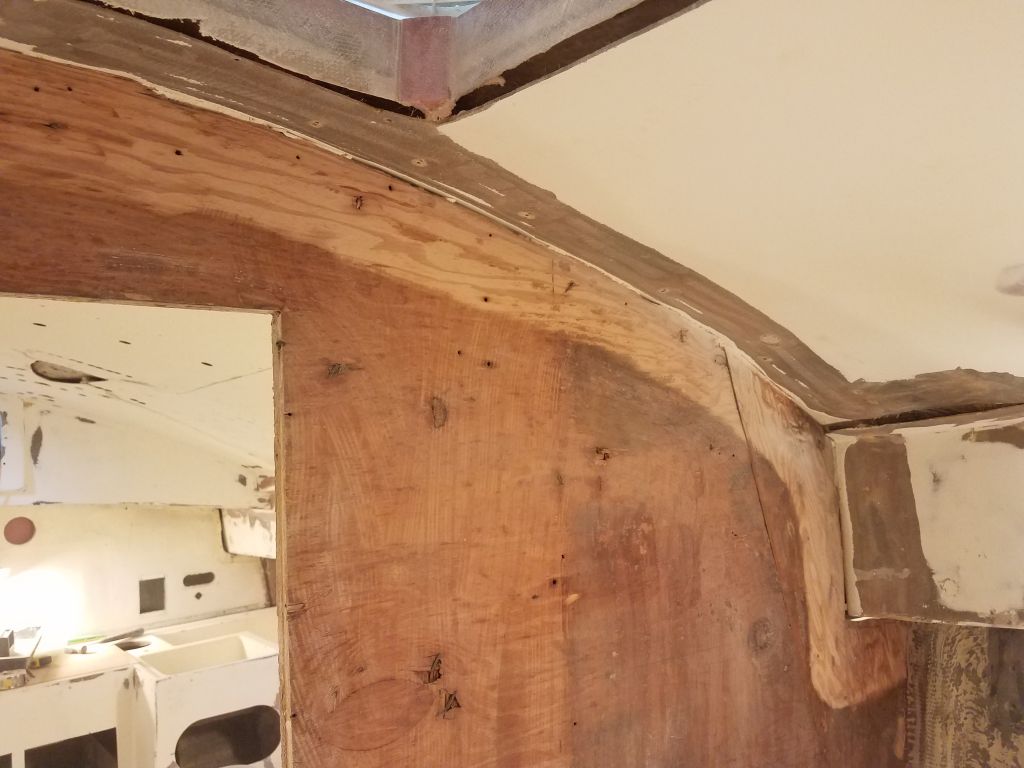
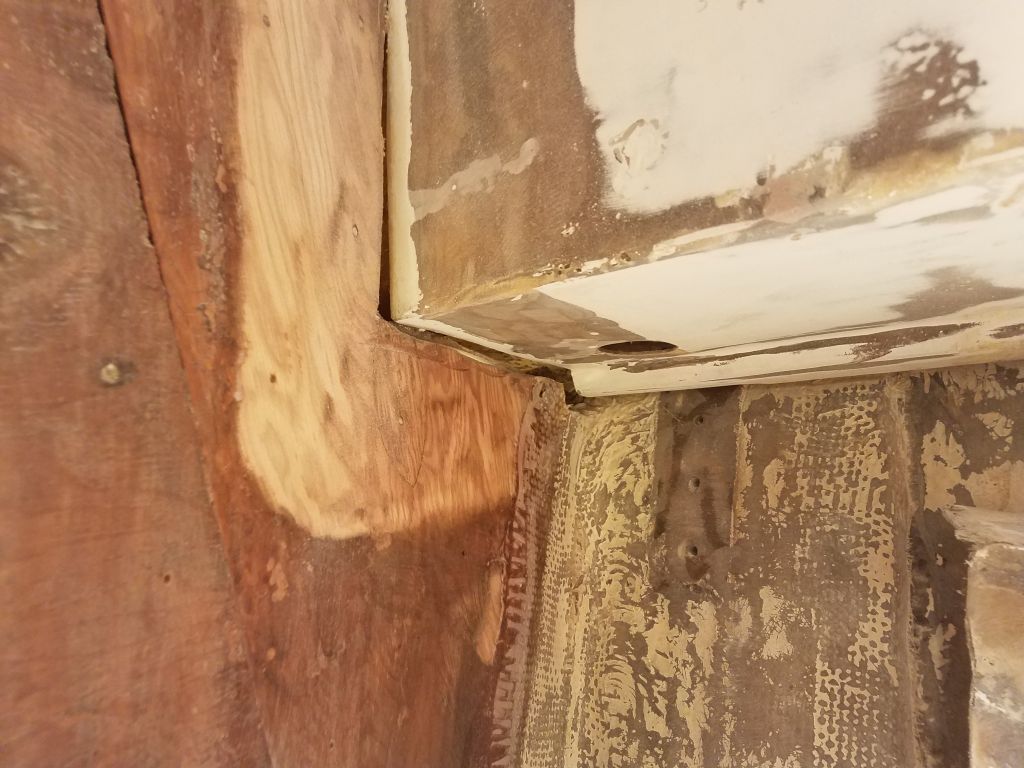
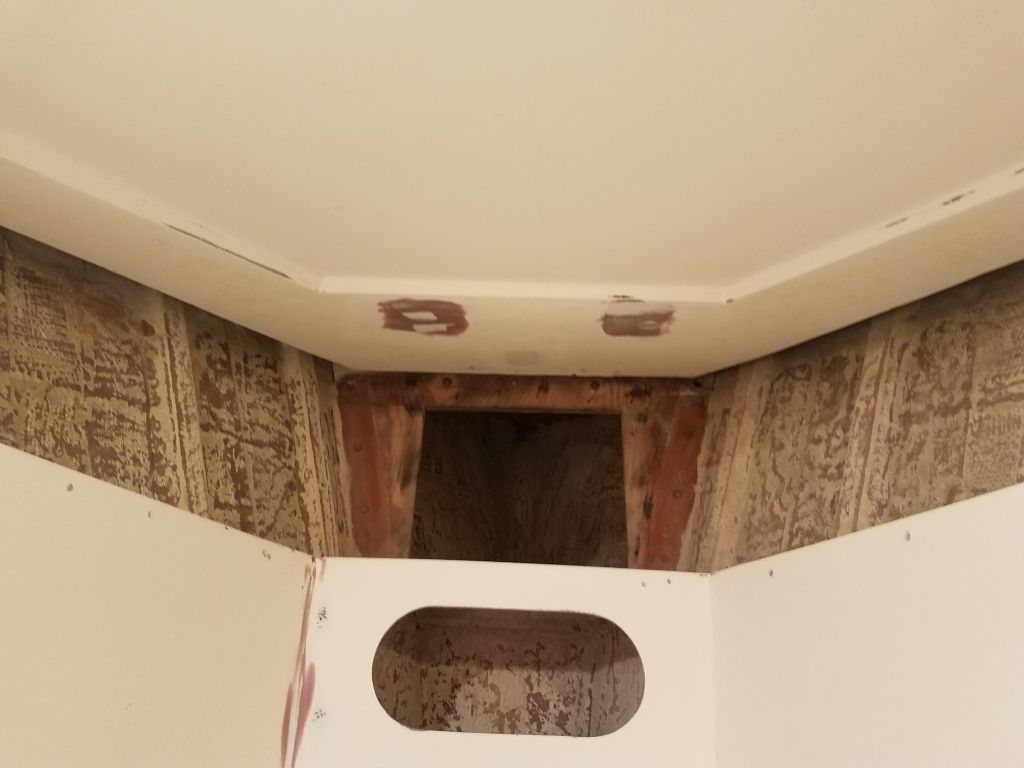
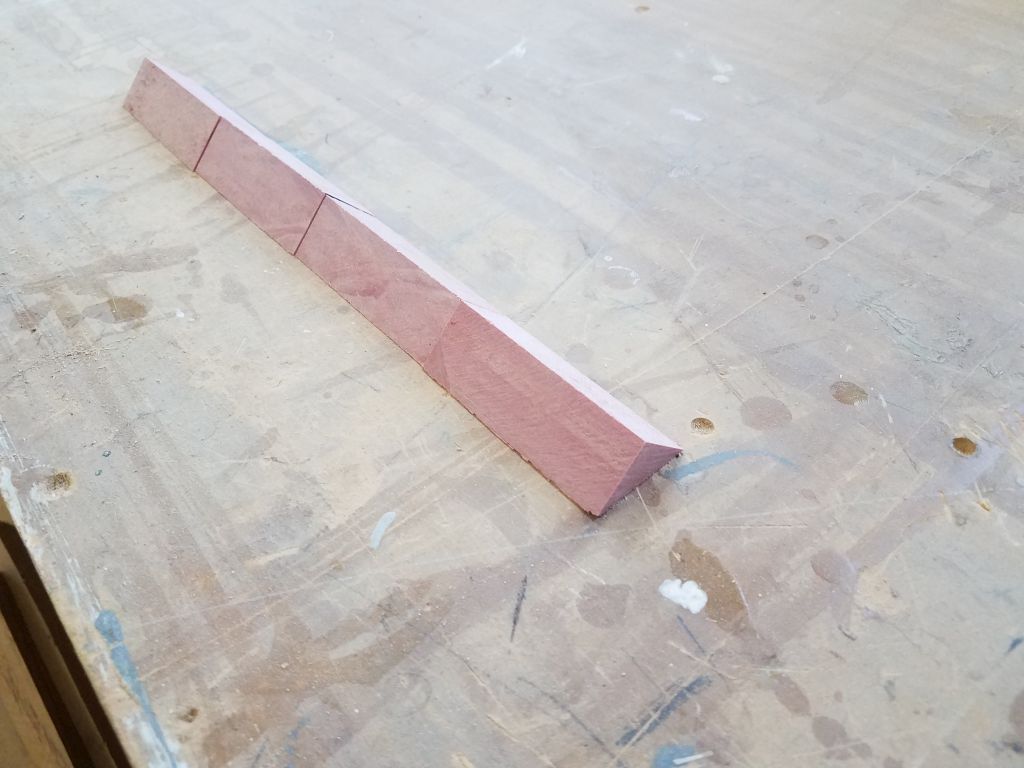
The main bulkhead was tabbed along the hull, but not at the decks, and originally (or at least as-delivered here) the bulkhead was pinned at the top corners by wooden blocks, which were bolted through the bulkhead and had once been bolted awkwardly through the deck.  I’d removed the large bolts through the deck during that phase of work, and now I finally got around to removing the blocks and their remaining bolts from the bulkheads.  Later, I planned to tab the main bulkhead to the deck throughout.

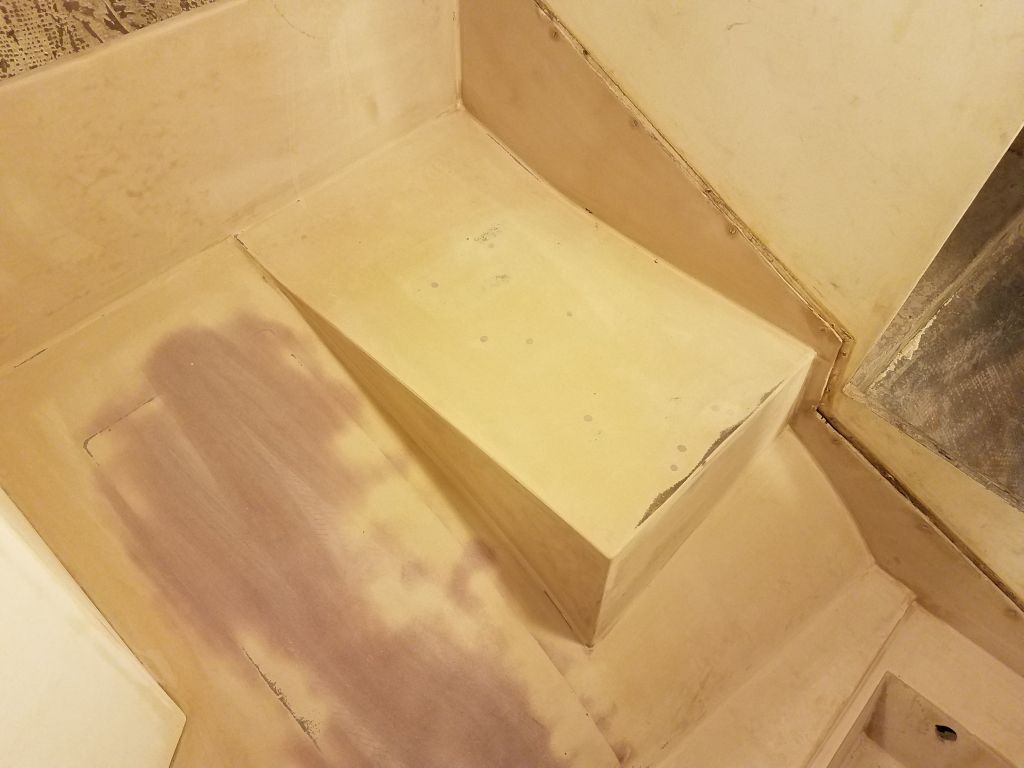
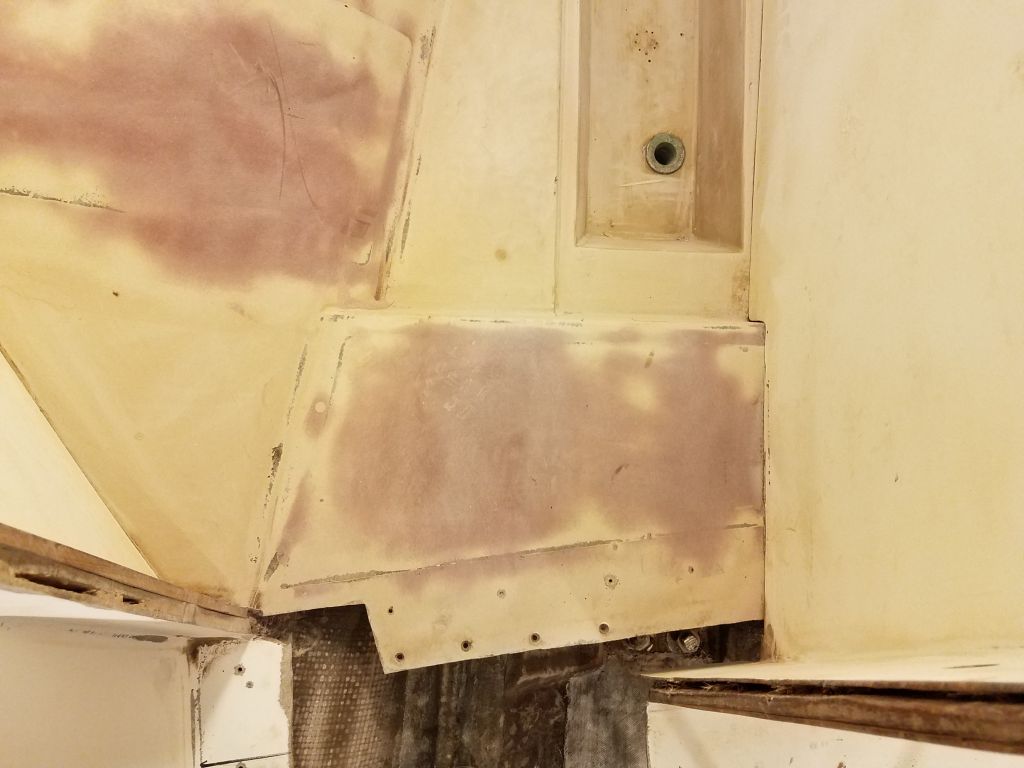
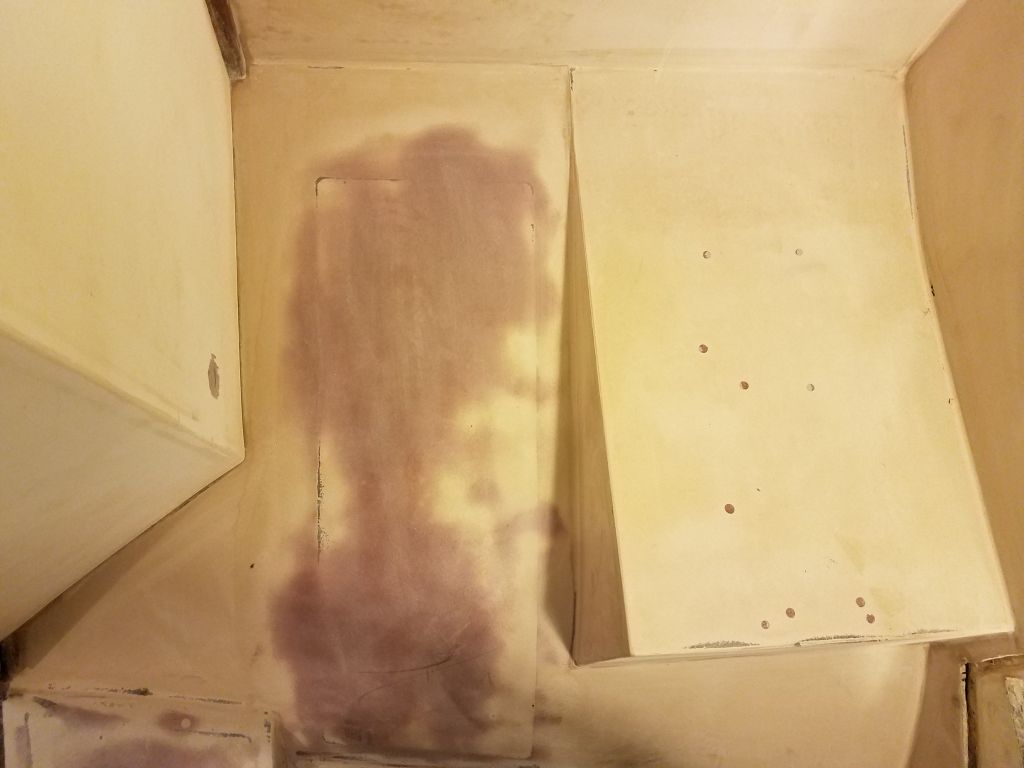
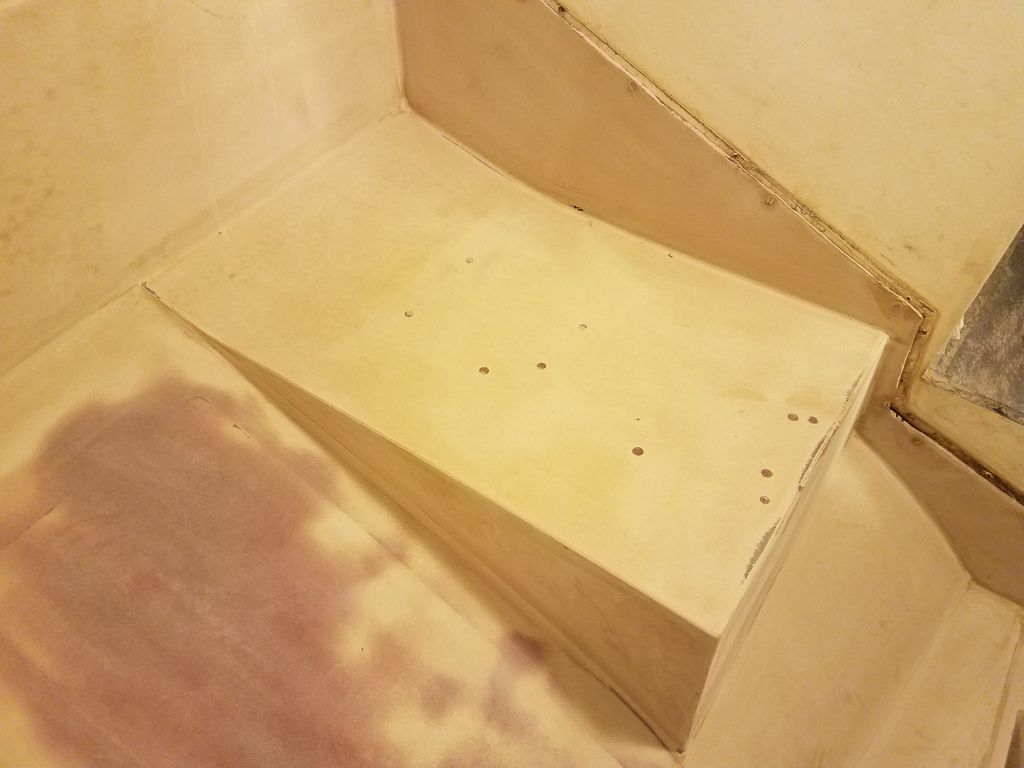
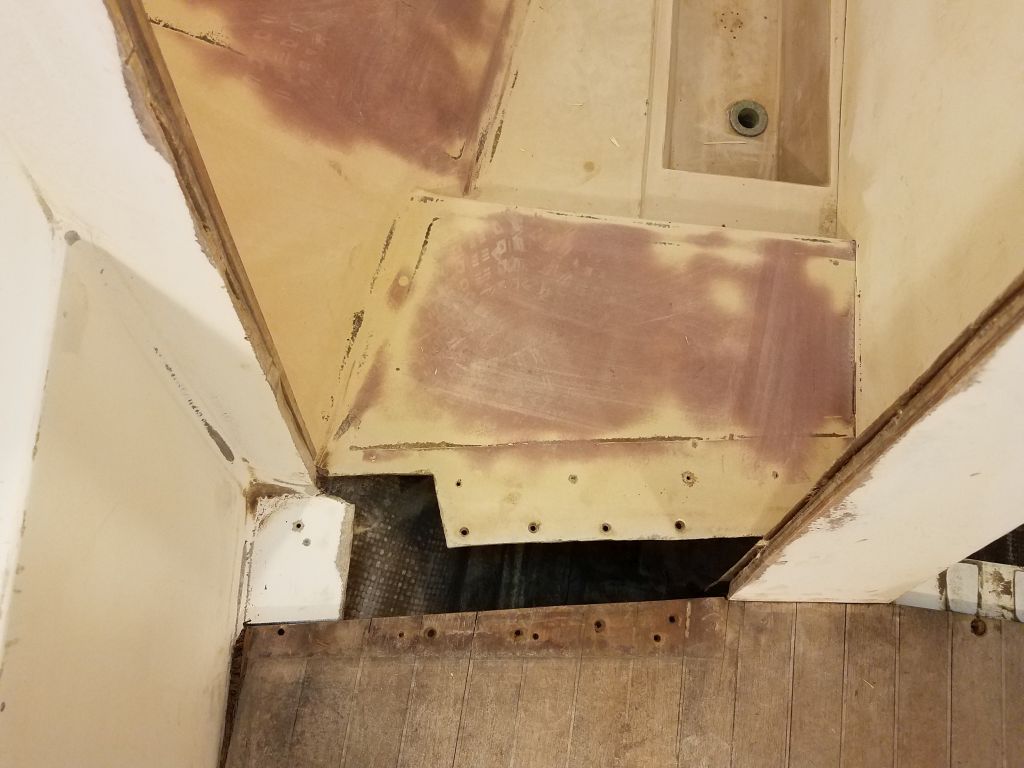
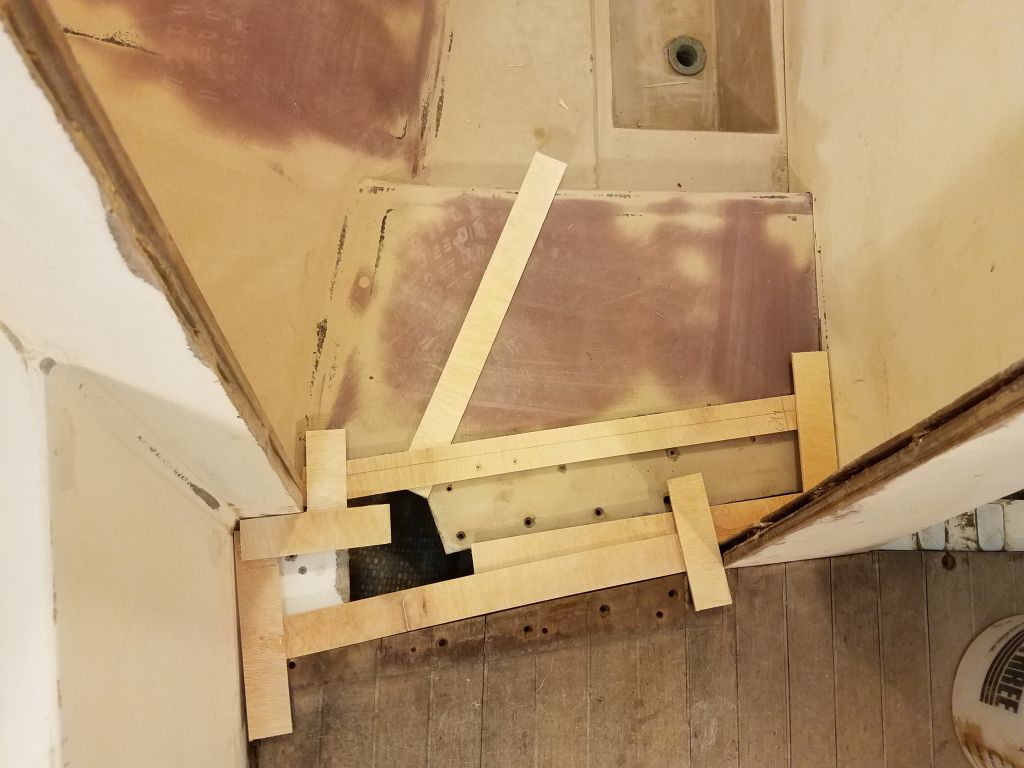
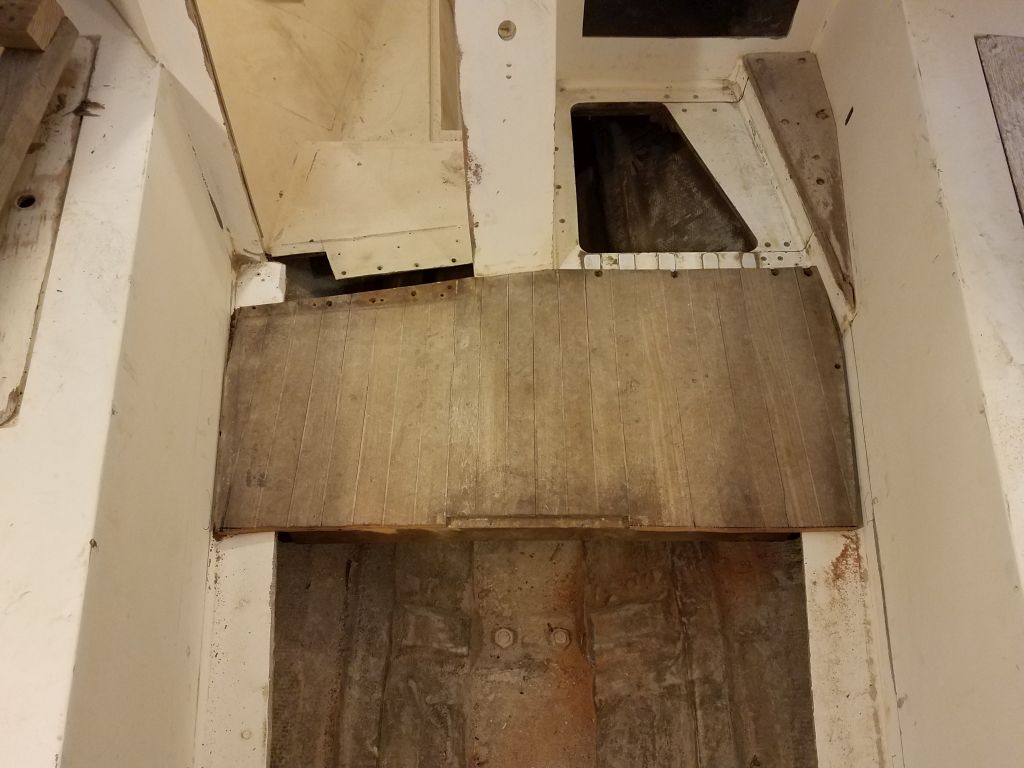
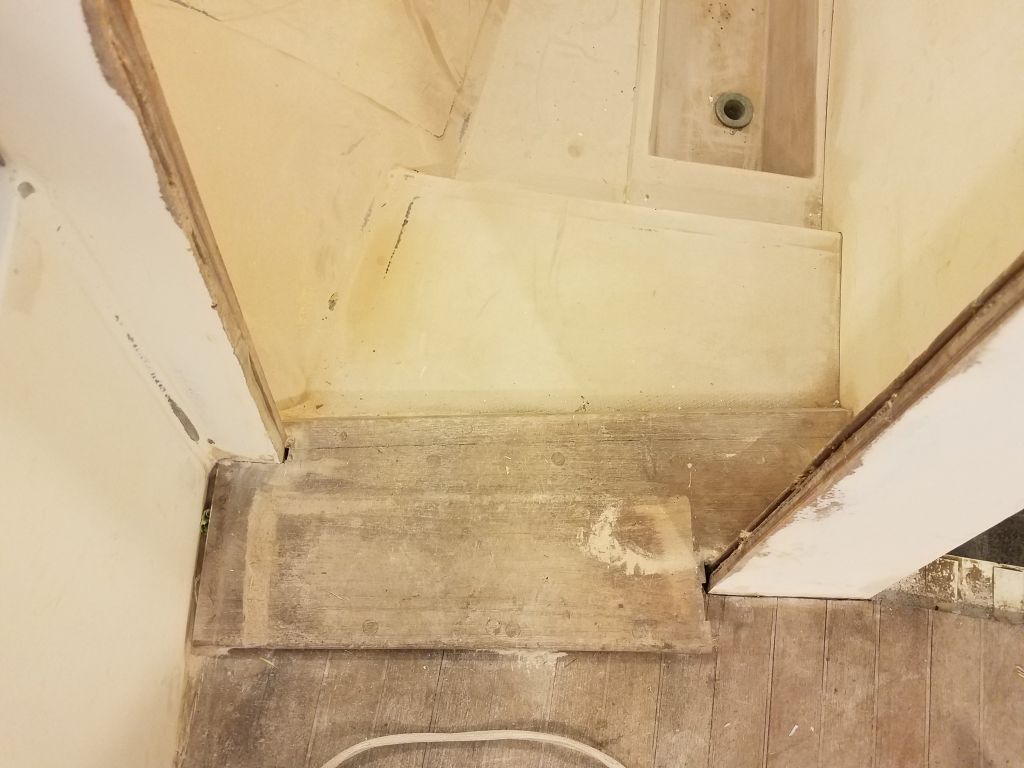
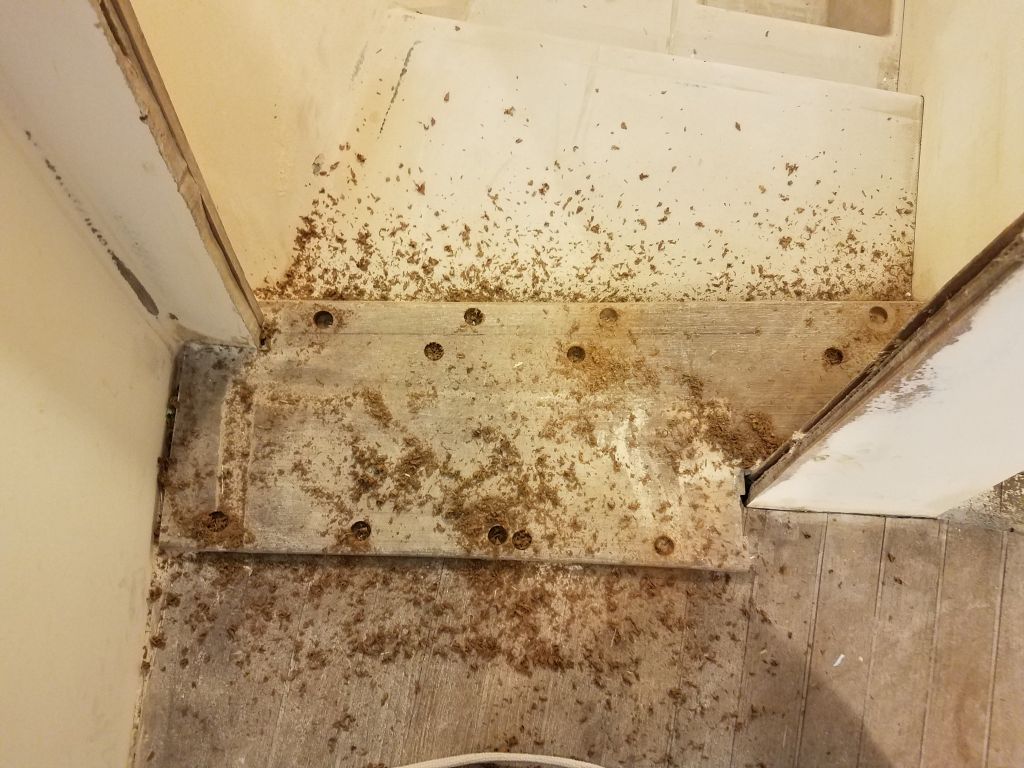
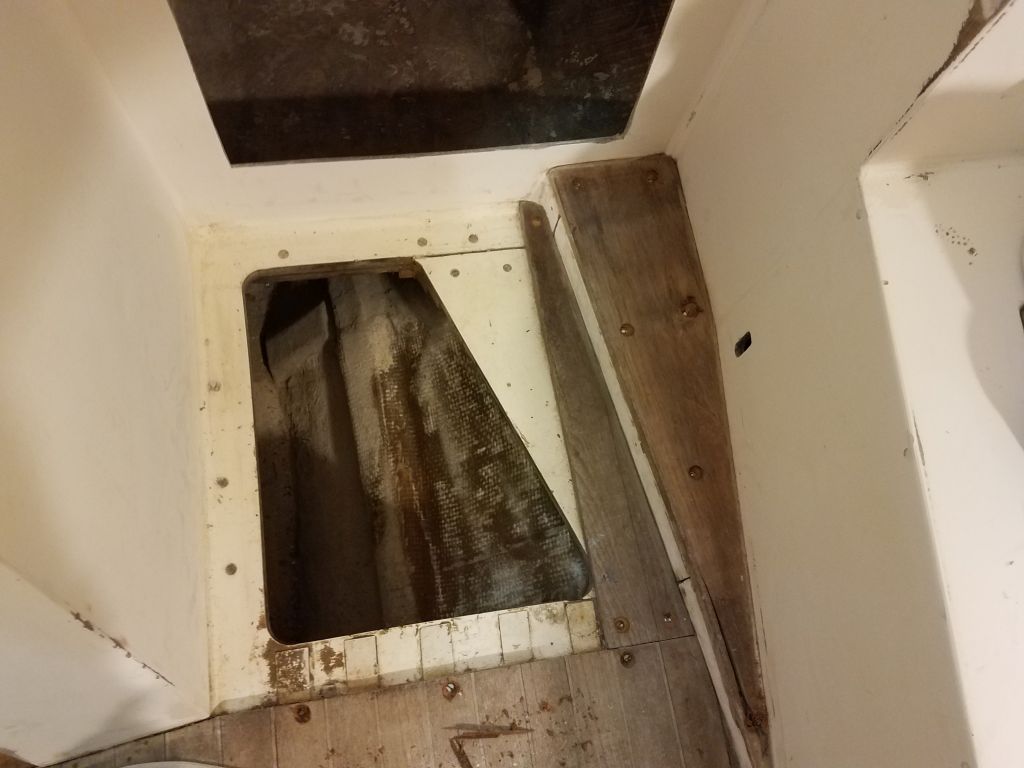
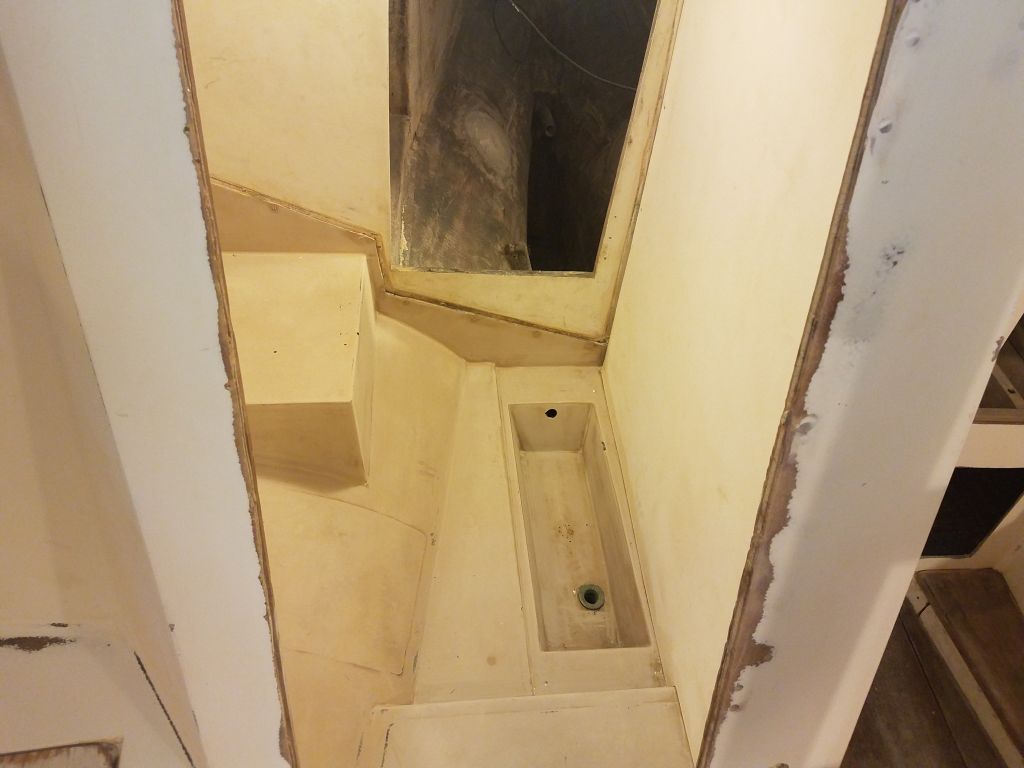
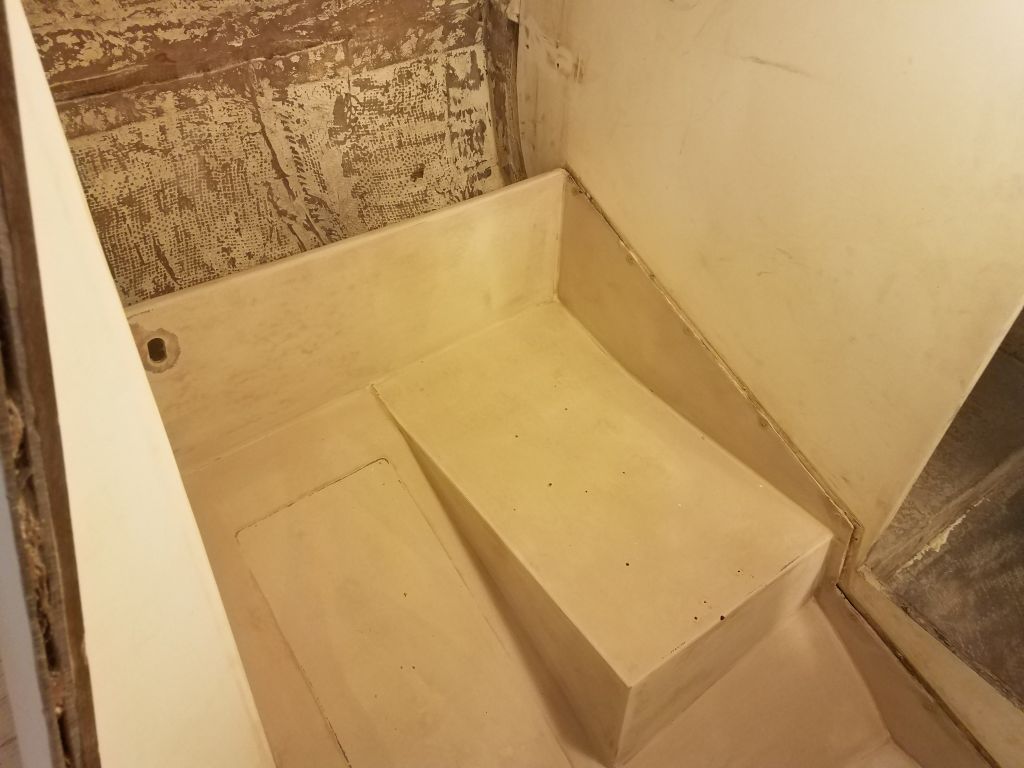
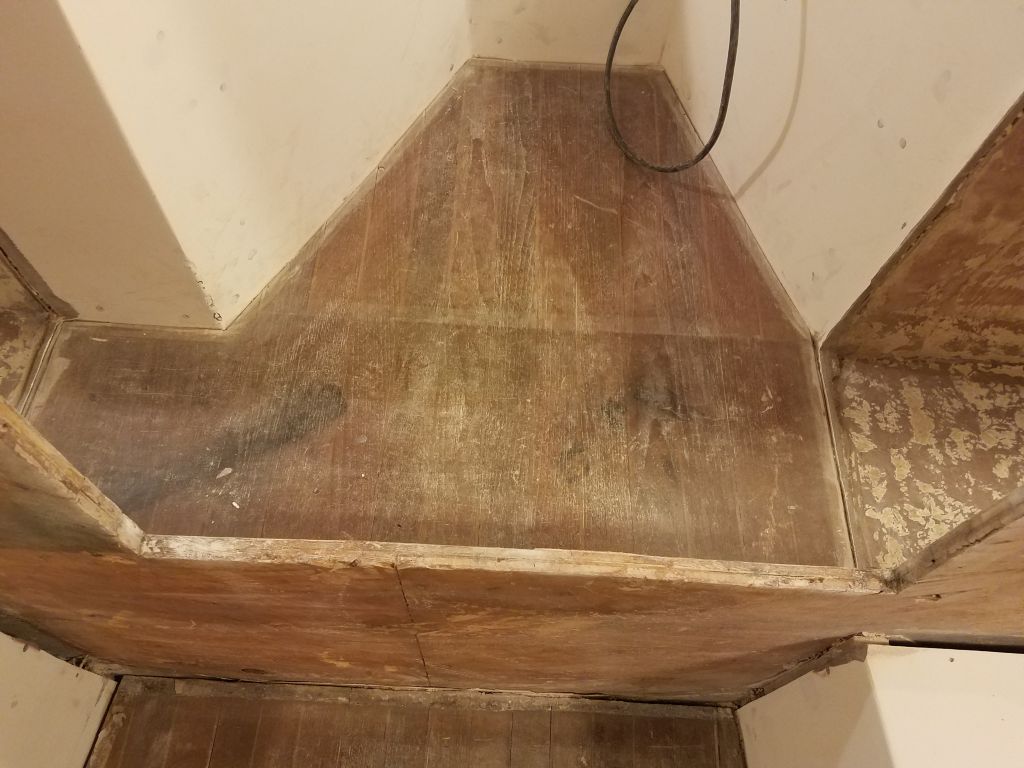
The final area requiring bulk surface preparations was the head compartment, with myriad small but multi-faceted surfaces to prepare.  As in the galley, the after bulkhead here was covered with Formica and didn’t need the sanding prep at this time.  For the moment, I also chose to leave alone the molded sole section, which incorporated a shower pan as well as a molded nonskid area, plus a platform for a toilet.  This section was a different color and was in pretty good shape as is, and on the off chance it could be kept as-is, I avoided it for now.

After various rounds of sanding with different tools and by hand, followed by hole reaming and some spot grinding to prepare a couple areas for larger patches, I completed the basic head surface prep to the same level as the rest of the cabin.

Total time billed on this job today:  6.5 hours

0600 Weather Observation:  0°, clear.  Forecast for the day:  Increasing clouds, snow showers, then snow overnight, 20s
 

Scupper 67

Monday

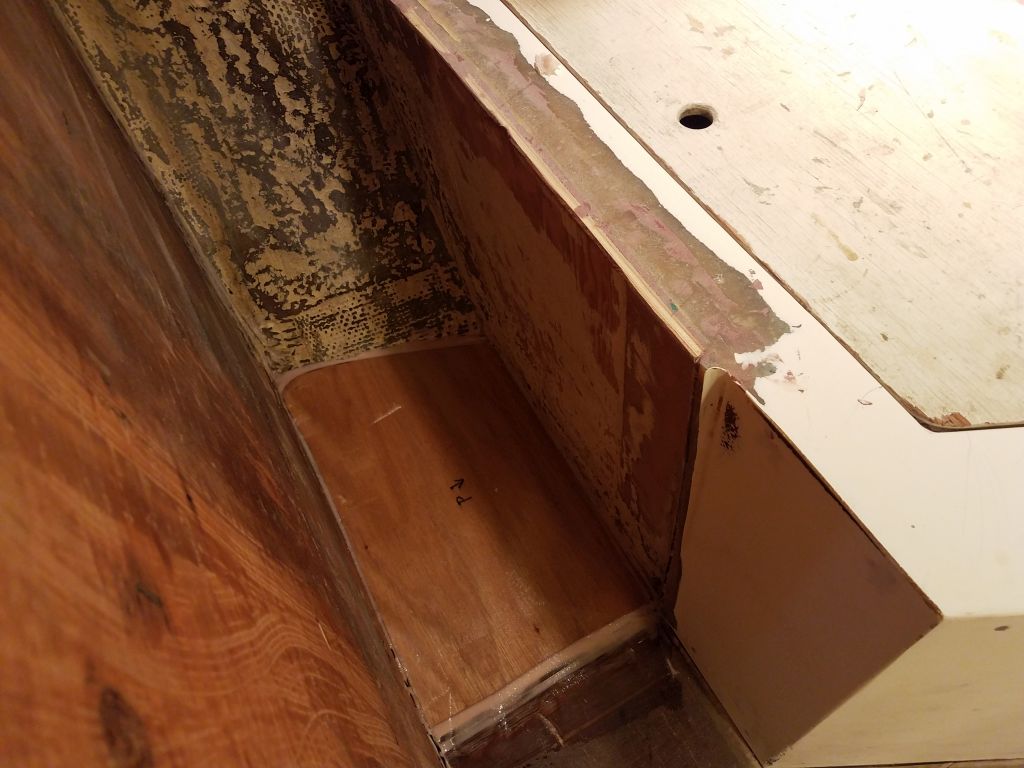
After a late-ish start while I took care of other business, I started in main cabin, where I worked in the lockers beneath the settees, cleaning up the final remnants of the old coring that I’d removed.

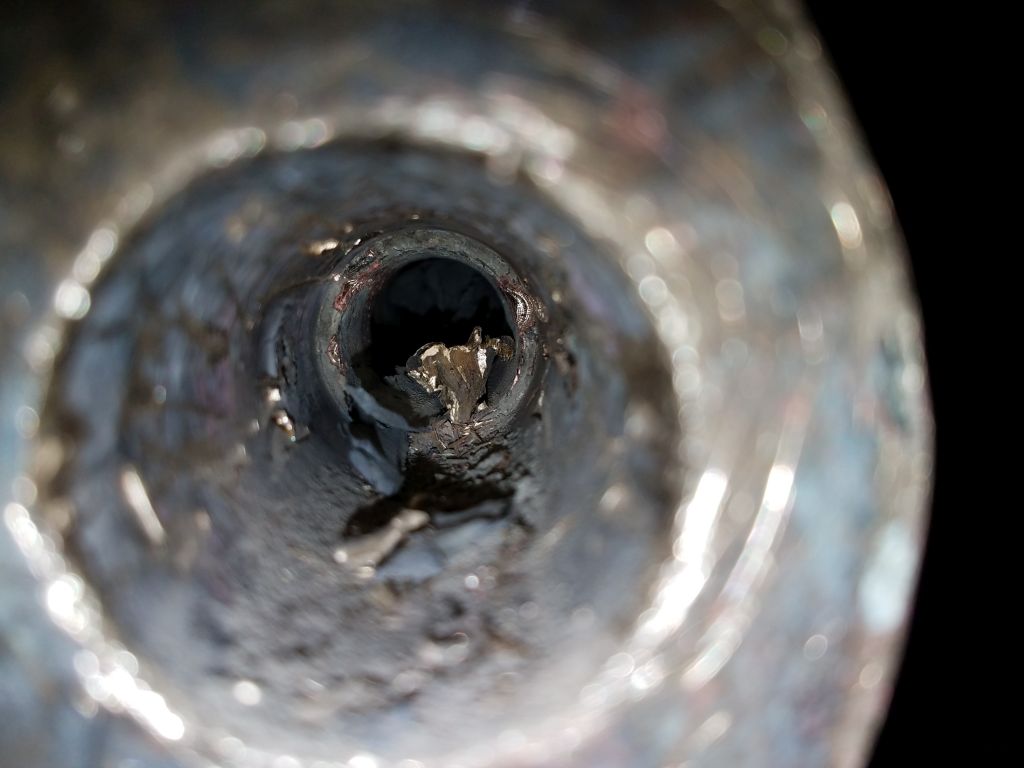
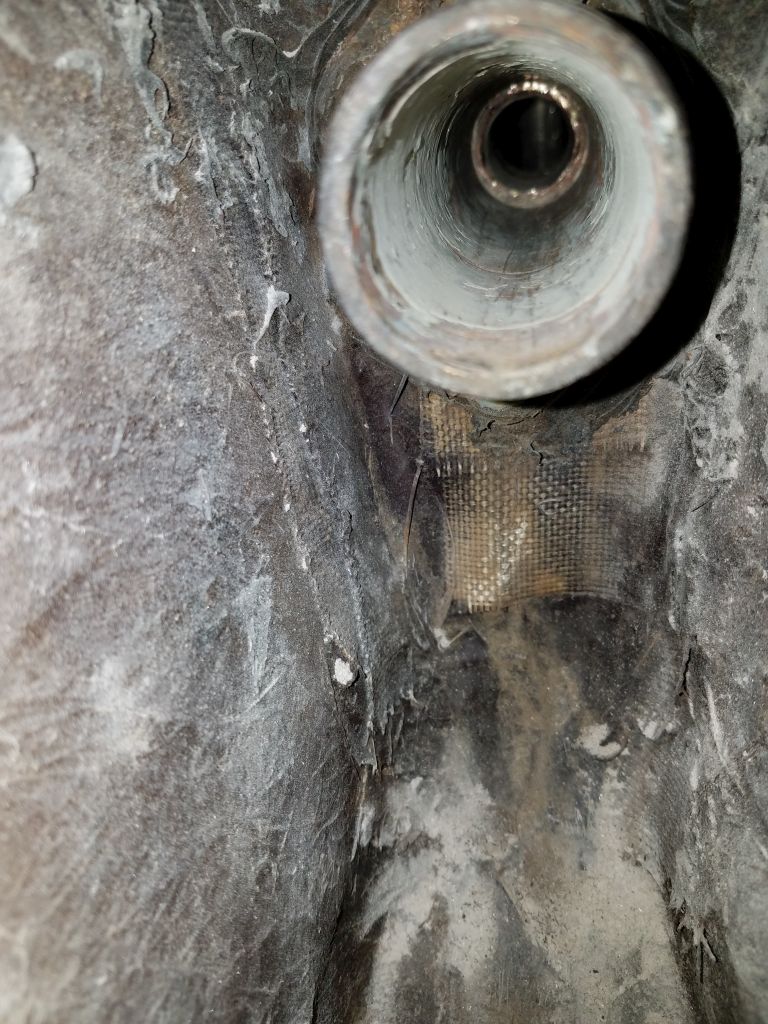
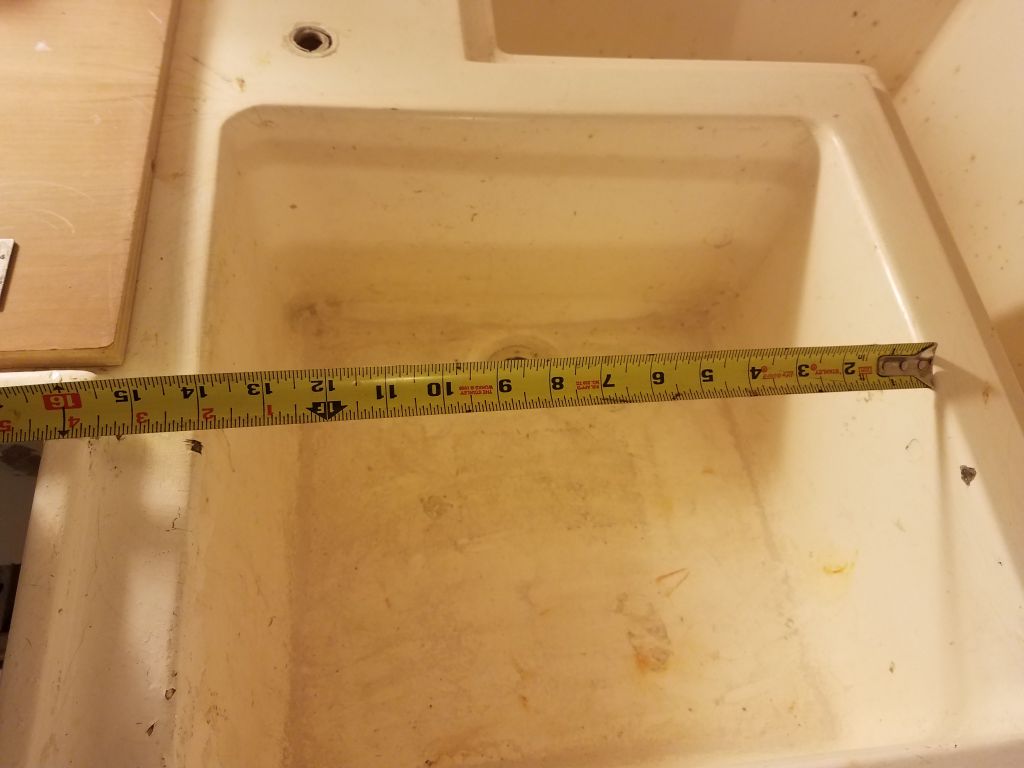
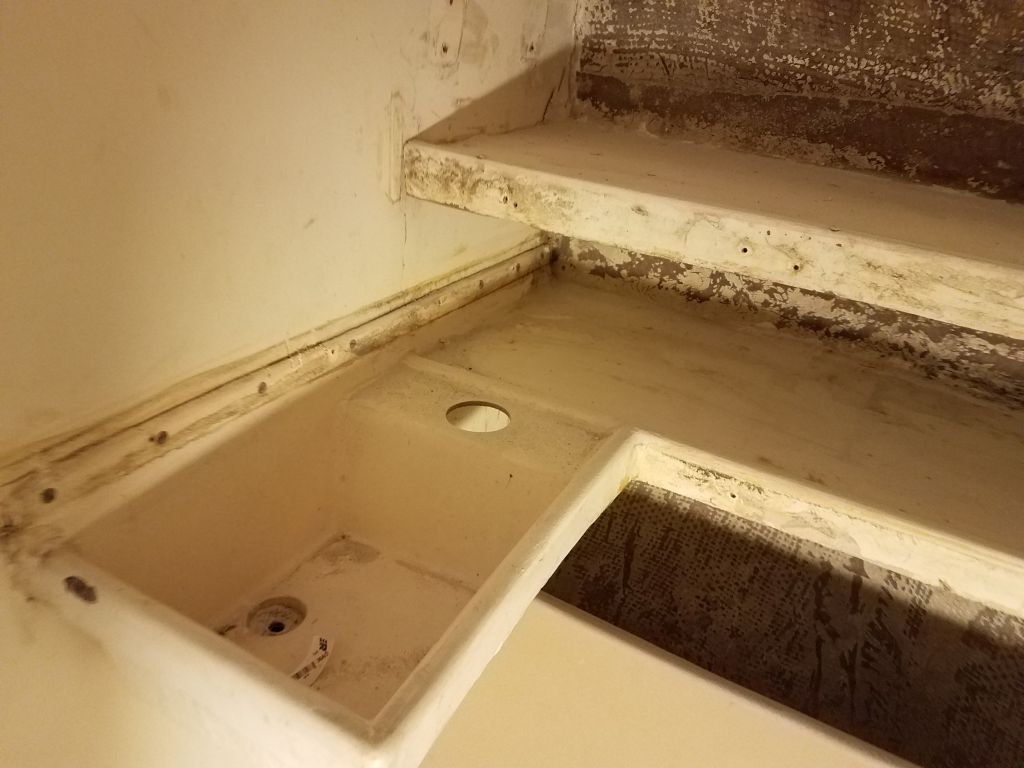
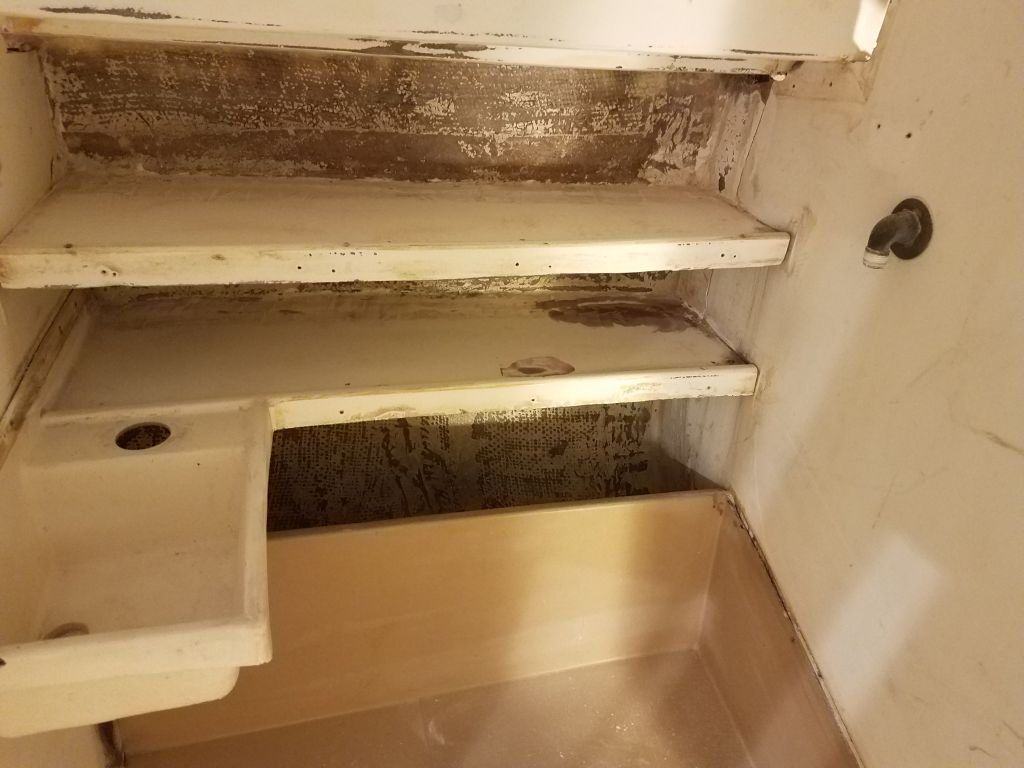
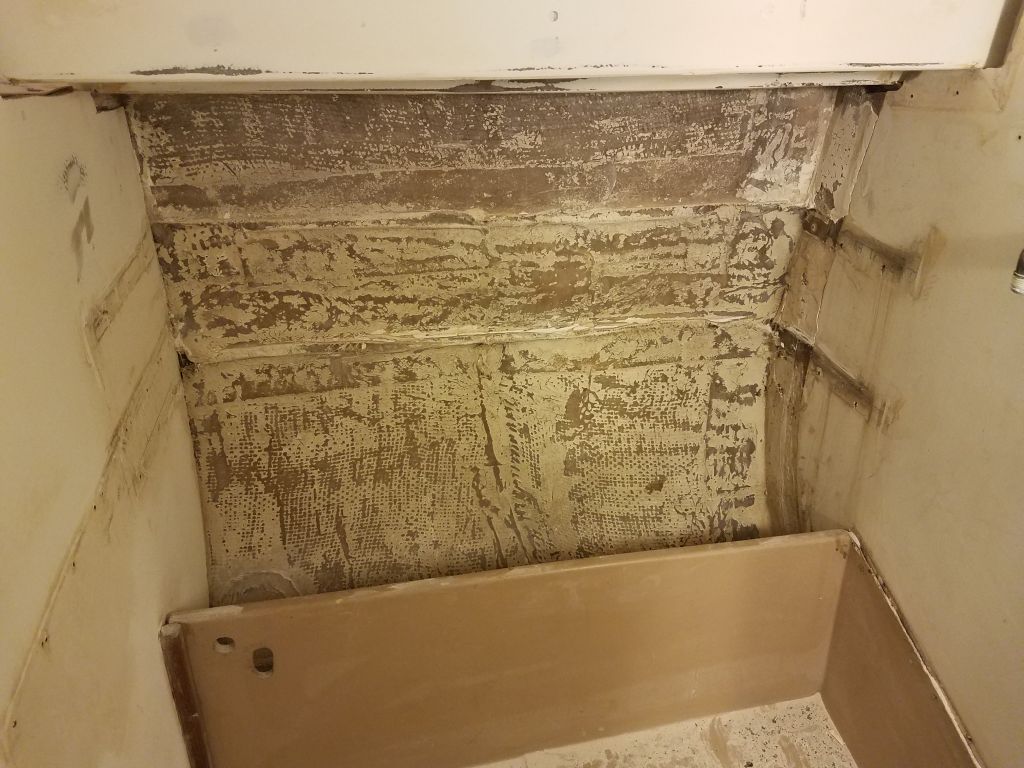
Beneath the galley, I cleaned up the lowermost locker as much as I could given the access, focusing on the inside of the old galley sink through hull, which I’d previously filled and patched from  the outside, but this patch still required fiberglass on the inside, which I’d do soon.  That hose is attached to the drain on the old icebox, and remains currently inaccessible.

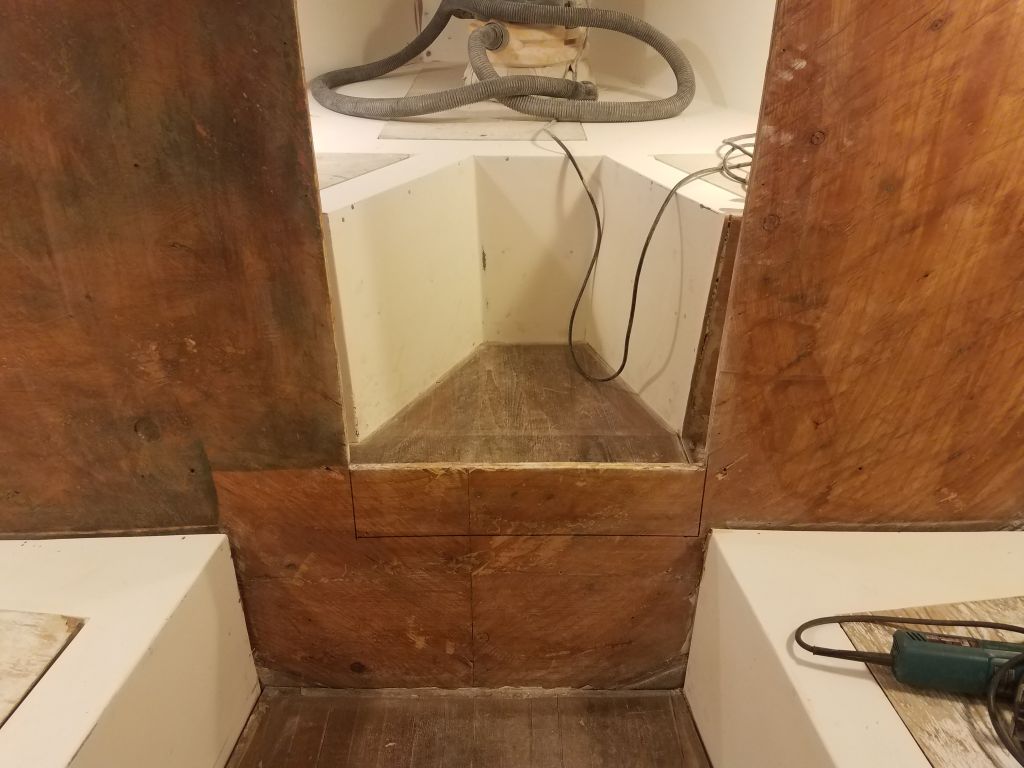
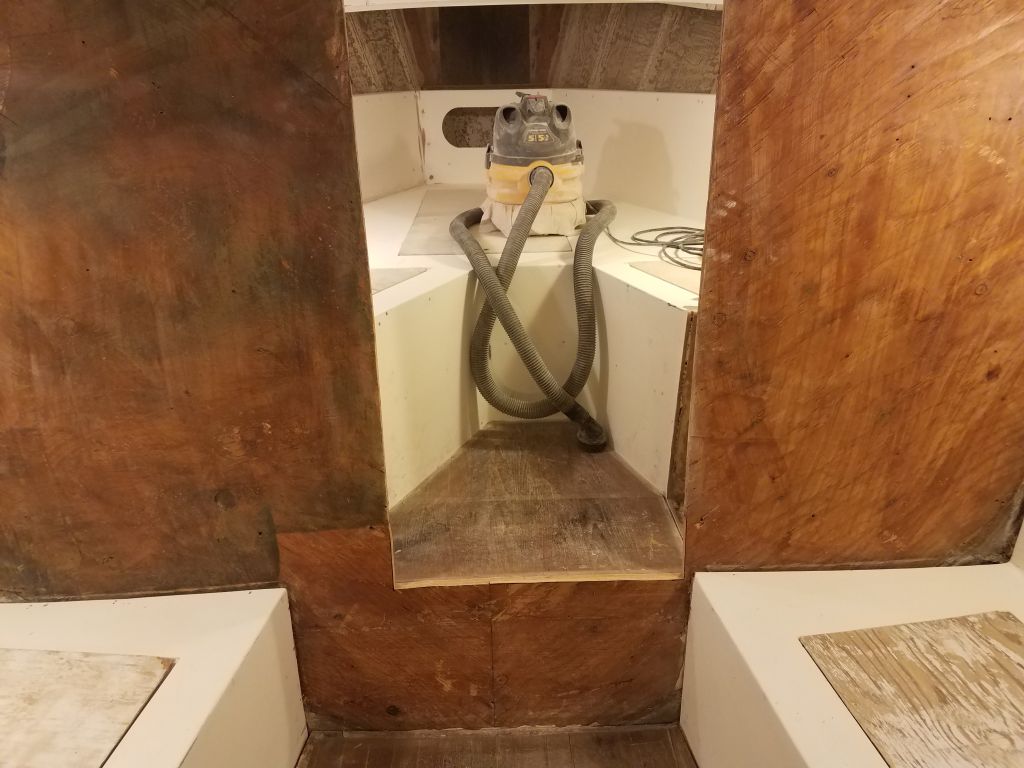
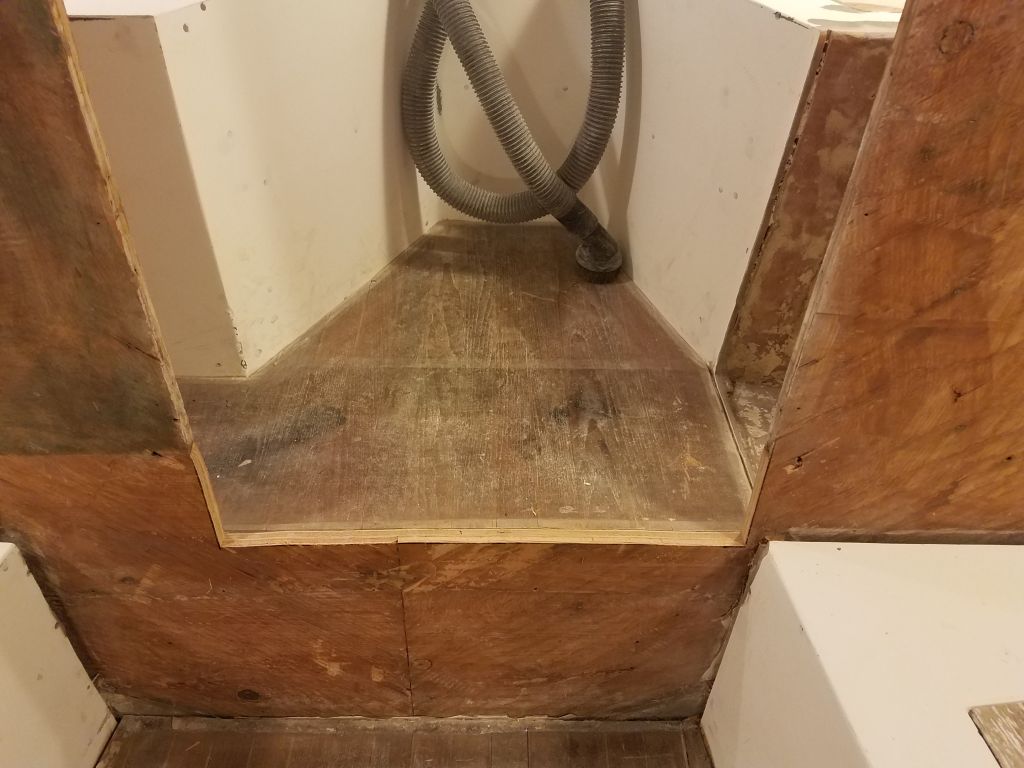
In the forward cabin, I used a grinder to clean up the cuts at the aft end of the berth, where I’d removed the old, tall hanging lockers, and also cleaned up the hull and surrounding areas as needed in these corners.

Next, I sanded all the forward cabin liners, including the berth platform and edges, undersides of the deck, and overhead, with three separate rounds of sanding:  first with 80 grit to break and remove the gloss and clean the surface; then two rounds of sanding with an orbital finishing sander, ending with 120 grit, to hone the surface properly for the upcoming primer and paint steps (ad whatever else).  I still needed to come back and finish up the corners and detail areas.

With a bit of time left in the day, I moved back to the main cabin and finish-sanded the starboard settee, again with the 6″ orbital sander and ending at 120 grit.

Total time billed on this job today:  6.75 hours

0600 Weather Observation:  20°, clear.  Forecast for the day:  Sunny, 21°

Scupper 66

Friday

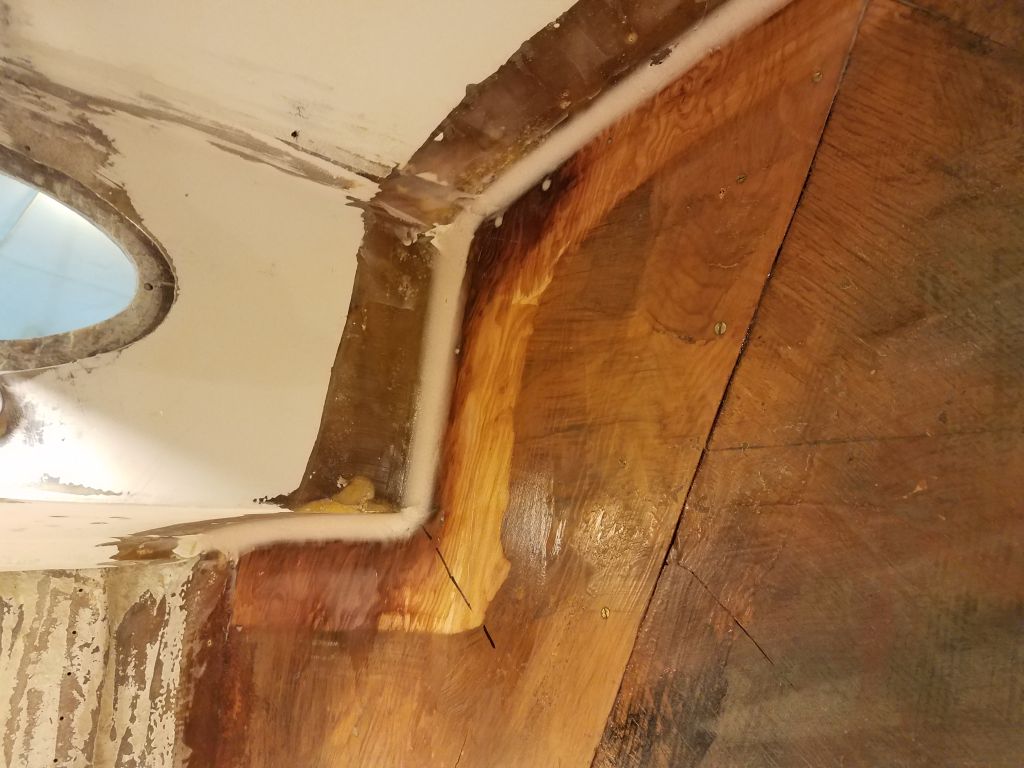
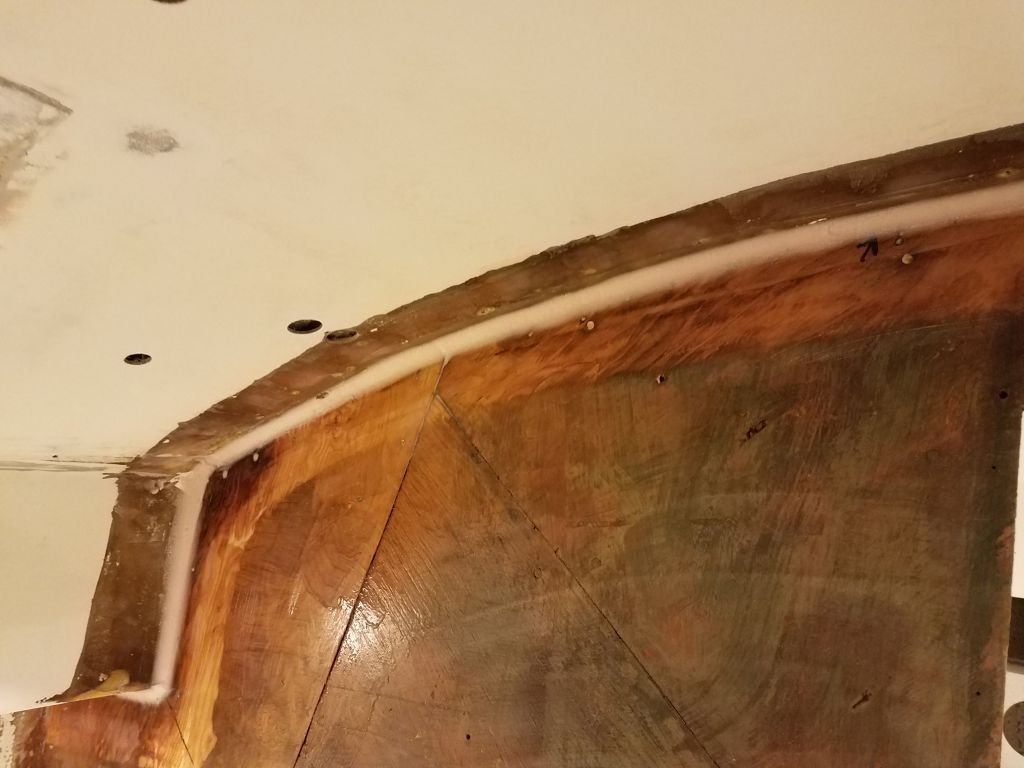
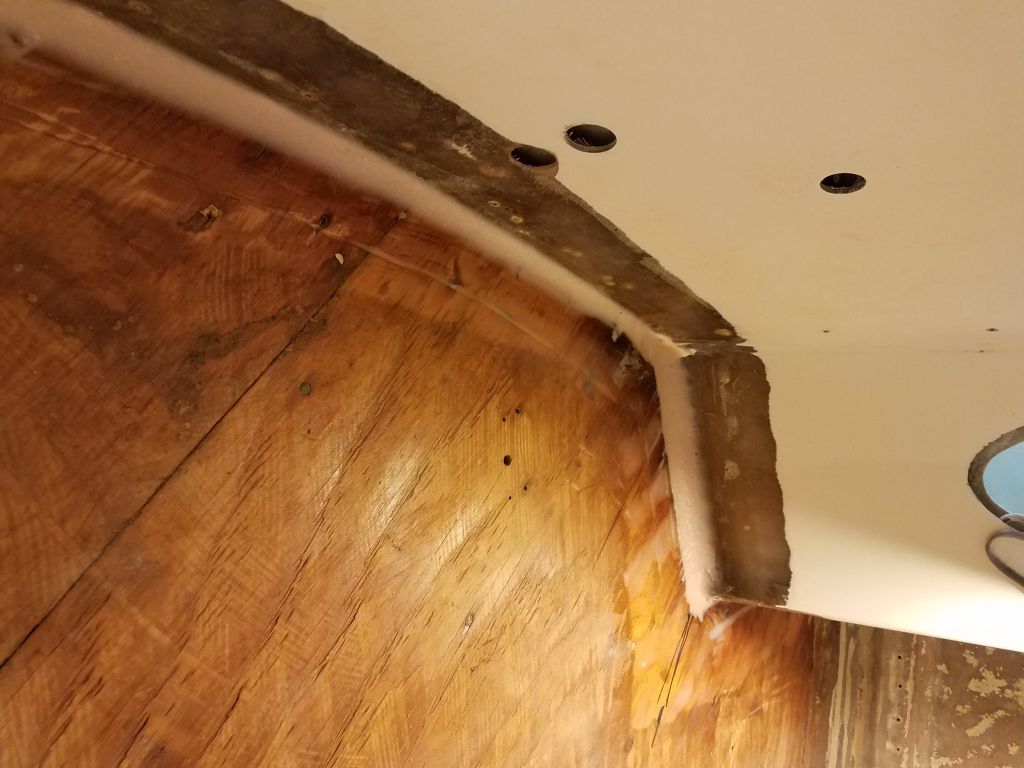
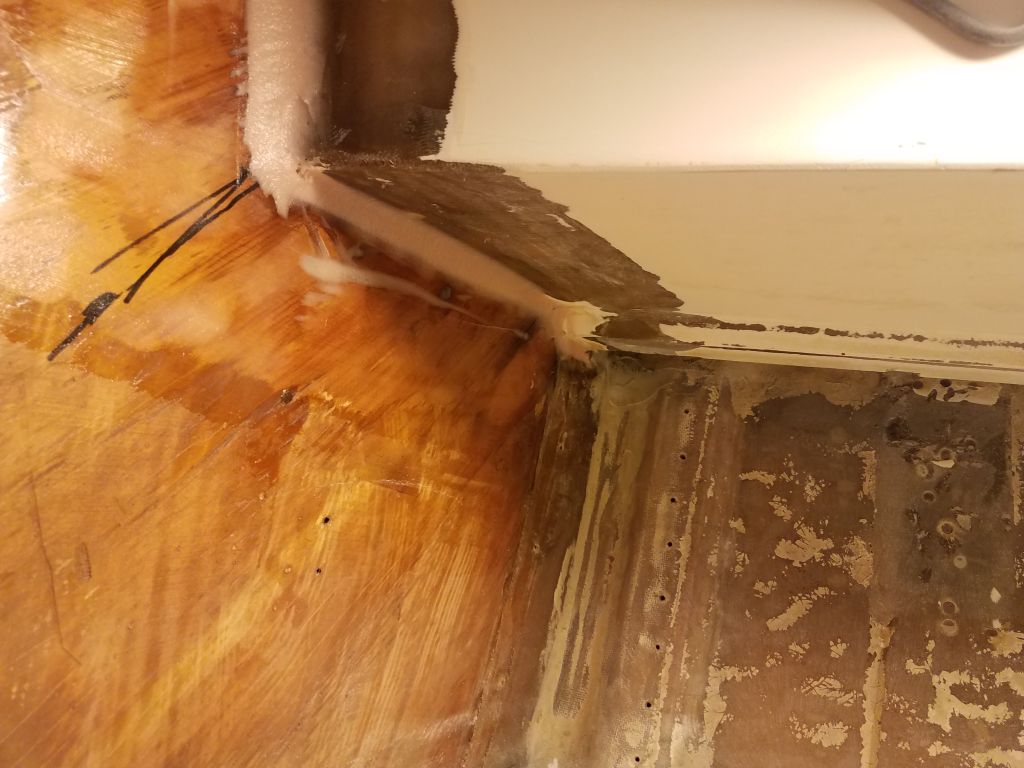
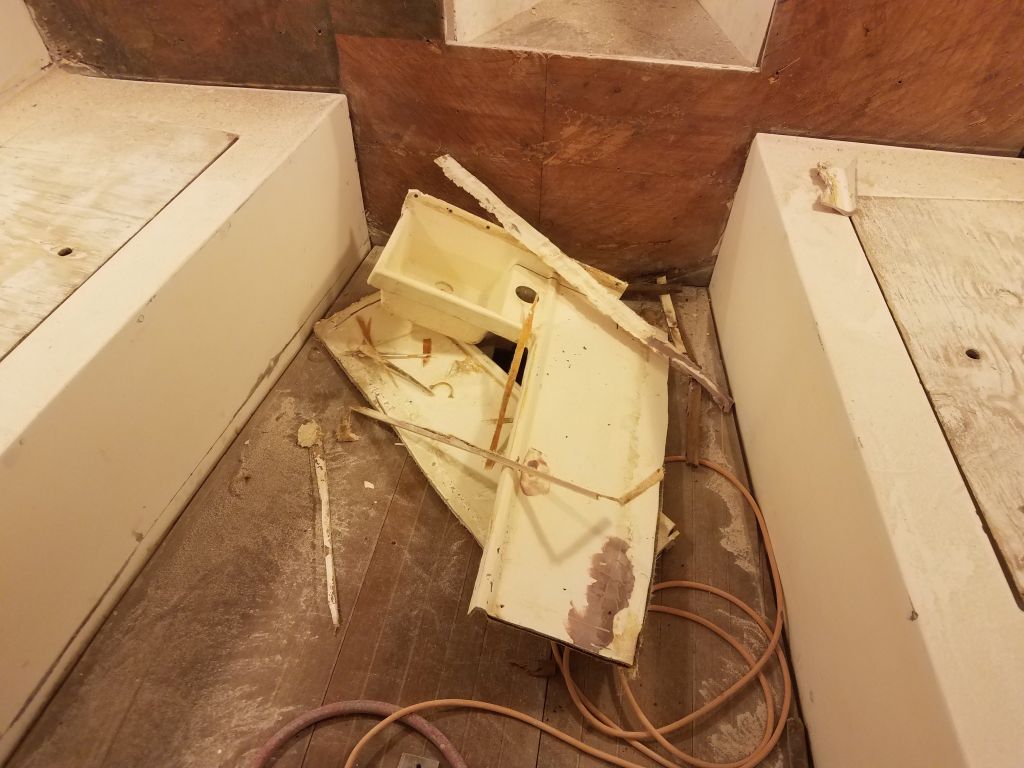
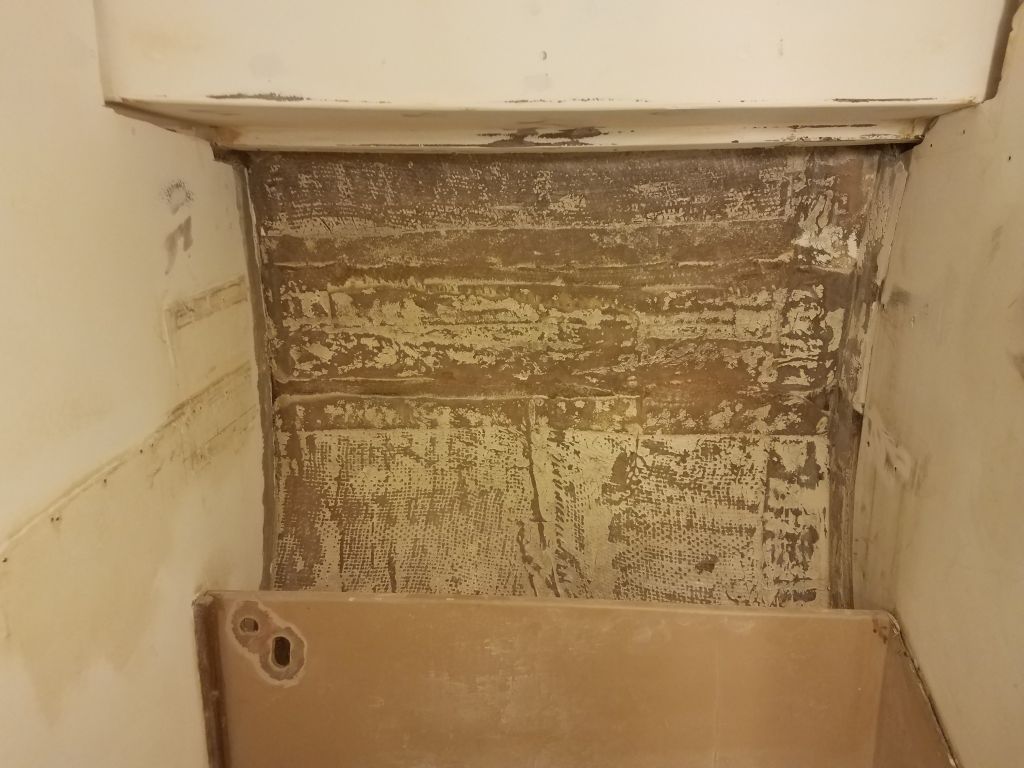
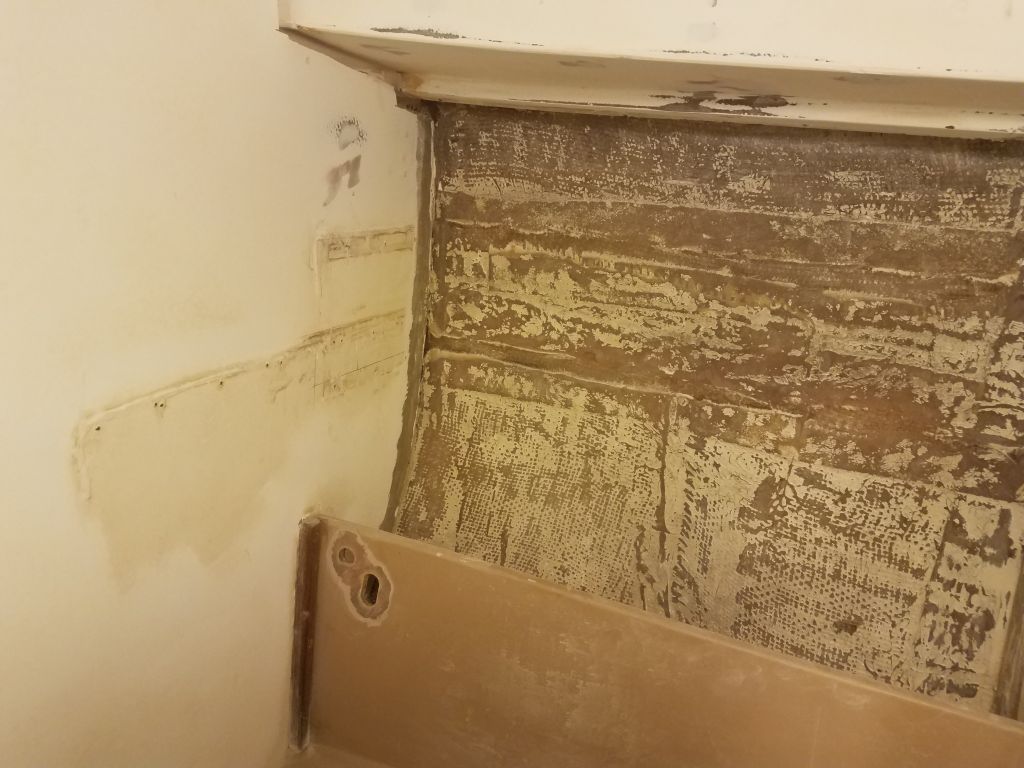
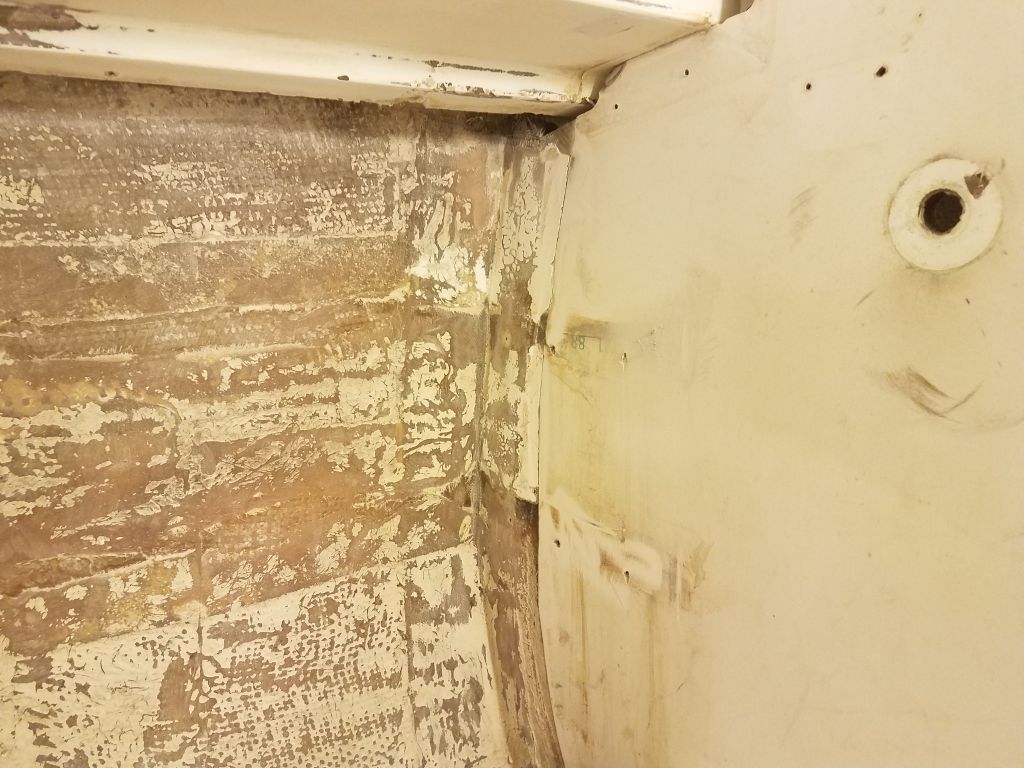
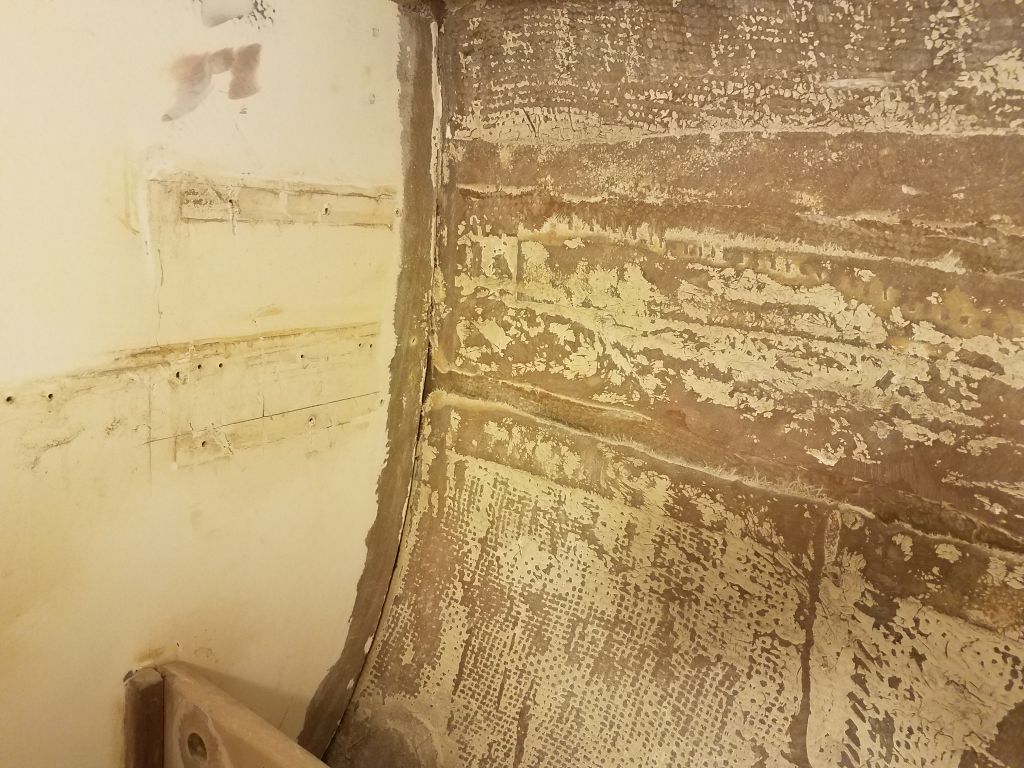
In the forward cabin, I removed the tall hanging lockers at the aft end of each berth.  I used a saw to cut along the intersection of these lockers with the sides of the v-berth liner, and along the edge of the berth top, leaving a bit of an edge that I’d clean up and make flush later with additional sanding.  I cut out the lockers in a few sections to keep the size manageable, and removed remnants of the old tabbing along the hull sides to finish up the removal for now.

Removing the lockers greatly opened up and enhanced the space, and allowed decent access to the inside of the hull and forwardmost chainplate locations, and would greatly streamline further work efforts in the near future.  For now, I wasn’t sure how the owner wanted to finish off the space, but we’d discuss it during an upcoming meeting at the boat.  I’d soon clean up the areas with additional sanding, but for right now I planned to focus the rest of the day in the main cabin.

I turned back to the lockers beneath the settees, particularly on the port side, where I removed the rest of the core from the area with a grinder; I’d tried prying and scraping it, but found it too time-consuming.  With one remaining sanding disc on the grinder, I ground away the remaining square foot or so of core, and lightly cleaned up the lockers on both sides.  There was more and better sanding still to come soon, but I needed a new supply of the sanding discs first.

The main cabin largely consisted of molded, gelcoated interior components and liners, including the galley, settees and backrests, and the overhead, and the original finishes were old, tired, and stained.  On the port side, where work had been done in the past by others, there was some nasty glossy white paint filled with bubbles and roller stipple.  (Note:  lots of additional photos of the interior in various stages of disassembly and “as-arrived” condition can be found in the early pages of this project.)

During the remainder of the day, I sanded all the gelcoated surfaces in the main cabin and galley, removing gloss from the gelcoat and, where necessary, removing that nasty old paint.  This included all areas of the settees and backrests, the galley and companionway areas, the underside of the bridgedeck, and the undersides of the sidedecks.  This initial round of sanding was a sort of initial cleaning pass, and I planned additional finish sanding soon to take care of final surface prep for primer as well as deal with detail areas and corners.  The large bulkhead aft of the galley was still covered with well-stuck Formica and didn’t receive any attention at this time.  In some areas, I had to remove hated silicone sealant residue, which the builders had used beneath some of the trim and around the large port above the galley.    It was like sanding a car tire, but I prevailed.

The molded overhead was pockmarked with holes from hardware installations above, as well as a nightmare area above the galley where various old work had occurred.  This overhead was never going to be the final surface in the new interior, but I felt it was still necessary to sand it with coarse paper to clean, degloss, and abrade the surface so it would be ready for whatever future treatments I might do.

The overhead was also too ugly to live, and after all, I had to work in this space for some months.  A happy boat restorer is…well, happy.  It just felt better in the boat after I’d sanded the overhead clean.

I cleaned up the dust and detritus from the past two days’ sanding, and looked forward to repeating the process in the forward cabin next time.

Total time billed on this job today:  7 hours

0600 Weather Observation:  30°, clear.  Forecast for the day:  Increasing clouds, 32°

Dharma Rose 35

Thursday

With the end of the project, the owner arranged to have the boat surveyed for his insurance purposes, and once that was over with early in the week, I went ahead to prepare the boat for her imminent departure, restowing and securing the mast on deck and loading various gear back aboard.

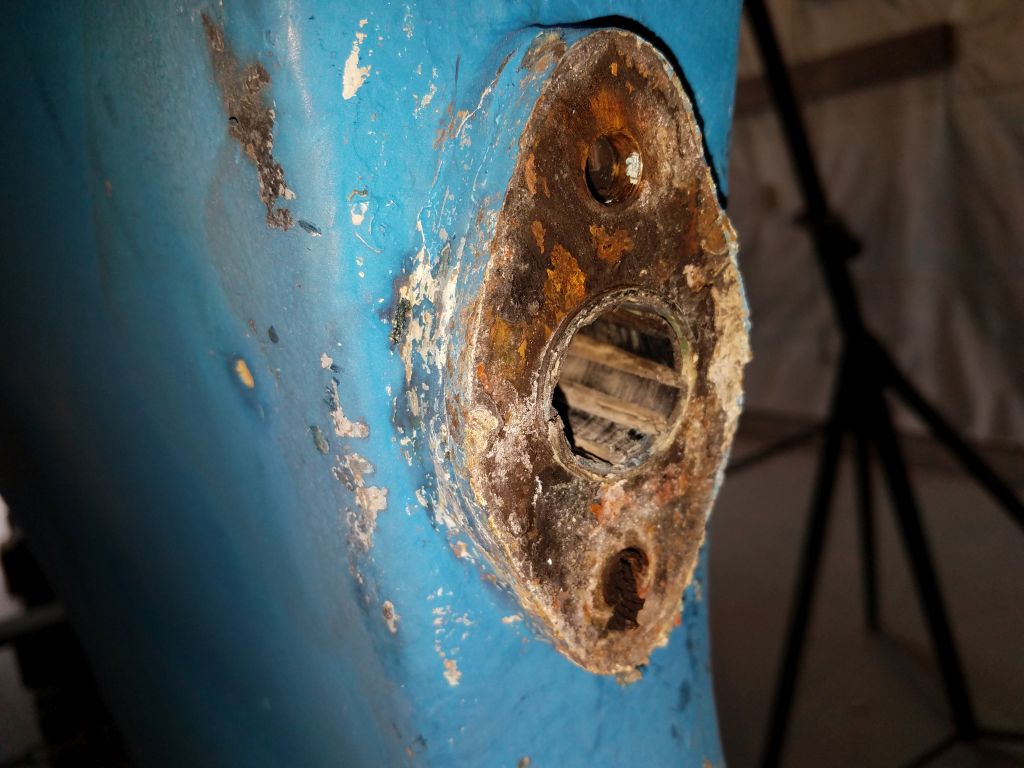
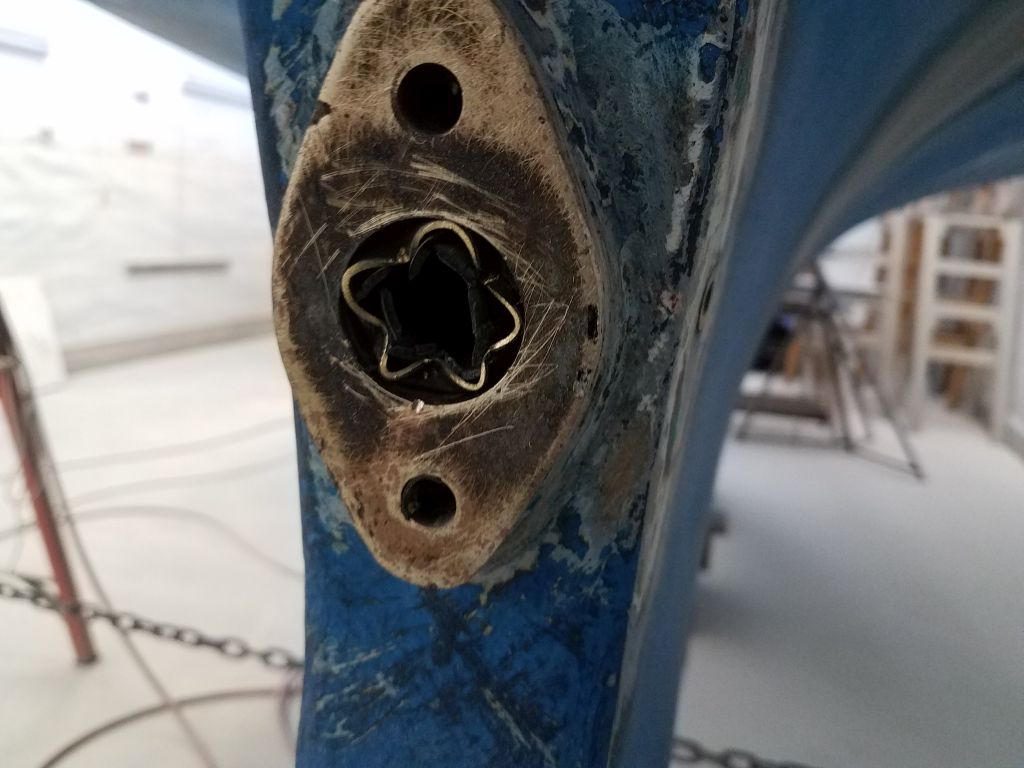
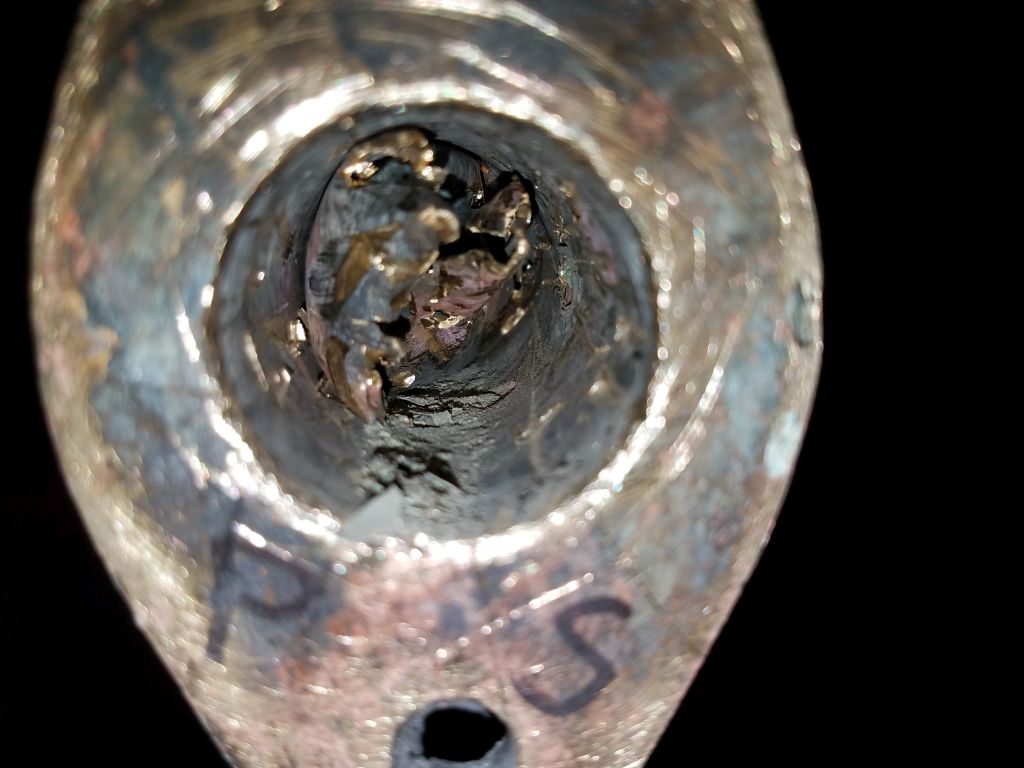
One final detail remained.  I had hoped to be able to install a zinc on the prop shaft; while in my mind the requirement or even desirability of this remains in question, at least when the boat’s underwater metallic compontnents are electrically isolated from one another (as they are here), there seemed little down side other than simply recycling zinc through the ecosystem.  The first prop hub zinc I’d tried, a standard and readily-available version, didn’t fit in the tight space between the prop and the rudder on this boat, but after a pretty extensive search I found a version that looked promising and ordered it.

When the new zinc and nut assembly arrived, and after quickly determining that it would work here, I installed it.  This zinc came with a prop nut that replaces the original two nuts, so I removed those and installed the supplied prop nut tightly.  The zinc itself is designed to fit over this nut, with a hex-shaped recess on one side, and then the zinc is secured with a castle nut at the end of the shaft, which fits inside the rounded aft end of the zinc.  I finished off the installation with a cotter pin to hold the arrangement in place.

With a brief unusually-warm weather window (if not fair weather), the owner planned to pick the boat up and bring her home in a whirlwind trip, and I got the new zinc in place just in time before the owner arrived in Maine in the evening.

in the morning, with freakishly warm temperatures but a newly-icy and slick (but aesthetically reflective) driveway thanks to the recent snow now saturated with rain, the owner departed for home with the boat, ready to finish a few small projects and go sailing this summer.

0600 Weather Observation:  40°, rain.  Forecast for the day:  Heavy rain, 50s
Scupper 65

Thursday

After a hiatus to work on other projects, and in keeping with the overall delivery schedule for this boat, I returned to work on Scupper, this time with my focus on the interior.  During the first phase of work, I’d removed interior trim and the like, but the main surfaces remained largely untouched and now required what I tend to call “bulk prep”–sanding and related surface prep.  All the interior surfaces would require some level of prep, including the molded overhead and interior components (the largest area of the interior), plus all locker and bilge spaces and any exposed areas of the inside of the hull.
After getting set back up with the various tools and lighting I needed, I got to work at the stem and started working my way back.  In the forward cabin, I used a sander to clean up the inside of the chainlocker, the huge space beneath the v-berth (in the forward section and as far aft as I could reach beneath the protruding molded lockers), and the exposed hull above the molded v-berth liner, removing as necessary old paint, grime, and generally smoothing the often rough surfaces to better prepare them for new paint and work ahead.  These areas wouldn’t be exposed in the final interior, but still required prep and other finishing work.

The v-berth featured two awkward and confining (and useless) “hanging lockers” molded into the aft end, which the owner and I had discussed removing.  These lockers seemed to close in the berth space, didn’t provide useful storage, and greatly limited decent access to the hull and chainplates.  For now, I stopped my prep work just forward of these looming, ineffective, unpleasant, unnecessary, and undesired walls, but planned to cut them flush with the berth in the immediate future (I was awaiting saw blades for this).

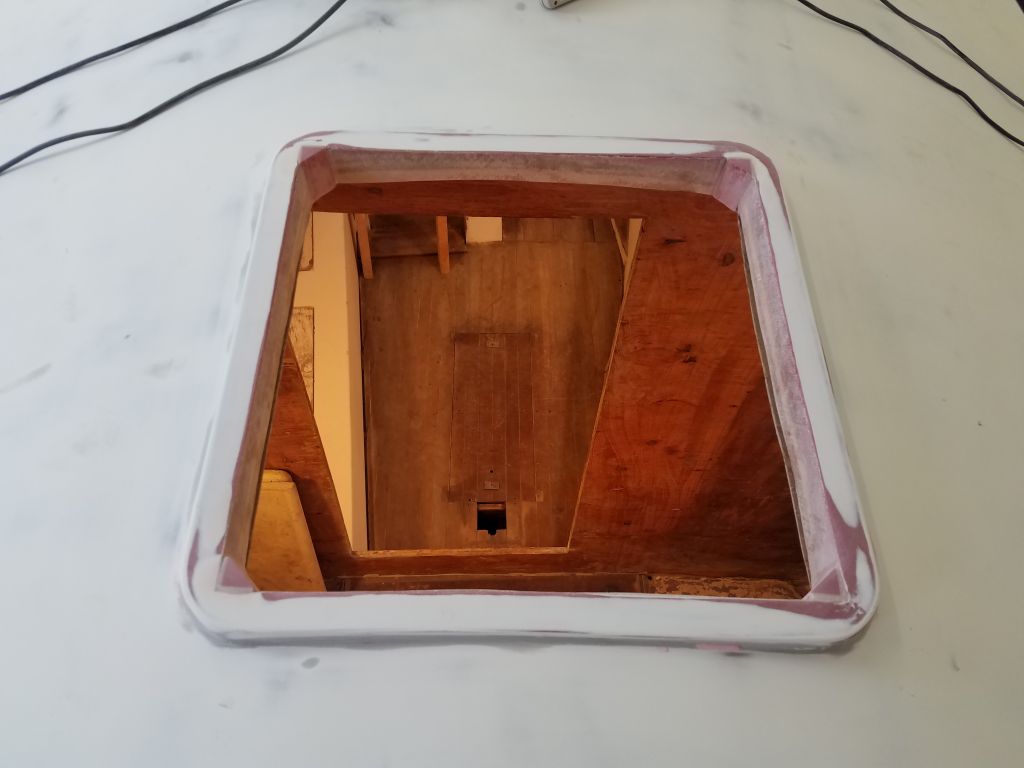
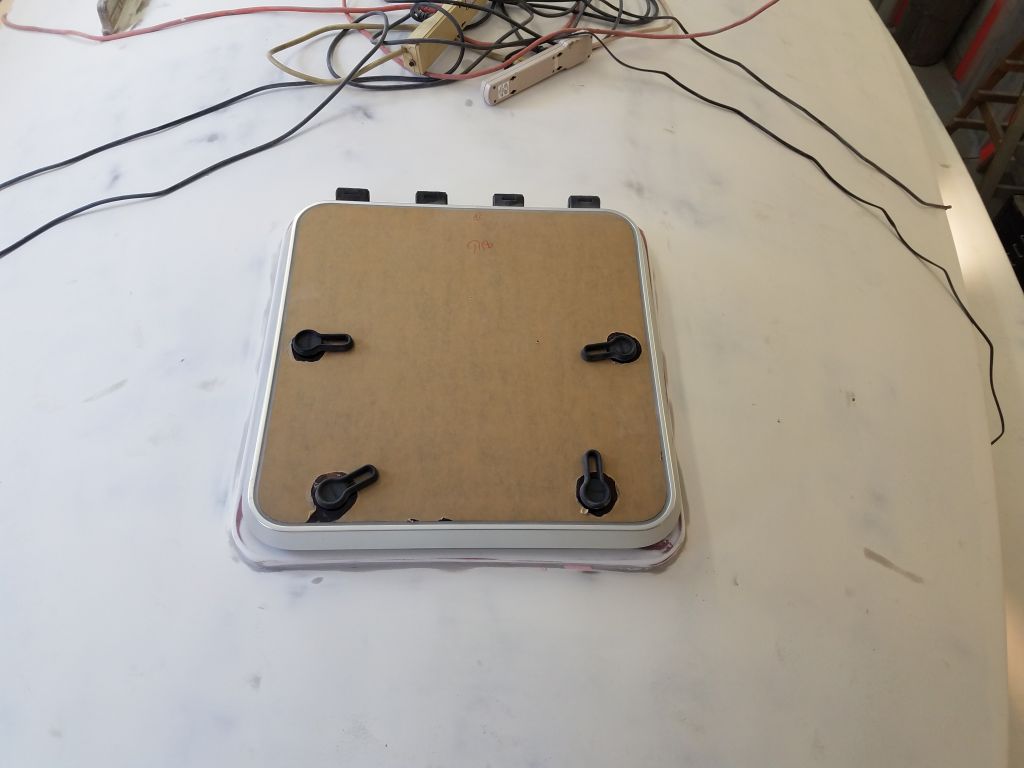
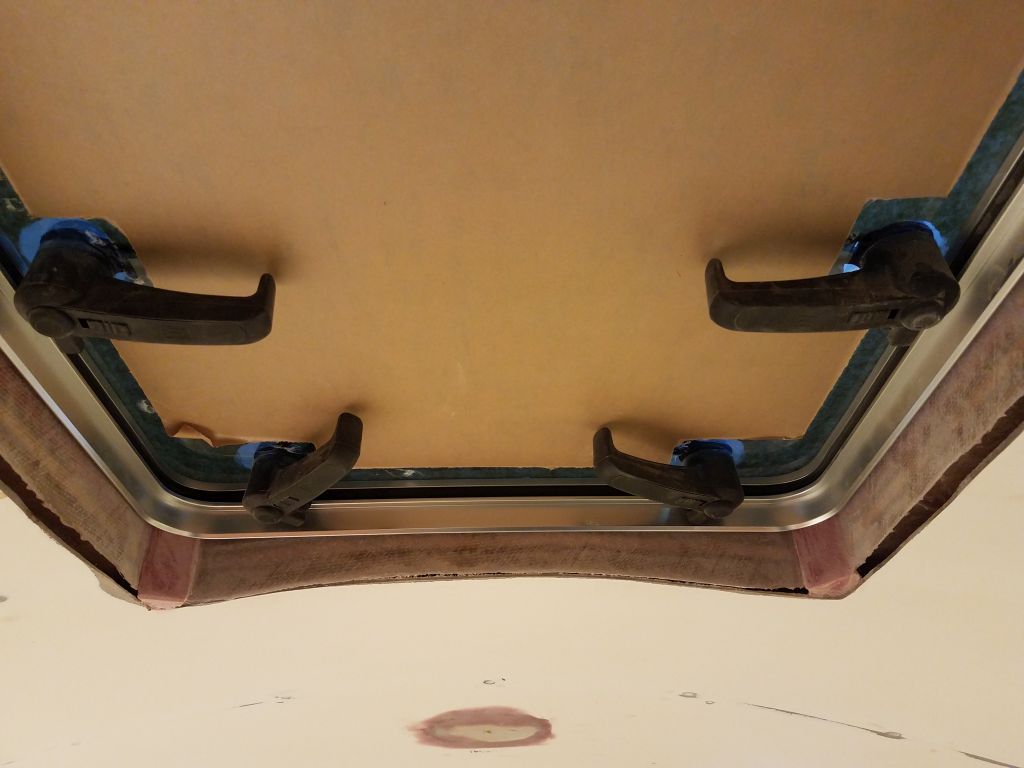
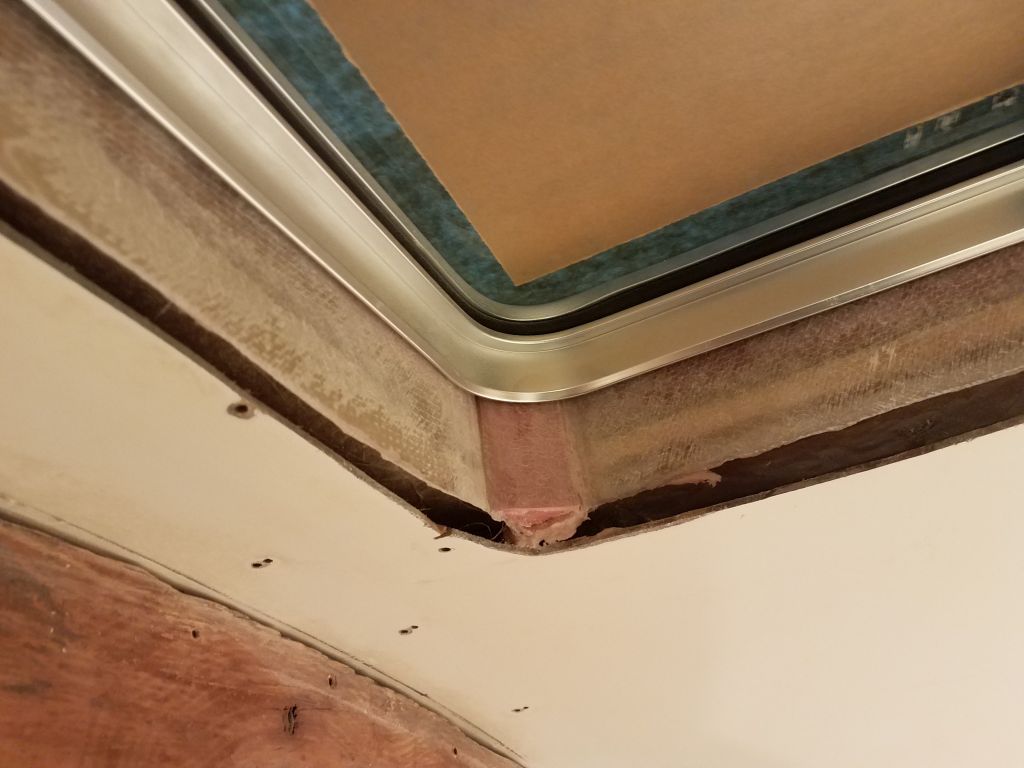
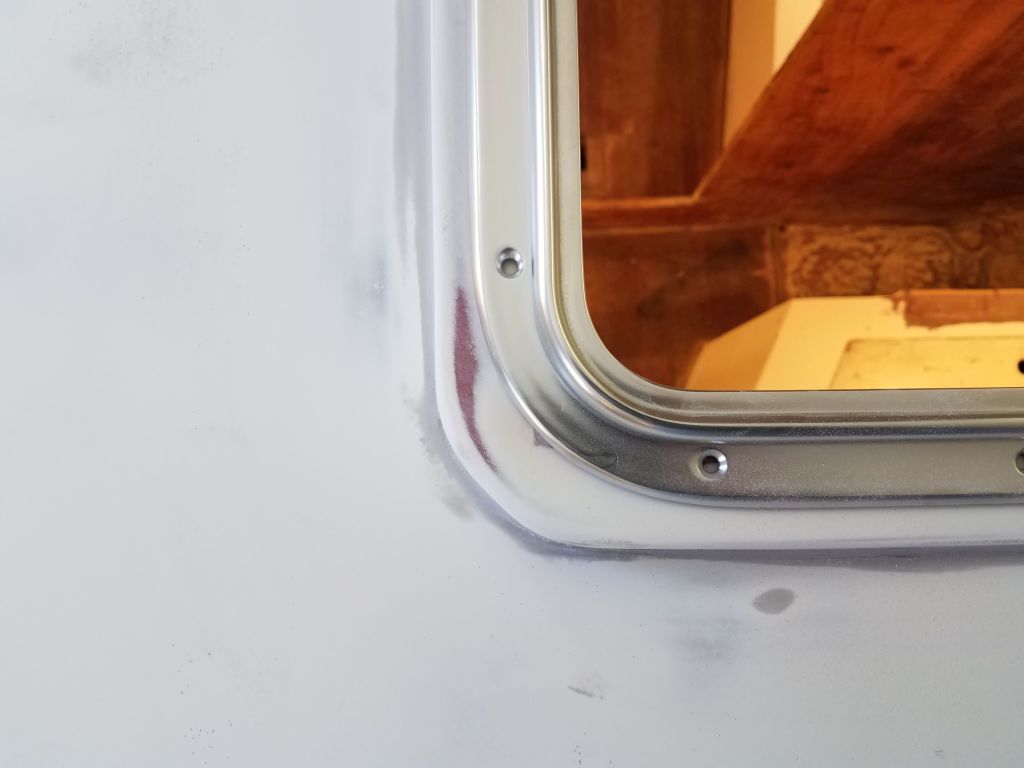
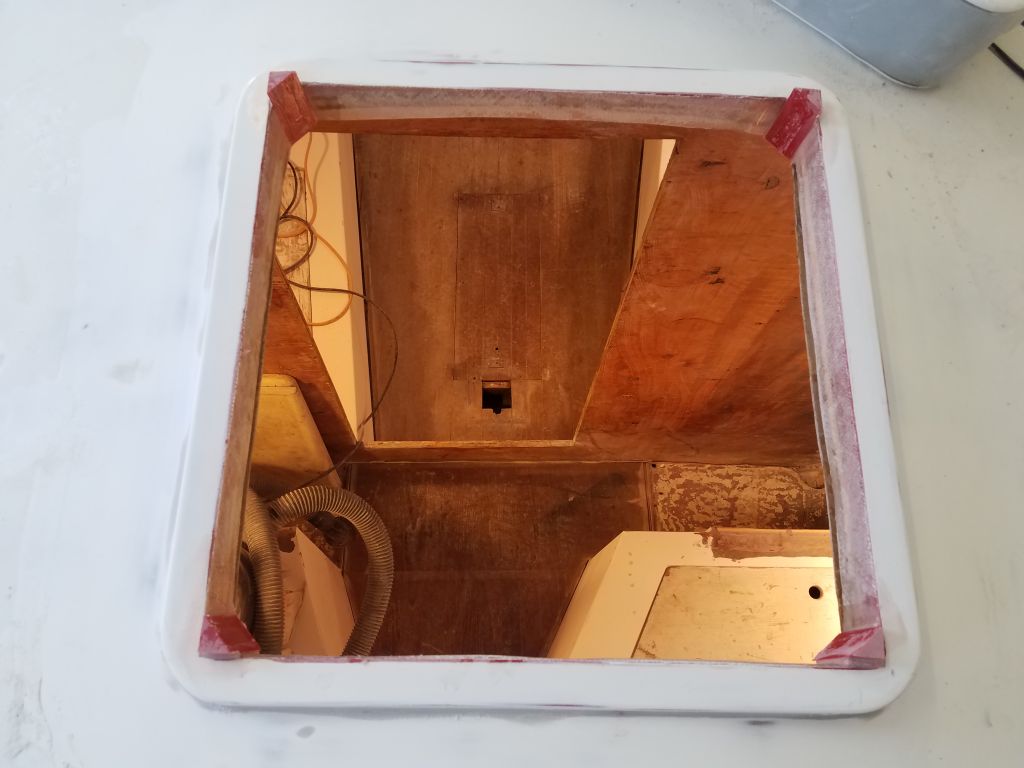
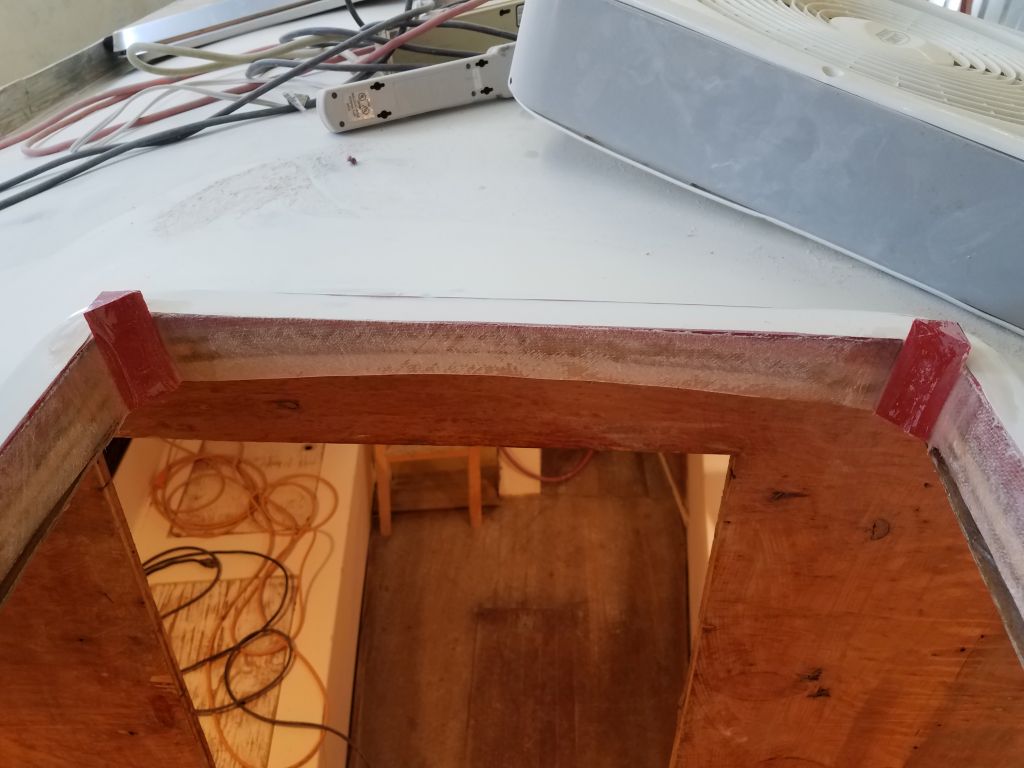
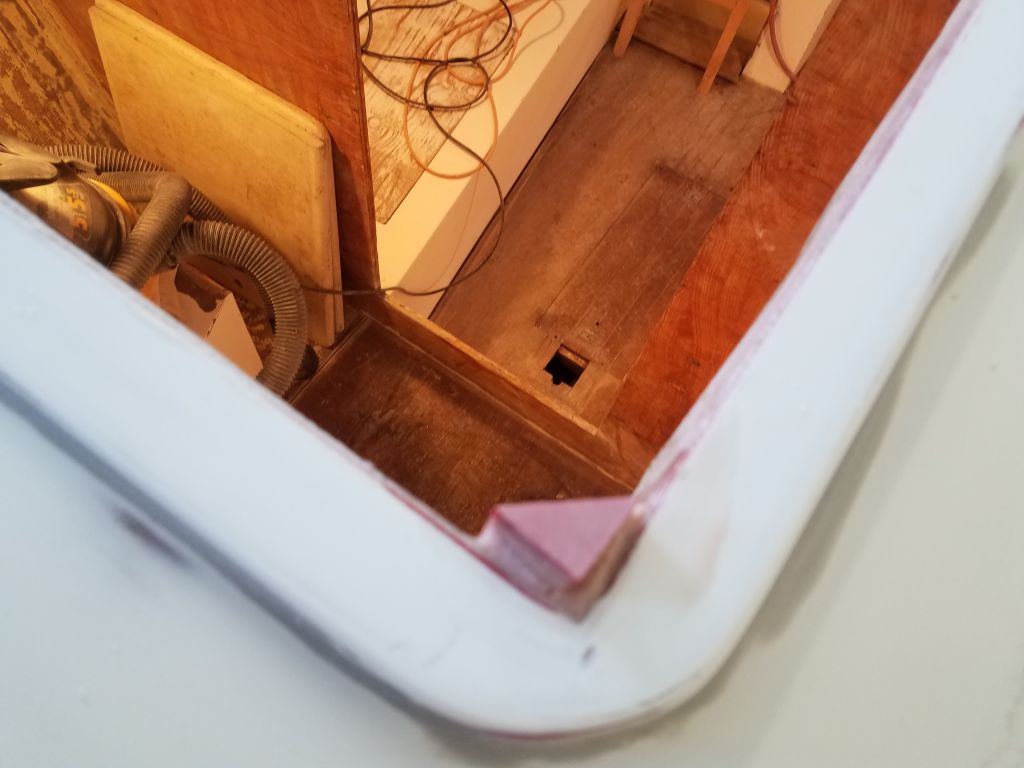
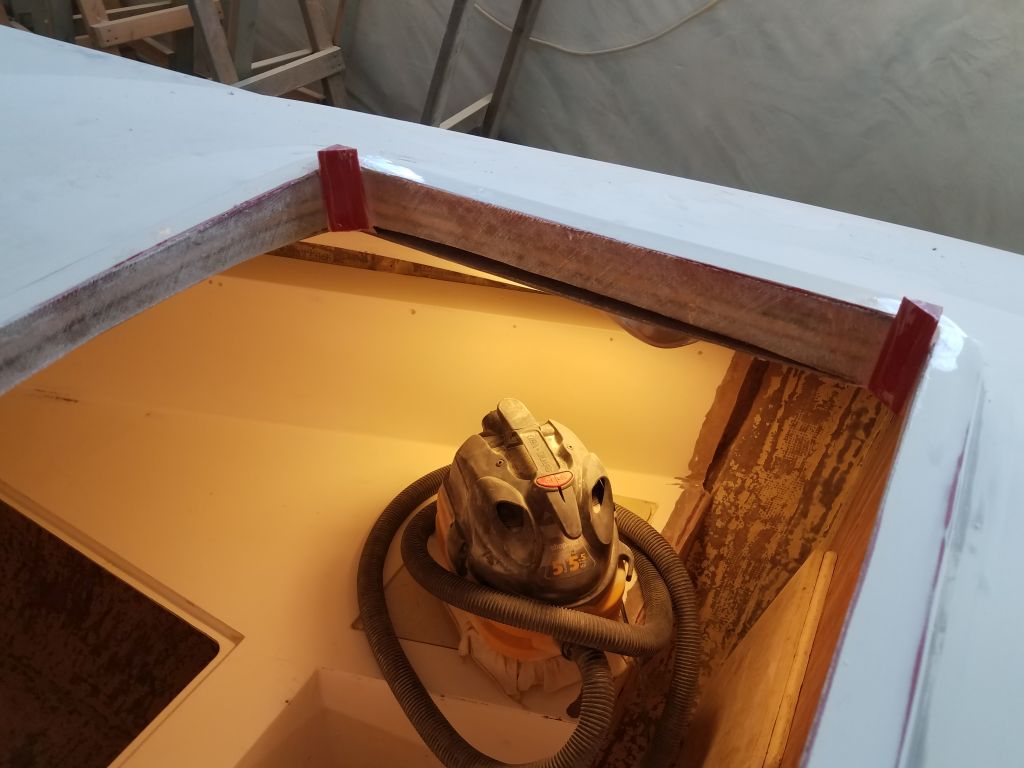
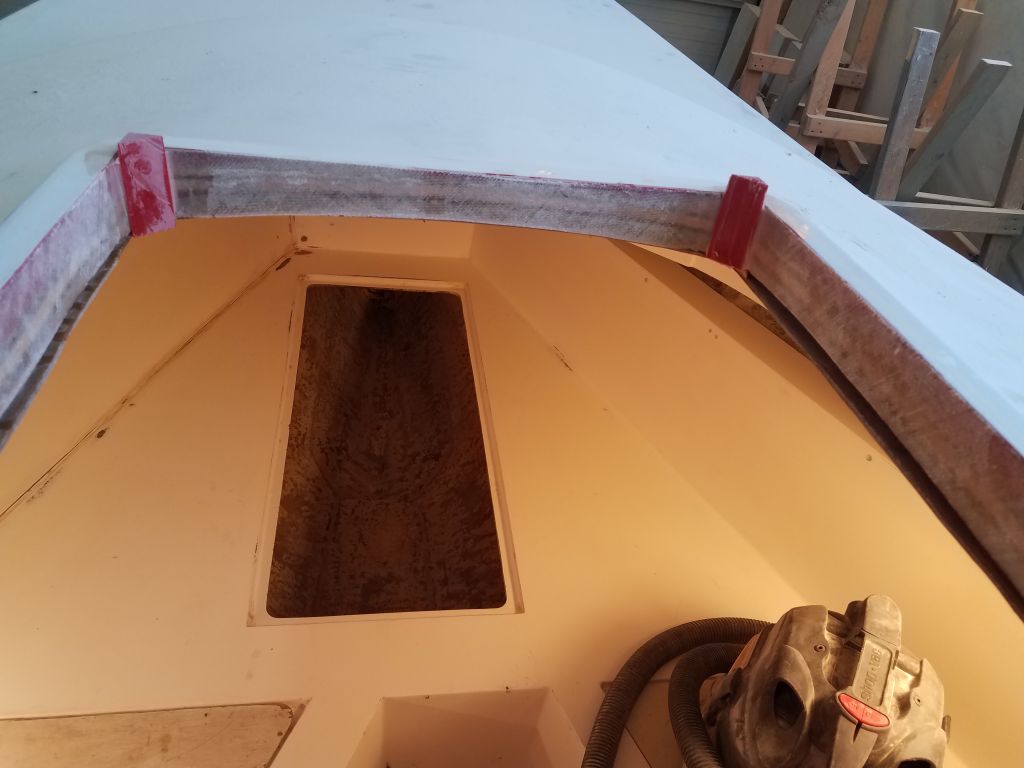
While I was in the forward cabin, I took the opportunity to clean up the inside of the forward hatch opening to prepare it for some interior glasswork to complete the new fiberglass frame I’d built earlier.  I planned to install a layer of fiberglass over the insides to seal off the exposed core, help tie in the hatch frame, and close off the opening between the interior liner and deck above.

Continuing aft, I worked in the main cabin to clean up the hull above the settees on each side (again, an area that would not be exposed in the final interior), and also inside the settee back lockers themselves, removing old paint and cleaning the surfaces as needed without going overboard.  I also similarly  cleaned up the inside of the hull inside the locker spaces in the head.

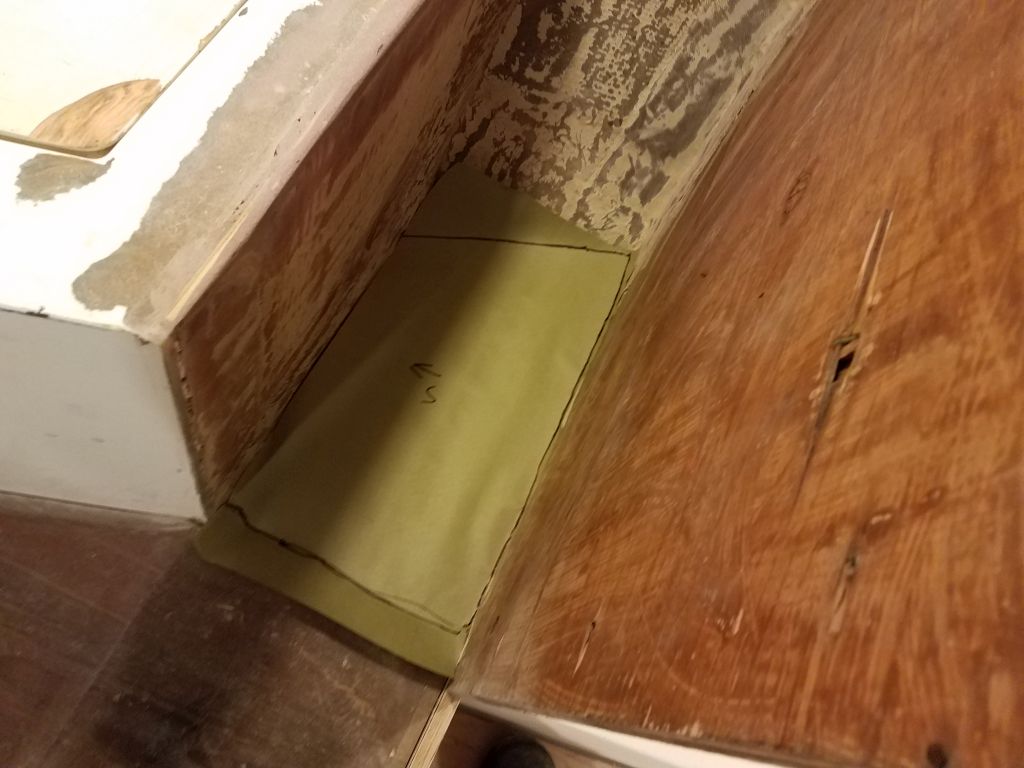
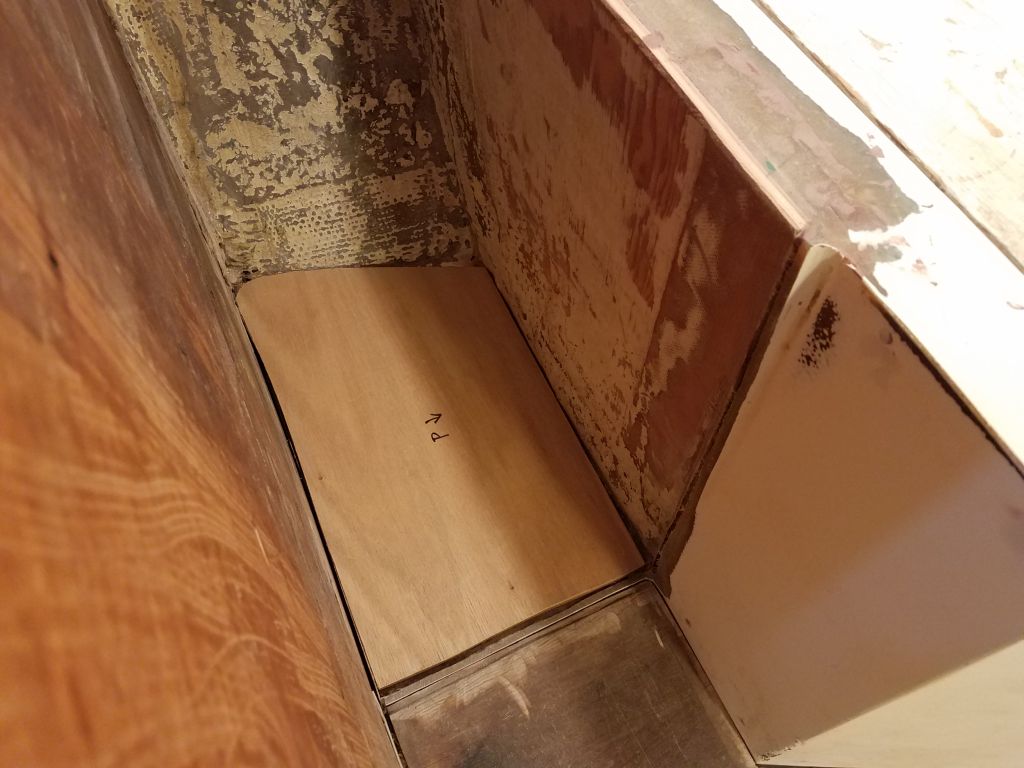
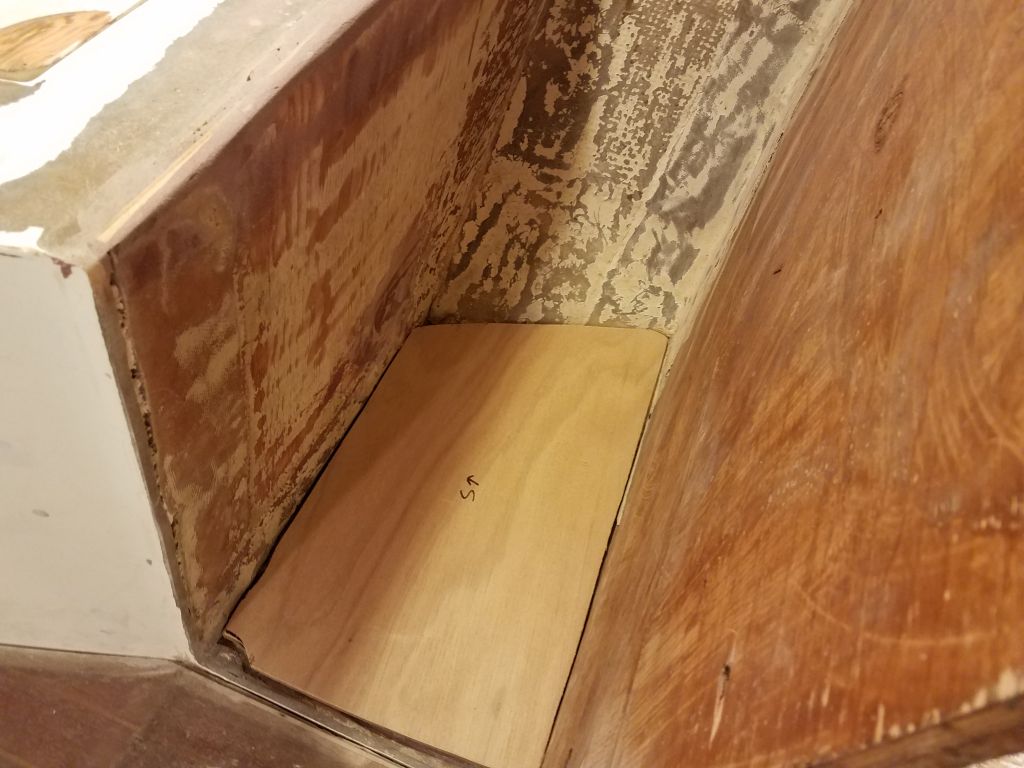
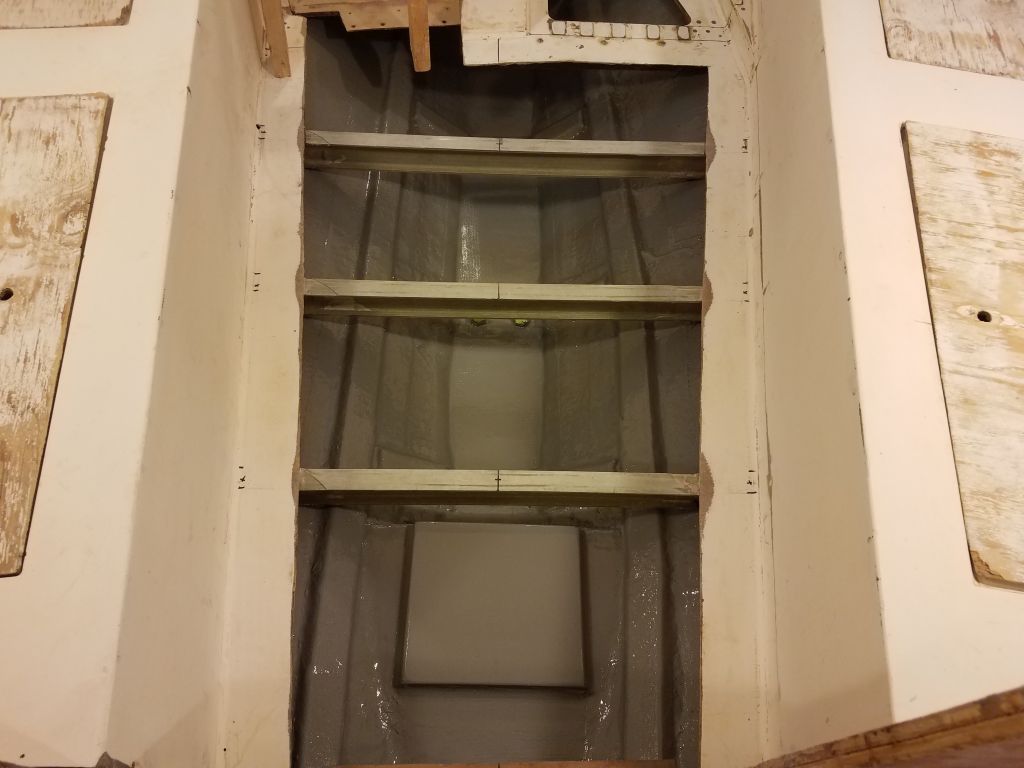
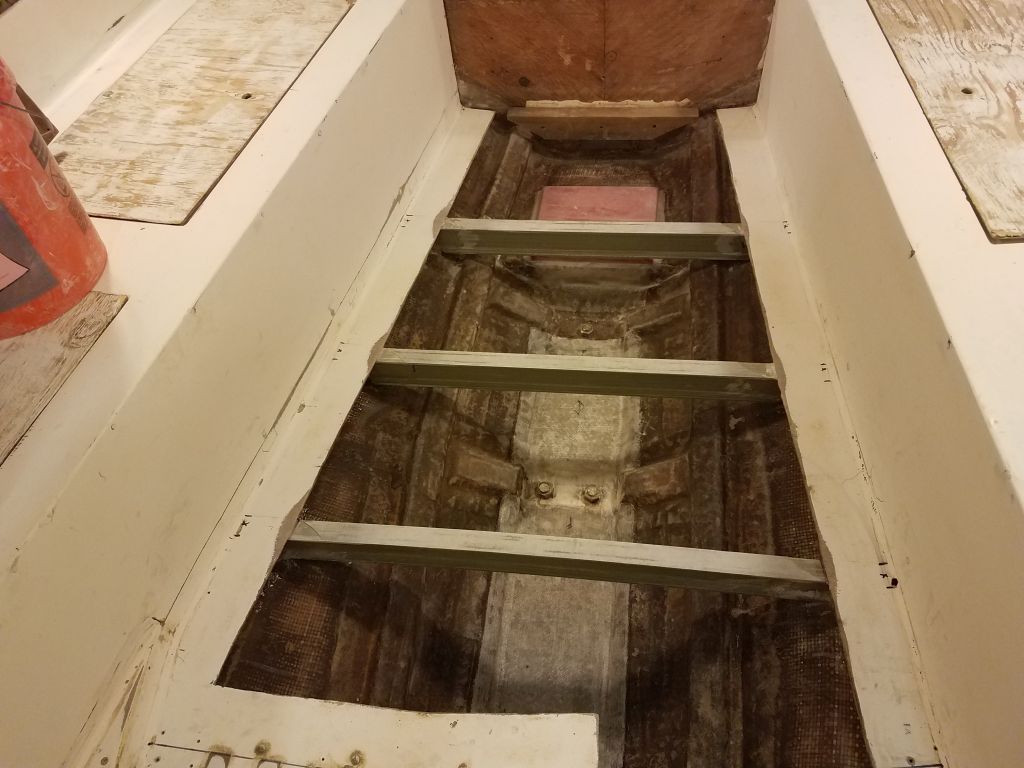
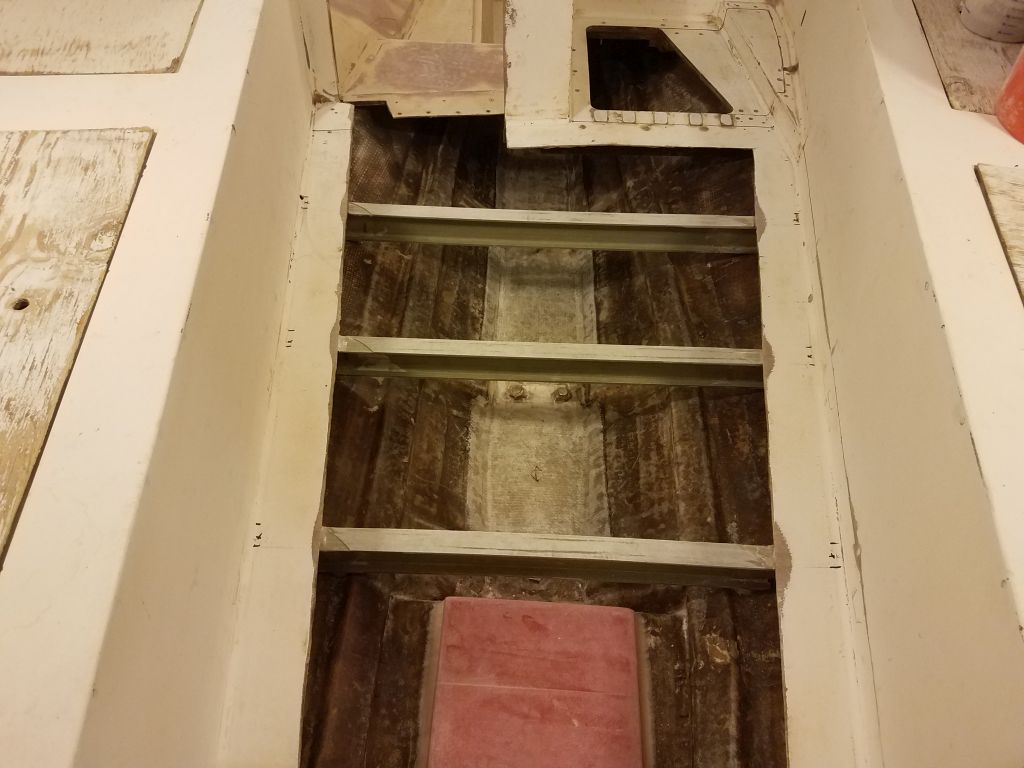
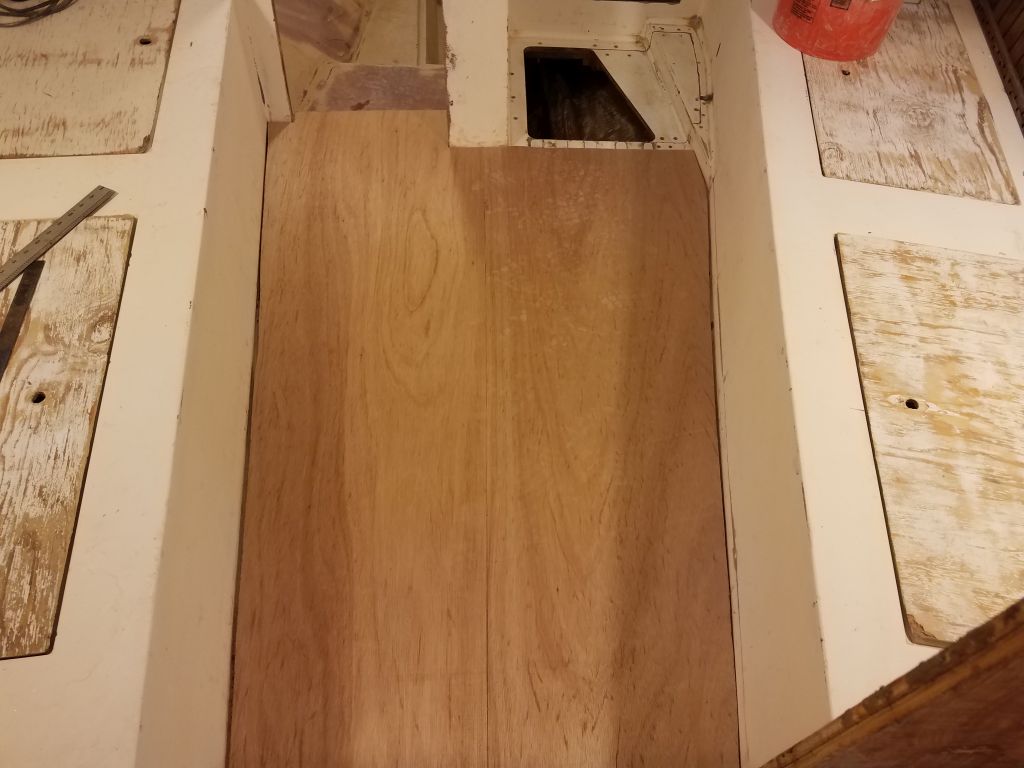
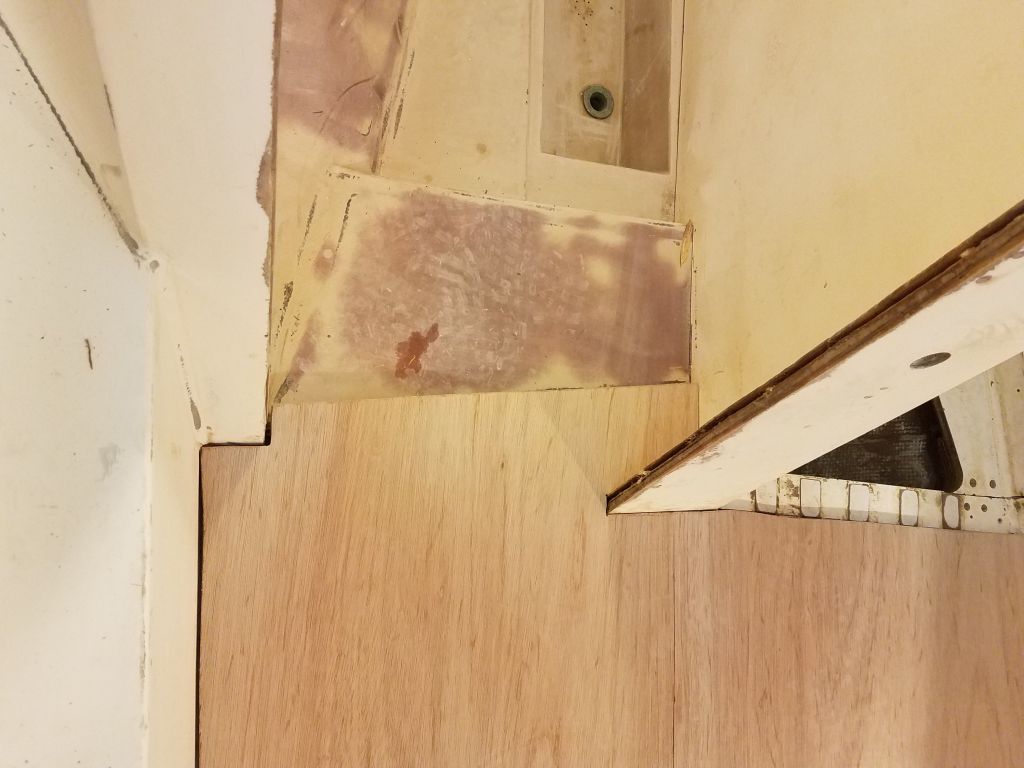
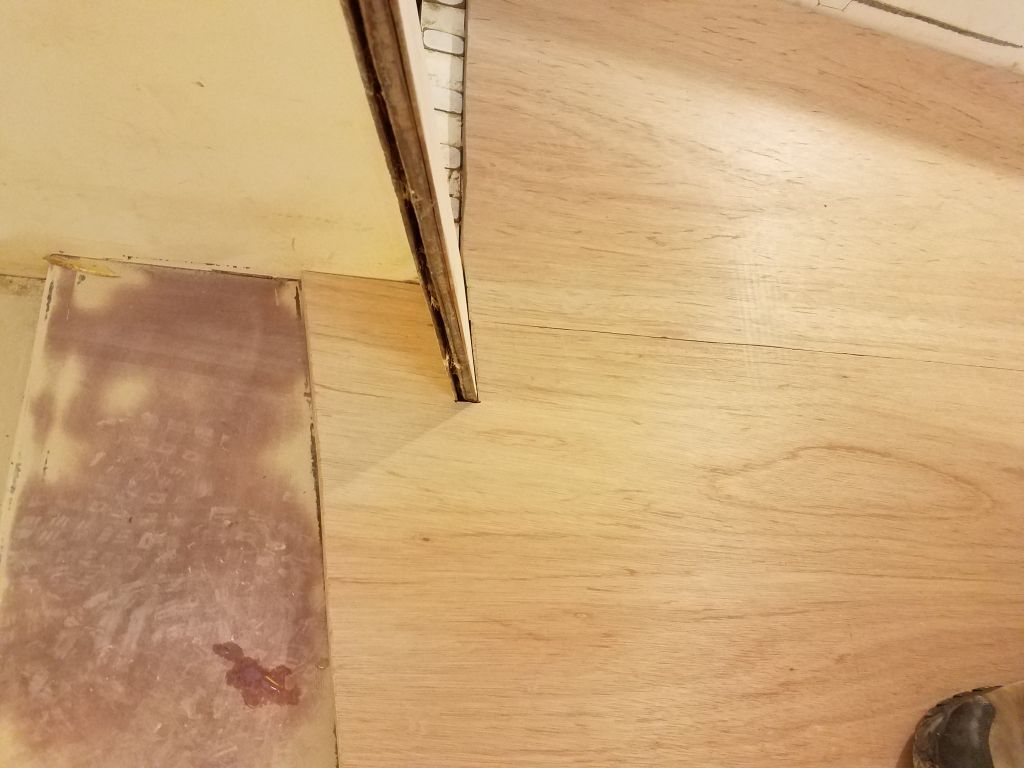
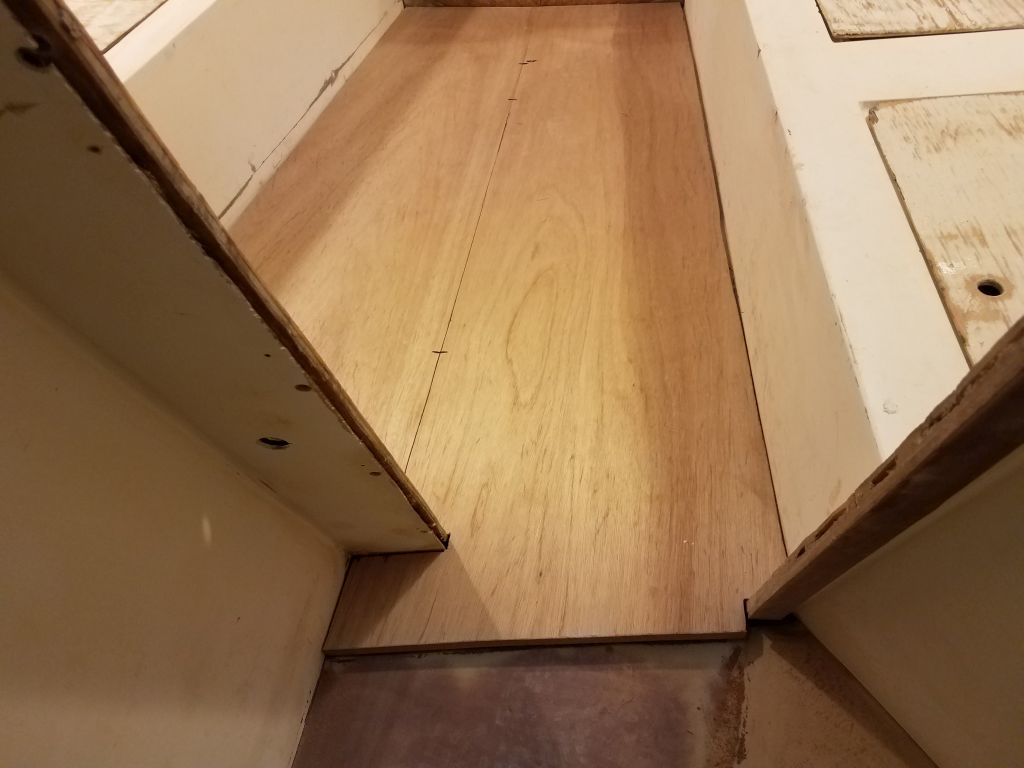
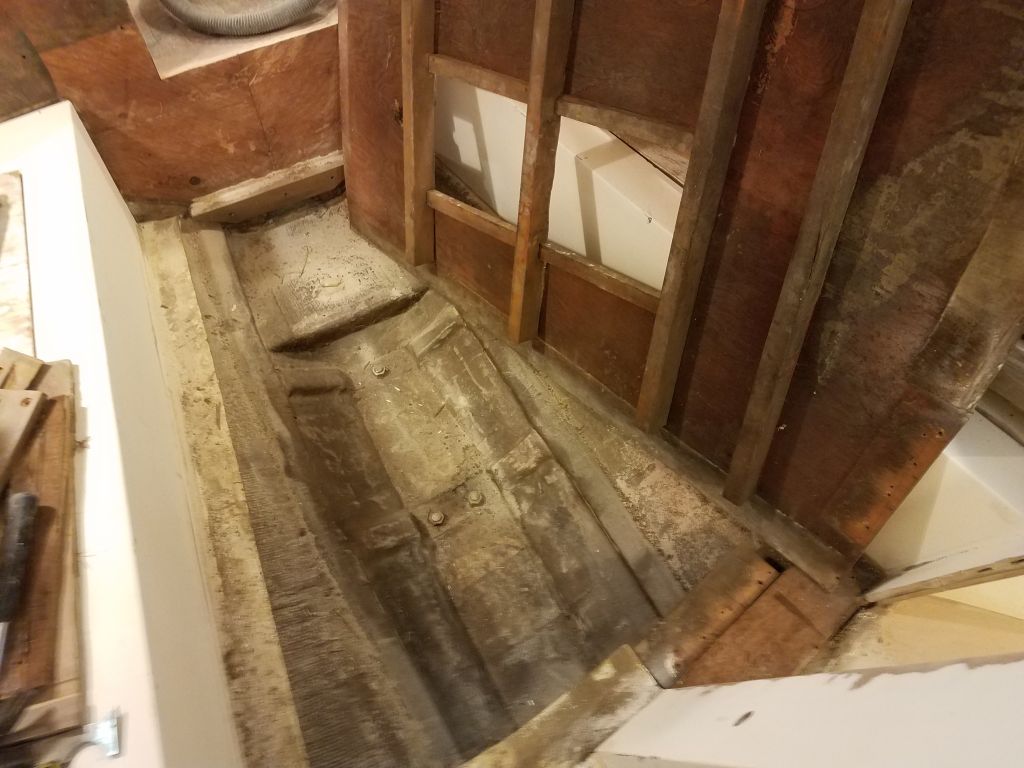
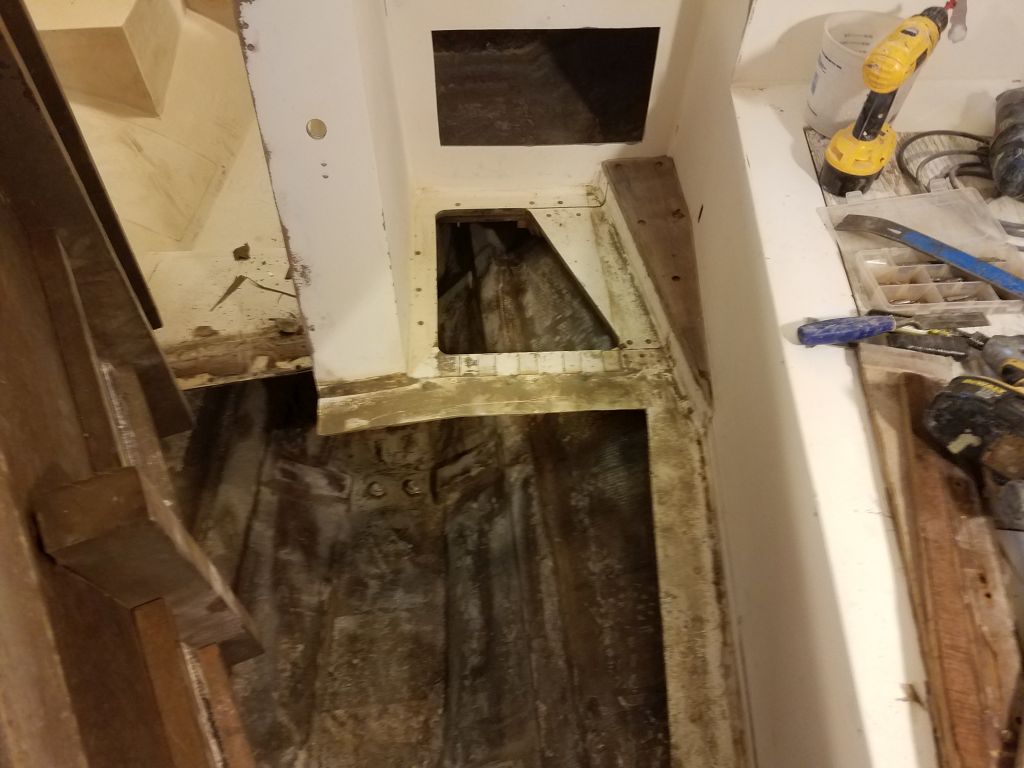
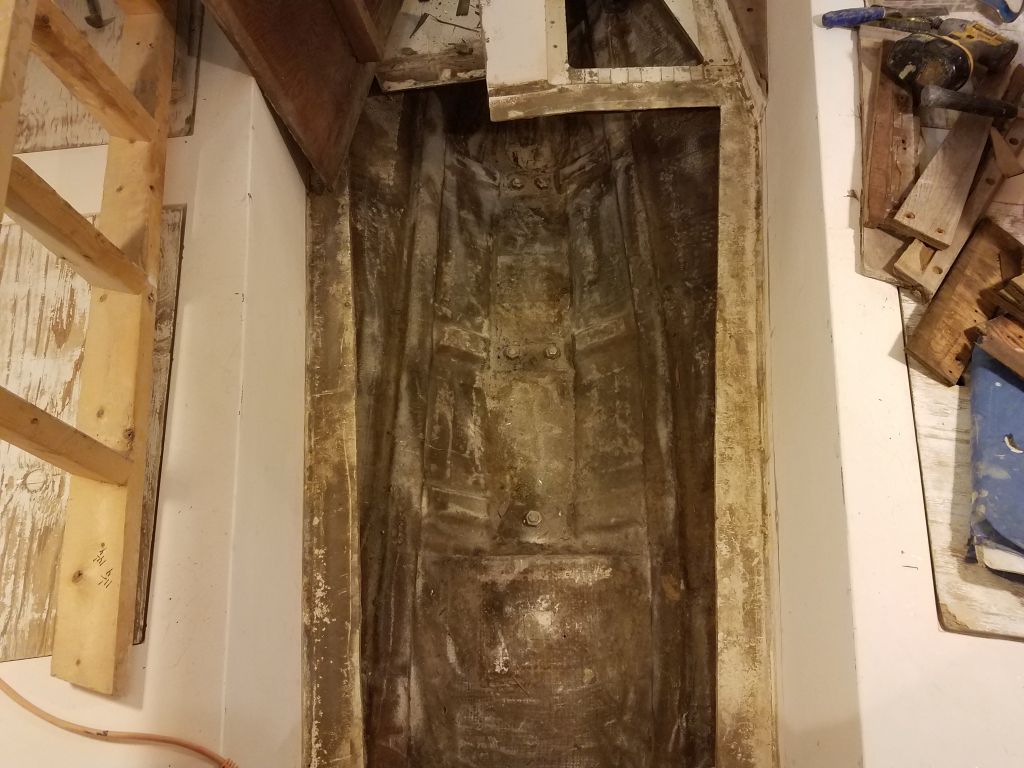
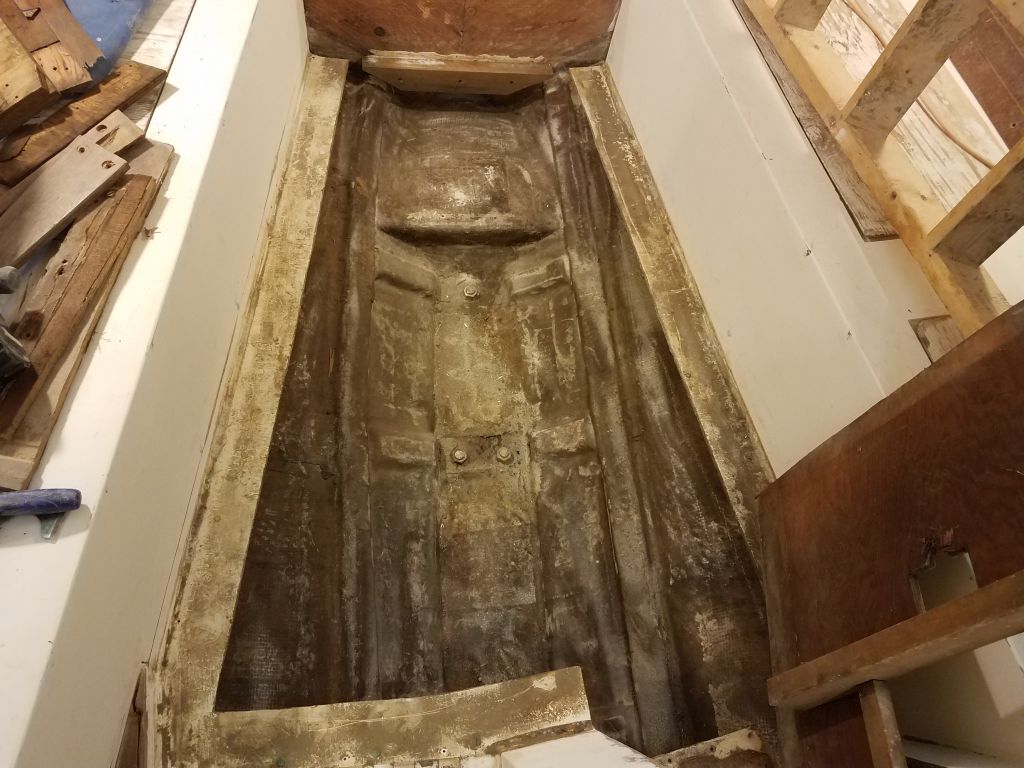
The lower lockers beneath the settees themselves required some extra work.  Much earlier in the project, during other rounds of work, I’d discovered that these lockers featured thin core against the hull, the purpose of which wasn’t clear (it wasn’t structural).  The core was on top of the inside of the actual hull laminate, and covered with an additional skin of fiberglass inside the locker.  What was clear was that the installation had been poorly executed, and the coring was damp and debonded from the skins above.  At the time, having determined that this wasn’t a serious structural issue, I left the lockers for another time.  That time was now.

On the starboard side, the old skins and coring were pretty easy to remove, so poor was the core’s condition.  With a cutting tool, I sliced through the top edge of the skin and along the edges as needed, eventually cutting the skin into large but manageable pieces that I could easily pry off.  This took most of what remained of the core with it, and the leftovers were easy to scrape free of the hull.

The port side, where everything was harder (this was the side that had received whatever major damage somewhere back in time, many of which repairs I’d already had to face and rebuild during the deck and exterior work), fought me tooth and nail.  The coring was generally in as poor condition as to starboard, but in some areas there was much thicker fiberglass over the top–probably part of the previous repair cycle–and some of the coring was still well-stuck despite its poor condition.  At some length and with effort, I eventually got most of the old core and top skin out, leaving some of the still-stuck areas for later removal with better tools (I didn’t want to stop and go down to get my core chisels right then).

Afterwards, I did a quick initial cleaning pass over the insides of these lockers with my grinder, using a couple of worn-out discs for now as I’d used up my supply during the day’s efforts.  This initial pass got rid of most of the leftover core scrim and loose bits, and some of the old paint, but I’d come back with fresh abrasives and finish up the job as soon as I could.  For now, my work here was done.

Total time billed on this job today:   7.25 hours

0600 Weather Observation:  40°, rain.  Forecast for the day:  Heavy rain, 50s

Dharma Rose 34

Friday

With the scope of my varnish work complete–2 coats at the owner’s request–I installed the hardware and hinge on the new companionway boards, completing their construction.

Next, I finished up in the interior with some minor reassembly, including the bi-fold head door and two wiring chase covers that the owner had removed earlier but asked me to install now.  I also installed the cabin sole.  Meanwhile, now that work was complete, I finished some of my earlier efforts to clean up the cabin, remove tools, and so forth.

In the engine room, I finished up by adding the basic fluids to the engine:  coolant (both to the heat exchanger and the separate overflow tank); engine oil (about 2 liters); and transmission fluid (about 0.2 liters).

Finally, I installed new vent hoses between the engine room and the after cowl vents, replacing those I’d removed earlier in the project.  I installed the tiller, thus expunging the last item from the project scope.

Total time billed on this job today:  4.75 hours

0600 Weather Observation:  Partly clear, 15°.  Forecast for the day:  Snow shower, mostly cloudy but improving later, 30°

Dharma Rose 33

Thursday

Next on my dwindling agenda was  to install the new shaft, which had recently arrived from the machine shop.  A bench-fit showed that the coupling was too tight a fit, so I cleaned up the inside a bit until I could slip the coupling over the shaft with acceptable ease.  I double-checked the length of the new shaft against my original measurements to ensure it was what I’d asked for (it was).

I slipped the shaft through the stern tube, and from inside the boat installed the packing nut over the end, then installed the split coupling and key, securing it with the shaft setscrew and the two coupling bolts to squeeze the coupling together.  With the coupling installed, but before installing the sacrificial coupling section, I completed the final engine alignment, adjusting the mounts as needed to bring the transmission and shaft couplings into alignment.  Once aligned, I tightened all the mounting studs and bolts to affix the engine permanently.

Now I moved the shaft back a bit to make space, and completed the installation with the sacrificial plastic coupling, which bolted between the shaft and transmission couplings to provide electrical isolation, a bit of alignment forgiveness, and as a failsafe to help prevent damage to the transmission should the propeller hit an immobile object.

I completed the installation with the new propeller.  This is a  Campbell Sailer size 11×6.

I tried the fit of a prop nut zinc assembly, but unfortunately there wasn’t enough clearance in the tight aperture even for the nut itself.

As a final step, I tightened down the stuffing box nut, tightening it more than would ultimately be necessary so that upon launching, there’d be no unexpected nor unwelcome surprises from the stuffing box; it would require proper adjustment at that time, however.

Total time billed on this job today:  3.75 hours

0600 Weather Observation:  6°, clear.  Forecast for the day:  Sunny, 16°

Dharma Rose 32

Wednesday

To finish up the new companionway boards, I used the old top board as a guide to measure for and lay out the location for a new ring pull on the new piece, then, with a router, chisel, and large drill bits, relieved the opening as needed to accommodate the flush ring pull.

To match the original, I milled a small piece of solid teak for the back side, creating a small handle.  I attached this with glue and temporary screws through the front side, which holes would later accommodate two longer screws to secure the new ring pull.

The owner requested that I apply a second coat of varnish to the new boards, so now I did so.

Meanwhile, I reassembled the original set of boards with their original hardware.

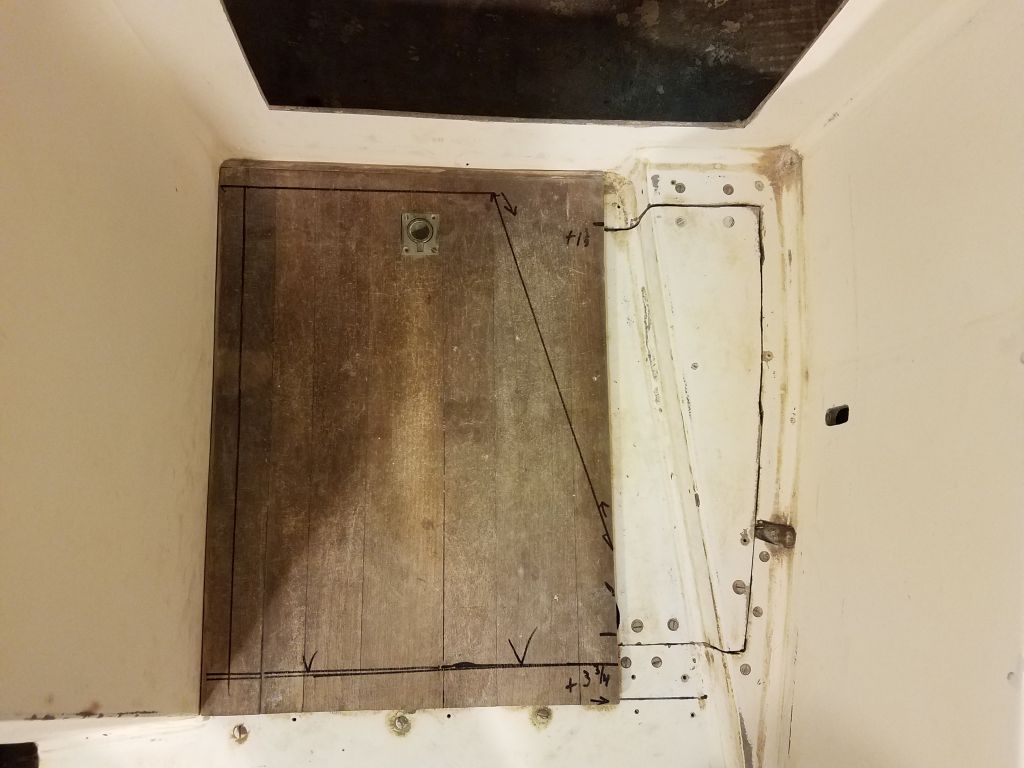
The owner had brought me a new, slightly-oversized teak cockpit grate blank, and requested that I fit it as needed.  I had the old grate on hand as well, but to use it as a template I first had to remove some cleats from the bottom side so I could lay it flush on the new grate for marking and trimming.  I found that the new grate was a close fit, but one long side required a  slight trim, and I also had to open up a relief cut (for the cockpit gear lever) at the starboard aft end.

With the cuts completed, I tested the fit, which matched the original as expected.

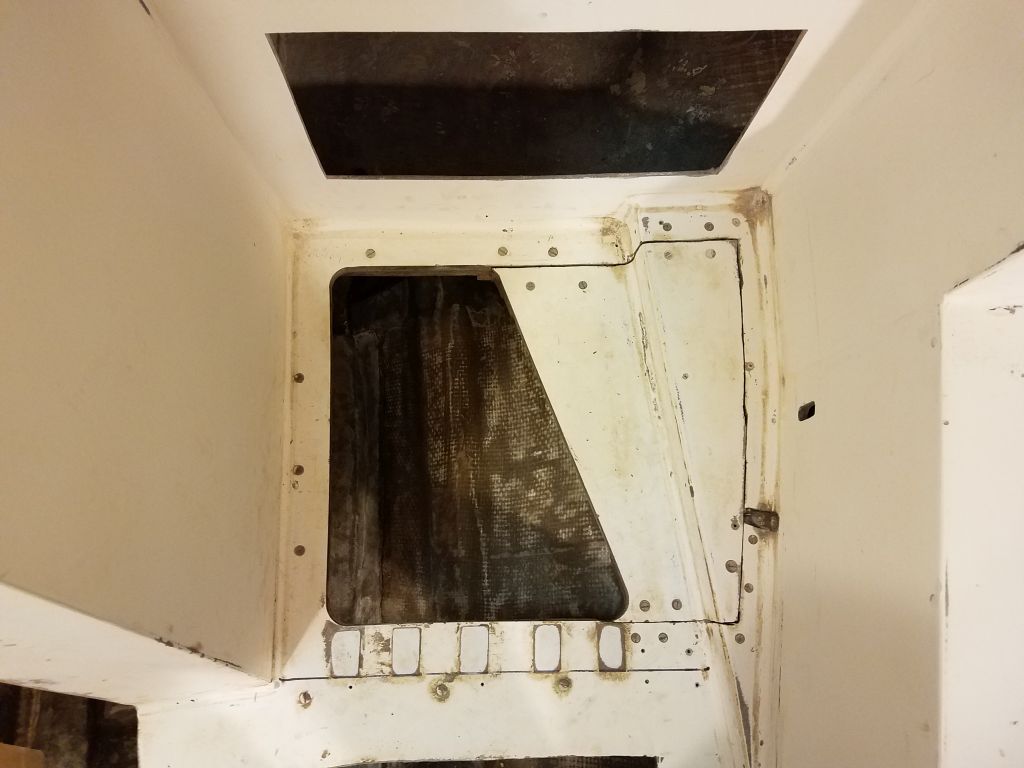
The cockpit sole, with its removable engine hatch  and short fixed aft section, was not quite all at one level, which is why the cleats had originally been added to the old grate.  After checking the fit of the new grate, I decided I could simplify the cleat system, since the after section was just 3/8″ lower than the forward section, so I milled some cleats of appropriate size and installed them with screws.  Later, I’d need to slightly relieve the forward portion here and there to accommodate the screw heads that secure the engine hatch in place, since the grate by requirement sat directly above many of these screws, but the old cleat system hadn’t eliminated this need either and had required the same relief cuts.

The rigger was on hand  during the morning to install and complete the new standing rigging, which included mechanical bottom terminals which, because of the way the rigging passed through holes in the mast, had to be installed on site.

I was away from the shop for a while on other business, but upon my return I decided to finish up the chainplates by trimming the excess sealant from around the new deck covers.

Total time billed on this job today:  4.75 hours

0600 Weather Observation:  26°, cloudy.  Forecast for the day:  Mostly cloudy, snow shower, 37°

Dharma Rose 31

Tuesday

Finishing up the hose runs and installations in the engine room, I installed the new hoses for the cockpit scuppers.

When I’d first installed the batteries a few days earlier, I found that the little fuses (I’d had them in stock) I’d installed on the positive terminals were already blown, causes unknown, but it gave me a moment’s consternation when I turned the battery switch and nothing happened.  Since the only wiring I’d done was on the battery and engine side, I’d no idea as to the status of the boat’s existing wiring, though I knew from the owner it was functional.  Brief troubleshooting at the time led quickly  to the fuse problem at the batteries.

So I ordered replacement fuses and now, with them on hand, I reinstalled the connections and this time had no problems with the system, as anticipated.  I tested various items to ensure that the new battery wiring was as it should be:  It was.

Next, I installed and wired the new shore power inlet, replacing the old one that, while apparently functional, had disintegrated upon removal.  Once the installation was complete, I tested the system.

I temporarily installed the tiller so I could layout and install the blocks and tiller-mounted cleats for the Monitor windvane control lines.  On this boat, the way the lines led from the windvane itself meant that only a single turning block was required in order to lead and redirect them to the tiller, and I’d already ordered the required blocks and had them on hand.

Using the guidance from the windvane instructions, as well as my past installation, I made some layout marks on the tiller and, with the tiller at approximately 15° either side of centerline, used a square to transfer the marks to the coaming; this indicated the position for the turning blocks.  With a sistership’s installation and resultant confidence already in the books, I went through these motions quickly and more as a means of confirmation, and soon I’d mounted the new blocks to the coamings in the appropriate positions with threaded holes, machine screws, and sealant.

The adjustment system consisted of a pair of cam cleats to mount on the bottom of the tiller, allowing various easy adjustments for weather helm, etc. With the basic position mark already in place, I attached the two cam cleats on either side of the mark, completing the setup.  I left the lines long at the tiller so the owner could make final adjustments and decide how much excess line to leave in the final installation.

With most of the work on the boat actually done, I spent some time removing excess tools and cleaning up parts of the cabin.  The new propeller shaft  arrived at the end of the day, hand-delivered by the machine shop, so I planned to finalize the engine and shafting installation next time, along with a short list of sundry small jobs to complete.

Total time billed on this job today:  5 hours

0600 Weather Observation:  6°, clear.  Forecast for the day:  Partly sunny, 28°


Older posts Newer posts