
(page 148 of 165)

Salty 43

< Back to Salty

Tuesday

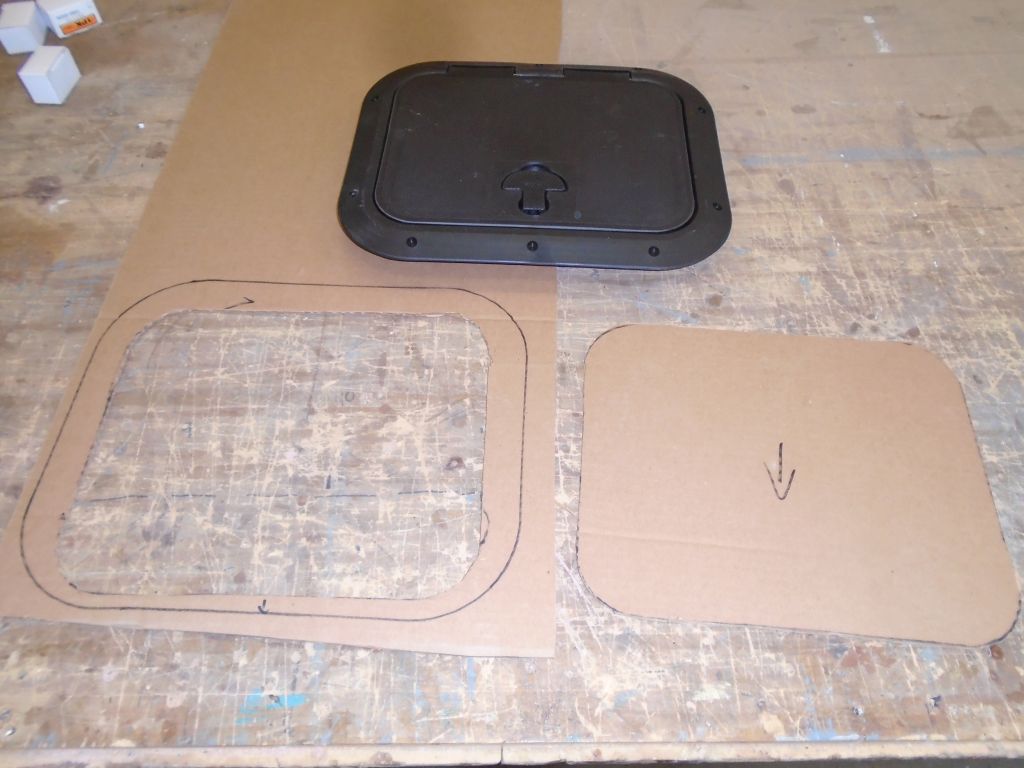
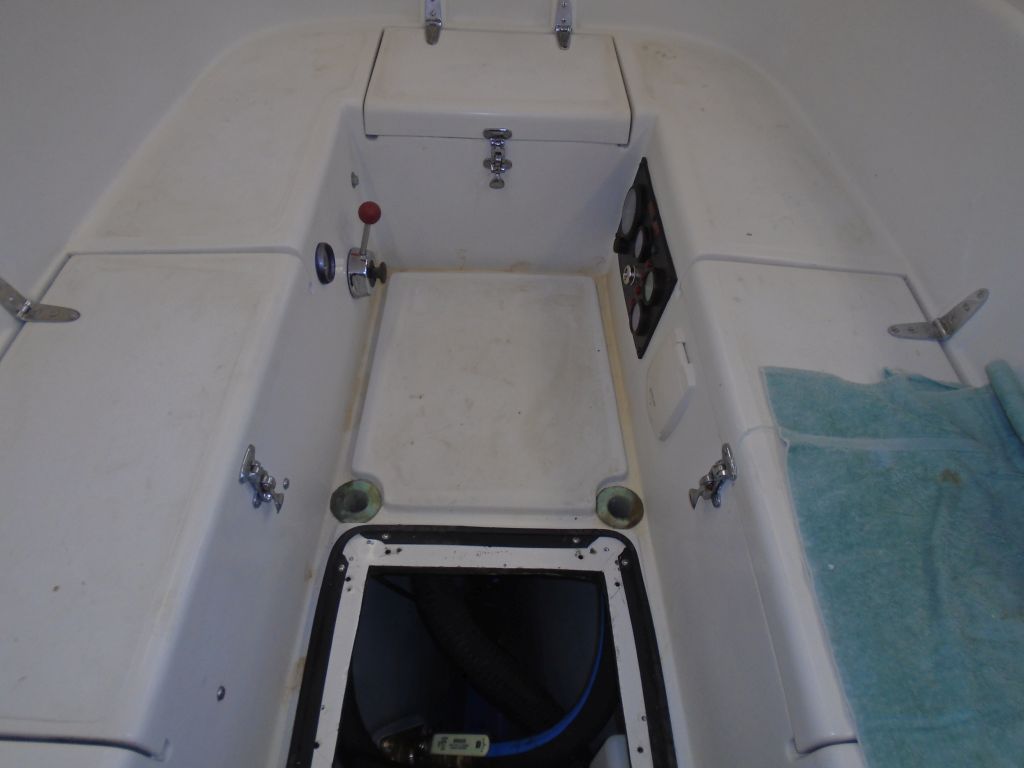
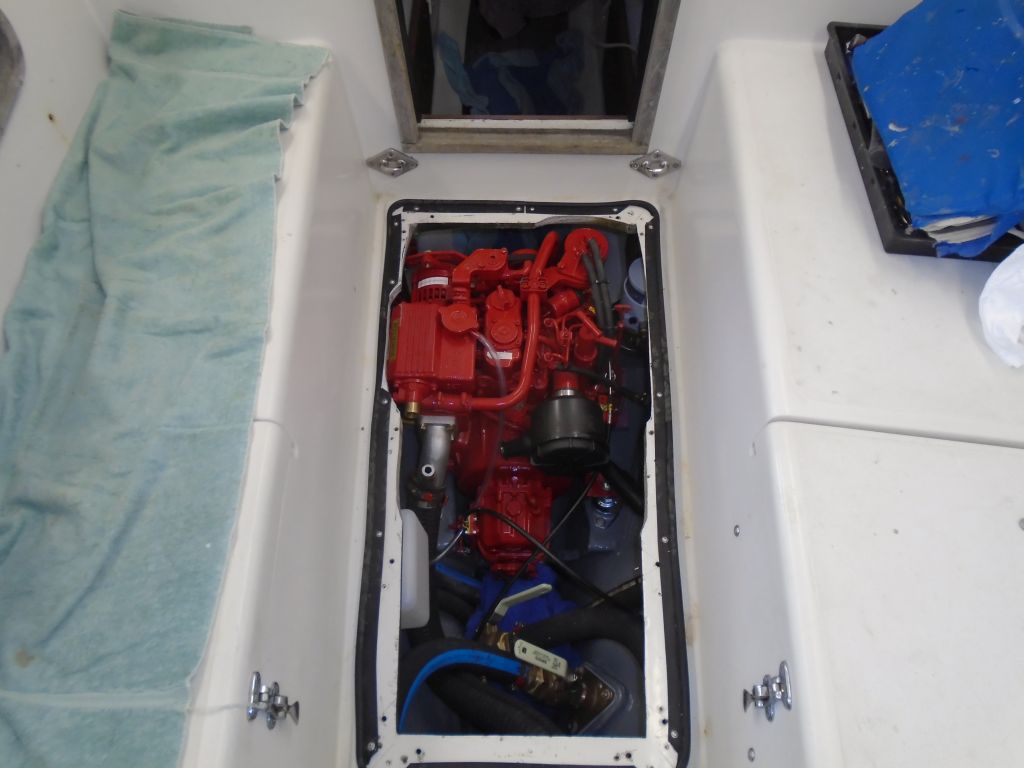
I spent the morning taking care of myriad smaller tasks, starting with the engine hatch, which I lightly sanded and painted with the finish coat.

enghatch1-41916

I installed a new bulb gasket around the perimeter of the engine hatch.

enghatch2-41916

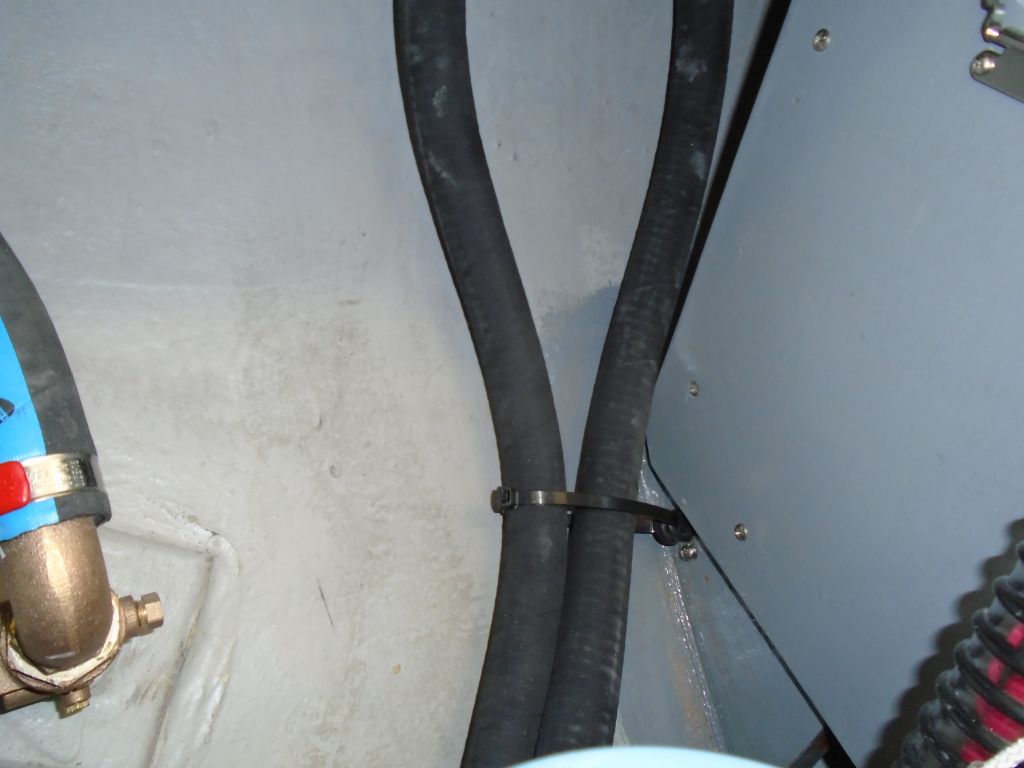
I cleaned up the original bronze stuffing box, and packed it with two layers of new graphite packing.  There simply wasn’t room to thread on the nut if I added a third layer, though I tried several times to make it work.  After repacking the box and compressing the packing using an old shaft, I installed the stuffing box in the boat with new hose and clamps.

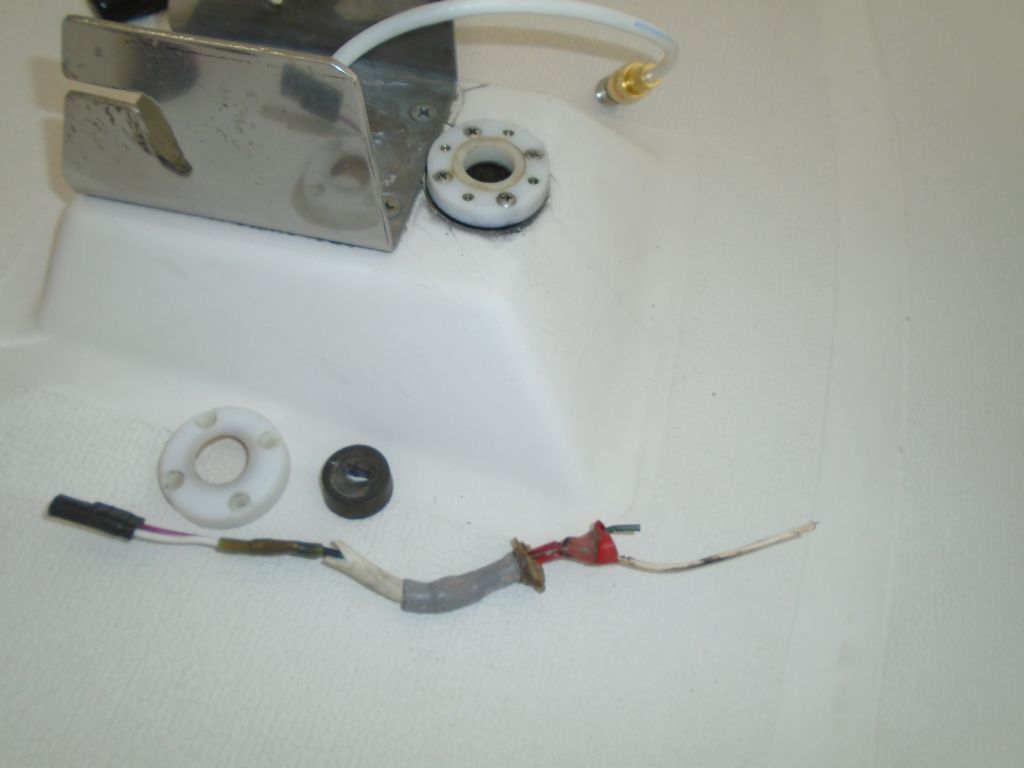
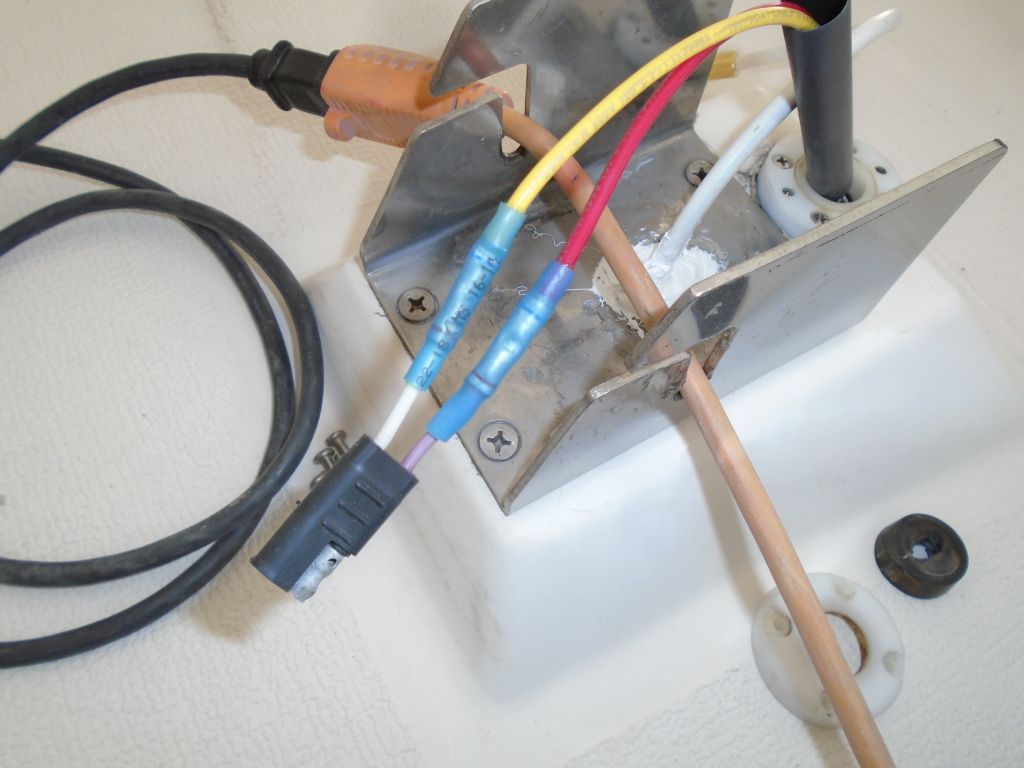
To support and secure the RTE to the masthead, I installed a standard 1″ antenna base, to which the RTE would thread.  I installed it over an existing wire hole in the masthead casting.

mast1-41916

To extend the VHF antenna aft, away from the RTE, I installed an aluminum extension, which I bent to match the angle of the masthead casting so the protruding end would remain level.  I left the extension oversize at the beginning, but later I determined where to mount the VHF antenna bracket and cut off the excess.  The extension could be removed to allow the backstay toggle to be inserted into the mast beneath it, once the masthead casting was back in place.

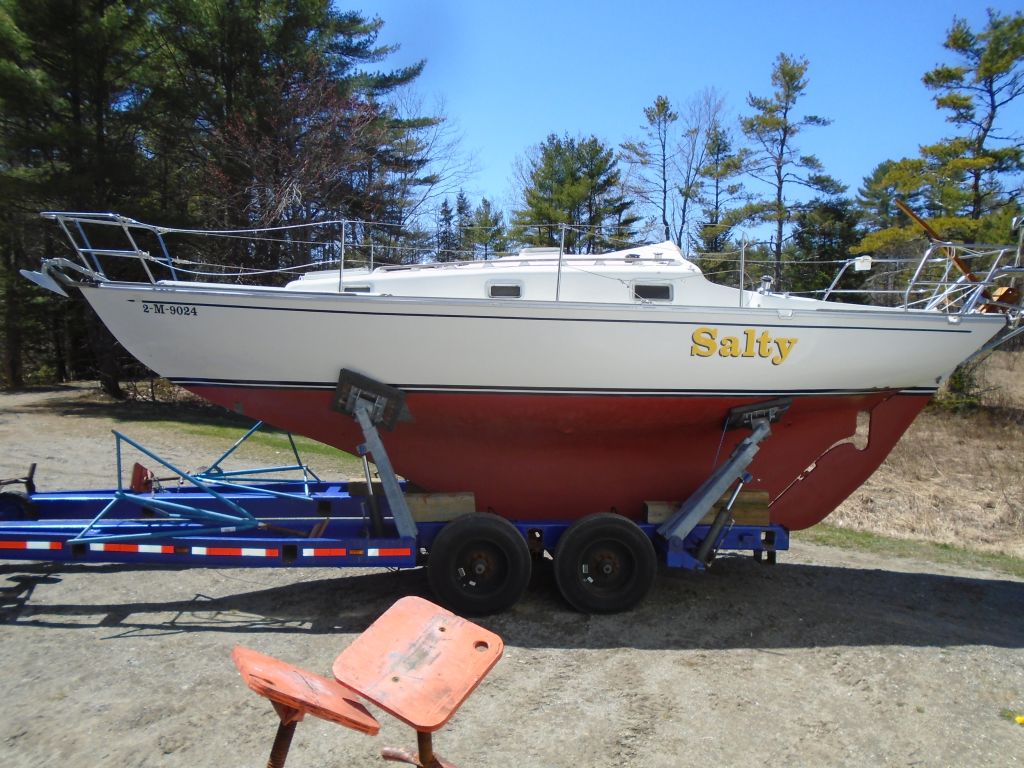
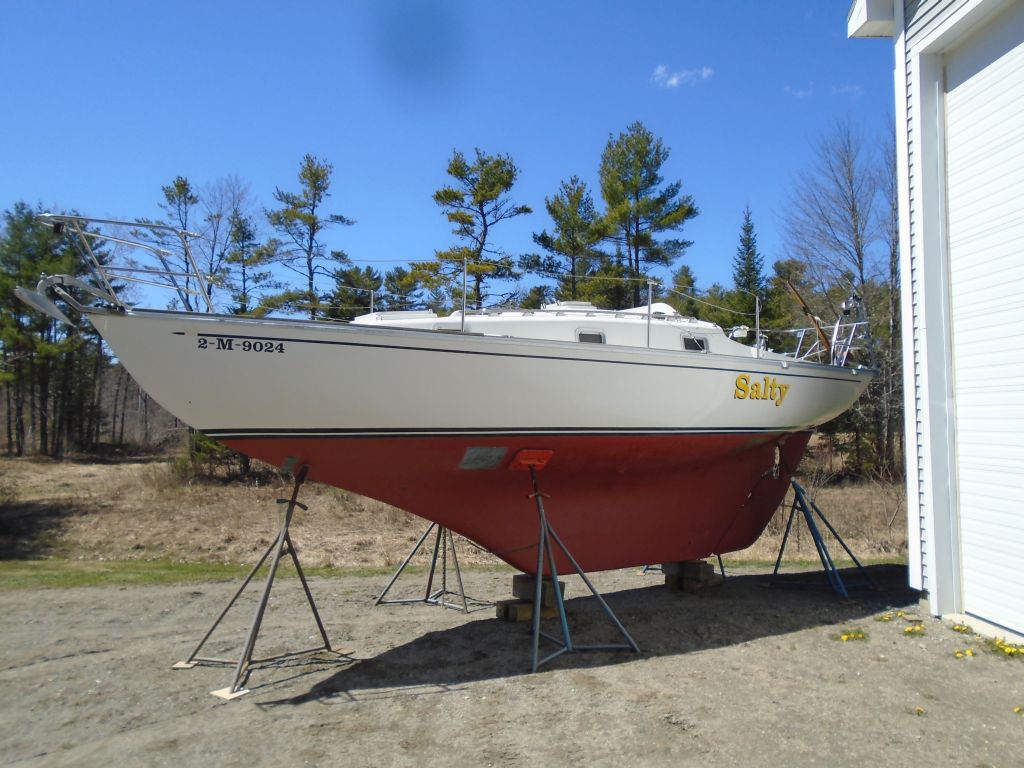
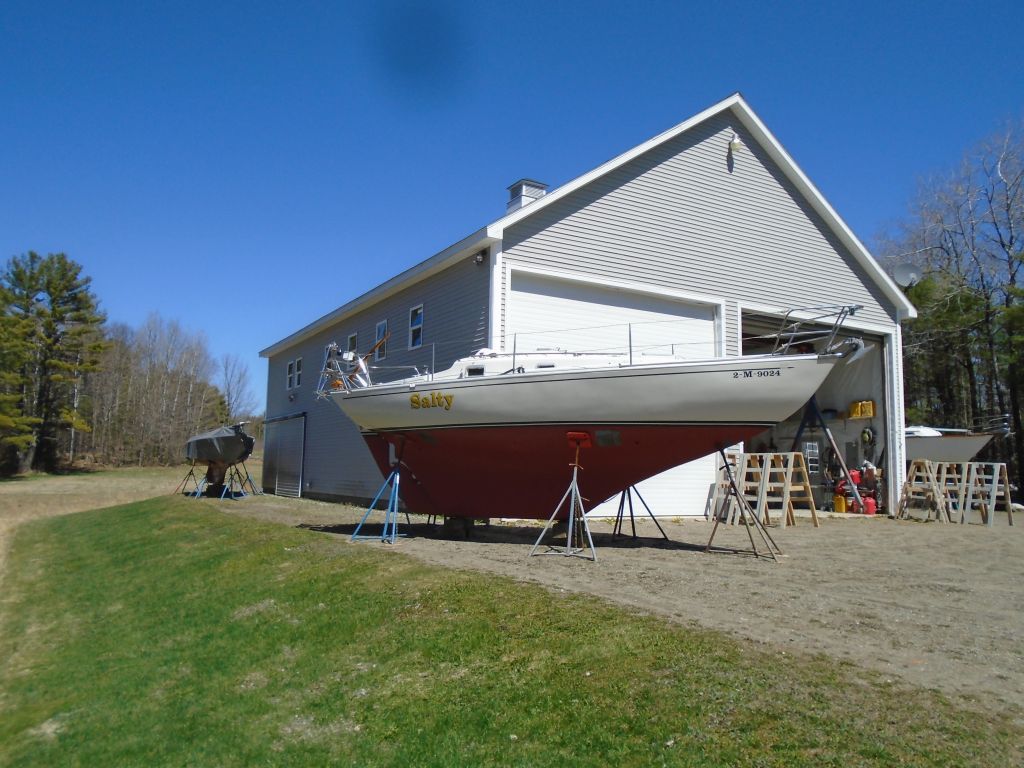
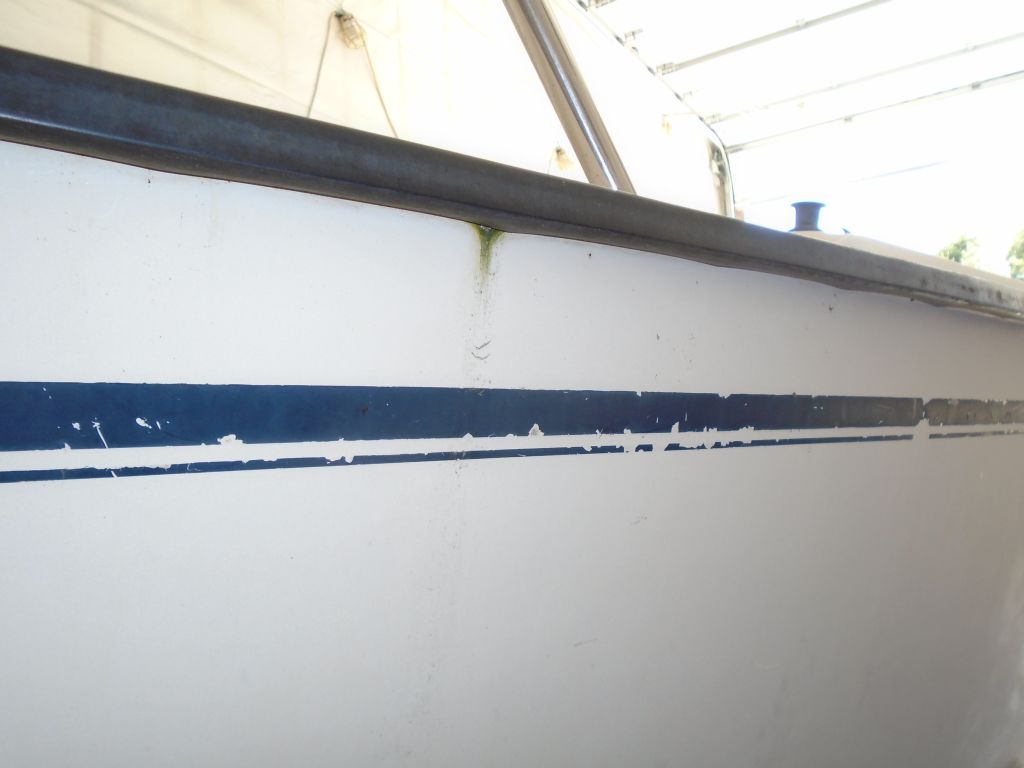
The topsides featured original gelcoat in good condition for its age, but with some staining, dirt, and oxidation.

It didn’t take much to bring back the shine and clean up the surface with light polish.

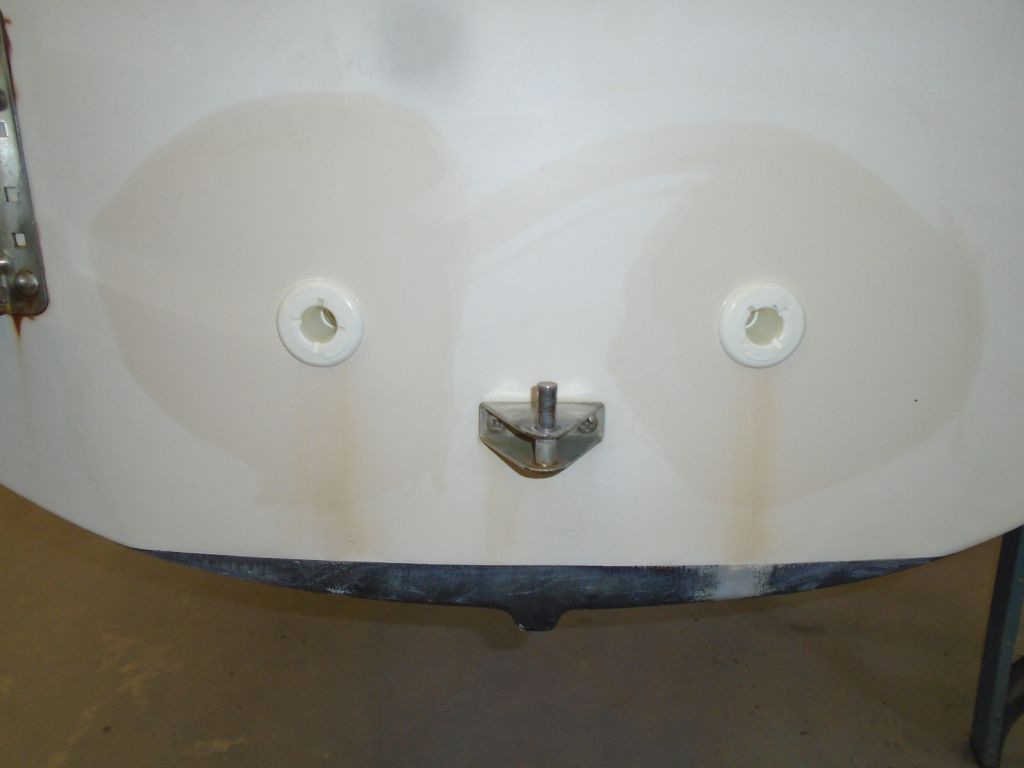
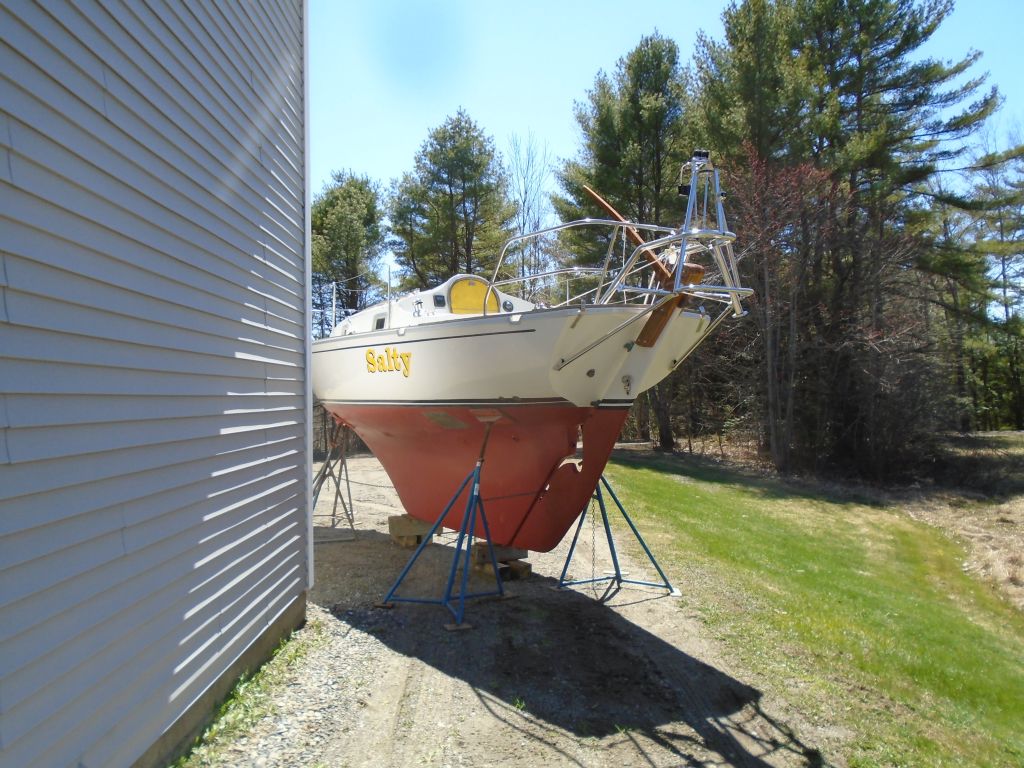
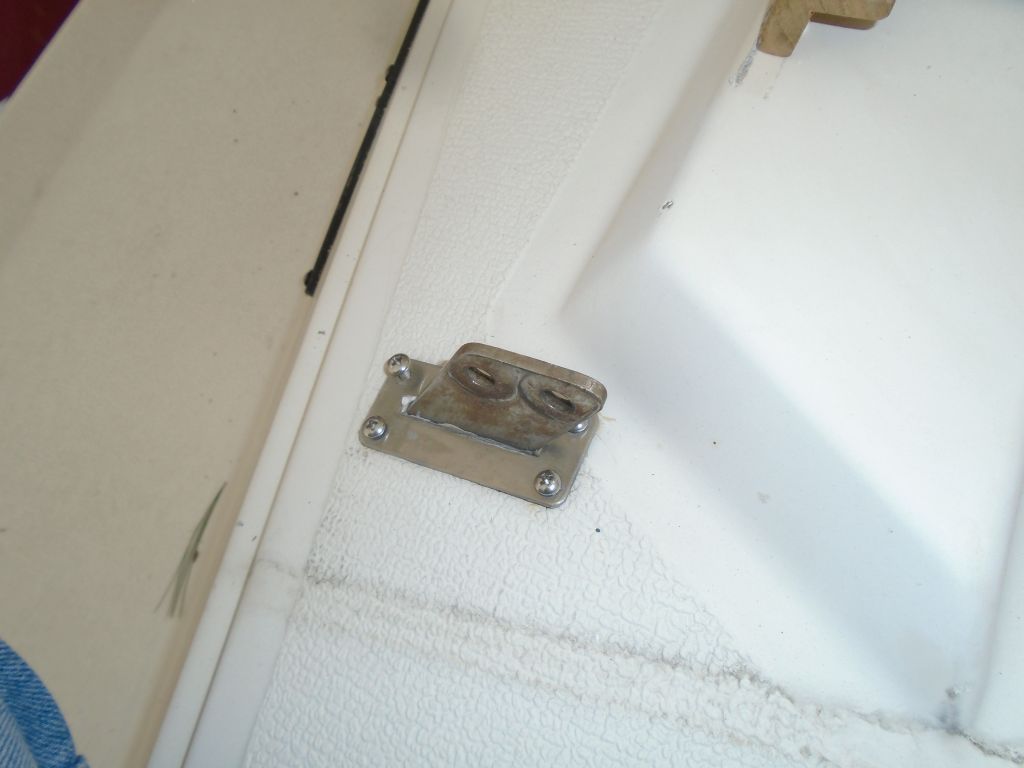
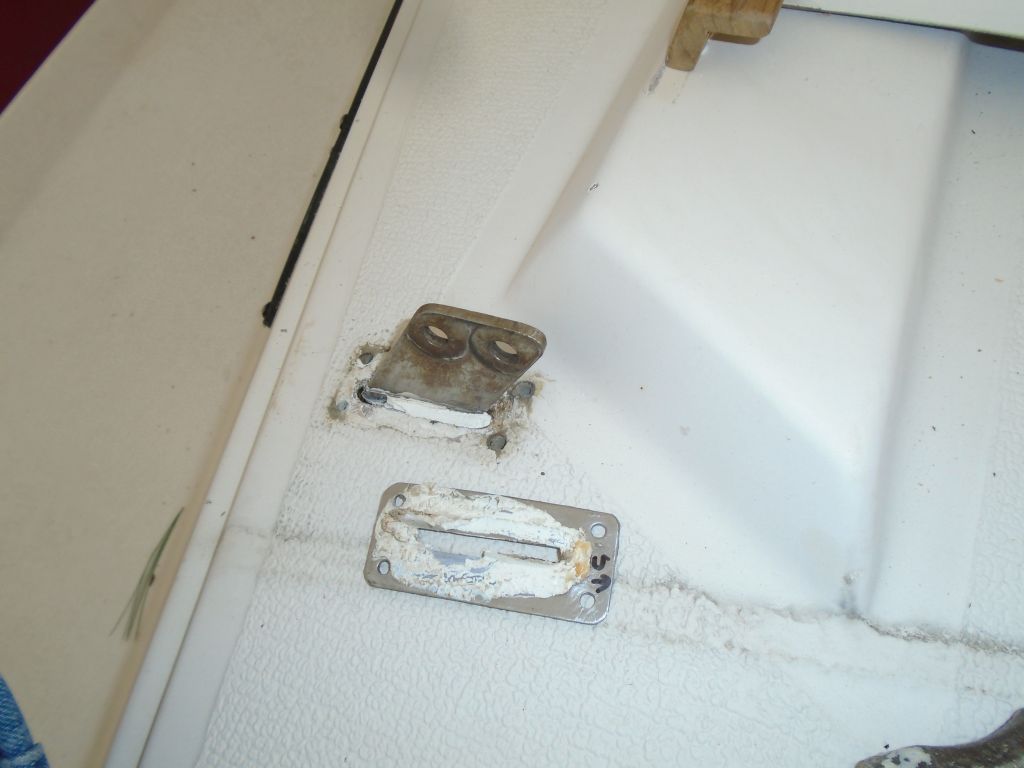
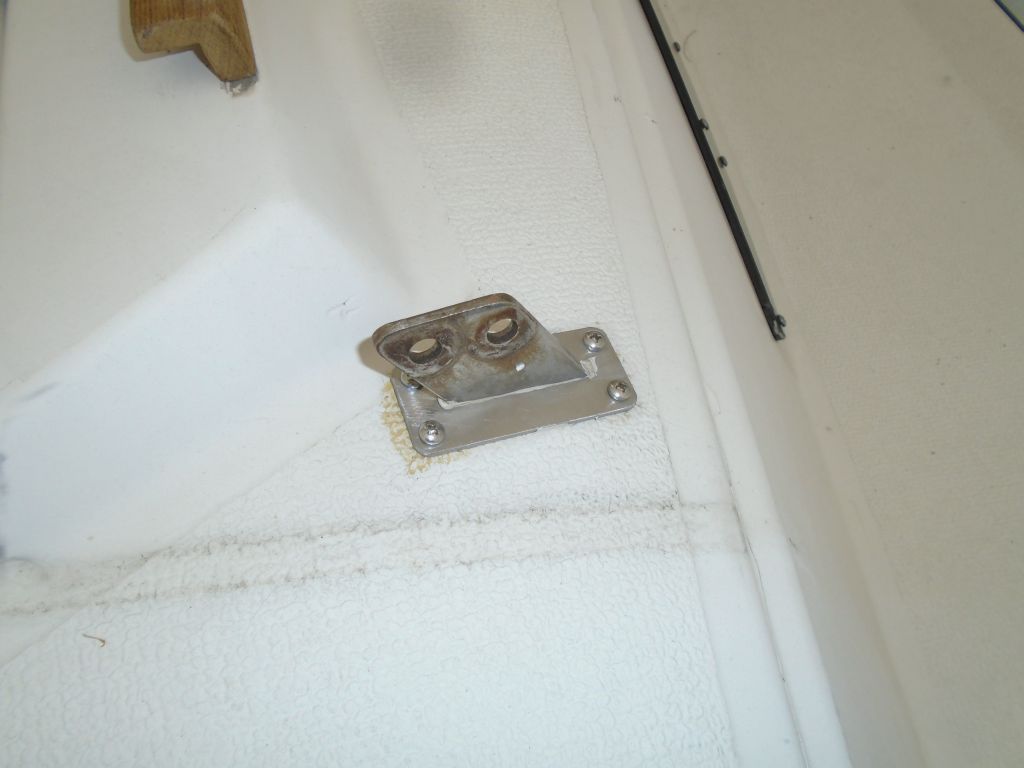
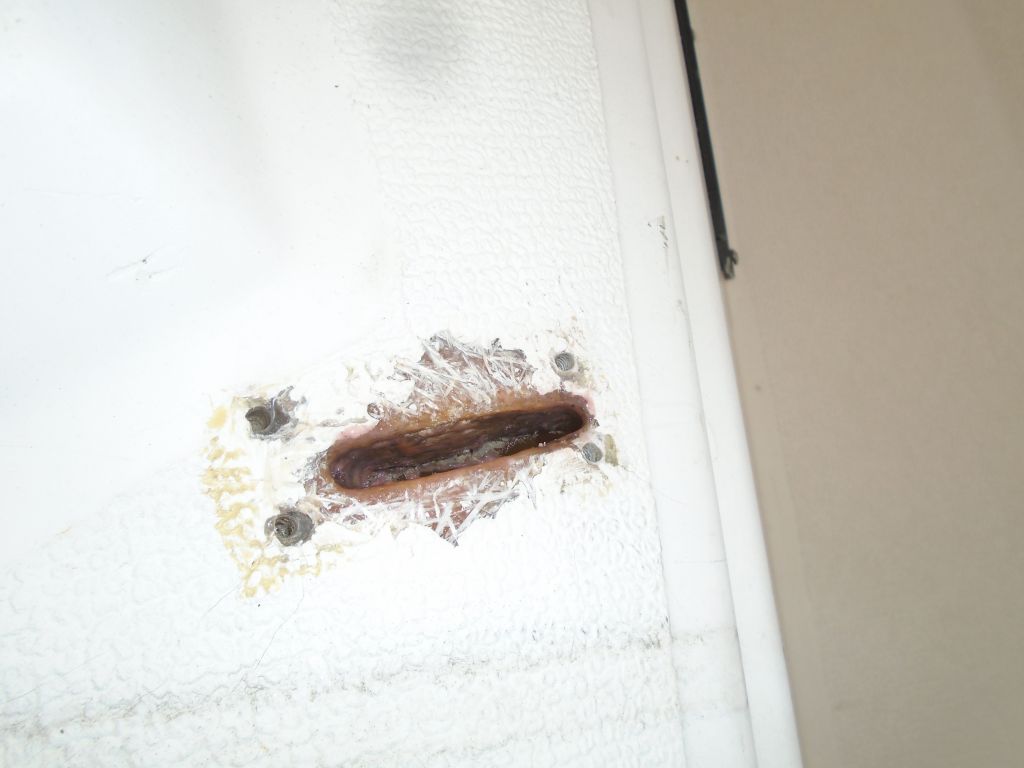
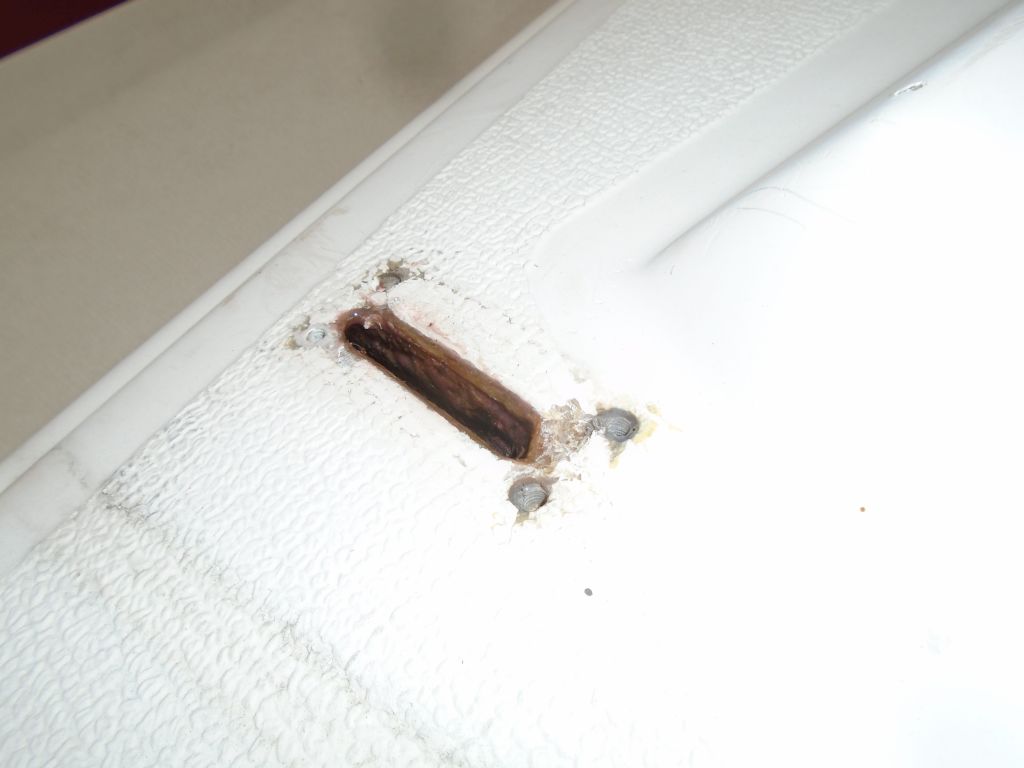
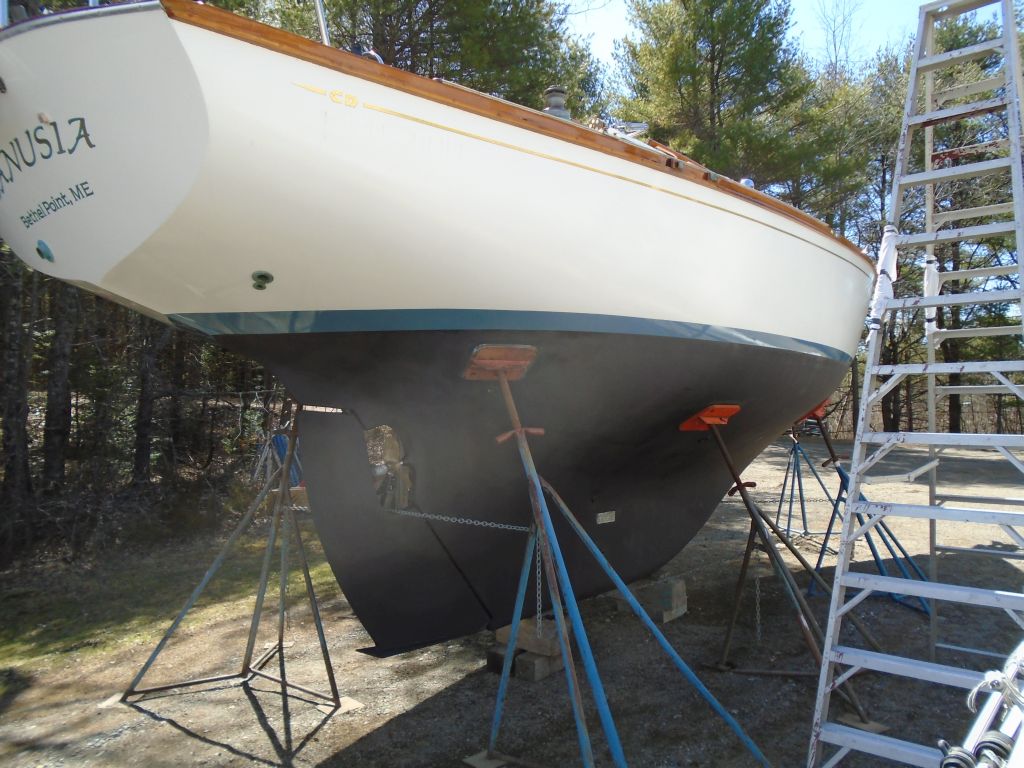
The engine exhaust outlet was located fairly high on the transom, above any normal levels of submersion, and this, along with the high cast iron gooseneck just inside the transom, would be as effective as anything against potential backflow into the outlet. The very space available in the boat required certain compromises in the exhaust system design.  However, to ward off a following sea in more extreme conditions, the owner elected to add a simple exhaust flap over the outlet, which added a bit of extra protection to the system.

Total time billed on this job today:  6.25 hours

0600 Weather Observation:
40°, light rain.  Forecast for the day:  Rain ending, clouds, 50s

Salty 42

< Back to Salty

Monday

To finish up the basics of the Monitor windvane installation, I installed a pair of small cheek blocks on the coaming, locating them near the initial layout marks I’d made, but adjusting as needed to where they made the most sense and the fairest lead to the vane and to the tiller.

The blocks’ positions allowed me to finalize the installation for the two cam cleats on the underside of the tiller.  I left the lines long for the owner to fine-tune as he saw fit.  Afterwards, I lightly polished the coaming and aft deck to complete the areas I’d not done the last time.

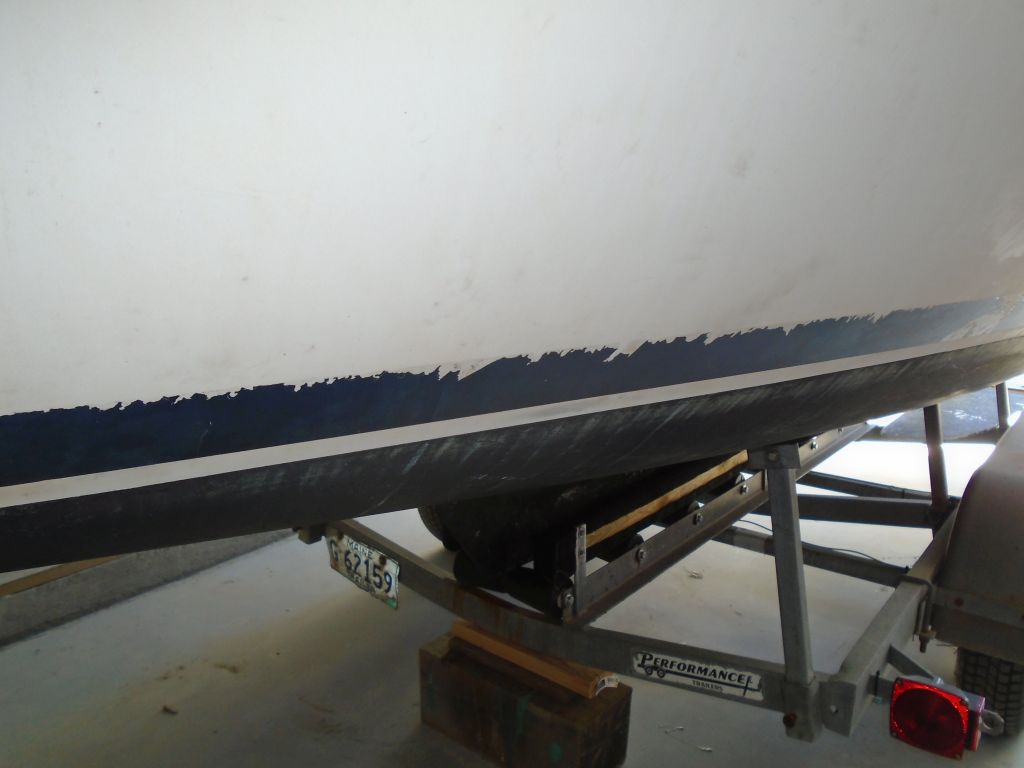
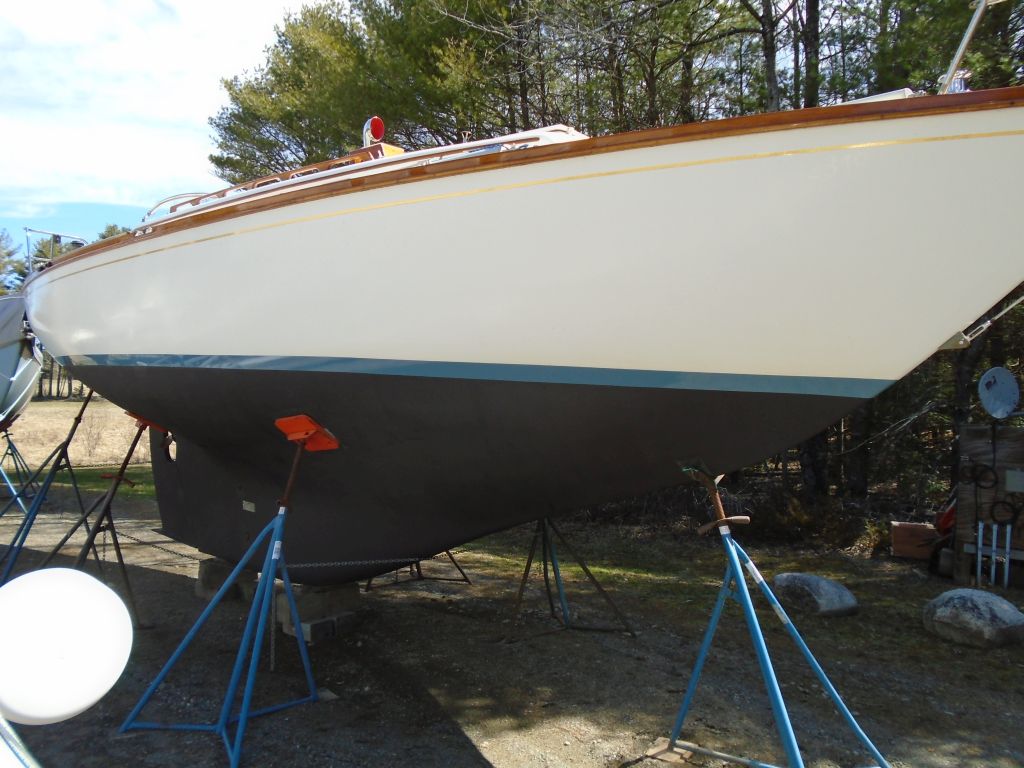
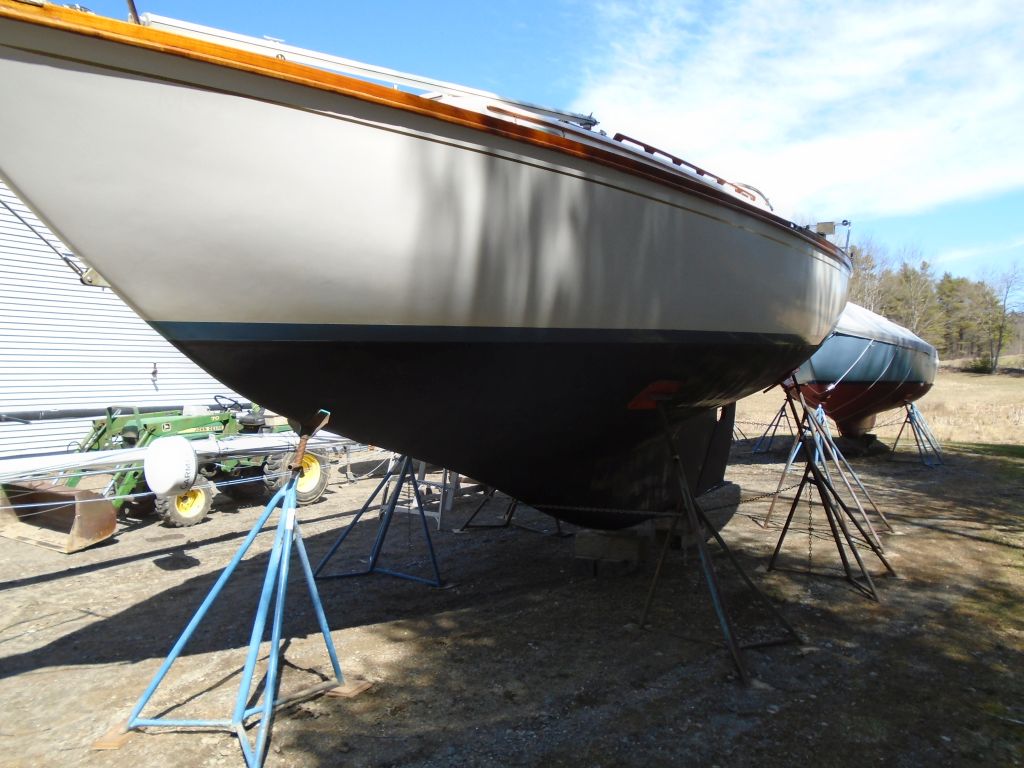
Next on the agenda was the bottom, which required sanding prep before converting to a different type of paint, so I removed the staging for better access and prepared the boat by covering the decks with plastic sheeting to keep dust off and out of the boat.  Before beginning further work, I polished the hull right at the waterline so that later I’d not run into the new paint.  I’d do the rest of the hull later.

bottom1-41816

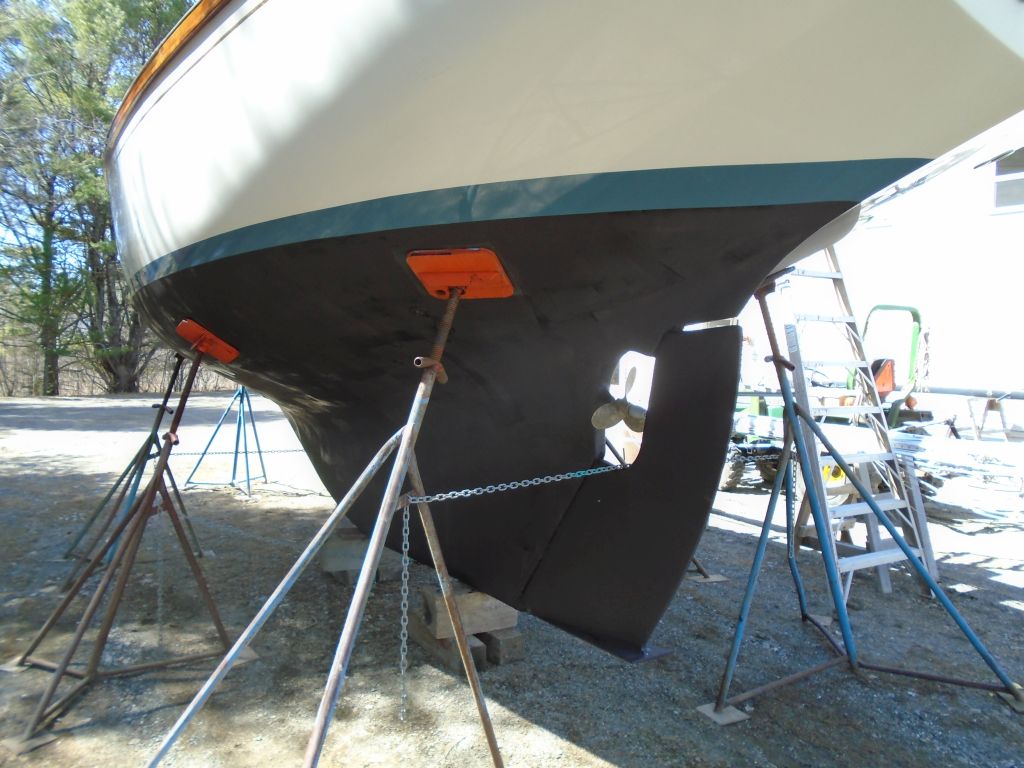
Afterwards, I sanded the bottom to scuff up the surface–the existing was a teflon-based paint that was compatible beneath the new paint the owner chose, but required sanding first.  I didn’t attempt to remove the paint, but just scuffed it thoroughly to ensure good adhesion.  Once complete, I cleaned up and solvent-washed the bottom.

Next, after masking off I applied two coats of red antifouling paint.

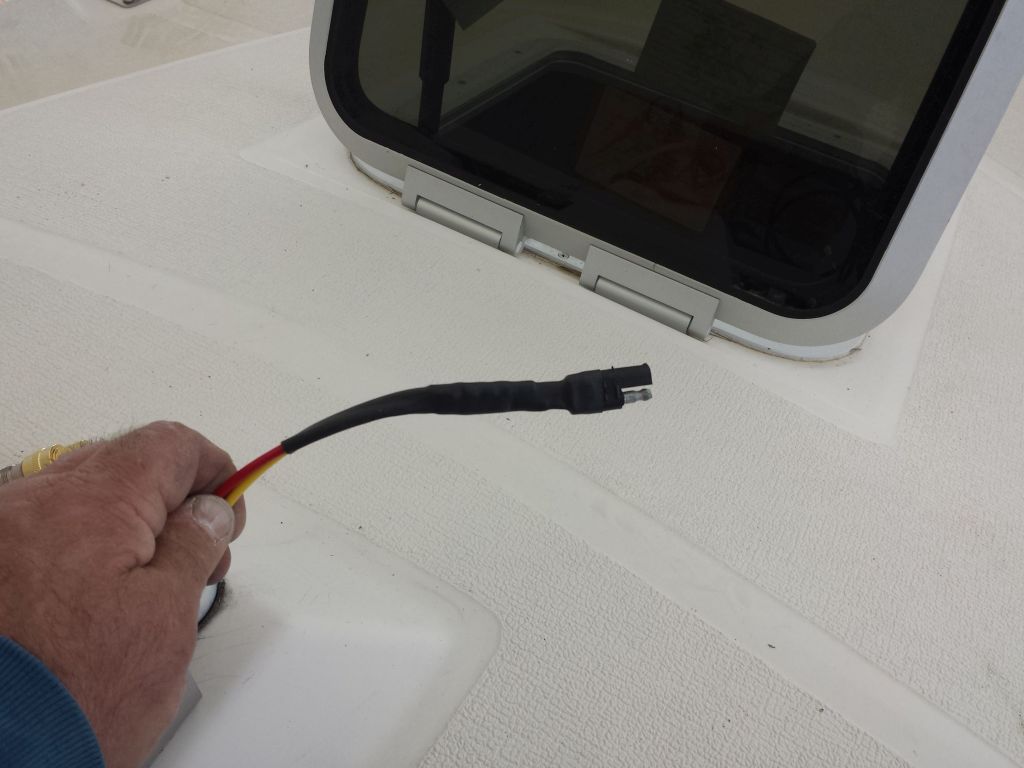
Earlier, I’d determined a requirement for some additional wiring for the mast–I’d need to extend the 5-wire harness for  the radar target enhancer (RTE) since the wire provided with the unit was far too short, a shortfall I’d fortunately discovered before it became critical.  The owner and I had also discussed VHF antenna placement to avoid interference and physical contact with the RTE, and came up with a plan that would require some additional material as well.  So while I waited for the new wire and other material to arrive, I thought I’d see what I was in for with the mast project.  I found that both the top and bottom castings of the mast were removable, which greatly helped access within, so that was a plus.  Inside the mast, running up at least as high (but possibly not beyond) the steaming/deck light combo at the spreaders, was a plastic conduit containing the old wires.

I’d begin the mast work soon, but for now I just removed the old steaming light, as there was a new replacement on hand.

Total time billed on this job today:  6.25 hours

0600 Weather Observation:
40°, clouds.  Forecast for the day:  Mostly cloudy, 50s, showers late

Precision 1

< Back to Precision 23

Saturday

Preparing for the work ahead, a few days earlier I’d removed the winter cover and frame, which gave my upholstery contractor access to the interior so he could prepare a quote and measurement for new cushions that the owner requested.  Meanwhile, I removed the mast down to the ground for storage and minor work, and removed the two halyards so I could ship them–and the boat’s lifelines–off to a rigger for replacement.  I led messenger lines through the mast as I removed the halyards.

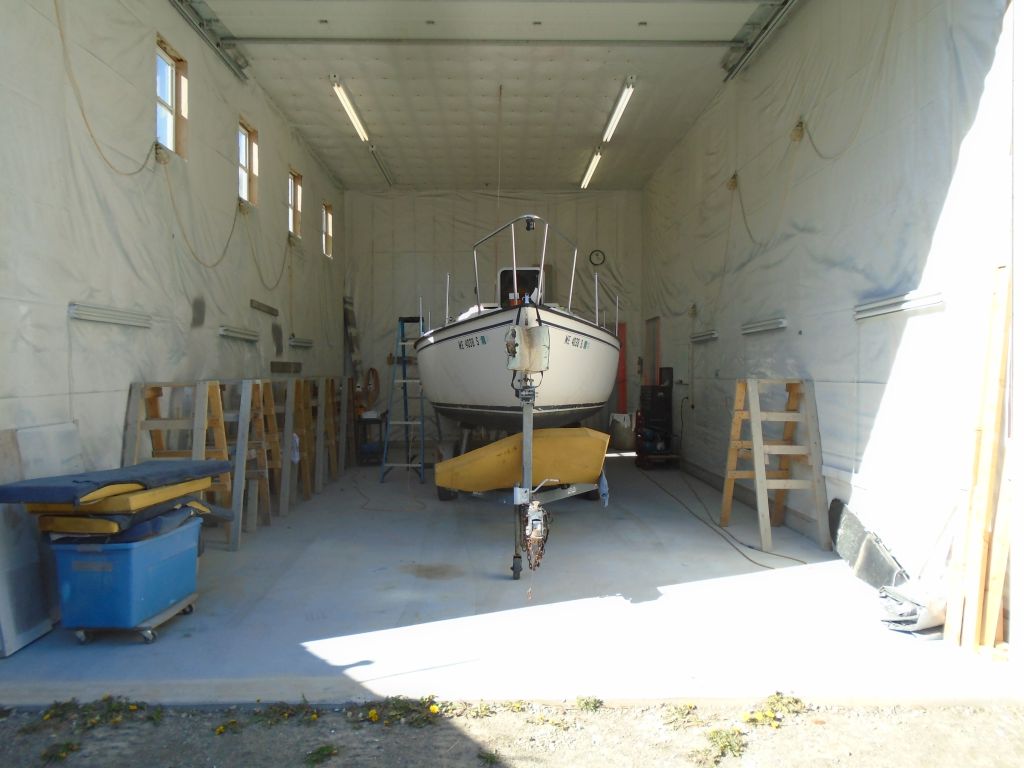
Now, with the project ready to begin soon and shop space available, I moved her indoors.

Total time billed on this job today:  1 hour

0600 Weather Observation:
30°, clear.  Forecast for the day:  Breezy, sunny, high in the 50s

Aquasport 4

< Back to Aquasport

Saturday

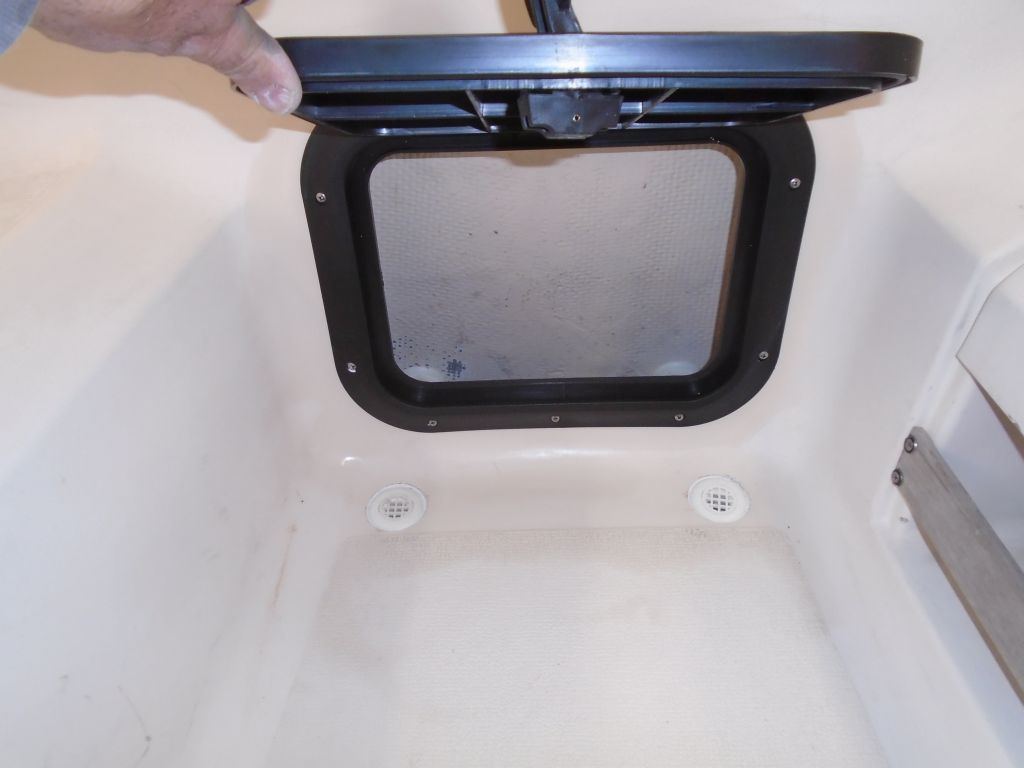
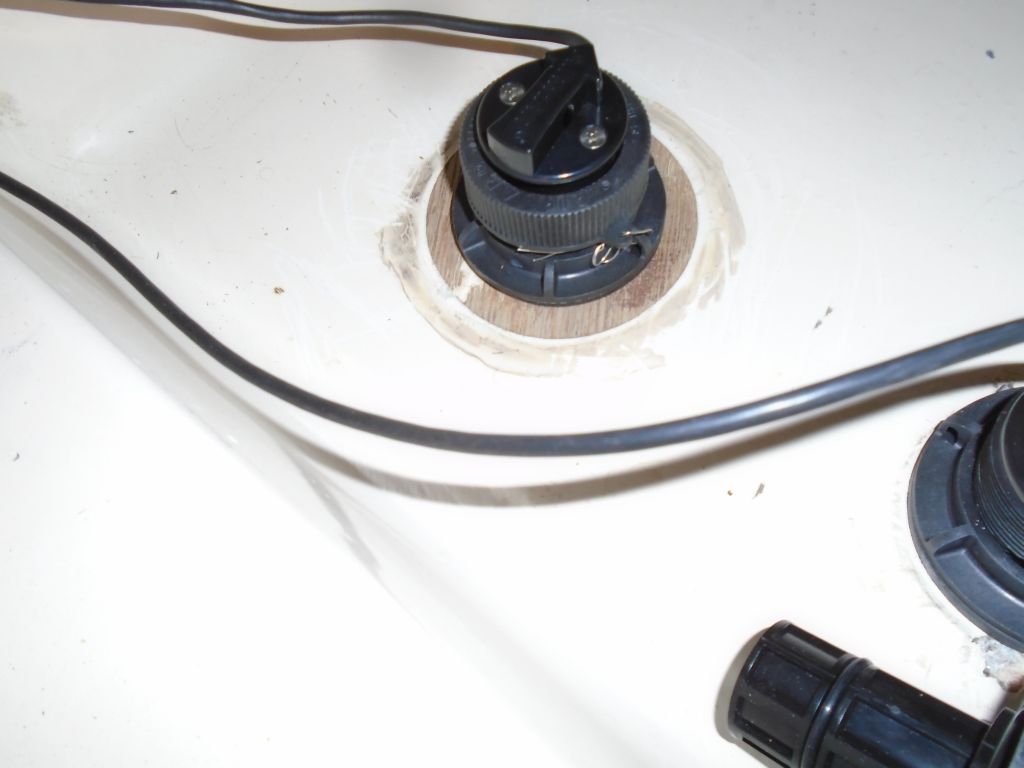
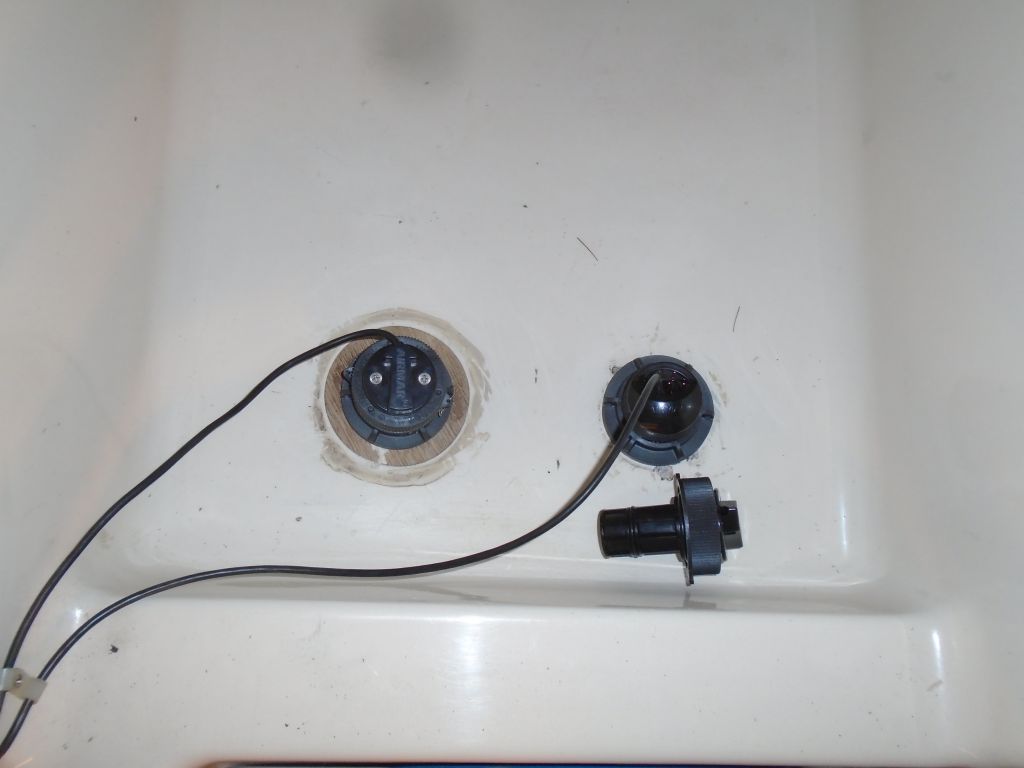
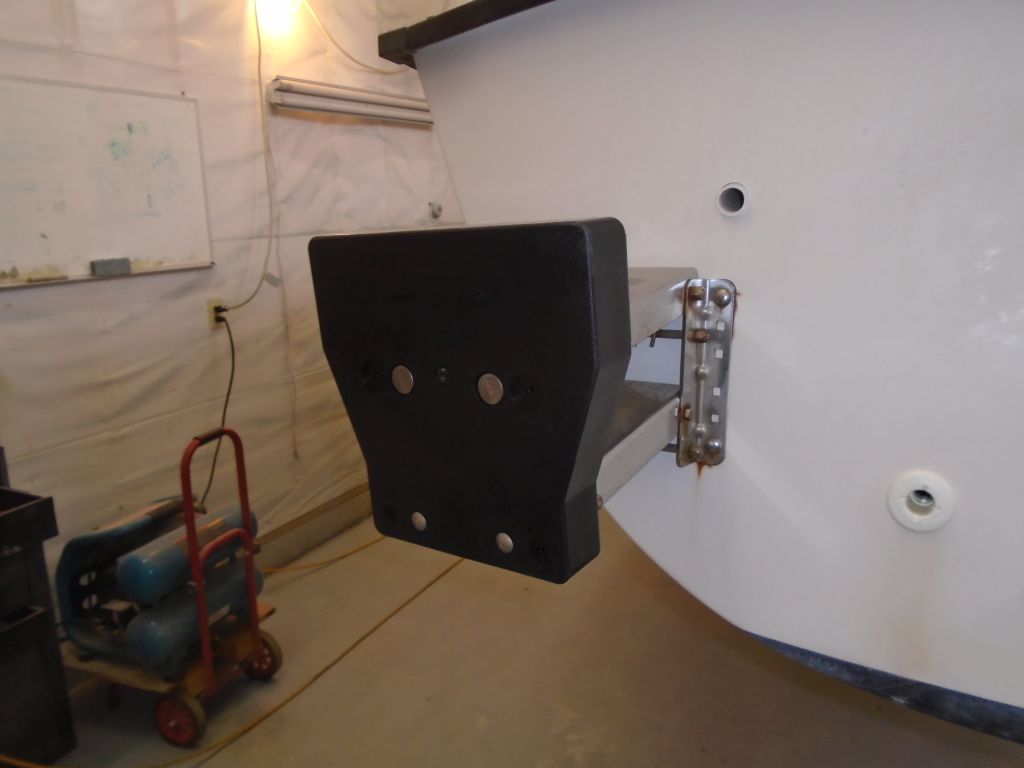
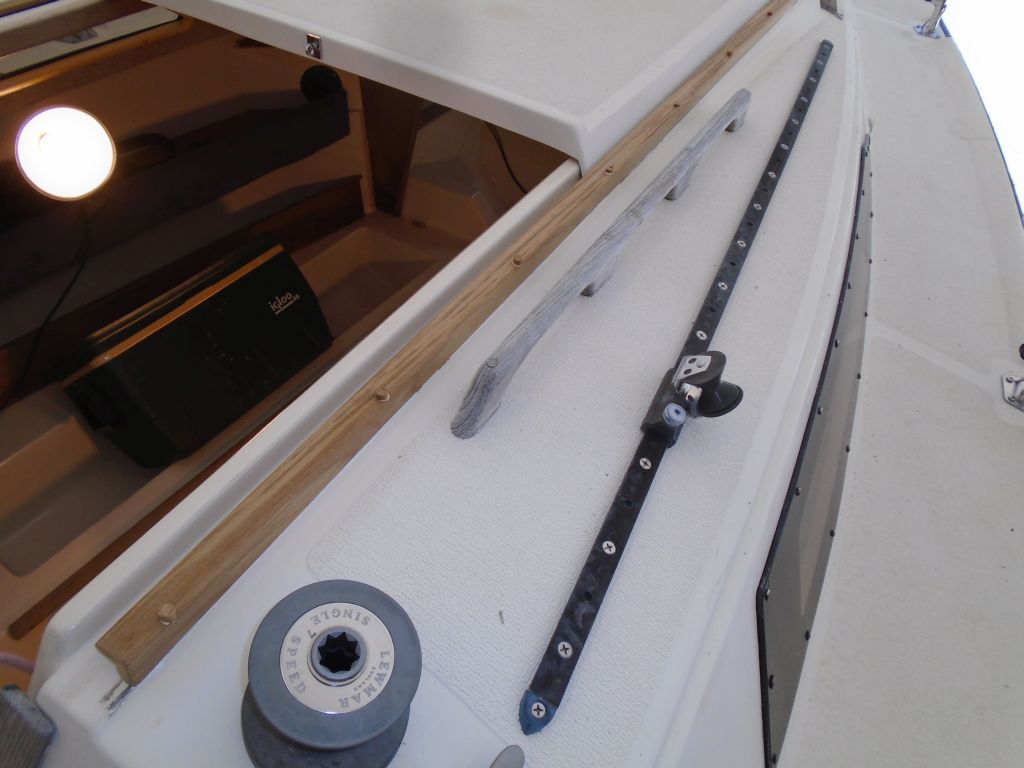
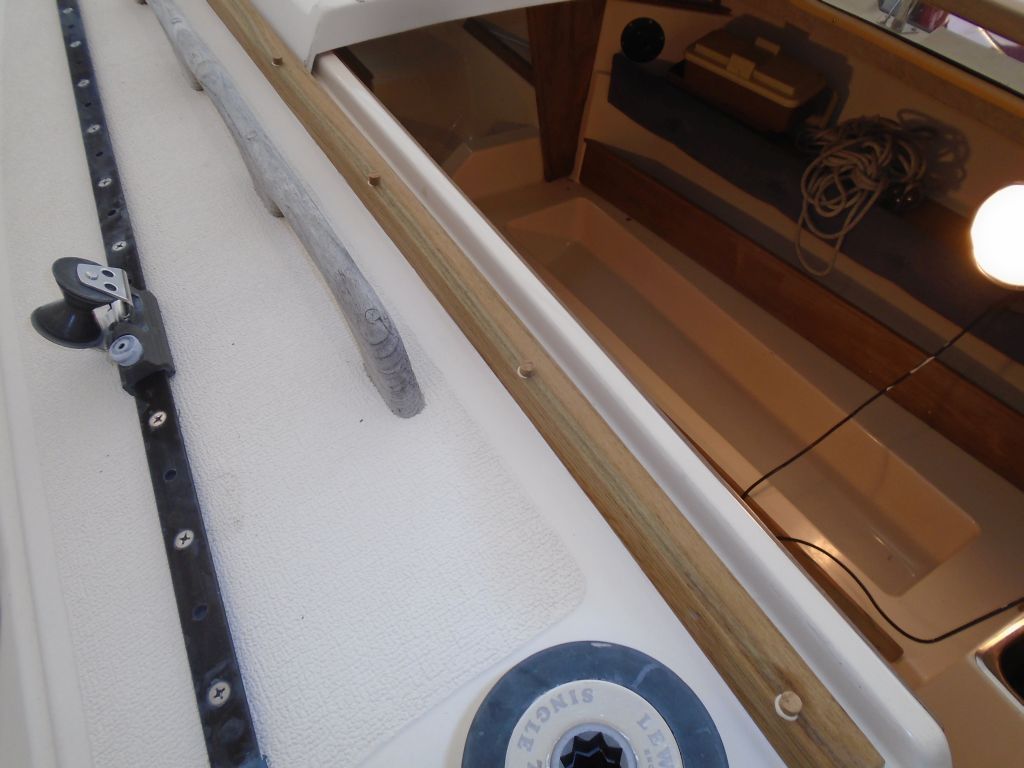
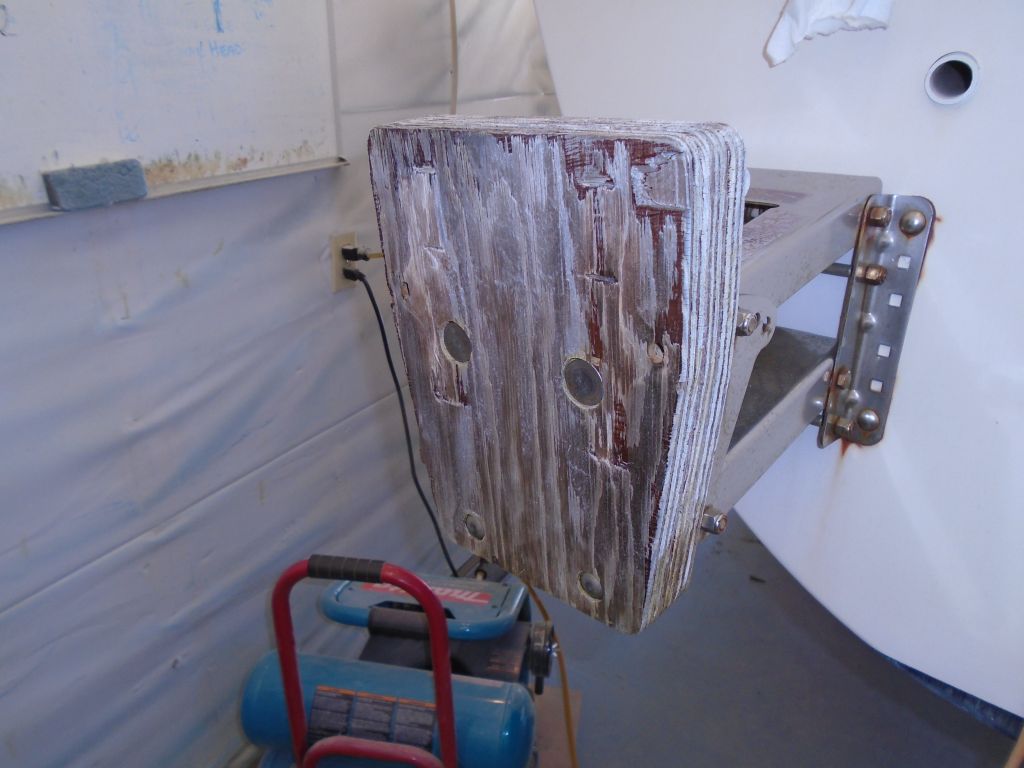
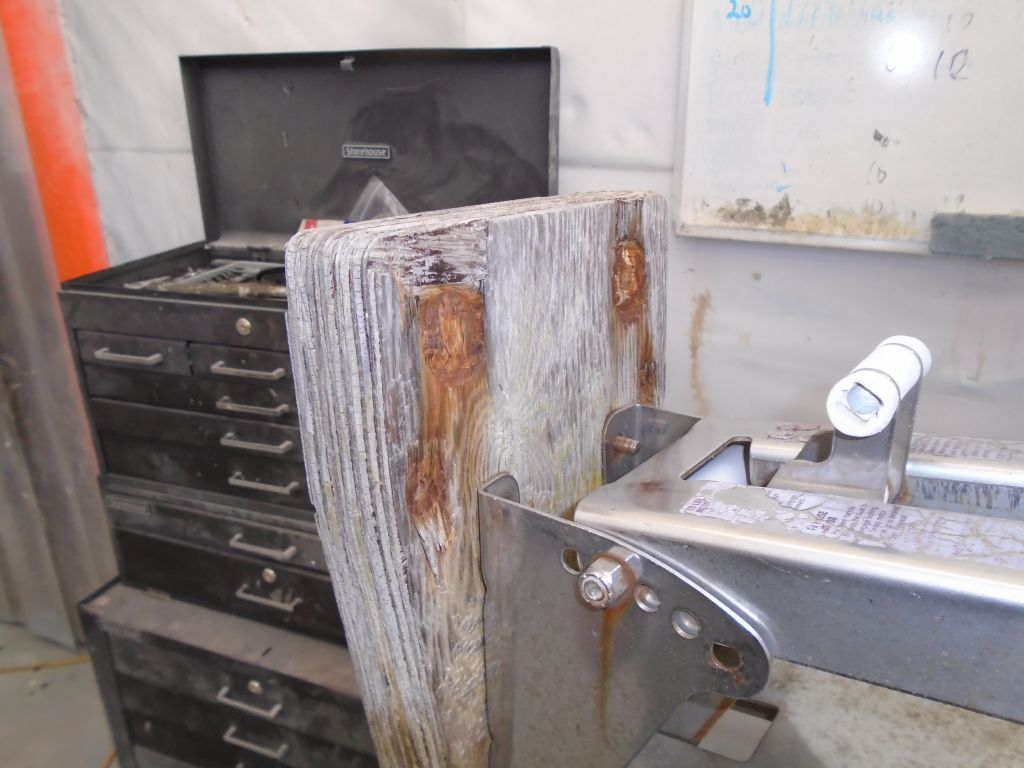
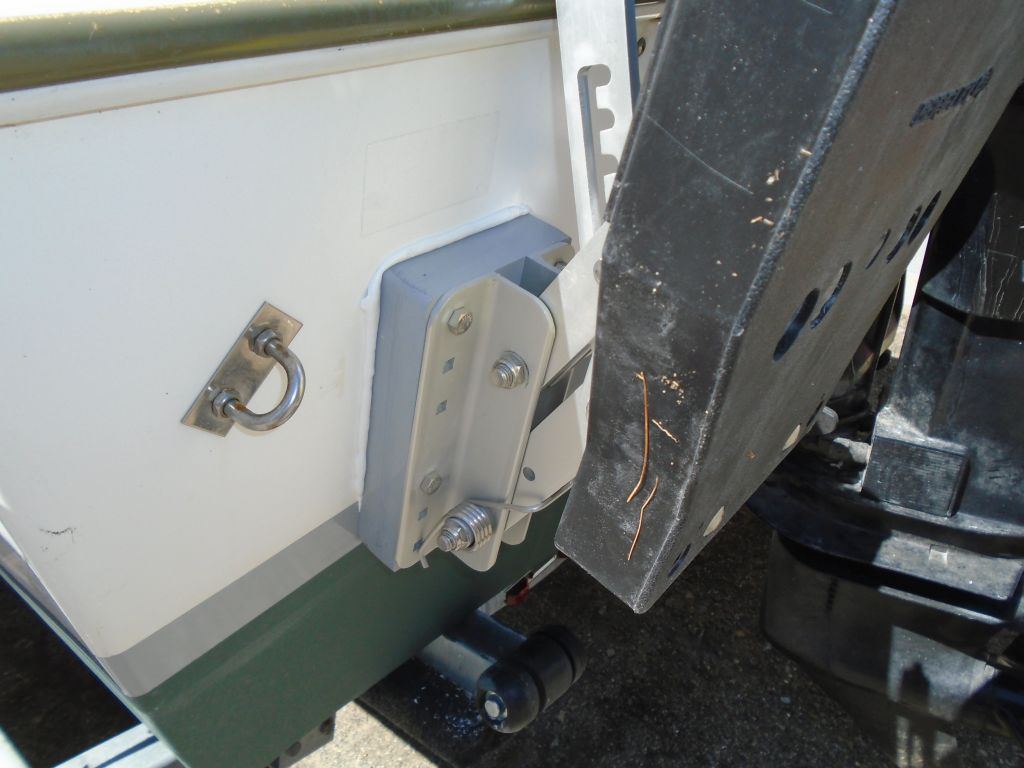
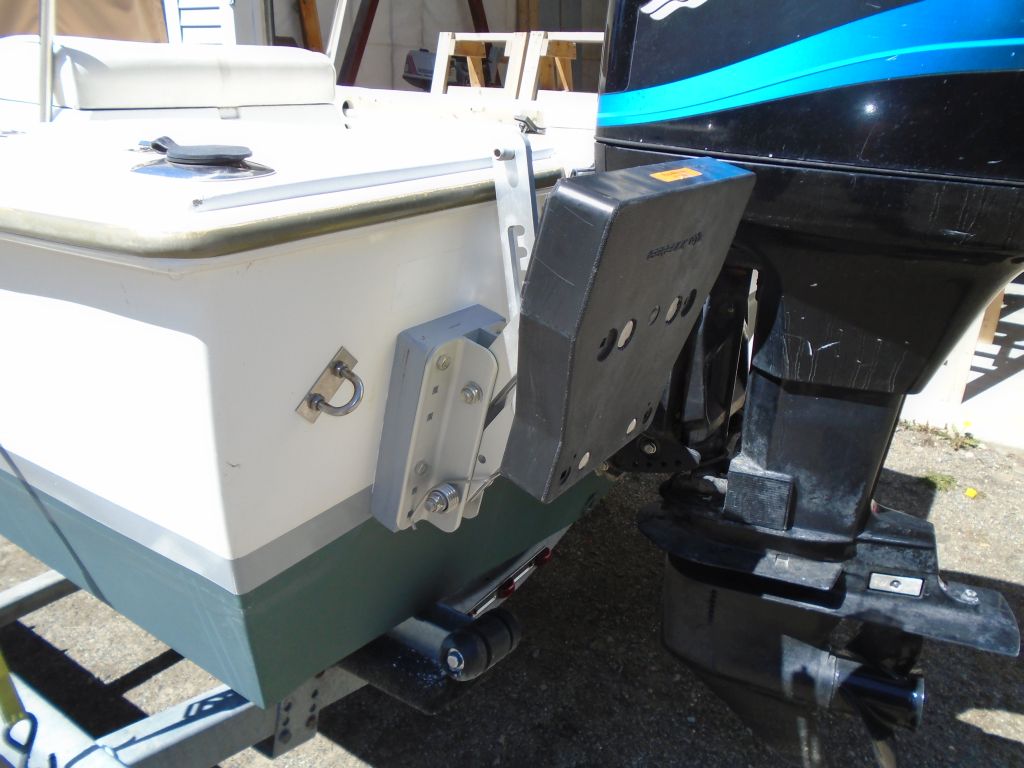
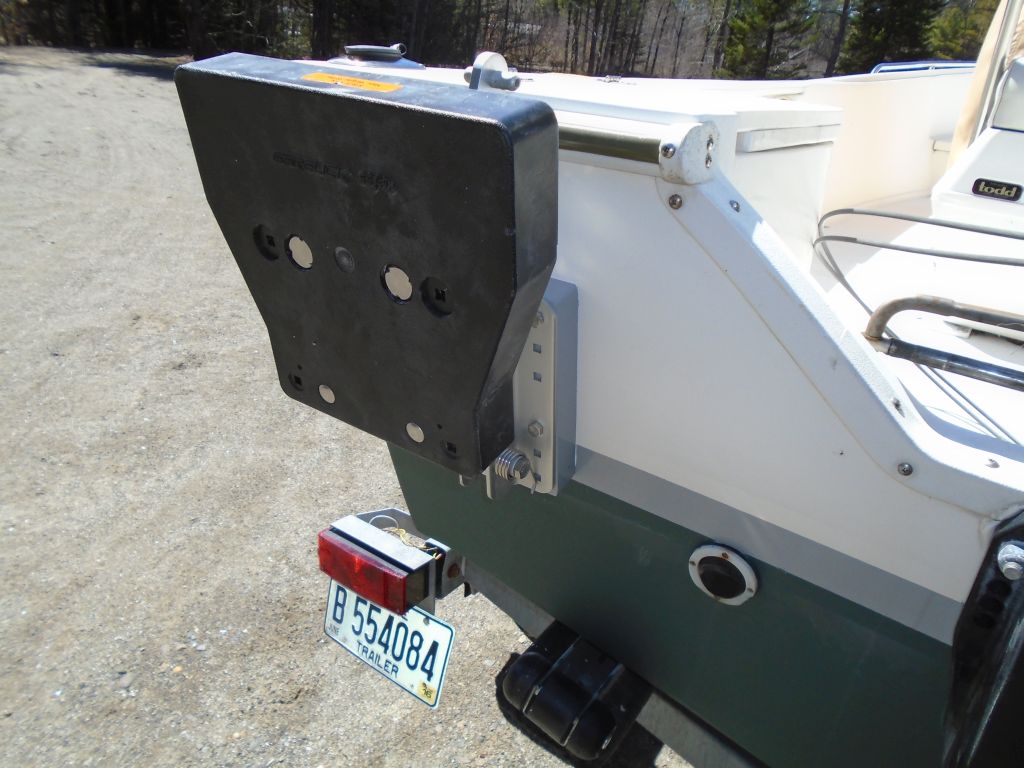
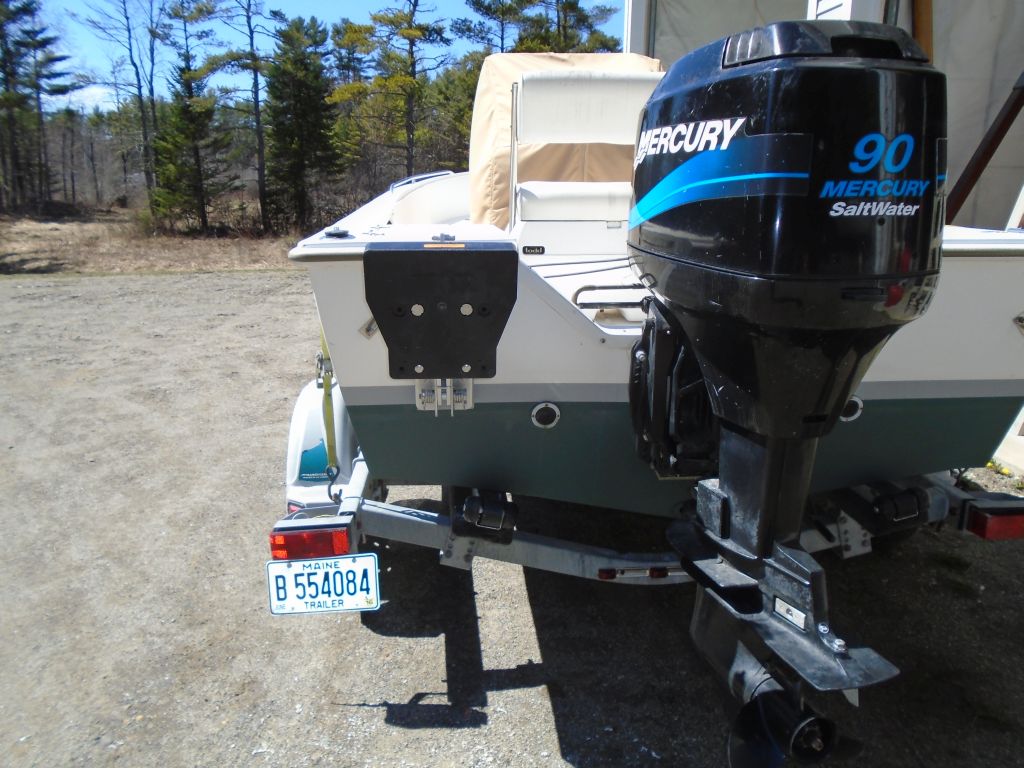
I’ve never entirely trusted outboards–with ample reason born from experience–and last season a fuel problem left me inconvenienced, though certainly not endangered.  So I decided to add a kicker bracket so I  could have get-home power if required.

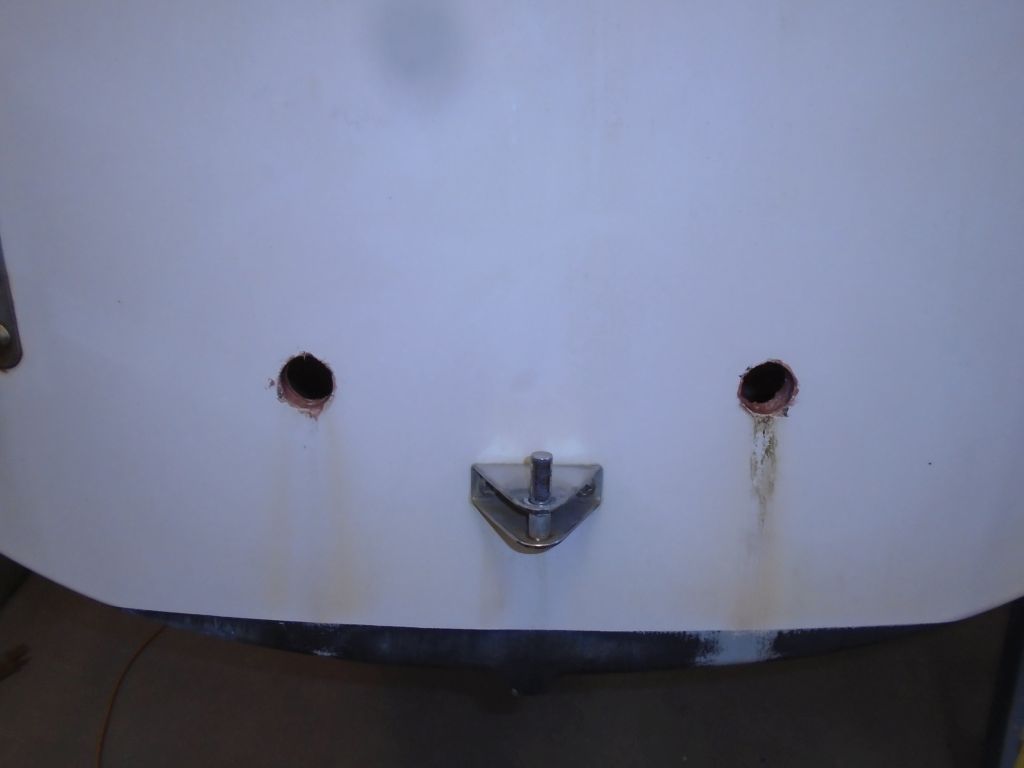
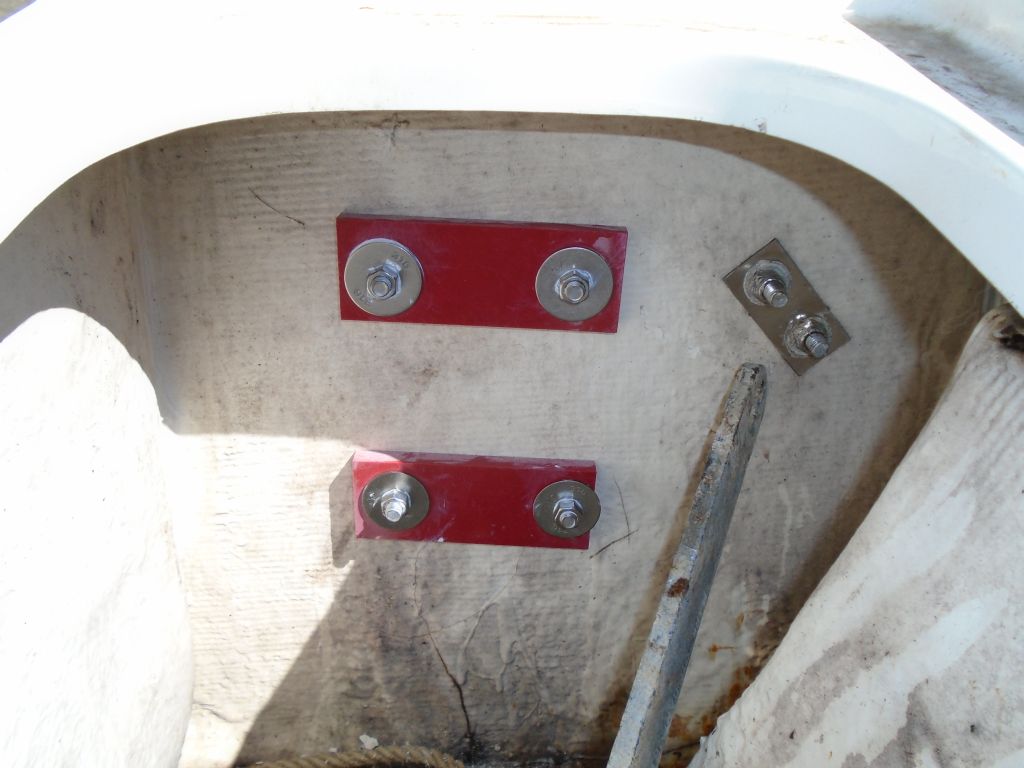
I chose the port side of the transom for the installation and, following the instructions, I determined the mounting height of the bracket and marked the hull accordingly.   Knowing the transom was cored, I bored out the fastener hole locations with a 1″ bit to remove core, which turned out to be some sort of foam, possibly Airex.  Then, I filled the voids with thickened epoxy.  When the time came to install the bracket, the 3/8″ bolts could pass through the center of the epoxy-filled area, thus obviating any chance of water leakage into the core.

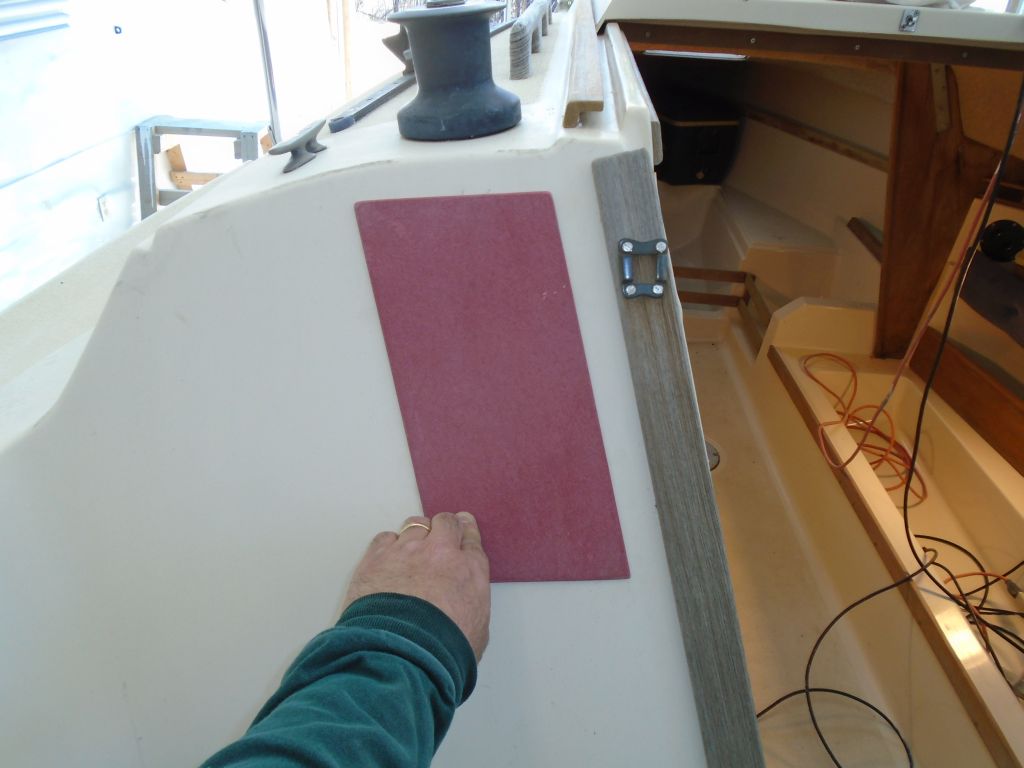
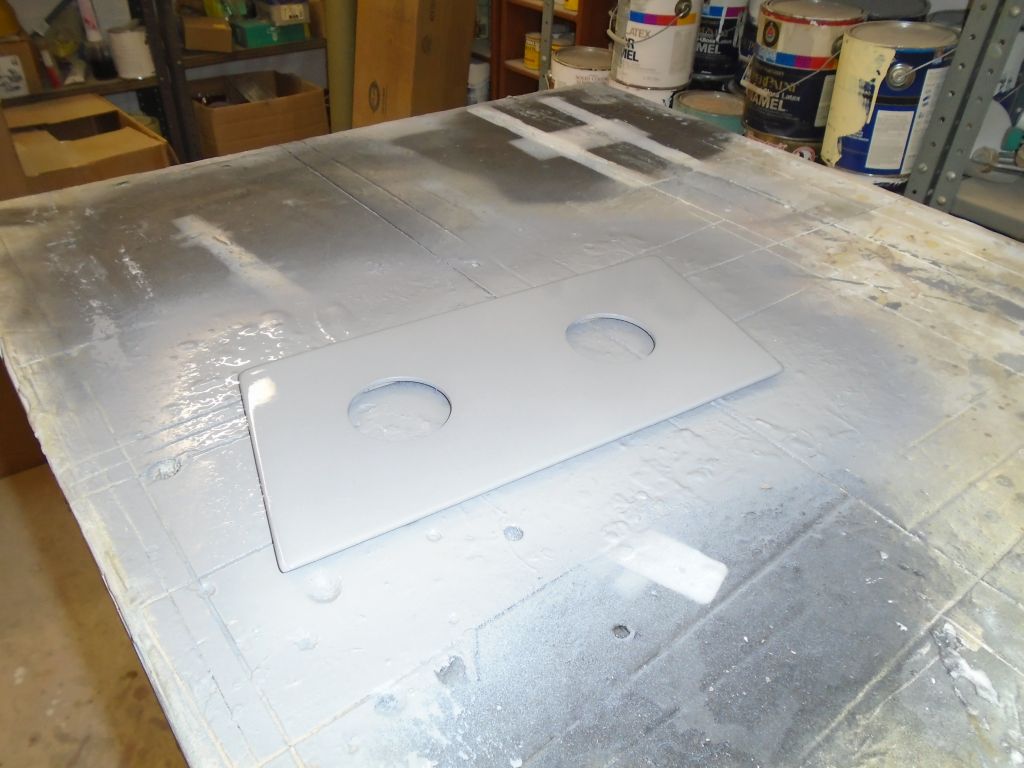
The layout process highlighted an issue with the boat and bracket:  the bracket handle interfered with the gunwale assembly, so the bracket wouldn’t operate properly as is.  I’d have to add blocking beneath the bracket to keep it clear of the gunwale, and determined I needed a full 1-1/2″.  I thought of using some leftover teak that I had on hand, but decided instead to build the block from two layers of 3/4″ fiberglass sheeting, which I glued and clamped together with epoxy.

bracket4-41616

I’d complete the bracket installation later, once the backing block was ready, the epoxy plugs were cured, and I had the proper fasteners on hand.

Meanwhile, with new registration numbers now on hand, I installed them, a nice improvement over the old hardware store stick-on letters.

With no further need for the boat indoors, I moved it out to make room for another project.  I liked the new appearance and felt it made a significant different to the overall feel of the boat, just as I’d hoped.  The devil is in the details.

Total time billed on this job today:  2 hours

0600 Weather Observation:
30°, clear.  Forecast for the day:  Breezy, sunny, high in the 50s


Salty 41

< Back to Salty

Friday

After an overnight cure for the epoxy plug filling the (as it happened) unneeded hole for the starboard turning block, I proceeded with the block’s reinstallation.

To prepare the modified engine hatch for its final paint, I applied a coat of epoxy-based 2-part primer, which would help ensure that the one-part final paint would cure properly over the still-fresh epoxy.  I had enough primer mixed to coat the entire hatch, though it wasn’t really needed.

enghatch1-41516

With most of the work done in the cabin and no longer any access required forward, I reinstalled the bi-fold head door, and loaded into the forward cabin some of the spare gear and equipment that I’d removed early in the project.

head1-41516

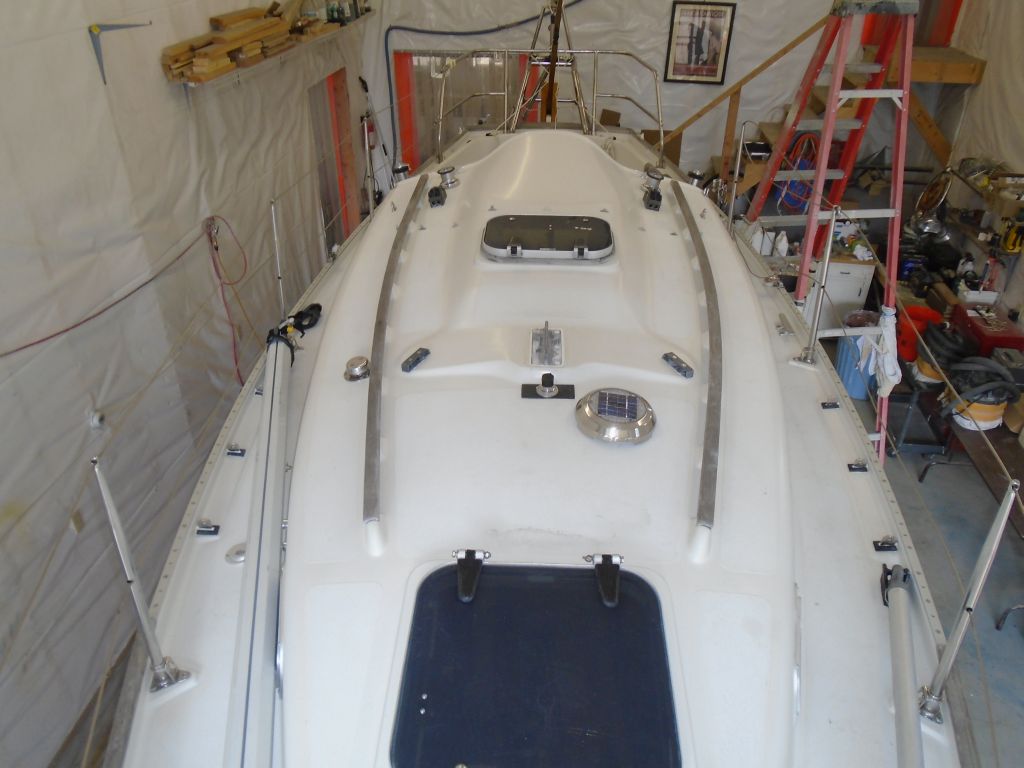
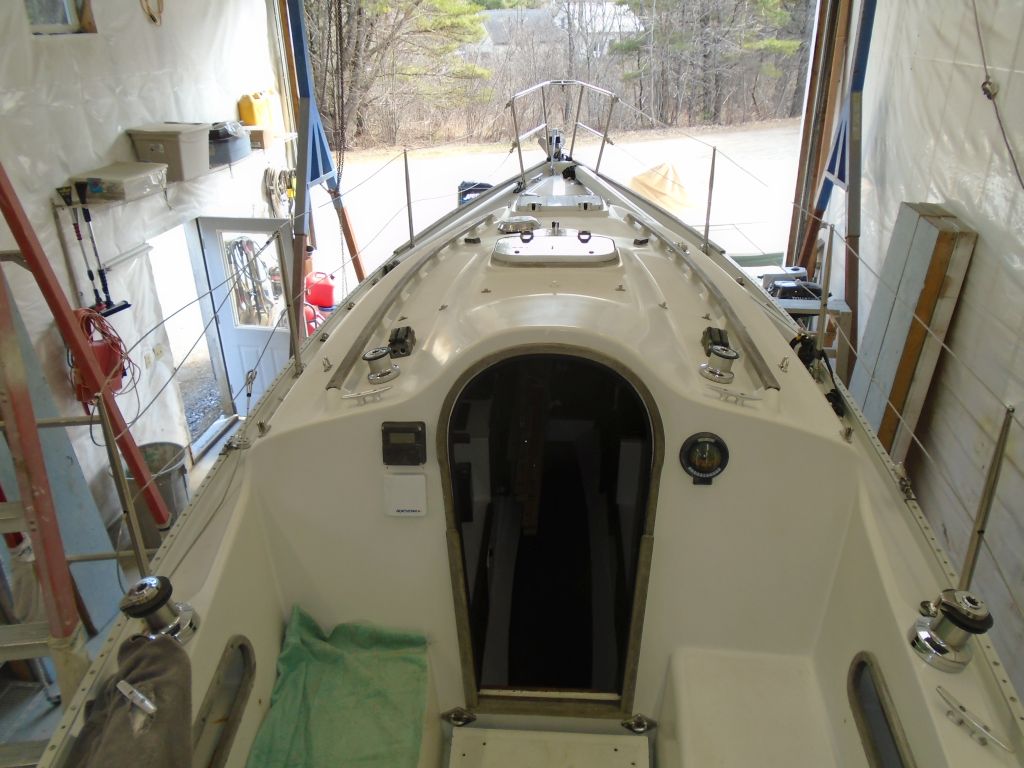
The original light gray gelcoat on the deck (and hull, come to that) was in good overall condition considering its age, but was dirty and oxidized, which didn’t enhance its appearance.

To clean it up and restore shine, I used a light polish on the smooth surfaces, which had a good effect on the gelcoat.  These three photos attempt to show the work in progress, though there’s not enough contrast in the photos to see it properly.

In a couple hours’ work, I polished all the deck areas except the cockpit well (which I’d do a little later, once I was done with work on the engine) and a portion of the after deck, which was cluttered with tools and the ongoing Monitor windvane line installation.

With the required connector now on hand I could finish up the VHF antenna cable installation, after which I could reinstall the backrests in the cabin, since I no longer needed access behind the electronics panel.

Now that deck work was complete, I reinstalled the lifelines, which I’d removed for storage and for the duration of the project.

Total time billed on this job today:  5.75 hours

0600 Weather Observation:
26°, clear.  Forecast for the day:  Sunny, low 50s

Salty 40

< Back to Salty

Thursday

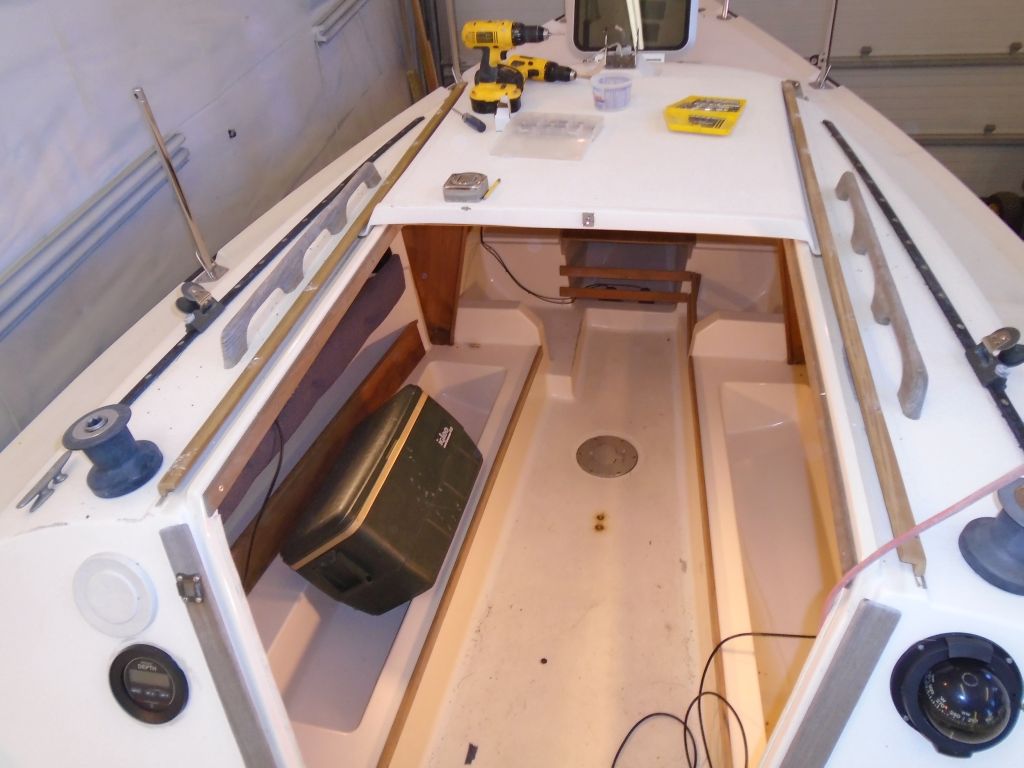
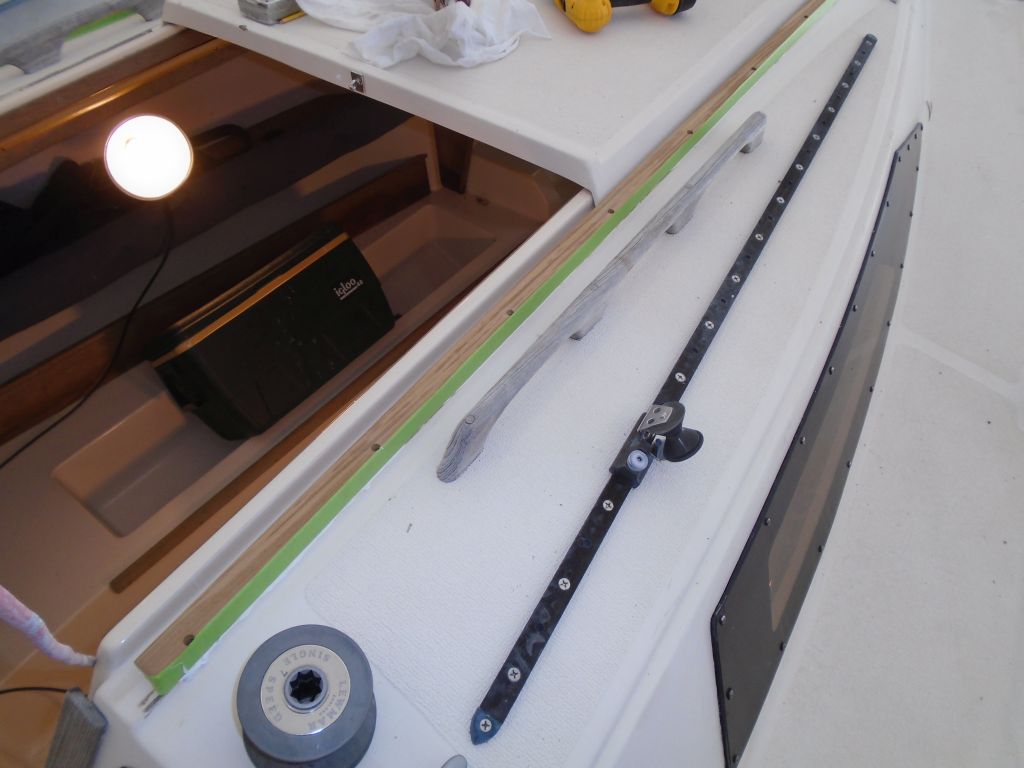
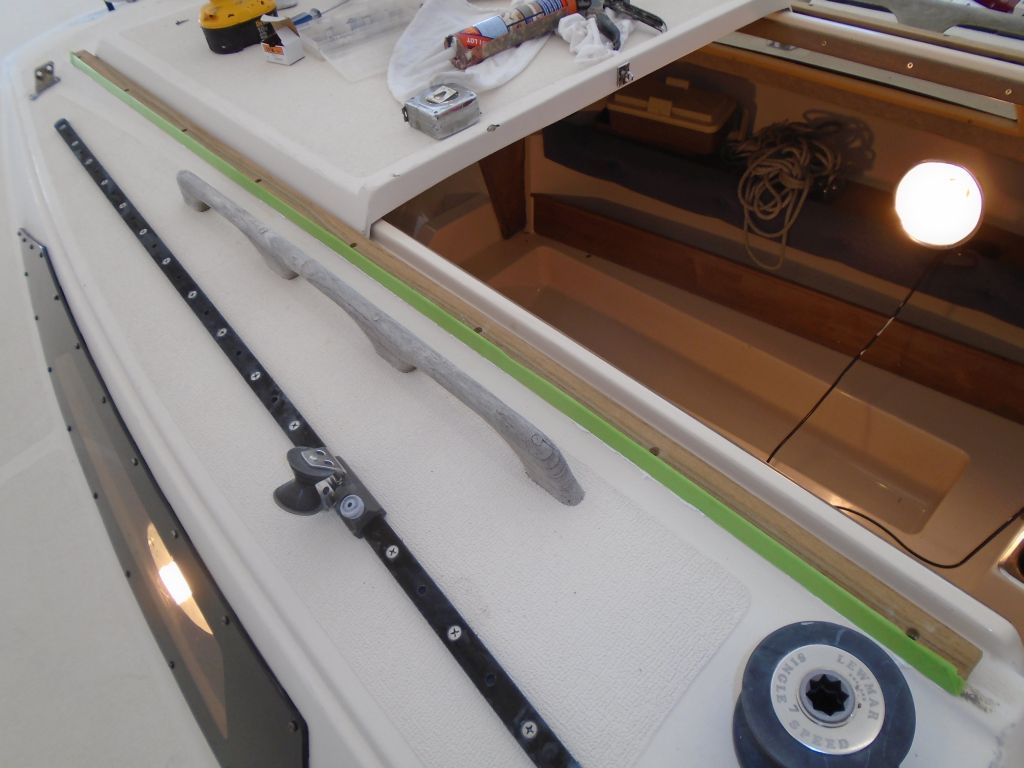
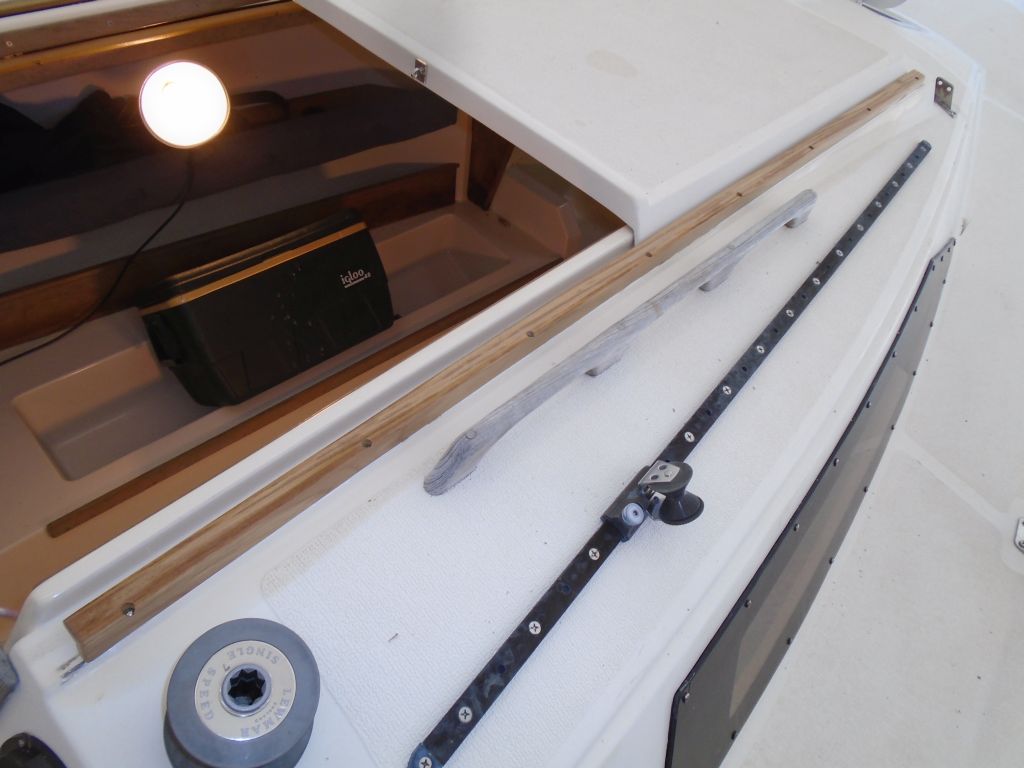
Starting with the halyard winches and rope clutches at the after end, I removed the final pieces of deck hardware from the coachroof so I could rebed them and replace the fasteners.  I removed the old sealant from the deck and the bases of the hardware as needed.

The deck here was not cored, so I could proceed directly with reinstallation.  I masked off the deck around the footprints of the hardware, and reinstalled with sealant and new fasteners.

Near the mast step was a pair of turning blocks to run the halyards aft, and these were the last pieces to remove and rebed.  After removing the blocks, the fasteners looked so long that I figured there must be a core in that part of the deck, so I drilled out one of the fastener holes with a 1/2″ bit.  However, there was no core–it was just a thick solid area, presumably part of the built-in reinforcement for the deck-stepped mast.  So I filled the erroneous hole with thickened epoxy, but I’d have to wait to install the starboard turning block till later.

There was no stopping the progress on the port side, however, where I cleaned up from the old installation and reinstalled the block with new fasteners.

I’d decided to replace all four lifeline tether padeyes on the cabin top, as it just seemed right given their function, and the replacement hardware was inexpensive.  So with new padeyes on hand, I installed the four with new sealant and large washers.  I’d come back later and cut off the excess bolt length beneath.

To smoothly fair the lobster pot batten into the keel, now that it was well-secured I applied some additional epoxy to fair its transition to the bottom of the keel.

lobster1-41316


Total time billed on this job today:  5 hours

0600 Weather Observation:
30°, clear.  Forecast for the day:  sunny, 50

Salty 39

< Back to Salty

Wednesday

To determine what sort of hardware was required to run the pendulum lines from the  Monitor windvane, I mocked up the two lines, using the supplied instructions as a guide.  With tiller steering, the lines must cross when the leave the vane, so I led the lines to the opposite sides accordingly.

The guidance suggested that the lines should attach to the tiller approximately 30″ forward of the rudder post, so with protective masking tape covering the tiller (and the coaming surfaces, for marking purposes), I measured this distance, which ended up right over the aft coaming.

The instructions suggested that the control line should lead at right angles to the tiller when the tiller was turned 15° to the side, so I made marks on the coaming when the tiller was at this angle, and used a square to roughly locate the turning blocks’ locations on the coamings.  The design of the coamings, and the way the lines led forward from the vane, limited the realistic options for block placement, so I adjusted the proposed tiller mounting location forward as needed (about 3″ or more forward of the 30″ mark) in order to achieve close to the desired 90° angle for the control line from the tiller to the coaming block.

The tiller attachment kit included two cam cleats to mount on the underside of the tiller.  With the design of the tiller, and how it related to the coamings as it turned, this was a second reason the attachment point needed to move forward, as the cleats would interfere with the coaming if mounted any further aft.

Of course the tiller could be lifted for additional clearance beyond this point, but mounting the cleats any further aft would likely interfere with normal use of the tiller both on and off the windvane.

monitor14-41316

In the end, this arrangement looked like it should work well, and at least allowed me to order a pair of cheek blocks to mount on the coamings.  The proposed leads were straight and fair, and with the minor adjustments to the ideals suggested by the manual, fulfilled all basic requirements.  I took the time to check with Scanmar, manufacturer of the windvane, about any repercussions from locating the tiller attachment further forward, and  the answer was that this increased leverage on the tiller–not a bad thing–and there didn’t seem to be any negatives given the overall installation situation.  The reality was that there wasn’t much for other options anyway, but it was good to know that the minor adjustments required wouldn’t negatively impact the performance.

After an appointment away from the shop during the mid-morning, I got back to things with the engine hatch.  The clearance above two sections of the engine–the secondary fuel filter and part of the cooling system–was tight enough that I decided to omit the hatch coring in those two areas.  I hoped that final alignment adjustments on the engine would actually lower the front of the engine, increasing this clearance, but I couldn’t be sure, and if I had to raise the engine at all, clearance could become an issue.  So after marking the rough perimeters of the areas in question, down on the bench I cut out the coring from these areas, then sealed the exposed core and created fillets with thickened epoxy around the edges of the cutouts.

enghatch1-41316

While I had the epoxy  going, I quickly prepared the bottom edge of the aft side if the keel and installed a slim fiberglass batten to extend aft beyond the slot formed by the rudder and keel.  This batten would help any lines that one might run over to slip aft cleanly, and reduce or minimize the chance that they might get hooked in that open slot before the rudder.  I taped the batten in place while the epoxy cured.

lobster1-41316

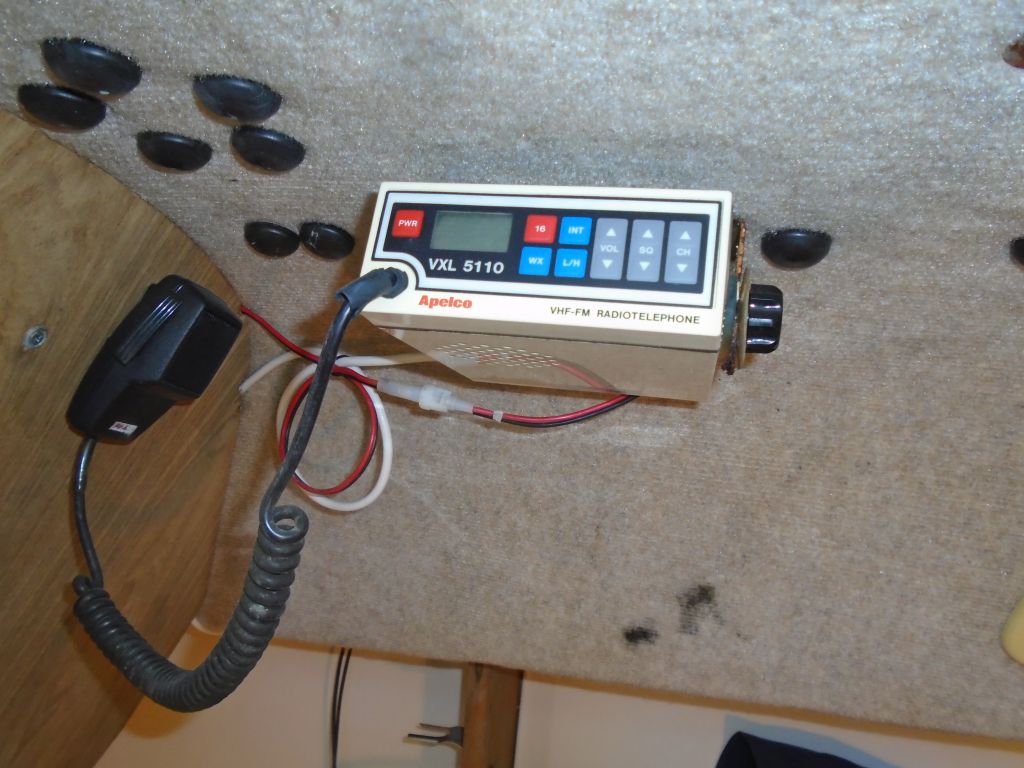
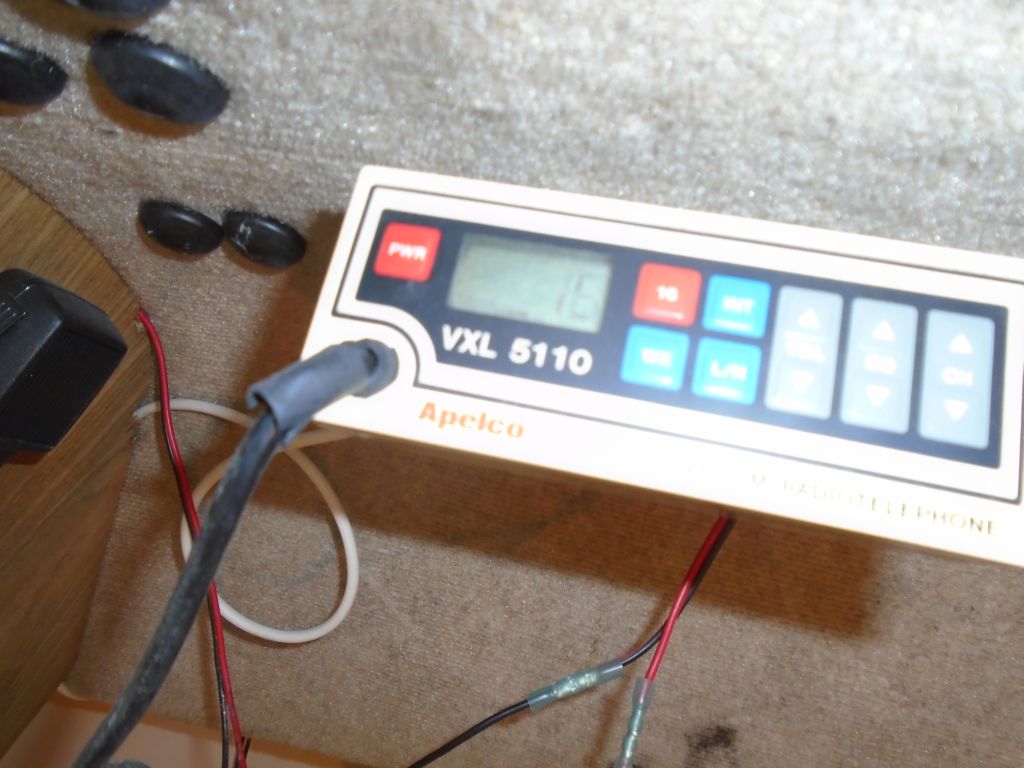
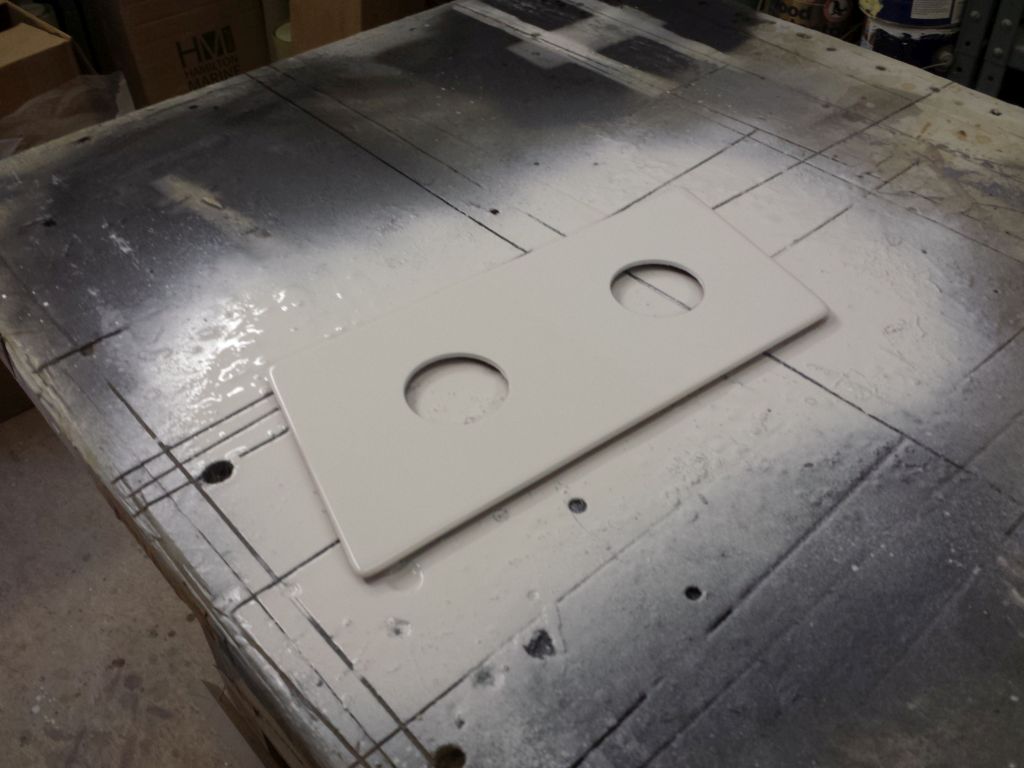
With the owner’s new  VHF radio now on hand, I could move forward with the final installation on the new electronics locker panel, along with the recently-arrived stereo control unit.  With minor adjustments that the owner and I had discussed previously, I laid out the cutouts for these two components according to the diagram and mockup I’d worked out a couple weeks prior, then installed the two units to the panel.

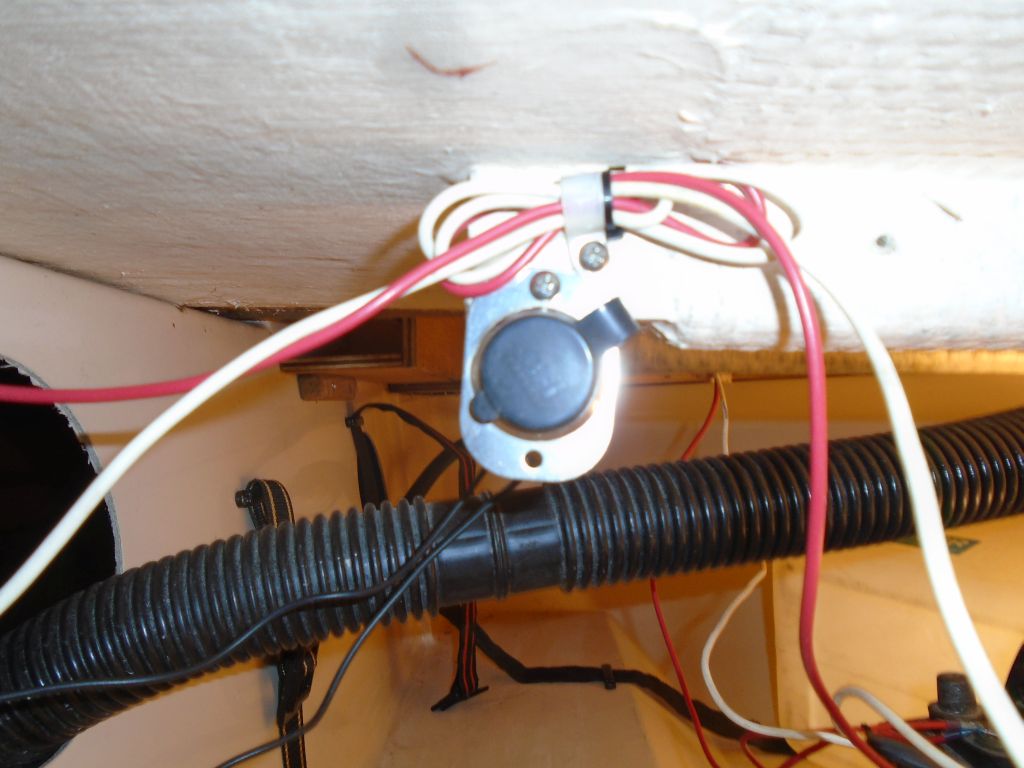
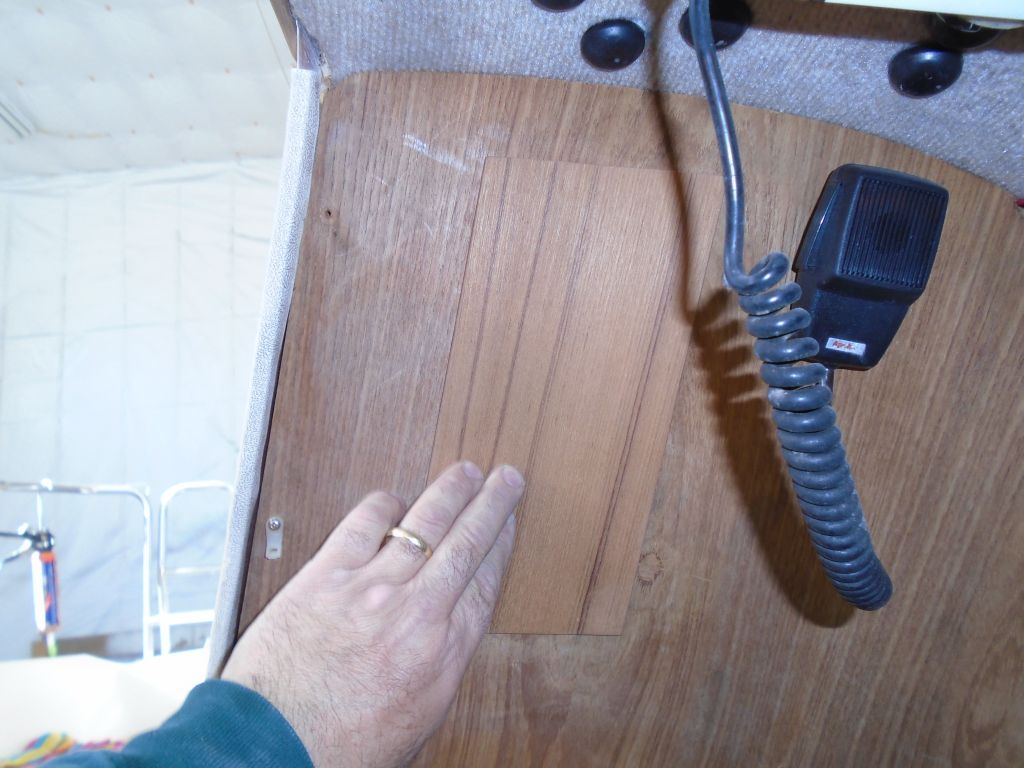
With the hinged panel resecured in the boat, I made up the final wiring connections.  I didn’t have an antenna connector on hand for the VHF, so I’d finish that up once I got the new parts required.  Both units had various extra wires that I tied up as well as I could; for the stereo speaker wiring, I installed removable connectors so the whole panel could be removed for storage during the off-season.  I sent the owner some options for mounting the VHF microphone.

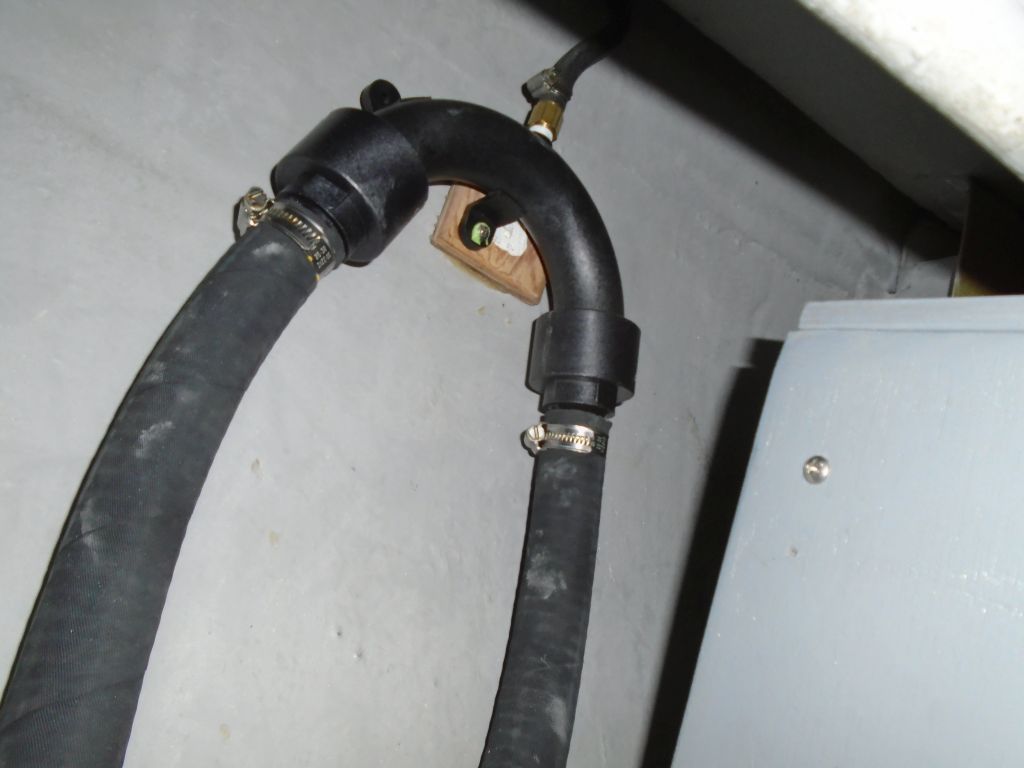
I was all set to finish up the plumbing for the engine’s raw water siphon break, which I planned to mount in the cockpit locker.  I removed the supplied valve fitting from the top of the siphon and installed a hose nipple that I could hook into the existing overflow hose that connected with the exhaust gooseneck at the transom, and prepared a hole to communicate between the engine room and cockpit locker for the hose runs.  To my dismay, however, I discovered that the connection on the engine was for a larger hose than I’d thought–1″ versus 3/4″–and the offcuts of 1″ hose that I had on hand weren’t long enough to make the journey required, so I had to halt the project and order enough 1″ hose to do the job.  It seemed to me that these connections were different every time I installed one of these engines–I was sure I’d used 3/4″ hose before, but perhaps my memory was just short.  In any event, final installation, with all the basic preparations made, would be quick once I got the new hose.

siphon1-41316

Total time billed on this job today:  6.25 hours

0600 Weather Observation:
25°, clear.  Forecast for the day:  sunny, around 50

Salty 38

< Back to Salty

Tuesday

The structural work on the modified engine hatch was complete, and after sanding as necessary I test-fit the hatch, which fit as intended.  I ordered longer screws to secure the hatch to the flange beneath.

With most major tasks on the project list either complete or awaiting additional parts, I turned to some of the interior reassembly, starting in the bow, where I reassembled the wire chase cover on the starboard side and the v-berth fiddles, after cleaning up the shelf areas as needed.

In the hanging locker, at the owner’s request, I installed two pair of utility hooks, then reassembled the various interior dividers and covers, as well as the two sections of the outer bulkhead.

Across the way, I installed new vent hoses to replace the originals that I’d removed earlier in the project, and reassembled the cover panel behind the head.  For now, I held off on reinstalling the bifold door till I was sure I didn’t need access.

In the vertical hatch that covered the forward end of the engine room from the cabin, I installed a fire port, a simple ring that allowed use of a fire extinguisher without removing the hatch.  I installed this as high in the hatch as I could to allow easiest access and best effectiveness.

fireport1-41216

To cover the wire chase between the new electronics locker and the electrical panel, I cut off the aft section of the original cover (the forward part was no longer needed) and installed it.

GE

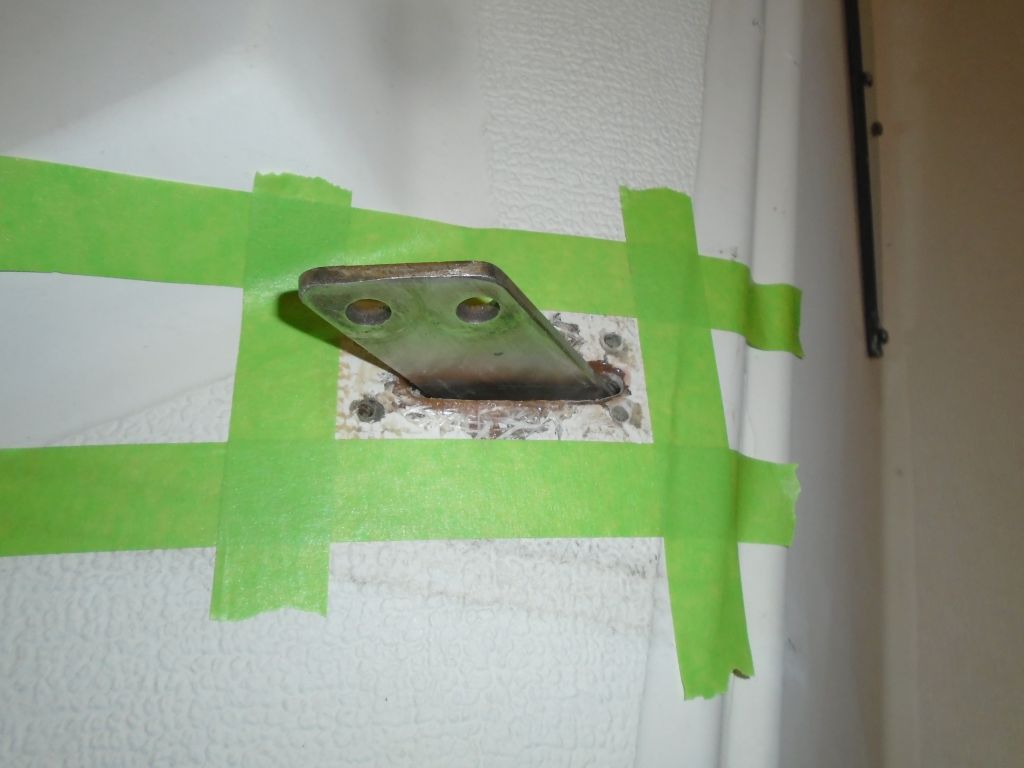
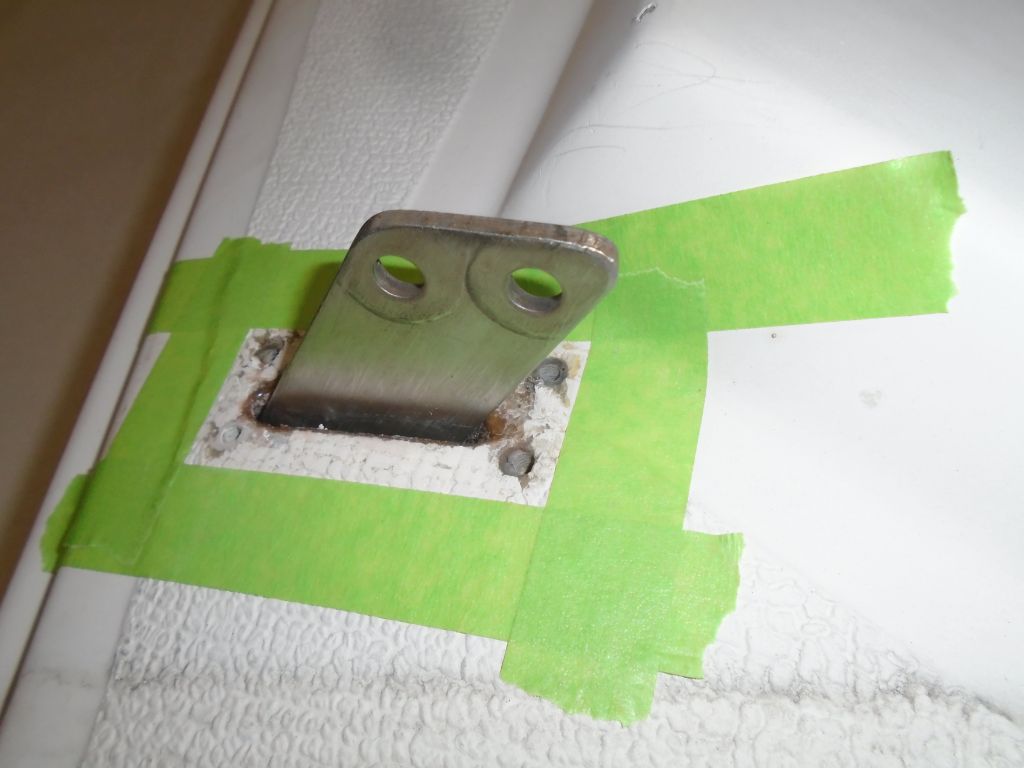
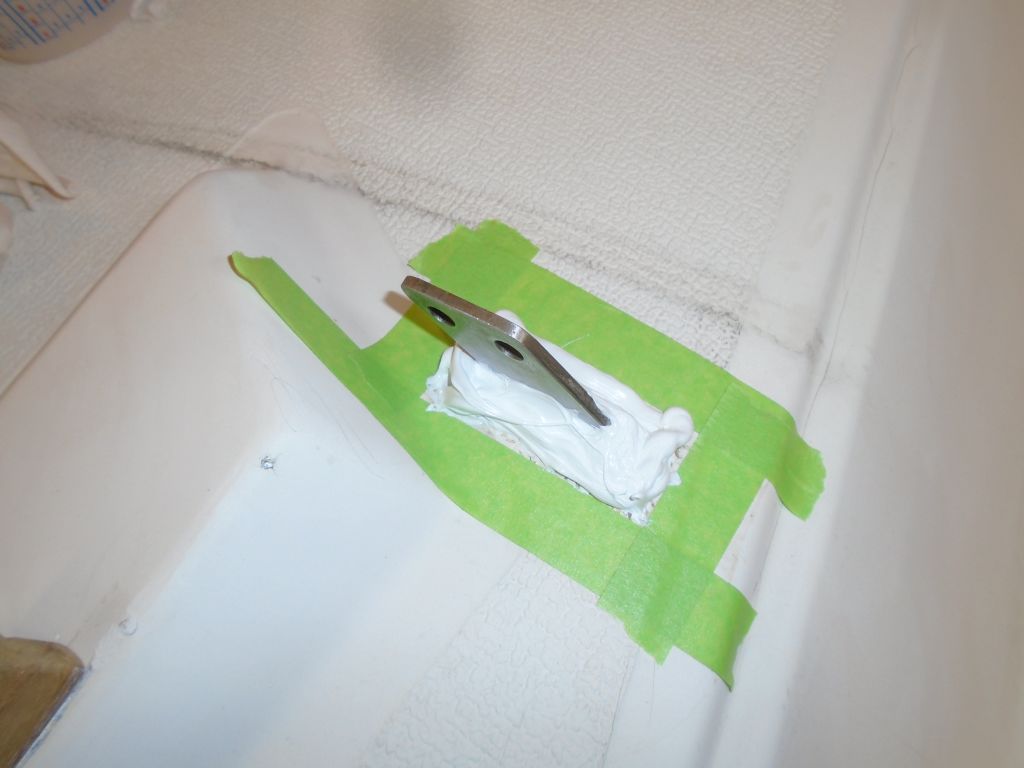
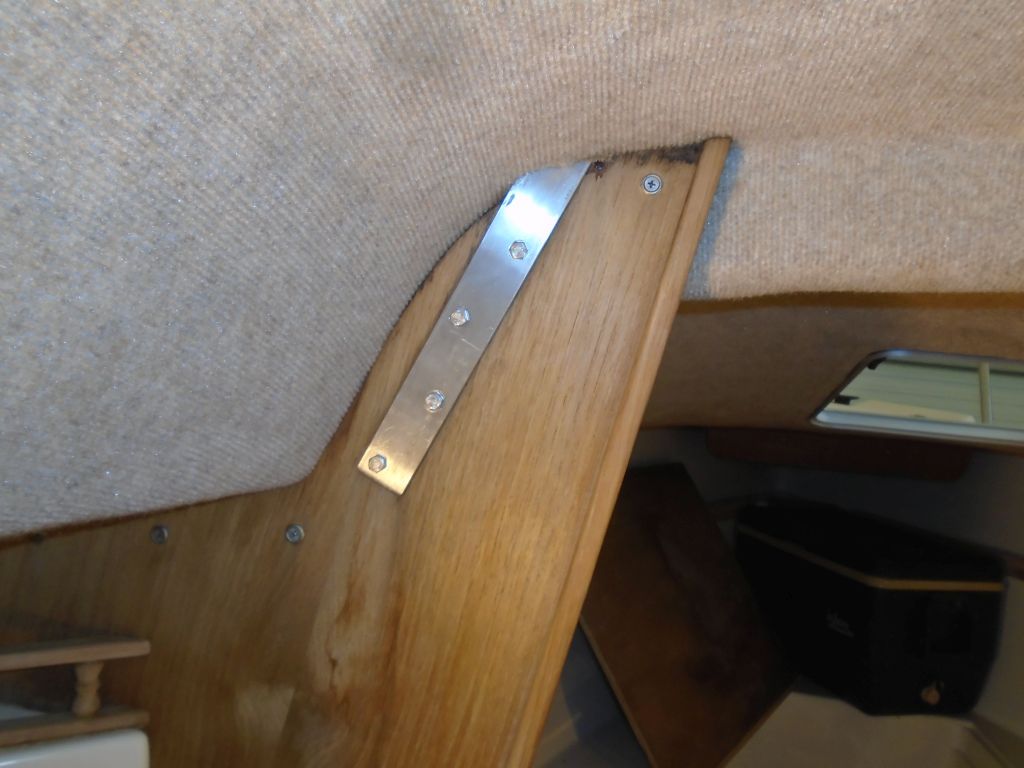
At the forward end of the cockpit, I installed a pair of heavy padeyes for lifeline tethers, bolting them through the bulkhead into the cabin.  I kept these high enough to clear the newly-raised engine hatch.

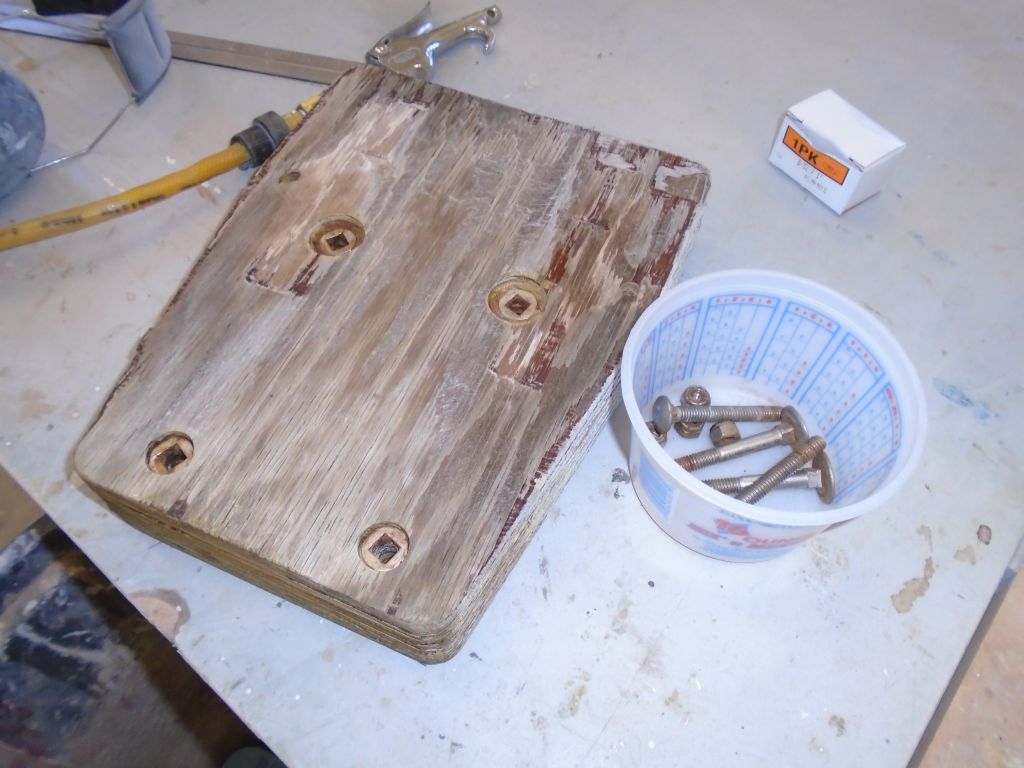
During my hardware-rebedding phase earlier, I’d stopped after completing all the sidedeck and related hardware so I could focus on the new systems installations, but there were a few items on the coachroof that still required this treatment, and now was a good time to take care of these.  I started by removing four U-bolts–two at each end of the cabin top.  The port after u-bolt featured highly rusted nuts for some reason, and these took some torque to loosen.  I thought I might replace that particular U-bolt; the other three appeared serviceable.

I removed interior covers over the fasteners securing the cabin top winches and line jammers, but would get to their removal another time.

Meanwhile, at the transom I finished up the installation of the two cable clams.

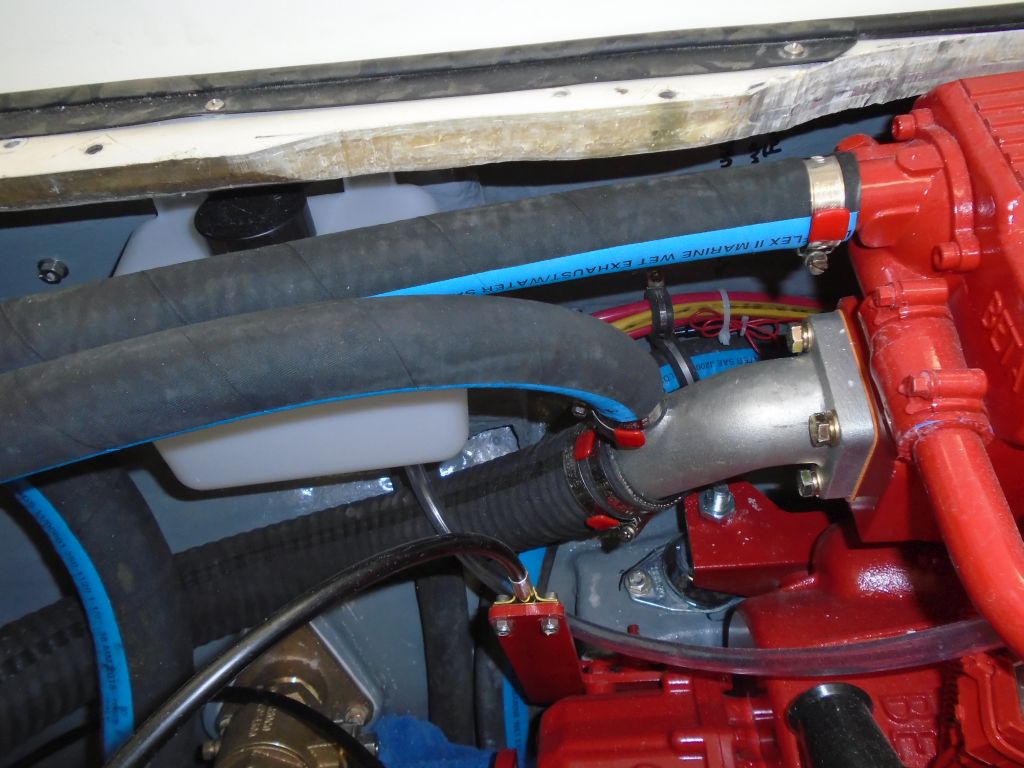
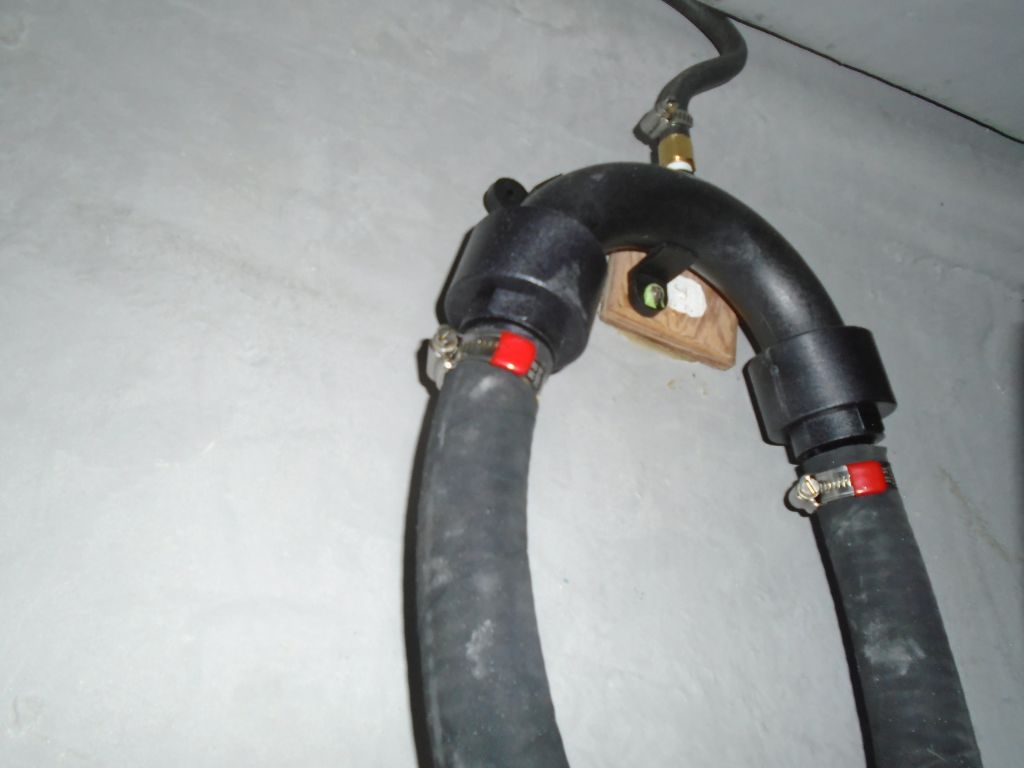
The replacement exhaust elbow arrived, and I installed it and cut the hose to length, completing that installation.   I’d been contemplating how (or whether) I could run a siphon break for the raw water injection line, but completing that would be for another day.  Space and access was at a premium.

Also engine-related, I installed the new Cutless bearing, securing it with two set screws as original (with a dab of sealant in the set screw holes to help hold them).

GE

I planned to lay out the self steering control lines next time so I could order any hardware required, so to prepare for that I installed the tiller.

GE

Total time billed on this job today:  7 hours

0600 Weather Observation:
45°, showers.  Forecast for the day:  showers and rain, high in the 50s

Aquasport 3

< Back to Aquasport

Monday

Now that the boottop primer was dry, I lightly sanded it, then solvent-washed to prepare for the topcoat.  For this, I chose a platinum gray paint that I had on hand from who knows what project, but I thought it would be a nice subtle color for this application.  Actually, the choices in this project were as much about what I had on hand and could use up as they were about final appearance.  The paint covered well, and later in the day I decided that the one coat was ample, so I removed the masking tape, completing the paint work on this boat.

Total time billed on this job today:  .5 hours

0600 Weather Observation:
32°, cloudy.  Forecast for the day:  occasional showers, clouds, high in the 40s
Salty 37

< Back to Salty

Monday

Preparing for the engine hatch modification to allow the hatch to clear the engine properly, I sanded the underside of the existing hatch, removing the factory finish from the edges to expose bare laminate, and scuffing the whole surface to prepare it for eventual paint later.  I also sanded the factory surface of the prefabricated fiberglass sheet I’d purchased to build the 1-1/2″ tall lip around the edge.

Although 1-1/2″ square prefab fiberglass was available, it came in awkwardly long lengths, and was more expensive in the end than the sheet of 3/4″ that I decided on, so my first step was to rip enough strips of fiberglass to build two layers (for the total 1-1/2″ height required) around the perimeter of the hatch.  The final width of the strips ended up at 1-1/4″, which kept them outside of the engine hatch fixing bolt holes.

With enough strips prepared, I laid out and cut the two layers required to wrap the hatch perimeter, staggering the joints between the two layers.

To clear the heat exchanger on the port side, which stuck out into the edge of the opening quite a bit, I laid out the two port strips as needed and marked and cut out a section in way of the heat exchanger.  I also double-checked the height of the new edge to ensure that it would properly clear the highest point on the engine; with the 1/4″ – 3/8″ downward projection of the engine hatch core, the height was right where it needed to be.

It would be much too difficult to laminate both layers to the hatch at once, so I started with one layer, glued to the hatch with epoxy adhesive and clamped into place.

GE

Late in the day, the first round of epoxy had cured enough to allow me to remove the clamps and install the second layer of 3/4″ edge banding on top of the first.

When the engine was shifted into reverse, the lever on the transmission actually contacted the U-shaped aft edge of the engine foundation.  This is the sort of thing that’s hard to know might happen in advance, but the other side of the foundation had been similarly cut to accommodate the lever on the old engine (which had been to starboard, not port), so I suppose I should have known.  With the engine still loosely secured on its mounts, the lever could push down and actually move the engine over a little, but that wouldn’t happen once the engine was properly secured, and in any event wasn’t an acceptable condition going forward.

With a saw, I cut away some of the foundation to allow the transmission lever the clearance it needed for reverse.  Though the cut was small, access was a challenge, and there was no good way to arrange myself and the saw down in the depths, but it had to be done whether it was easy or hard.  Of greatest concern was the requirement to avoid damaging anything else in the tight confines.

Although I awaited a replacement standard exhaust elbow for the engine, I could move forward with other portions of the exhaust system, namely the final length of hose and the waterlift muffler.  With a length of hose pre-attached to the outlet side of the muffler, I could connect the other end of the hose to the gooseneck fitting inside the transom.  With difficult access, a poorly-installed gooseneck that forced the hose nipple too close to the hull, and a slightly oversized barb on the connector, getting the new hose on was extremely difficult, but eventually I succeeded.

Leaving an extra length of hose for eventual connection to the engine elbow once it arrived, I made up the other end of the muffler as well, and would finish up the final installation as soon as the new part arrived.

GE

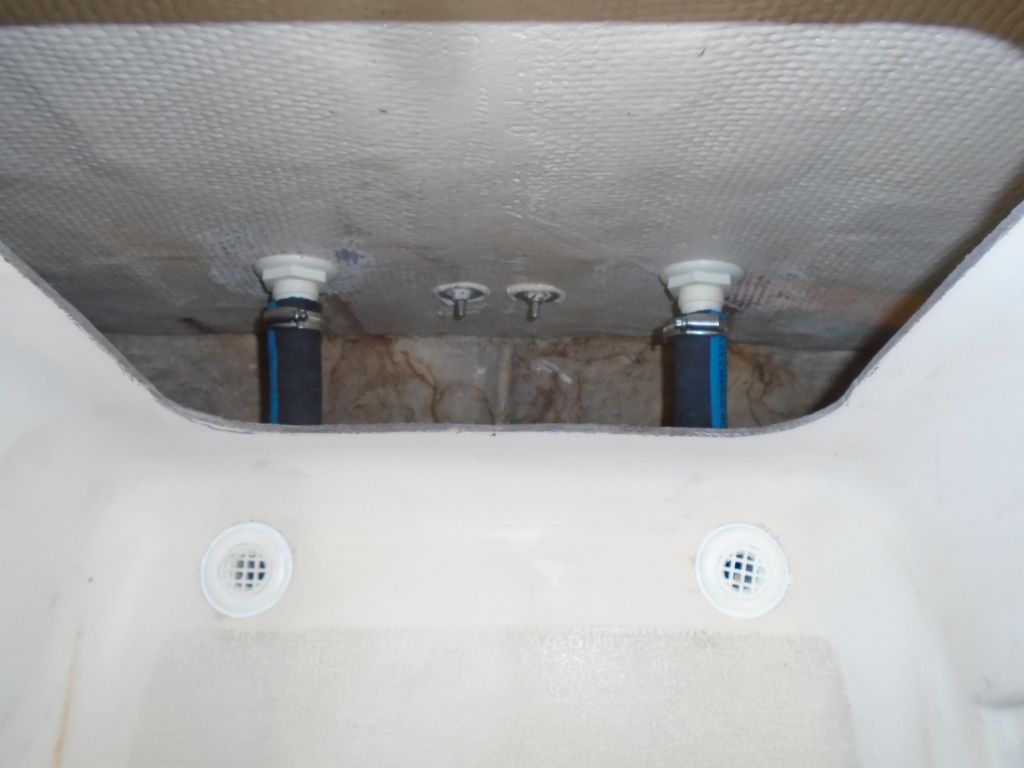
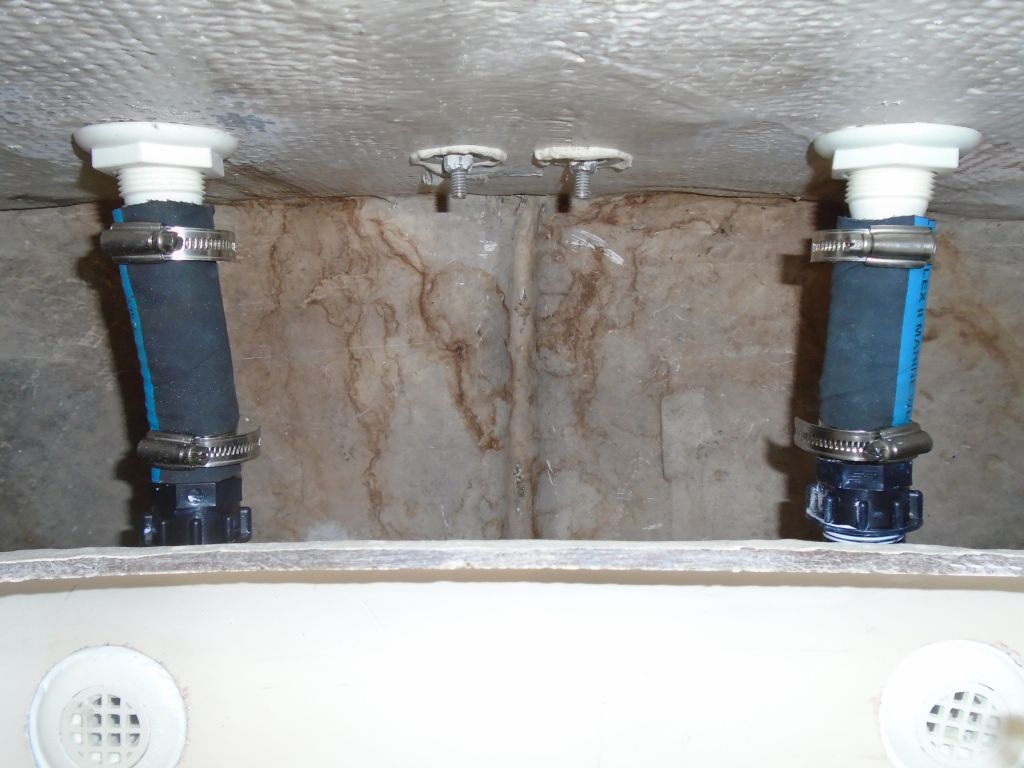
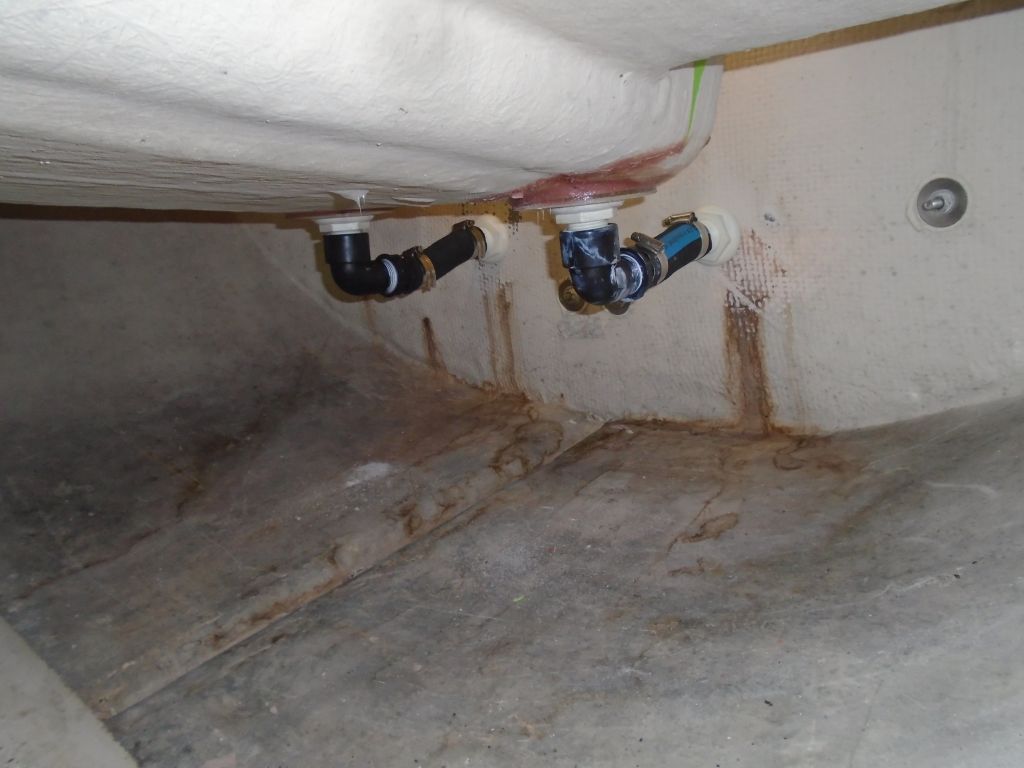
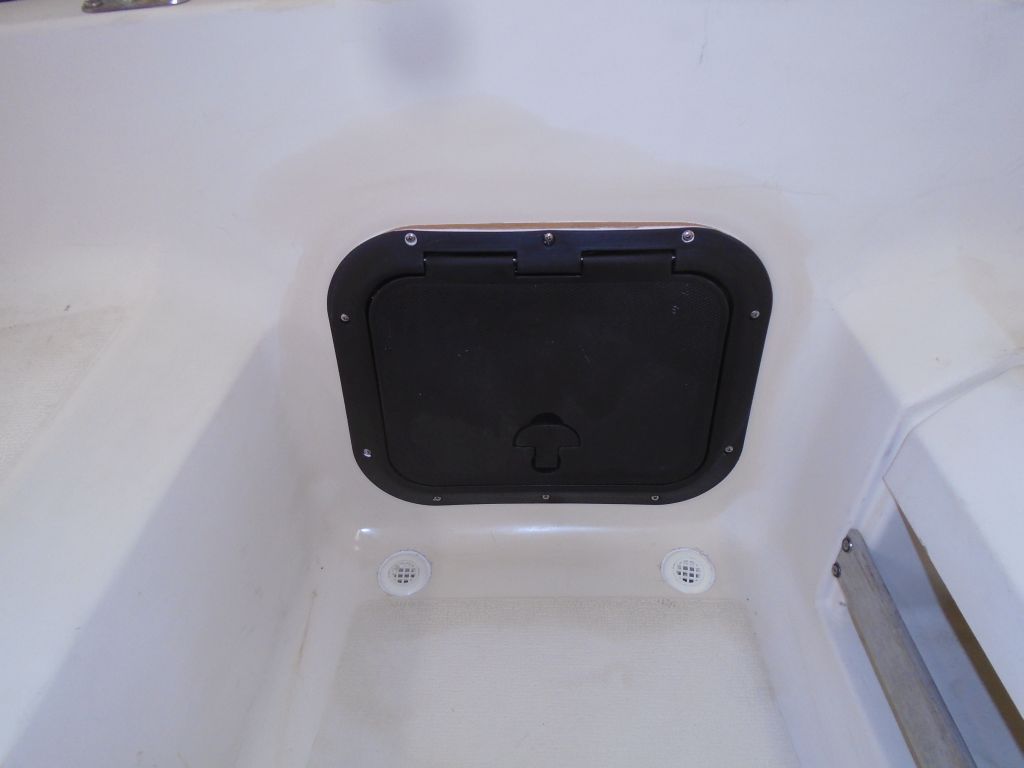
Meanwhile, I decided there was nothing to be gained by leaving the scupper hoses off any longer, so I cut the lengths as required and installed the new hoses.

In the cabin, I oil-finished the teak mounting block for the RAM electronics mount, and, later, installed the mount base on the studs.

The owner had ordered a stereo and speakers, which arrived now, and I went ahead and installed the speakers in the chosen location, just aft of the settee back locker on each side where I’d previously run speaker wire.  The stereo also came with a remote USB plug and headphone jack, which I installed in the angled electronics panel, leading the cables forward to where the stereo would hook up.  I decided to wait on installing the stereo control unit in the panel till the VHF radio arrived later in the week, so I could make both installations at one time.

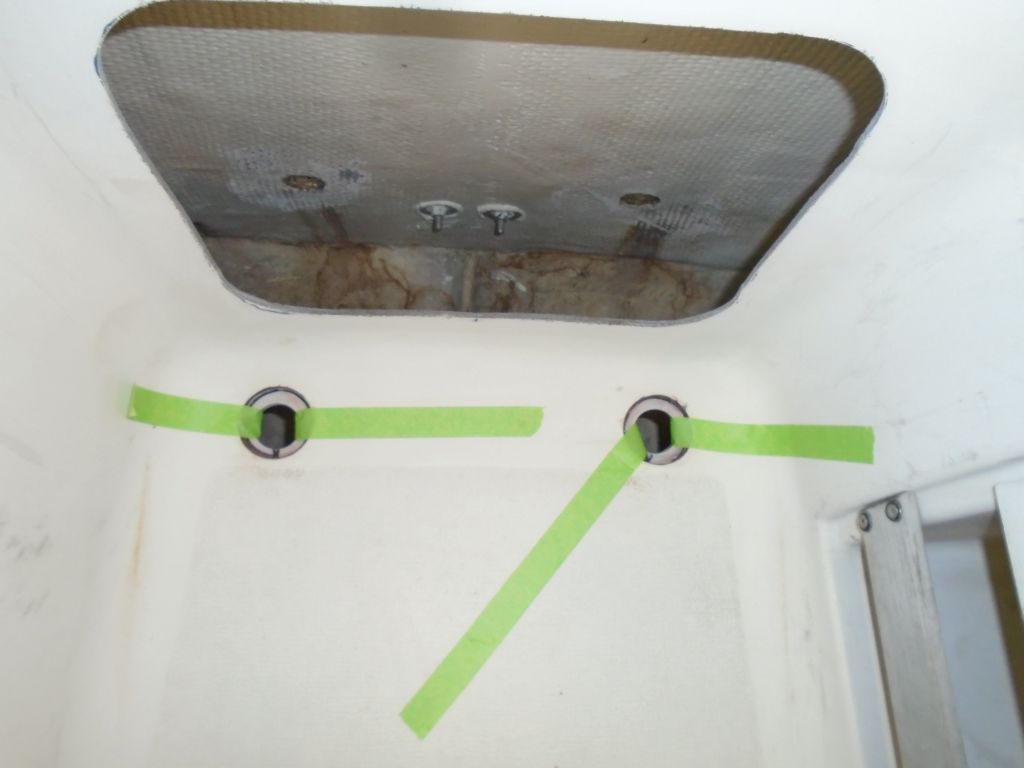
Preparing ahead for the eventual installation, at some later date, of an antenna or two at the stern, I prepared openings for two cable clams to run the wires and their connectors through the deck.  In the usual way, I prepared the fastener locations by removing core material with a larger bit and filling the void with epoxy, leaving this to cure overnight.

Total time billed on this job today:  7 hours

0600 Weather Observation:
32°, cloudy.  Forecast for the day:  clouds, occasional shower, high in the 40s
Older posts Newer posts