
(page 129 of 168)

Inspection Report


<Back to Scupper

Initial Photos, Inspection, and Comments

Bottom:

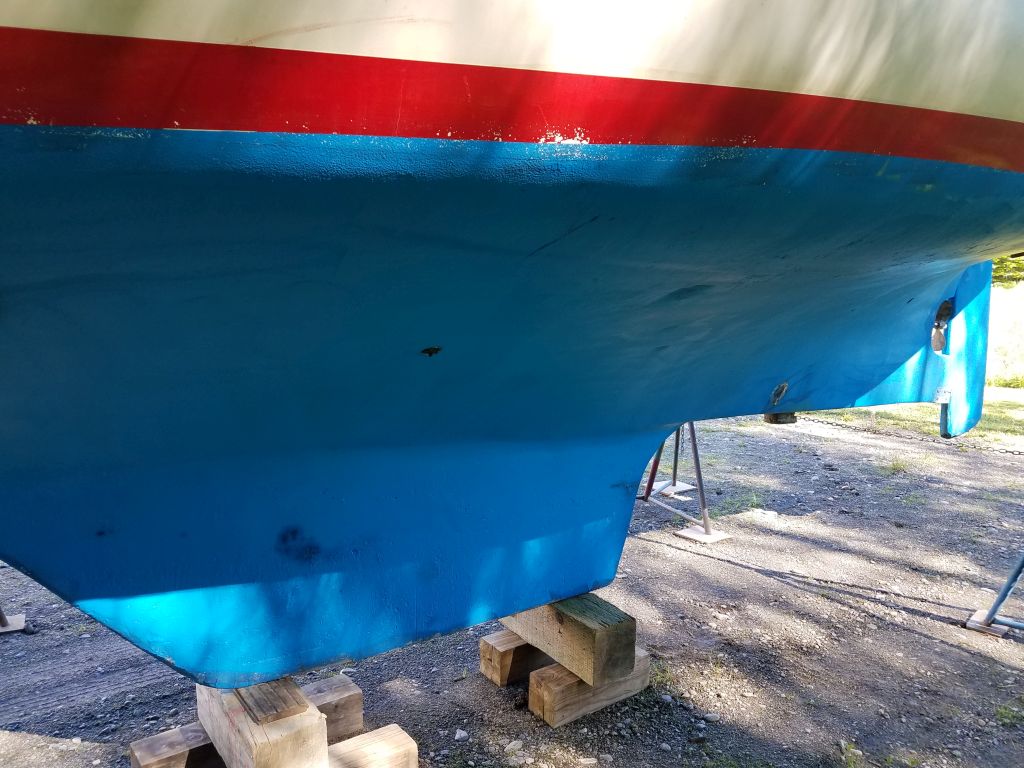
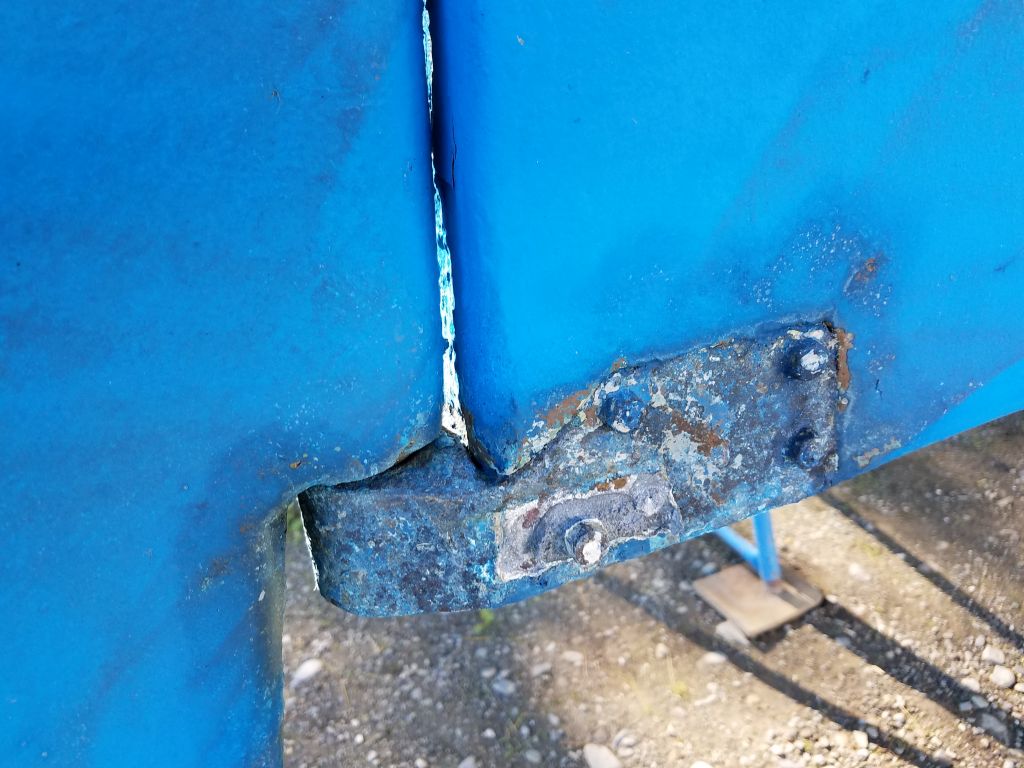
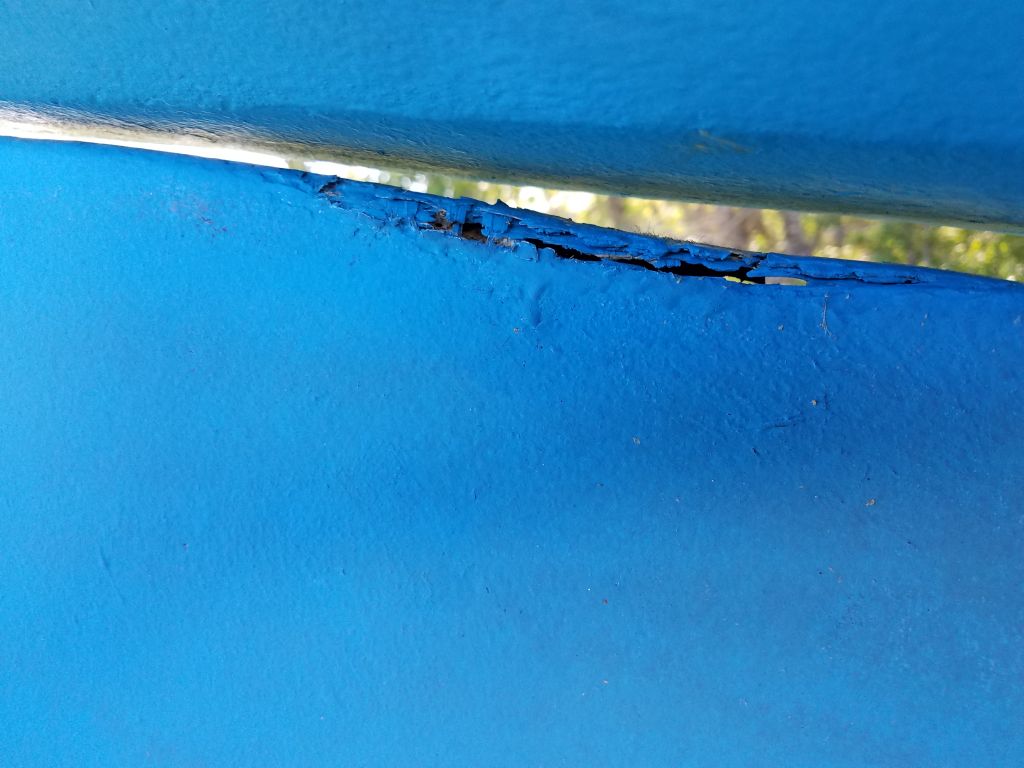
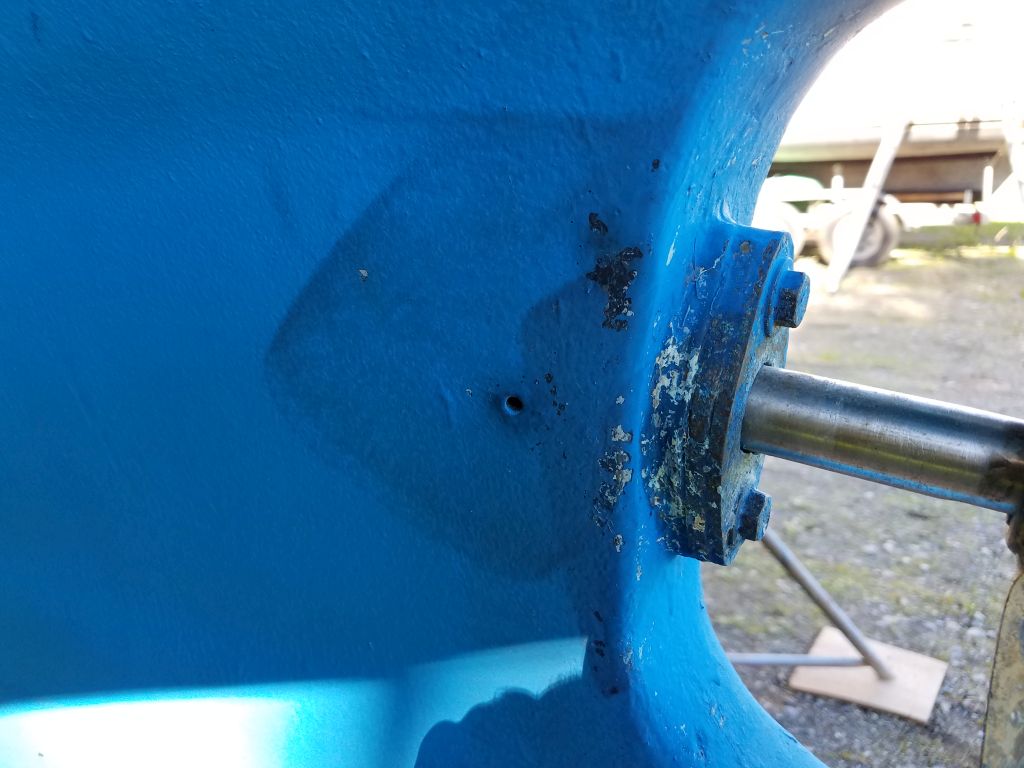
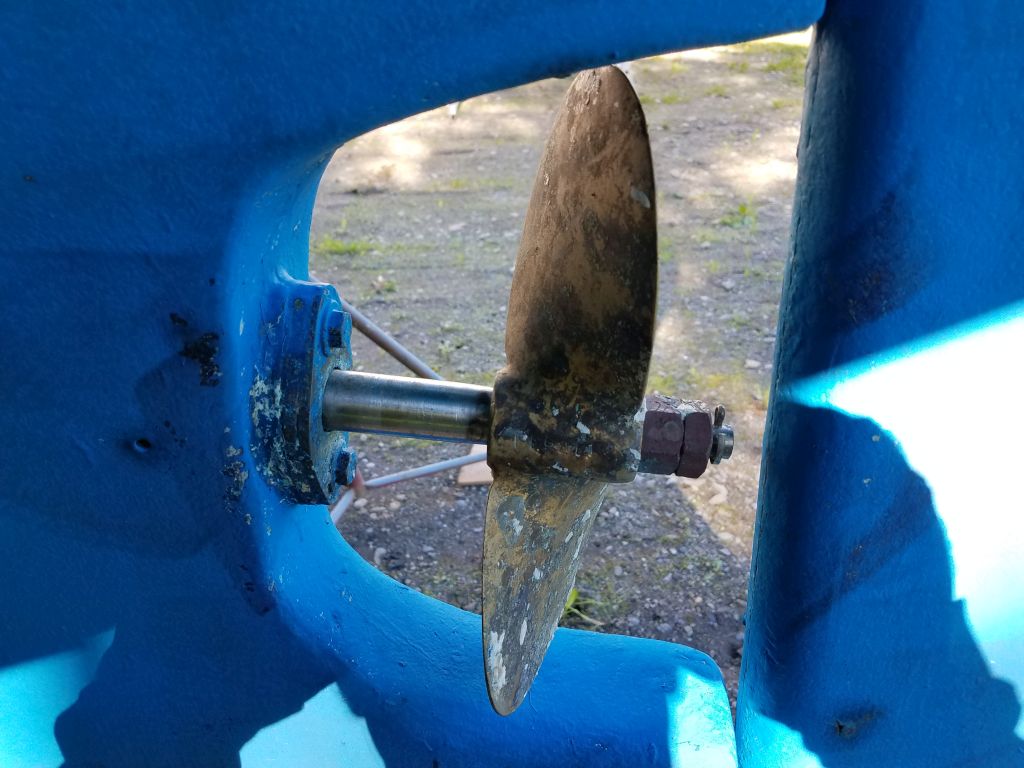
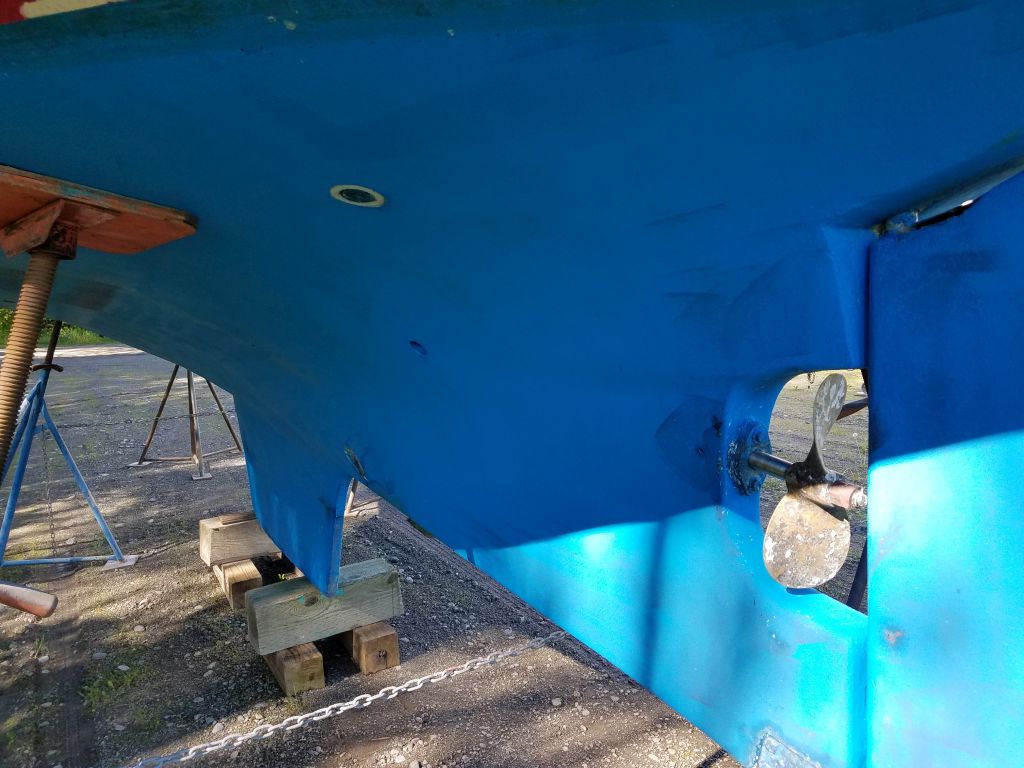
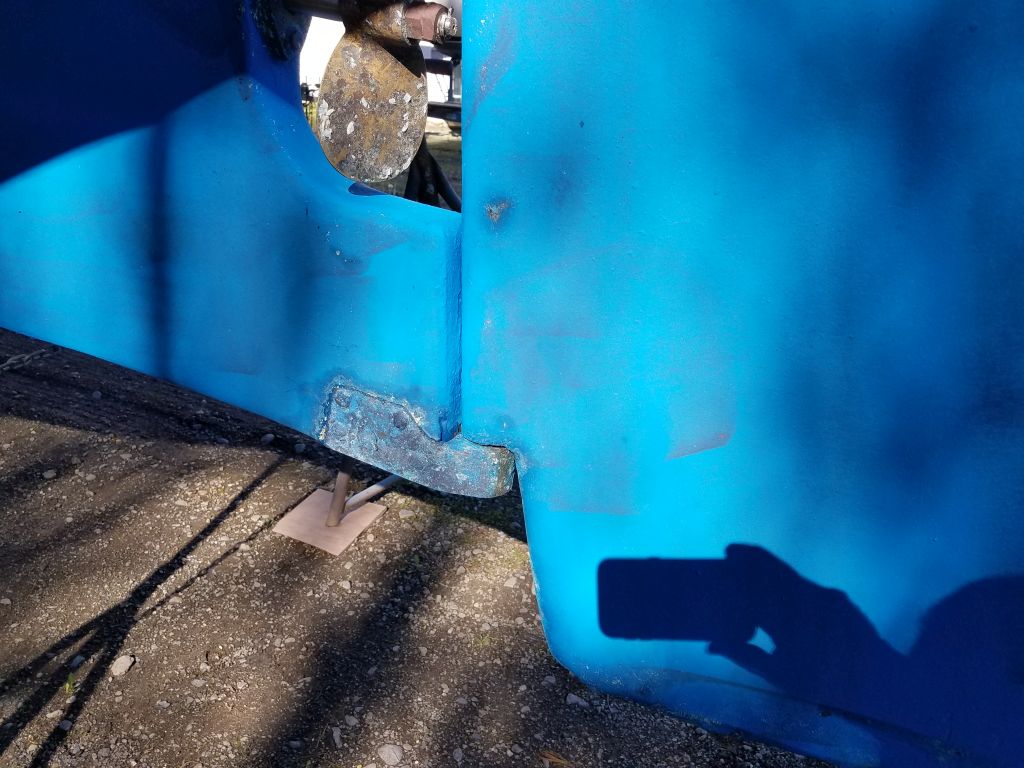
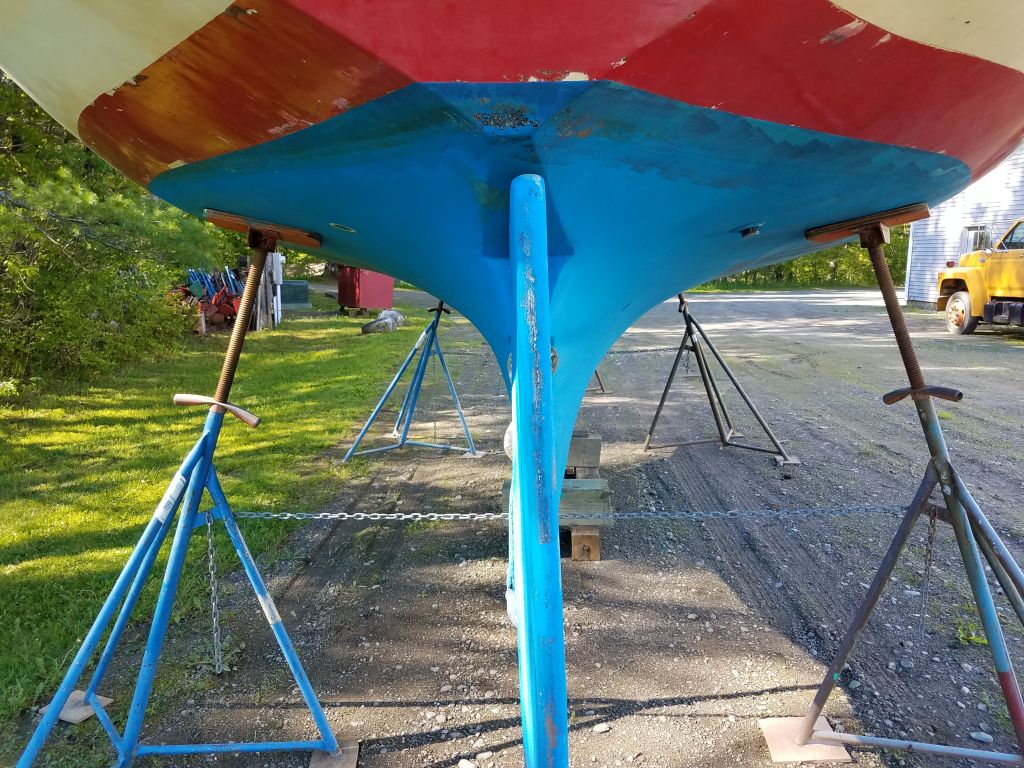
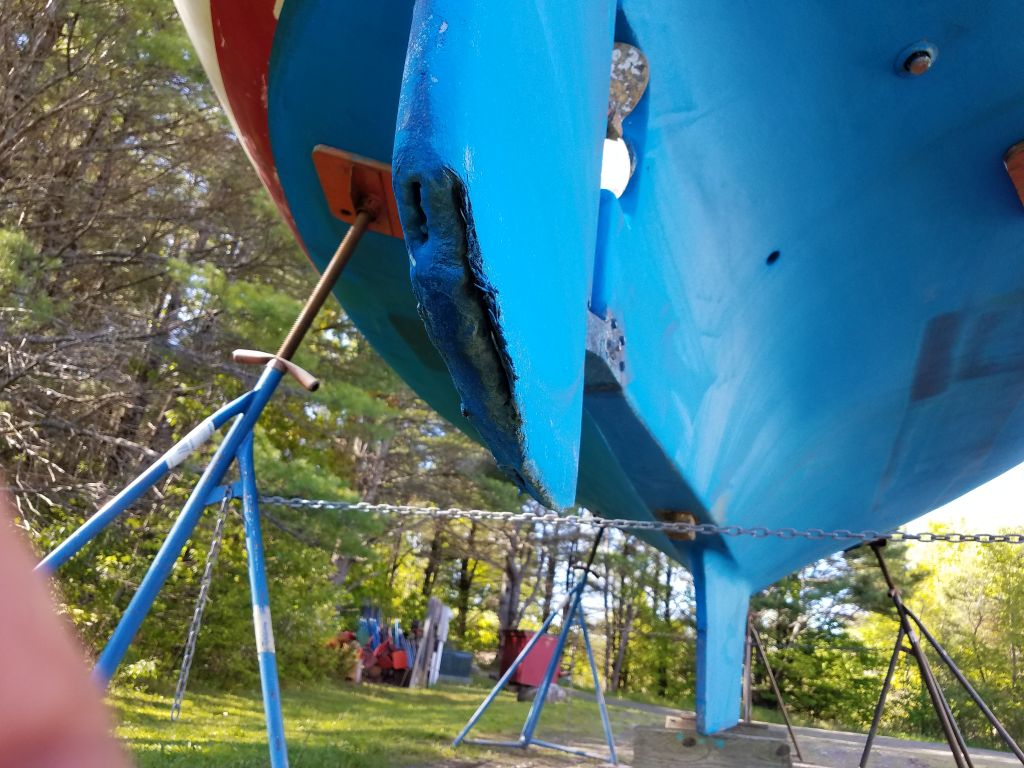
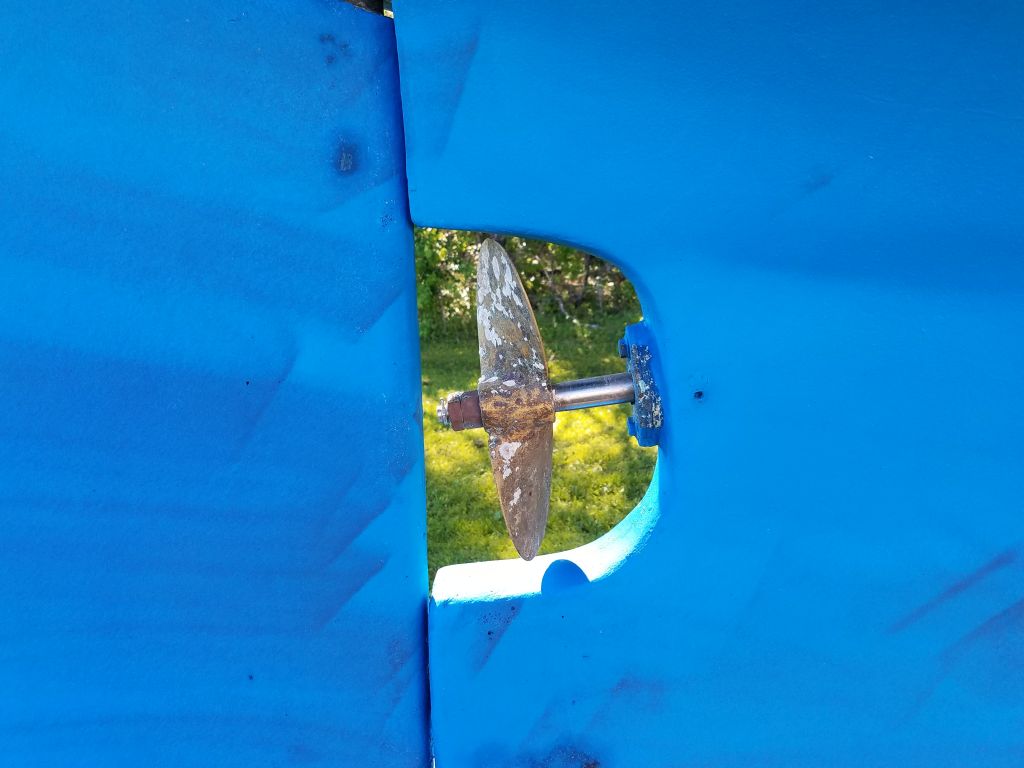
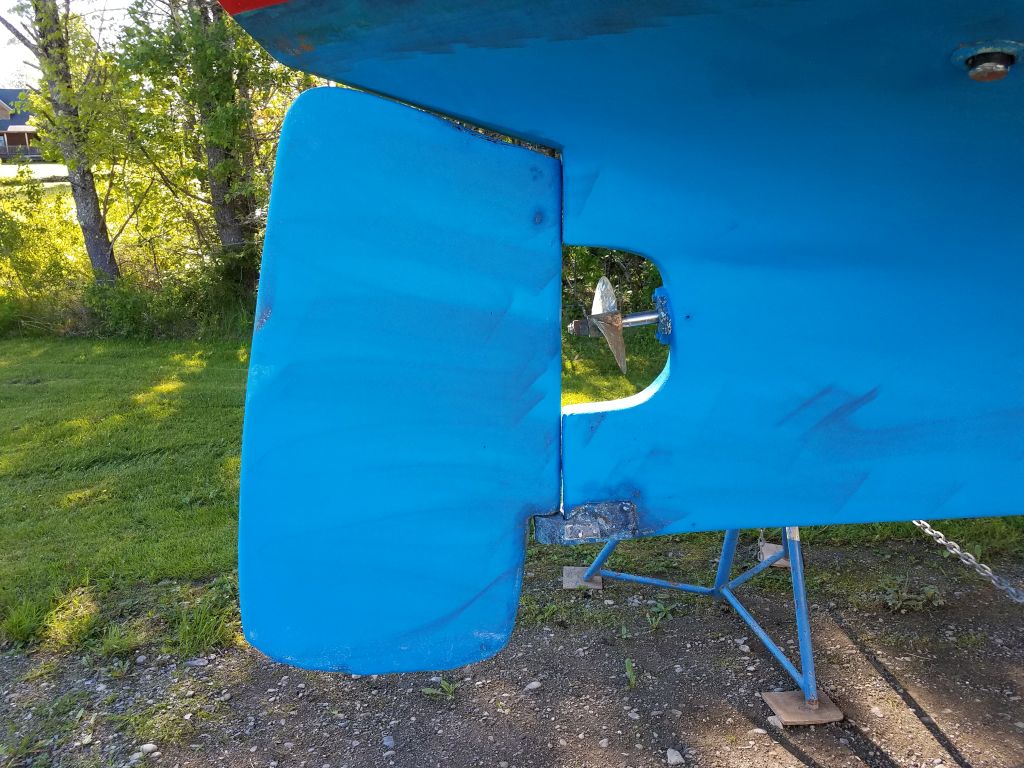
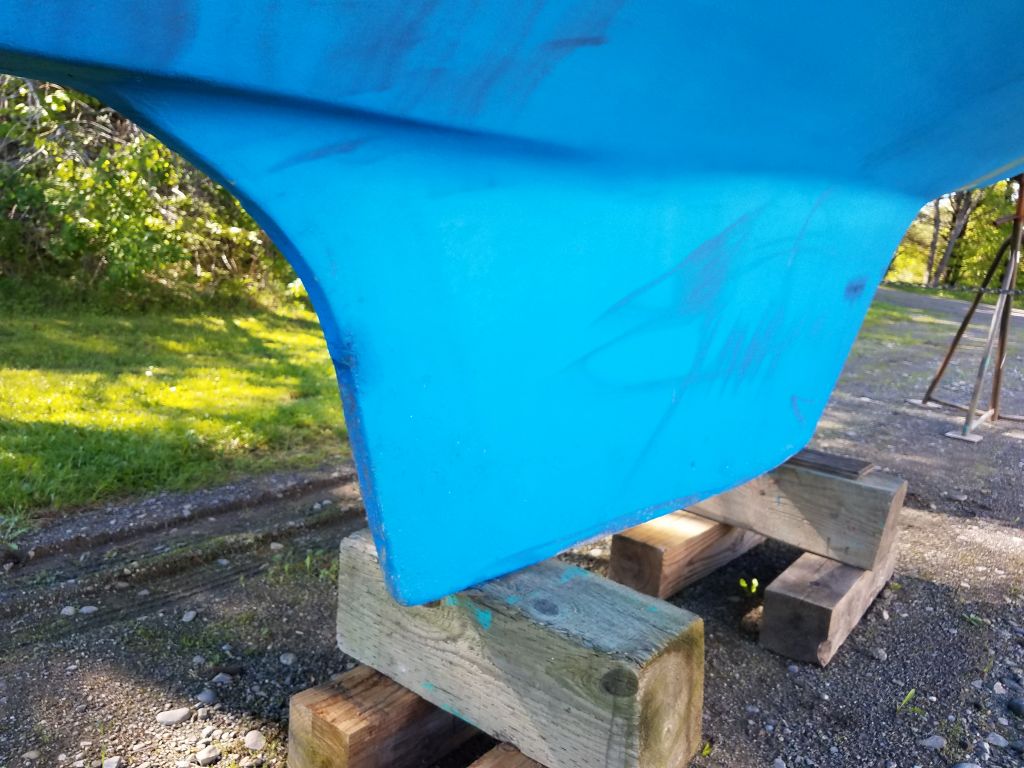
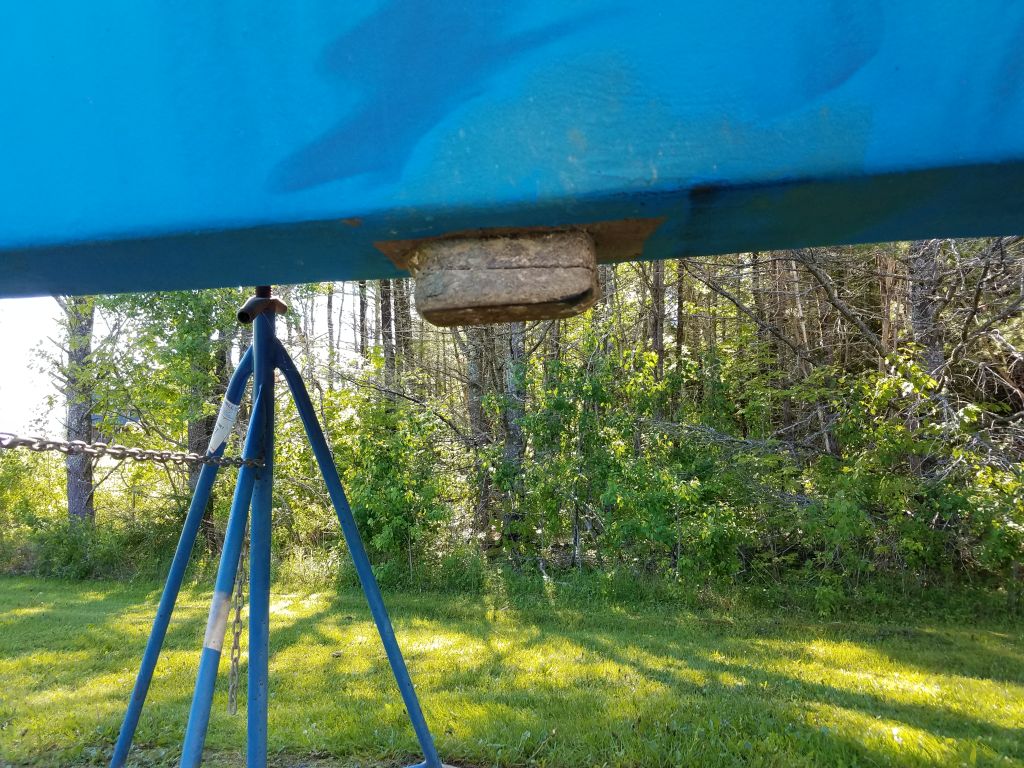
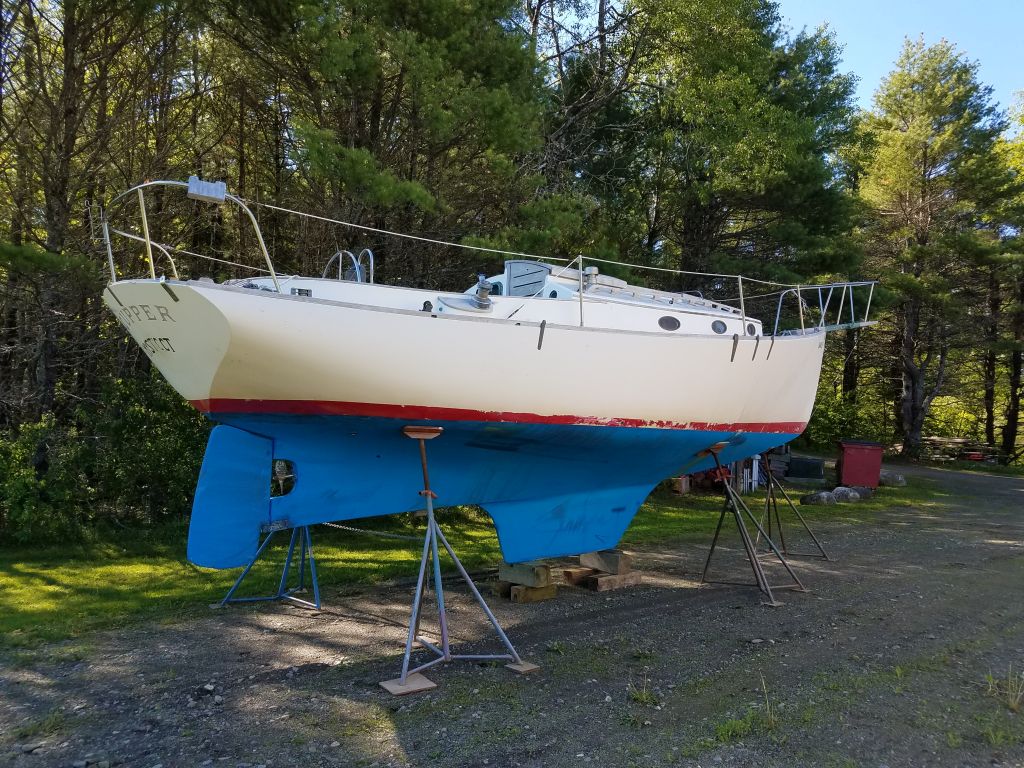
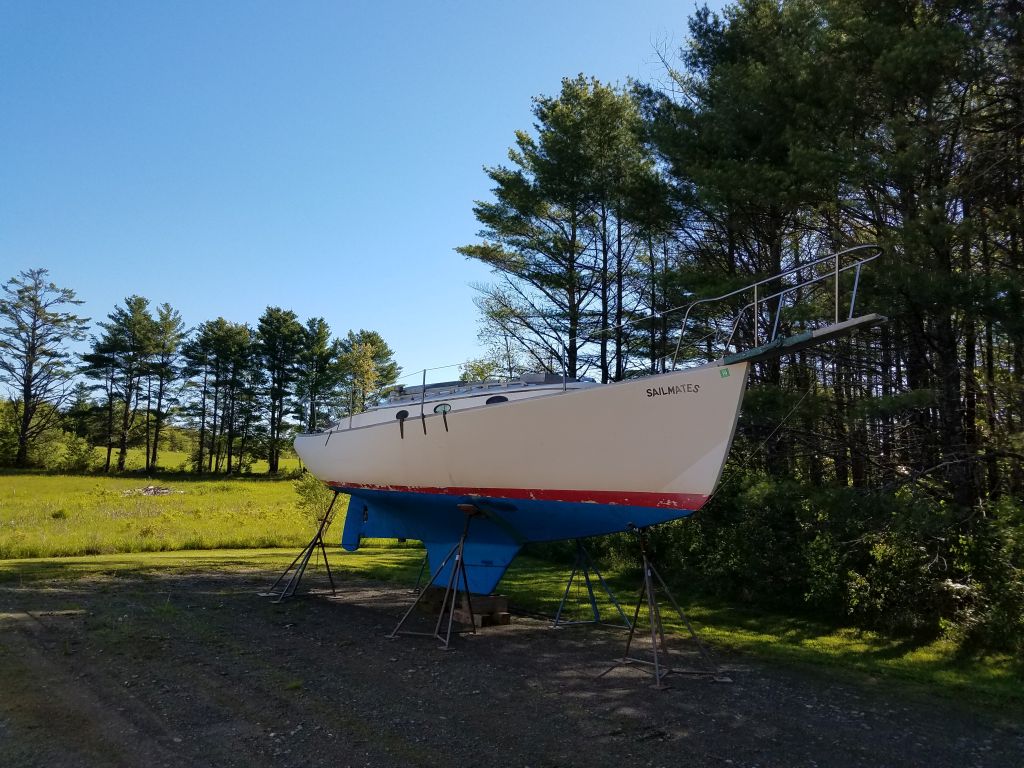
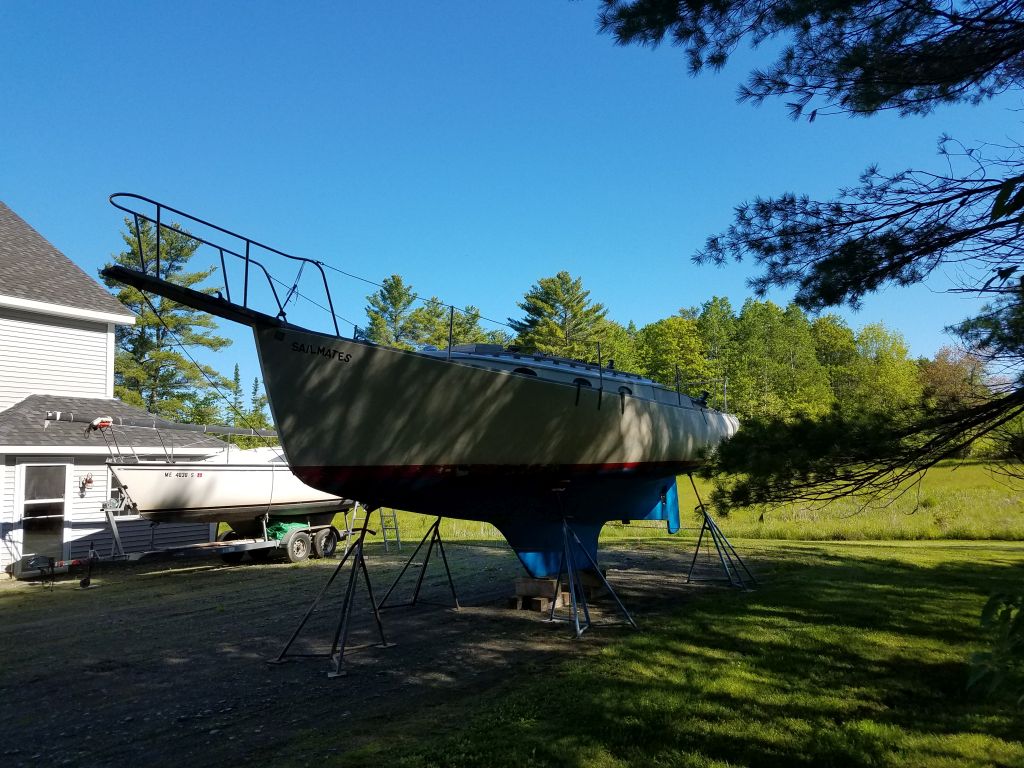
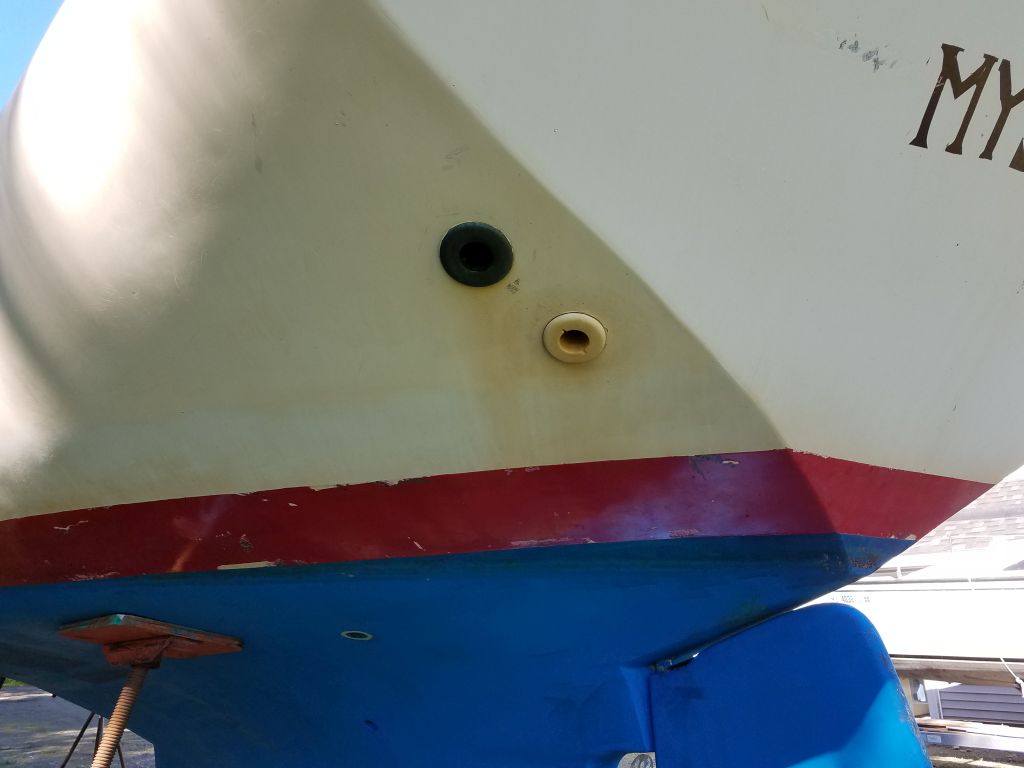
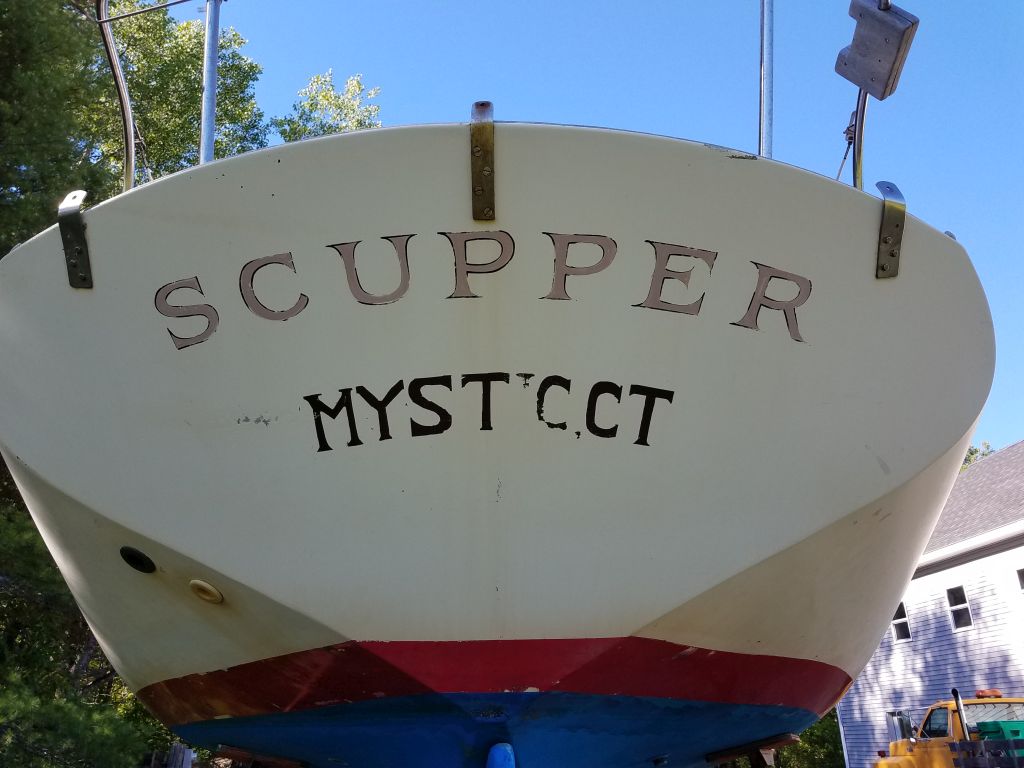
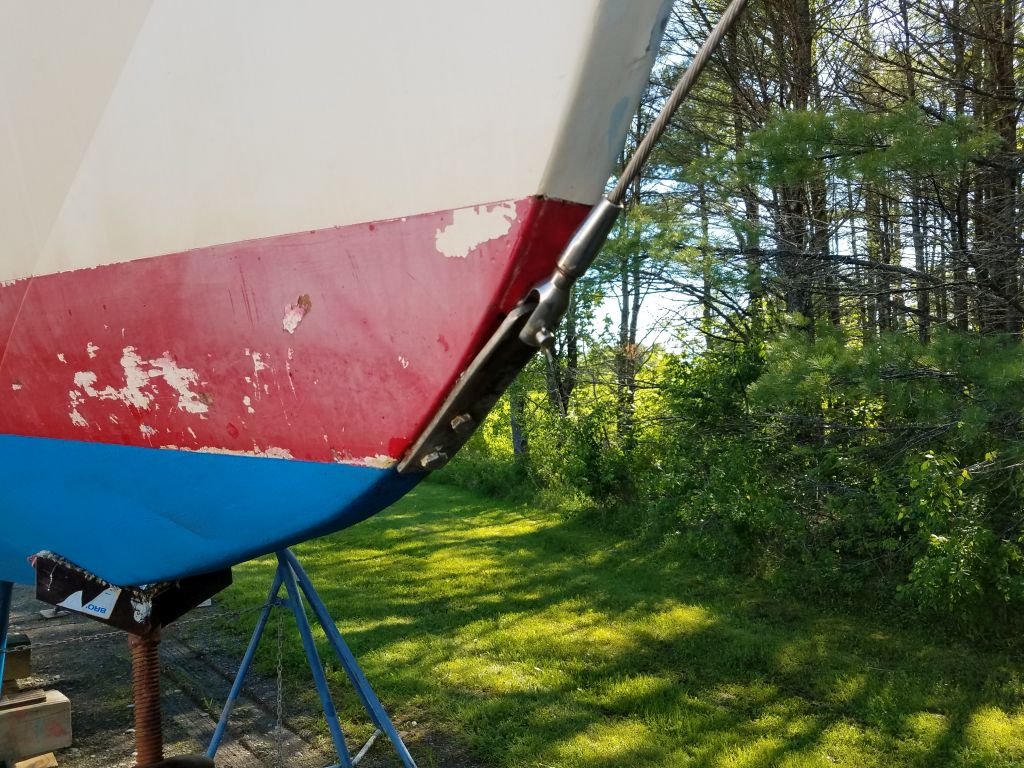
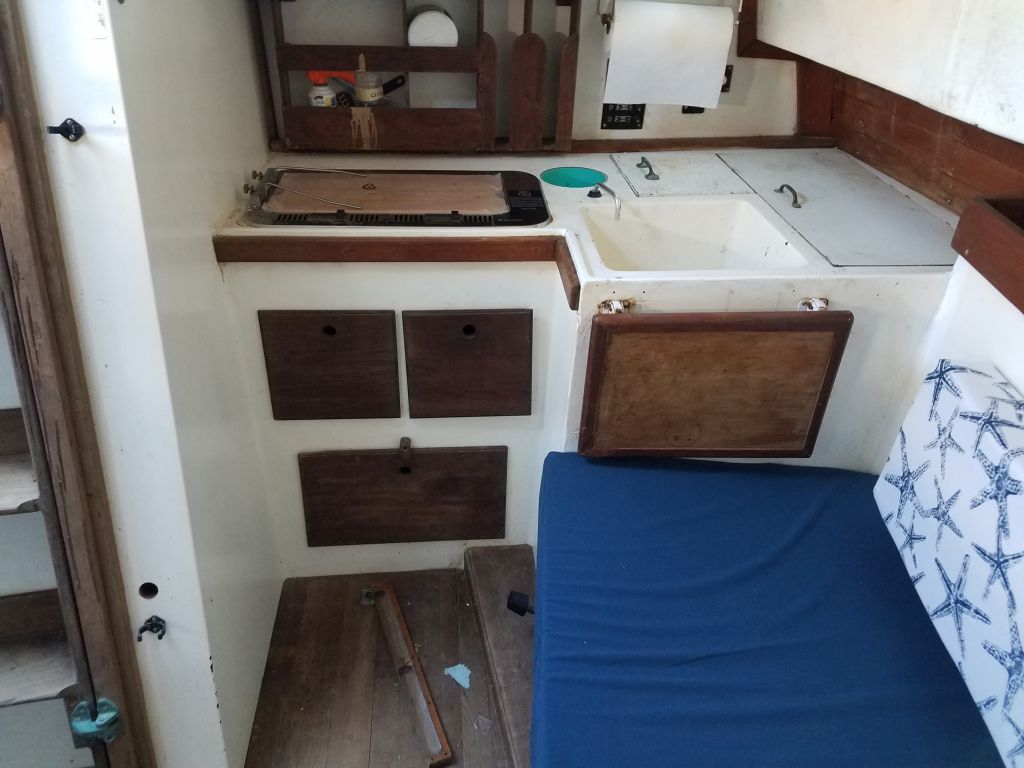
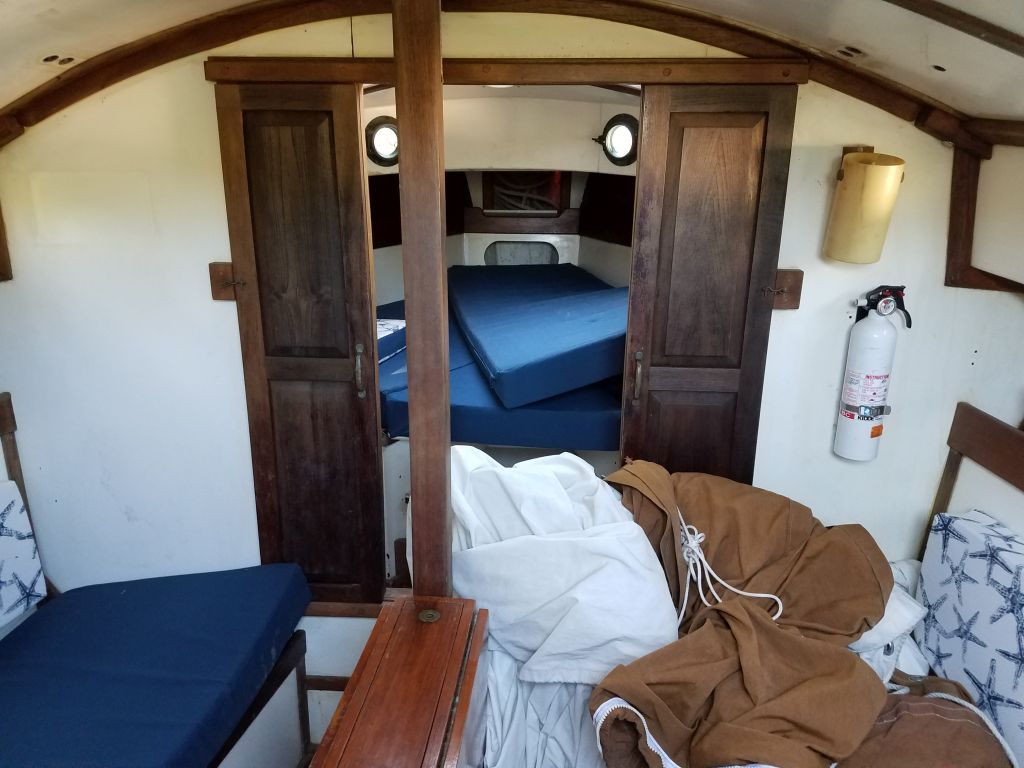
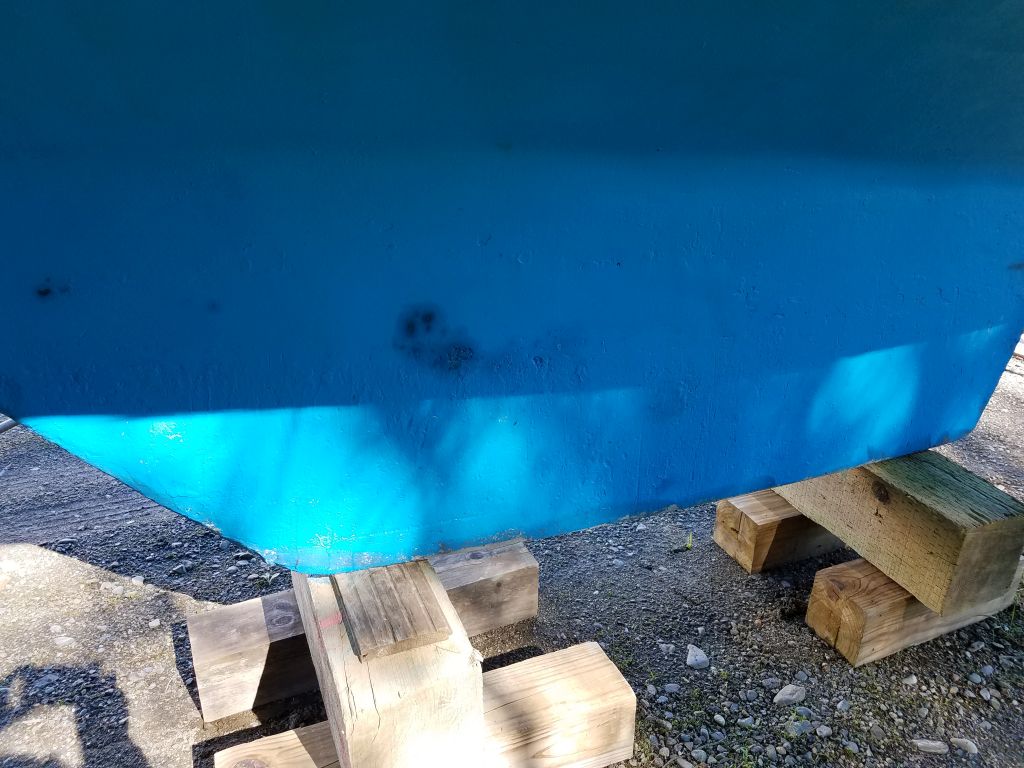
The bottom looks to be in pretty good shape, at least as far as the outward appearance.  The bottom paint is sound and not overly thick, and there are no obvious signs of damage visible through the paint.   The rudder has some issues top and bottom and will require attention.  The propeller aperture is very small, and enlarging it may prove to be desirable or required depending on the course we choose with the engine.  Stripping the bottom will help determine whether there are any underlying issues, but isn’t strictly necessary either.

 

Topsides:

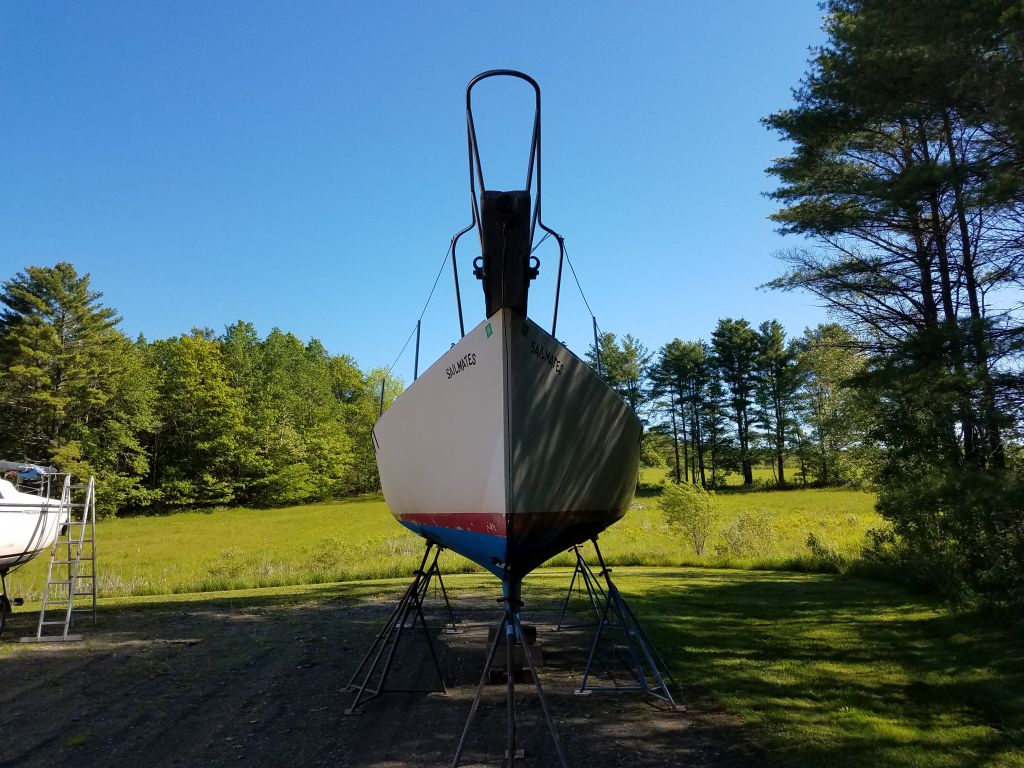
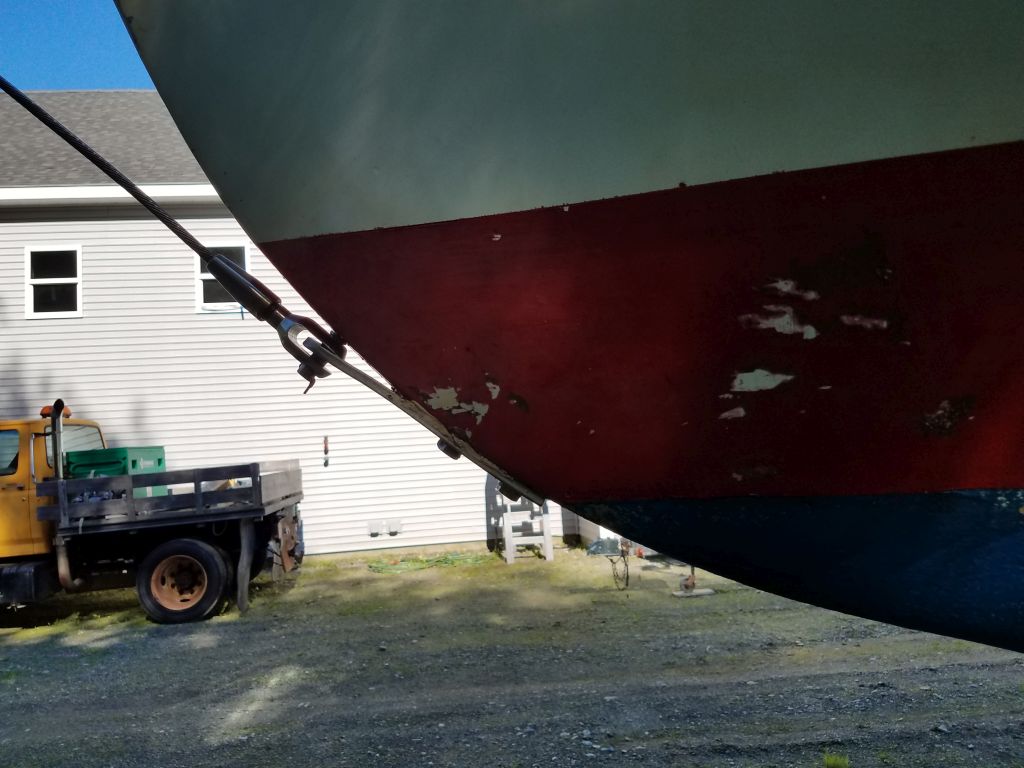
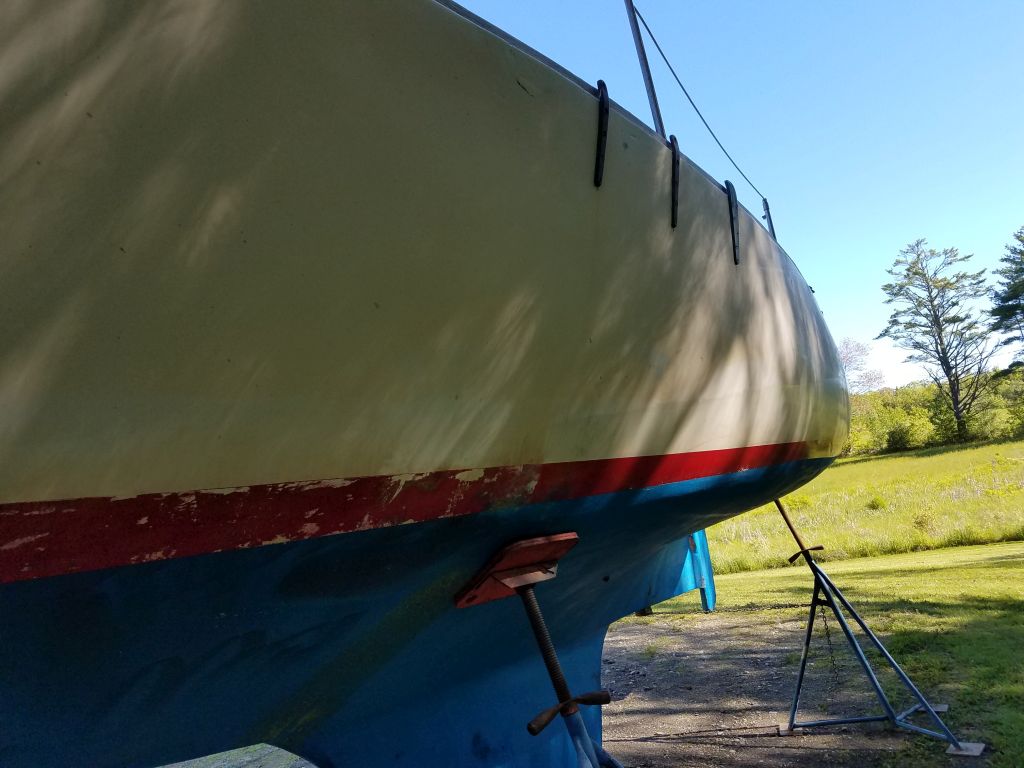
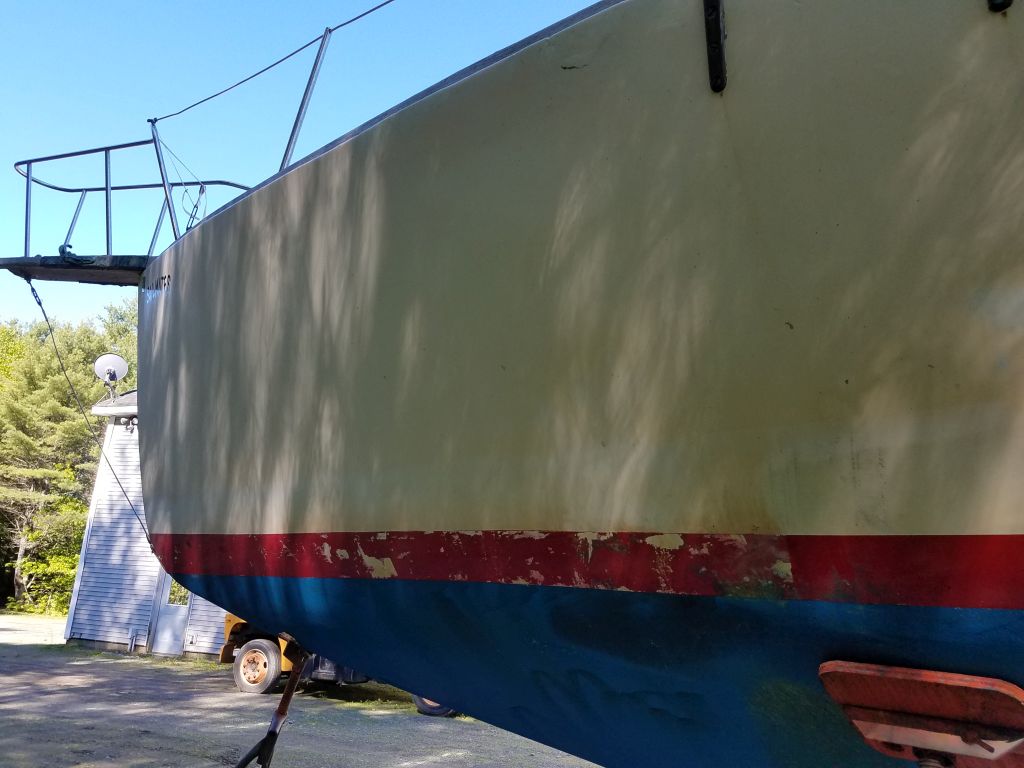
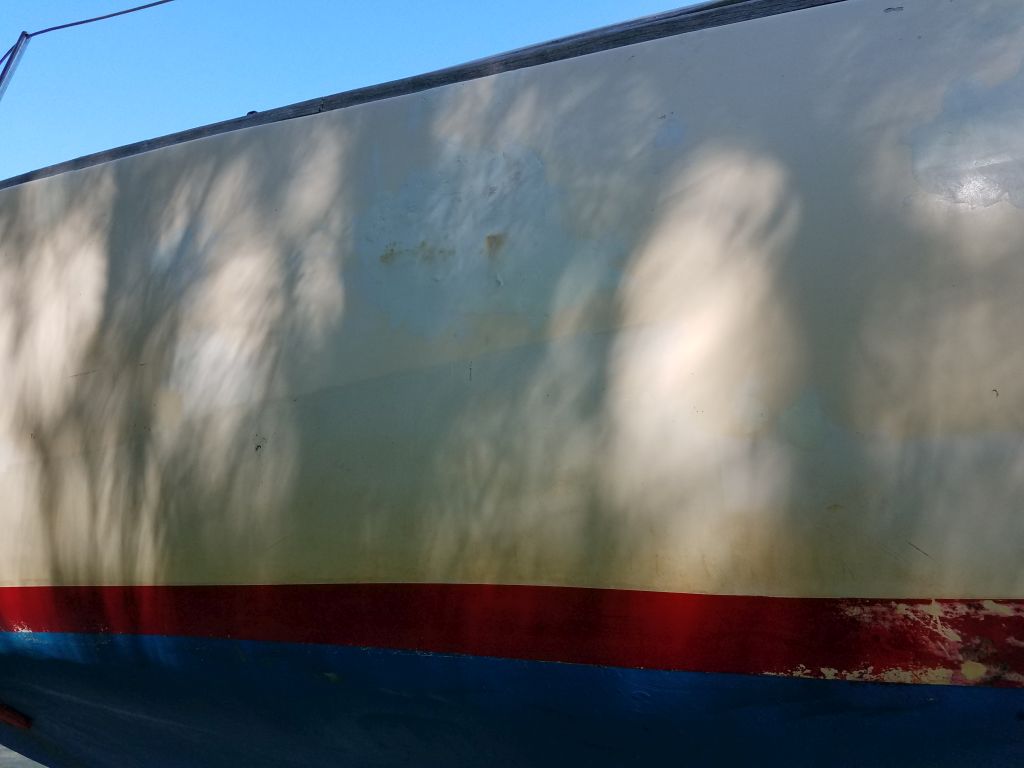
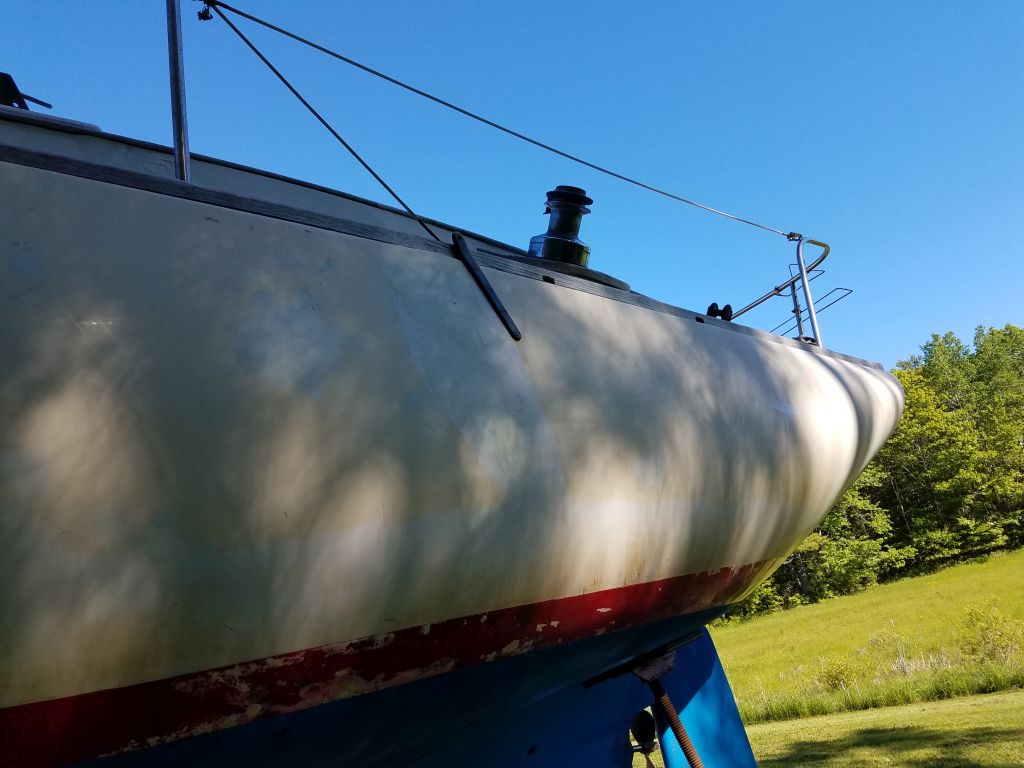
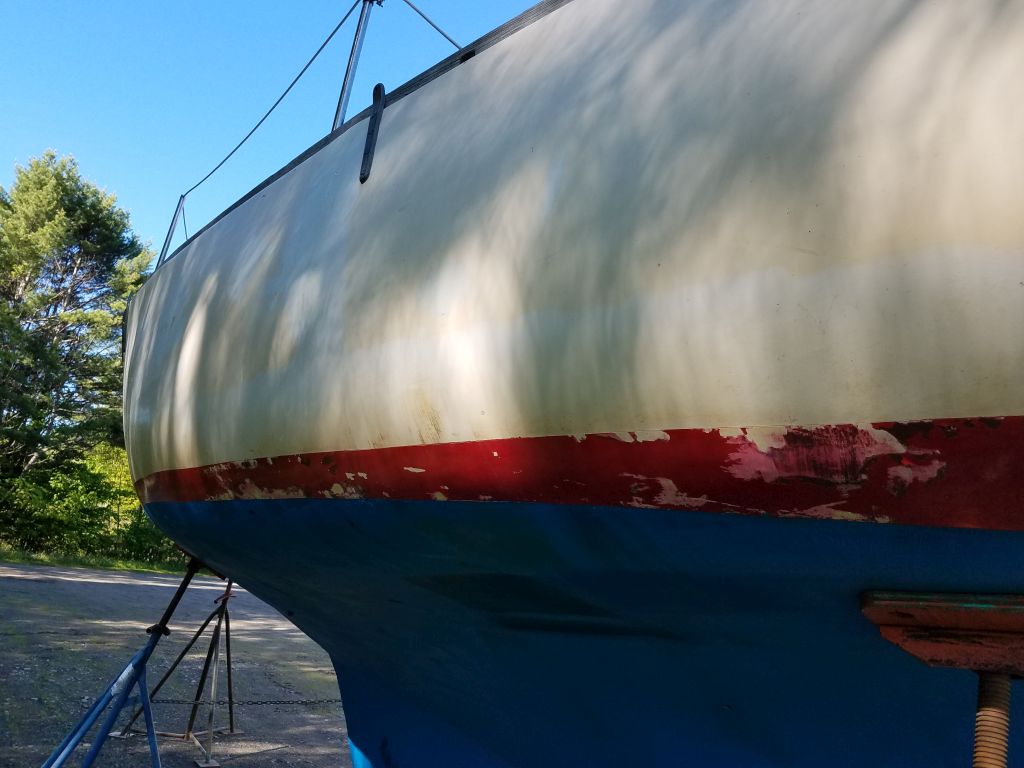
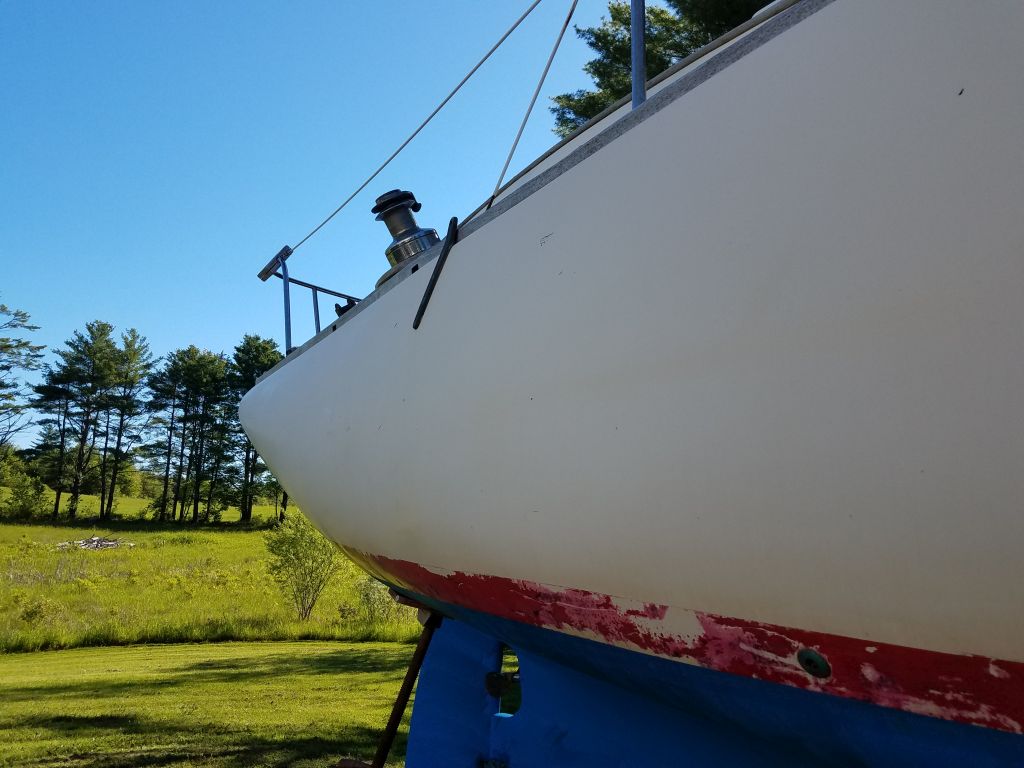
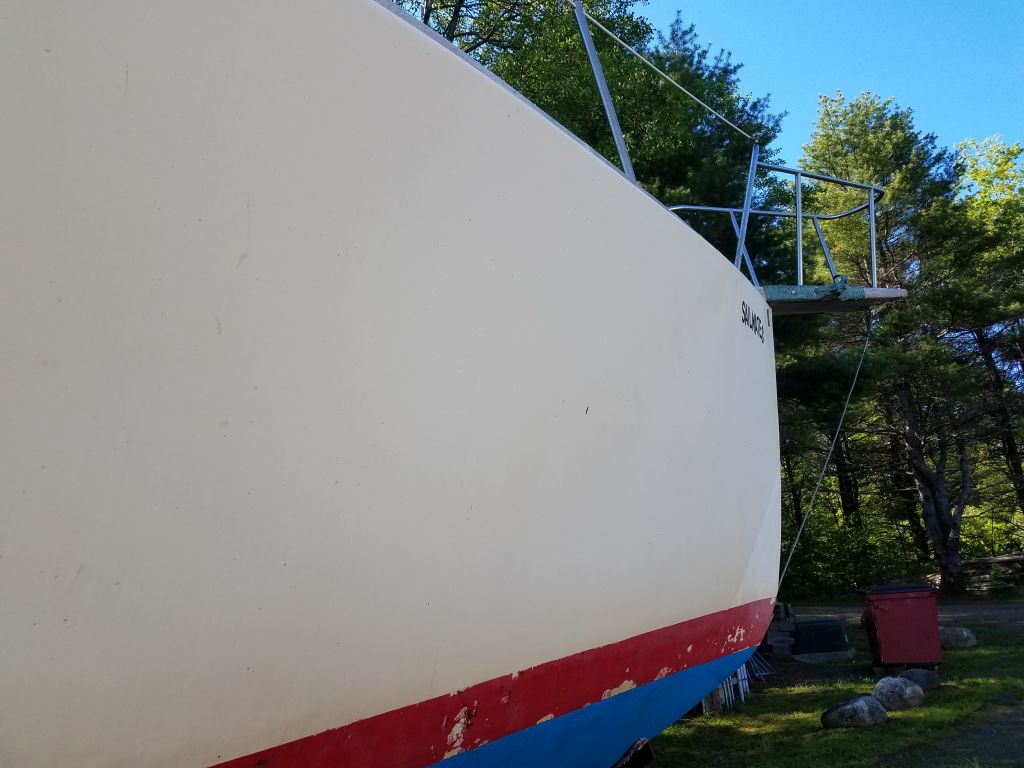
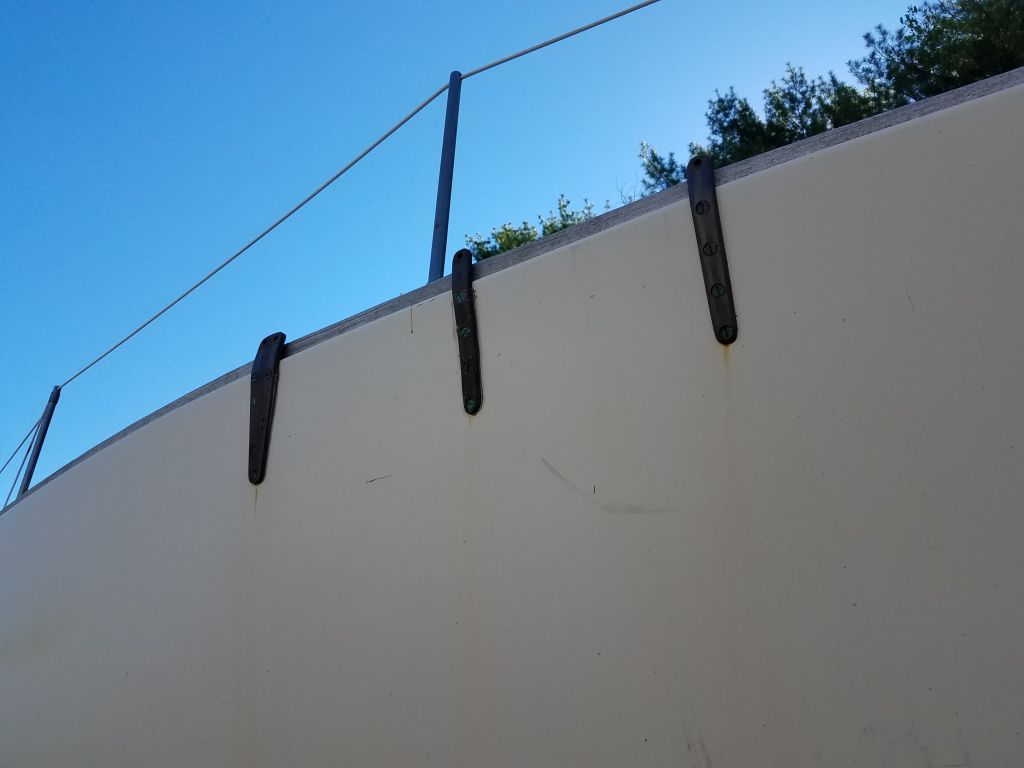
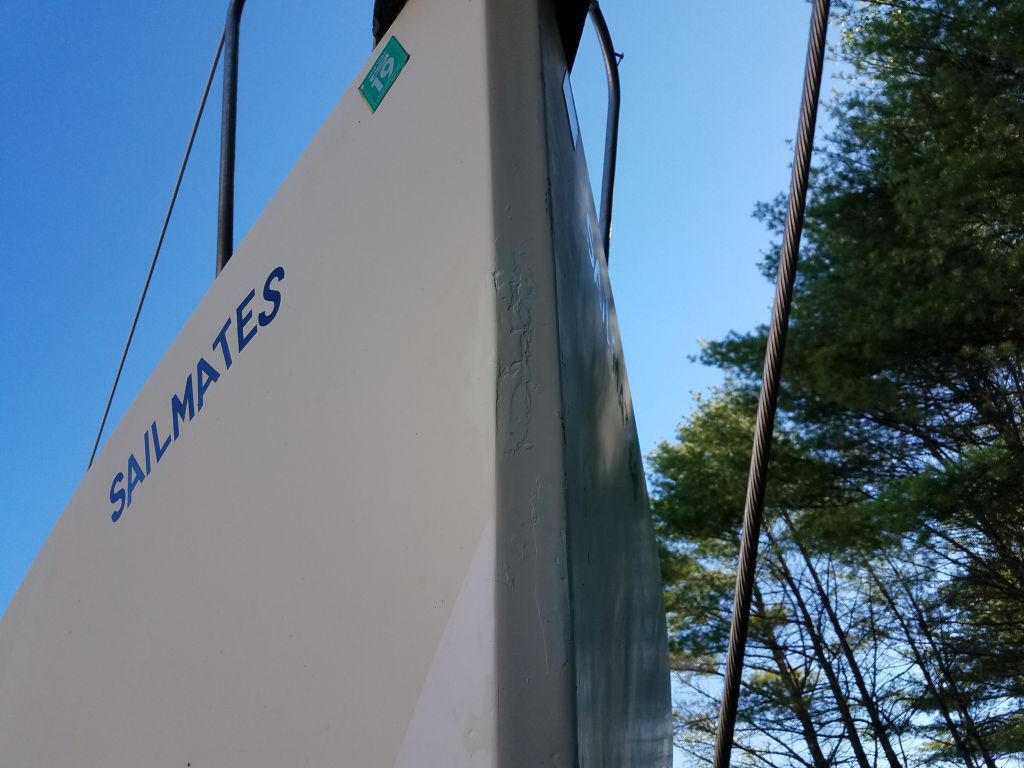
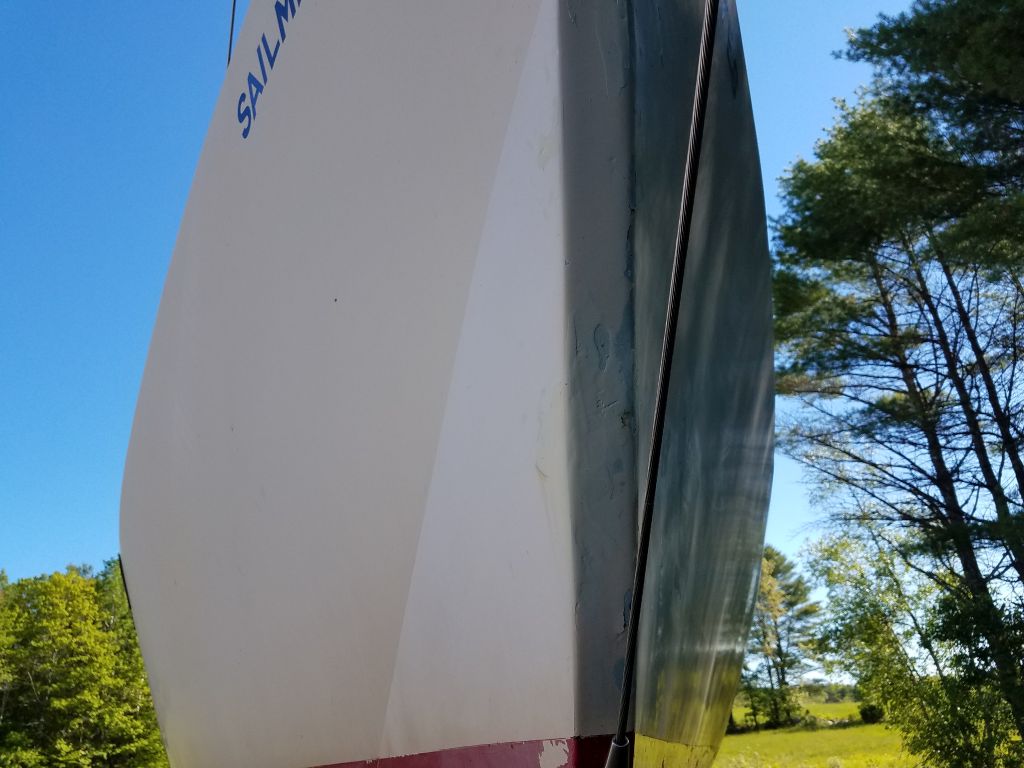
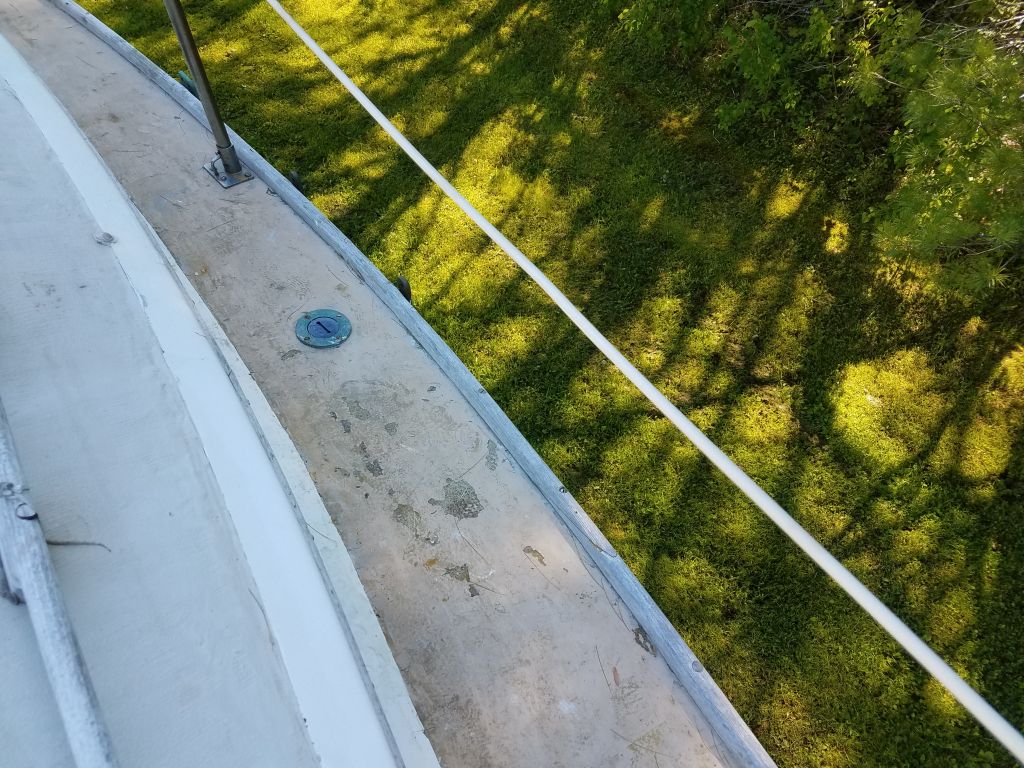
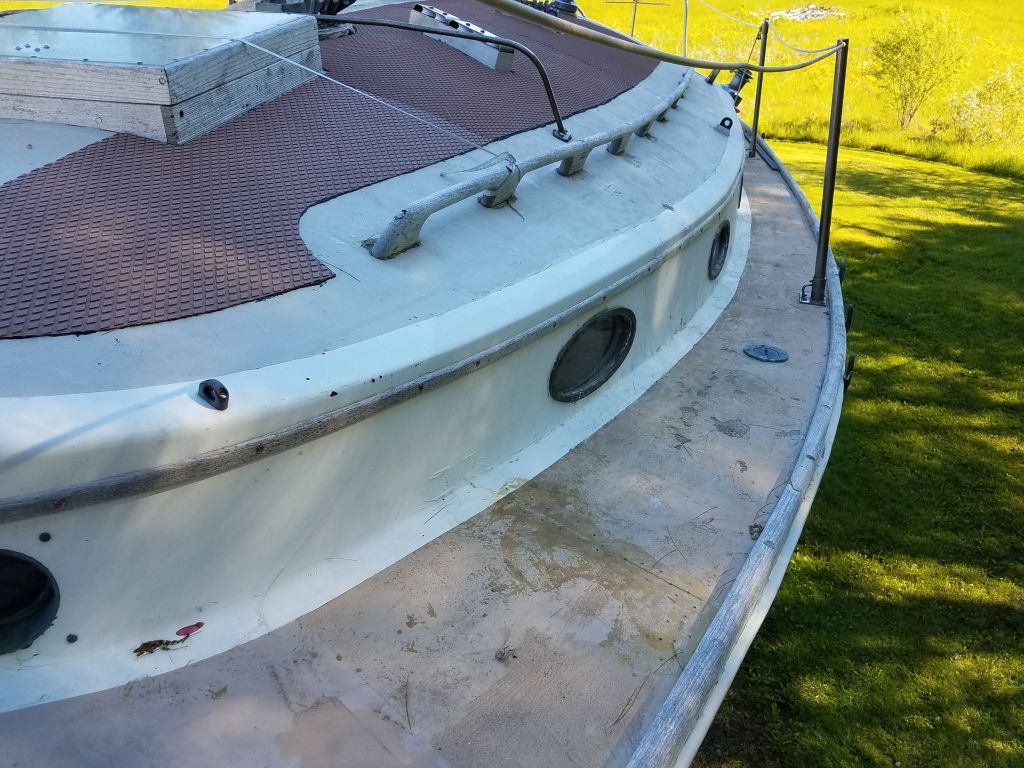
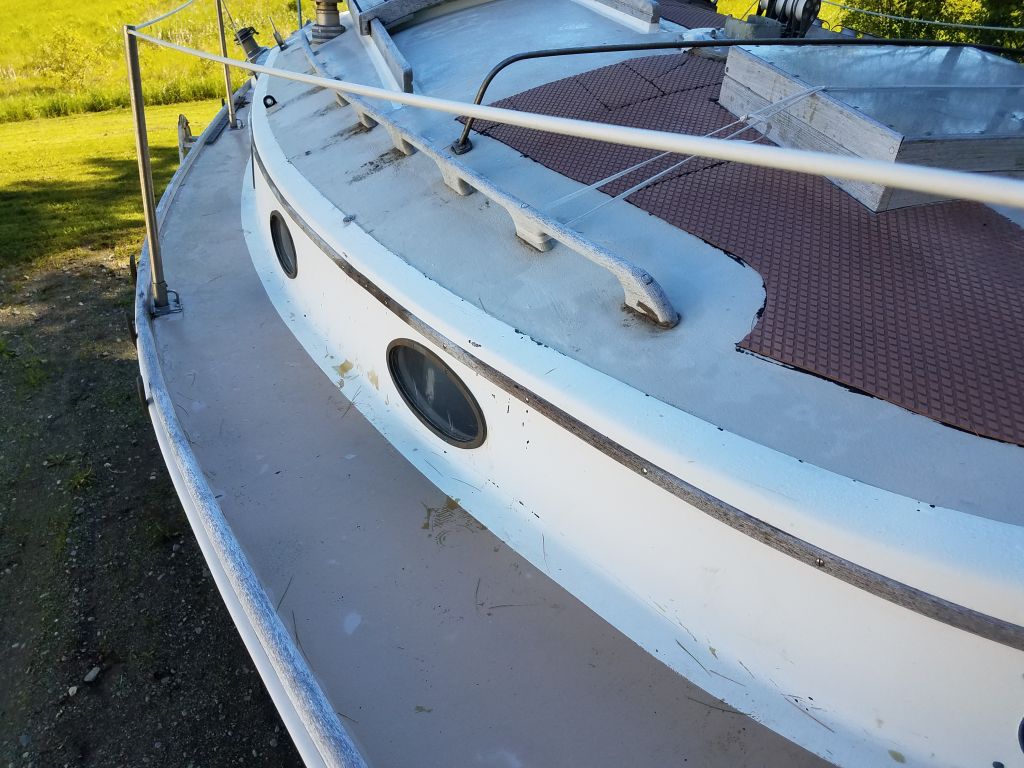
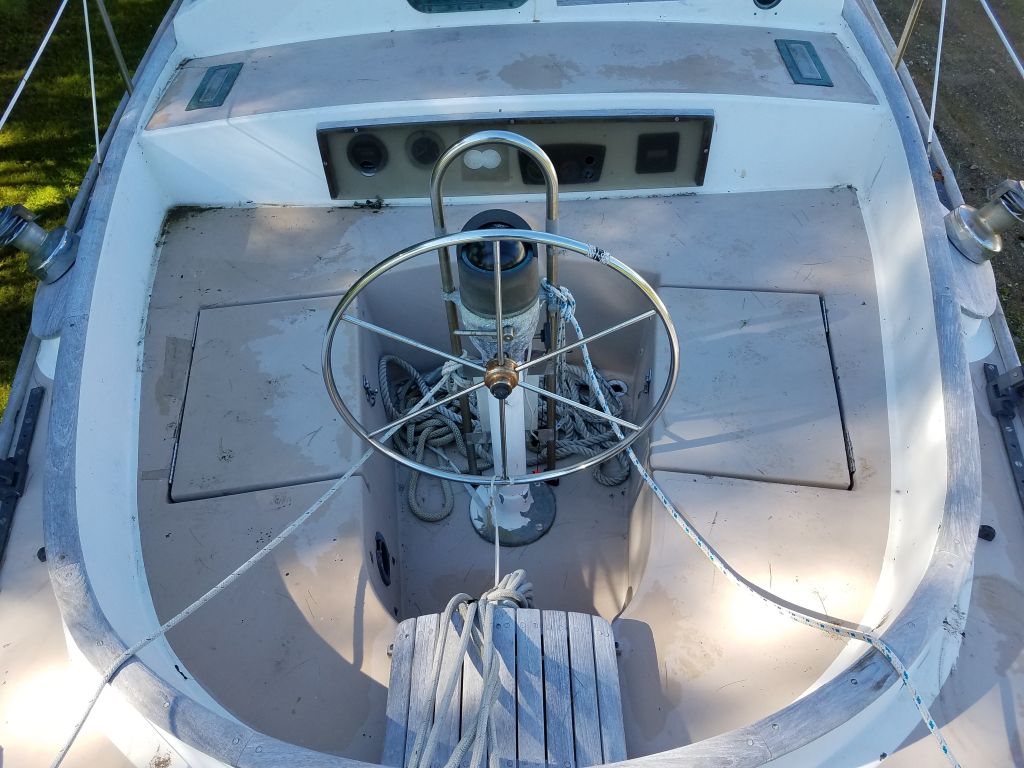
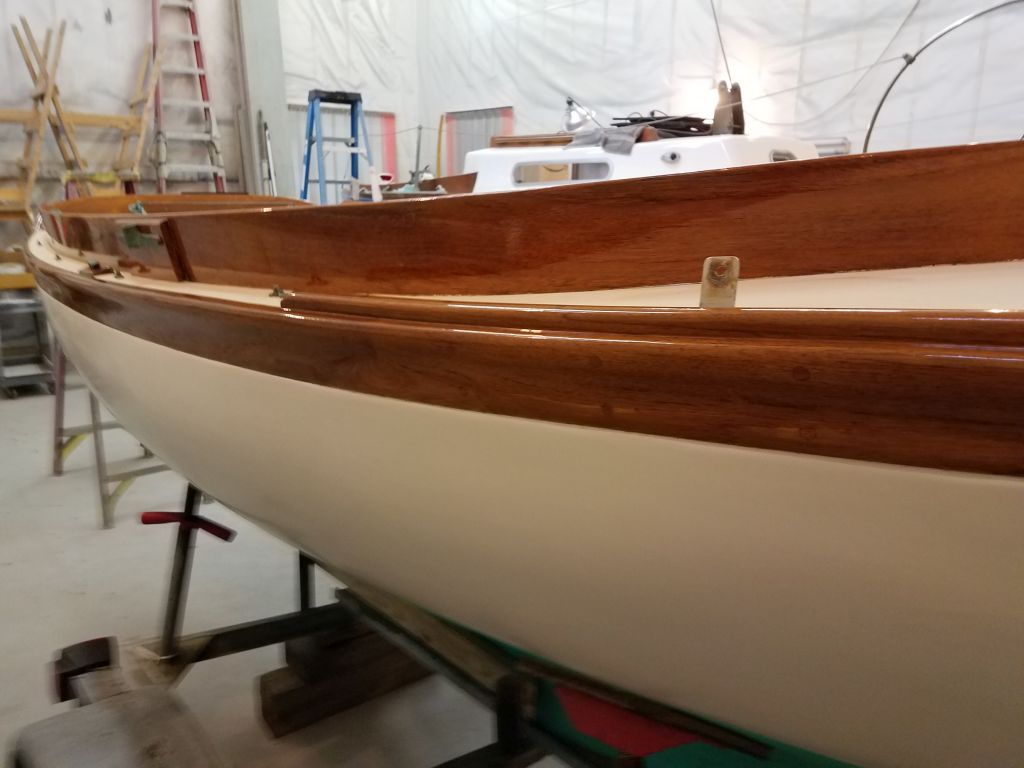
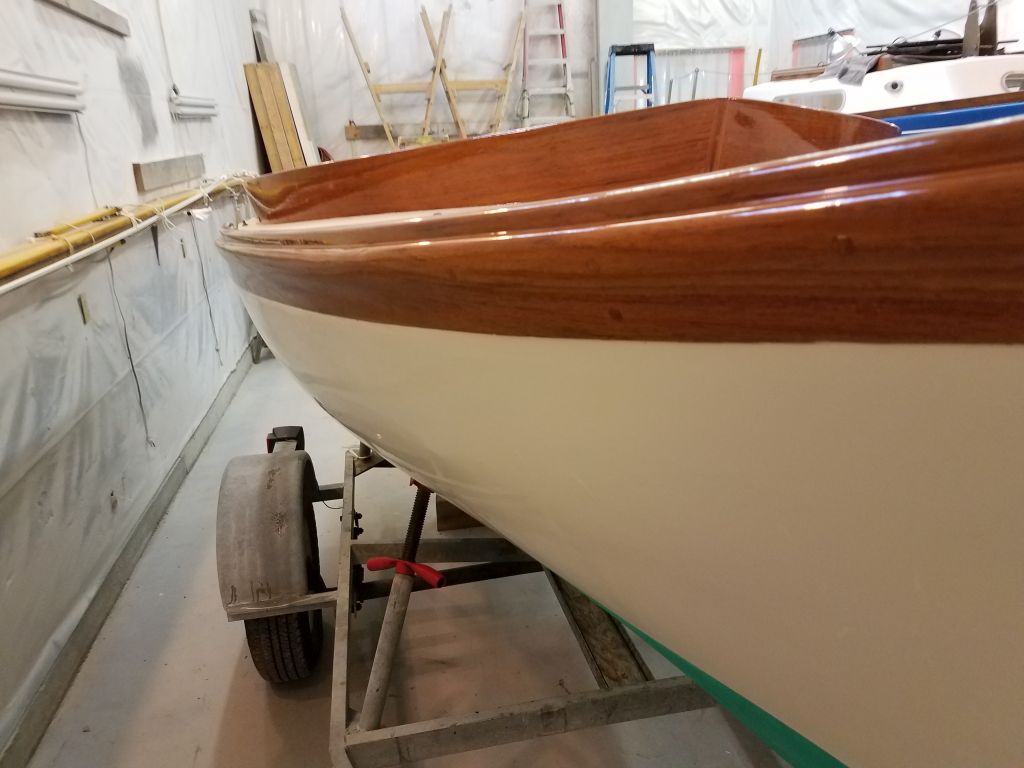
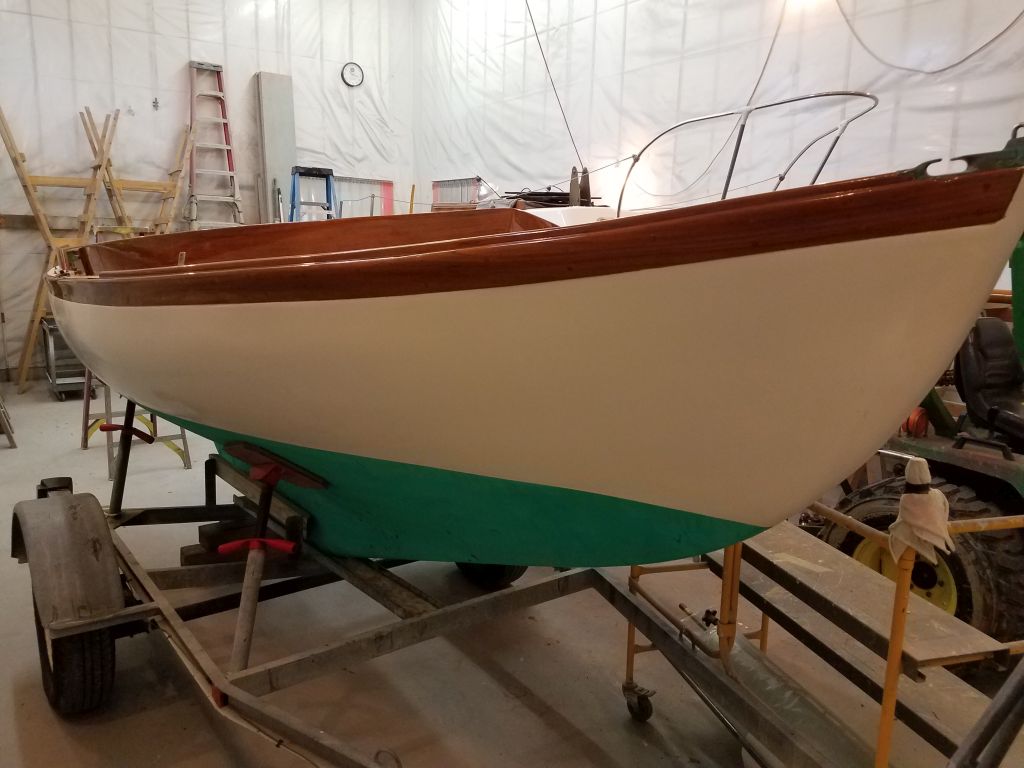
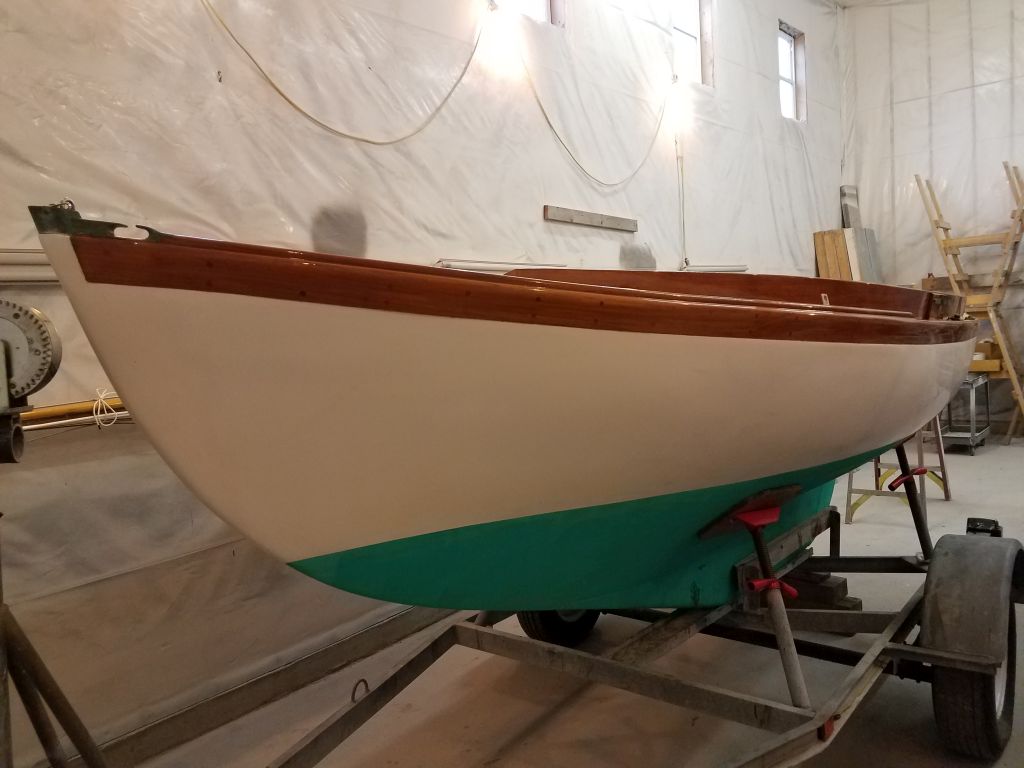
The topsides are in cosmetically poor condition with various indications of previous damage (i.e. docking incidents, etc.) and poorly-executed repairs.  These areas are visible near the stem on both sides, and most notably along much of the port side of the hull.  Normal surface prep procedures will help highlight any real issues, if any, and will also address these cosmetic interruptions during the natural course of the work.  While there is substantial work required to bring the topsides back to excellent condition, it’s within normal bounds of boats of this age and nature.

The original boottop and waterline, marked with molded scribe marks in the hull, are clearly off-kilter, in the wrong position in places, and wiggly, noticeable both by eye (in terms of overall fairness) and by the position of the floating scum line still visible.  We can correct or enhance this during painting as needed.


Deck:

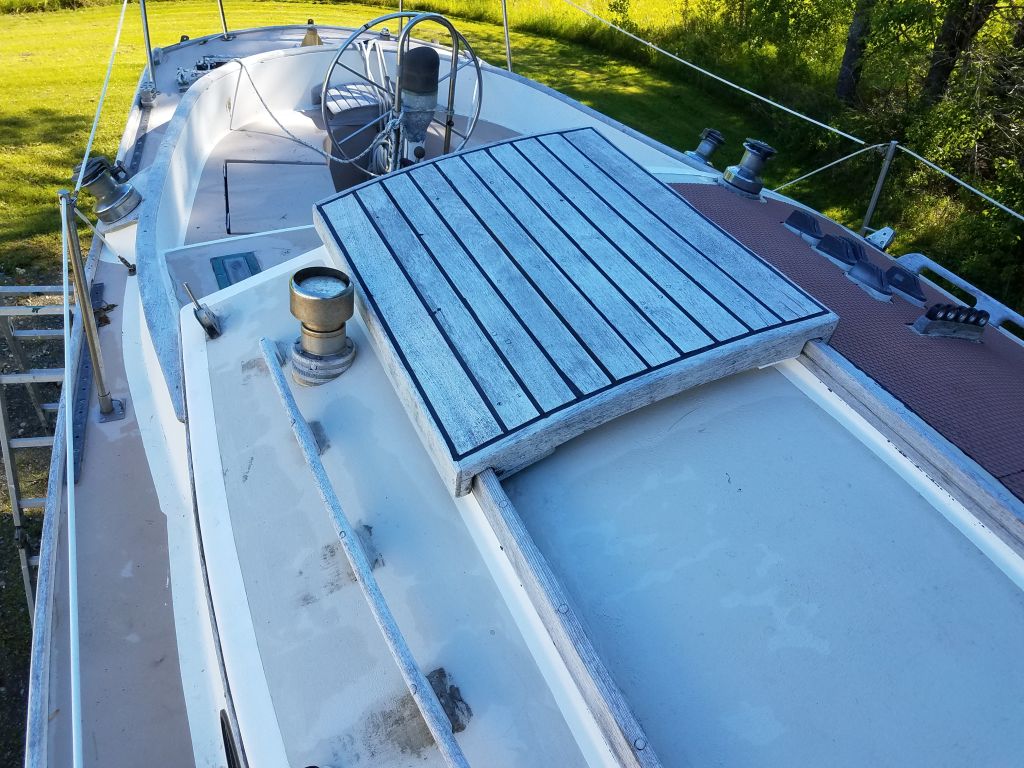
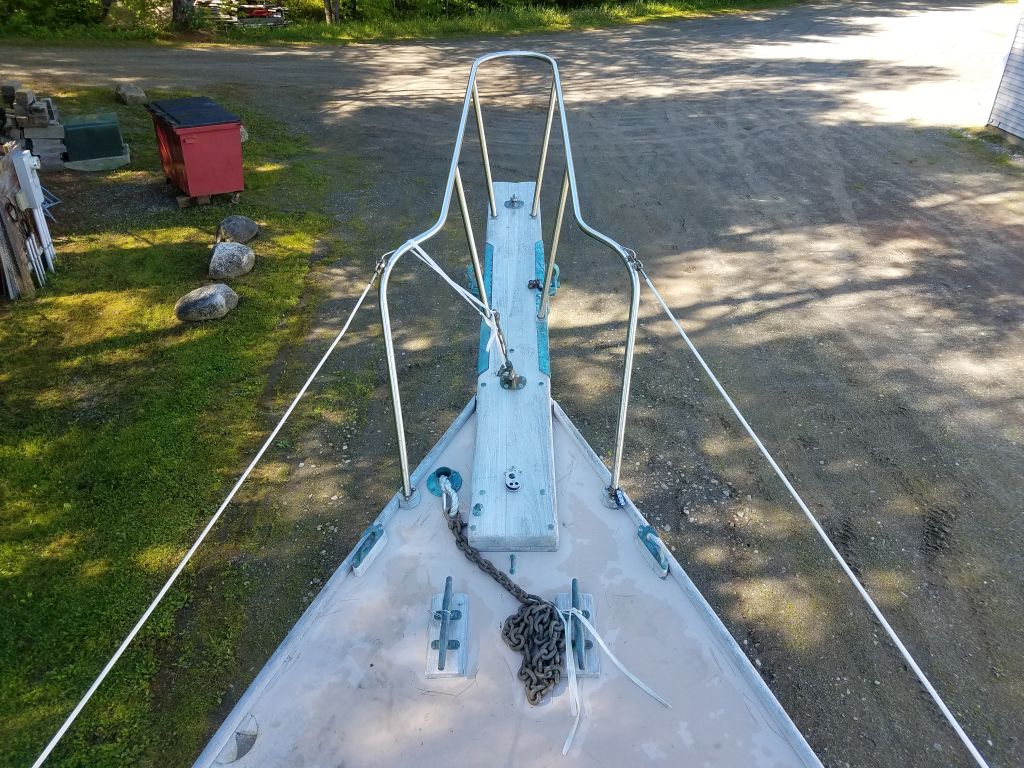
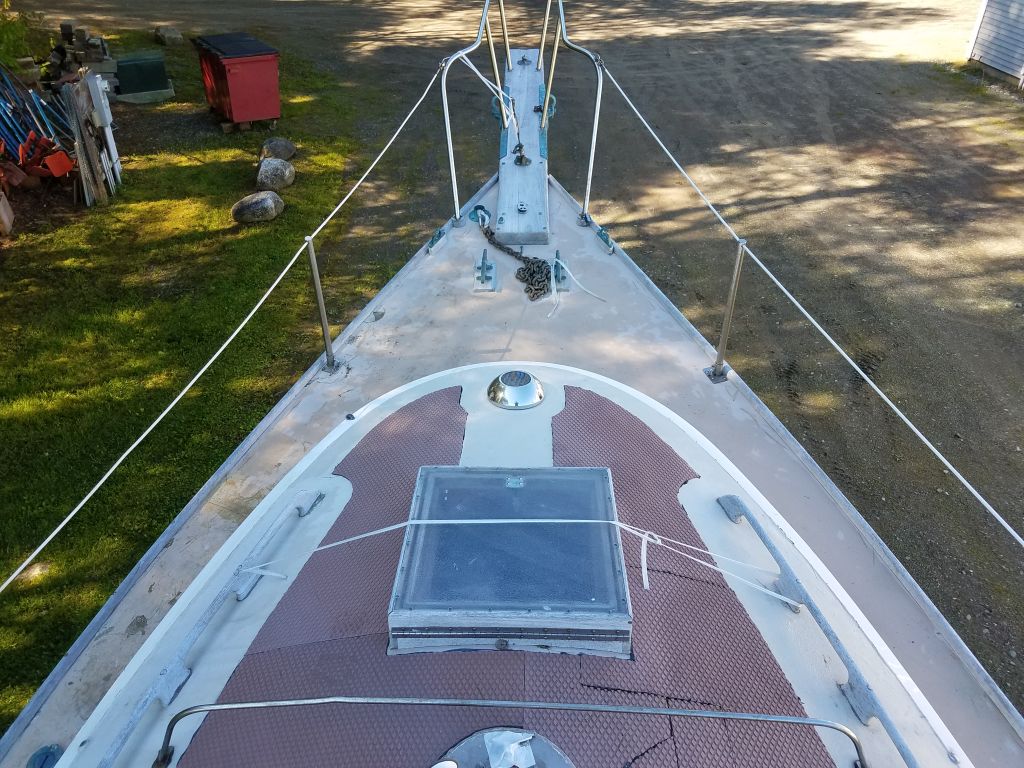
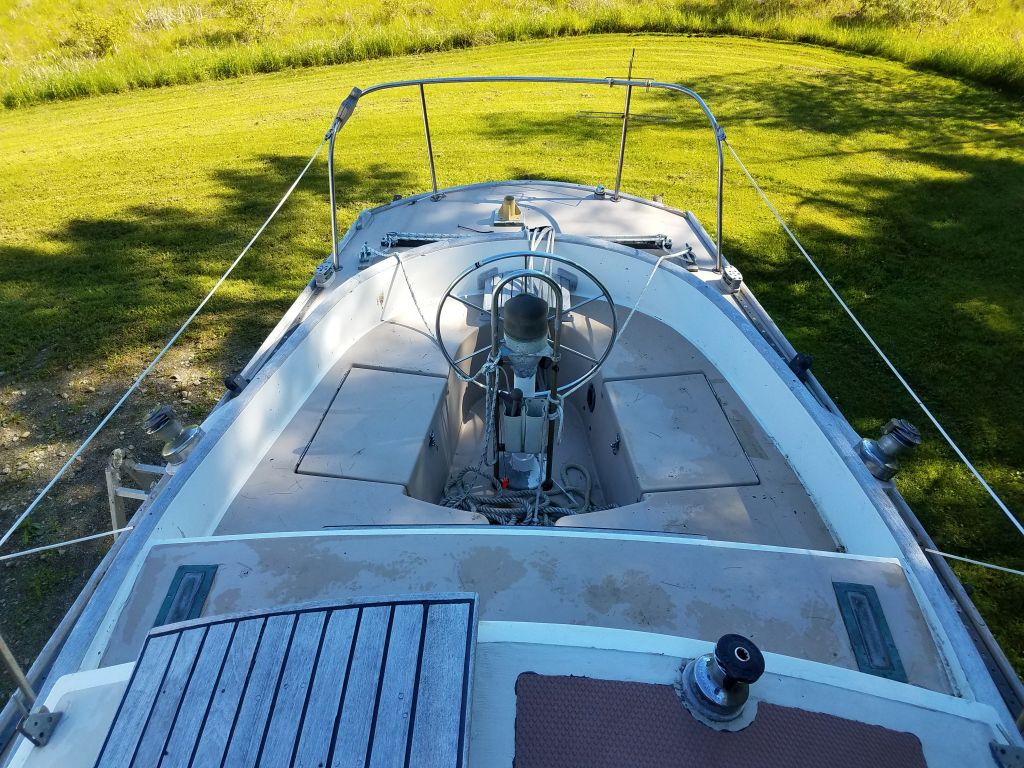
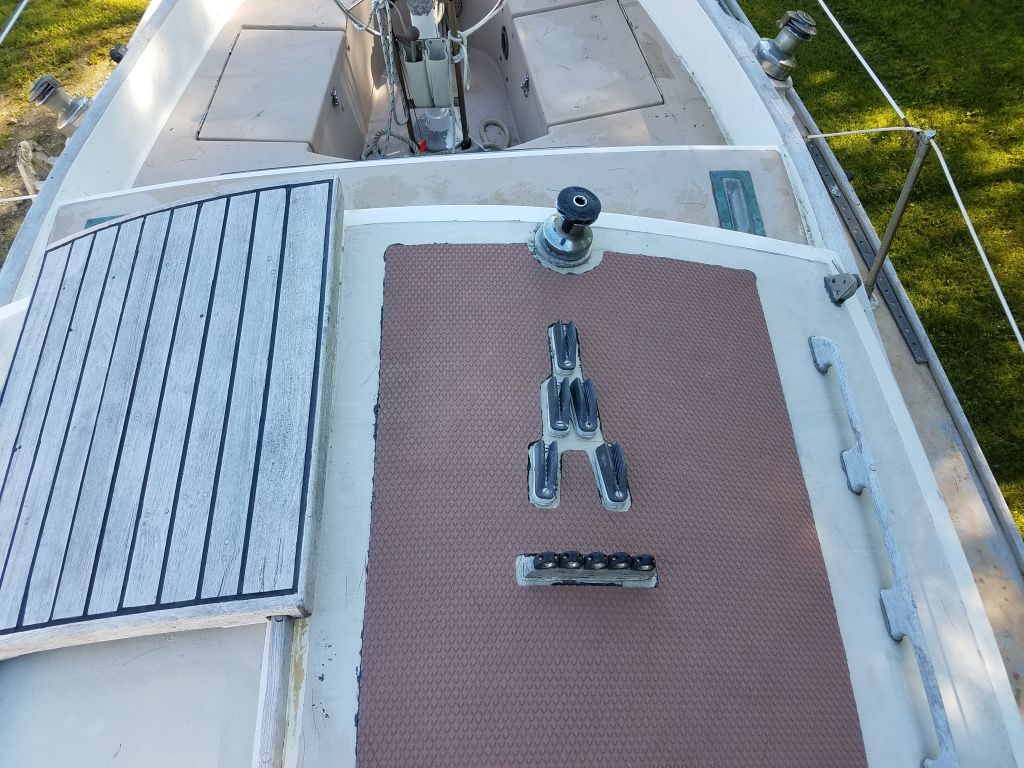
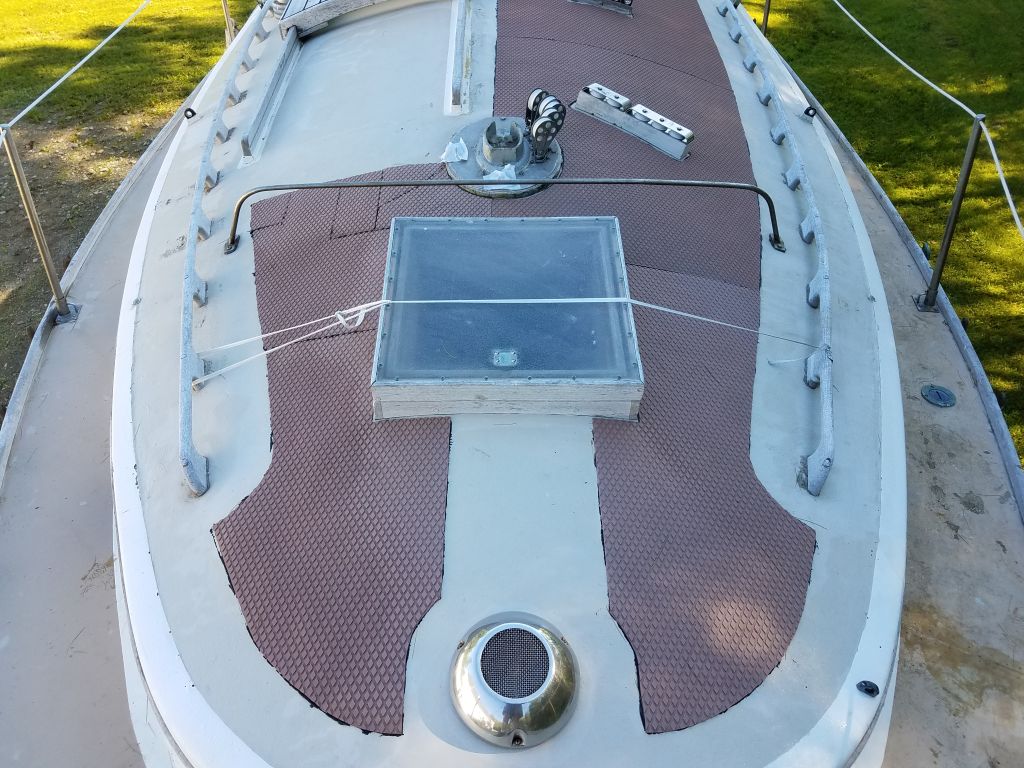
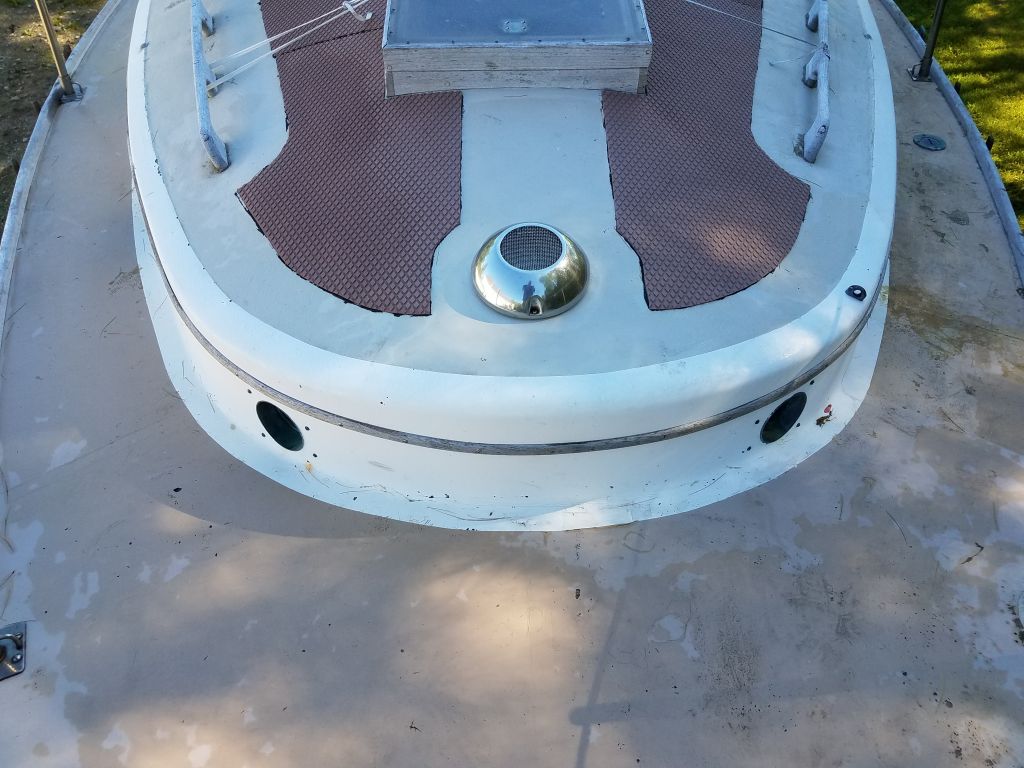
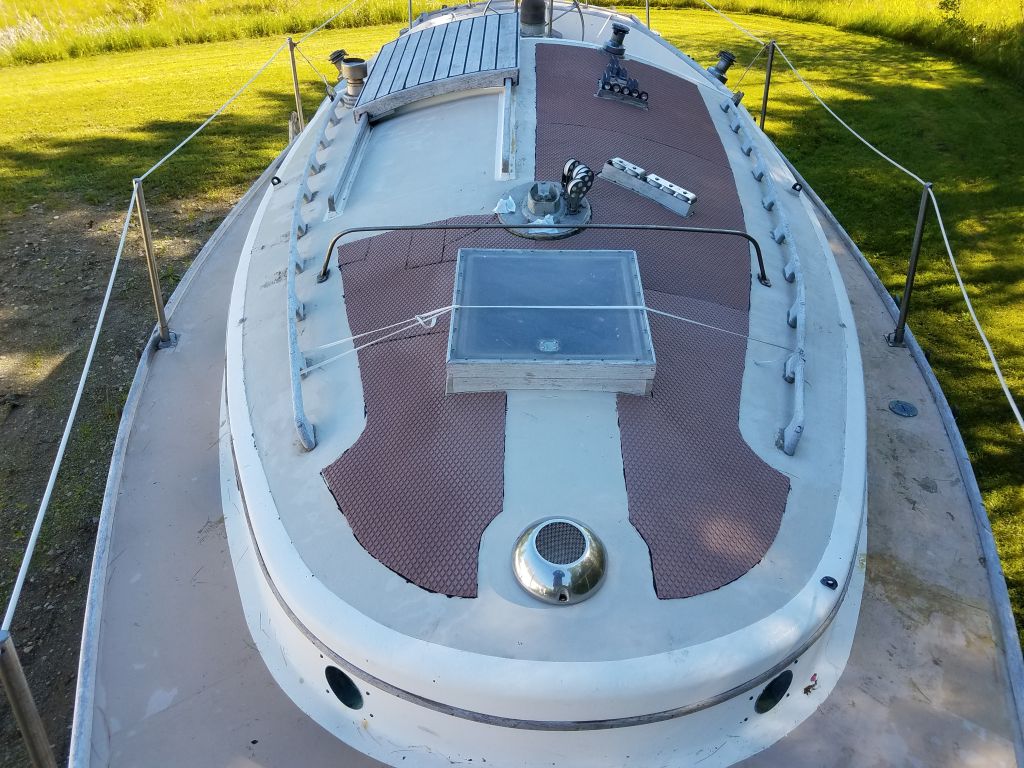
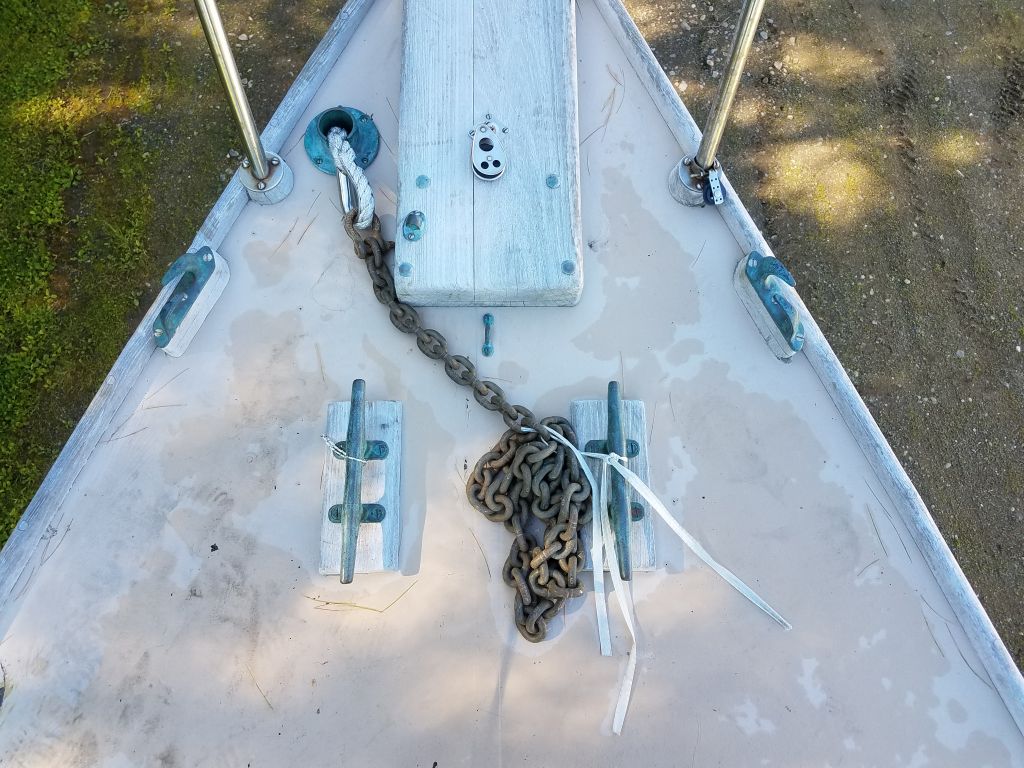
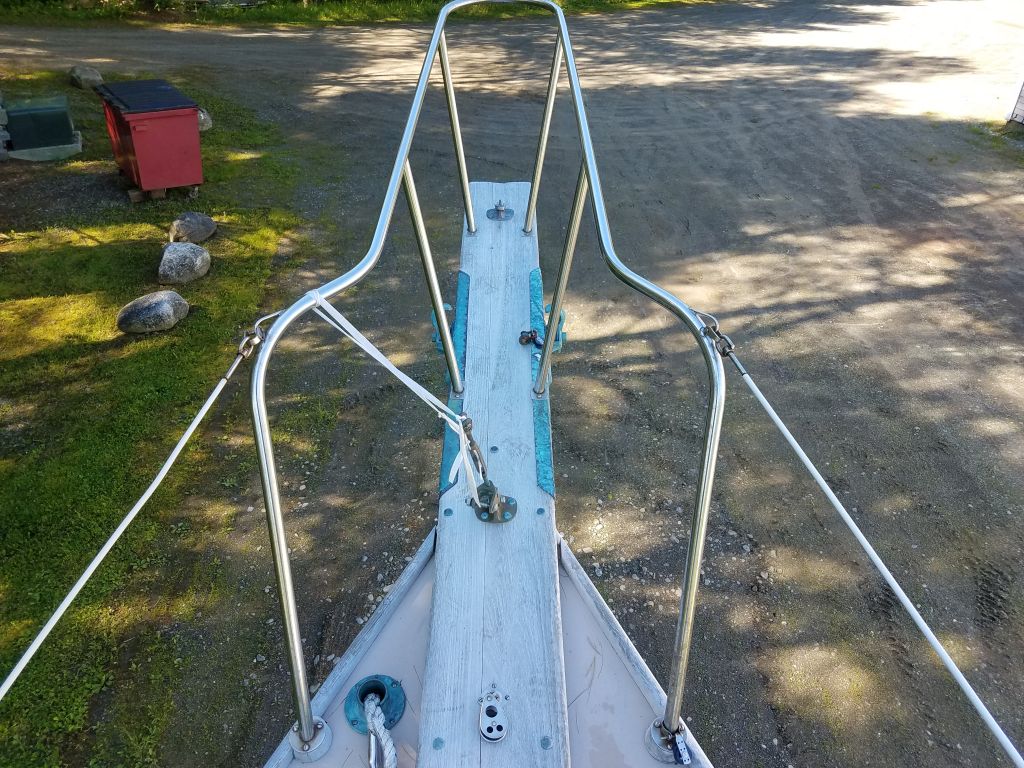
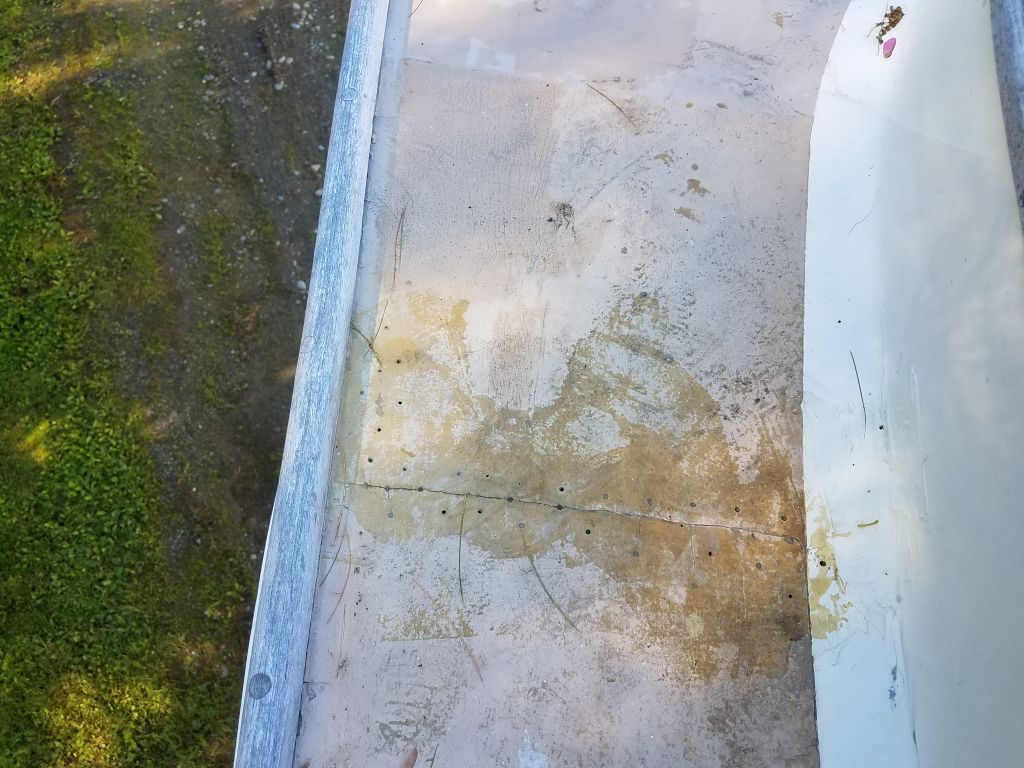
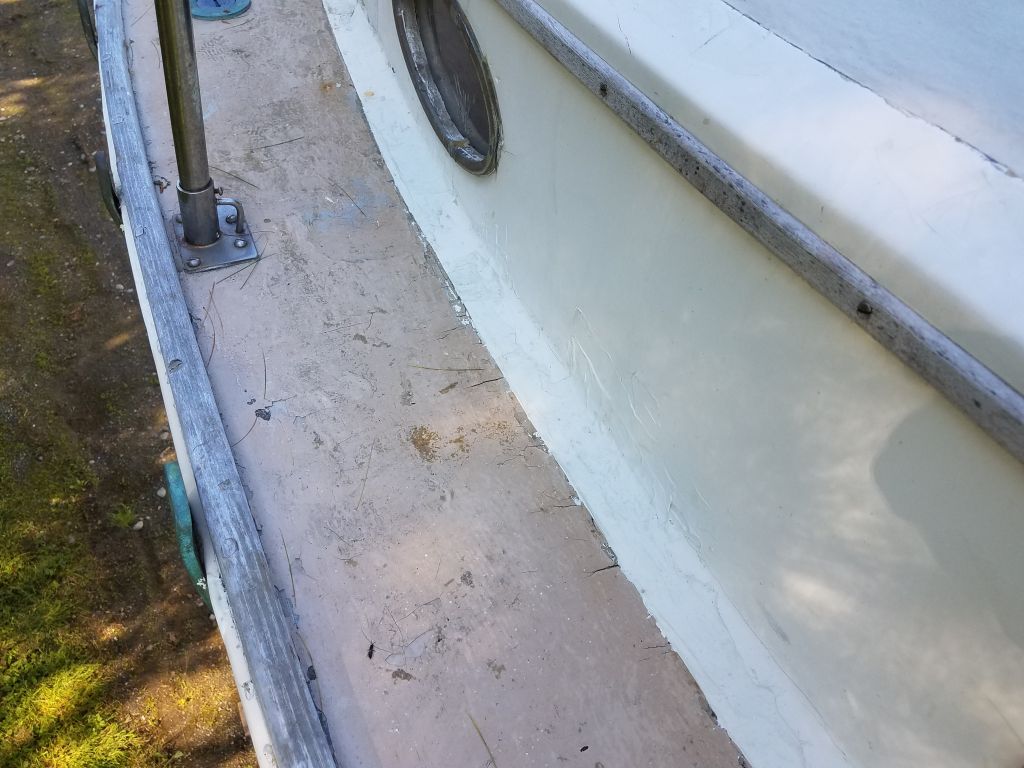
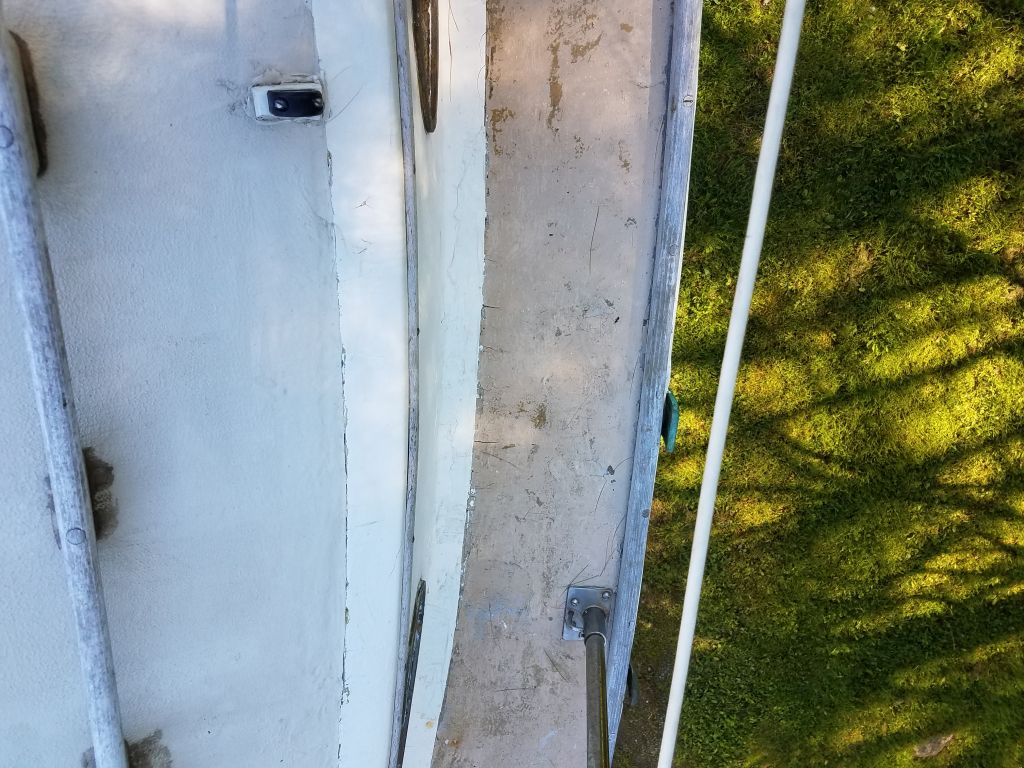
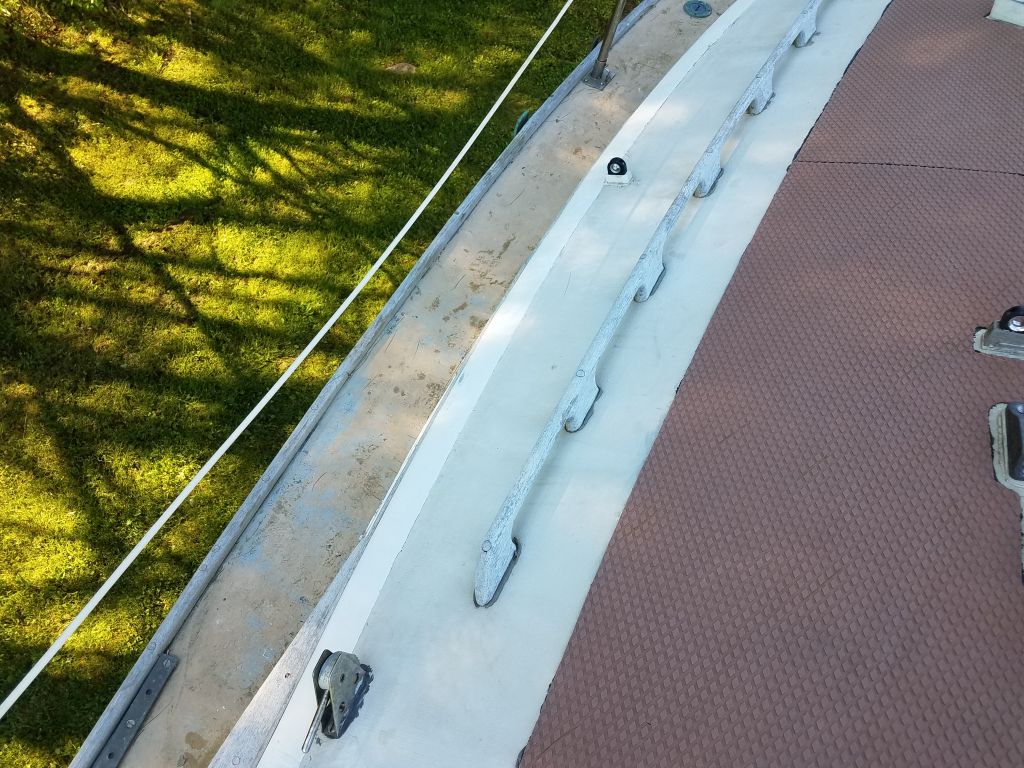
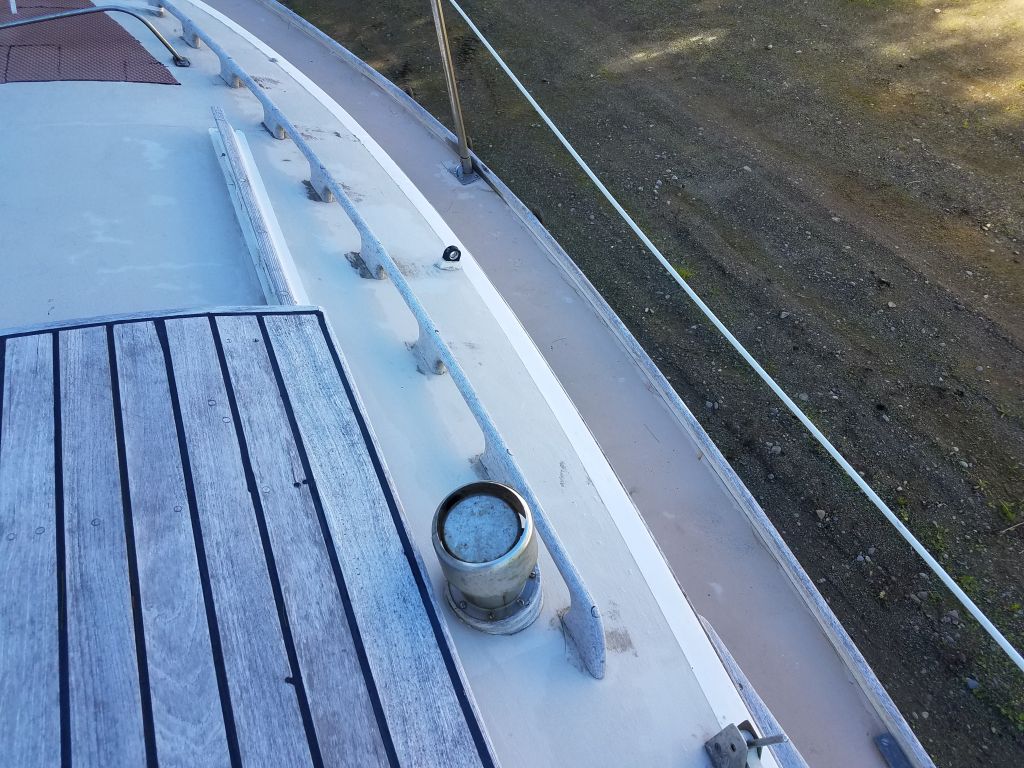
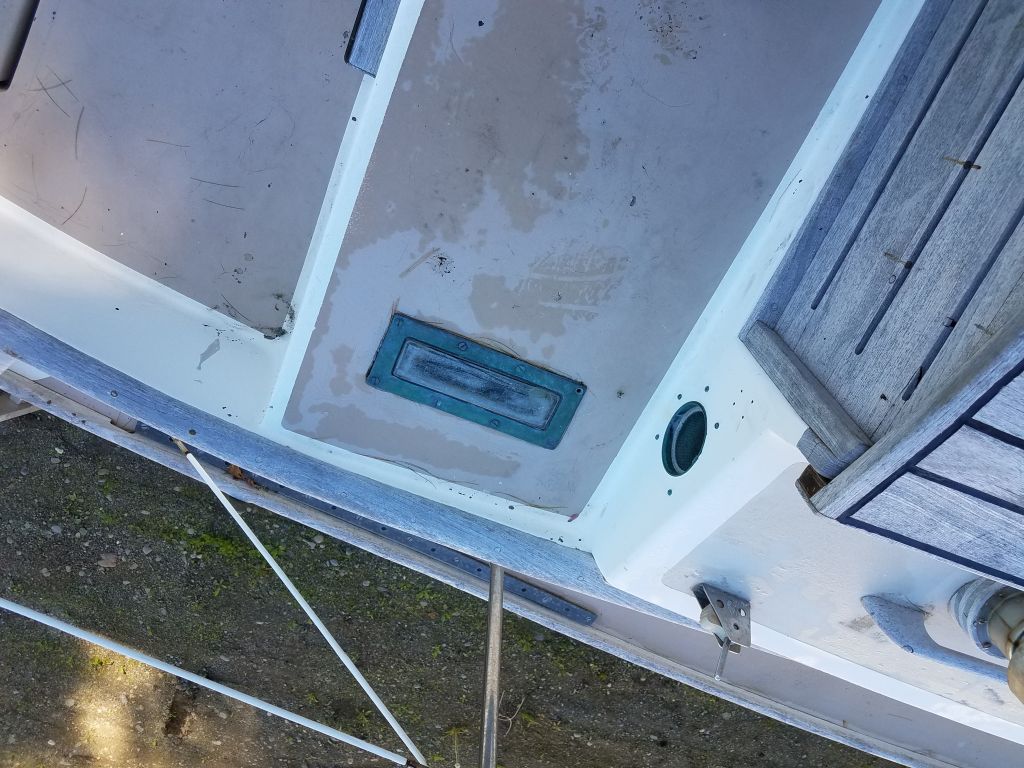
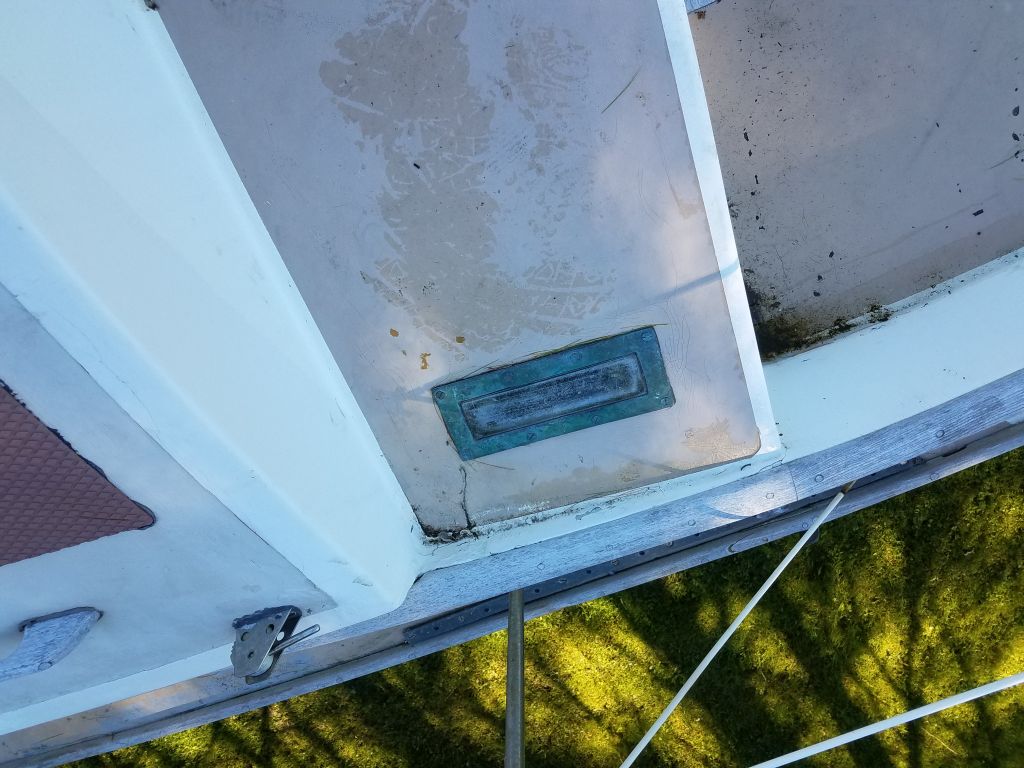
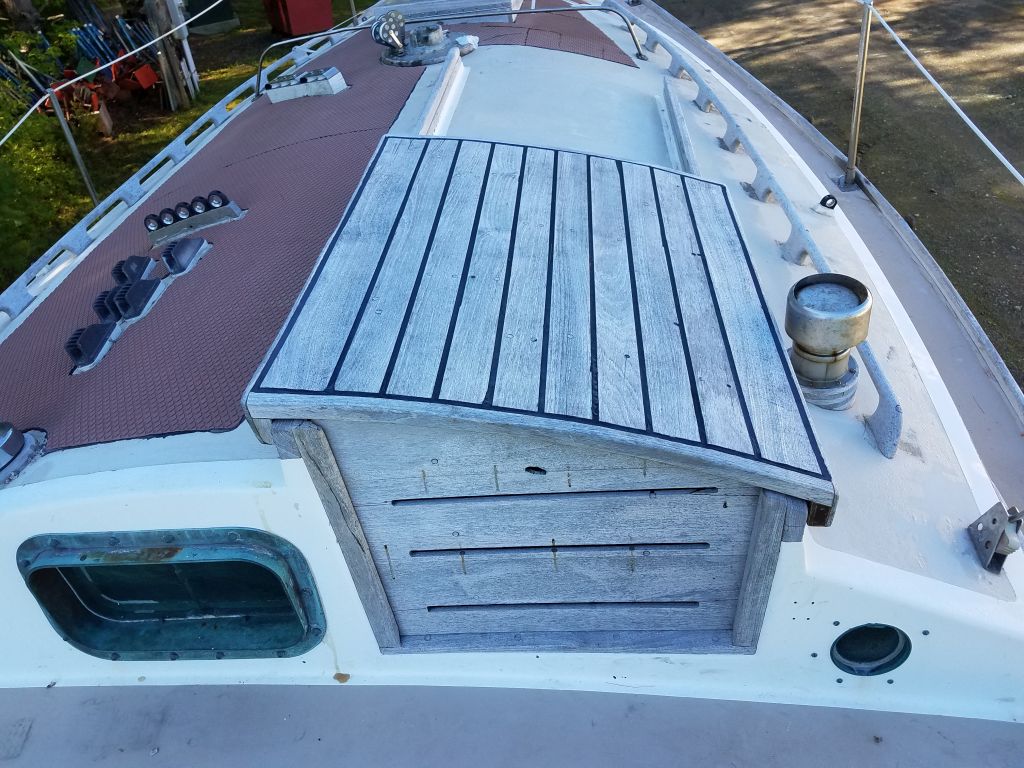
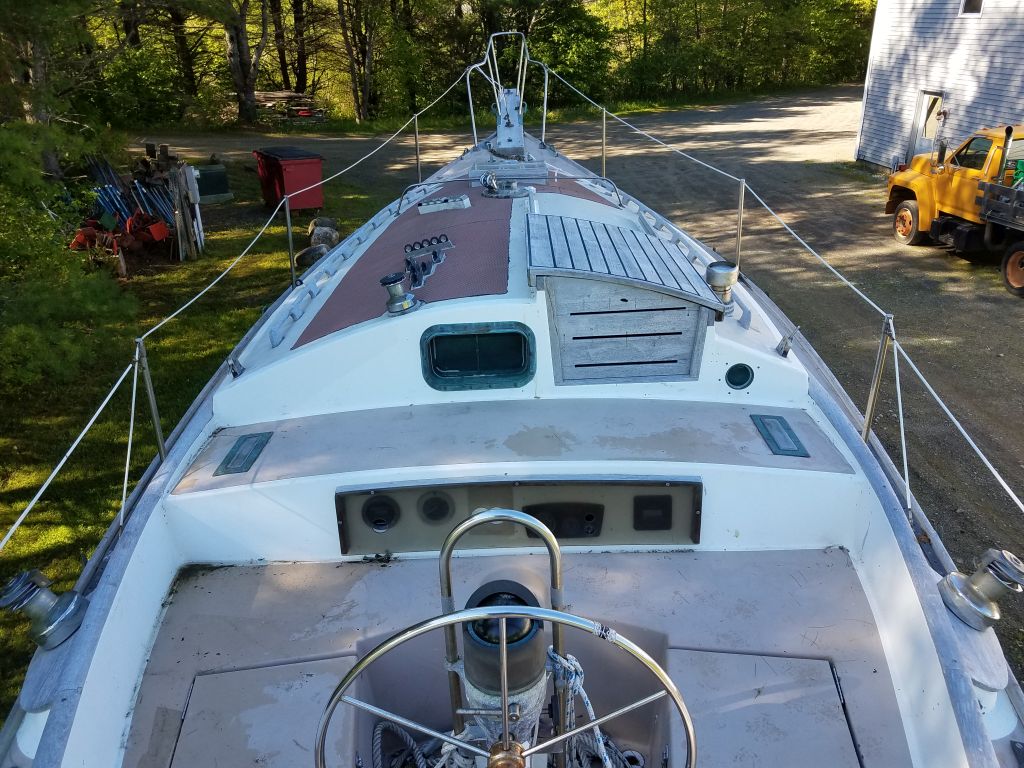
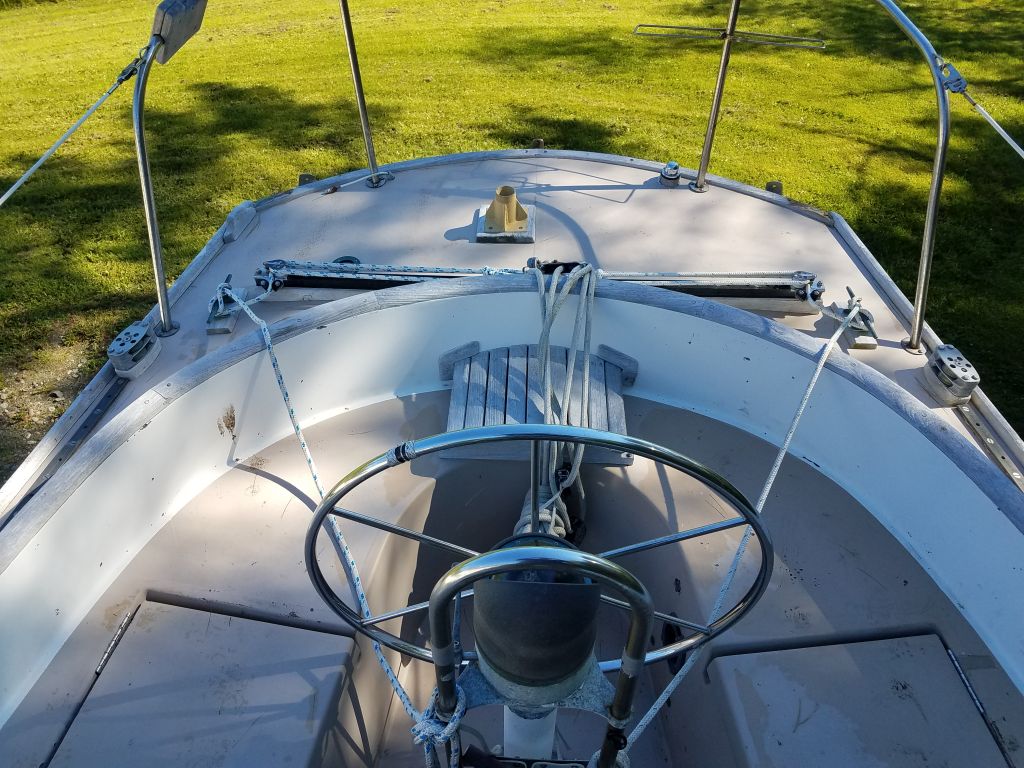
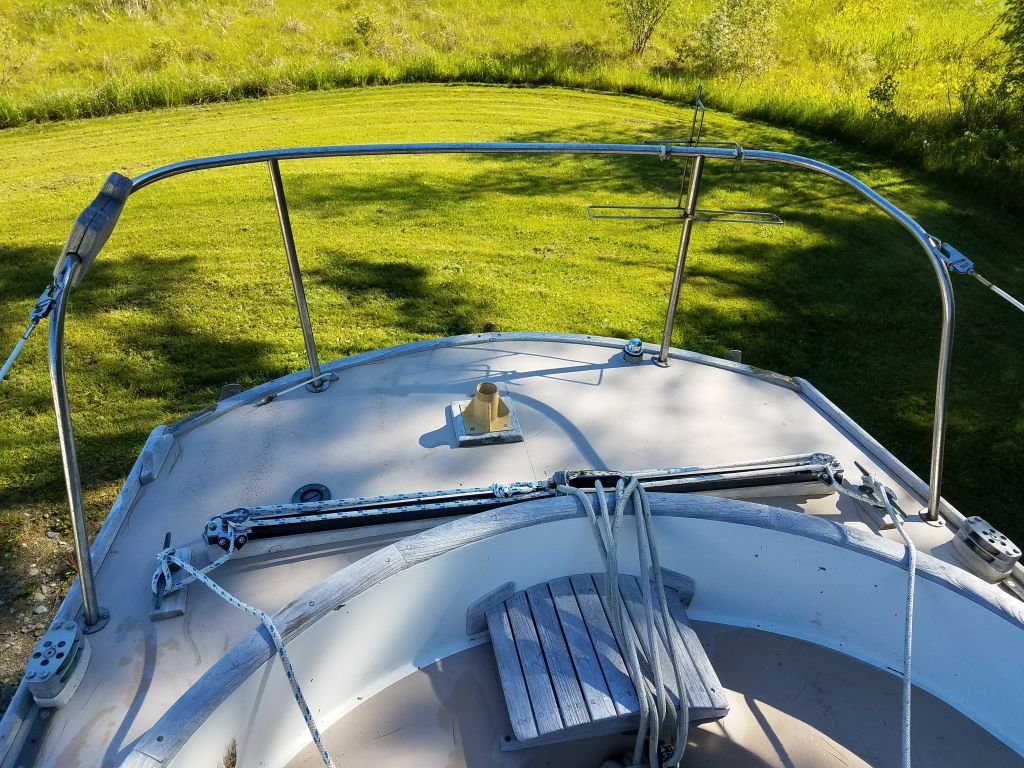
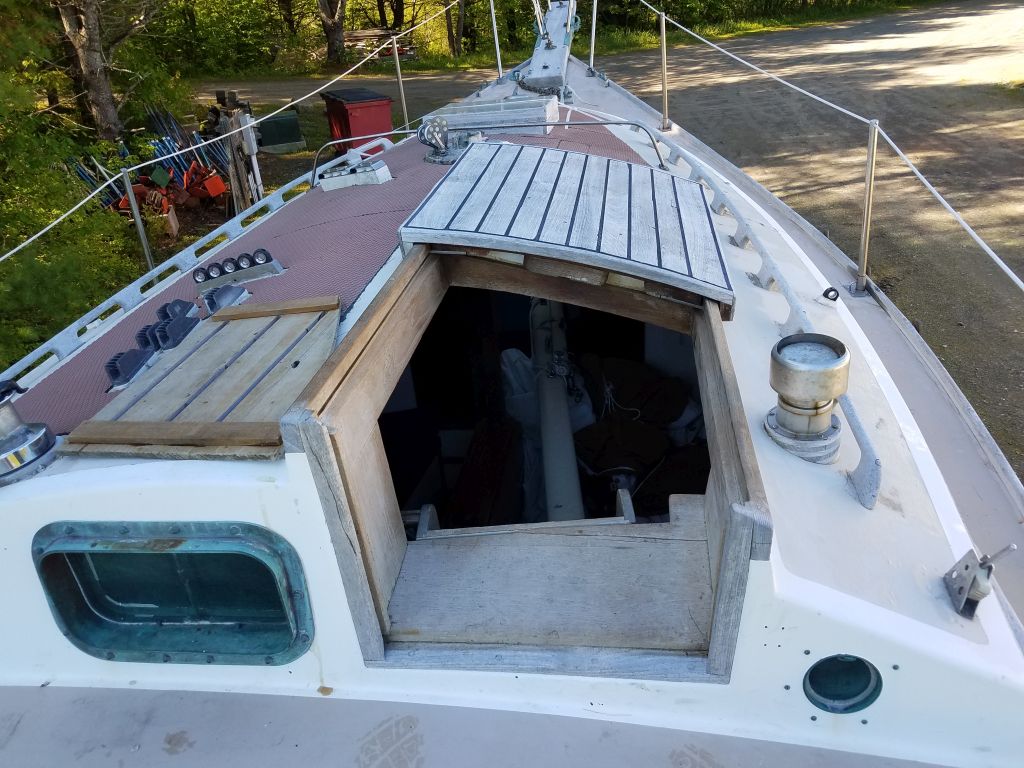
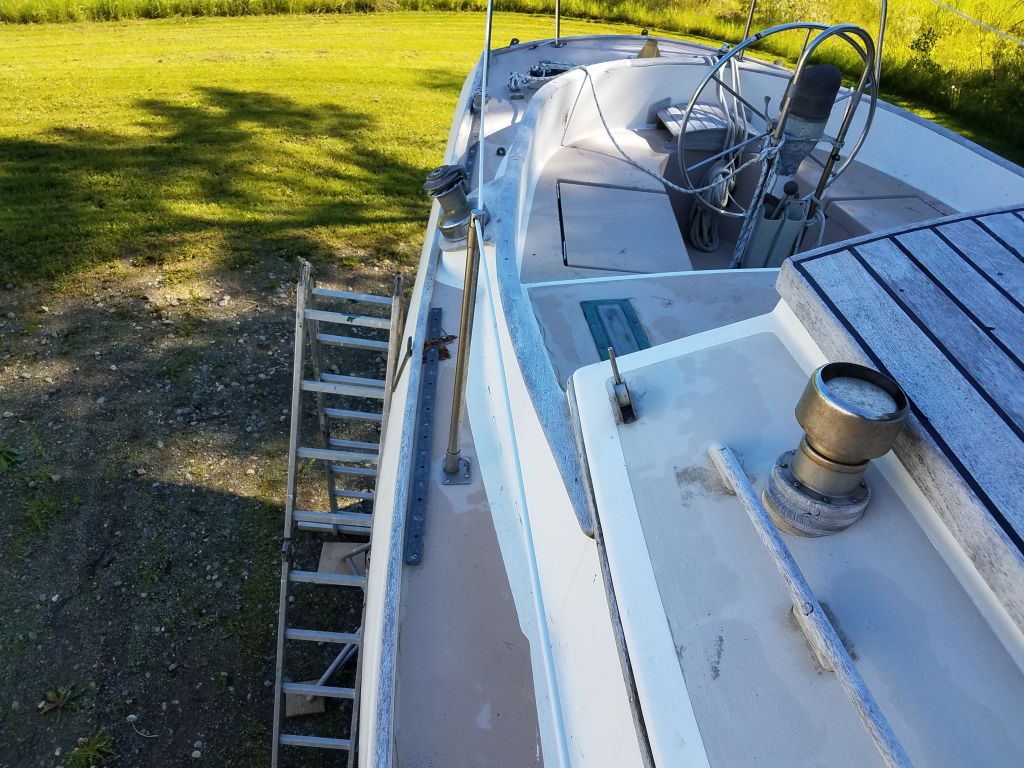
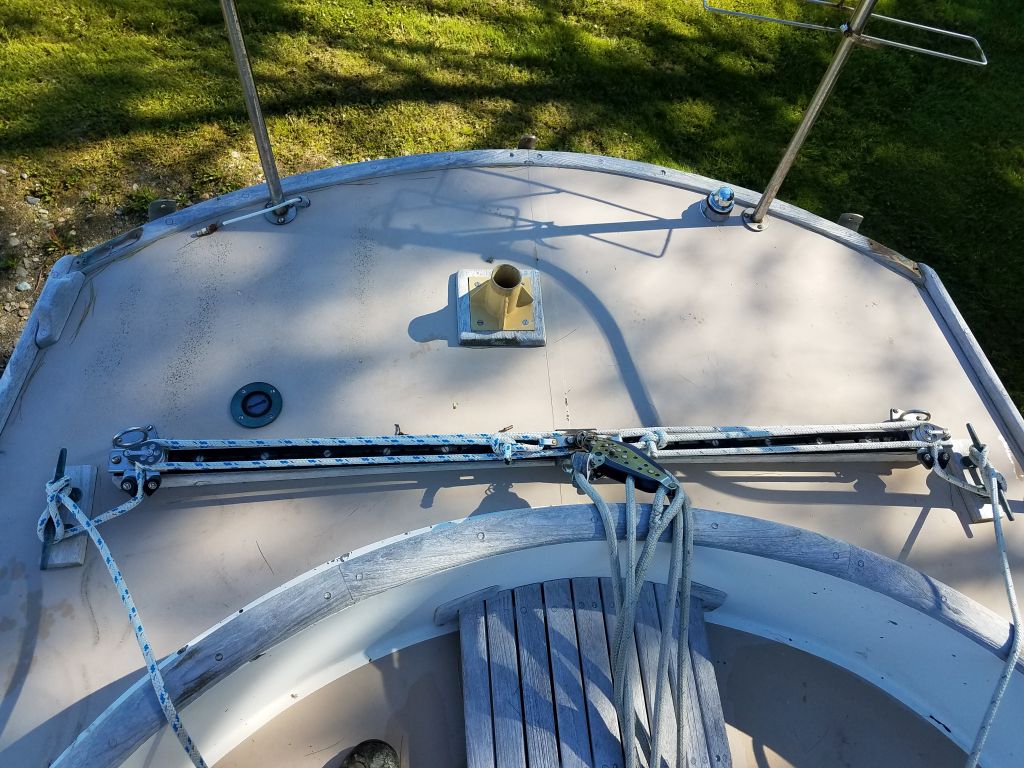
The deck is in fair to poor condition, with plenty of cosmetic restoration required in all areas (including woodwork), as well as several immediately-noticeable soft areas that will require structural repair, most notably on the bridgedeck in way of the two deck prisms.  Other areas will surely come to light.  The coachroof is covered with Treadmaster applique that will require significant labor to remove during the refinishing process.  Deck hardware is of similar vintage to the boat and in various condition, mainly usable but mostly dated and in rough cosmetic condition.  This can all be assessed later during removal.  The teak  bowsprit, with pulpit attached, appears sound but has some cosmetic issues.  As with every part of the boat, many of the decisions related to the final scope of work will come down to personal preferences and the expectations/desires for the final condition and appearance of the boat.
 

Systems and Mechanical:

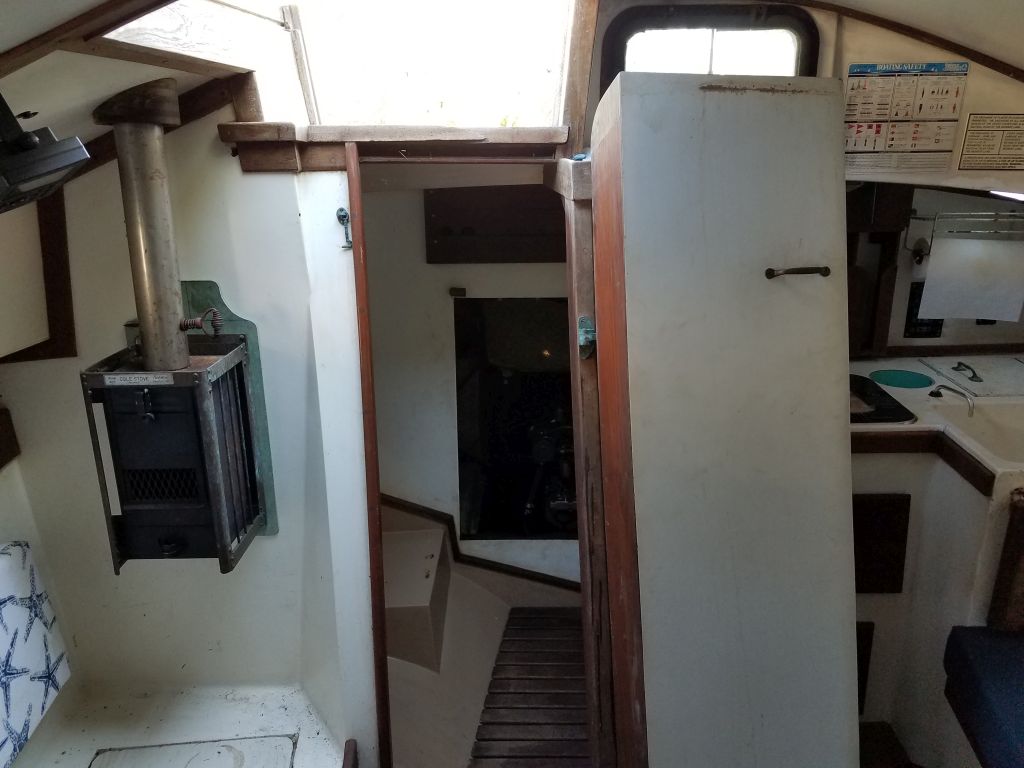
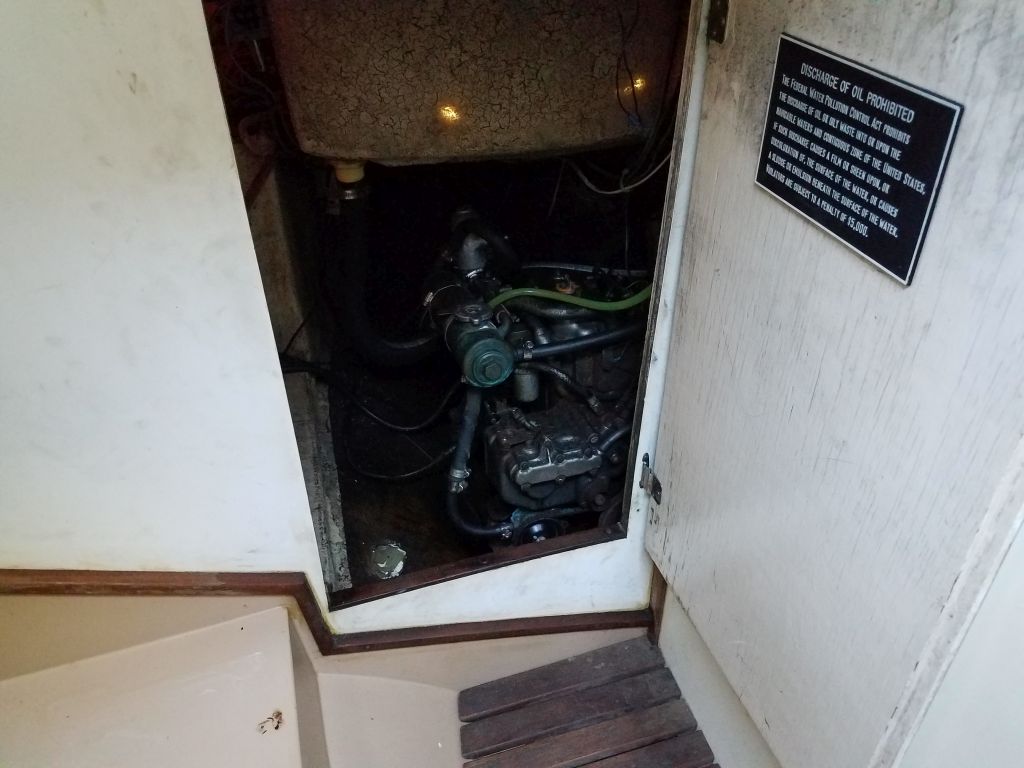
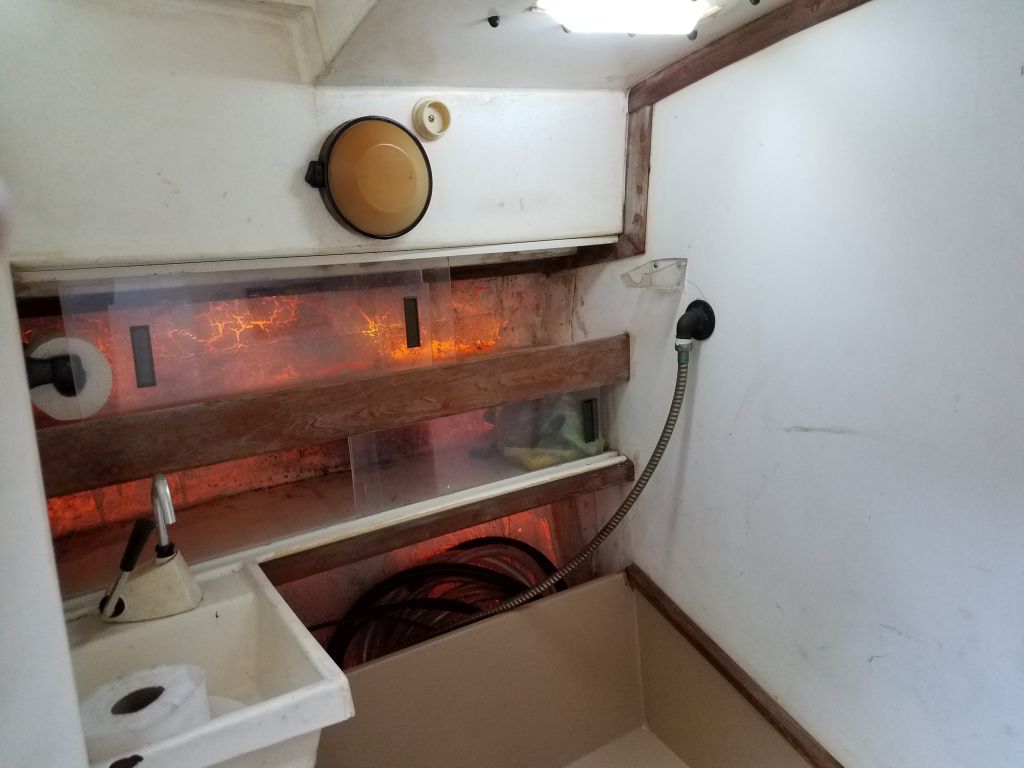
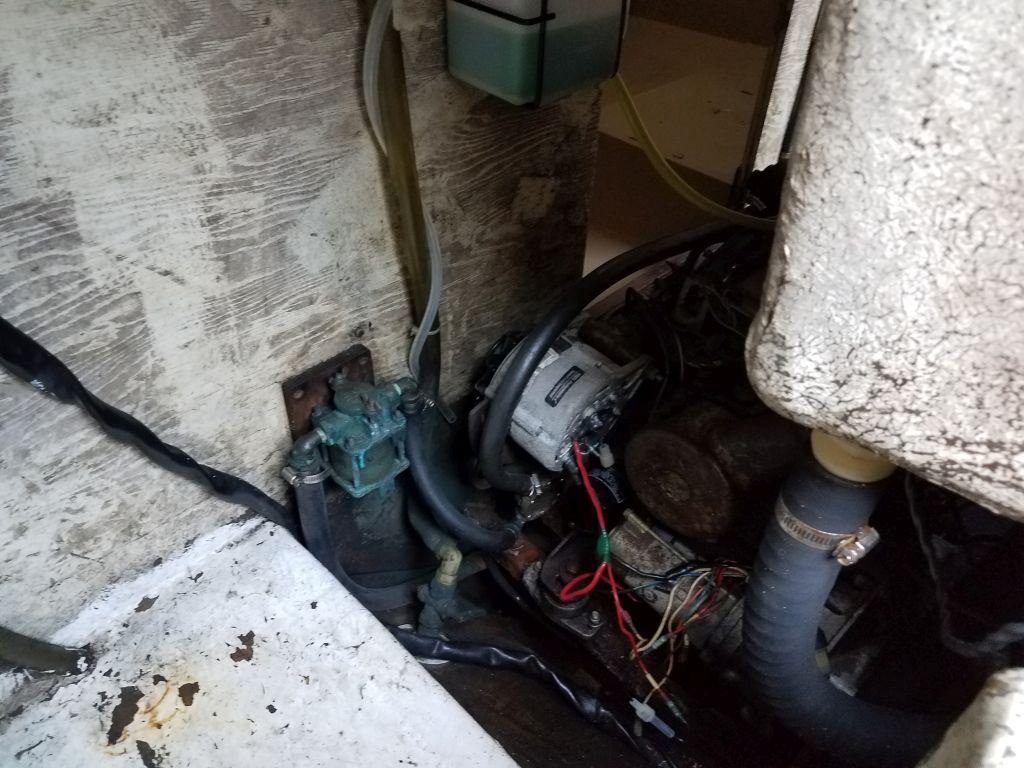
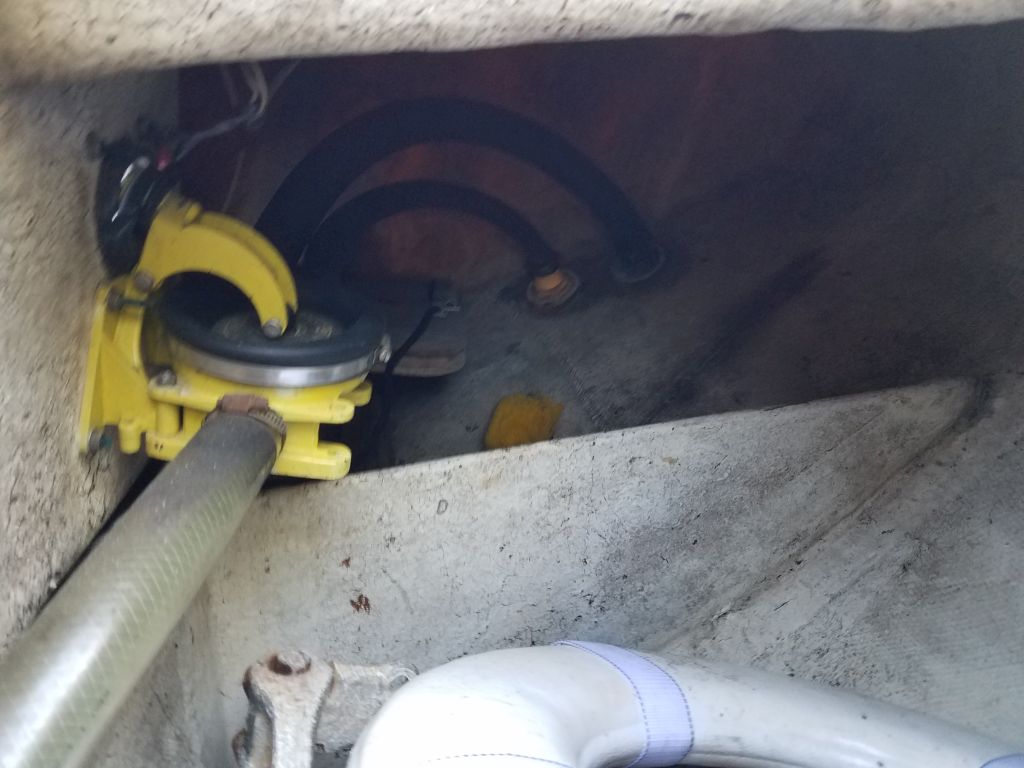
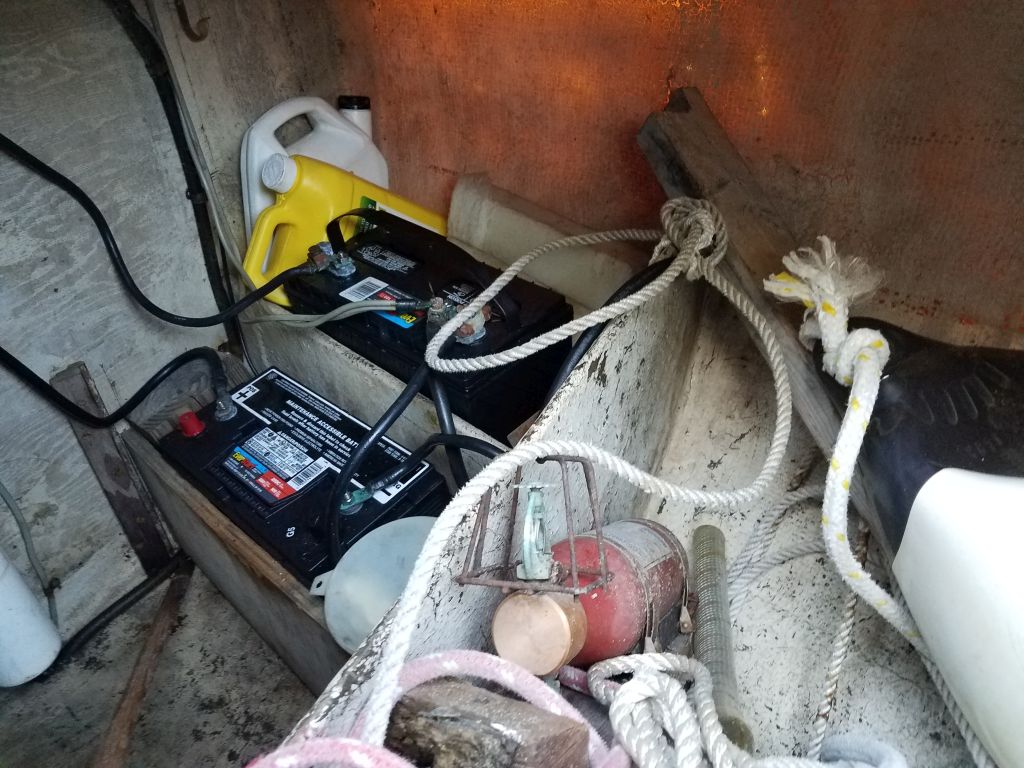
The engine, a 2-cylinder Yanmar, appears original vintage.  I’ve not yet assessed its true or operating condition.  Access for general maintenance is fair; removal and/or replacement of the engine, with its location behind the head and beneath the cockpit, will require a fair expenditure of effort since there is no direct way to lift or hoist the engine.  Changes to the engine may require reworking the propeller aperture to fit a different propeller.

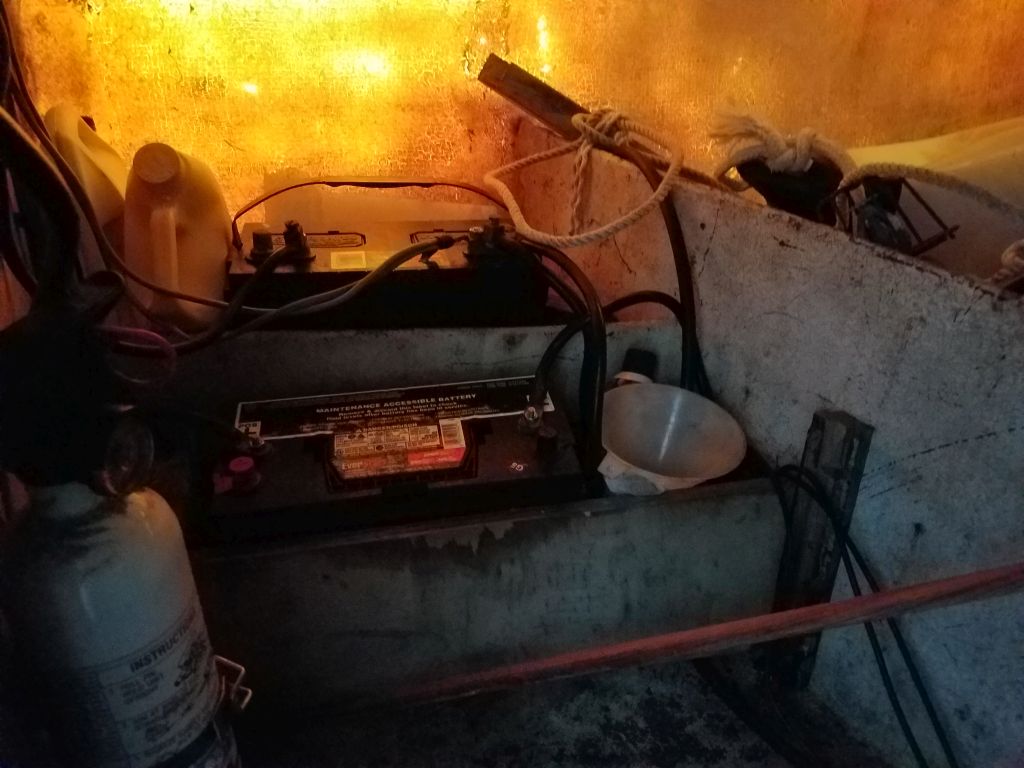
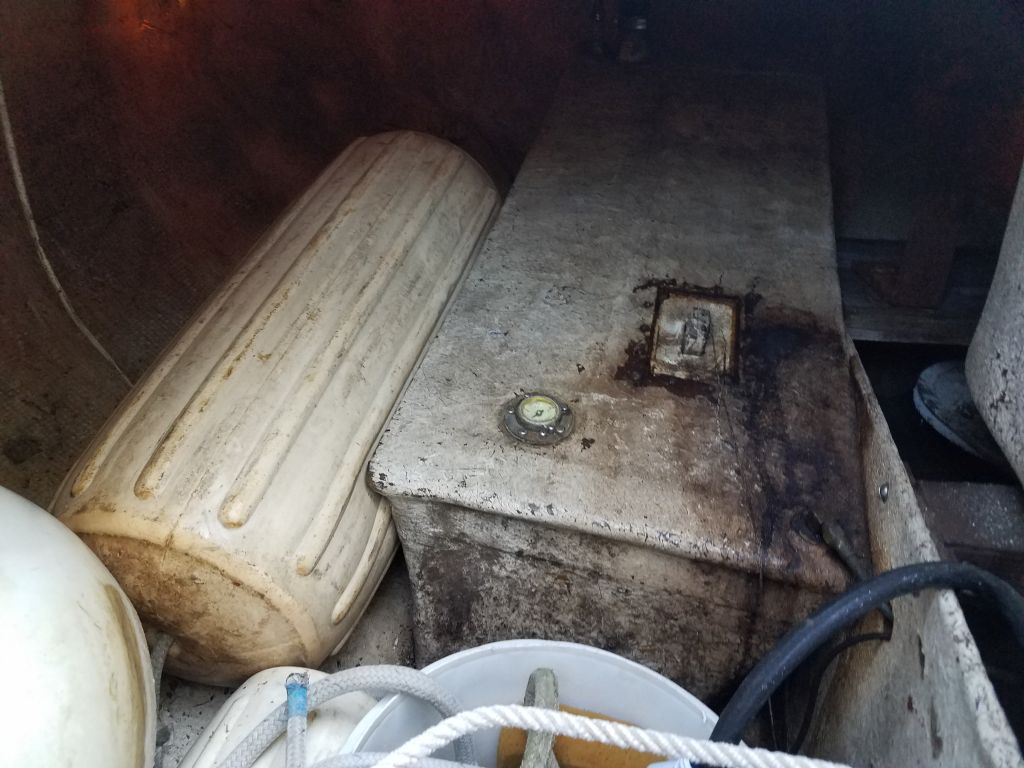
Other systems, such as plumbing, through hulls, and electrical, will require a complete and comprehensive overhaul and replacement to suit your needs and requirements.  The final scope of the project in all ways will be directed largely by the extents (and installation complications) of these systems.


Interior:

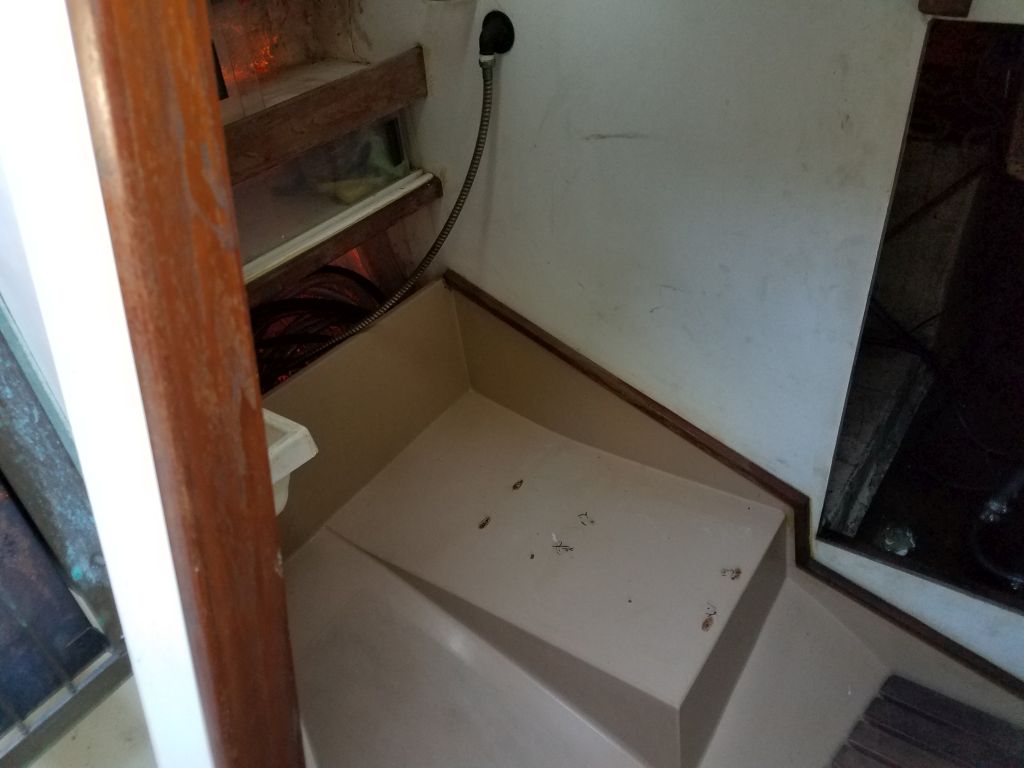
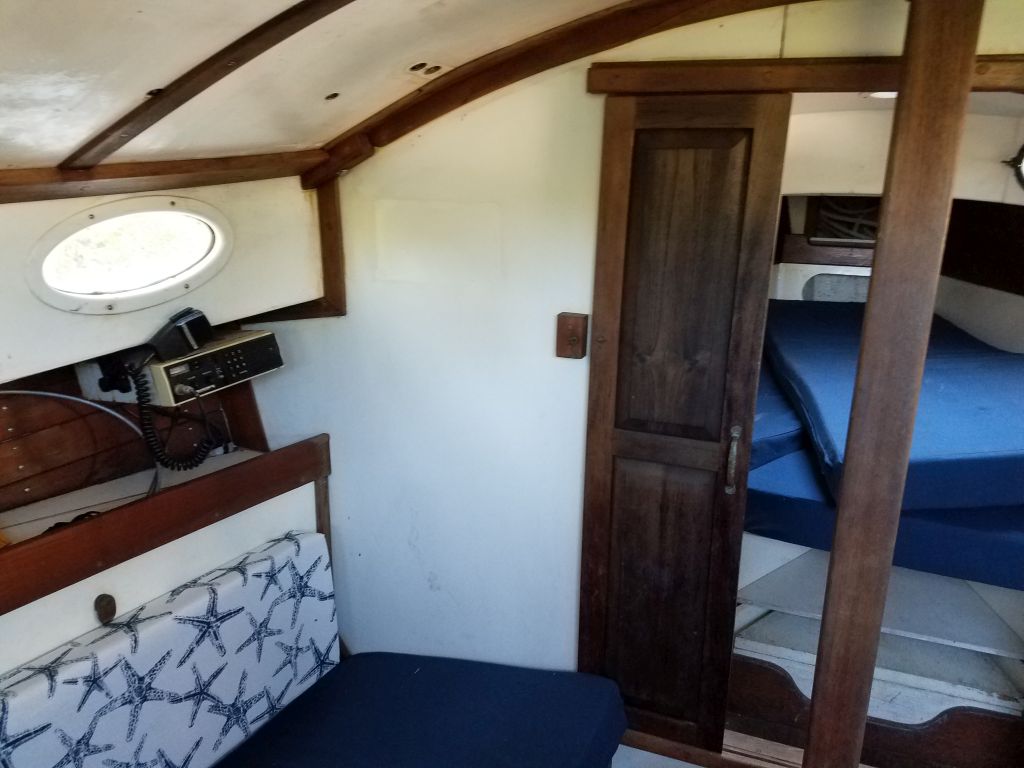
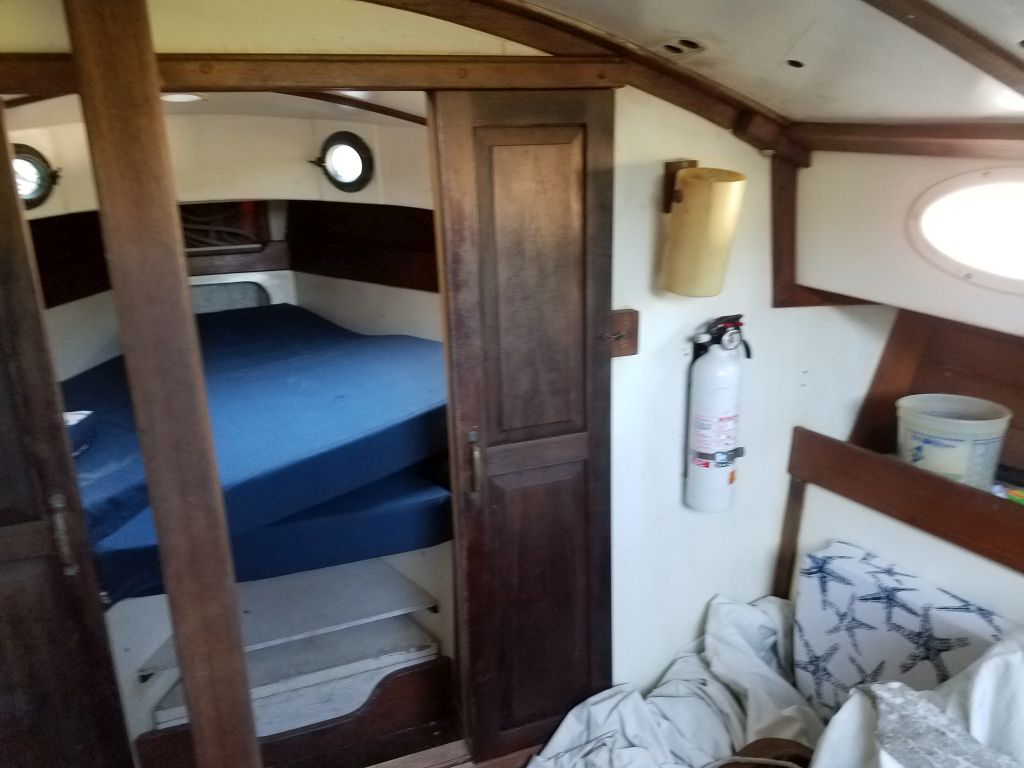
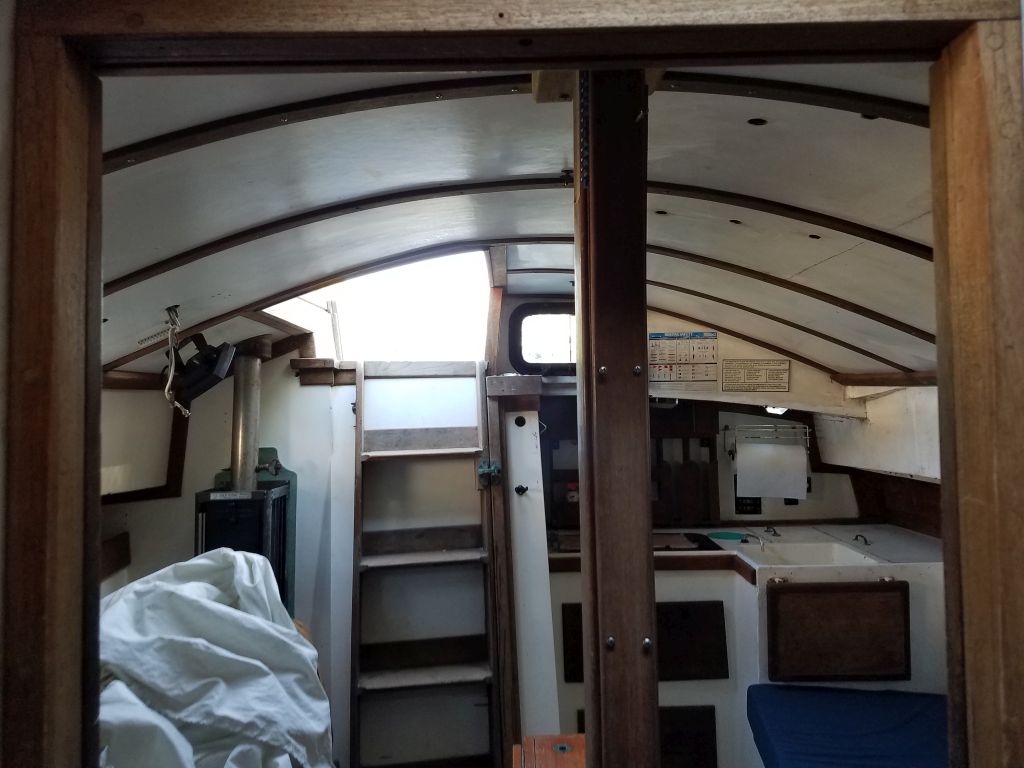
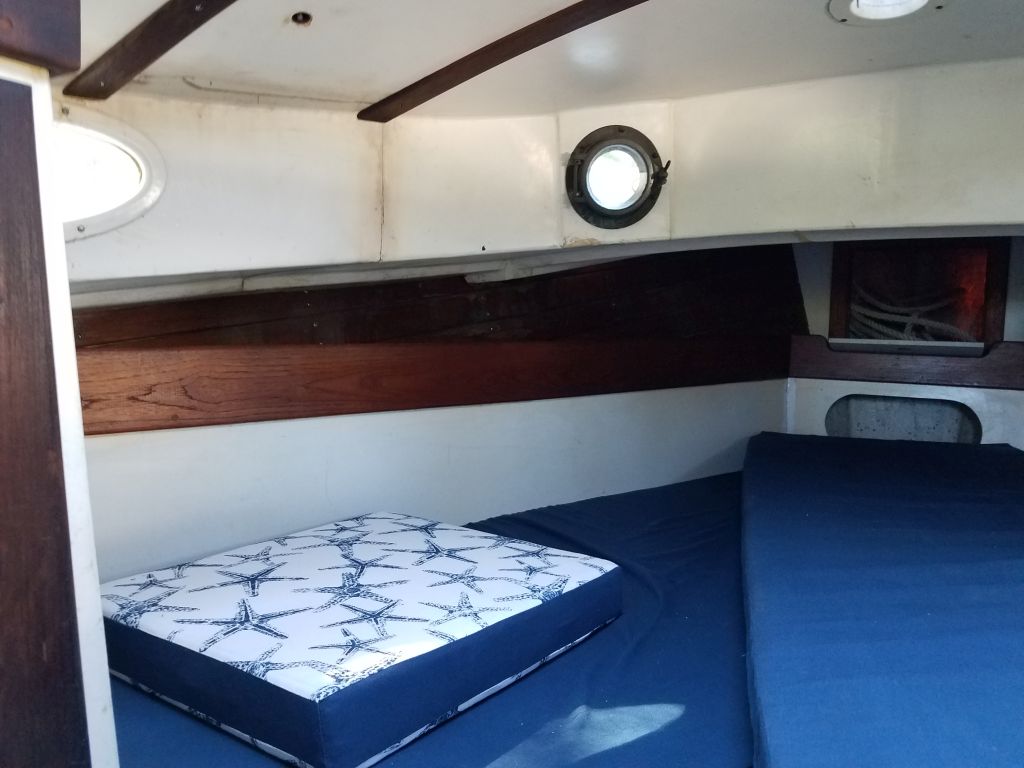
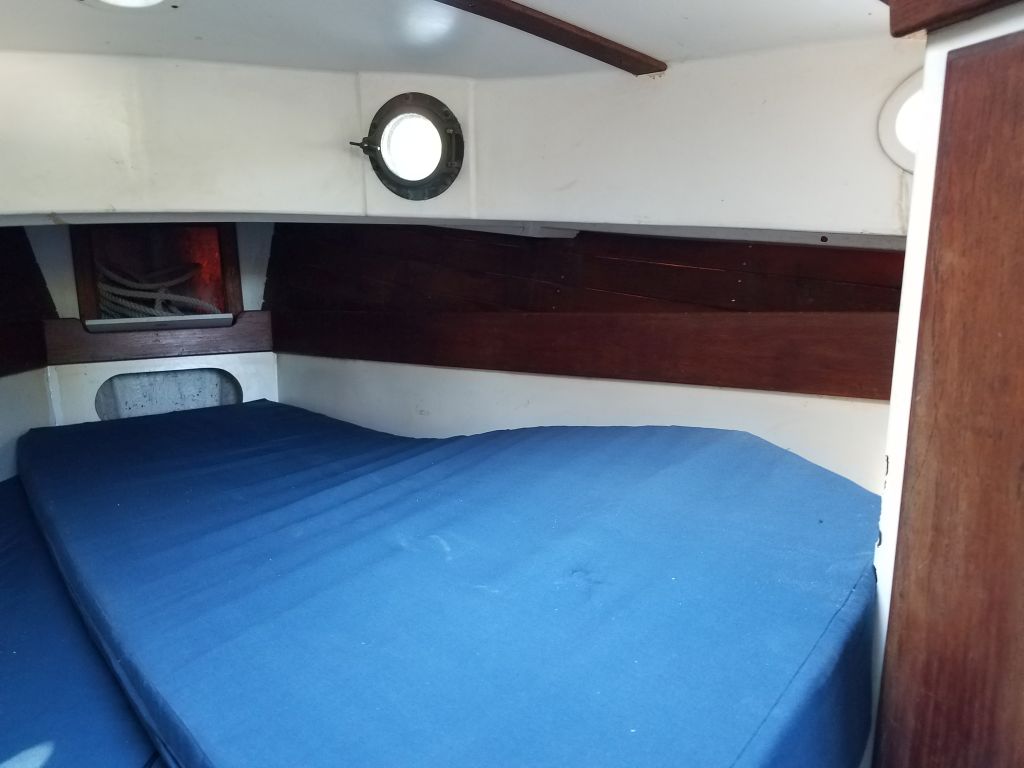
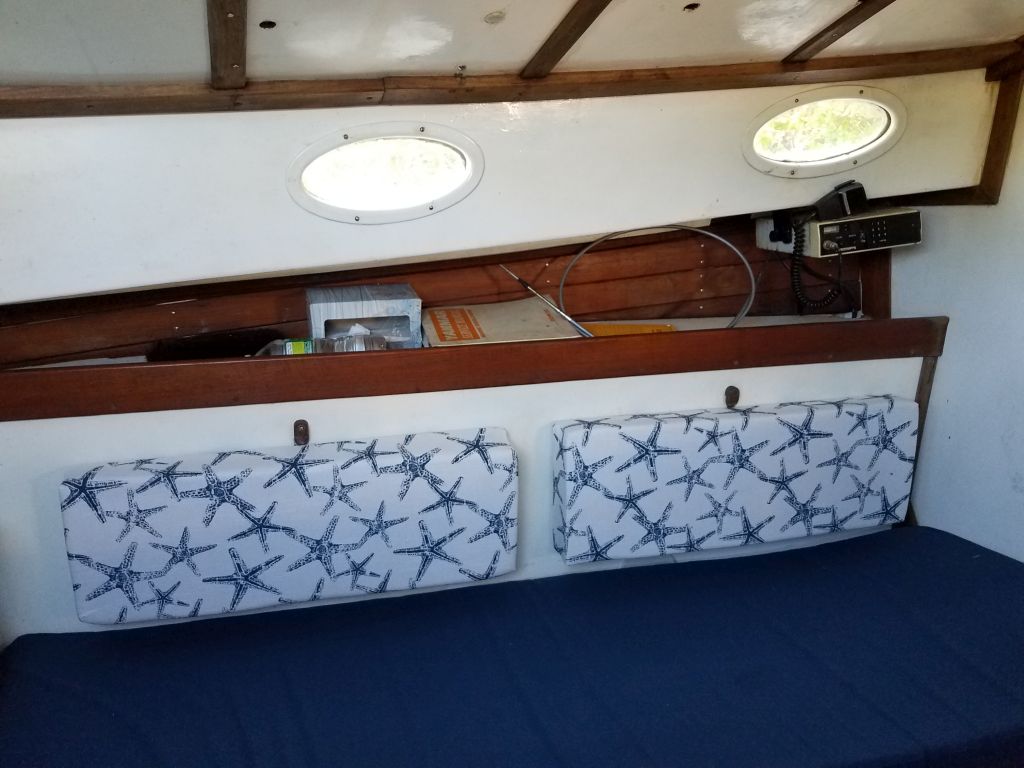
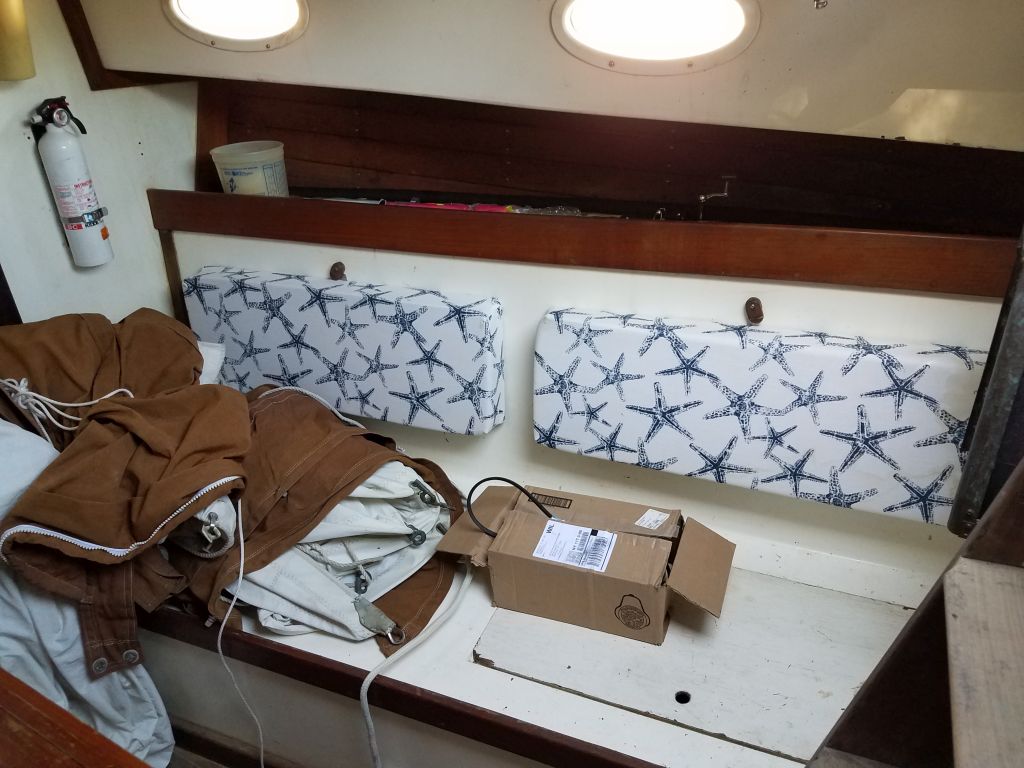
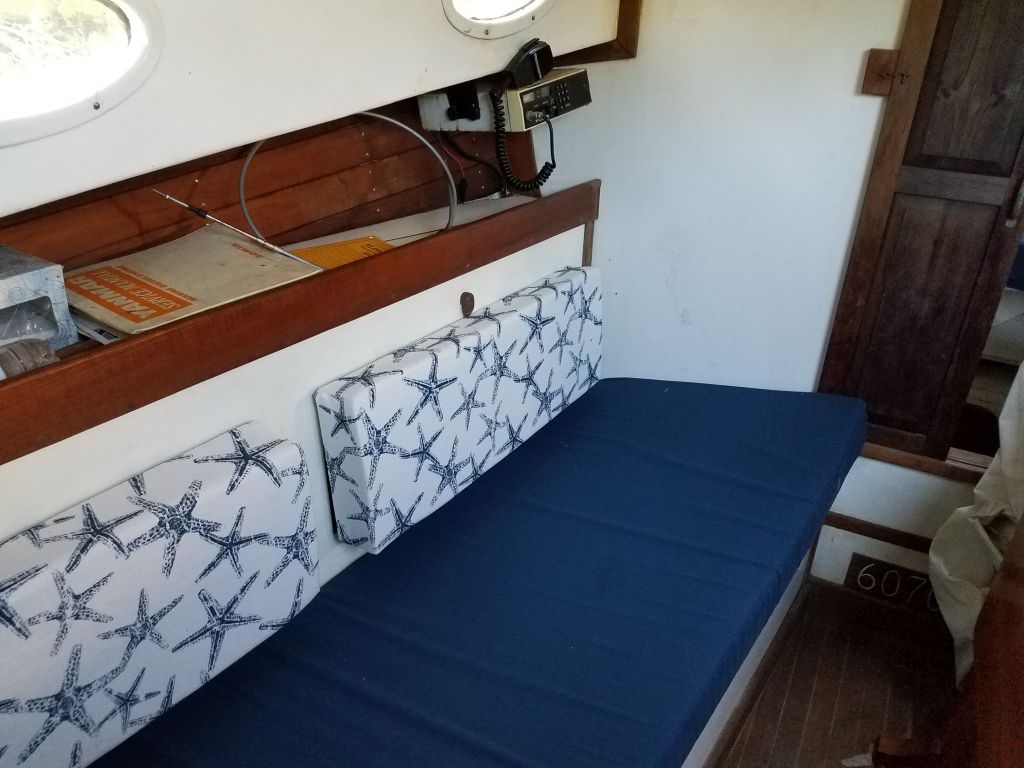
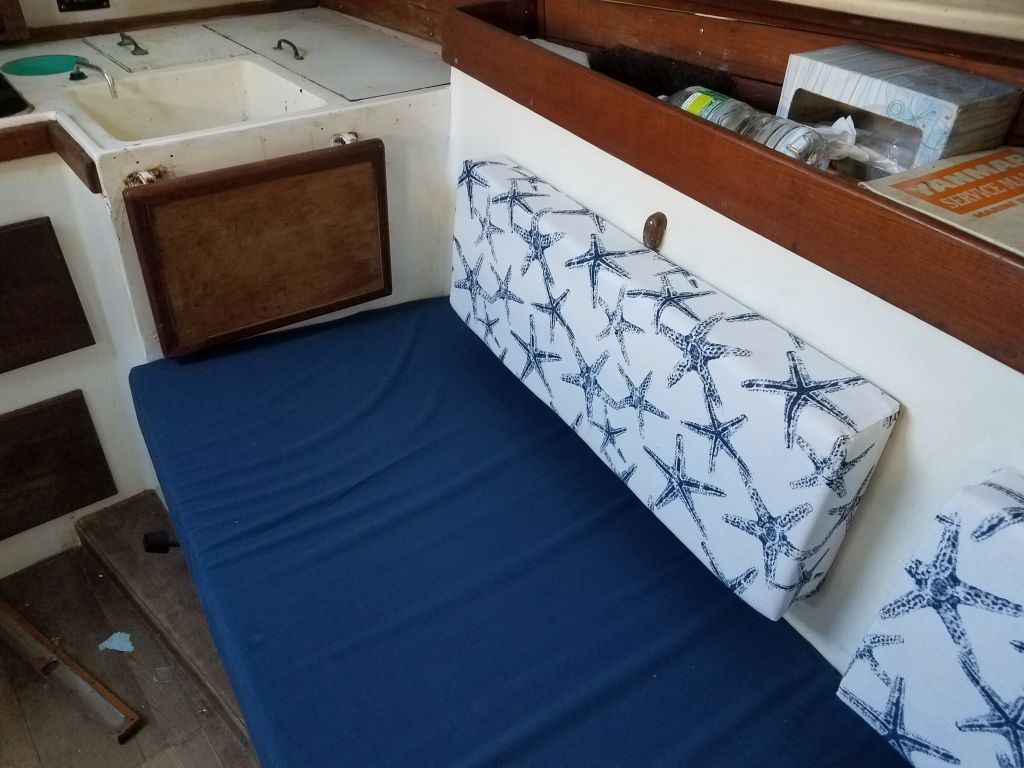
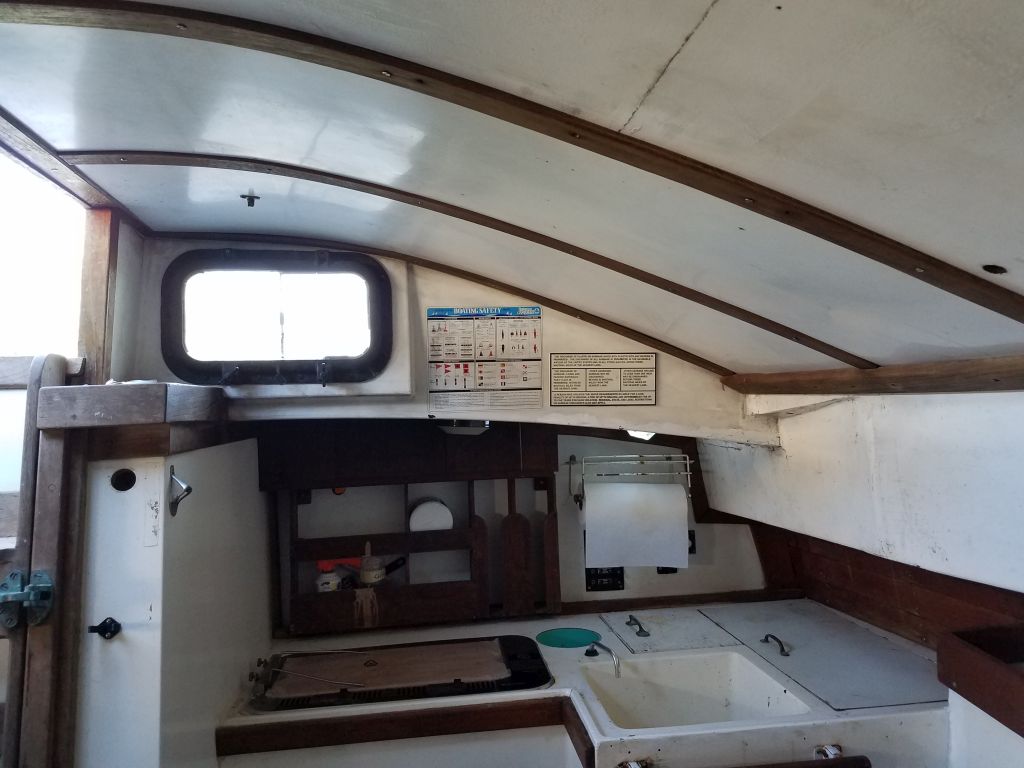
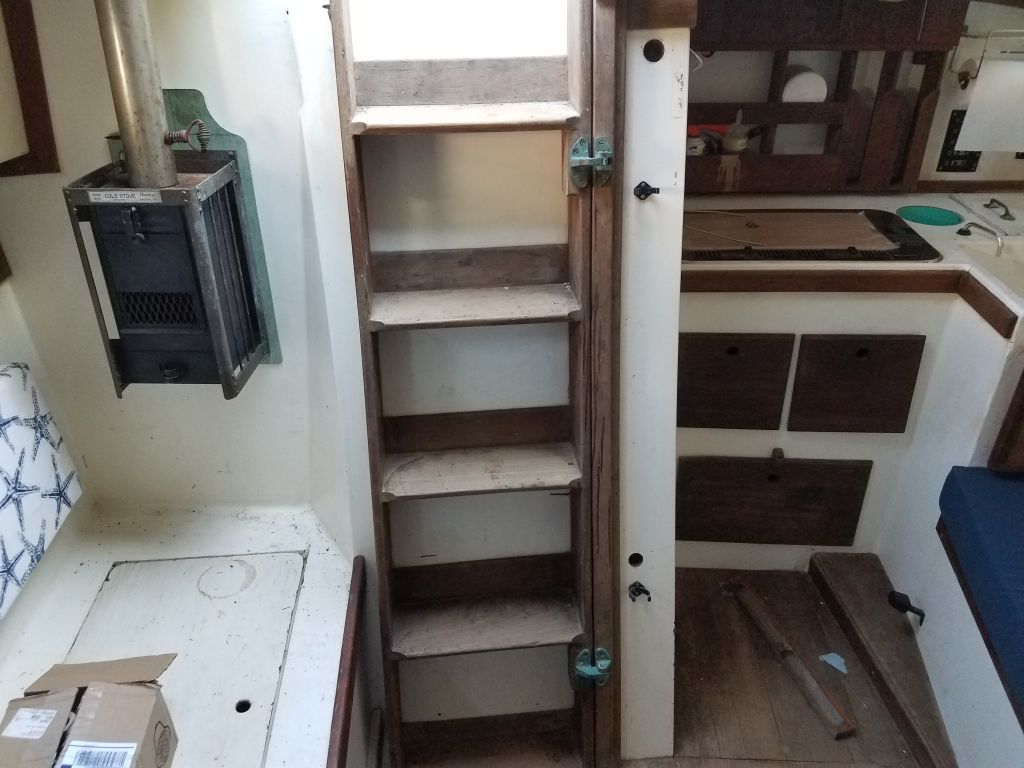
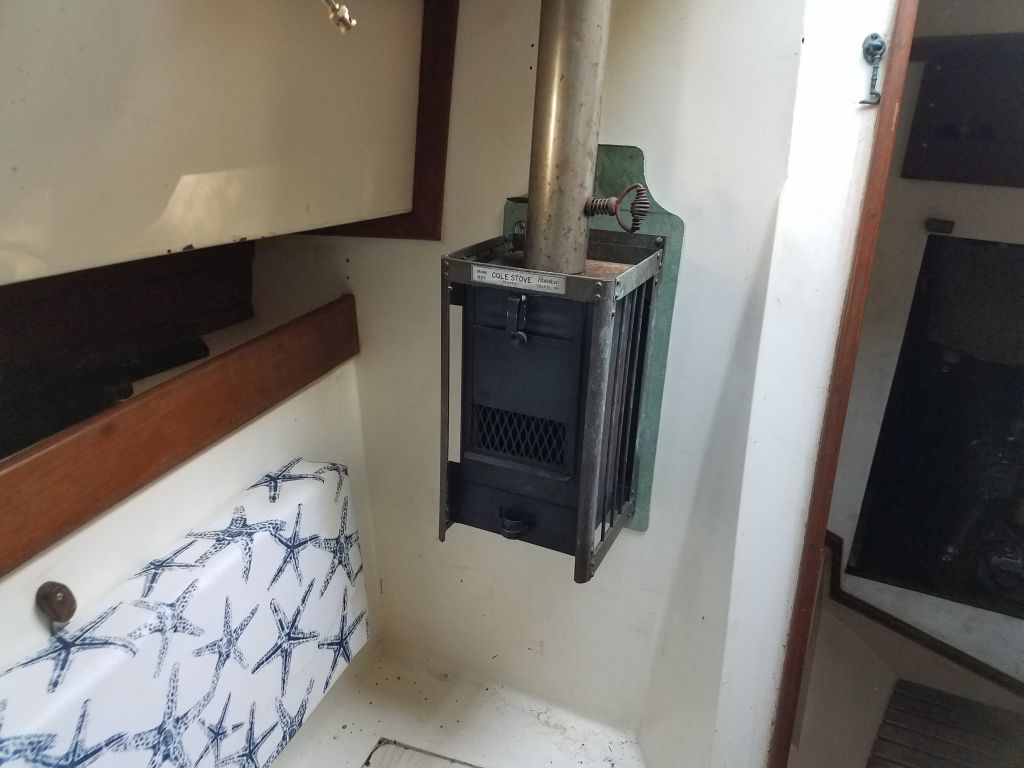
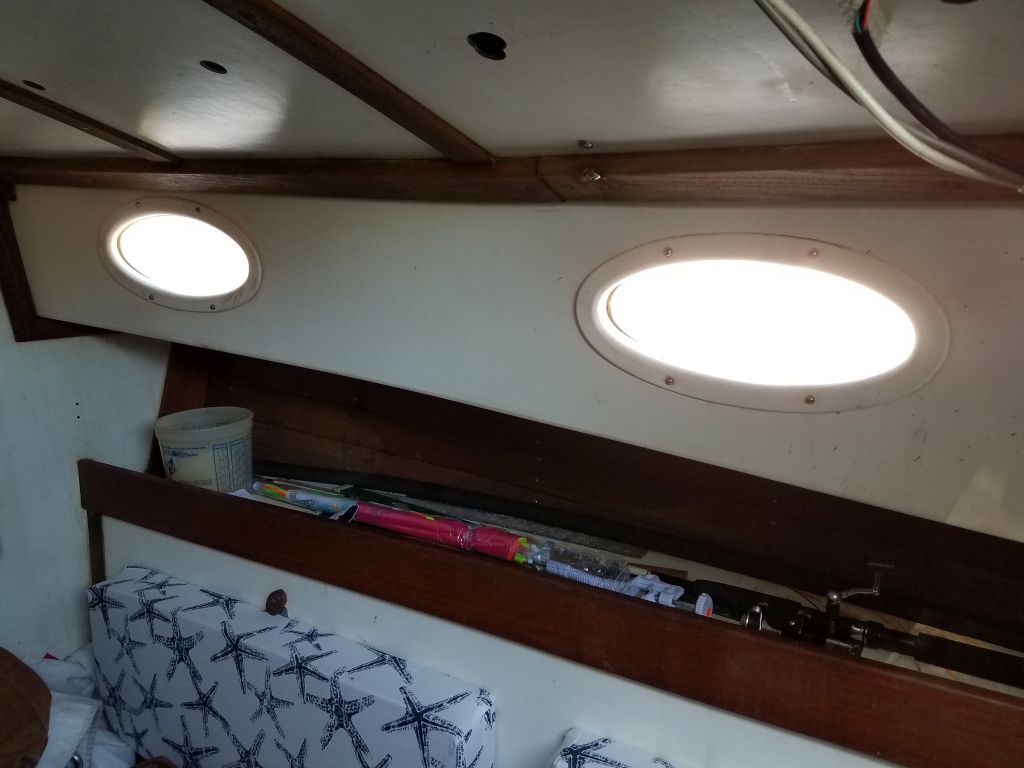
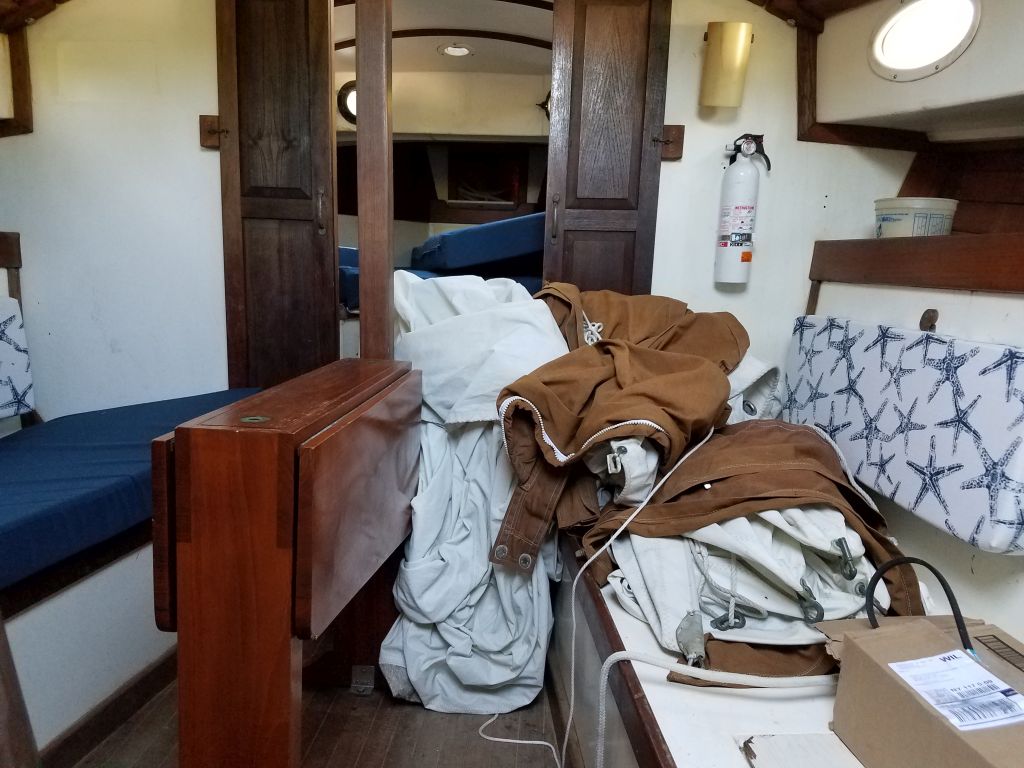
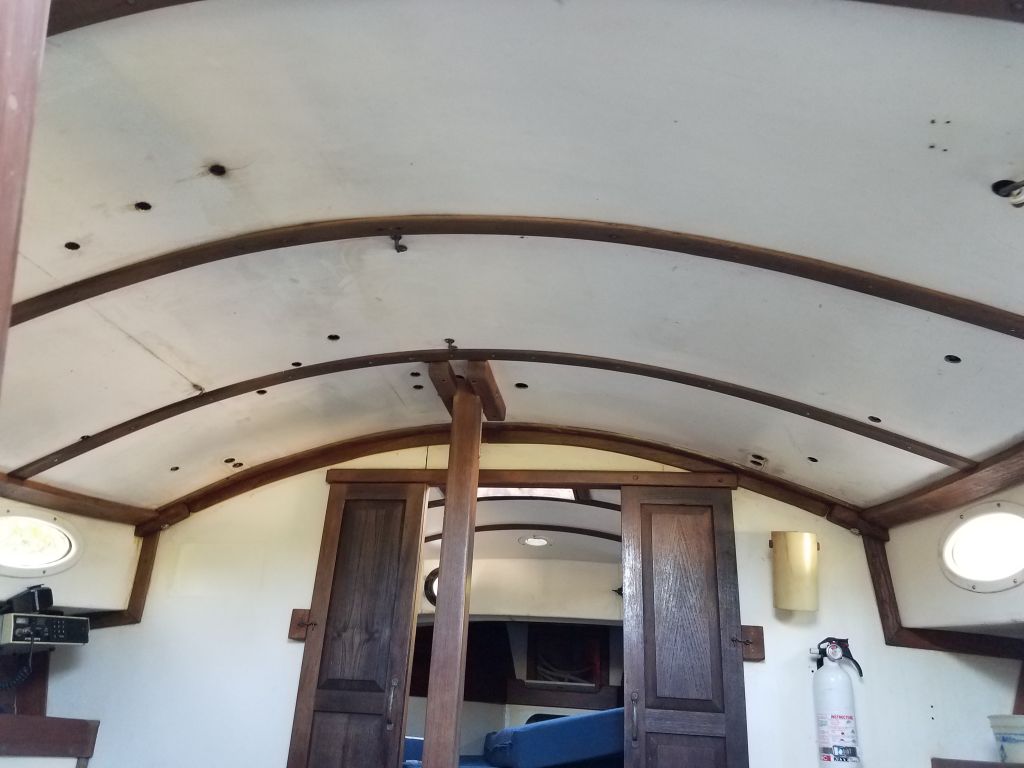
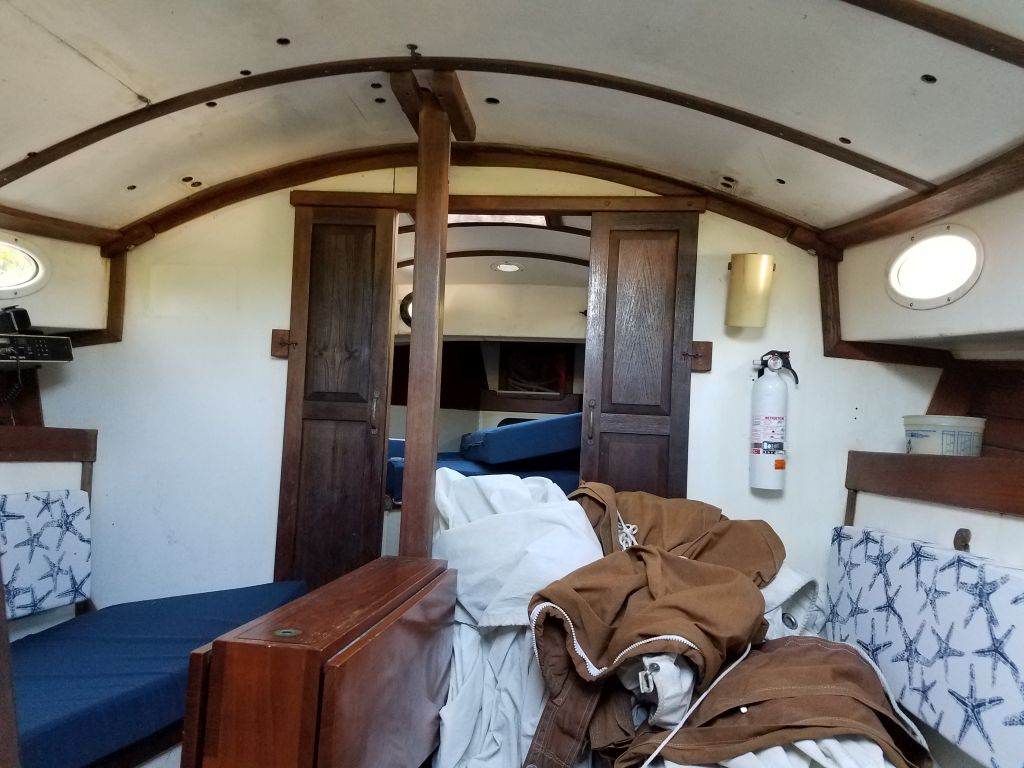
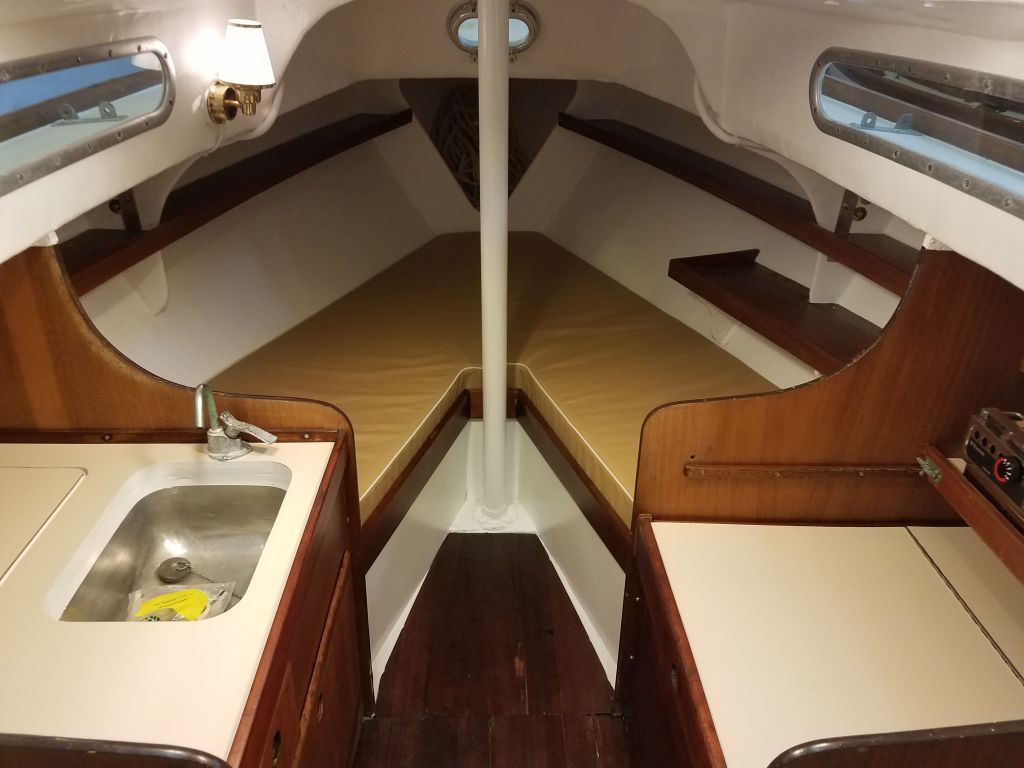
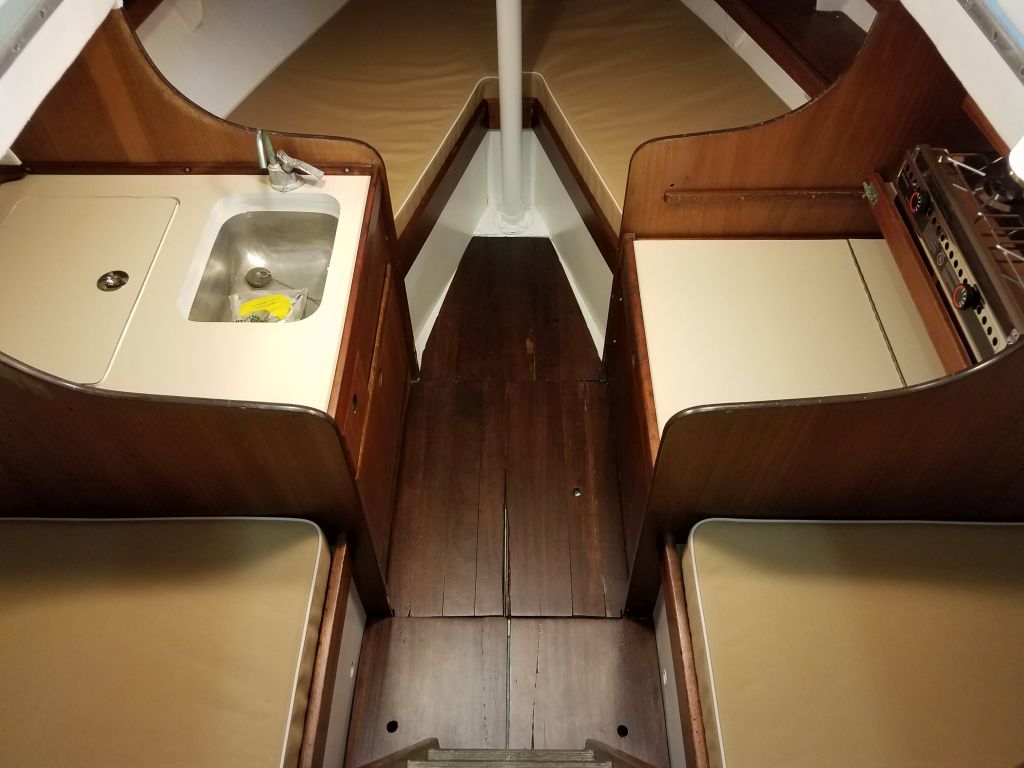
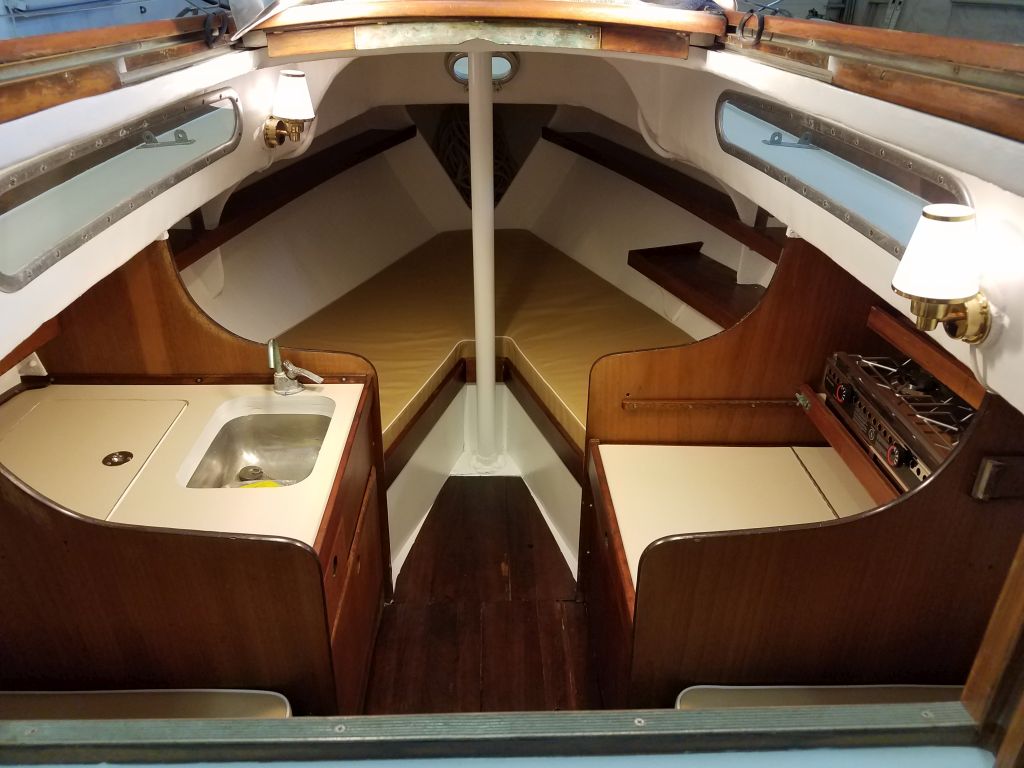
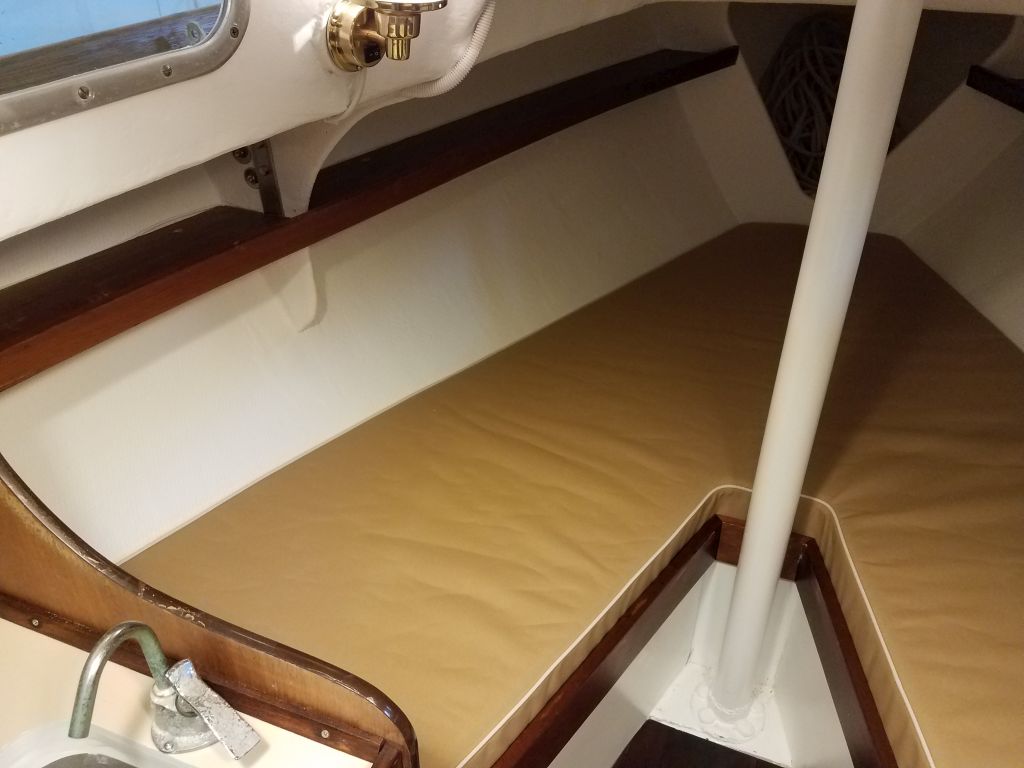
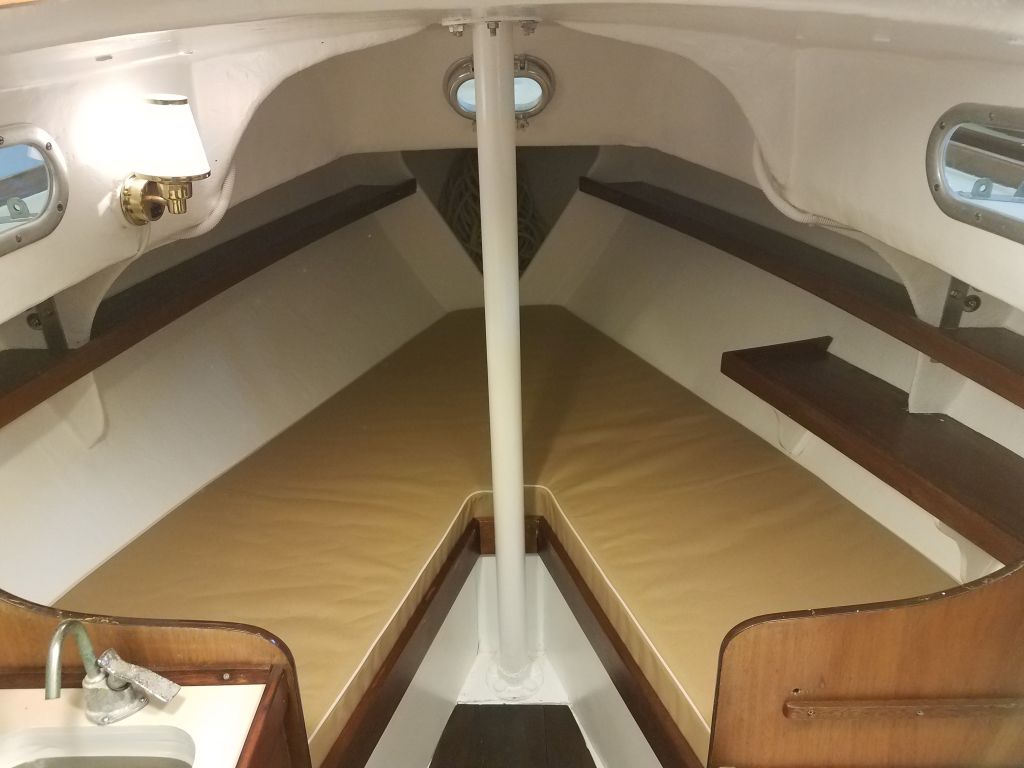
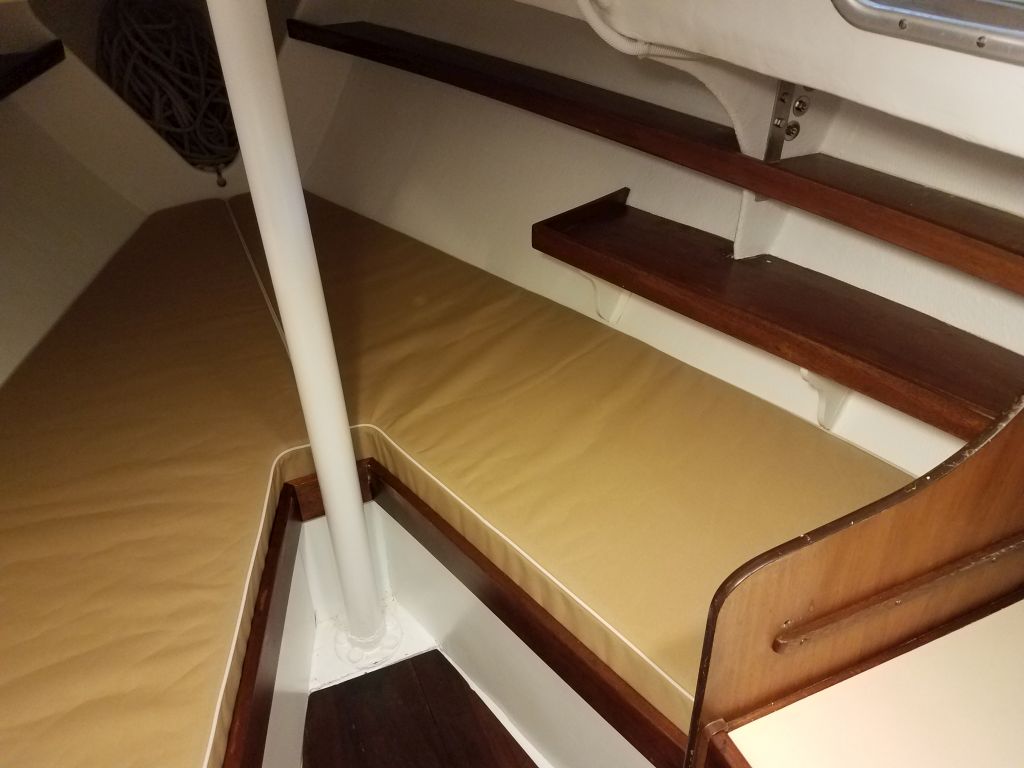
Barring any significant reconfiguration of the interior layout or built-in cabinetry (molded fiberglass with wooden trim in most cases), the interior restoration will revolve largely around cosmetic repairs, enhancements, and upgrades as you see fit for your own vision for the boat.  Existing woodwork, at a minimum, should be refinished, but replacement may be worthwhile in some cases.  The interior is generally dank and dirty and will require the usual amount of significant cleaning, surface preparations, and refinishing.  Interior cushions are fair but should likely be replaced.  The work list for the cabin will likely be substantial, but the basics appear to be in place and we can work from there.
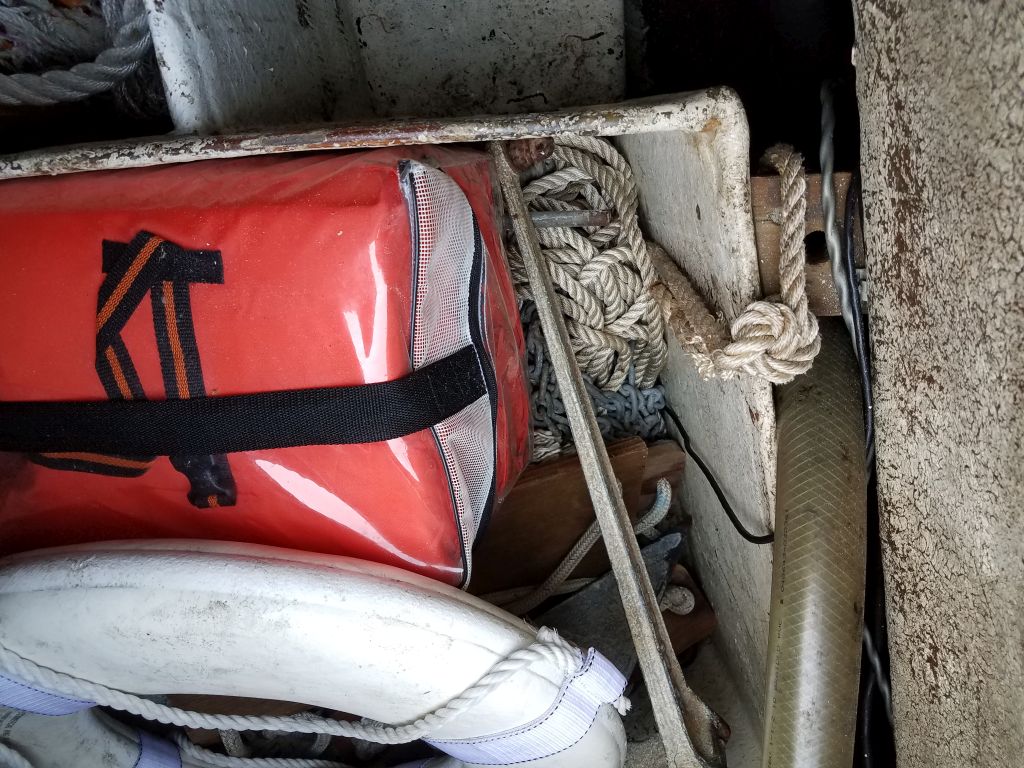
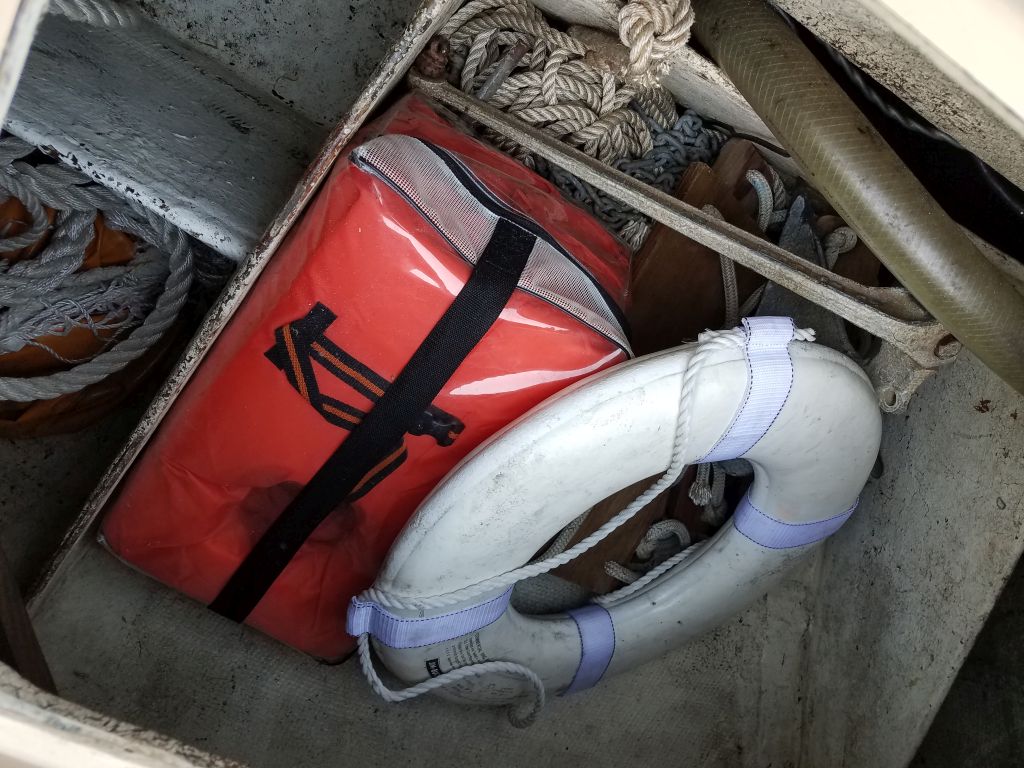
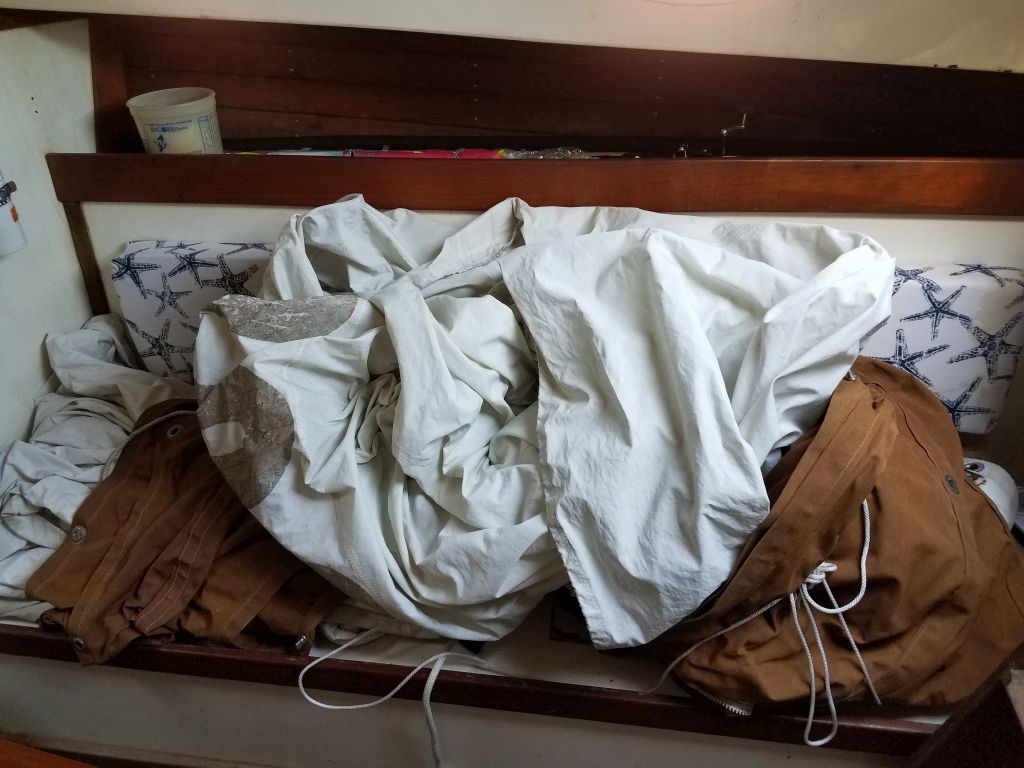
The existing sails and canvas are serviceable, but old and worn.  Other equipment, including anchors and rodes, docking equipment, etc. is old and, while serviceable in a technical sense, not generally worthy of re-use.

Continuing discussions and the natural progression of work on the boat will help fine-tune the final project scope and needs.  These comments are based only on initial visual inspection, and more will surely come to light as time goes on.

<Back to Scupper

Total time billed on this job today:  .5 hours

Acadia 74

< Back to Acadia

Tuesday

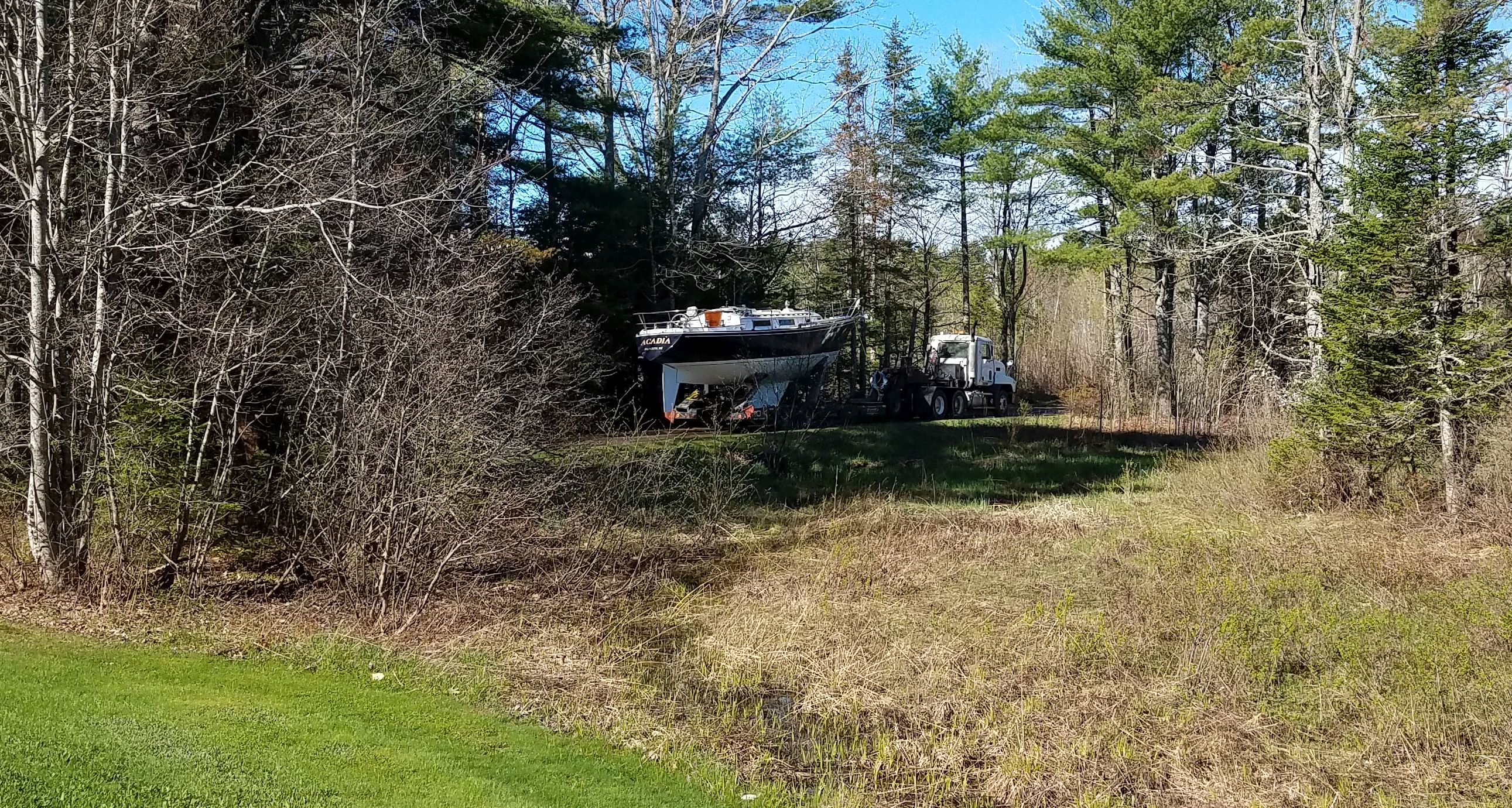
First thing in the morning, a local boat hauler arrived to take Acadia to her owner’s home port for launching and the season.  Thank you!

< Back to Acadia

odds6

< Back to Odds’n’Ends

Wednesday

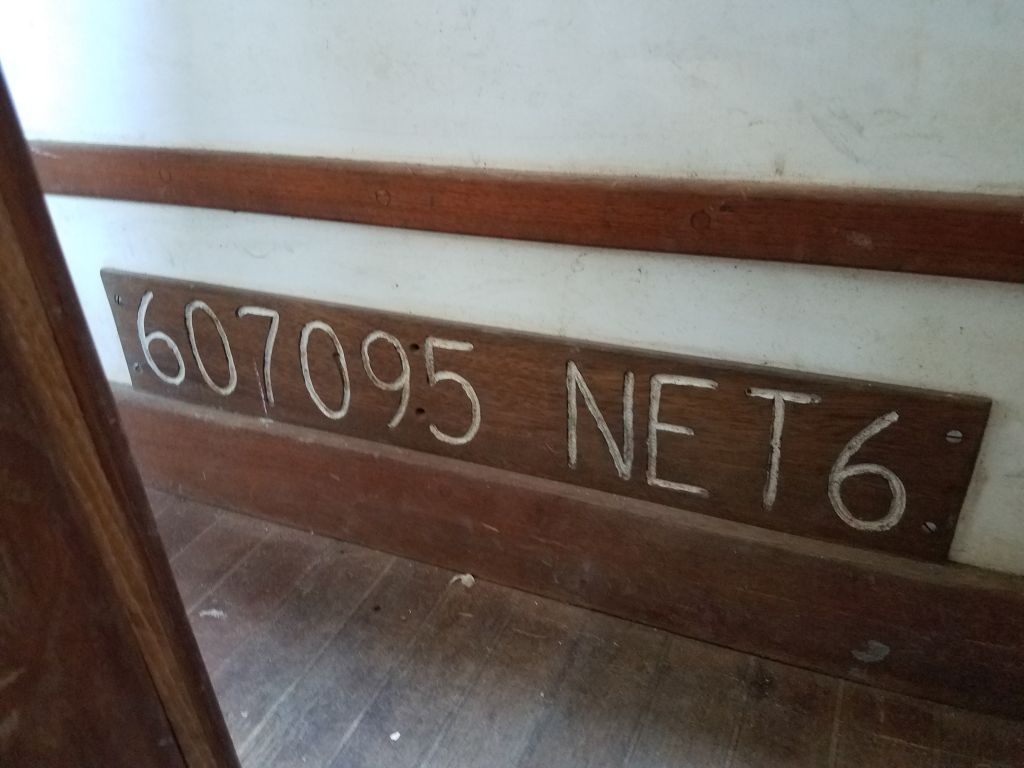
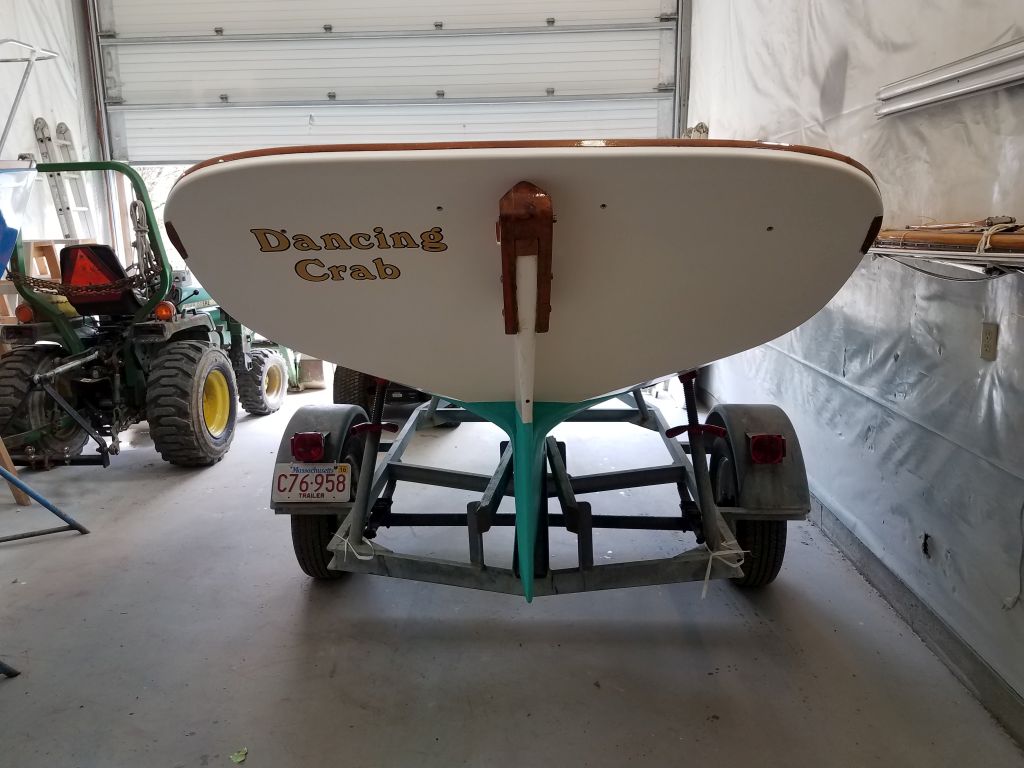
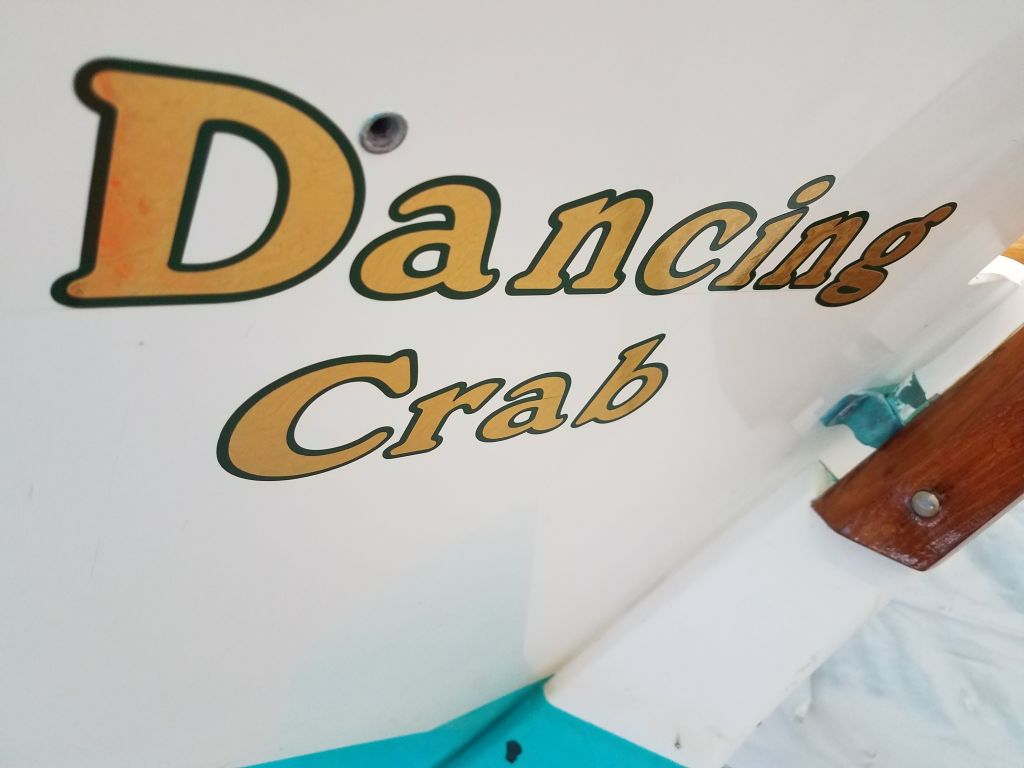
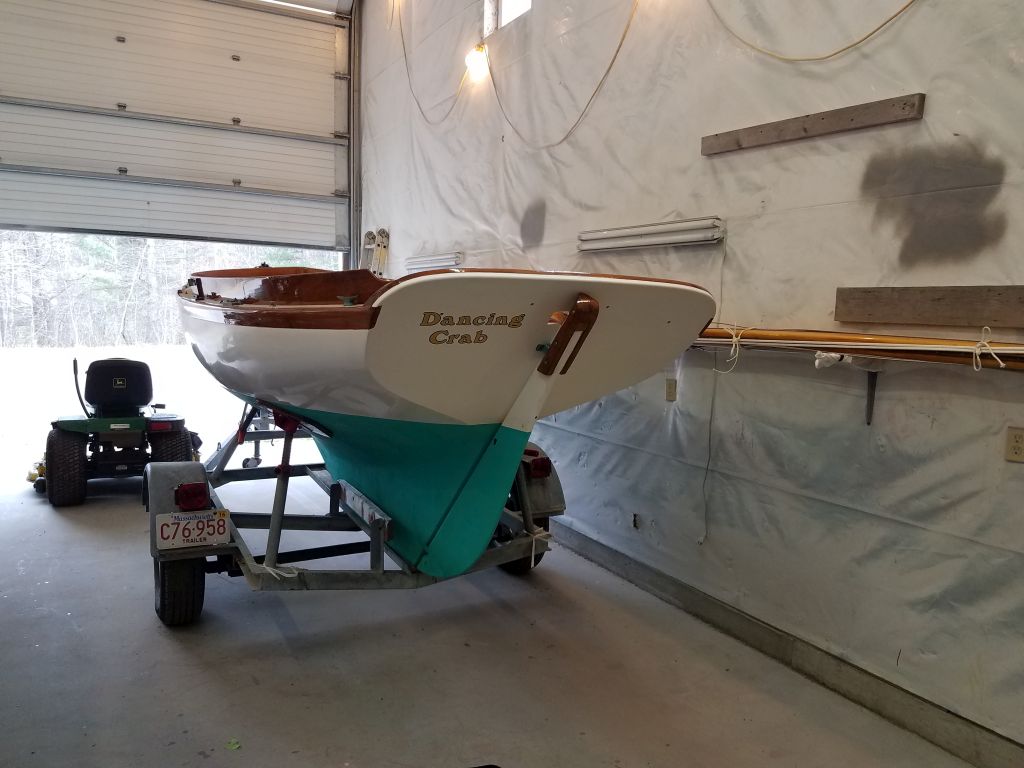
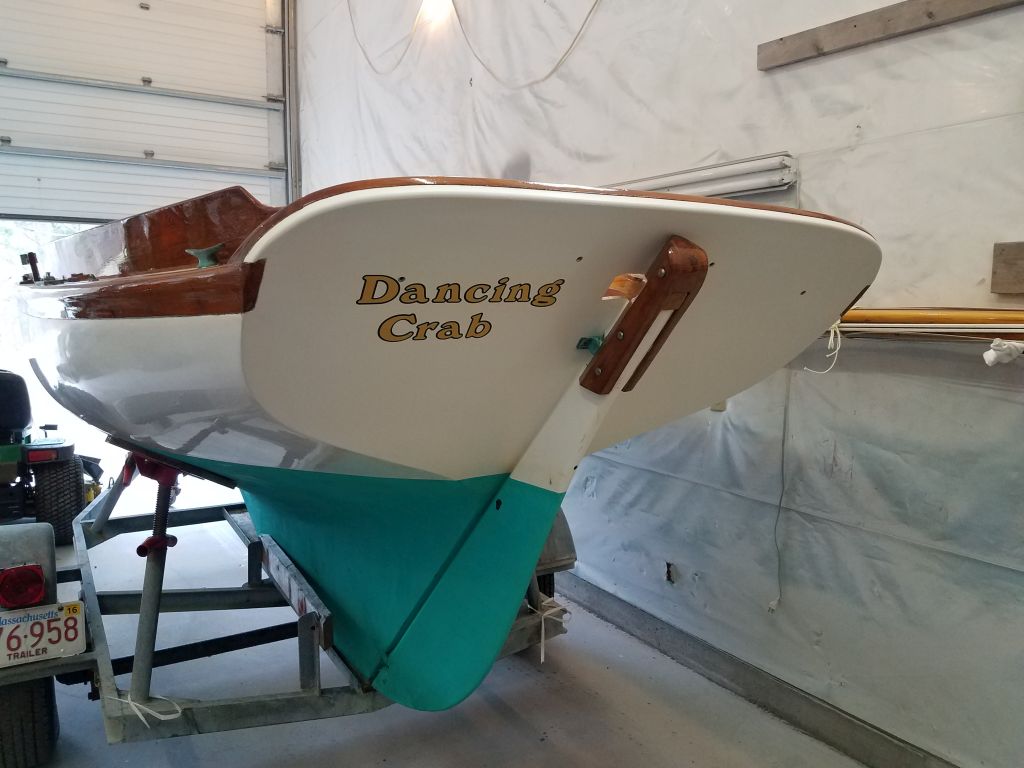
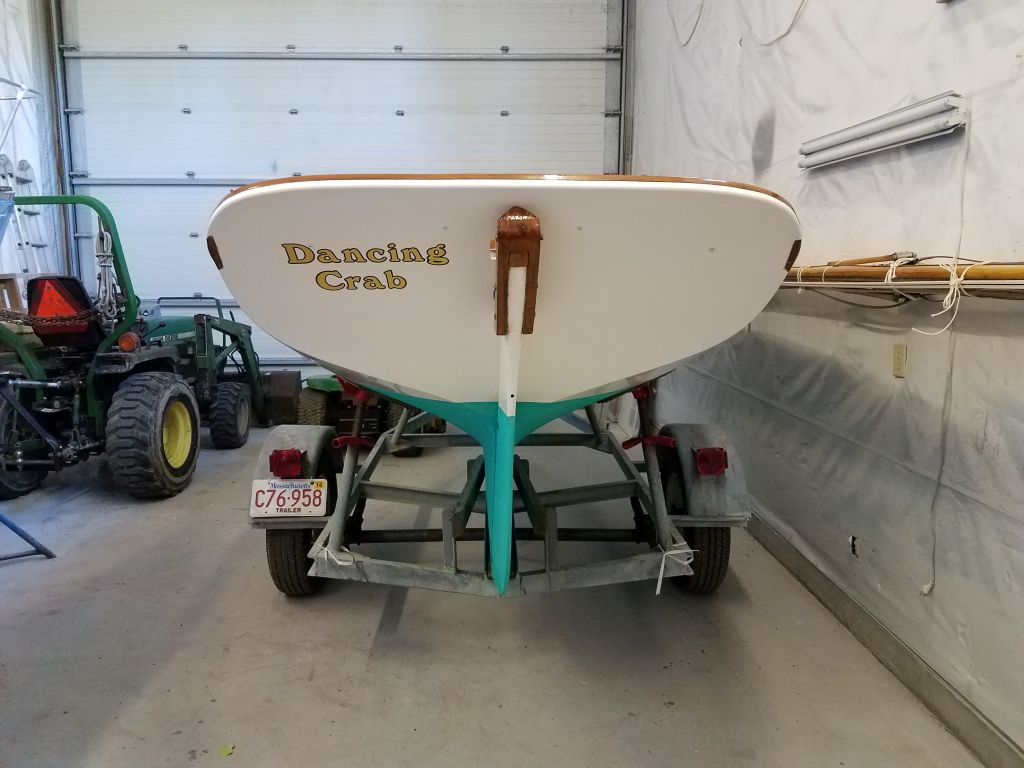
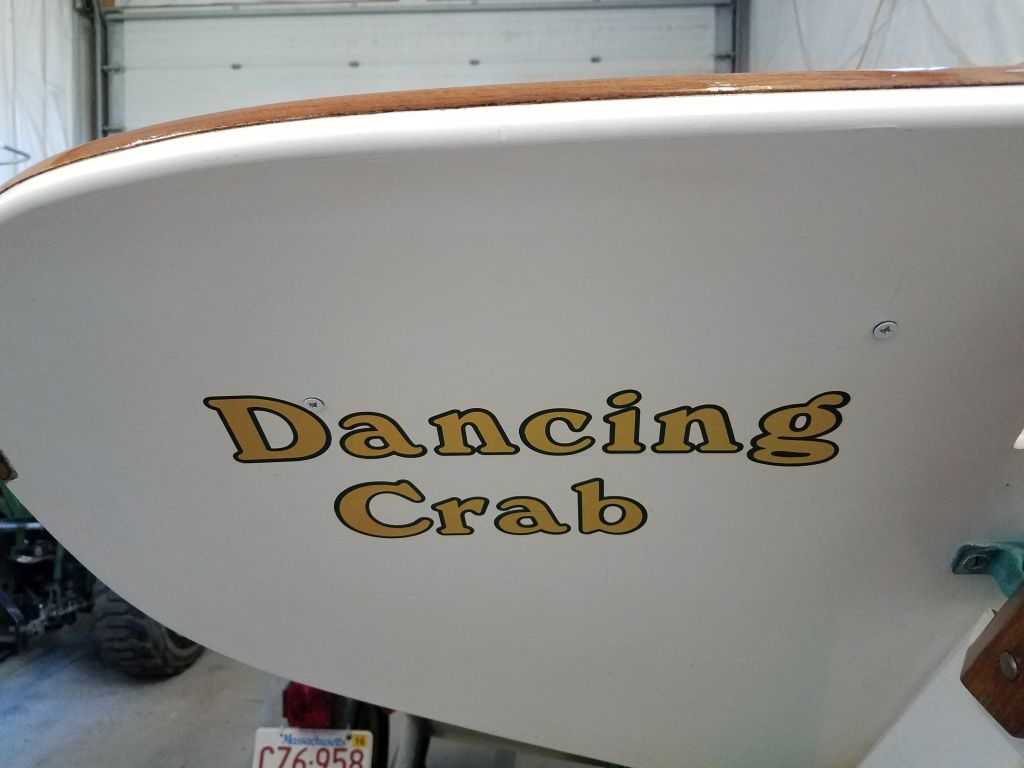
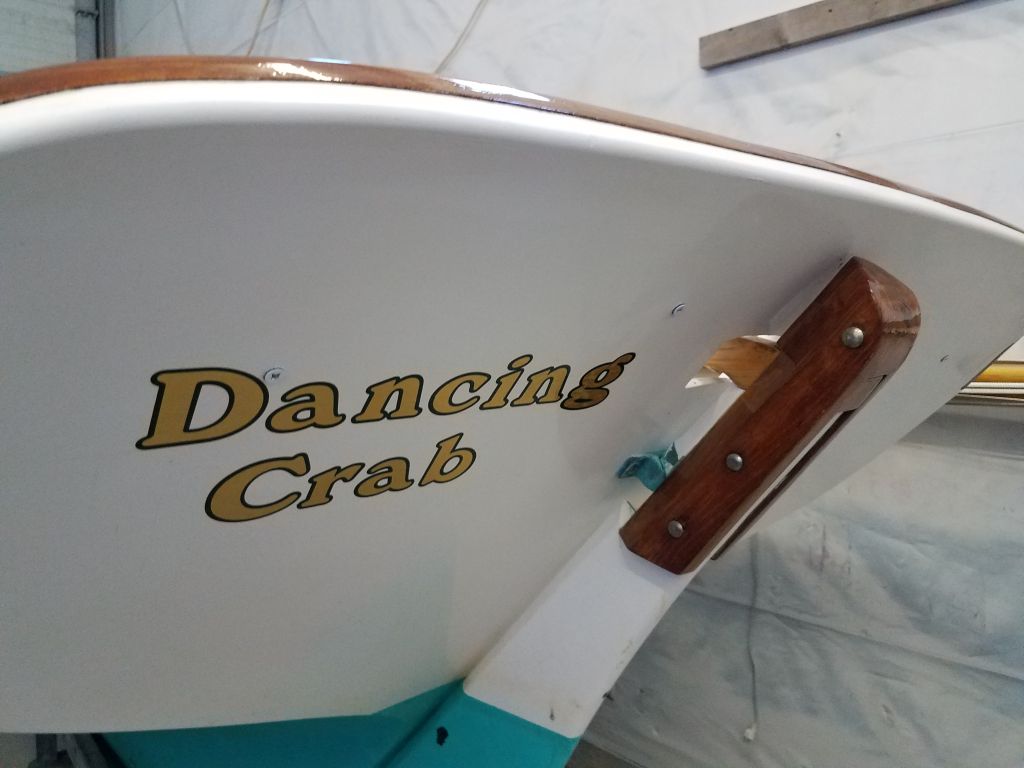
A final touch for the project was to put a name on the boat.  The owner chose an old family boat name, and after various iterations with font and style choices, selected the final version for the transom, which I ordered from a local graphics shop and installed.  The vinyl is gold leaf with green outline.  The little holes in the transom are screw inserts designed for the traditional wooden nameboards often seen on these boats.
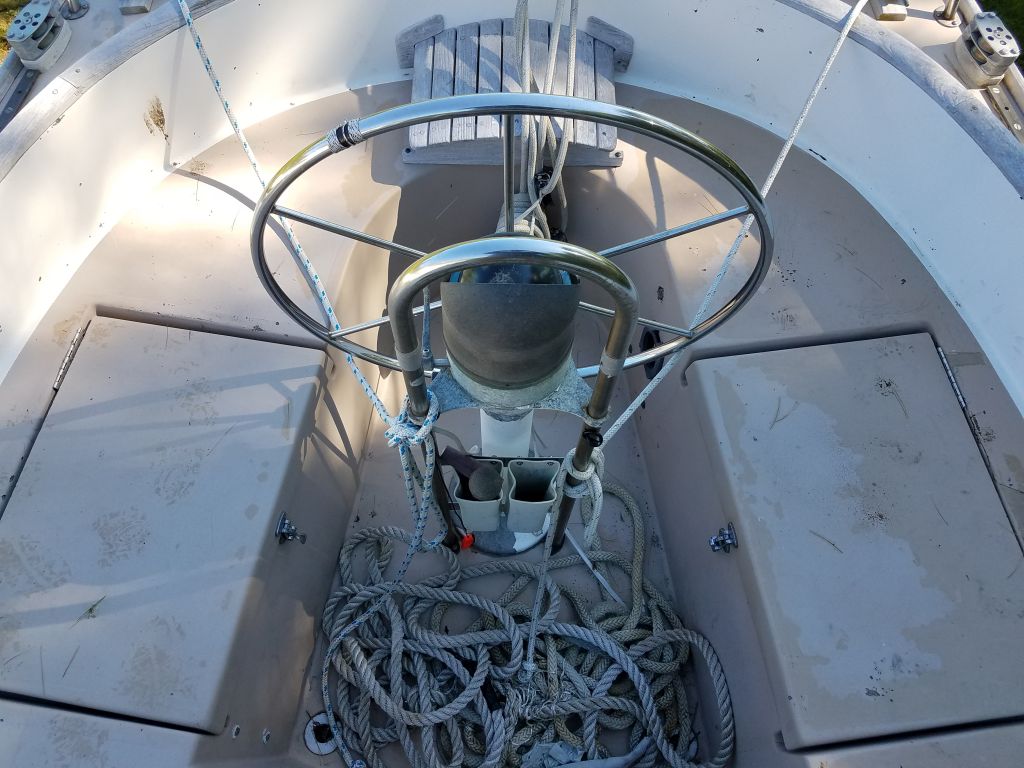
Later, with some “custom-painted” white screws, I finished up by inserting the screws in the threaded holes to help hide them.  From a modest distance, this made a significant difference.

Total time billed on this job today:  1.5 hours

0600 Weather Observation:
40°, clear.  Forecast for the day:  sun, clouds, some showers, around 60

Acadia 73

< Back to Acadia

Tuesday

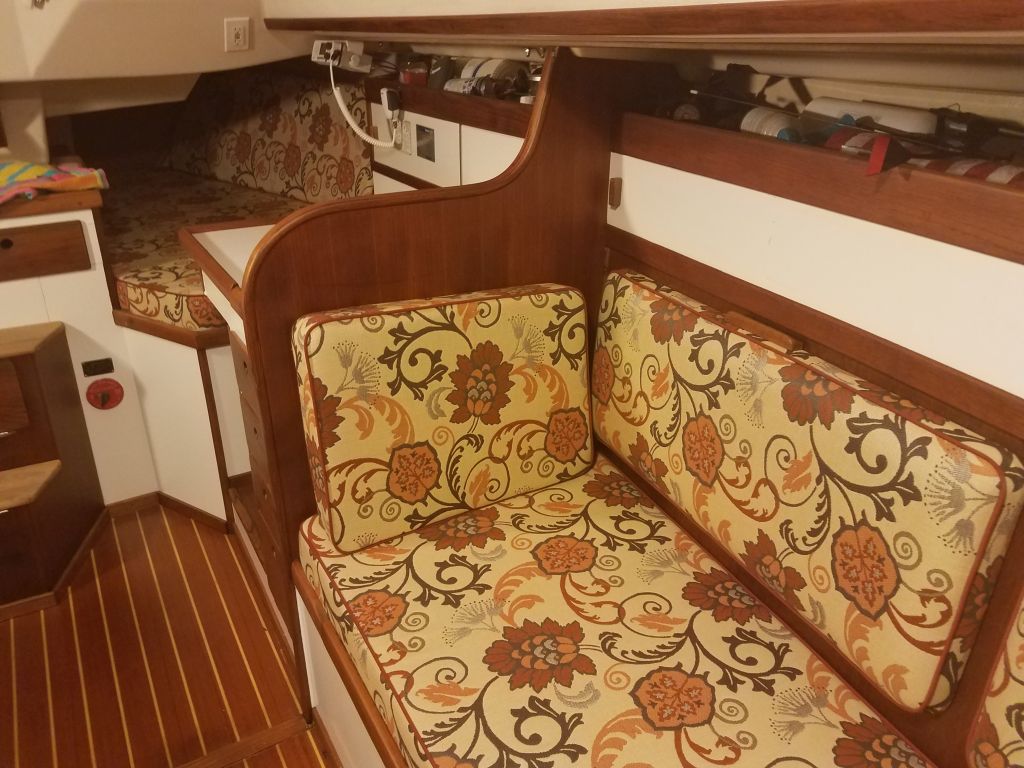
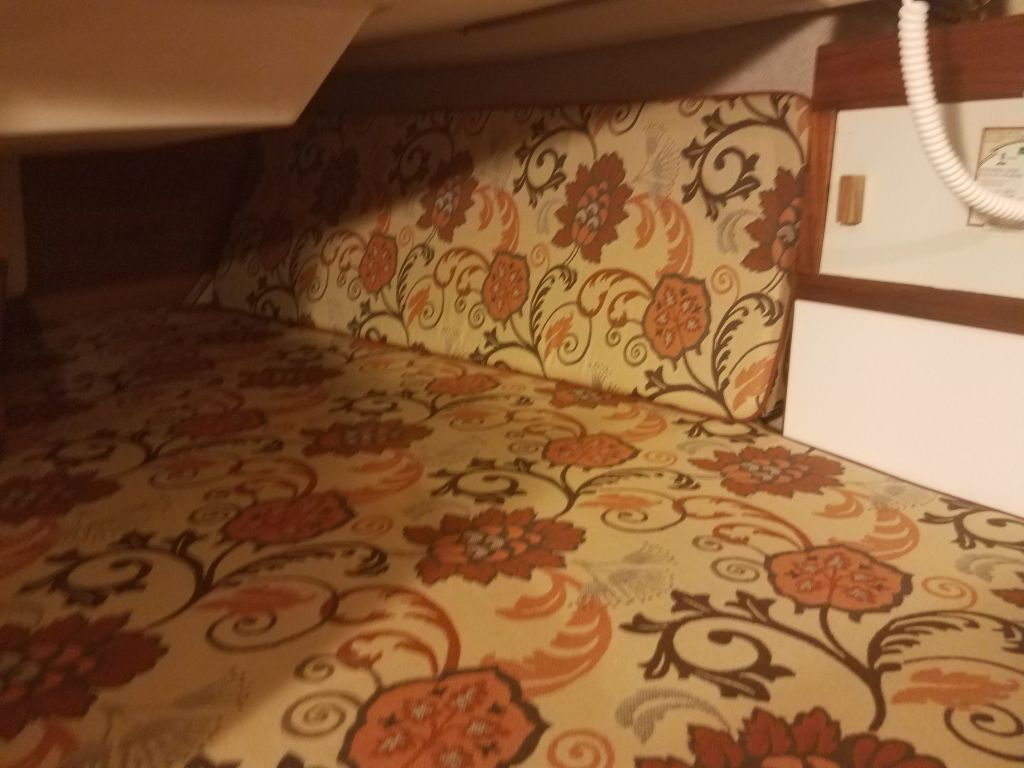
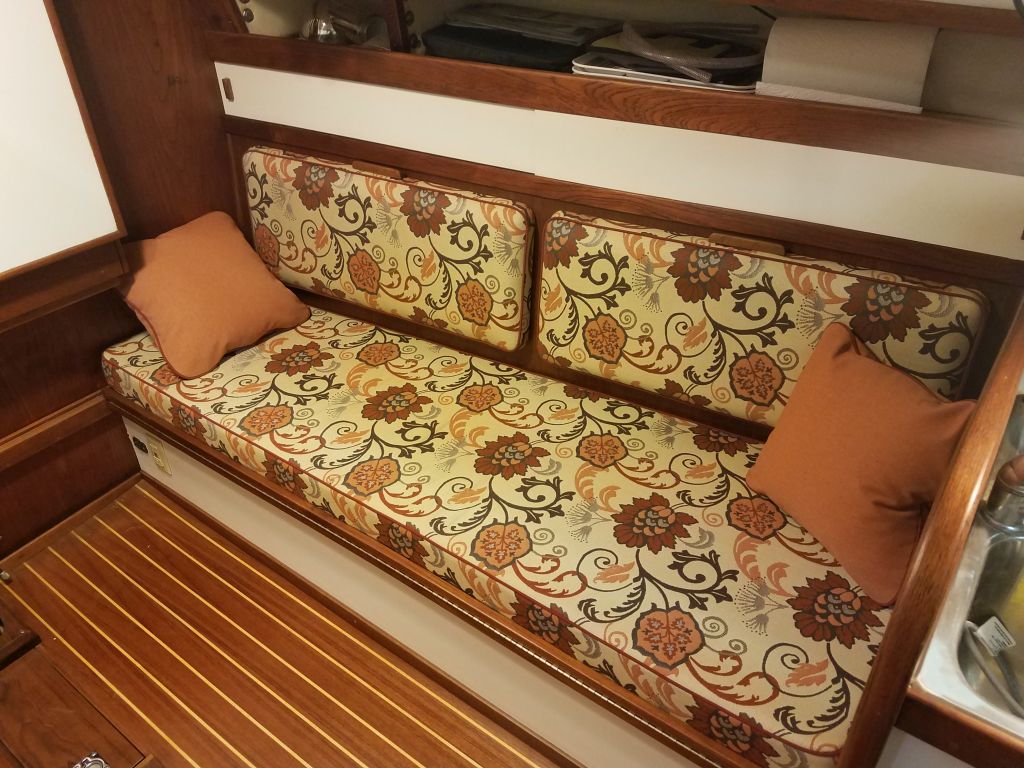
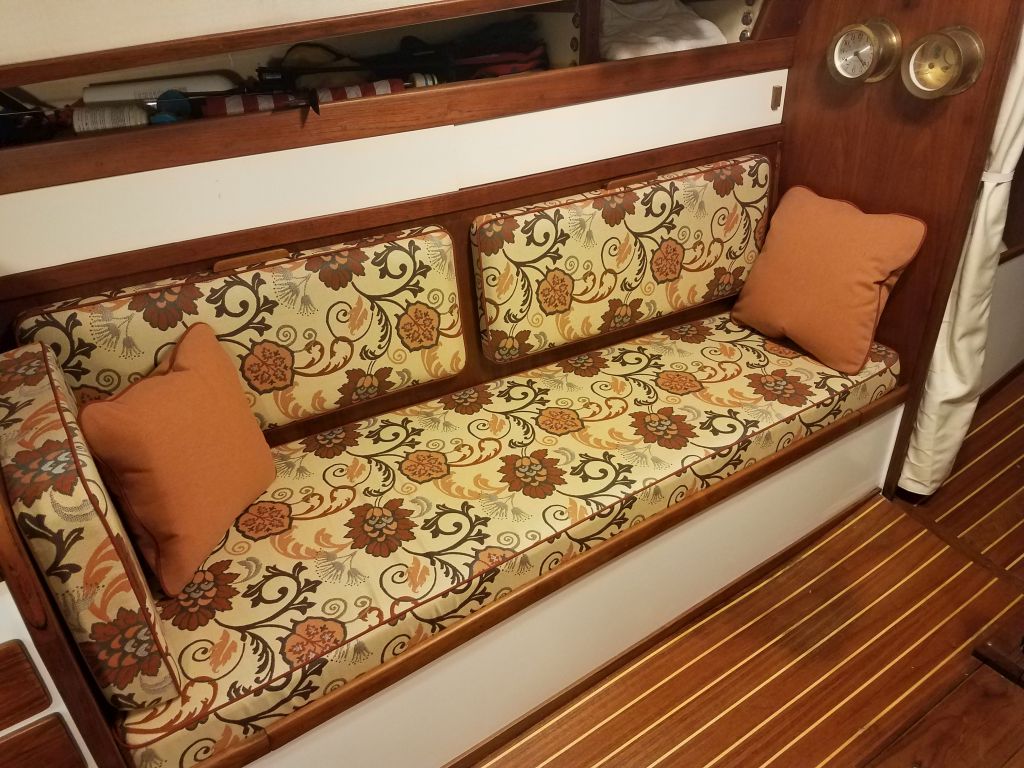
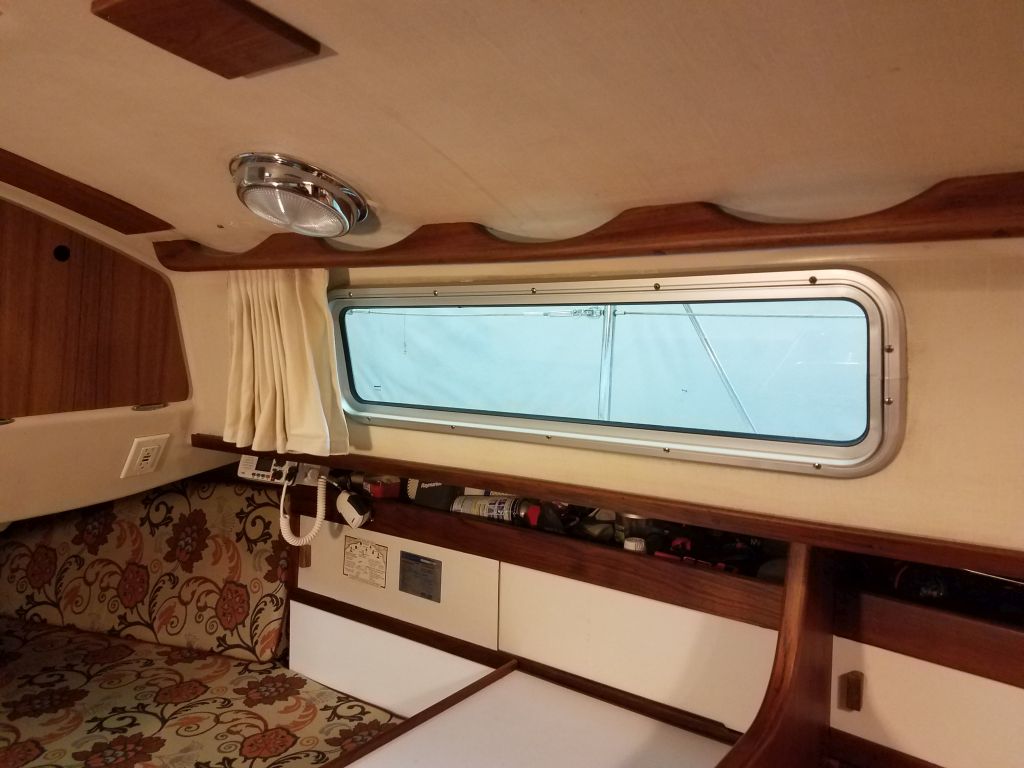
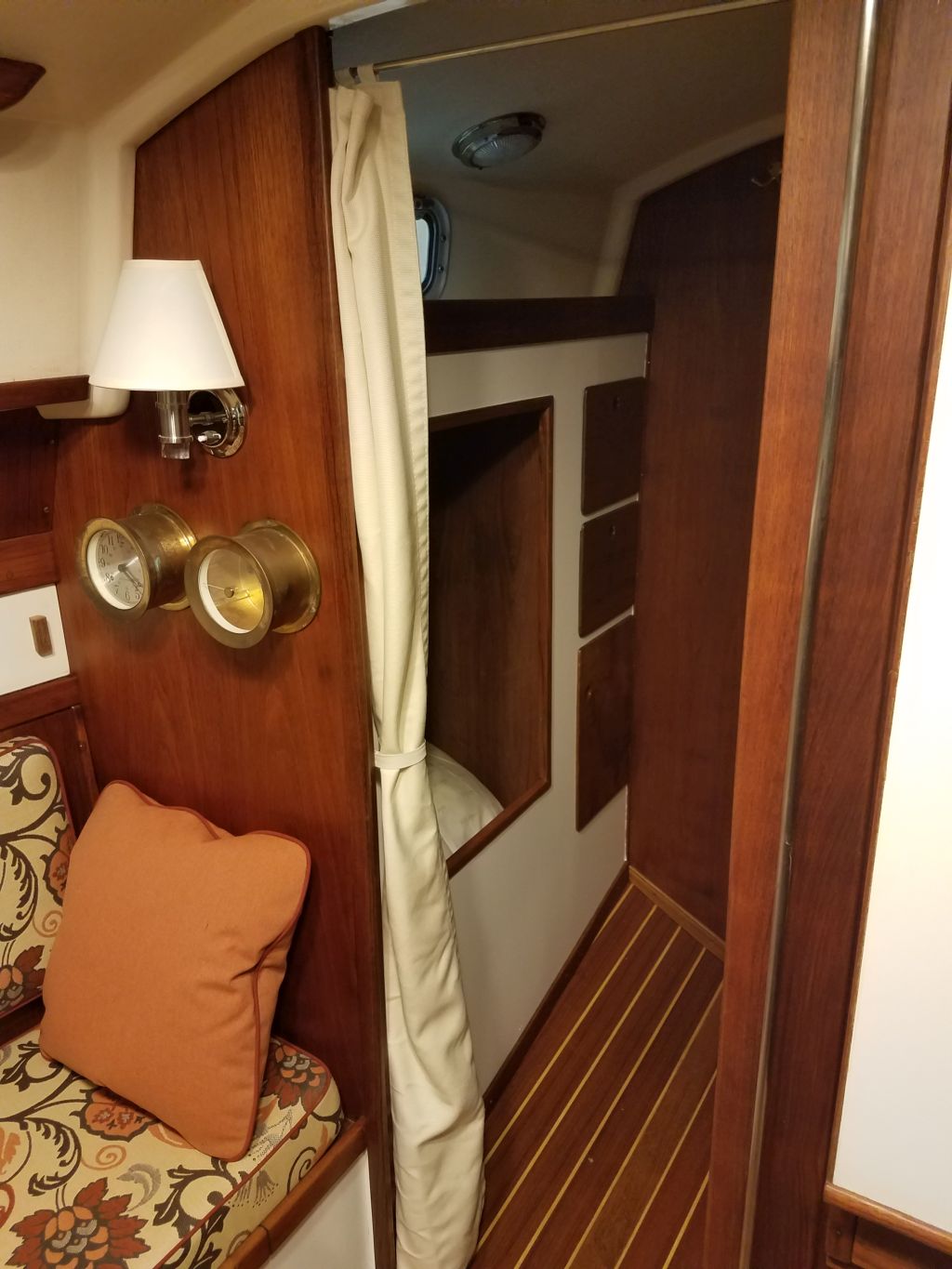
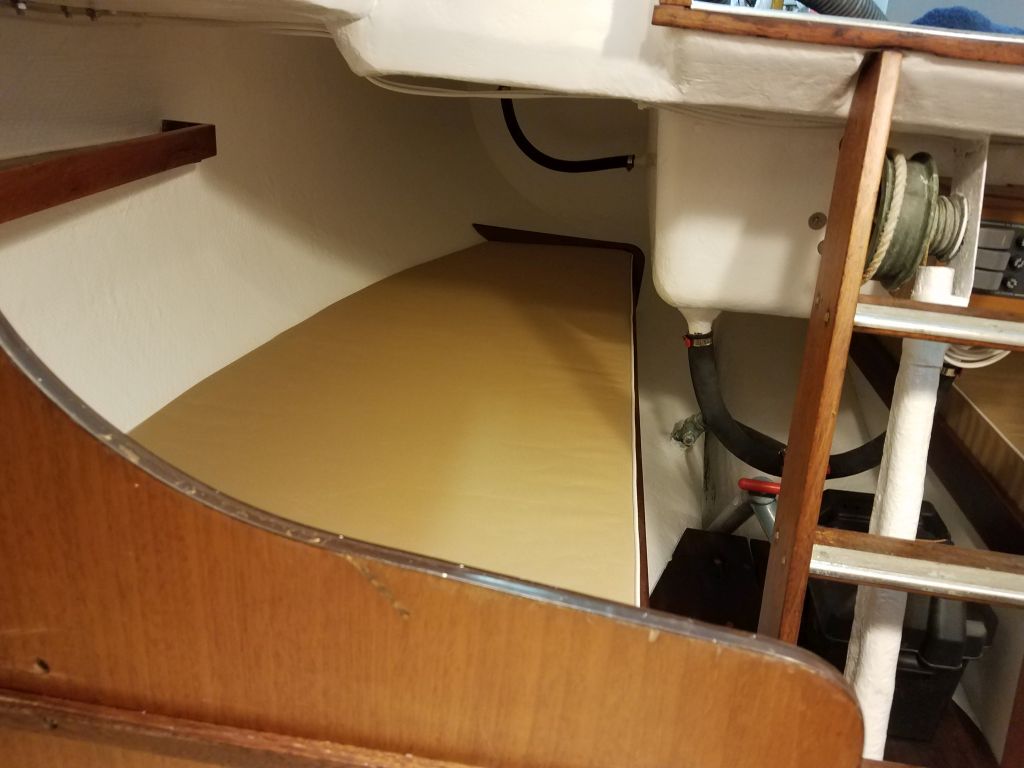
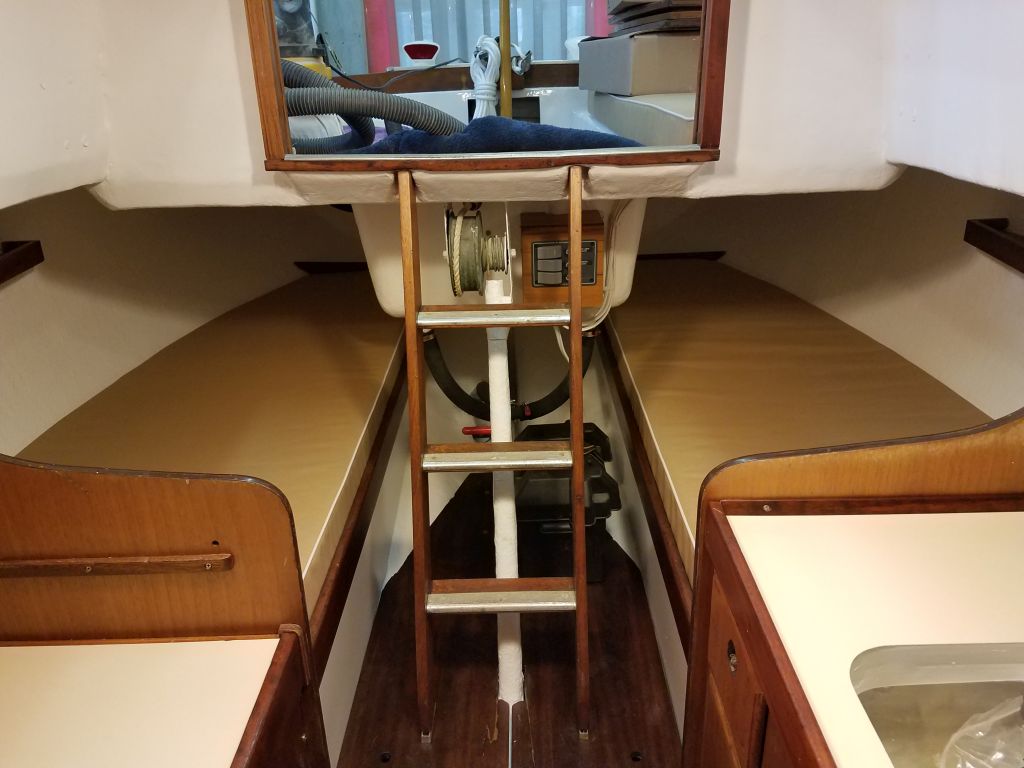
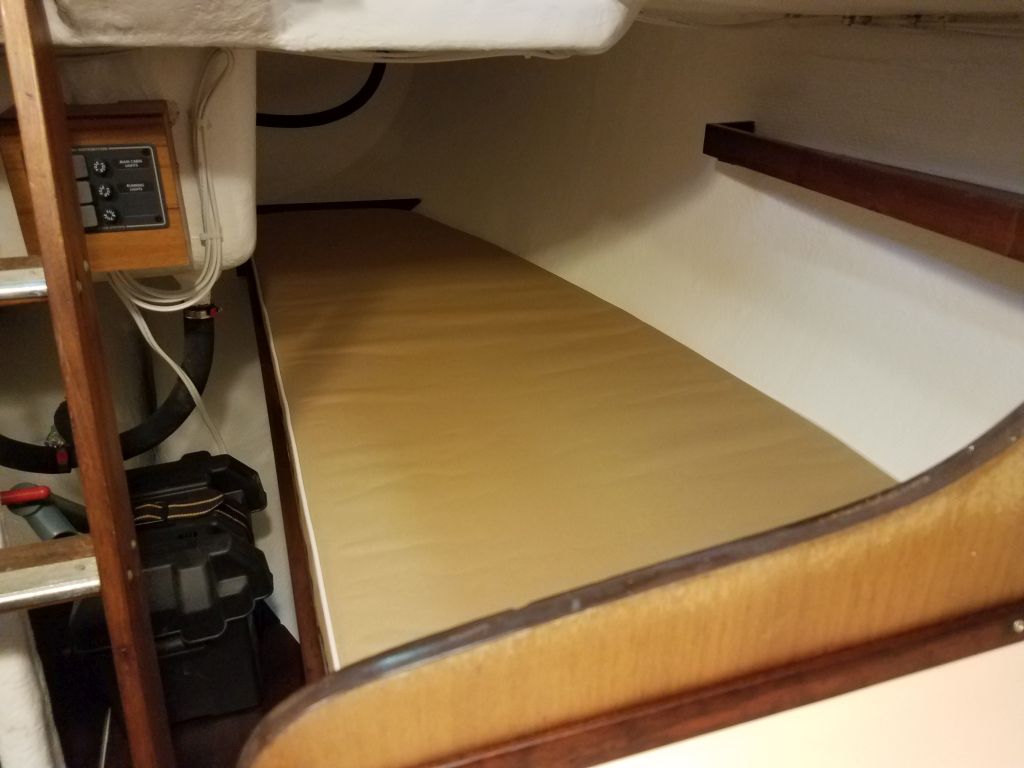
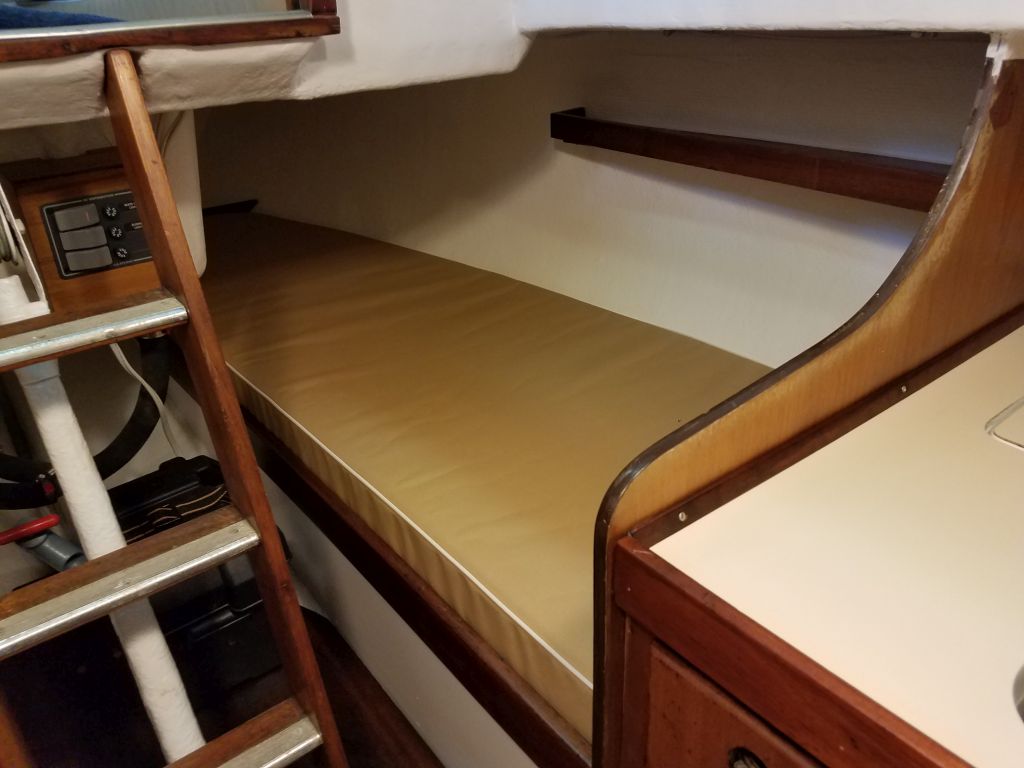
Finishing off the interior work were a few final touches from the upholstery contractor, including curtains on the cabin windows, a curtain to hang and close off the passageway by the head, and two filler cushions designed to fit in the convertible starboard settee in the saloon (one of which stored against the hull in the quarterberth; the other as a small backrest on the port settee), as well as some throw pillows in a coordinating fabric.

0600 Weather Report:
42°, cloudy.  Forecast for the day:  mostly cloudy, drizzle, and a shower, 50s

Halcyon 63

< Back to Halcyon

Tuesday

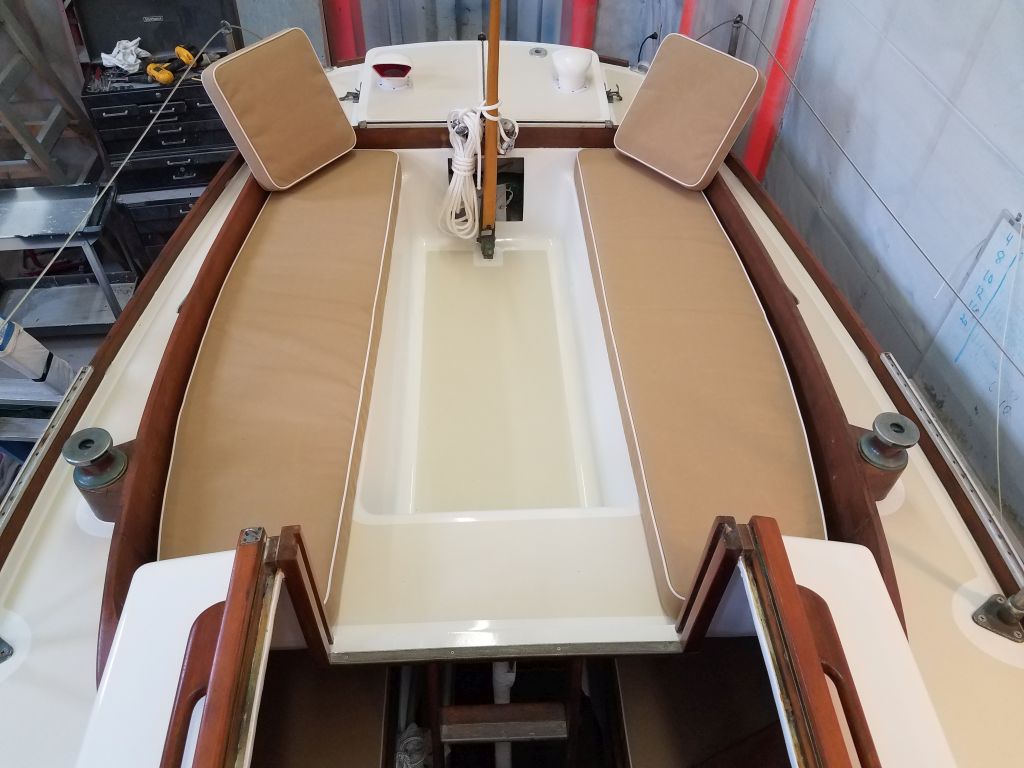
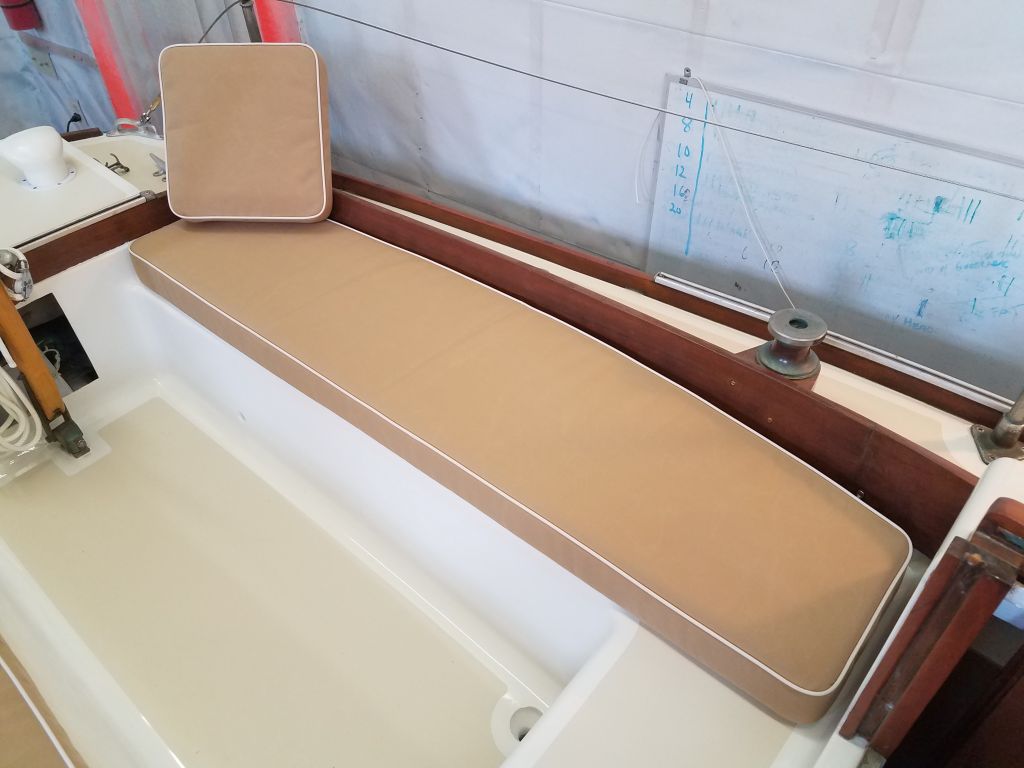
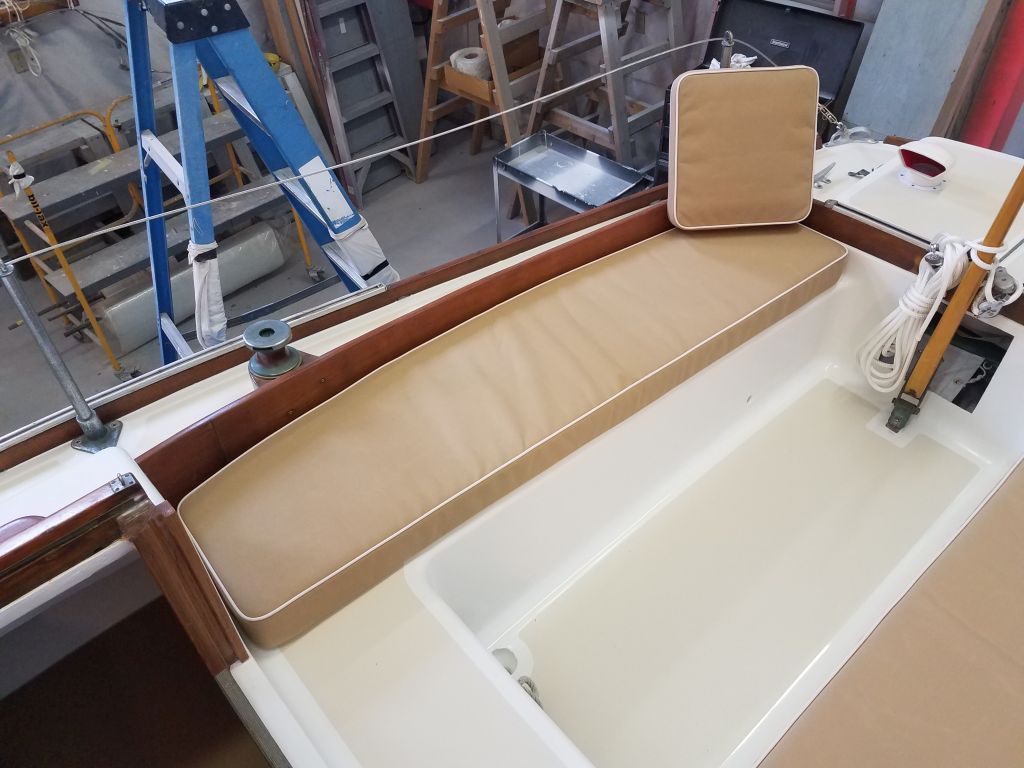
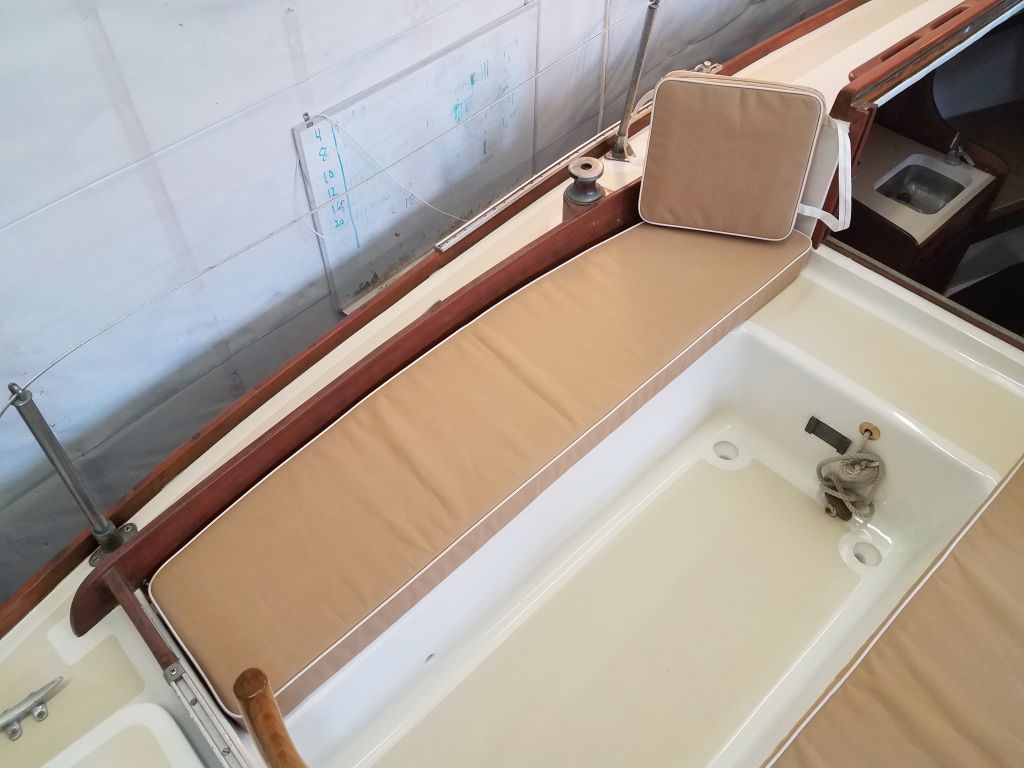
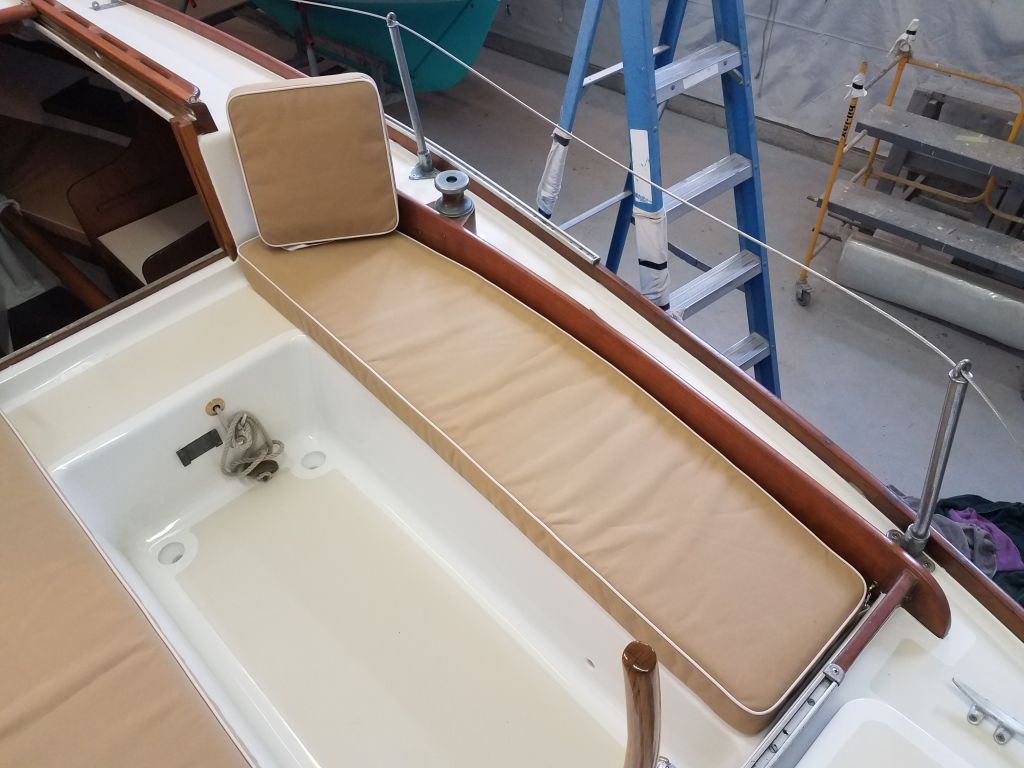
The final touch to complete the project was the new cushions, which the contractor completed and installed, first in the interior.  These looked terrific and rounded out the new appearance nicely.

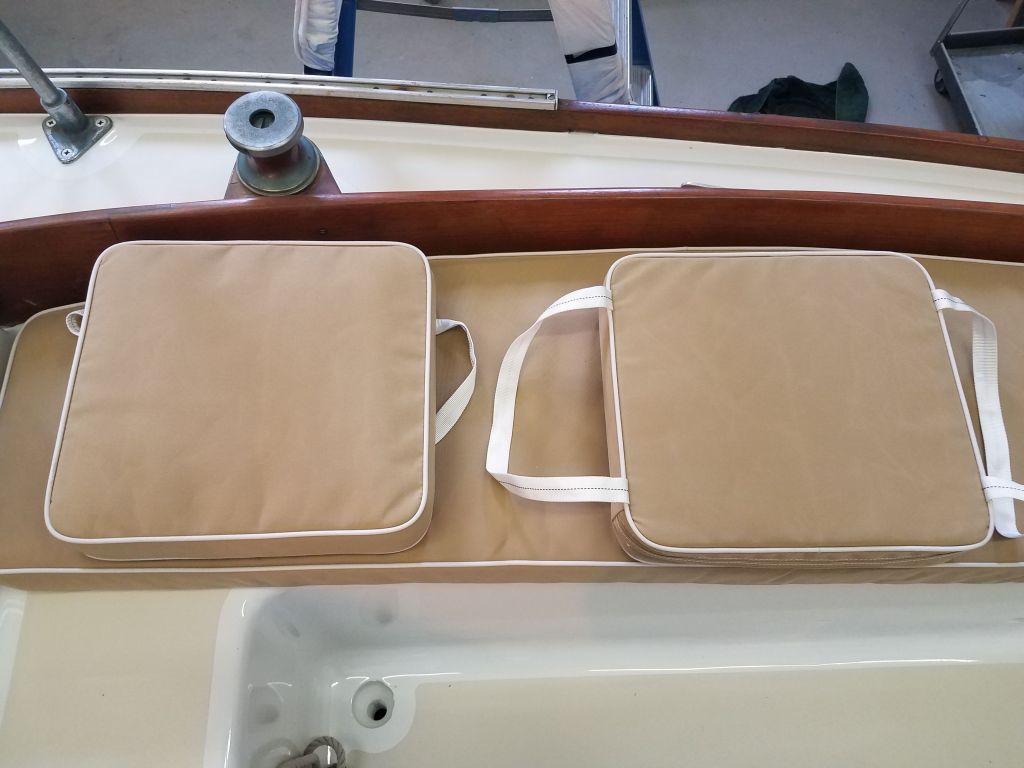
The cockpit cushions were much the same, and, as requested by the owner, included a pair of throwable cushions modeled after the standard Type IV cushions.

< Back to Halcyon

0600 Weather Observation:
42°, cloudy.  Forecast for the day:  mainly cloudy, drizzle and a shower, 50s

odds5

< Back to Odds’n’Ends

Monday

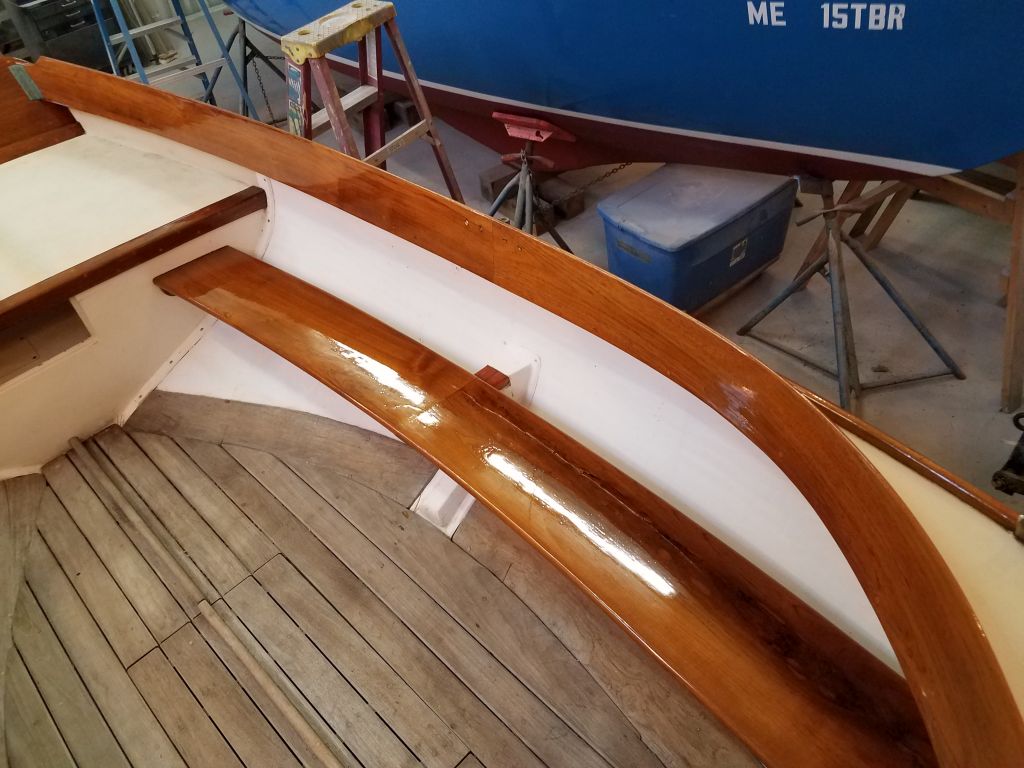
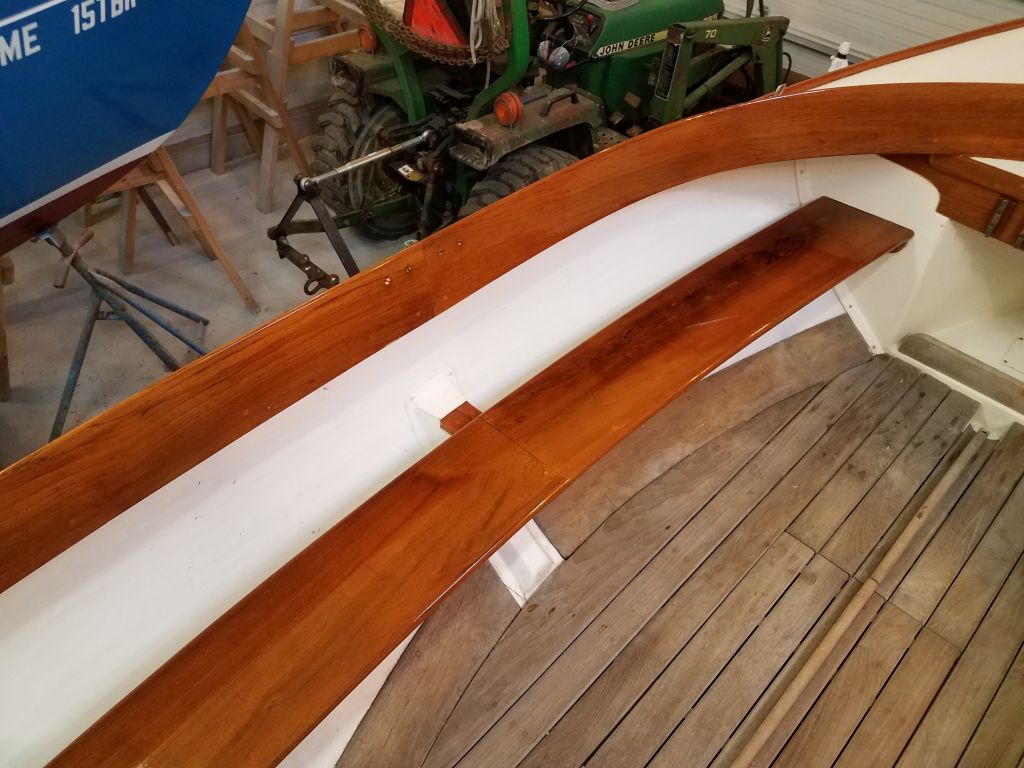
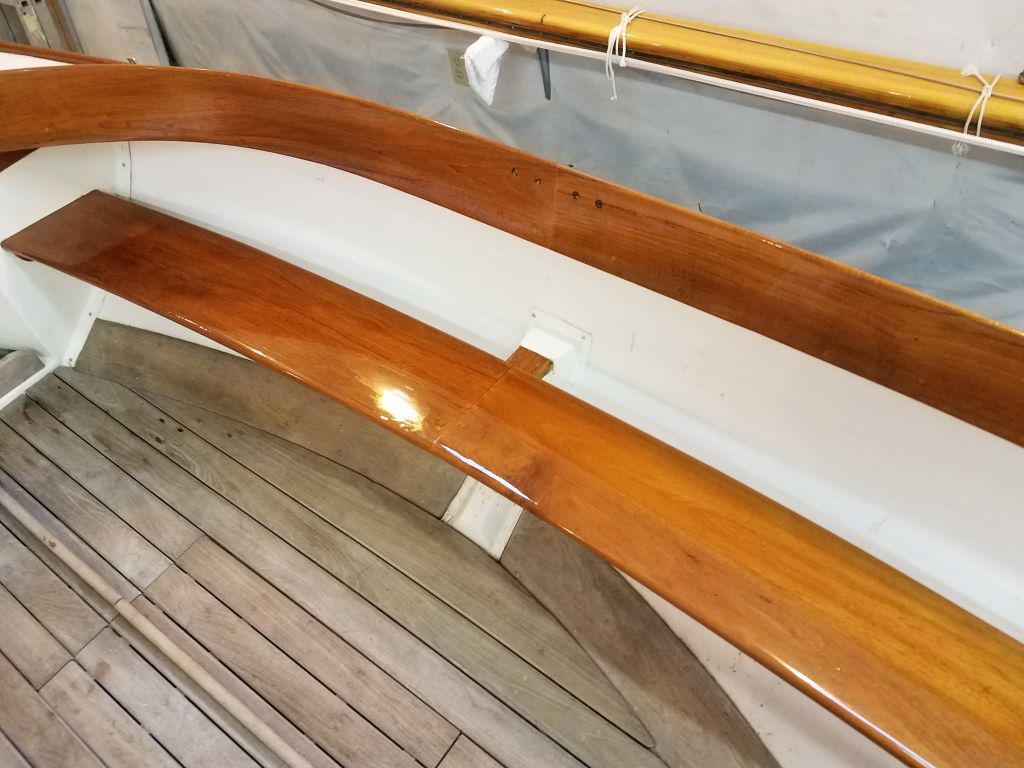
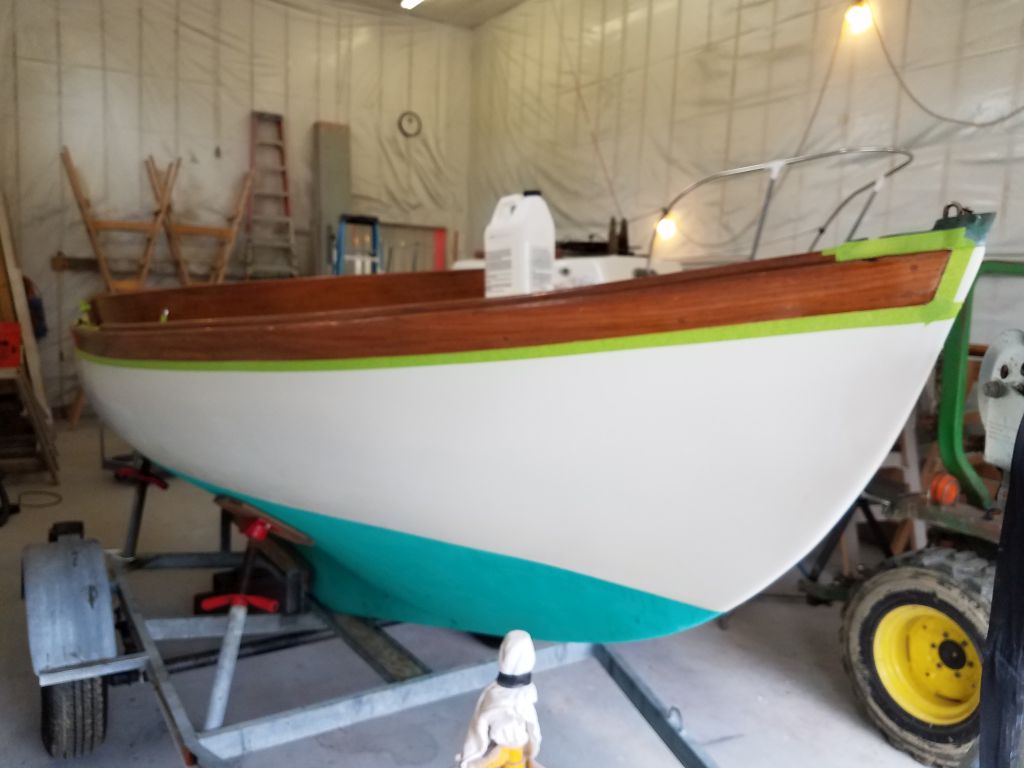
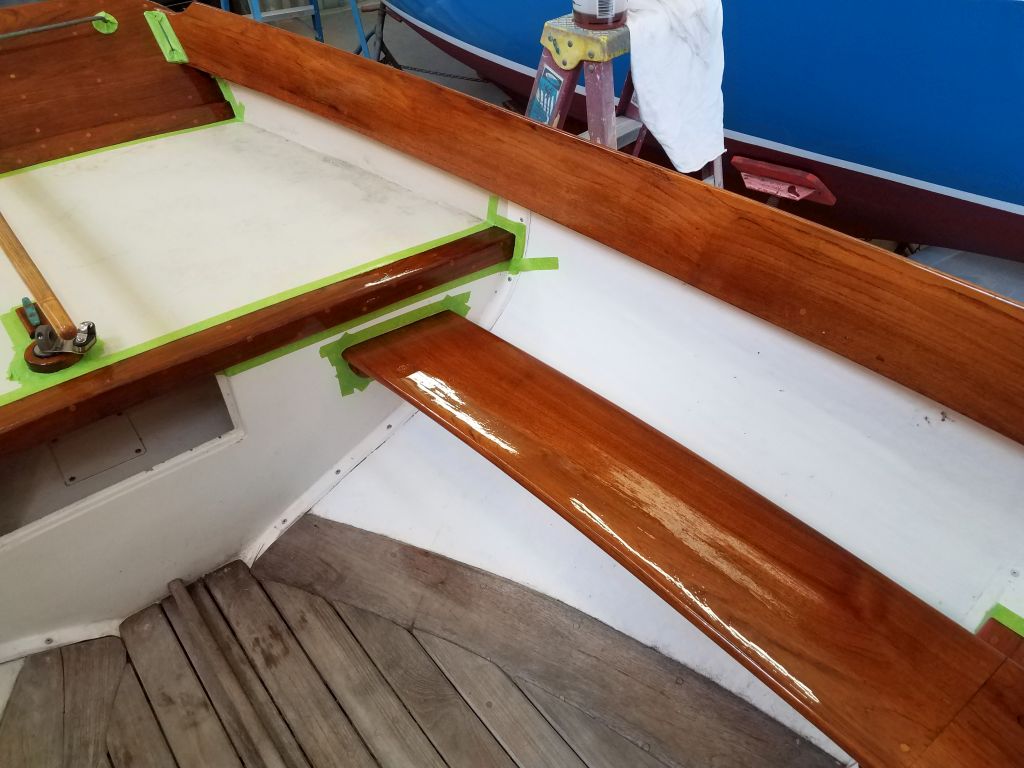
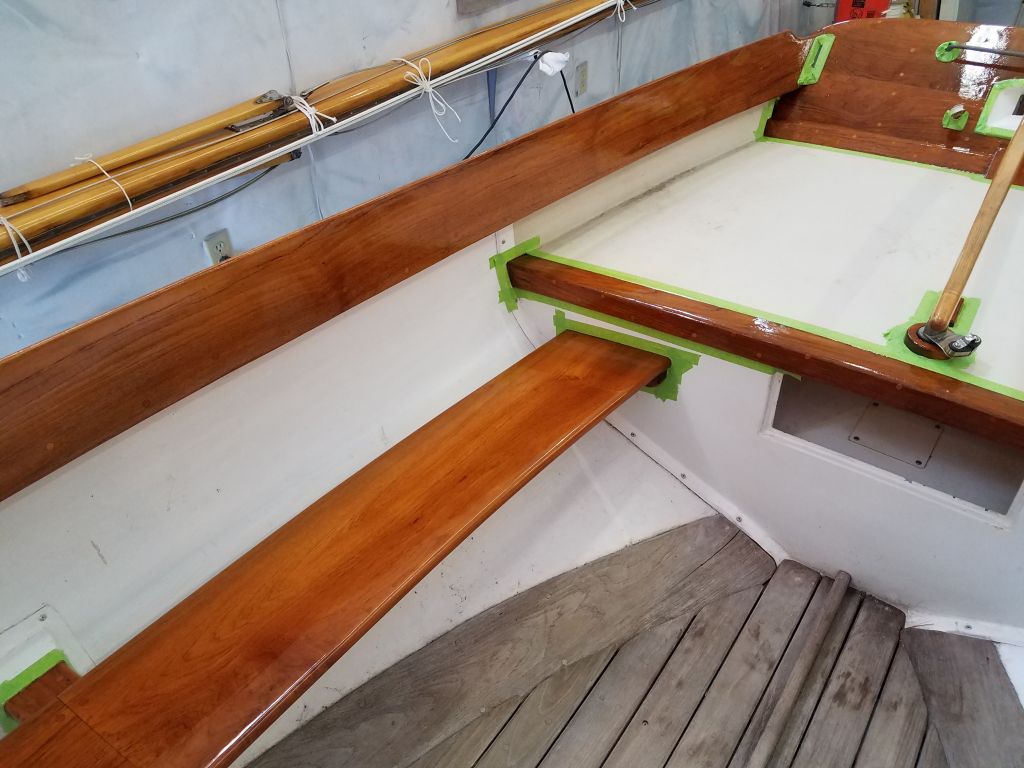
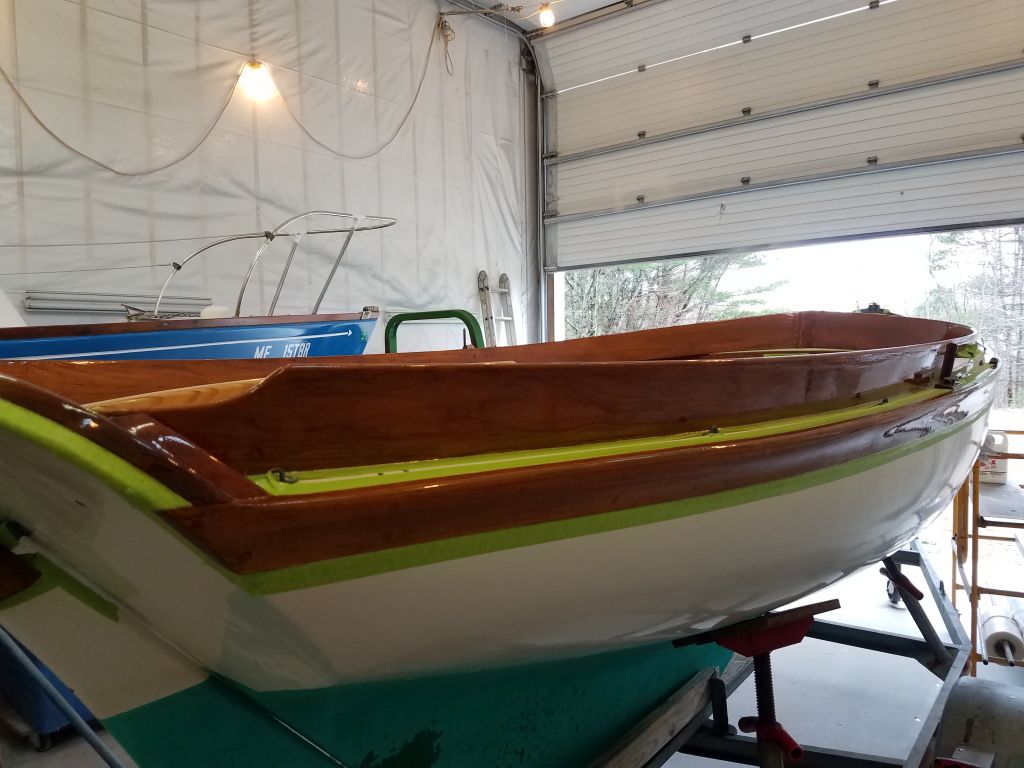
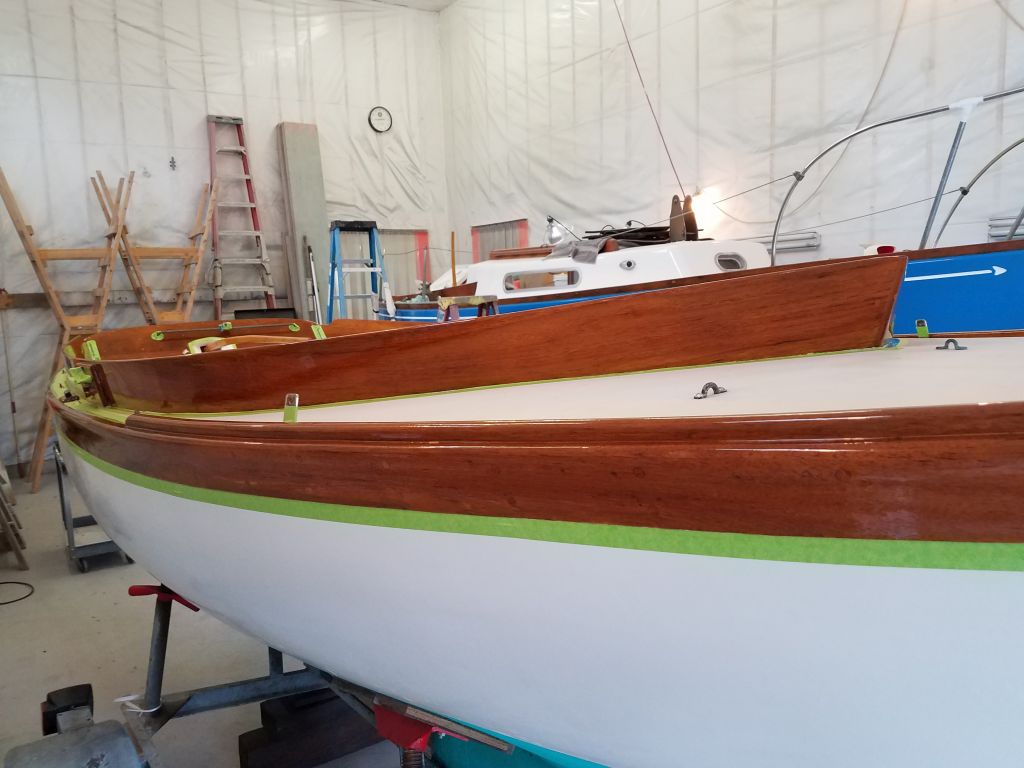
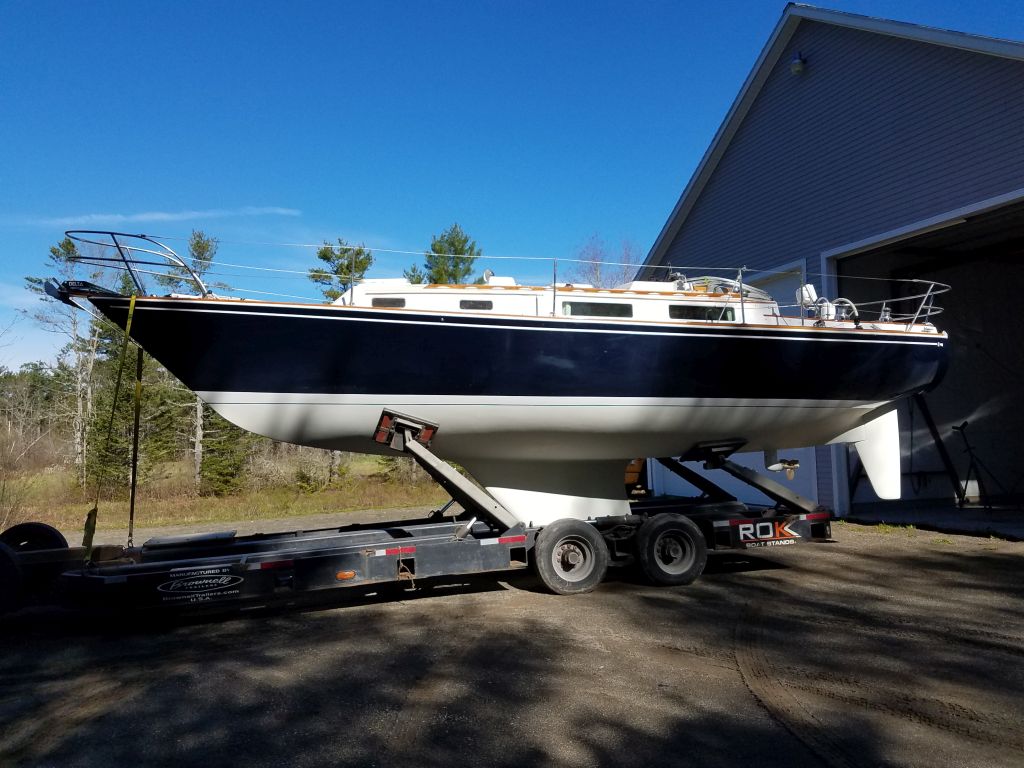
With two good maintenance coats of varnish, that task was complete, and I removed the masking tape to finish up the brightwork job.

Total time billed on this job today:  .5 hours
0600 Weather Observation:
42°, rain.  Forecast for the day:  rain and showers, 40s

odds4

< Back to Odds’n’Ends

Friday

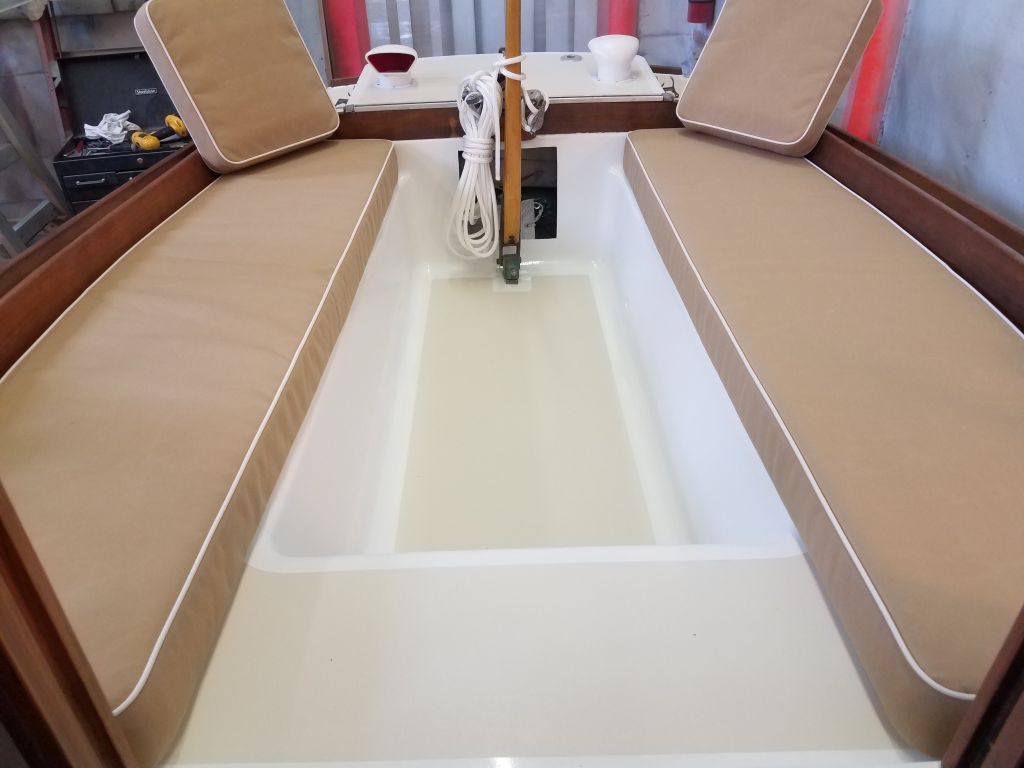
After lightly sanding the first fresh new coat of varnish, and the usual cleaning steps, I applied a second maintenance coat to all areas.

Total time billed on this job today:  2.75 hours
0600 Weather Observation:
50°, clouds and fog.  Forecast for the day:  clouds, fog, shower in the morning, clearing in the afternoon, 70

odds3

< Back to Odds’n’Ends

Thursday

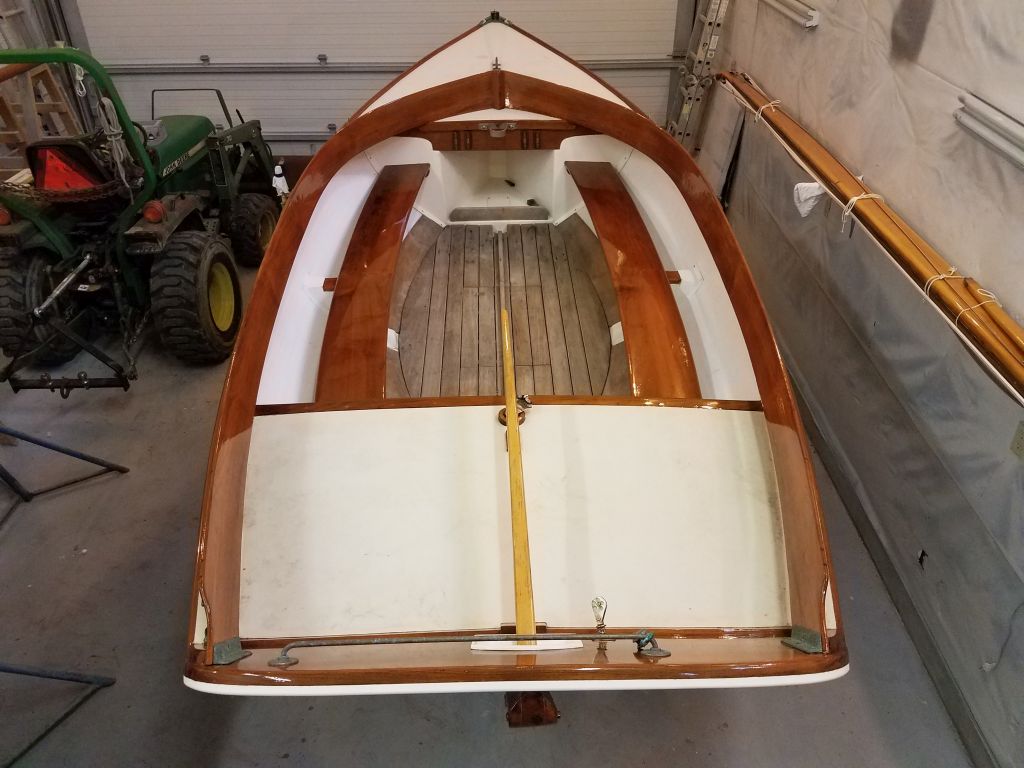
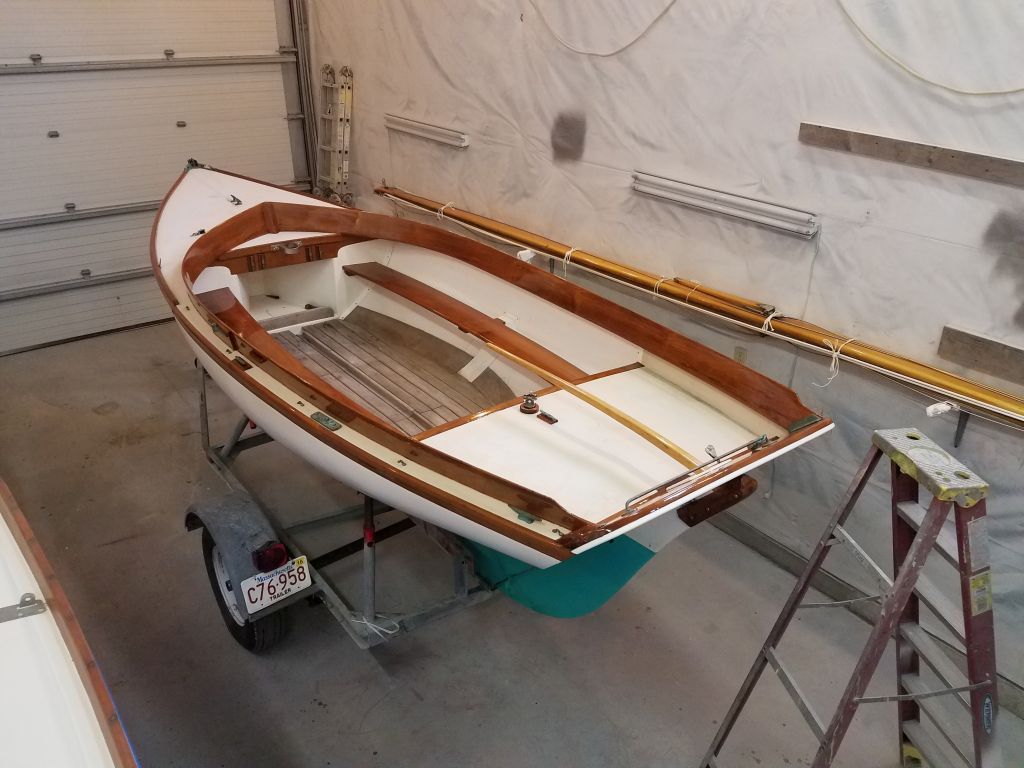
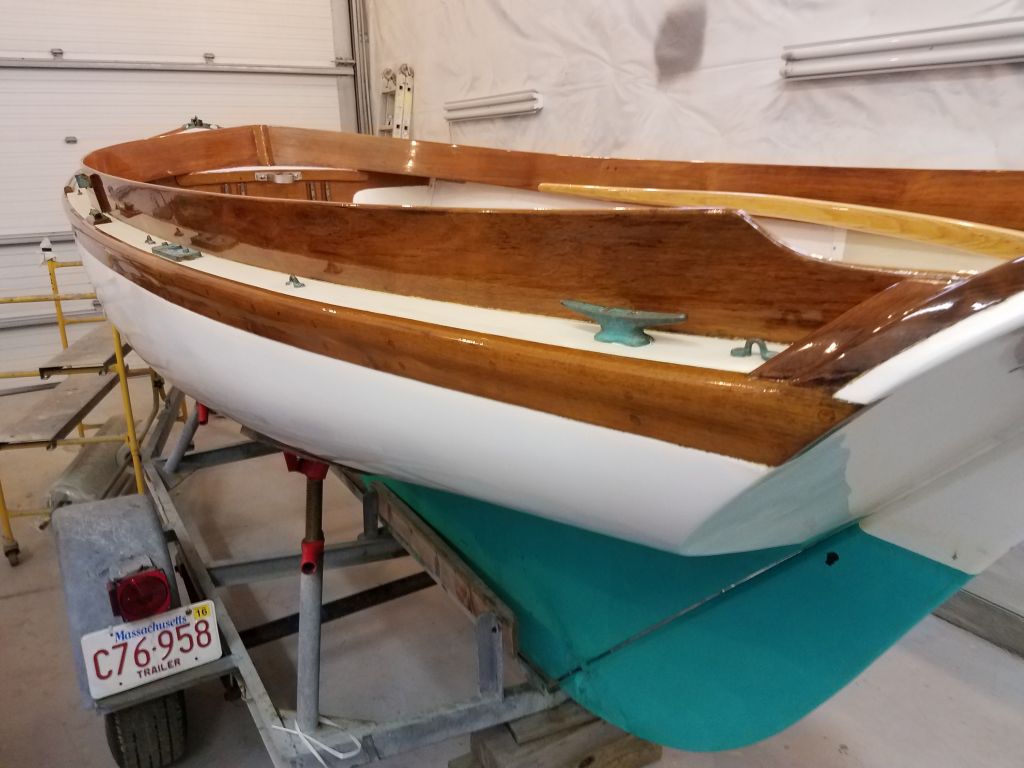
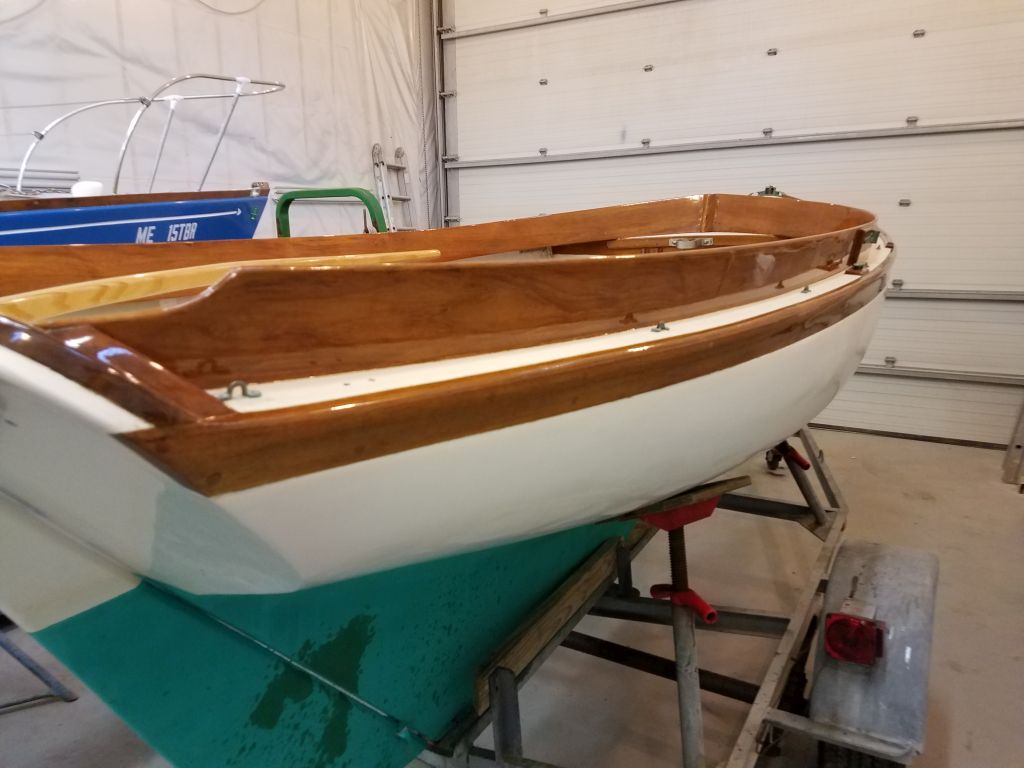
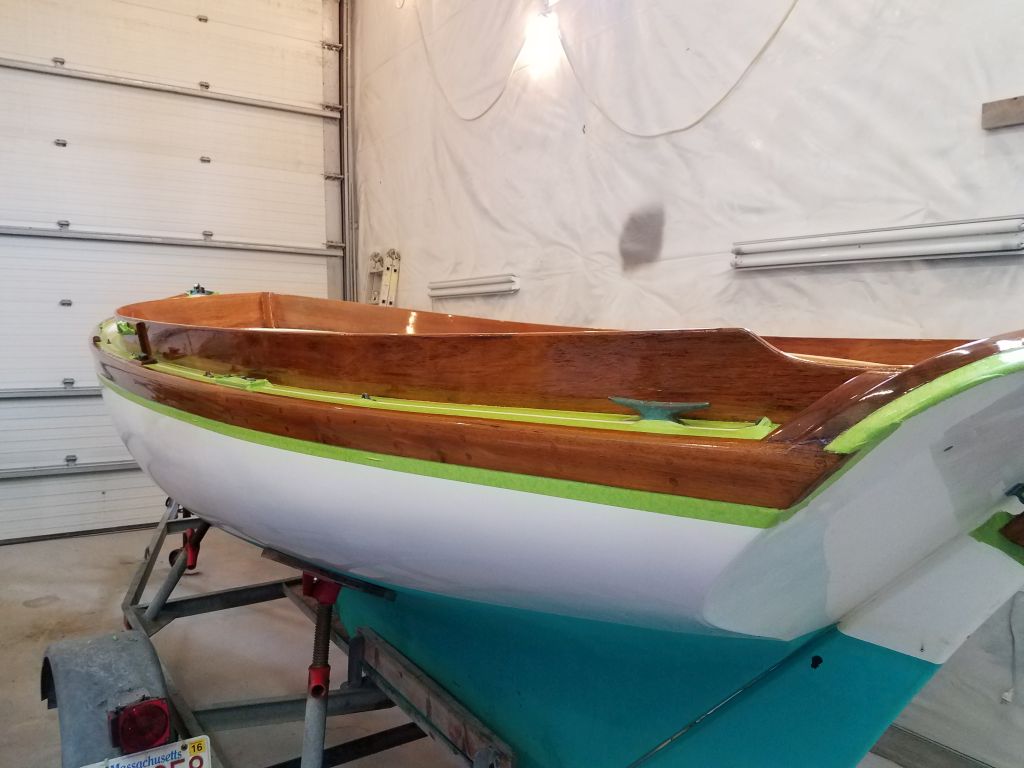
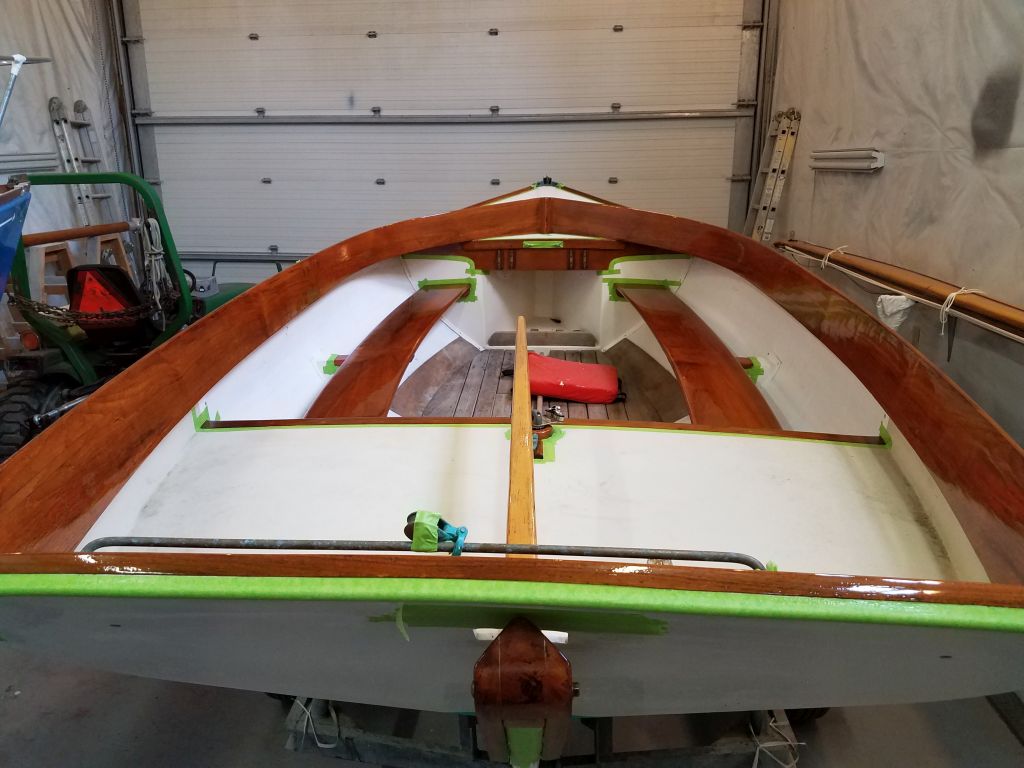
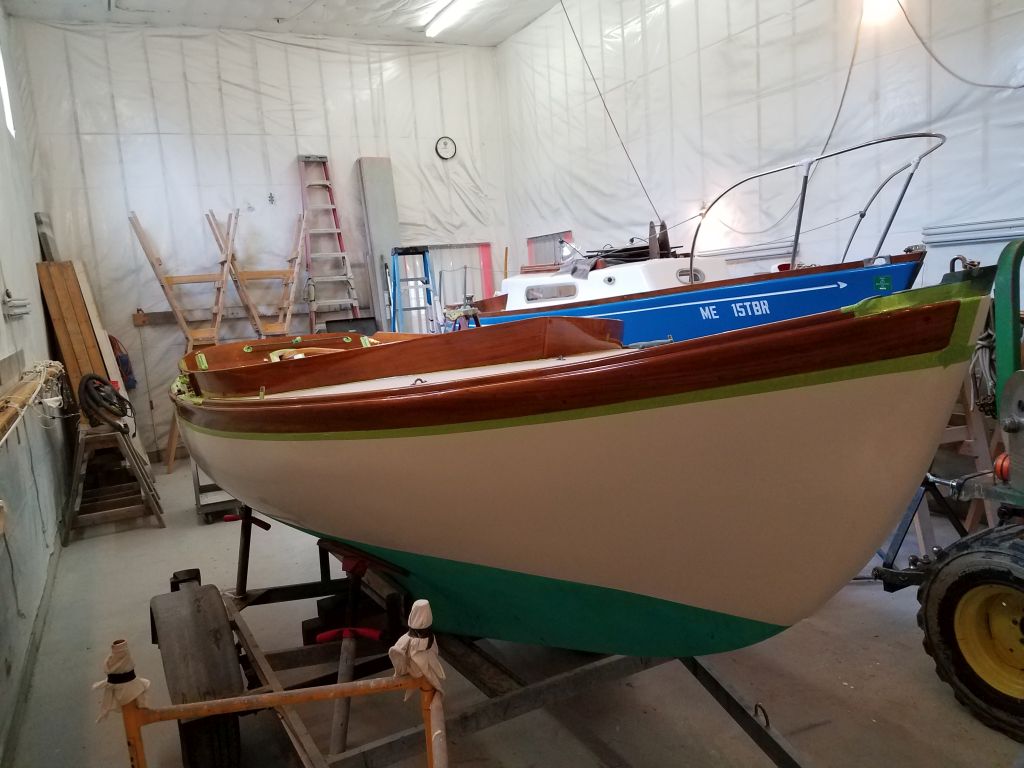
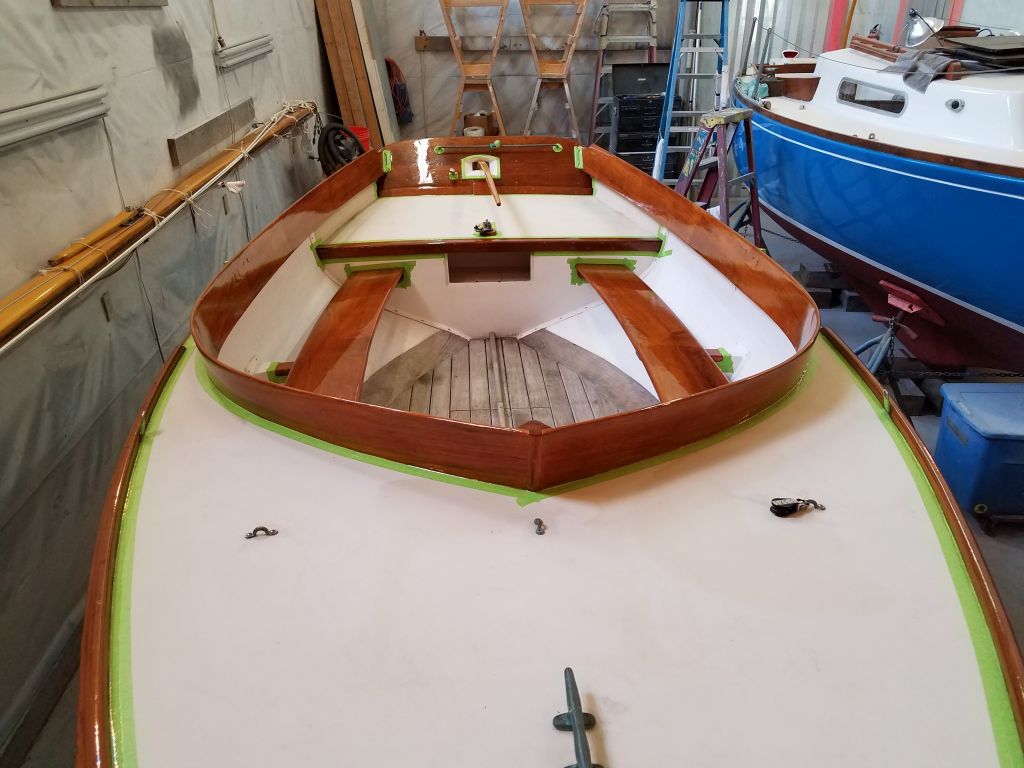
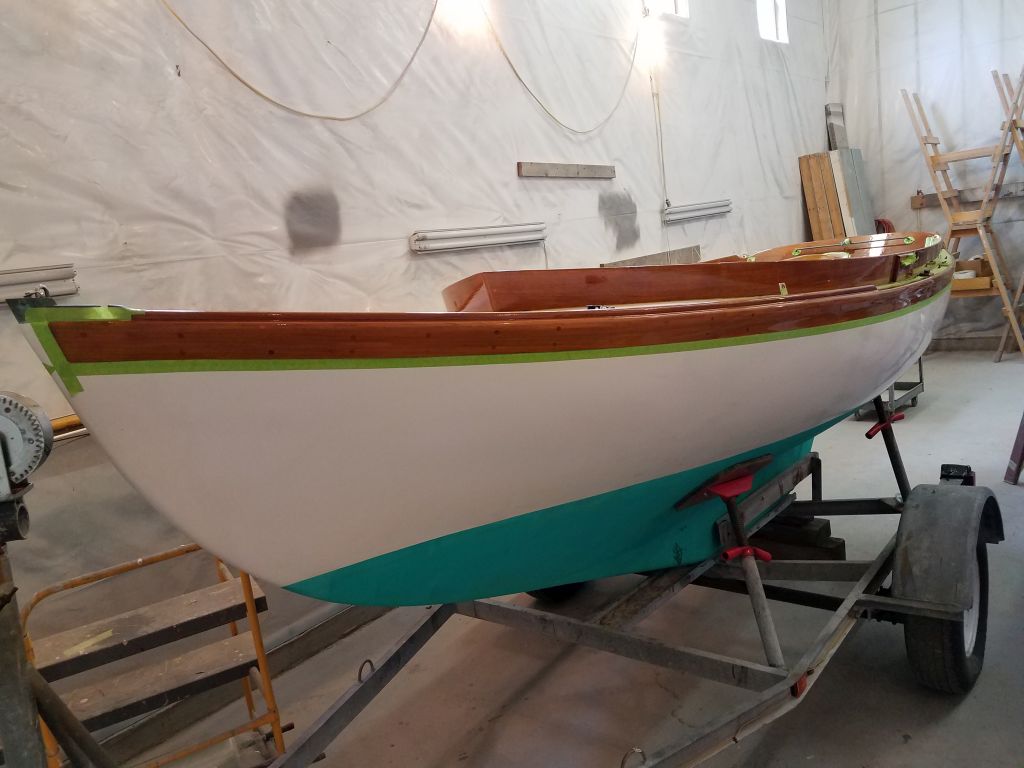
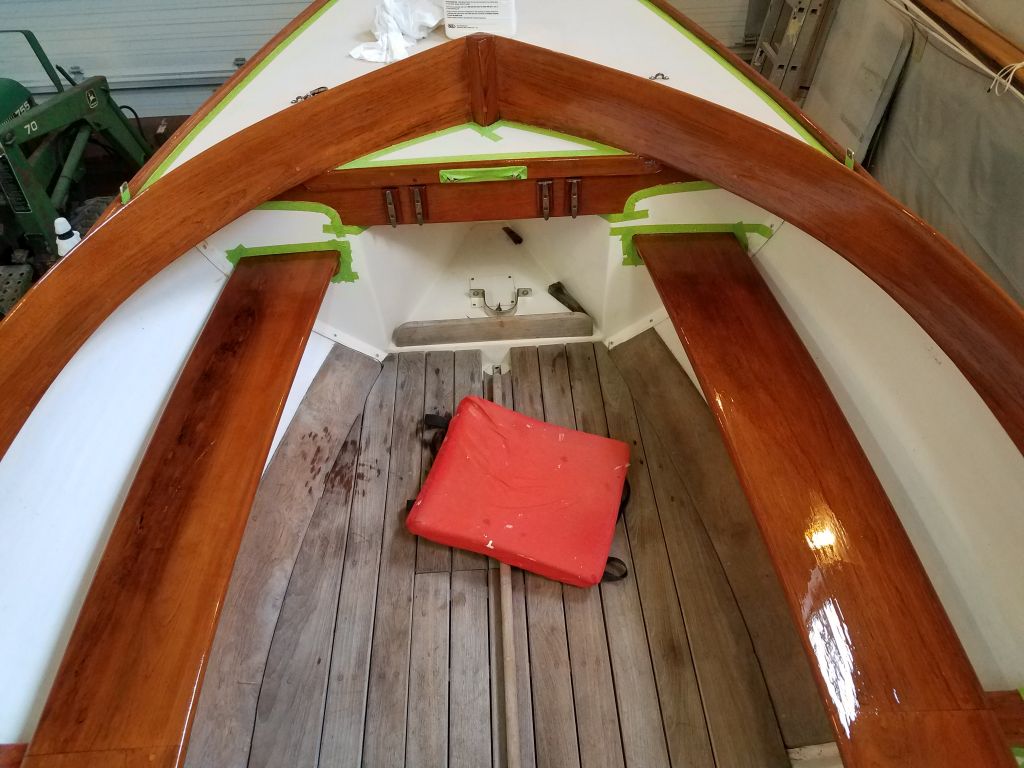
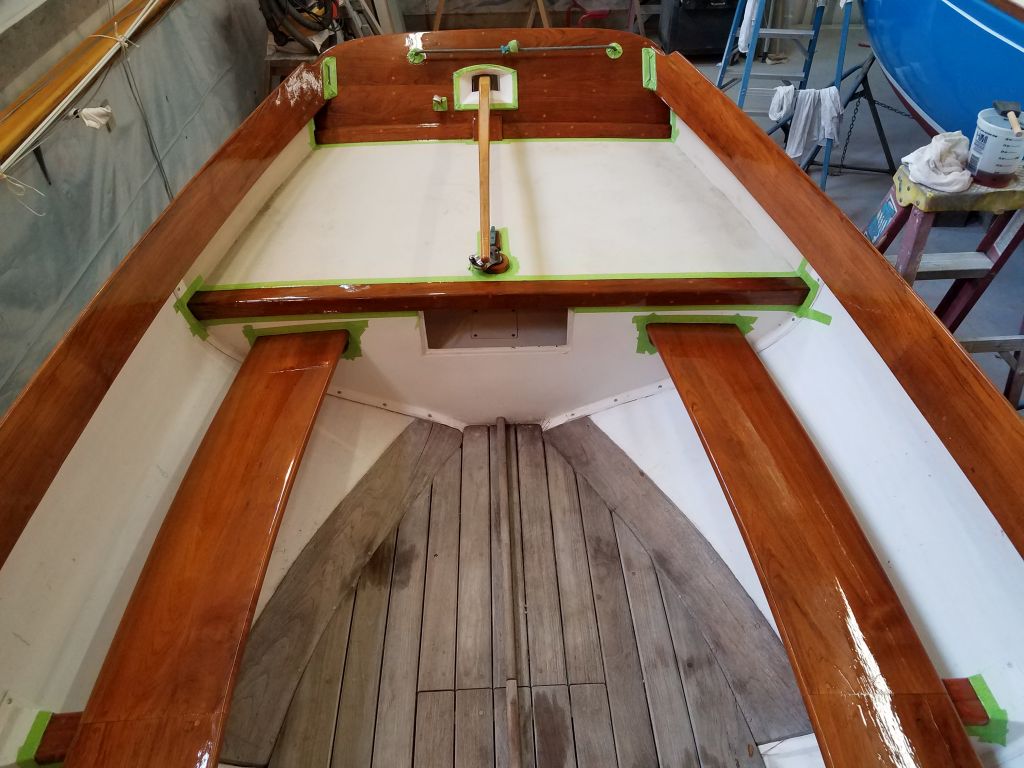
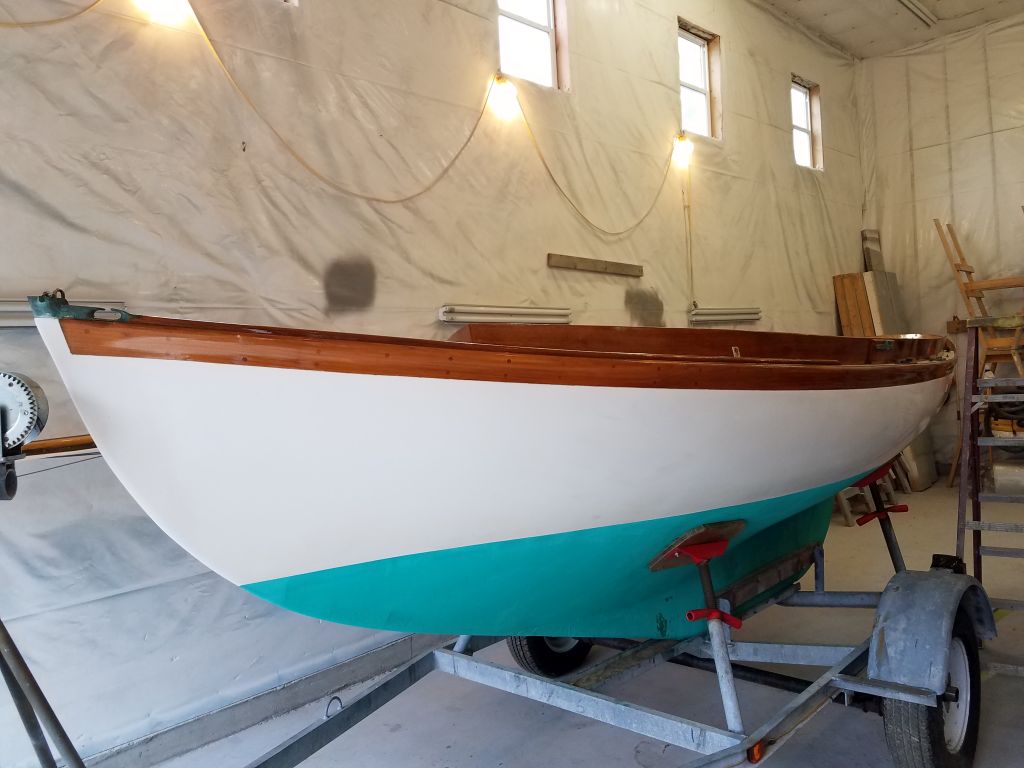
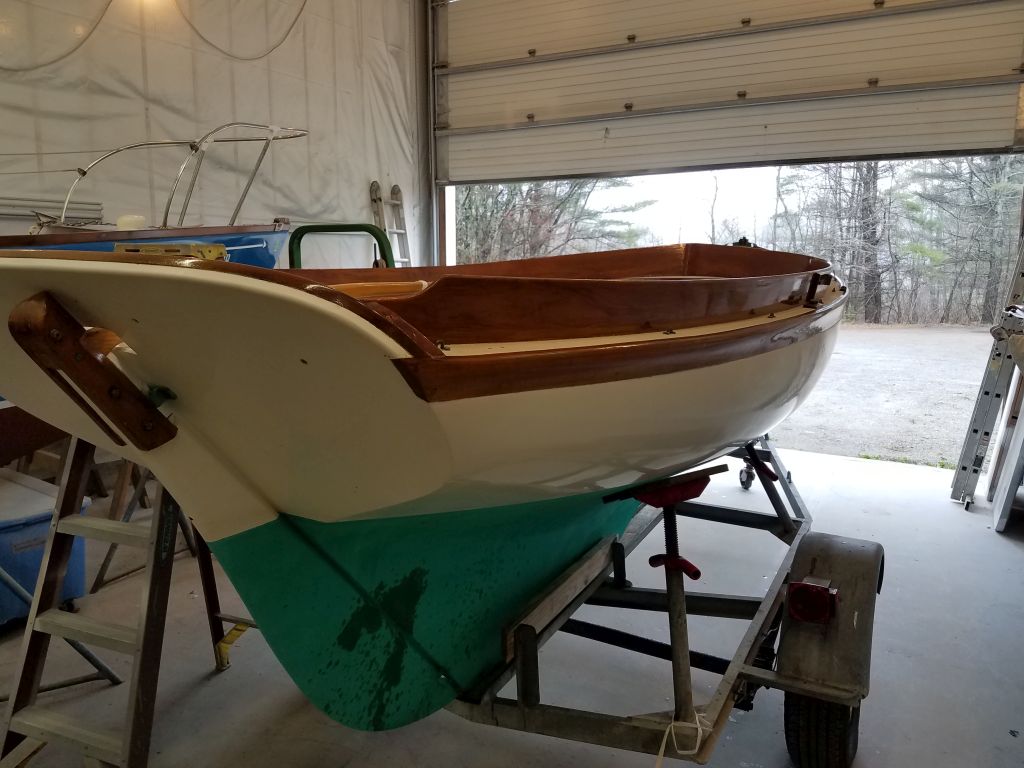
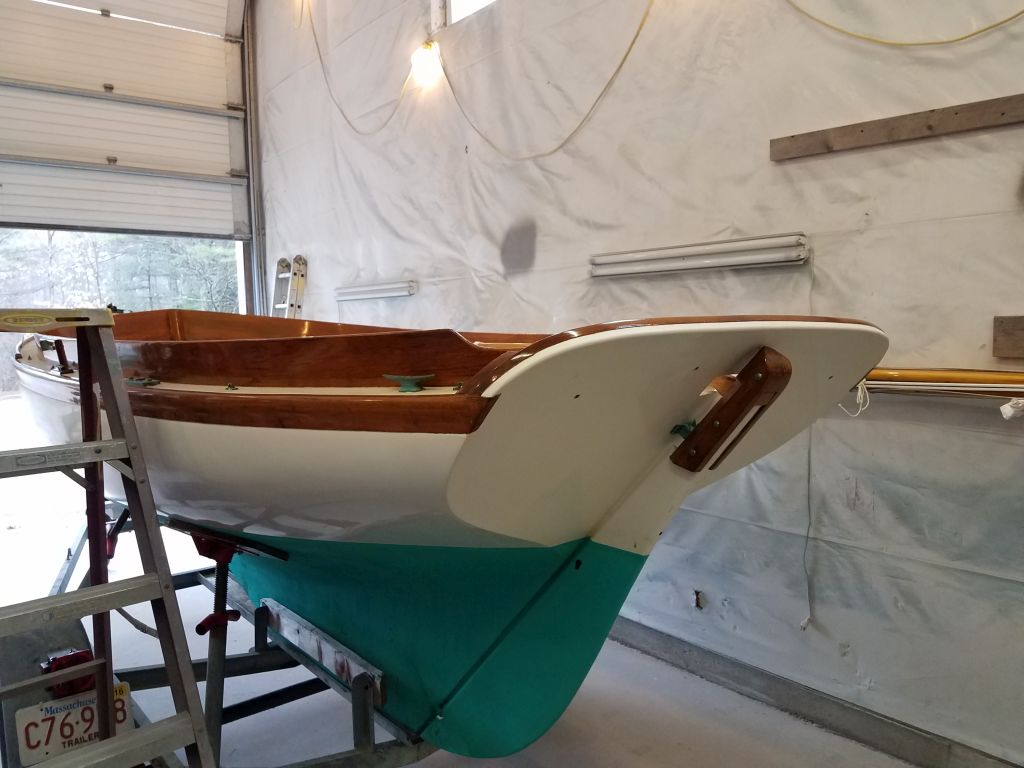
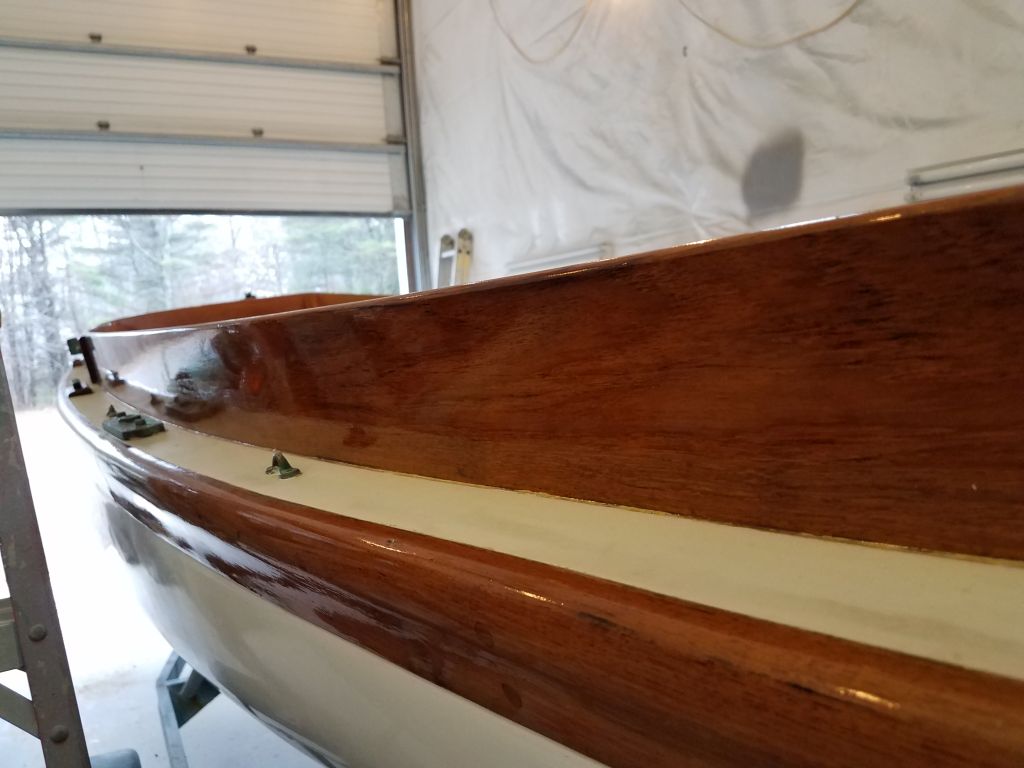
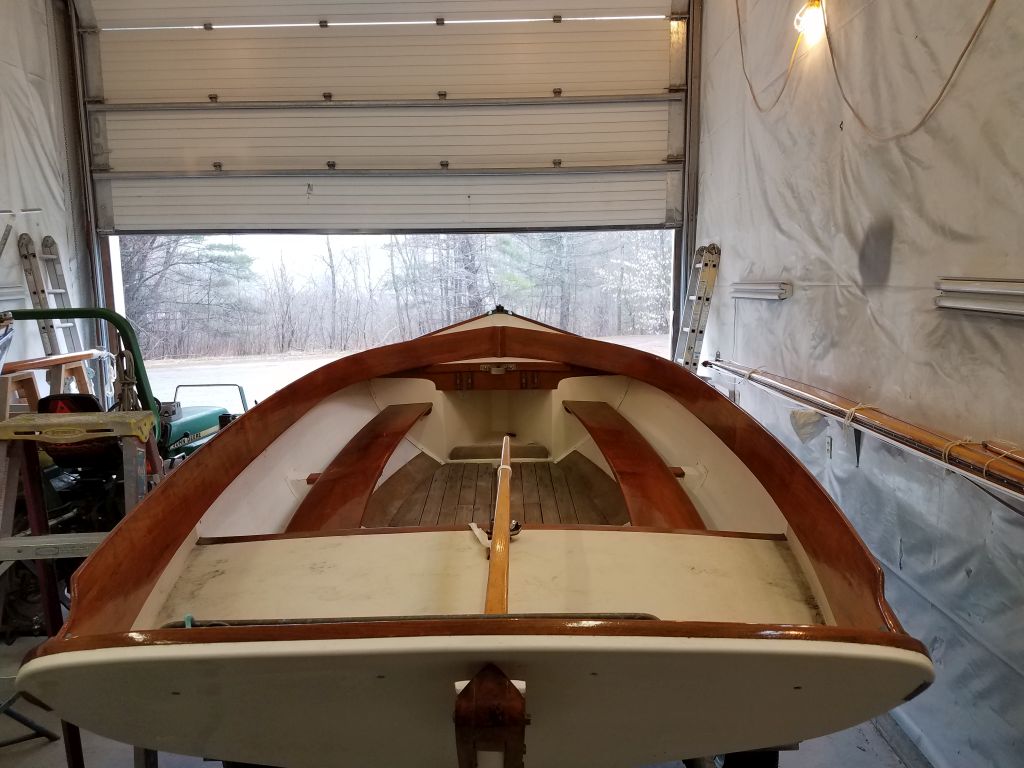
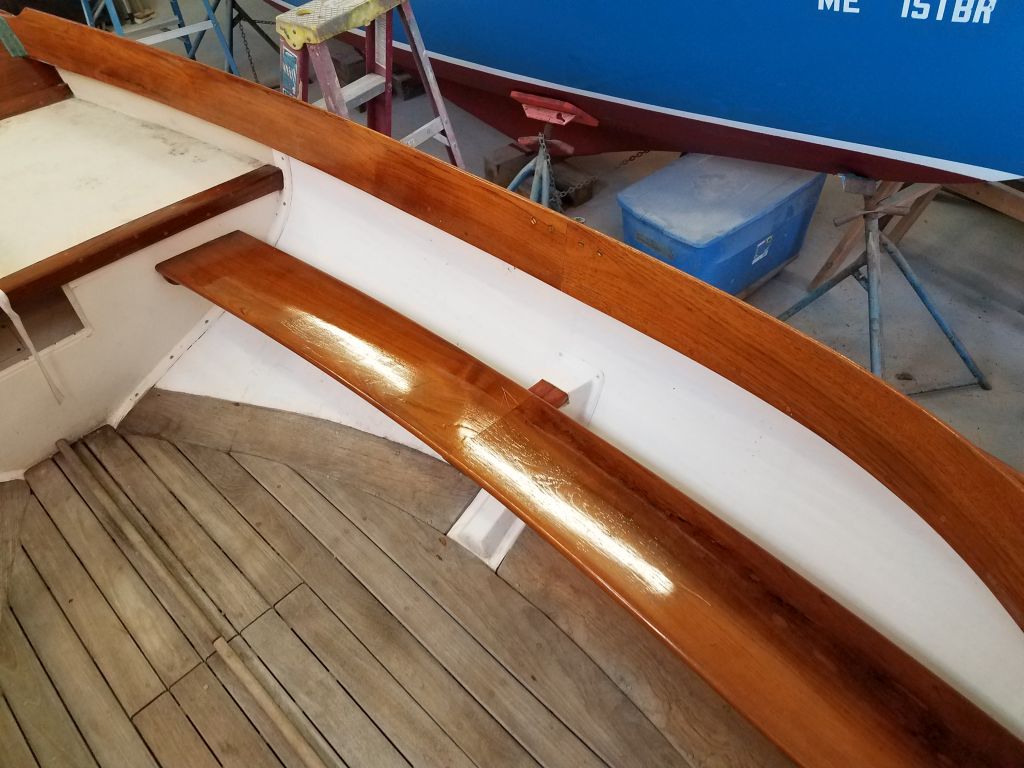
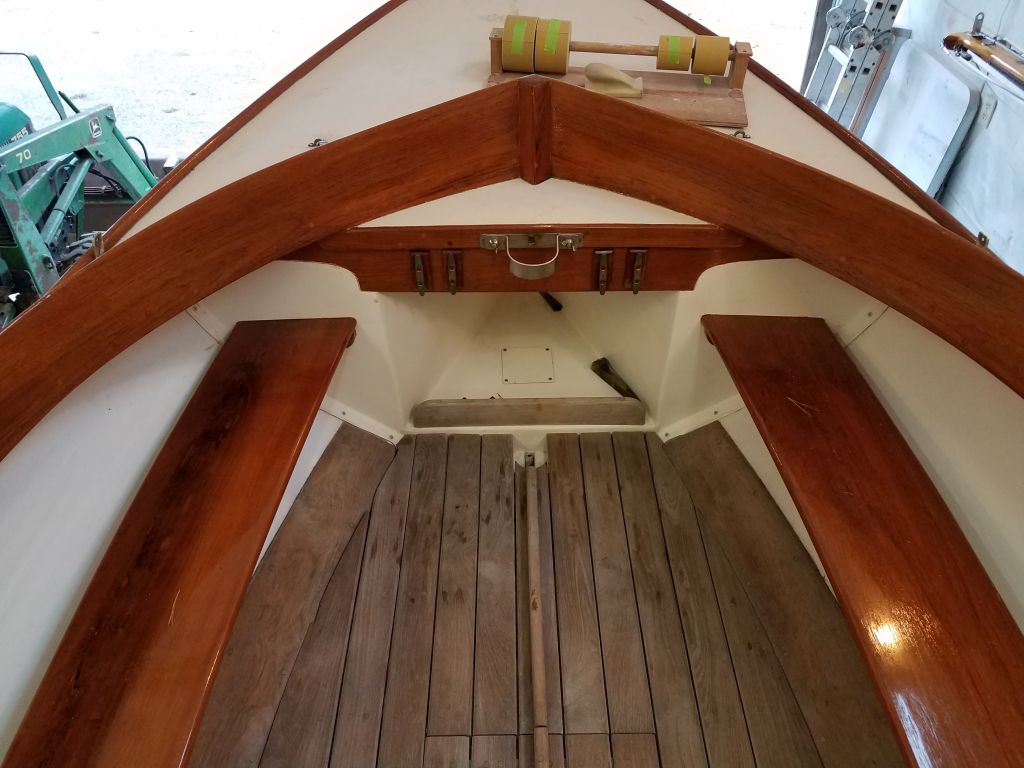
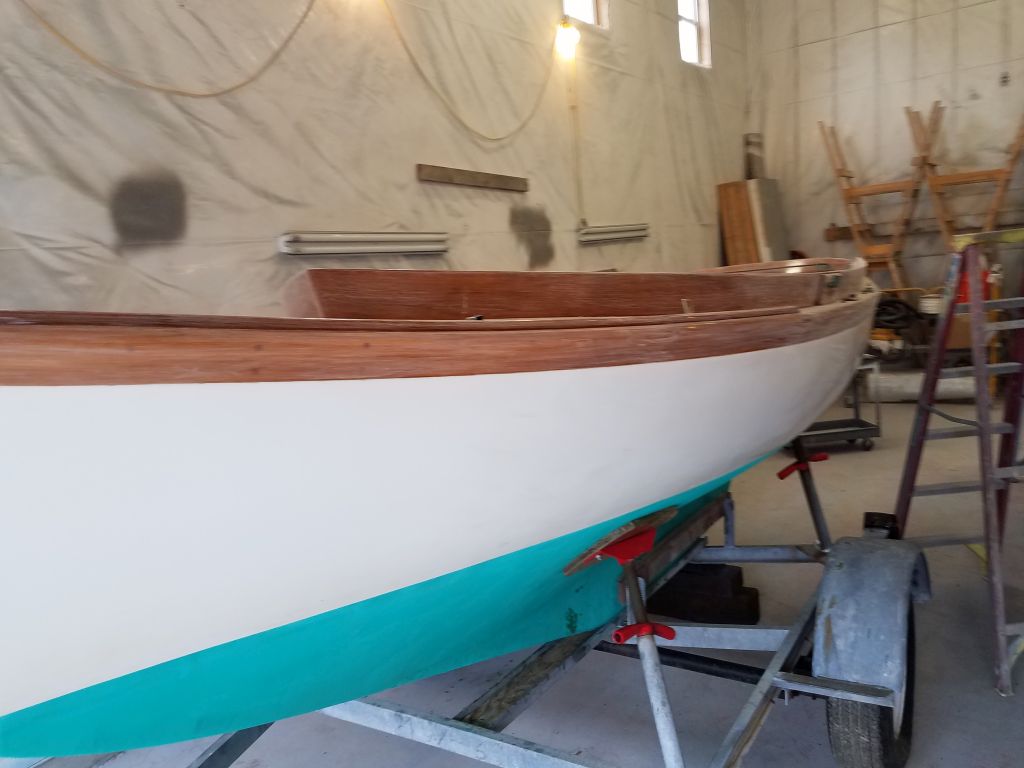
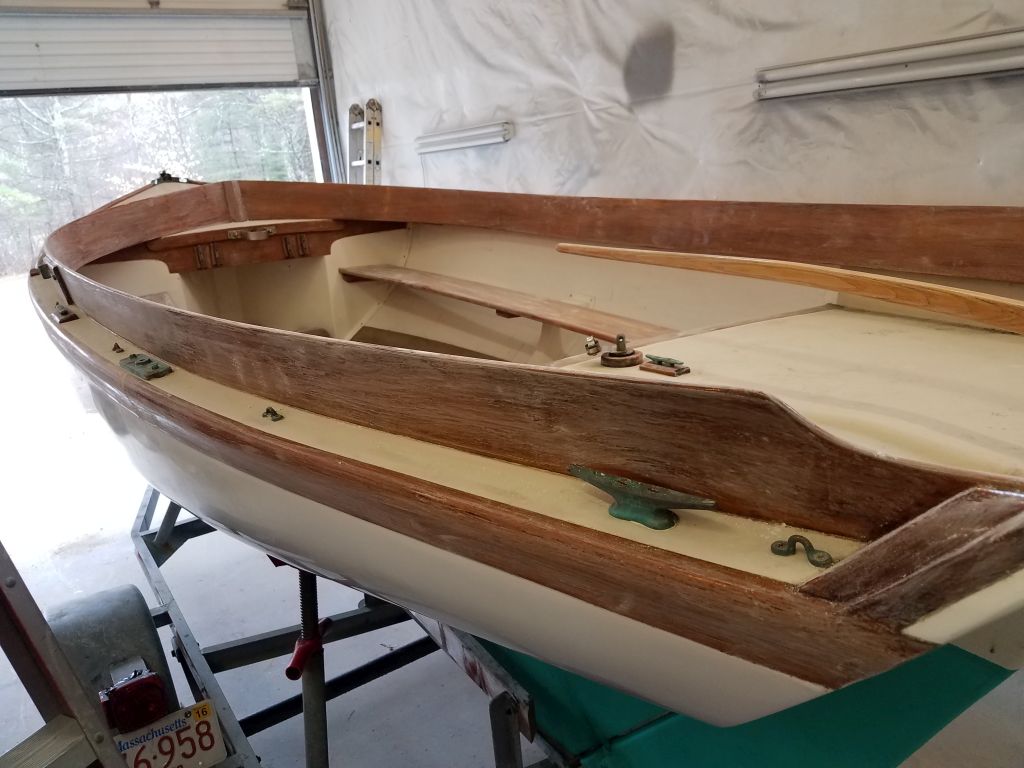
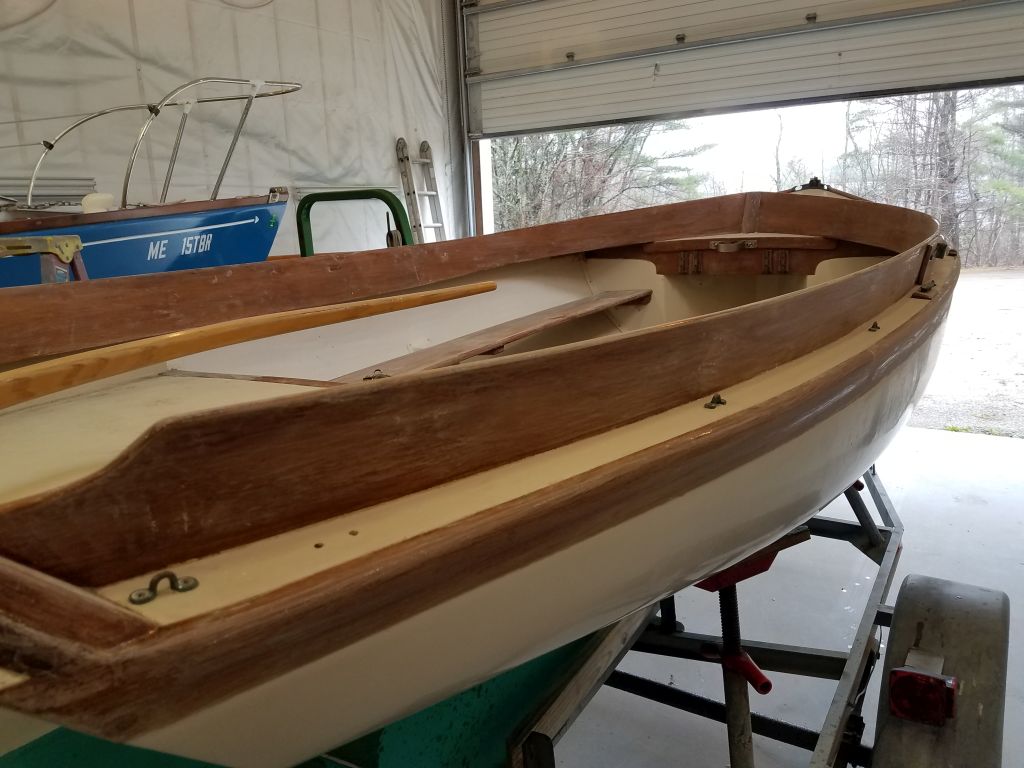
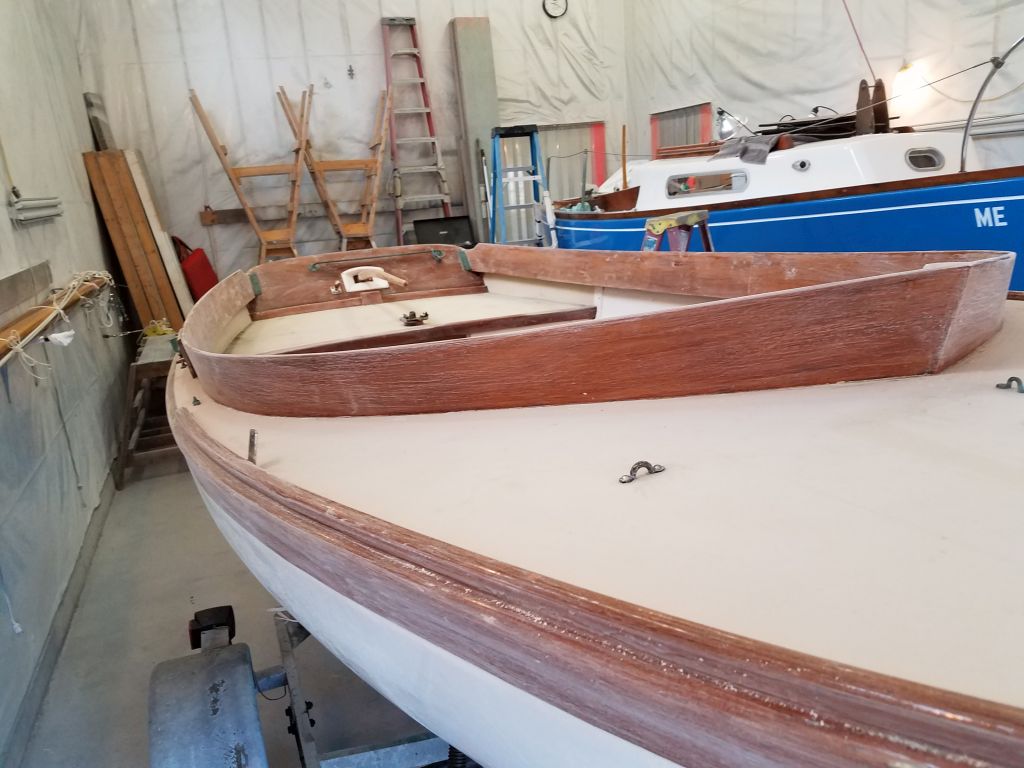
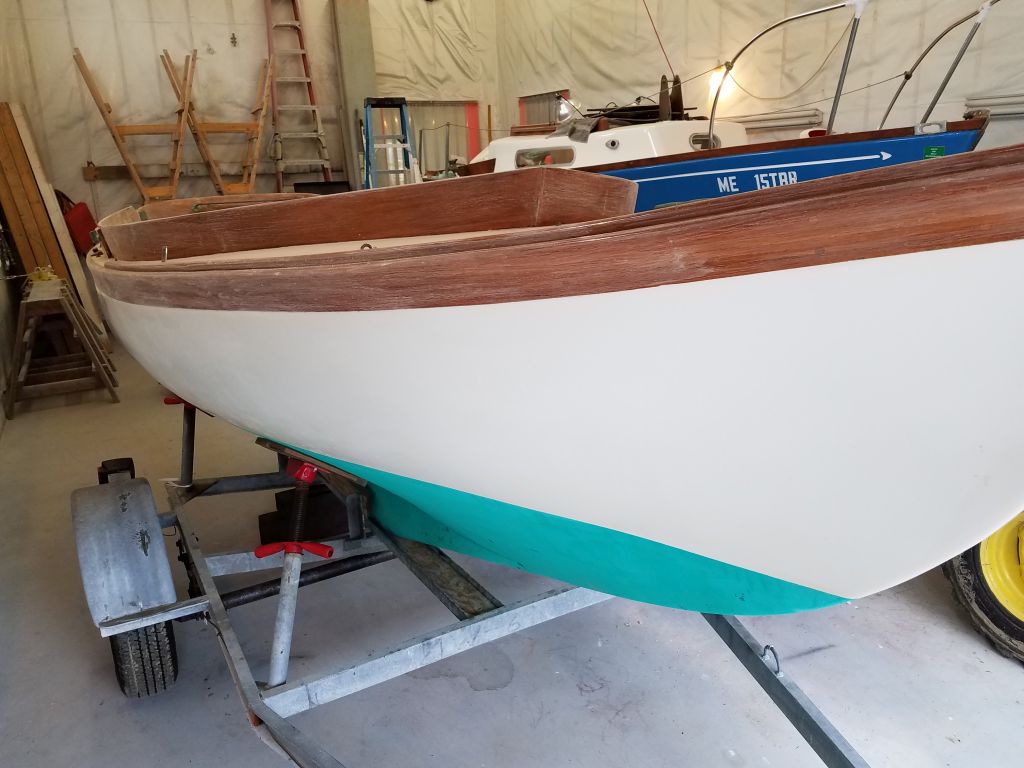
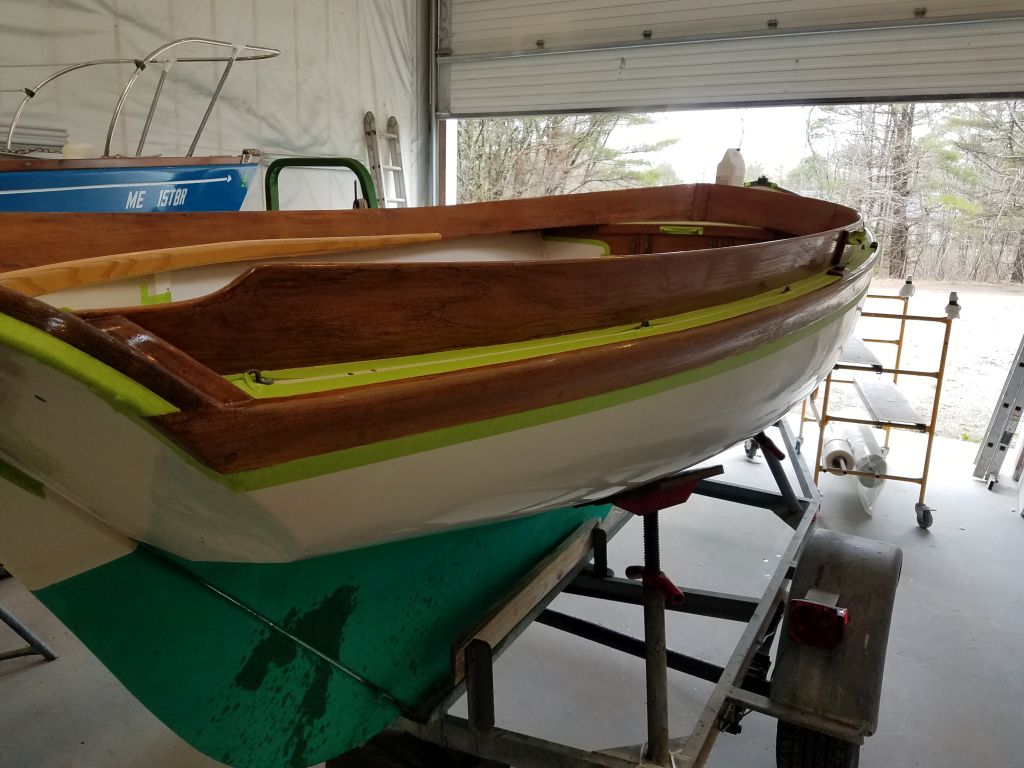
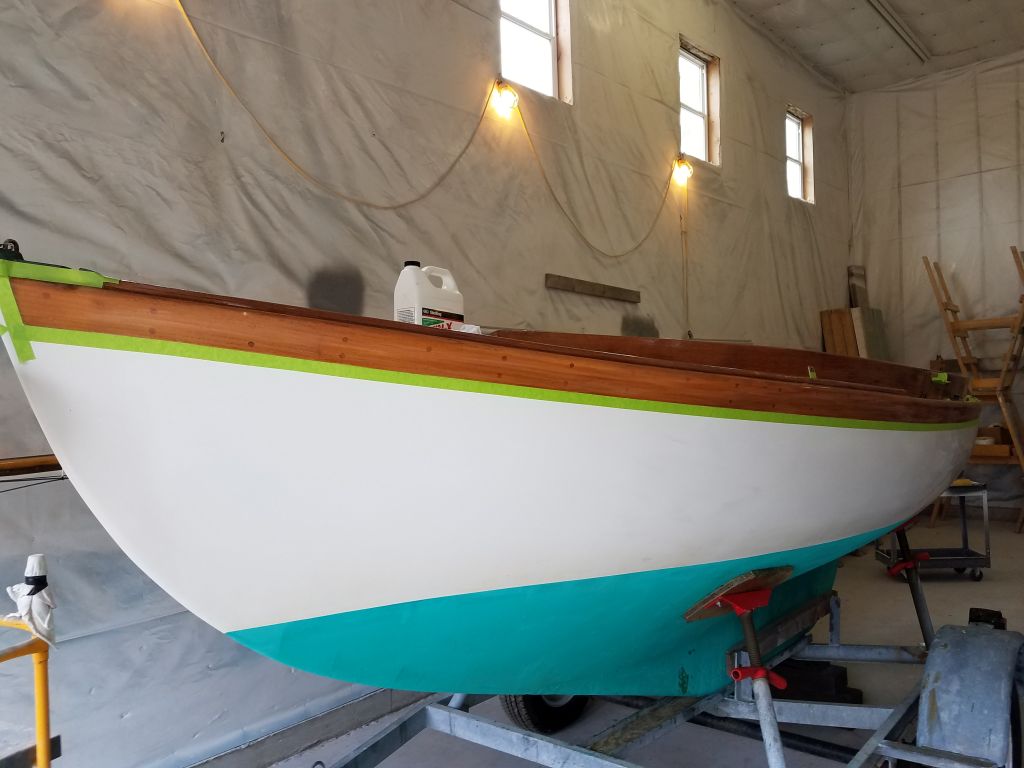
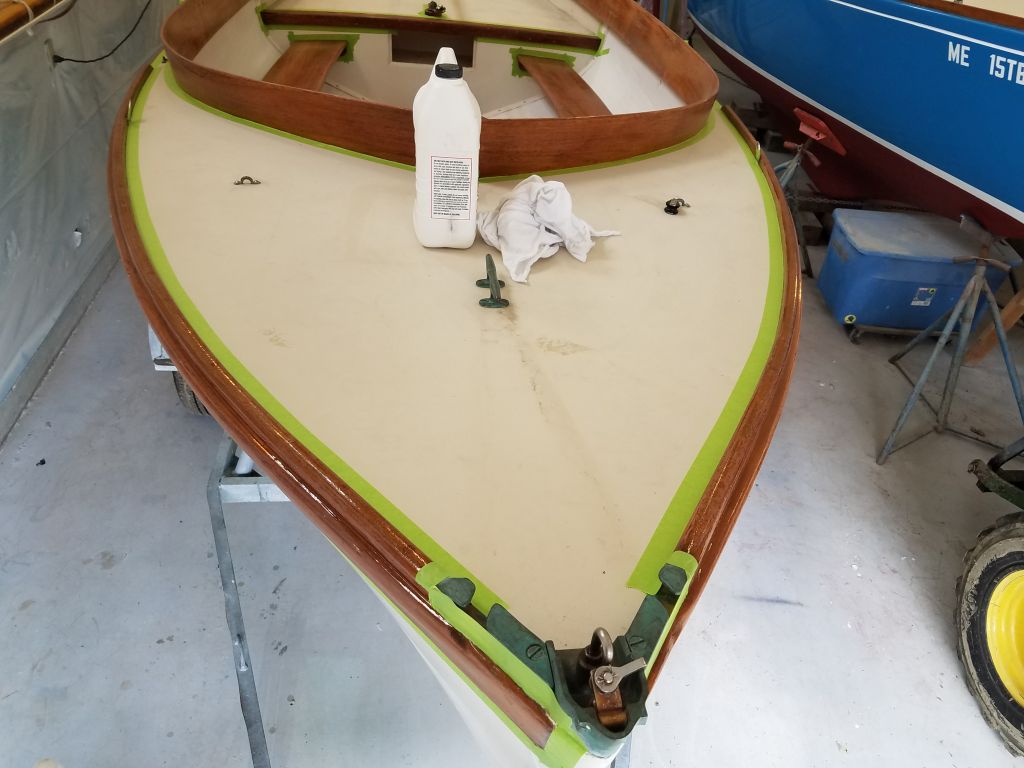
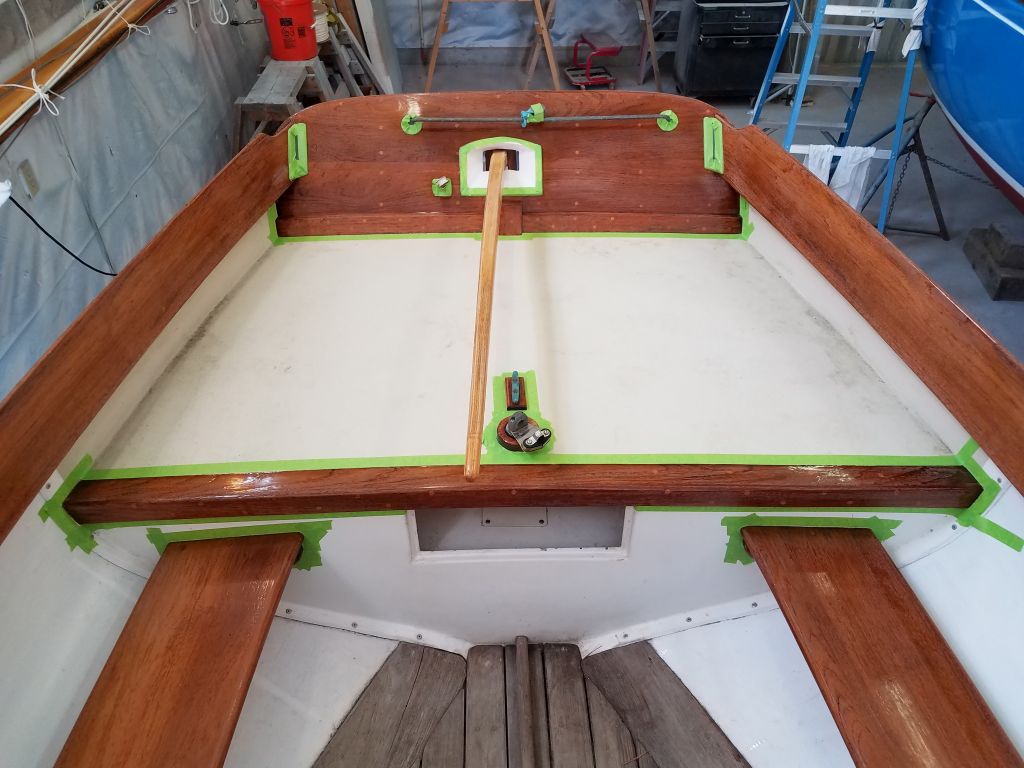
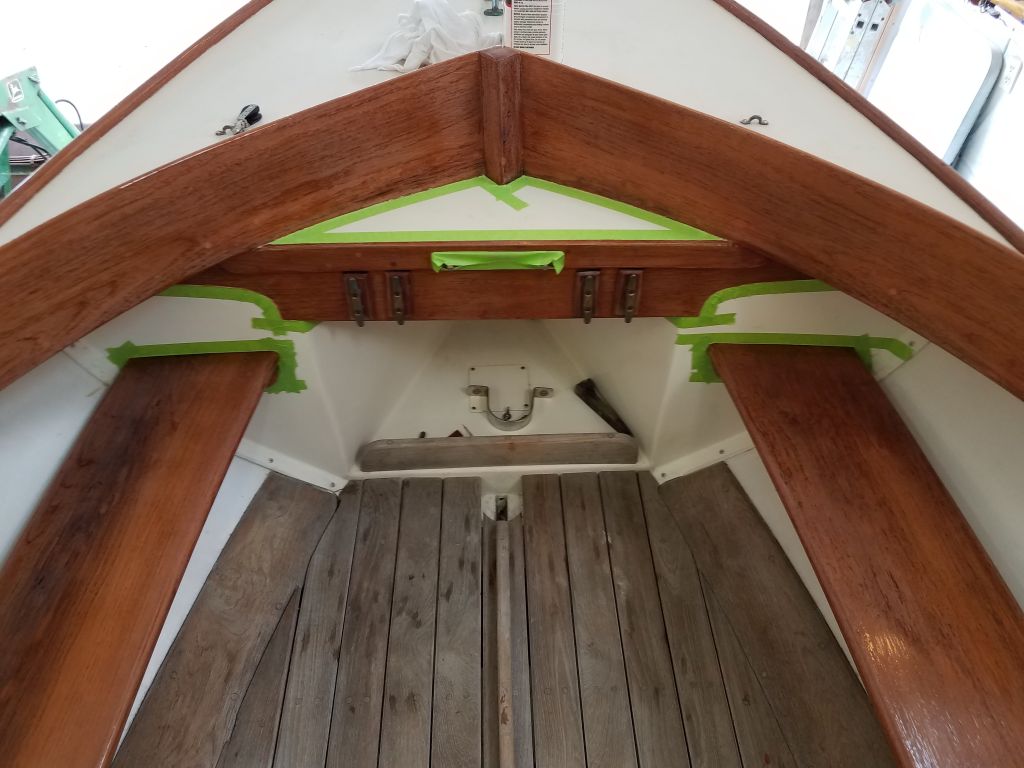
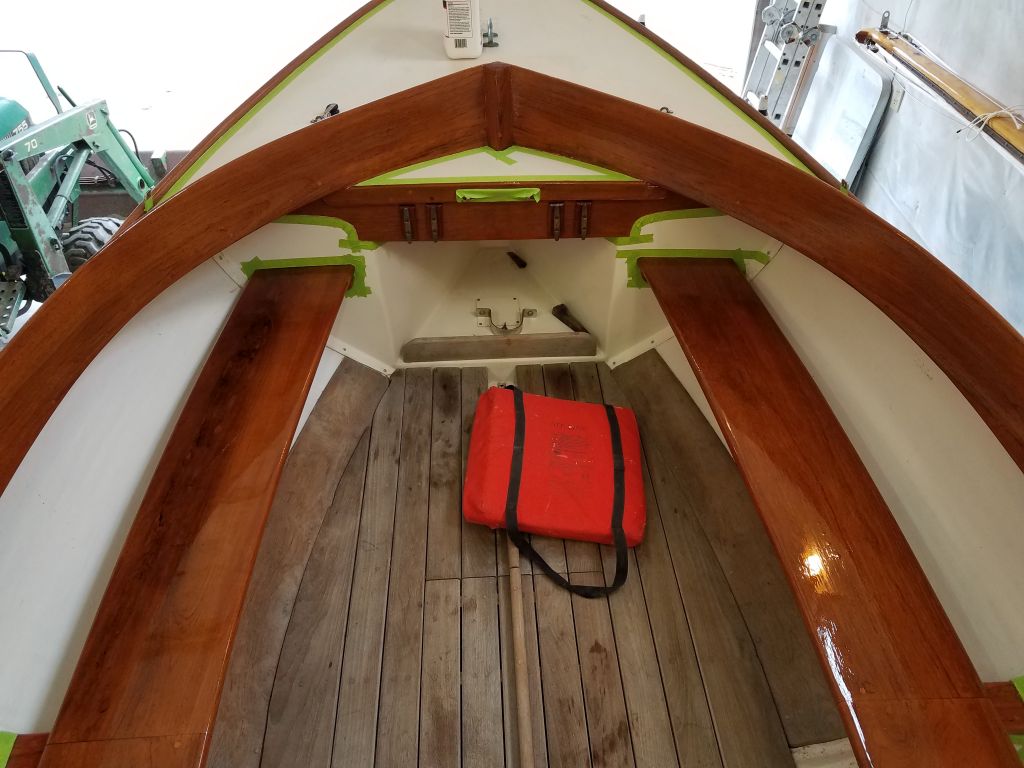
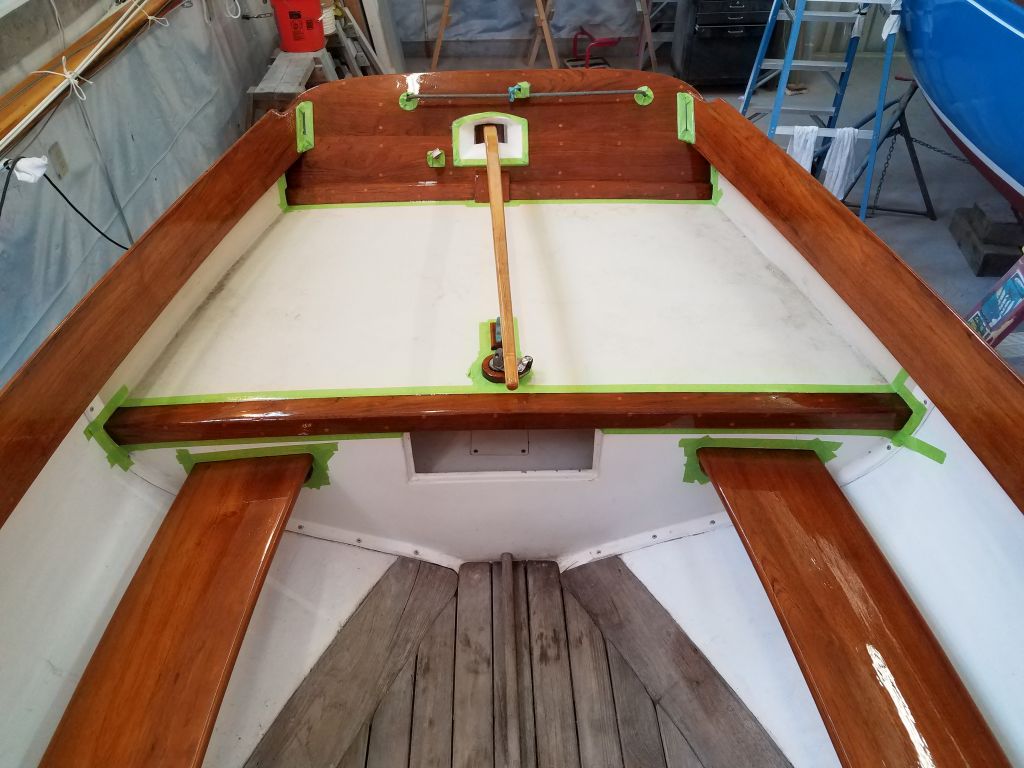
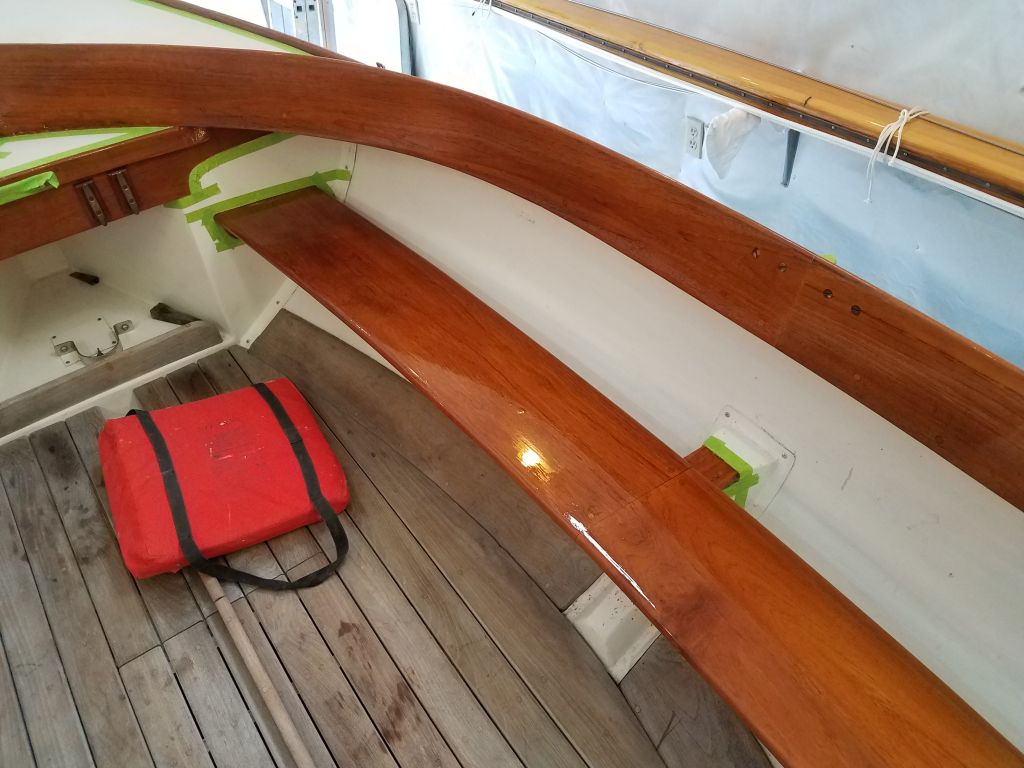
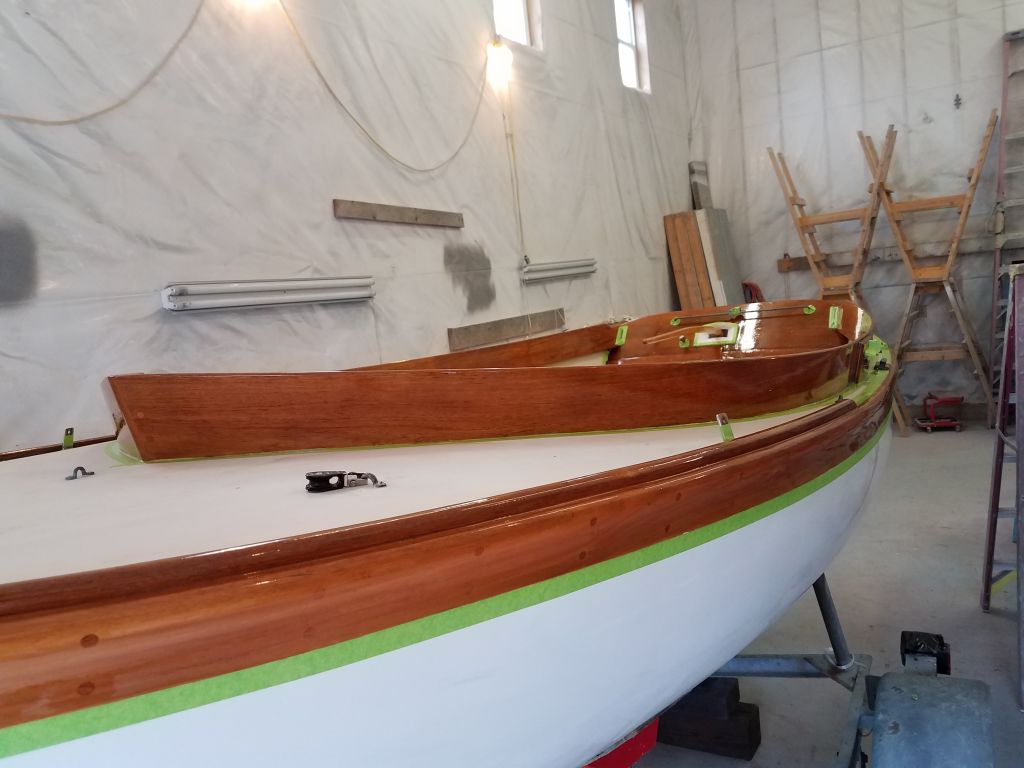
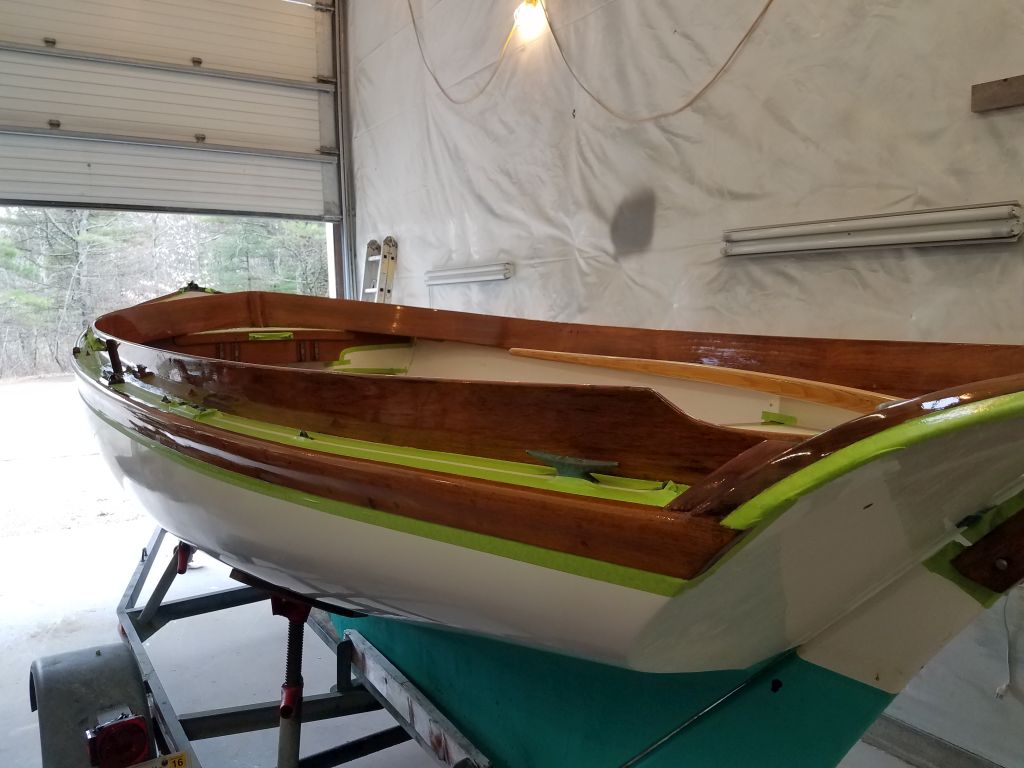
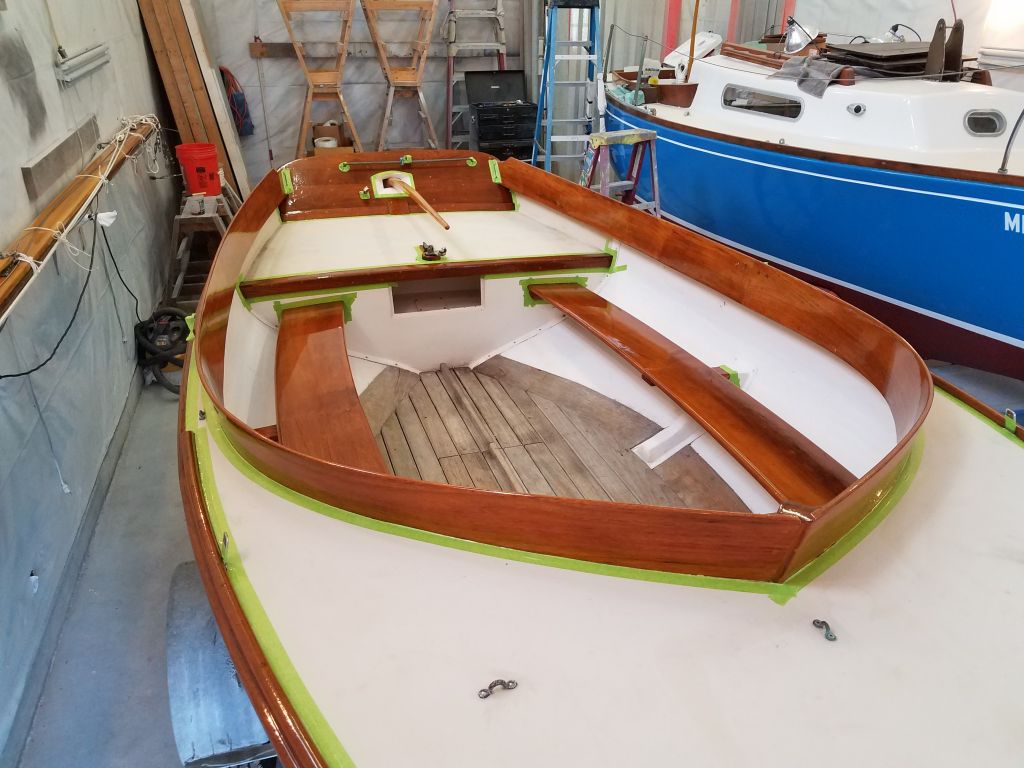
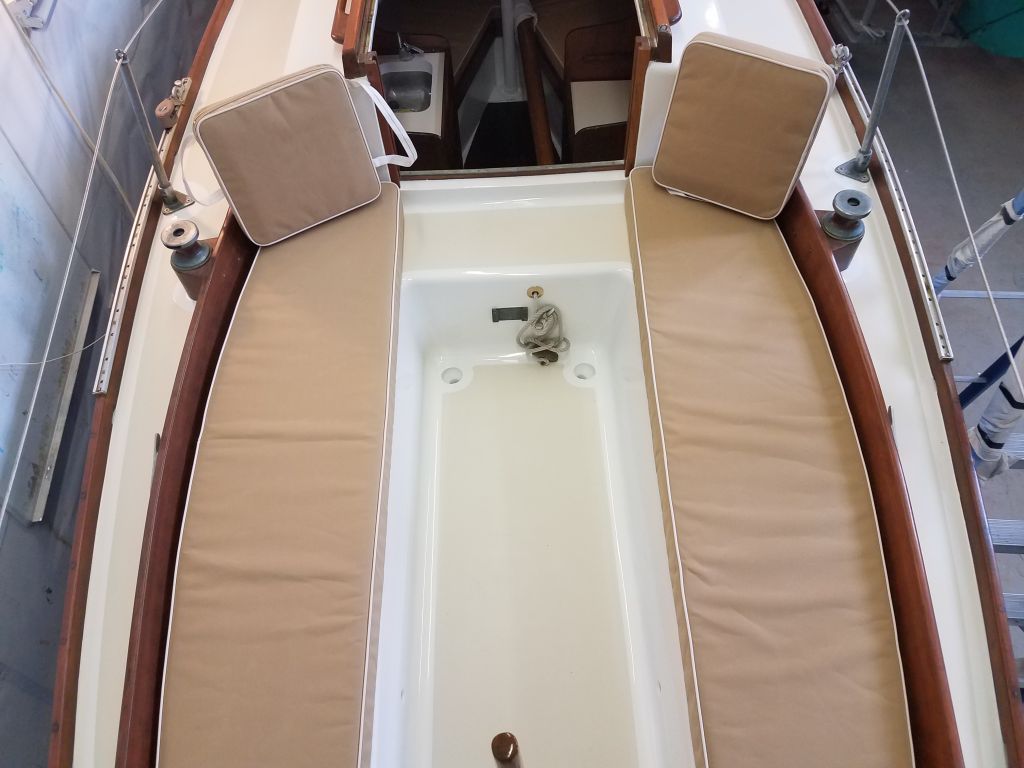
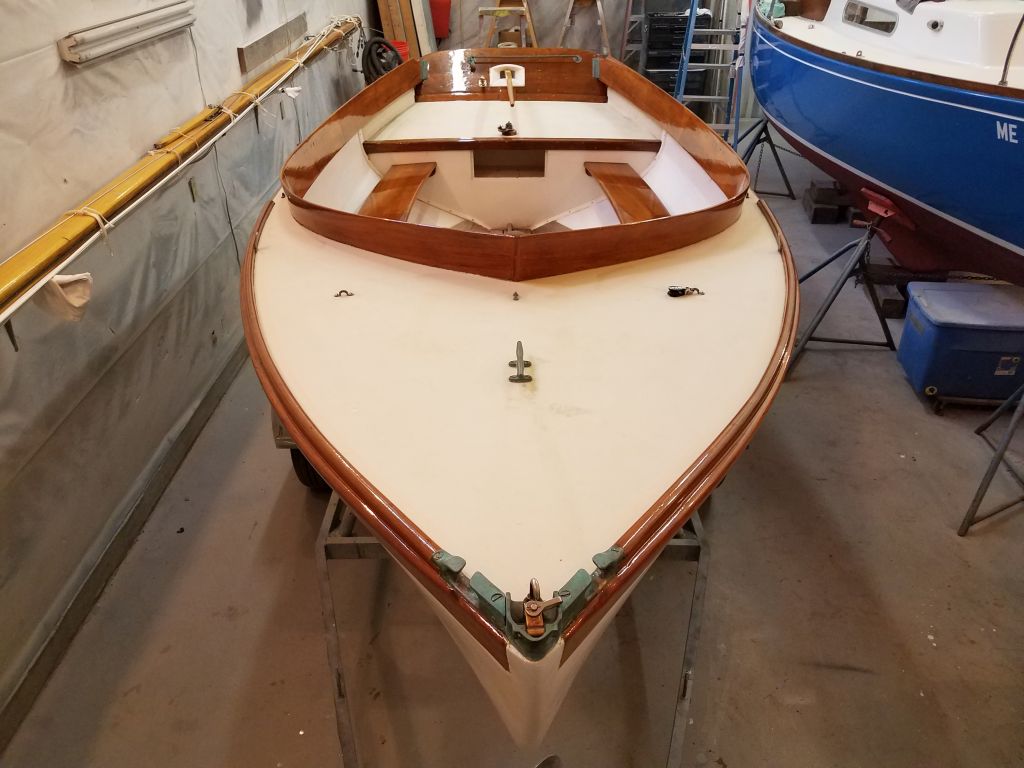
After a slight delivery delay, I was ready to get to work on some basic maintenance on this owner’s next small boat:  a Doughdish, which is the fiberglass version of everyone’s favorite daysailer, the Herreshoff 12-1/2.  My task list was small, mainly maintenance coats of varnish.  The existing brightwork was in good condition, as it’d been redone only a year ago and mainly kept under cover, but as any varnish owner should do, the owner wanted to ensure long life by having me do a couple maintenance coats before the season.

With the existing coating in such good condition, preparation for the new coats of varnish was straightforward, just a light sanding everywhere with 320 grit.

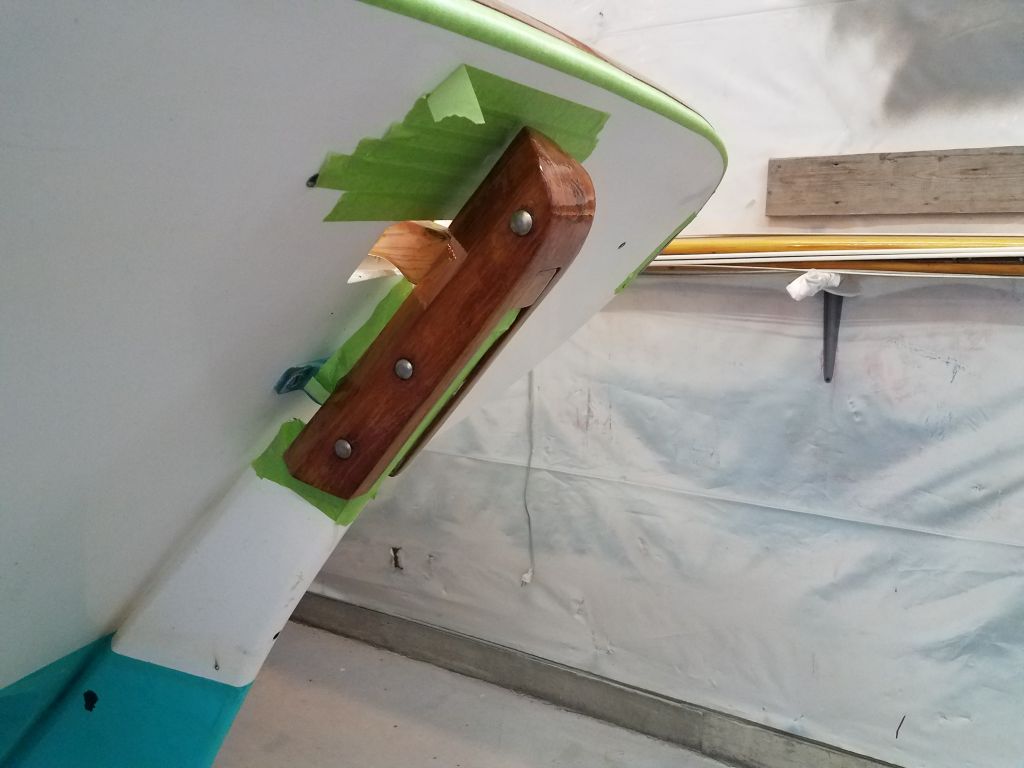
Afterwards, I vacuumed, solvent-washed, then masked off around the brightwork as necessary.

Finally, I applied the first of two coats of fresh varnish everywhere.

Total time billed on this job today:  4.25 hours
0600 Weather Observation:
45°, clouds and fog.  Forecast for the day:  clouds and fog, drizzle, touch of sun, around 60

Halcyon 62

< Back to Halcyon

Wednesday

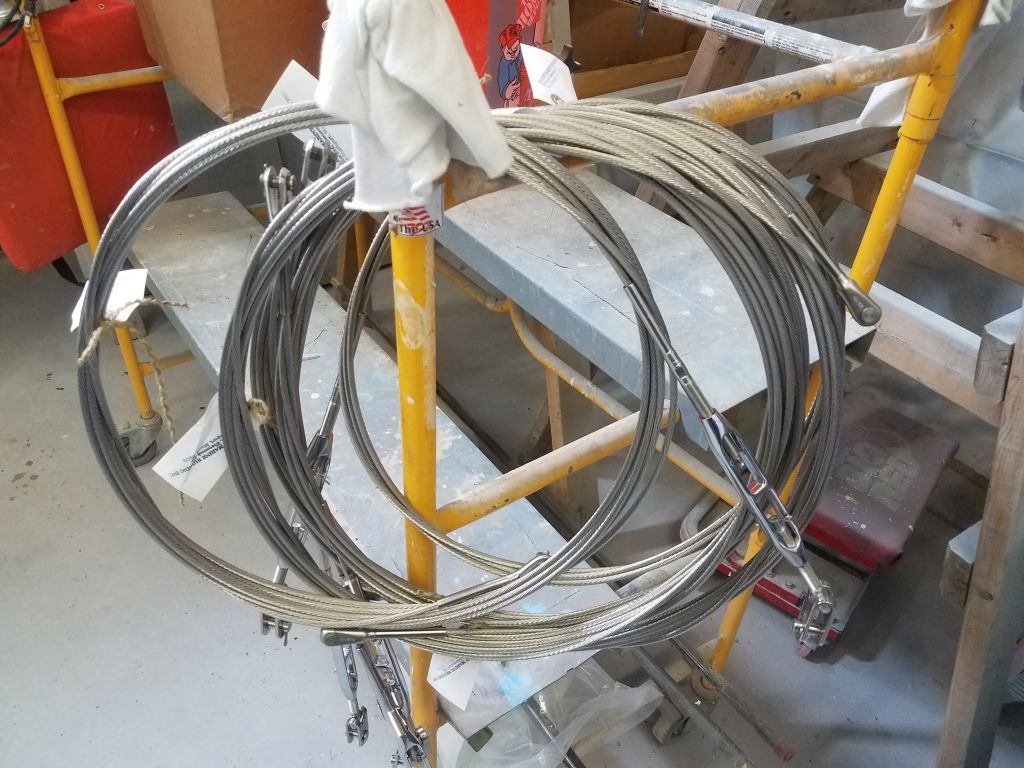
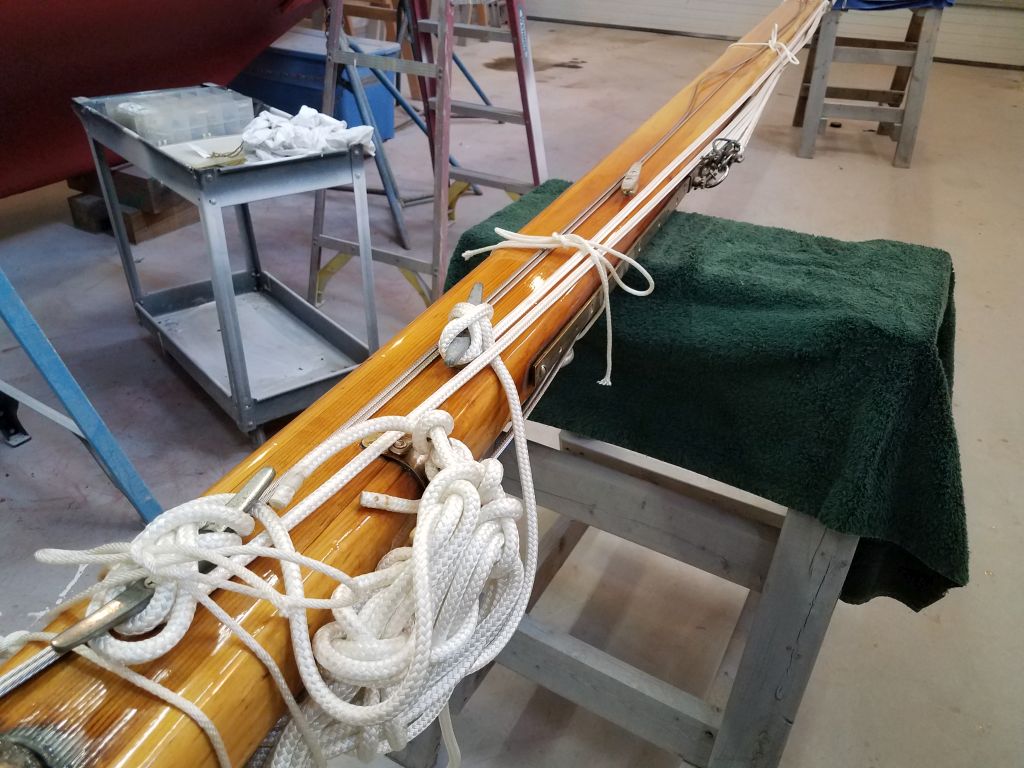
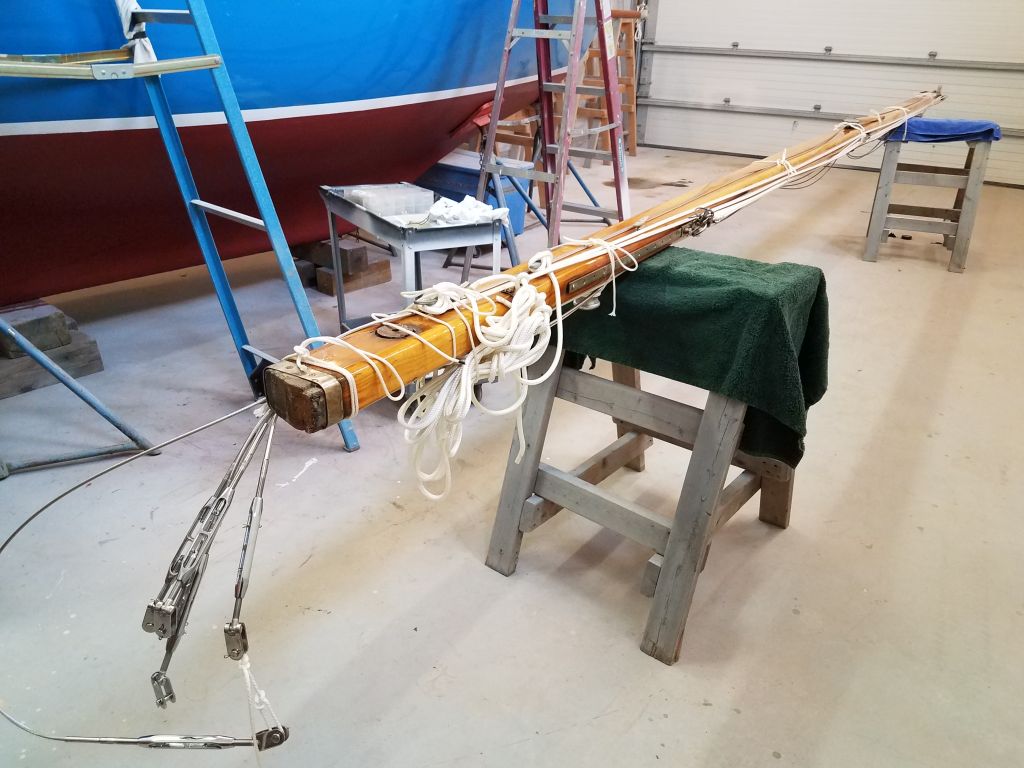
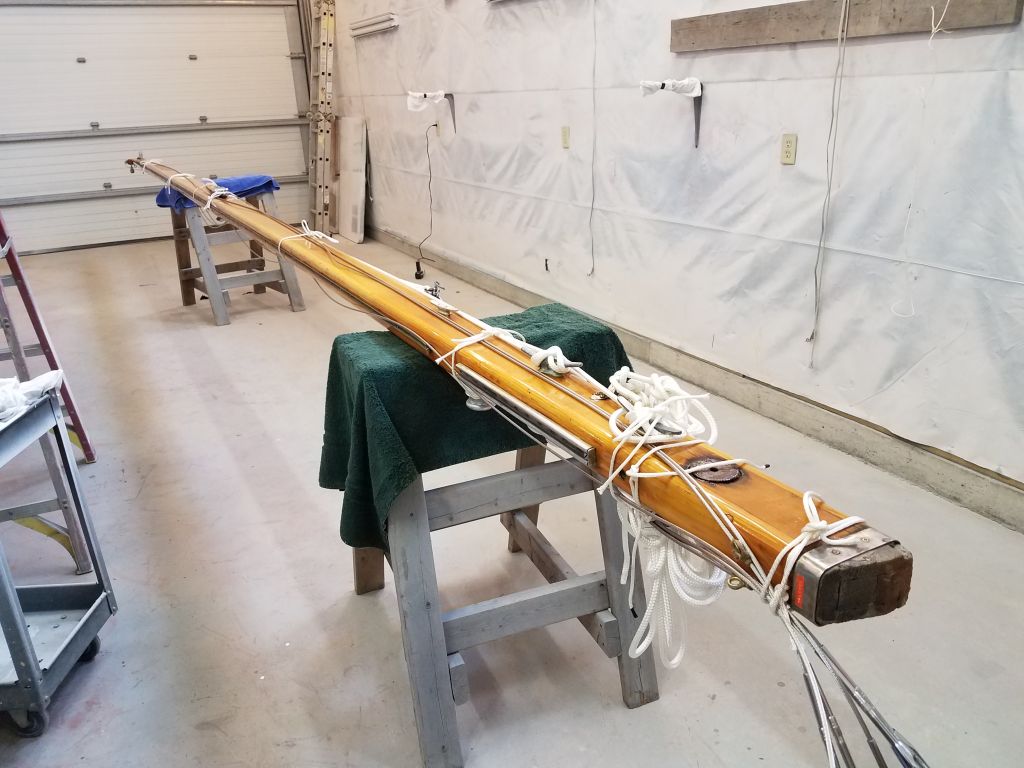
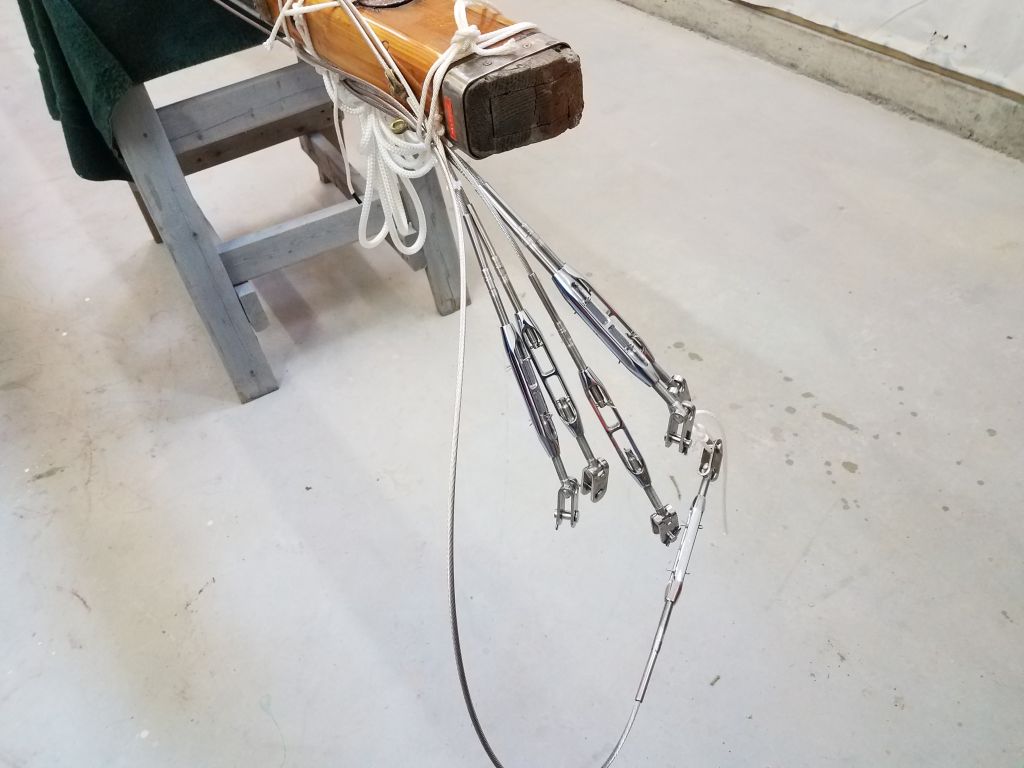
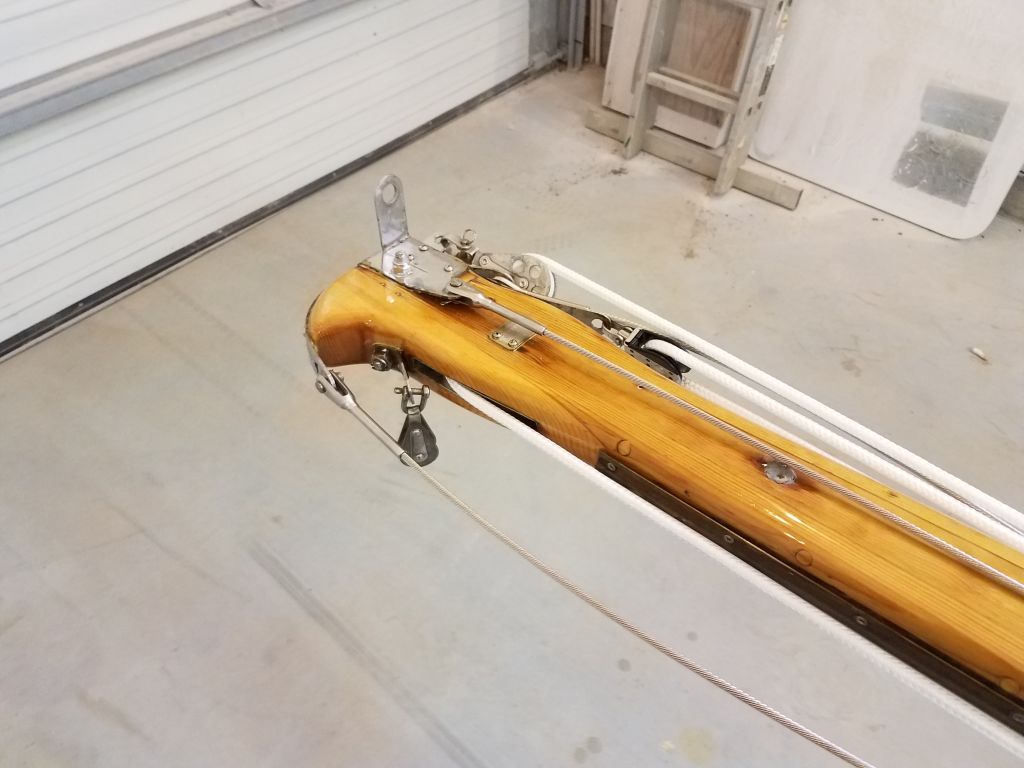
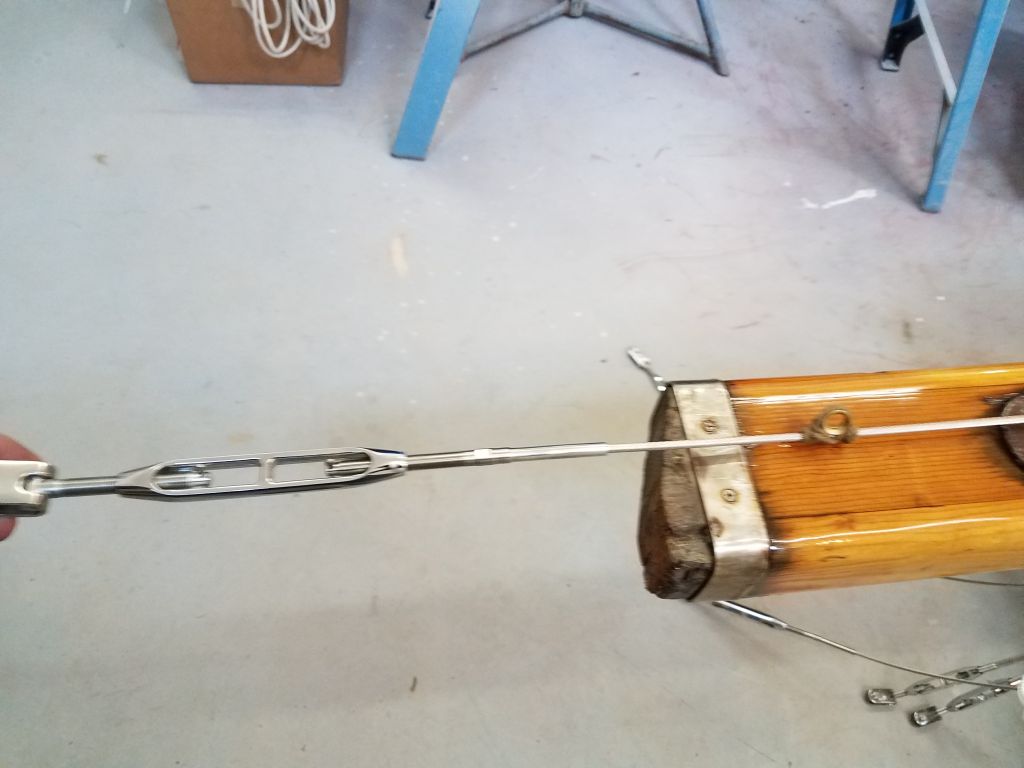
The replacement rigging–both running rigging (halyards) and  standing rigging–was now complete and on hand at the shop, so I spent some time installing it on the mast, stringing the halyards and reconnecting the rigging before securing things for storage and transport.  The only apparent hiccup was that the new boom topping lift was too short–inexplicable since the original, which I’d provided for replication, was clearly and obviously longer.  I contacted the rigger to arrange for him to supply an appropriate replacement, and I’d finish installing it later, once it arrived.

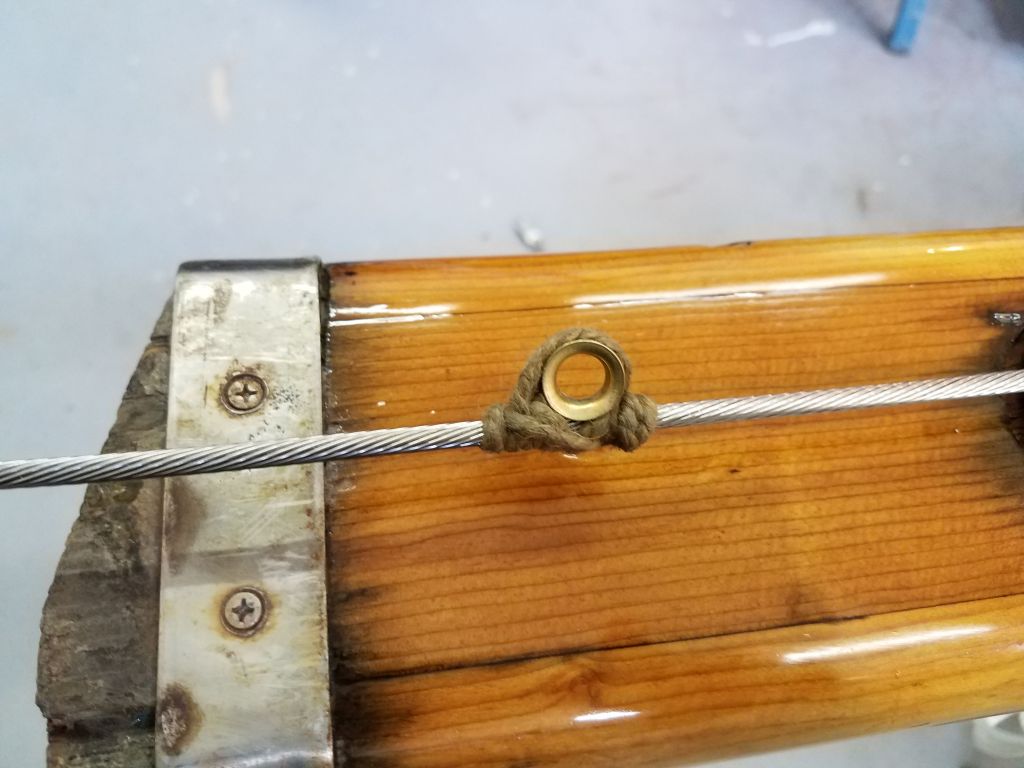
To support the lifelines where they ran outside the cap shrouds, I lashed bronze ferules to the stay at the appropriate height–about 18″ from deck–to match the height of the after stanchions.  Once the mast was stepped, the lifelines could be disconnected at the turnbuckle aft and run through this ferule, with minor adjustments possible in the lashing depending on the real-world situation when all was said and done.

The final project awaiting completion now was the new interior and cockpit cushions, which were on order and had been patterned already, but final completion would likely be a few weeks hence.

Total time billed on this job today:  2 hours
0600 Weather Observation:
30 °, mainly cloudy.  Forecast for the day:  Mostly cloudy, 40s

odds2

< Back to Odds’n’Ends

Tuesday

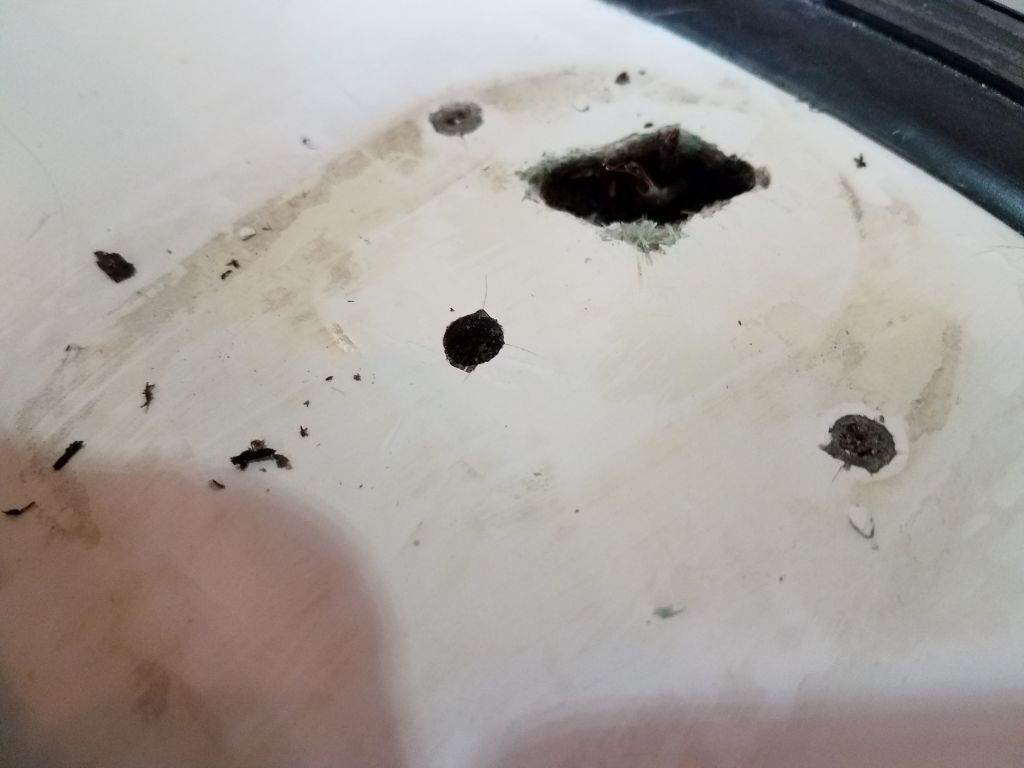
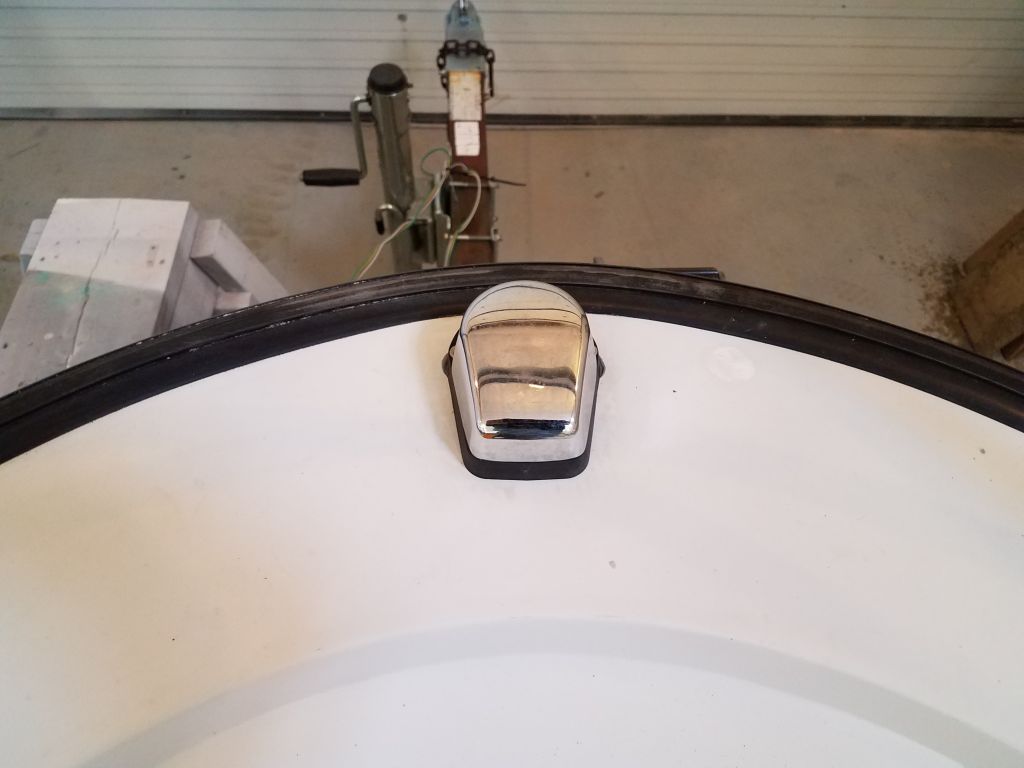
To begin, I returned to the bow light and its decrepit wiring.  With the old wiring kaput, the only way to return the light to operation was to run a new wire to the fixture, but this seemingly simple ideal was complicated by the boat’s construction, and the fact that the wiring to the bow was led–and could only be led–inside the void between hull and cockpit liner, in this case along the starboard side.    I thought the prospect of stringing new wire through here was dim, and it didn’t take long for my fears to be realized.  I figured the manufacturer had installed the wires before the boat was assembled, and that there would be no provision made for future maintenance, access, or replacement.  These wires entered the hull void  through the liner in the aft compartment, near the stern light, and the prospects for wiring access at that location were minimal as well.

By prior agreement with the boat’s owner, I planned no heroic measures in attempting to repair the fixture, but hoped perhaps I could eke out a solution nonetheless.  And of course everyone knows that Whalers are filled with foam between the two sections, so I figured it was highly unlikely there’d actually be space in there for a wire snake.  I tried not to laugh out loud when the owner said he hoped there might be a wire conduit.  What a comedian!  (Actually, I think I failed and did laugh, or at least chuckle, out loud.)

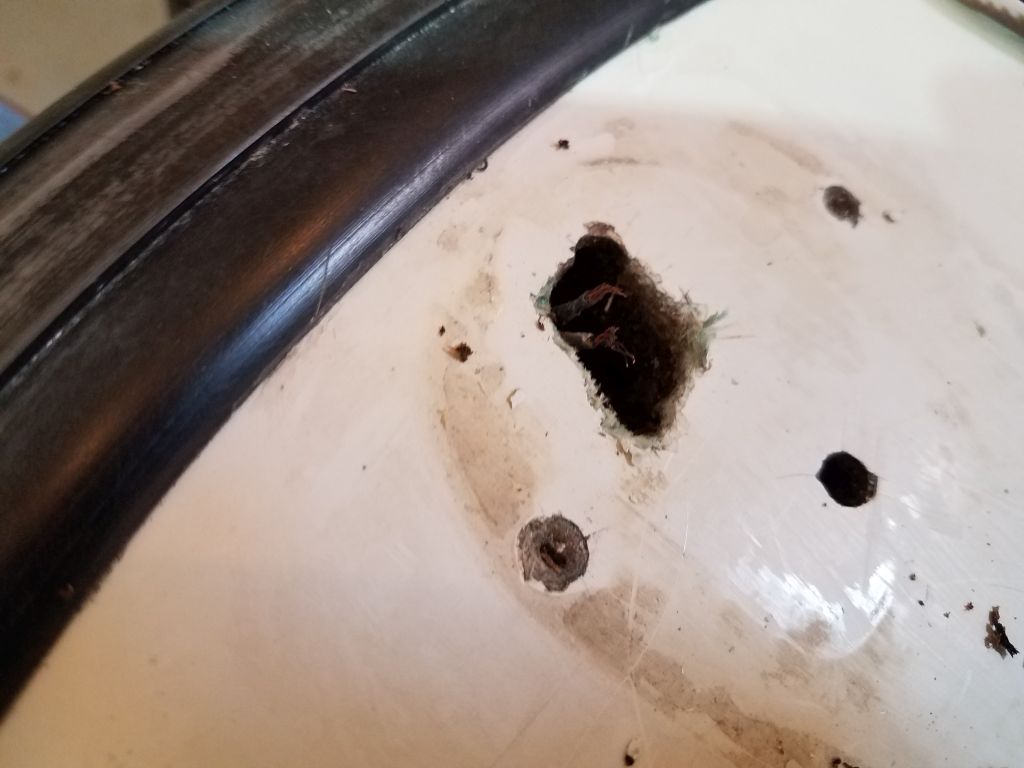
The existing wires, when they were whole, had led through a smallish hole in the foredeck, and regardless of anything else, this hole would be too small to snake new wires.  So my first step was to enlarge the hole to reasonable dimensions.  This exposed a couple thicknesses of plywood beneath the deck, presumably there not only for stiffness but also as the main structure to which the various hardware–pulpit, lighting, etc–was secured.  The thickness and configuration of this was such that immediately my hopes of pulling in a new wire were permanently dashed–it would be a fool’s errand to try.

For a brief, shining moment I entertained the hope that there might be a way I could expose enough of the existing wire to somehow crimp on new butt connectors, thereby saving the day to great accolades.  With the larger hole, for this little blip of time I thought it looked possible, and I made the effort.  But there simply wasn’t enough wire there, and no way to pull any more, though I tried.  All this did was break the existing wire further down.   Blame bad installation, construction corner-cutting, and an utter lack of reasonable foresight on the part of the builder.

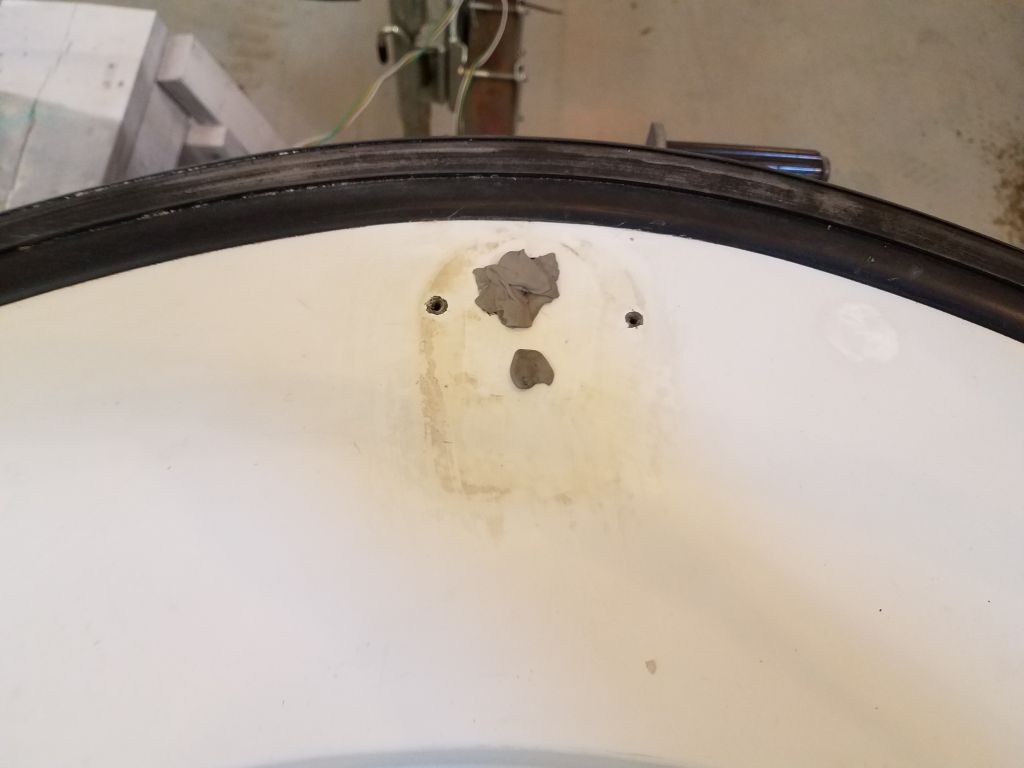
This ended my attempts to repair the existing light, and I stuffed the new hole with sealant, sealed the screw holes, and reinstalled the now forever-dead fixture.  The owner would replace it with a portable battery-operated set of lights for those unlikely  times they might be needed in this boat.

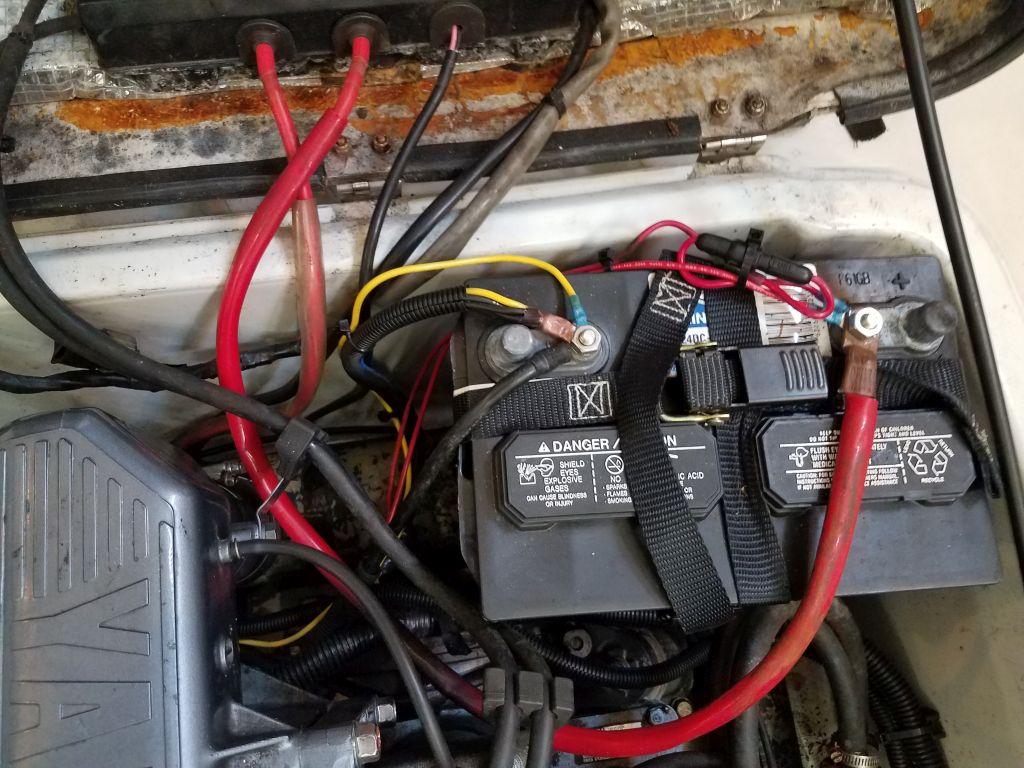
I’d taken apart some of the original wiring harness inside the console during my diagnosing, troubleshooting, and wiring maintenance earlier, so with wiring tasks now complete, I resecured the wires within the split loom and secured the harnesses appropriately inside the tilting console.  I added a fuse for the wire leading from the battery to the switch panel at the helm, as the original fuses built into the panel were broken yet some form of simple overcurrent protection was needed.  Of course there was plenty more that could be done to improve the electrical system, but the job scope mantra was functionality of certain items without spending untold hours on a basic boat that was essentially fulfilling its requirements as it was.
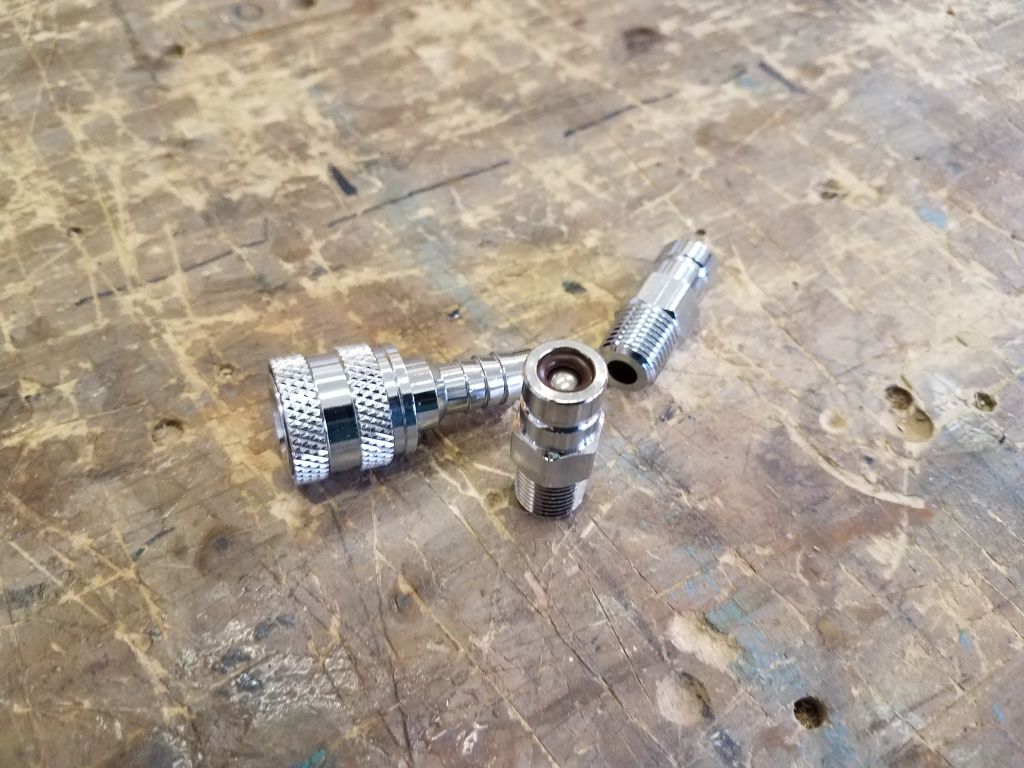
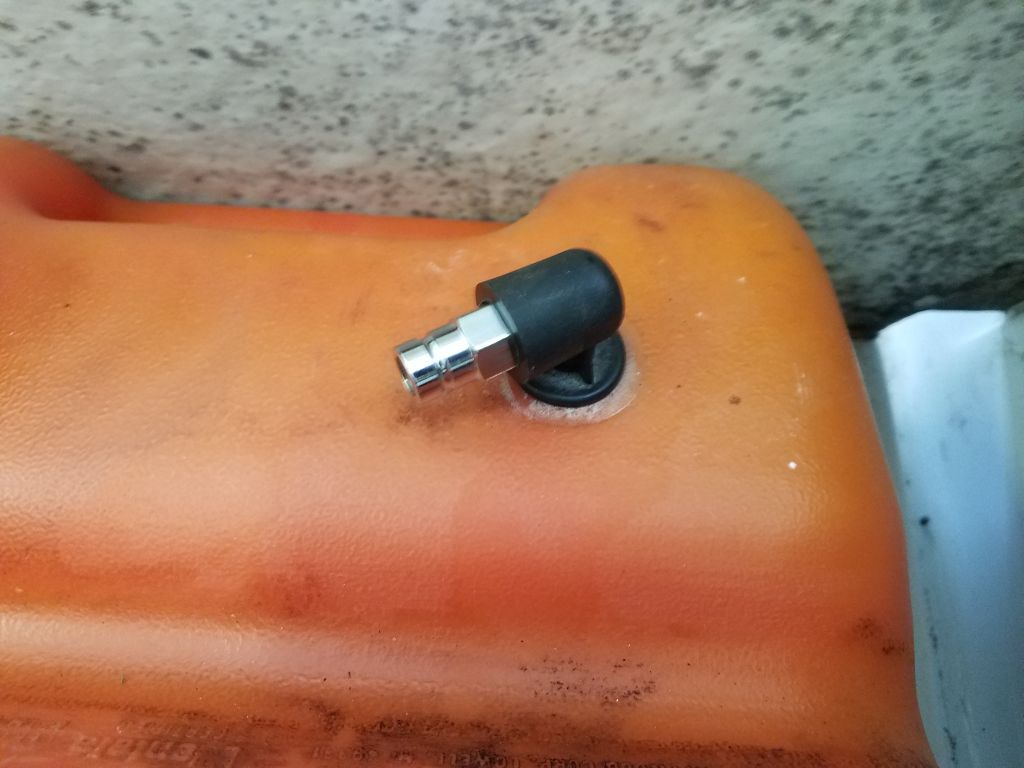
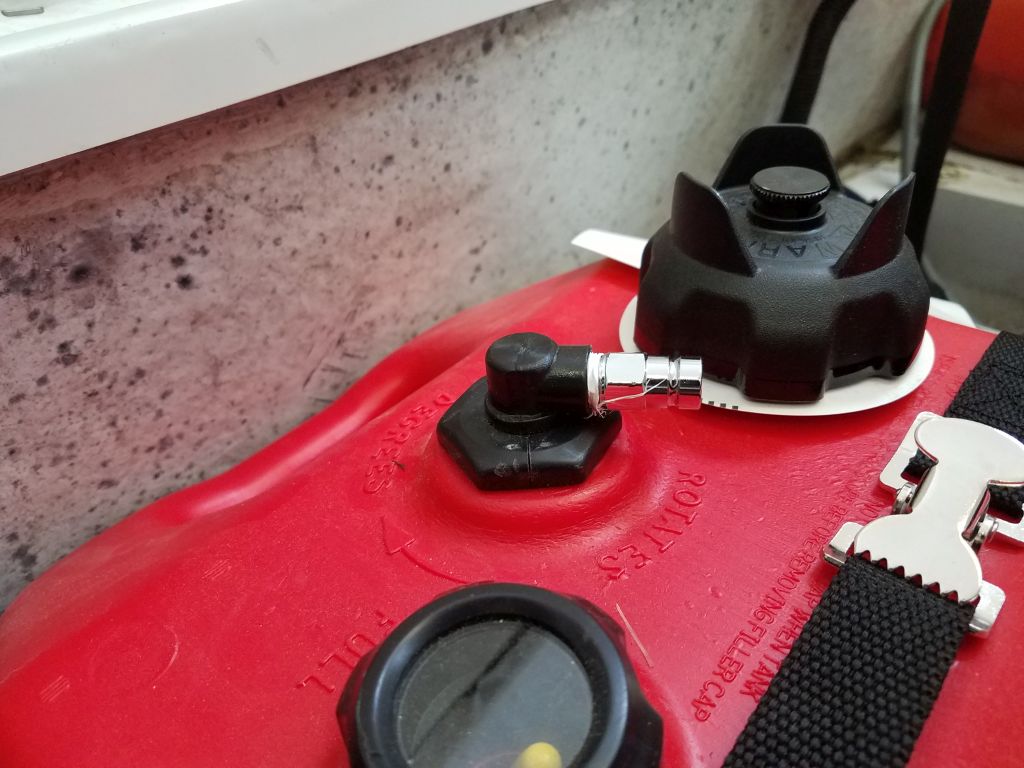
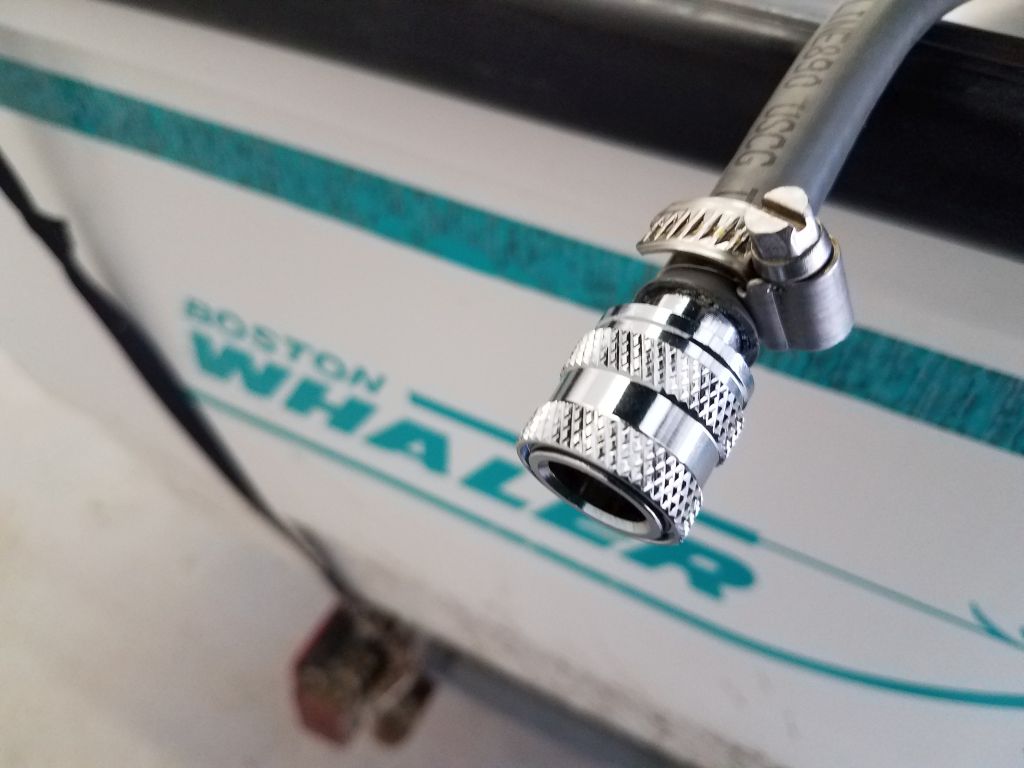
The boat had come to this owner with a single portable fuel tank, and he’d purchased a second one.  But the second tank required a fitting to mate with the existing fuel hose, which had these weirdo plastic fittings in place–I just didn’t like the fitting style, as it seemed harder to operate, more prone to squirt fuel when attaching, and just plain cheesy in appearance and operation.

Rather than try to match those, which I didn’t recognize, I purchased new brass fittings in a style that I liked, with an easy mating action.  These happened to be the Nissan/Tohatsu style, which past experience had shown me to be a thoughtful design,  but I could have chosen anything I wanted since I wasn’t actually mating with a pre-existing fitting on an engine.  With two male fittings on hand for the tanks, and a new female fitting for the hose end, it was a snap to prepare the new and existing tankage for easy swapping as needed.  To finish up the installation, I installed a new strap to secure the second tank; the original tank already had a strap in place.

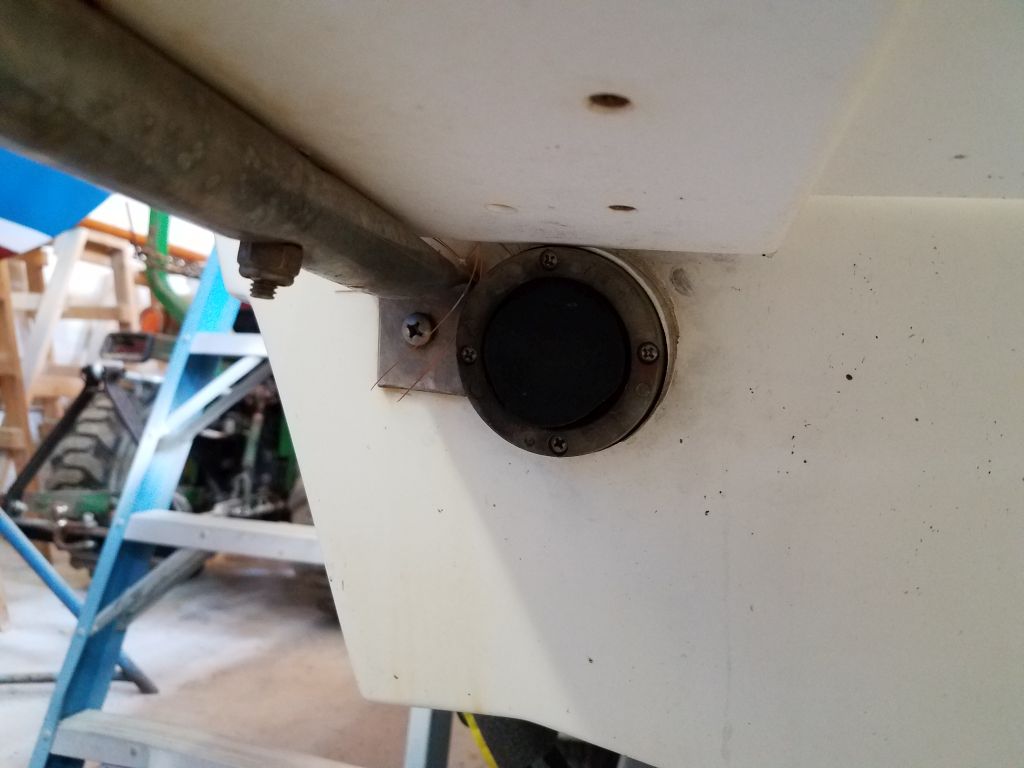
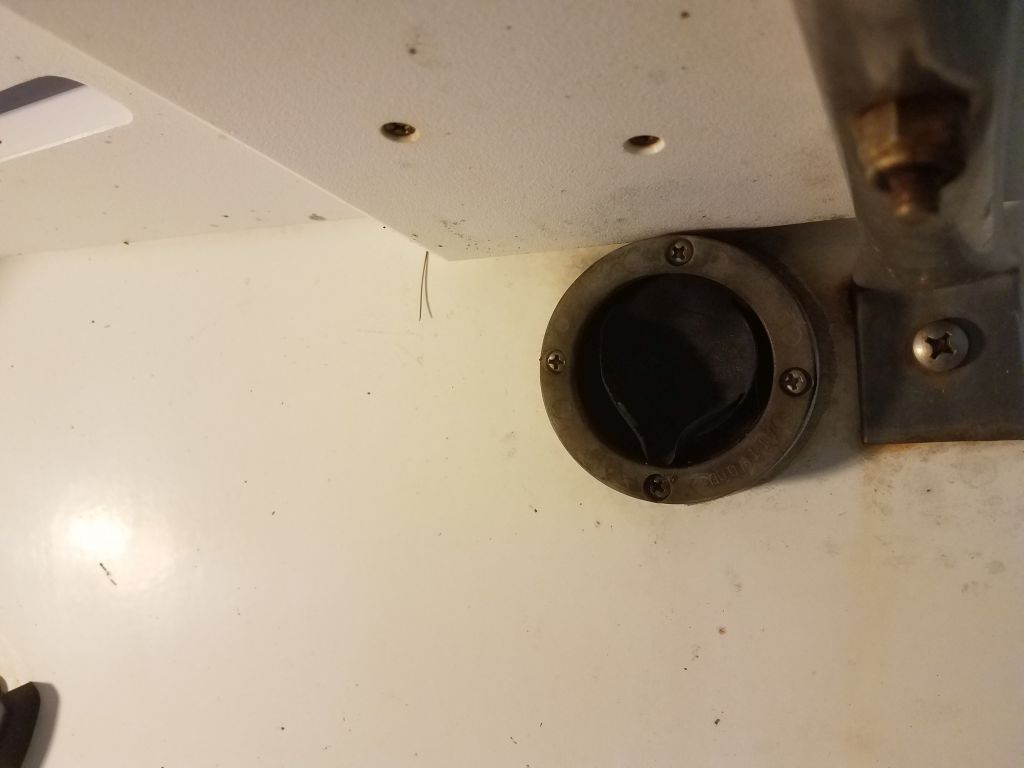
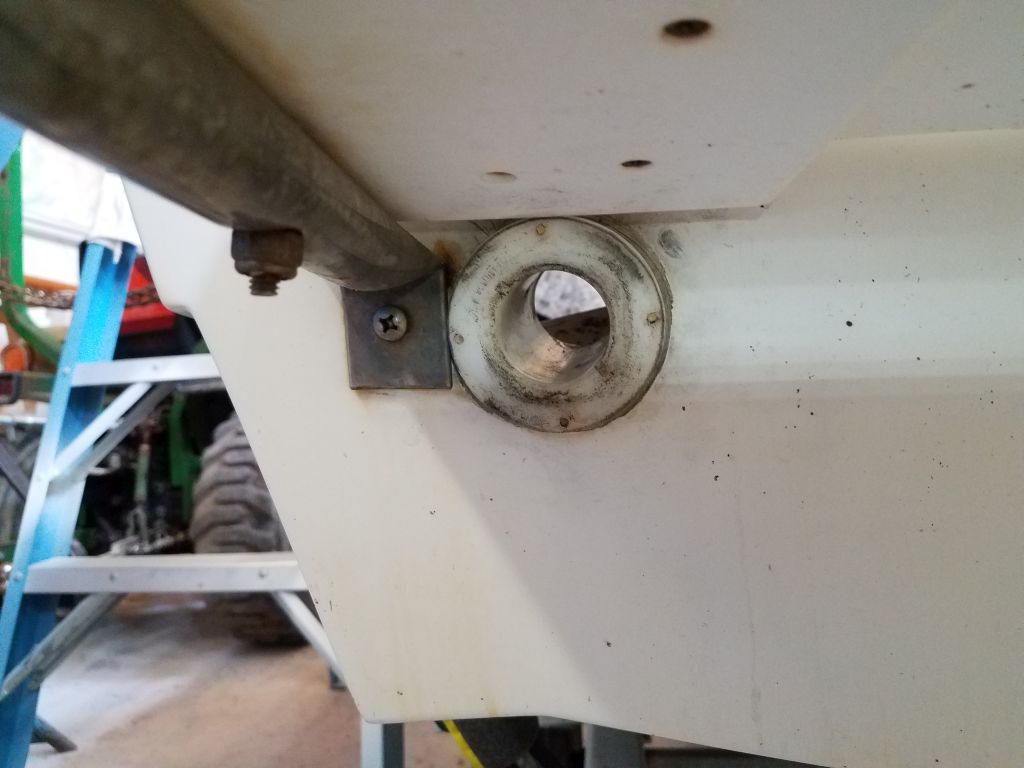
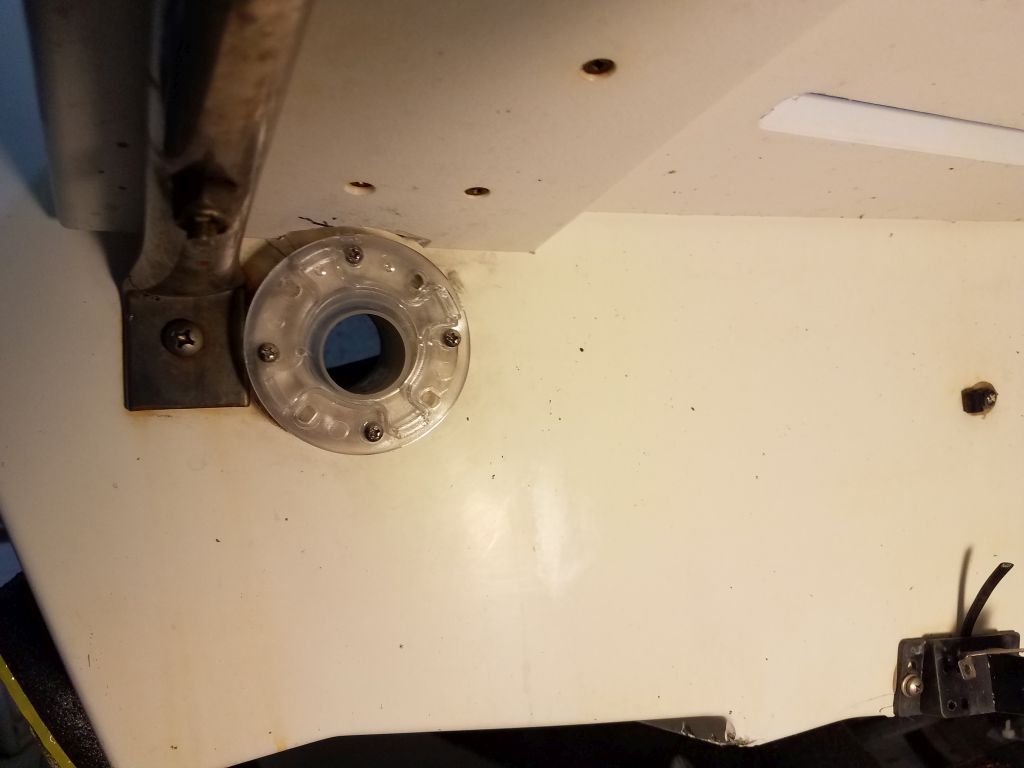
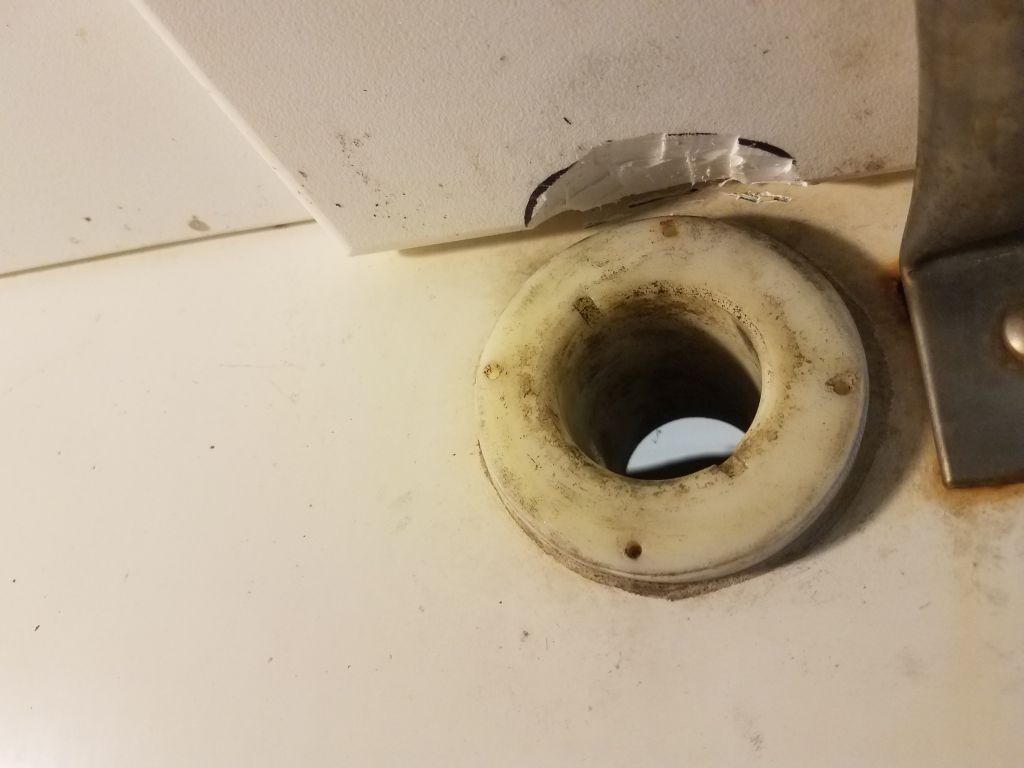
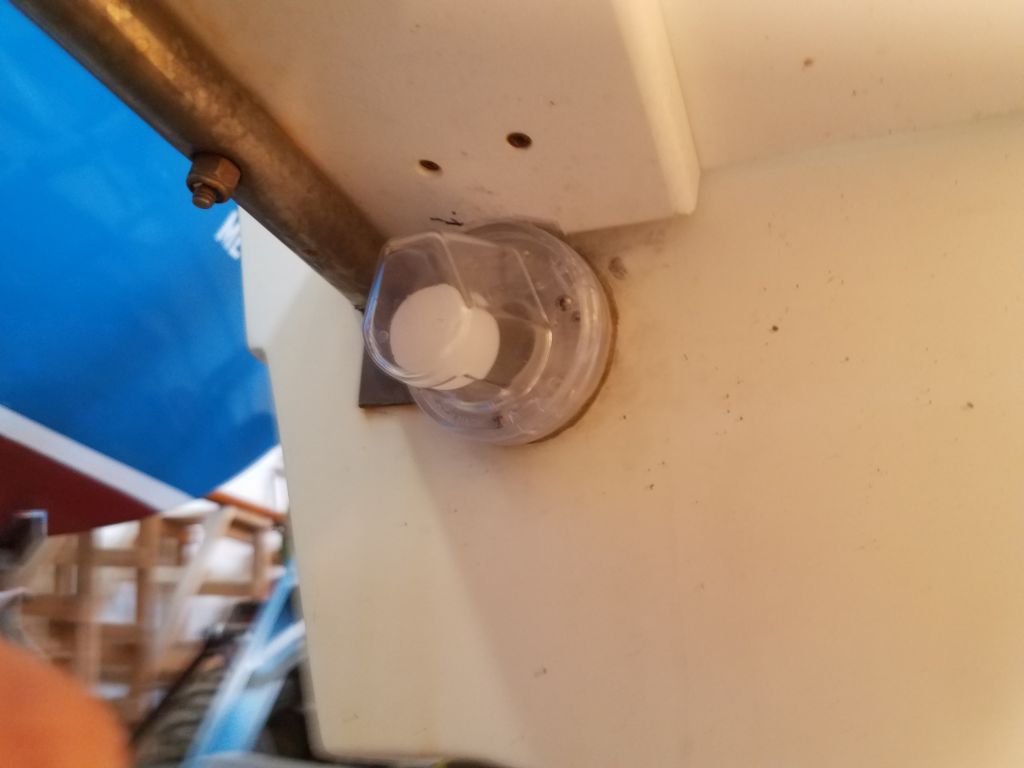
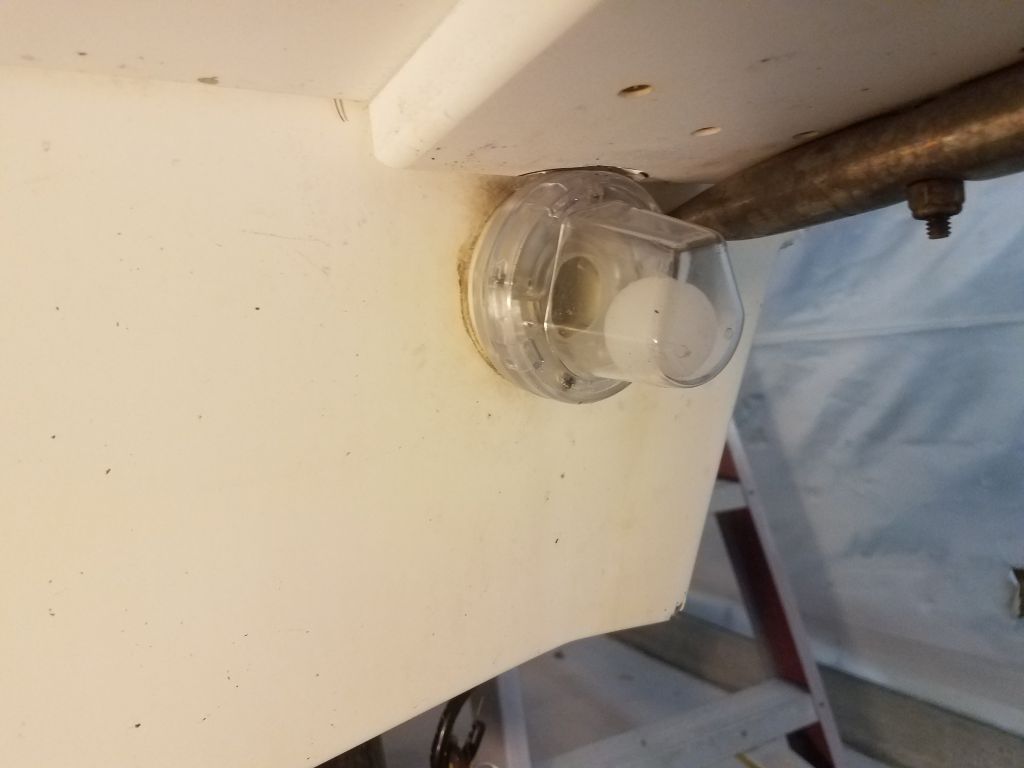
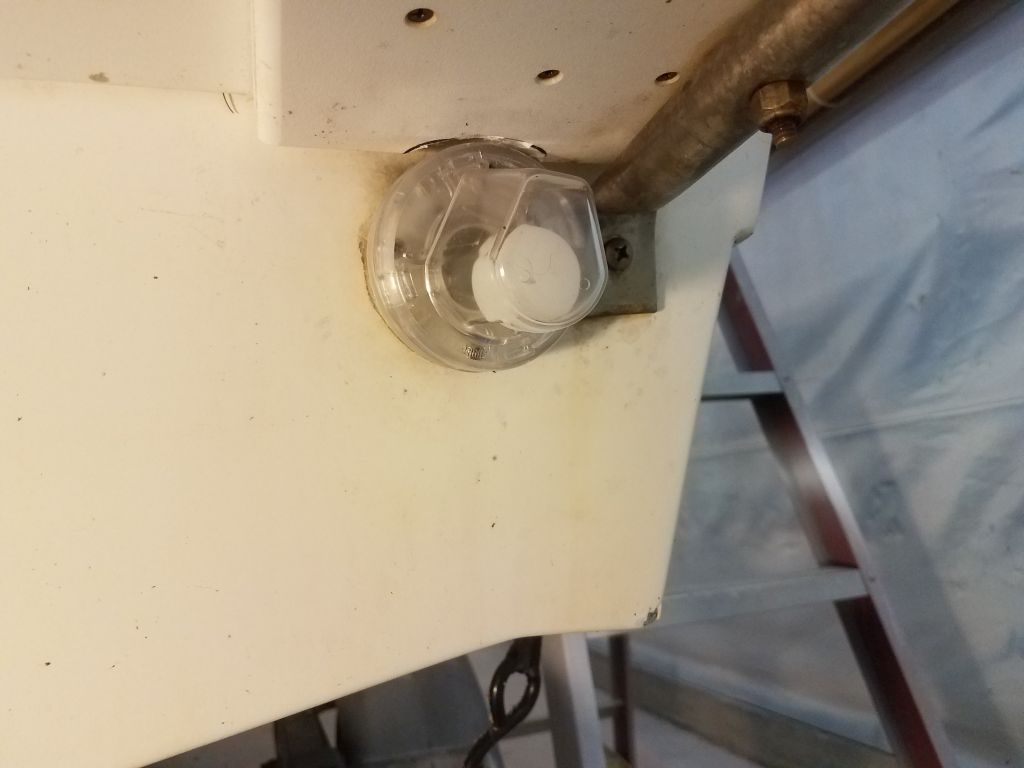
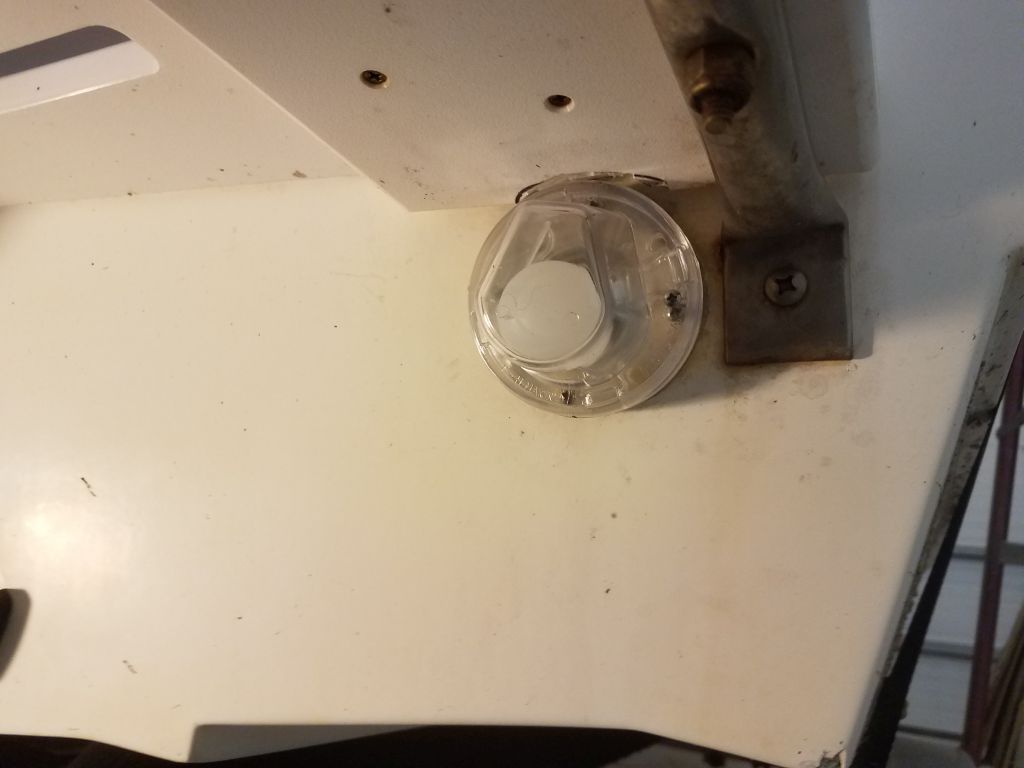
The boat’s self-bailing cockpit relied on the most basic of flapper-type scuppers at the transom.   These were intended to prevent undue inflow of water while still allowing proper drainage, but the simple design was just adequate at best, and now, with the rubber flappers dried and shriveled with age, not even that.

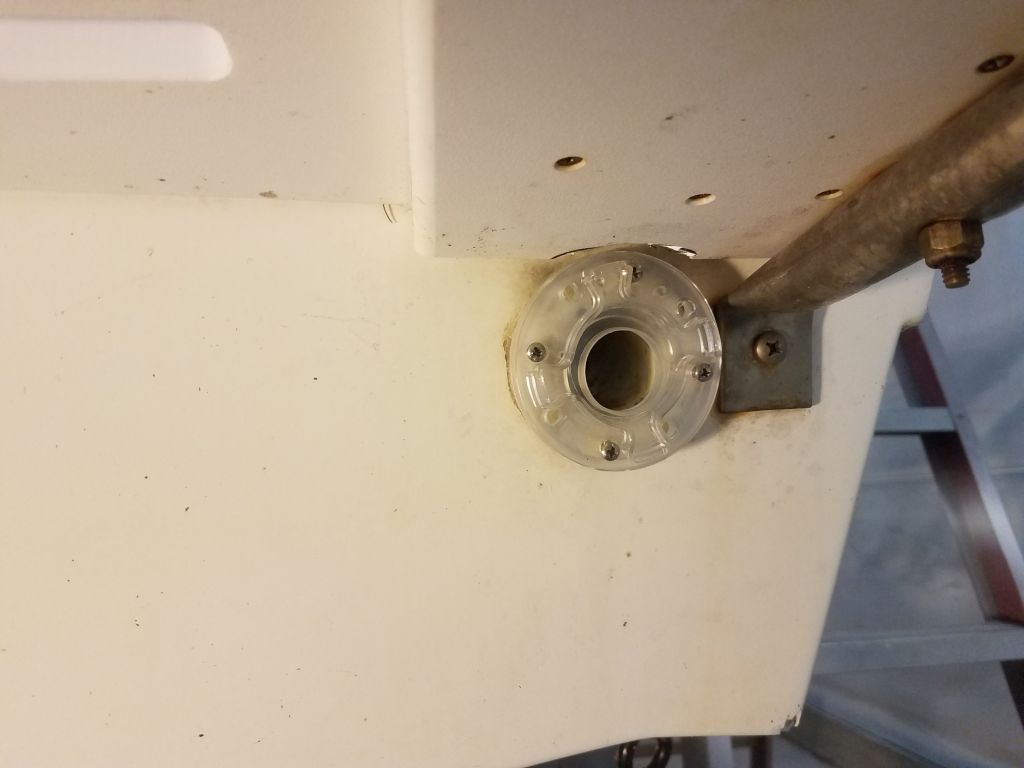
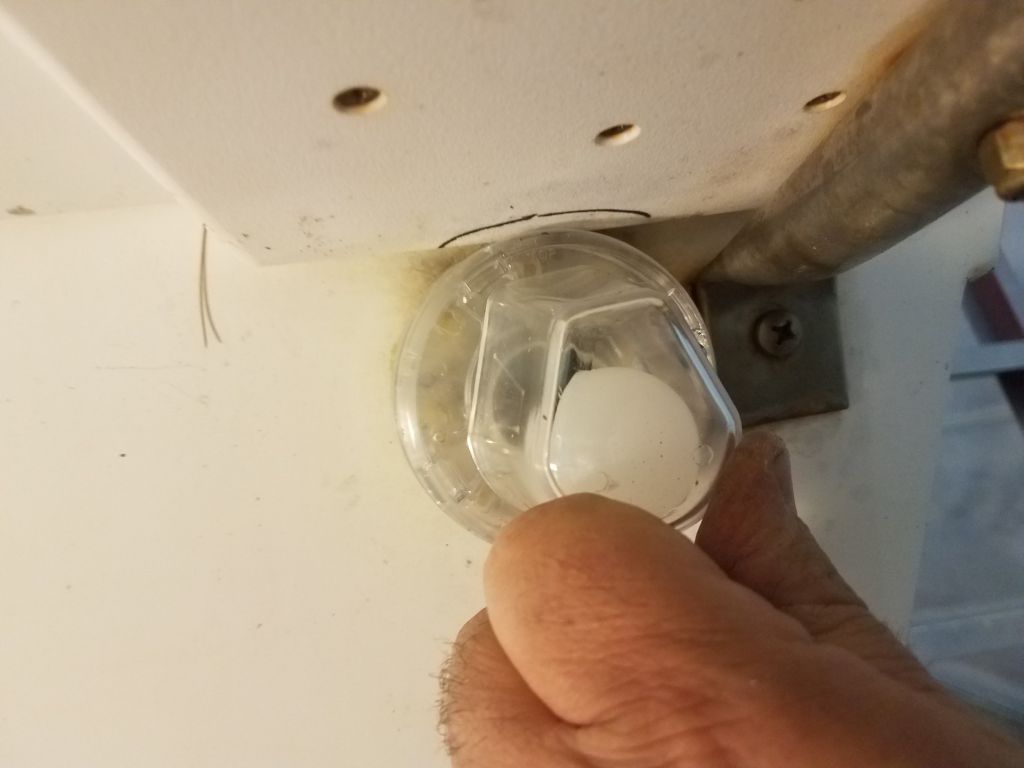
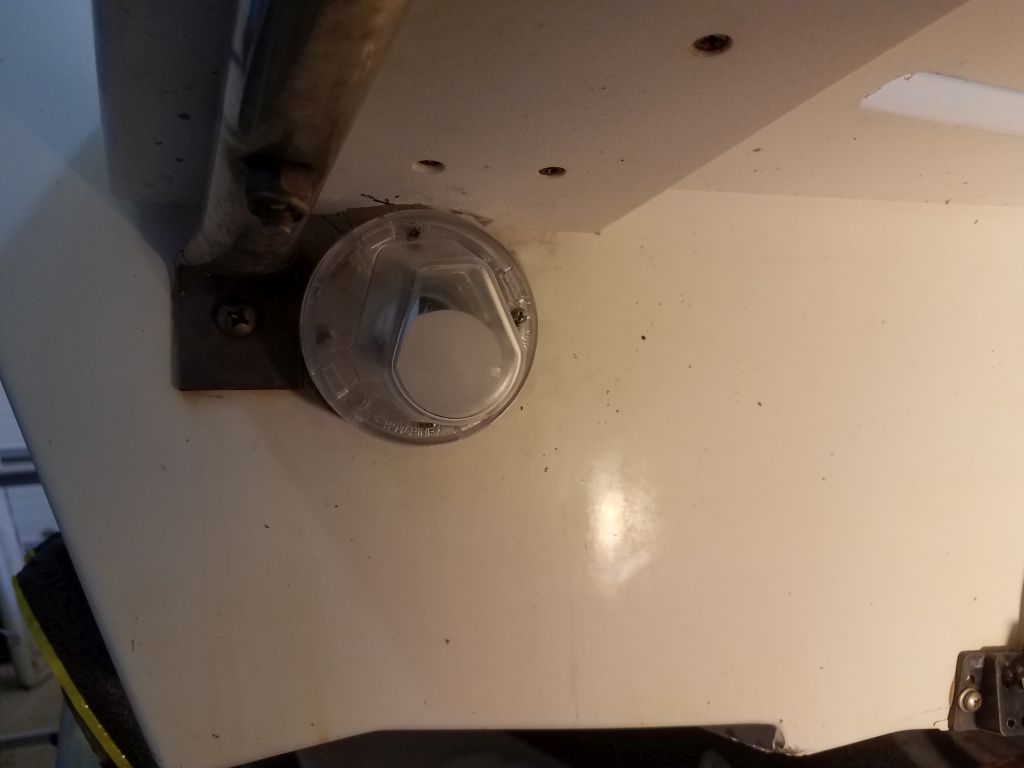
I purchased aftermarket scuppers that incorporated a little ball inside, which would float up and seal against the scupper when backing down, or when the scuppers were submerged at rest.  After removing the old fitting–four small screws–installation was straightforward, with only the most minor of complications.  The little swim platform, made of cast plastic, was a bit too close to the tops of the scupper housings in the transom, and the new fittings, which were slightly larger than the old and also required access to twist on (or off) the main housing for cleaning, interfered with the swim platform.

Fortunately, this was an easy fix.  The protruding part of the swim platform was actually a doubler plate, so this left me ample material in place and allowed me to chisel out a small portion directly over the scupper fitting, providing me with the access required for the new ones without compromising the actual swim platform.   Once I’d done this, the new fittings fit over the existing hole pattern, and I screwed them in place before twisting on the external part of the housing containing the little stopper ball.  To remove these in the future for cleaning, there’s a small setscrew on one side (this prevents the housing from being spun off accidentally) that must be loosened, then the plastic housing twists a partial turn counter-clockwise for removal.

This ended my task list on this boat.  I planned to swap this boat for another of the owner’s small boats int he near future, and continue the odds and ends work list then.

Total time billed on this job today:  2.25 hours
0600 Weather Observation:
37°, partly clear.  Forecast for the day:  sun and clouds, 40s
Older posts Newer posts