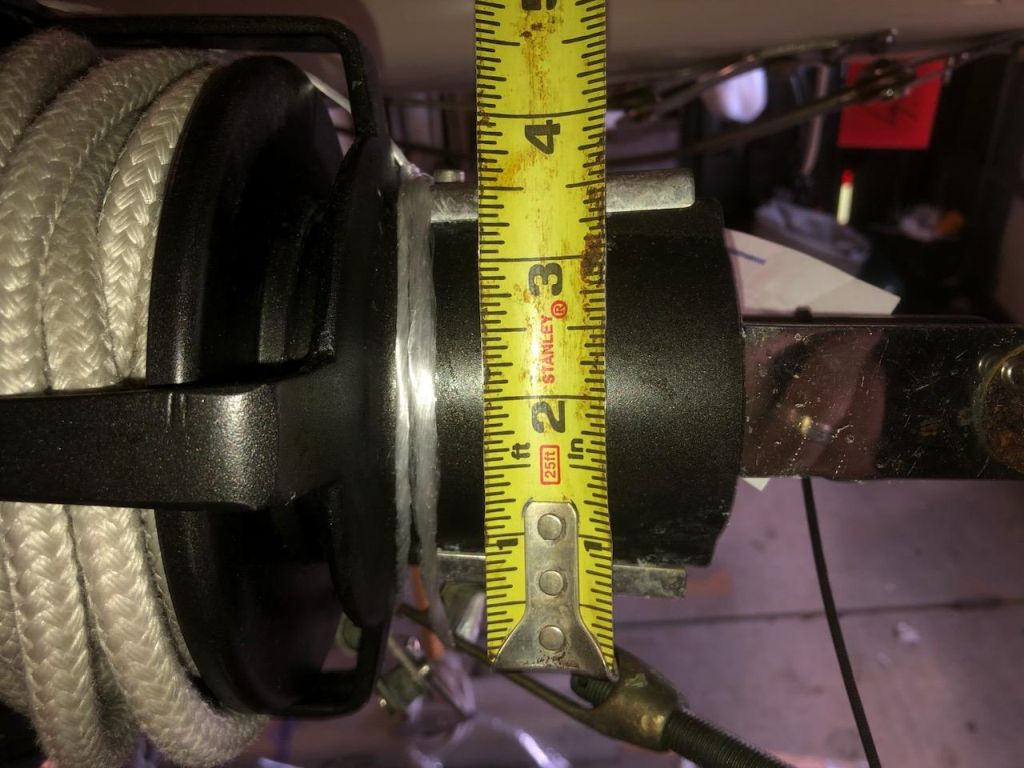
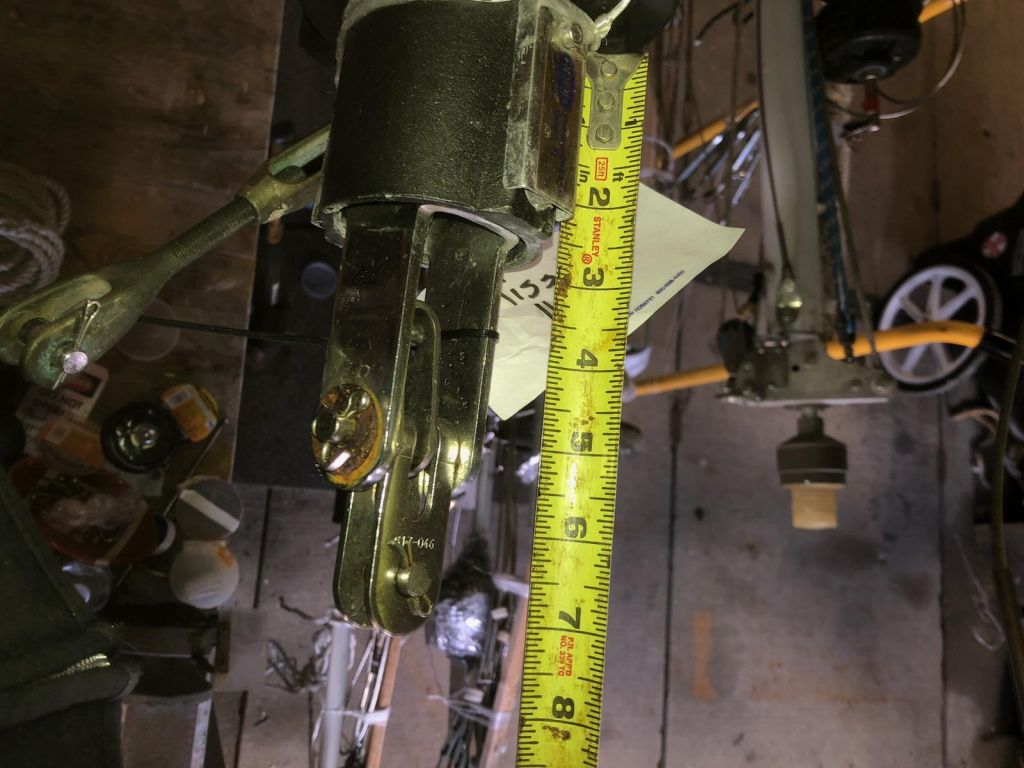
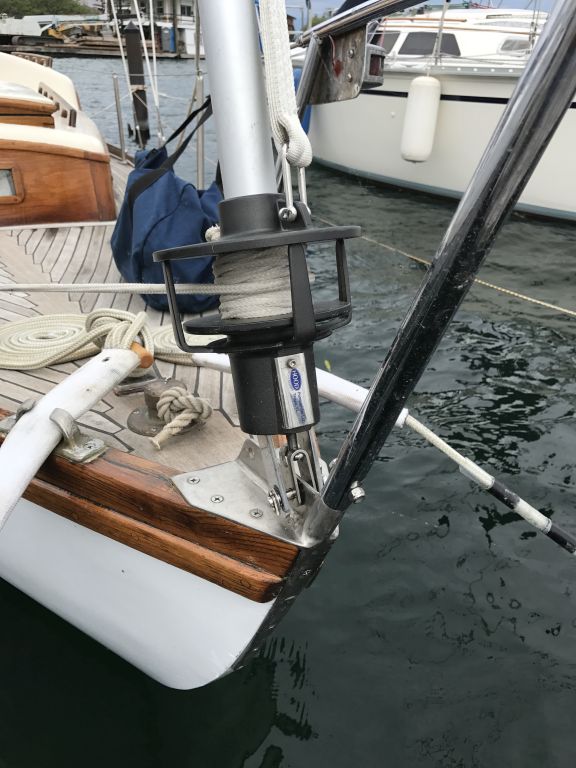
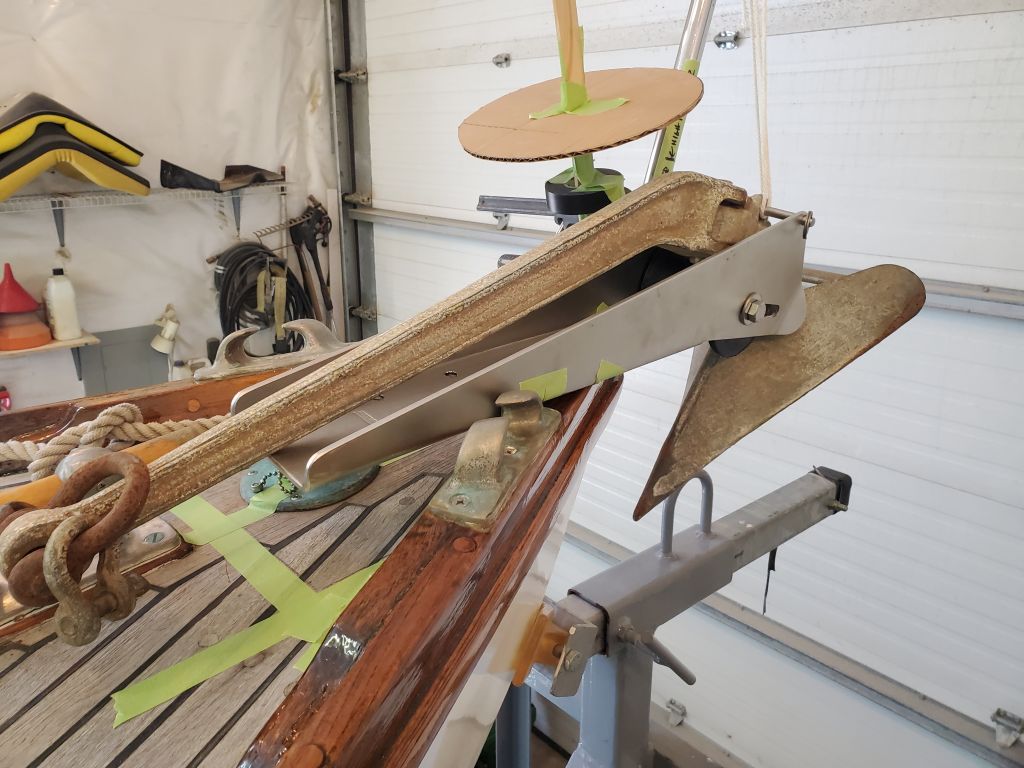
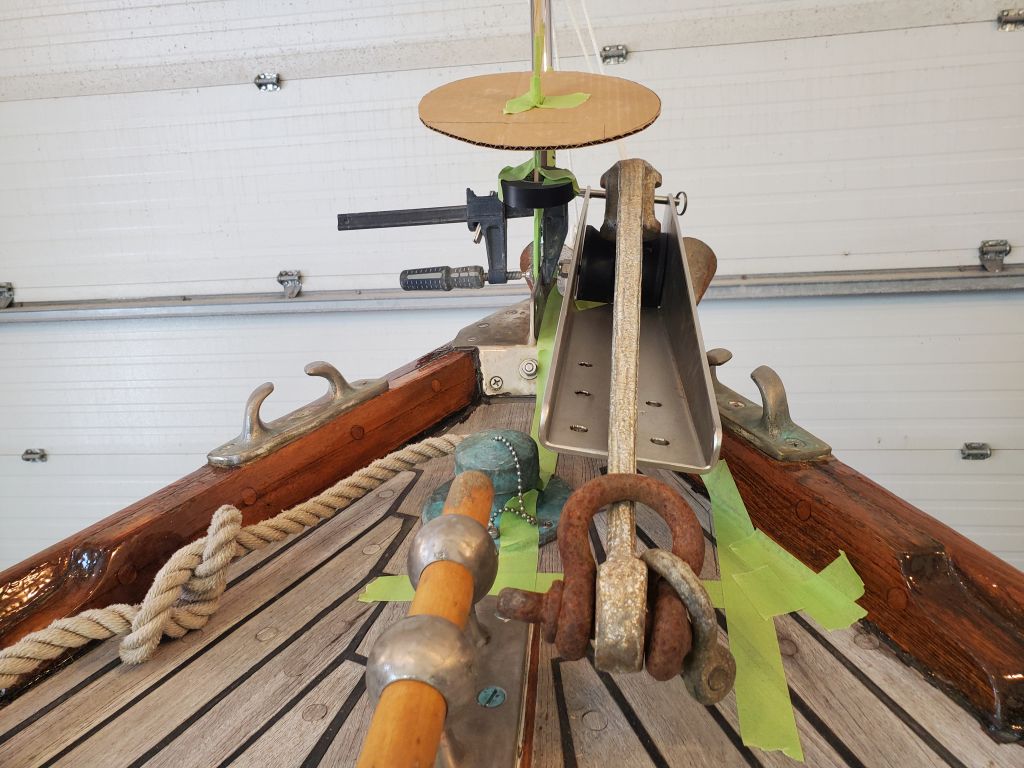
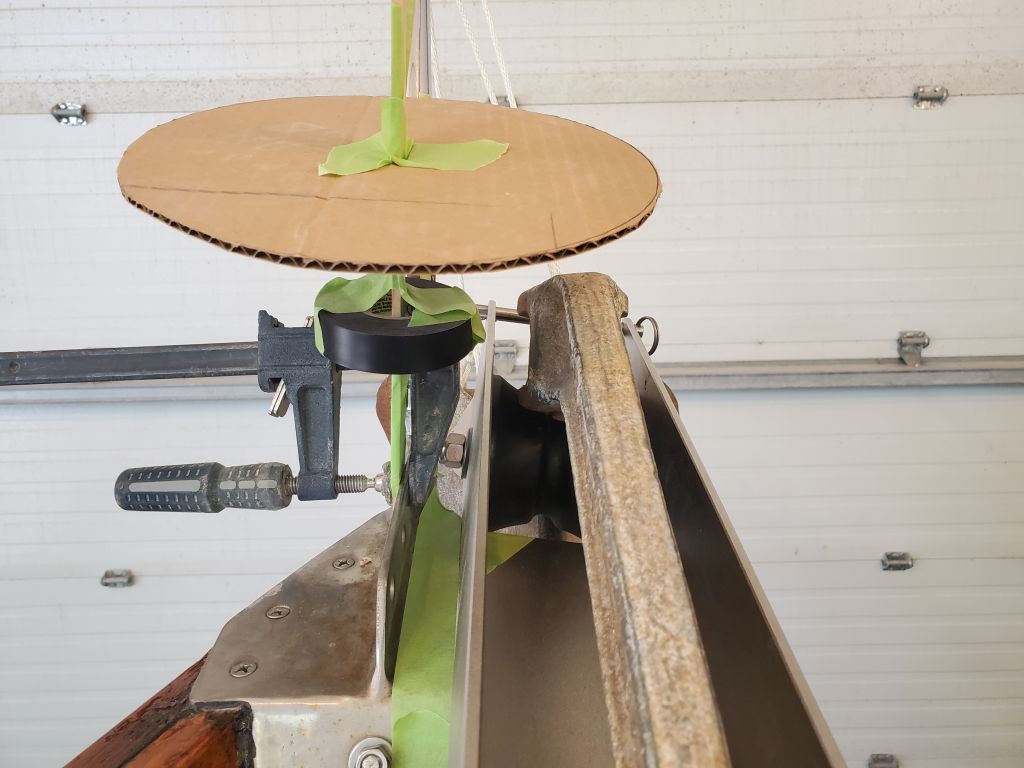
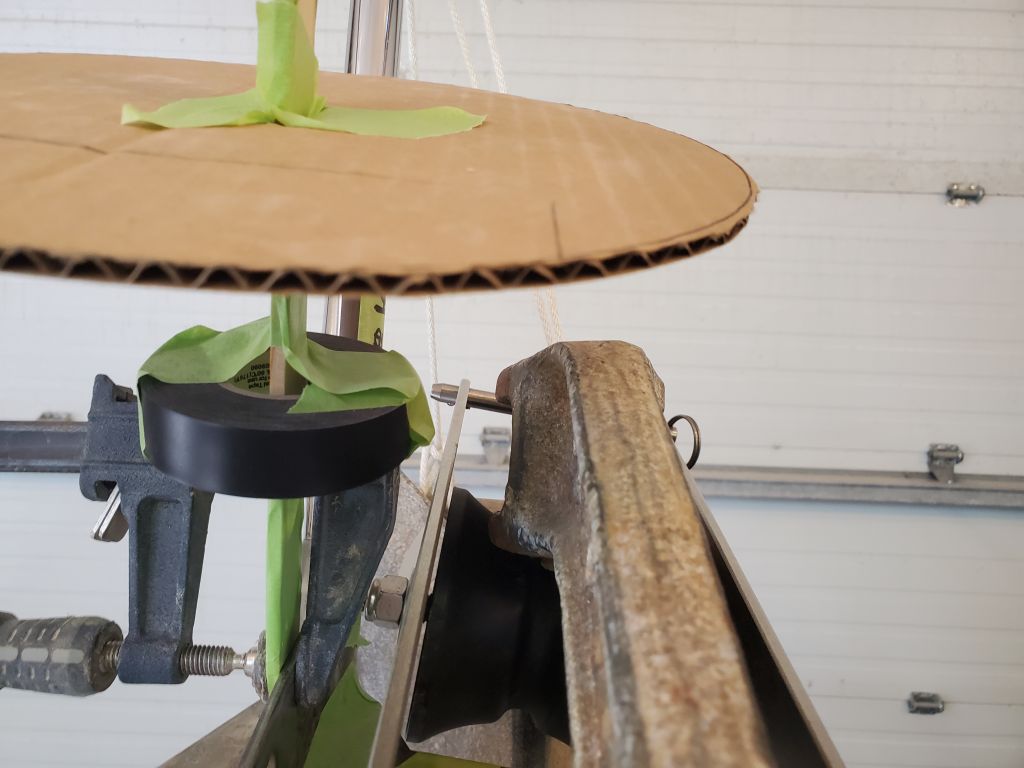
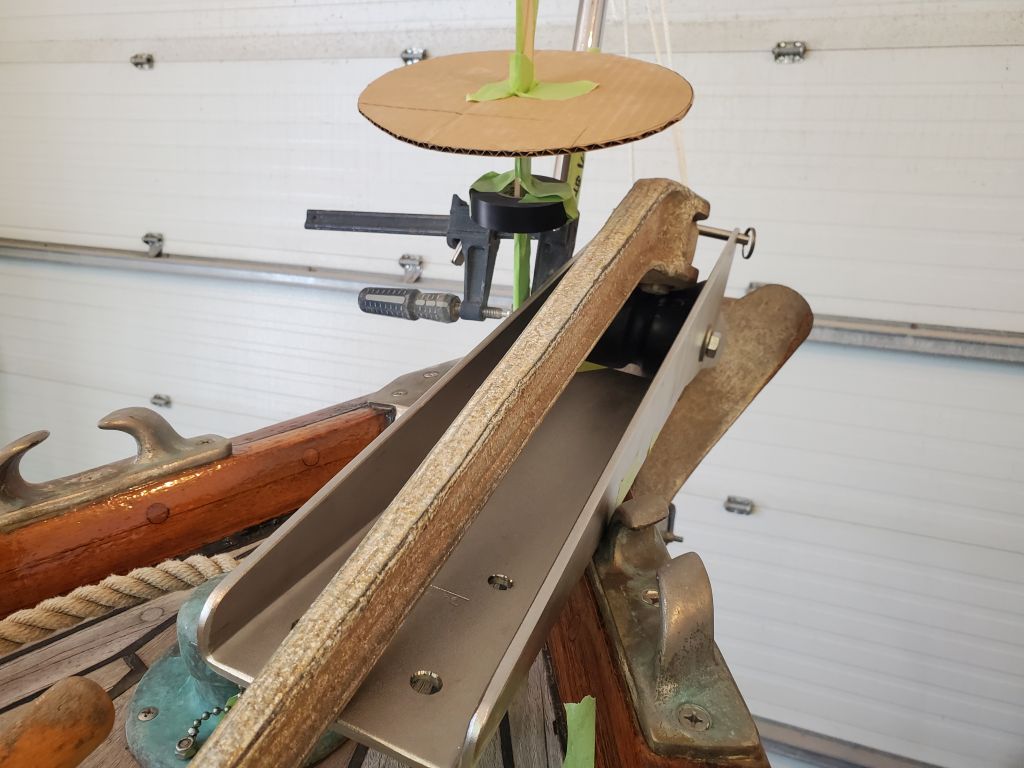
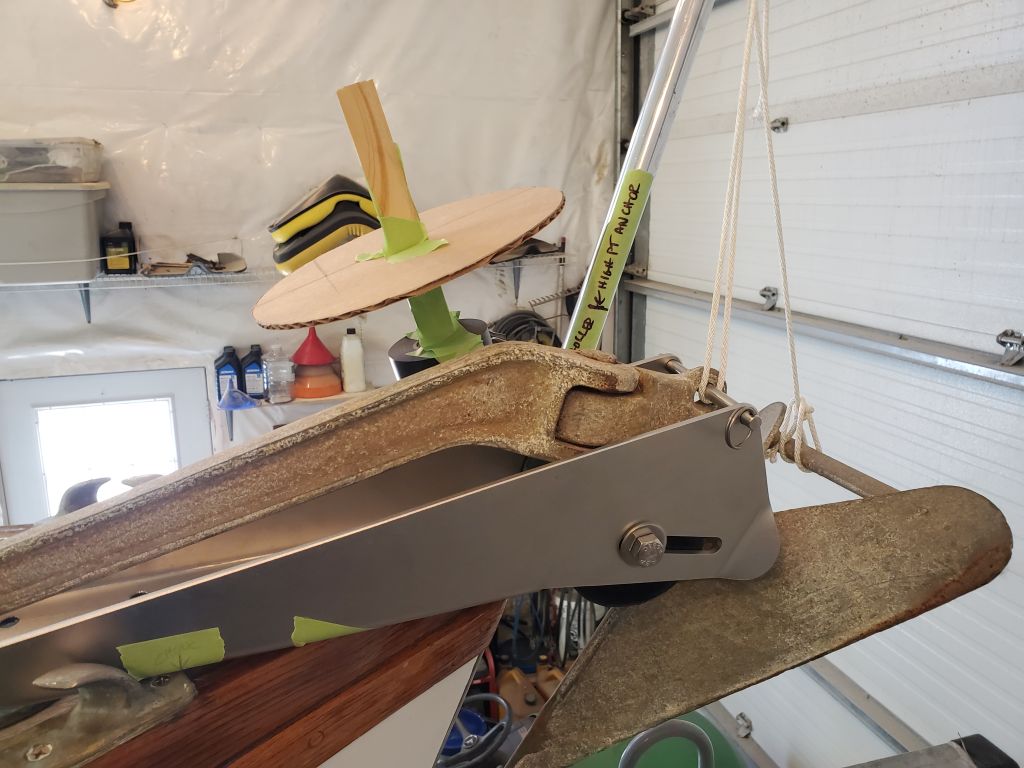
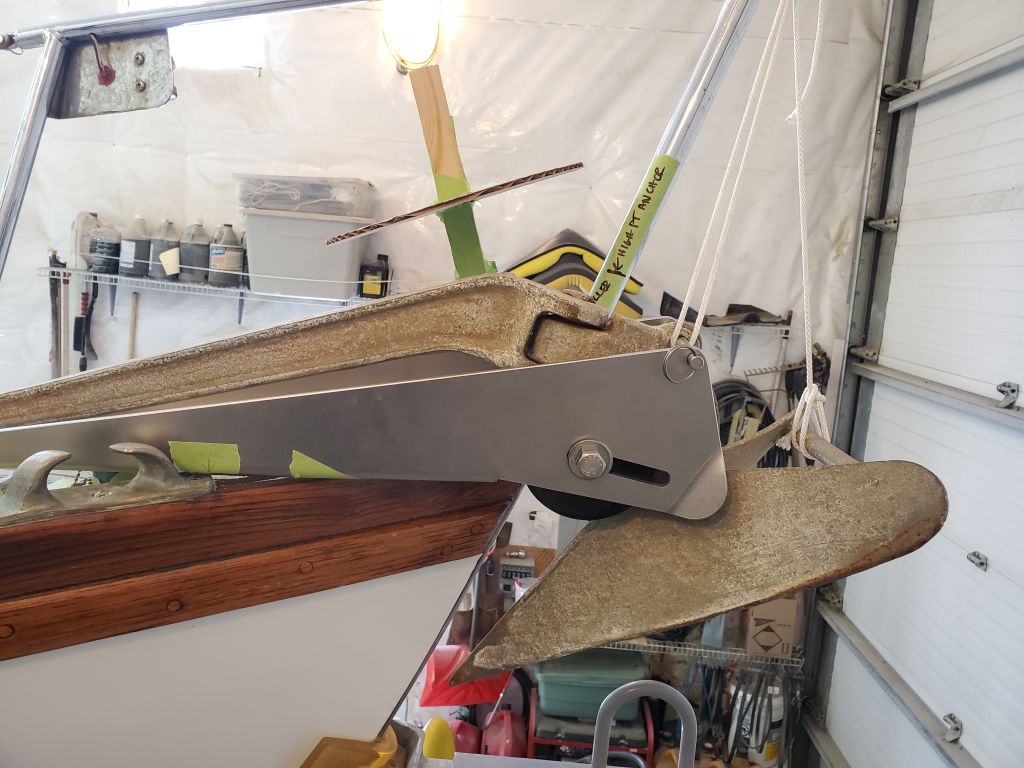
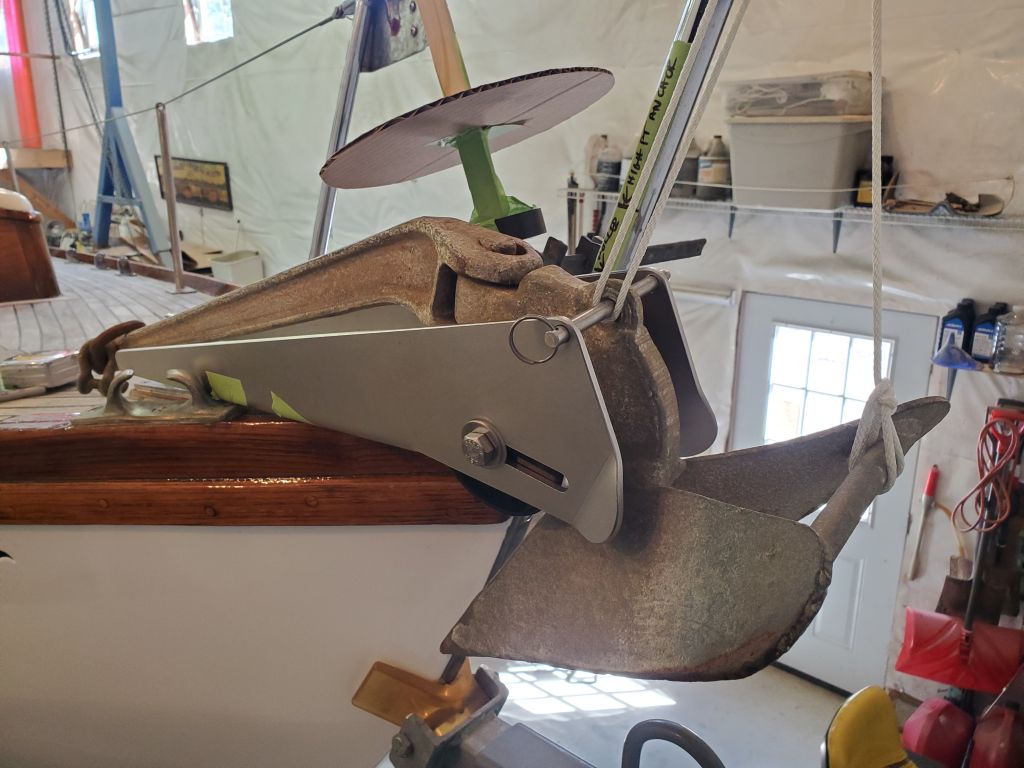
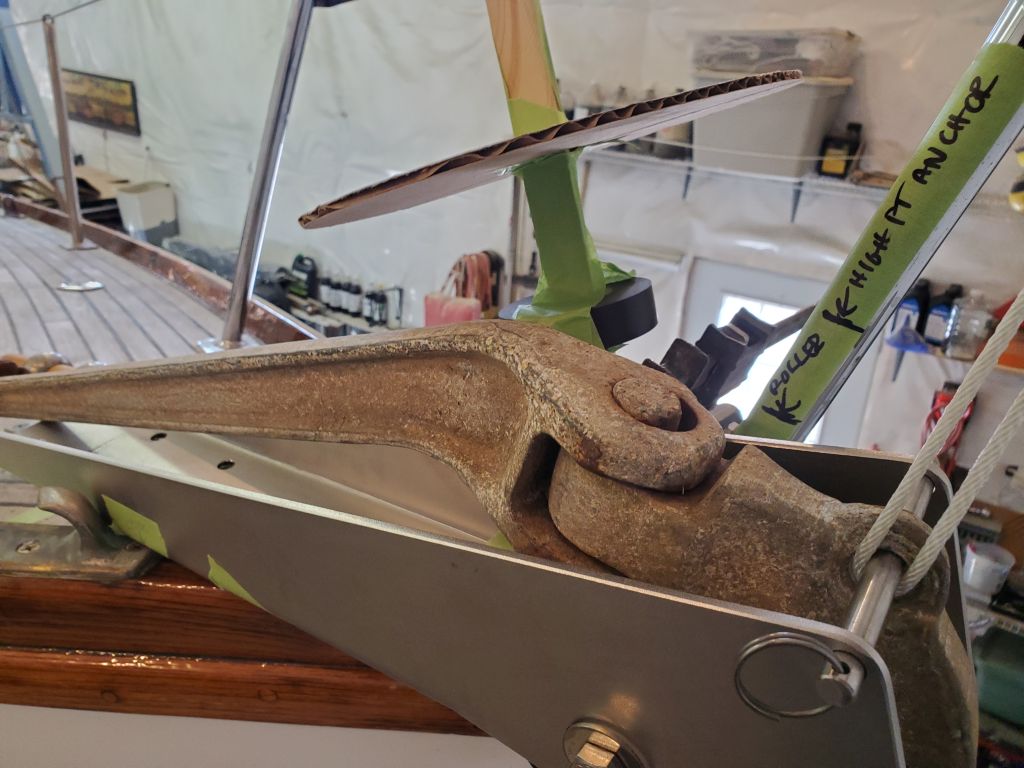
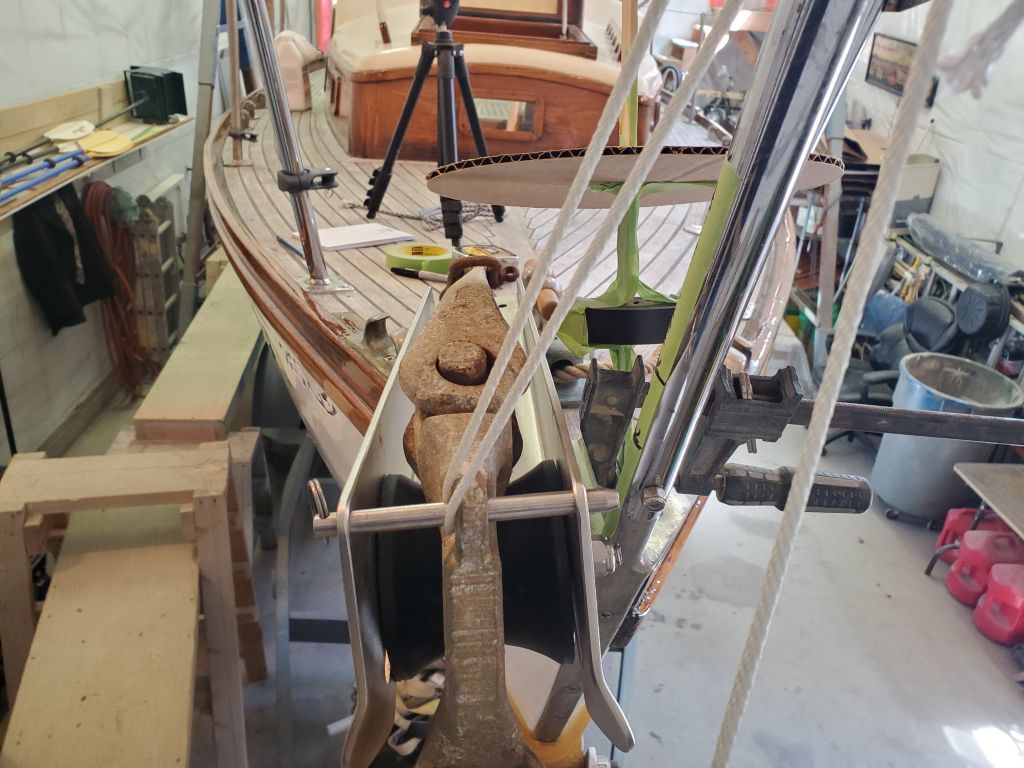
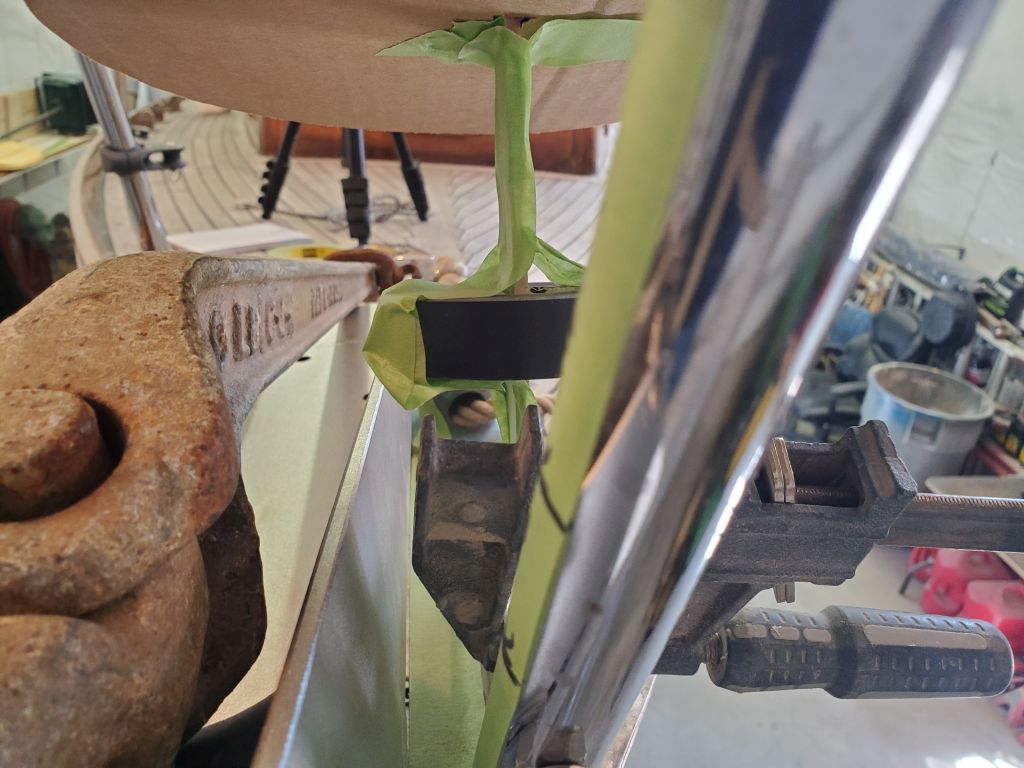
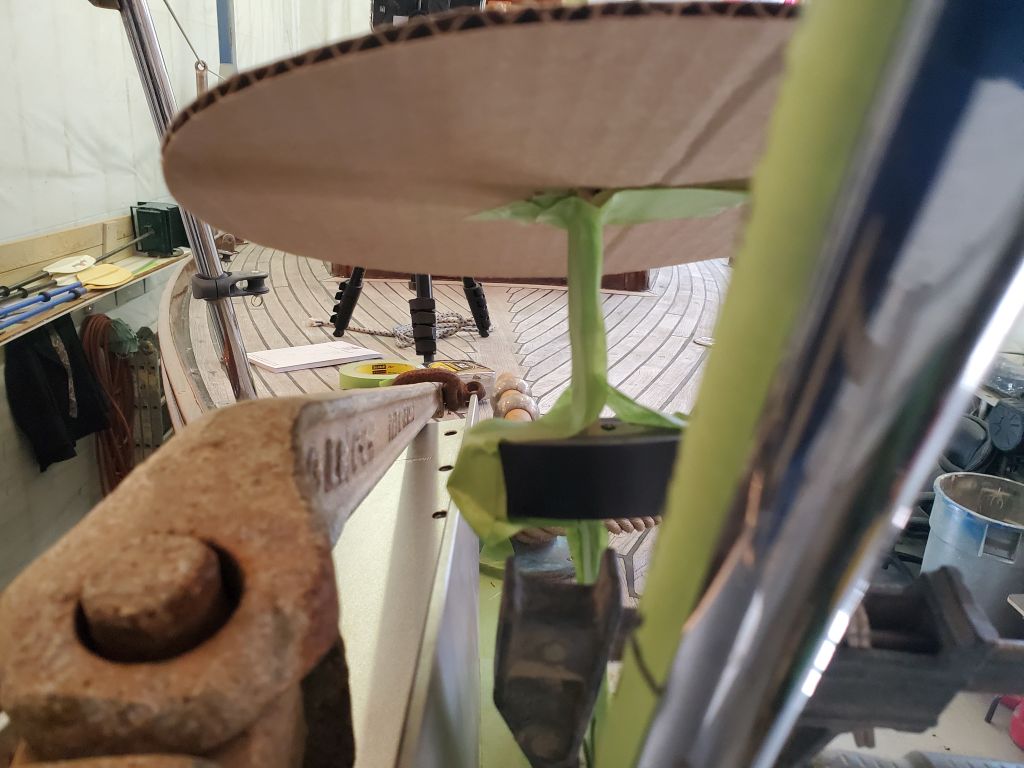
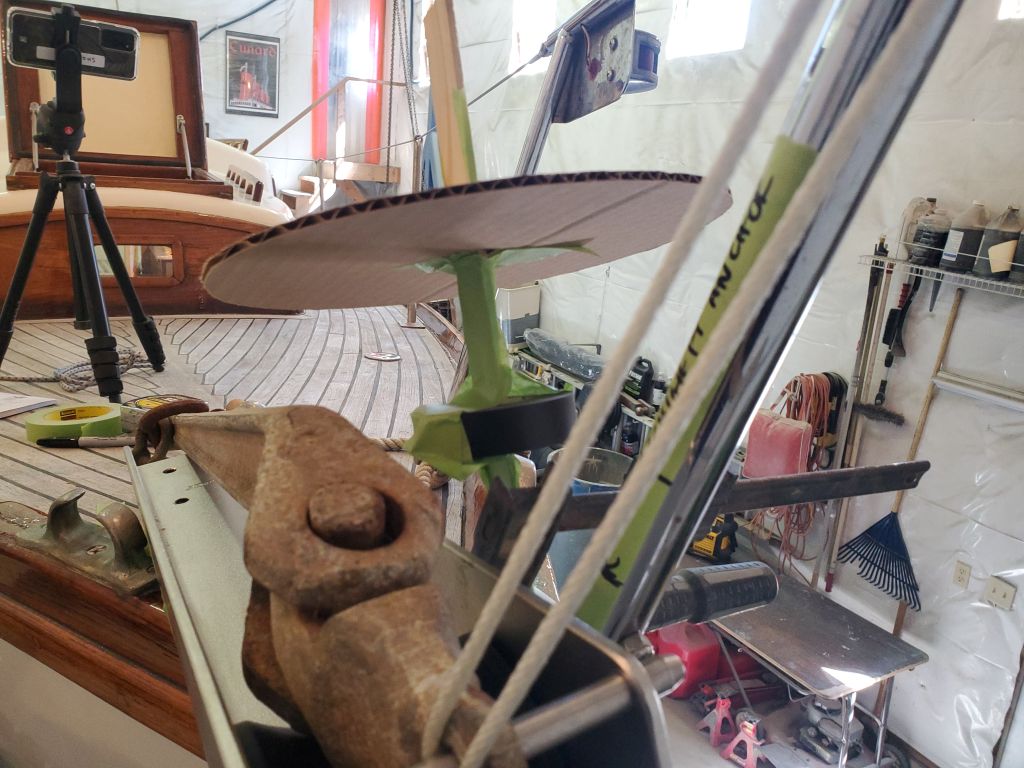
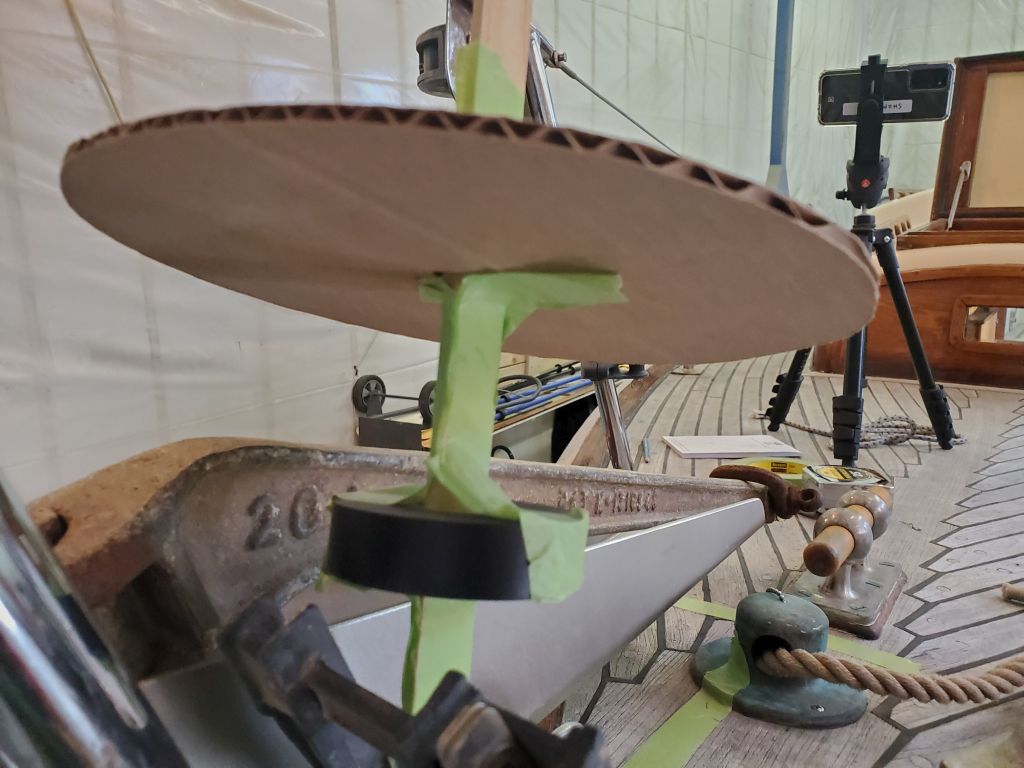
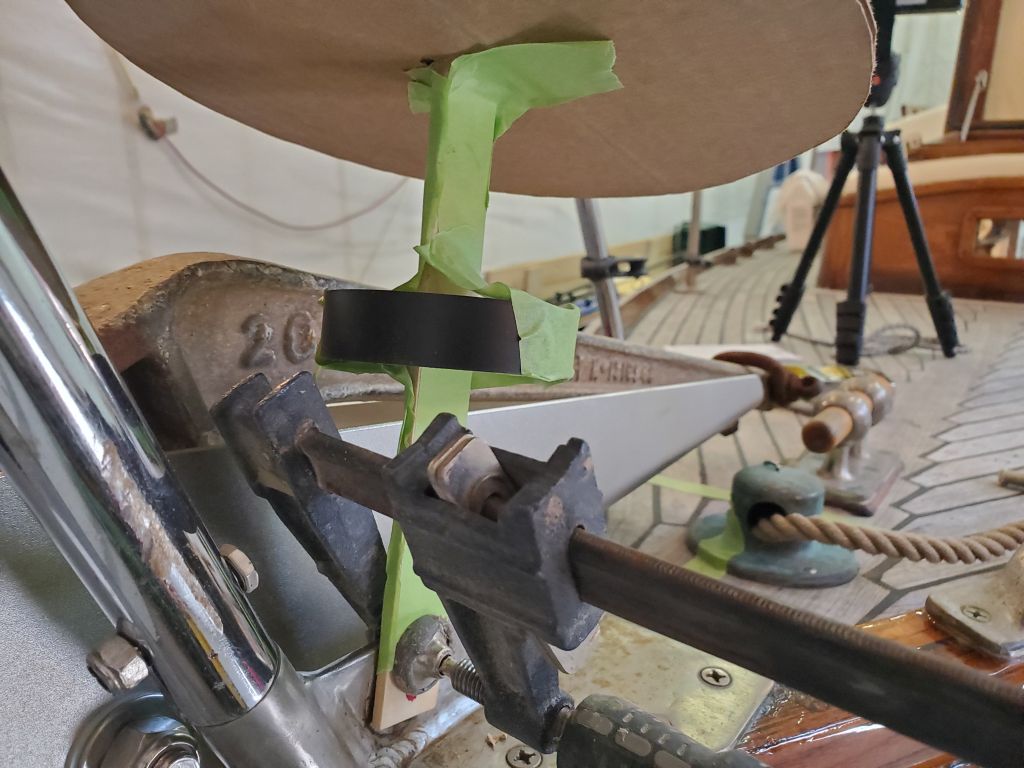
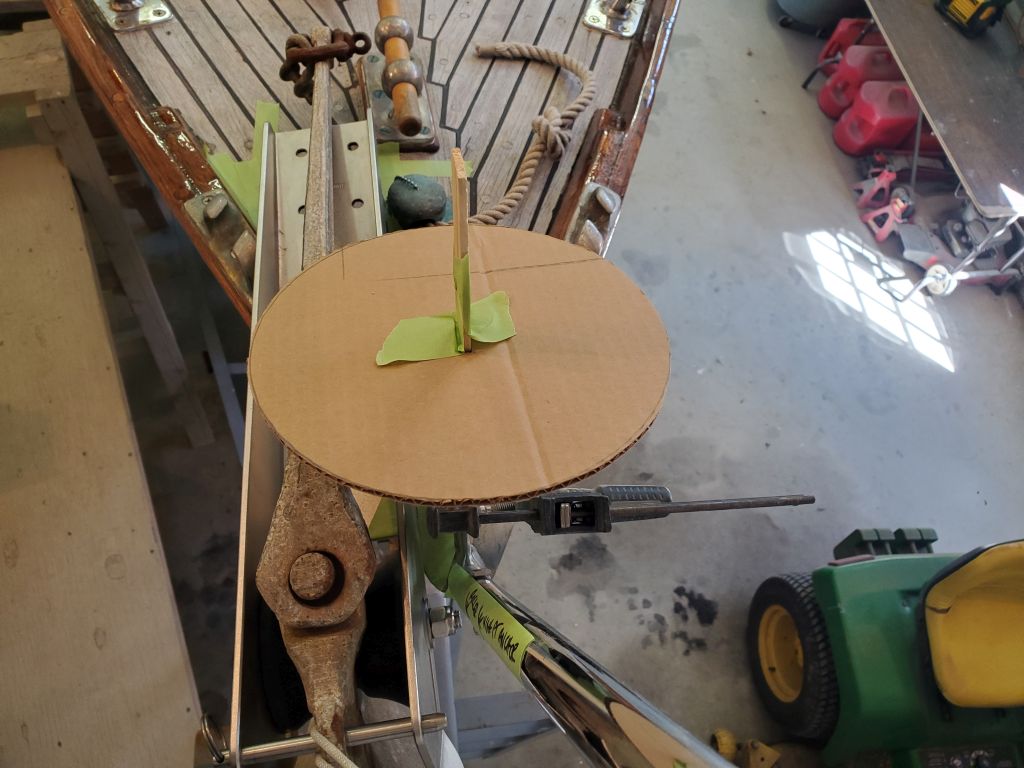
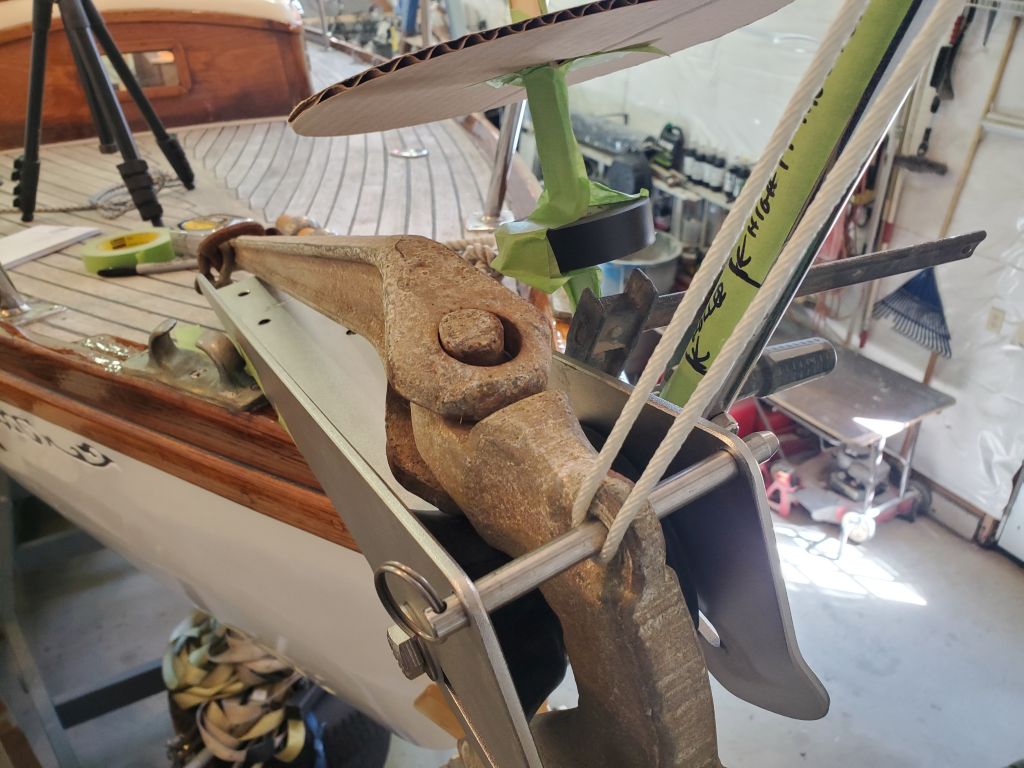
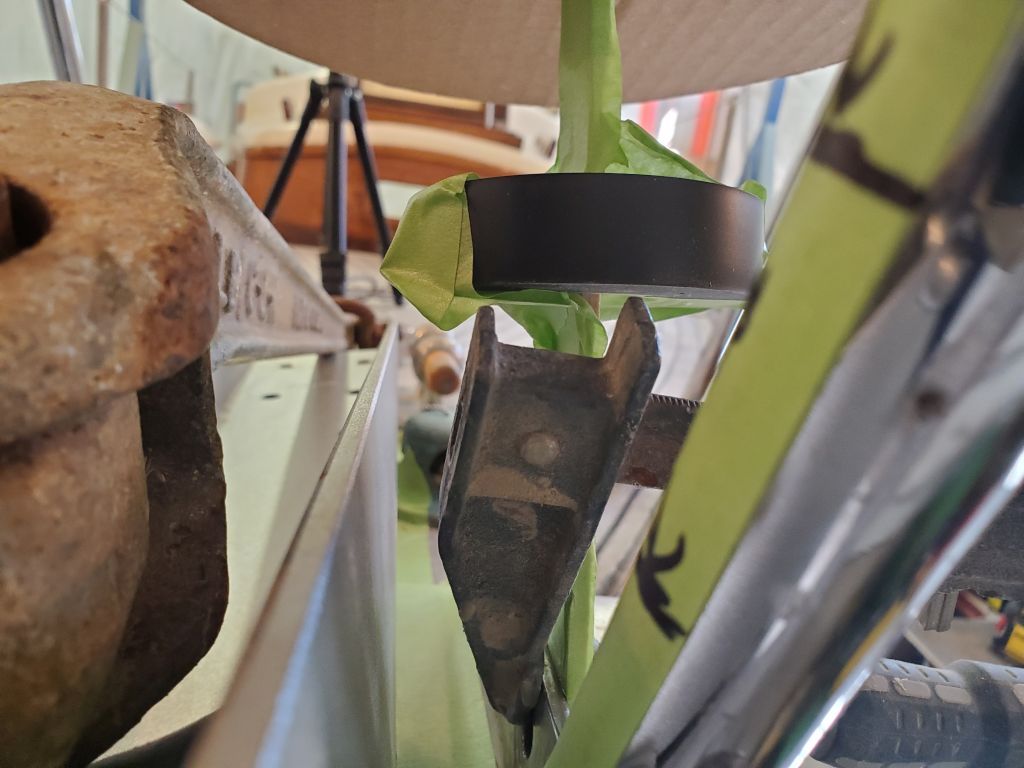
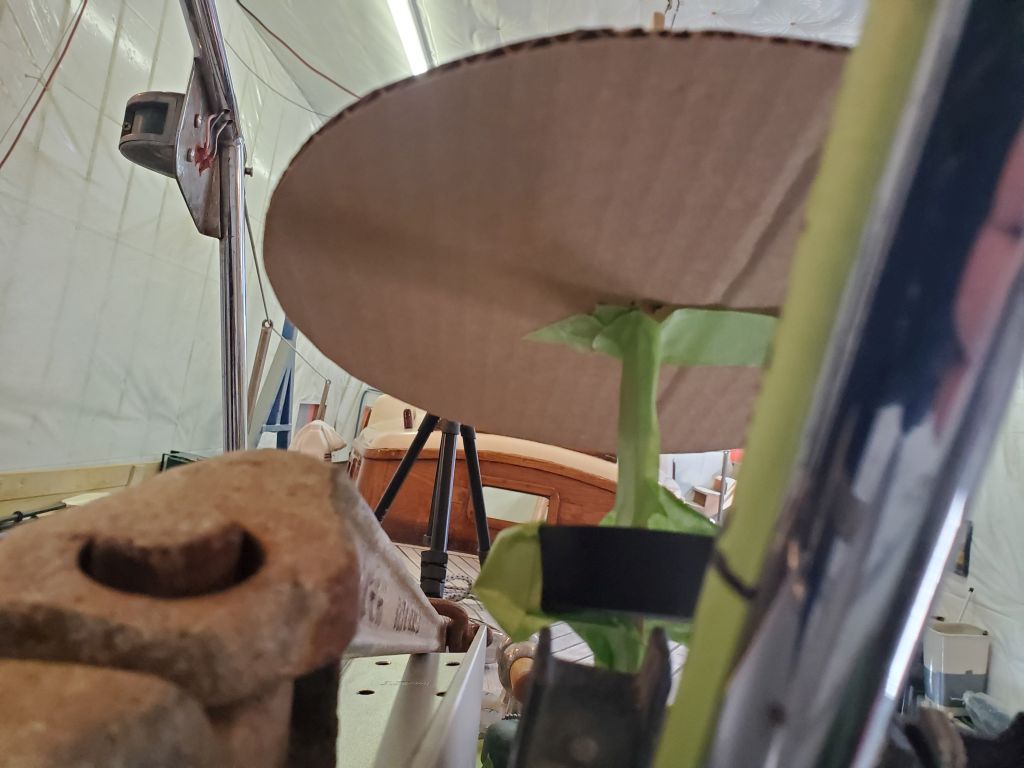
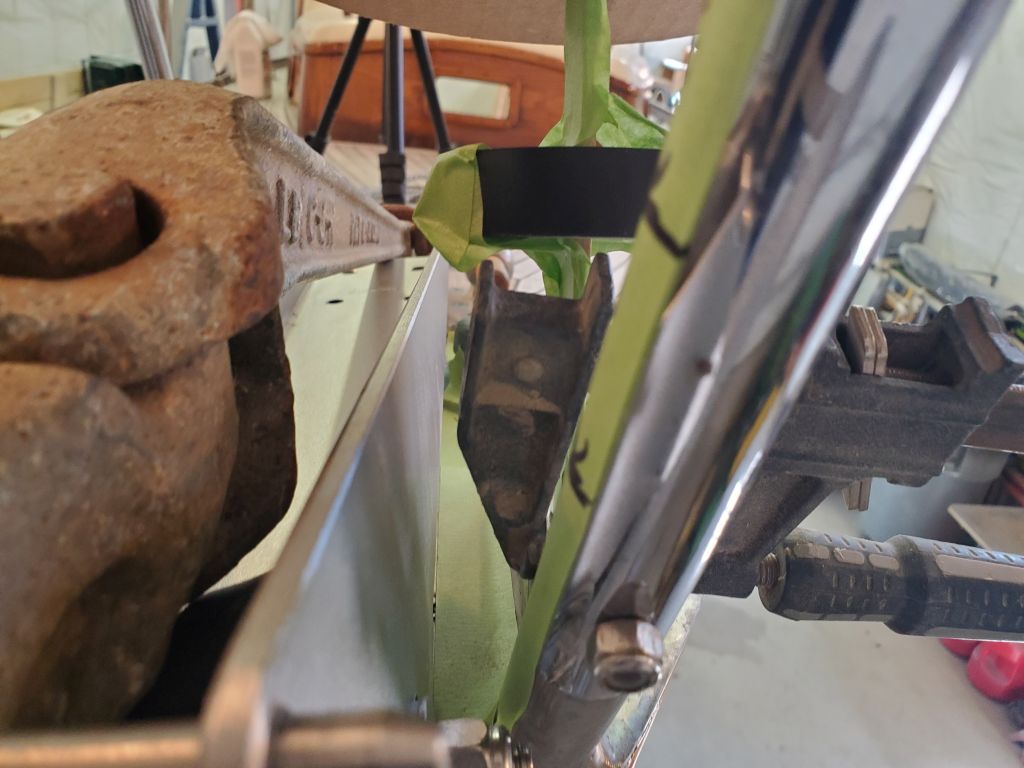
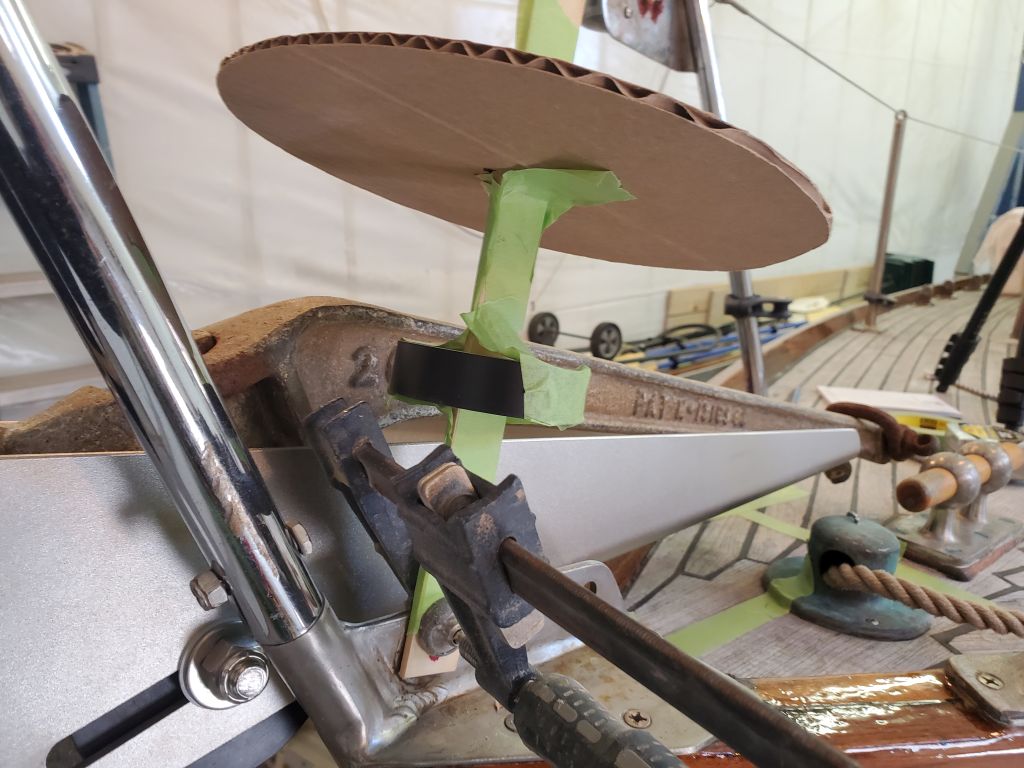
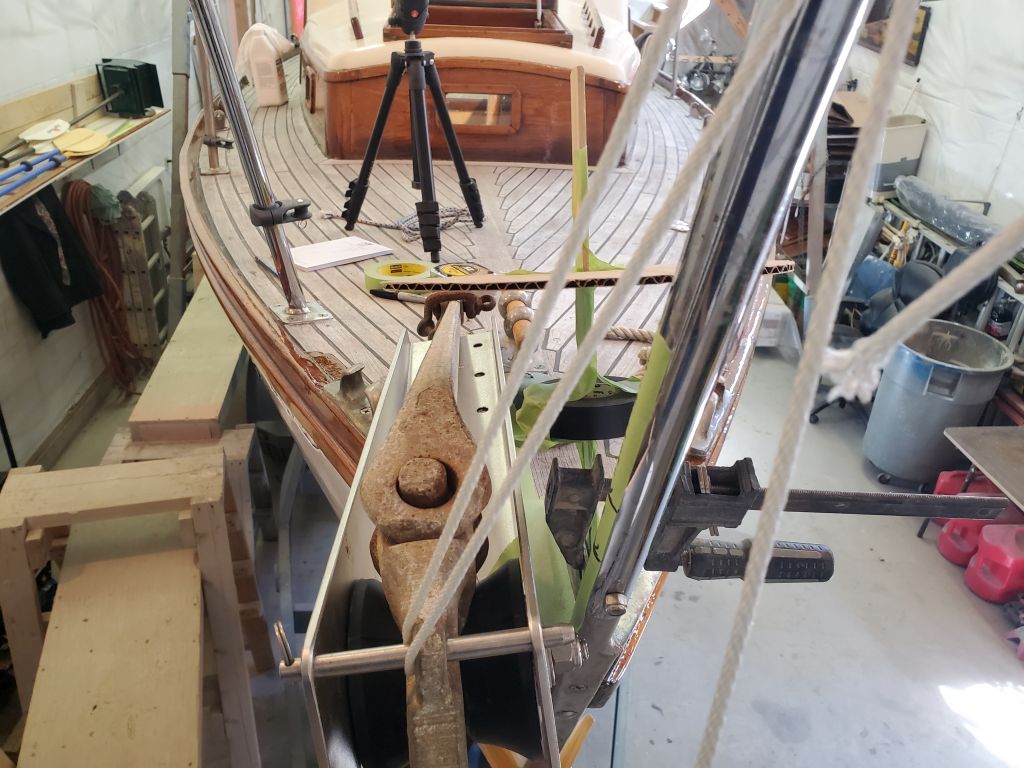
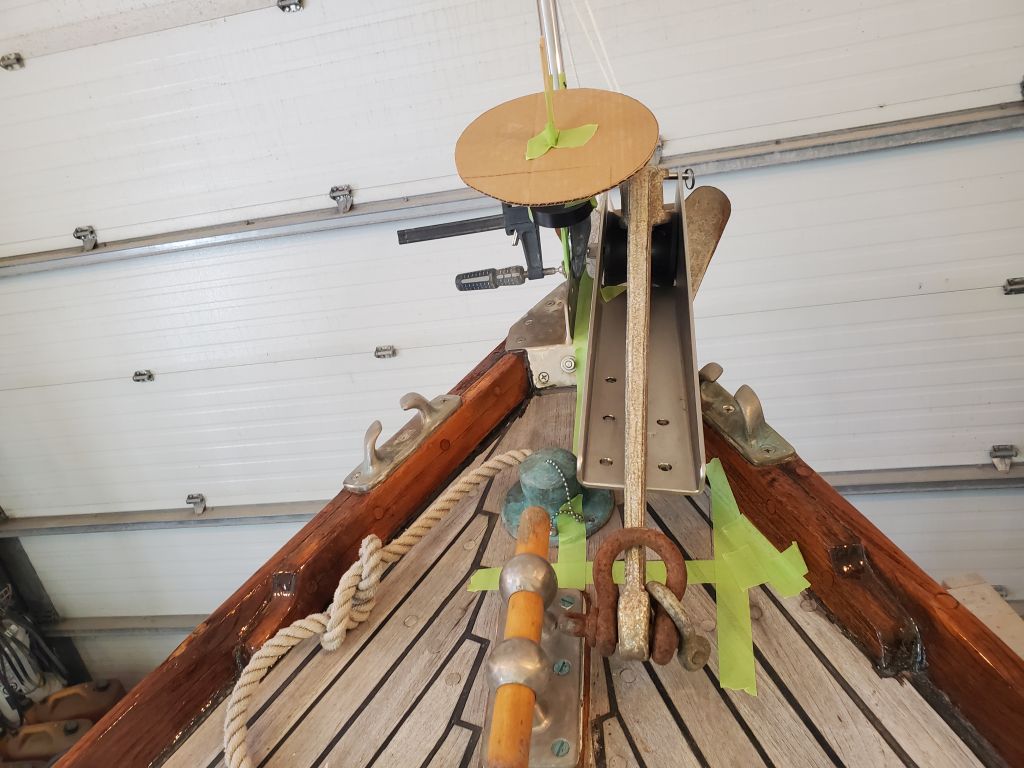
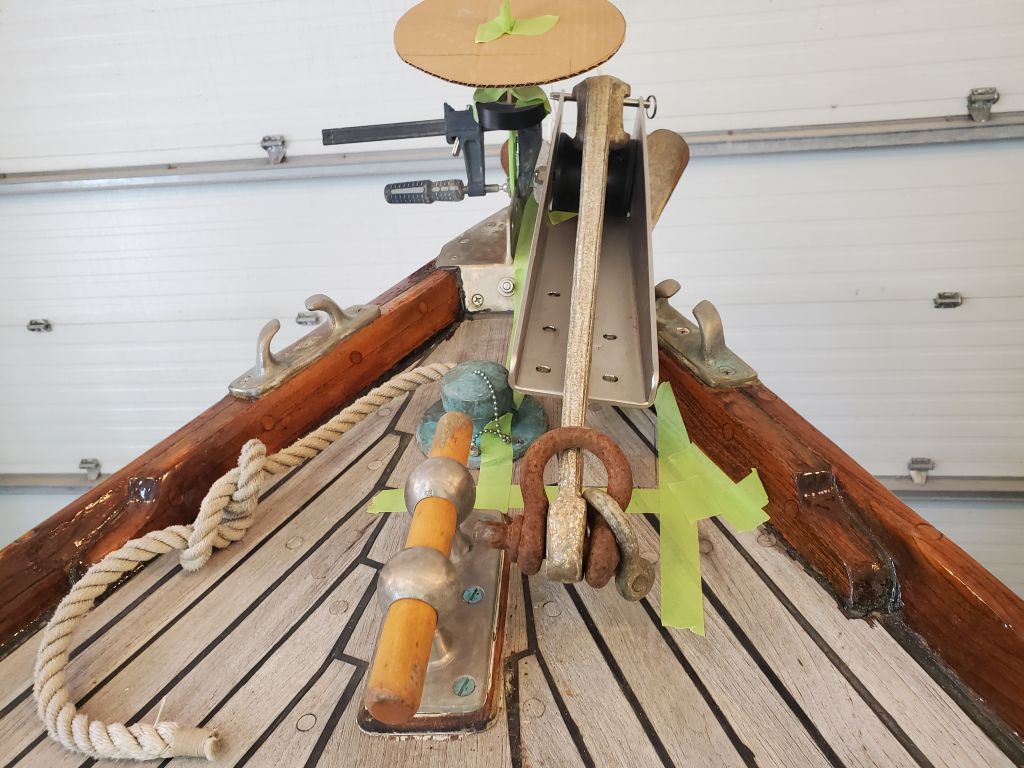
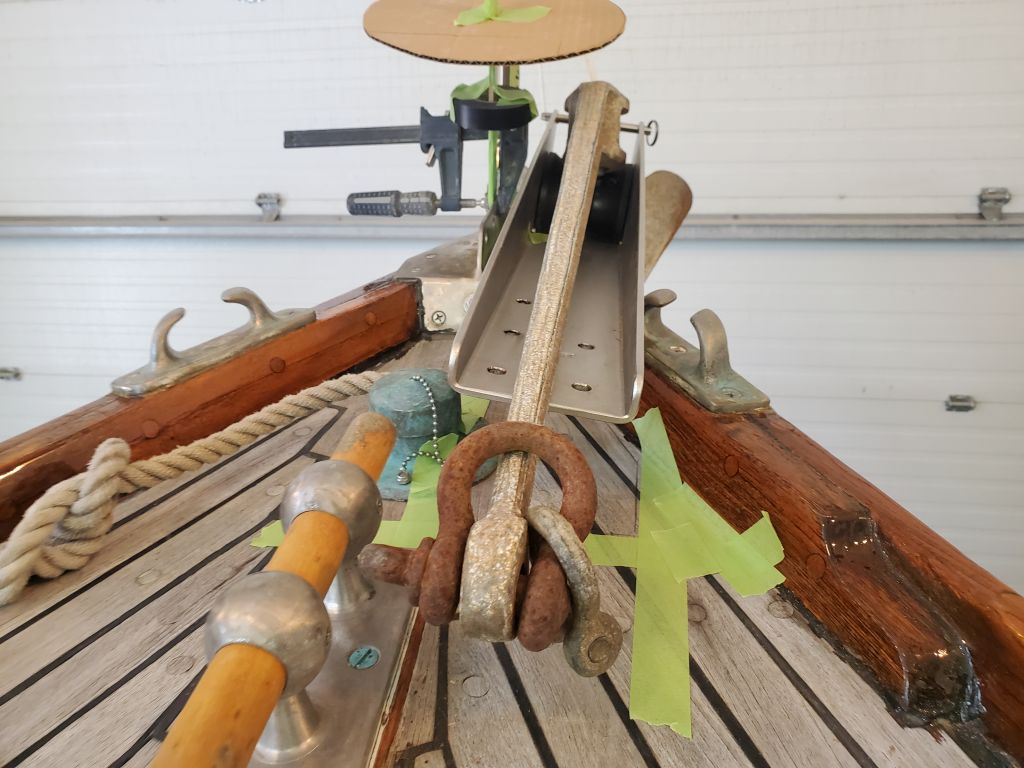
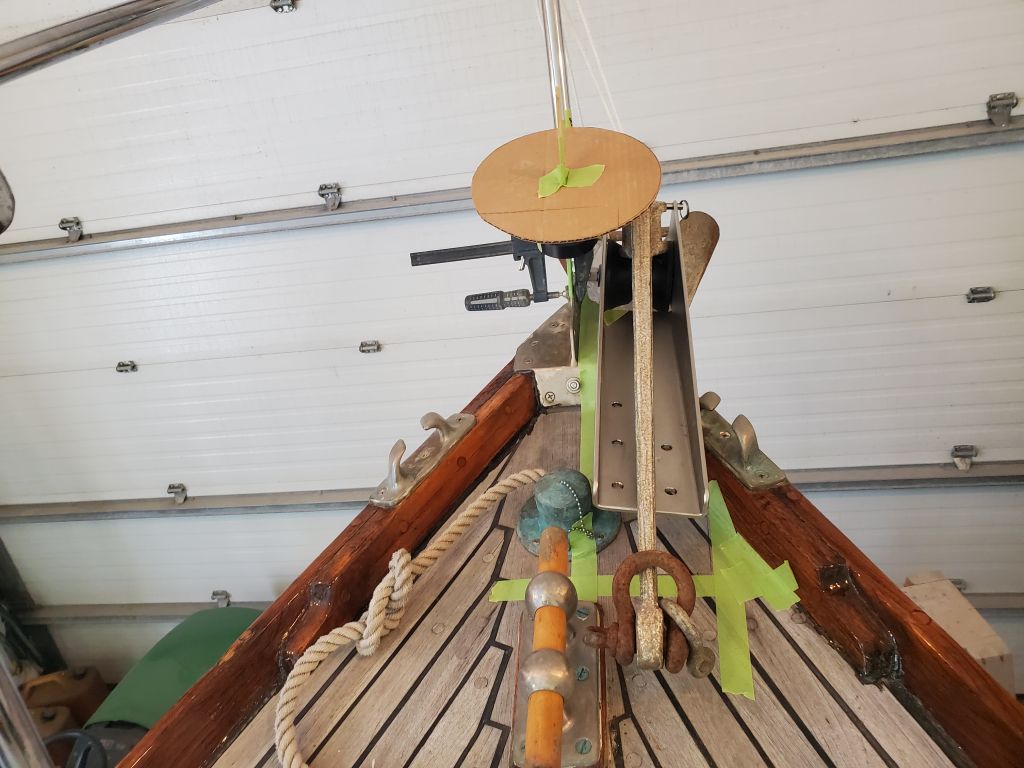
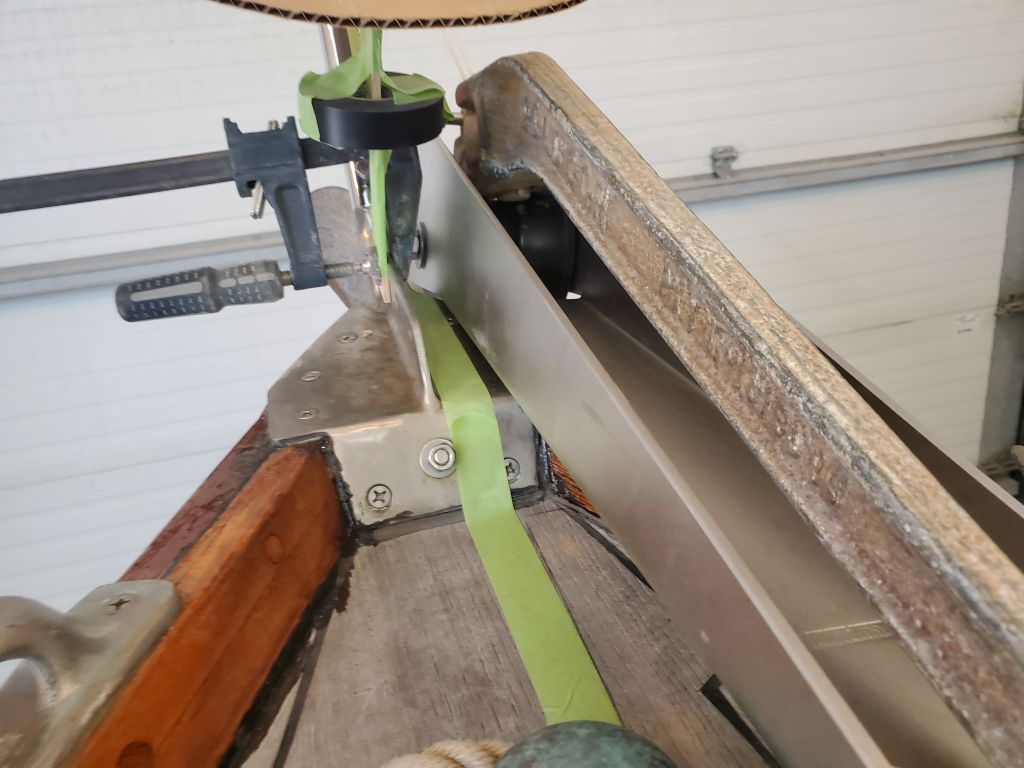
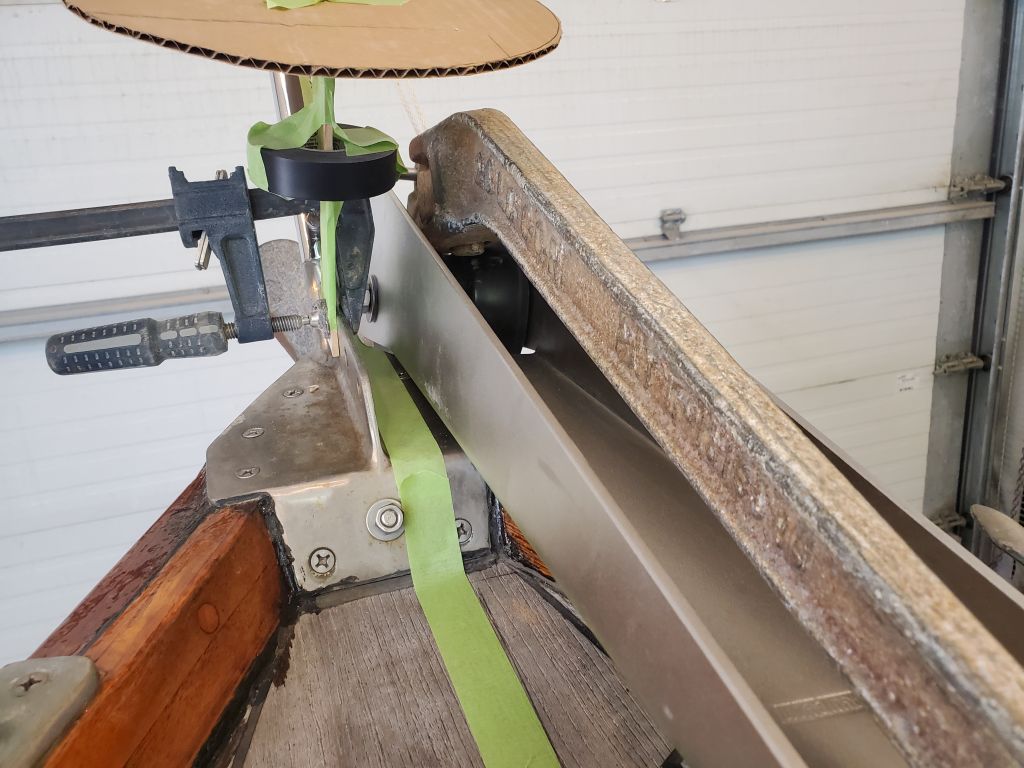
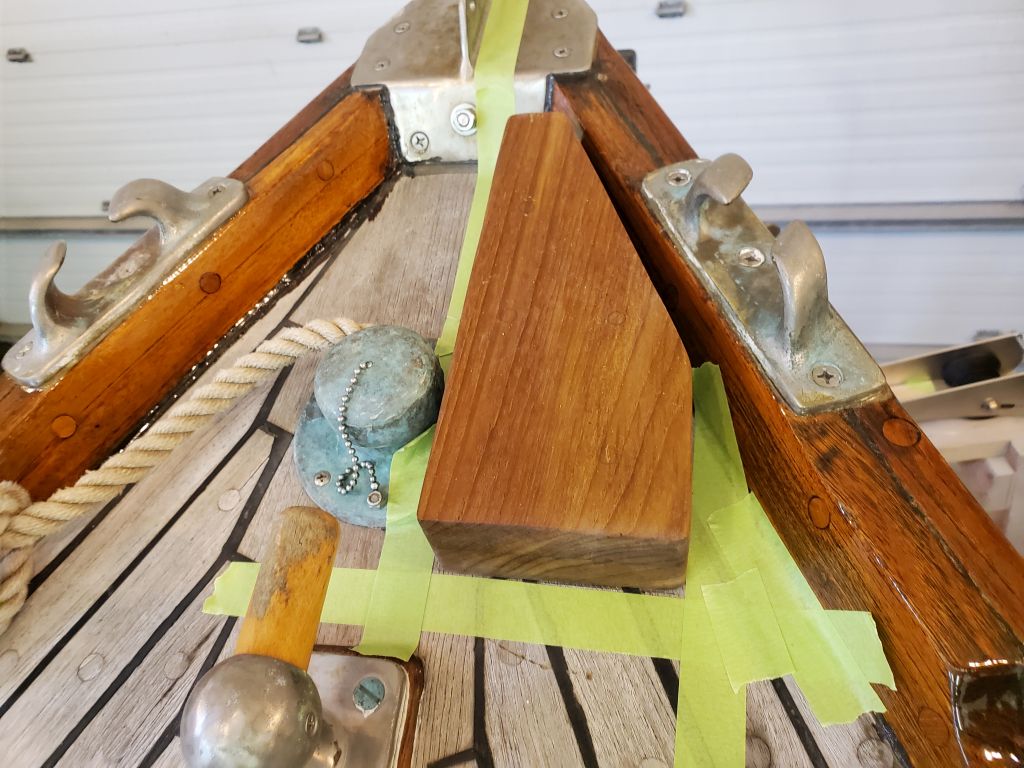
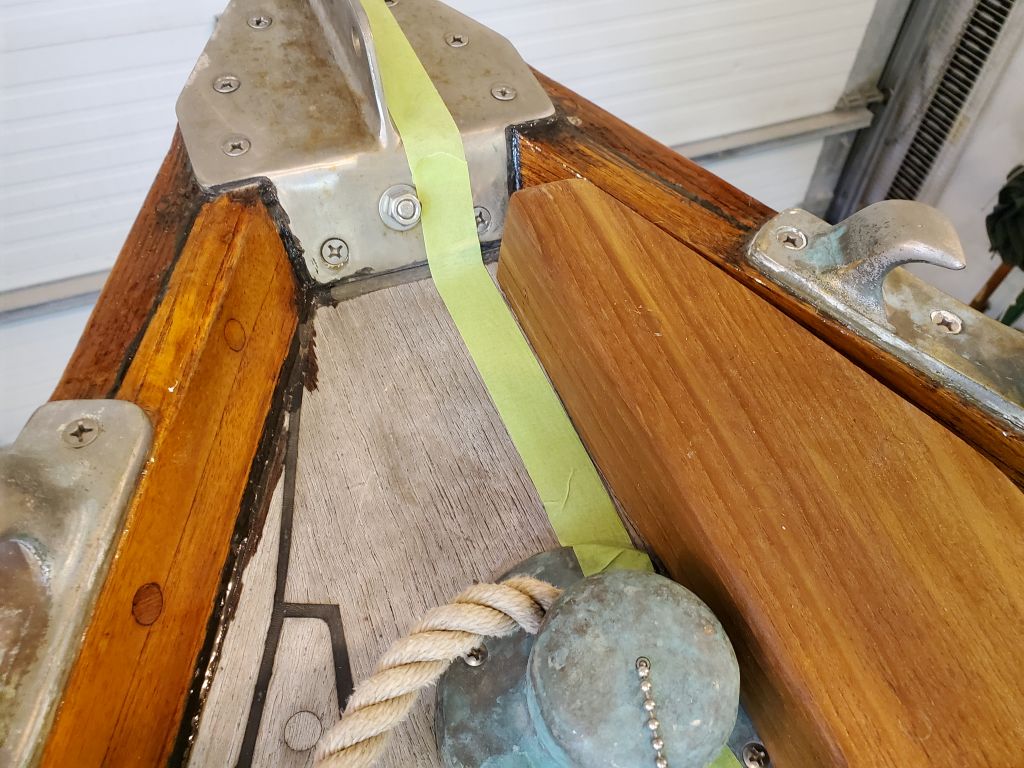
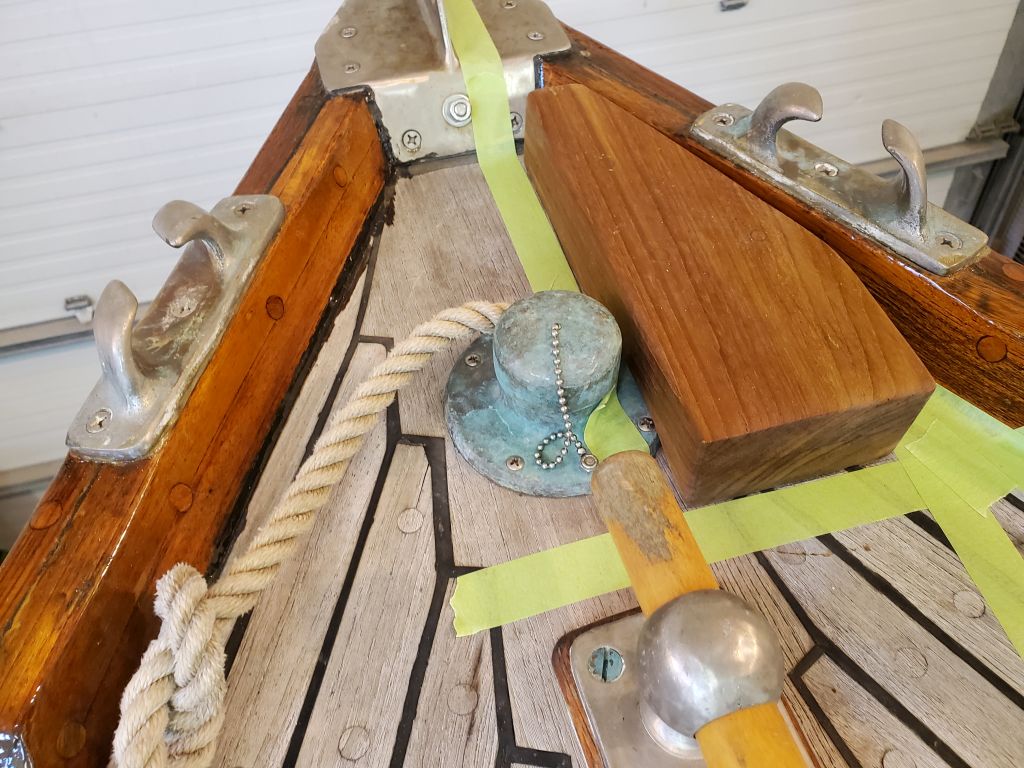
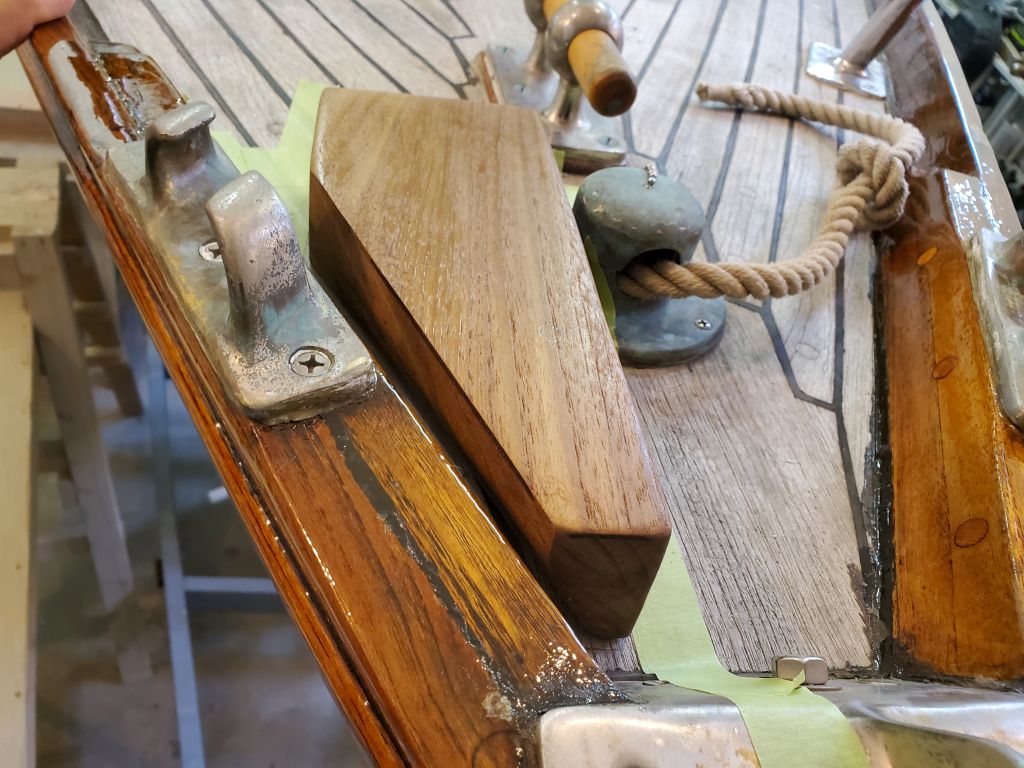
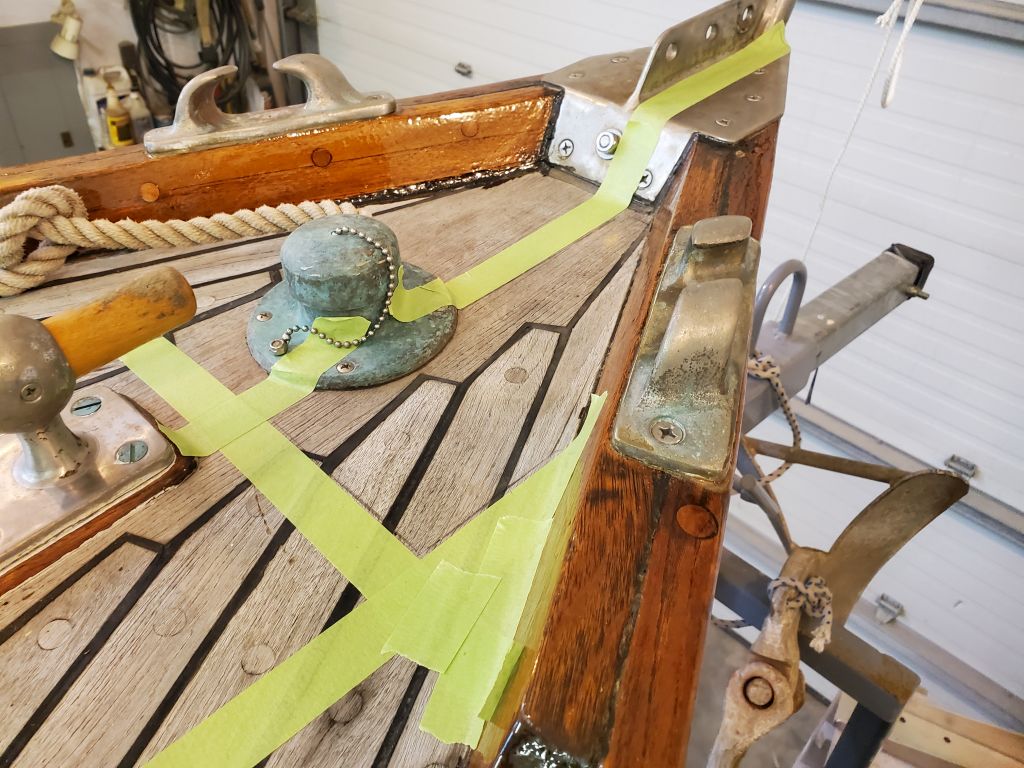
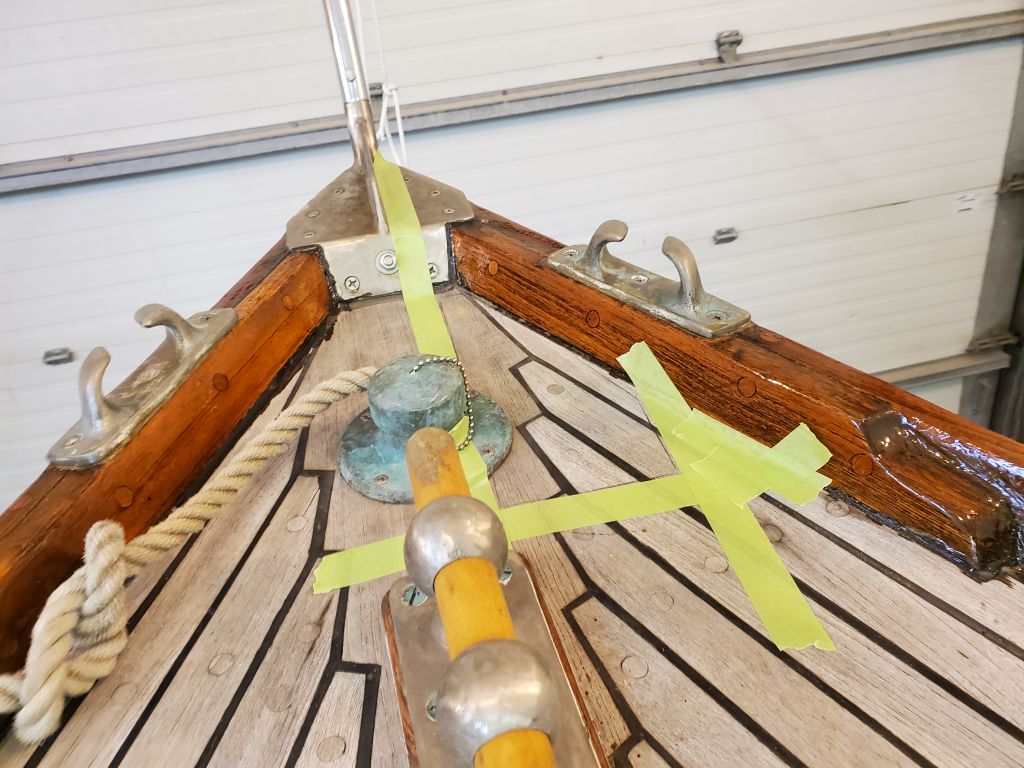
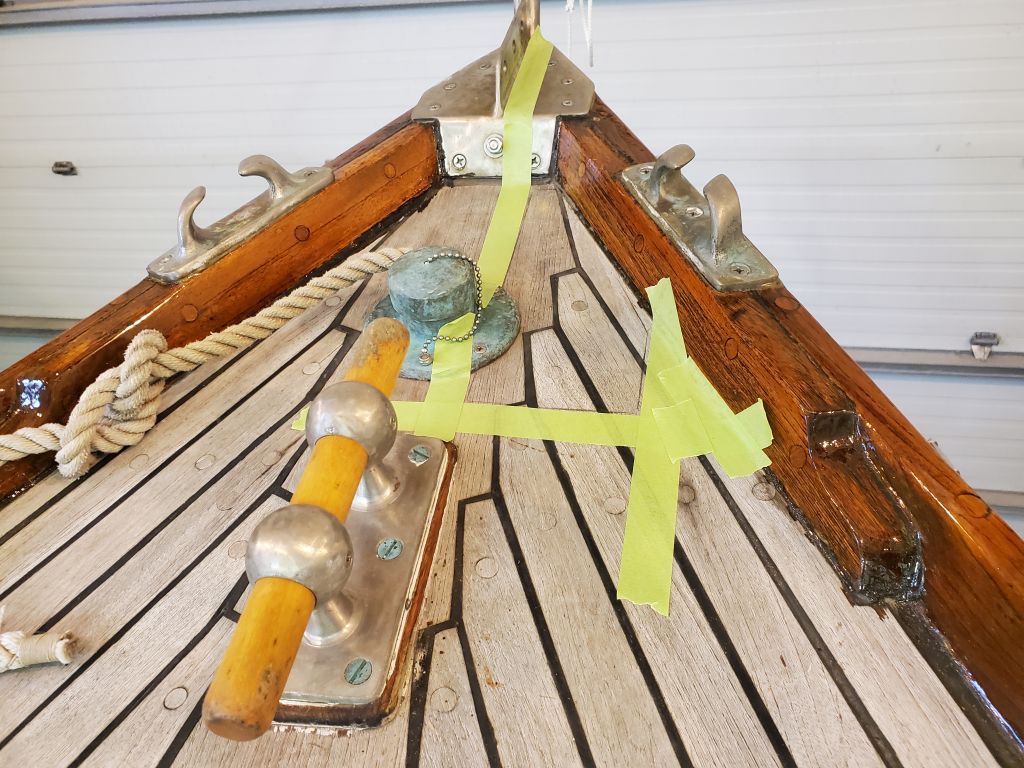
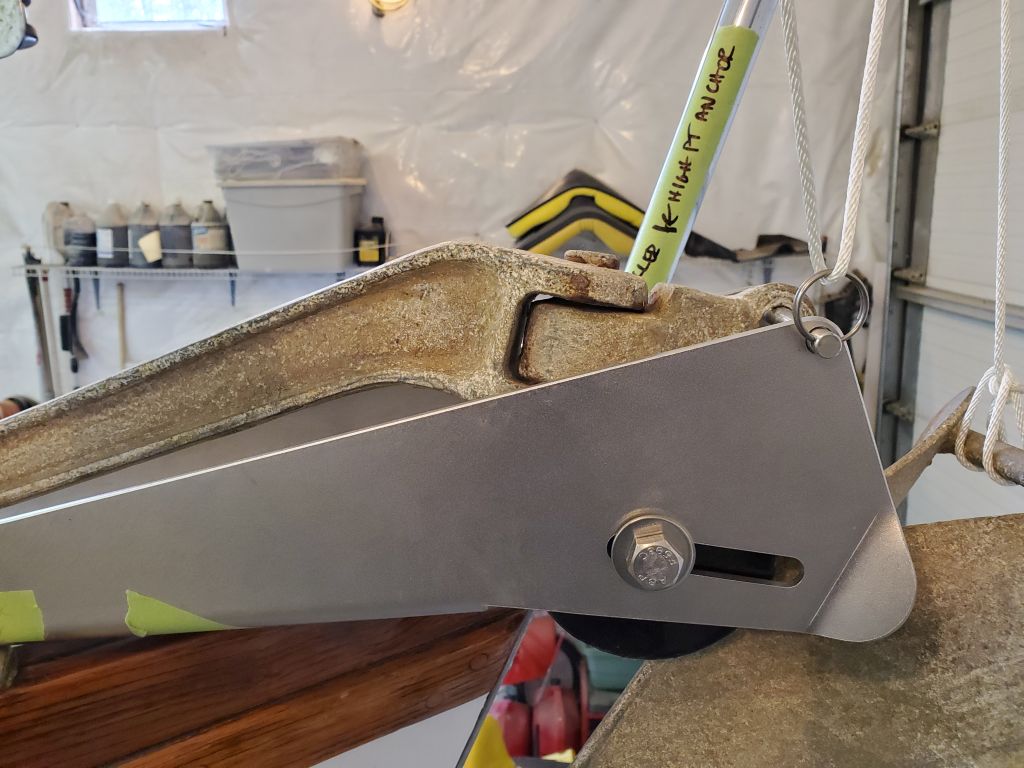
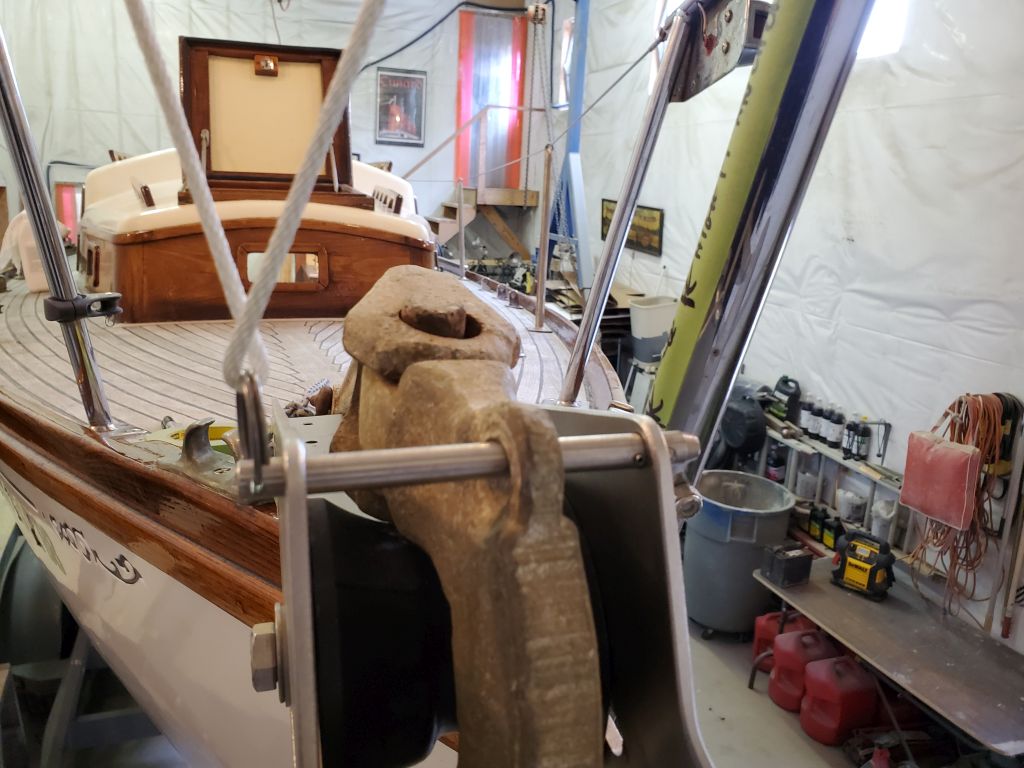
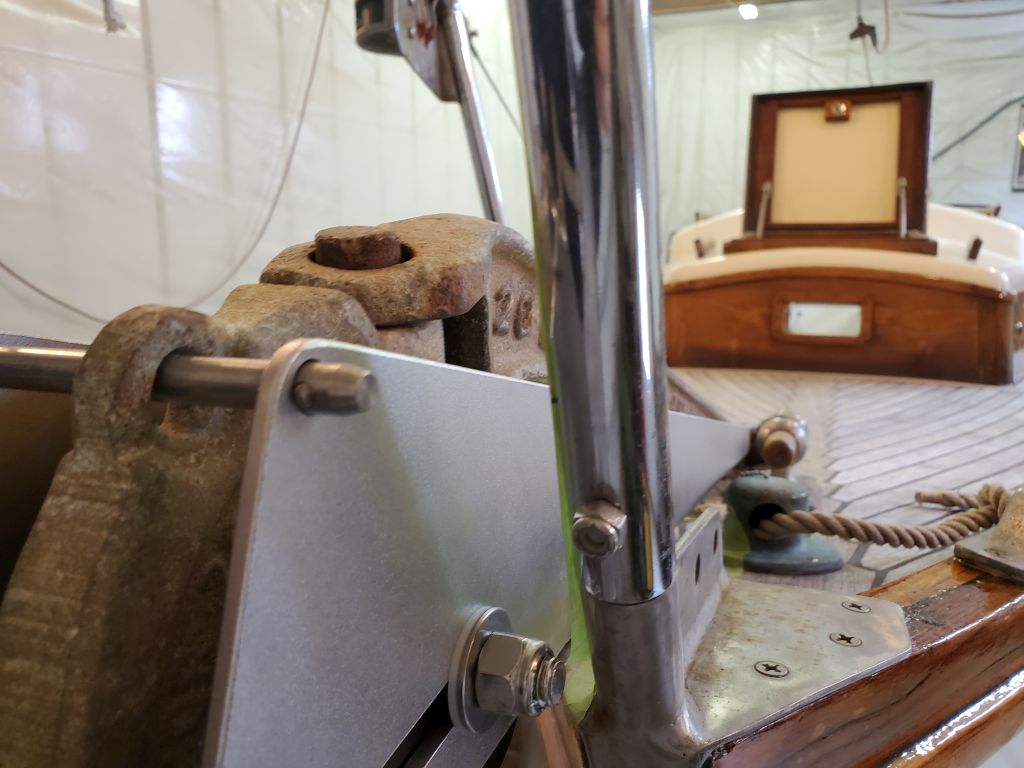
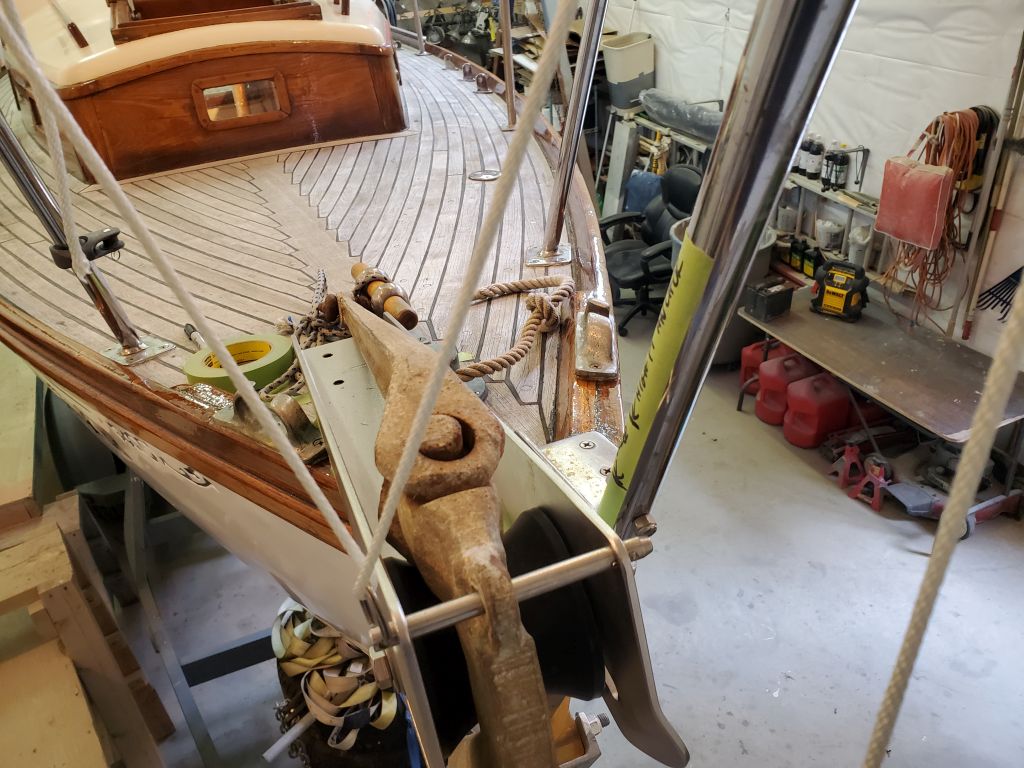
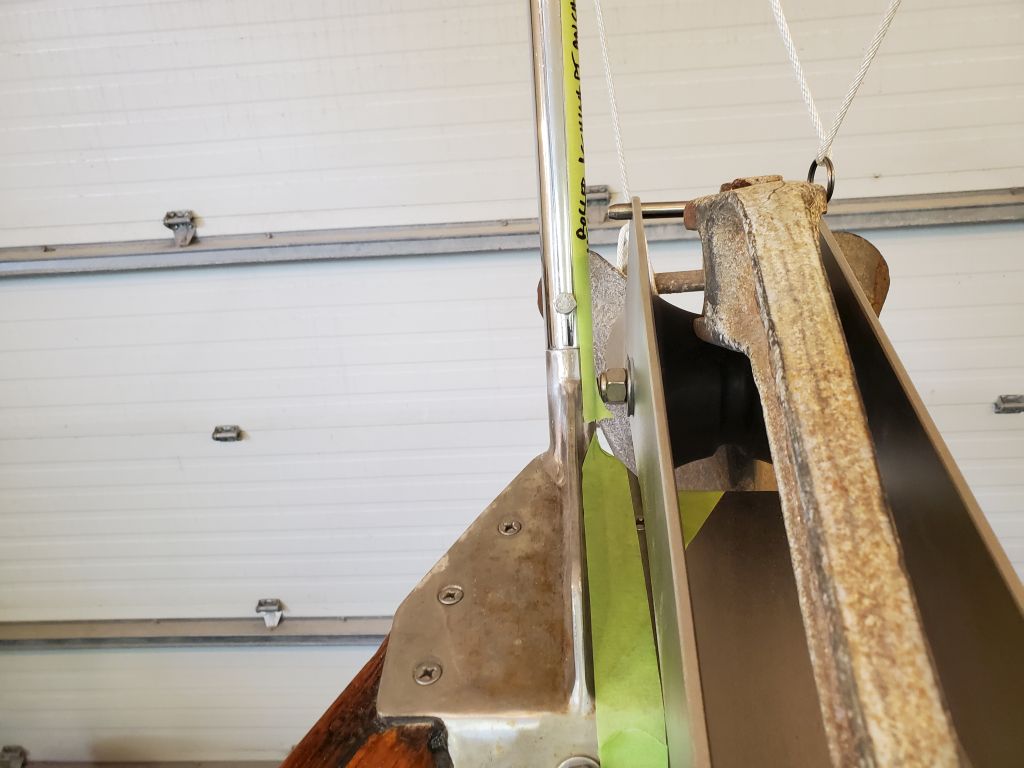
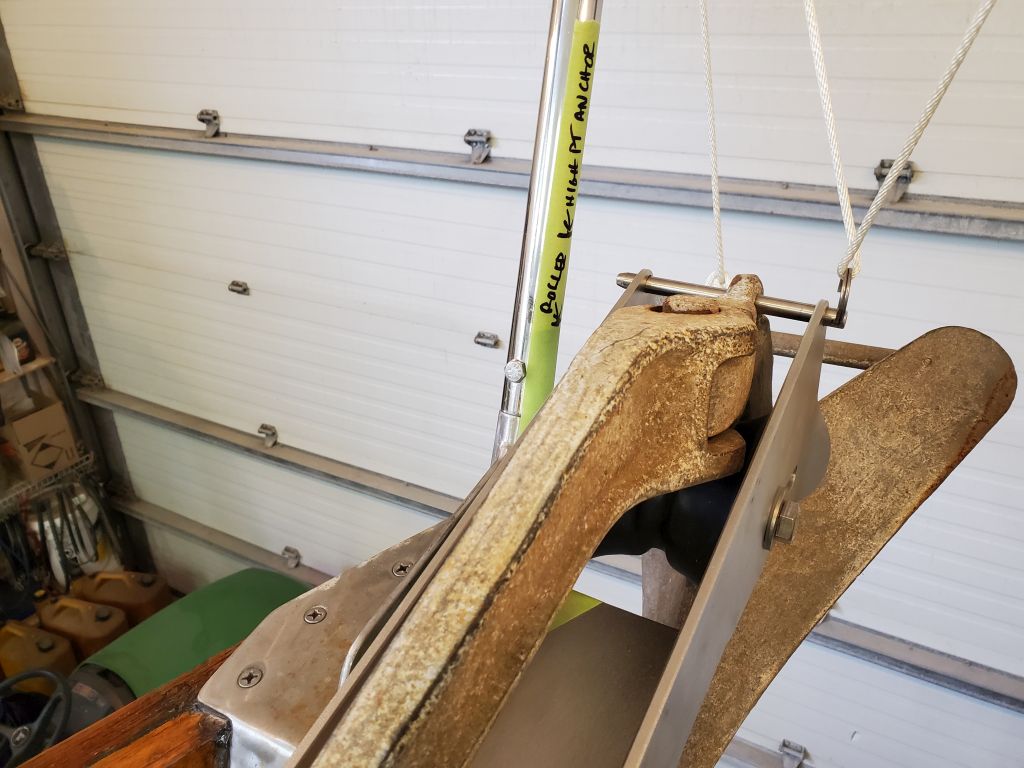
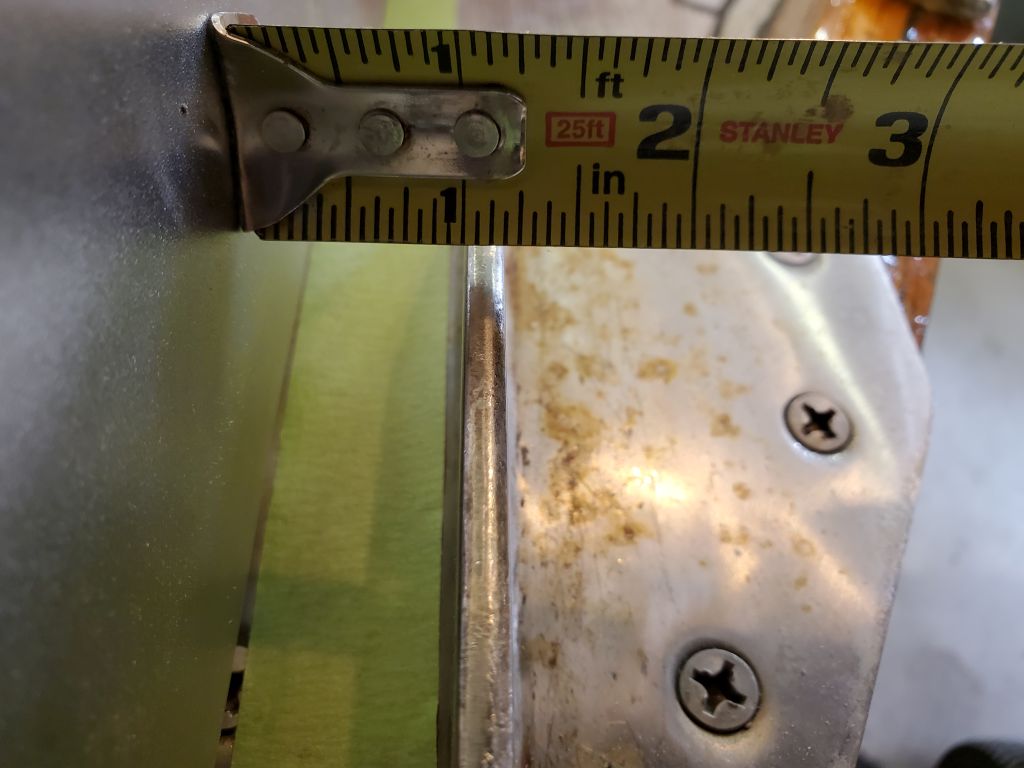
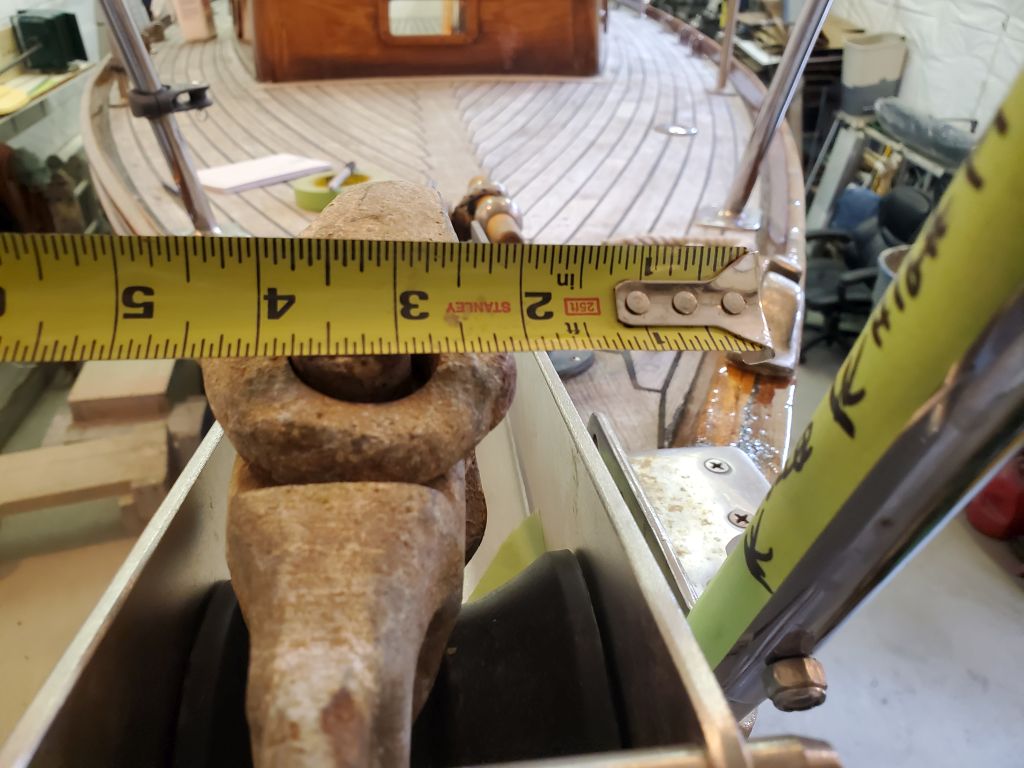
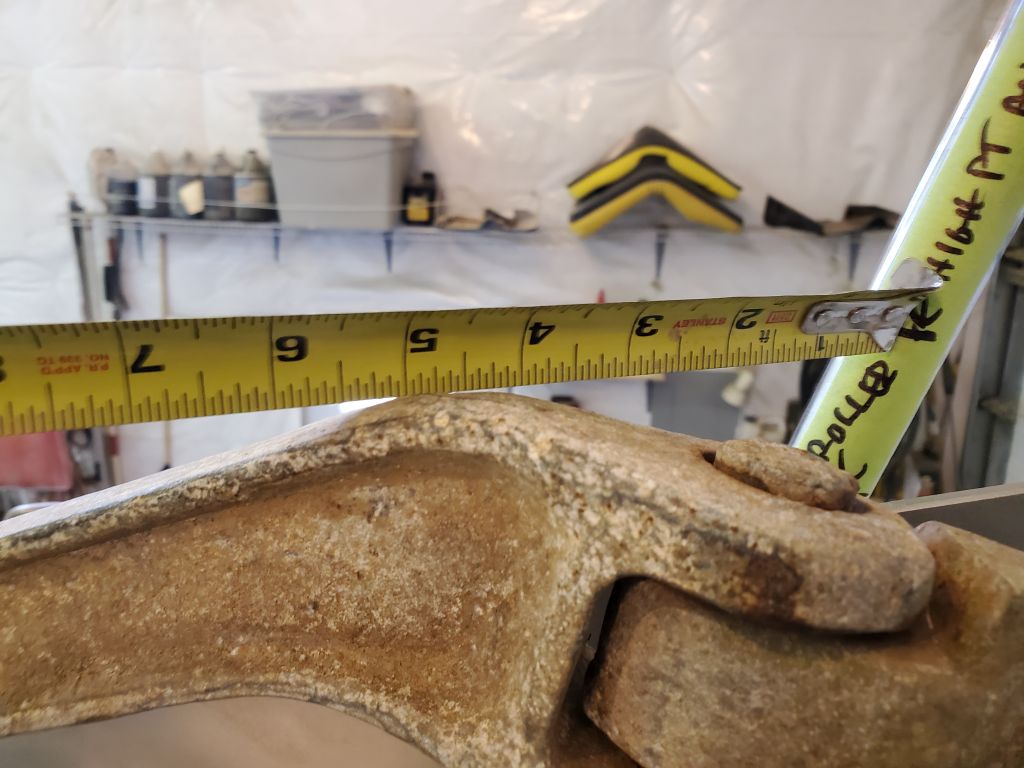
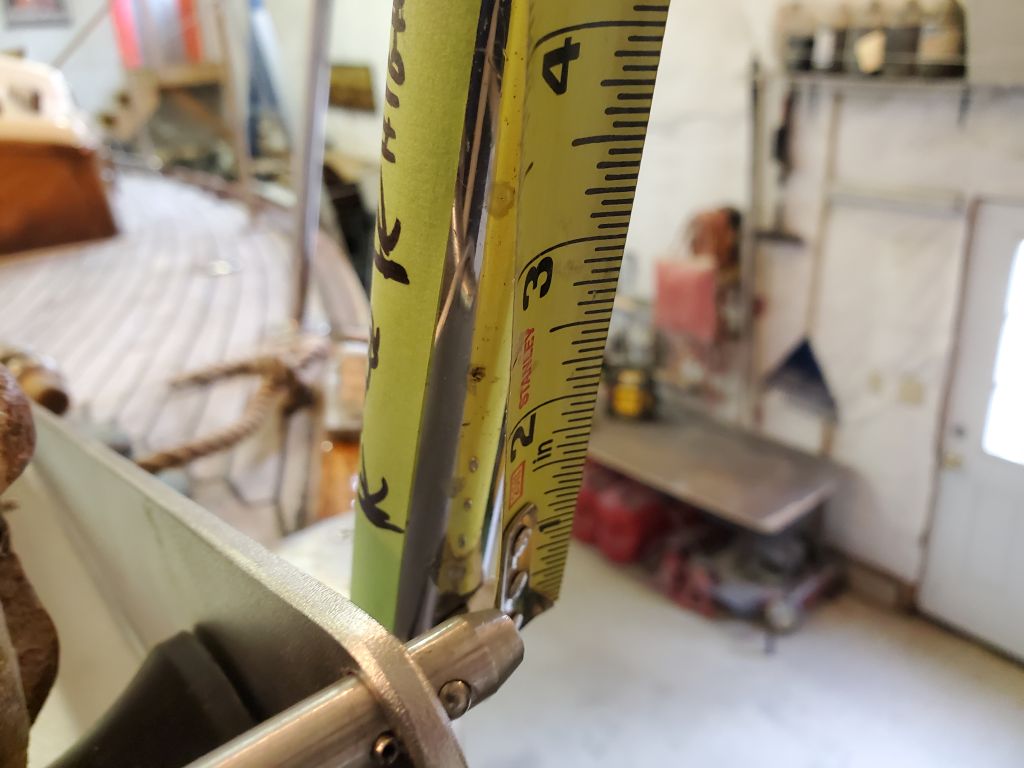
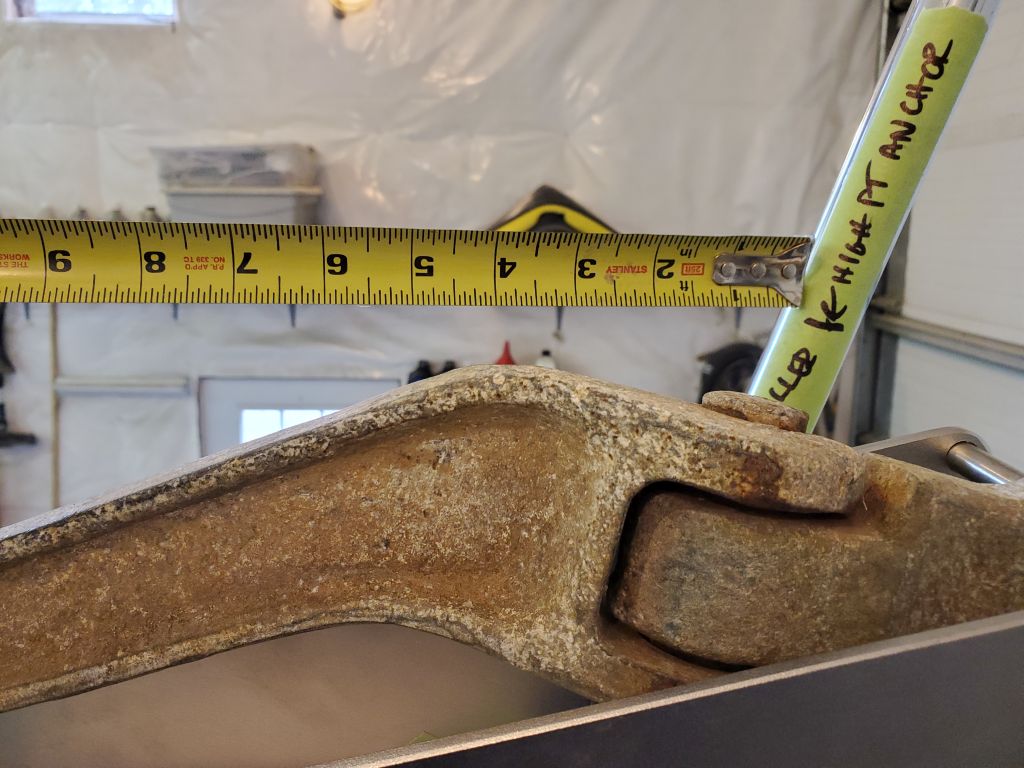
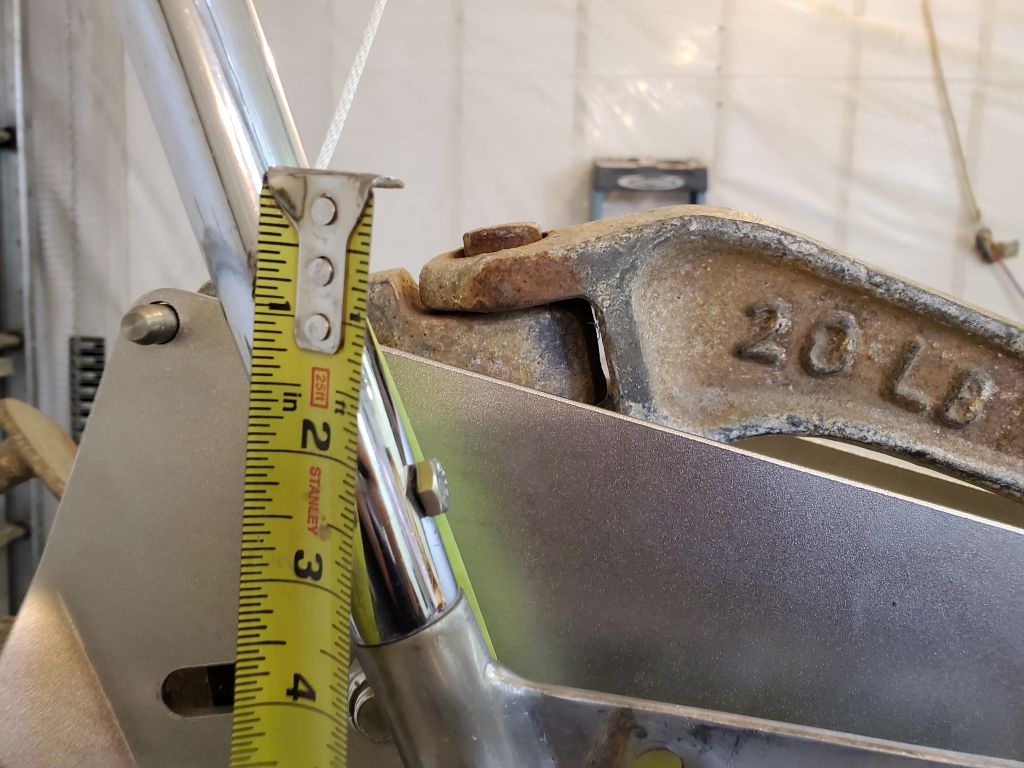
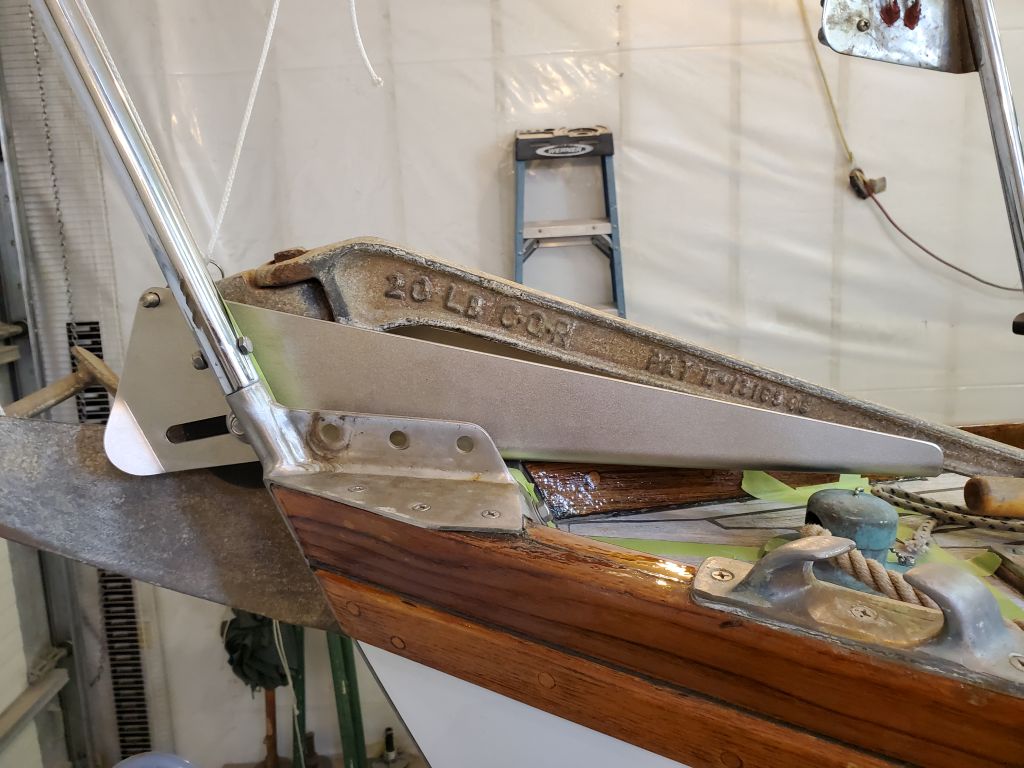
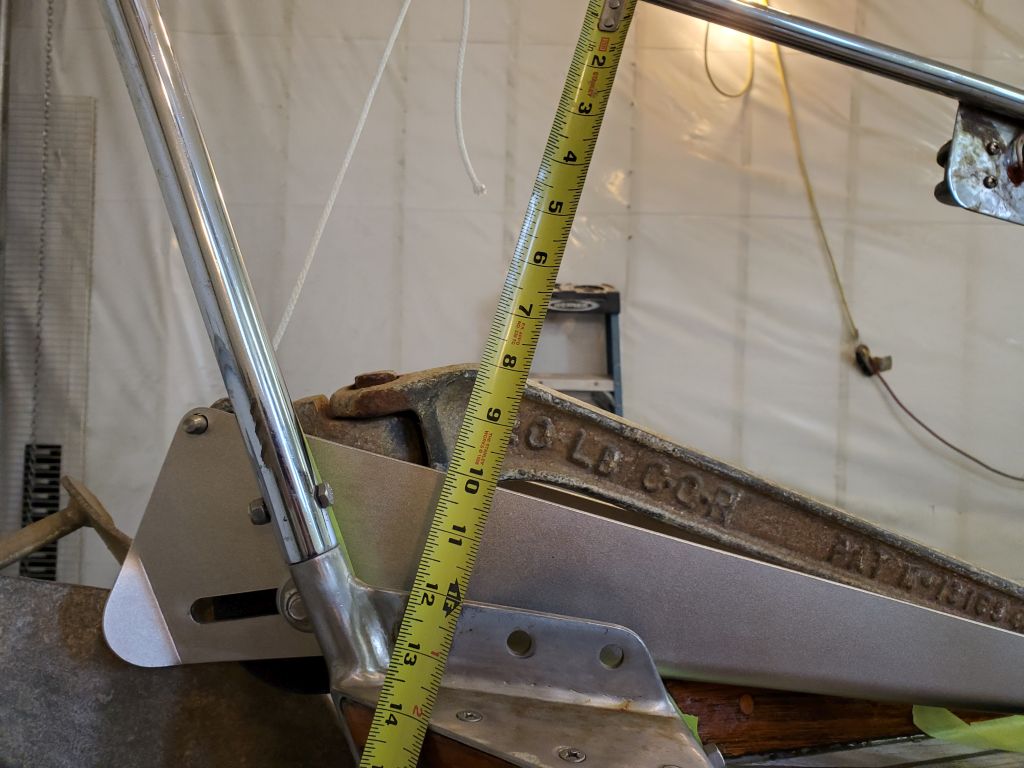
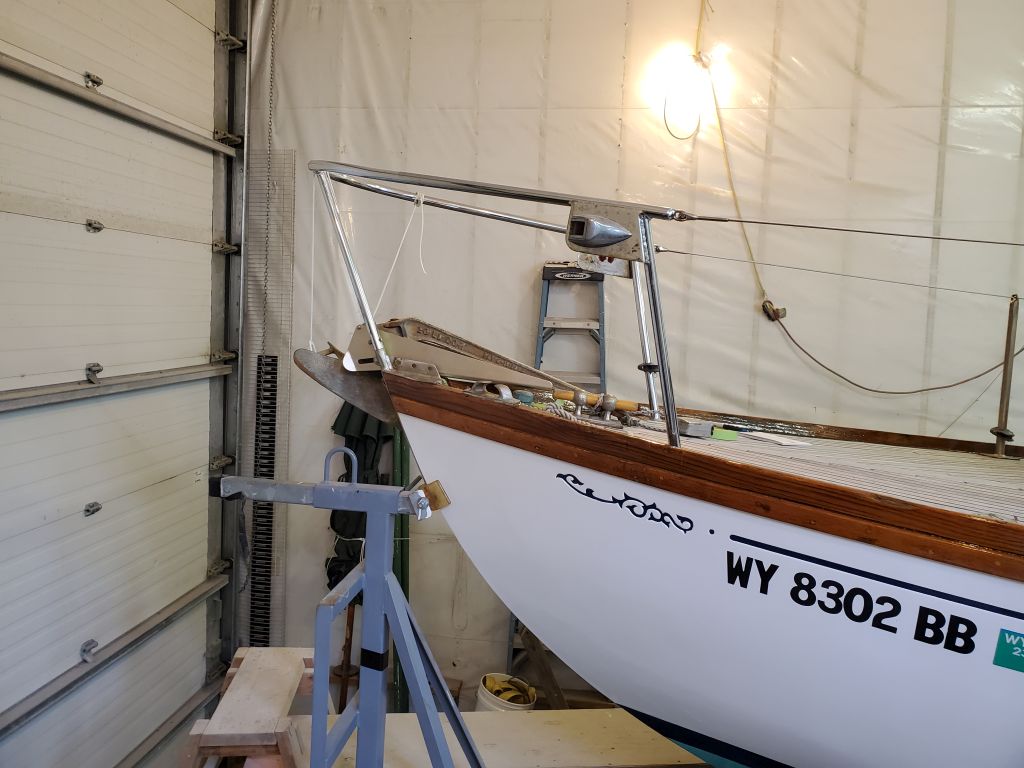
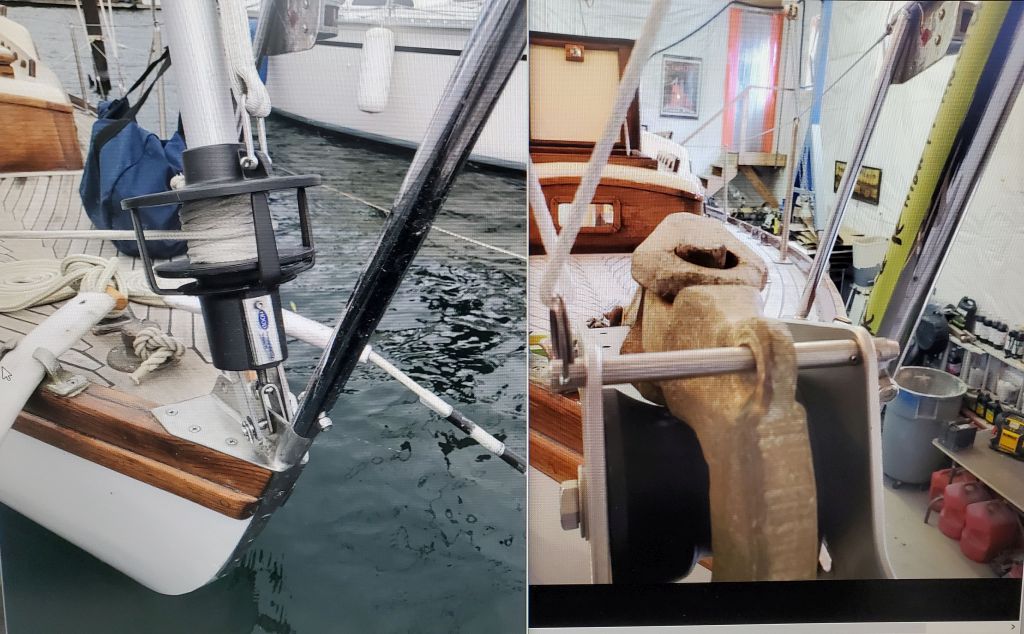
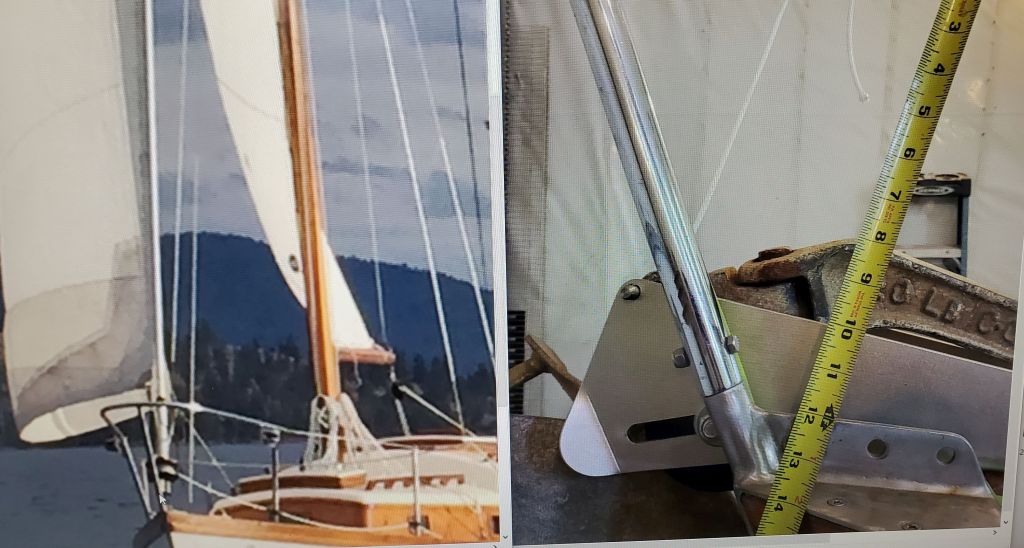
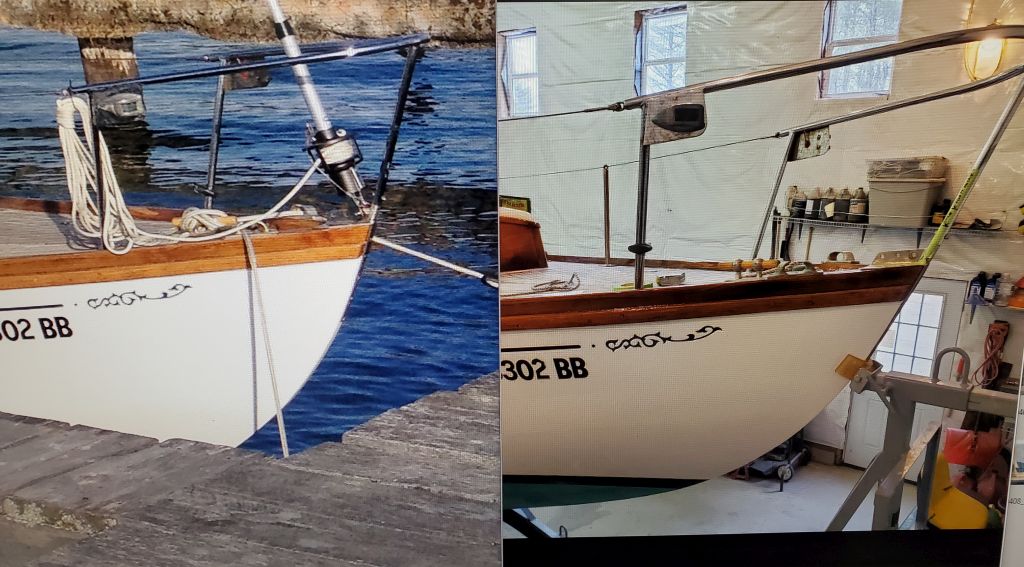
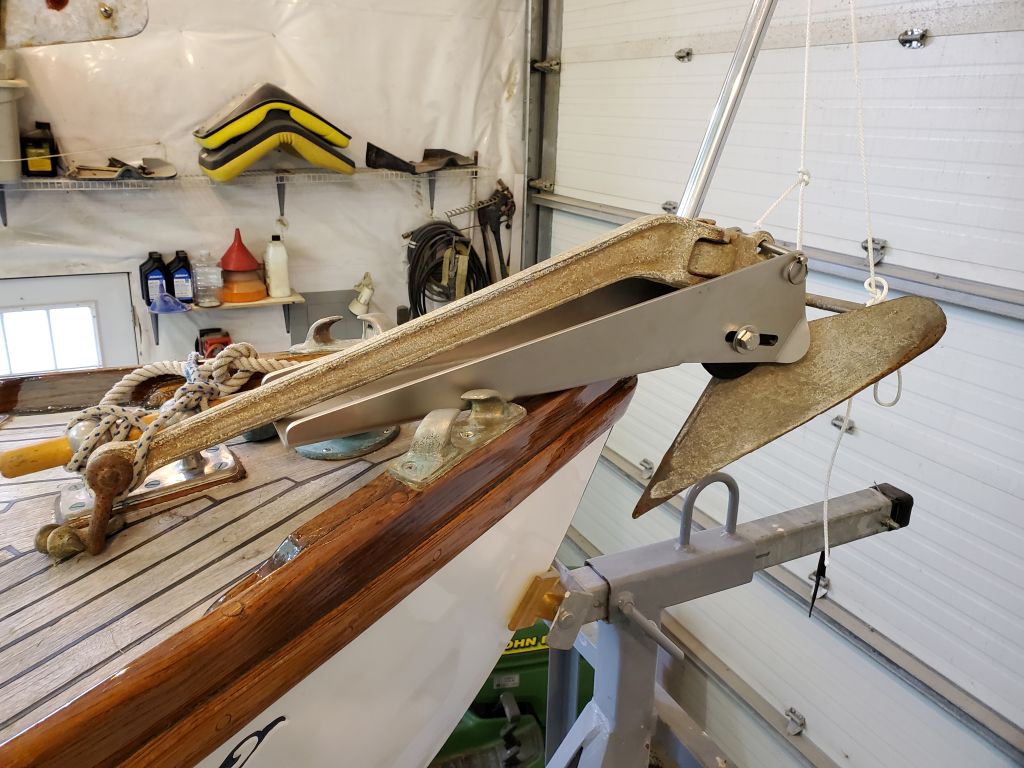
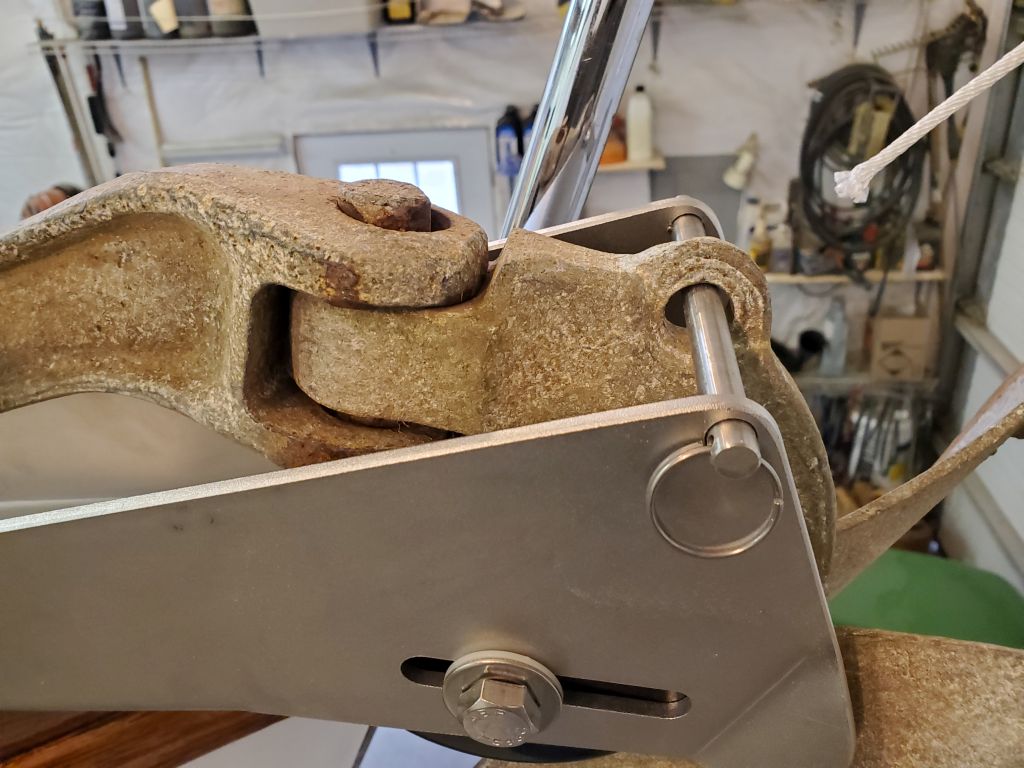
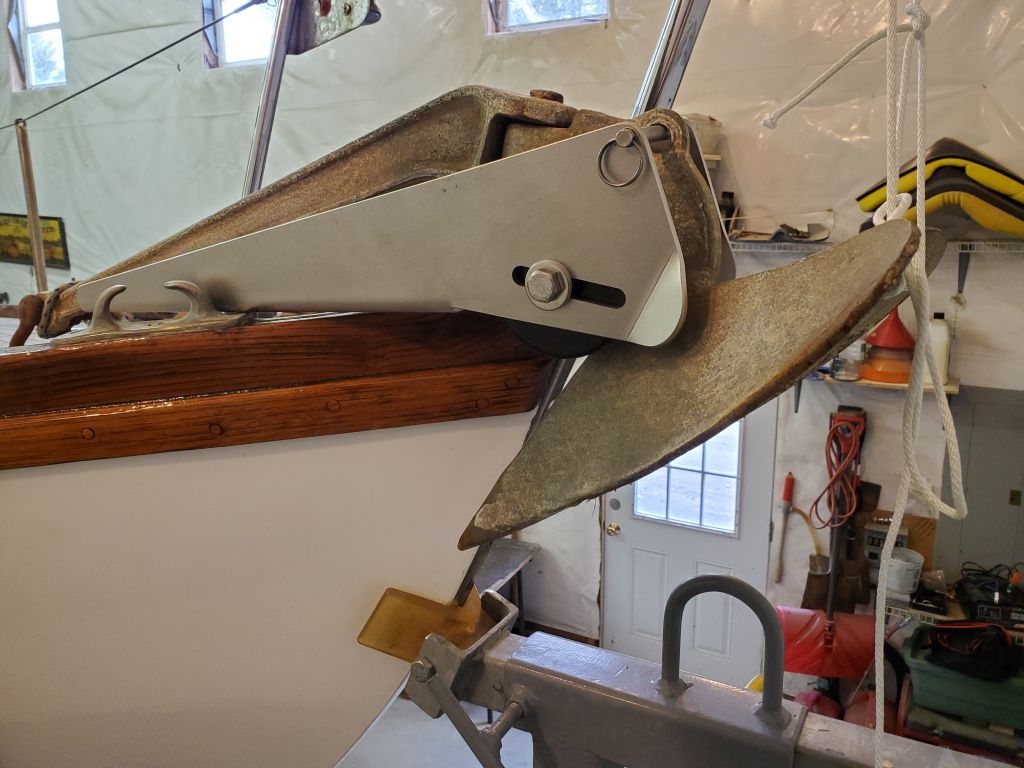
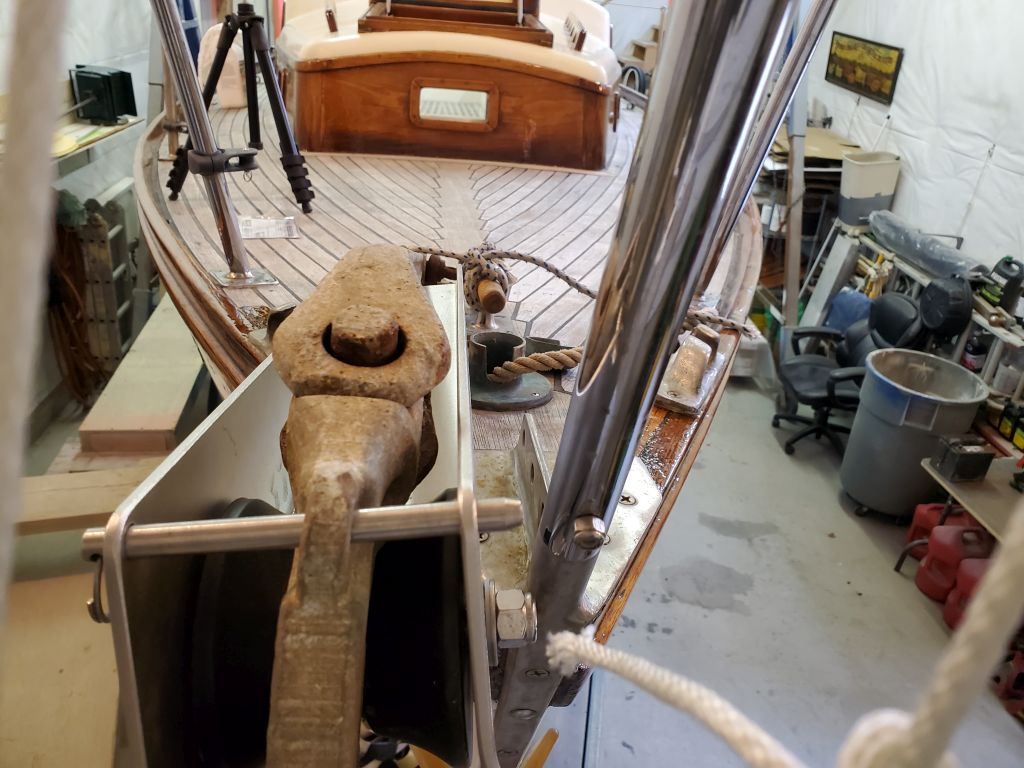
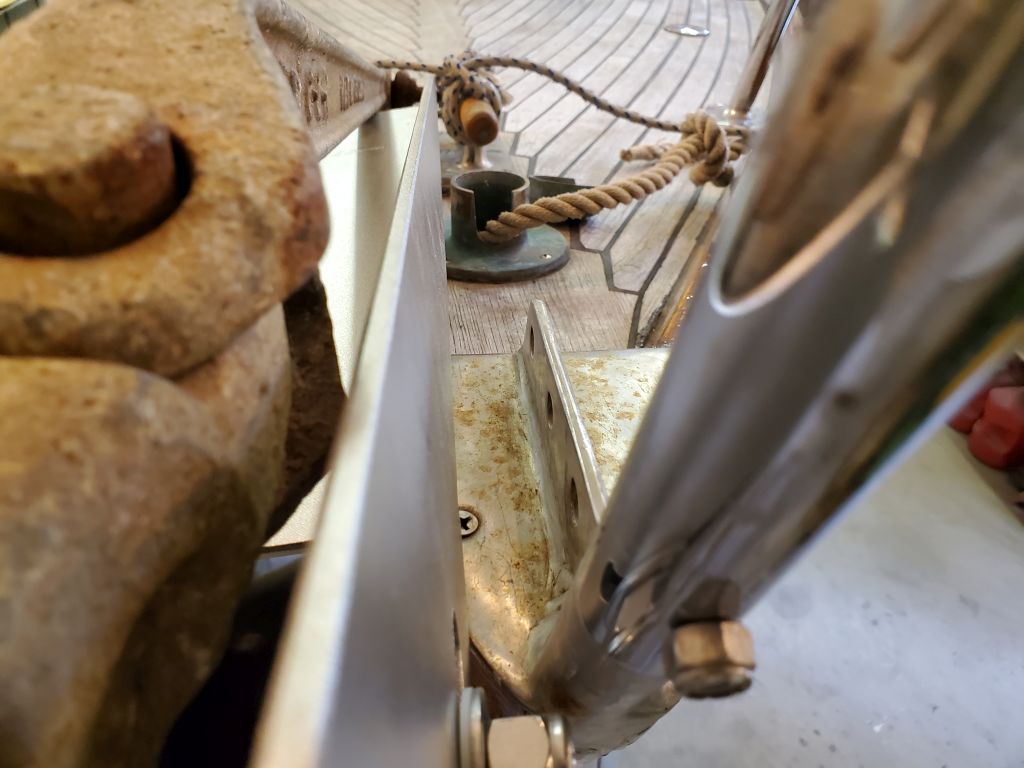
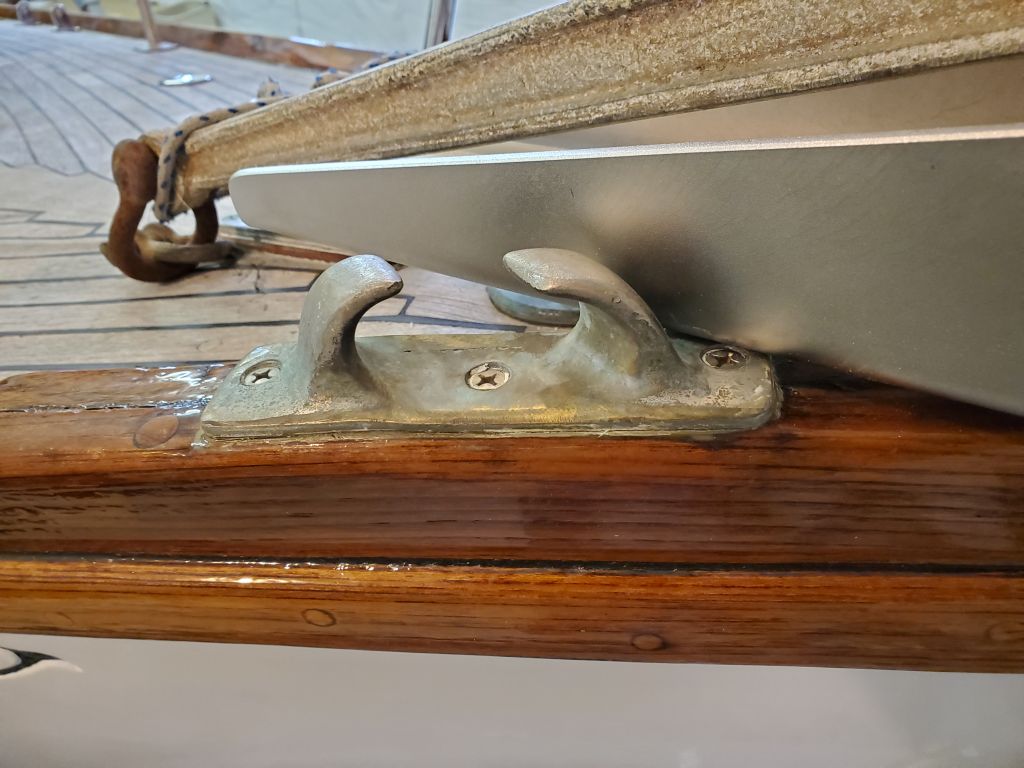
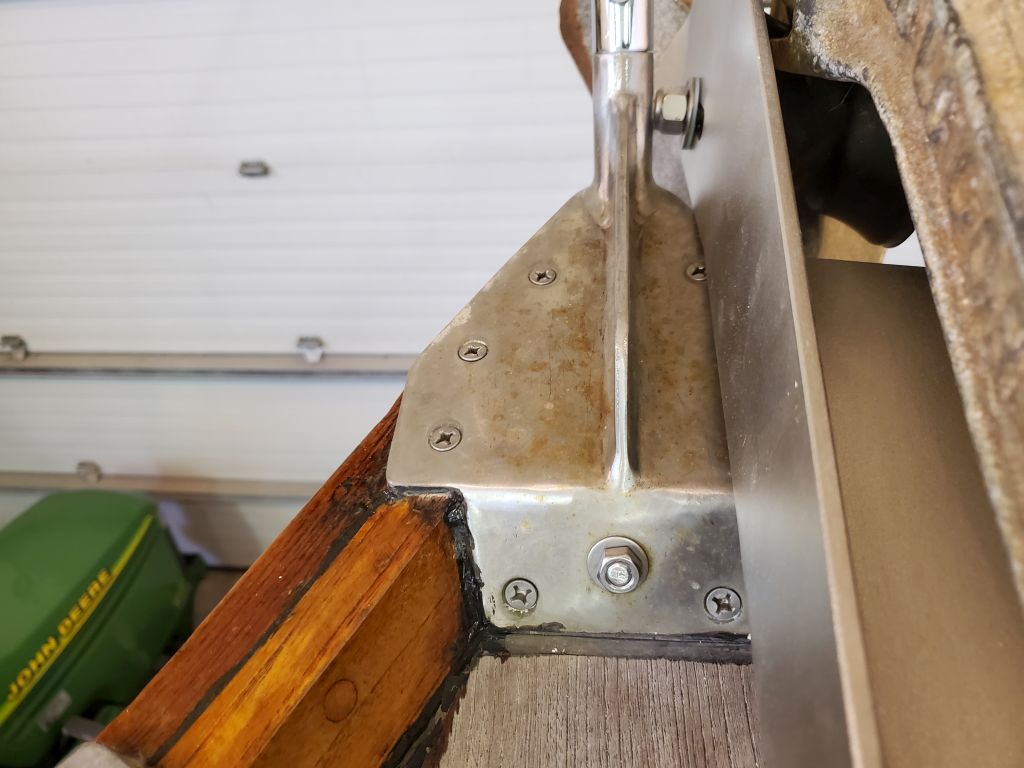
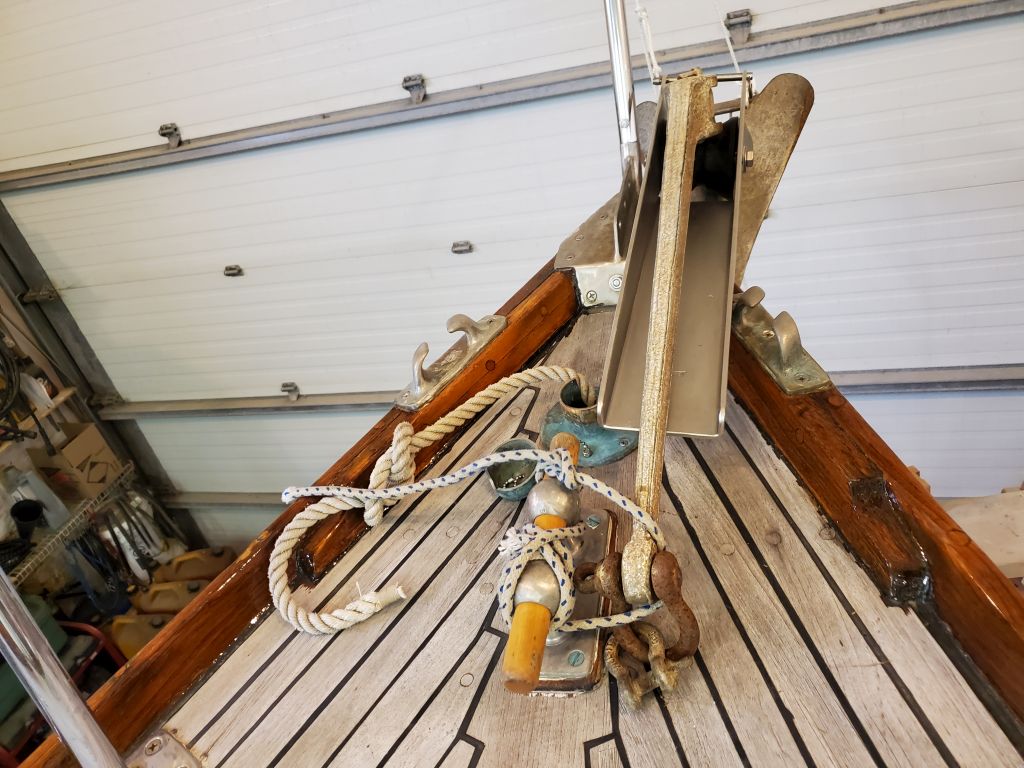
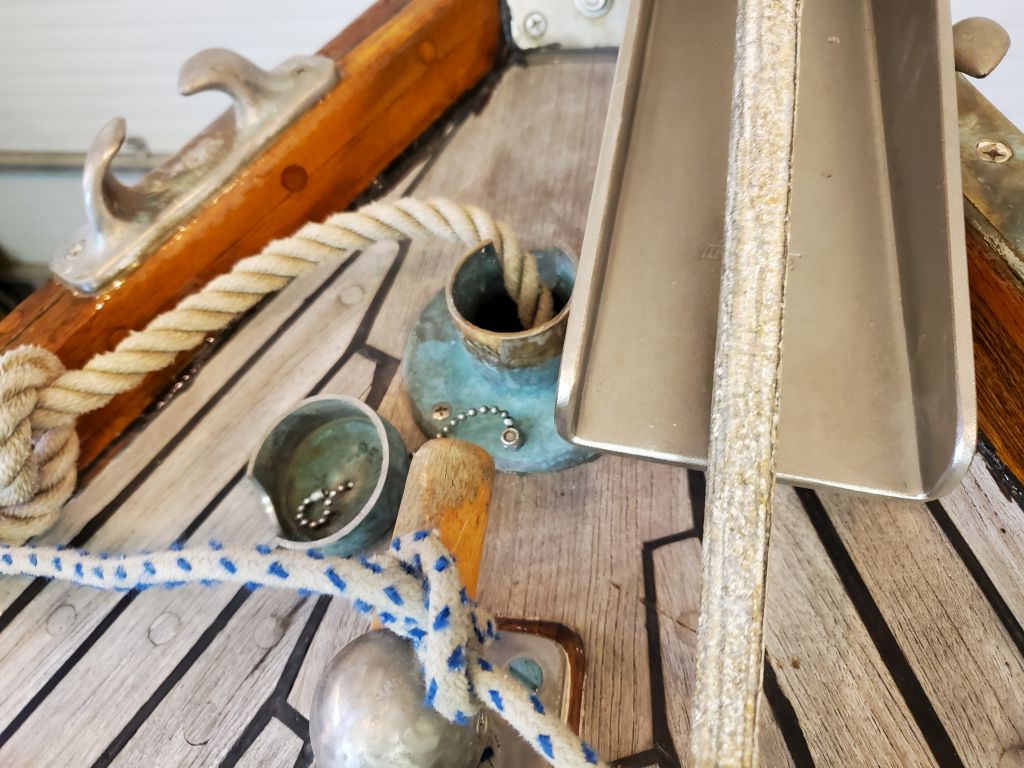
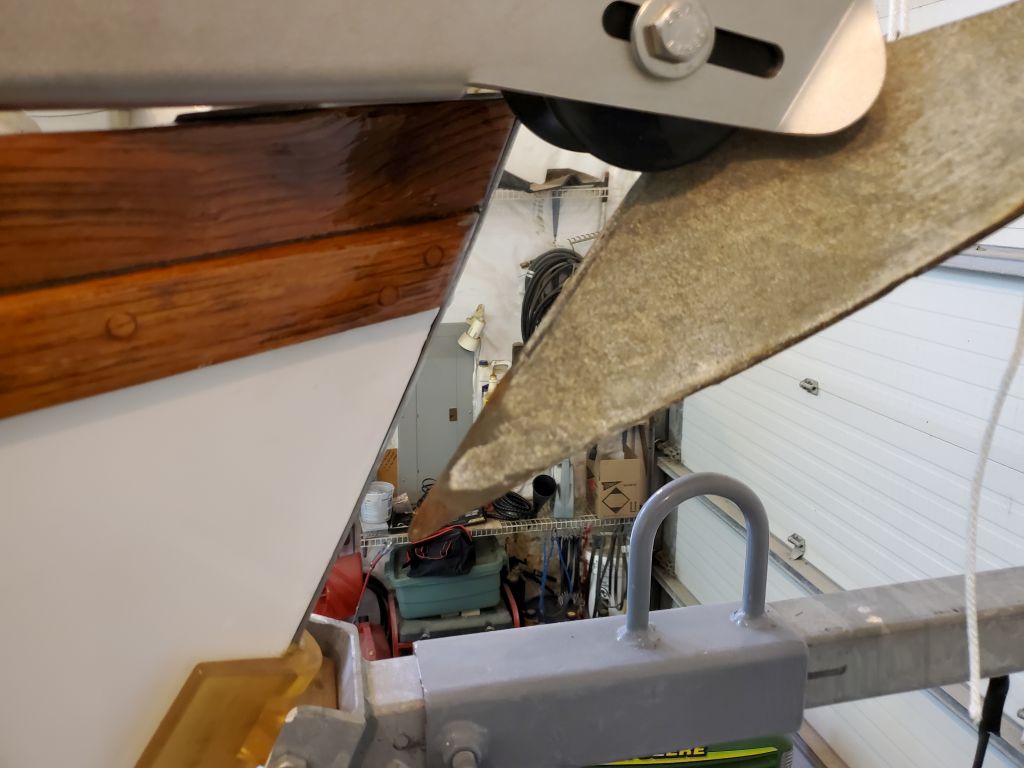
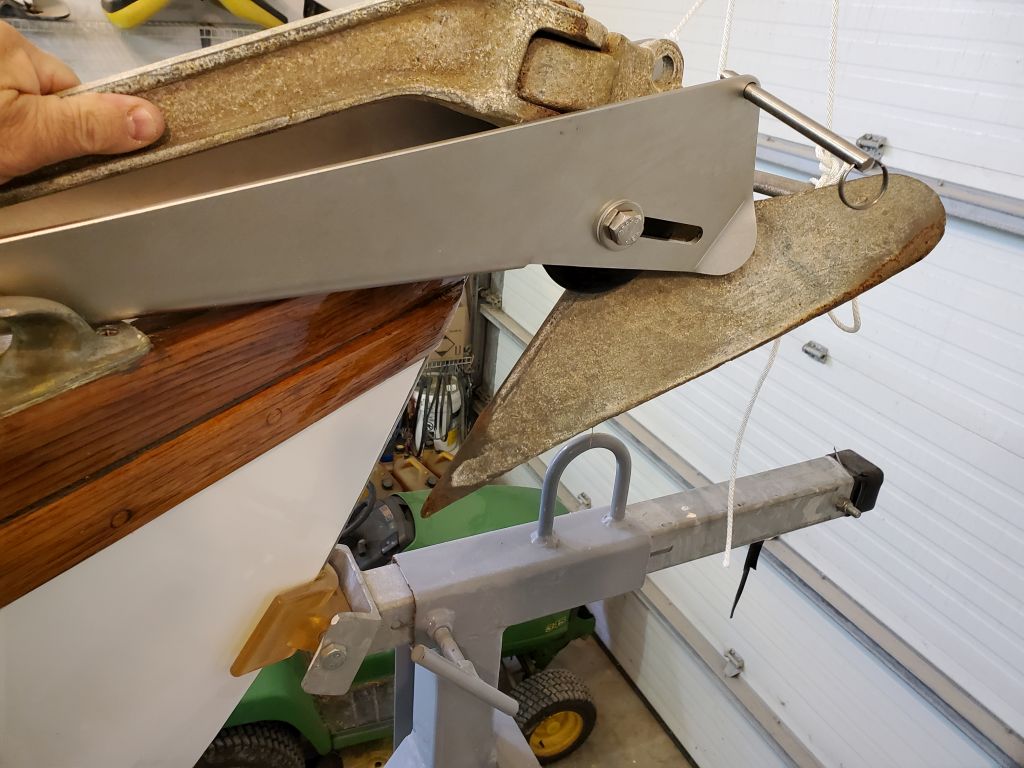
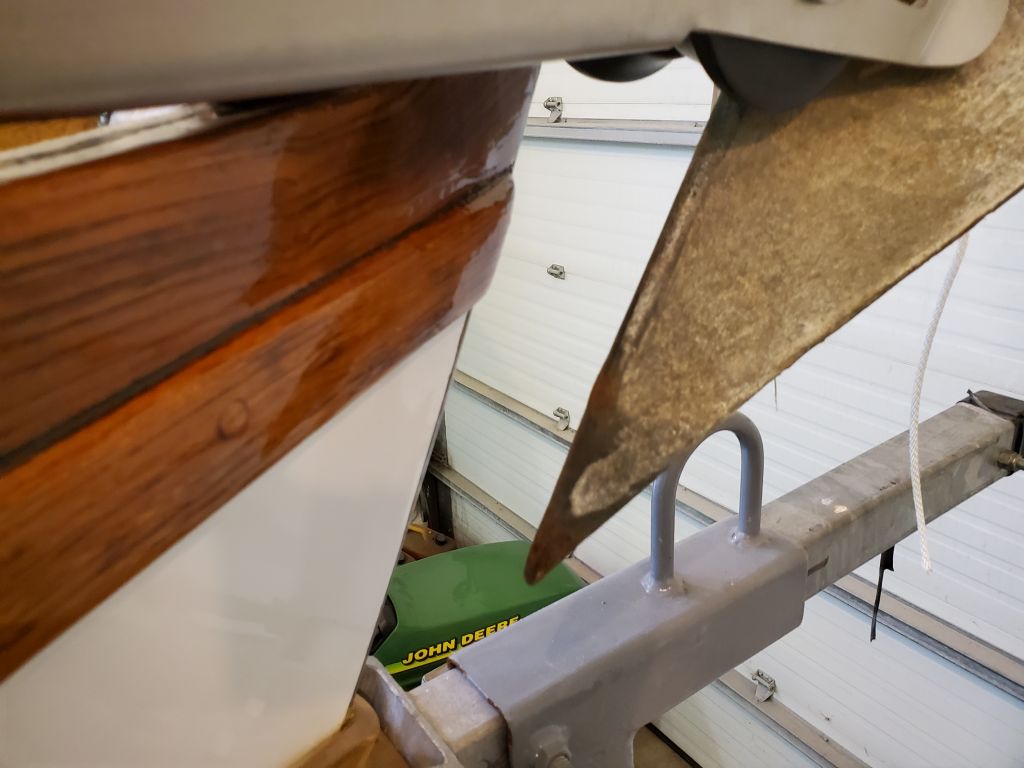
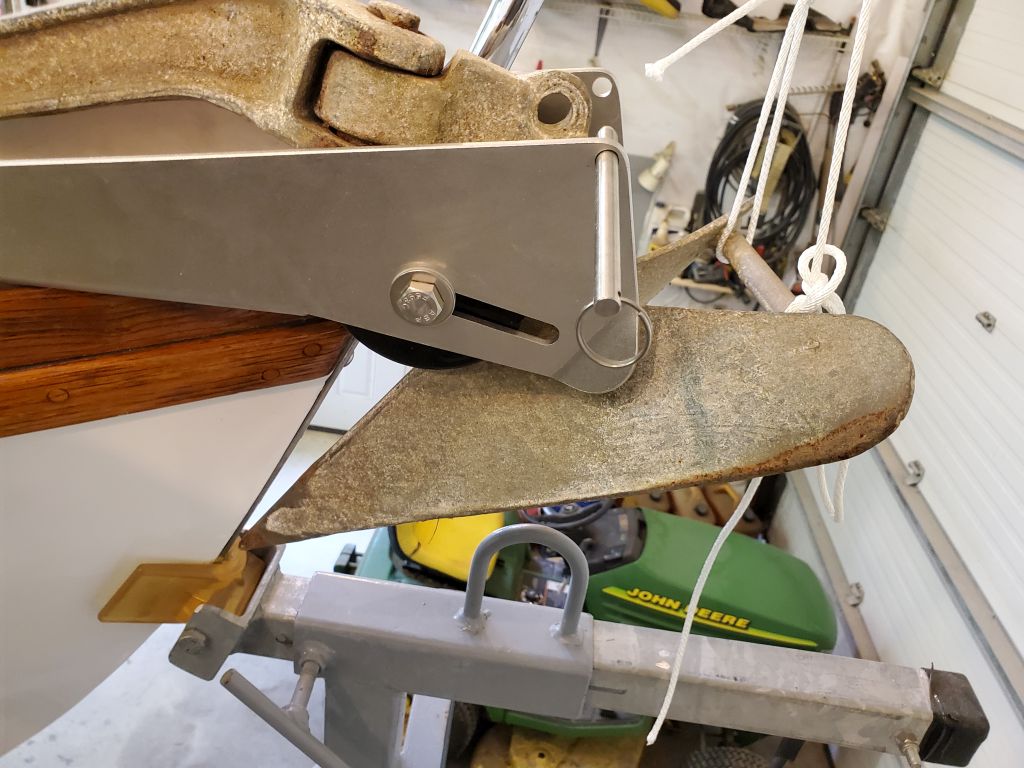
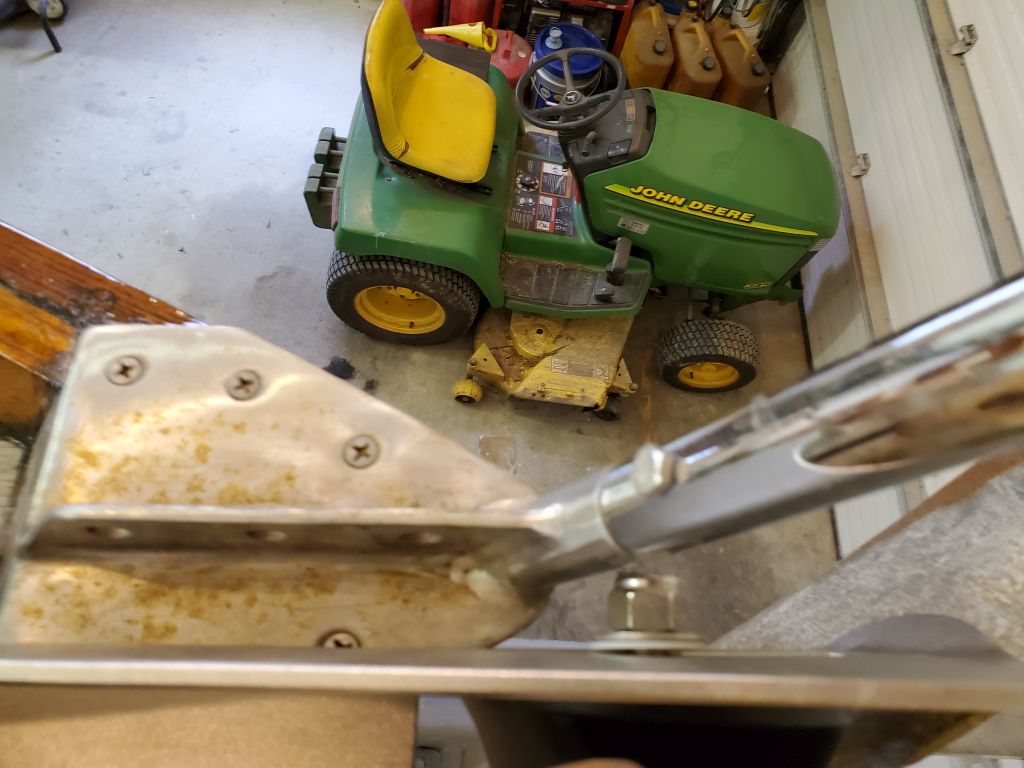
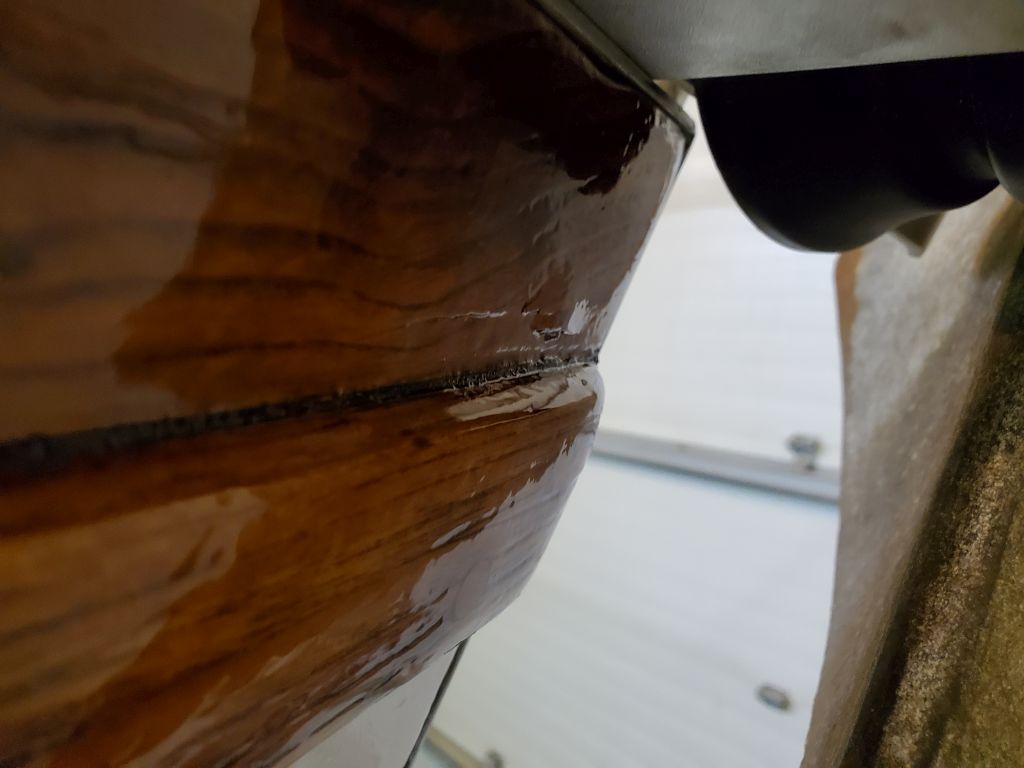
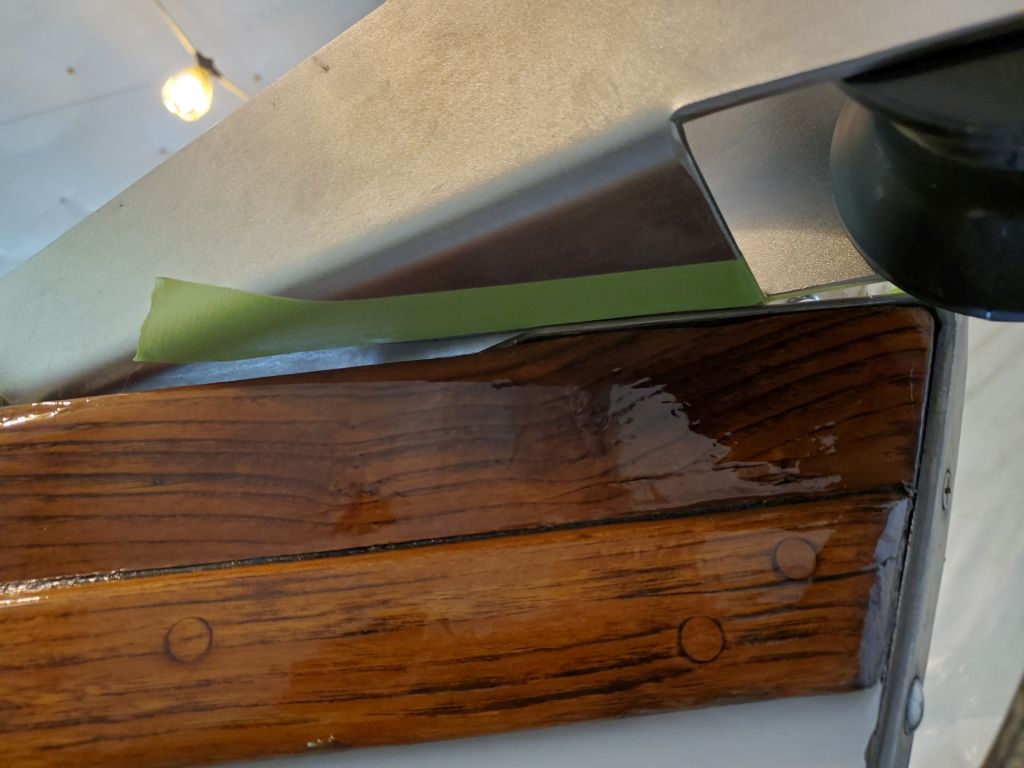
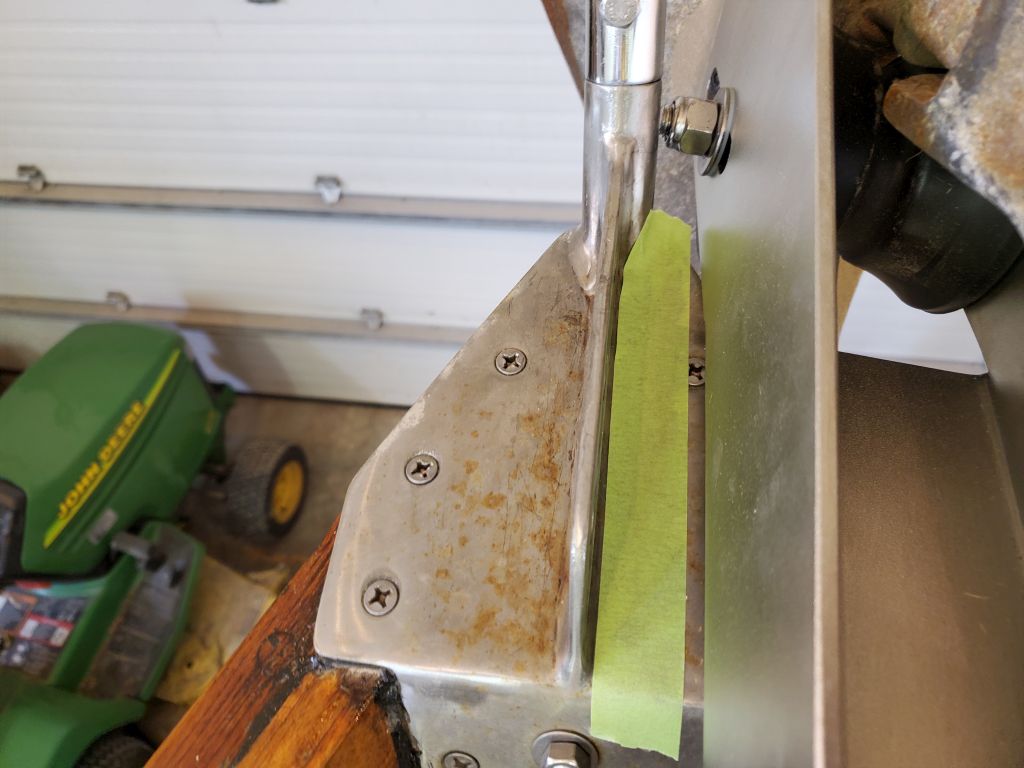
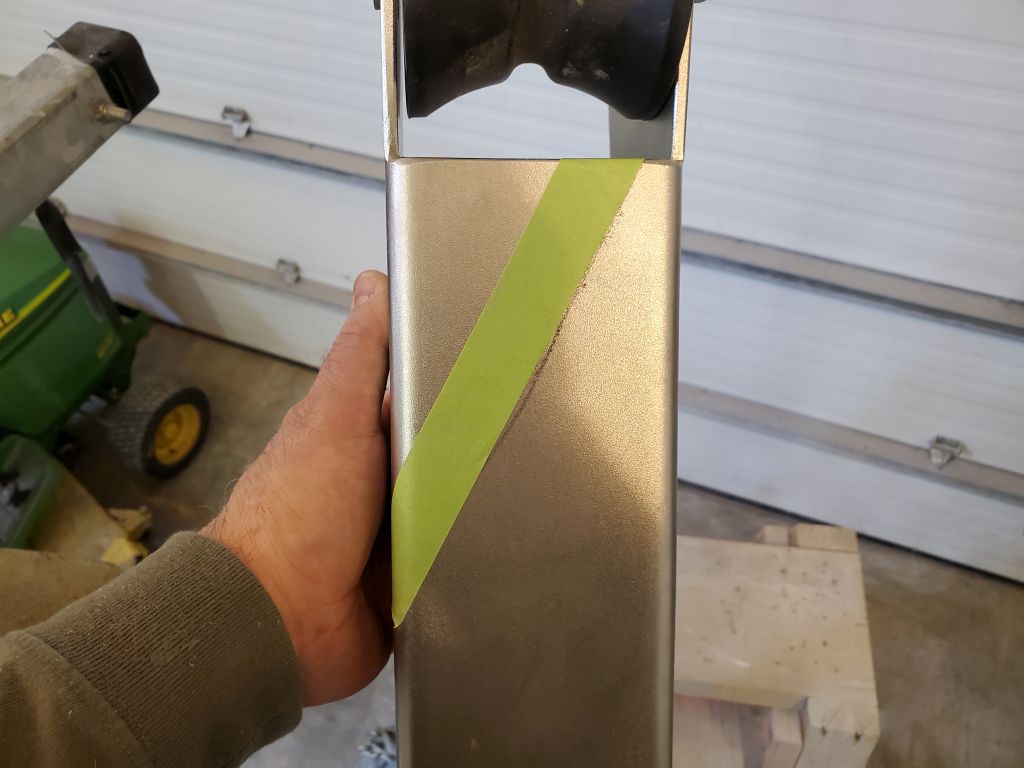
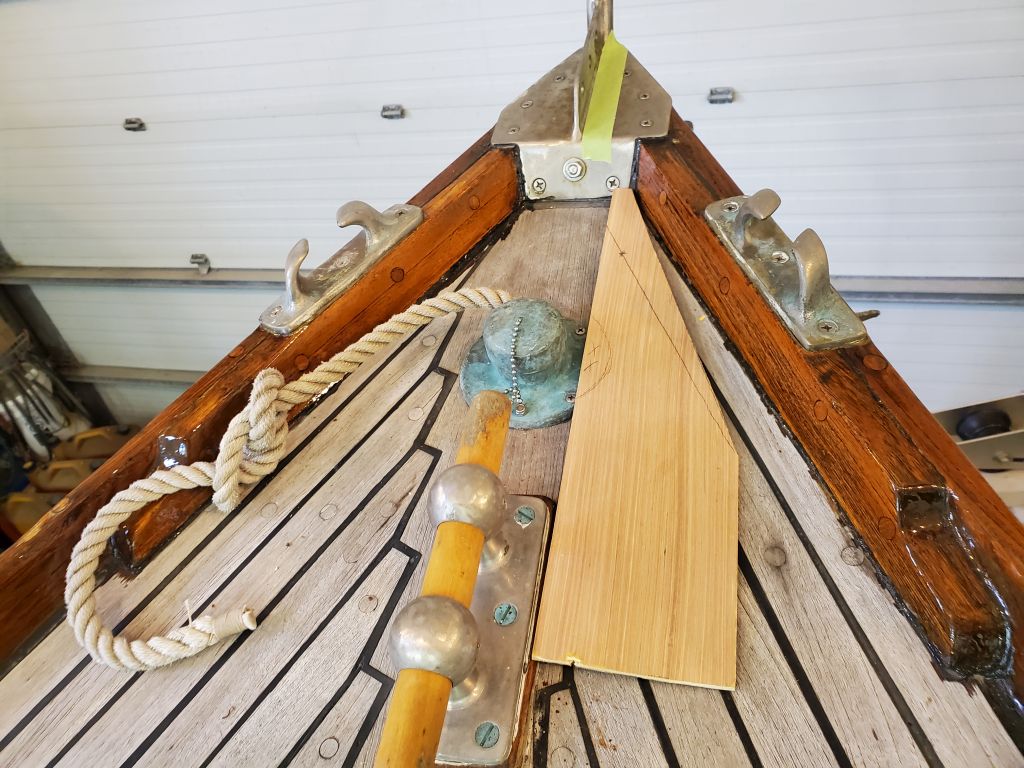
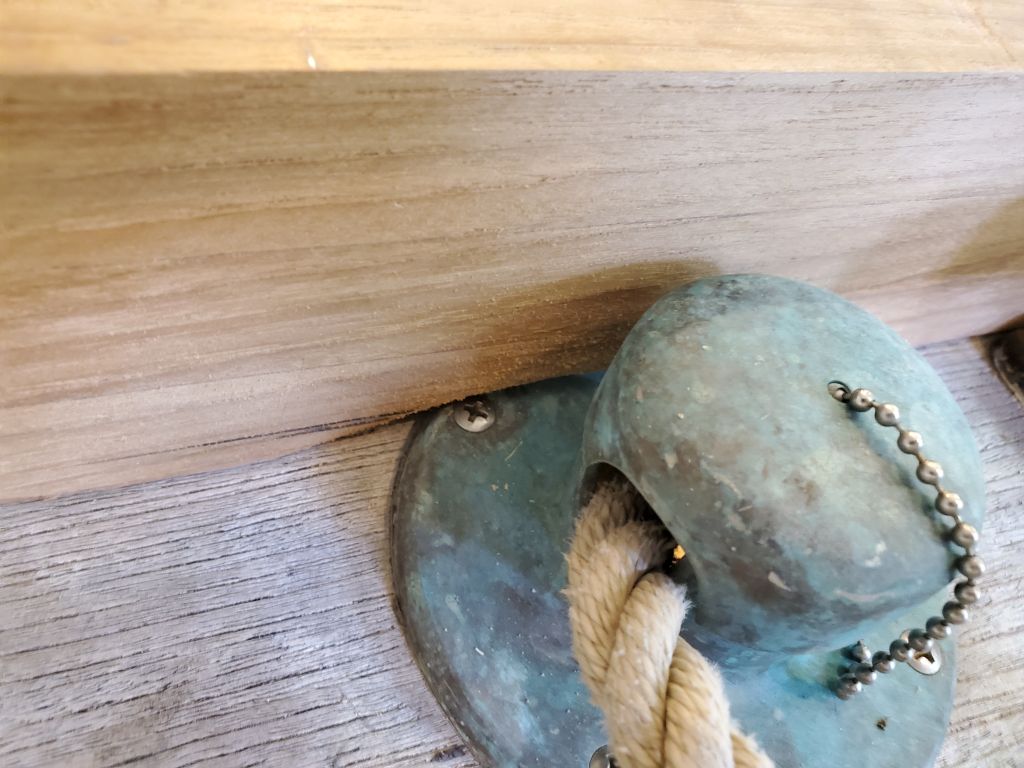
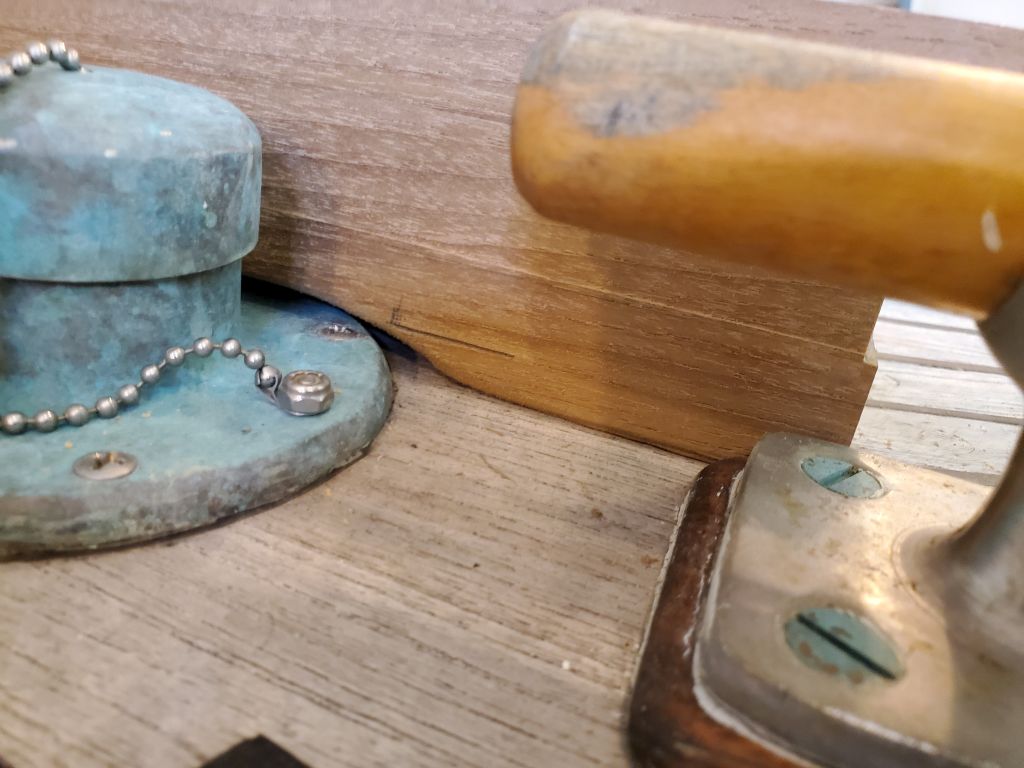
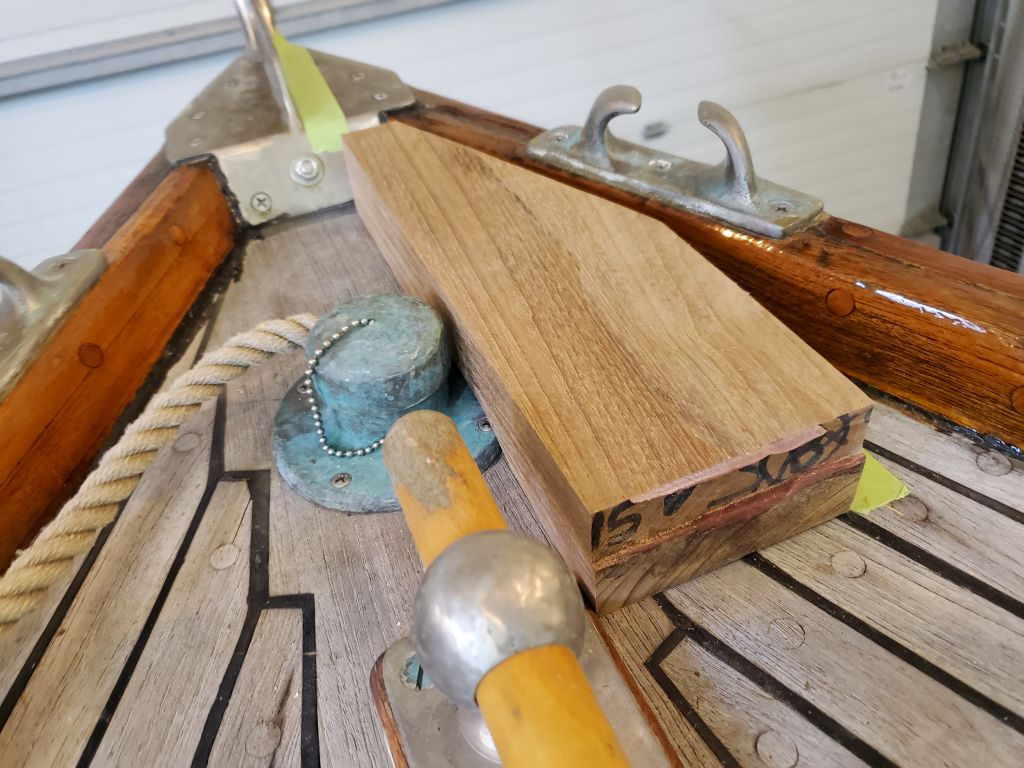
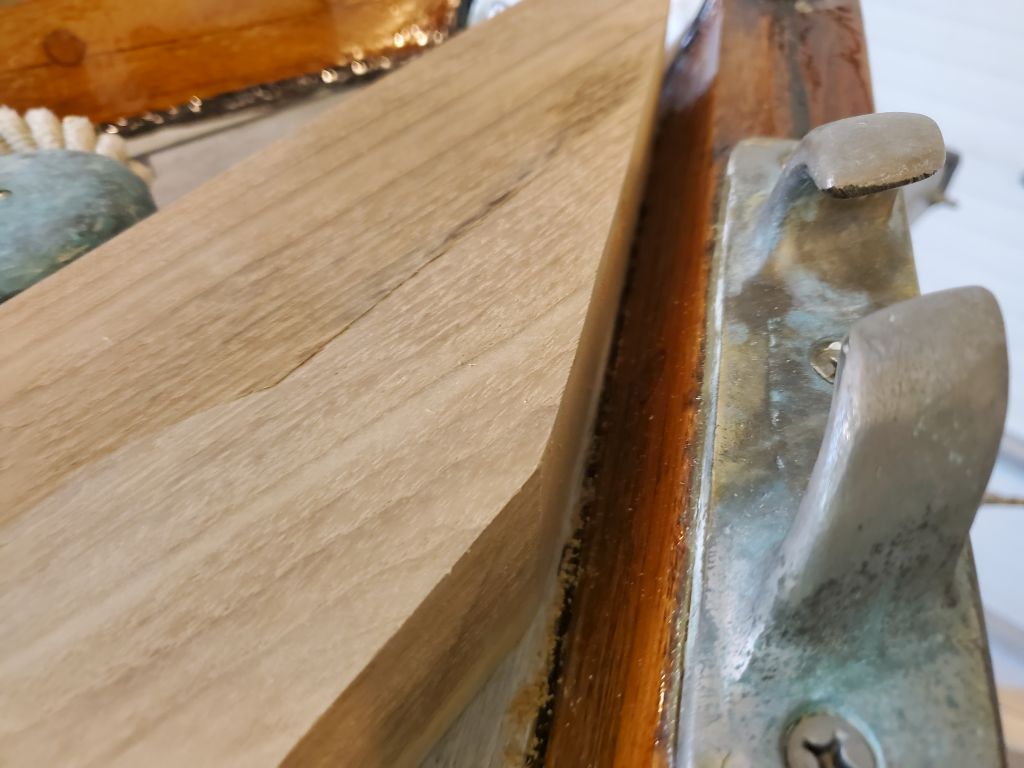
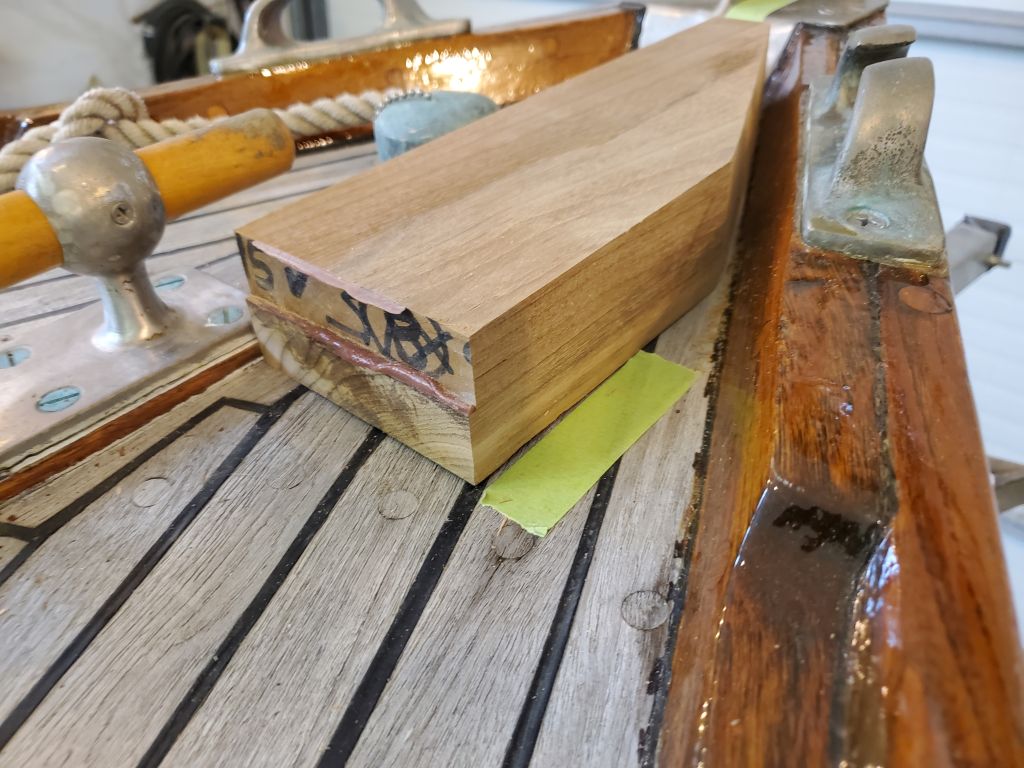
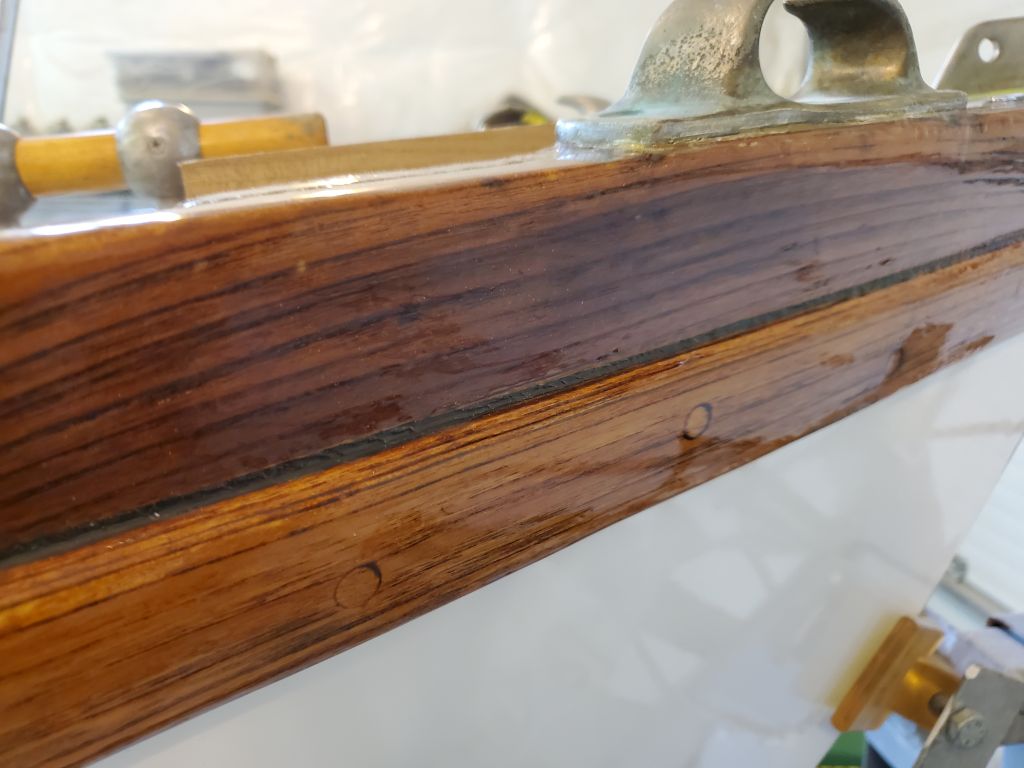
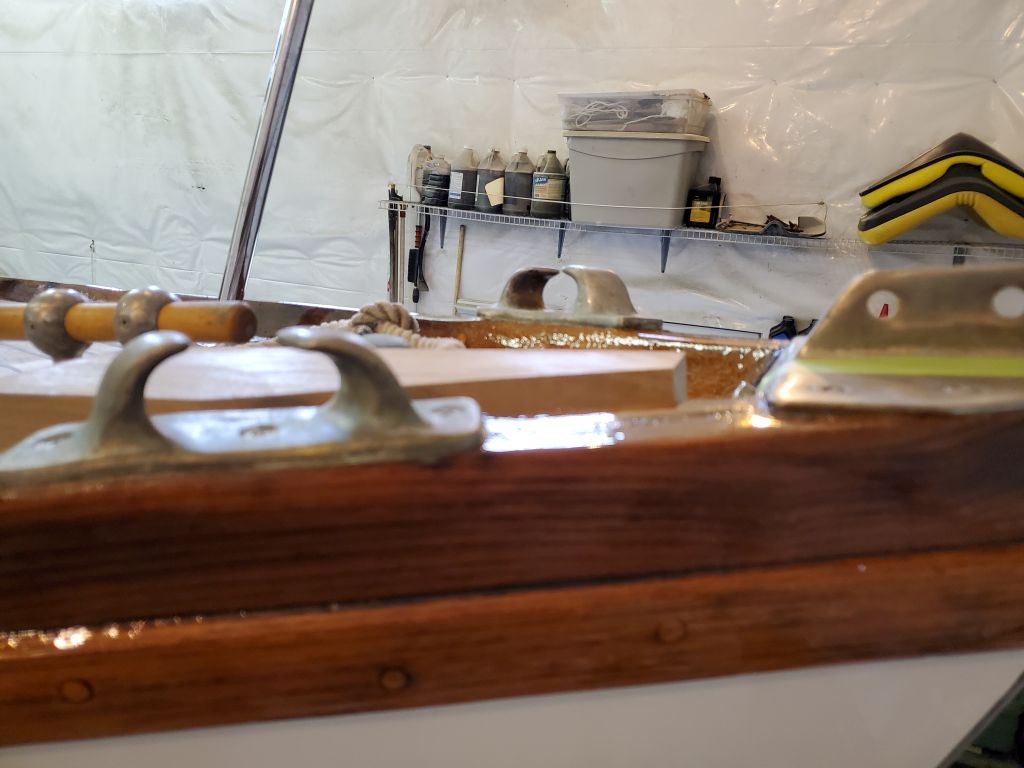
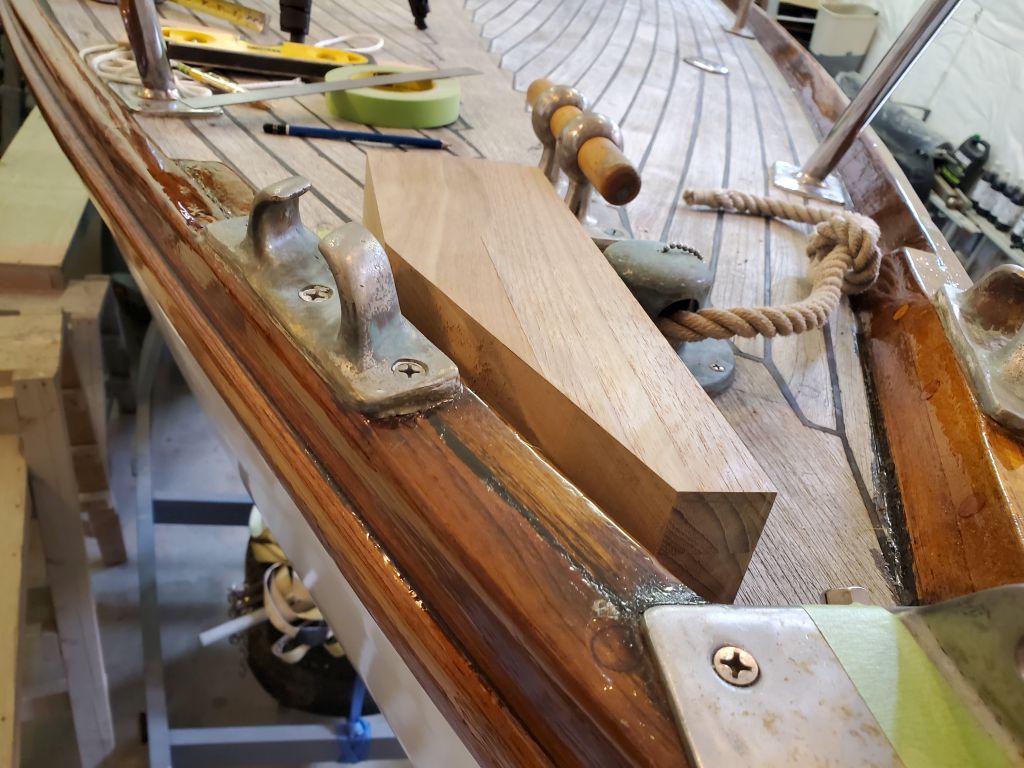
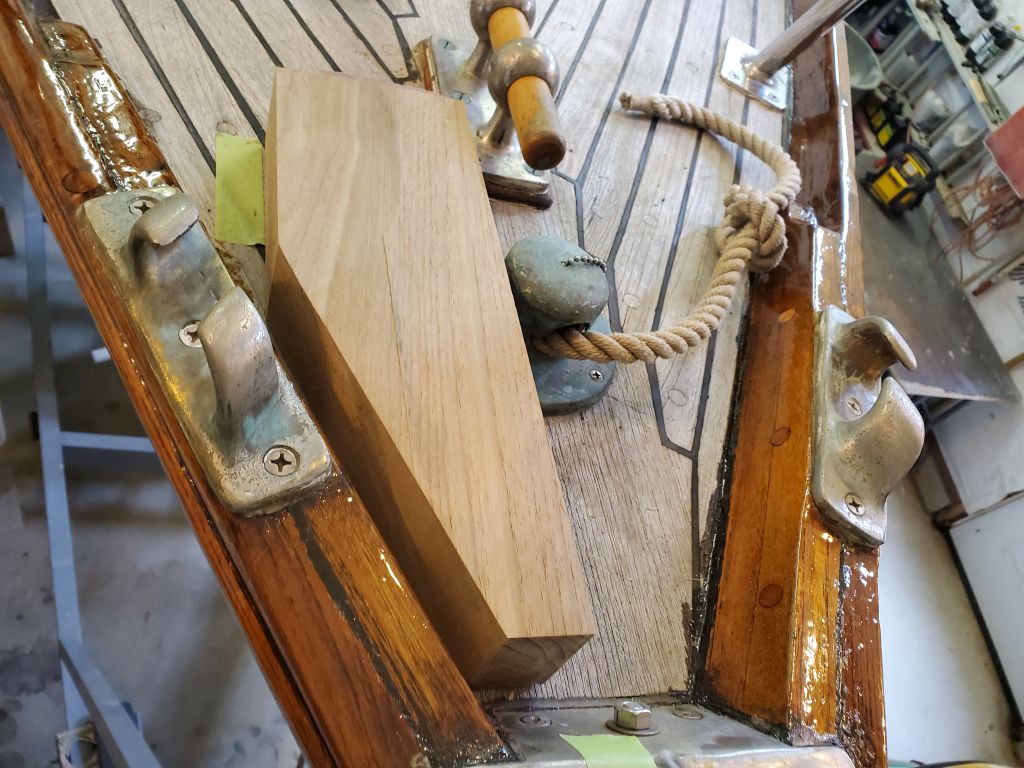
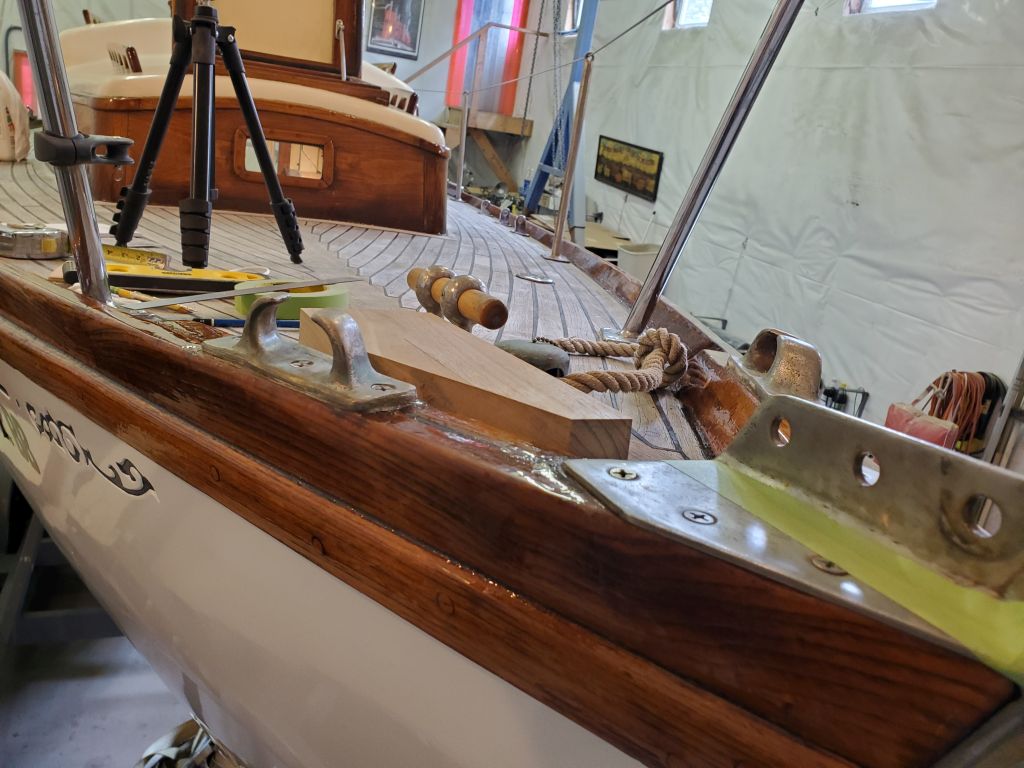
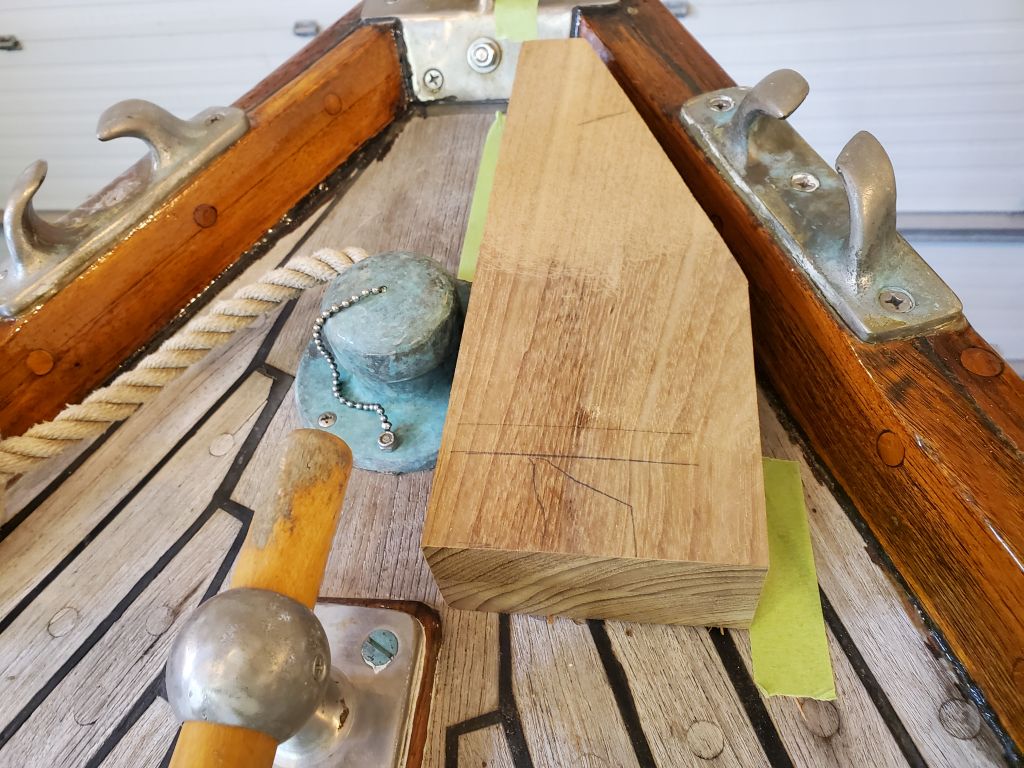
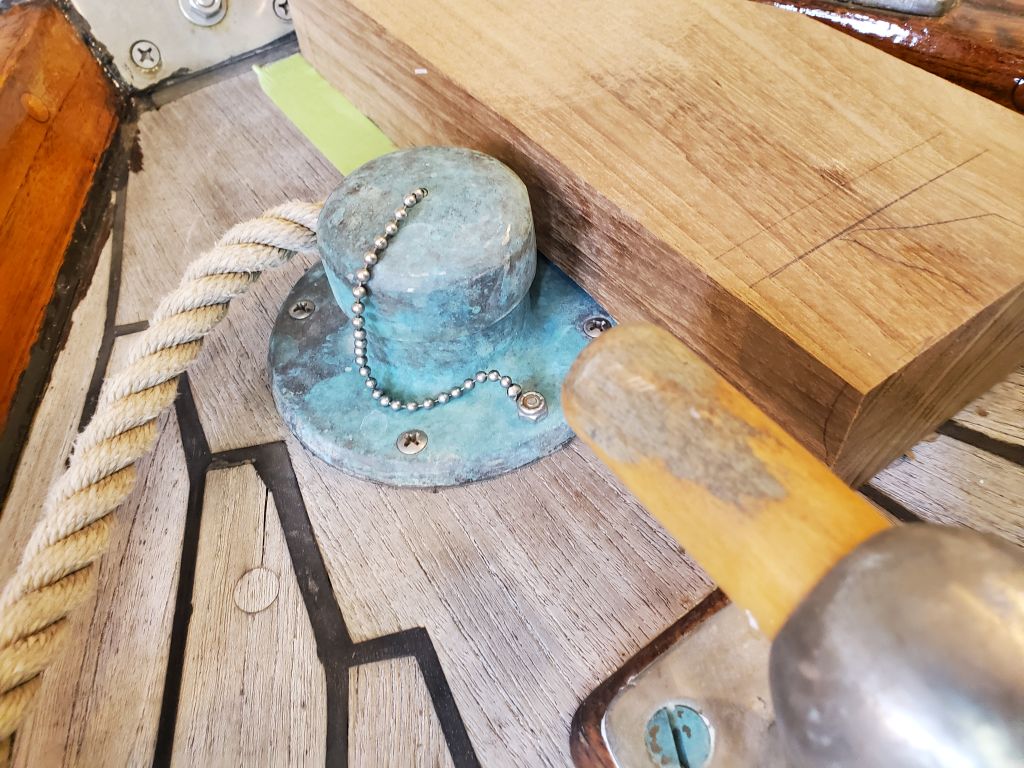
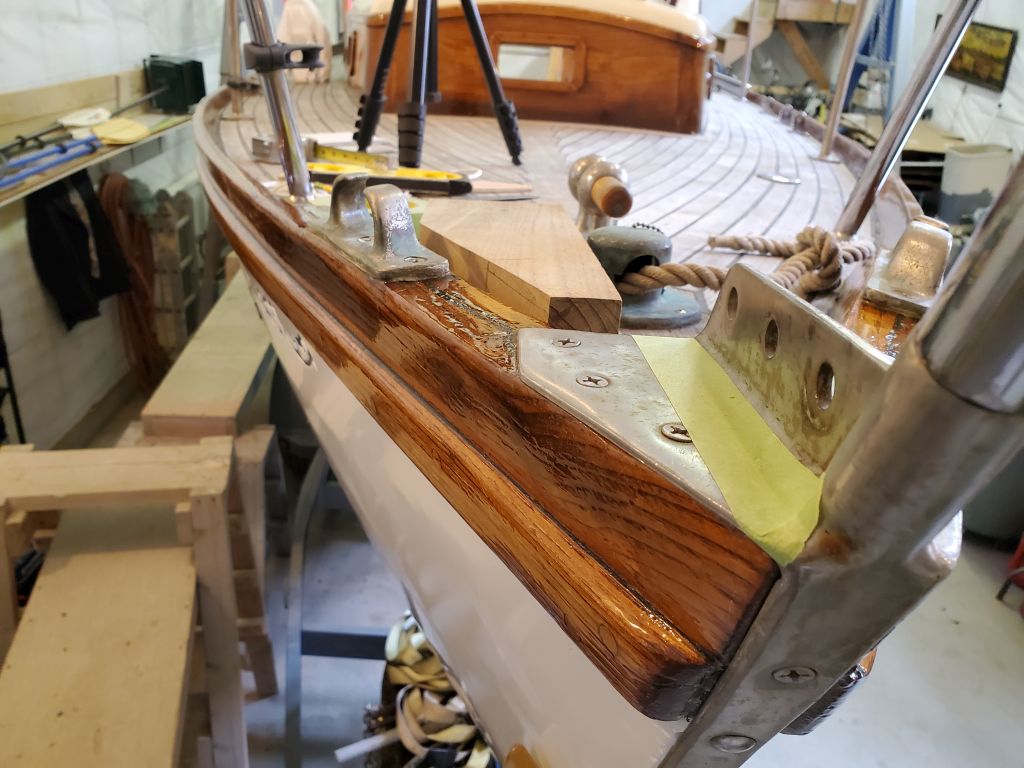
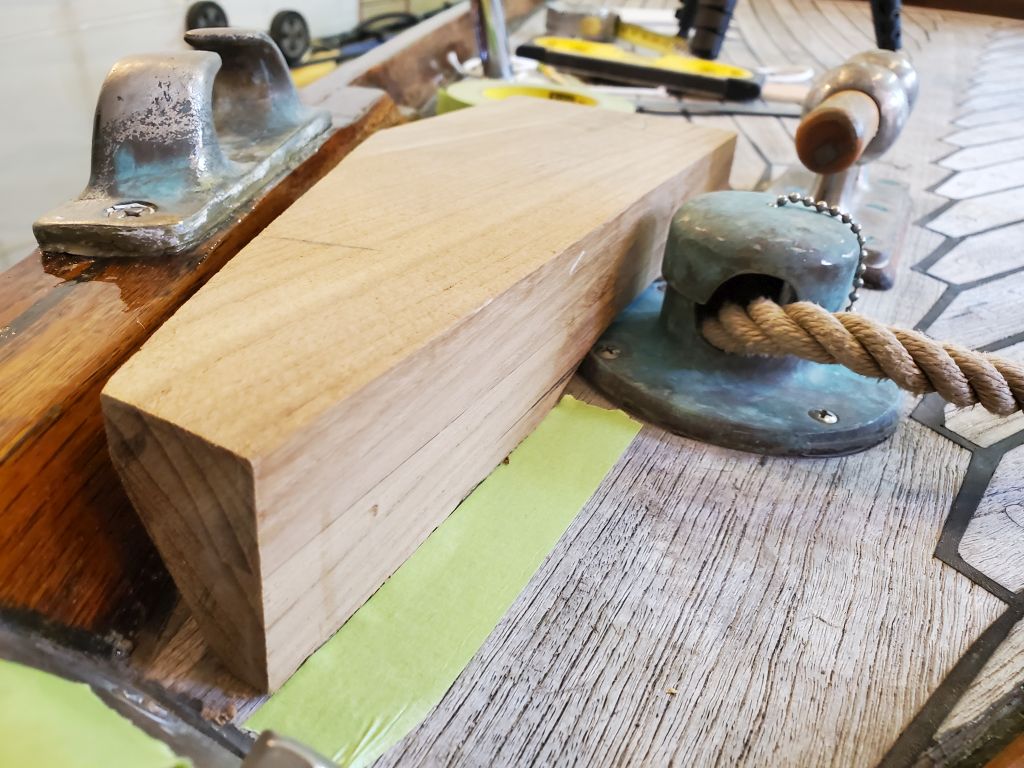
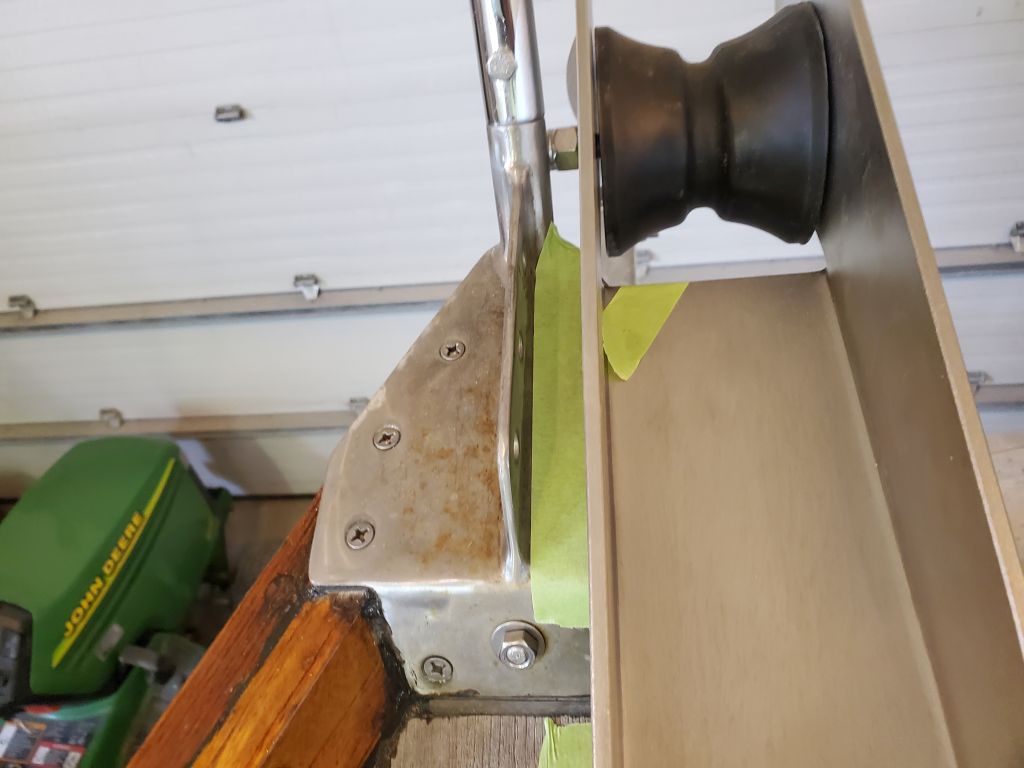
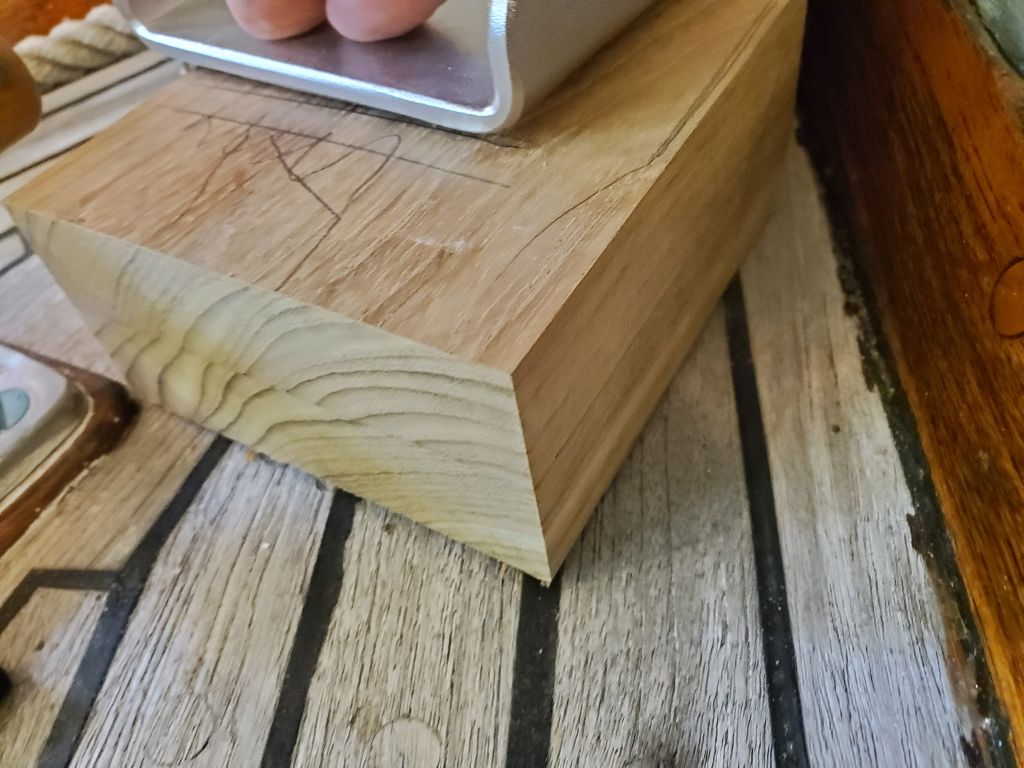
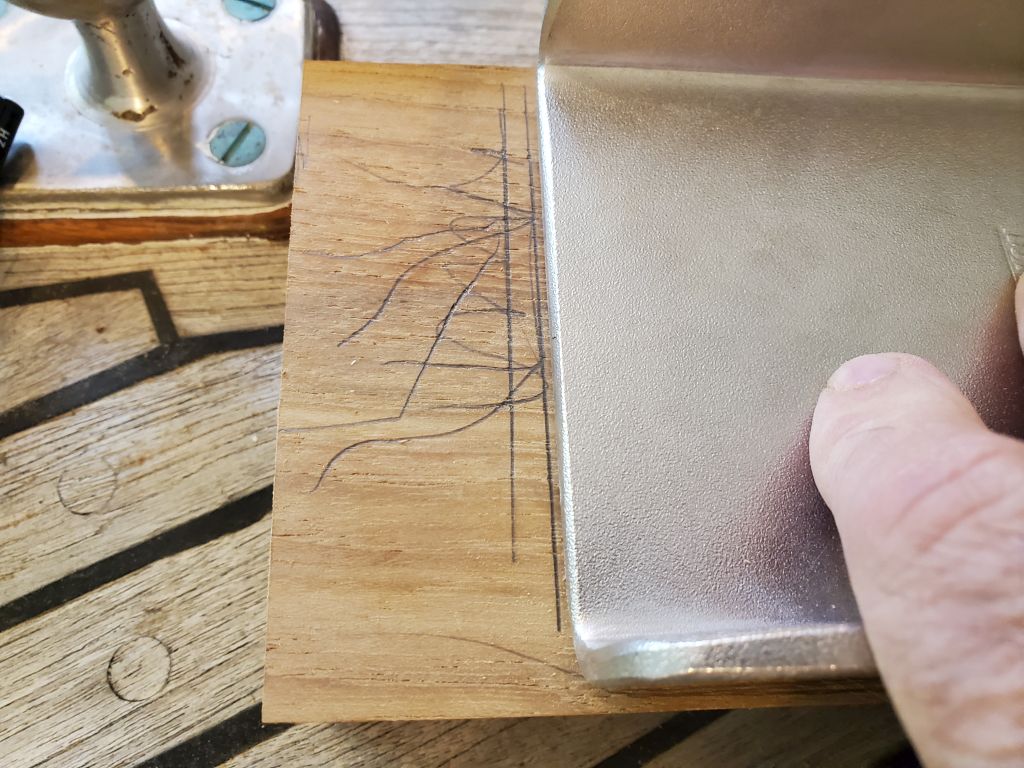
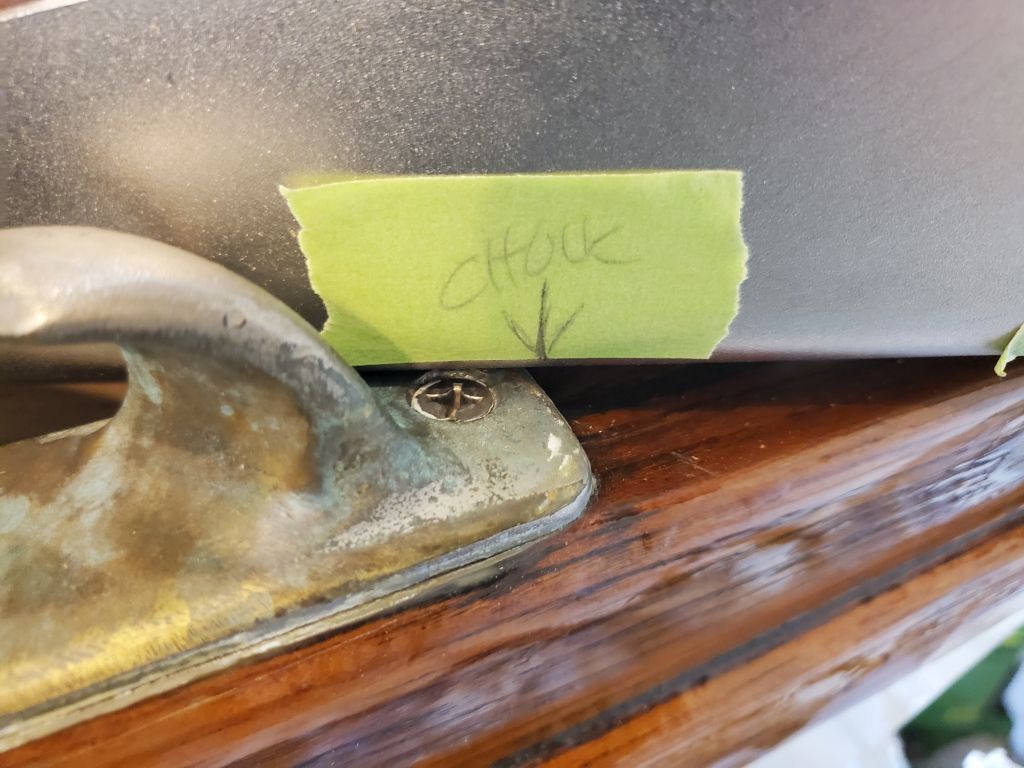
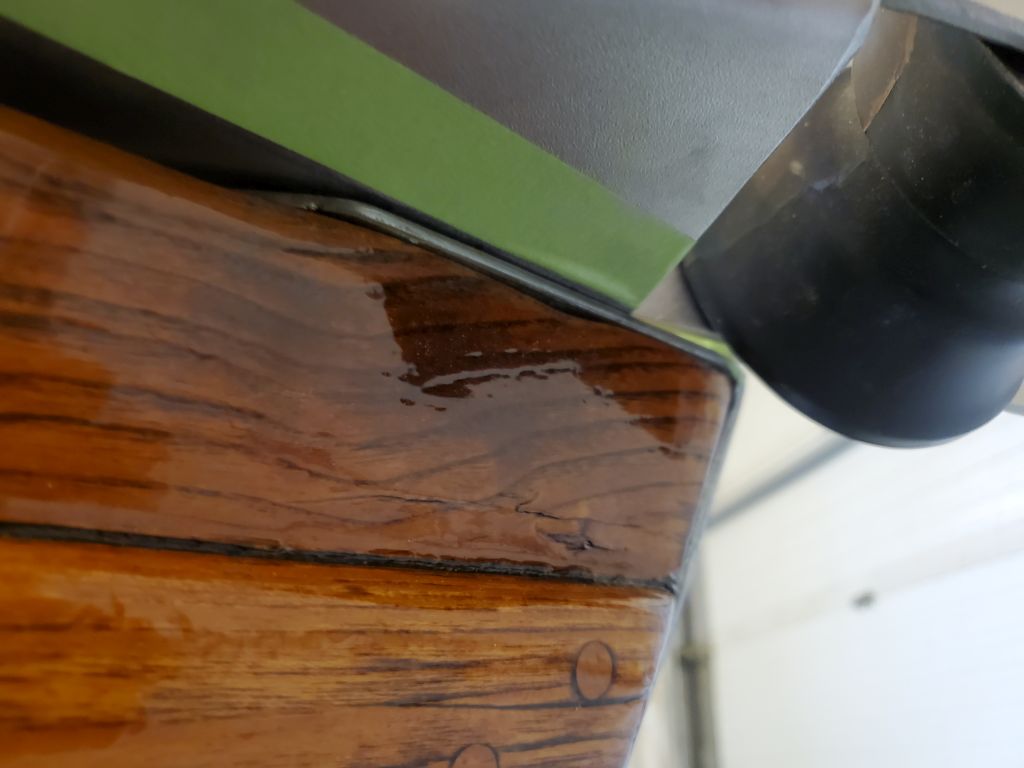
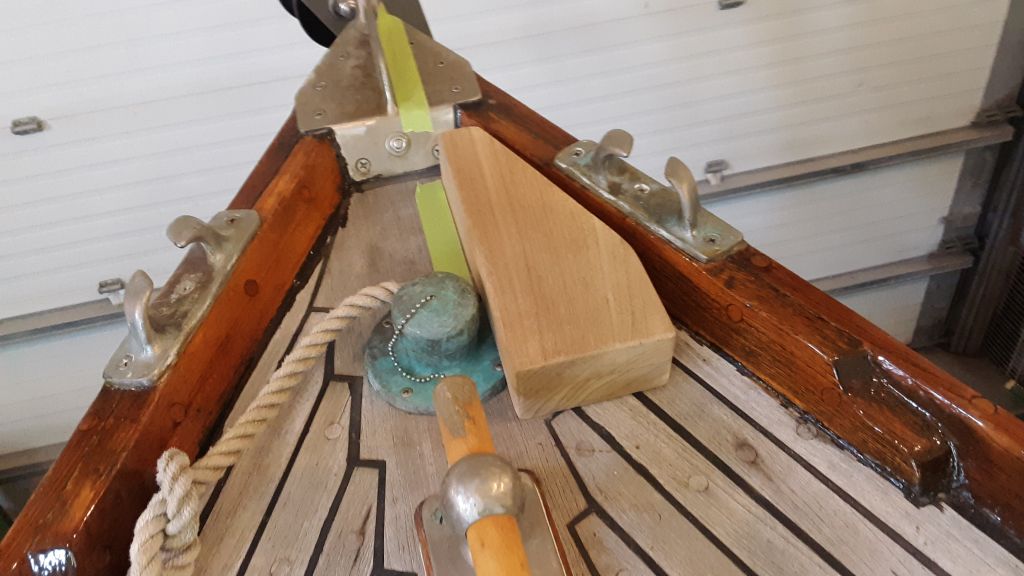
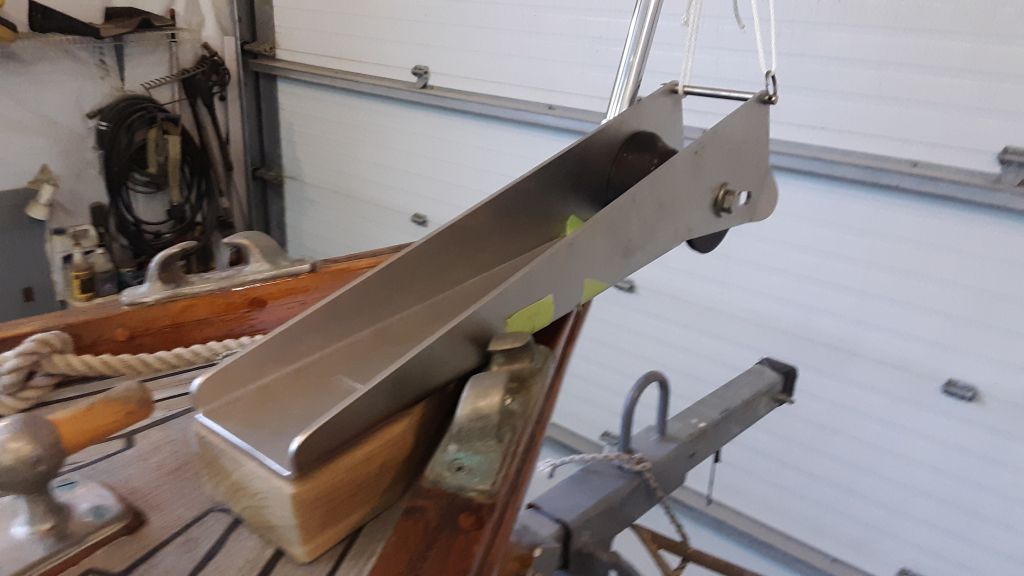
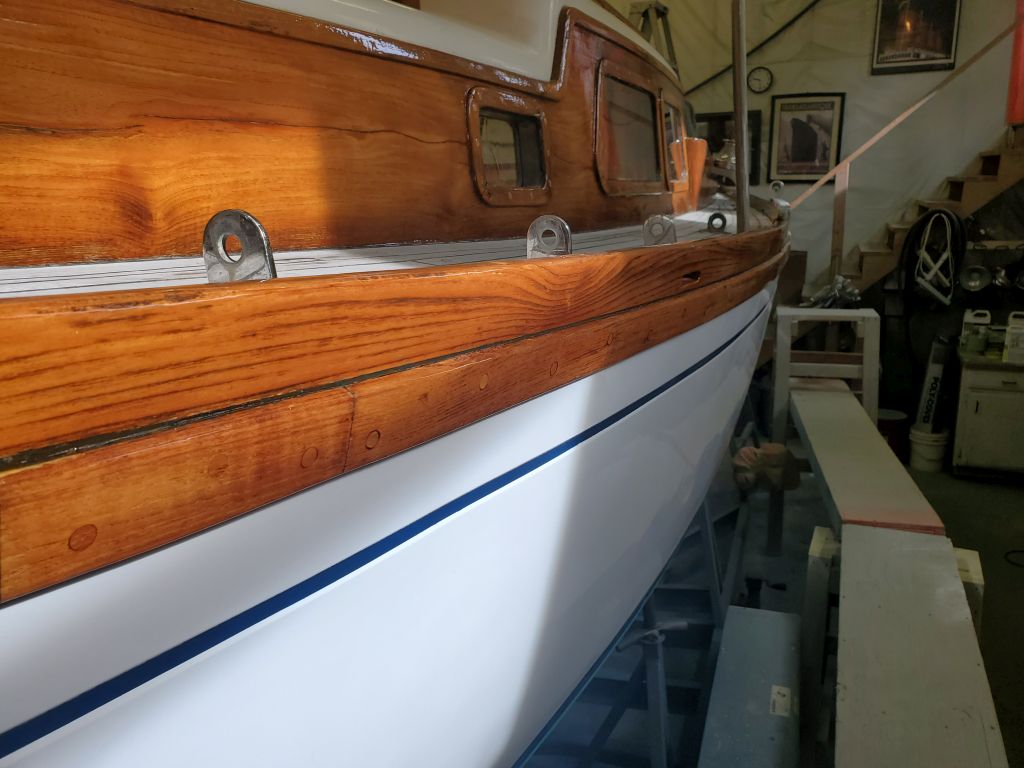
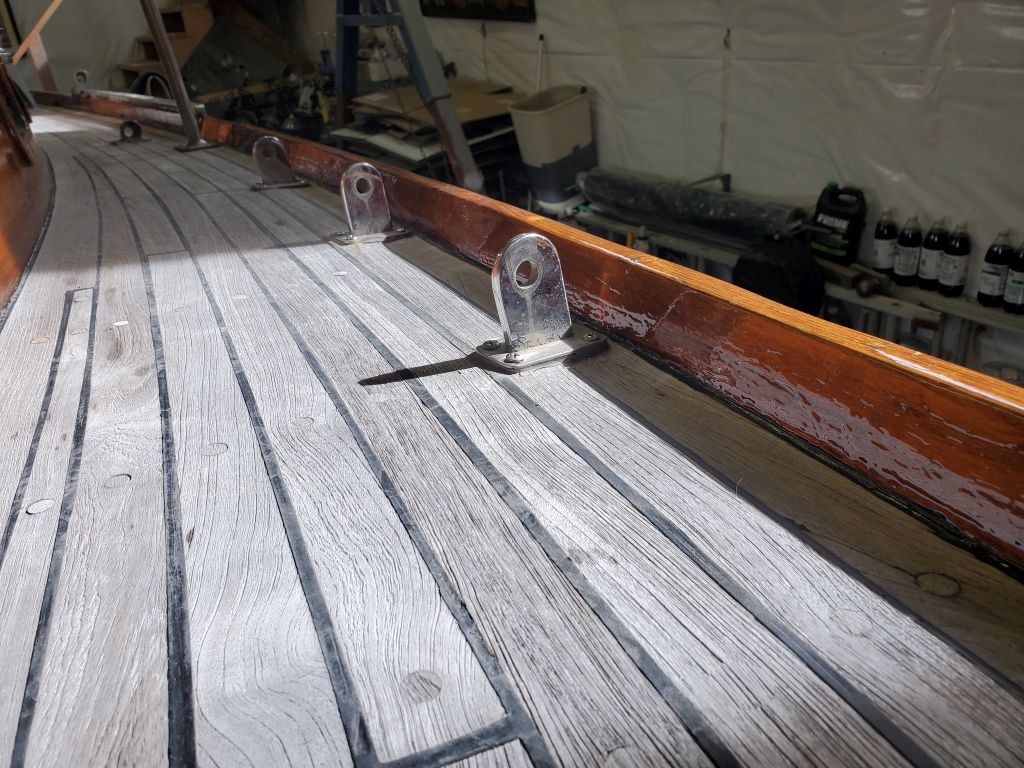
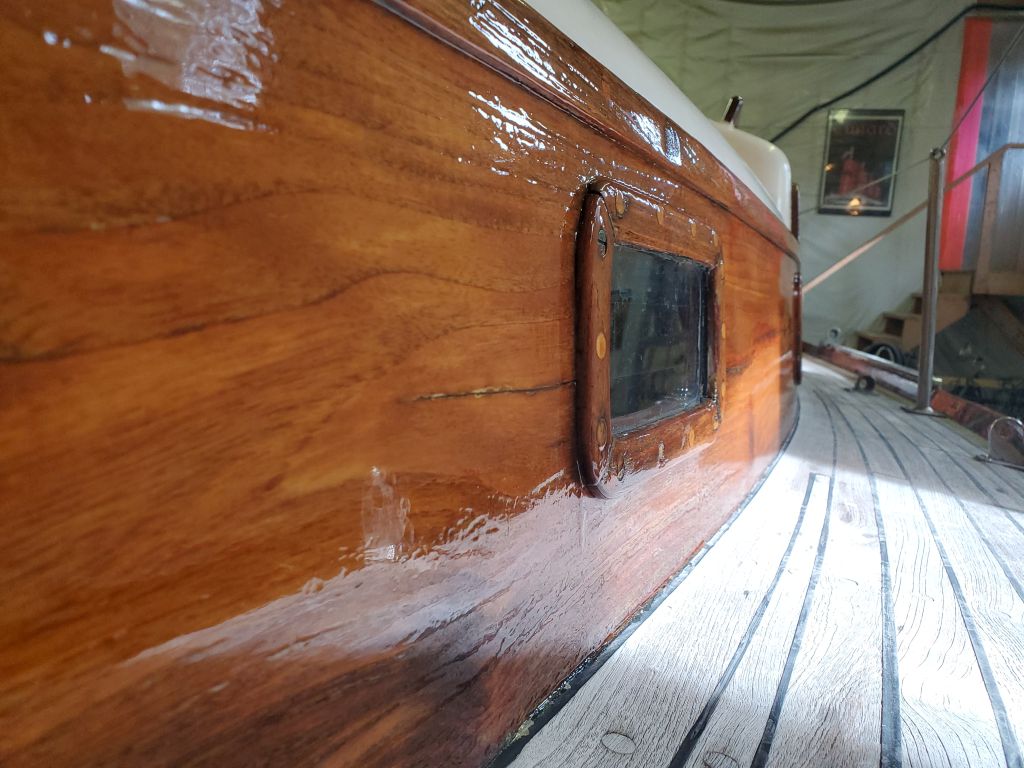
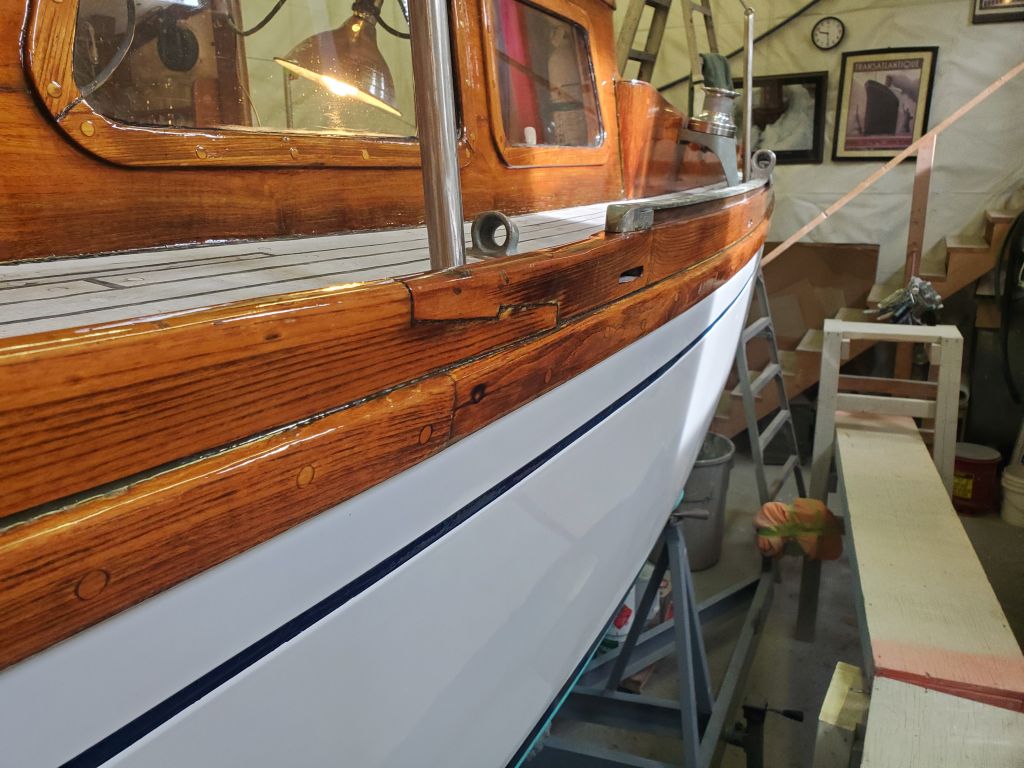
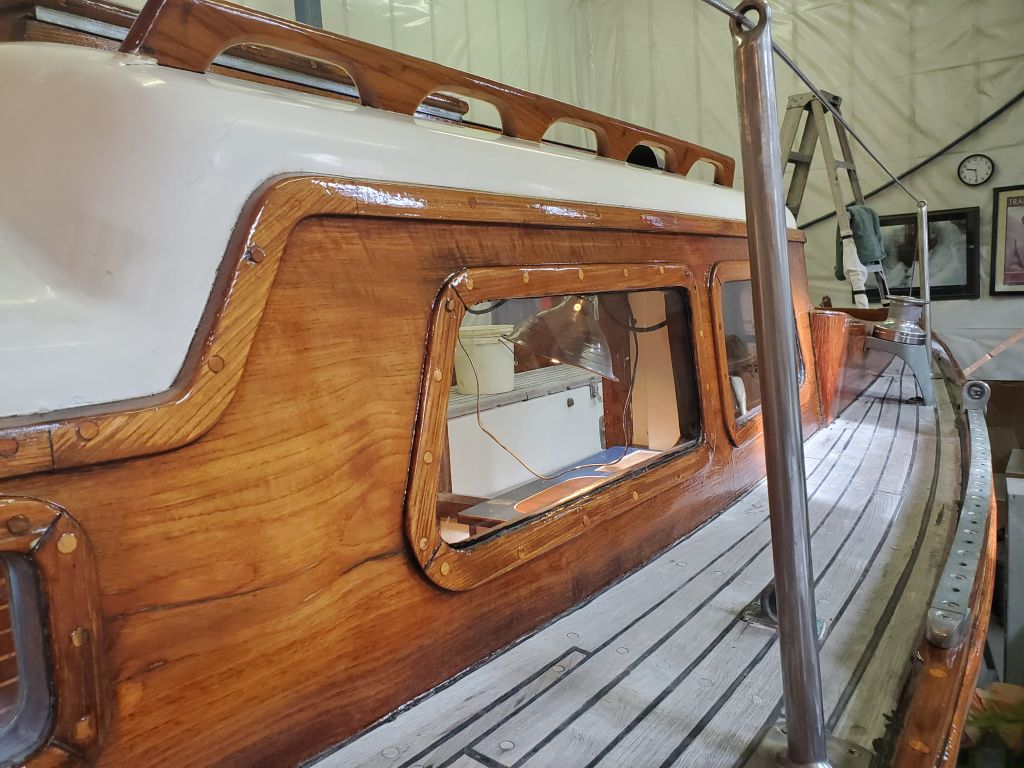
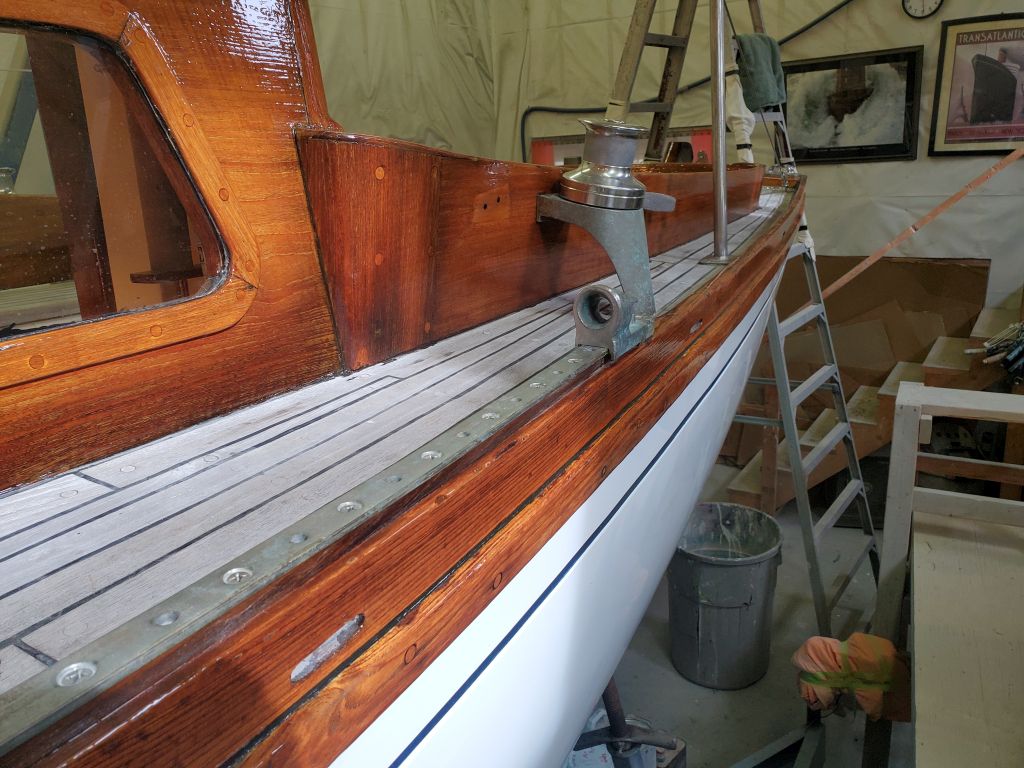
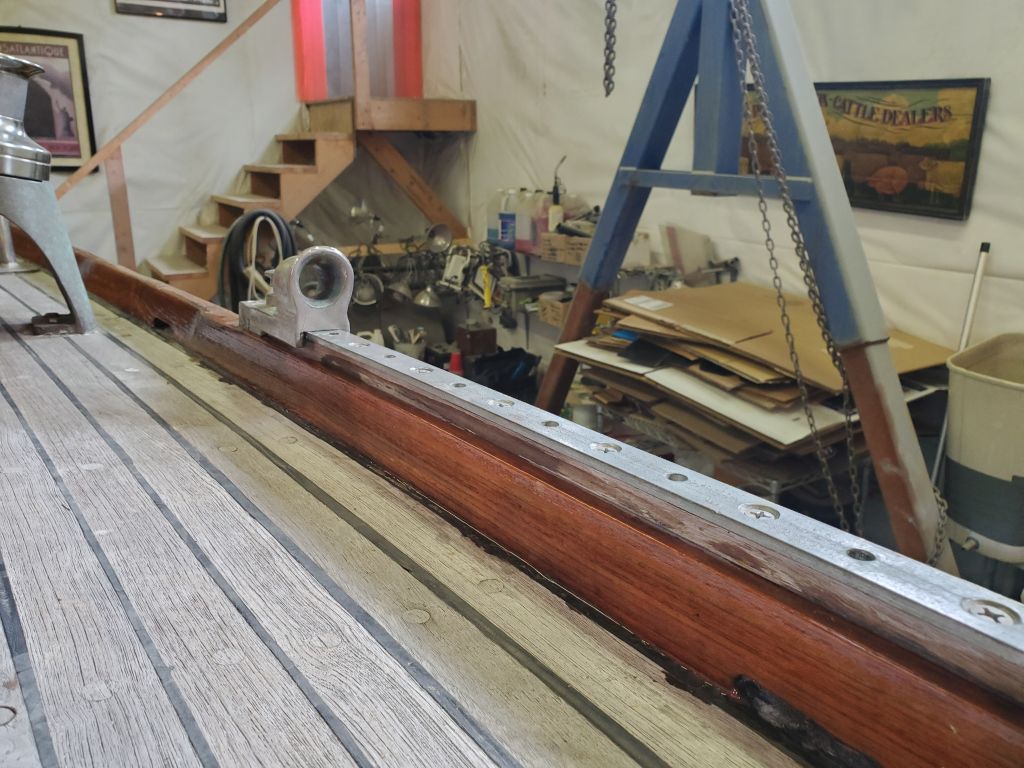
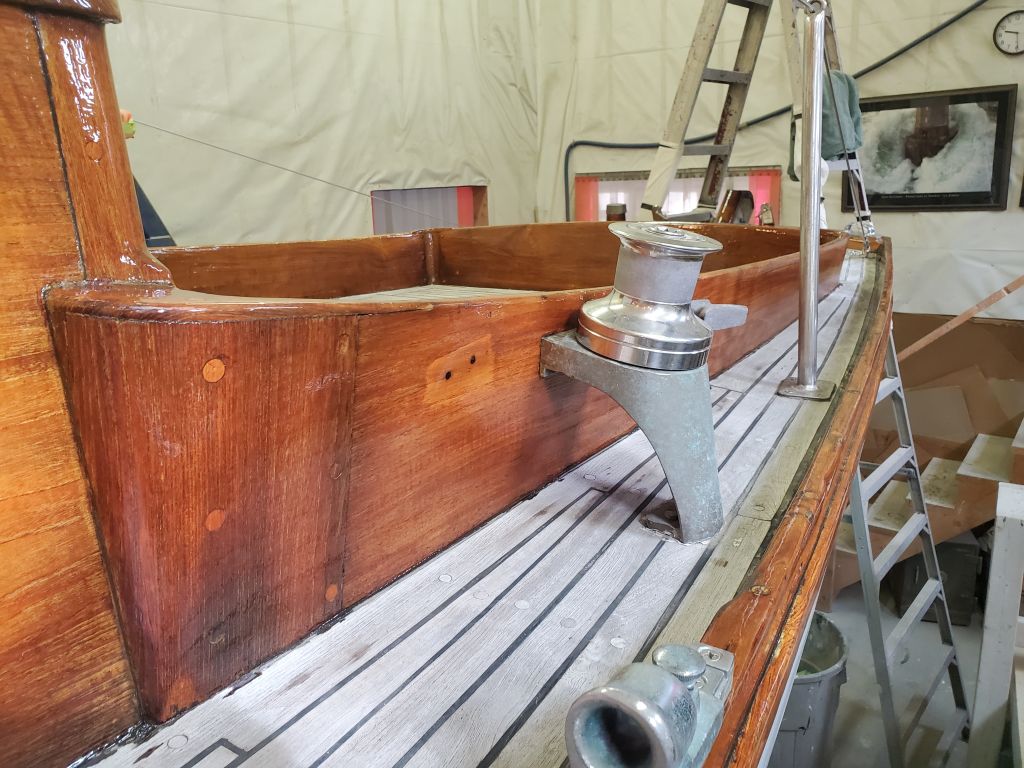
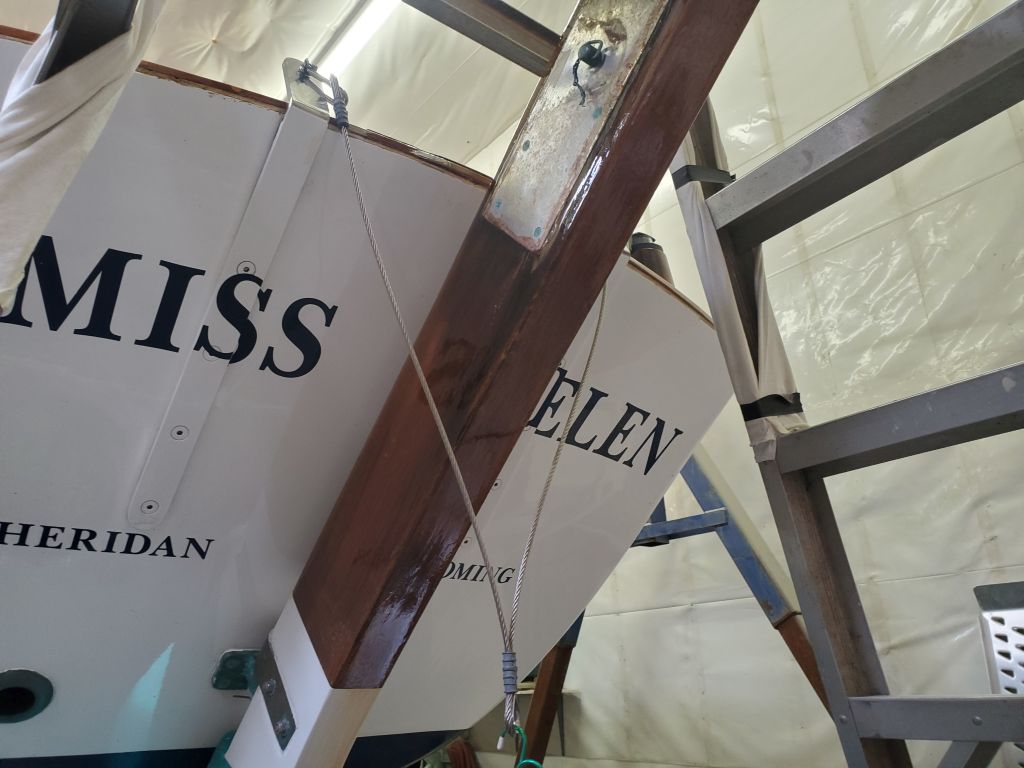
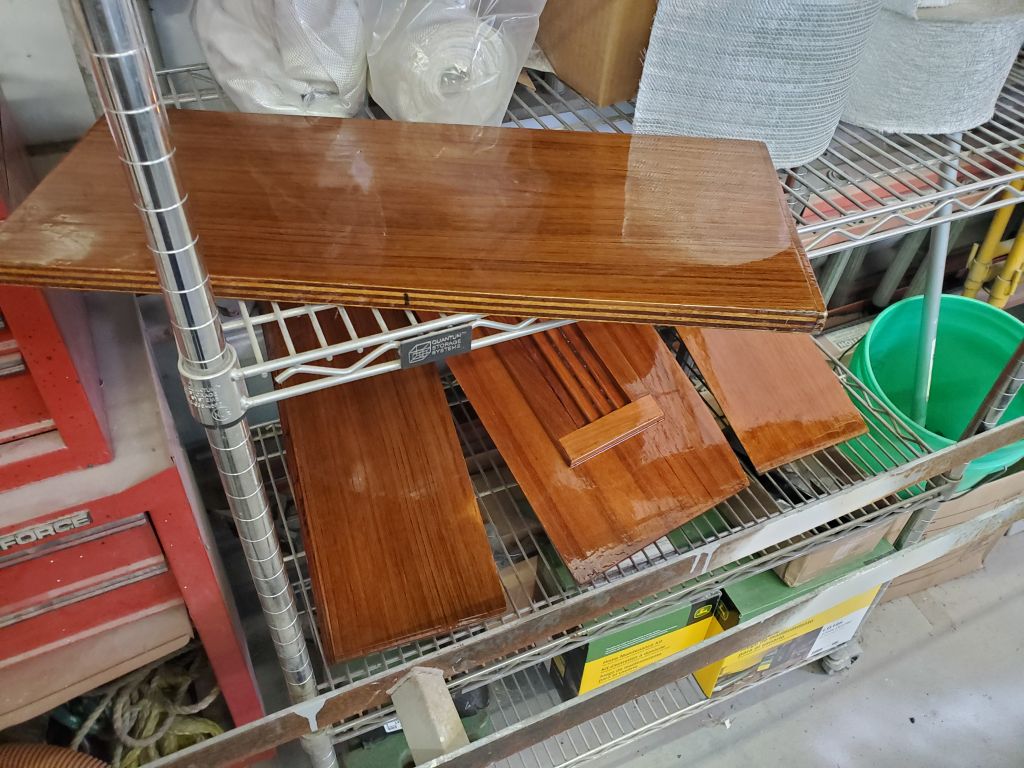
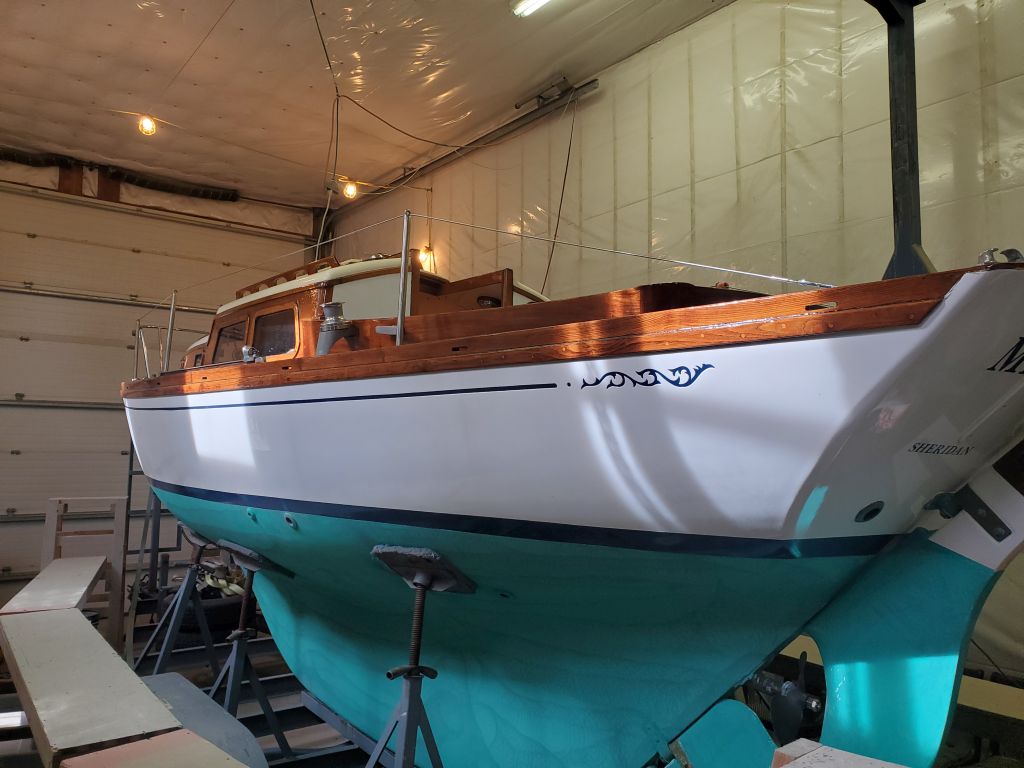
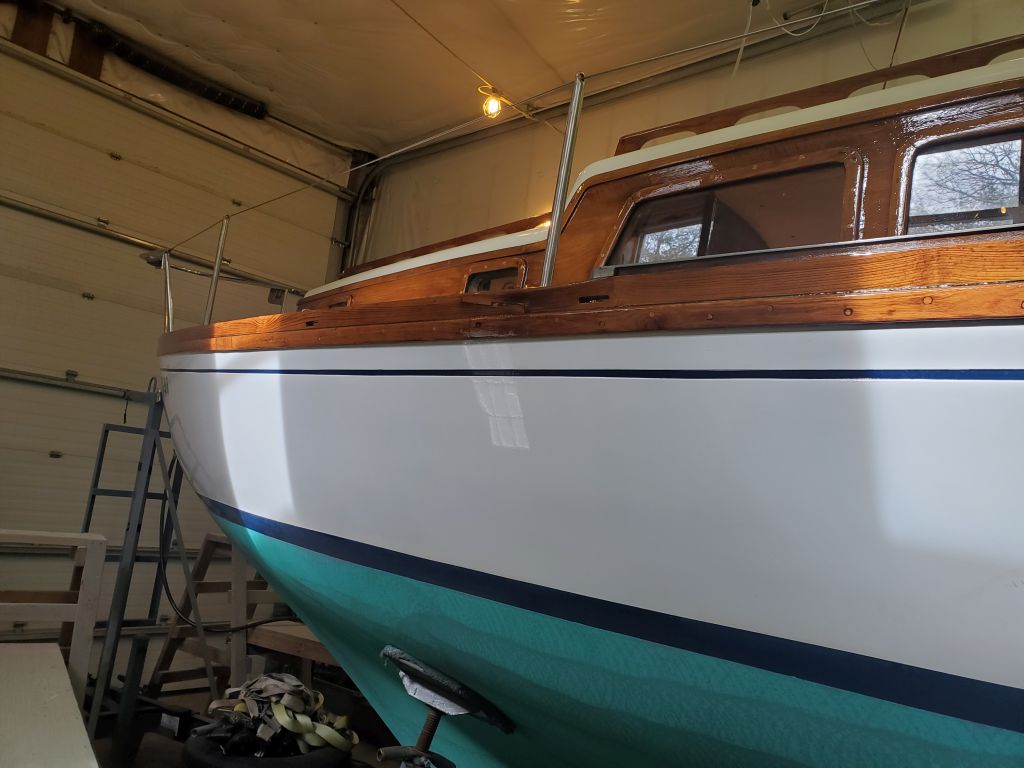
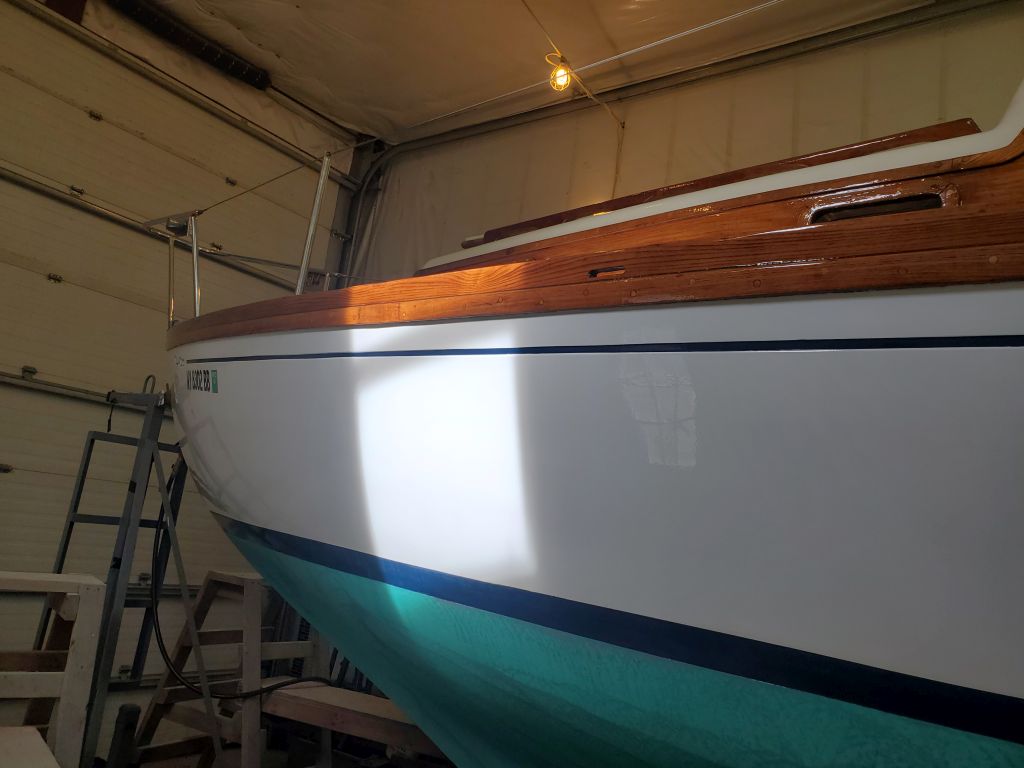
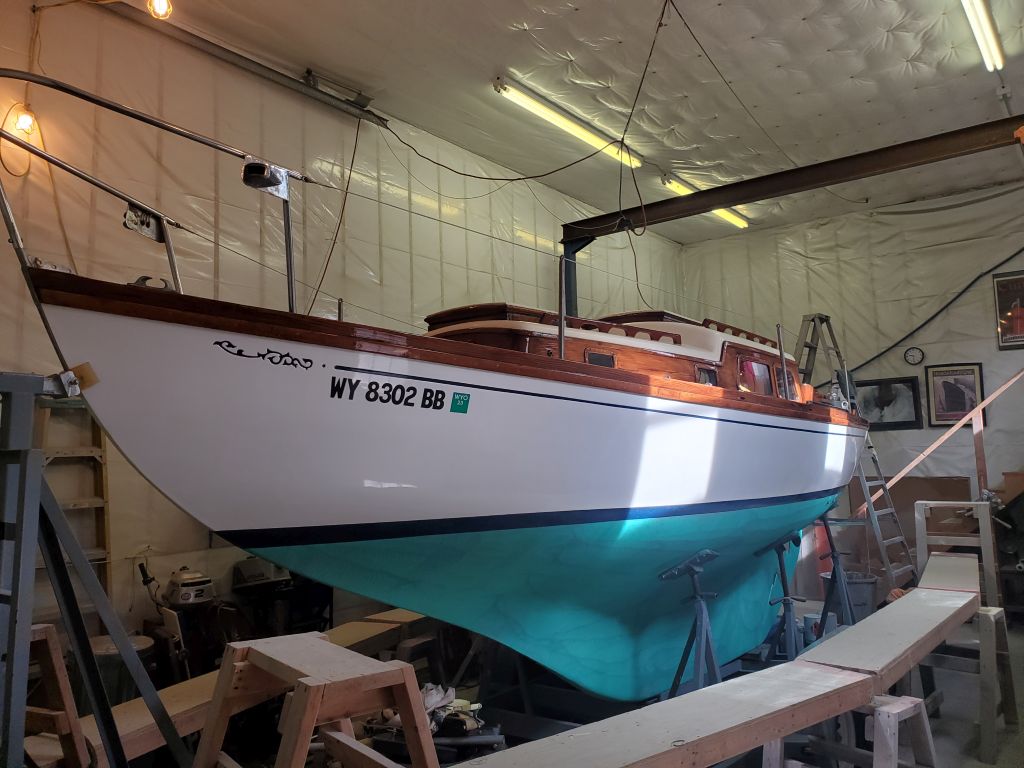
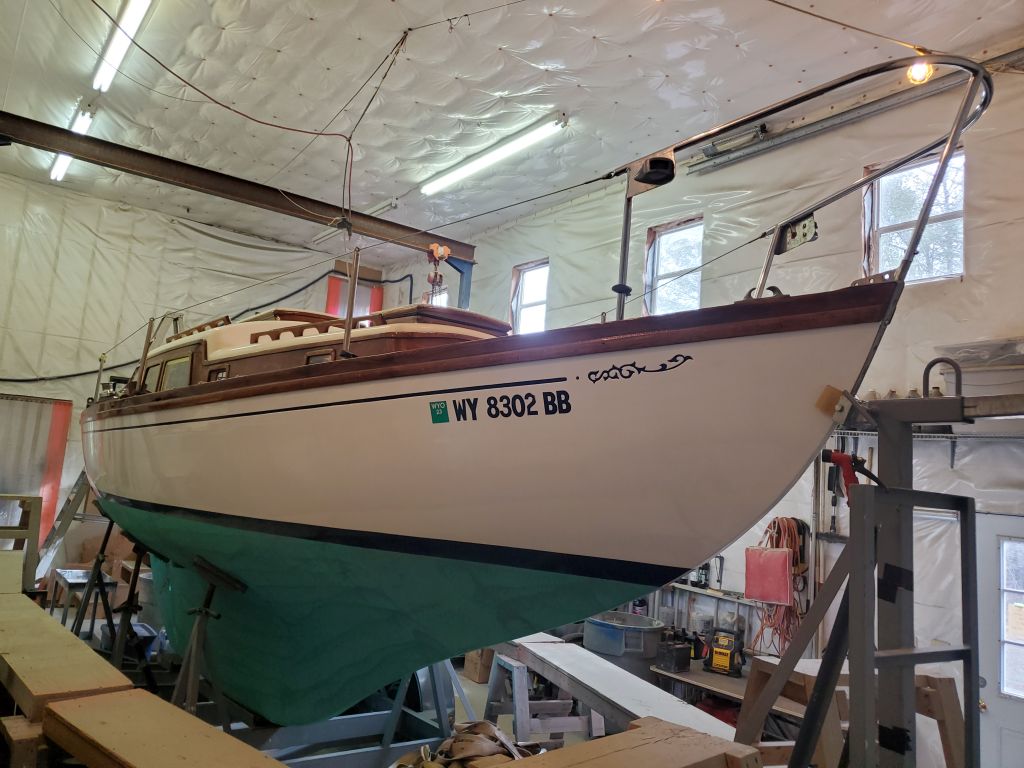
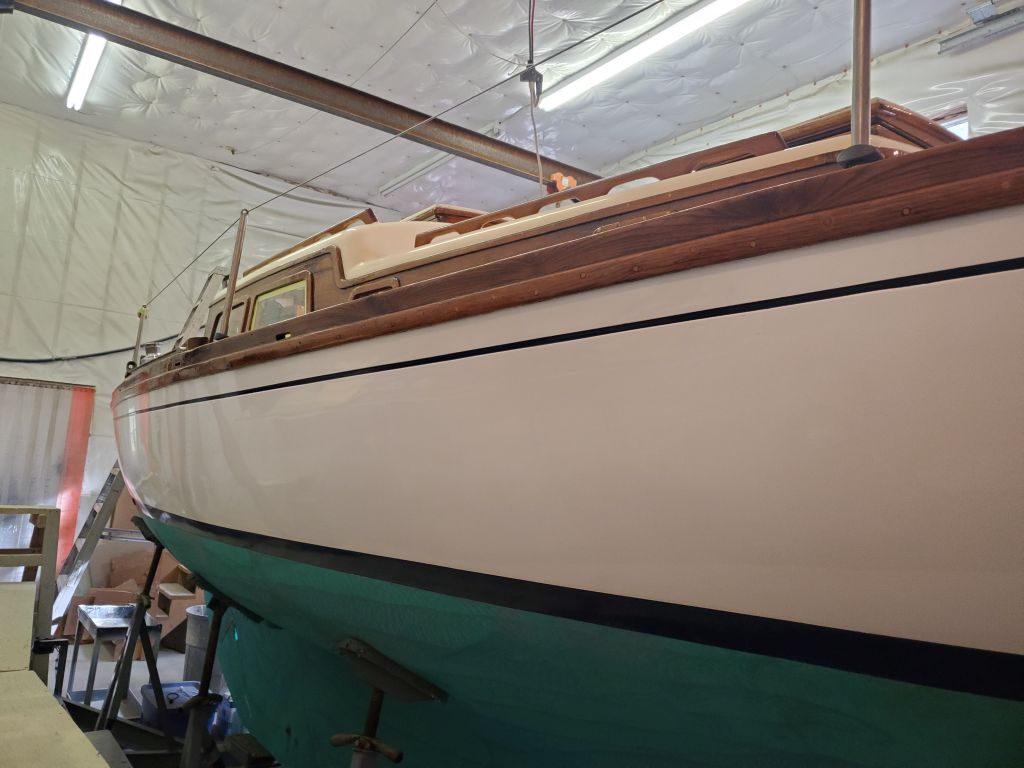
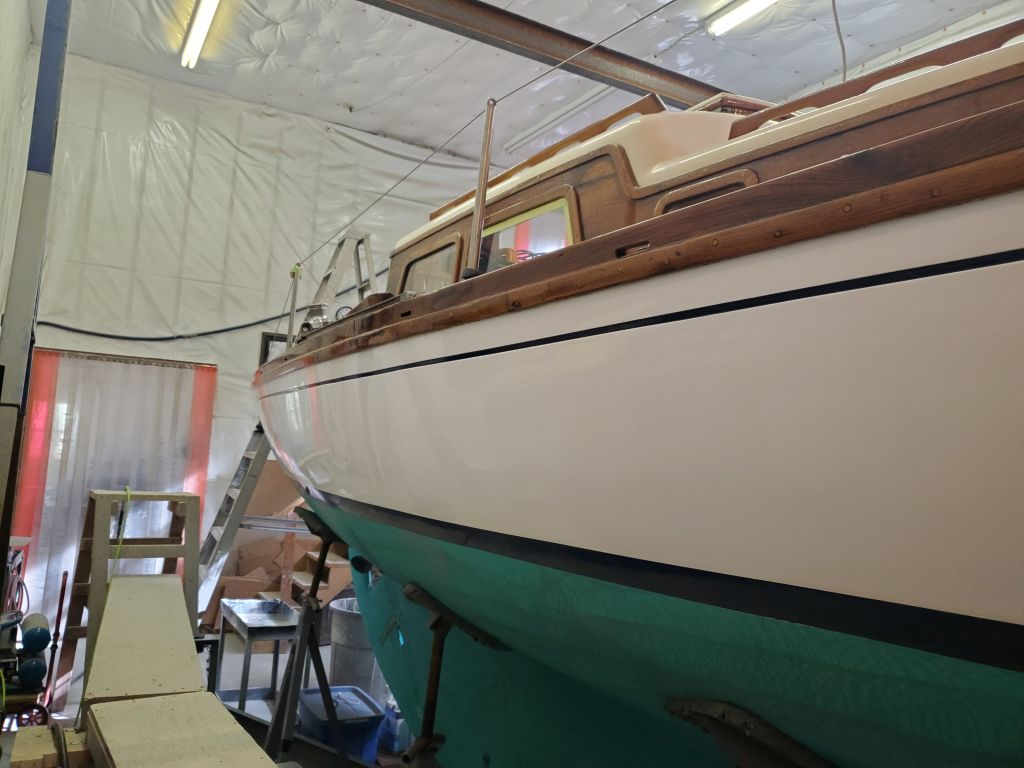
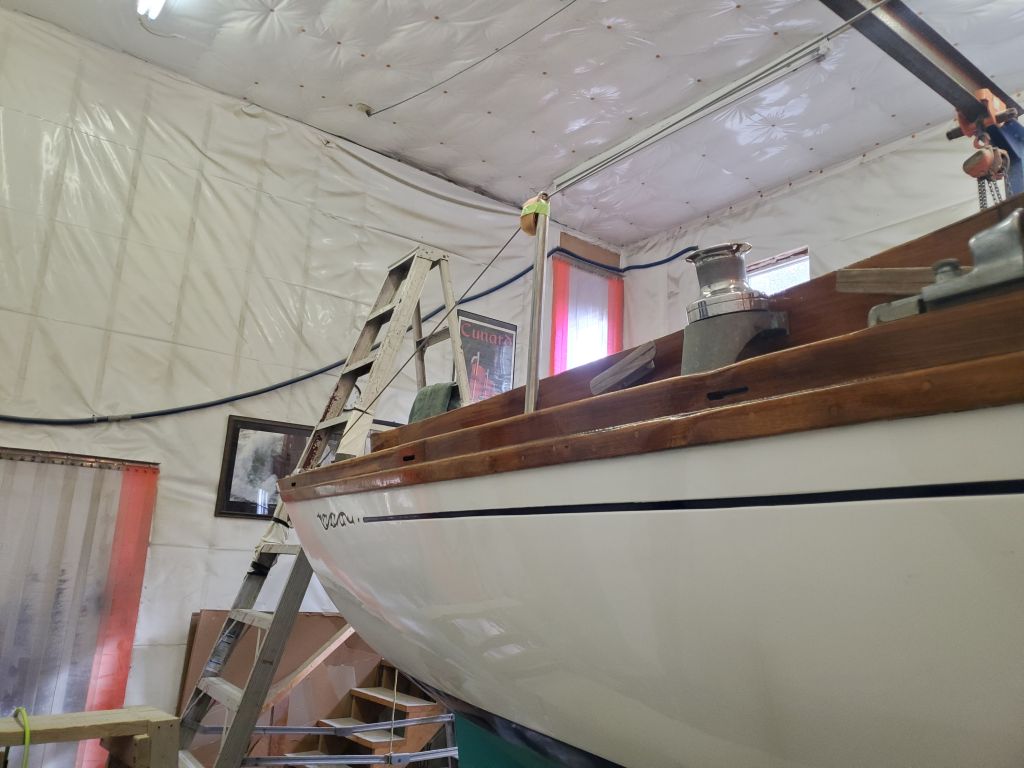
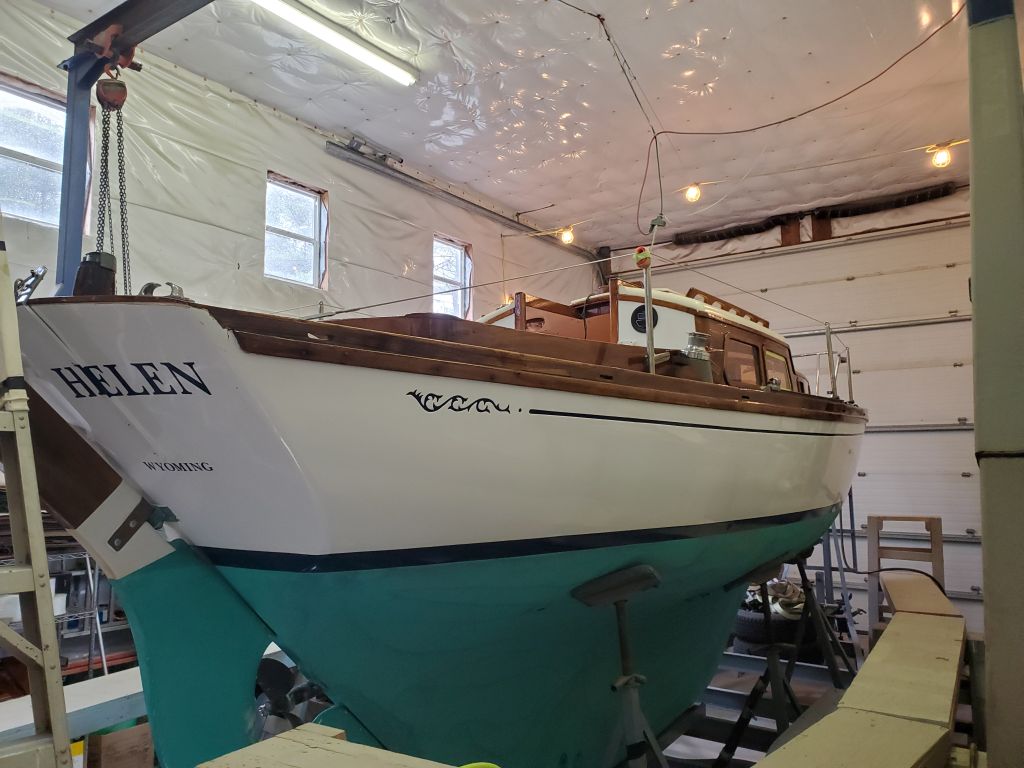
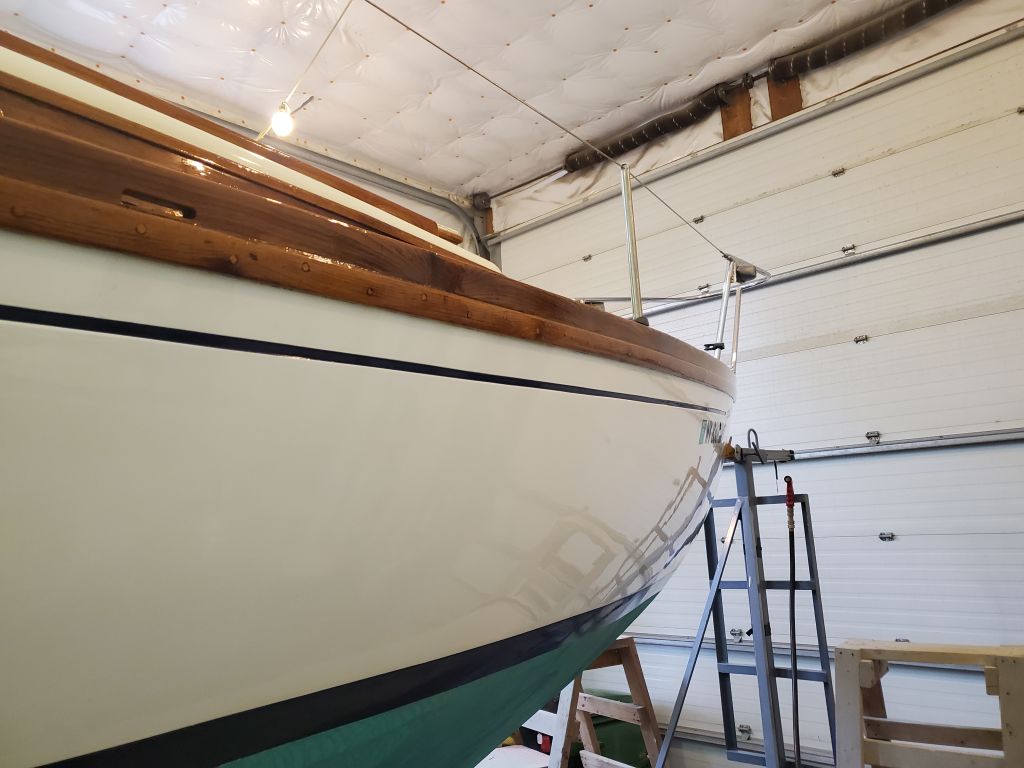
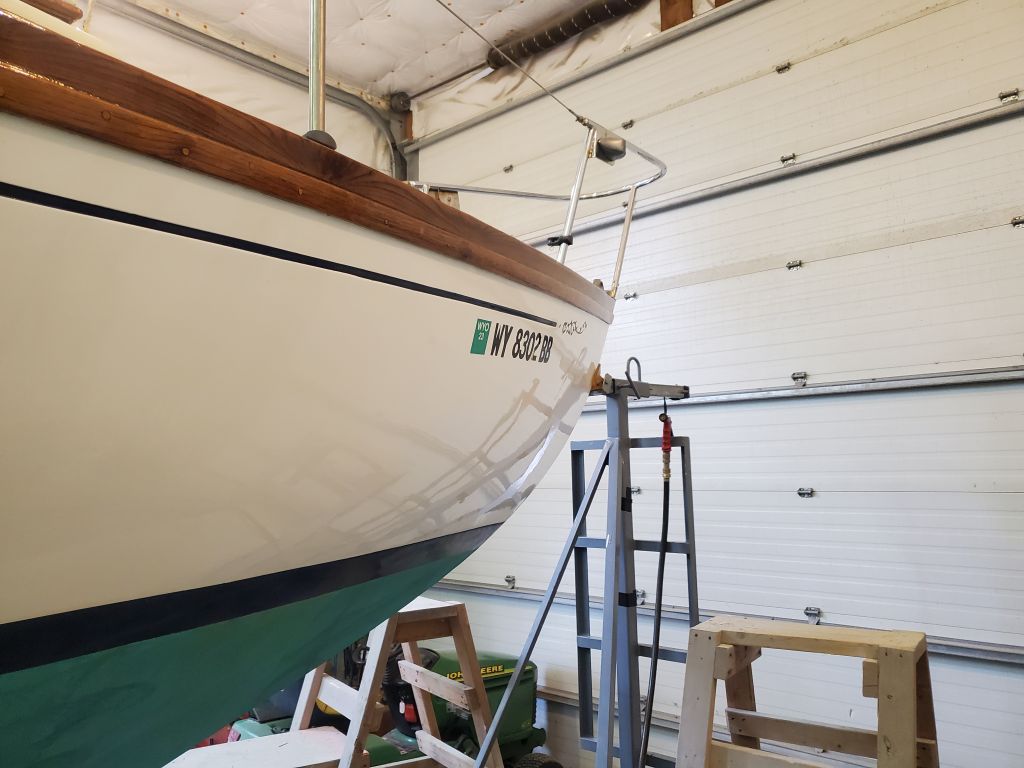
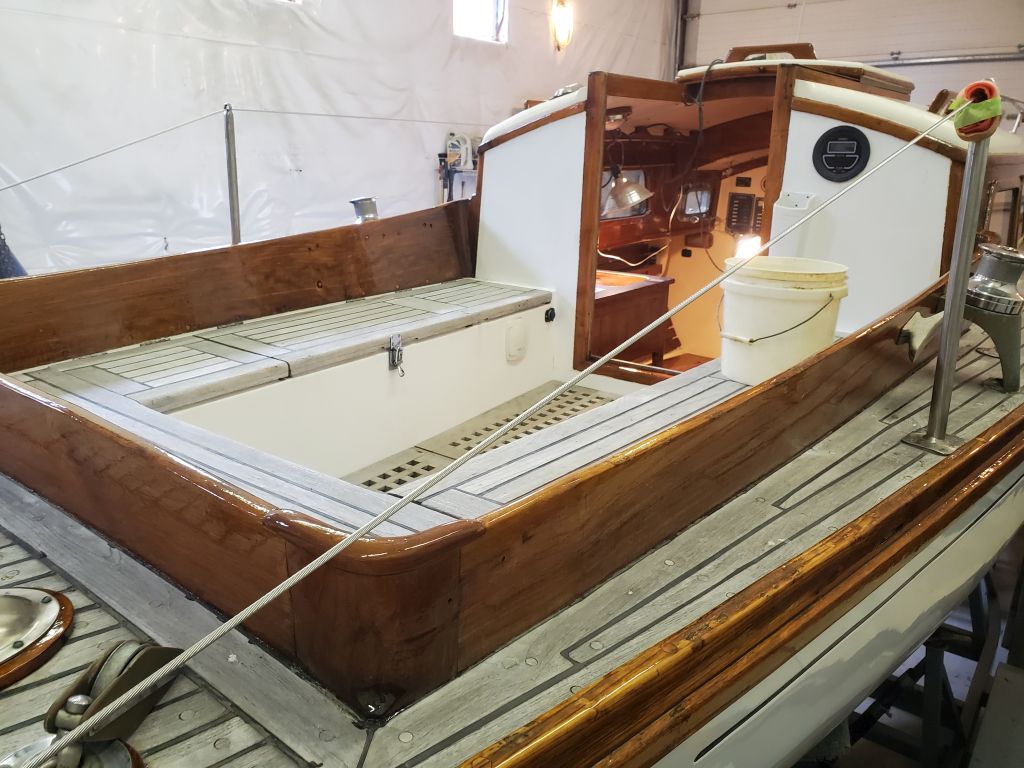
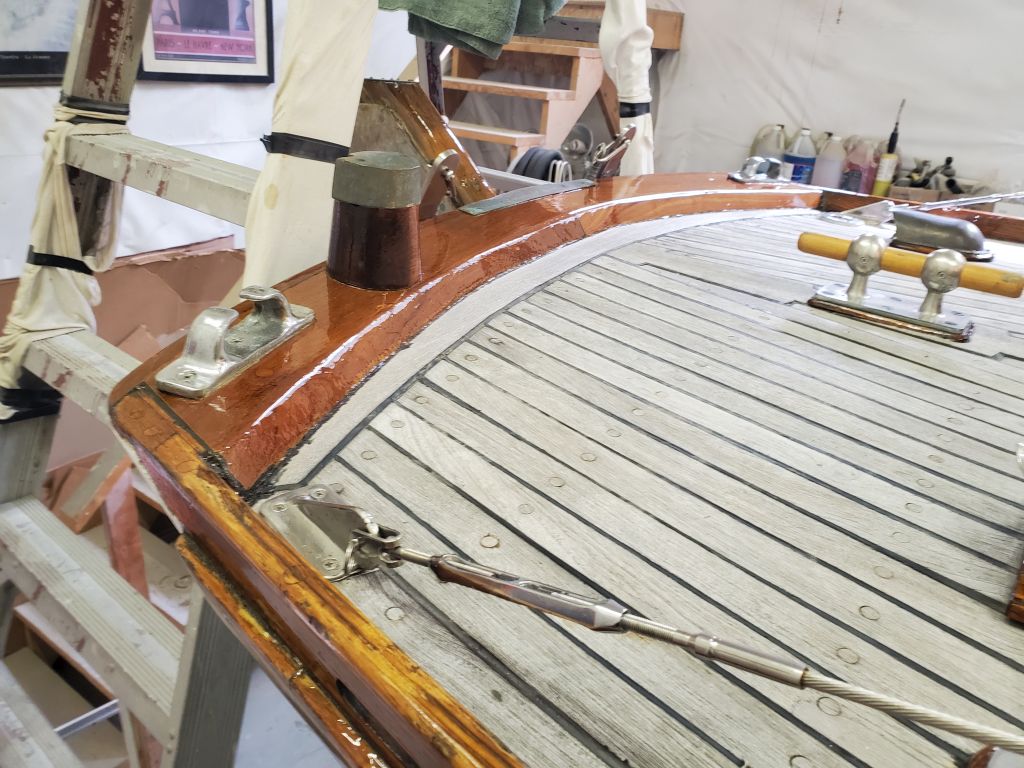
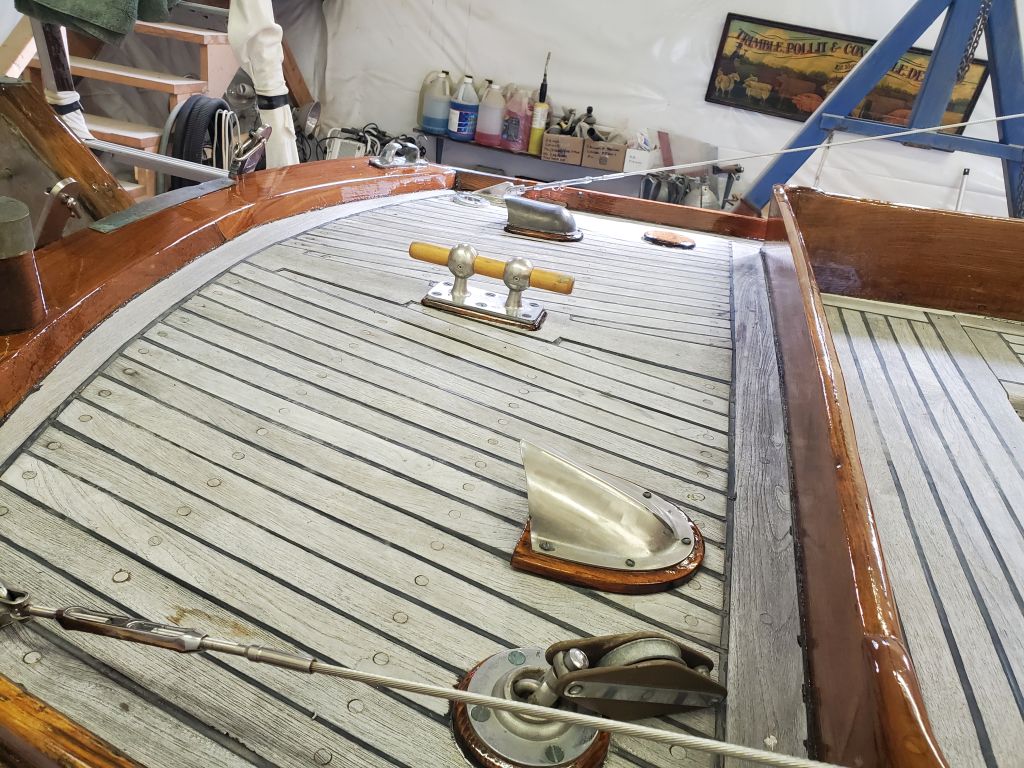
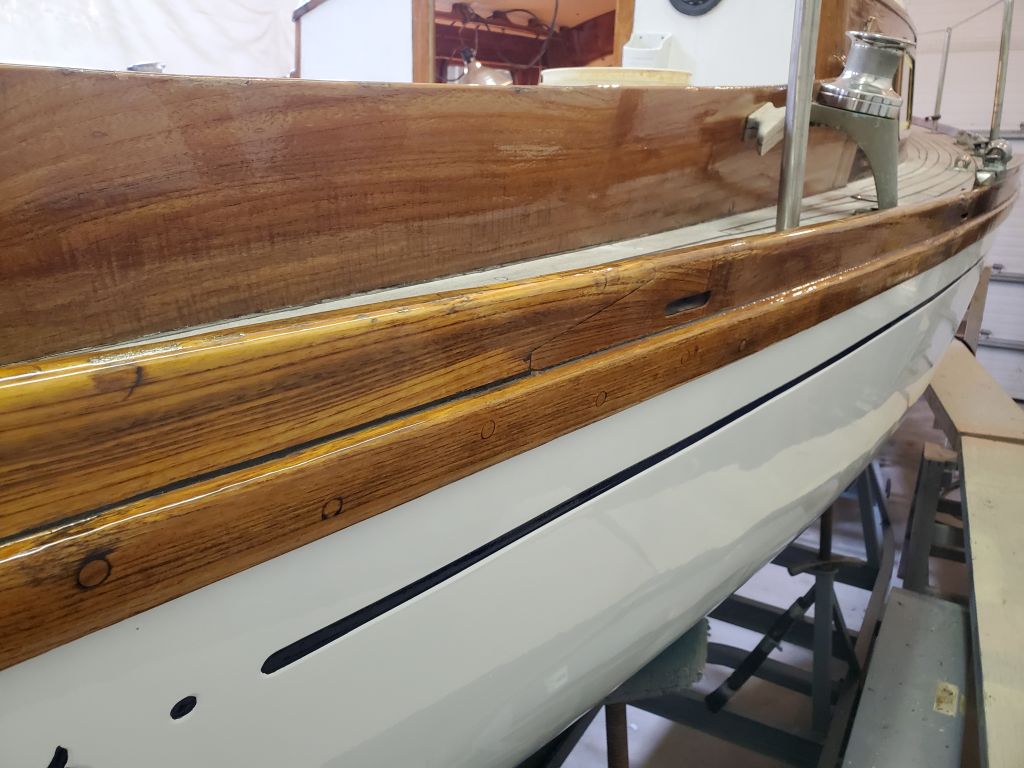
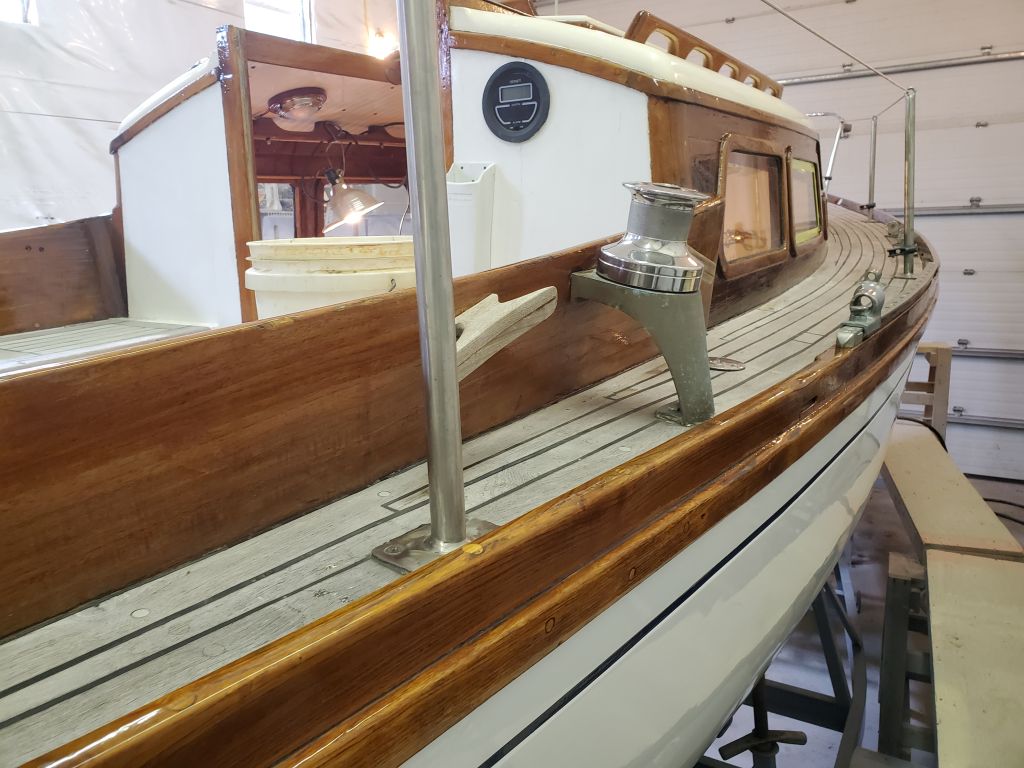
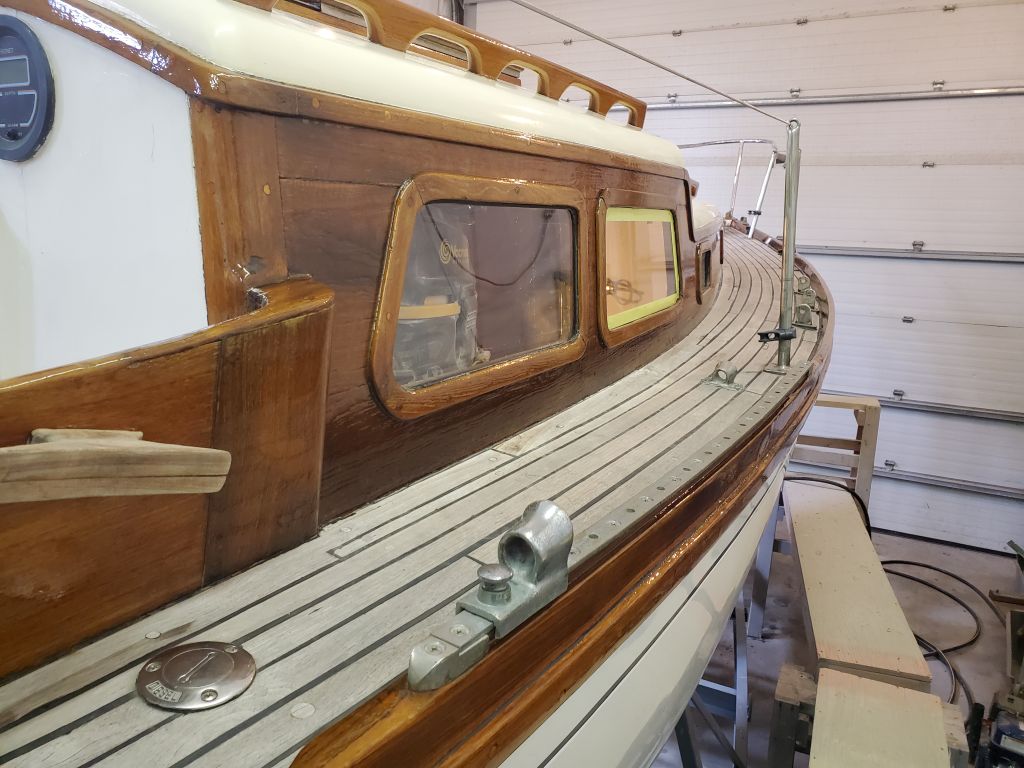
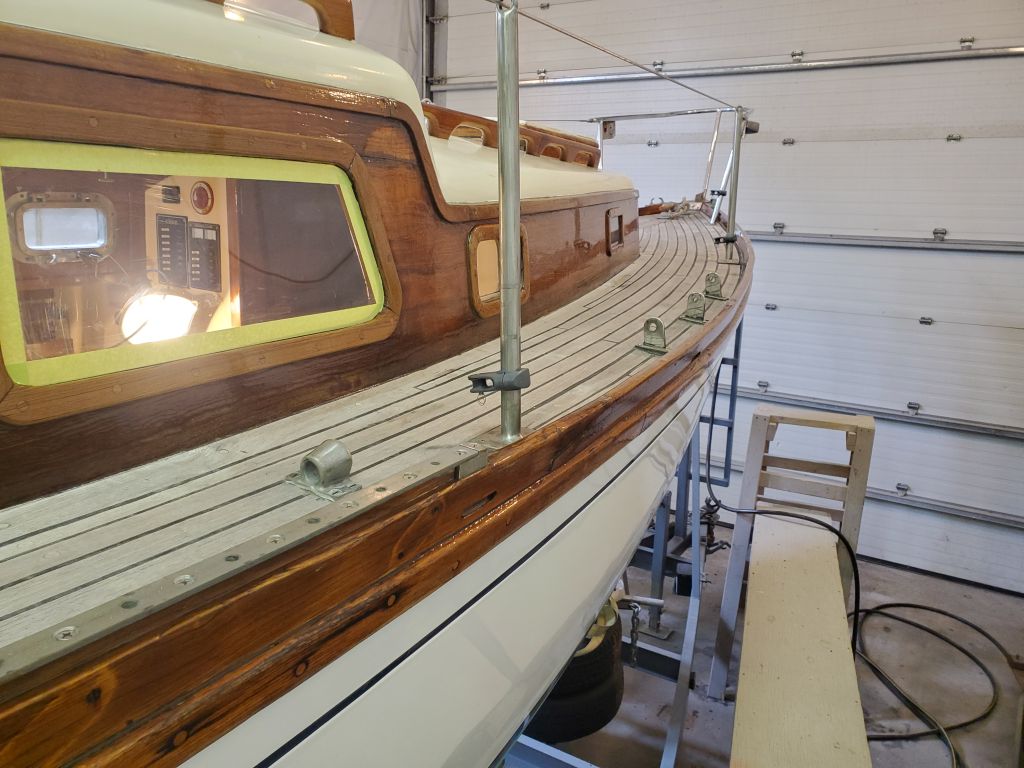
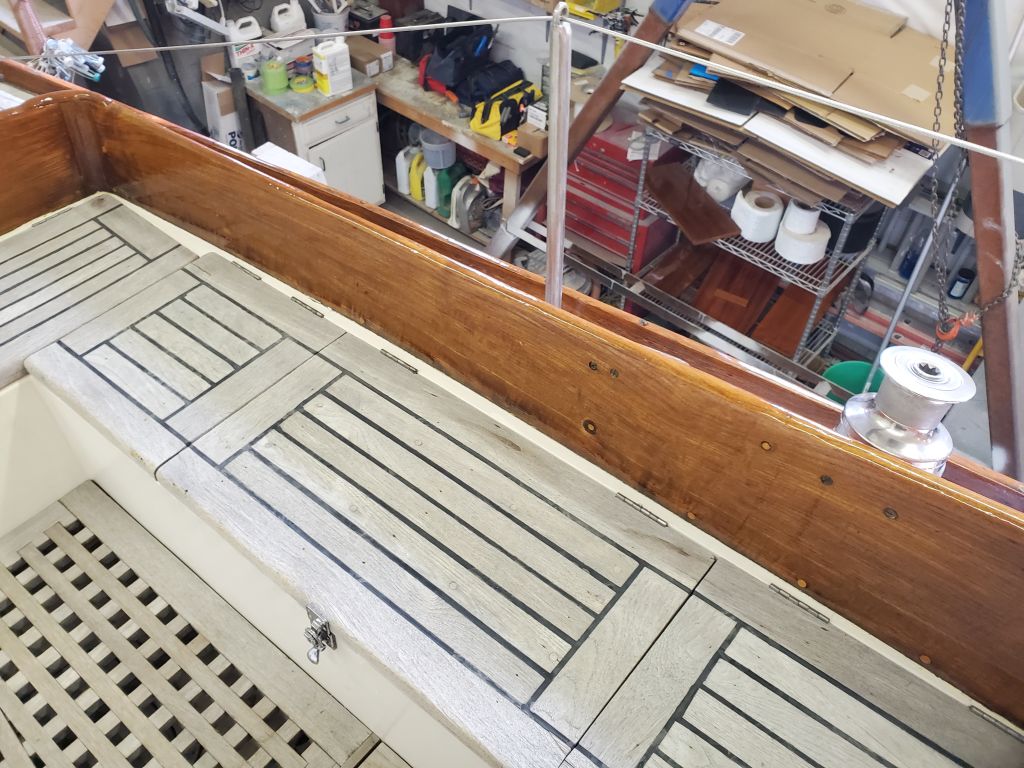
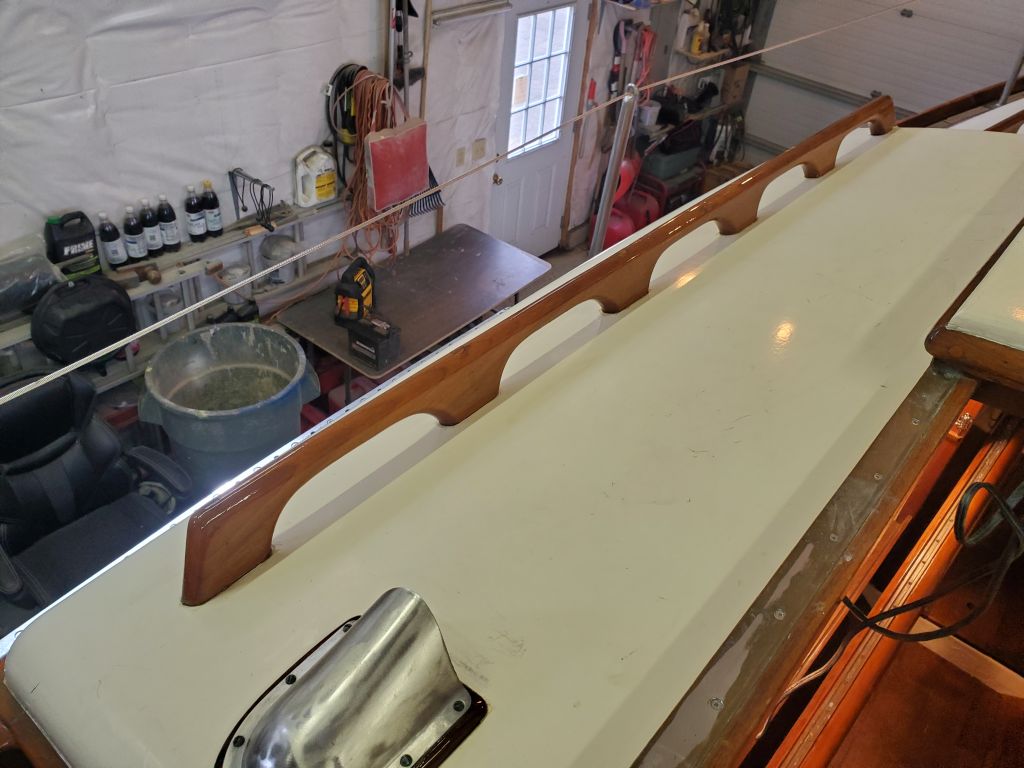
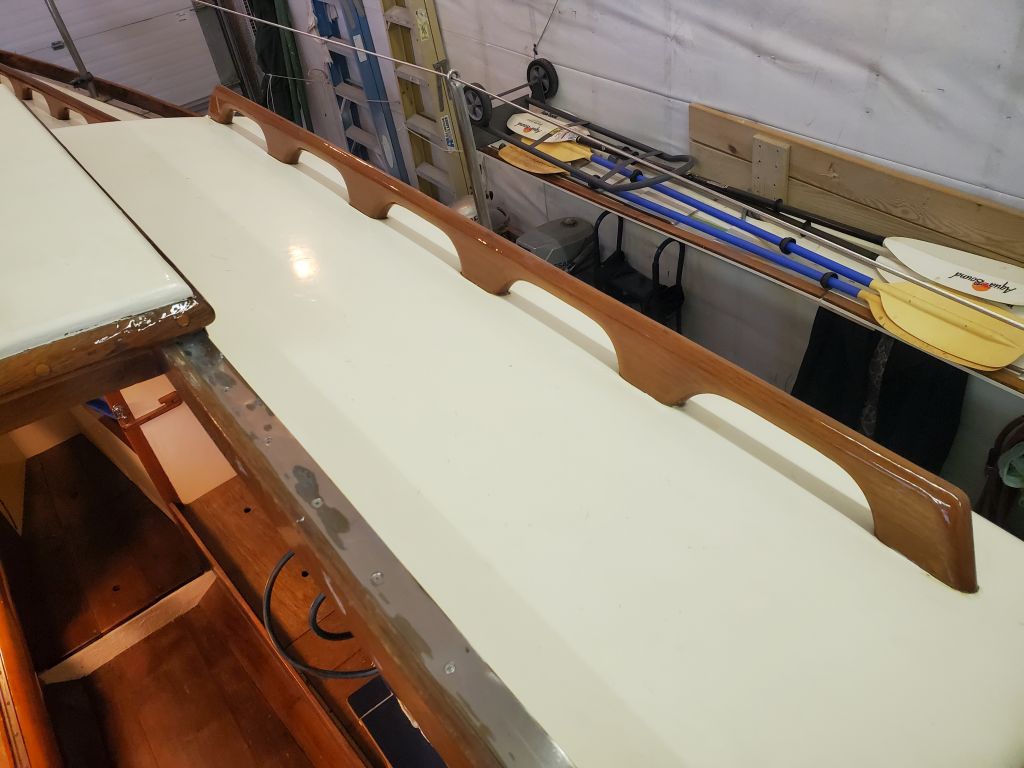
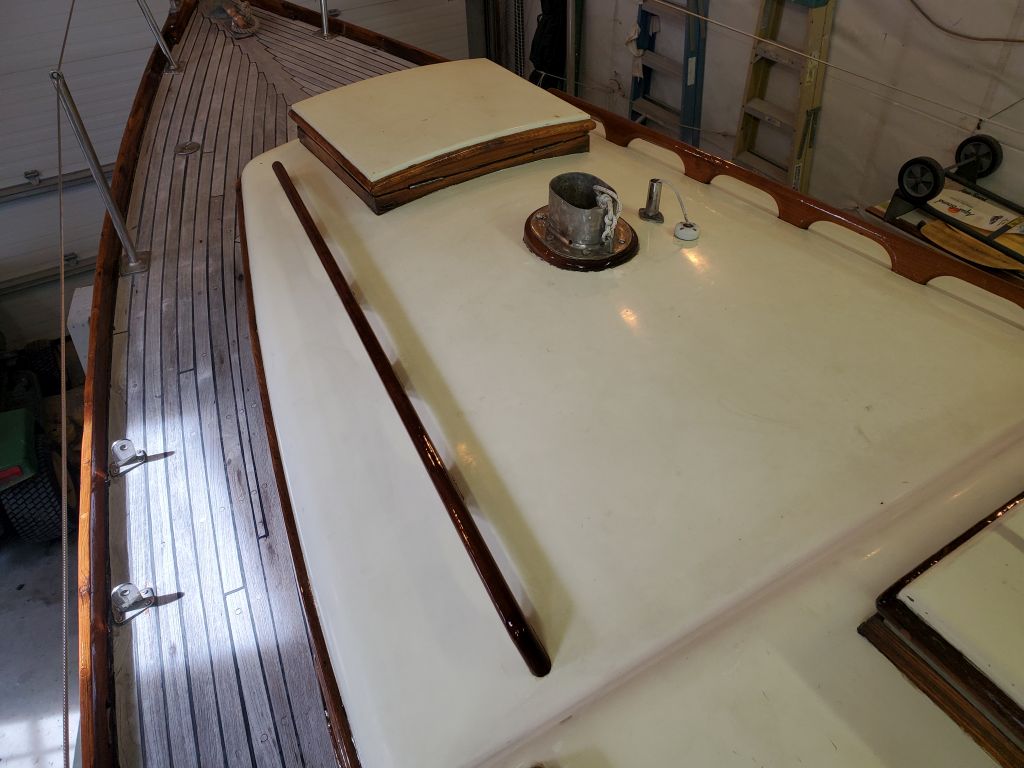
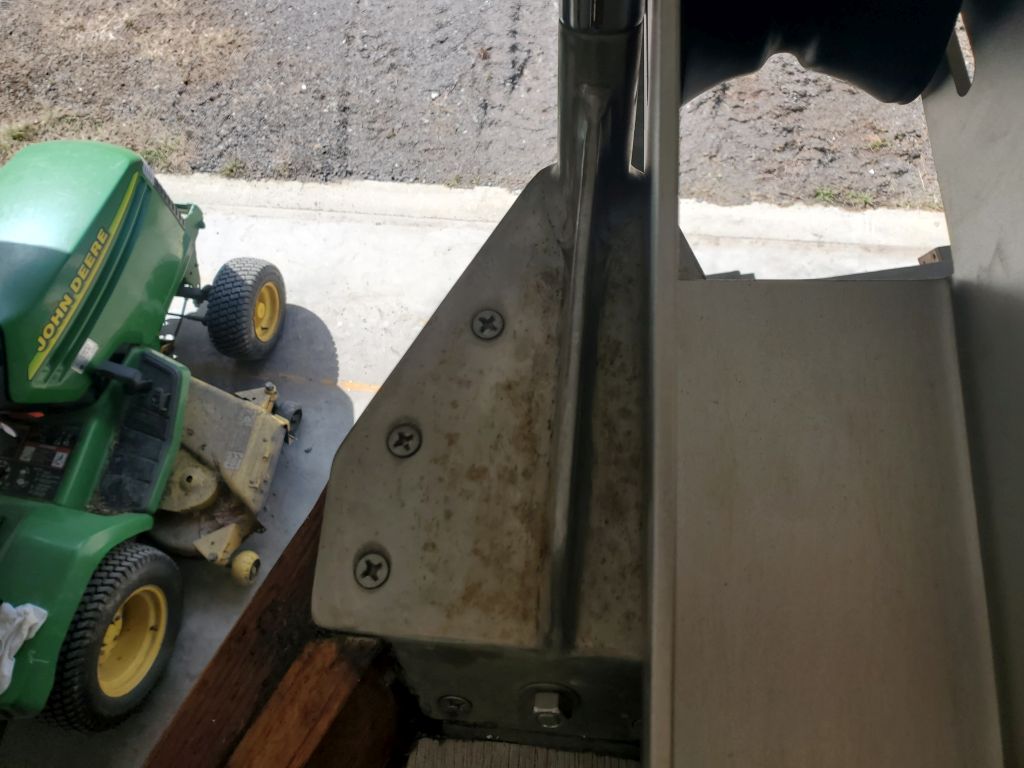
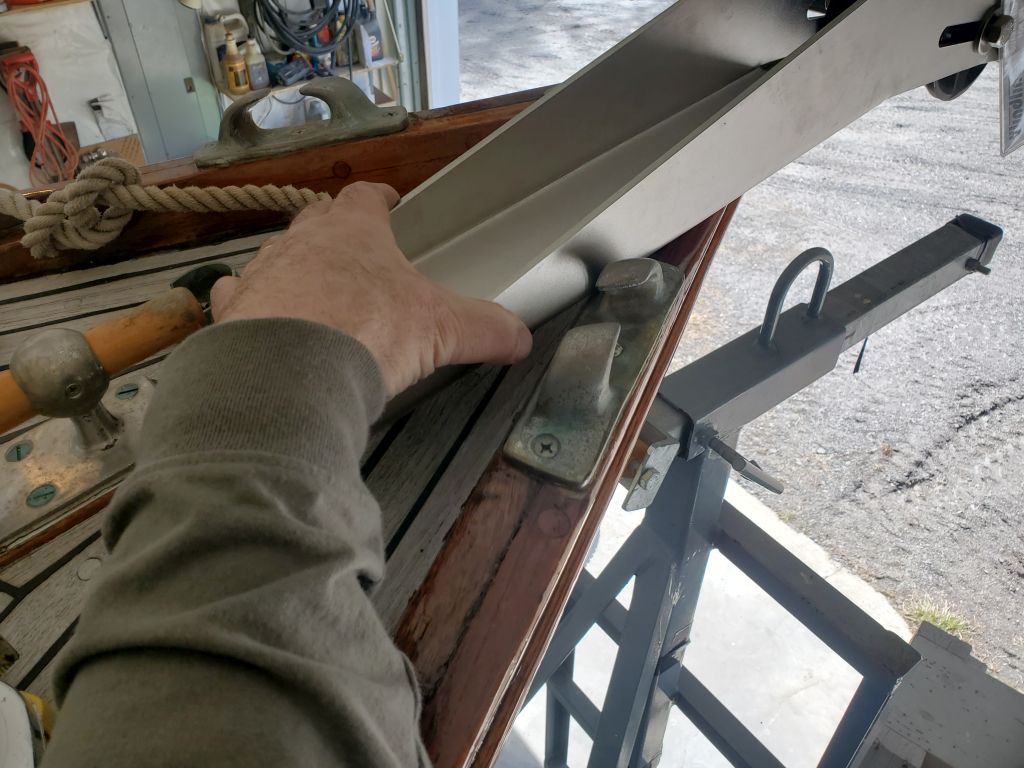
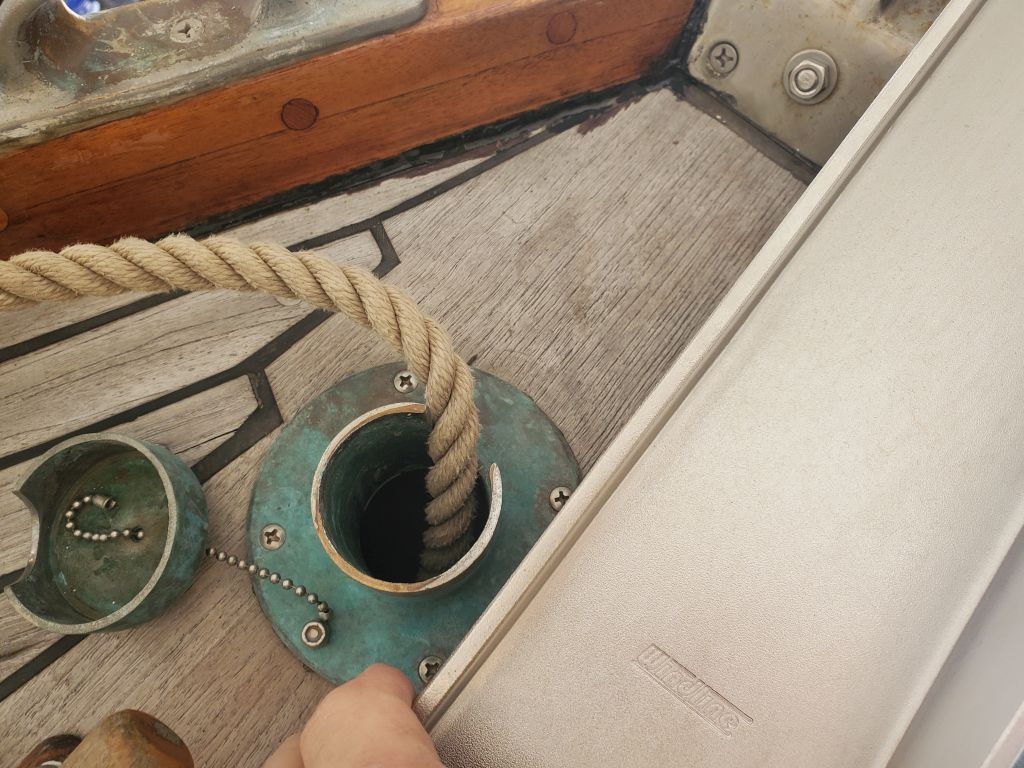
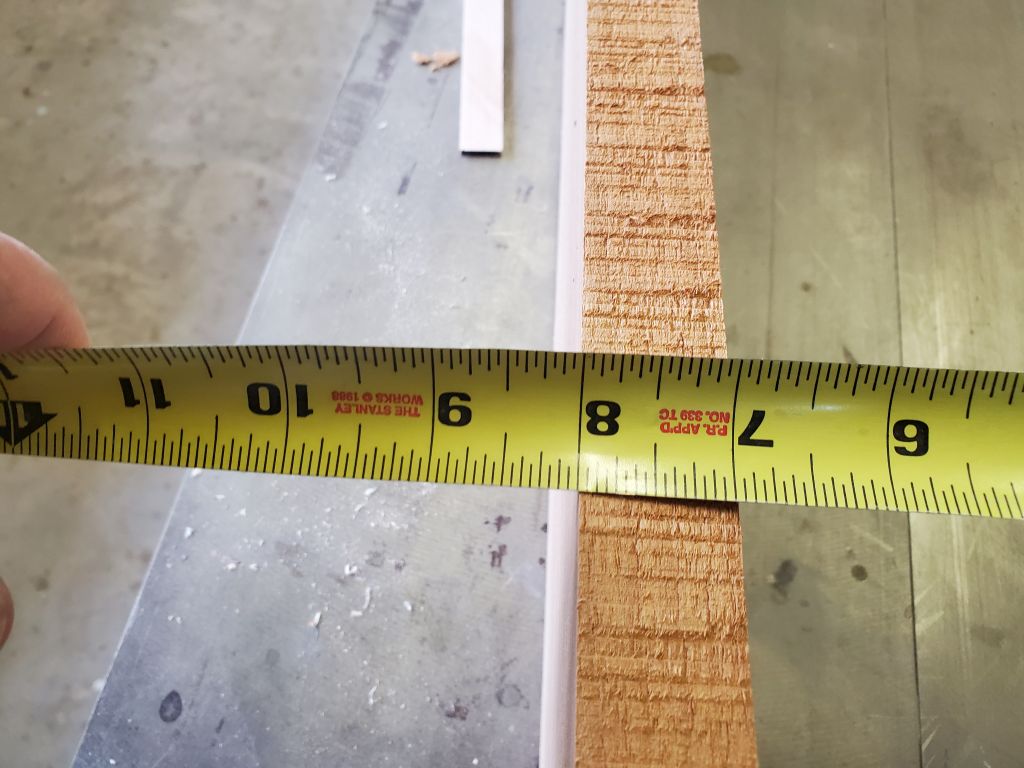
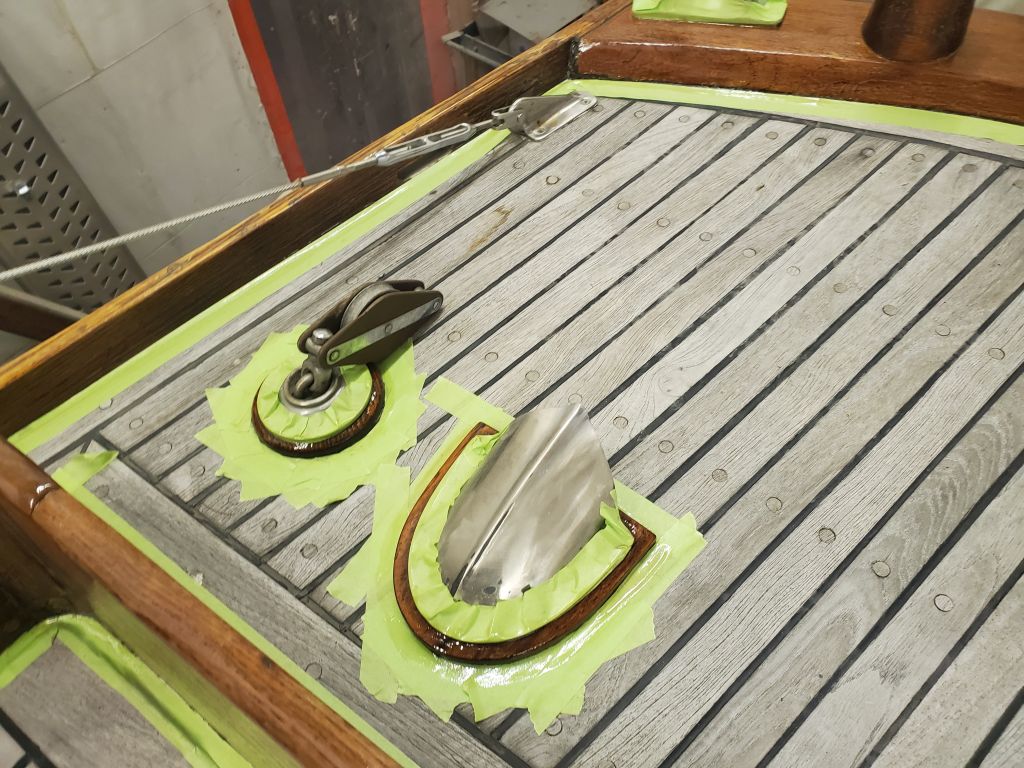
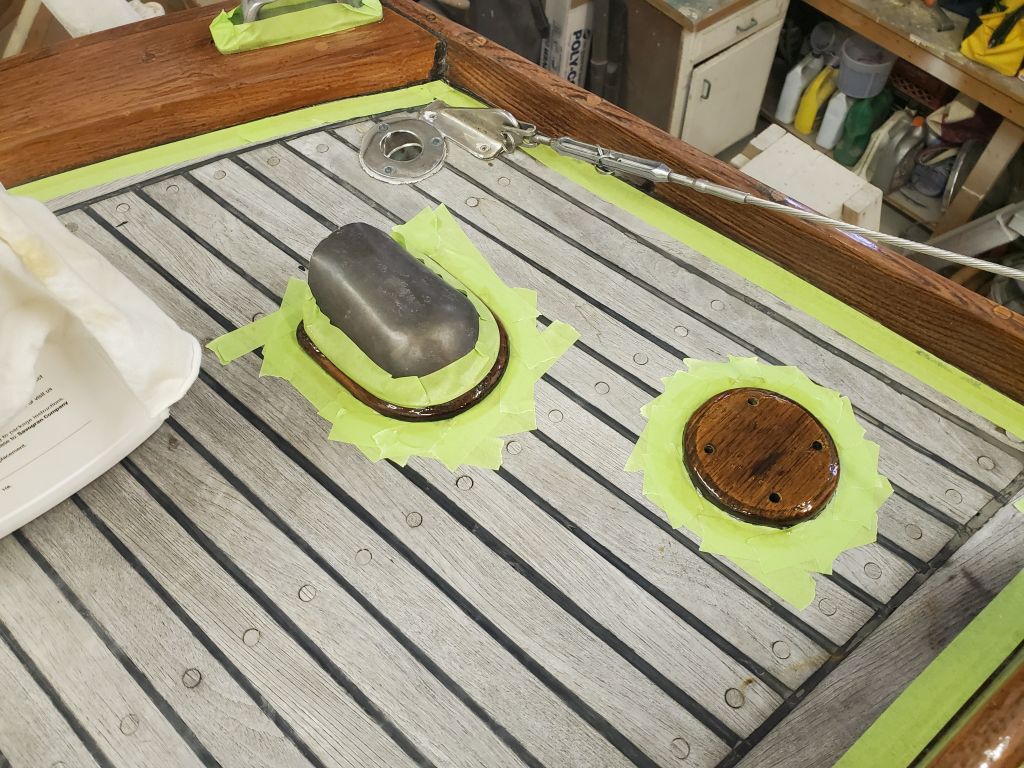
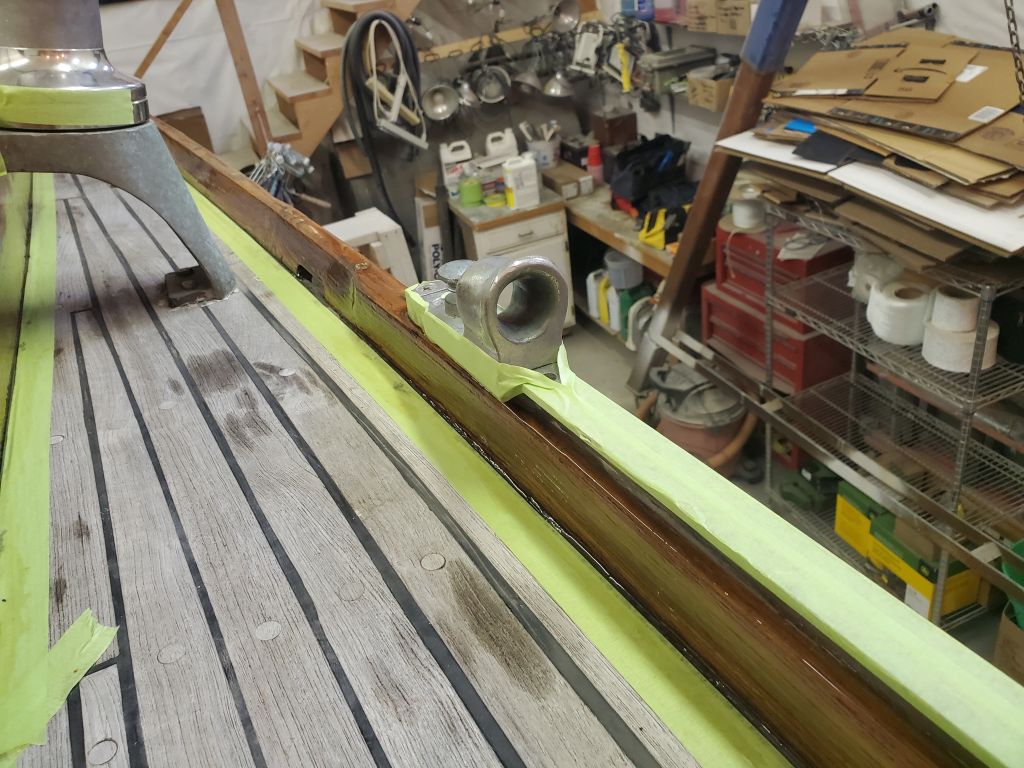
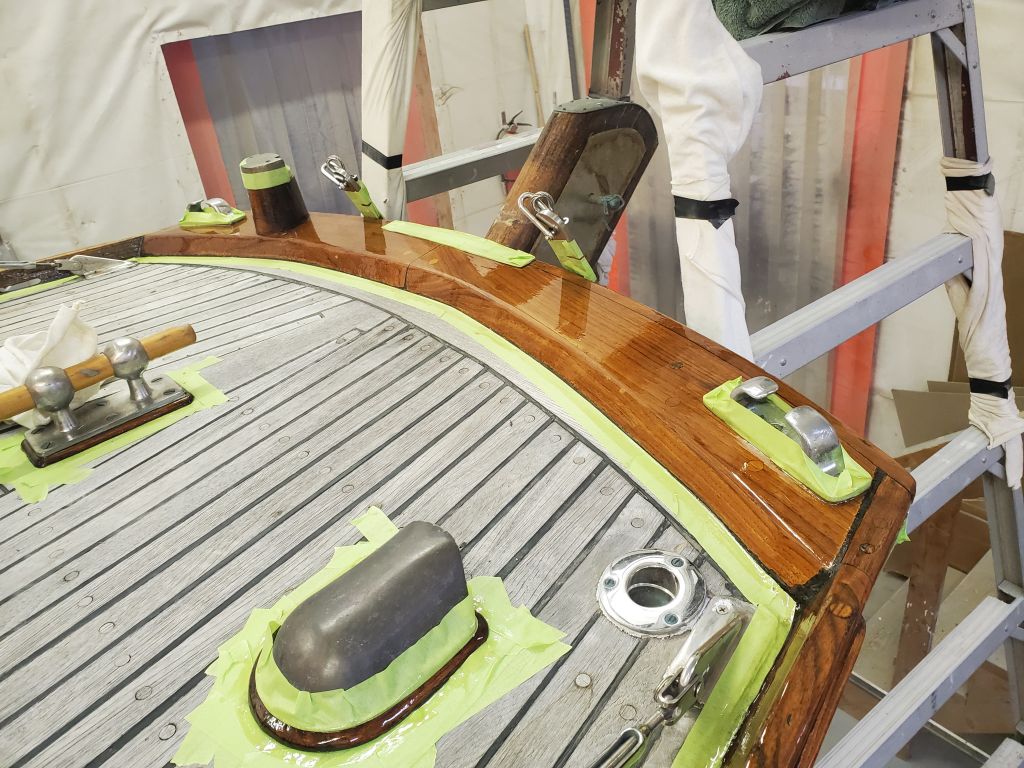
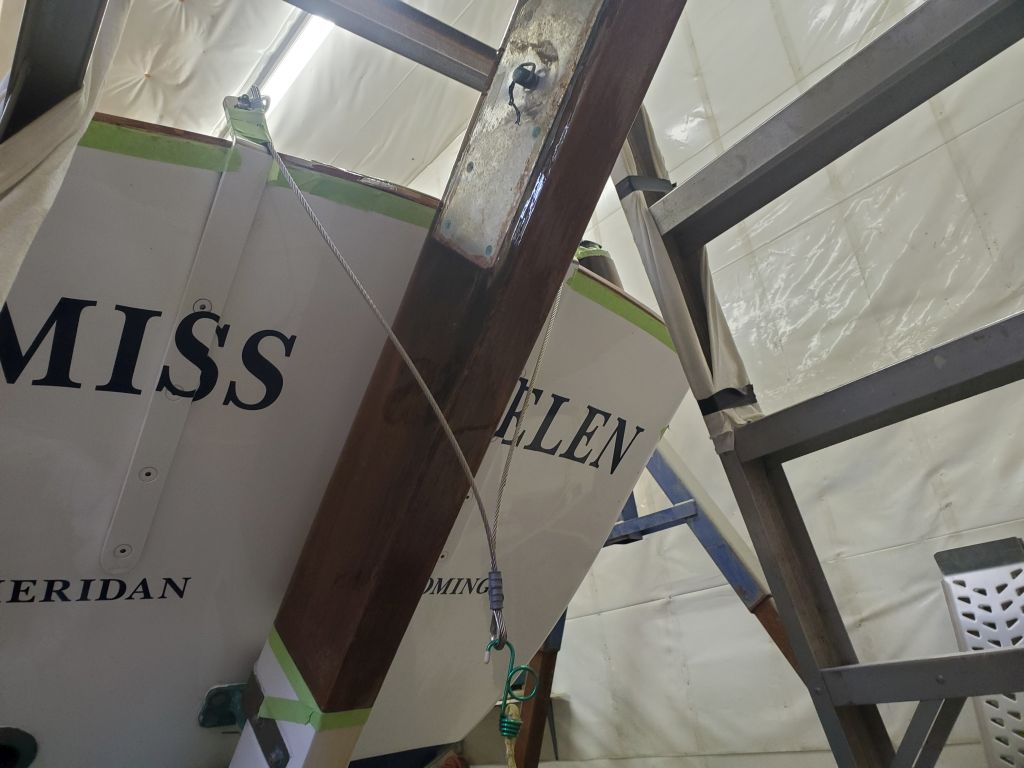
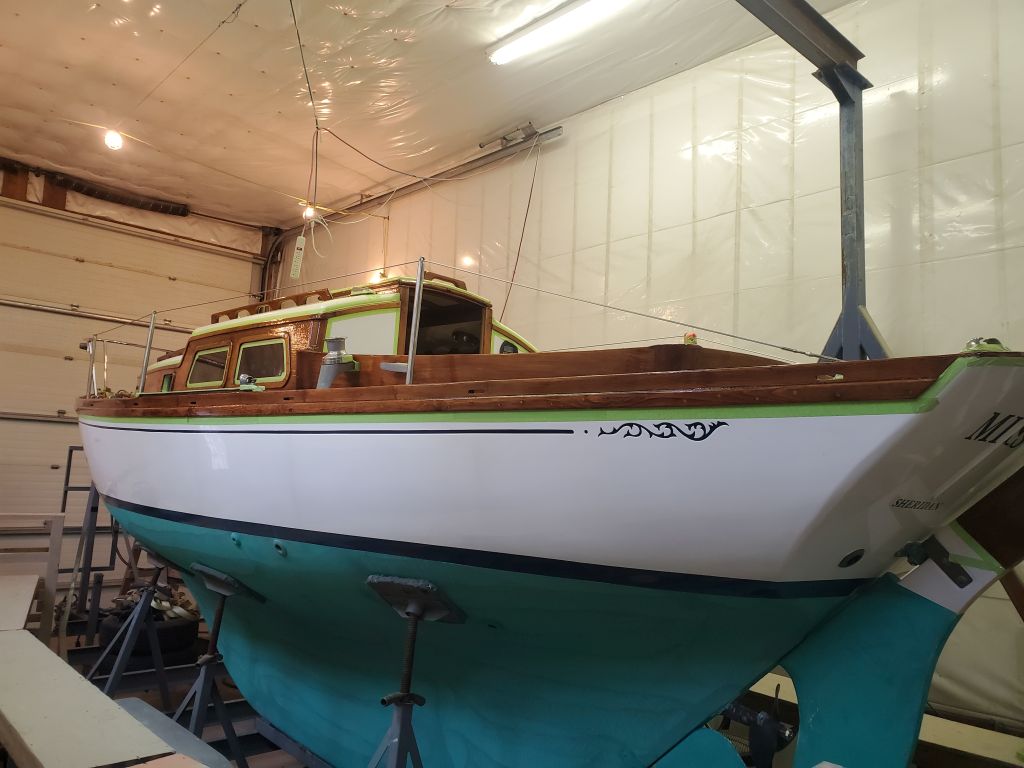
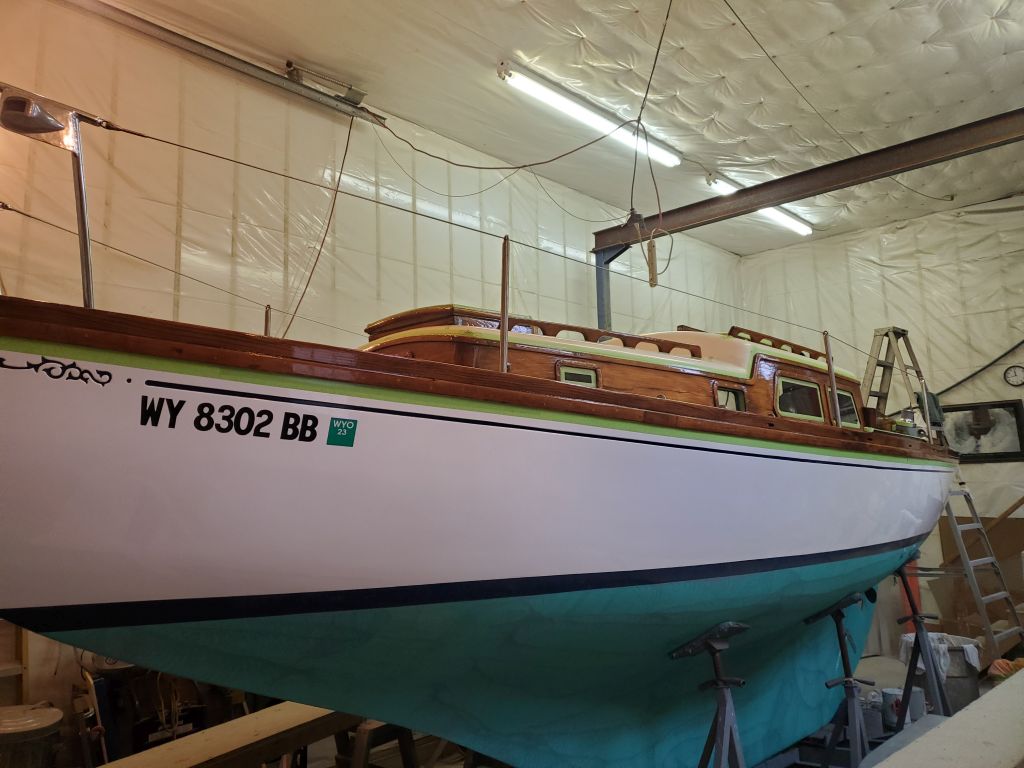
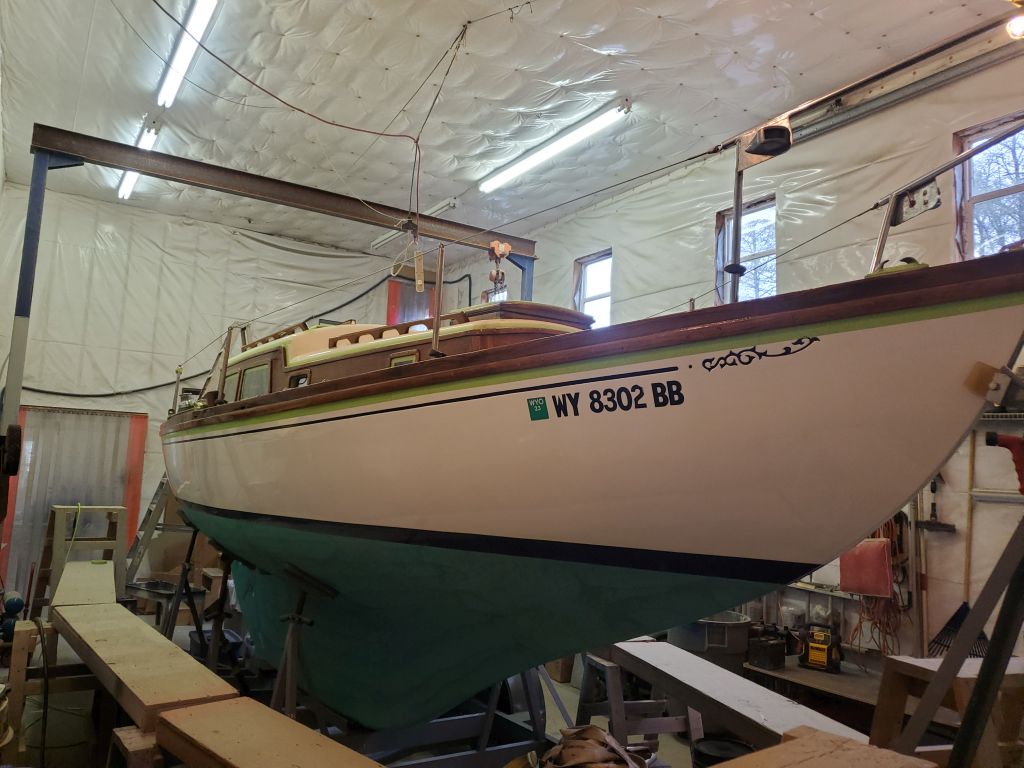
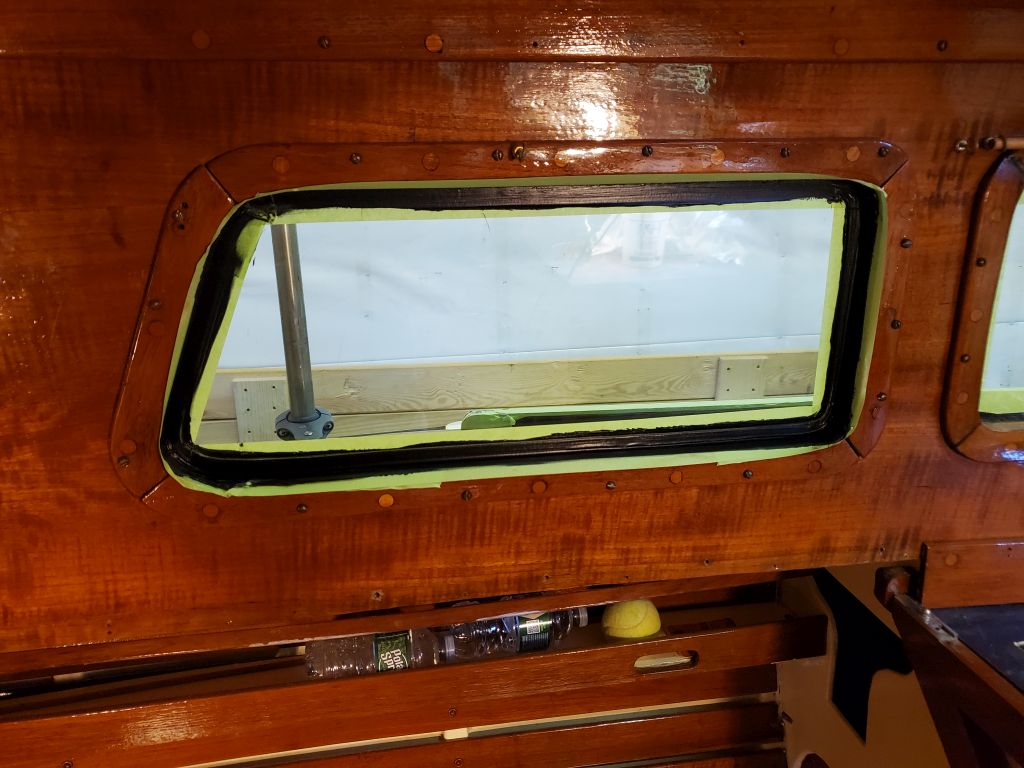
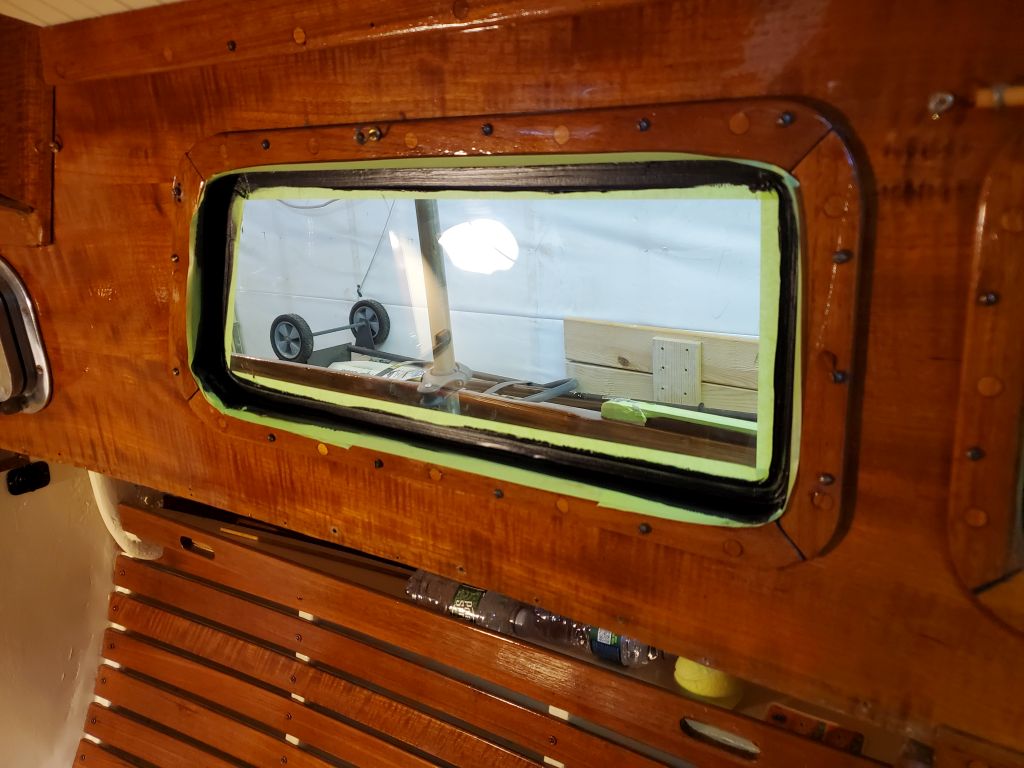
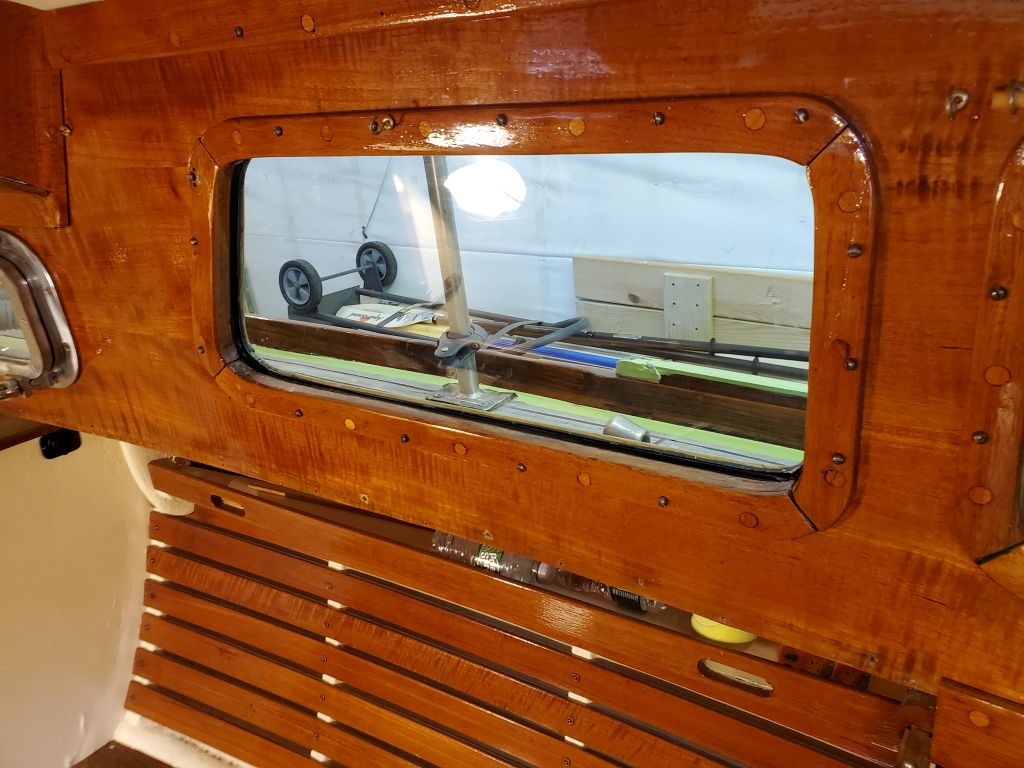
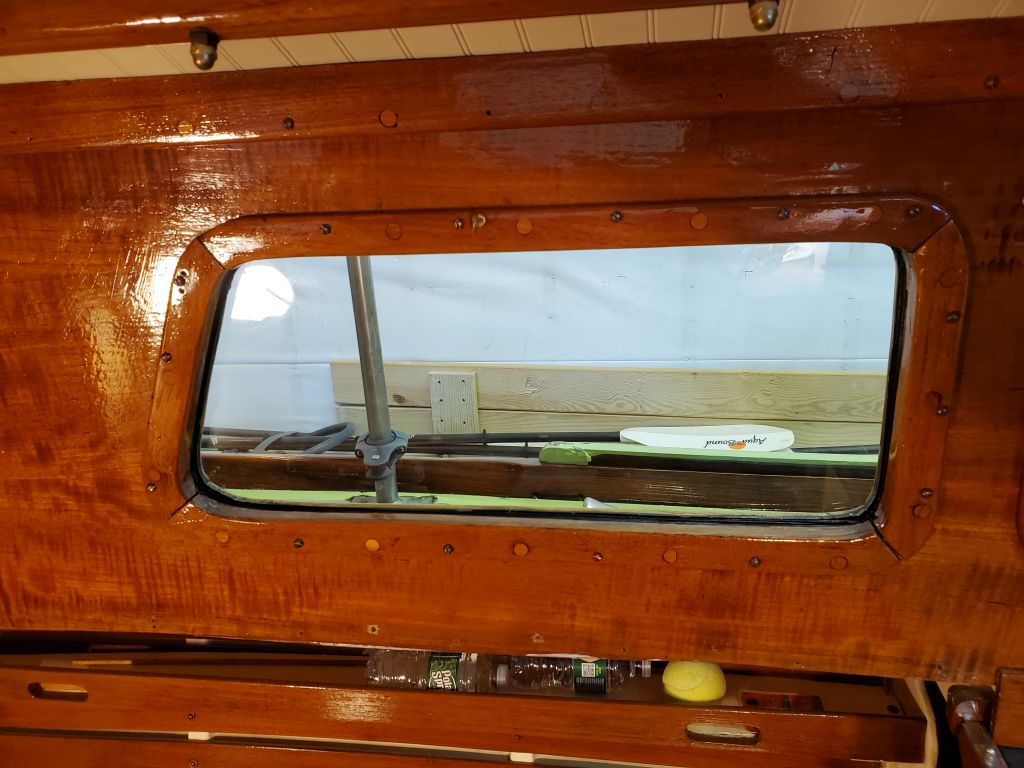
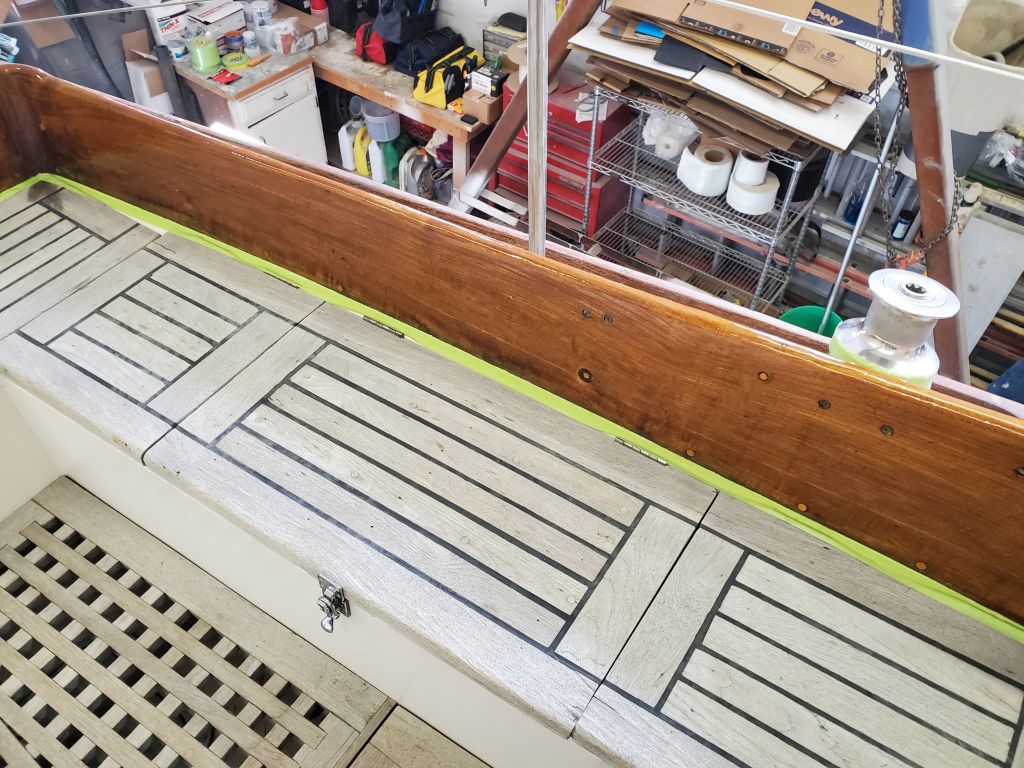
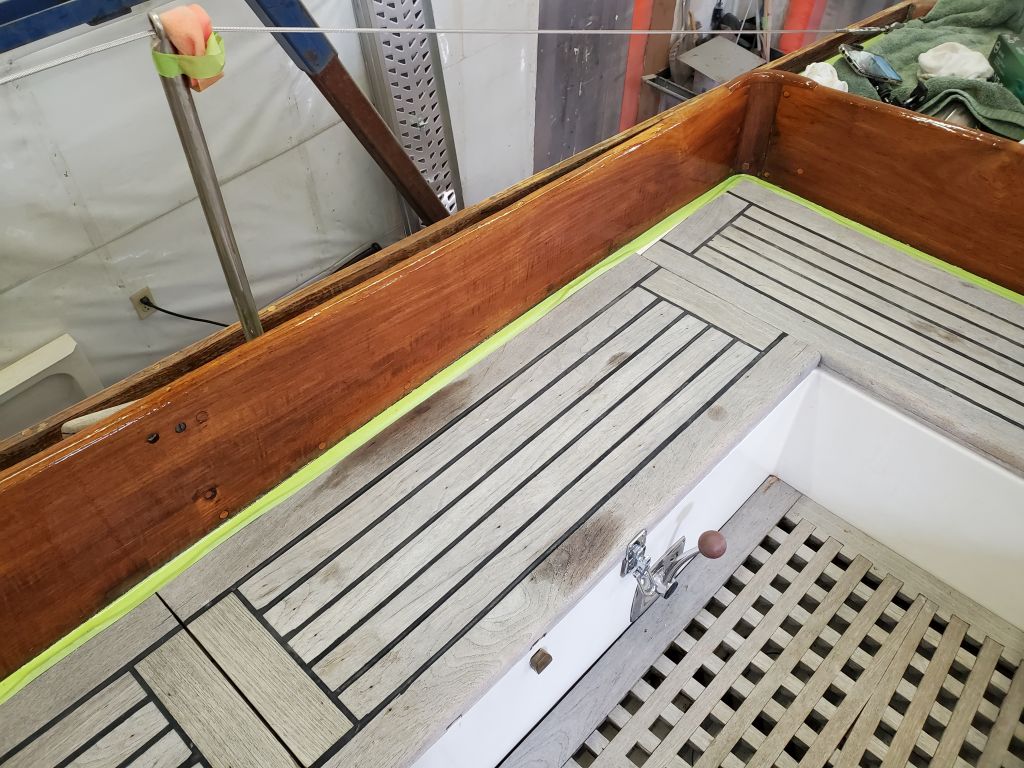
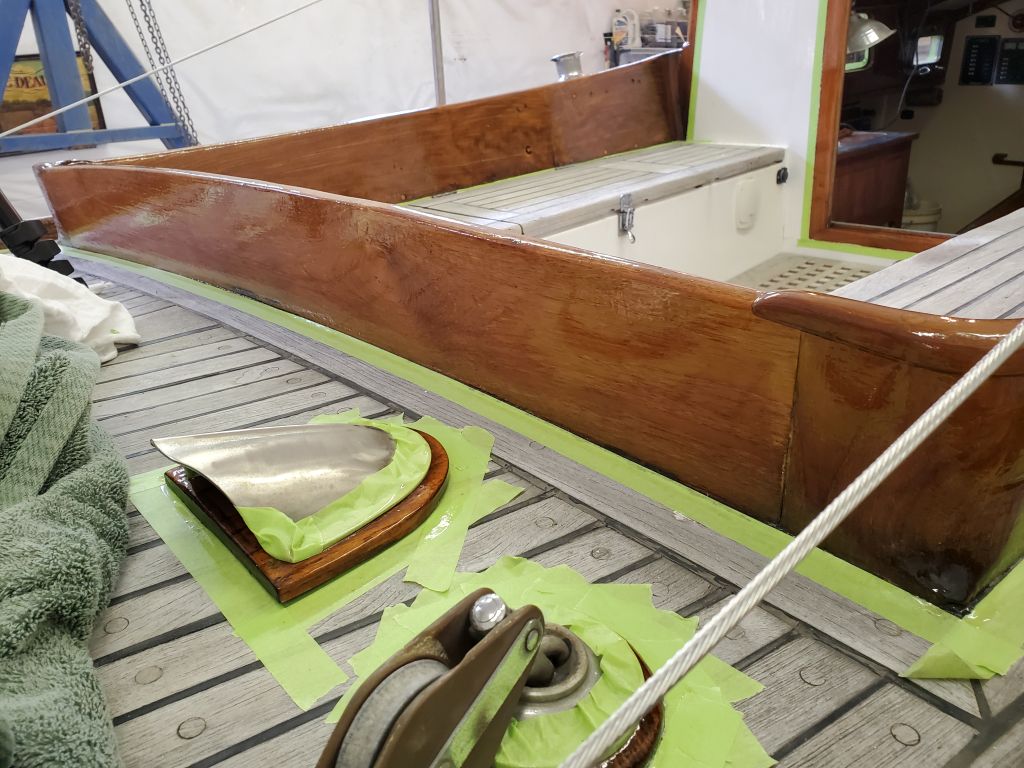
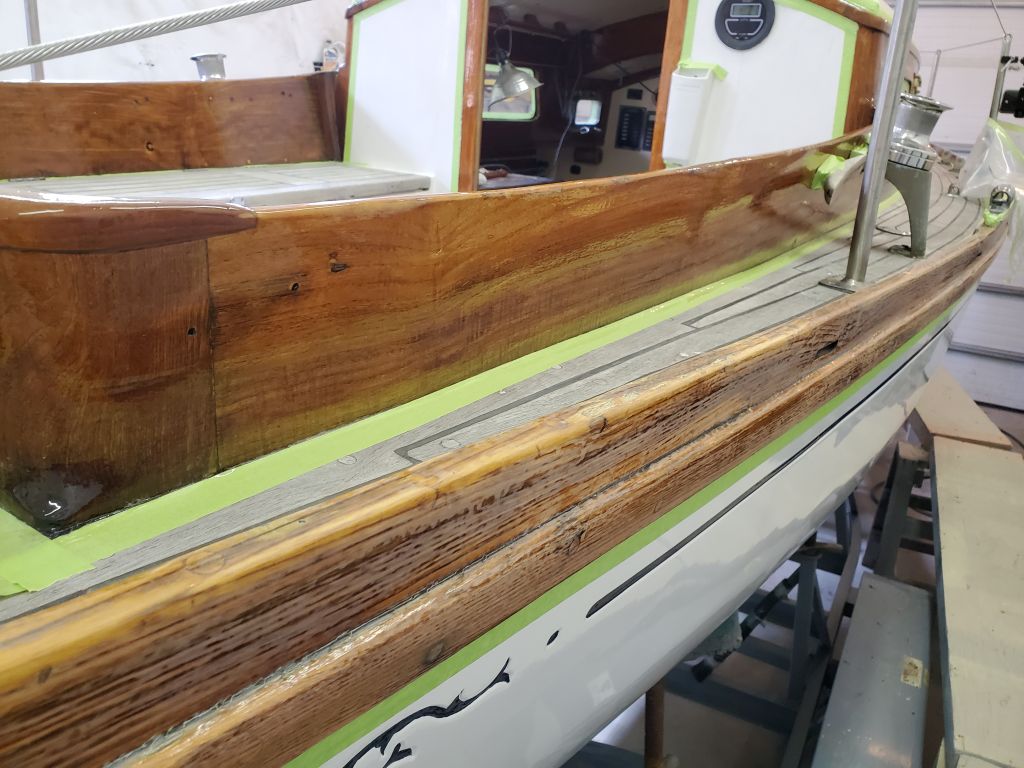
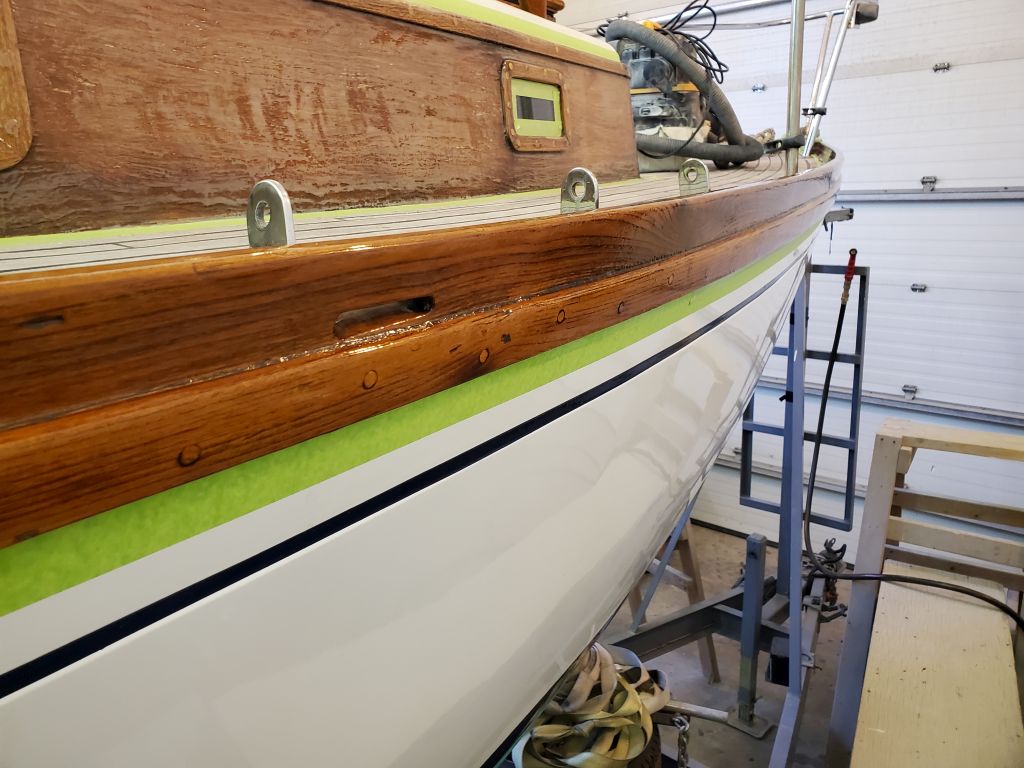
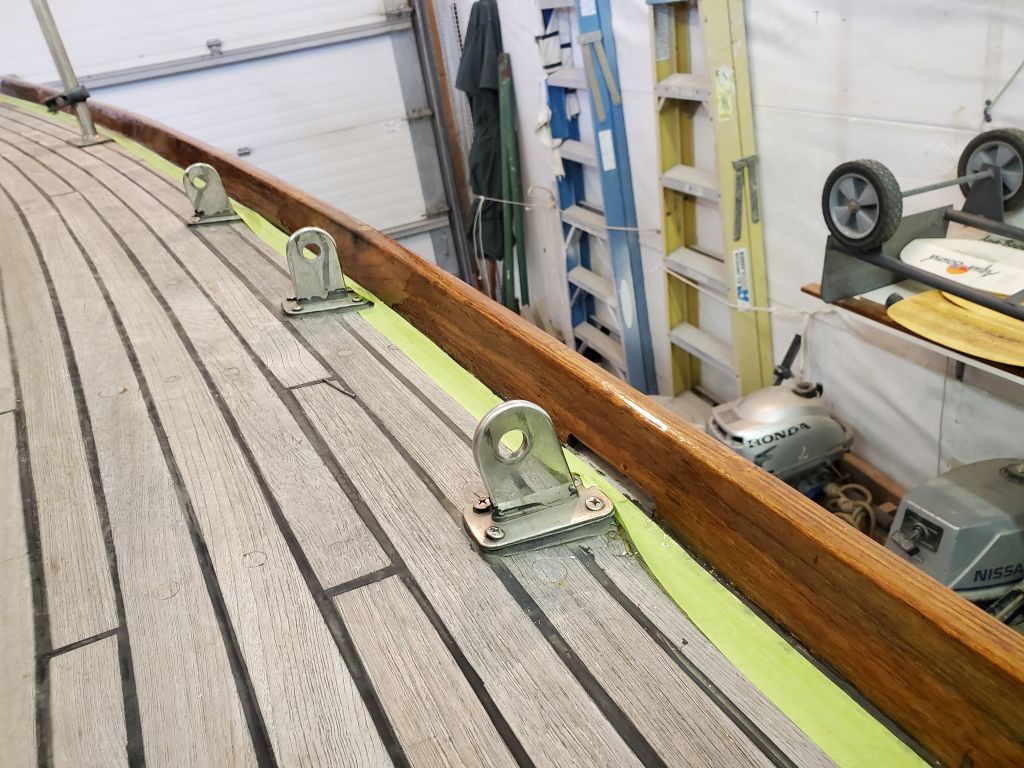
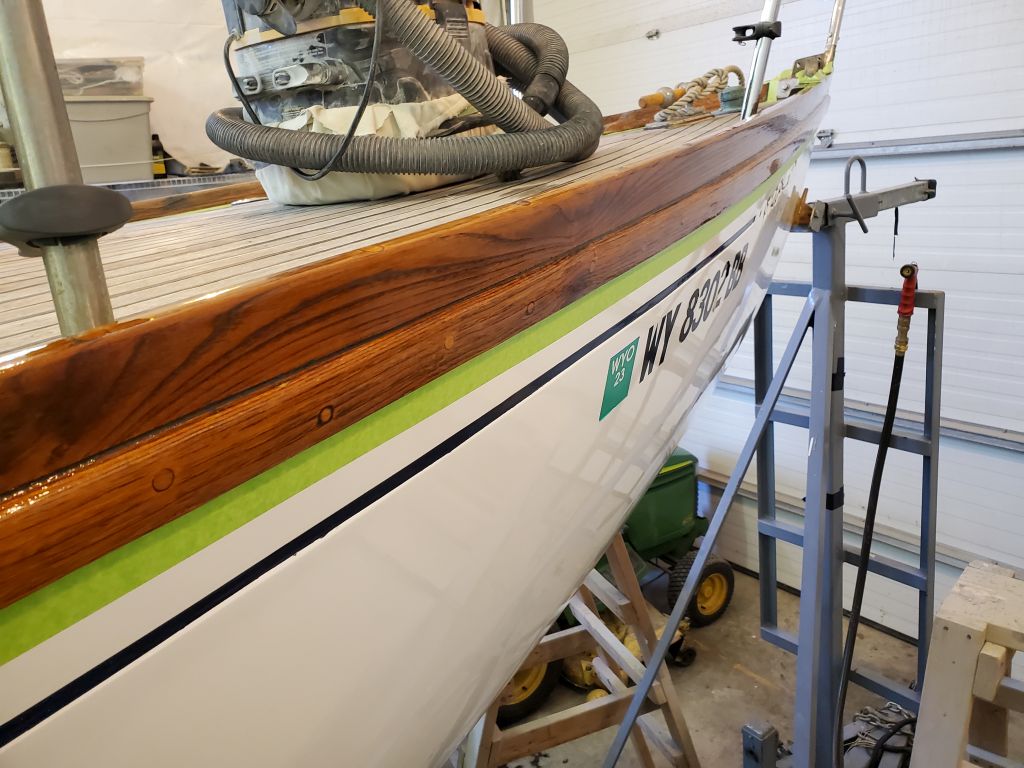
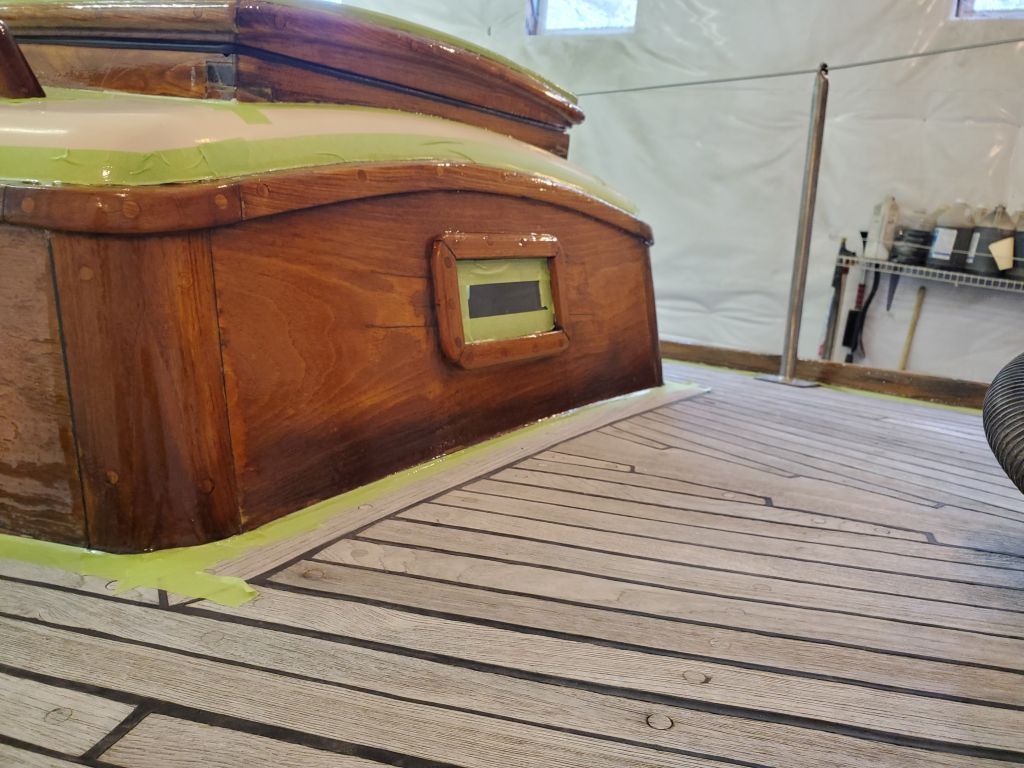
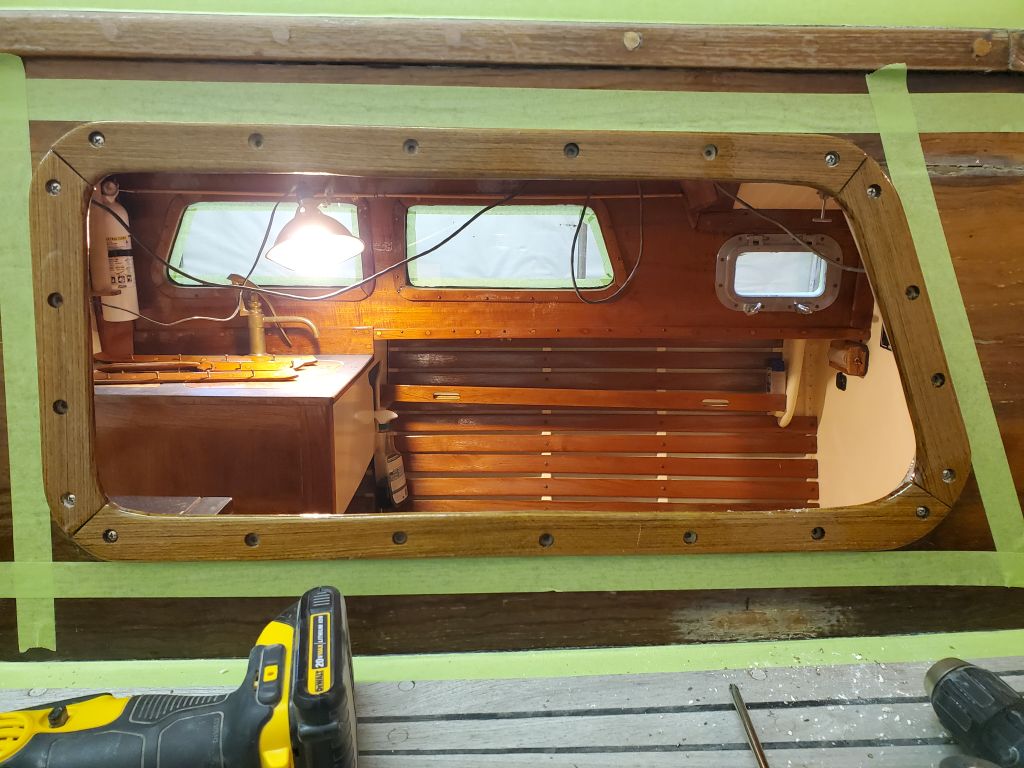
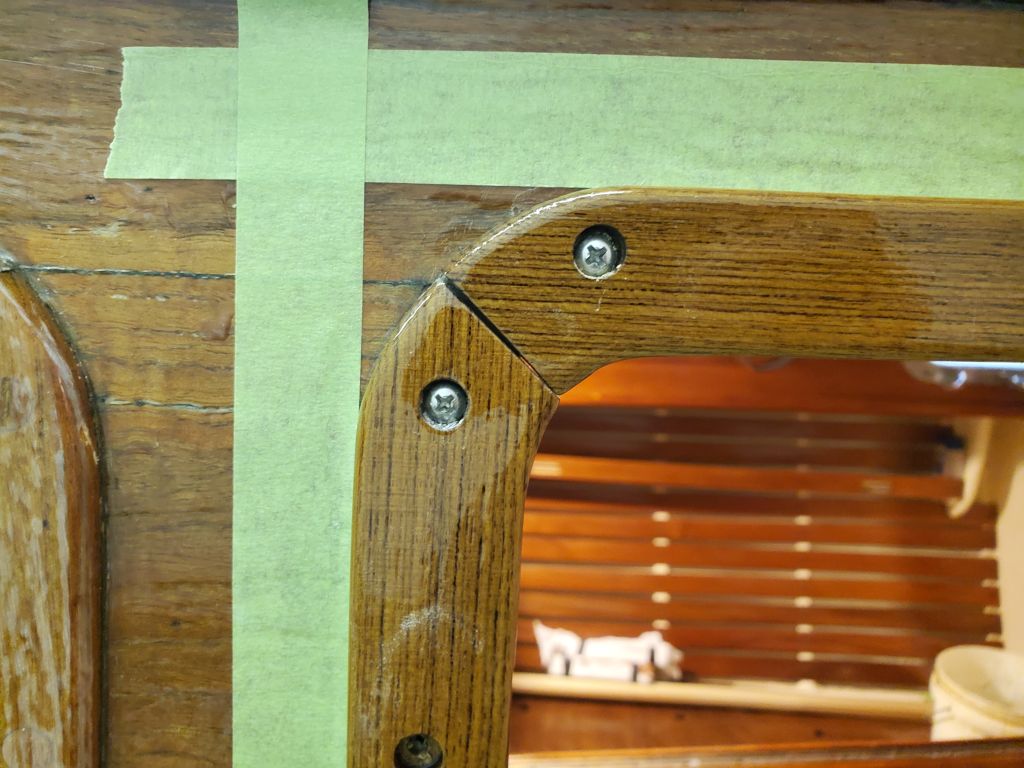
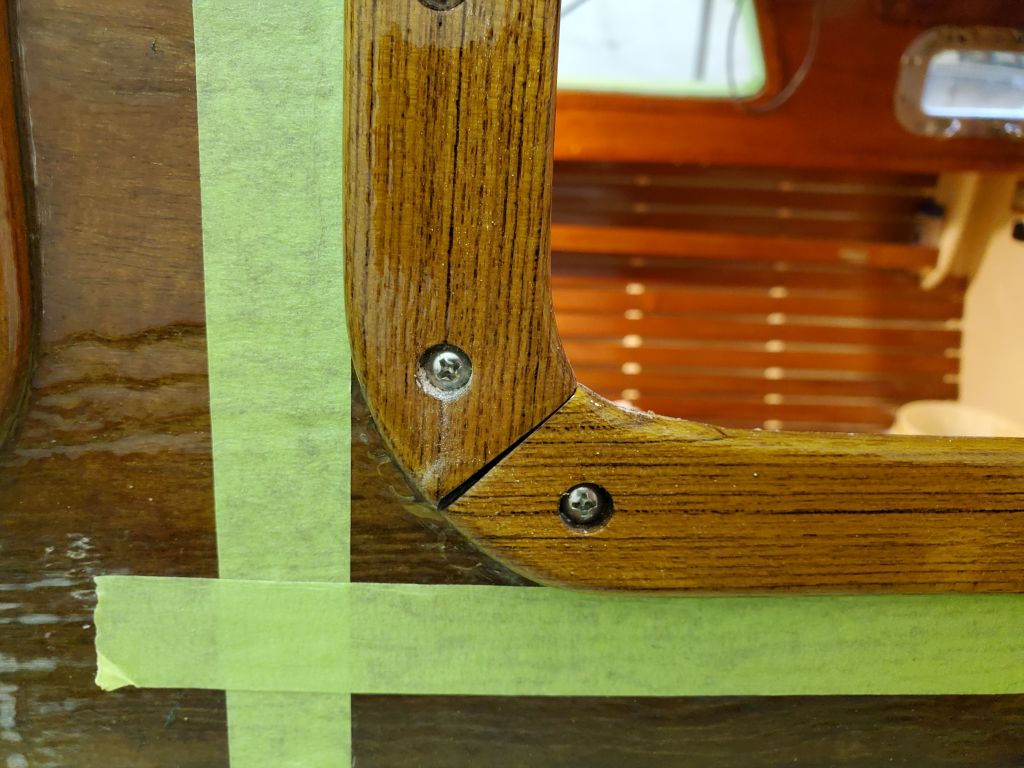
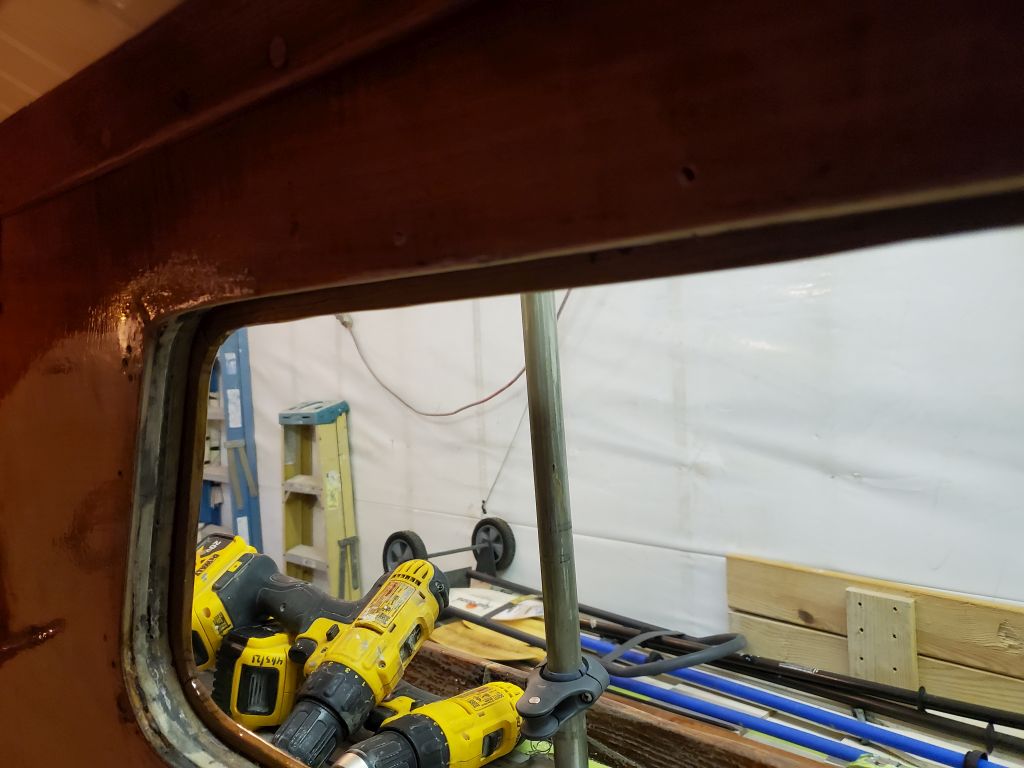
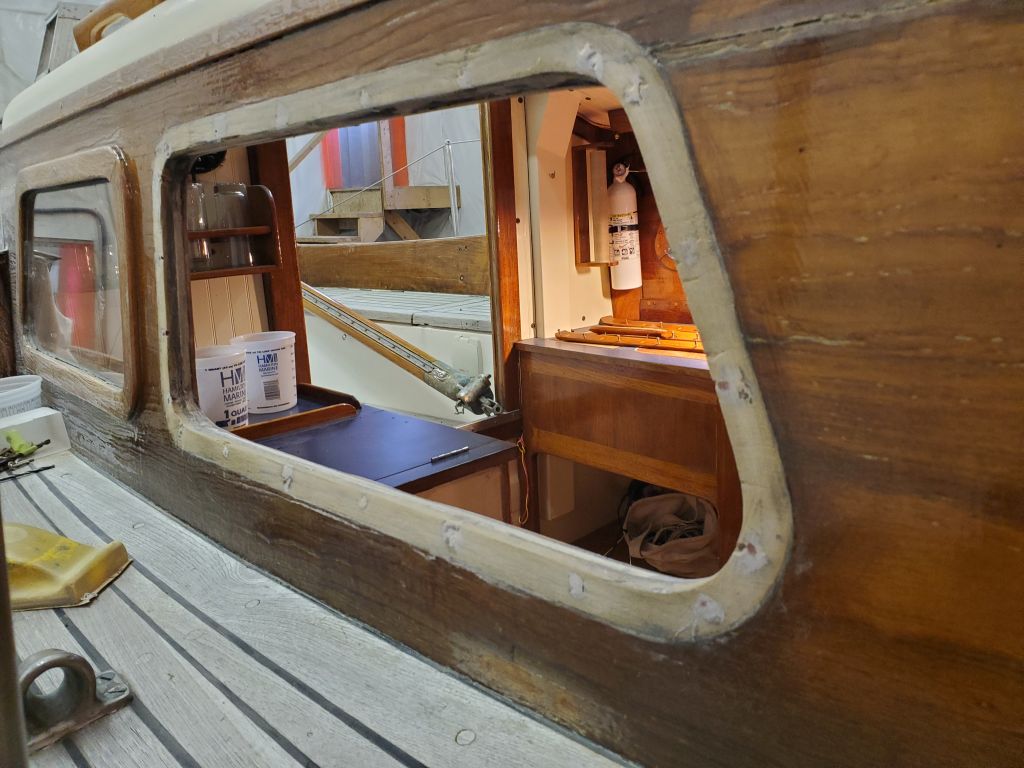
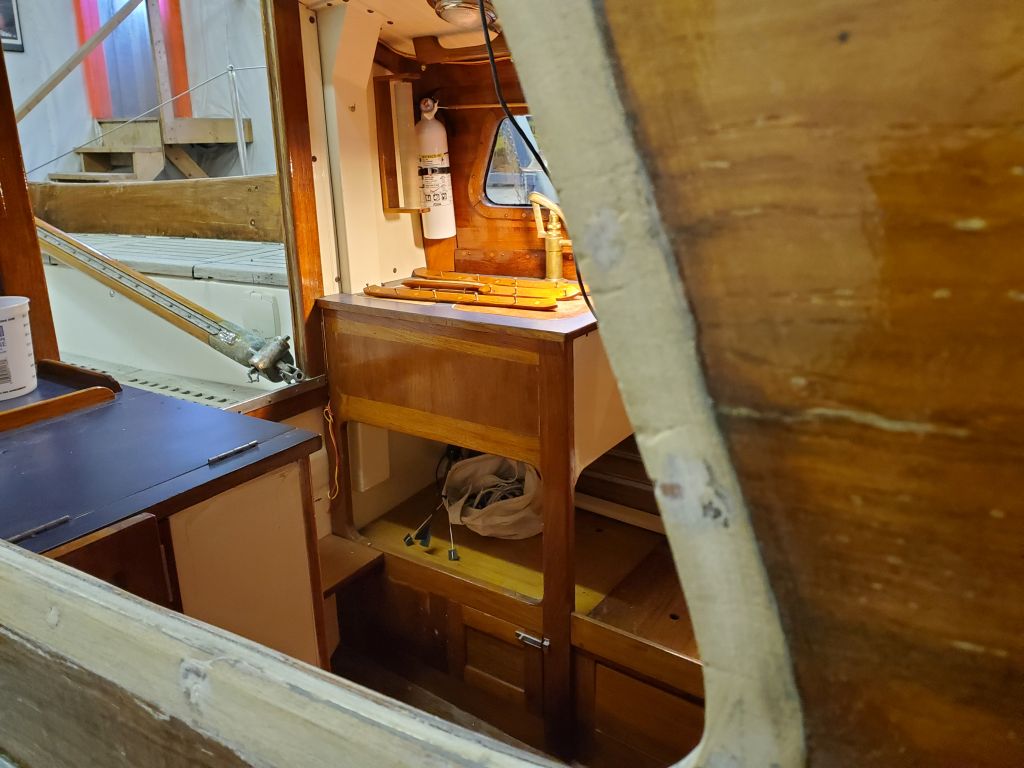
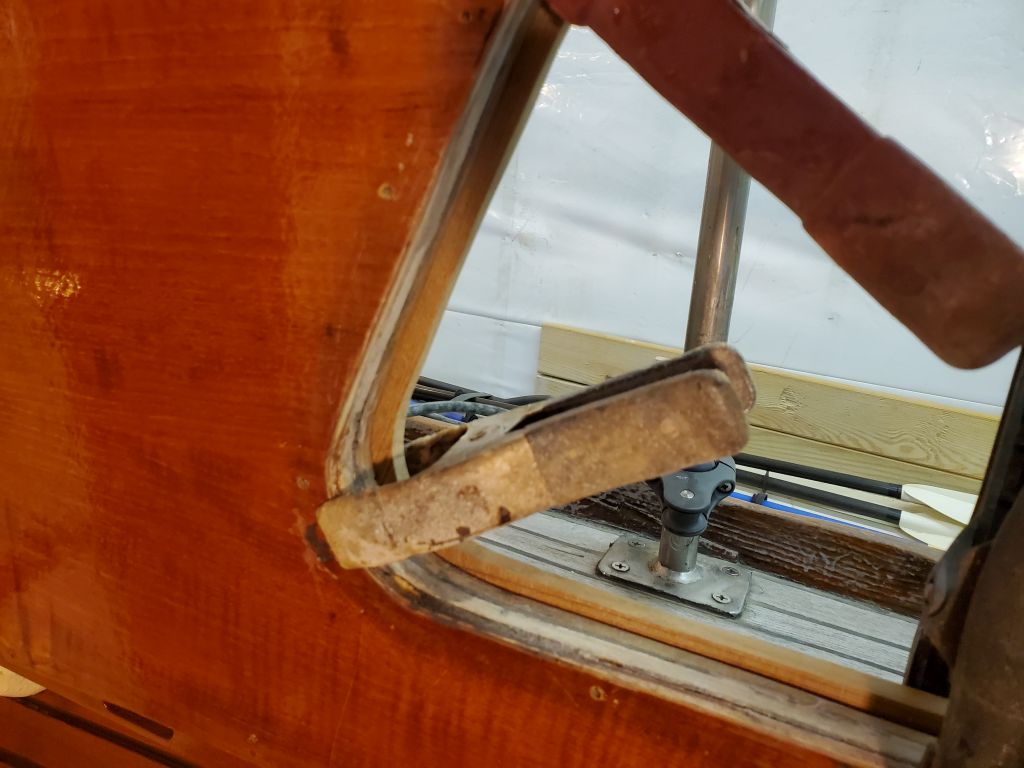
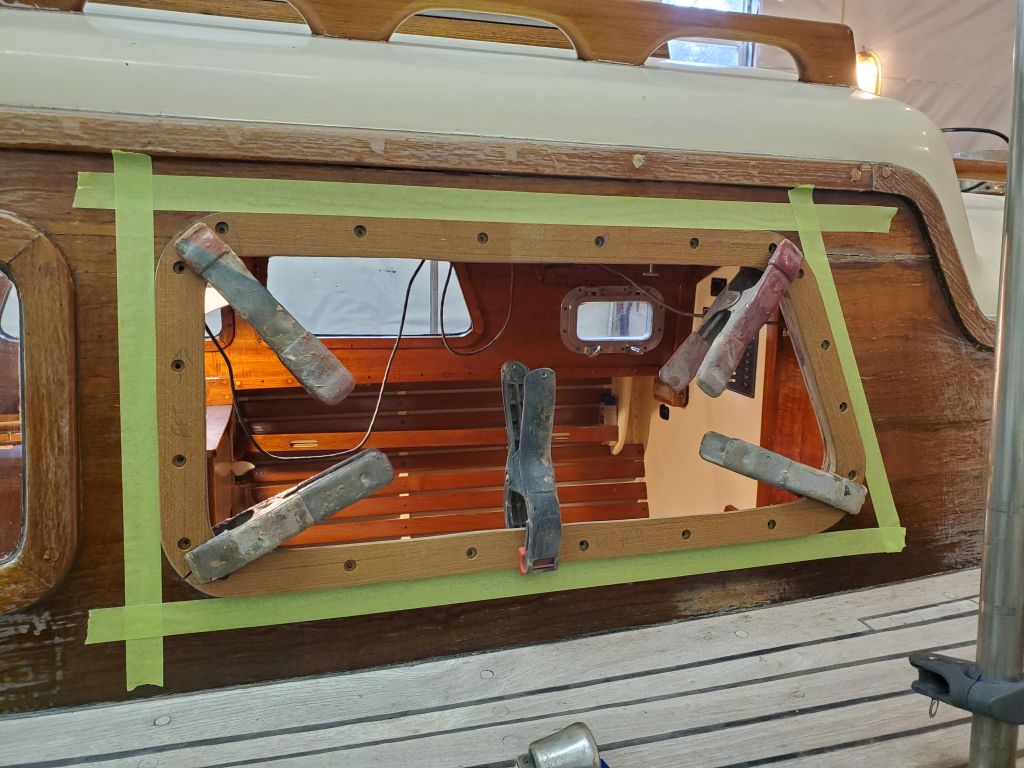
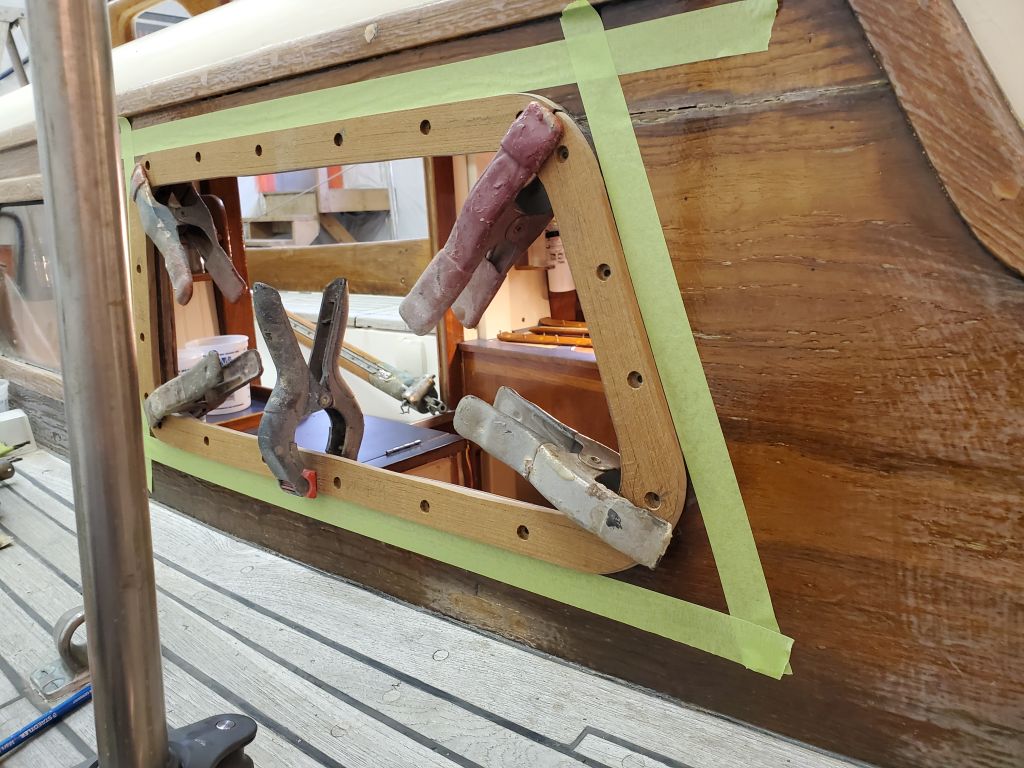
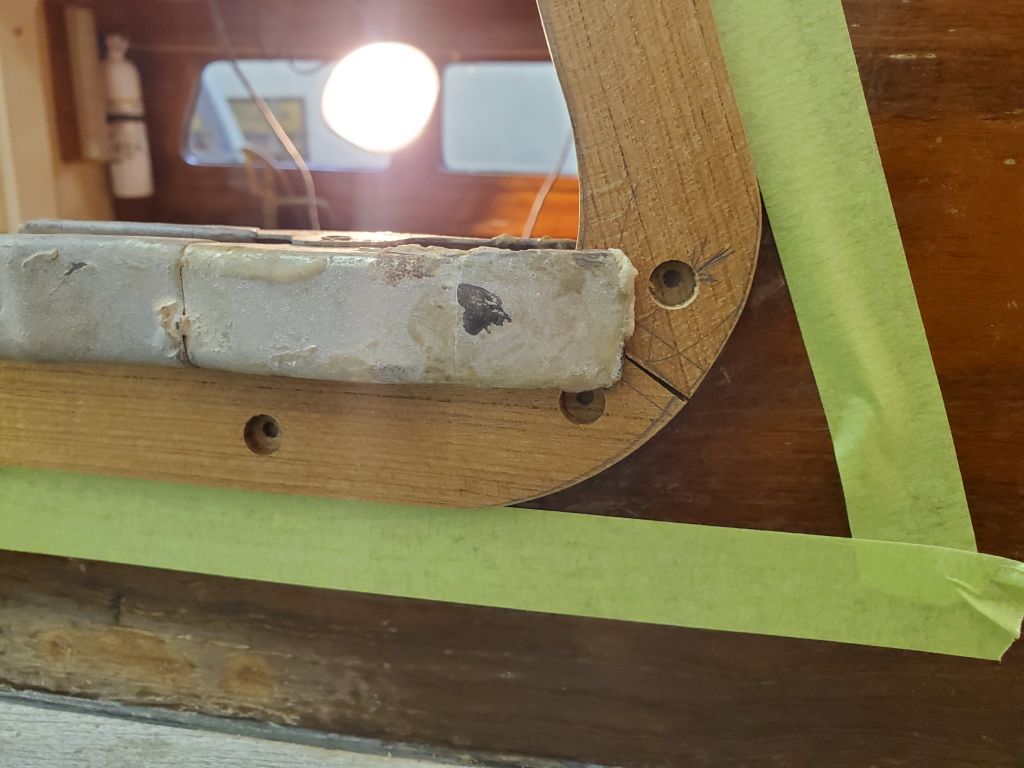
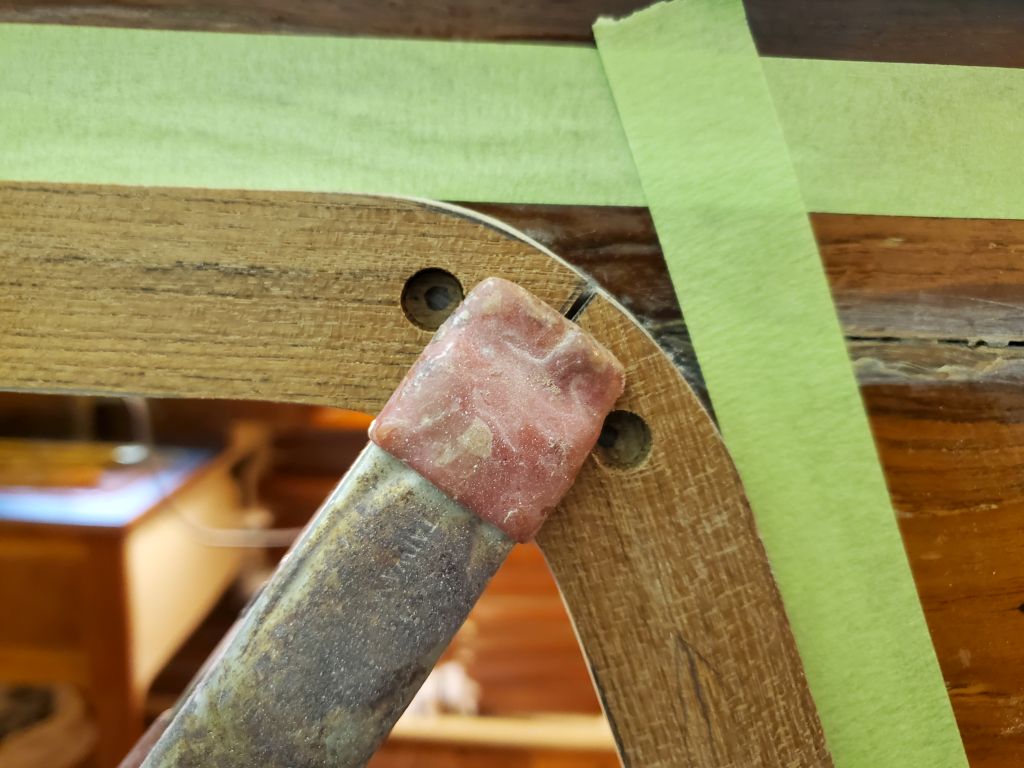
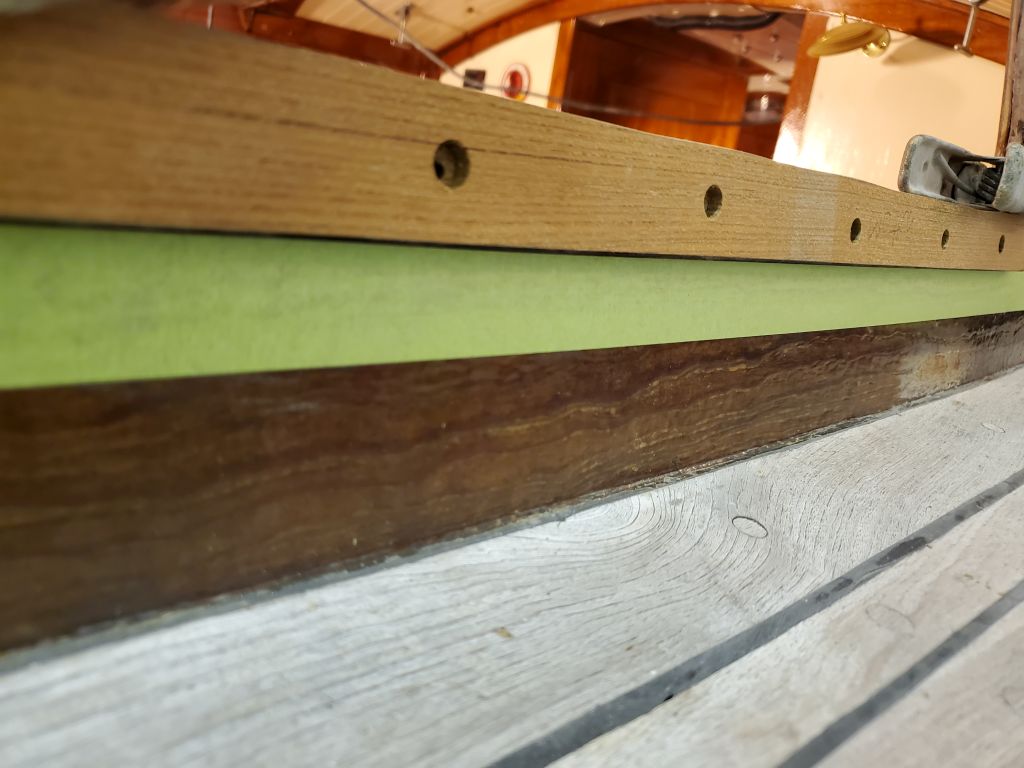
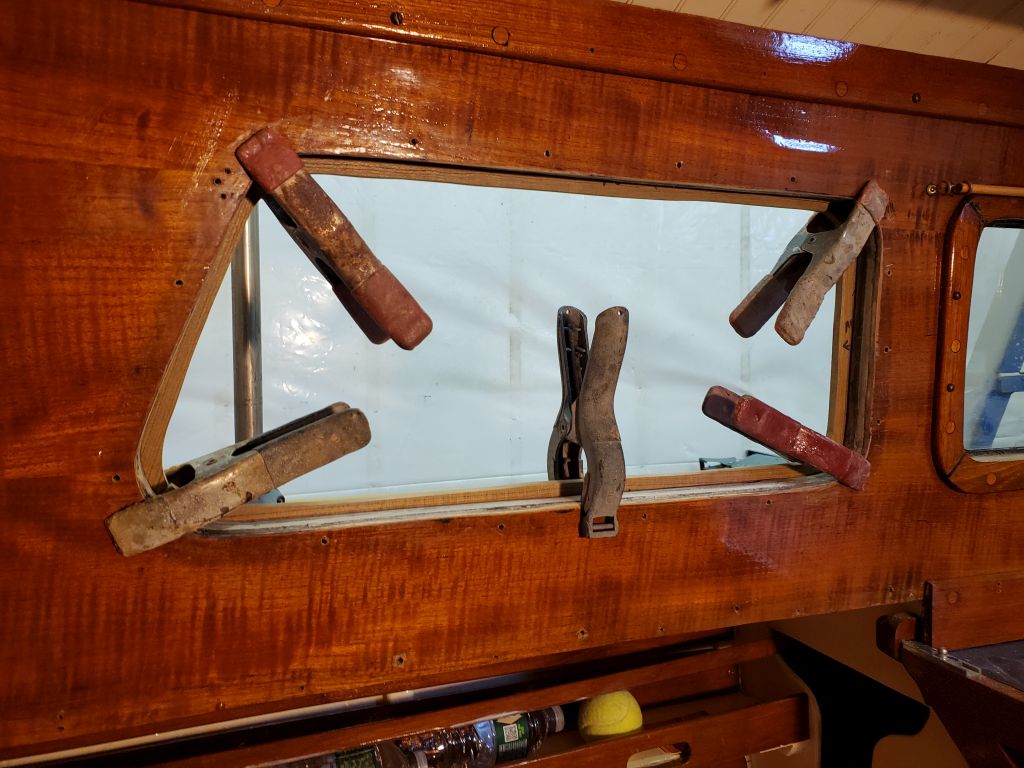
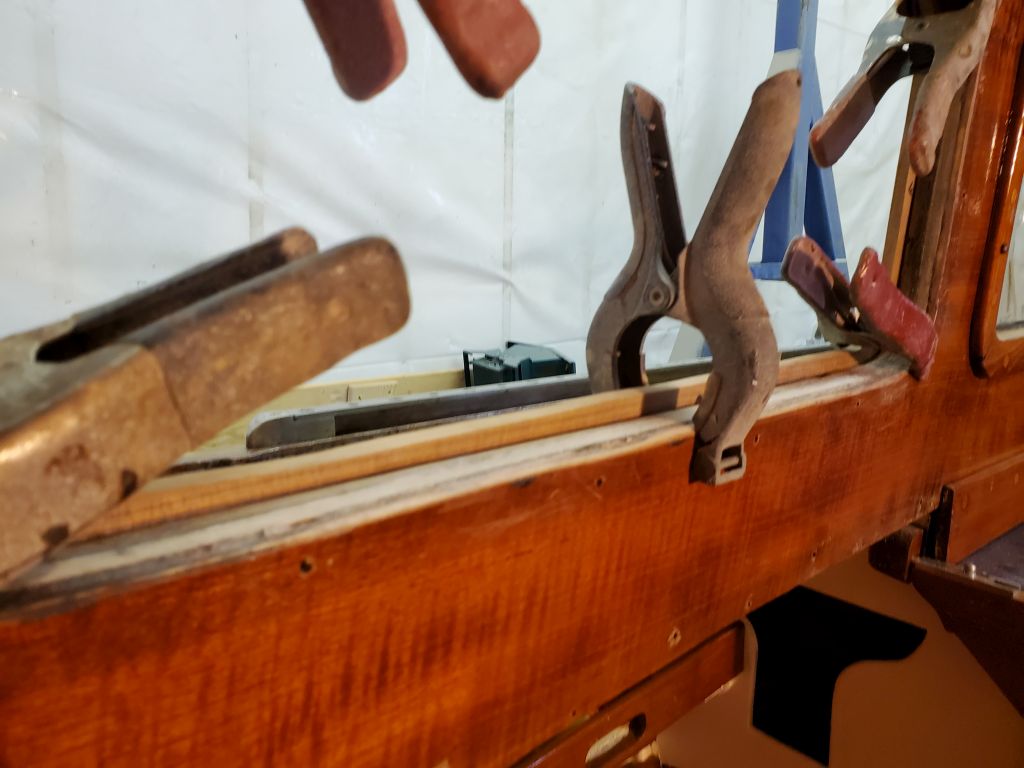
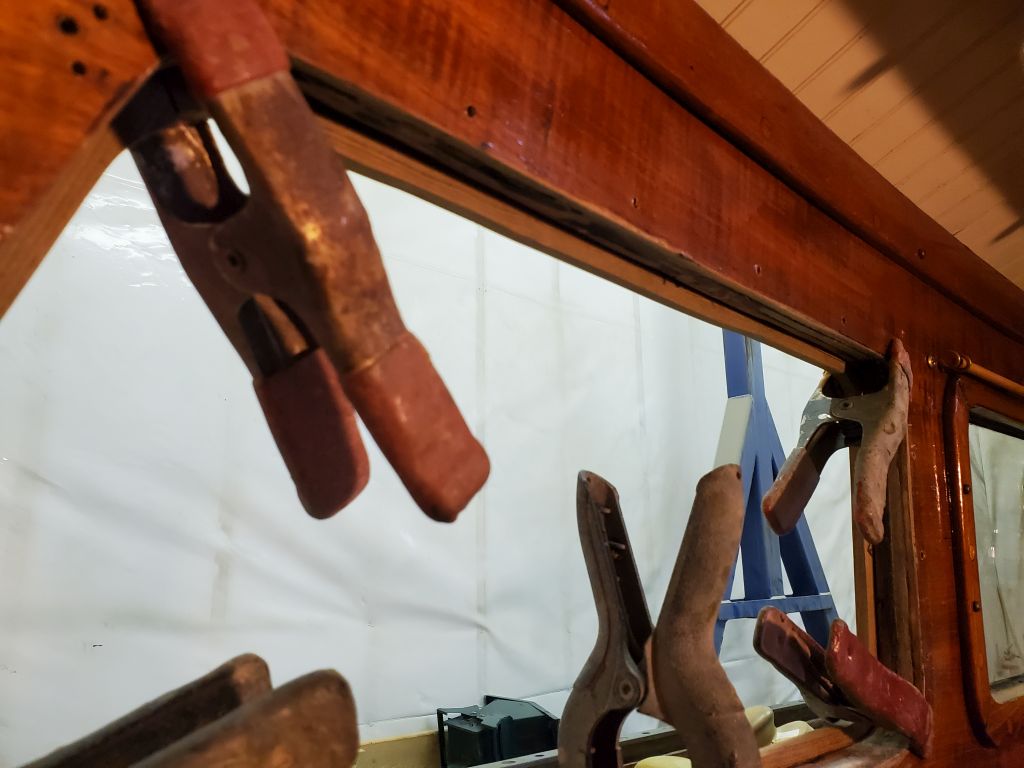
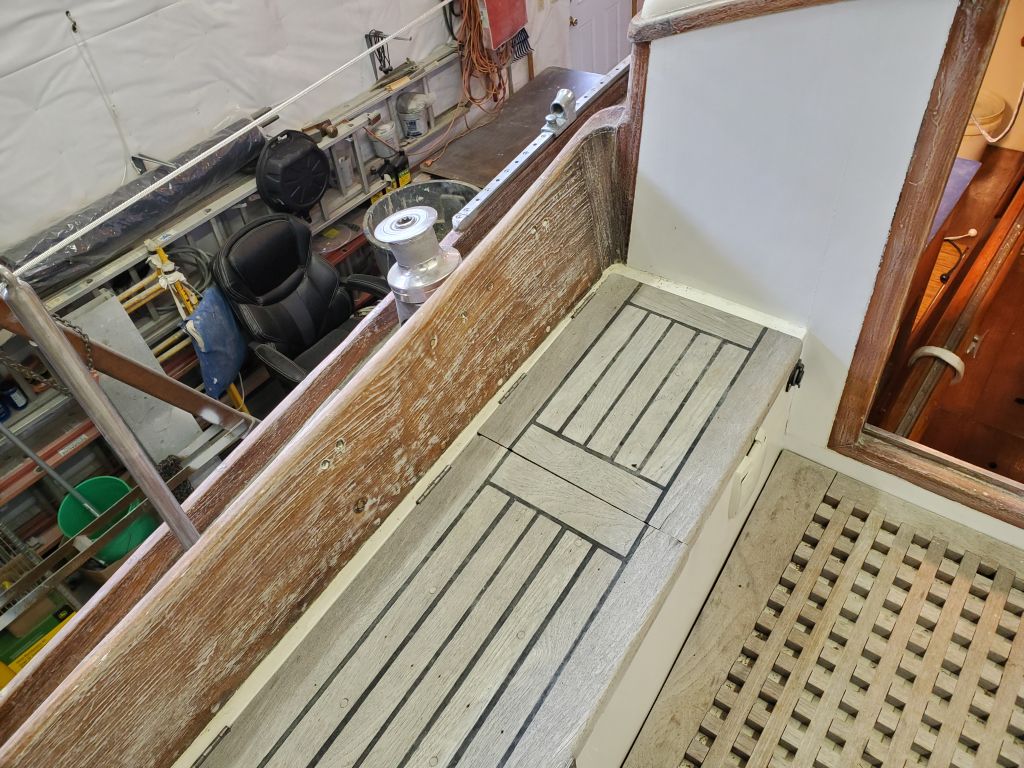
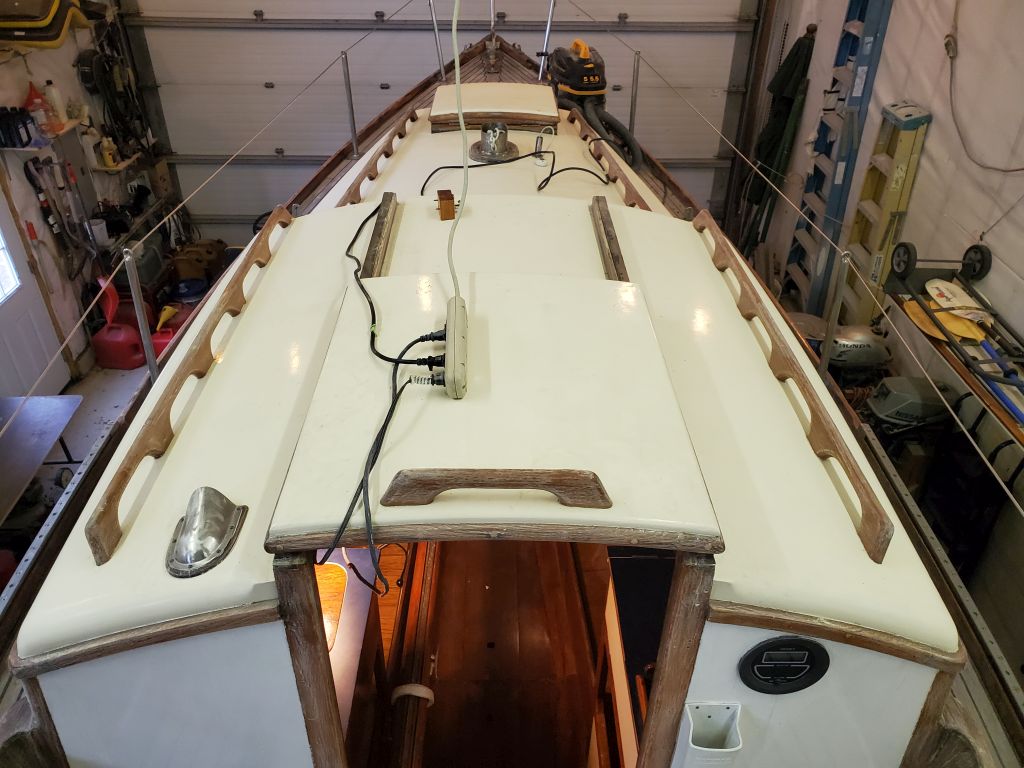
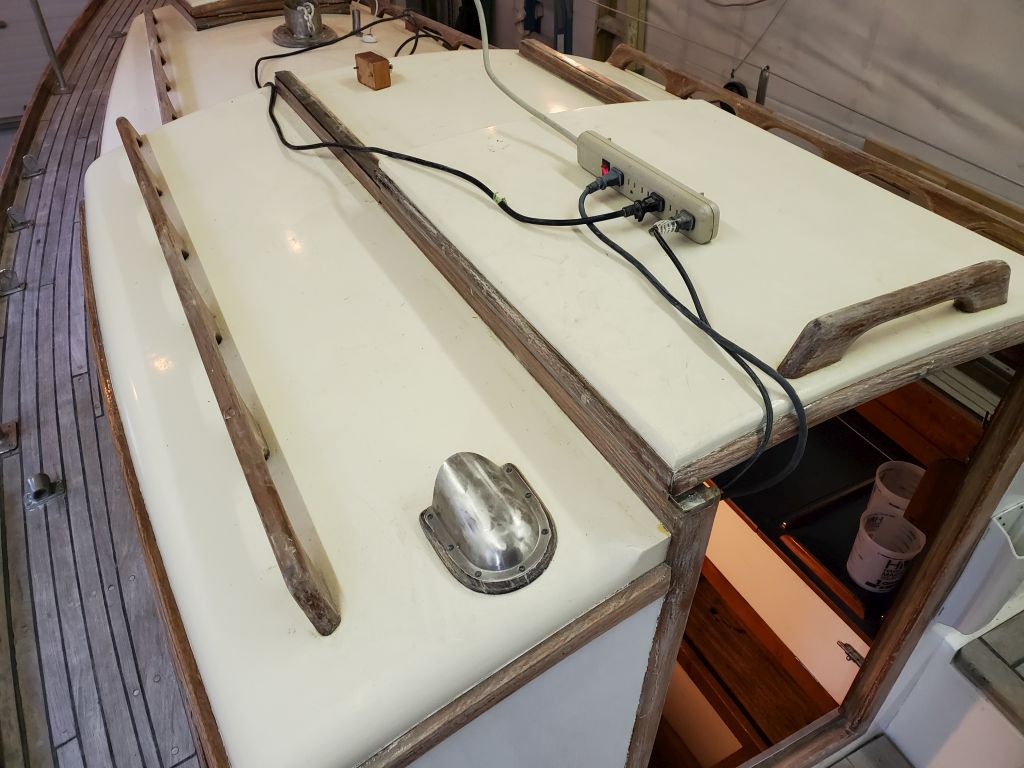
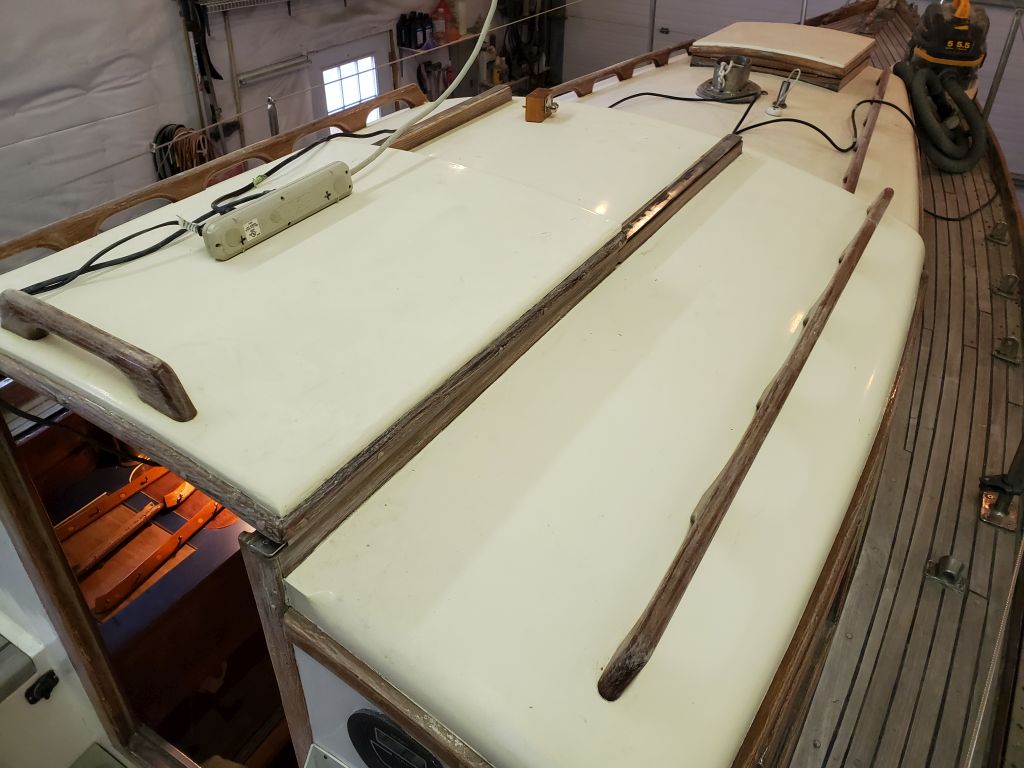
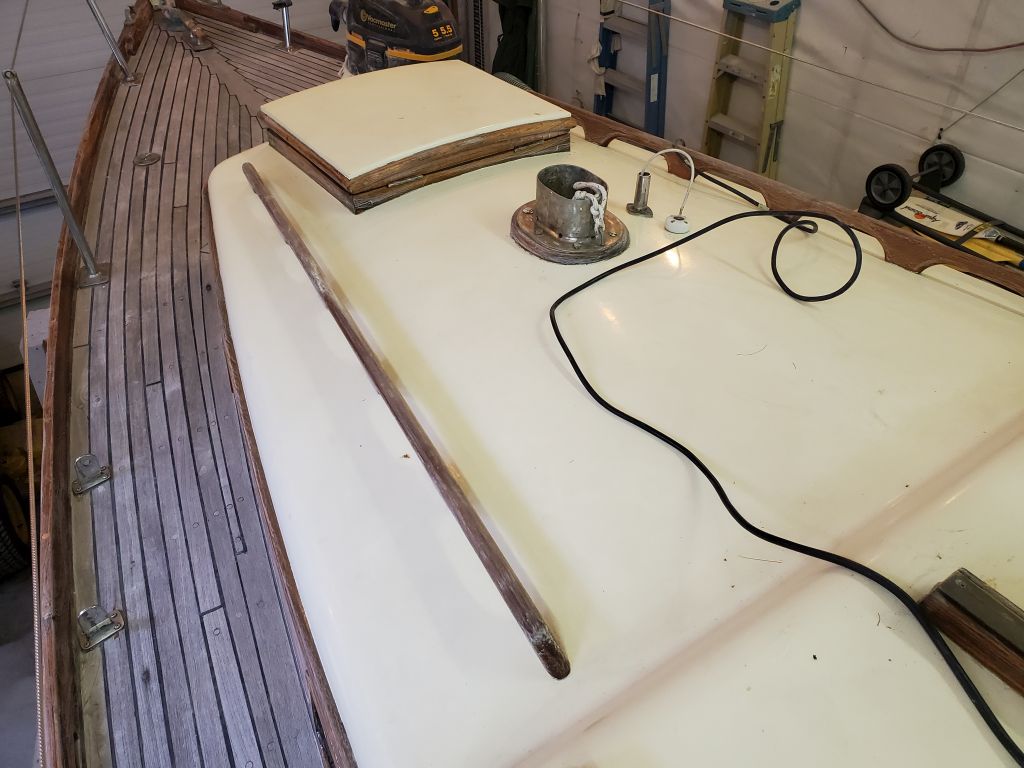
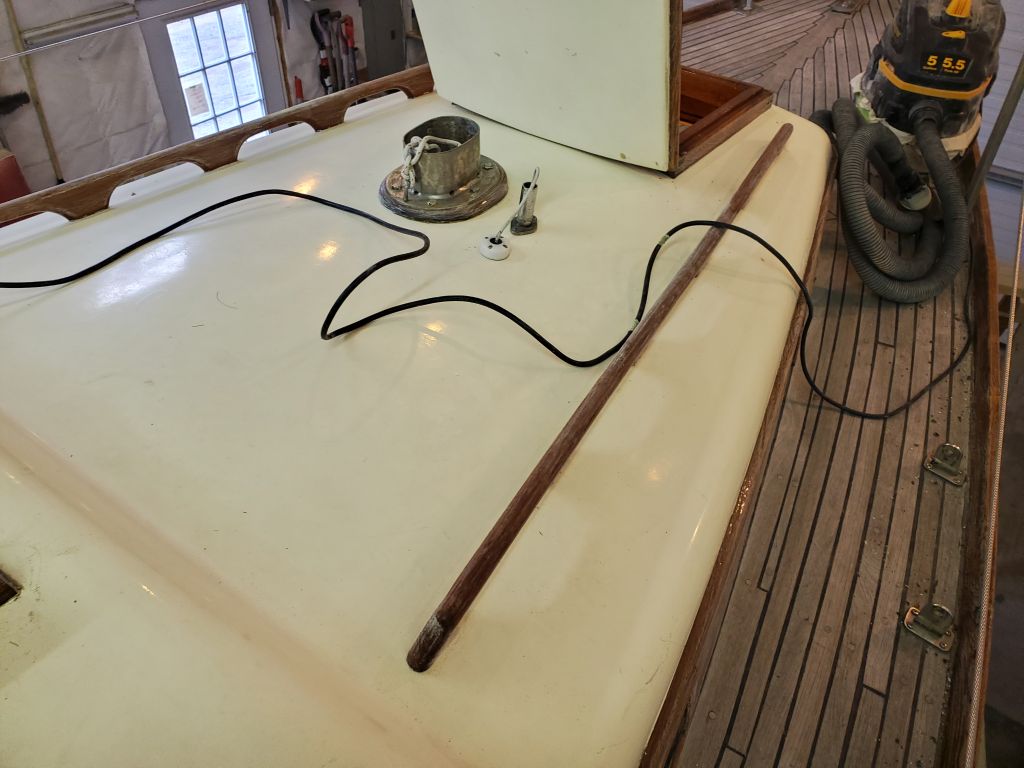
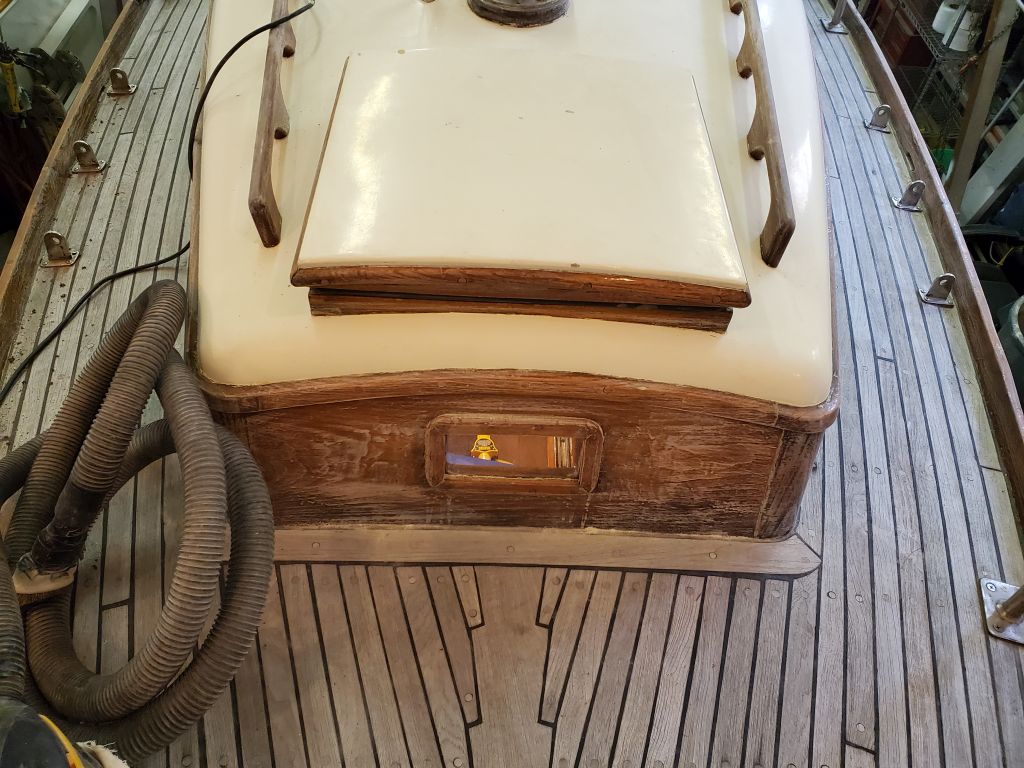
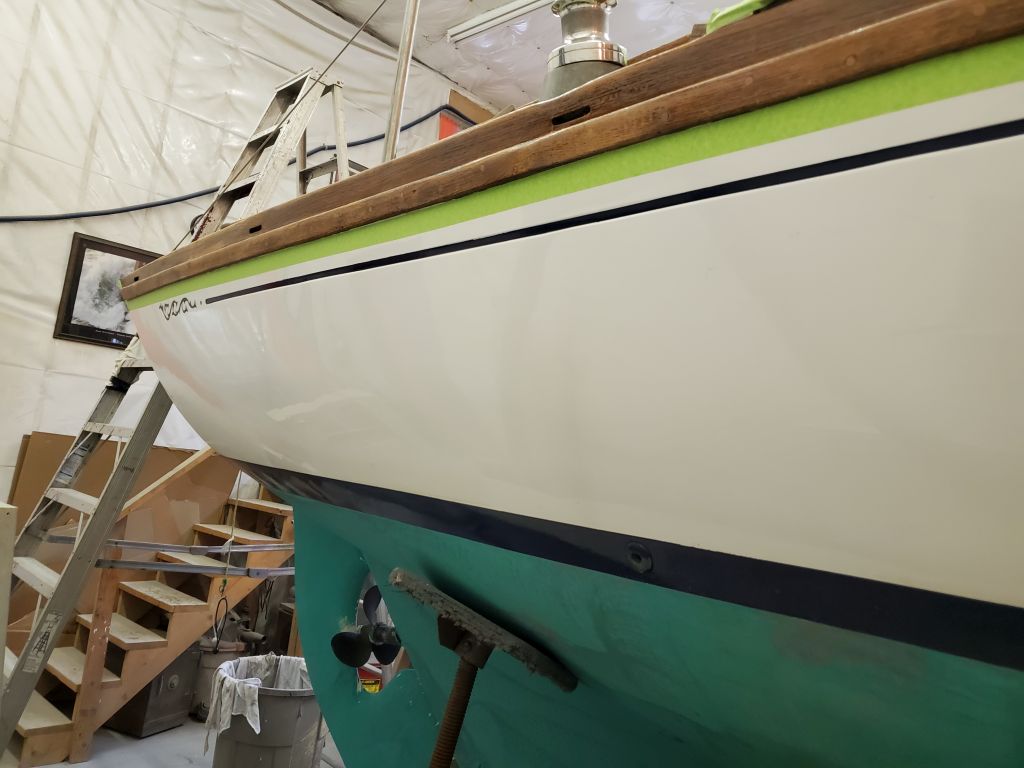
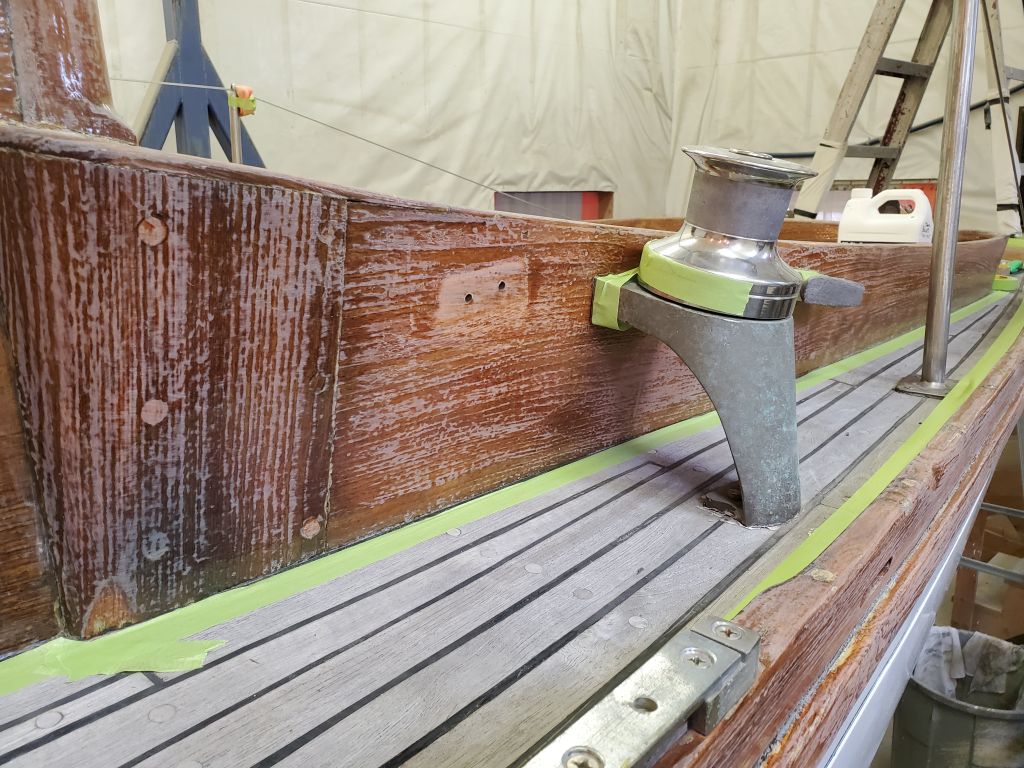
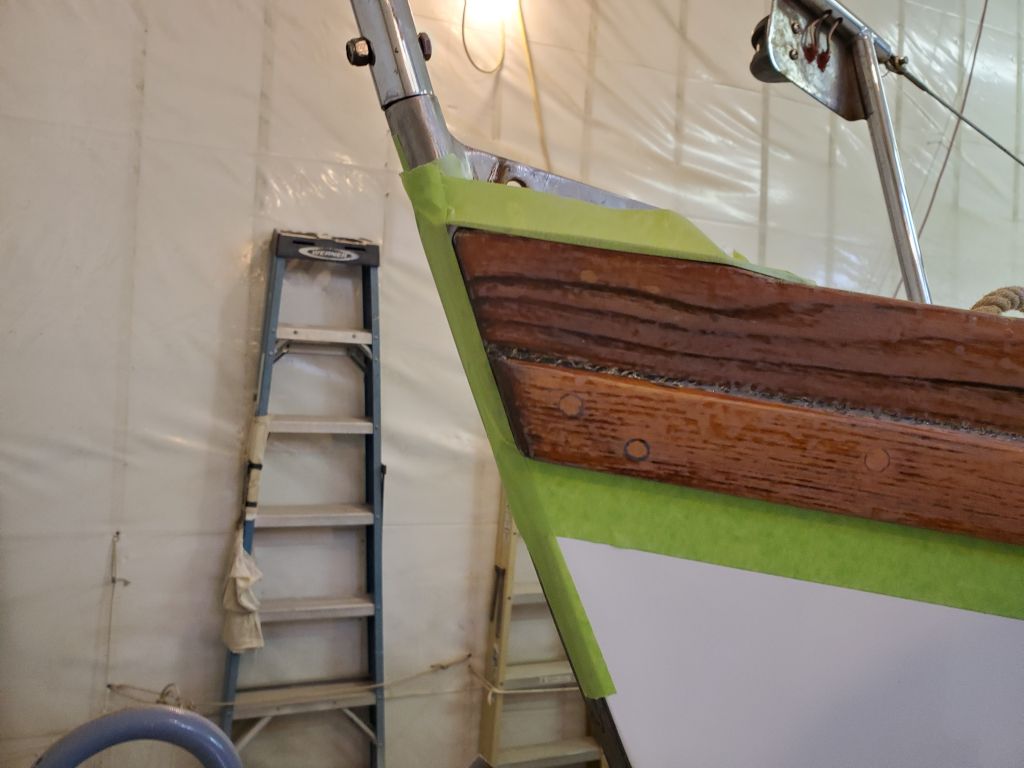
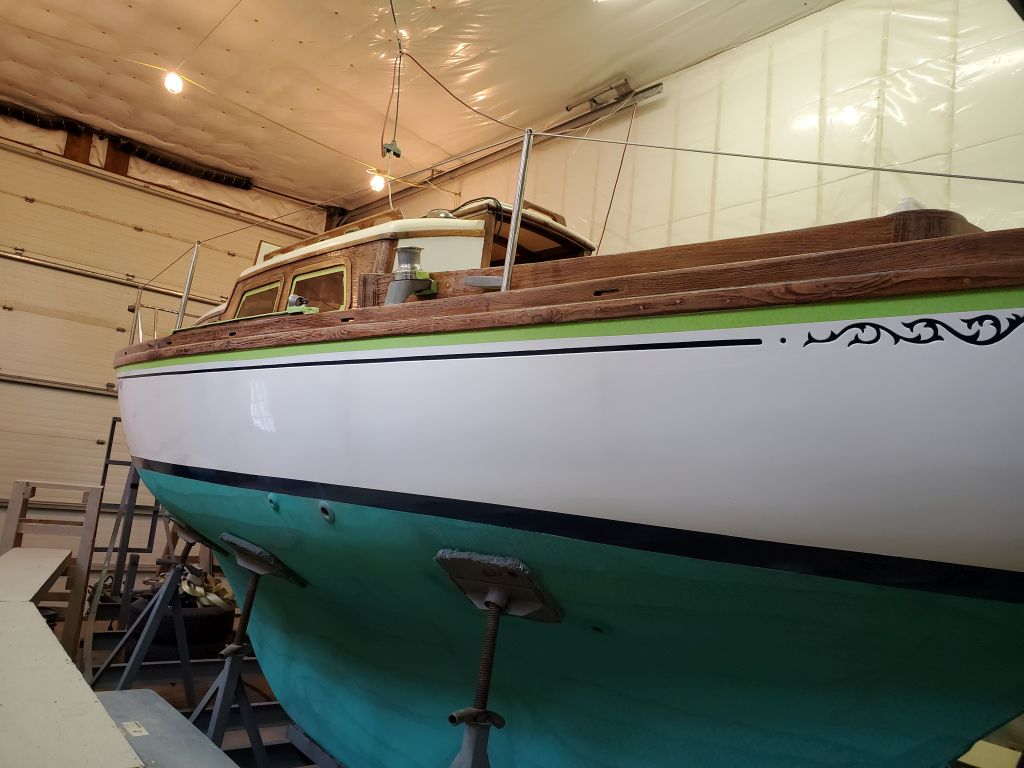
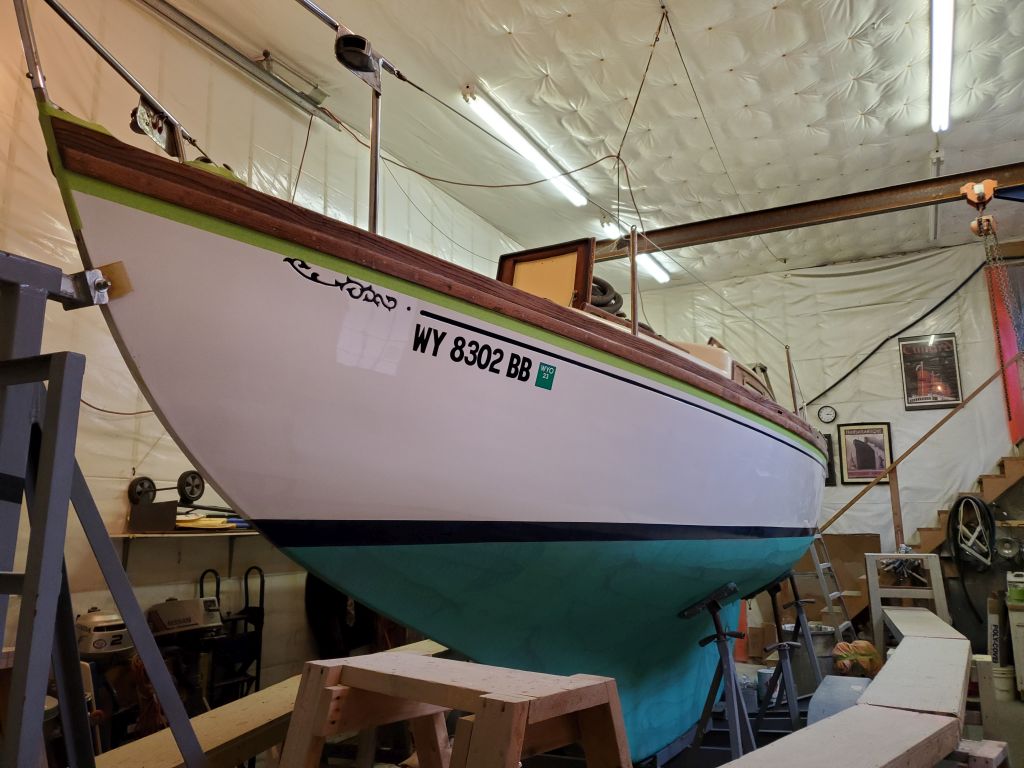
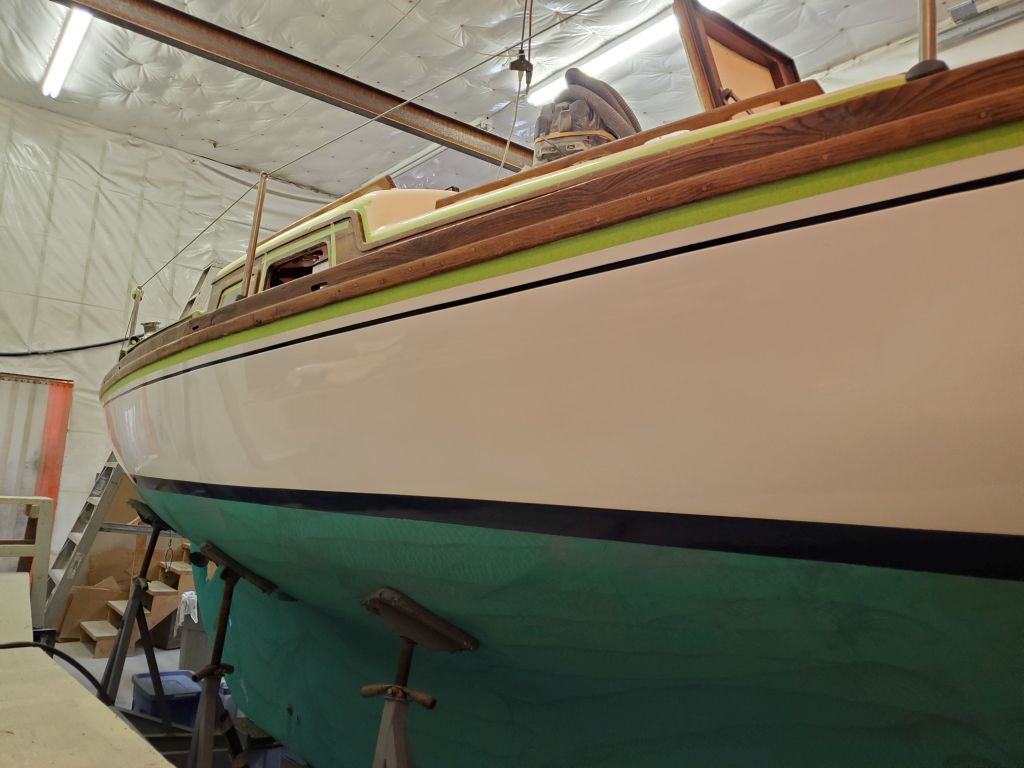
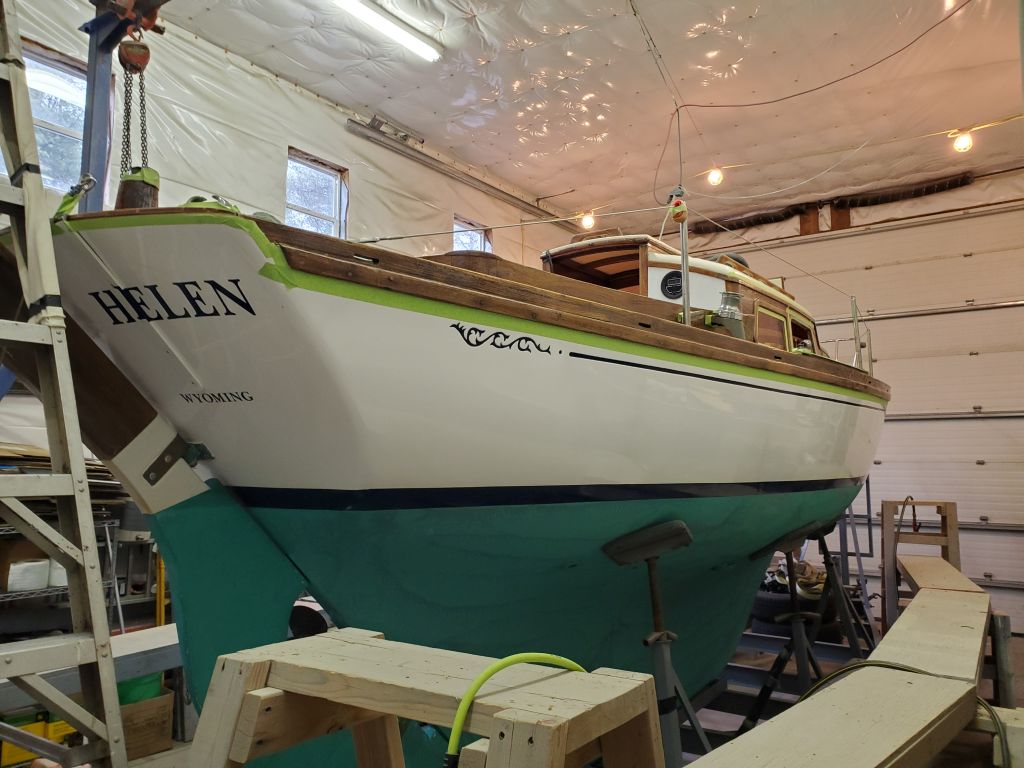
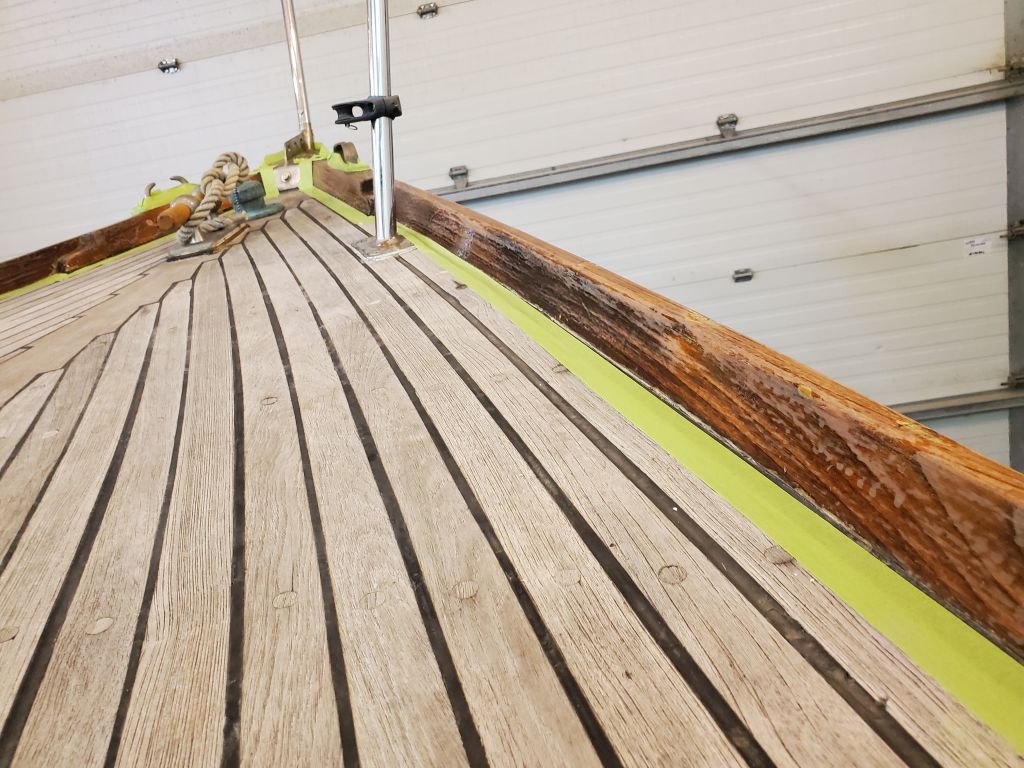
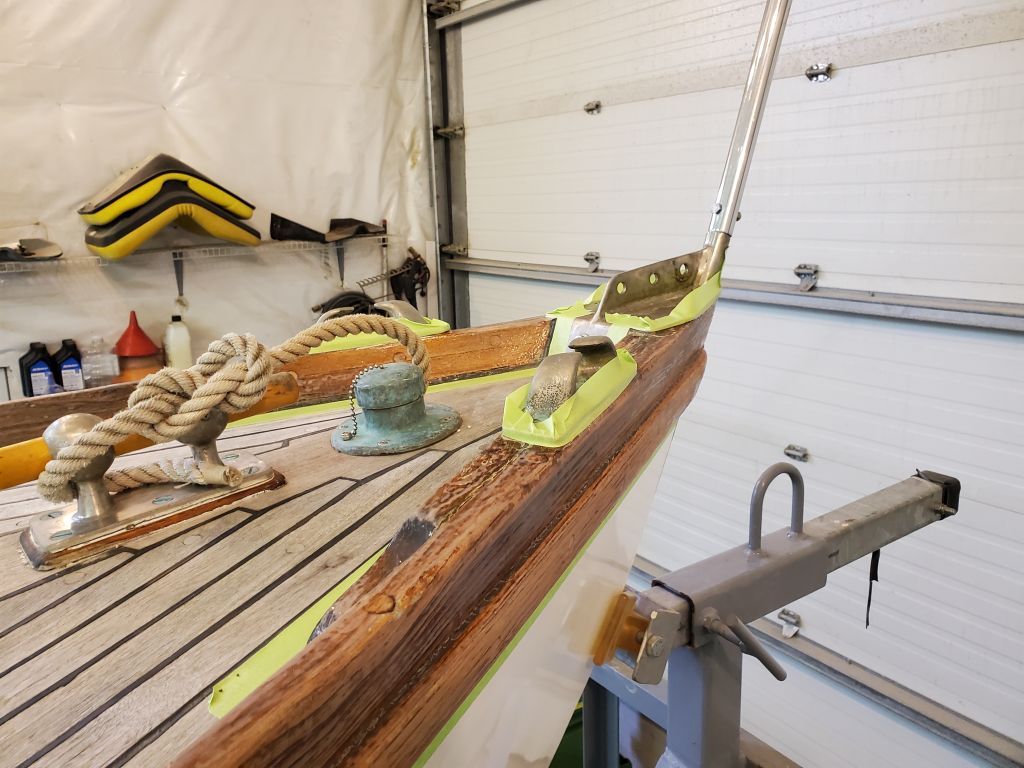
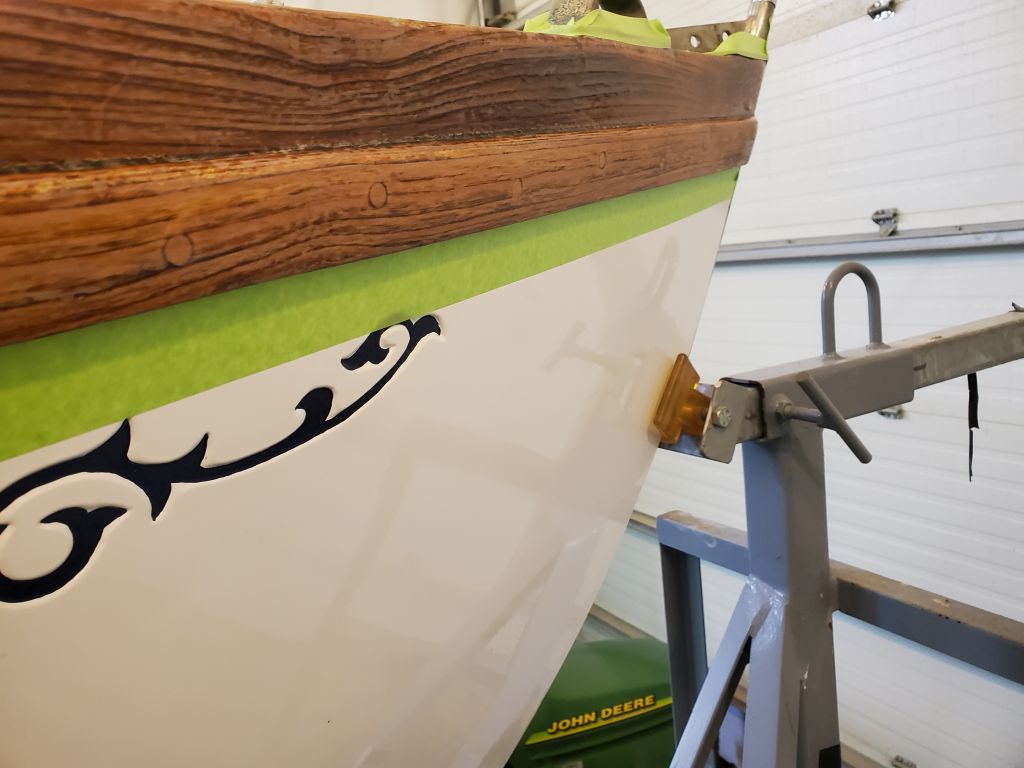
A helpful rigger at the boatyard where the mast was stored got some measurements of the drum and height for me. The bottom of the drum turned out to be 7″ above the pin at the headstay, and the diameter of the vertical cylinder (and also its height) beneath the drum was approximately 3″. These were the two crucial measurements I determined I needed to see how well the anchor and roller cleared.
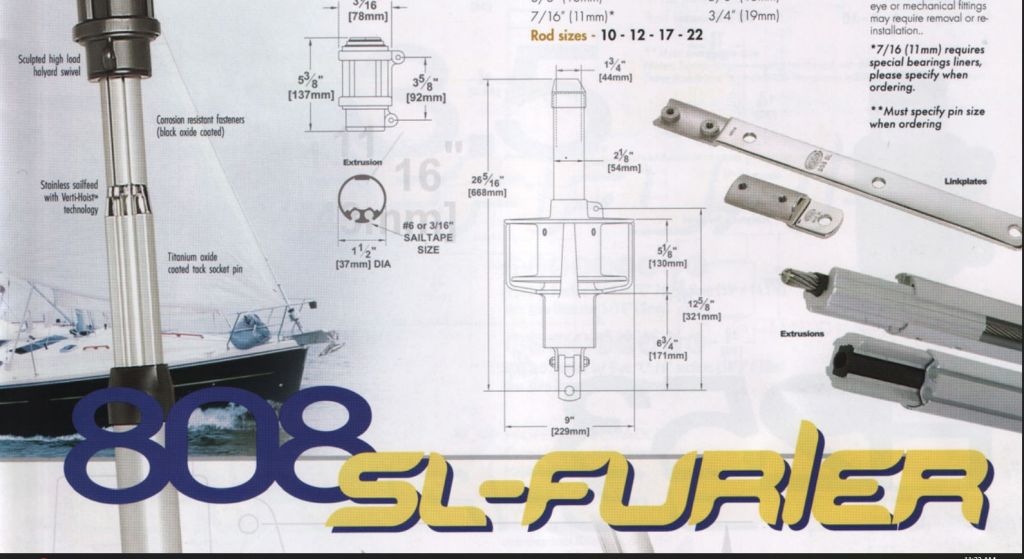
To help me make a mockup, I also found some basic dimensions for the furler–or one similar to it–online. This gave me an idea of the diameter of the furler drum–9″.
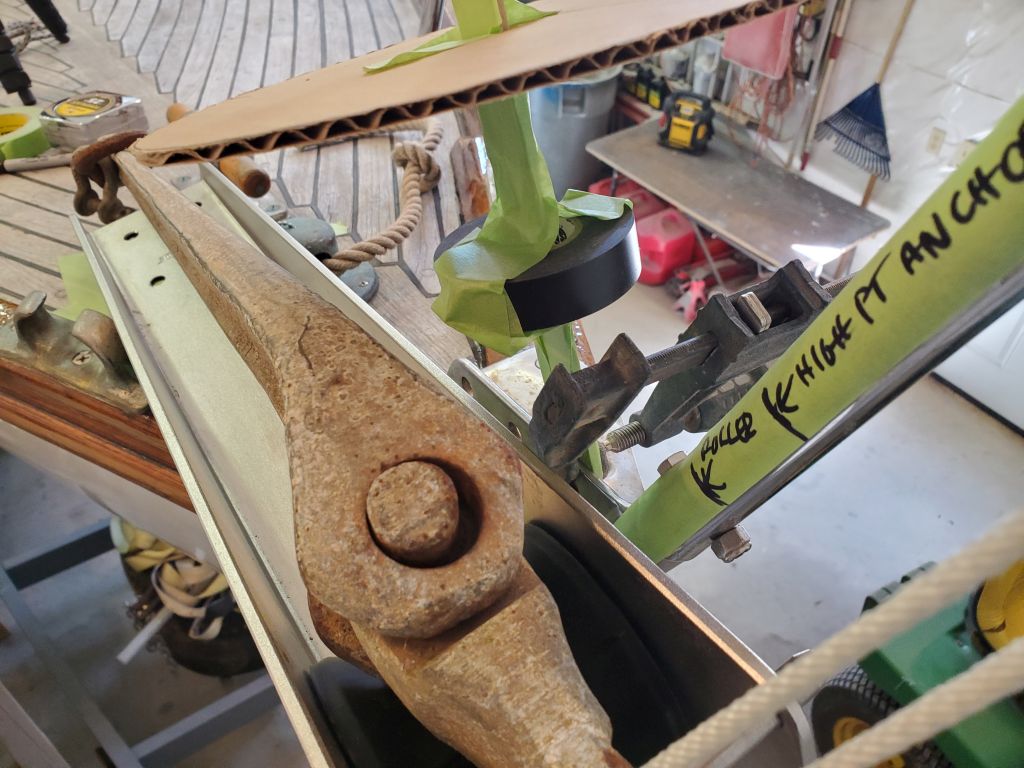
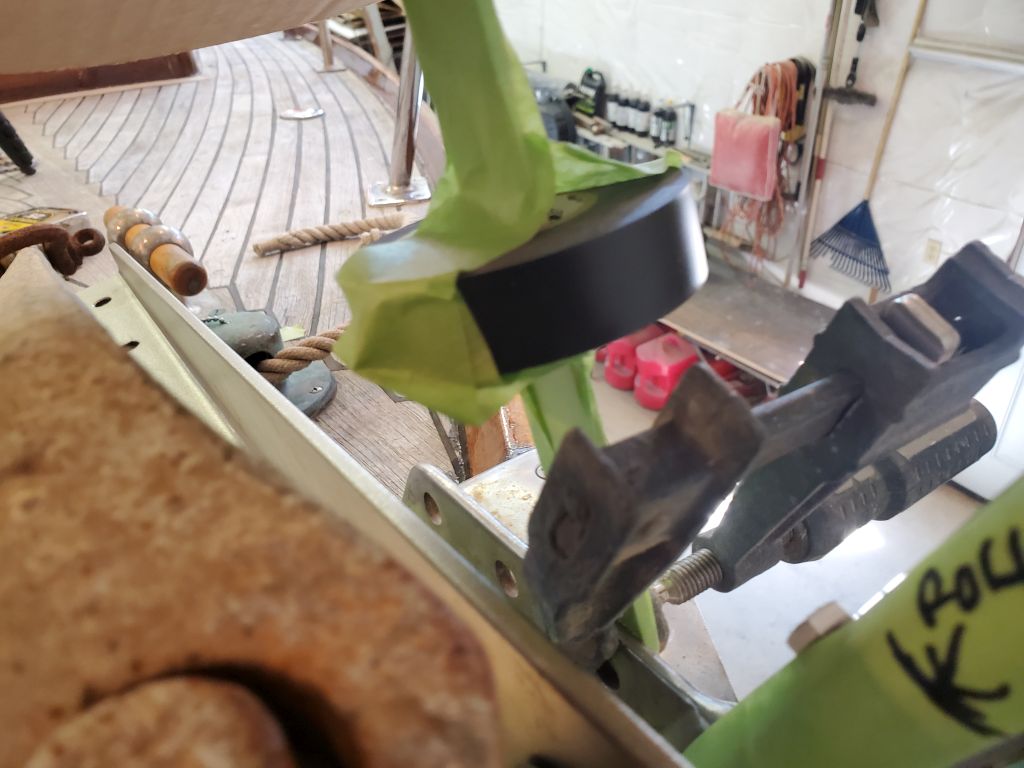
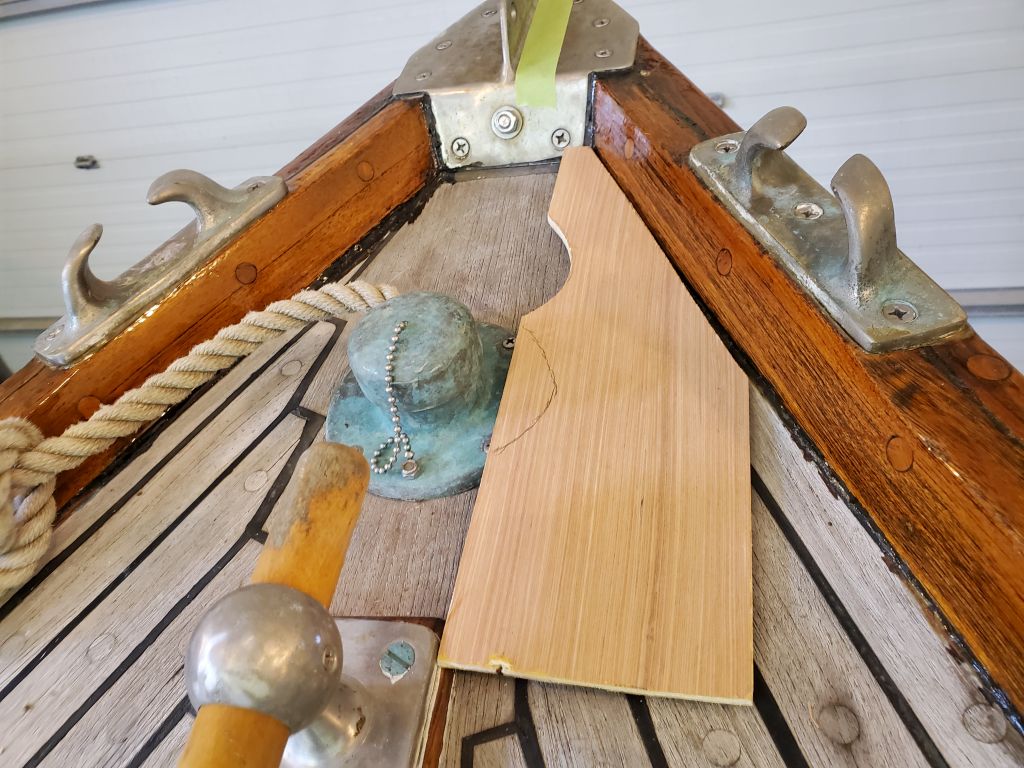
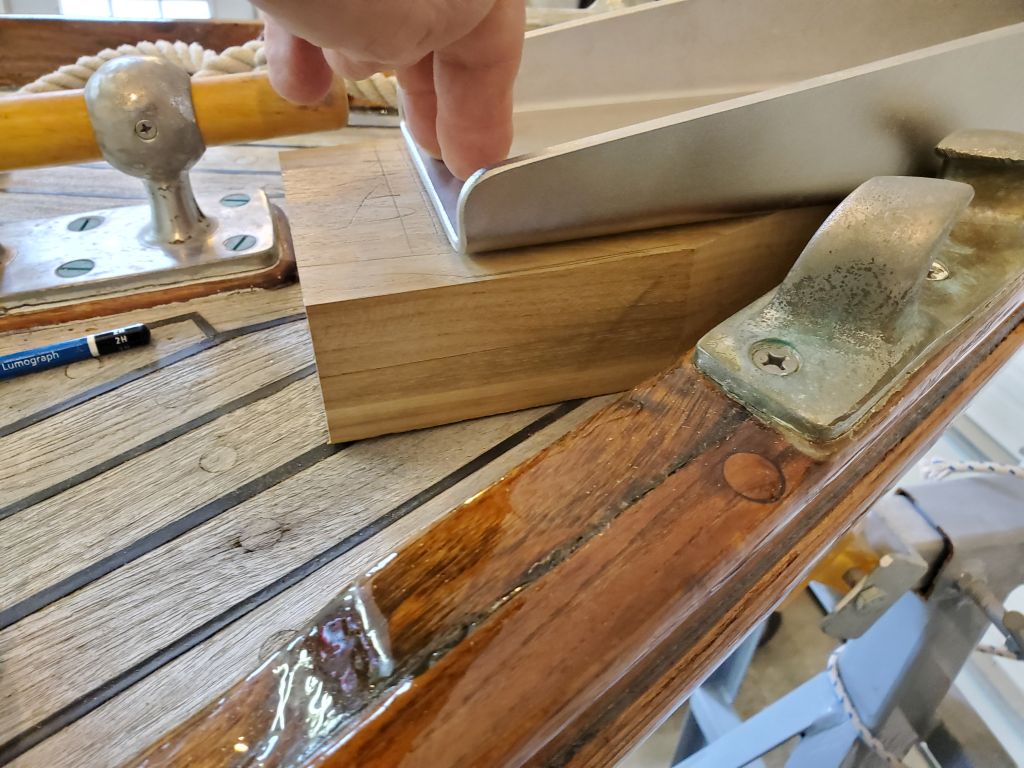
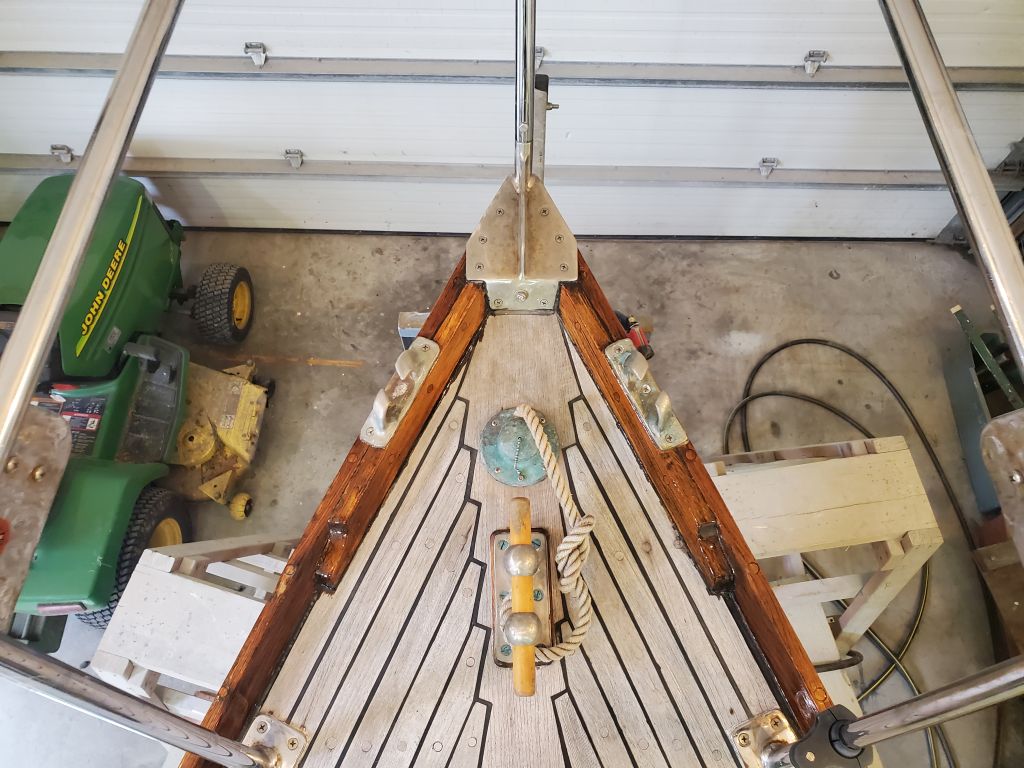
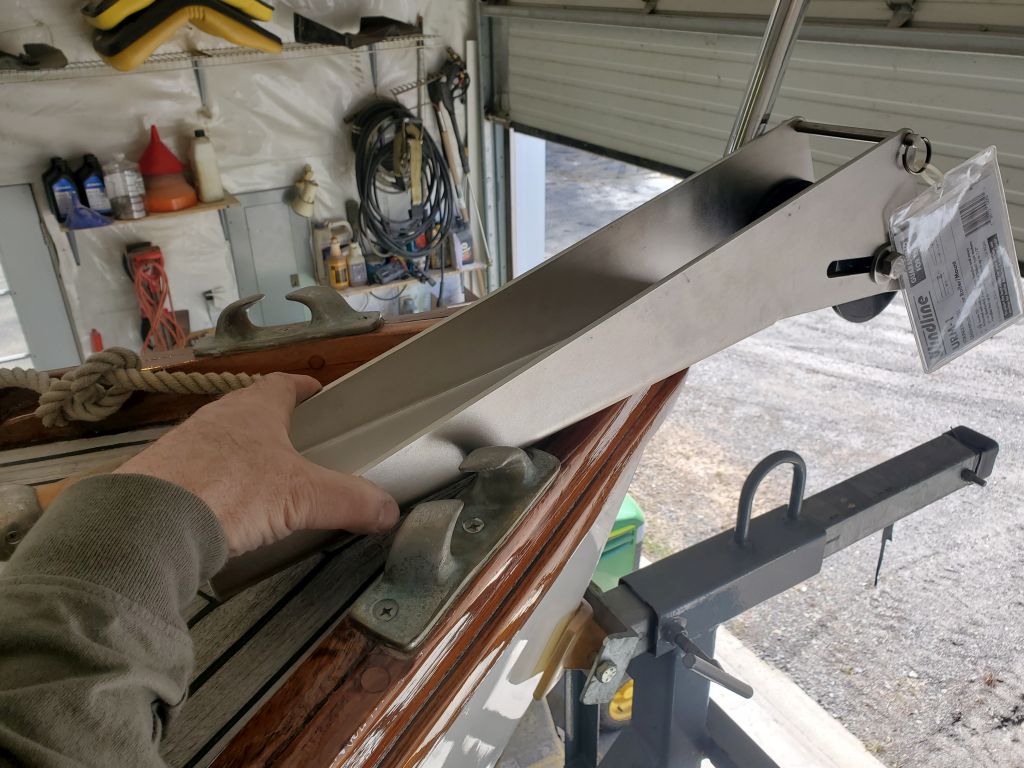
From these measurements, I built a crude mockup from cardboard and a roll of black tape that happened to be 3″ in diameter. I attached the components to a wooden stir stick, and clamped the arrangement to the stem plate at the approximate angle of the headstay, which I could figure from the ghost of the headstay fitting visible on the plate.
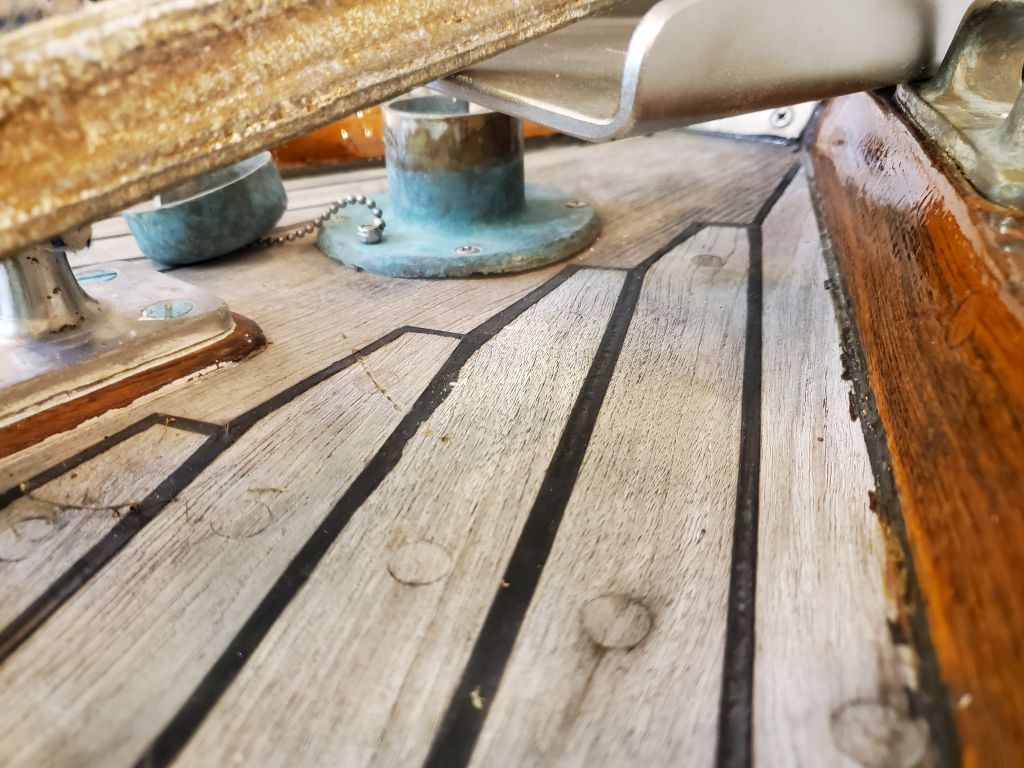
With the anchor and roller in place where they belonged, I was happy to see that there appeared to be no clearance issues with the drum (most important) and the cylinder beneath it (just about as important). Even better, there was plenty of room for error in the setup, in case my mockup was off (how could it be?) or to allow for other minor variations. I thought my drum mockup was a bit large in diameter, but it was the best information I could find and I’d rather it be too large than not large enough. In any event, the furler drum was well clear of the anchor, other than during times of manipulating the anchor in the roller itself, where (as is typical) some care would be required to keep the shank away from the drum when transitioning between anchor storage and deployment.
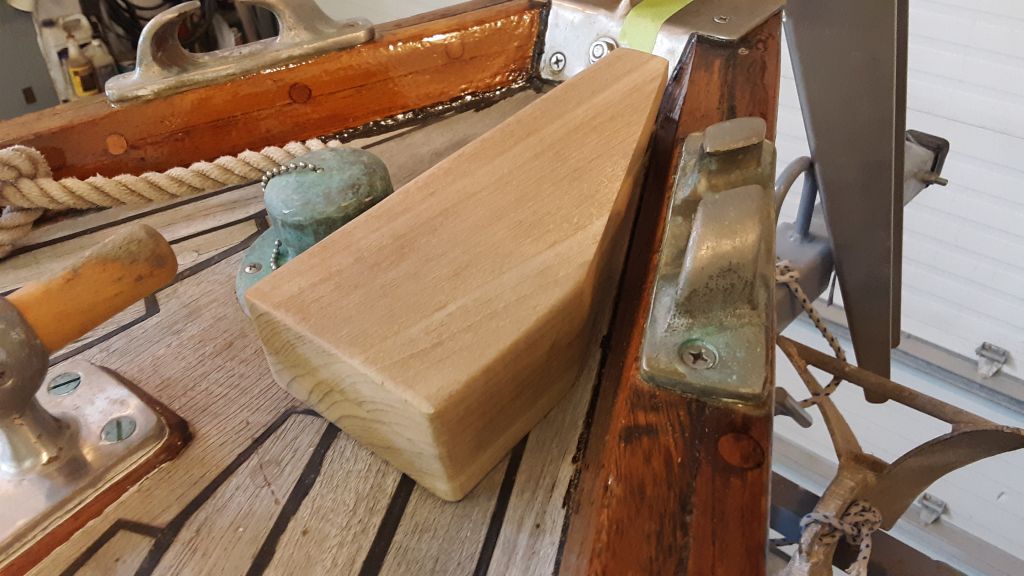
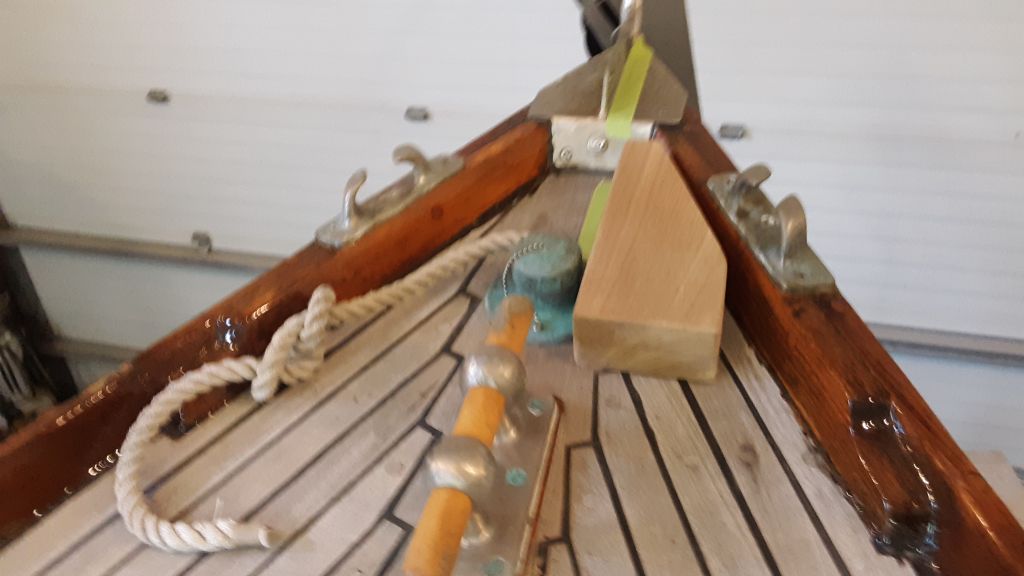
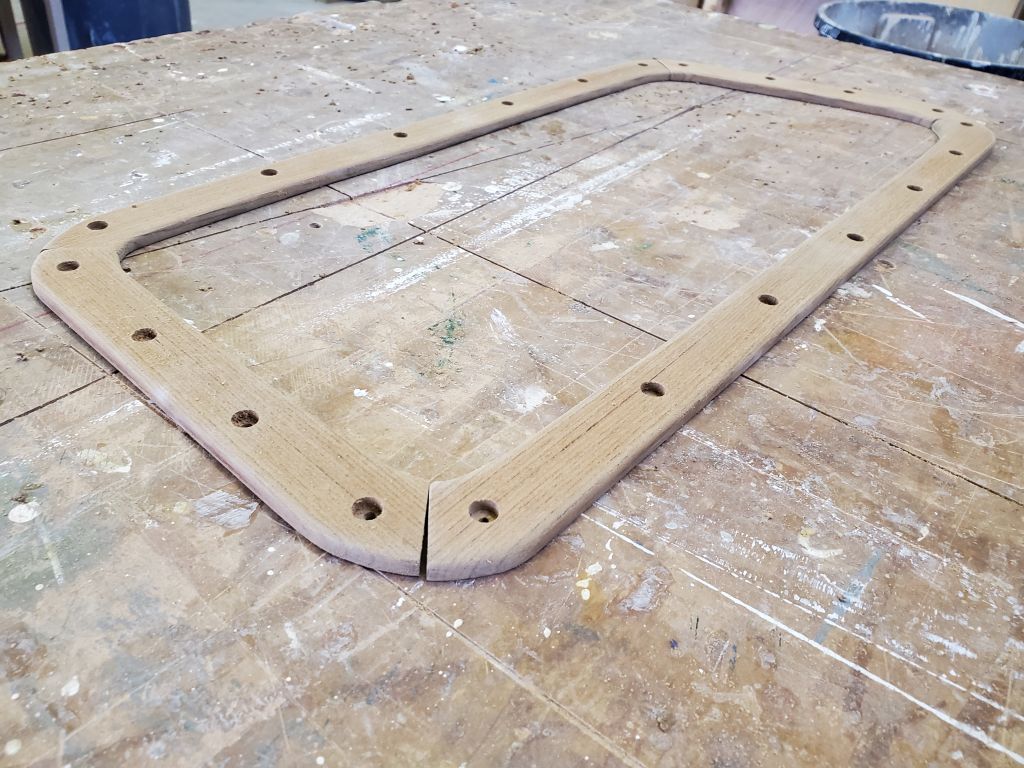
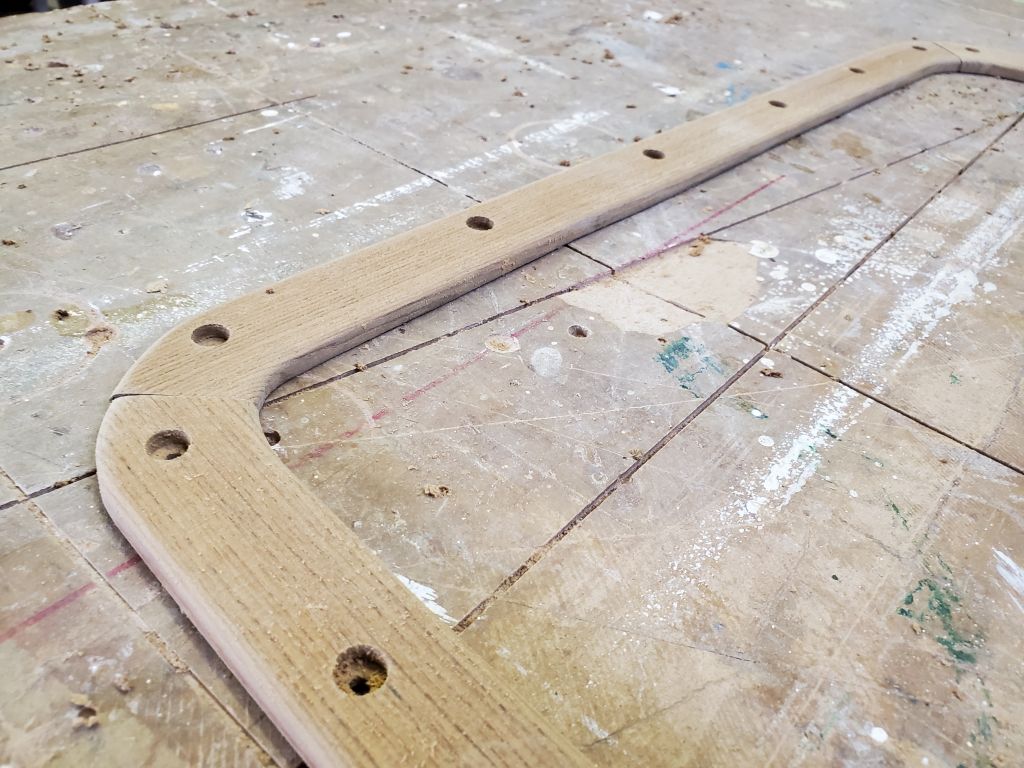
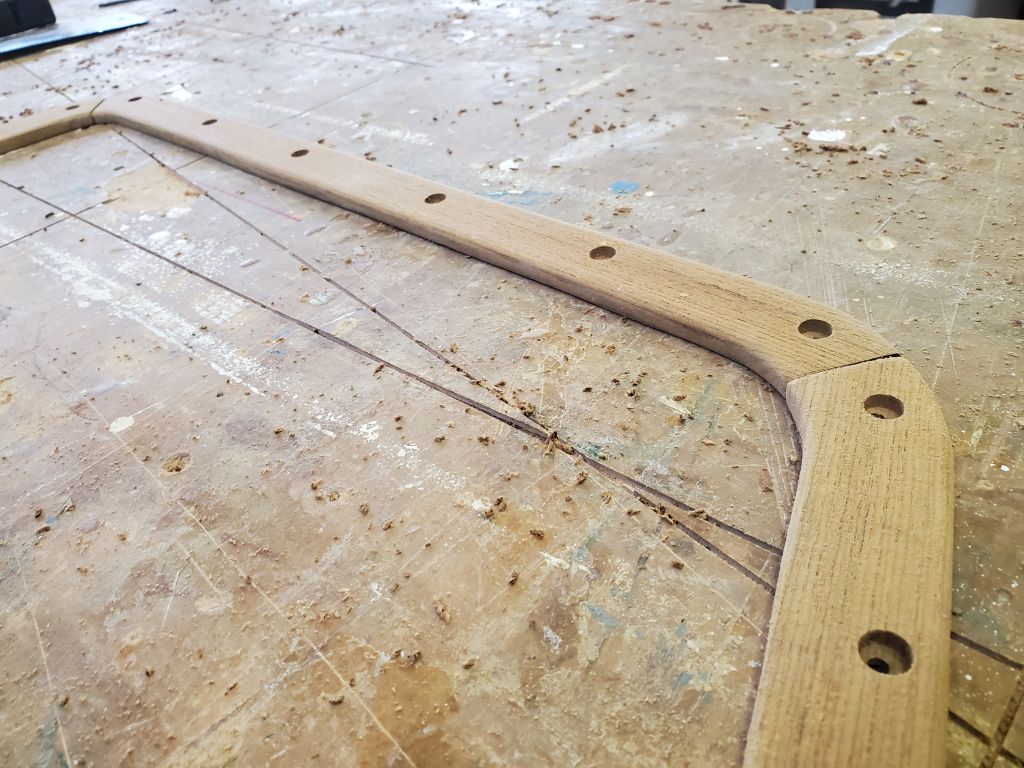
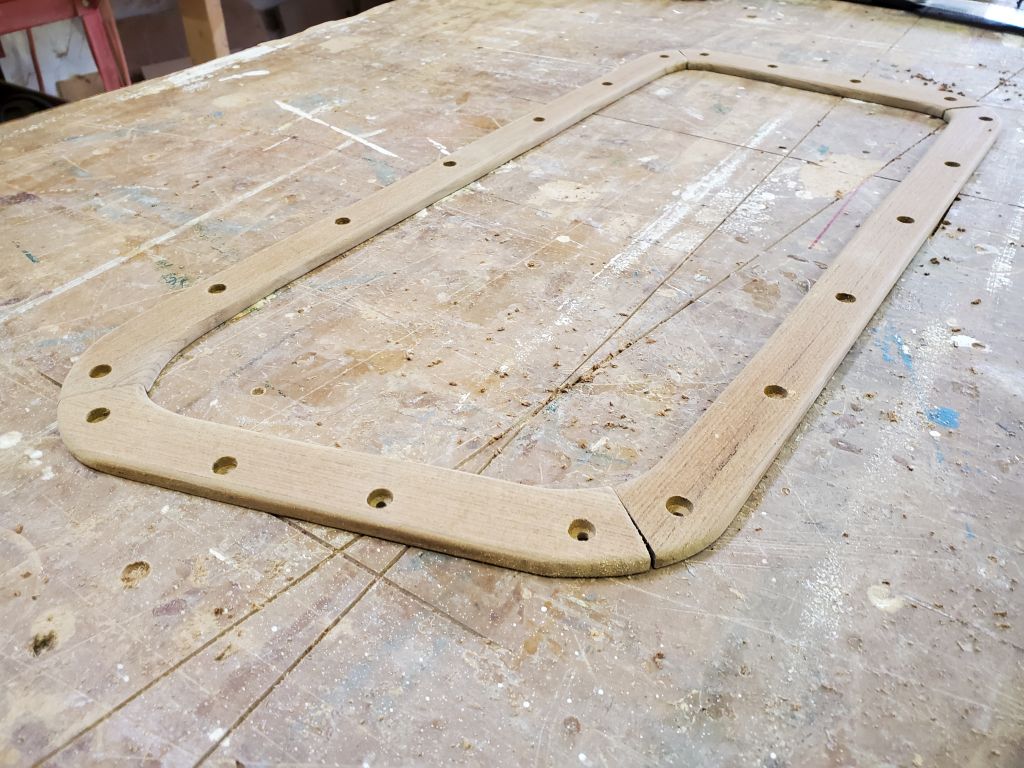
The first two photos show the actual furler in place for comparison against the mockup.
Given these findings, I planned to proceed with the final installation once the support block and backing block were ready for installation, after a bit more varnish, which process I continued now.
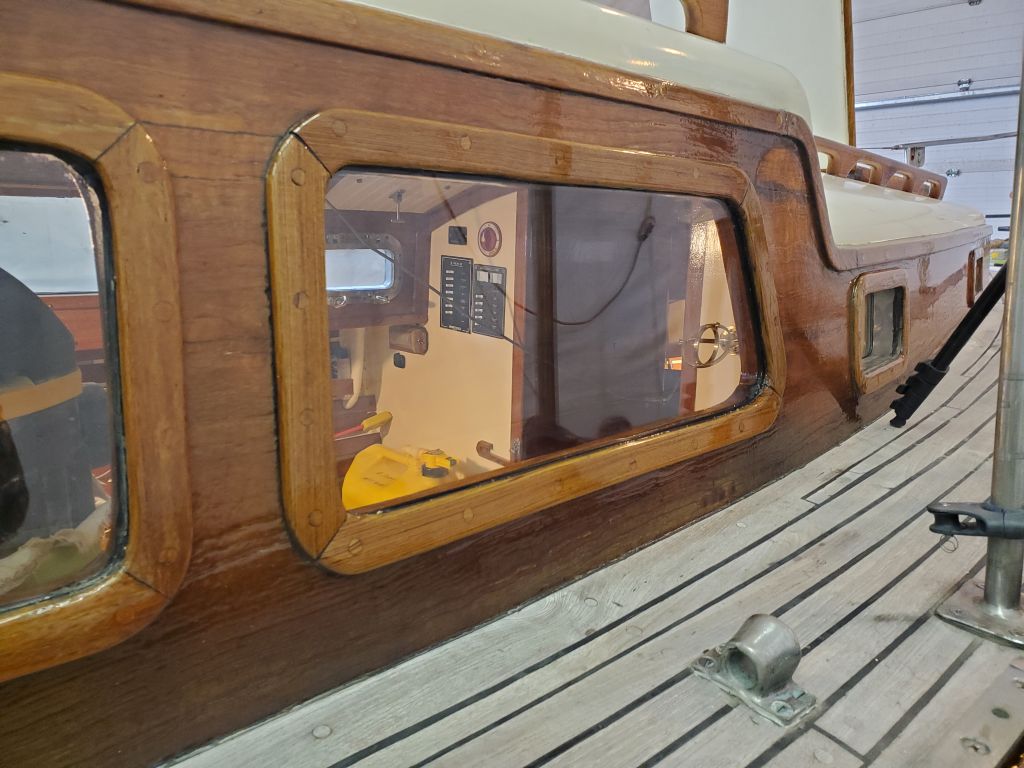
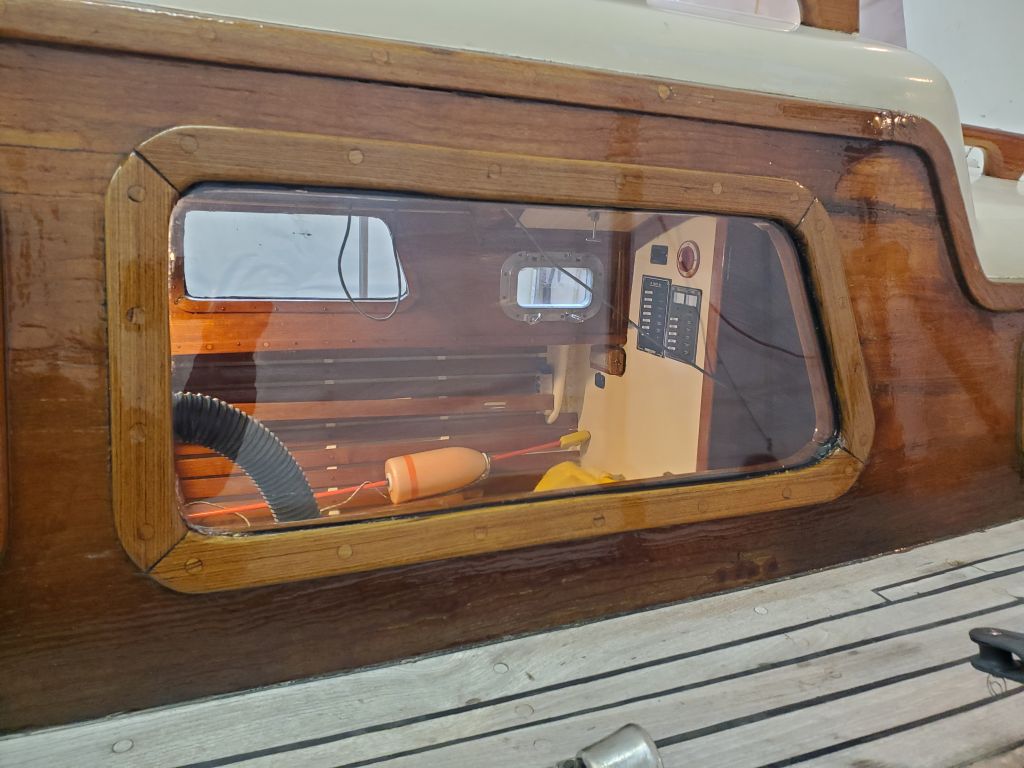
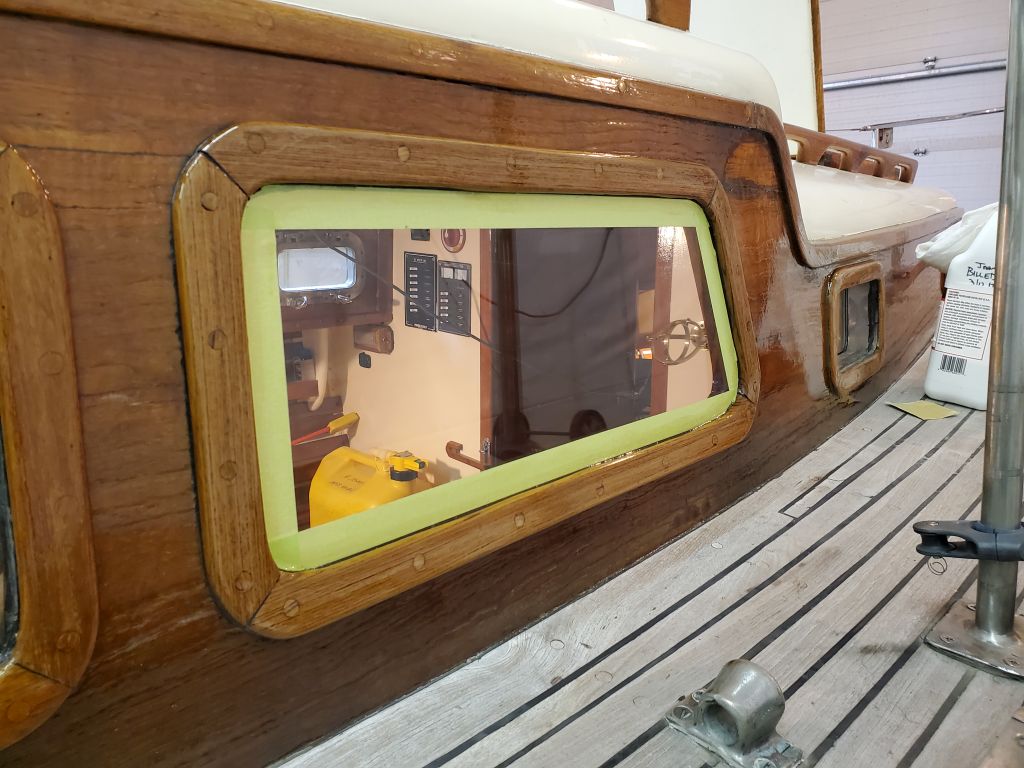
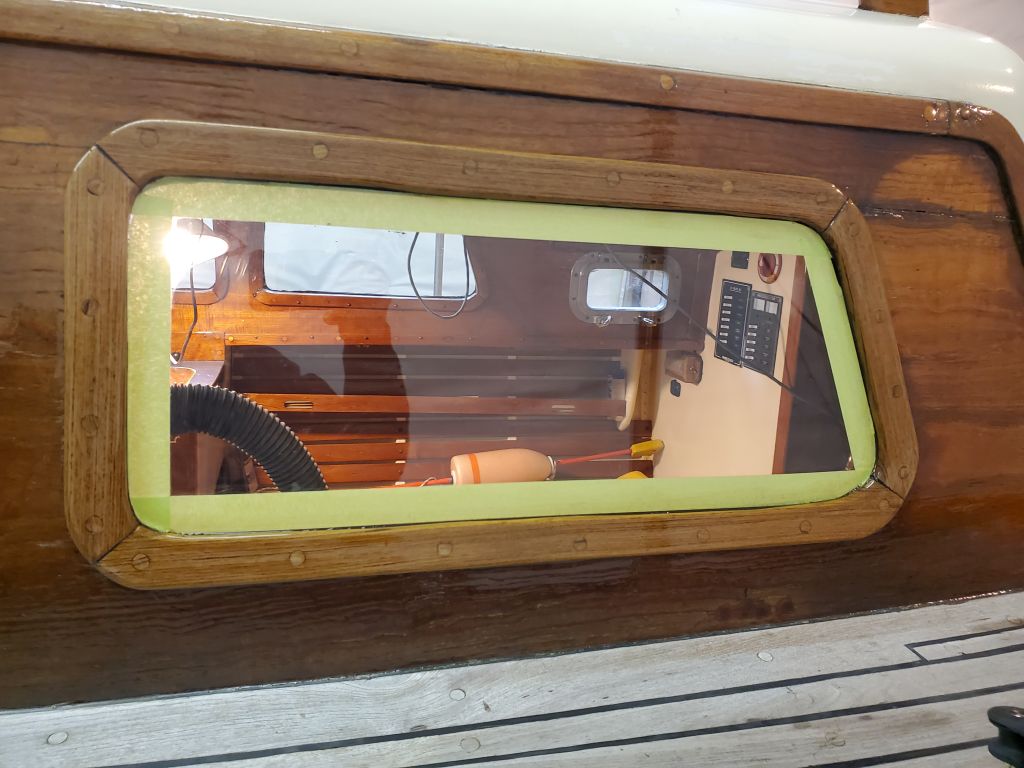
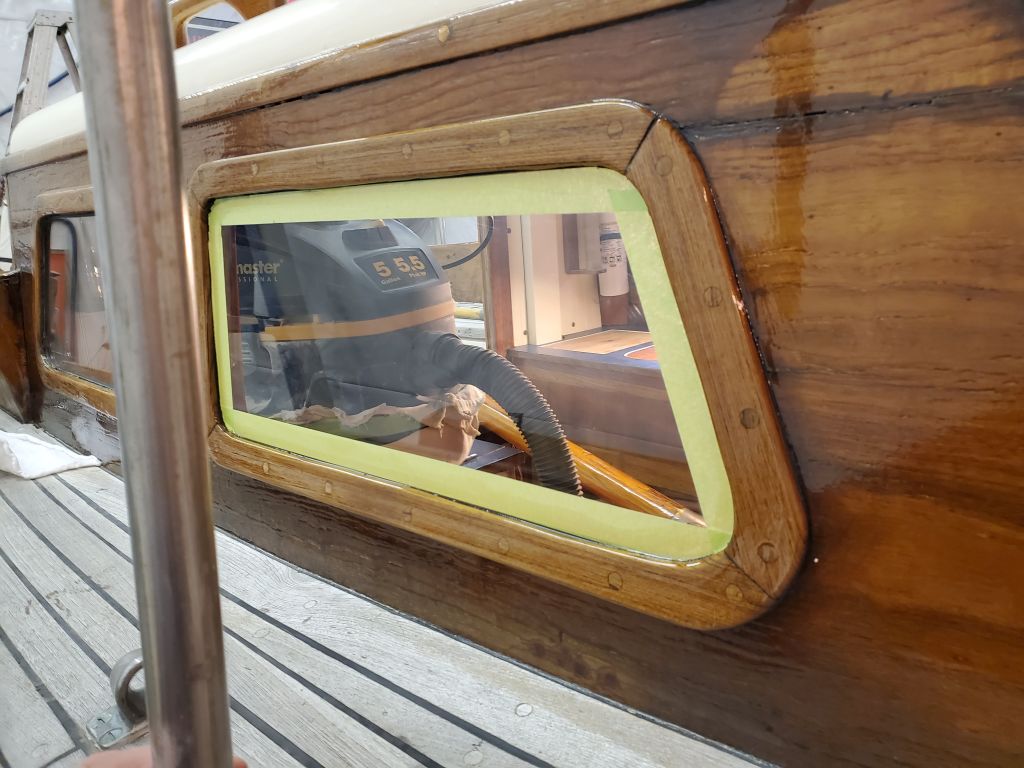
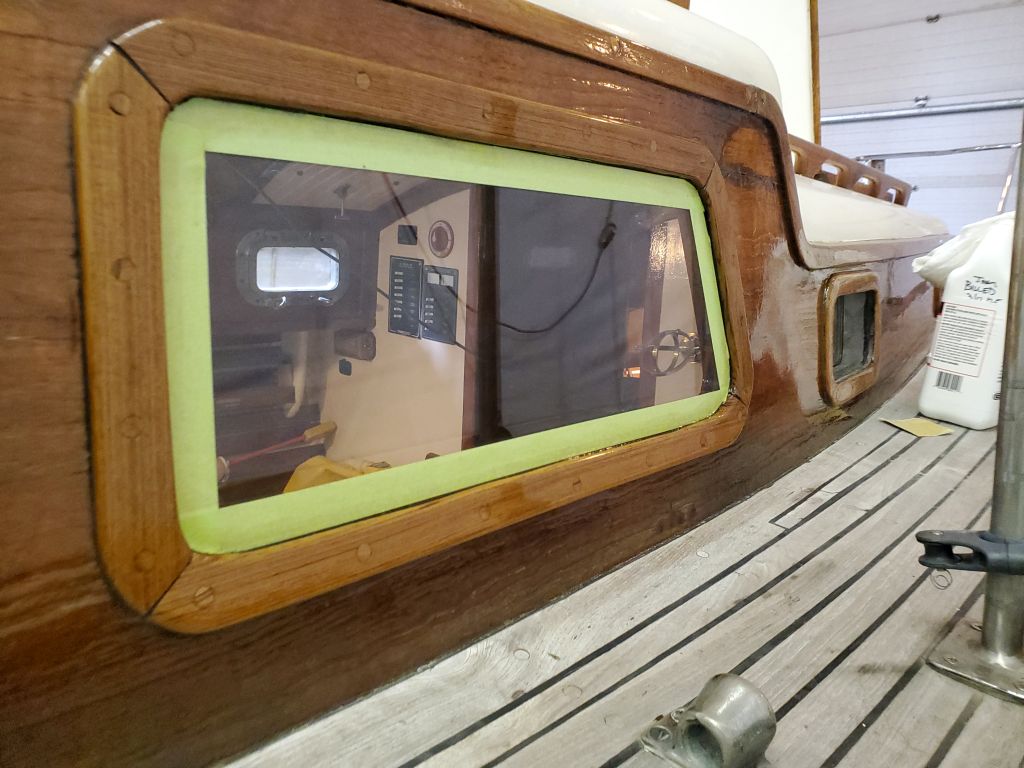
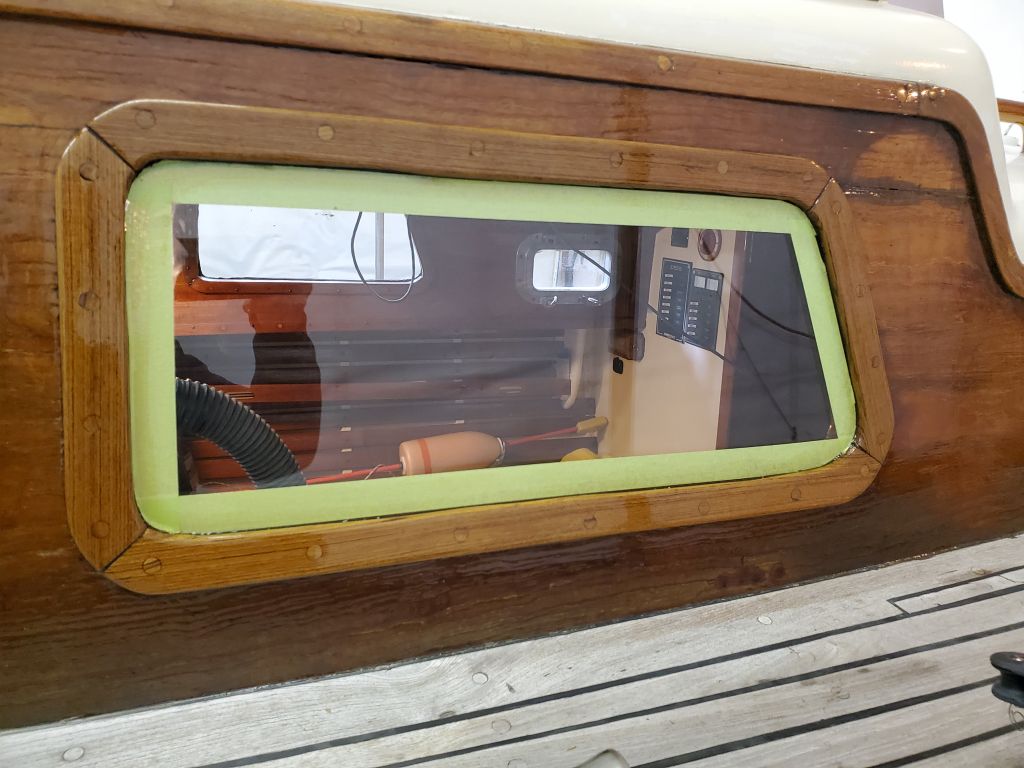
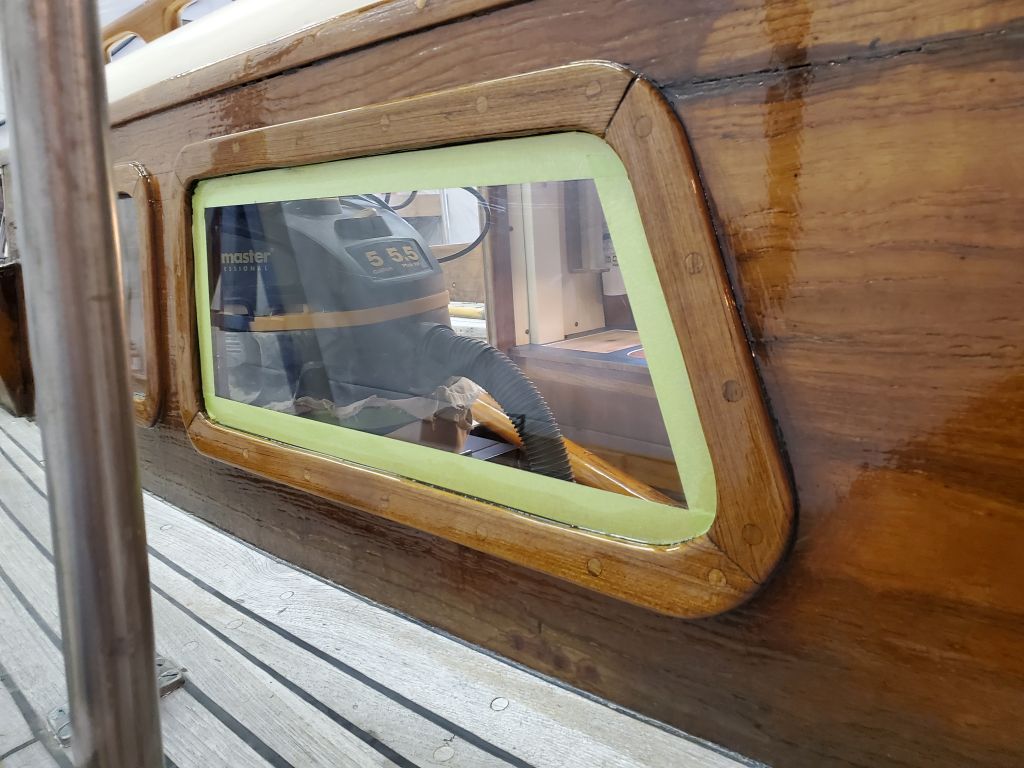
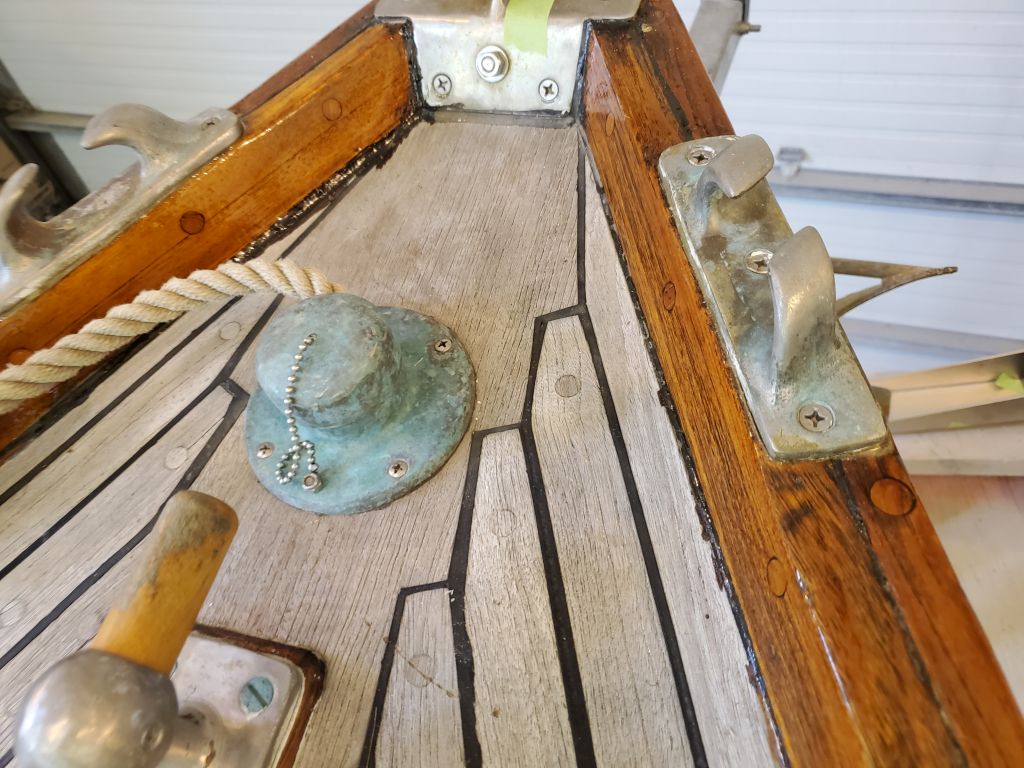
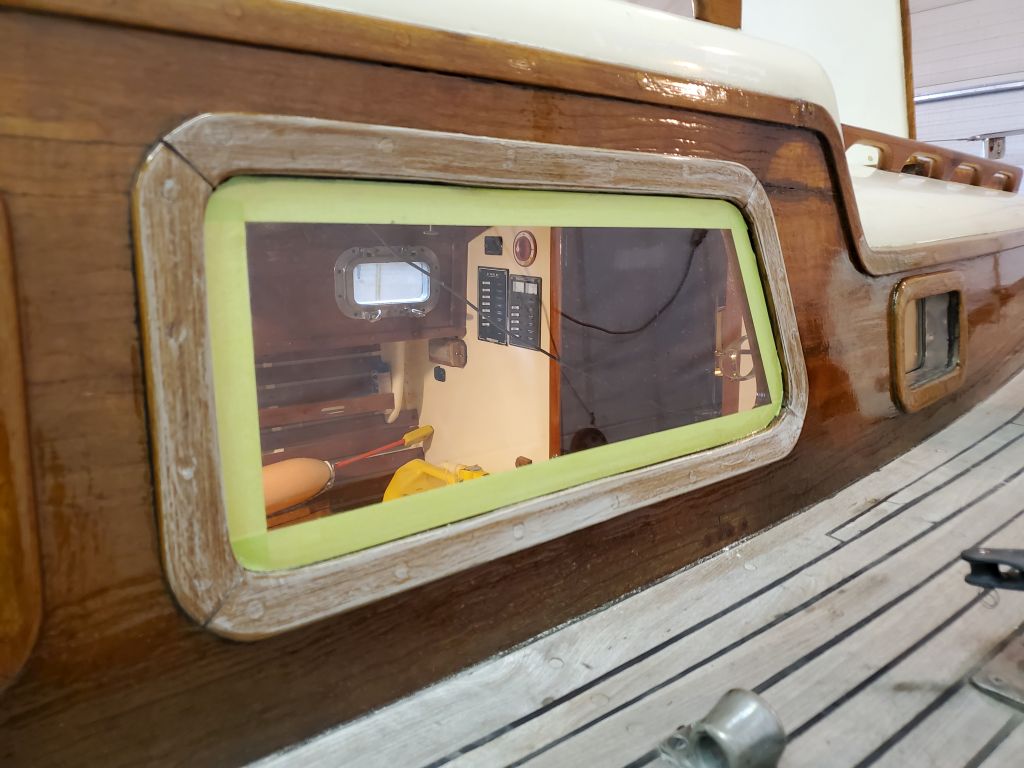
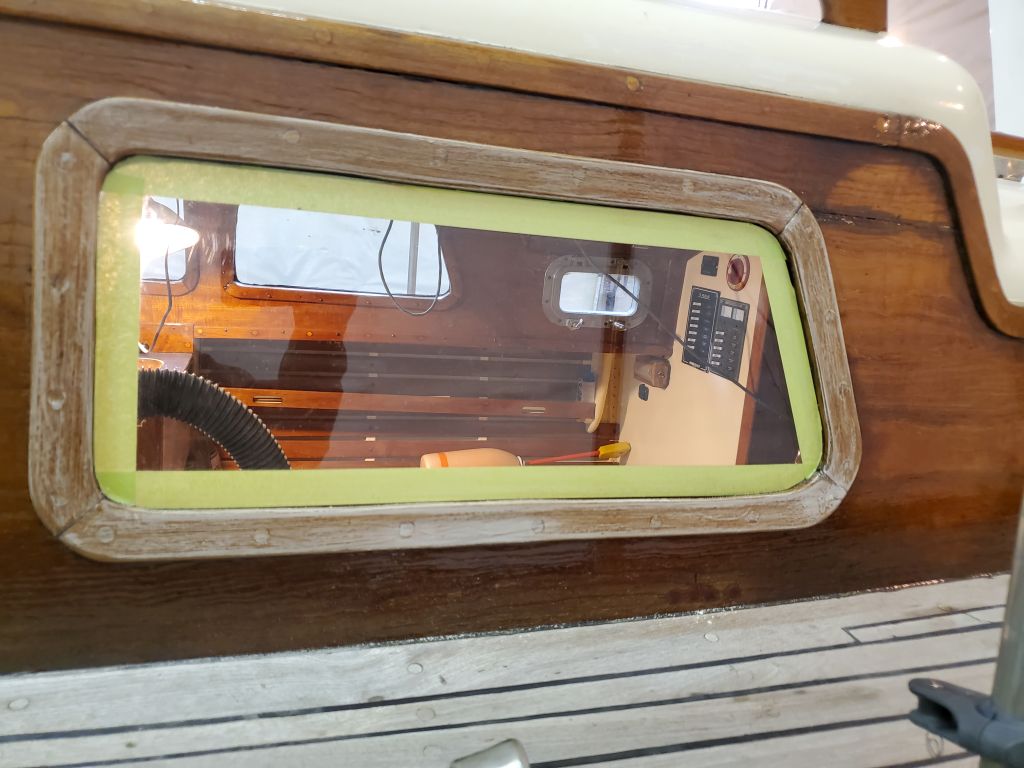
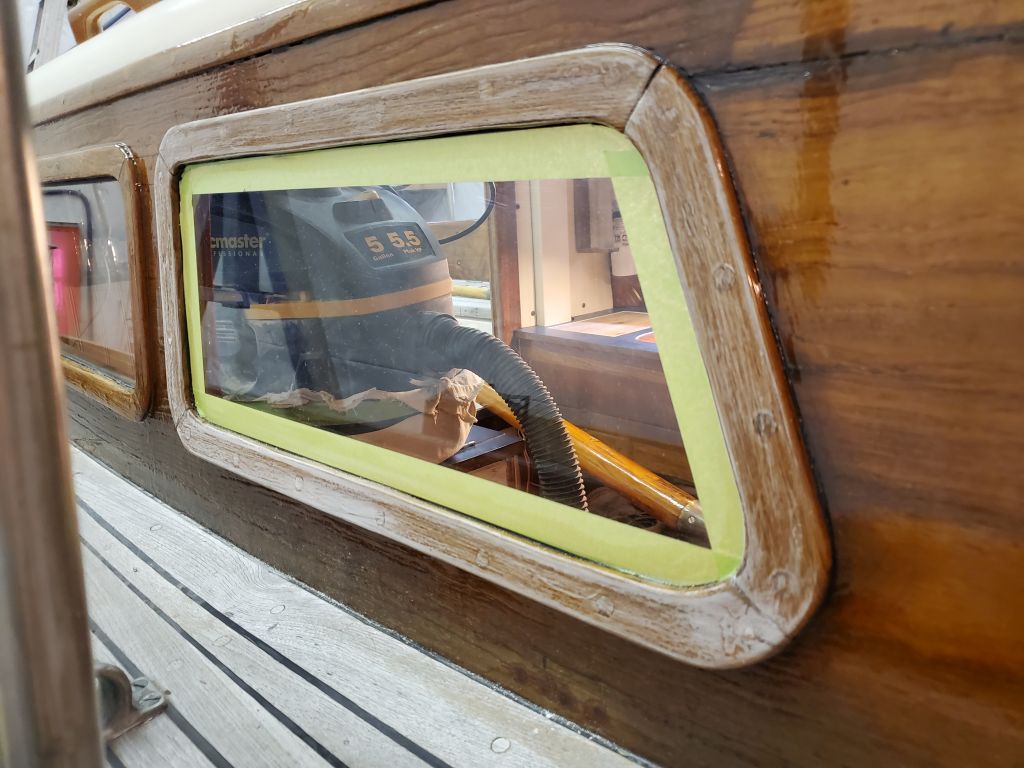
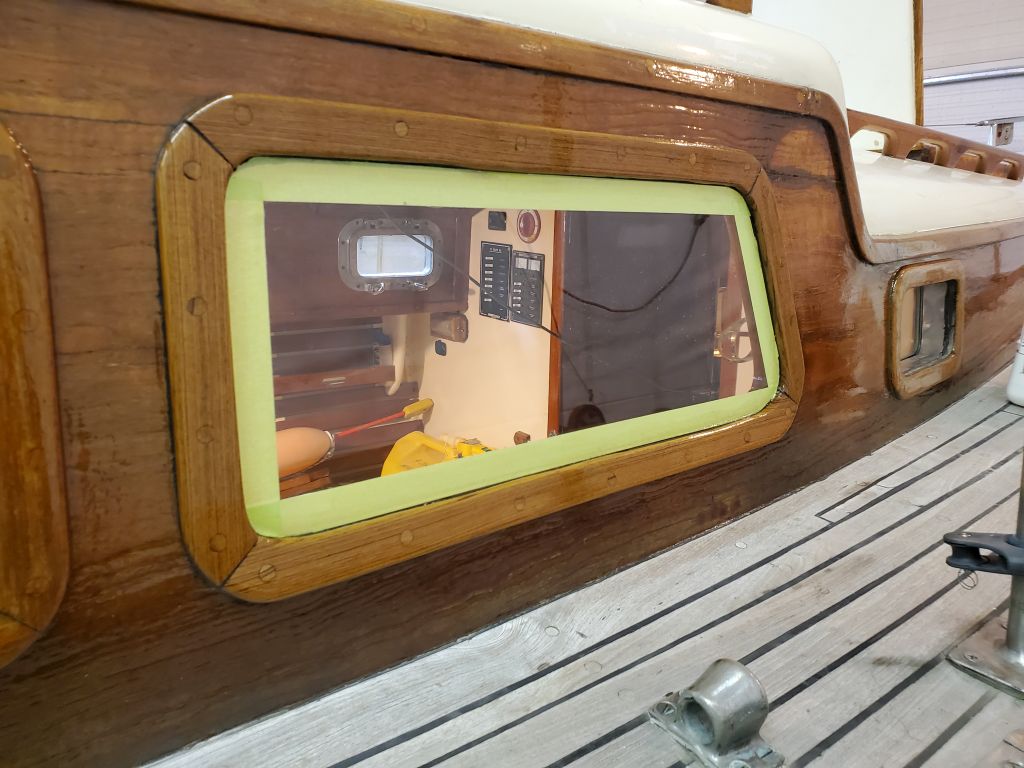
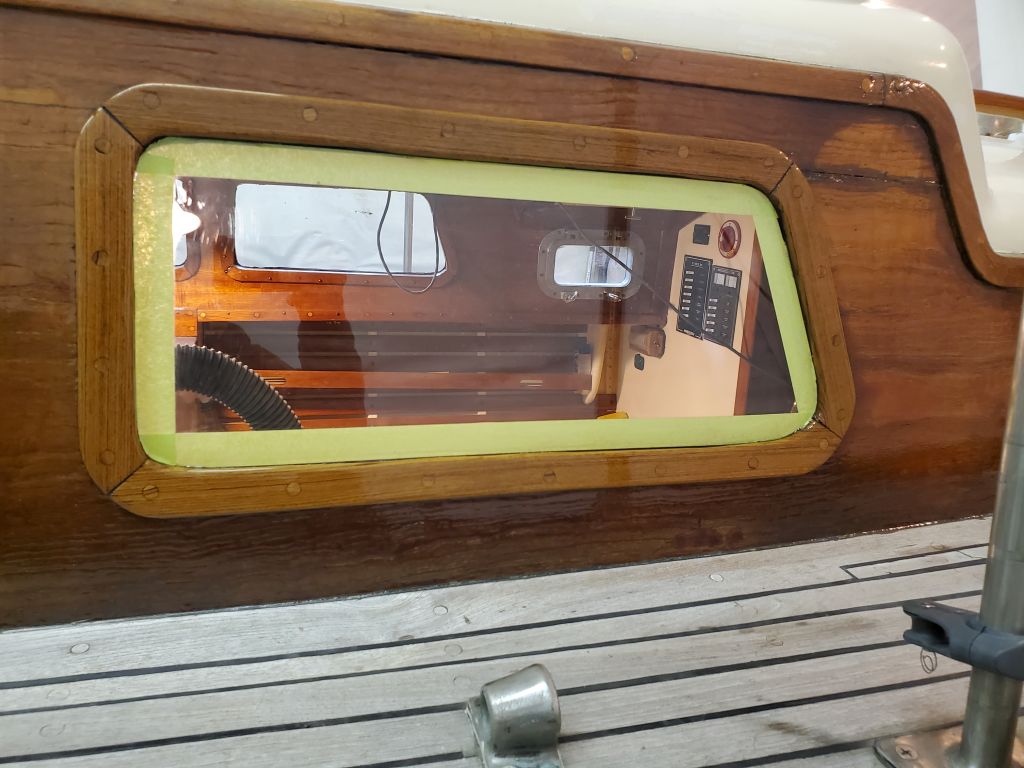
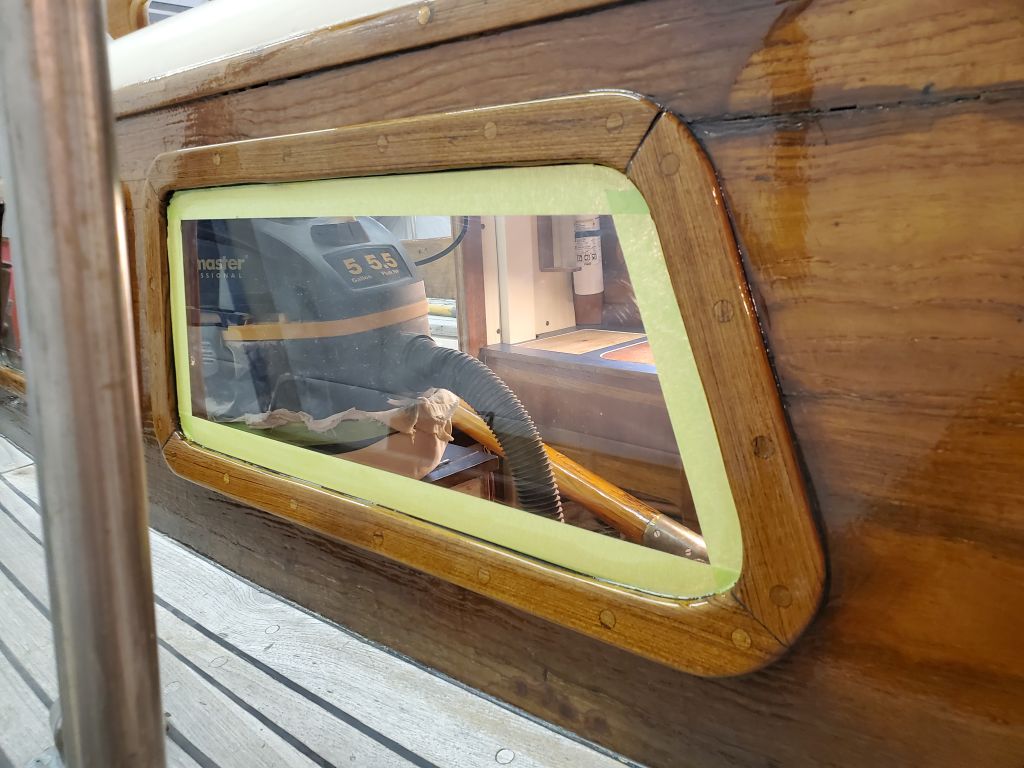
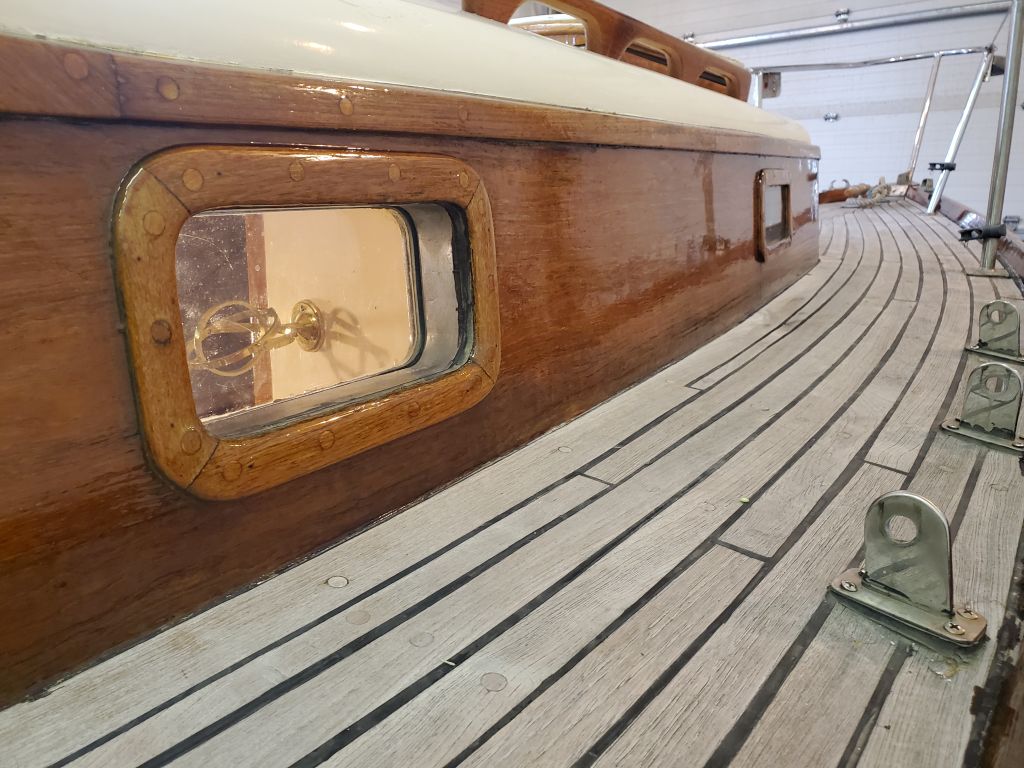
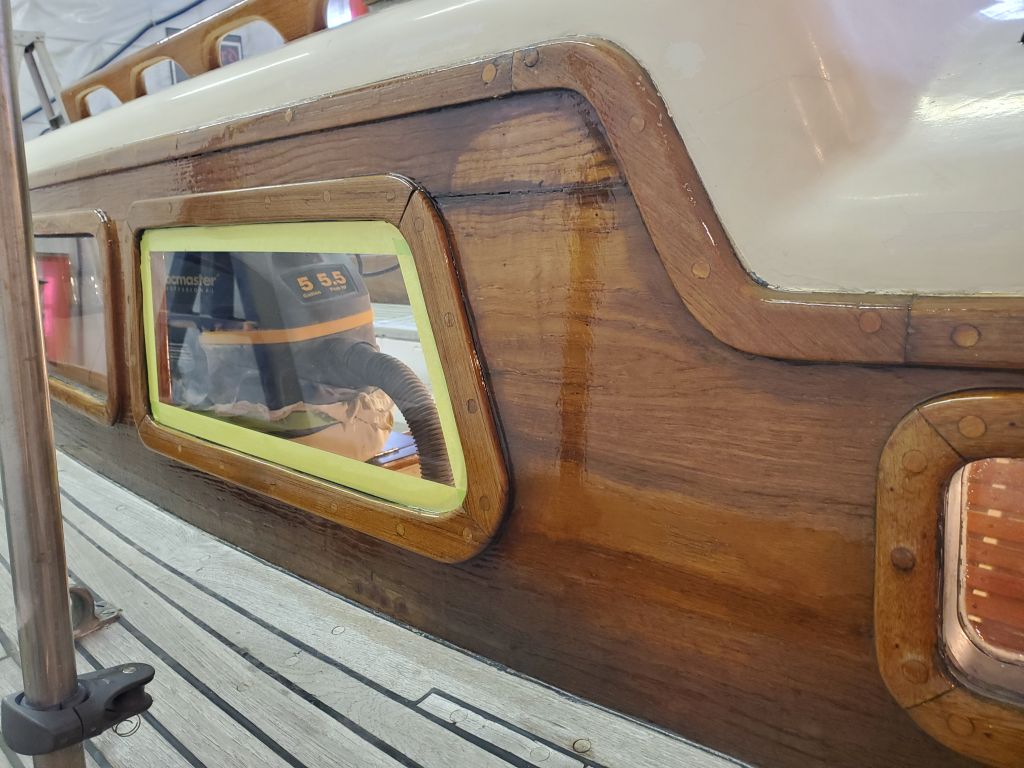
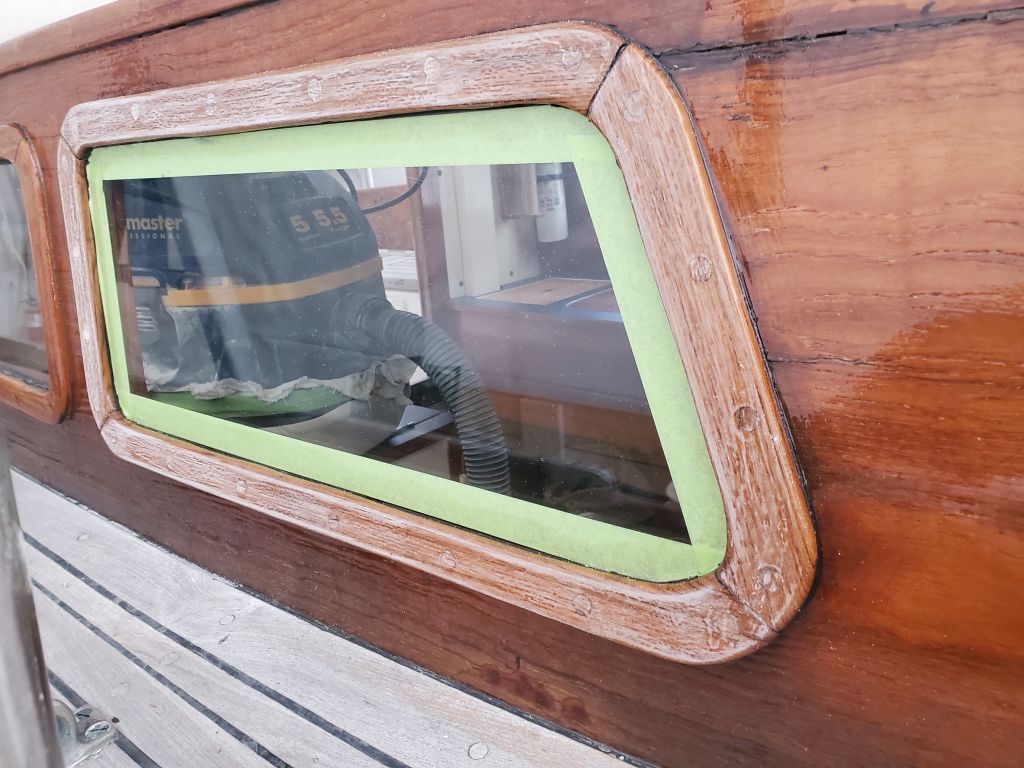
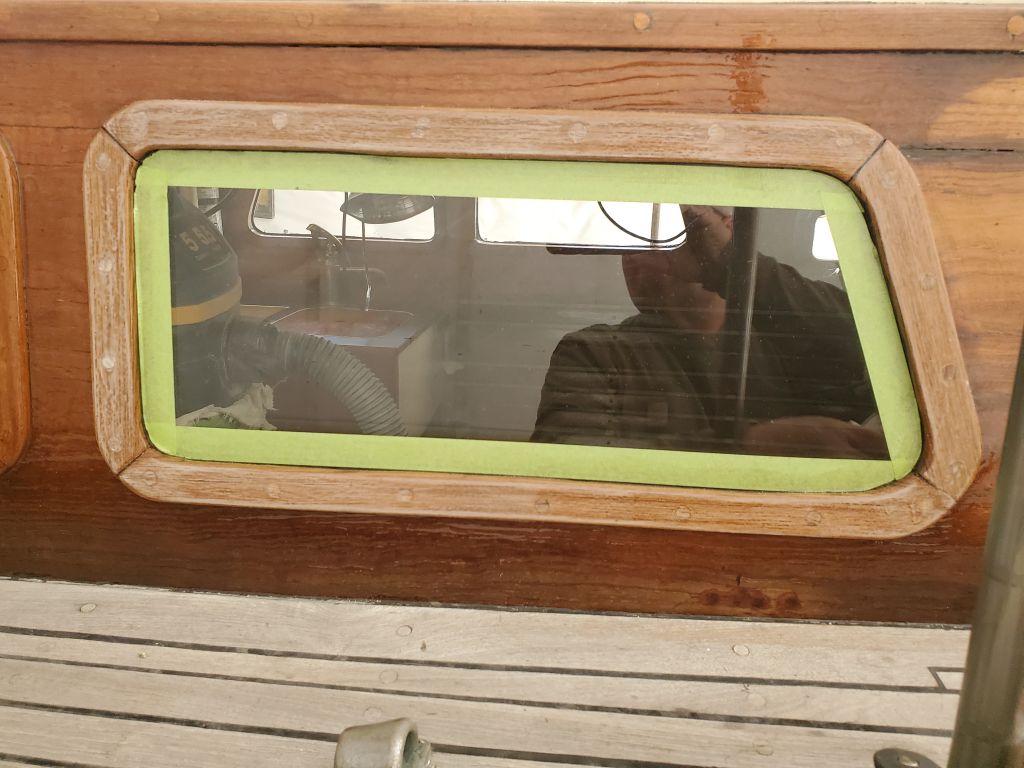
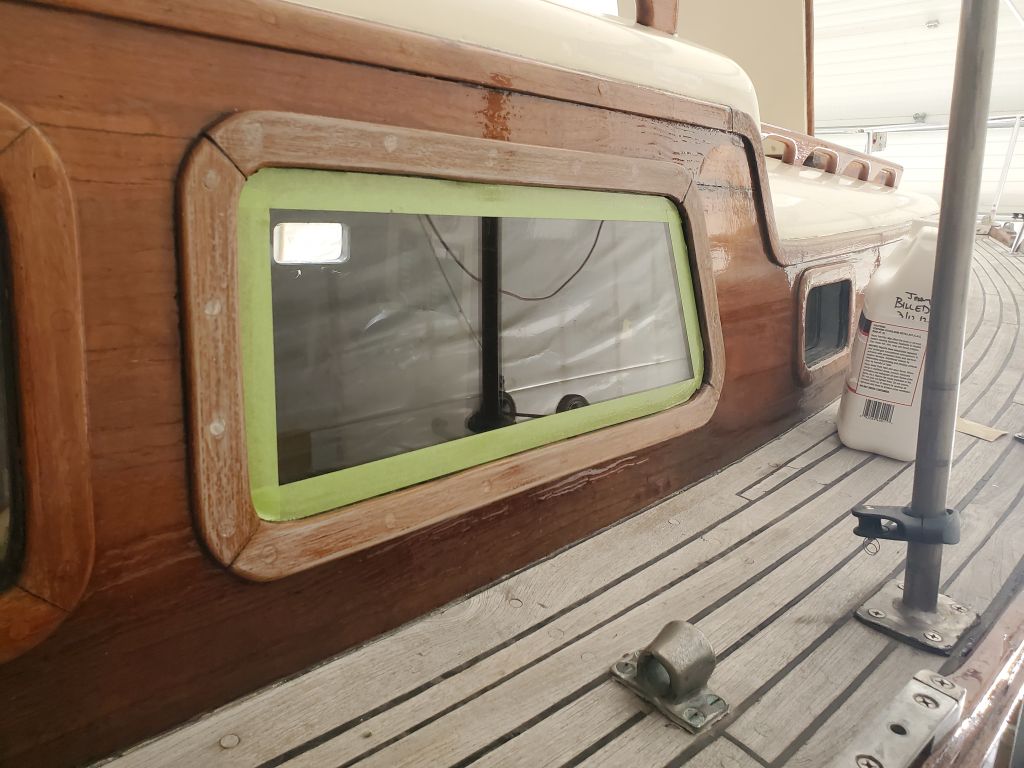
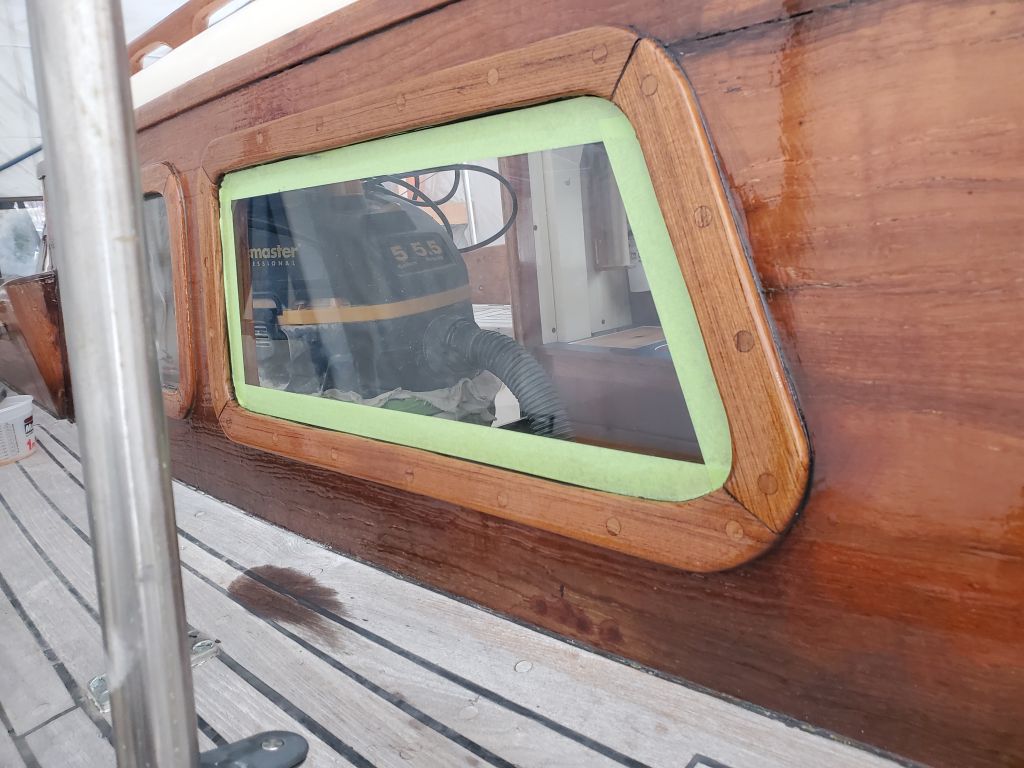
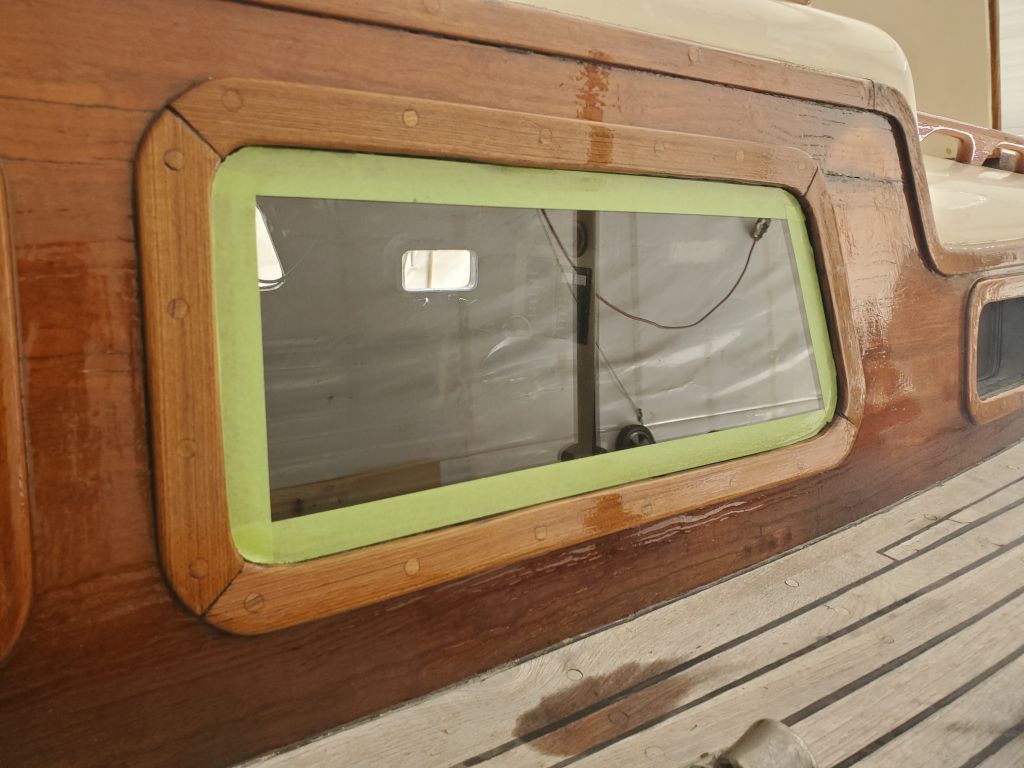
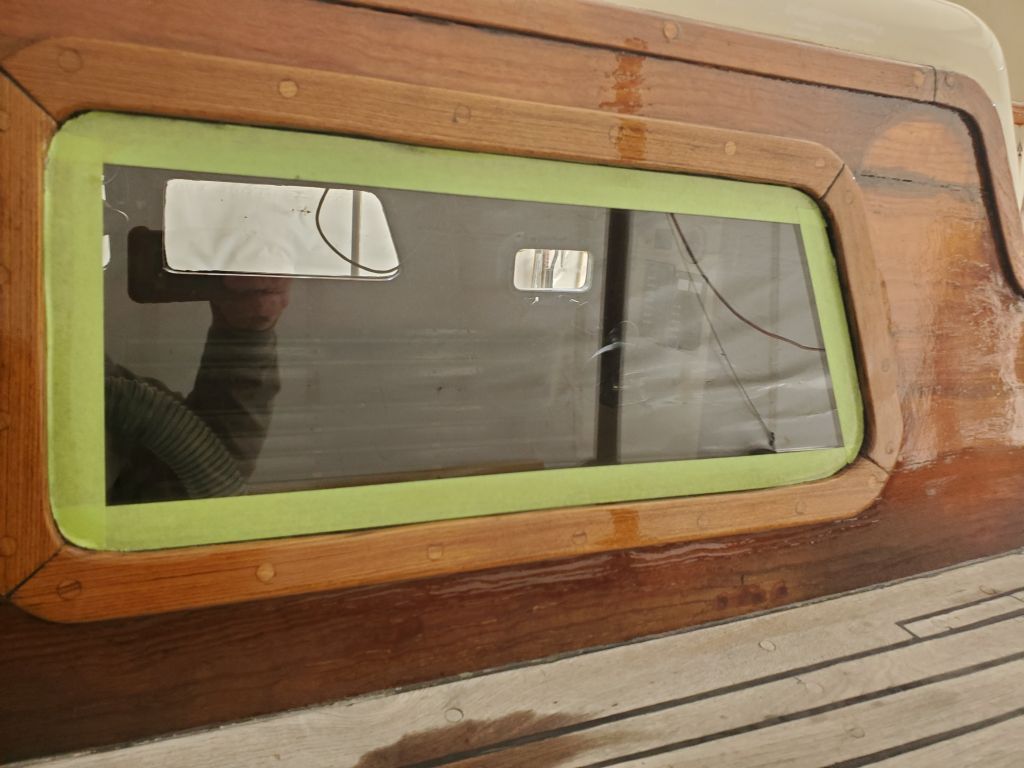
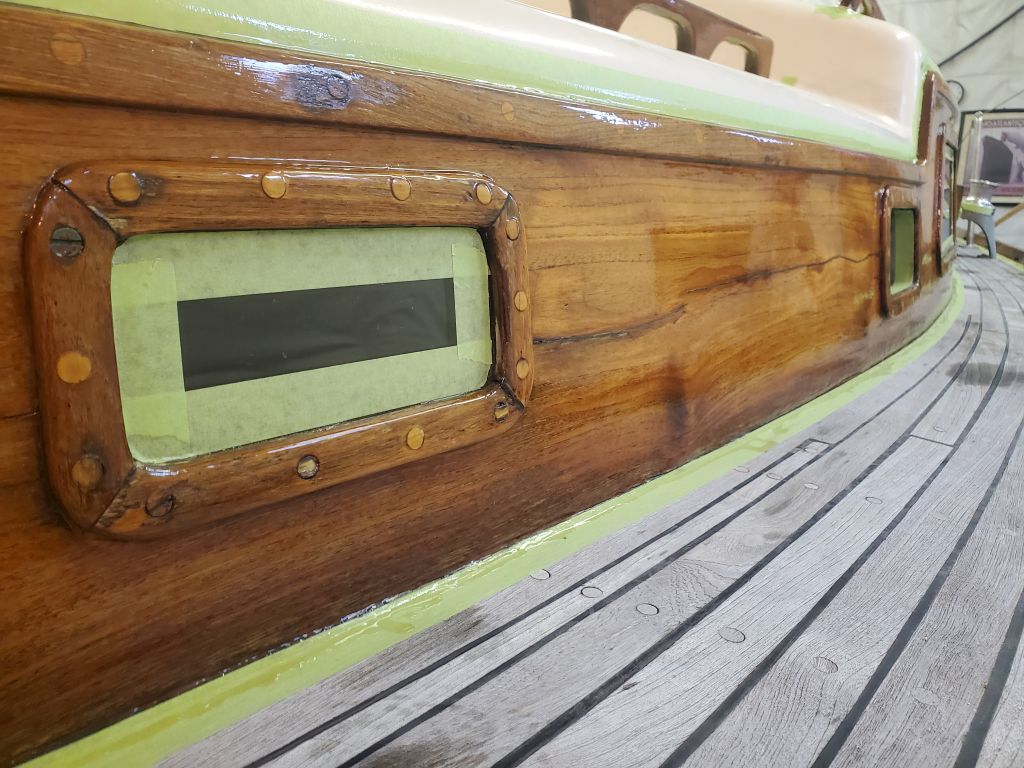
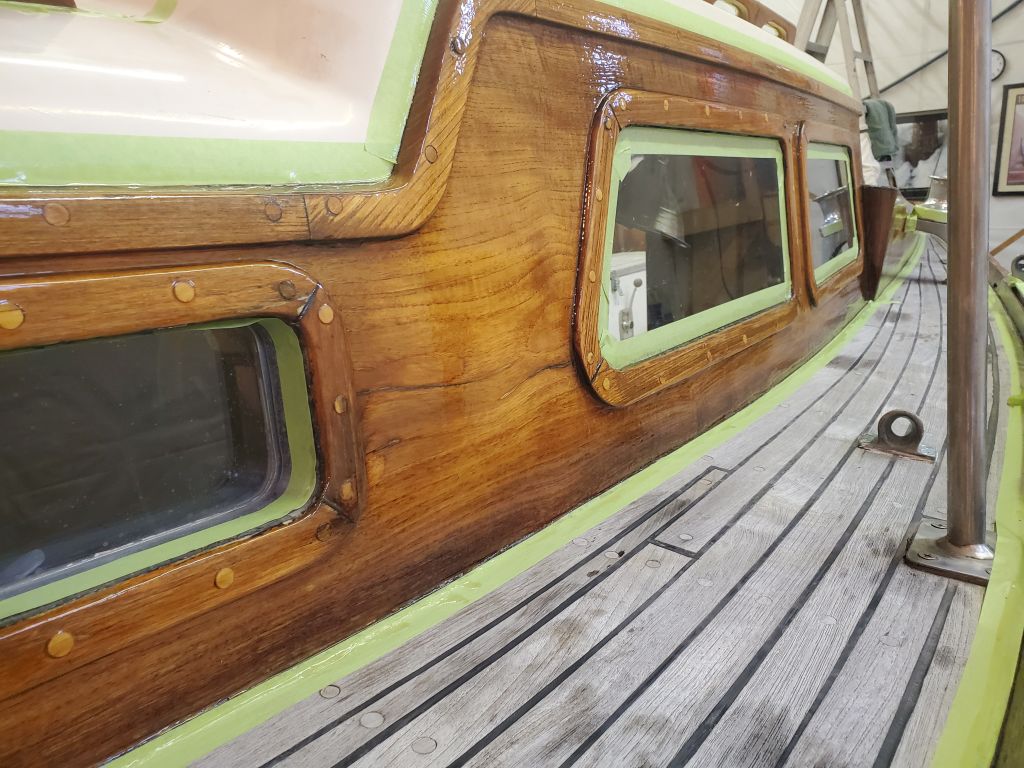
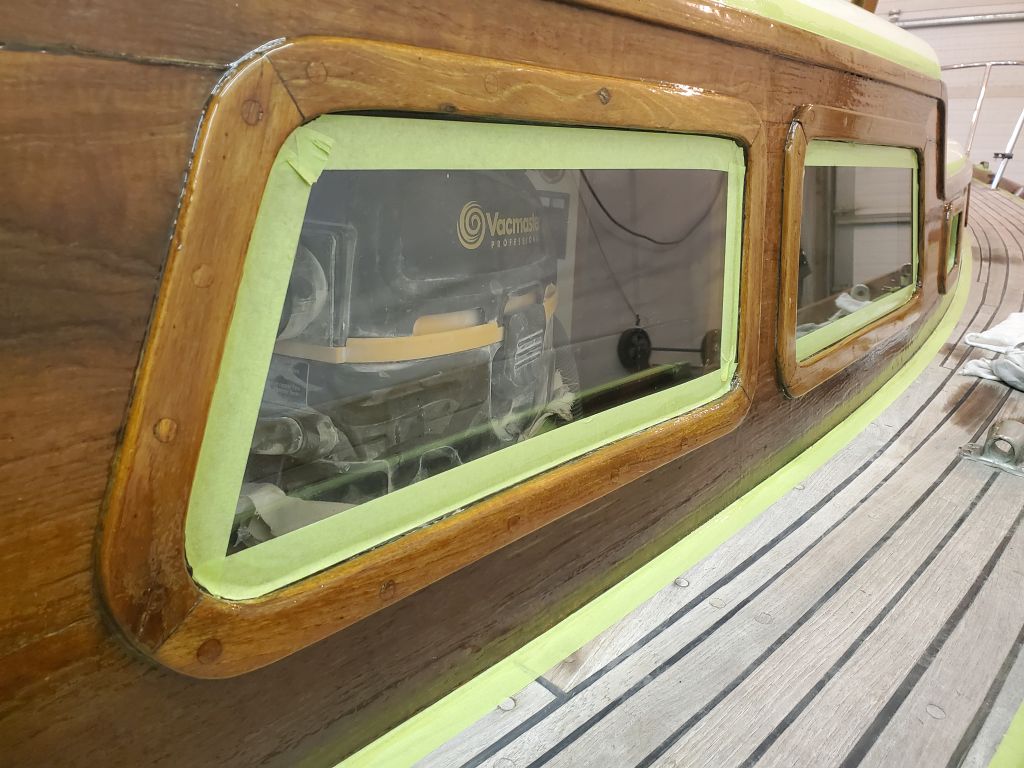
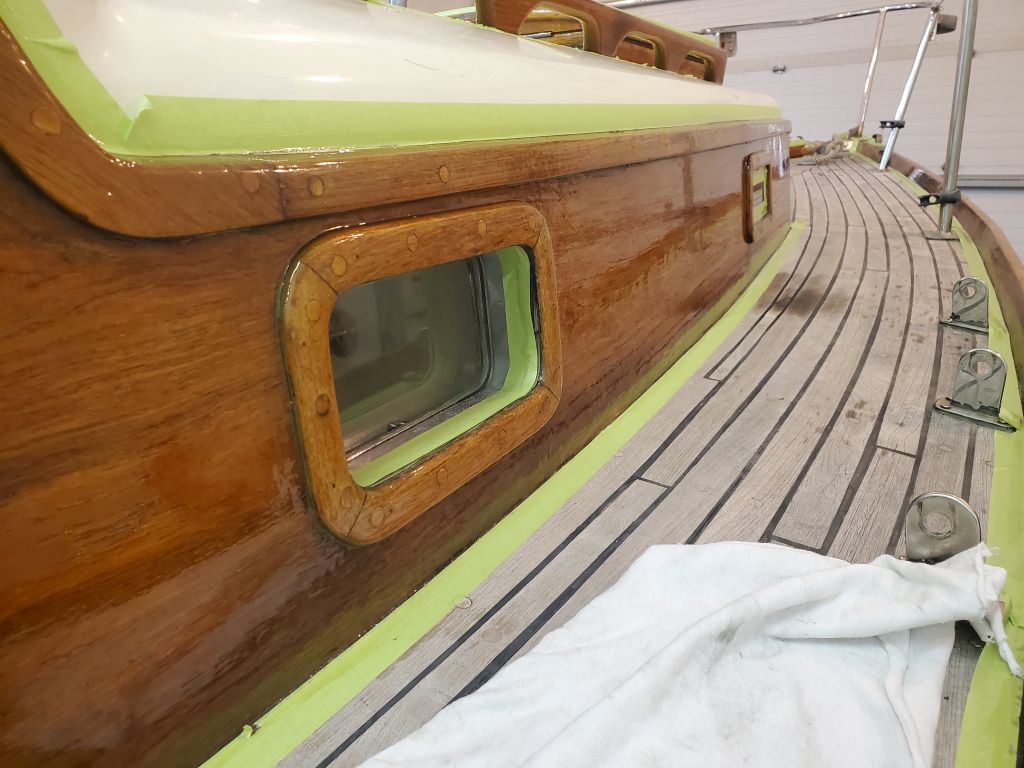
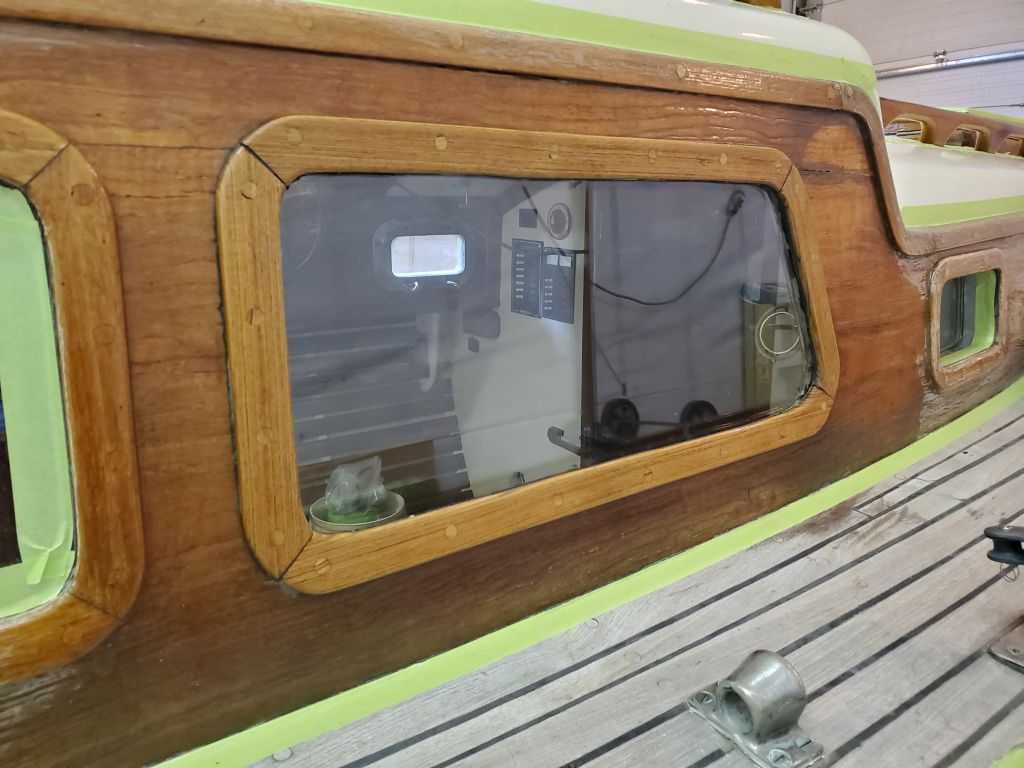
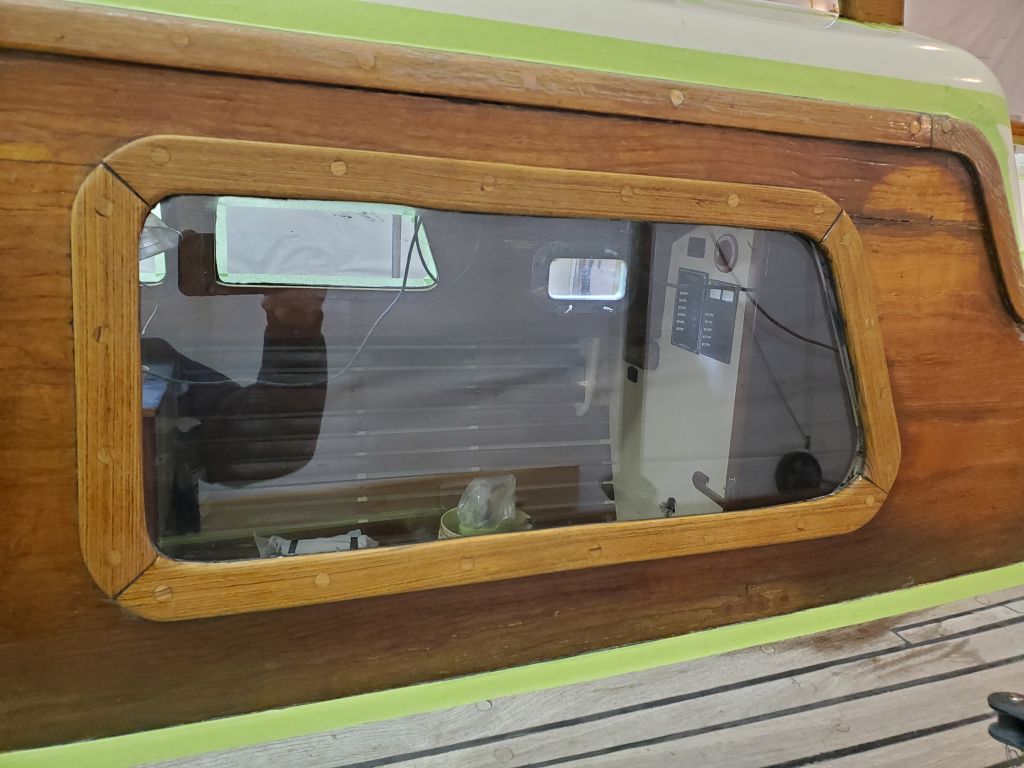
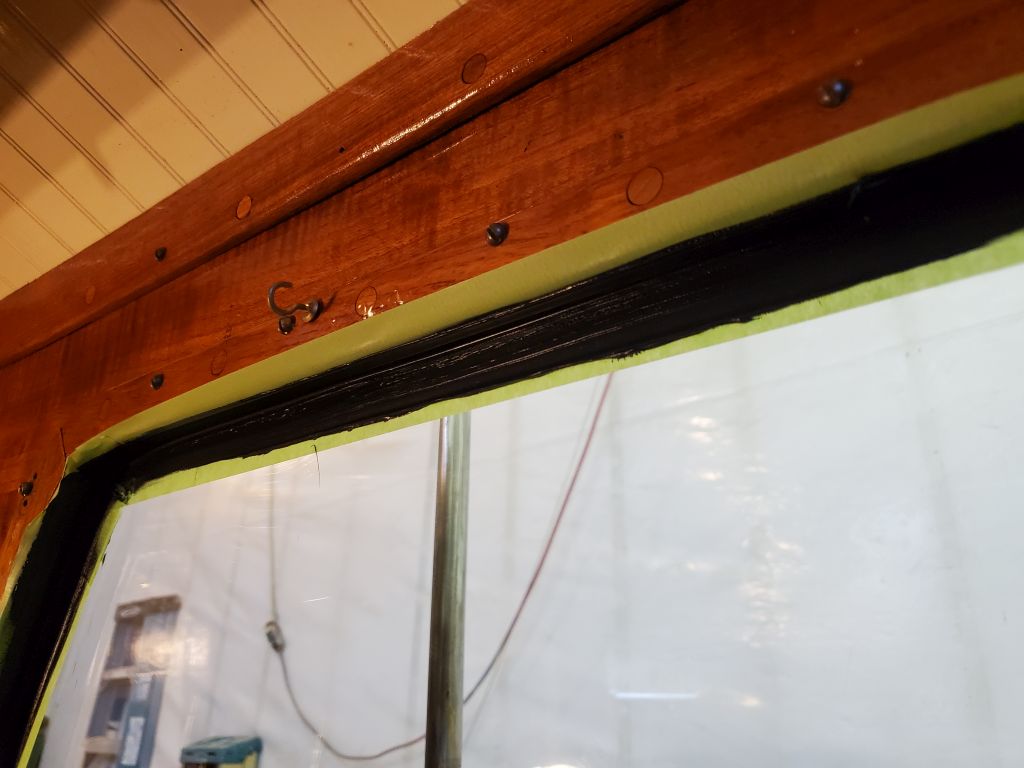
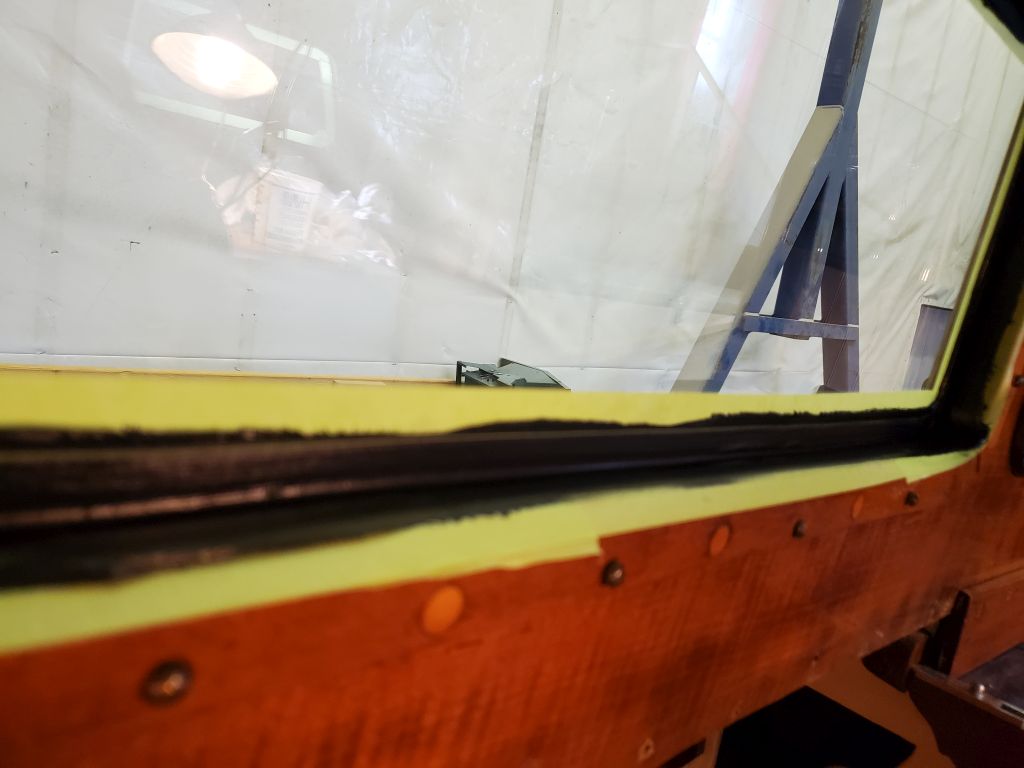
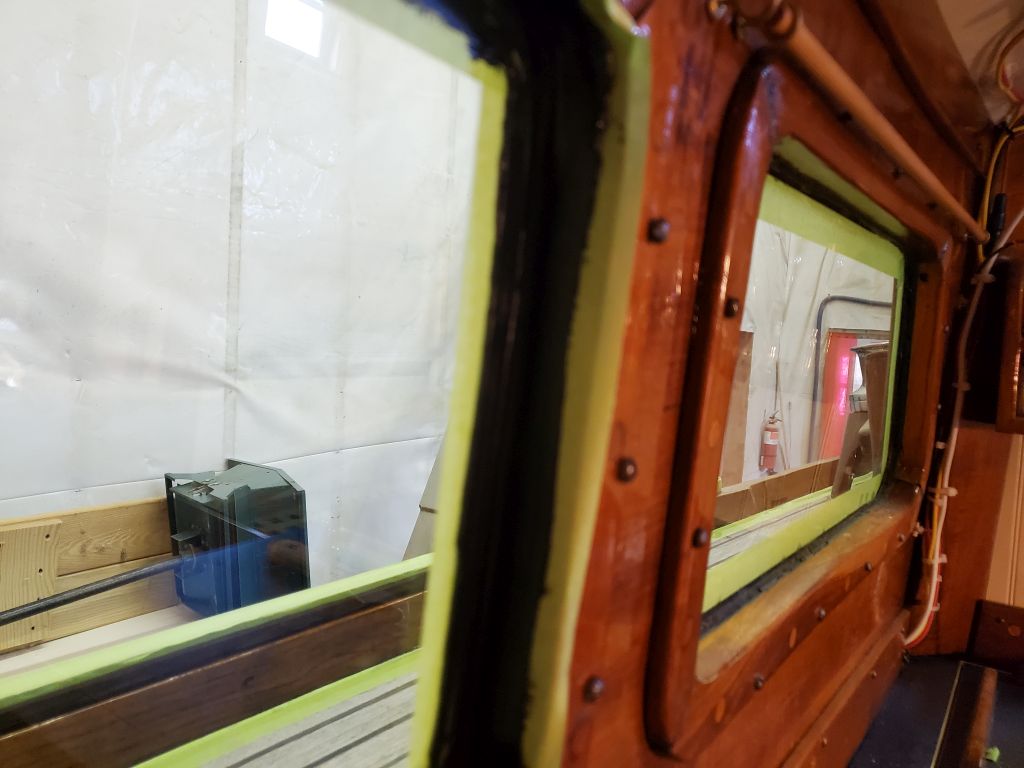
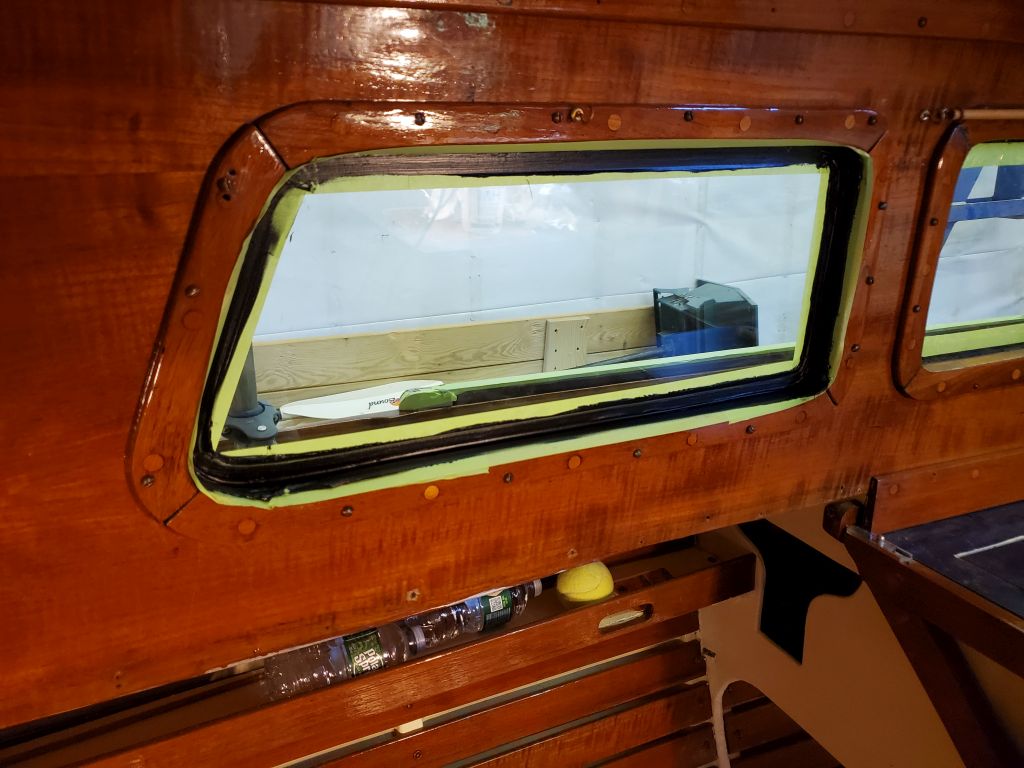
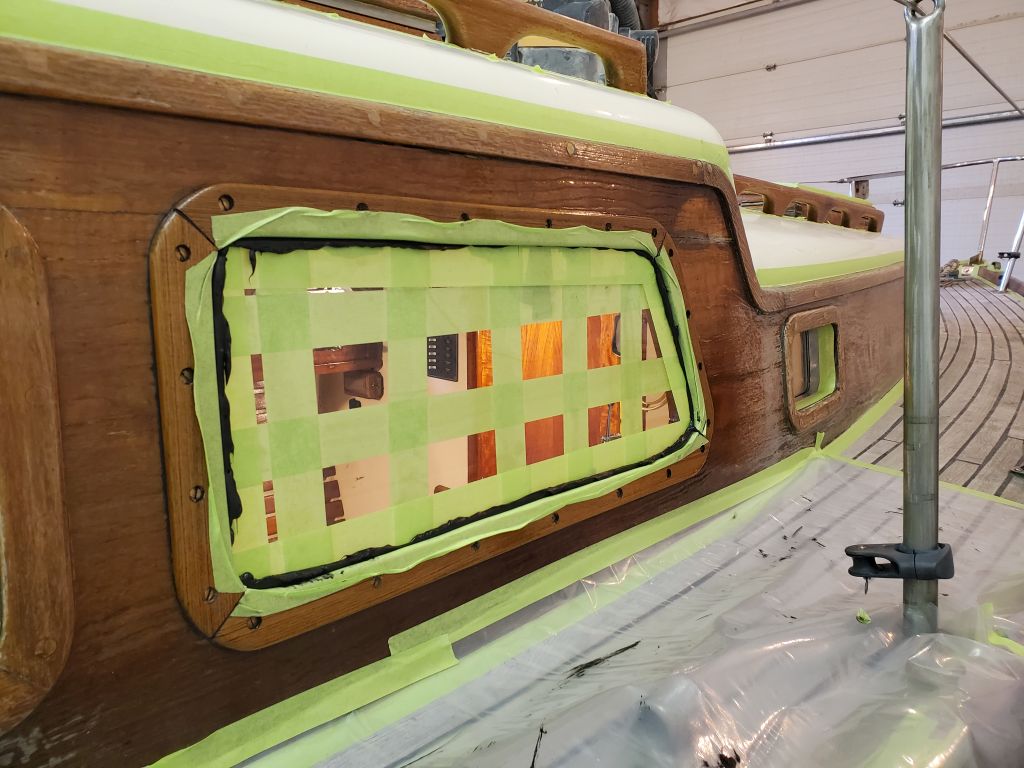
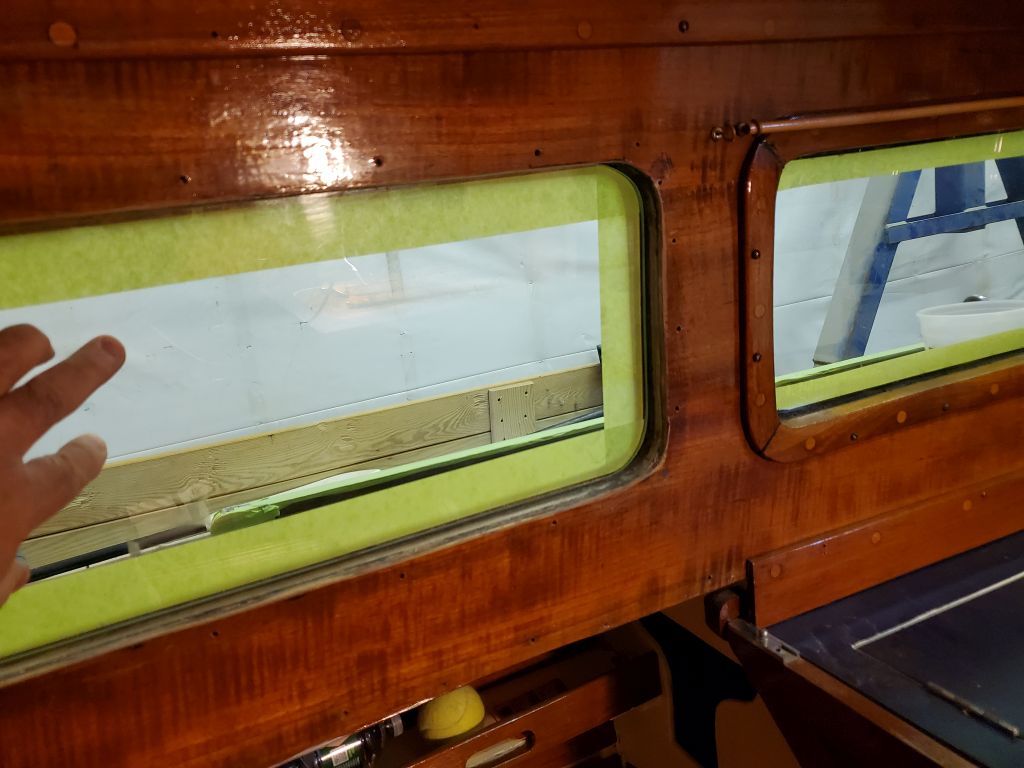
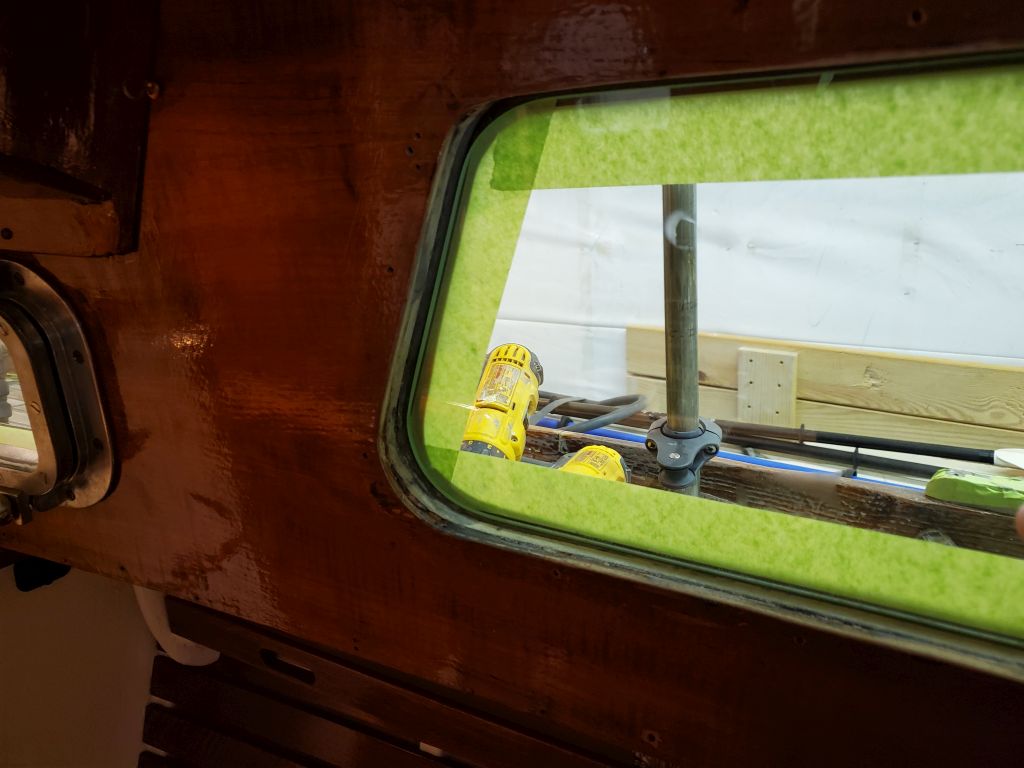
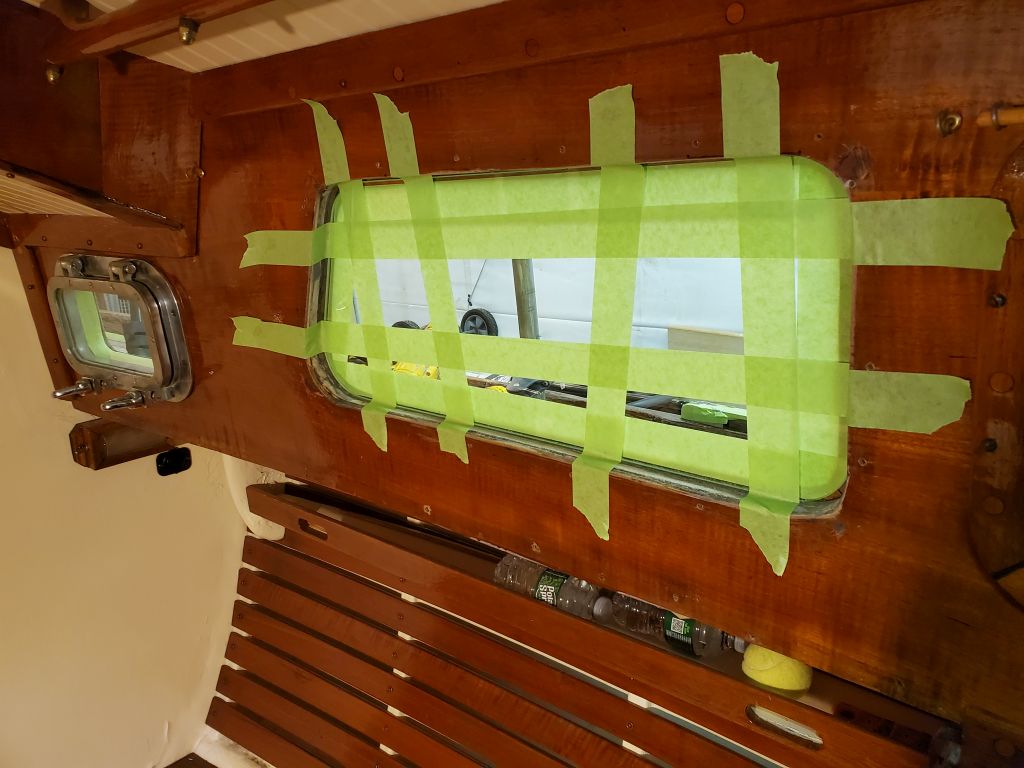
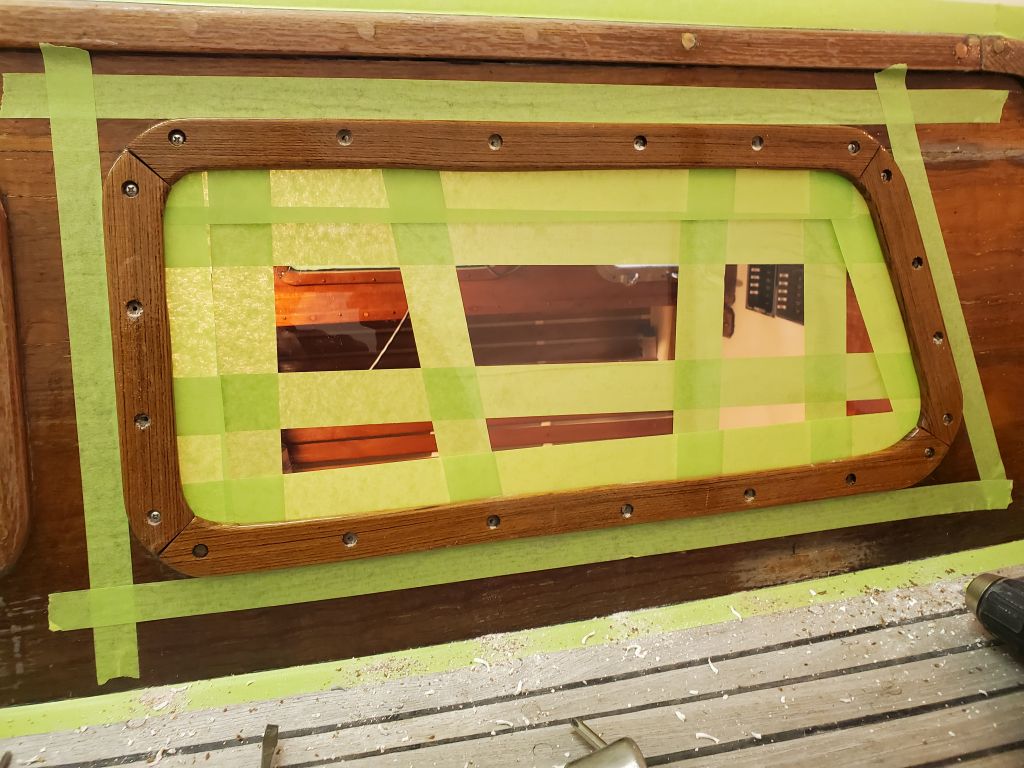
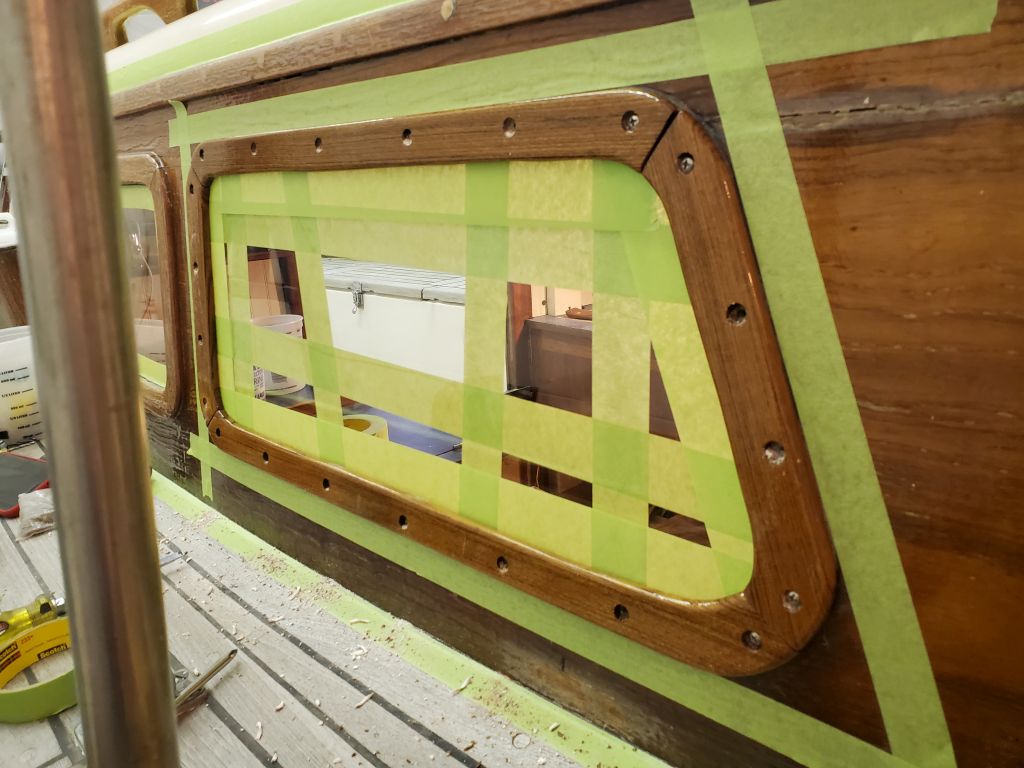
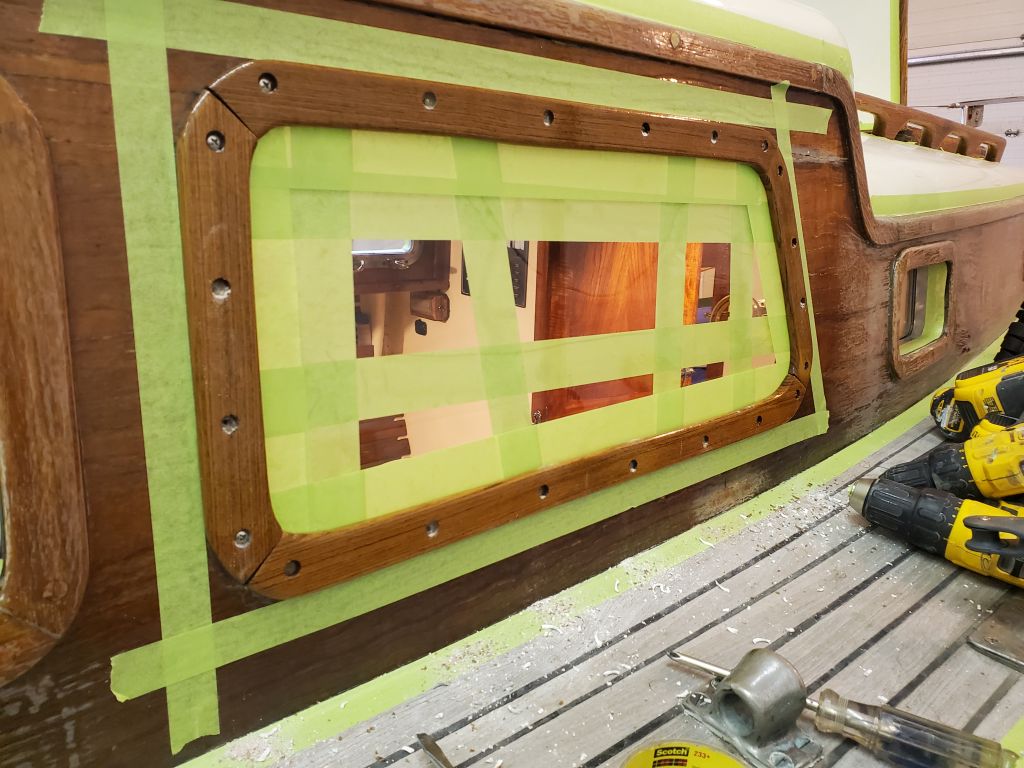
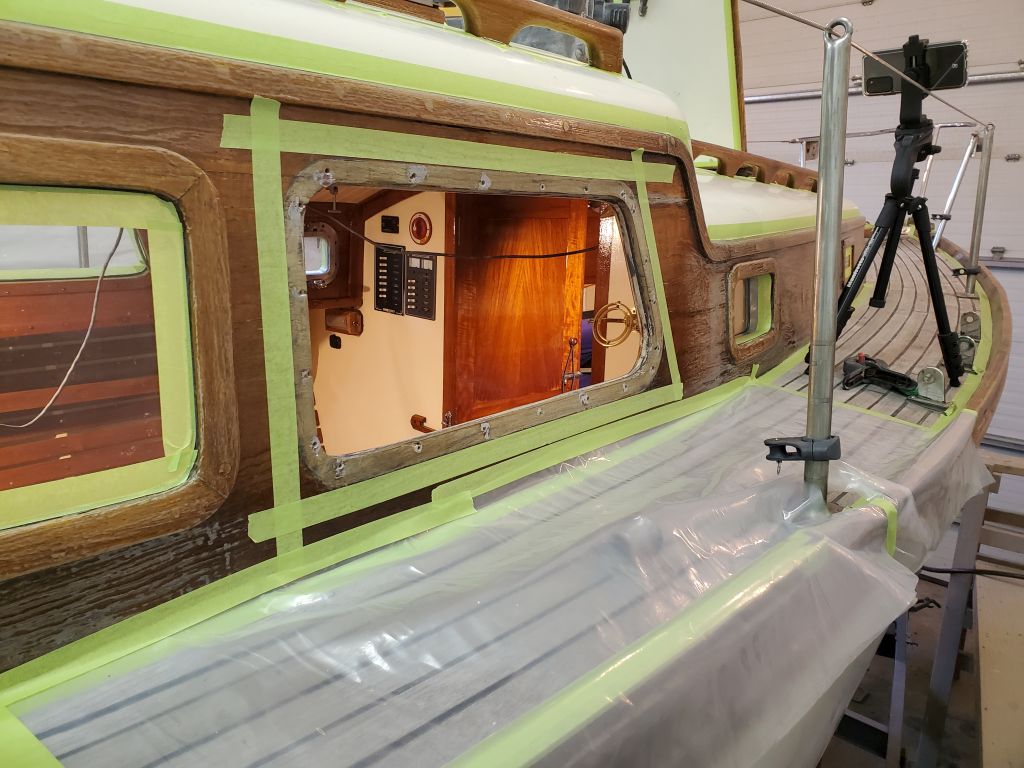
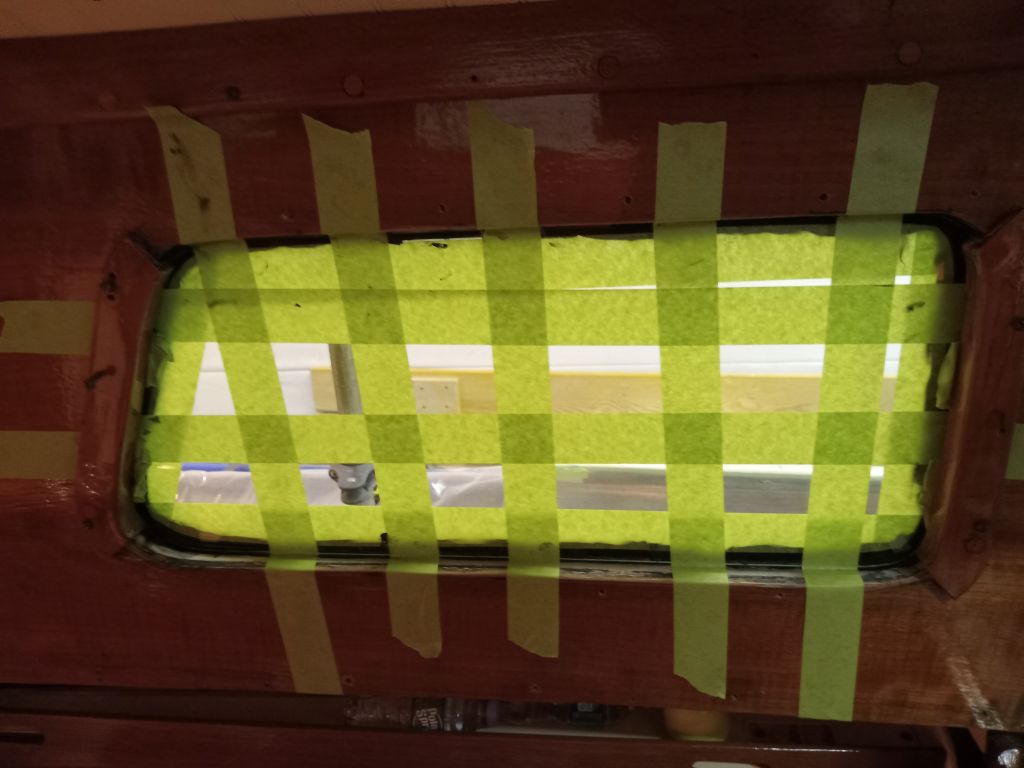
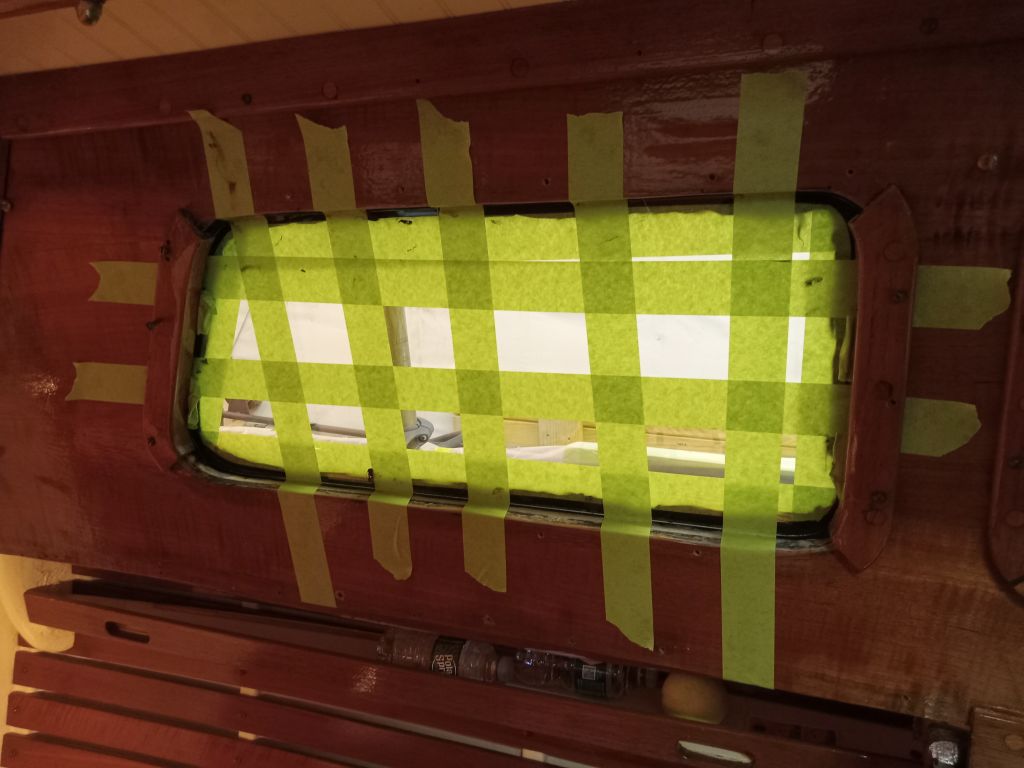
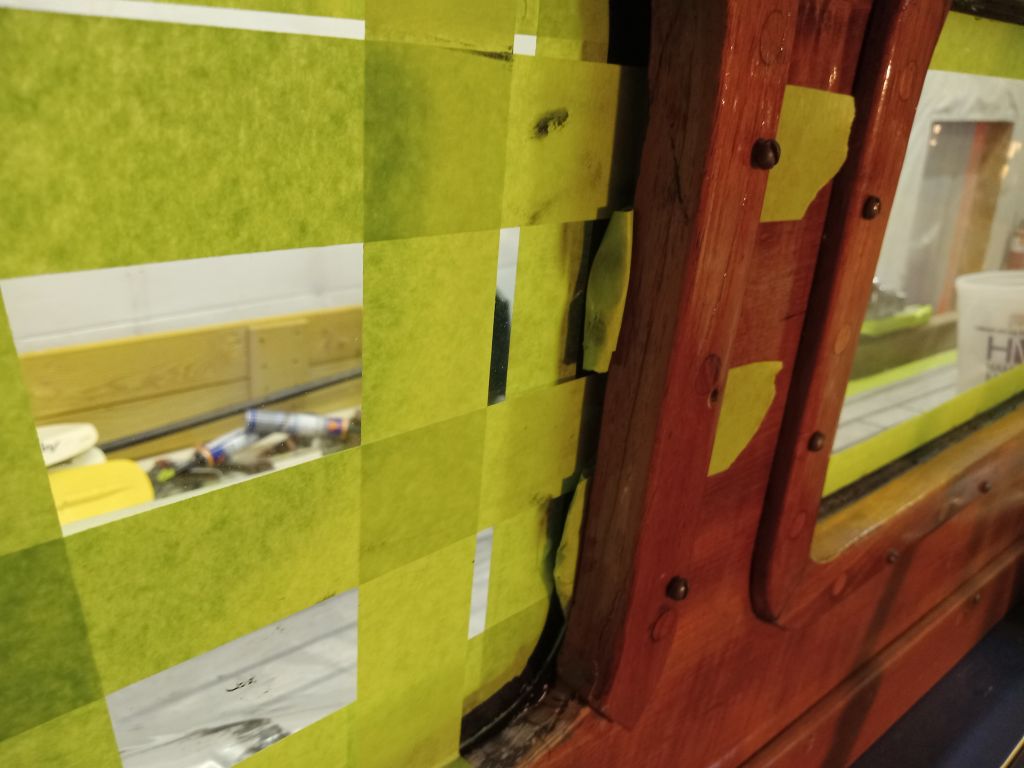
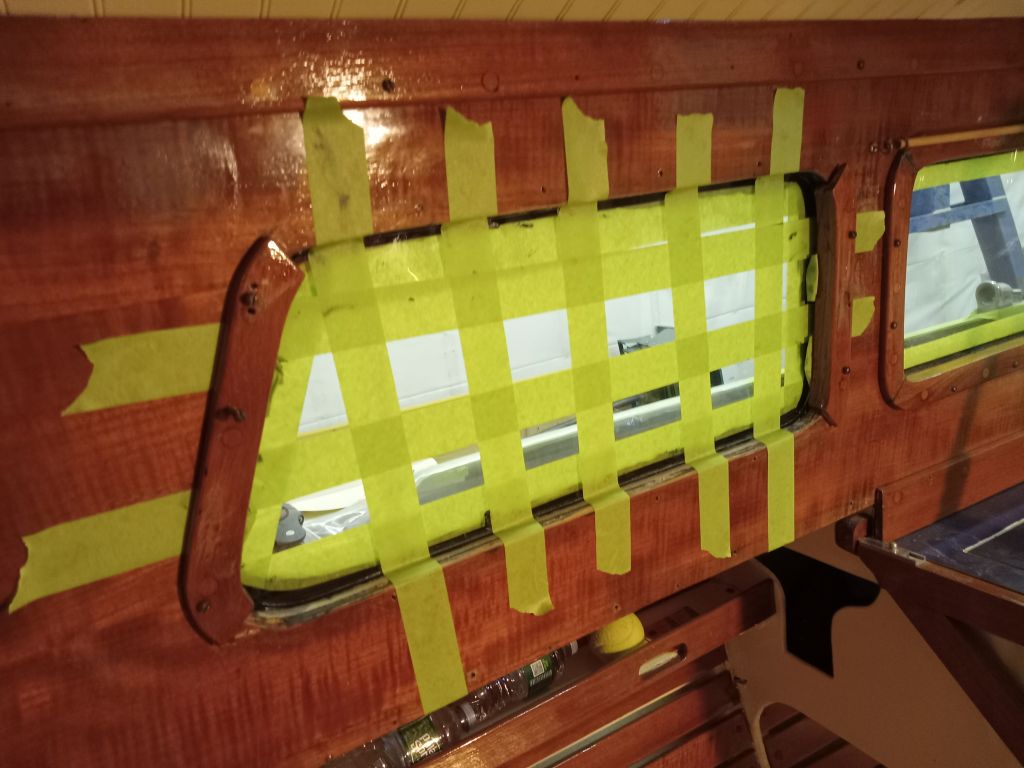
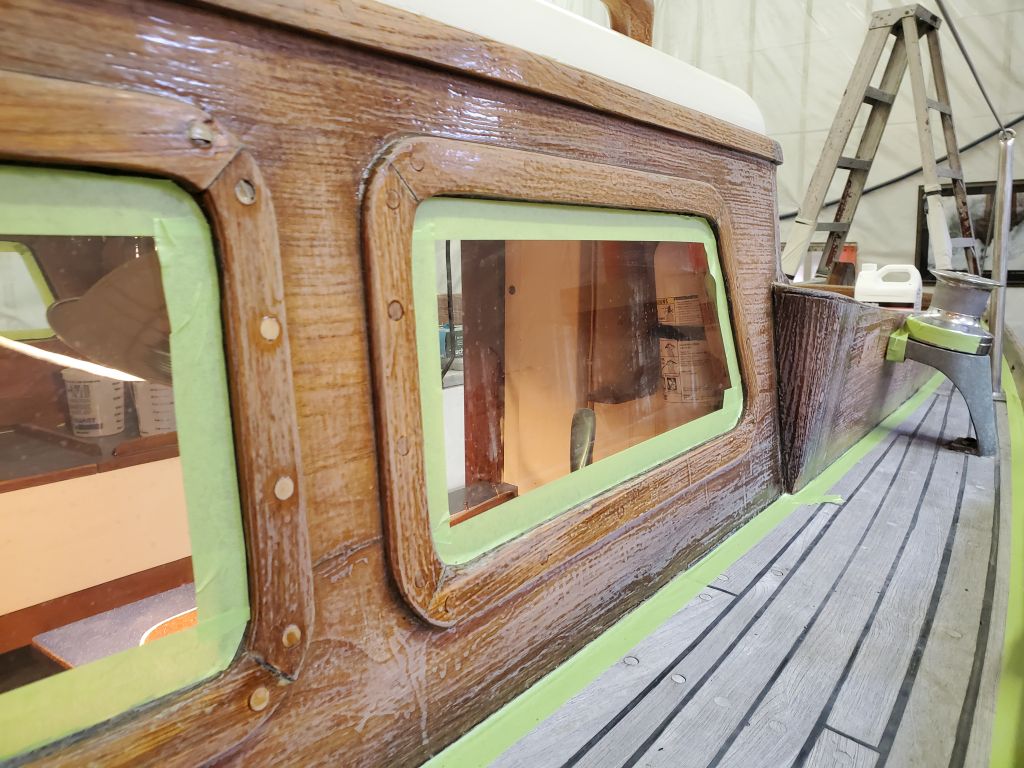
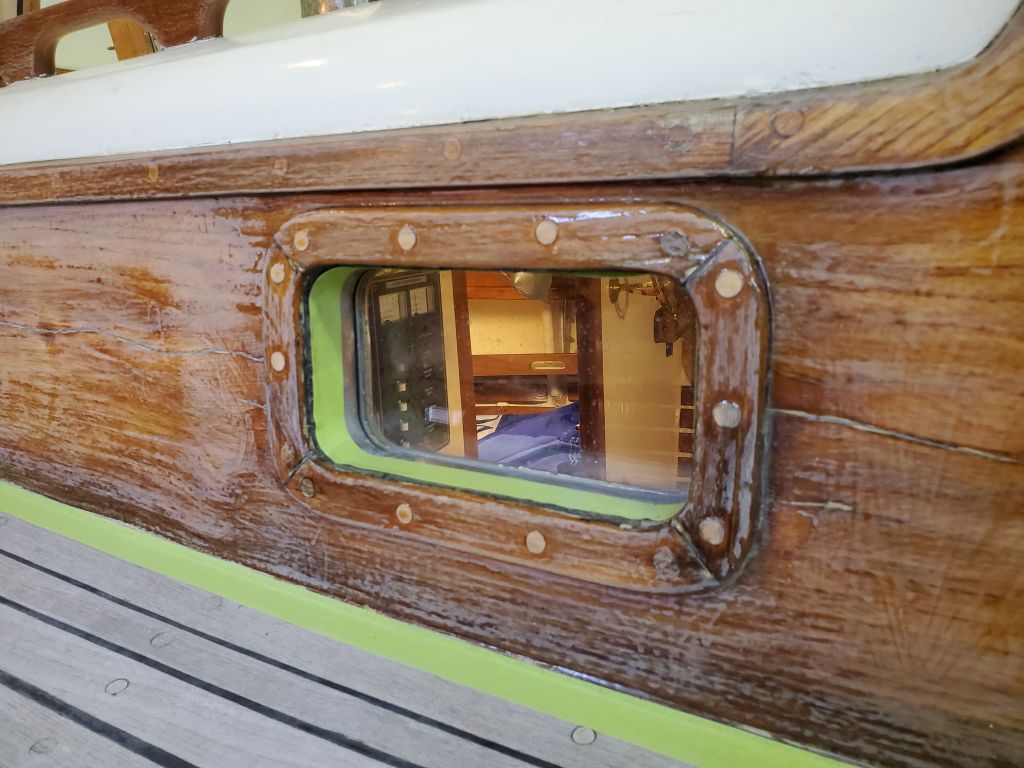
Finally, I removed the tape from the starboard deadlight, now that the trim and bungs had ample varnish buildup.
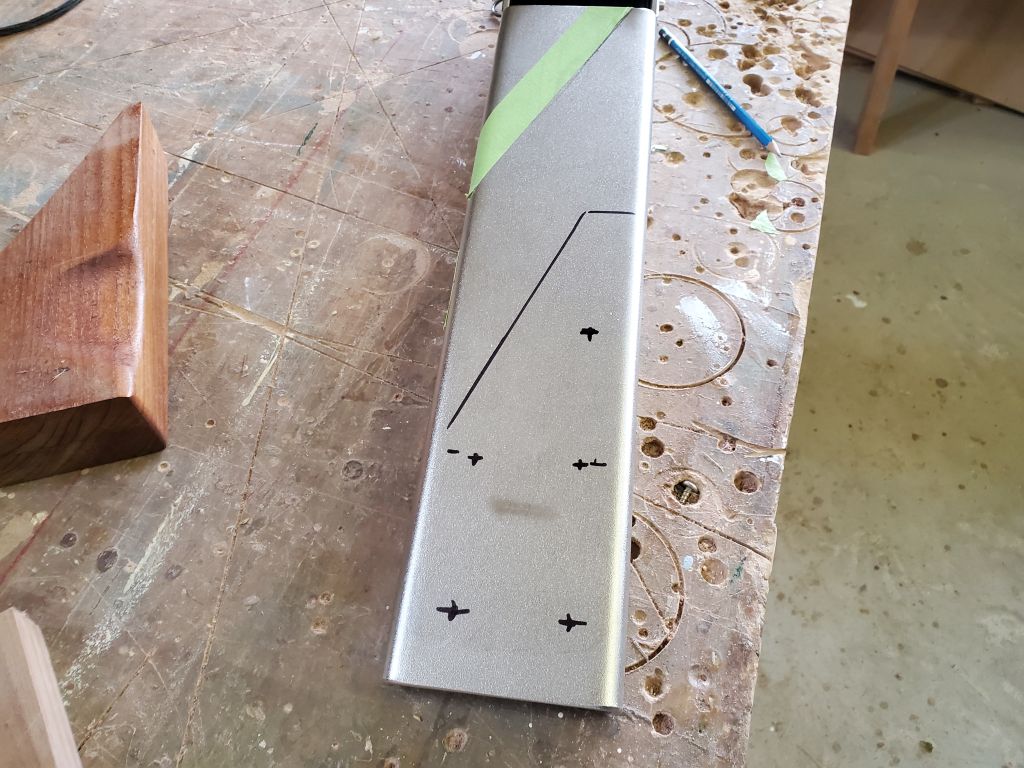
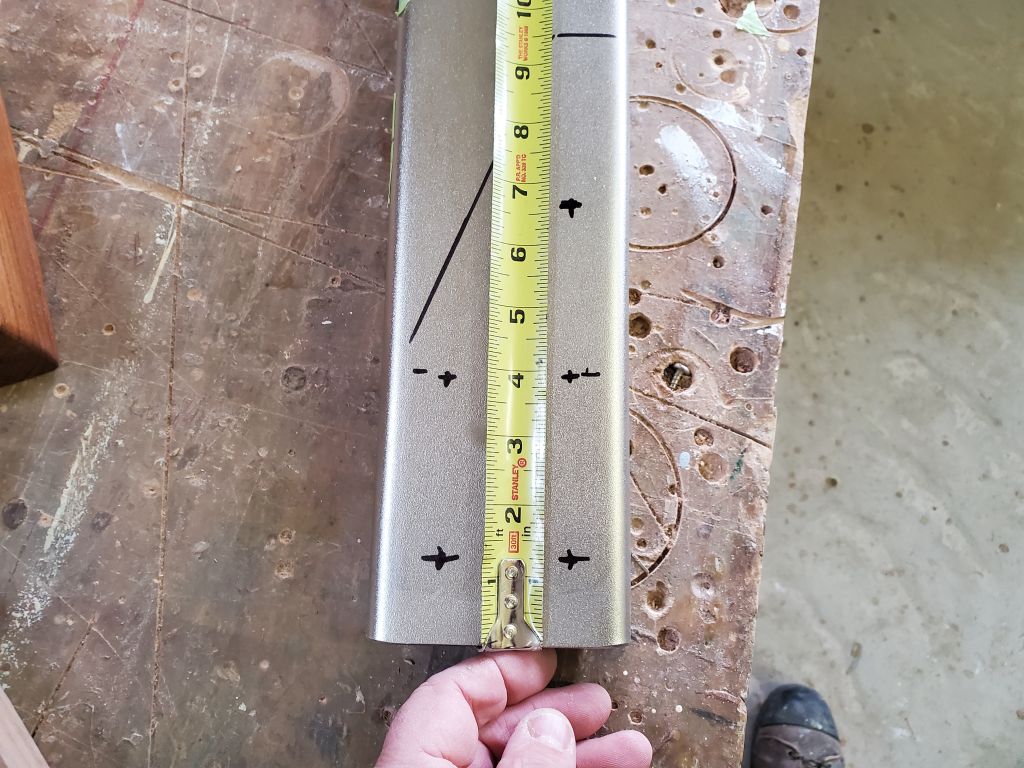
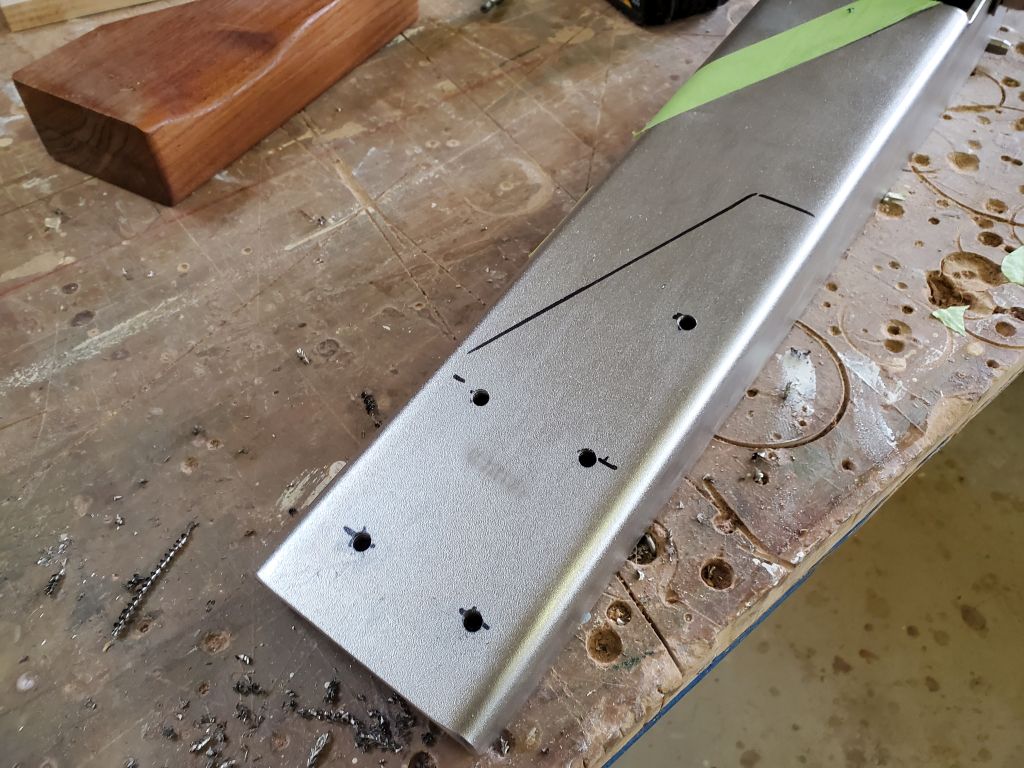
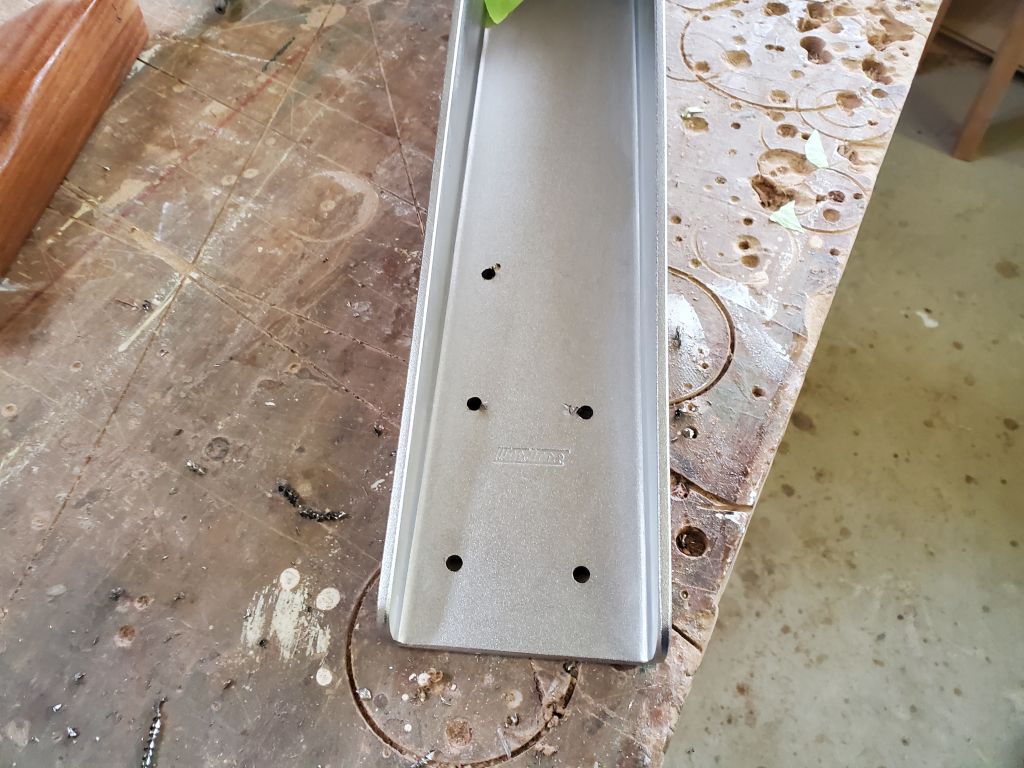
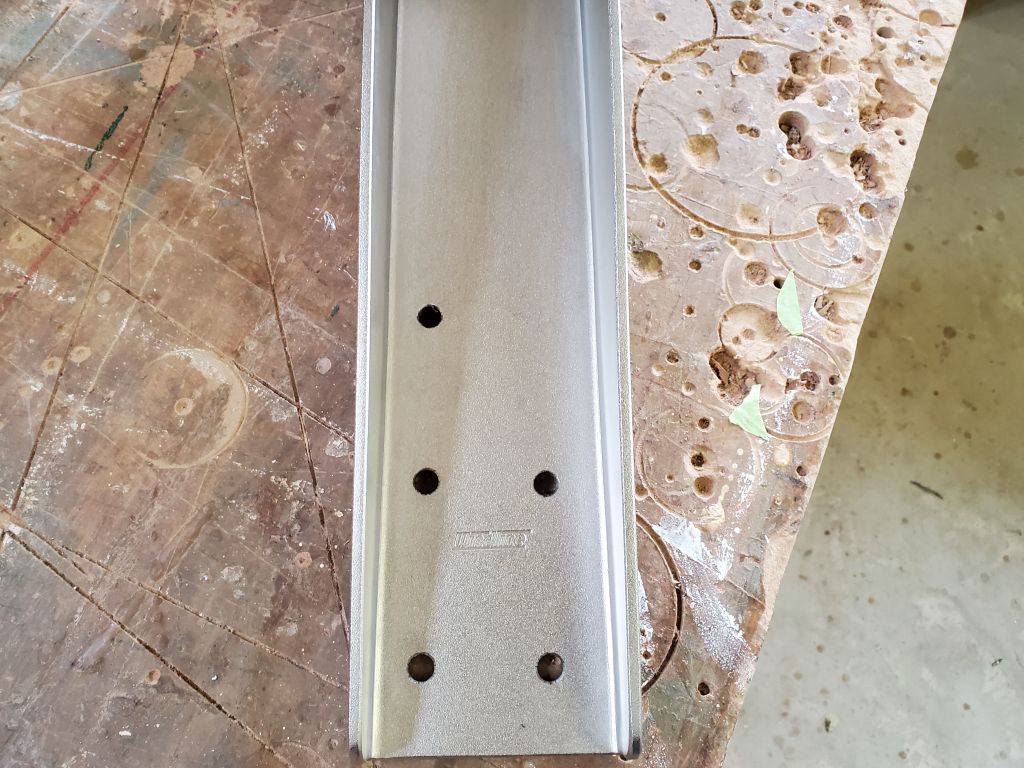
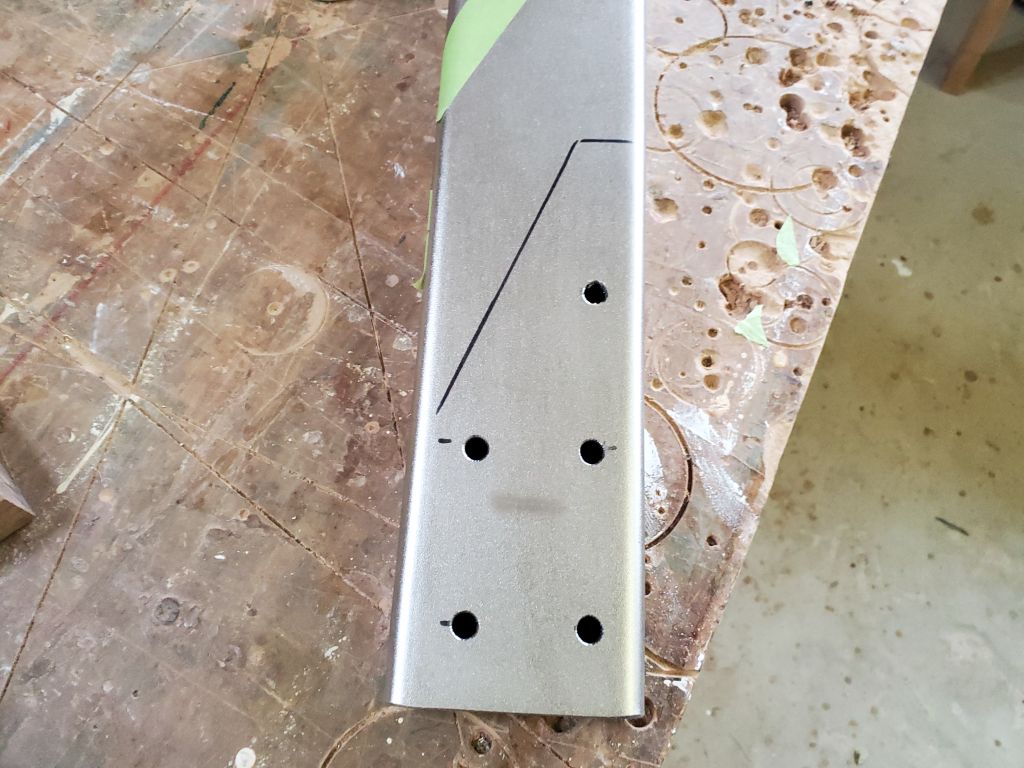
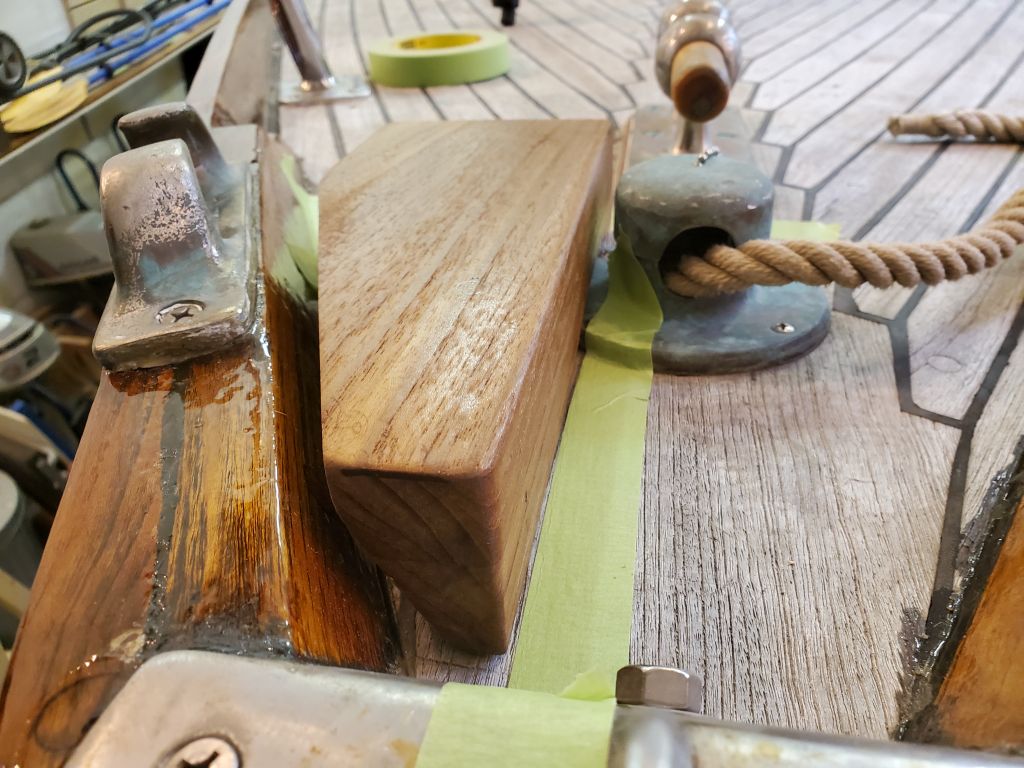
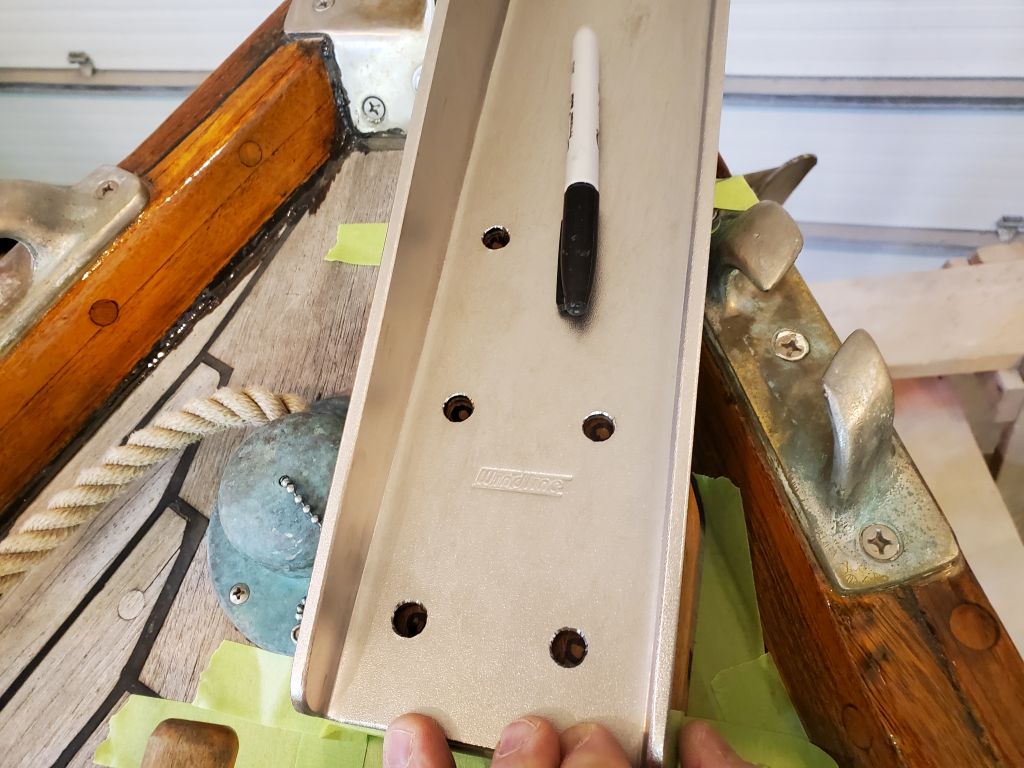
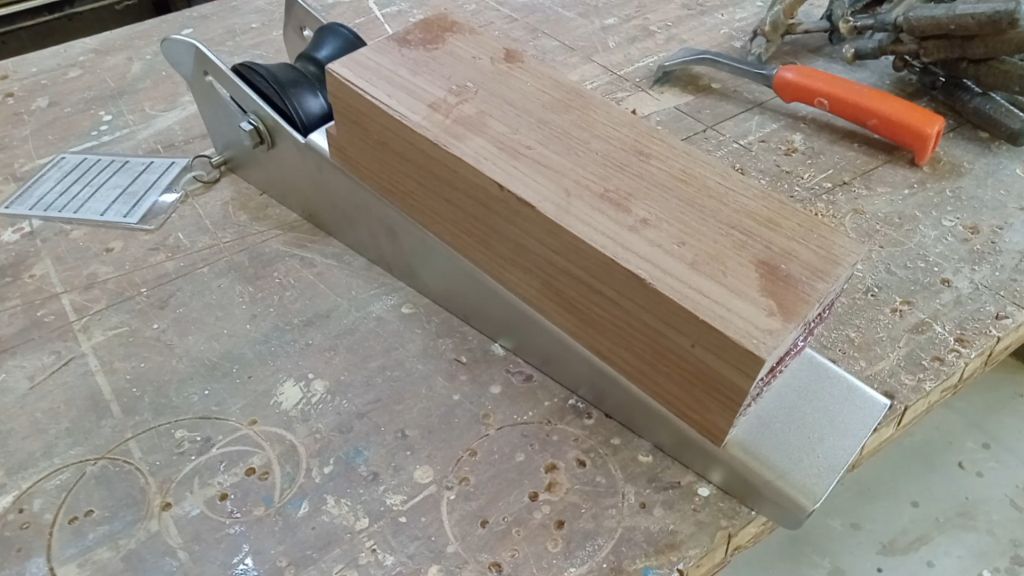
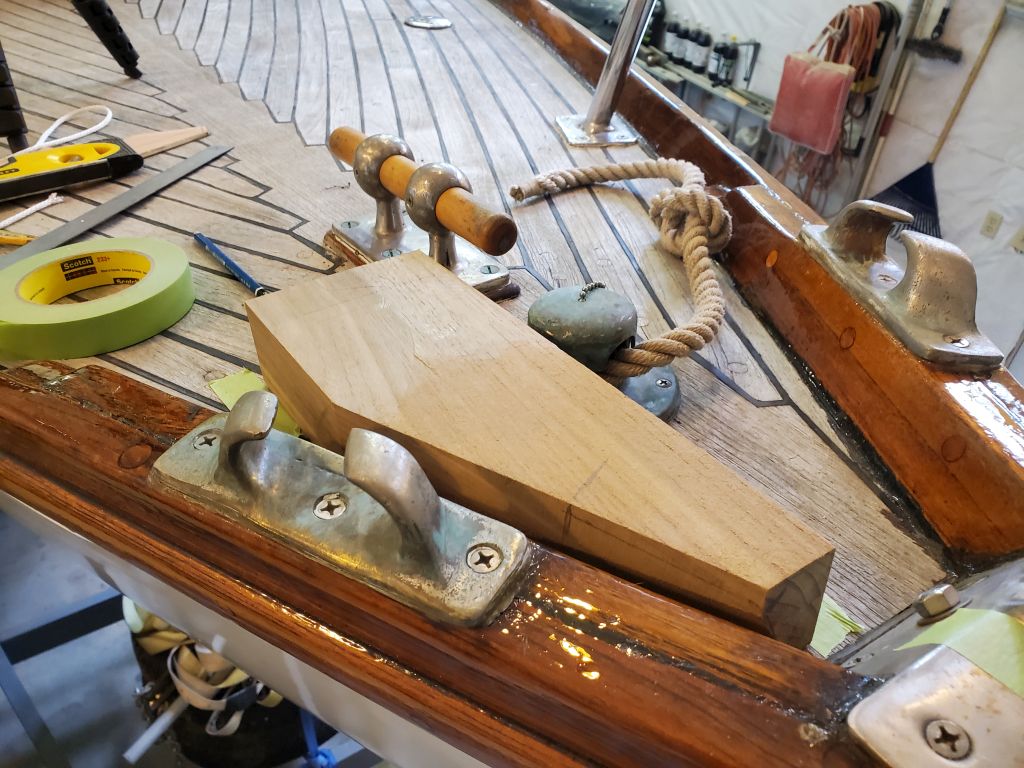
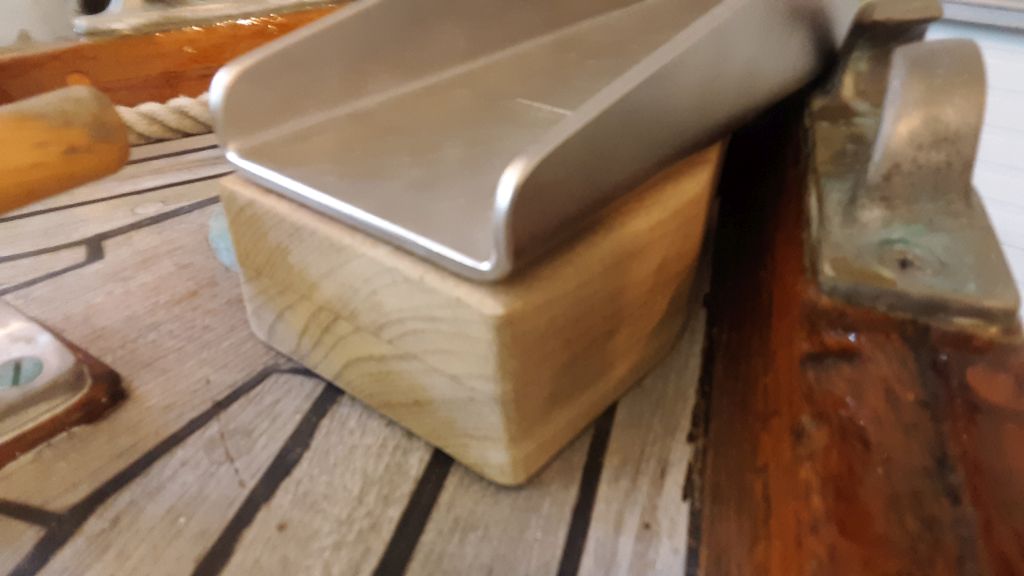
It would be a few days till I was ready to finalize the installation proper of the anchor roller, but to prepare now as much as possible, I used the teak spacer block against the bottom side of the roller to mark the fastening limits, then laid out four holes for fasteners that would ultimately secure the assembly to the deck. After center-punching, I drilled out the holes in the stainless steel in two stages, with brand-new bits: first a 1/4″ pilot hole, then a 3/8″ hole to accept the bolts later. I lightly chamfered both sides of each hole to remove burrs.
Now I set the spacer block and roller in place on the foredeck and carefully aligned it properly so I could mark the position of the block accurately, and a final time.
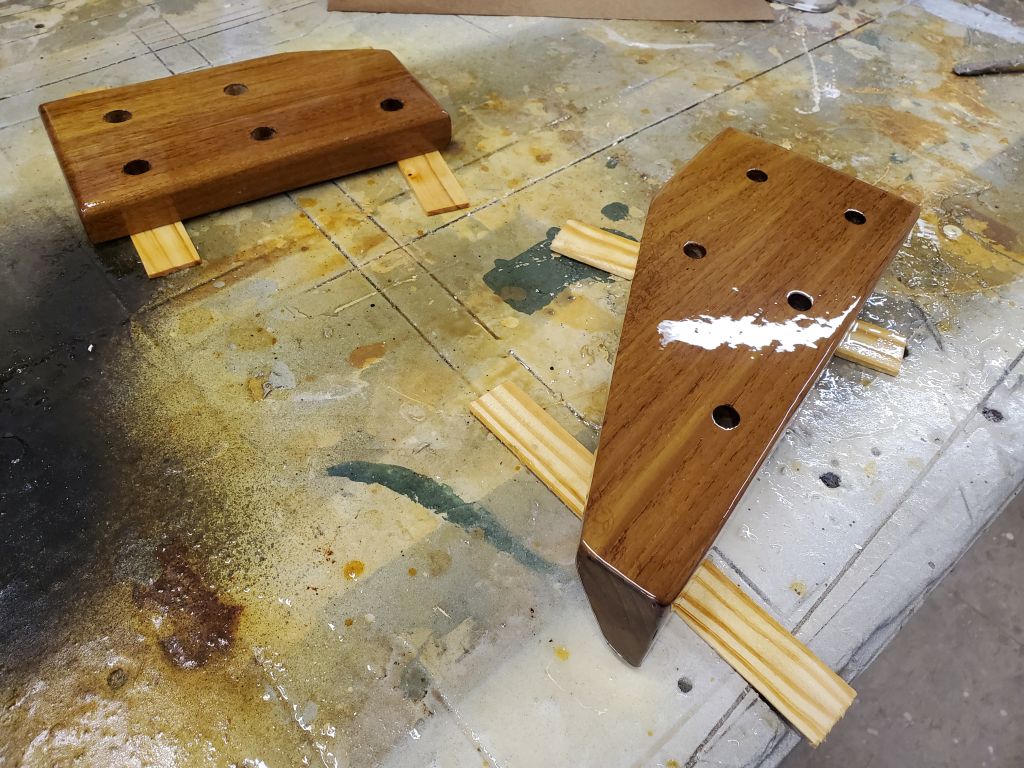
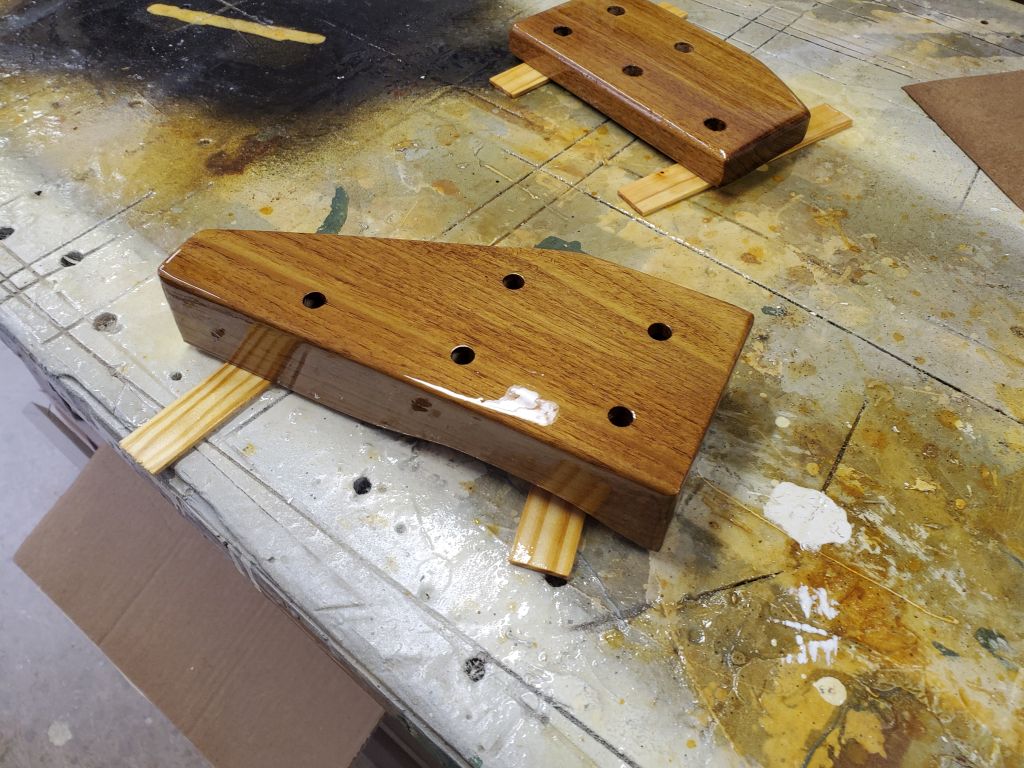
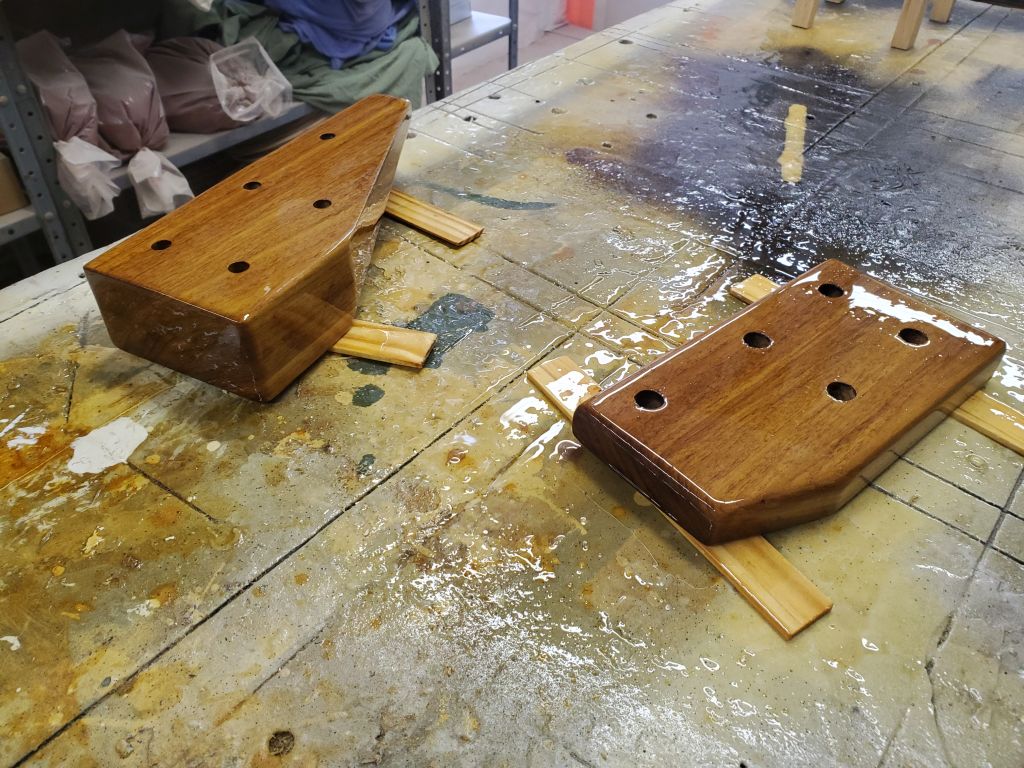
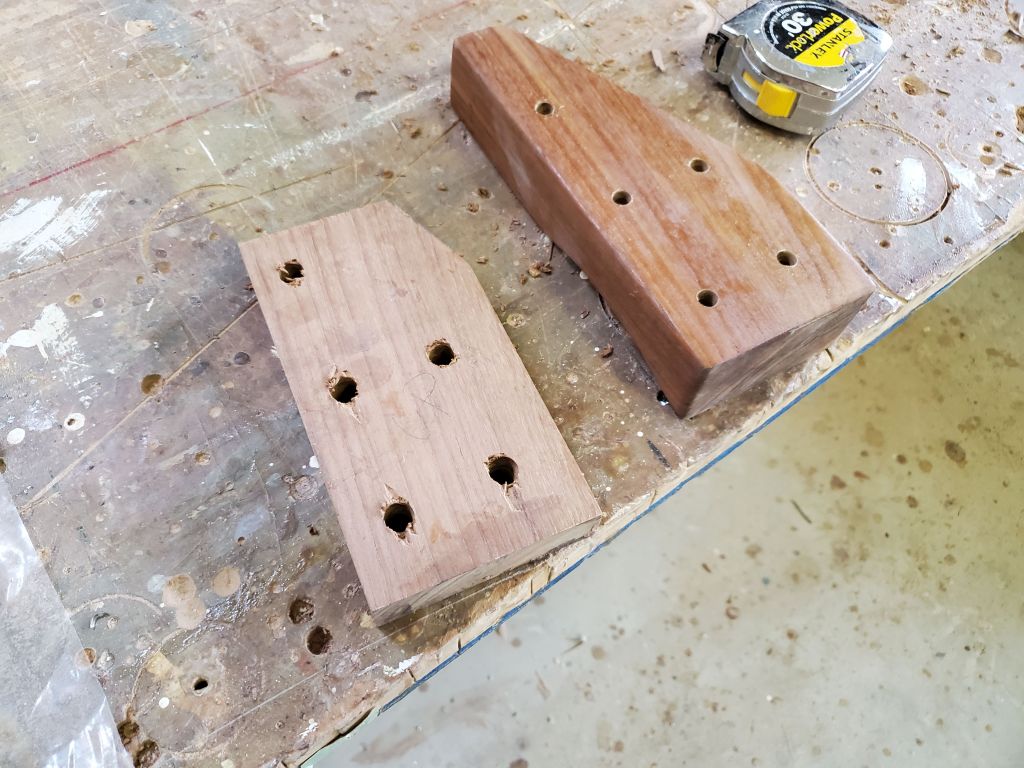
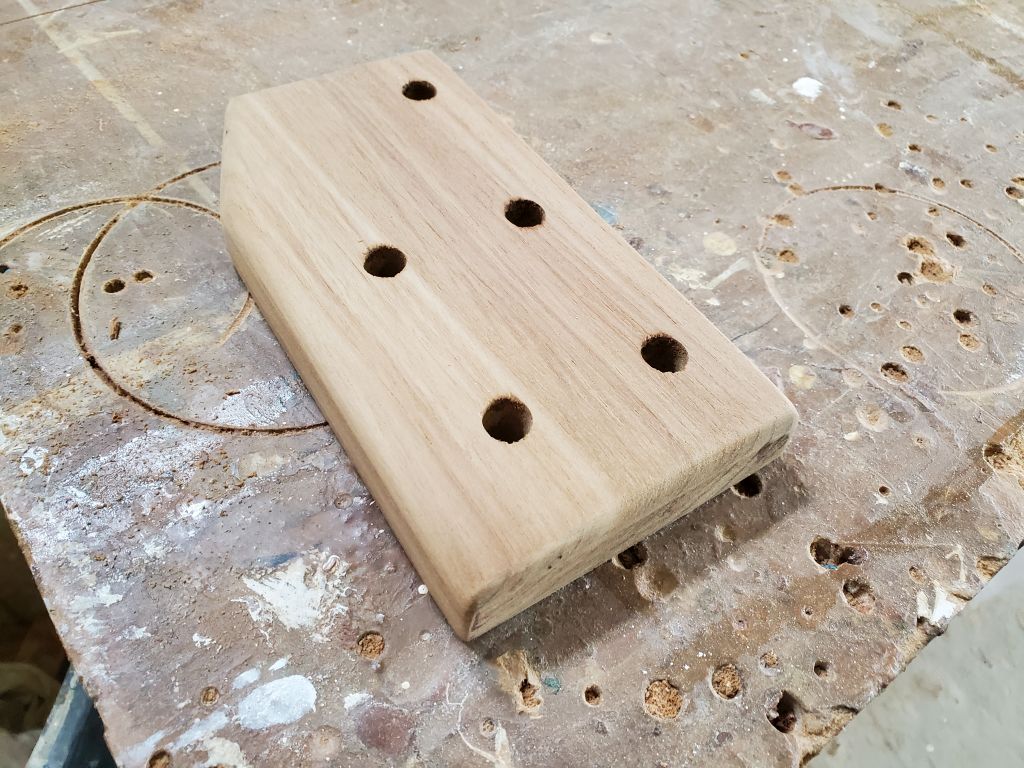
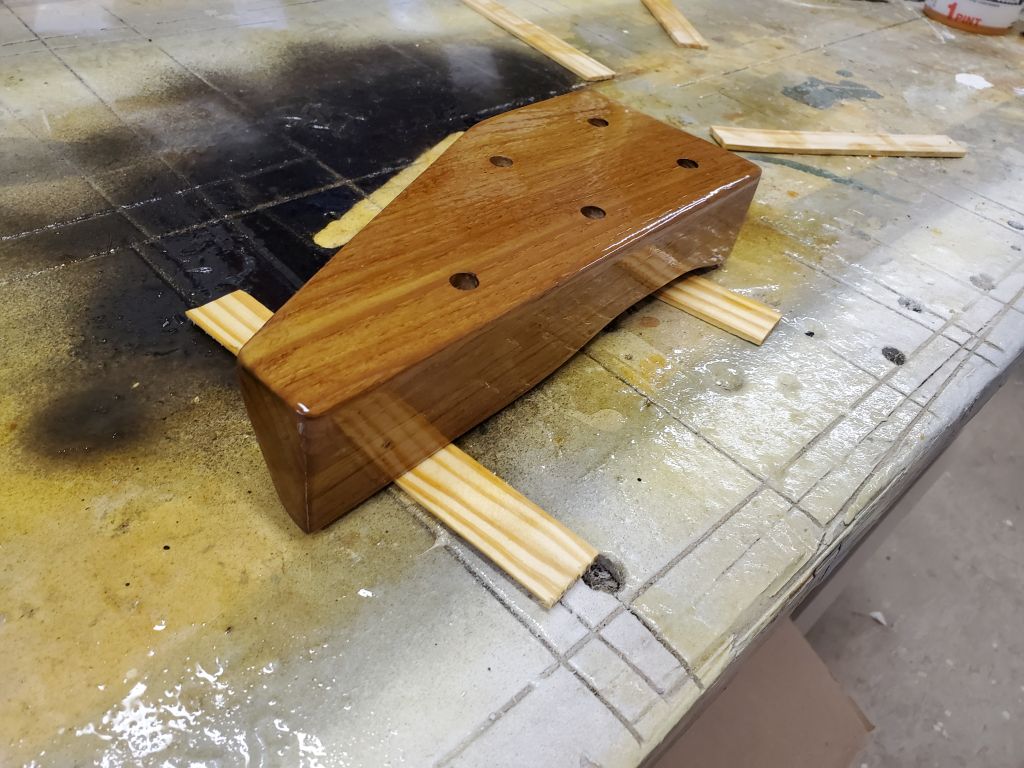
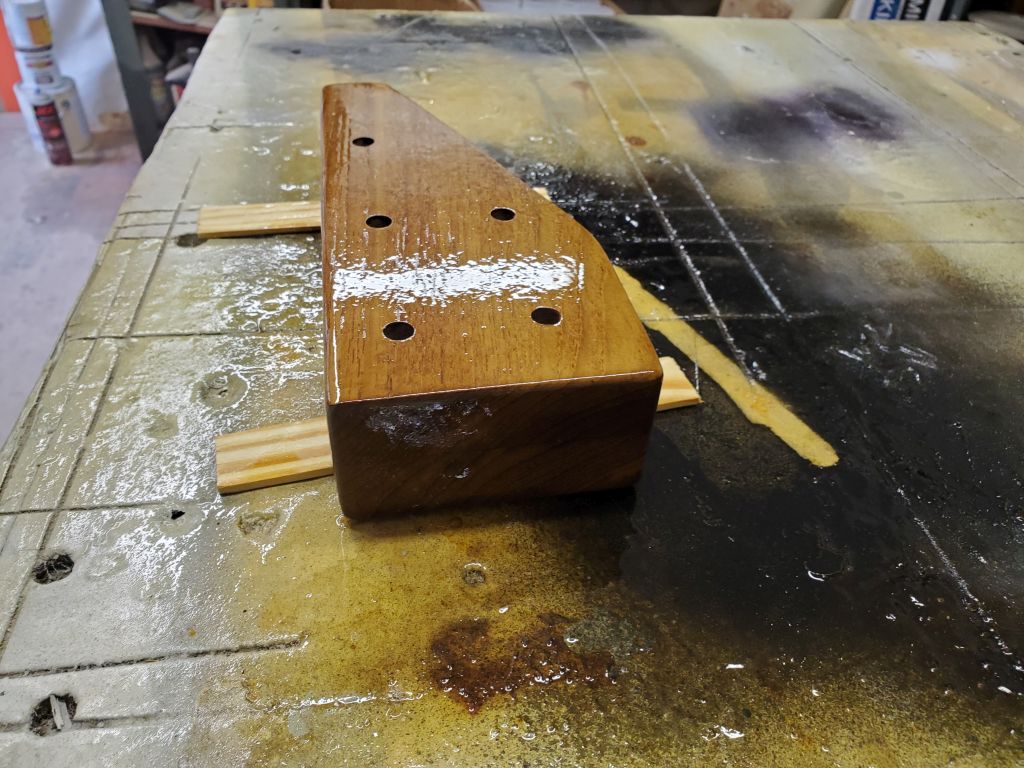
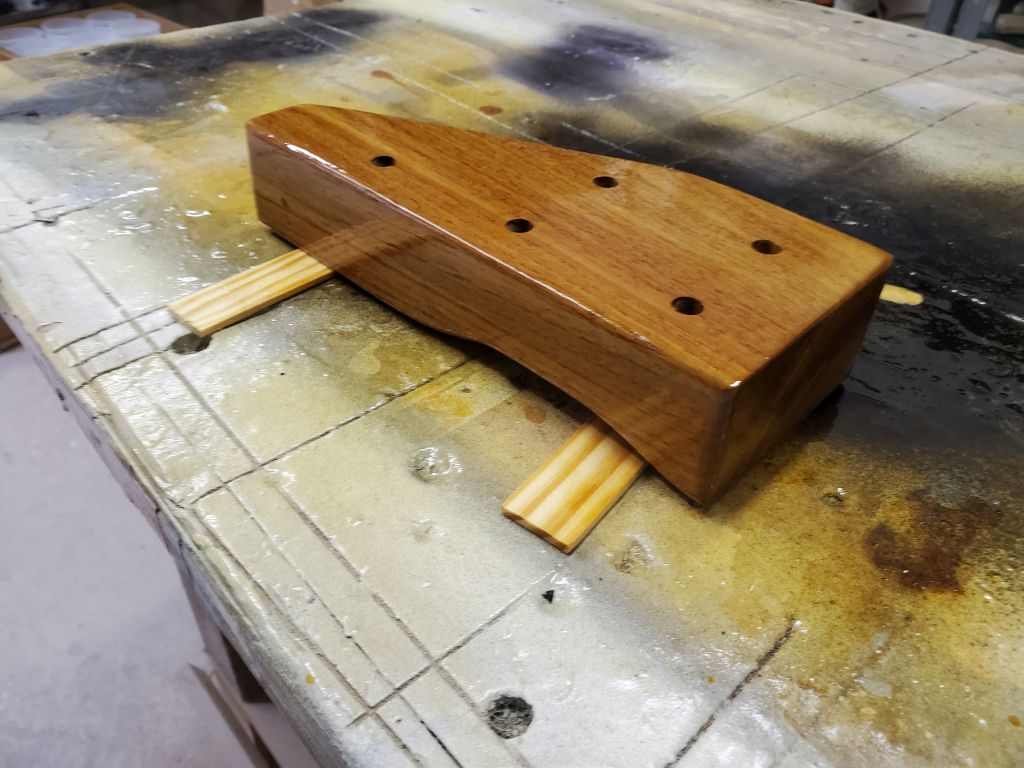
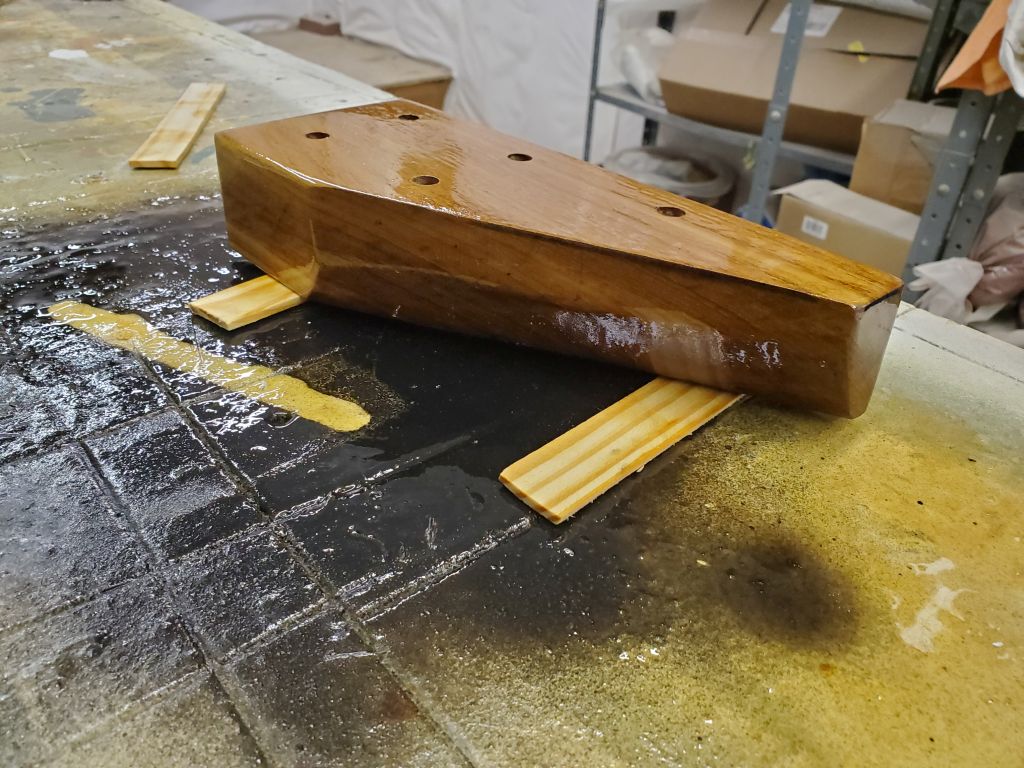
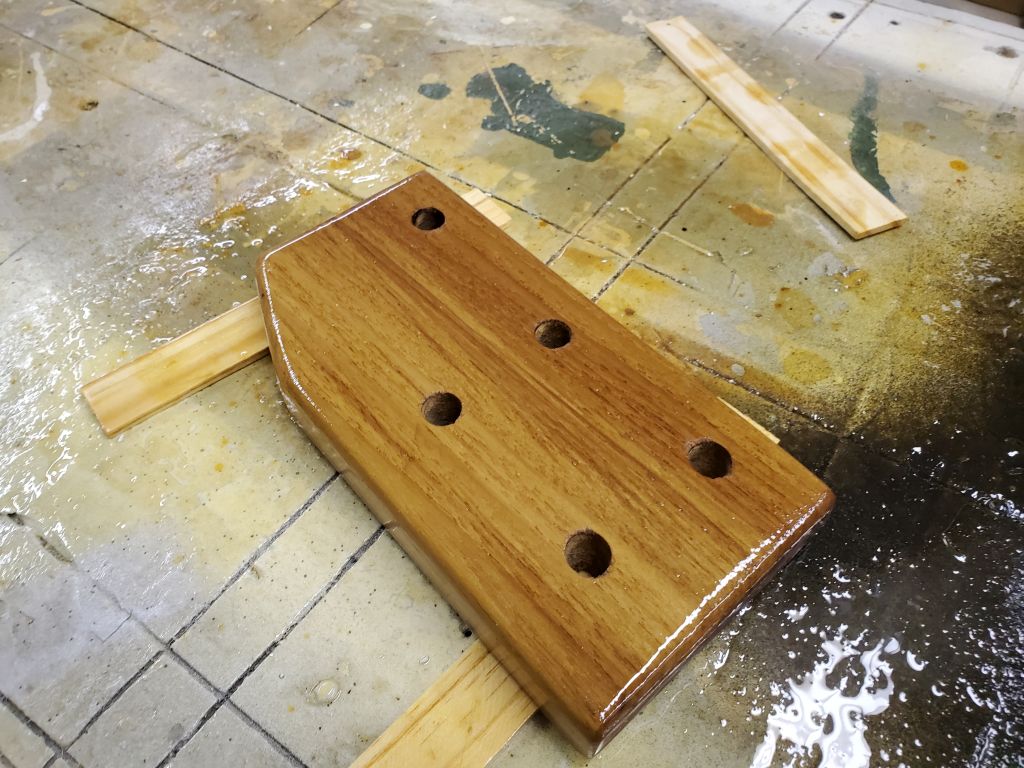
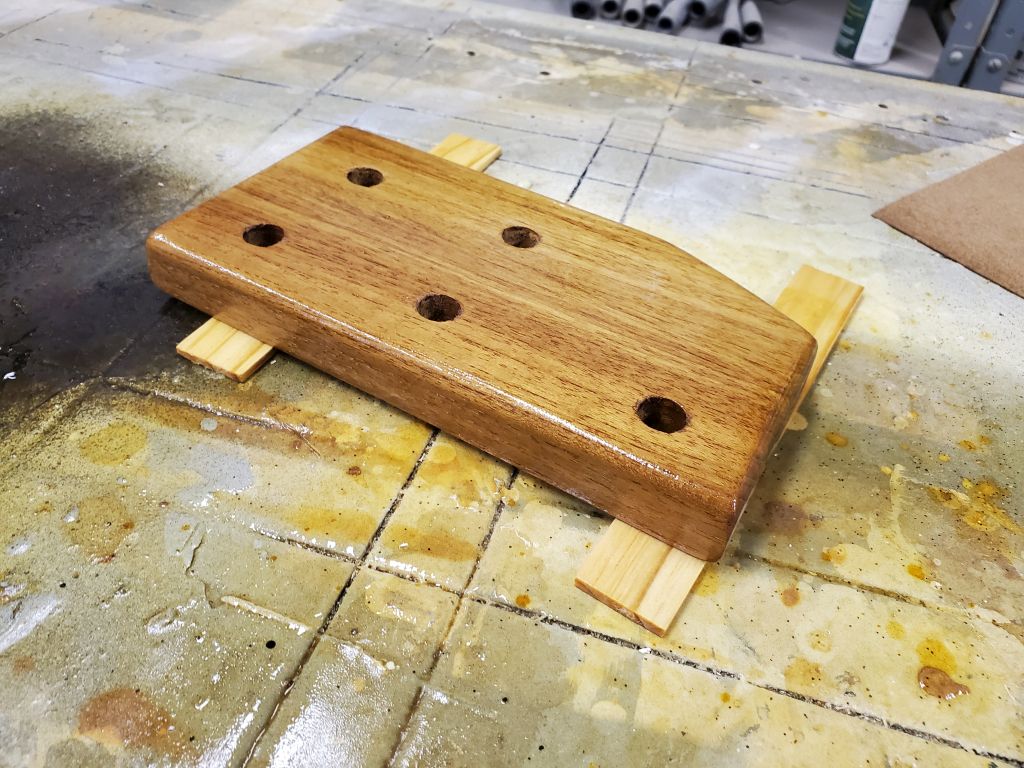
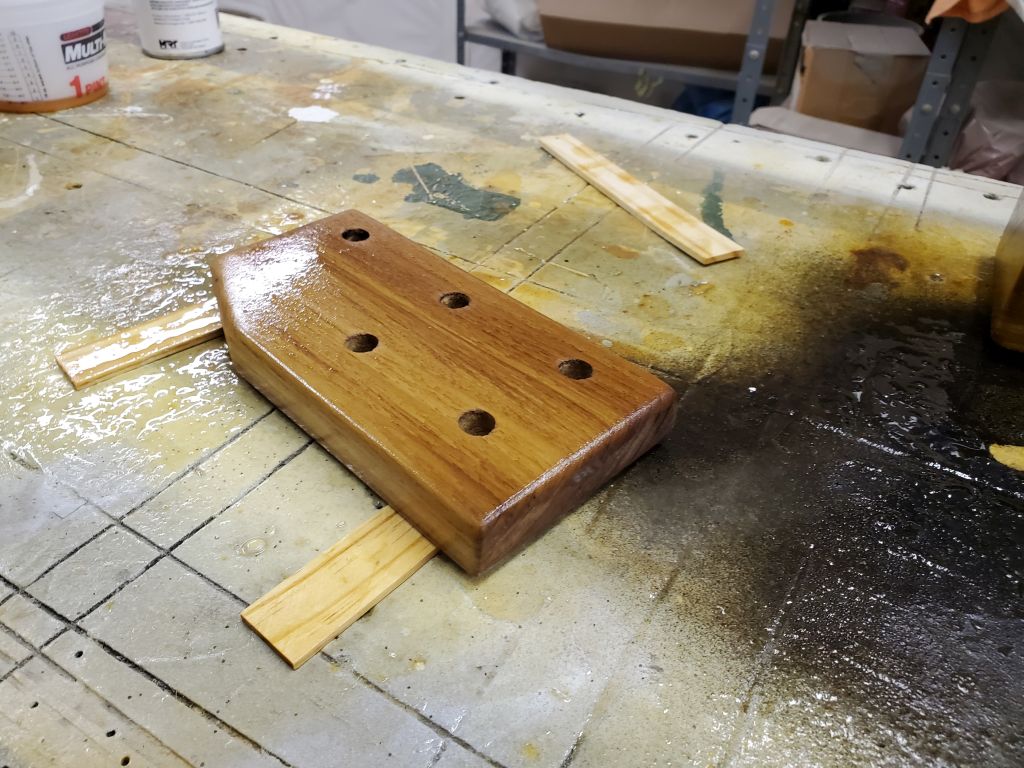
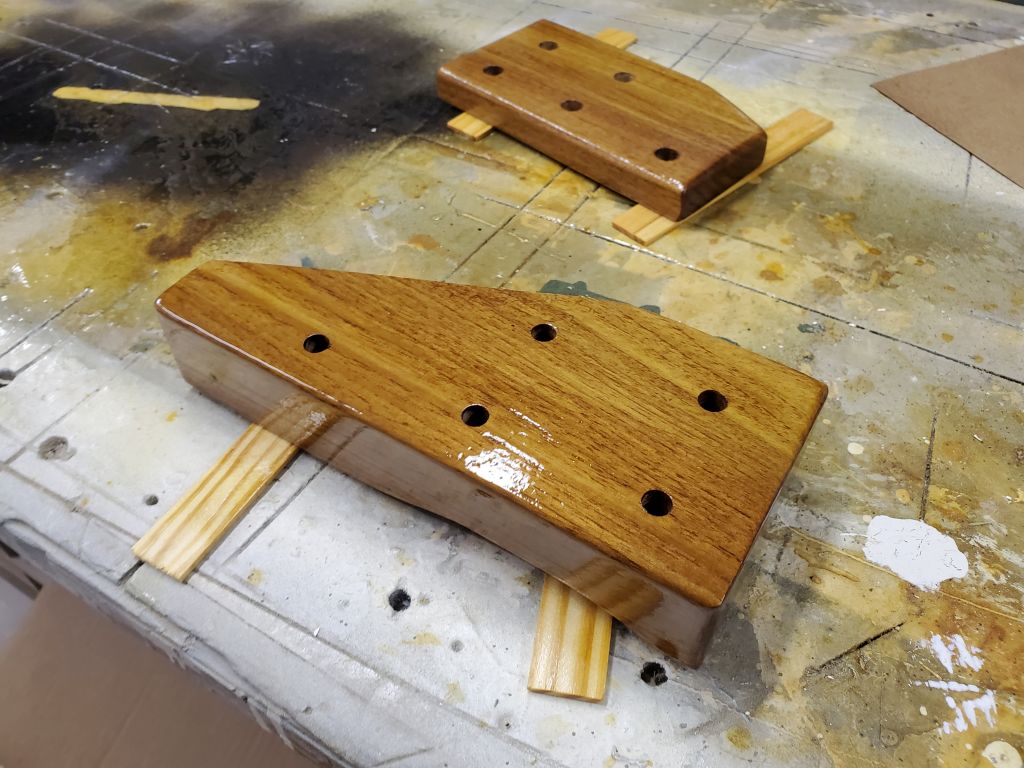
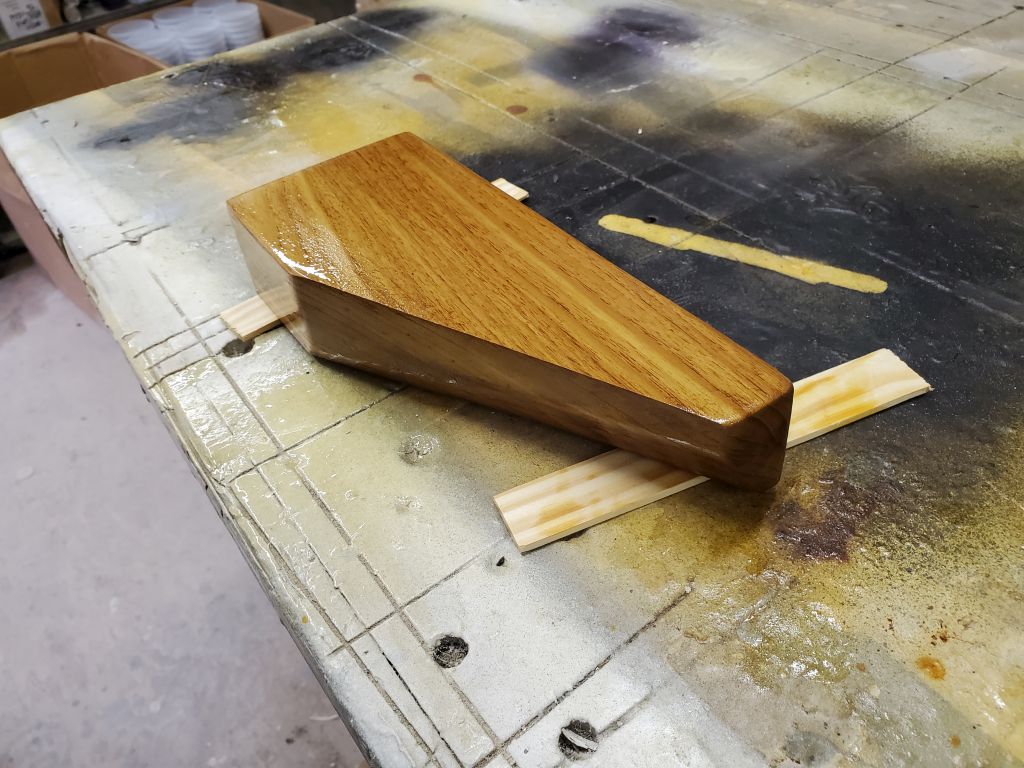
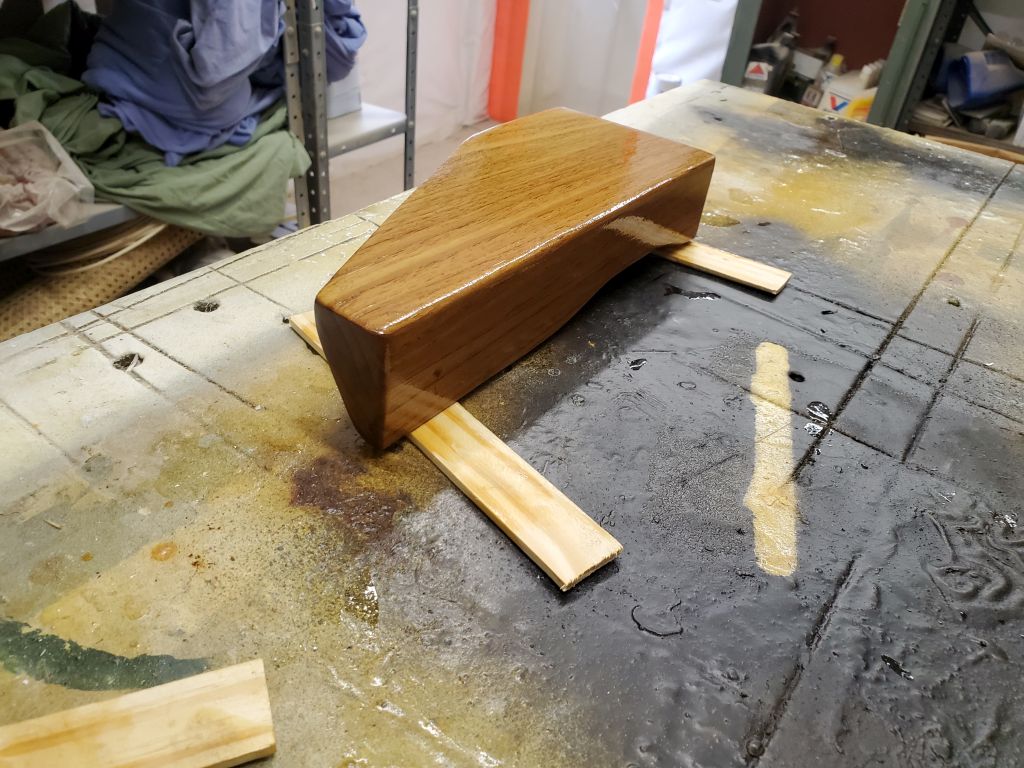
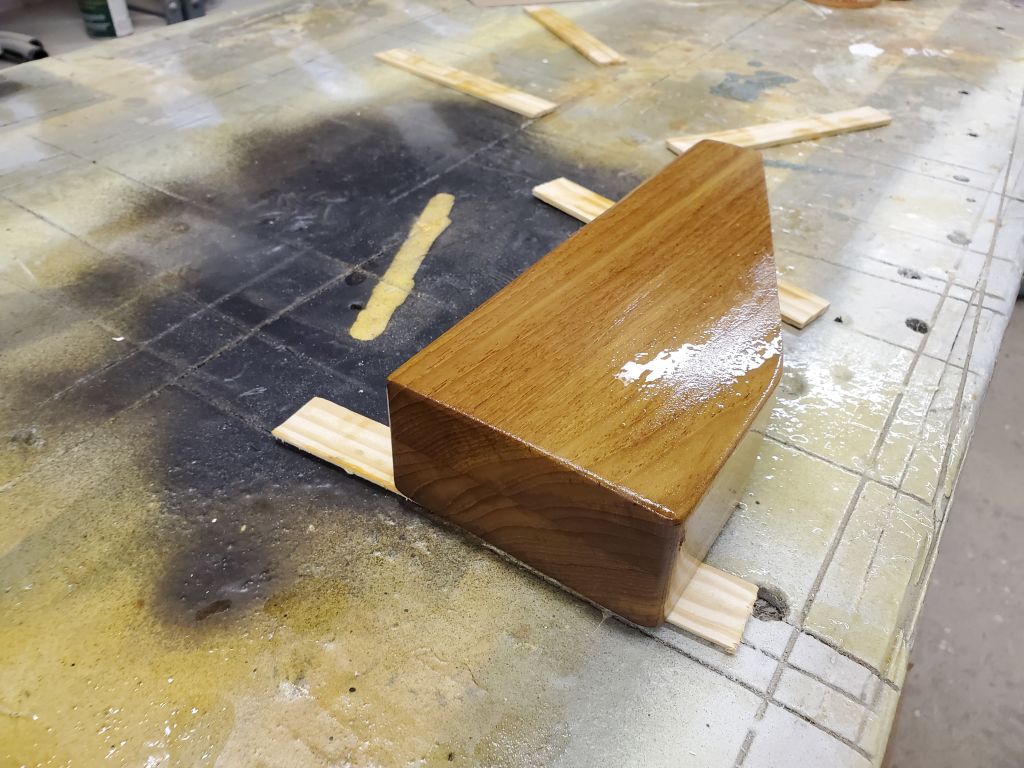
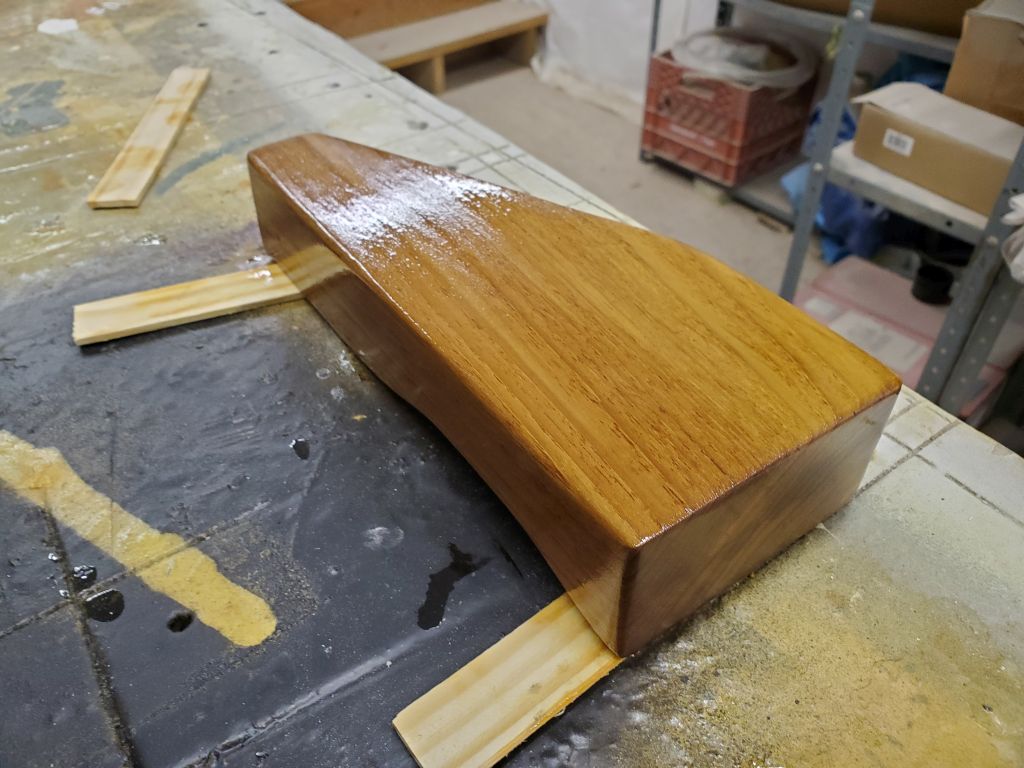
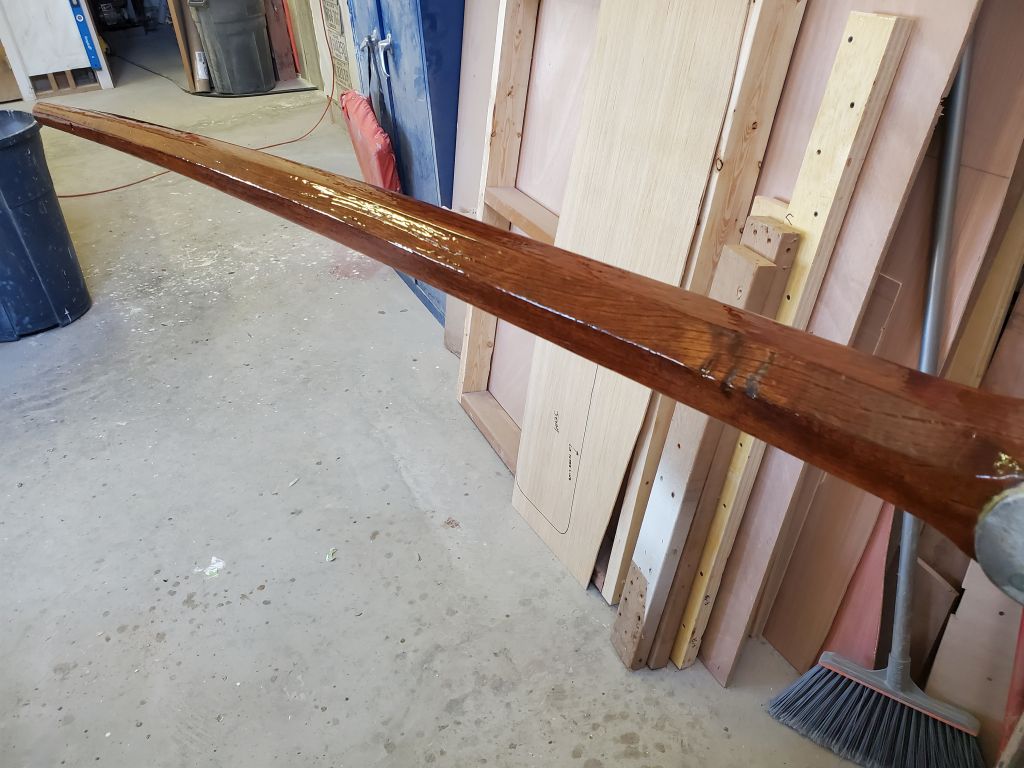
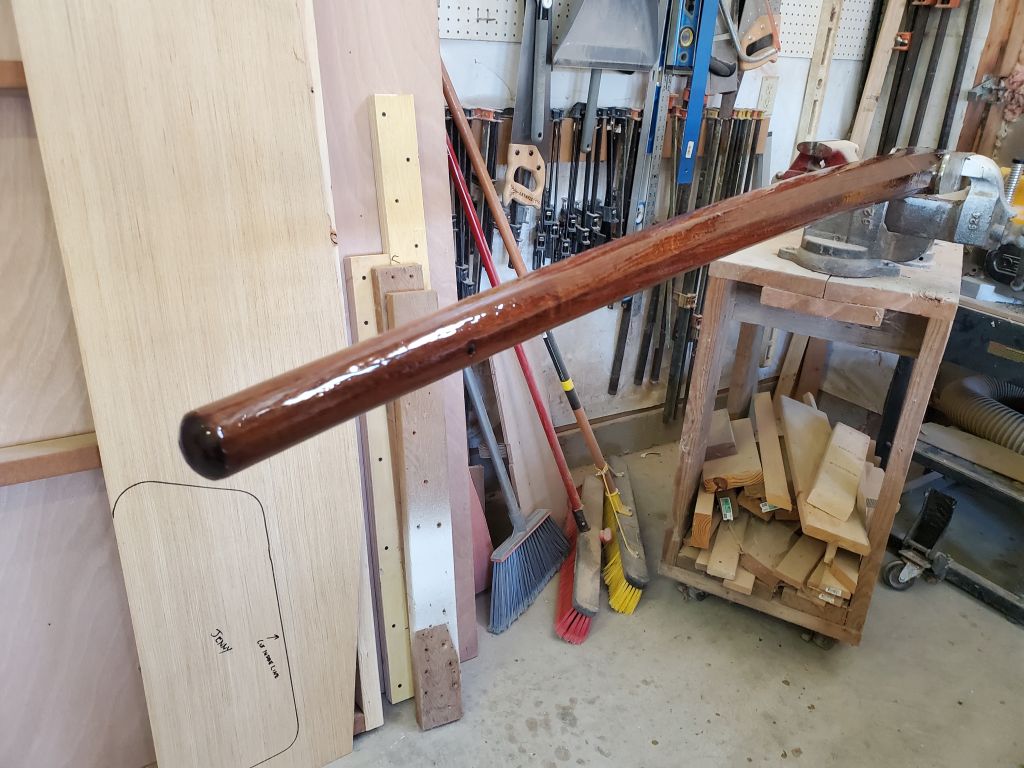
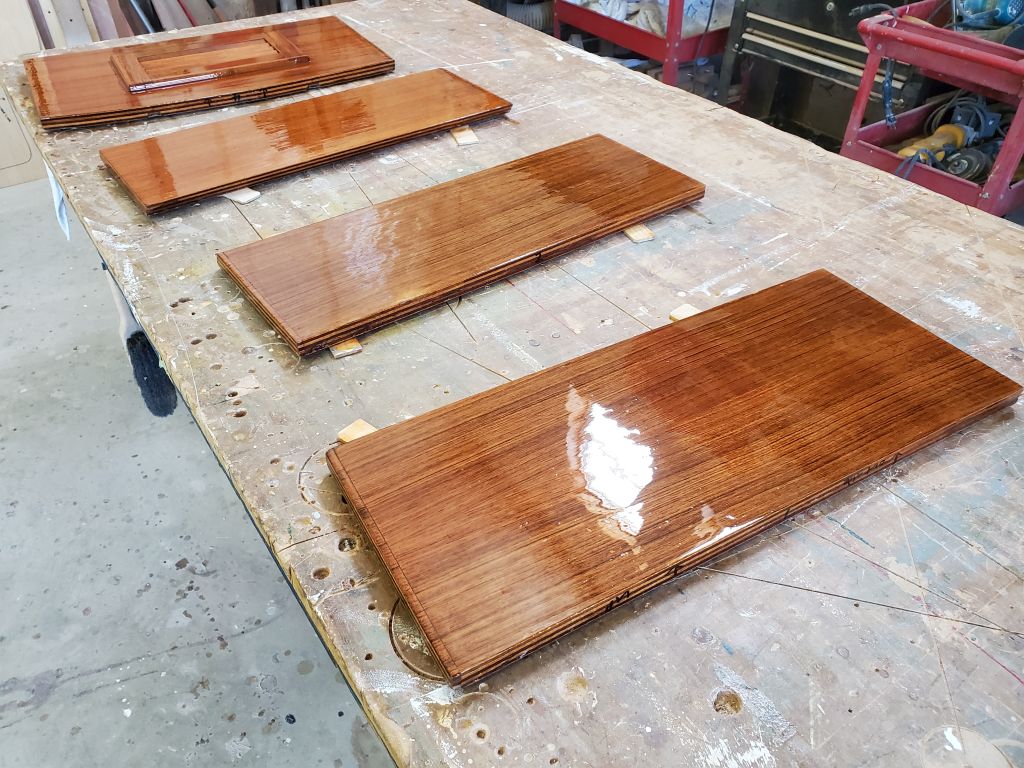
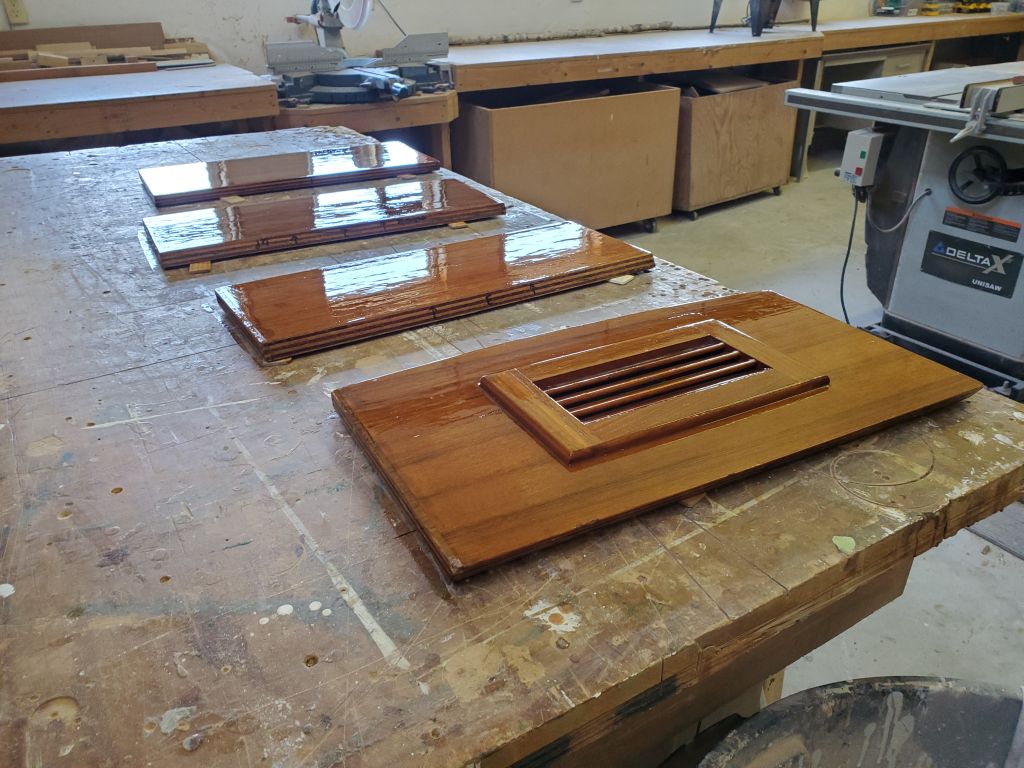
With the roller back in place and positioned accurately, I marked through the holes I’d drilled, leaving the position of the bolt holes on the spacer block. Then, I drilled these holes on the drill press, using the next size up from 3/8″. From there, I used the offcut from the spacer block–leftover from when I dimensioned the block to the correct height–as a backing block to use belowdecks, and marked and drilled the holes in the backing block (1/2″). I cleaned up and sanded the backing block to prepare it for varnish, since the way this chainlocker was laid out the backing block would be visible from the forward cabin. These blocks required several coats of varnish to finish up before I could contemplate installation.
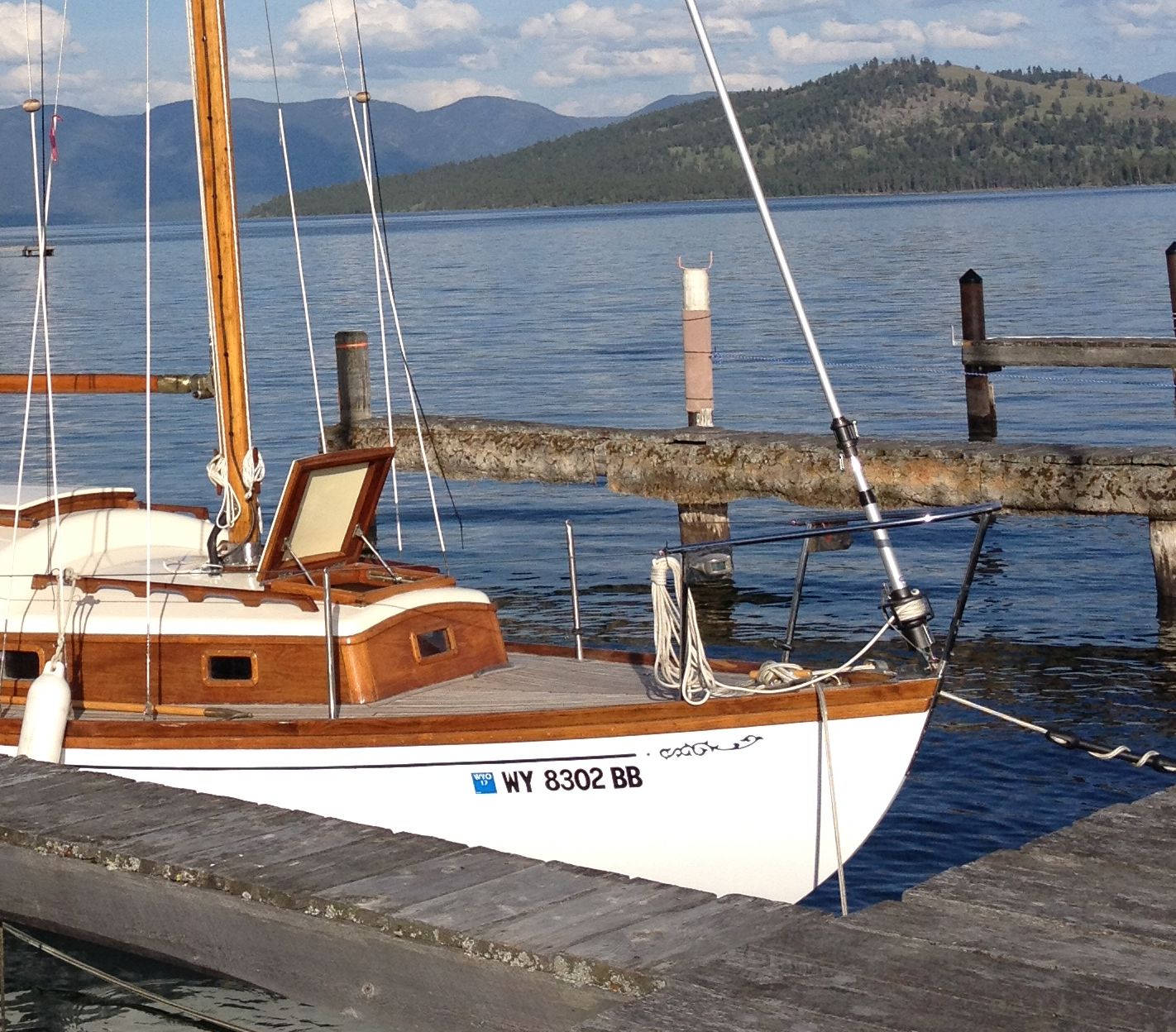
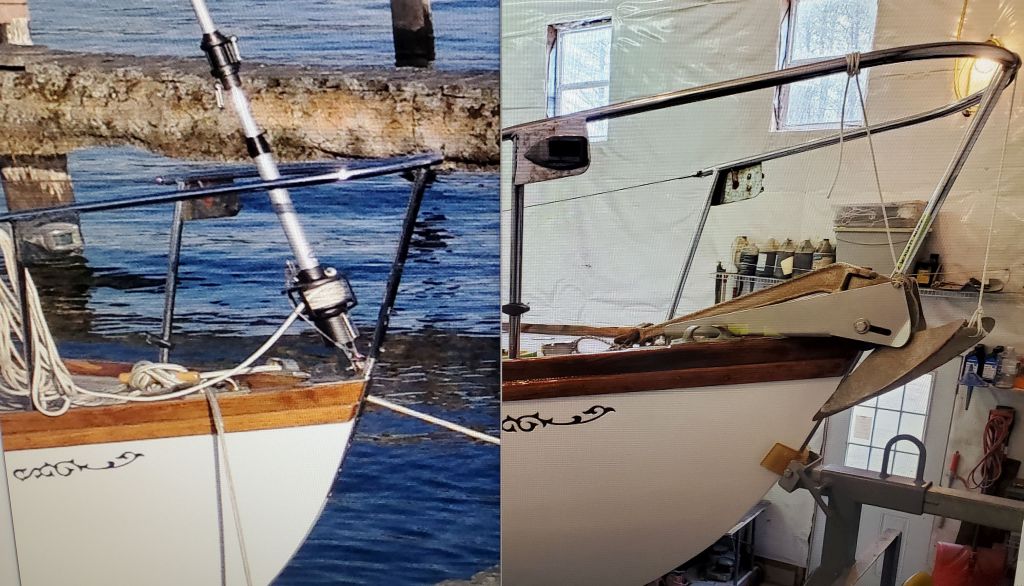
It occurred to me sometime during the morning that the boat might have a roller furler on the headstay, and when I checked the one photo the owner had sent me of the boat in the water, I saw a furler. I couldn’t zoom in well enough on the photo to determine the drum height, but this was a question I needed to resolve before doing anything permanent to the boat. I sent a message to the owner to see if he had any other photos of the furler or knew how high it was, and fortunately he was able to send me several useful photos.
So now I mocked up the roller assembly on the bow again so I could get some measurements and try to determine anecdotally how the furler and anchor and roller setup might interact.
I used some of these photos to directly compare with those the owner sent me, creating a series of quick collages that I sent to the owner. These are down-and-dirty, just photos of my monitor with the applicable photos arranged next to one another–I didn’t take the time to combine them in a nicer or more permanent format–but they were as effective as anything in helping gauge whether there would be a clearance problem. Among other things, there was a through-bolt through the forward pulpit support that helped register the position of things between the various photographs, and worked as a good reference point.
My gut feeling was that the furler drum would clear the anchor and roller, but after discussions with the owner, we decided the prudent thing would be to physically measure the furler on the mast itself; it was stored at a boatyard relatively close by, and to start the owner got in touch with the yard to see if they might be able to take some quick measurements, or if I’d need to go there myself to have a look.
In any event, for the moment the final installation was on hold anyway, as I needed time to get the varnish finished on the support block and backing block, and in the meantime had done nothing permanent to the deck in case it turned out that clearance was an issue. Hopefully we’d work out this final and important detail in the next couple days.
For now, I got more varnish done on the blocks.
Finally, I lightly sanded then revarnished again the starboard deadlight frame. I’d lost count, but I thought this was coat seven: six had been my goal, but either way I figured one more coat was a safe bet.
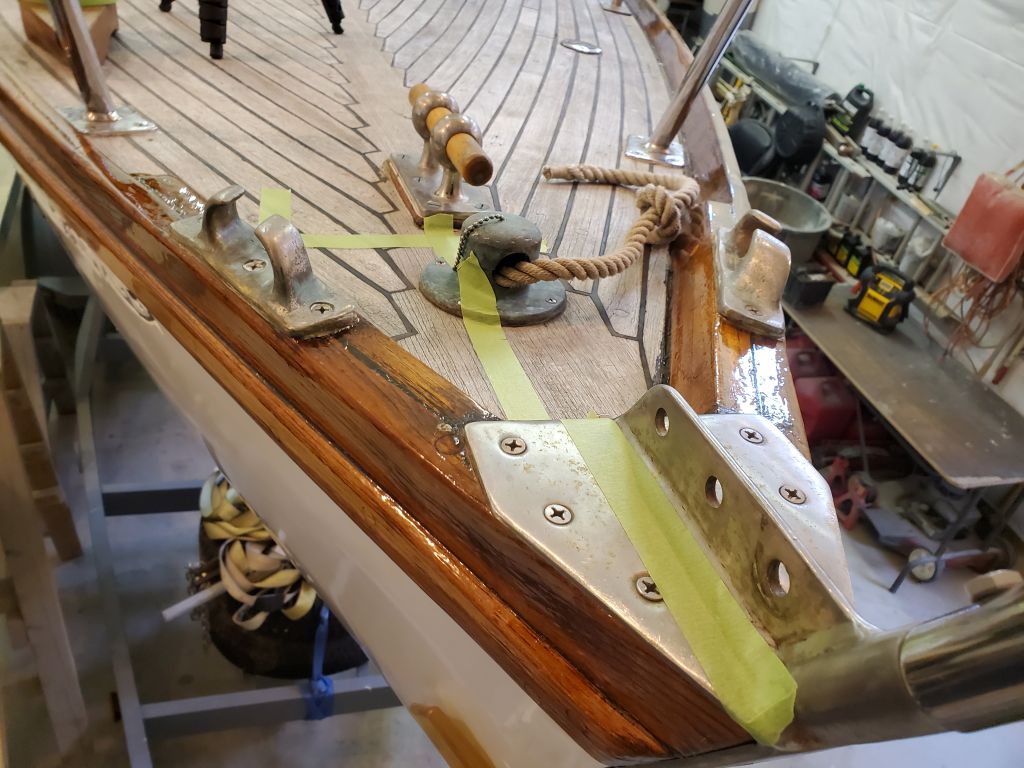
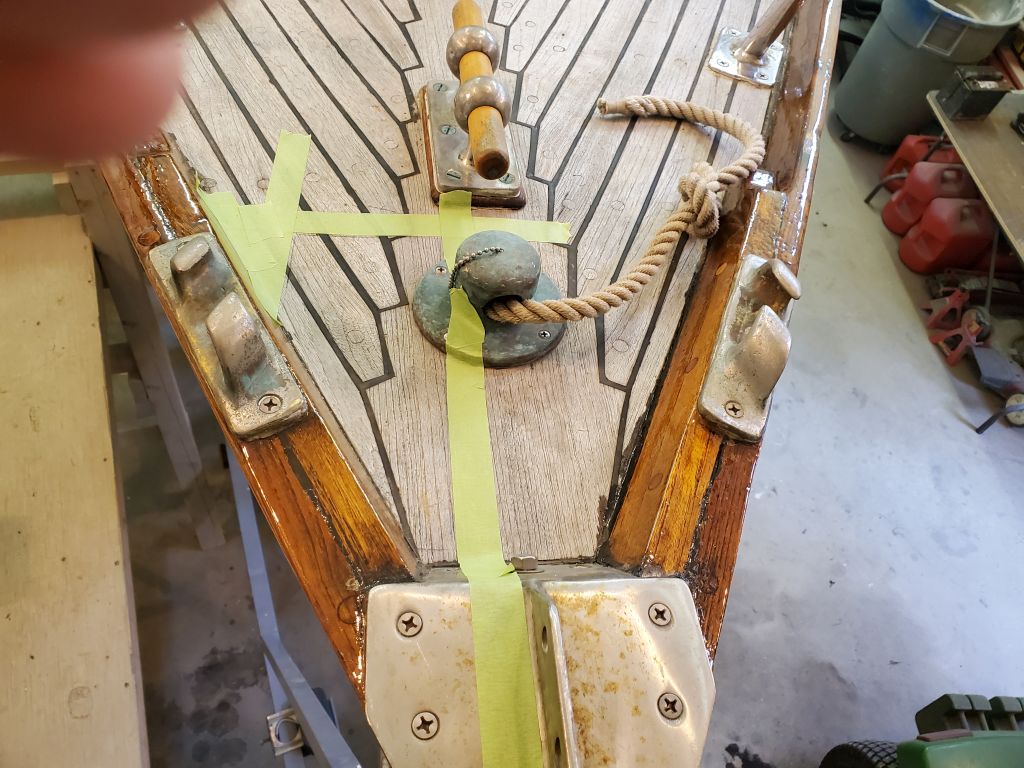
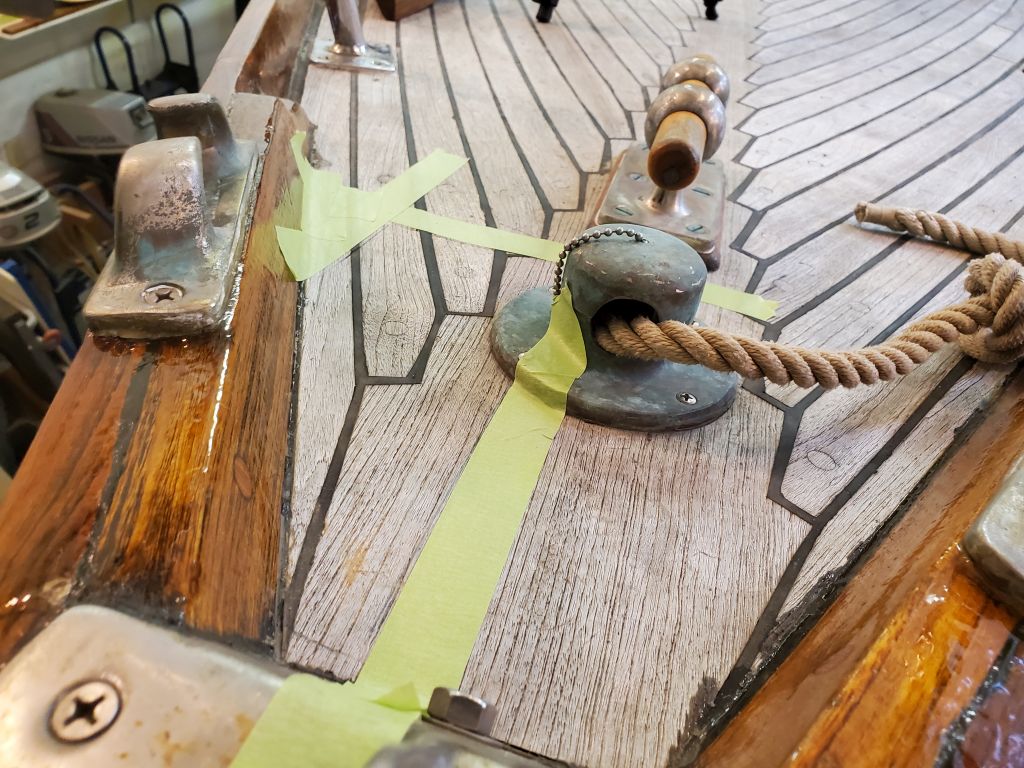
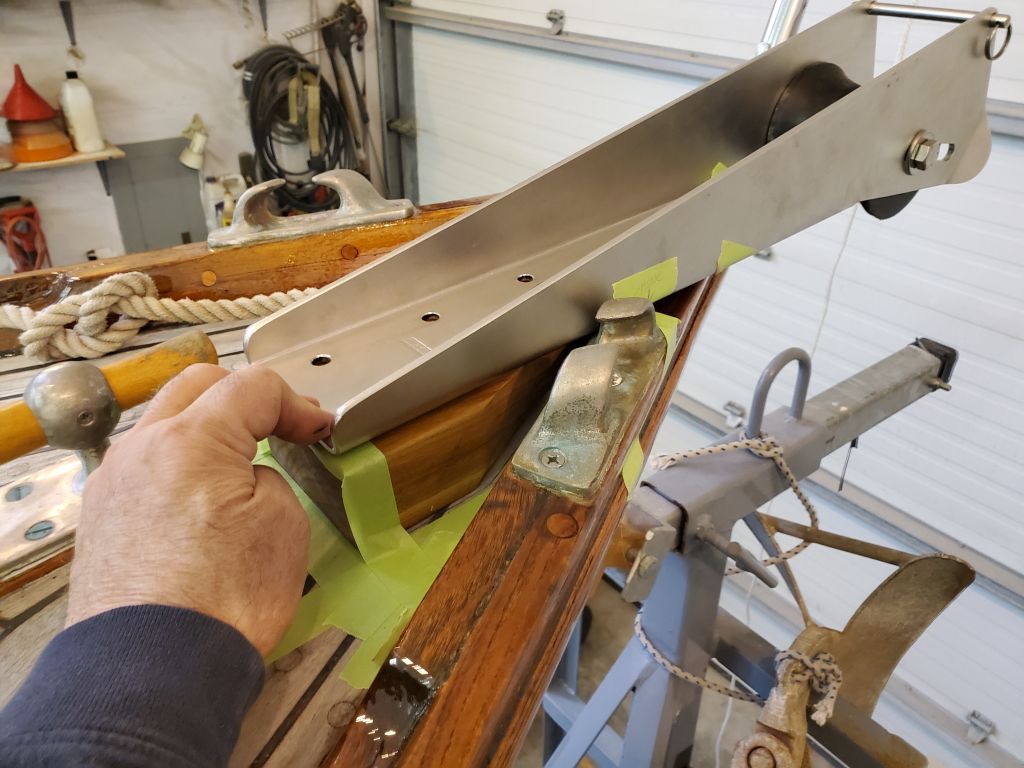
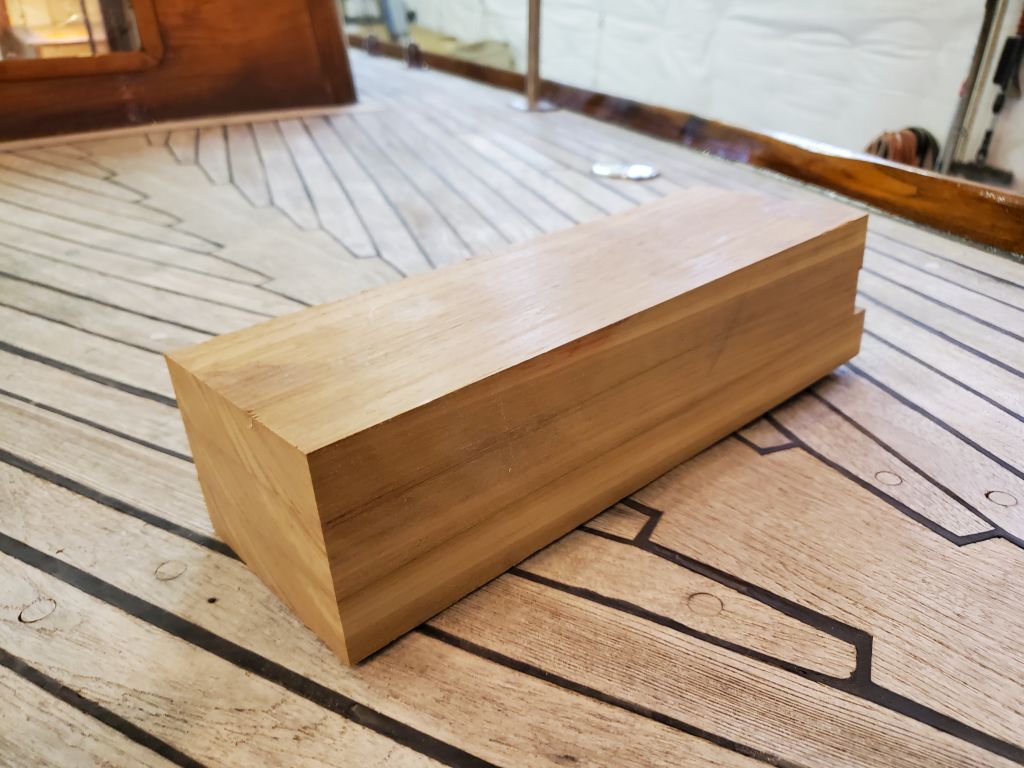
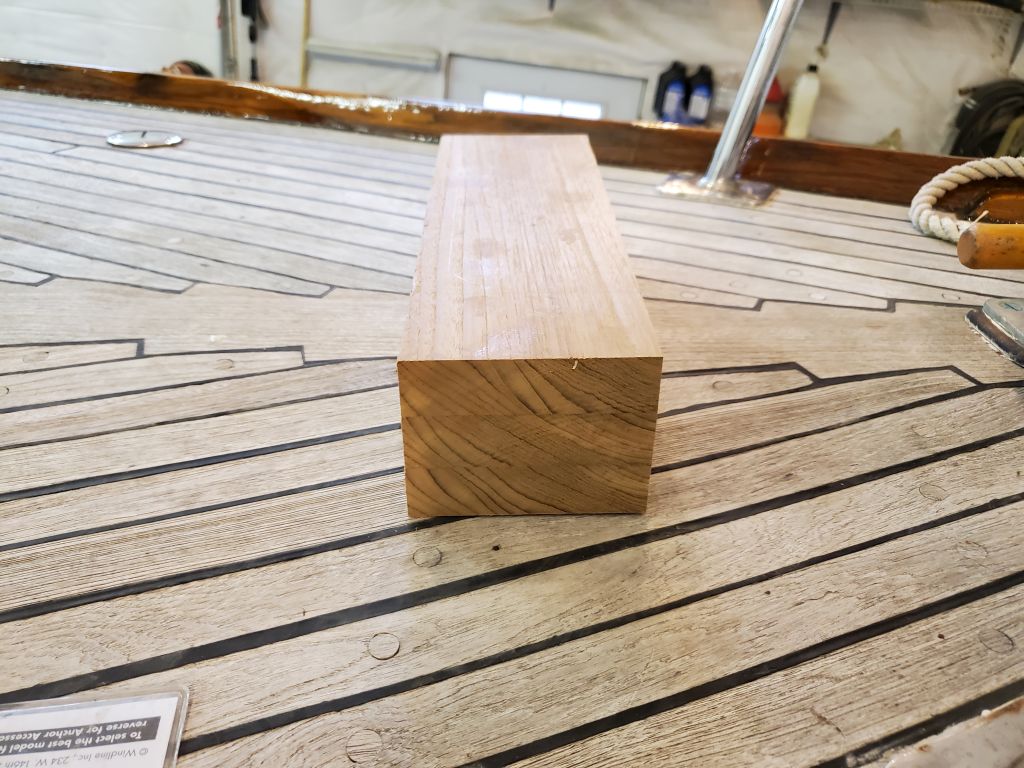
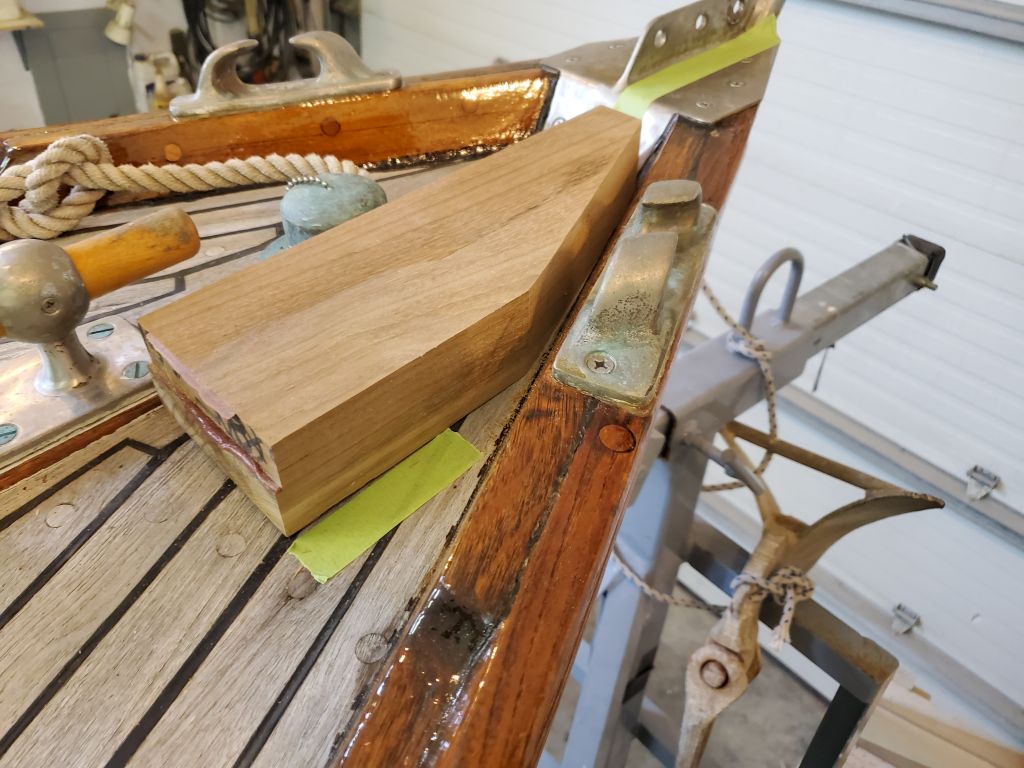
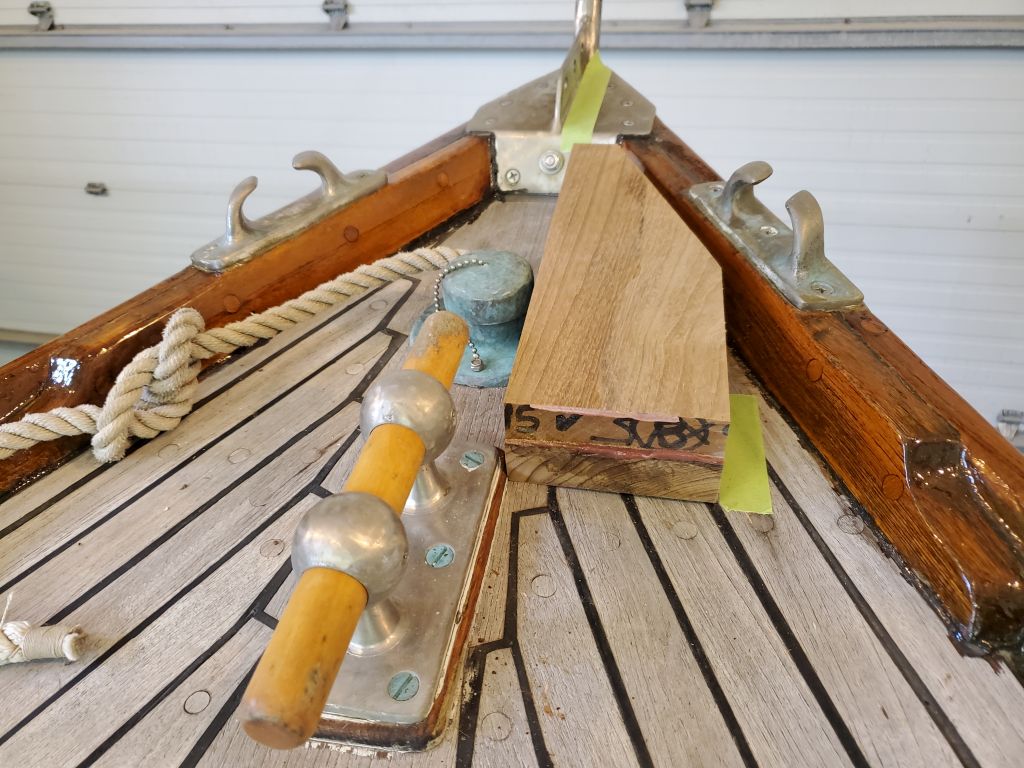
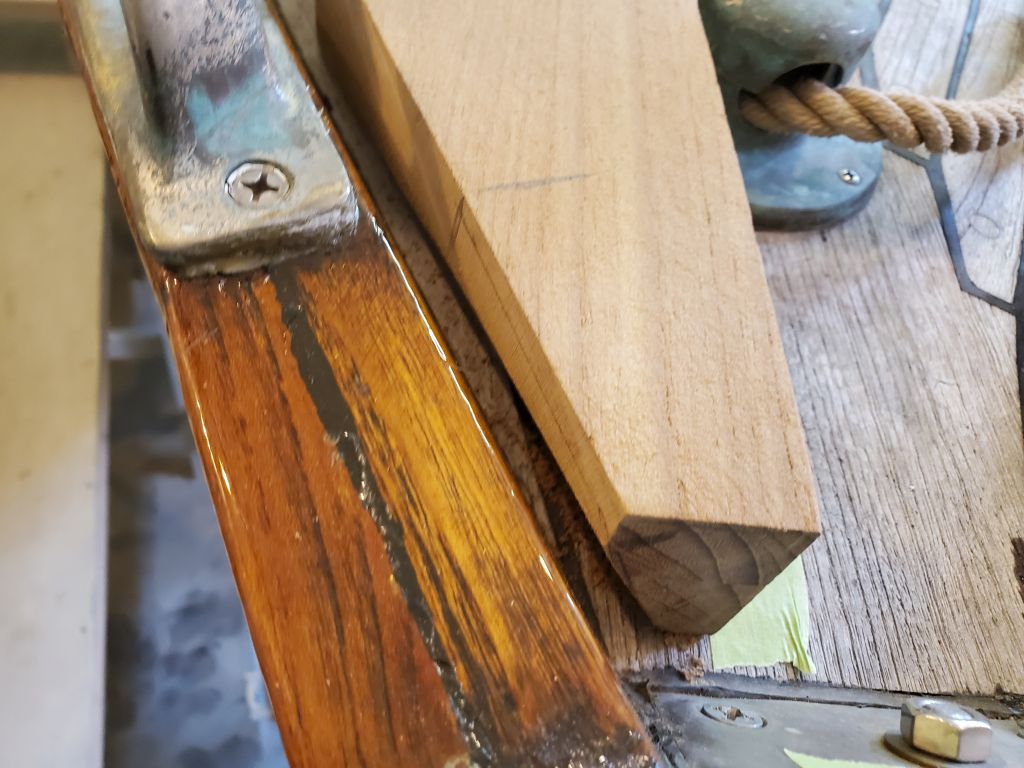
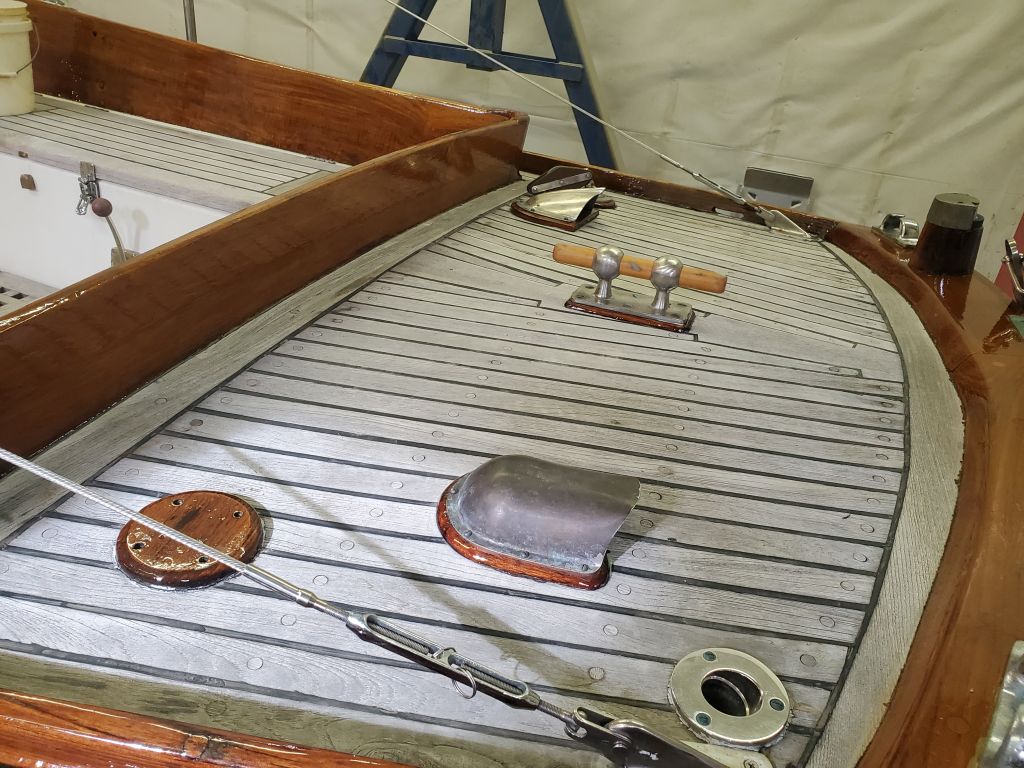
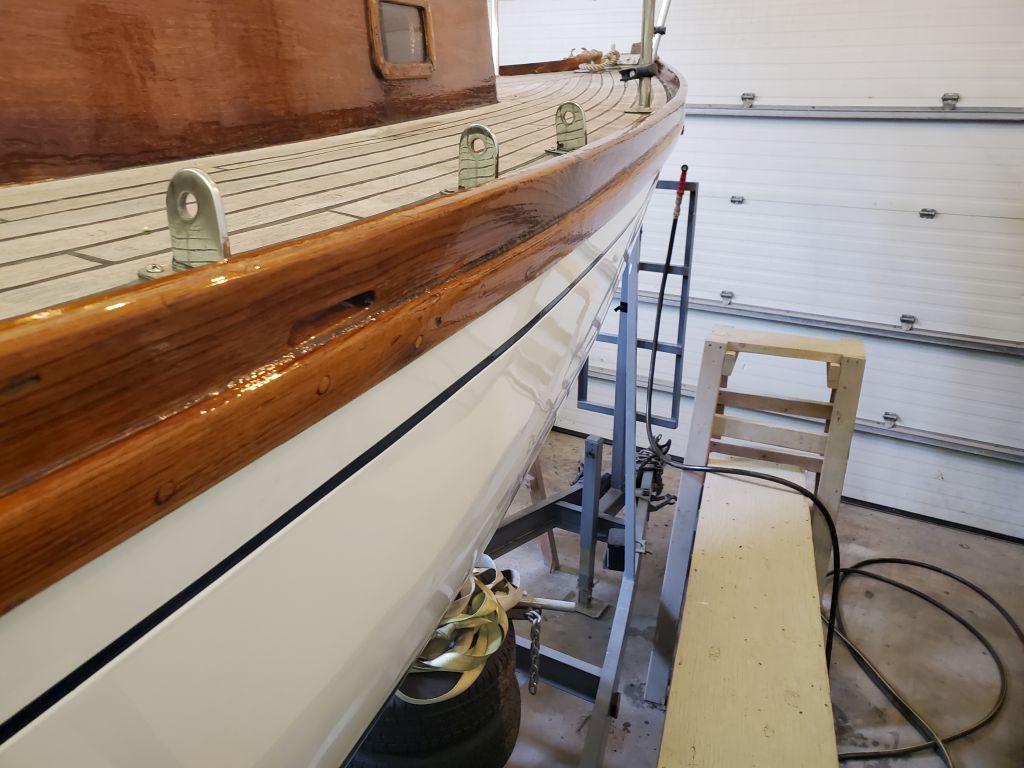
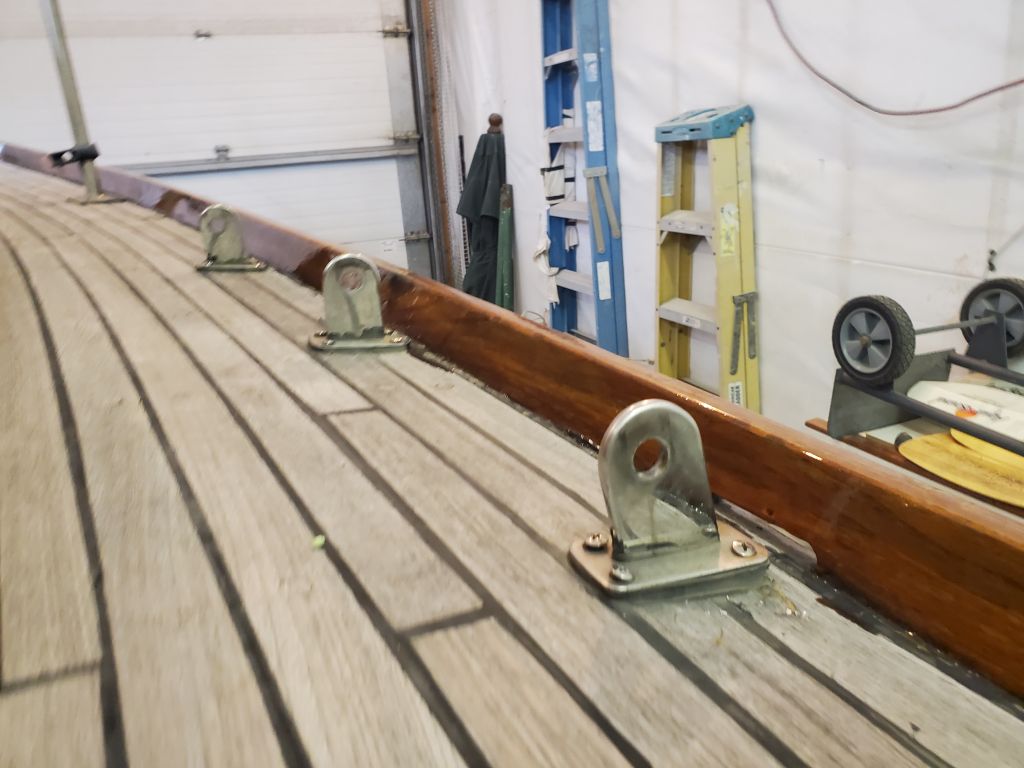
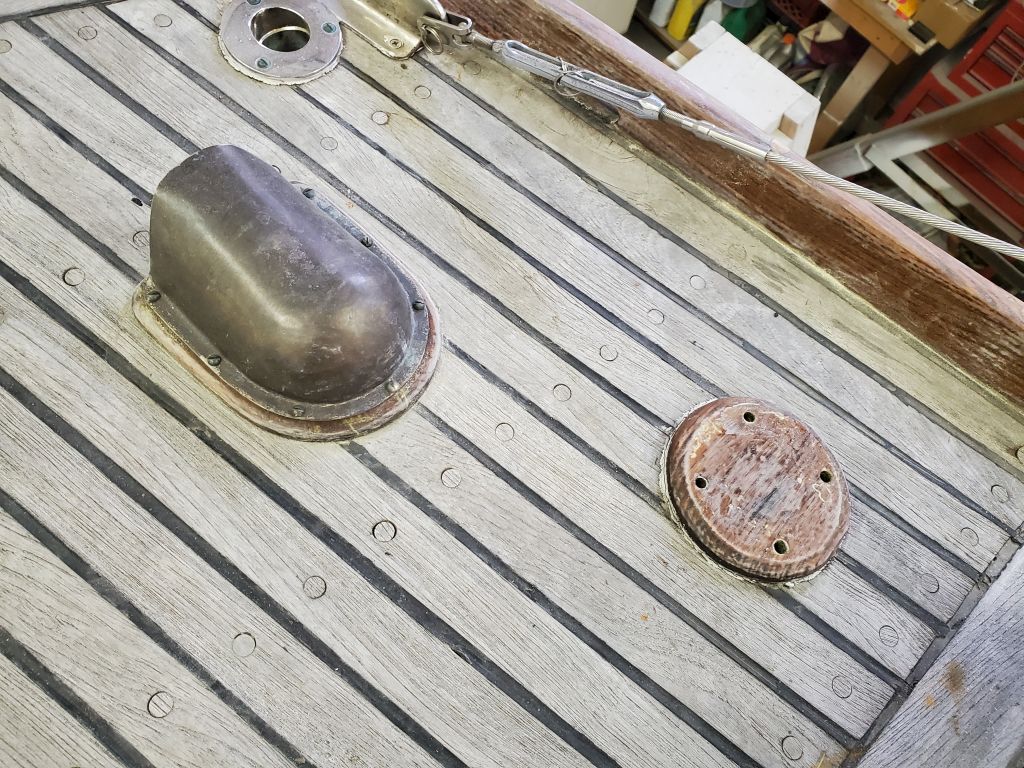
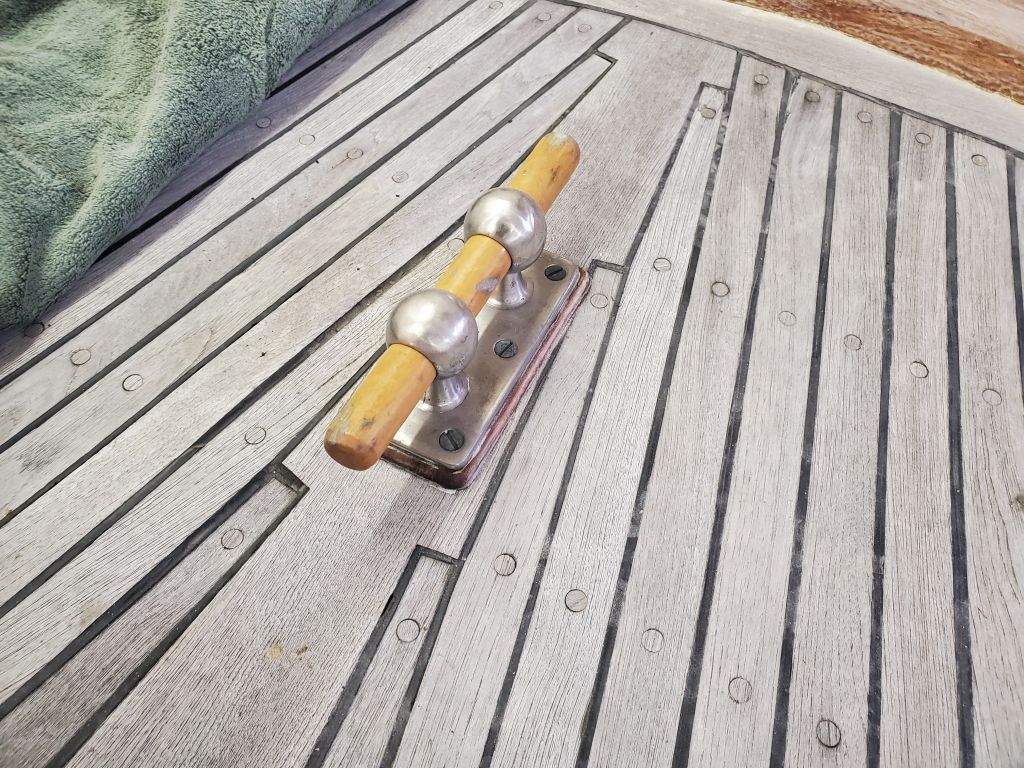
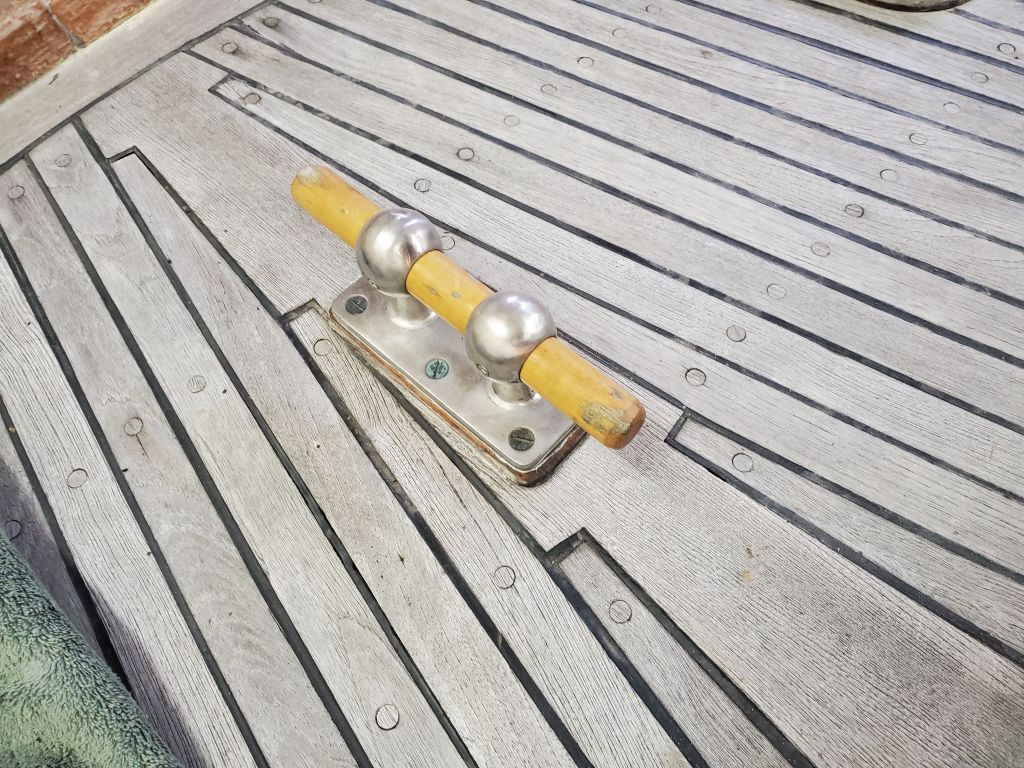
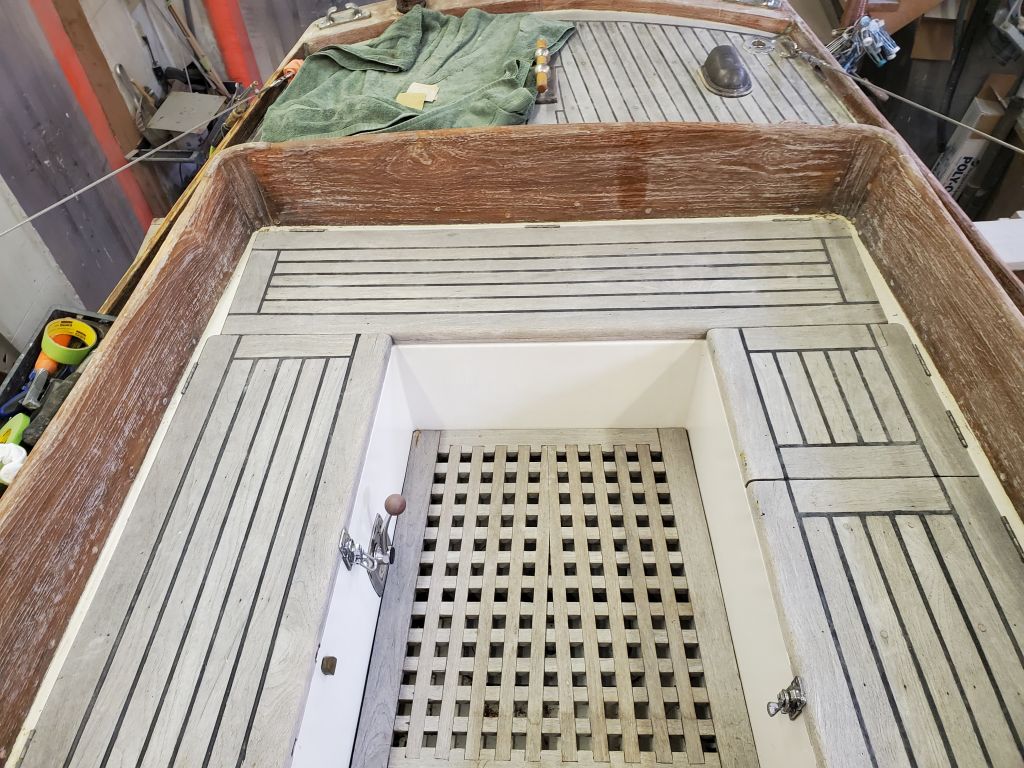
Temporarily installing the anchor–a 25#CQR from my used anchor graveyard–in the roller, I spent some time mocking up the roller position (and by roller I am referring to the entire assembly) on the starboard side of the stem. It was a tight space, and there were various impediments, among them the centerline pulpit support, stem plate (where the headstay and jib tack would install), starboard bow chock, hawsepipe, and bow cleat (both located on the centerline a bit aft of the stem proper). Cutting the toerail and extending the roller through at deck level wasn’t an option because of the design of the stem plate, and other considerations, though I wouldn’t undertake such a “permanent deformity” lightly in any case, so the roller would extend over the level of the toerail. To this end I’d previously glued up a teak spacer block that I’d soon use to fit between the roller and the deck, and at the beginning of the day I’d unclamped and dimensioned the blank roughly.
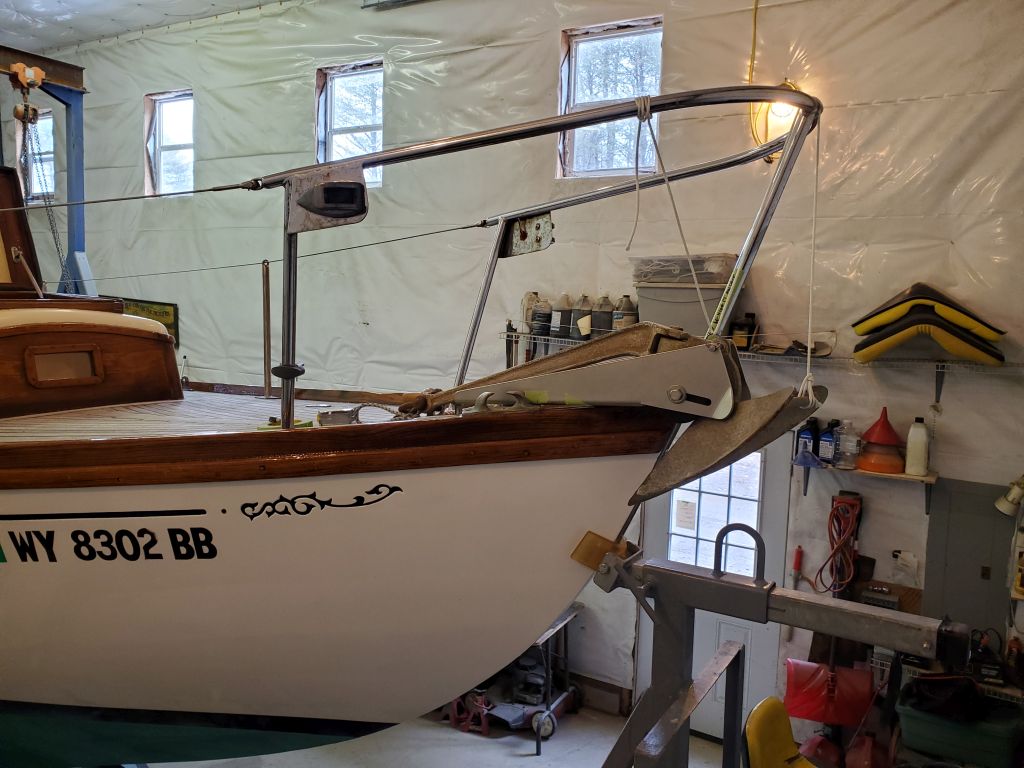
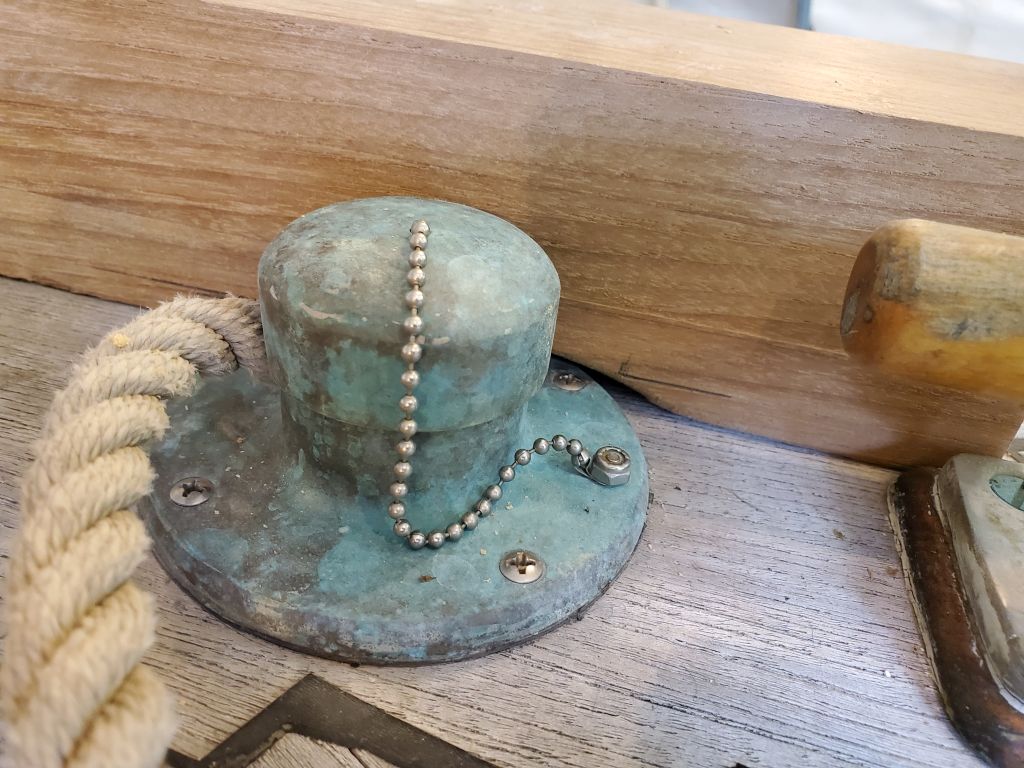
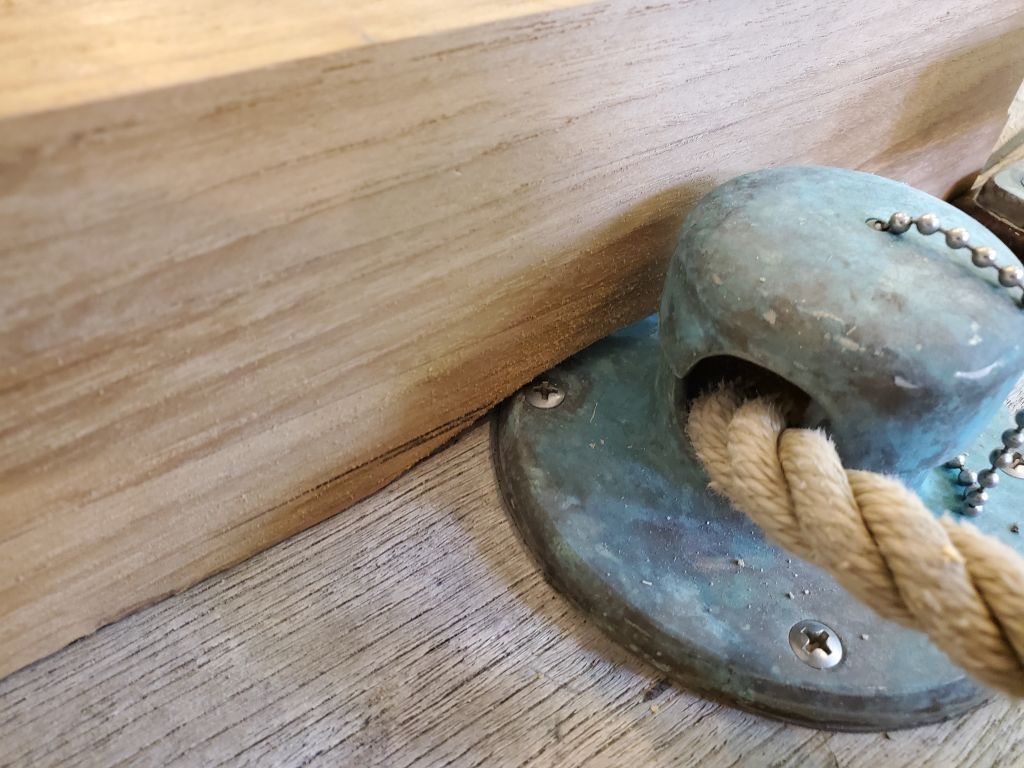
Although I’d previously determined that the roller would actually fit in the space, now, with the anchor in place, it was time to figure out just exactly how and where it should go. I started with the anchor in its expected–and most logical–position, where the pin in the roller assembly would fit through the eye of the anchor to secure it. This generally fit pretty well, and eventually I found that I could position the roller parallel to the centerline while bypassing the chock and leaving a relatively generous 1″ clearance between the roller and the stem plate. This also kept the roller and anchor shank clear enough of the cleat and hawsepipe, but in order for the rubber roller to maintain clearance with the toerail/stem beneath, I could only move the roller so far aft, as shown, and before I committed I wanted to check another position.
The rubber roller itself had a shaft that extended through slots on the sides of the roller frame, allowing the roller to move back and forth; potentially, having this located in a different area of the slot could be beneficial to the overall setup. So after removing the pin securing the anchor, I pulled the anchor up/aft as far as I could, allowing the roller shaft to slide all the way back, and checked the fit again. This anchor position was less ideal since it obviated the use of the pin, but if it had enough of a positive effect on the other required positions of the roller assembly, it would be worth consideration.
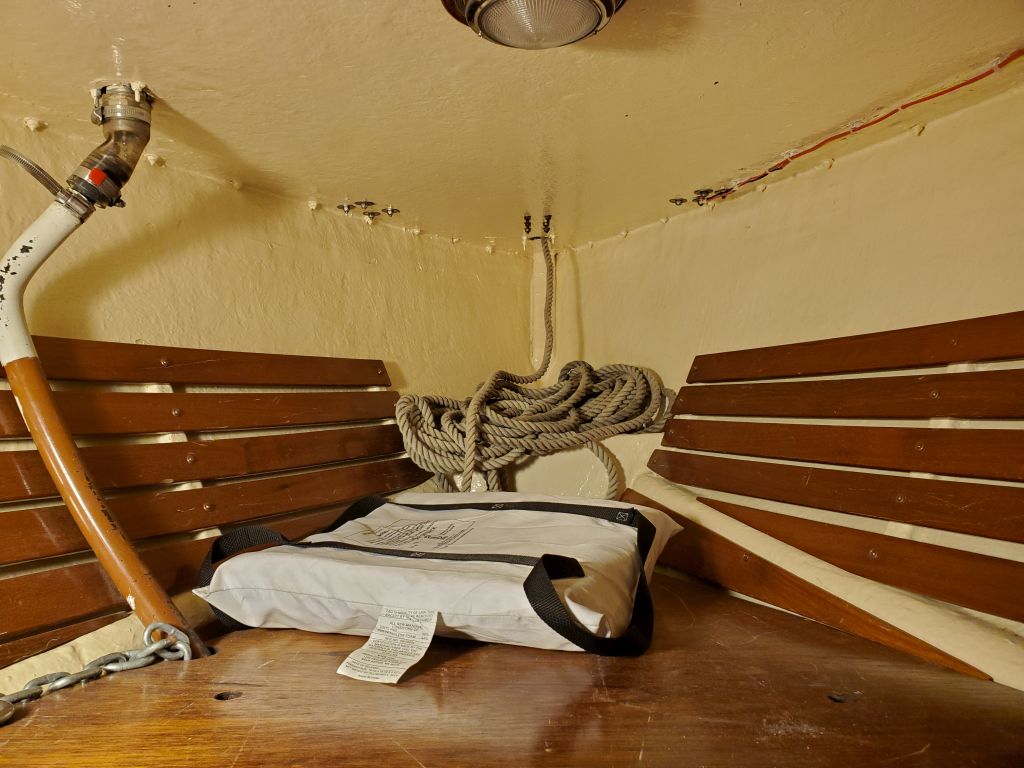
In the end, though, this change didn’t make much of a difference at all to my options with the roller, so I quickly returned the “default” position, now using some lines to secure the arrangement in place so I could do some work on fitting the support block. I also inspected the space belowdecks, in the chainlocker, so I could determine if there were any factors there that might limit my installation or space for bolting; fortunately, this space was wide open, other than known obstructions (same as on deck), so I could proceed with the block fitting as needed.
With the anchor still pinned in the roller, I finalized its position so I could make a couple reference marks: one along the edge of the stem plate, where I used a strip of 1″ tape to show the position (providing 1″ of clearance there), and again beneath the roller, where I marked its exit from the stem plate with a pencil first, then a piece of tape. These marks would help me align the roller properly ever time I moved it to template the support block.
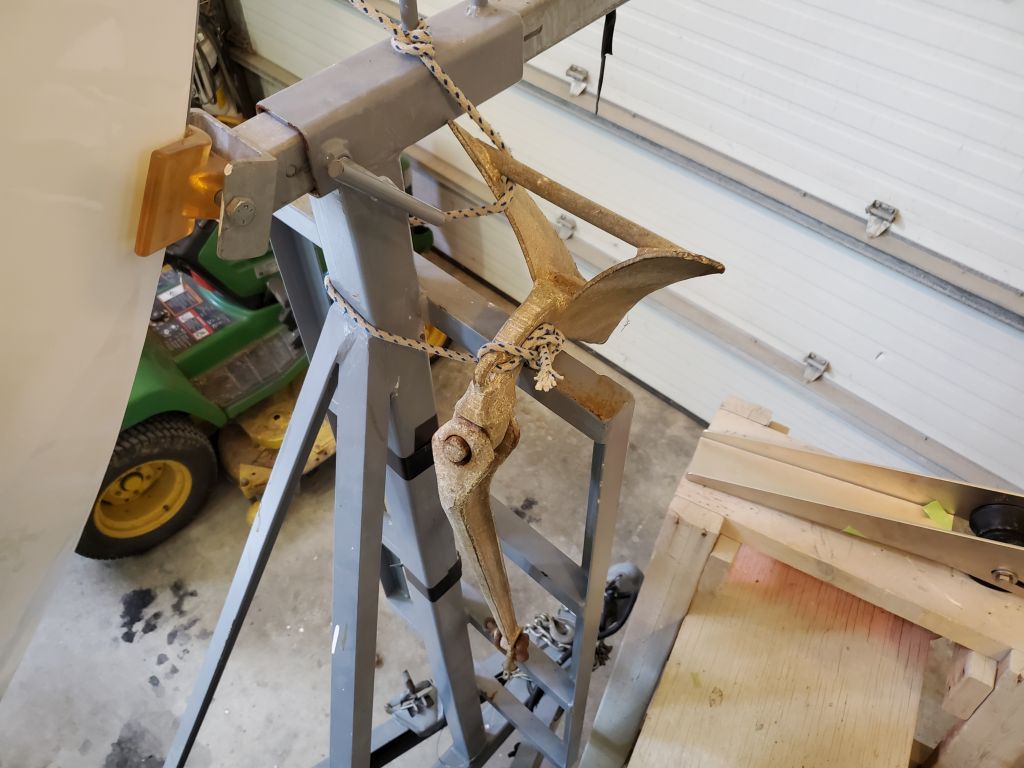
With that done, I could remove the heavy anchor from the roller for the duration; to keep it handy, I hung it over the ladder at the forward end of the trailer, tied in place so it couldn’t move.
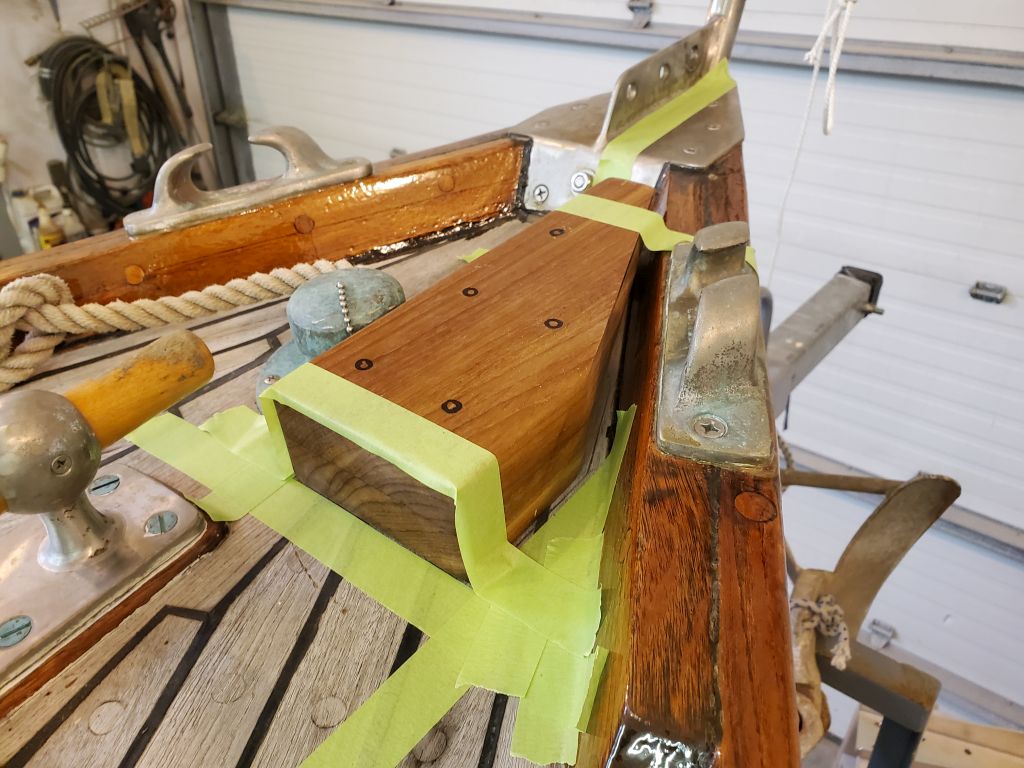
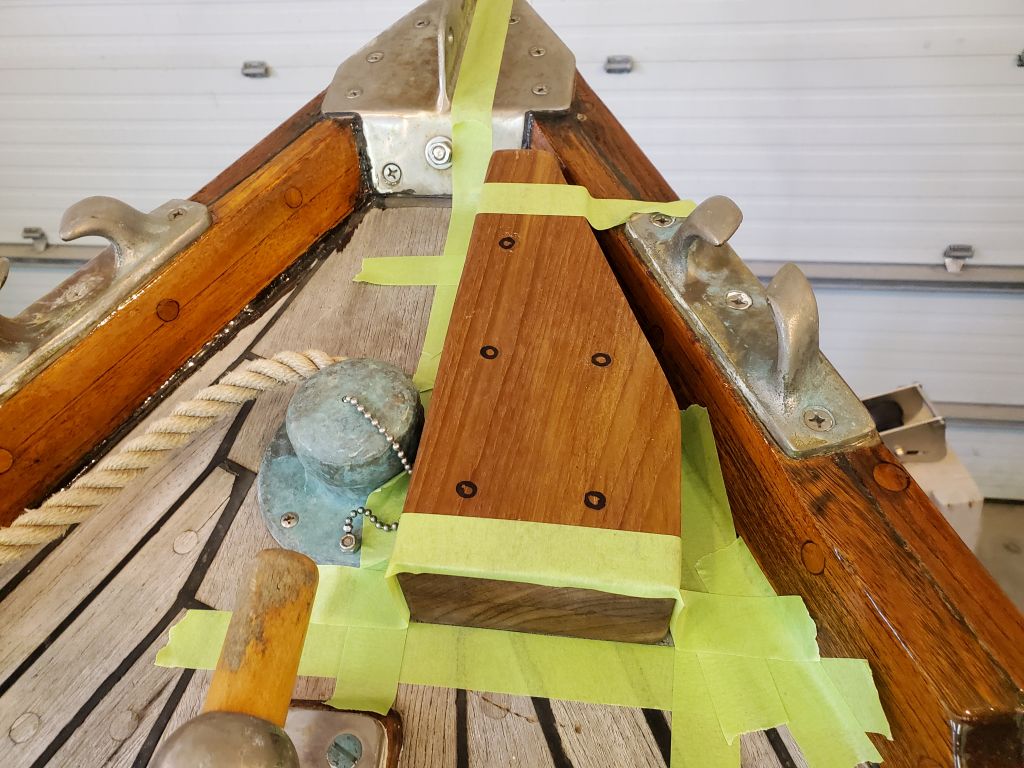
I made a 1/4″ plywood blank of the same width as my support block, and pre-cut a steep angle at the forward end to help it fit initiall7 in the space. Over a few fits and cuts, I eventually brought it in closely to the stem and toerail on the starboard side, and marked where it interfered with the flange on the hawsepipe fitting; this area would need to be shaped and relieved from the bottom of the teak block itself.
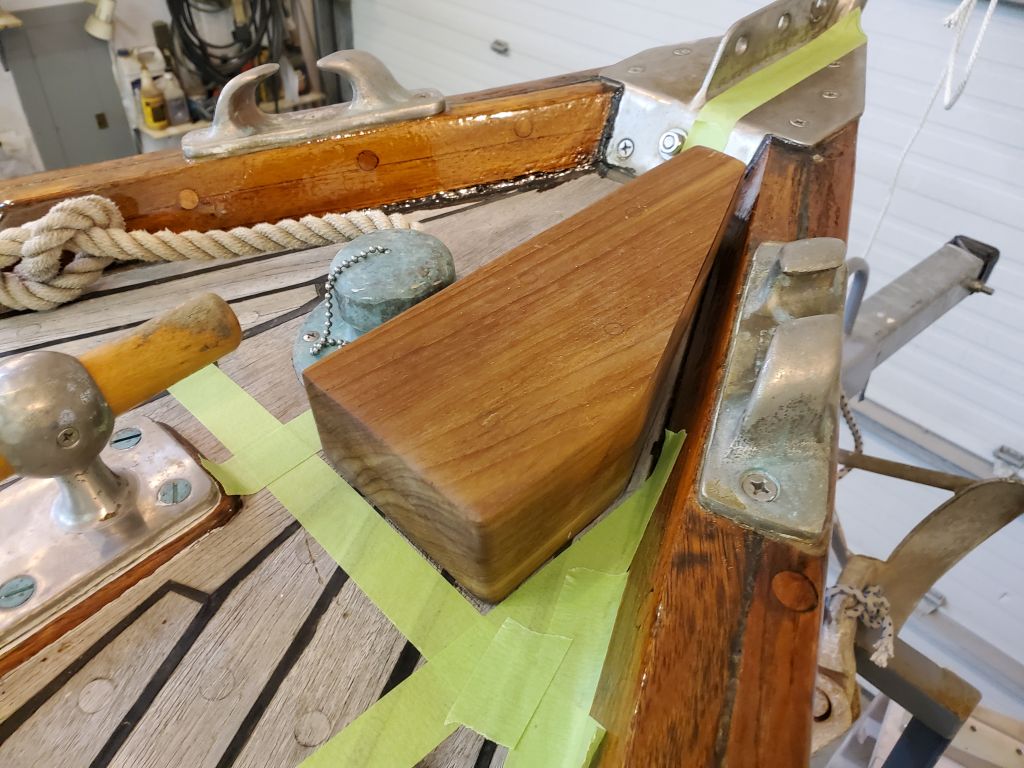
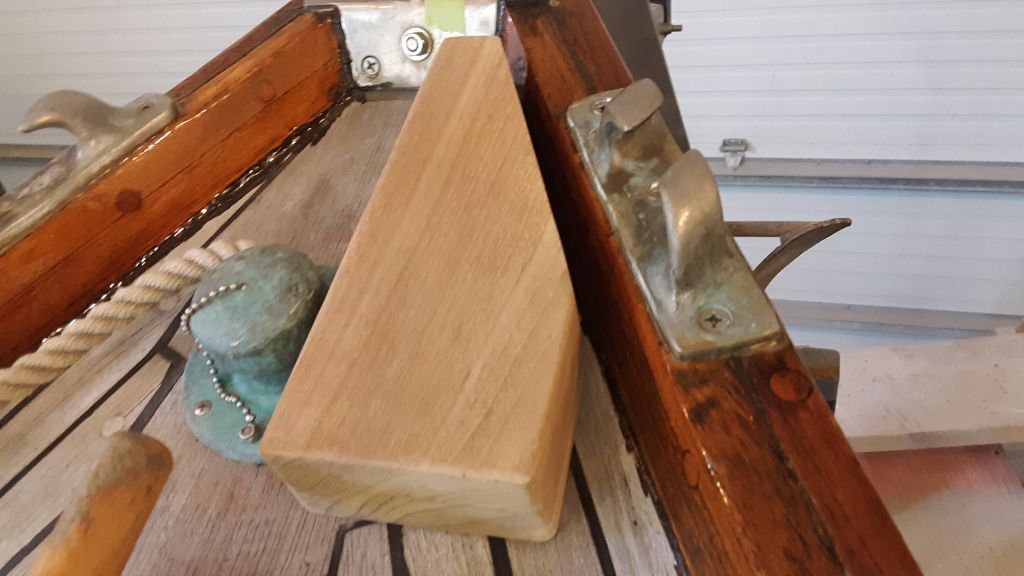
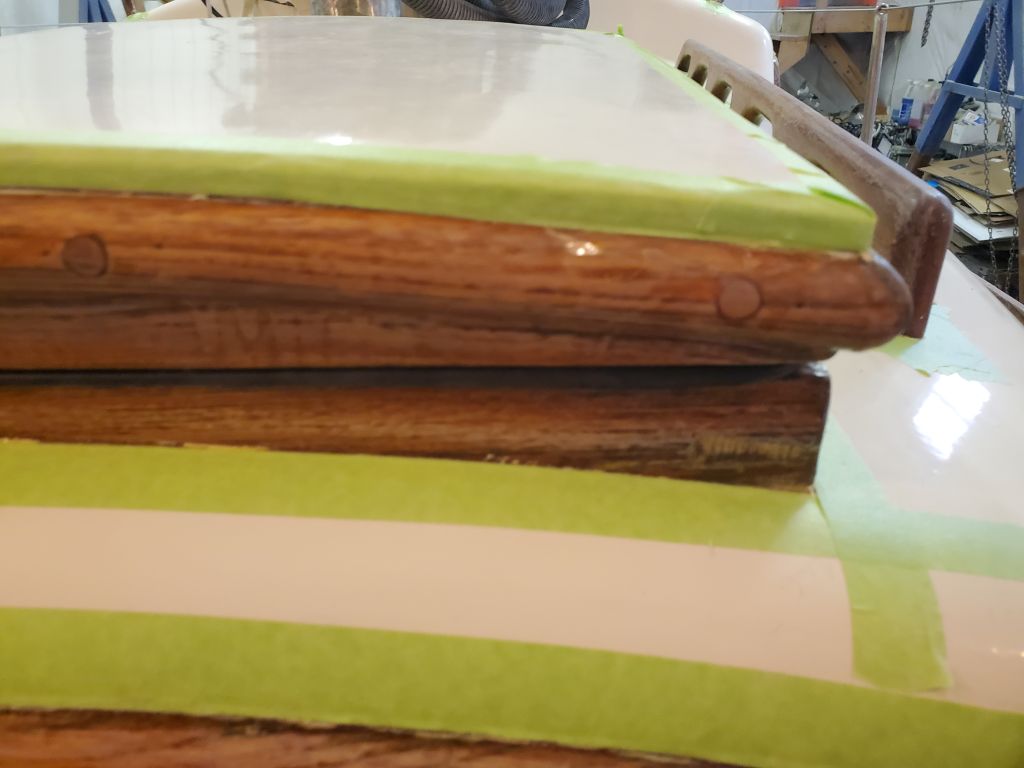
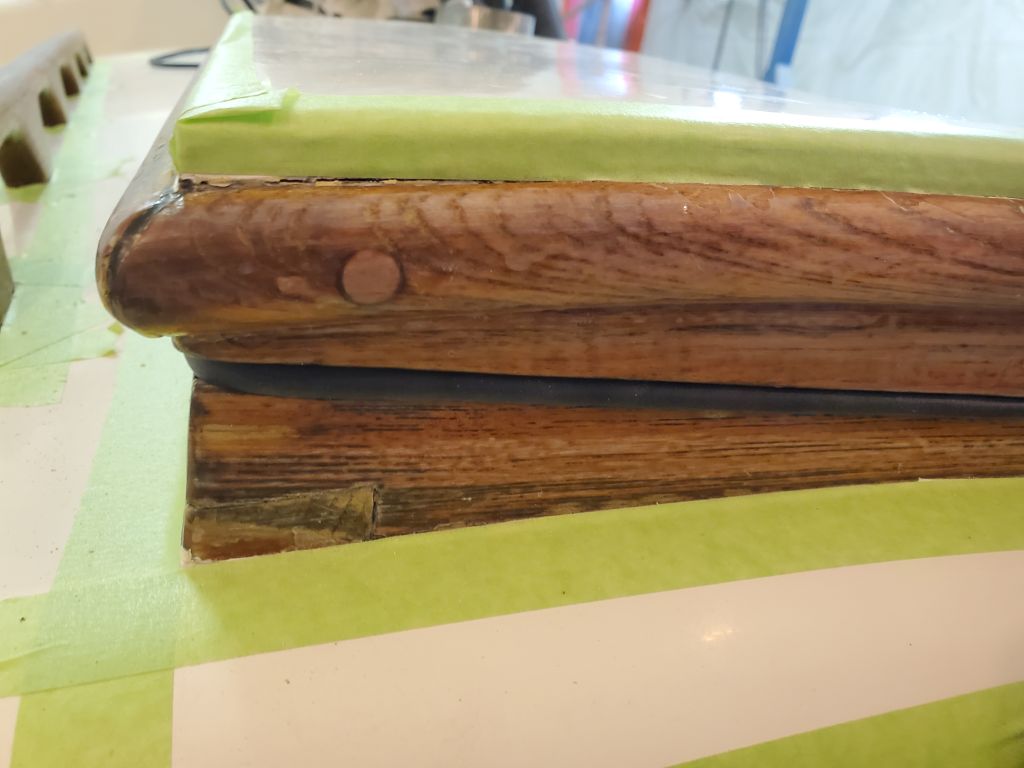
I used this template to help create the initial shape of the support block, which I eventually, over various fittings and minor modifications, cut and shaped to fit the space, both on deck, against the stem and toerail, and the overall height. Ultimately, I decided to leave a channel for water and air circulation on the two outboard edges of the block: against the stem and toerail. Fitting the block exactly against these two surfaces served no real purpose, and would have taken many more time-consuming fitting steps, and unless the fit was exact, there were opportunities for water and debris collection. So instead, I left a clear path around the support block to maintain water and air flow. This still left as much of the block as possible to be used for actual support and securing of the roller assembly.
This took many backs and forths for various cuts and shapes, placing the roller on the block each time to check the overall orientation and fit. Eventually, this allowed me to finally mark the aft end of the roller, so I could make the final cut on the support block (I’d left the aft end as long as possible throughout to give me enough material at the forward end as I shaped it to fit).
In the woodshop, I cut the block to length, then sanded it smooth and lightly rounded all the corners. Most of the block would be hidden and inaccessible in the final installation.
Before final installation, I wanted to varnish the block, so I got started now with a sealer coat on all sides.
In other works, I continued the extra varnish work on the new starboard deadlight trim, lightly sanding and applying another coat. I’d hoped to do a couple coats over the weekend, but didn’t get to it.
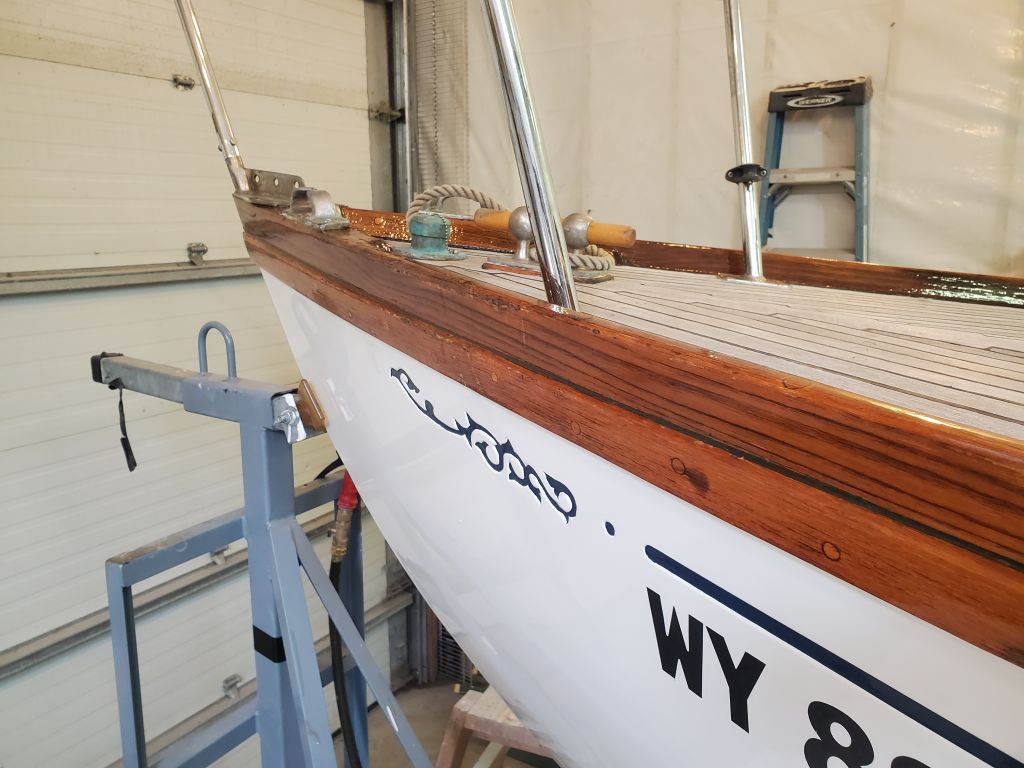
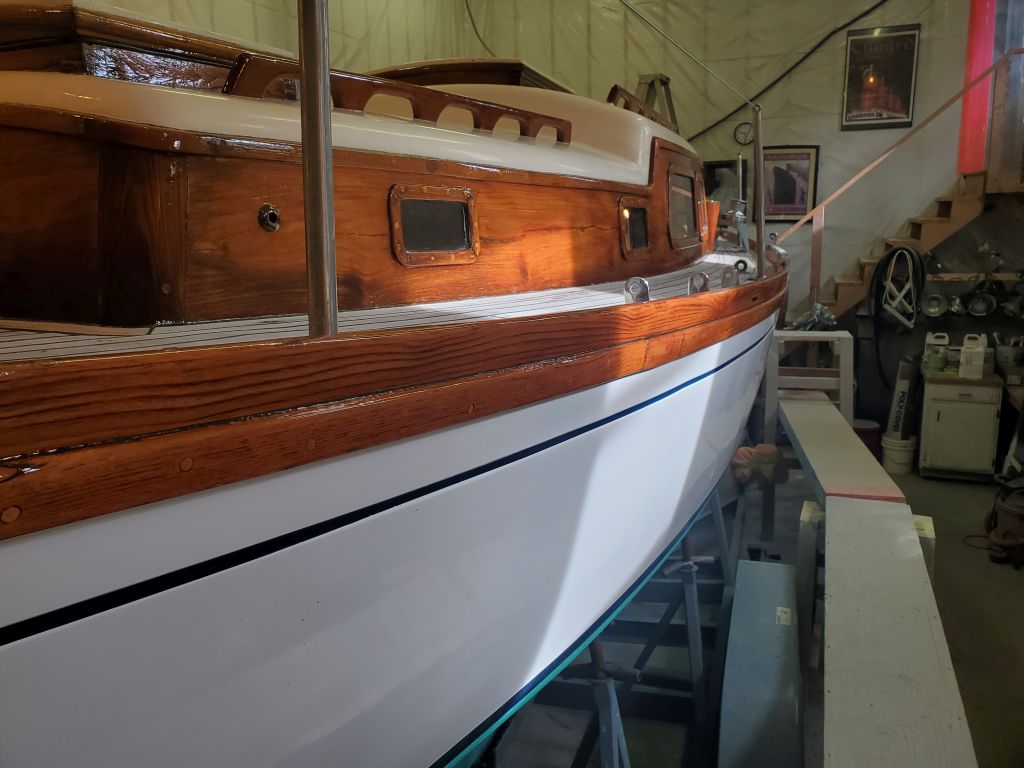
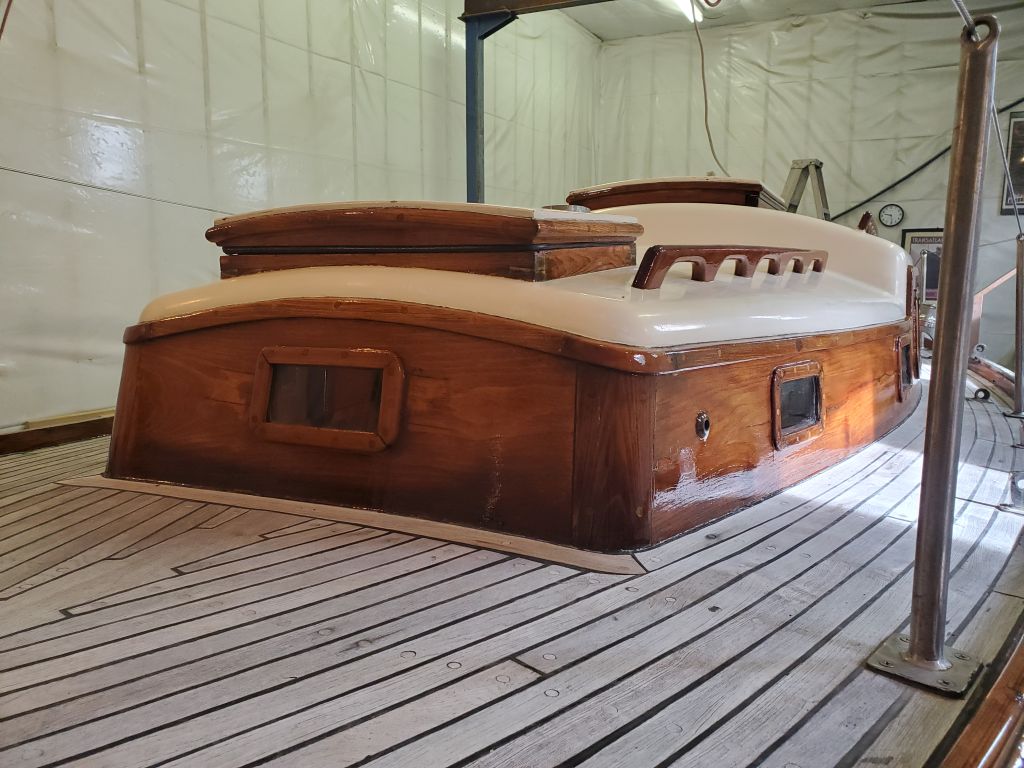
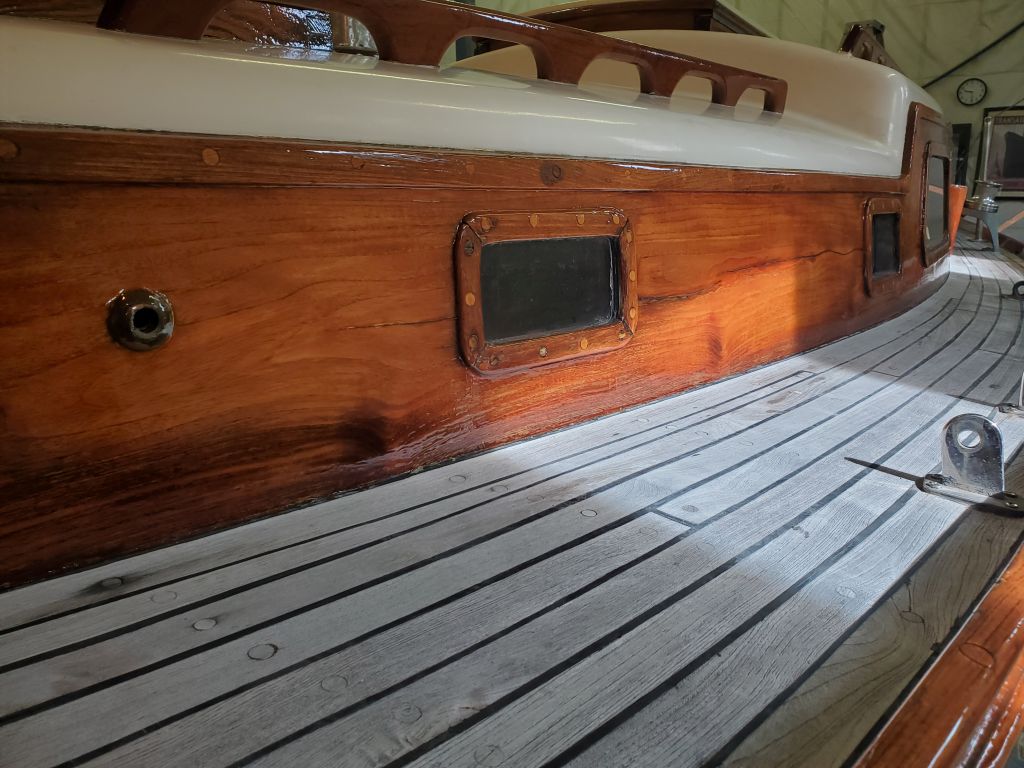
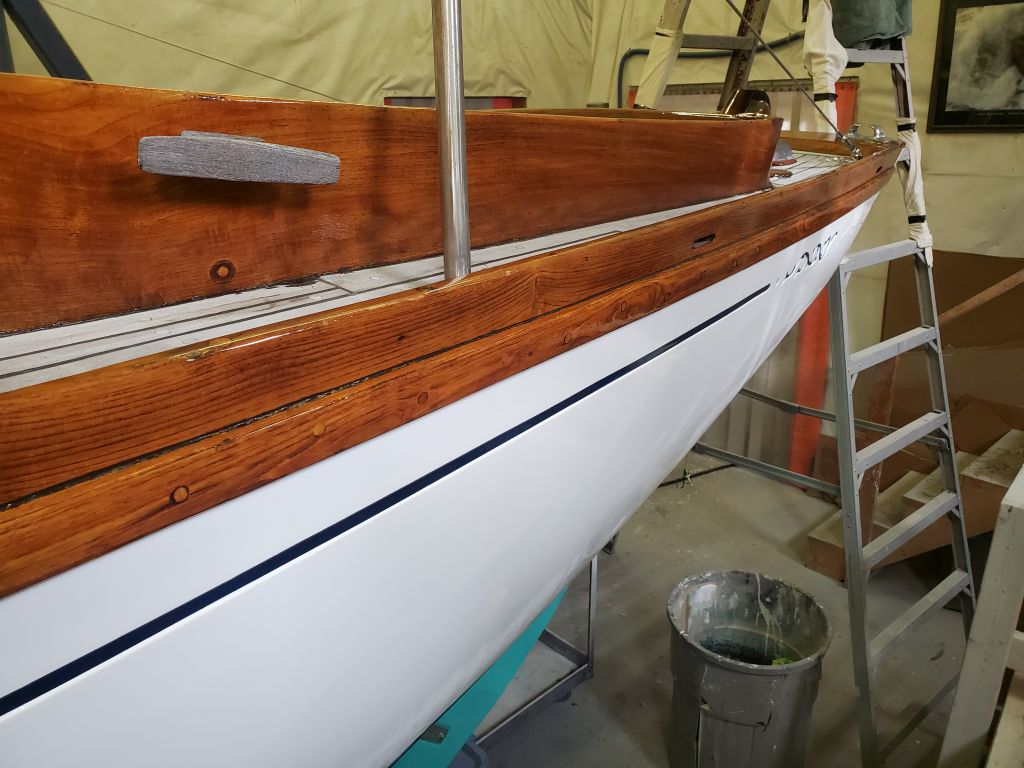
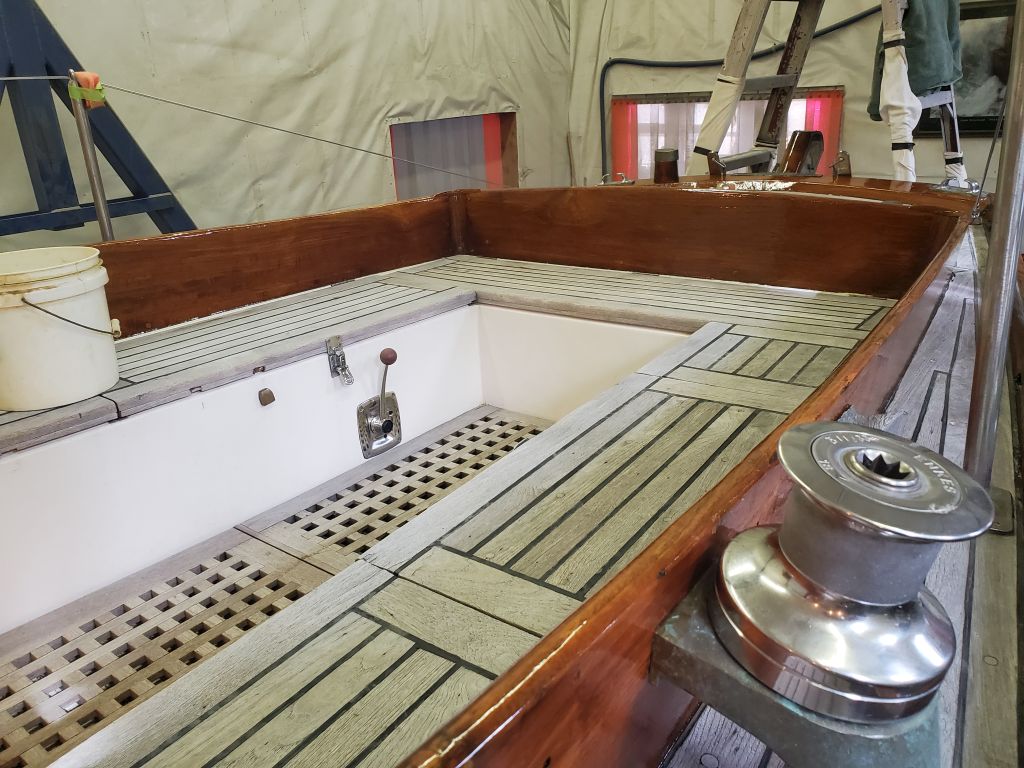
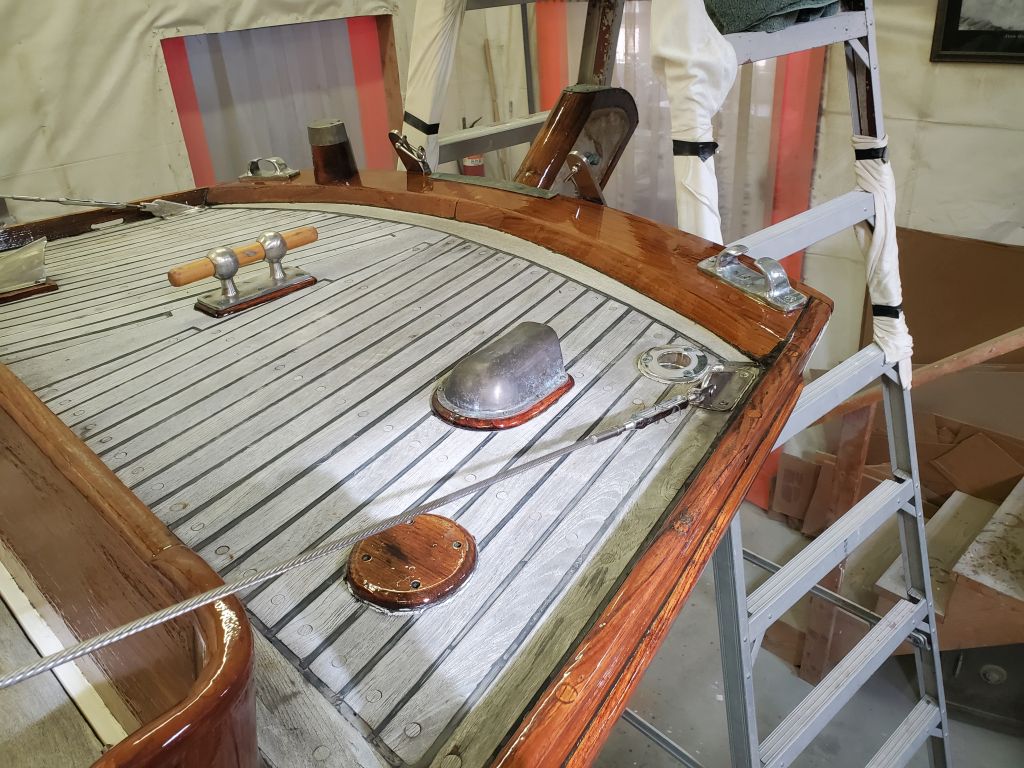
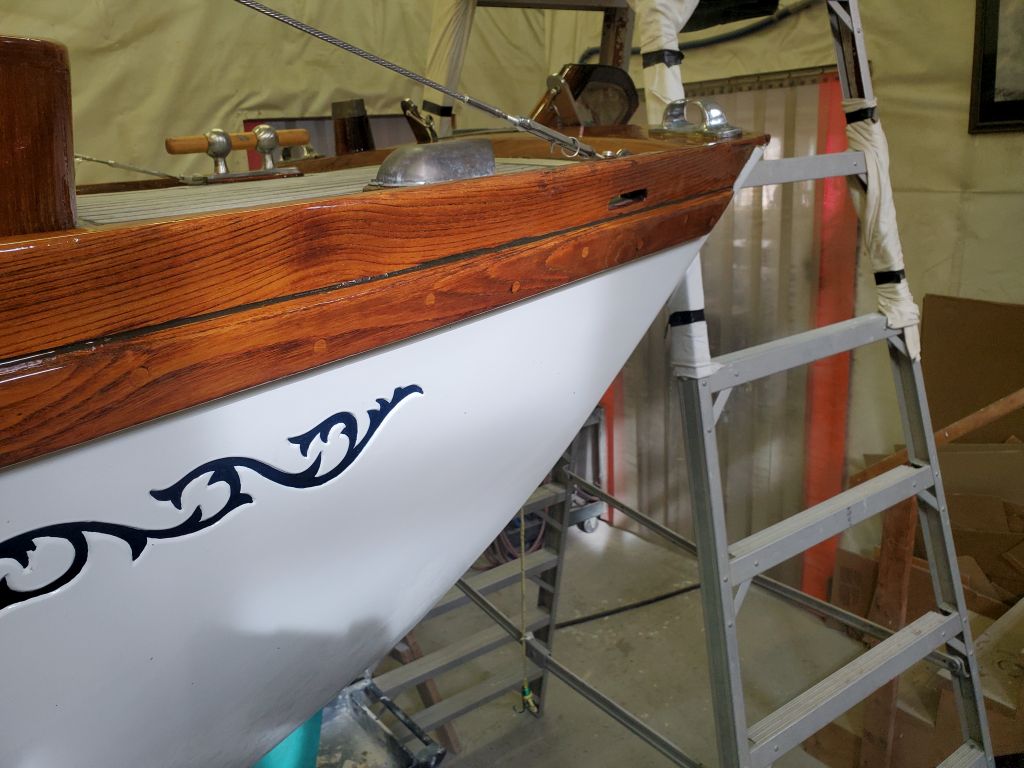
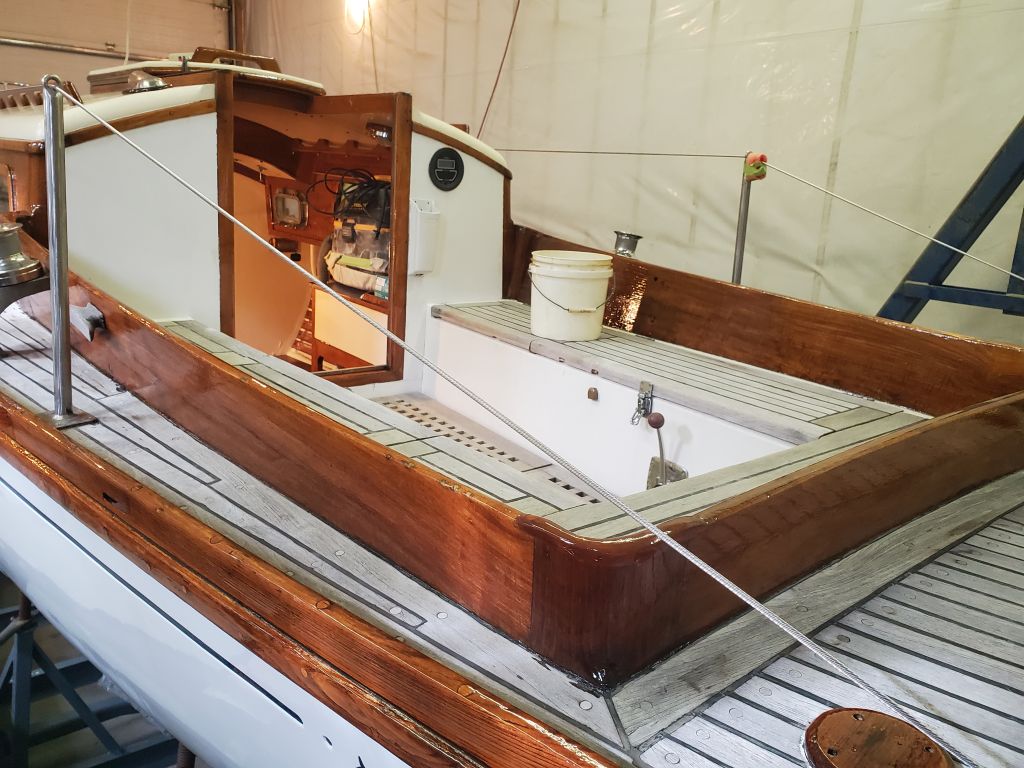
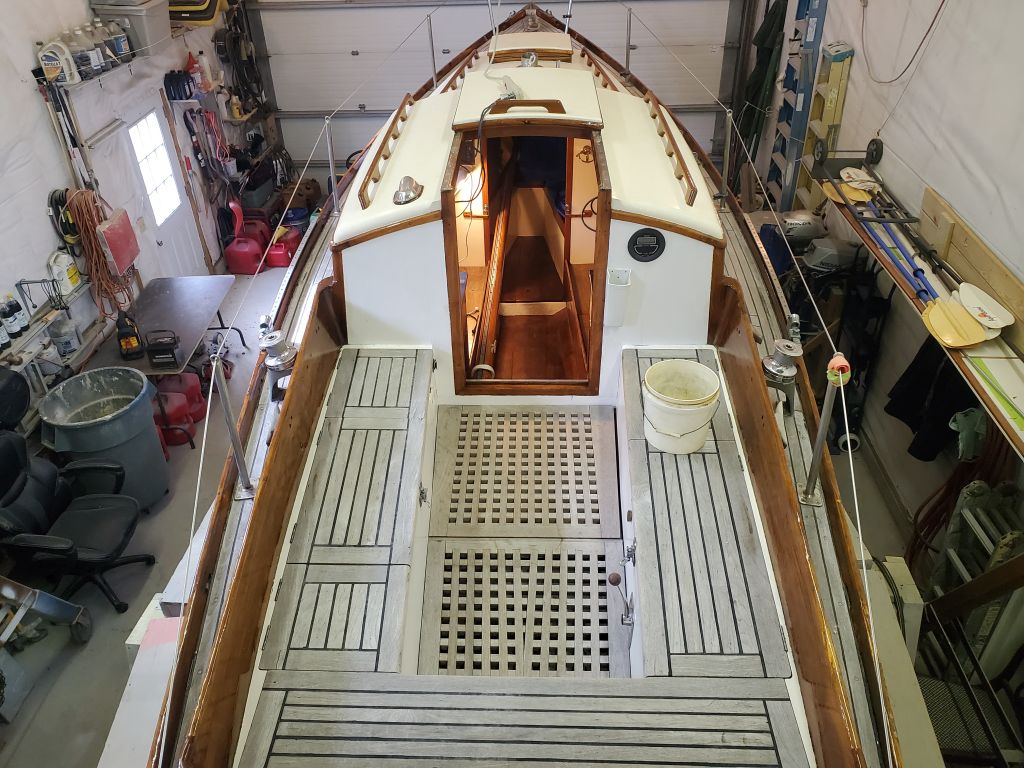
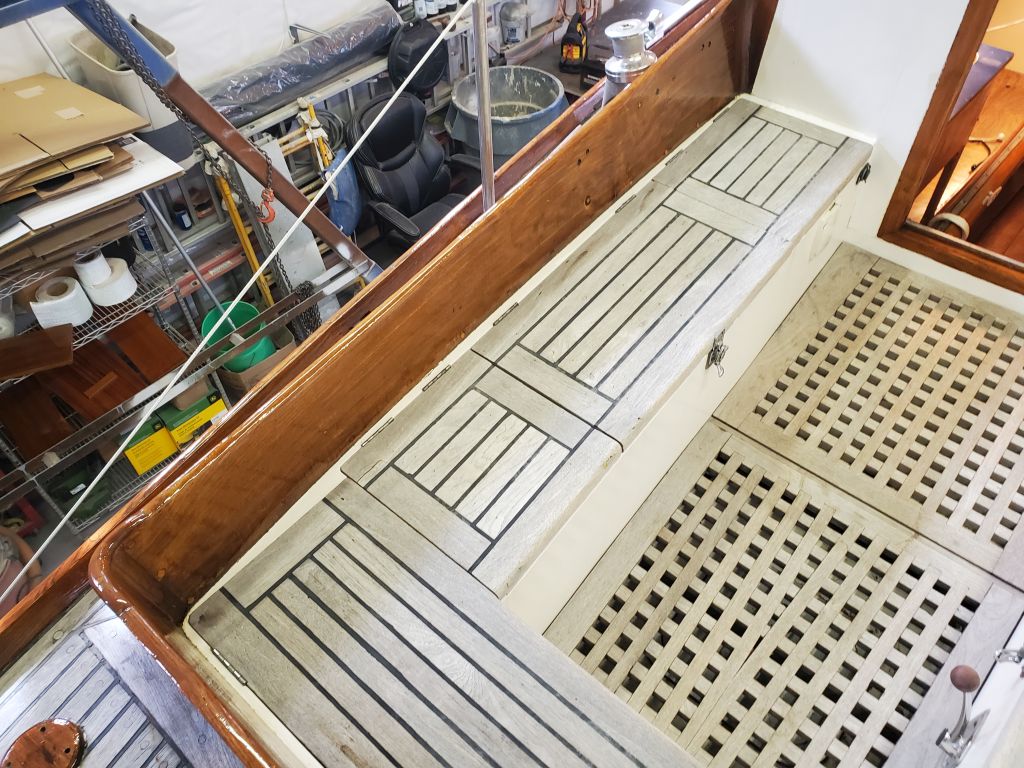
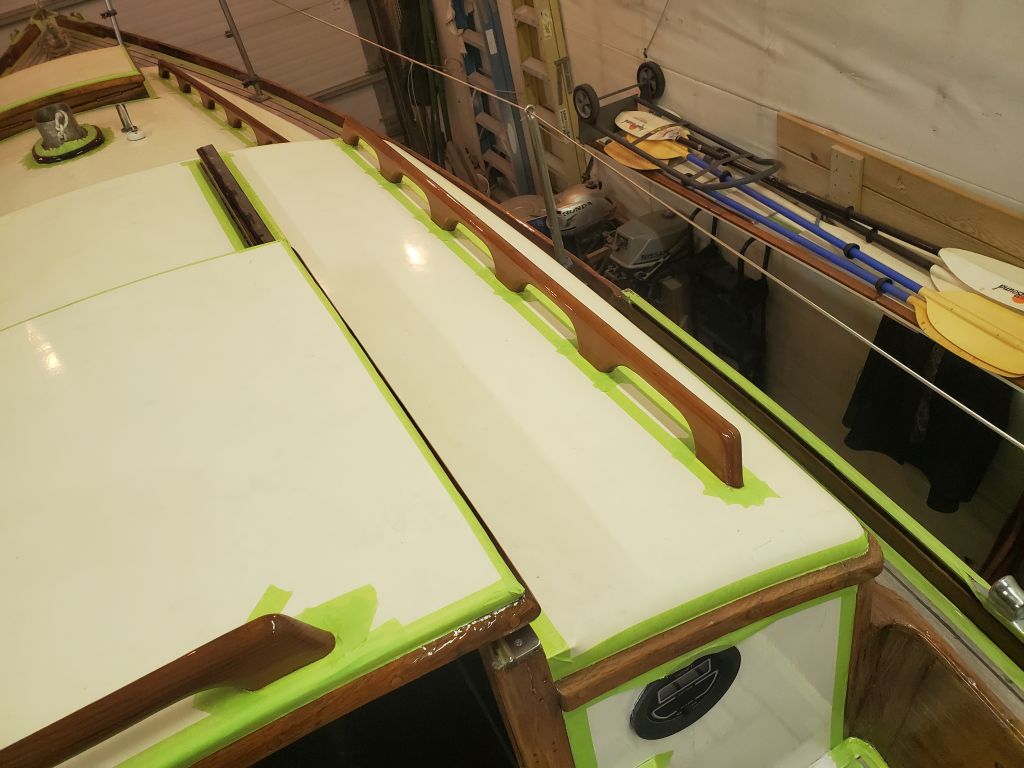
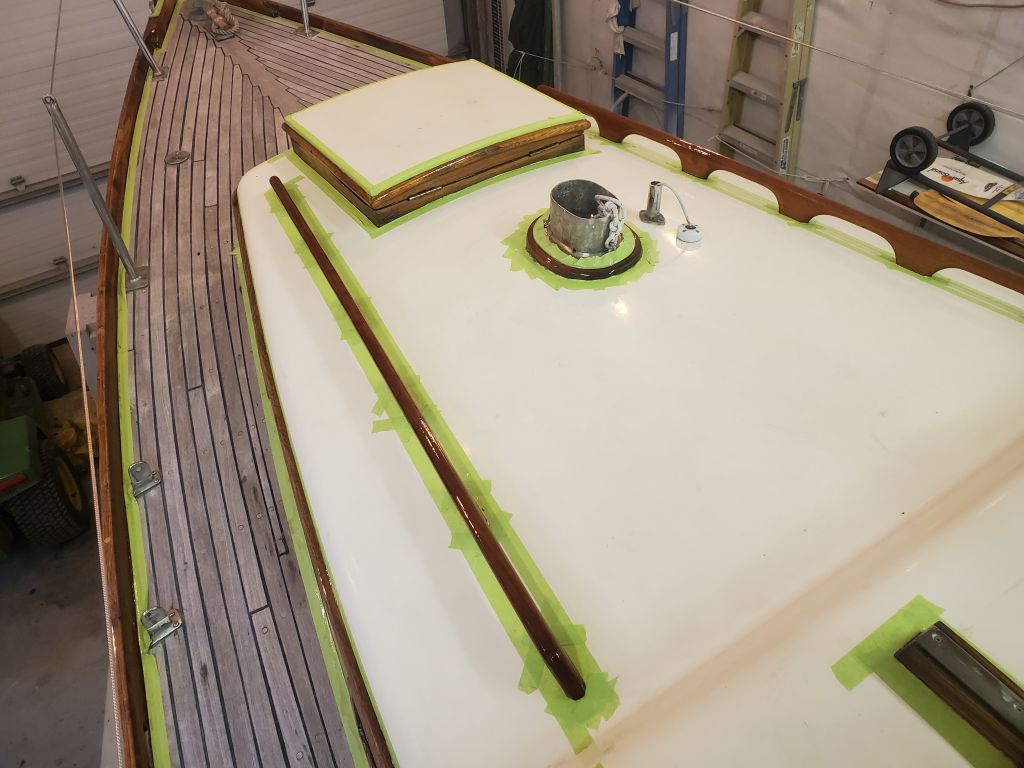
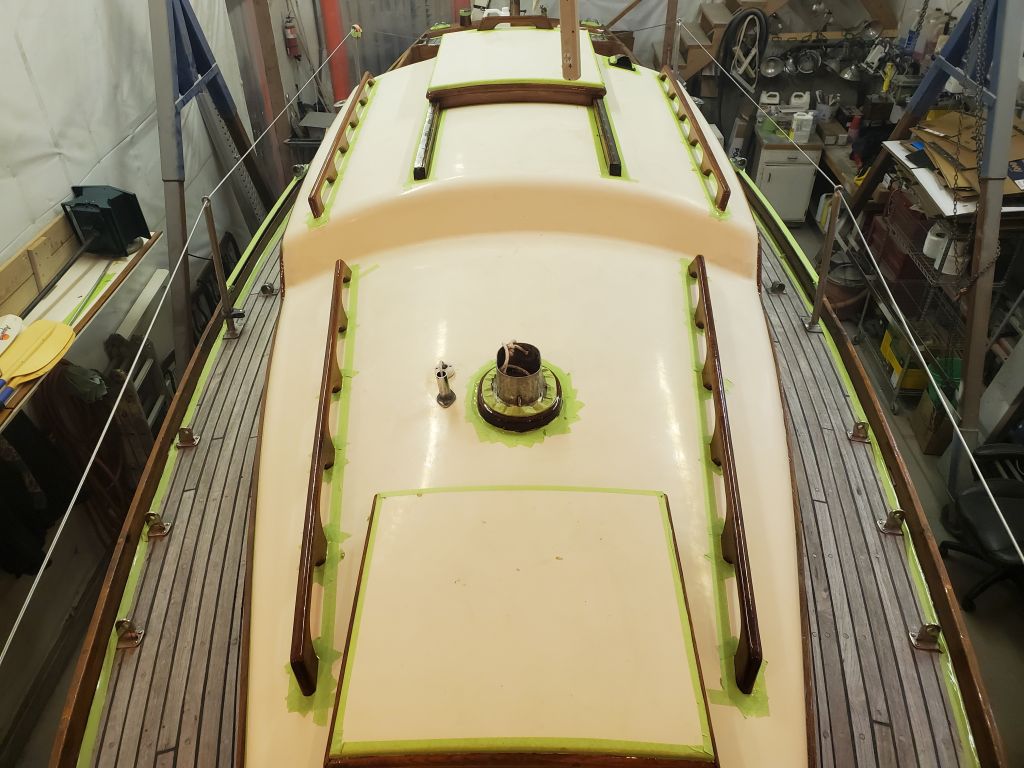
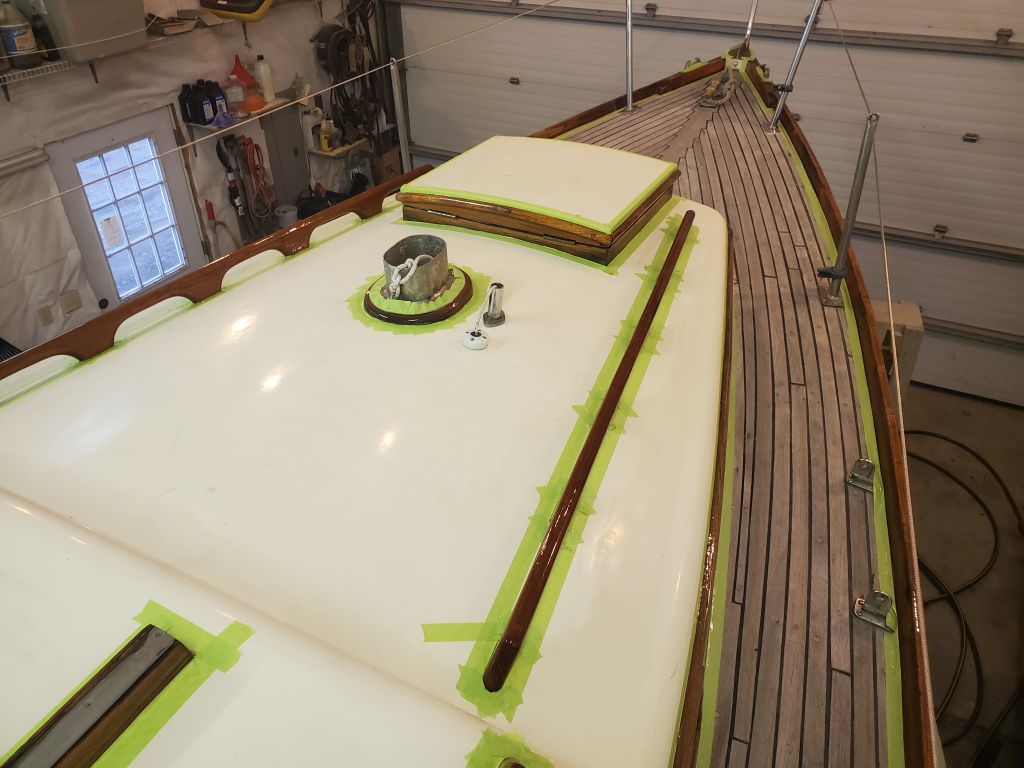
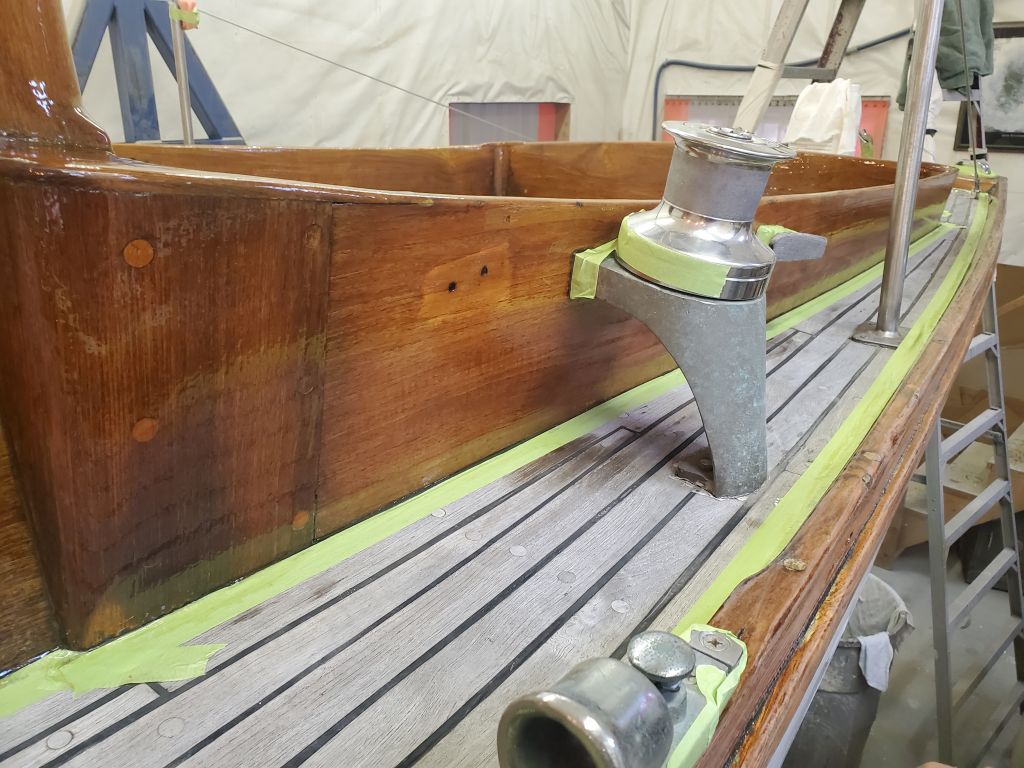
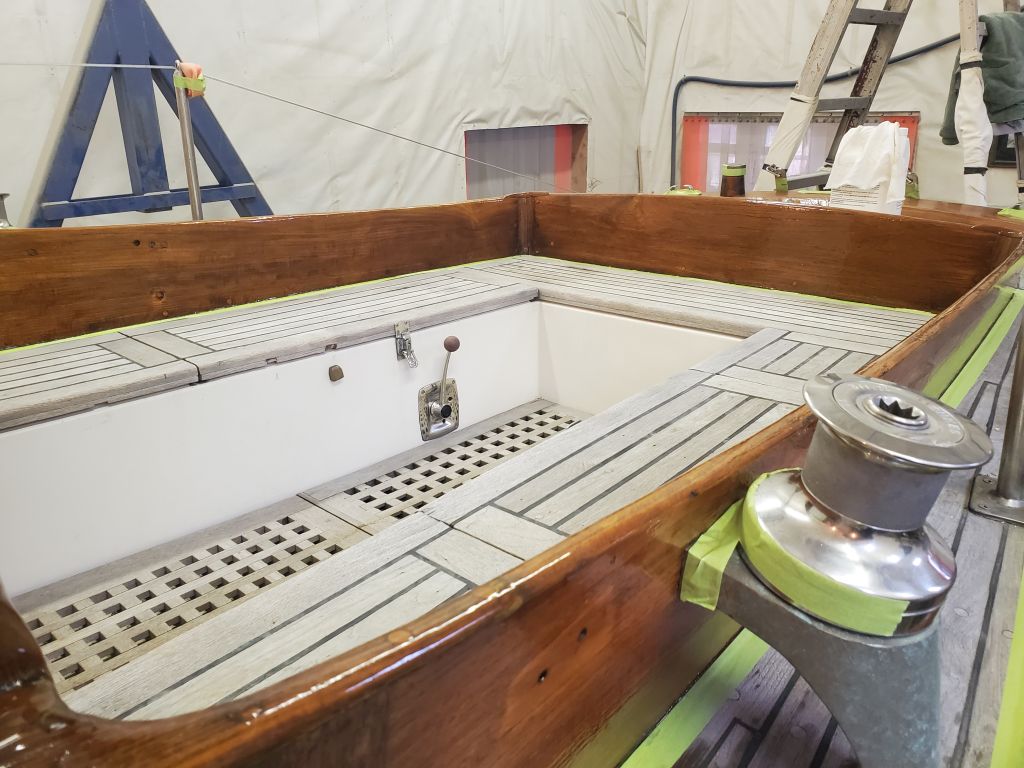
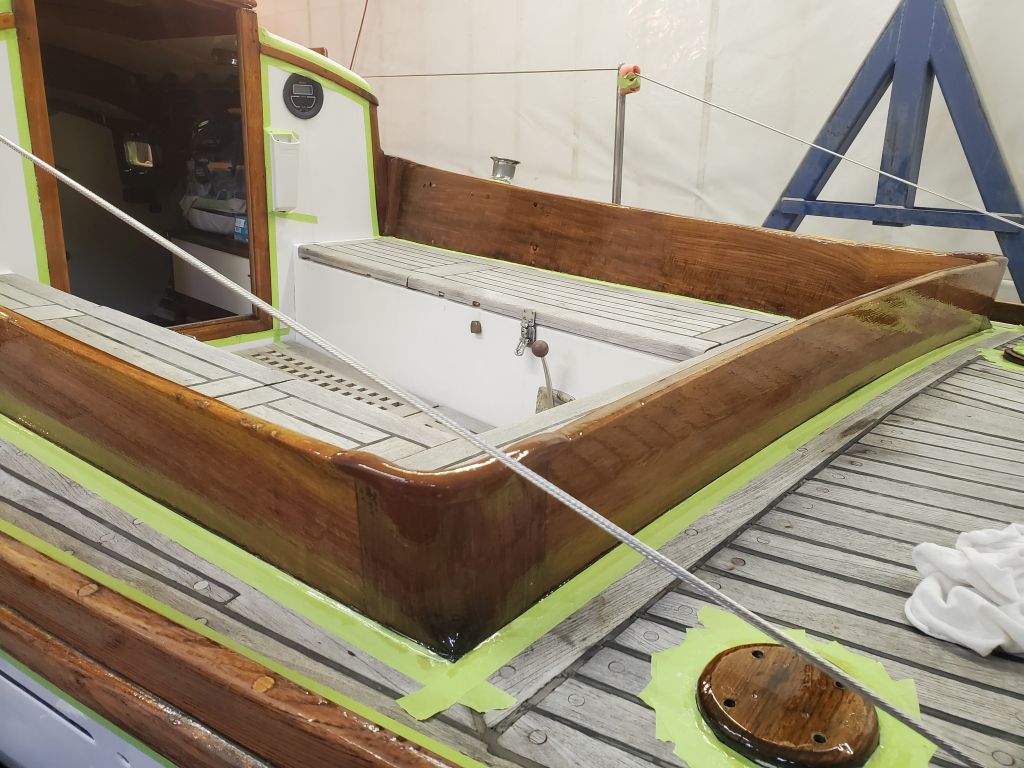
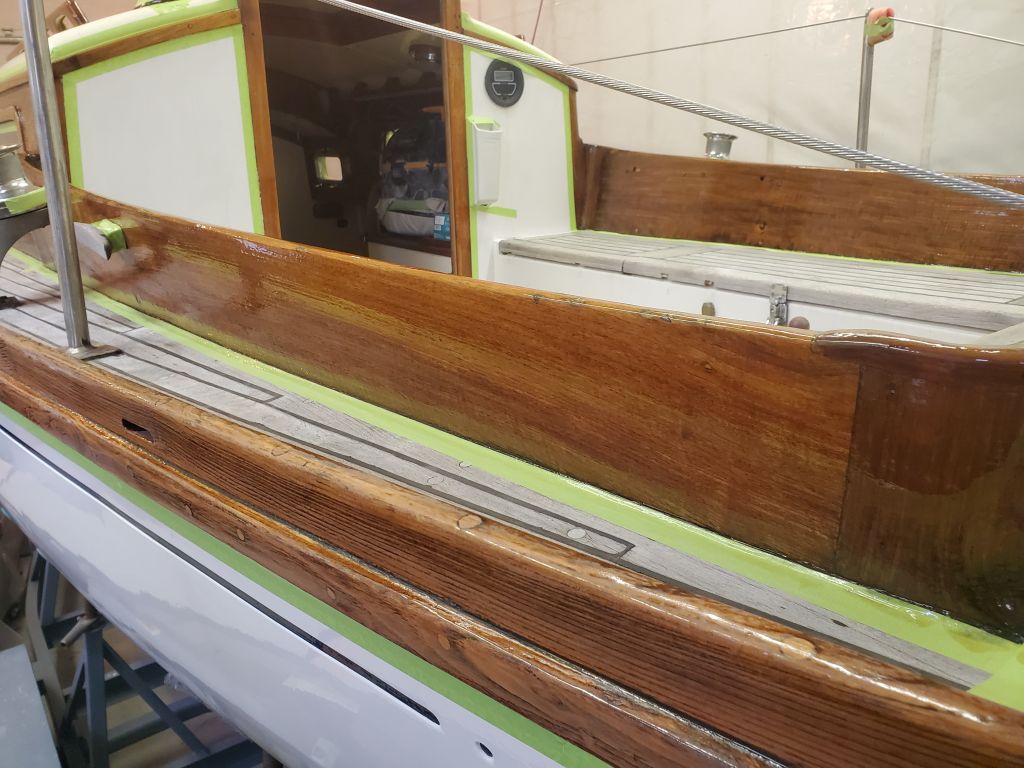
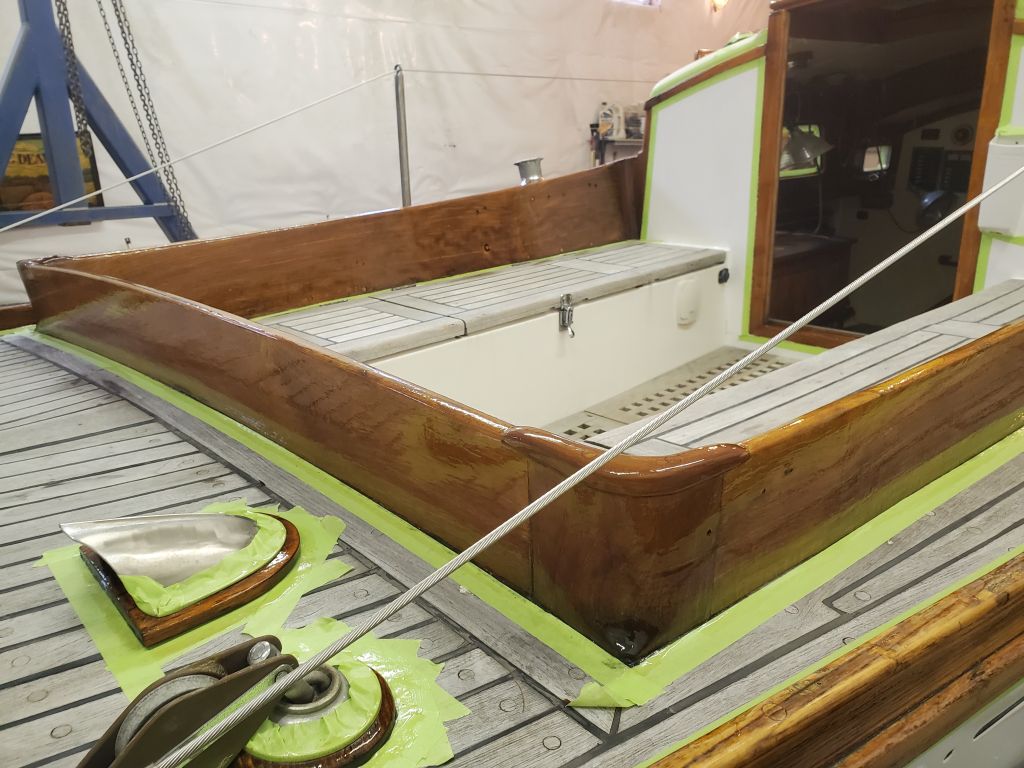
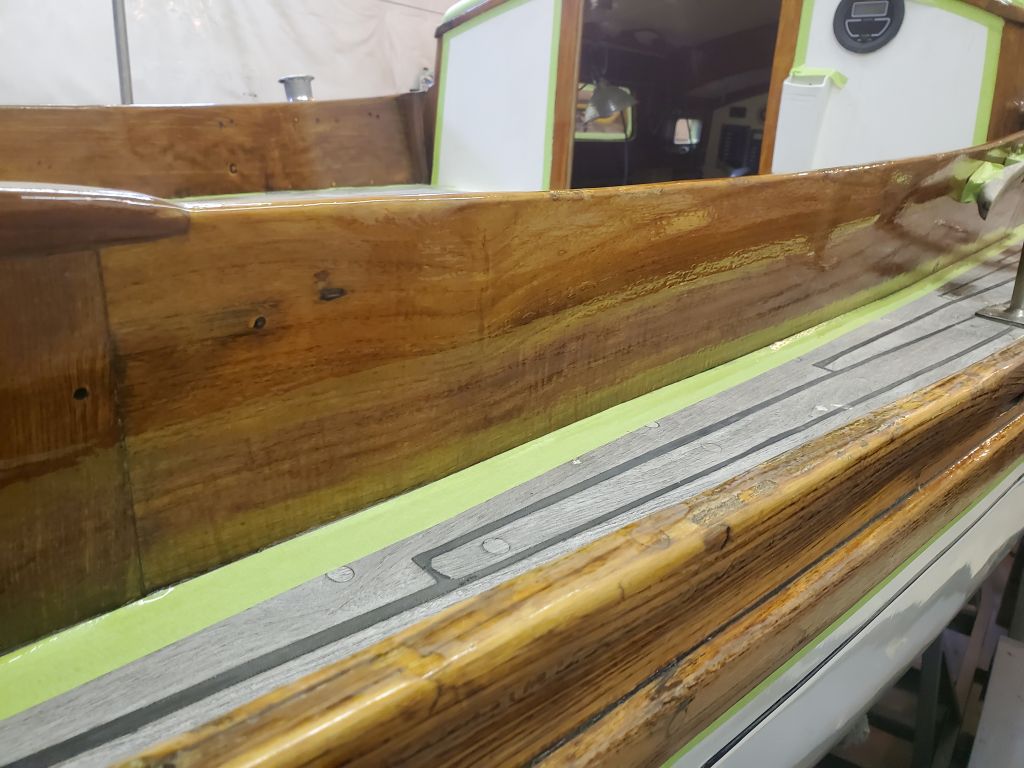
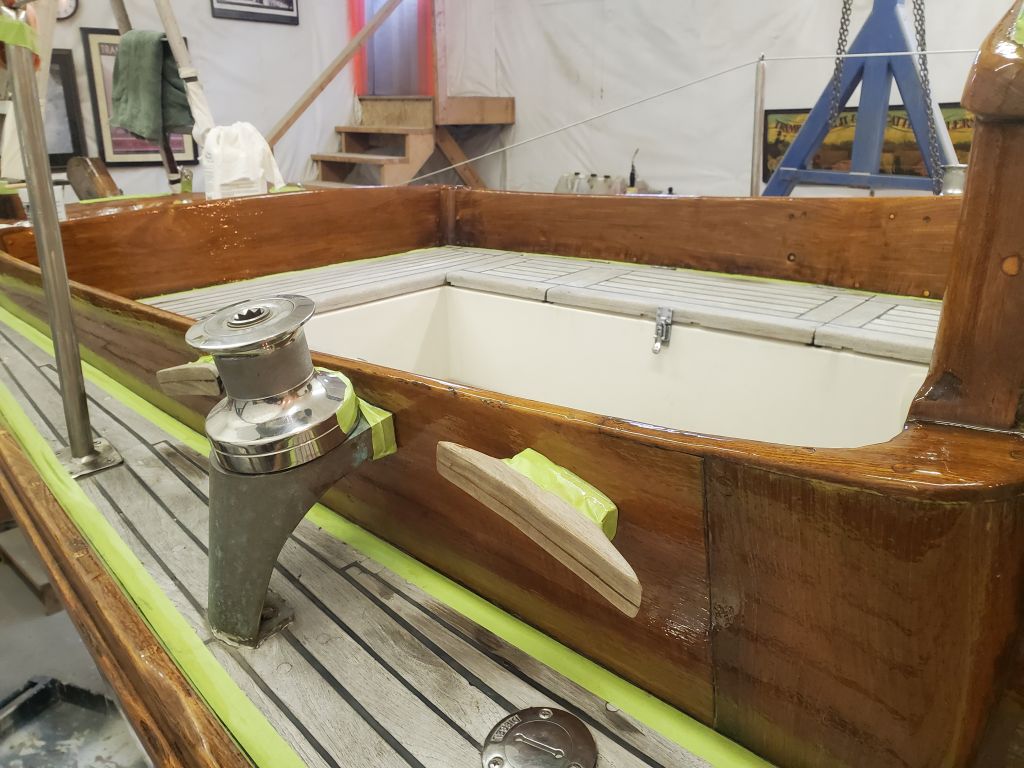
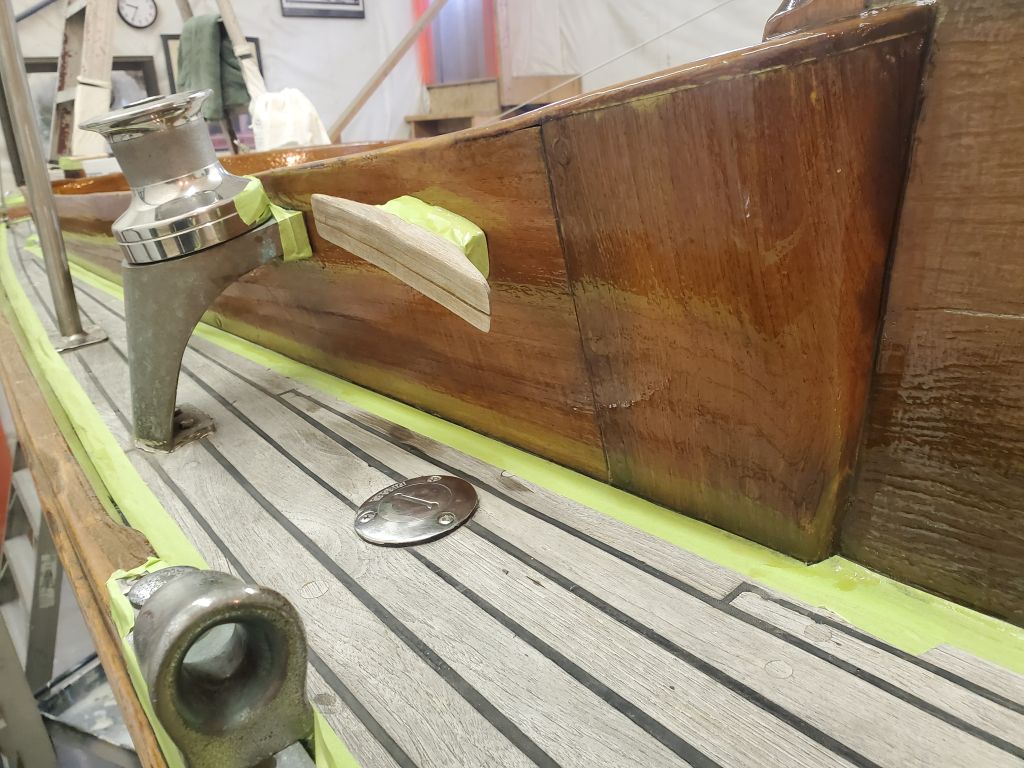
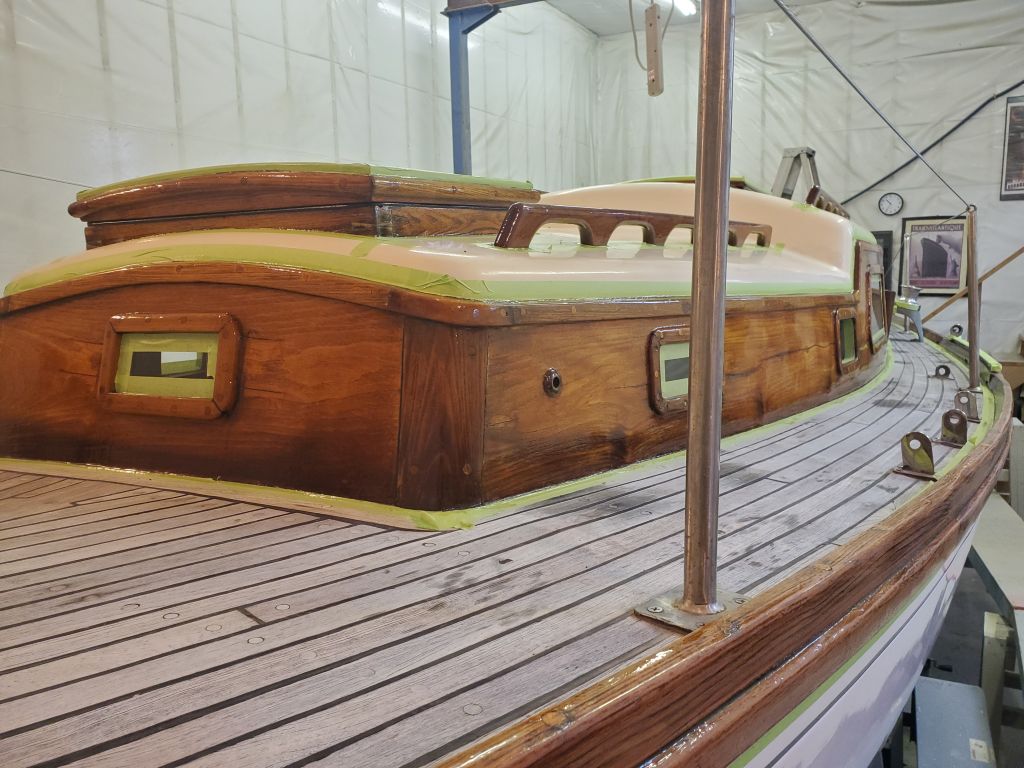
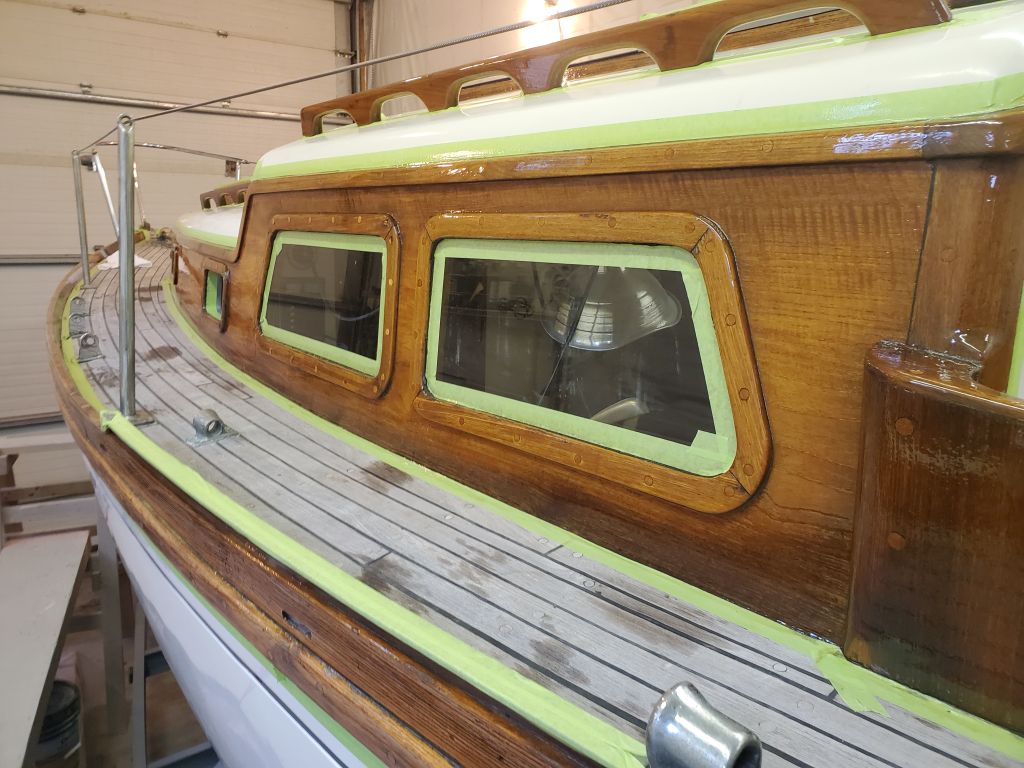
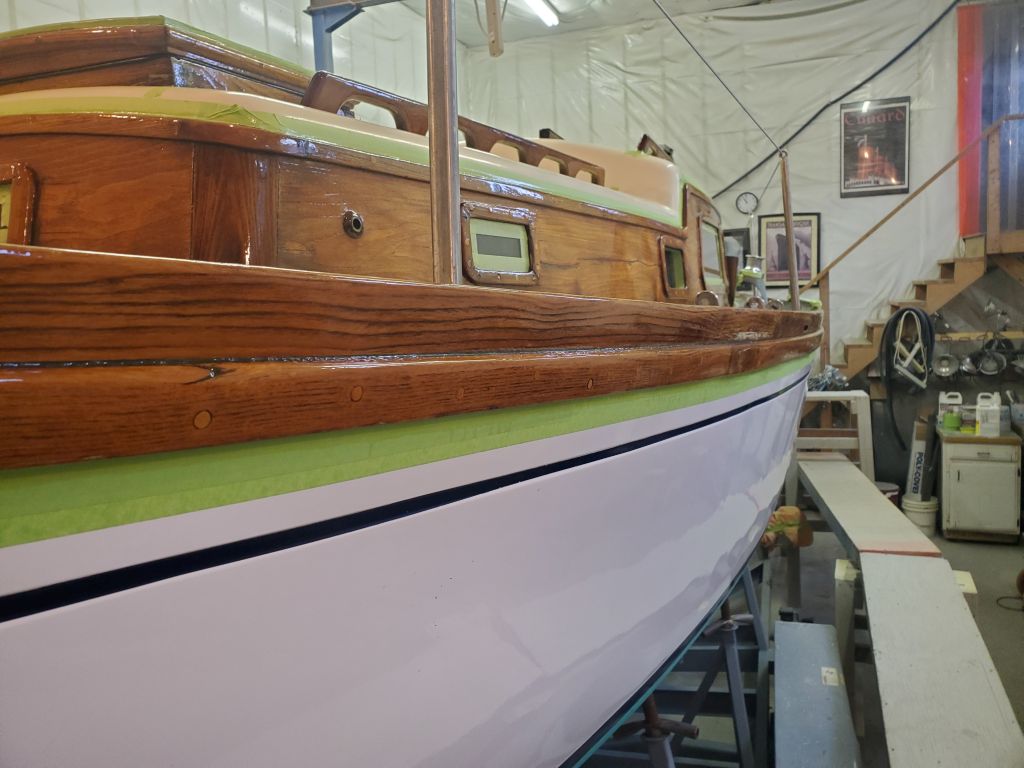
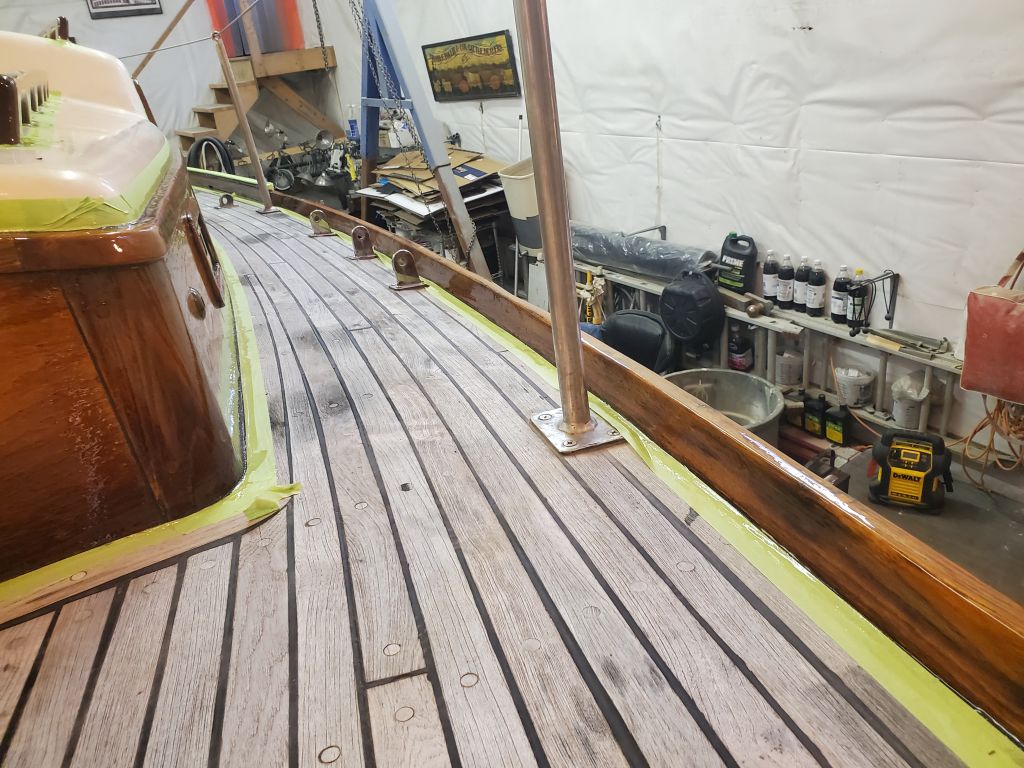
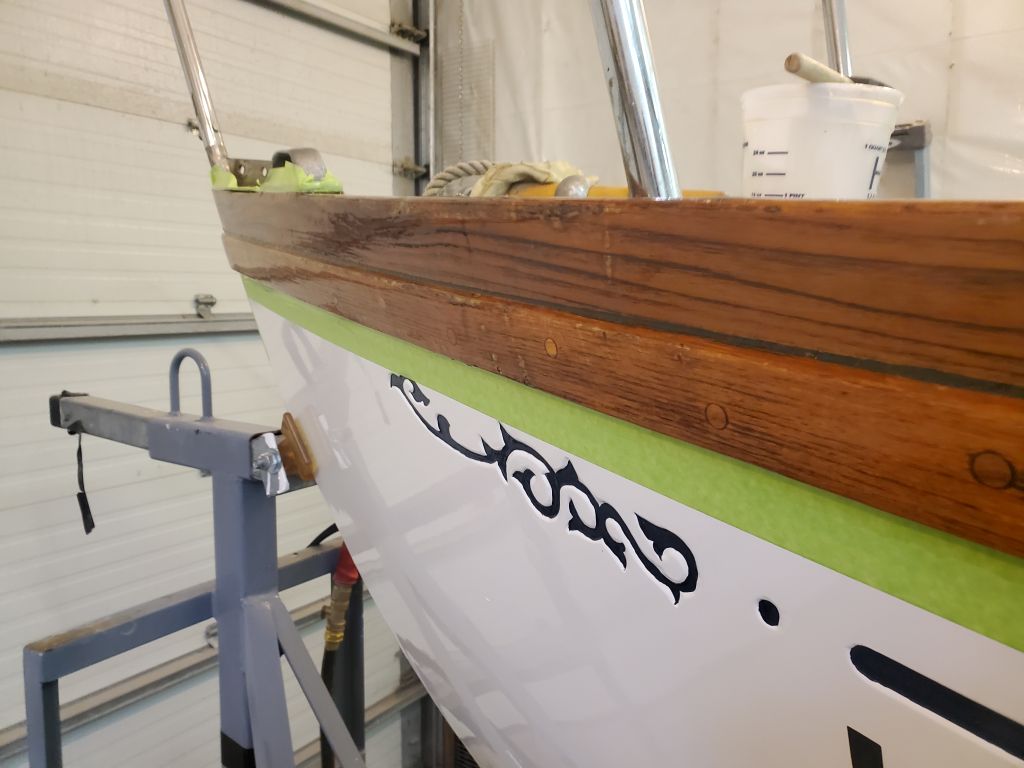
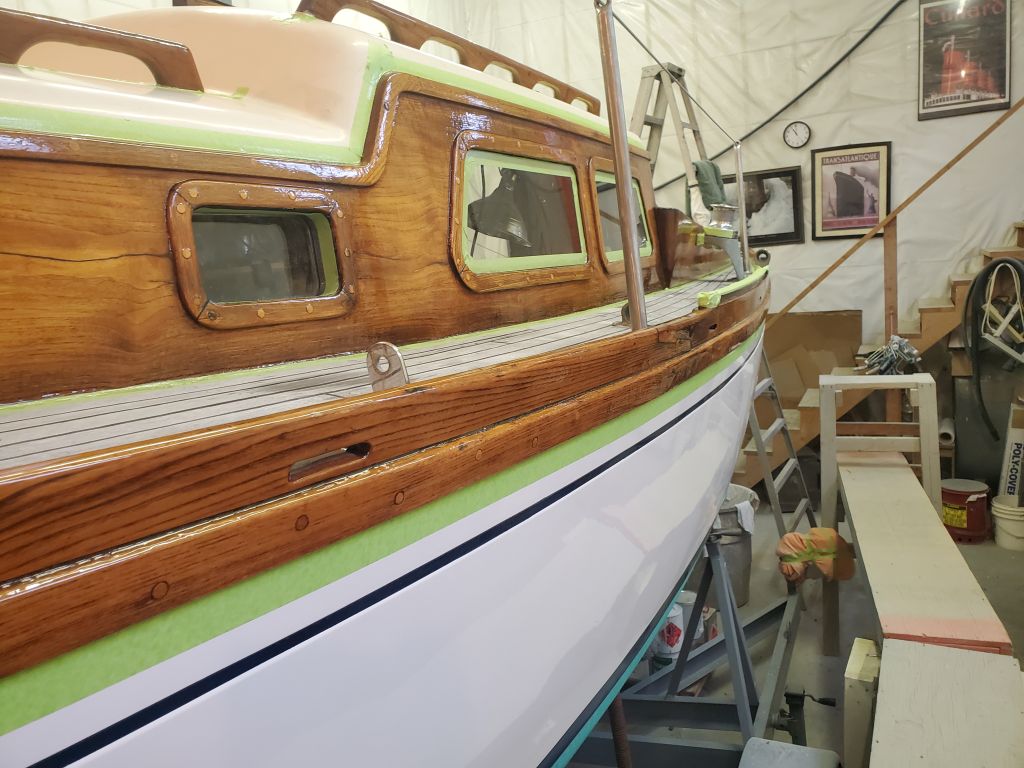
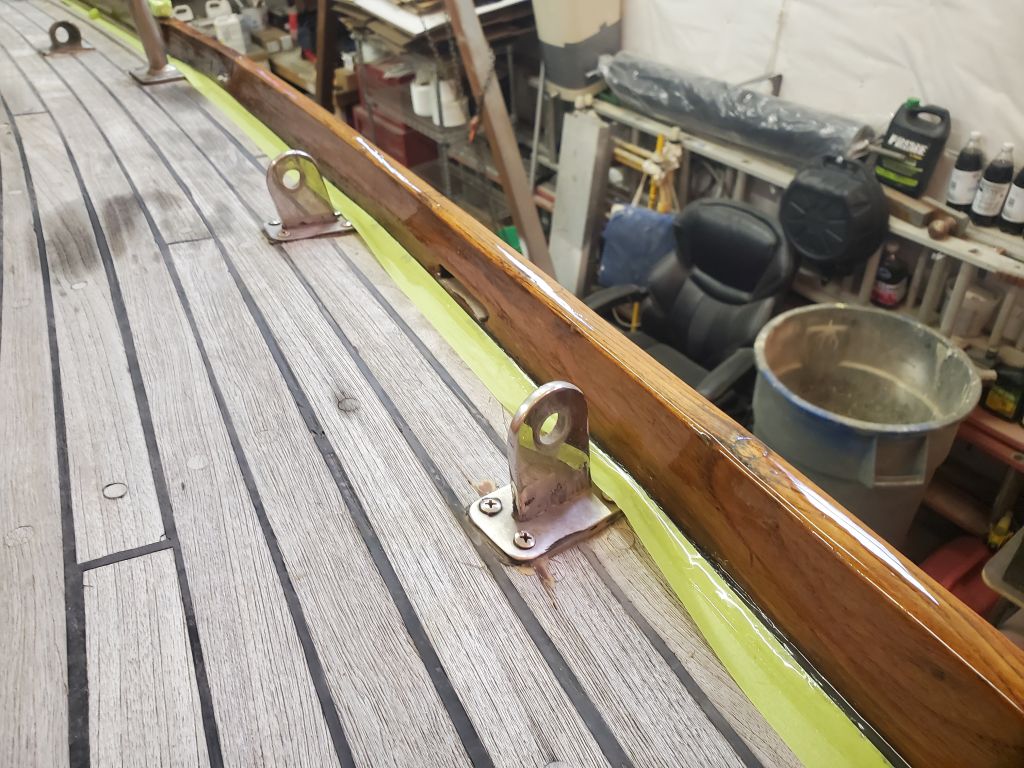
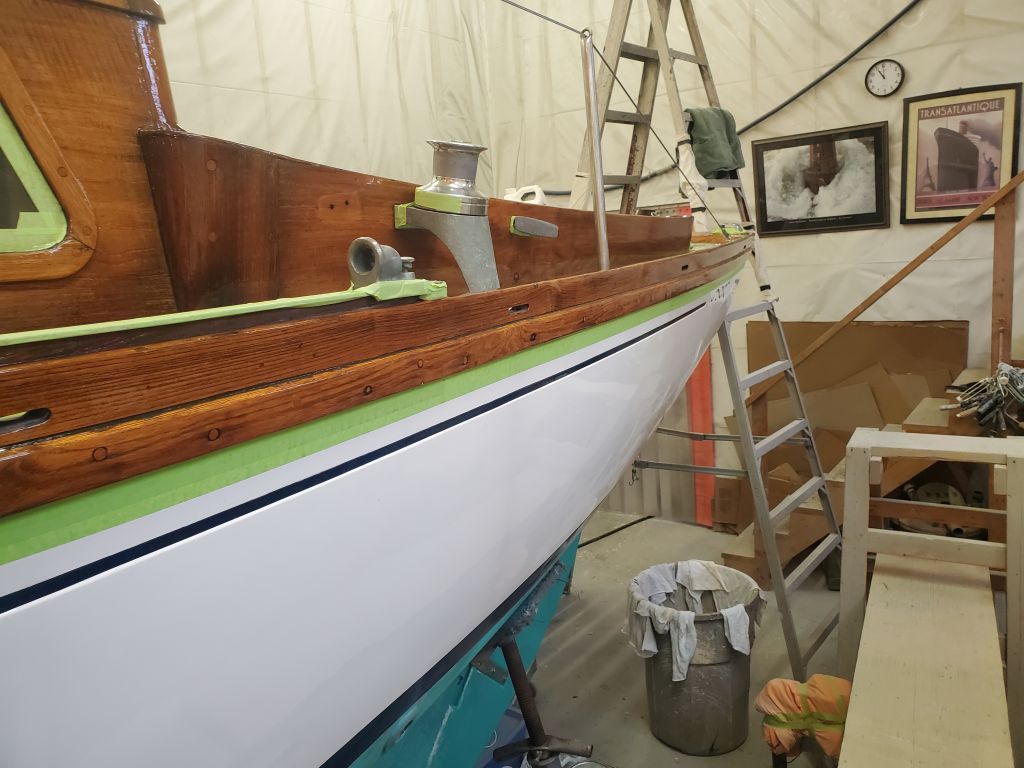
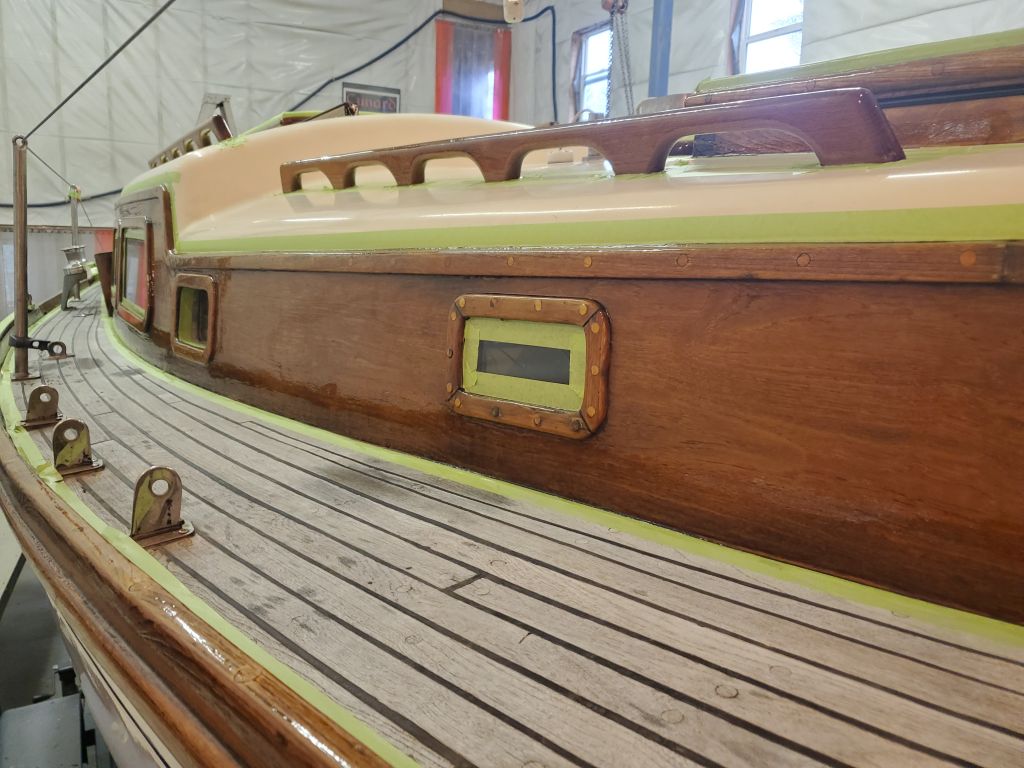
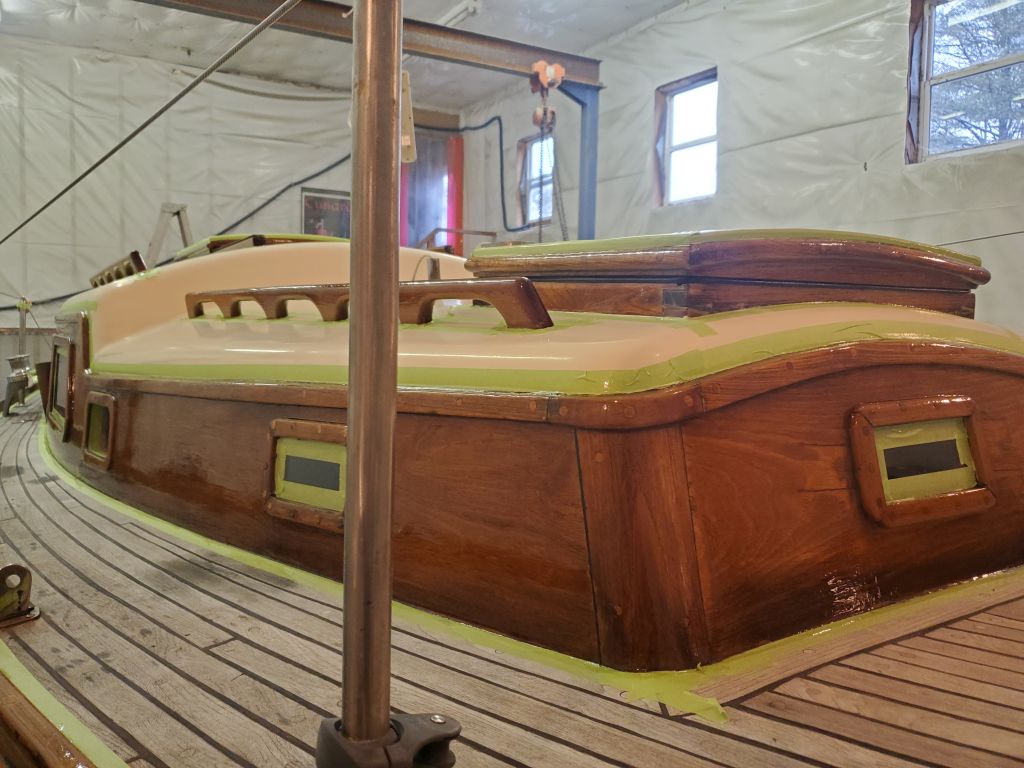
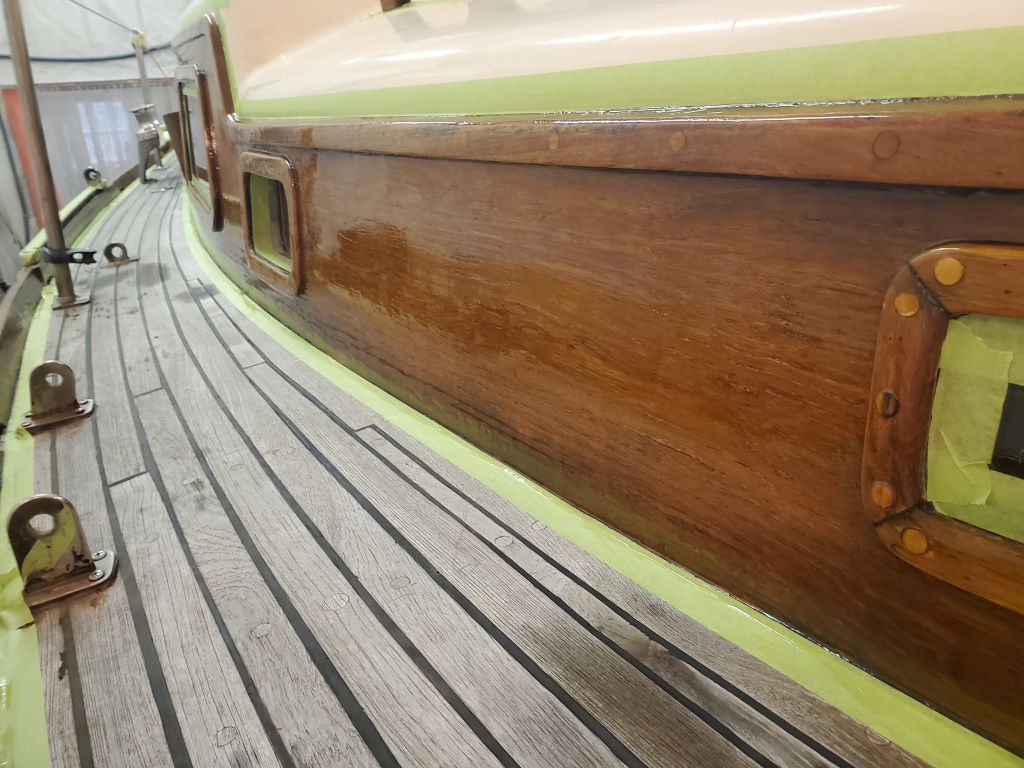
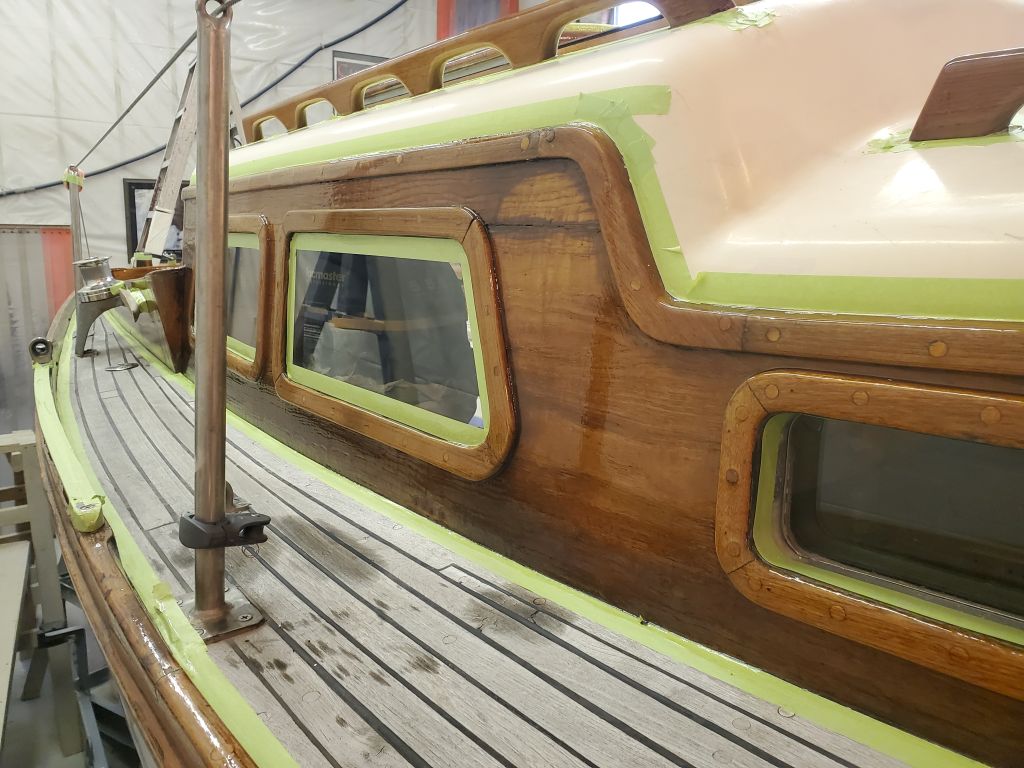
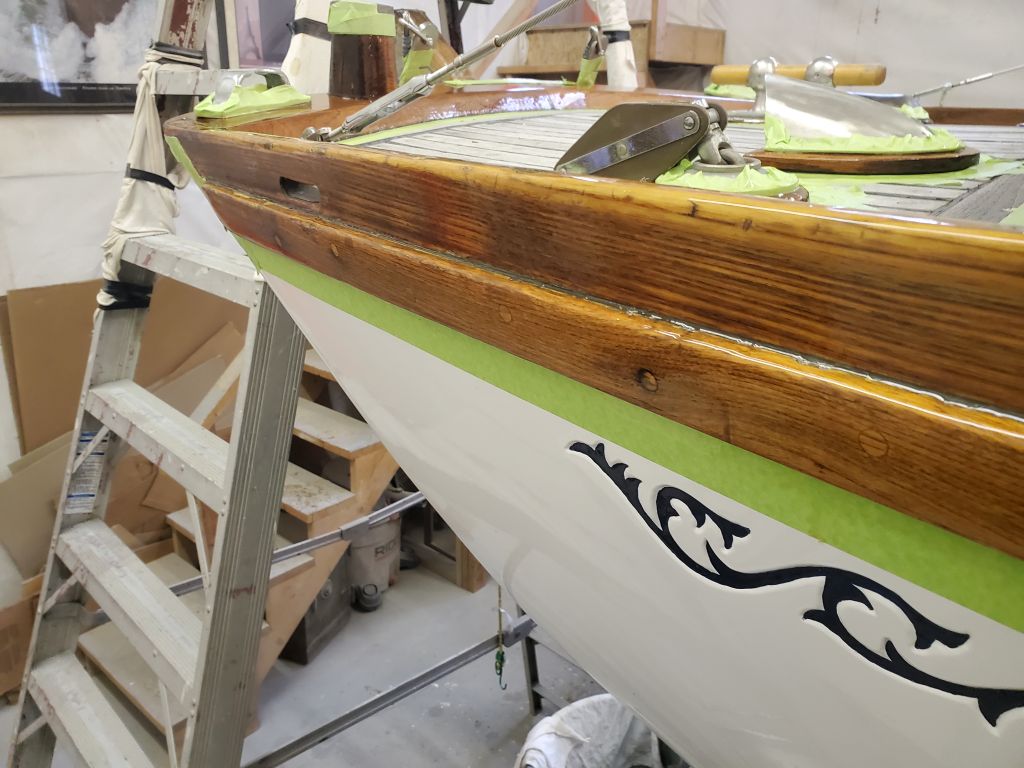
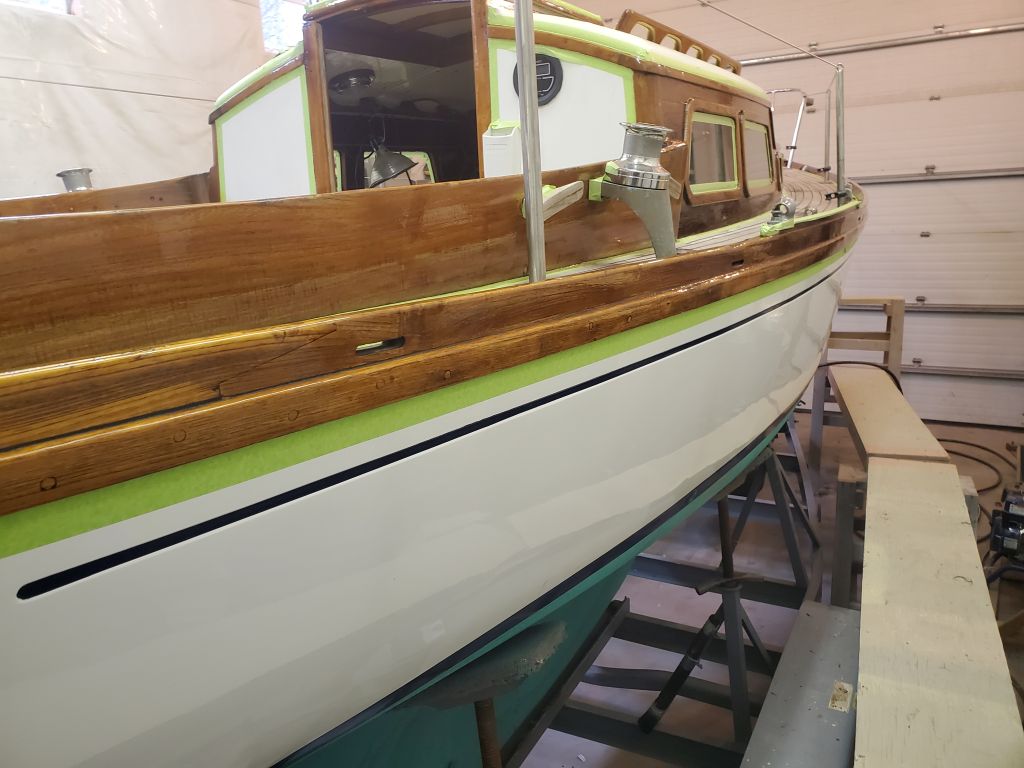
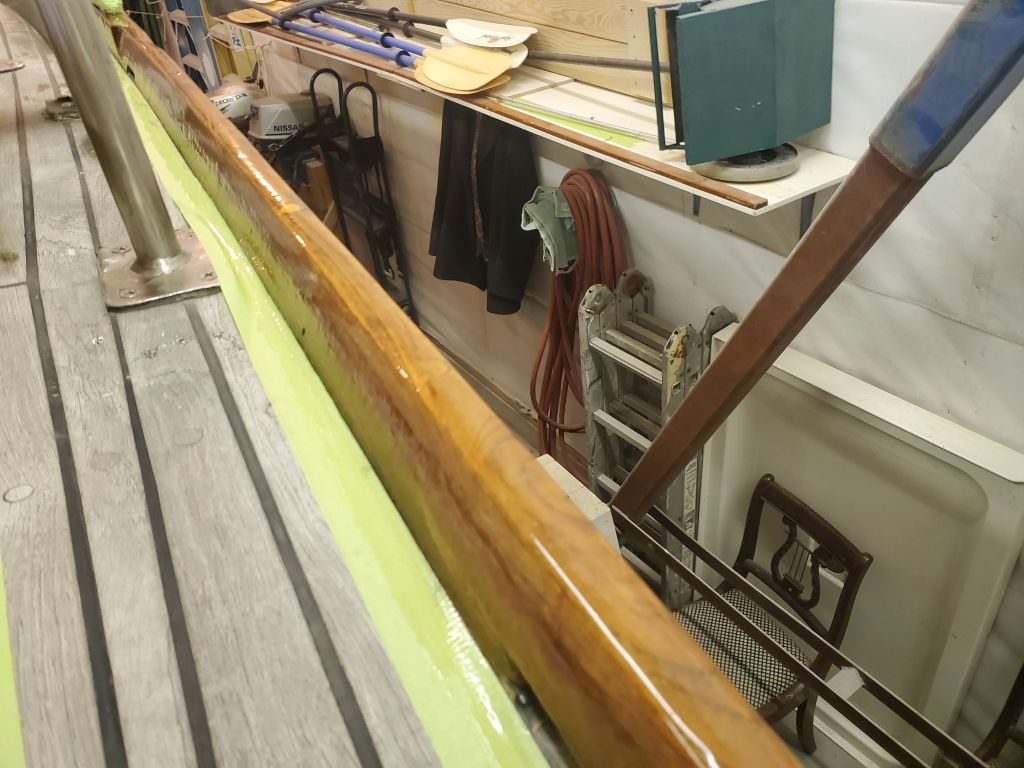
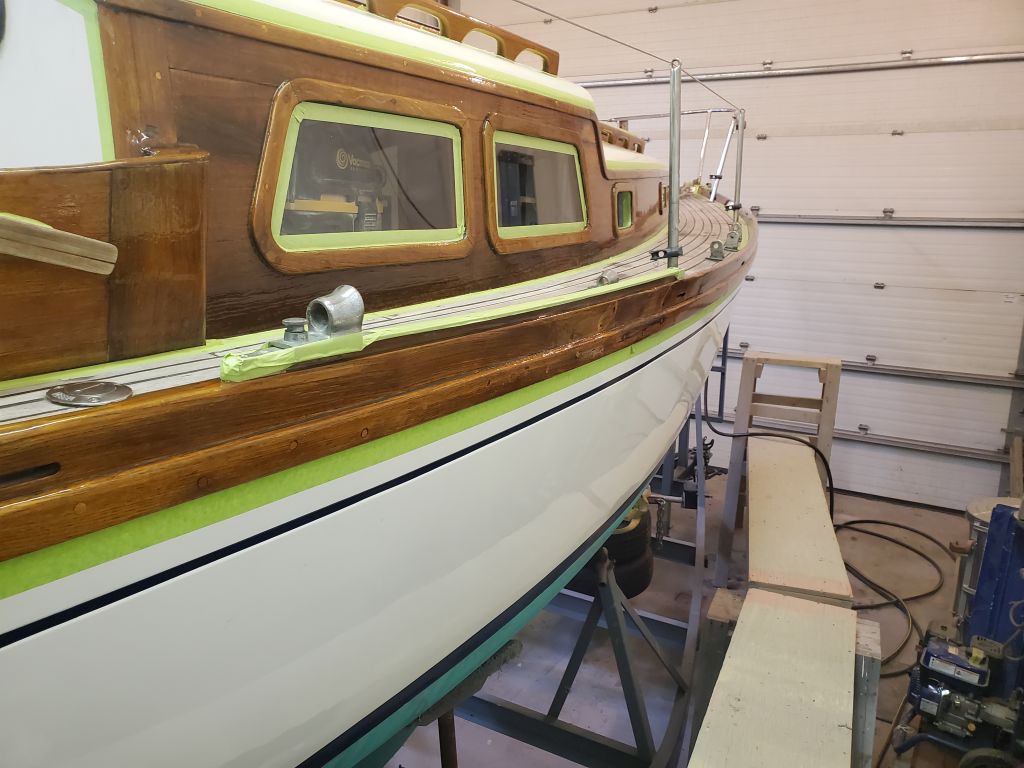
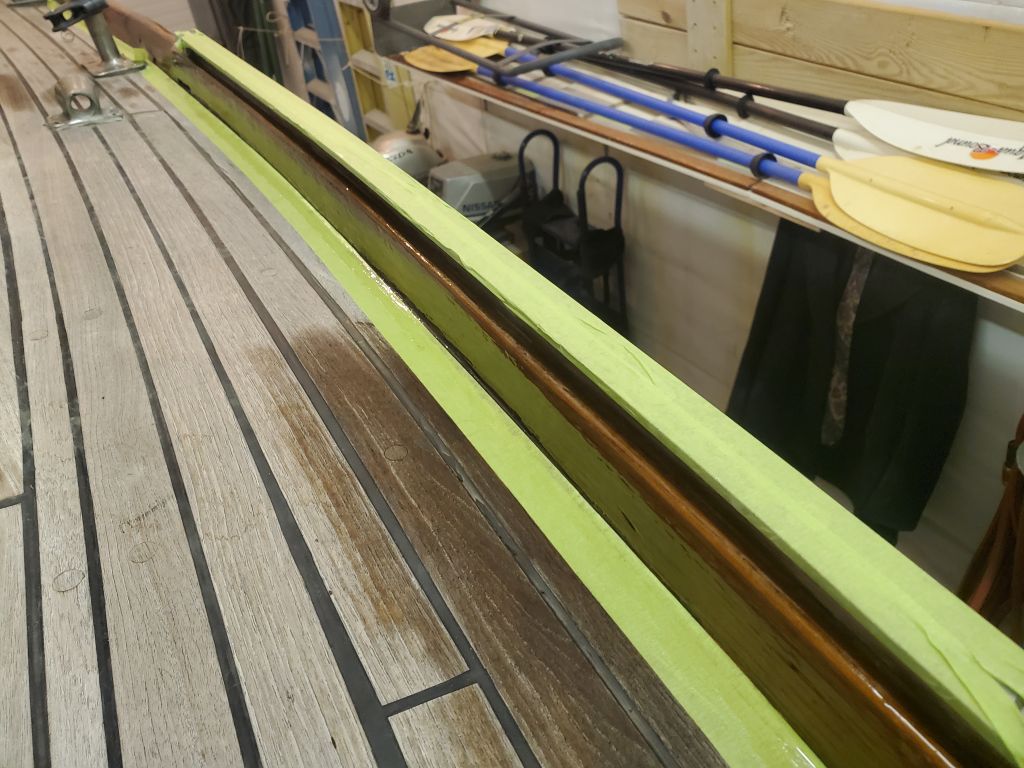
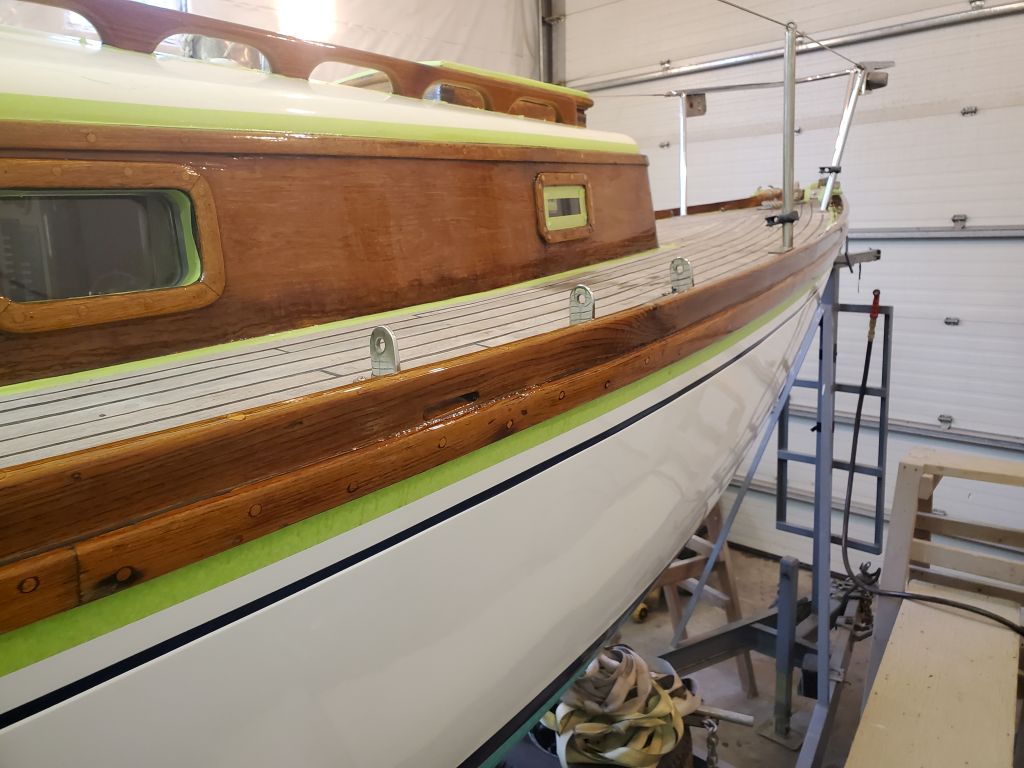
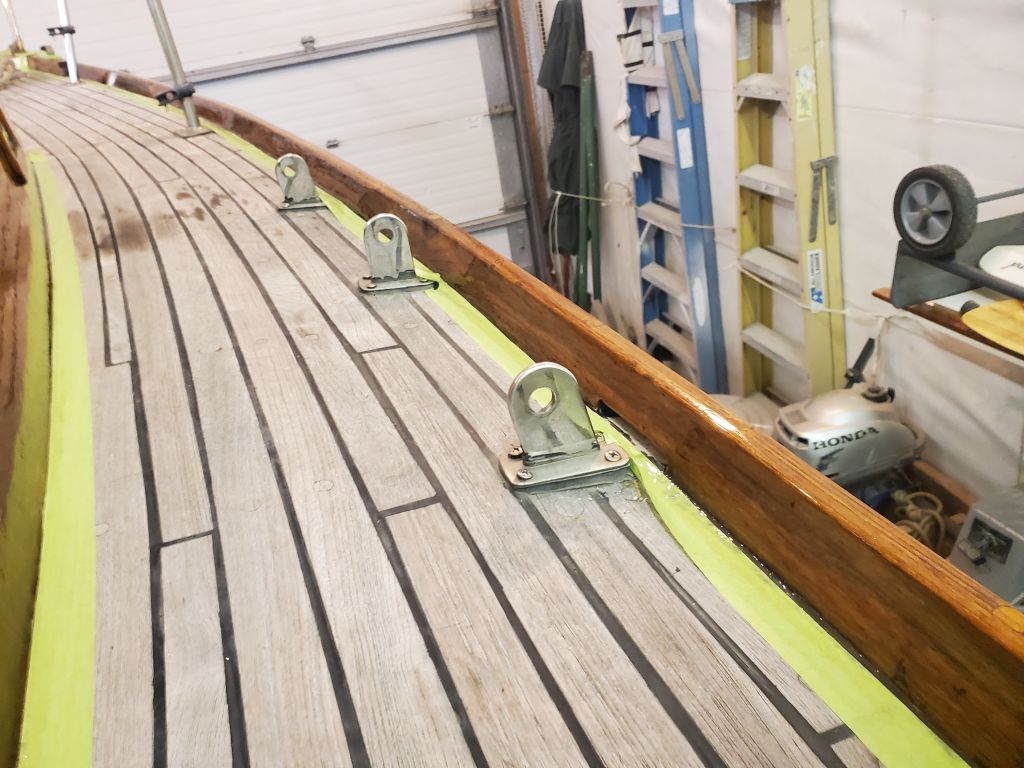
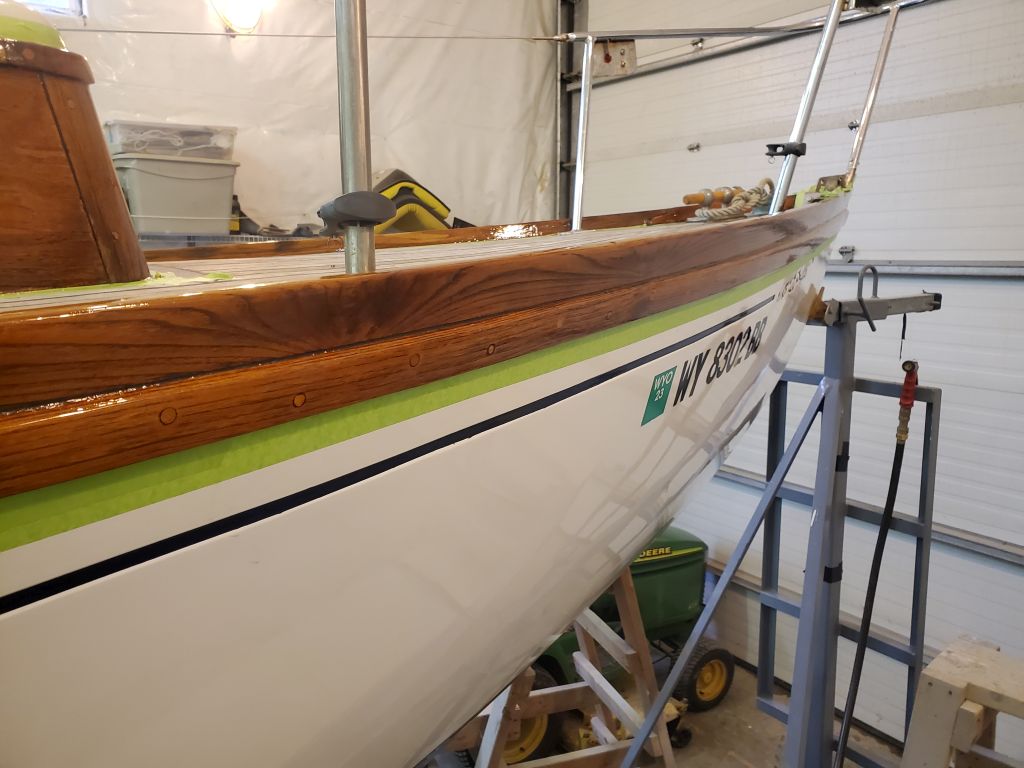
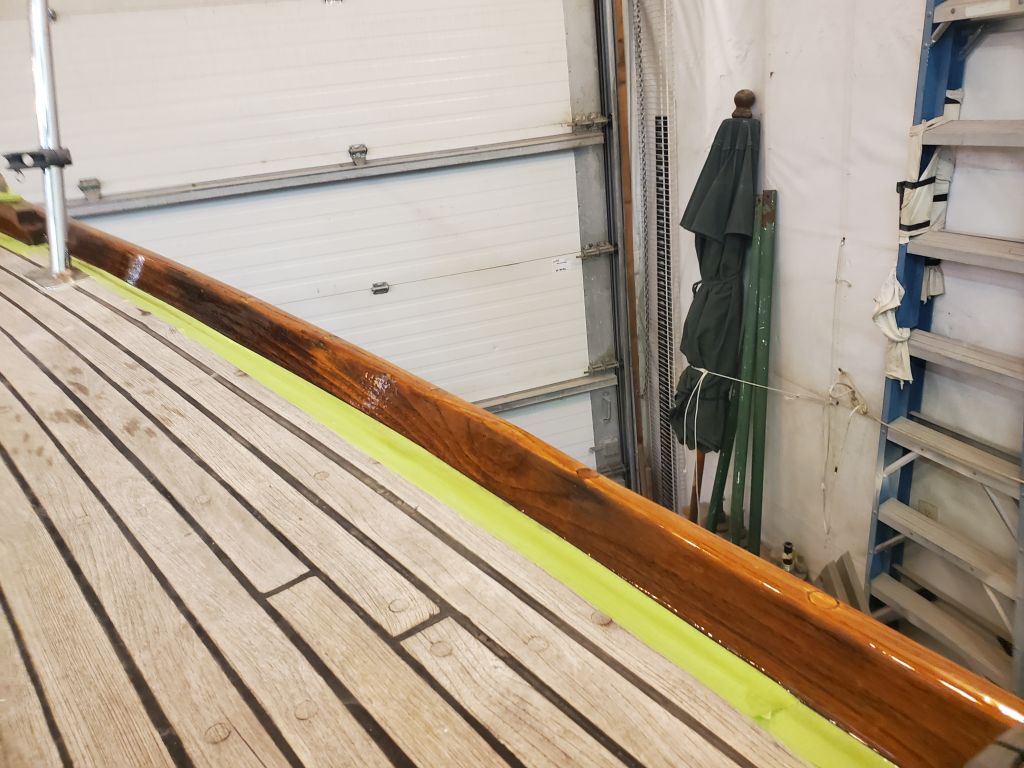
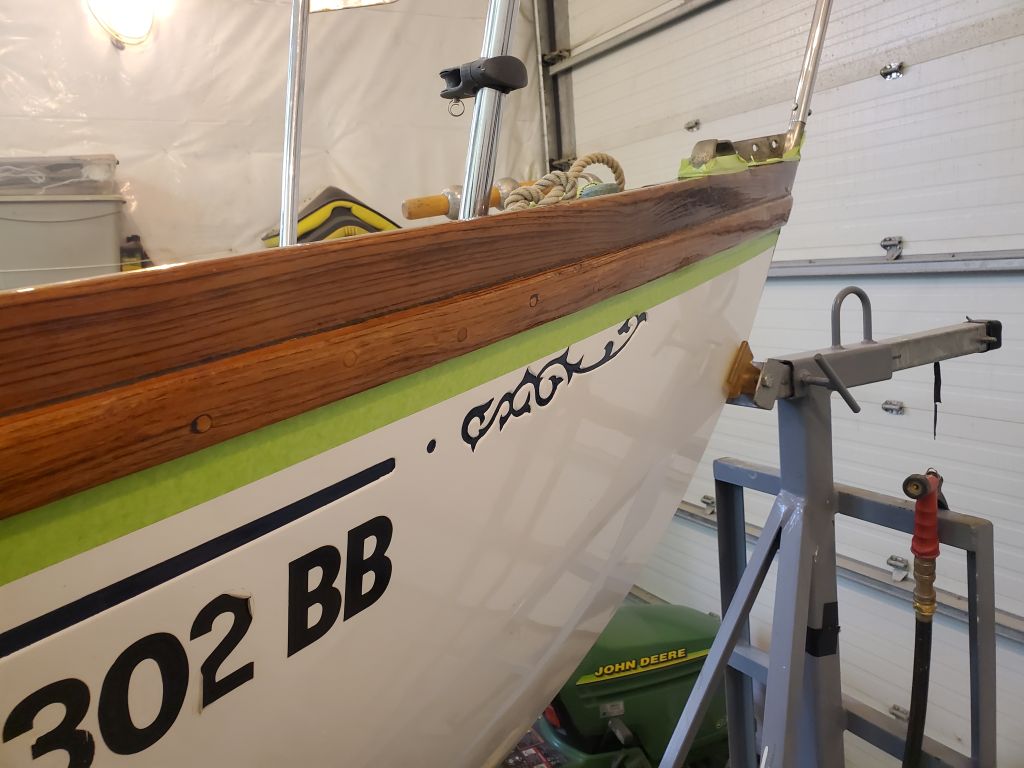
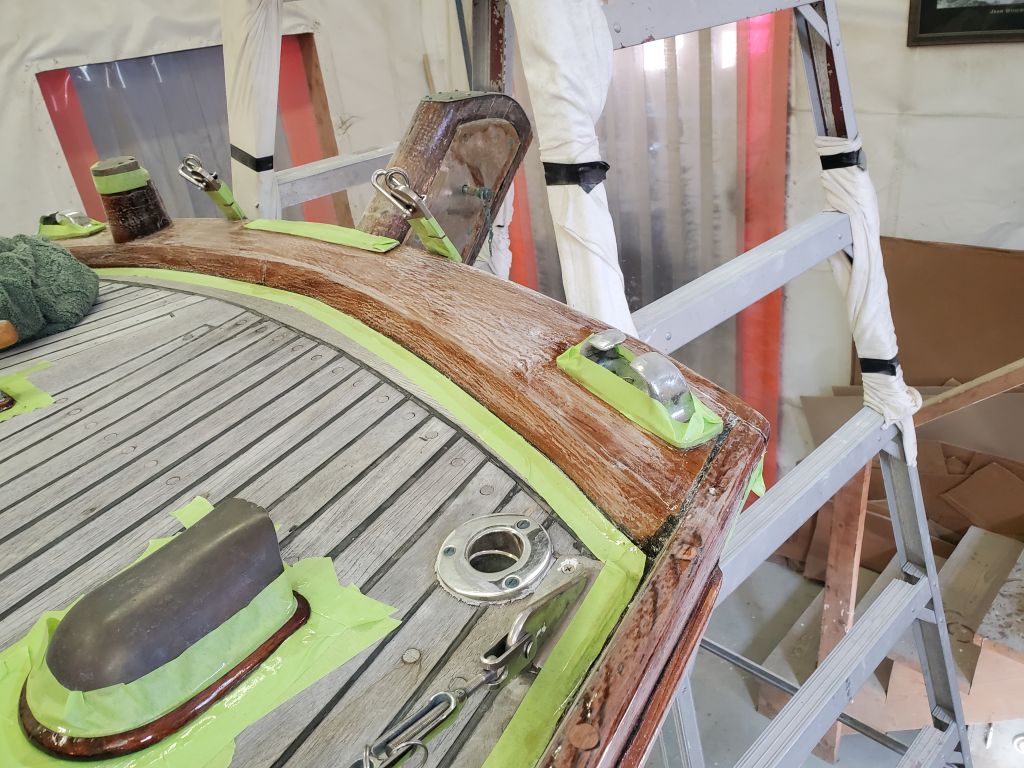
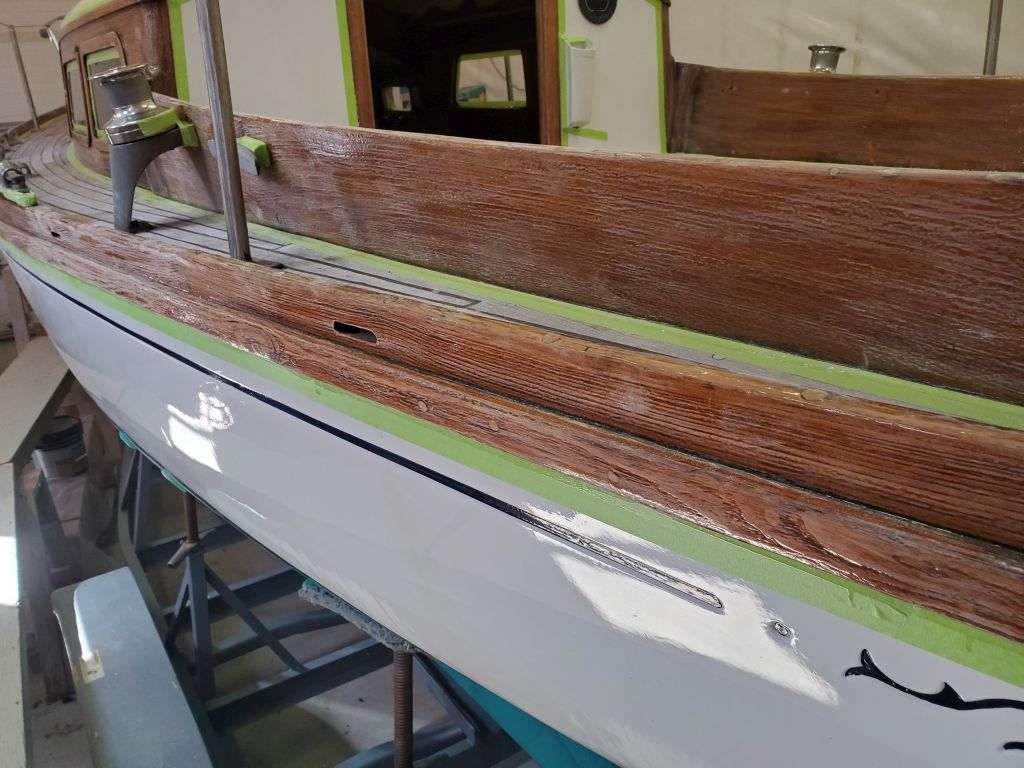
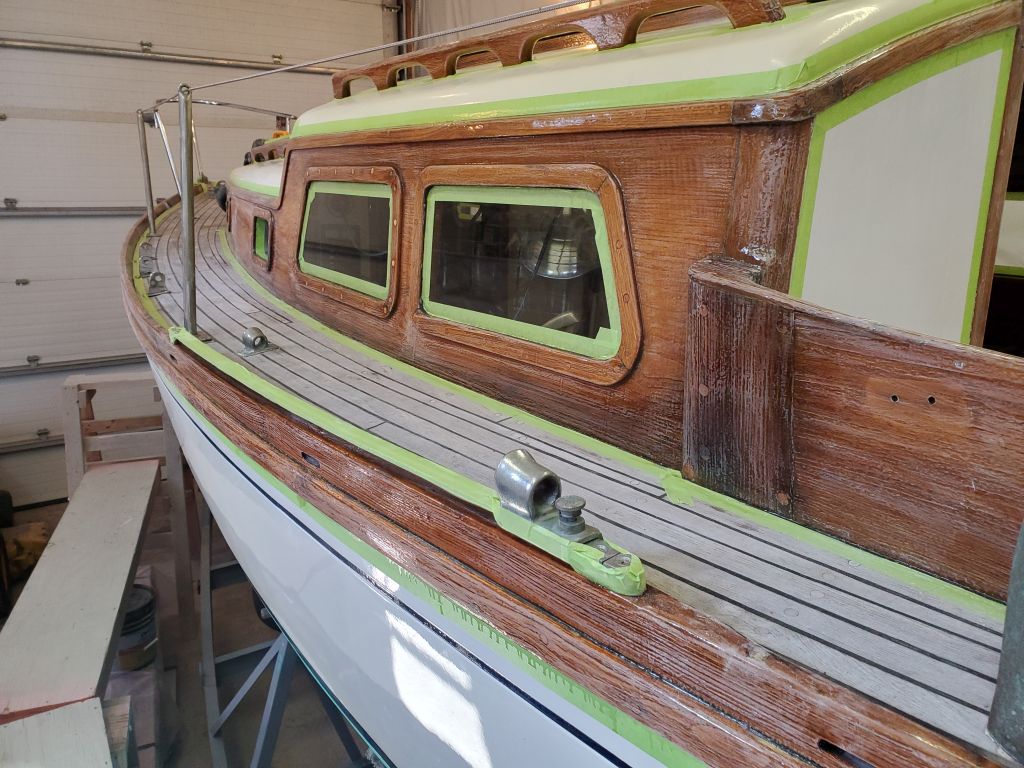
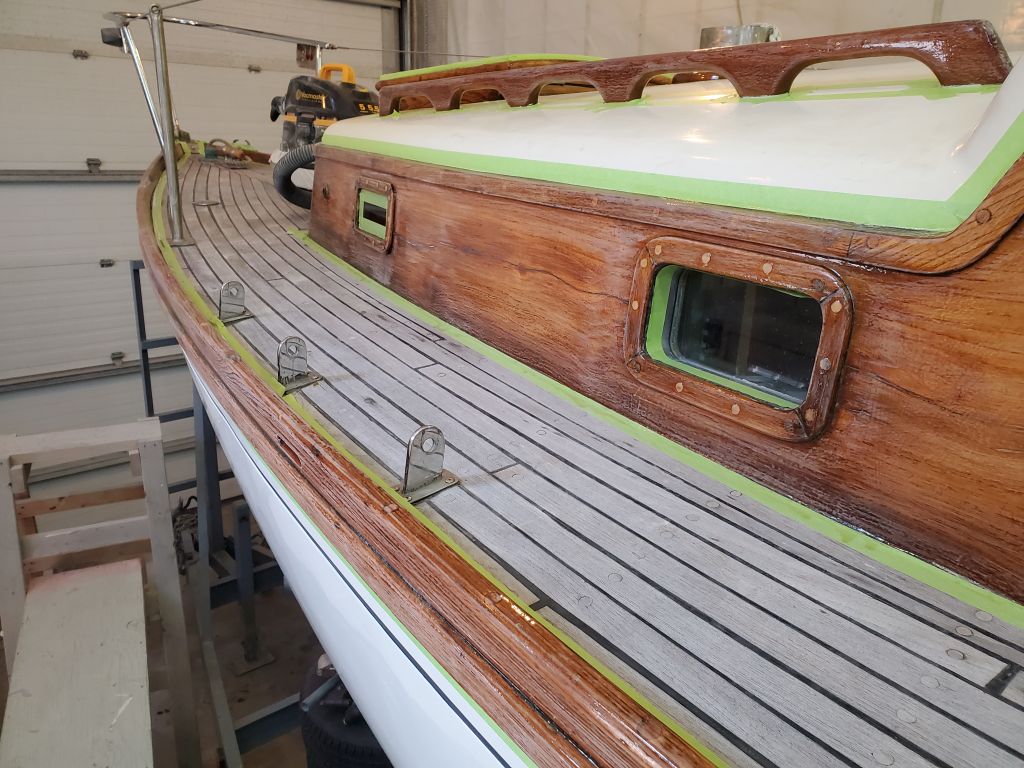
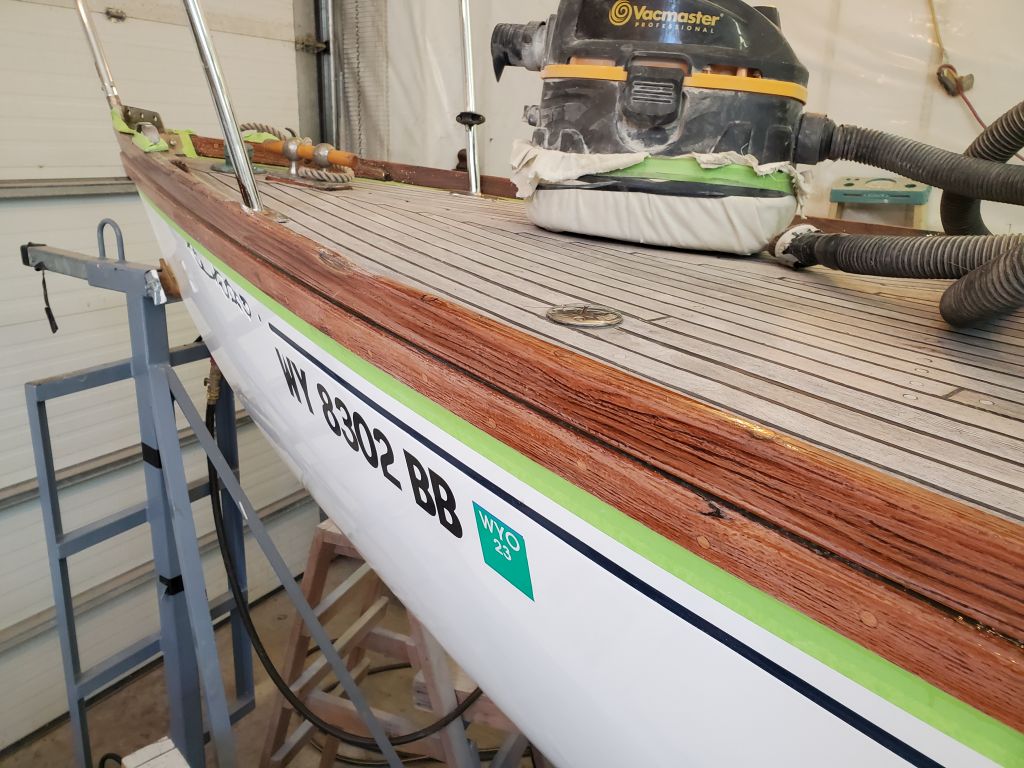
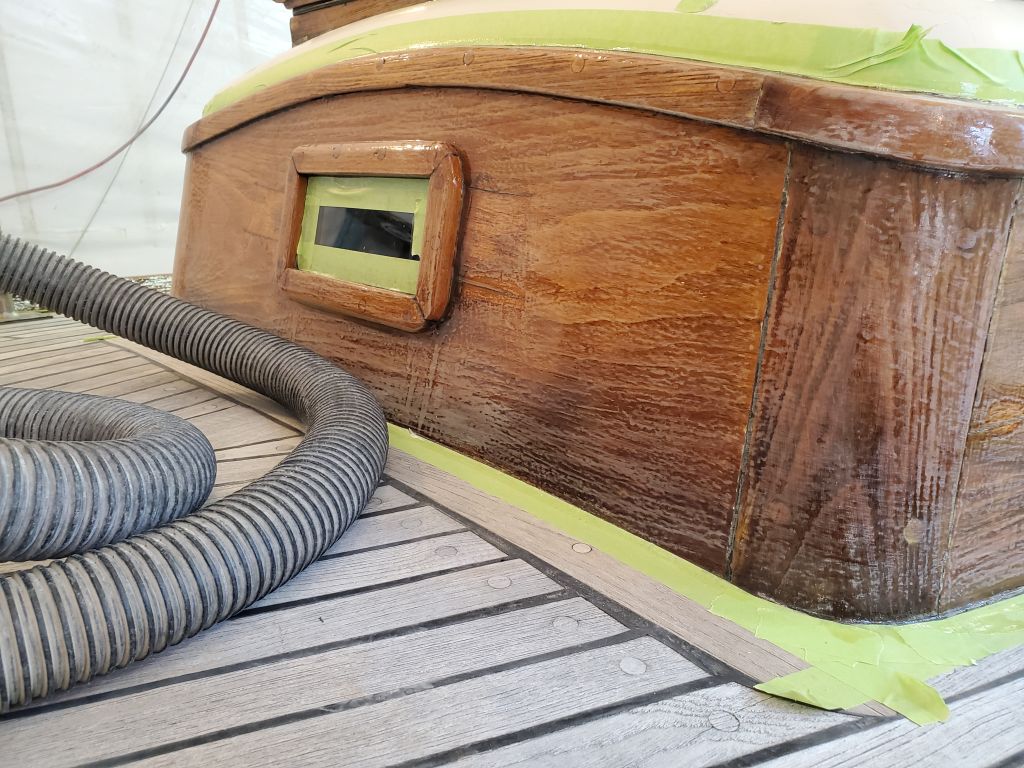
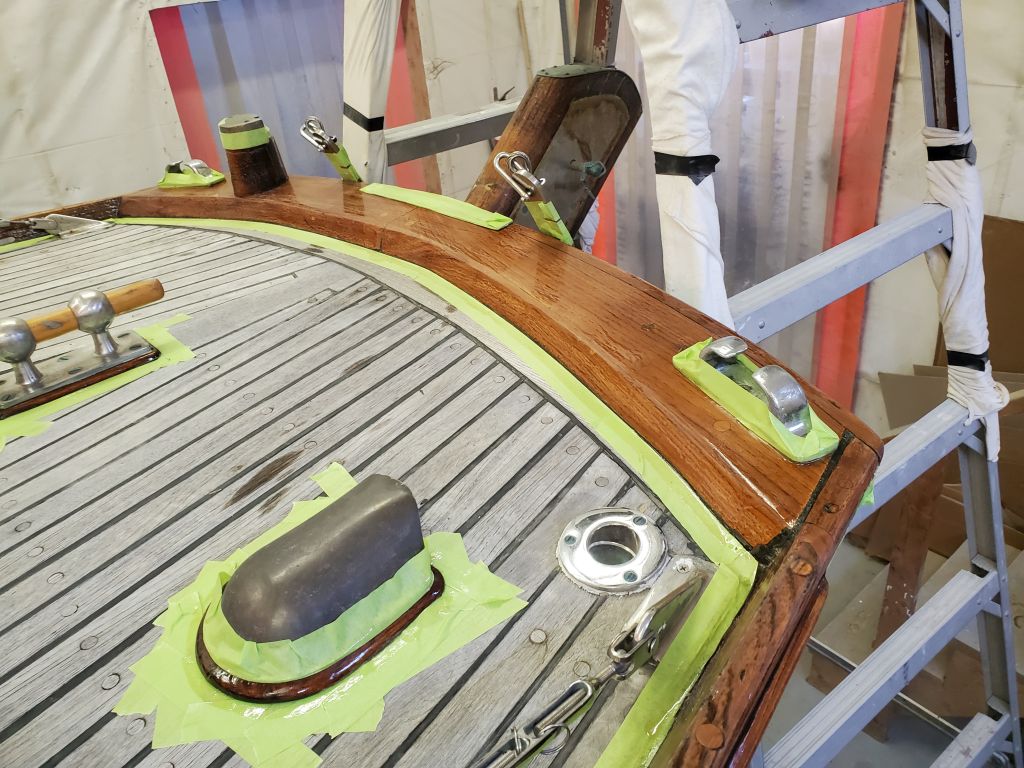
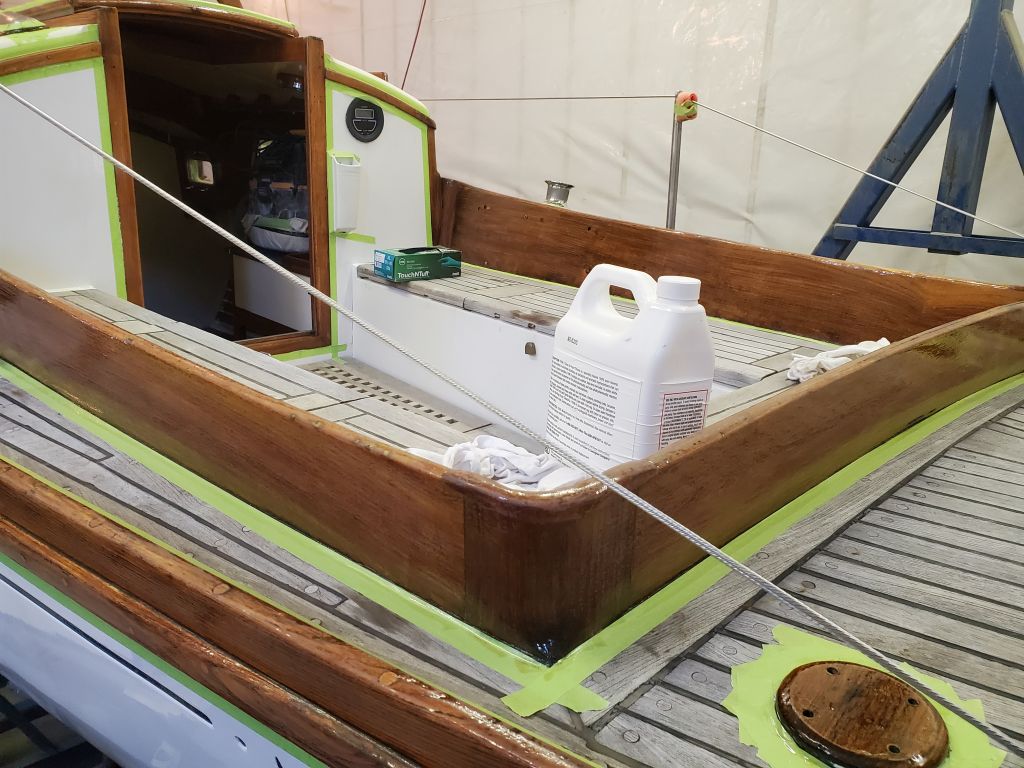
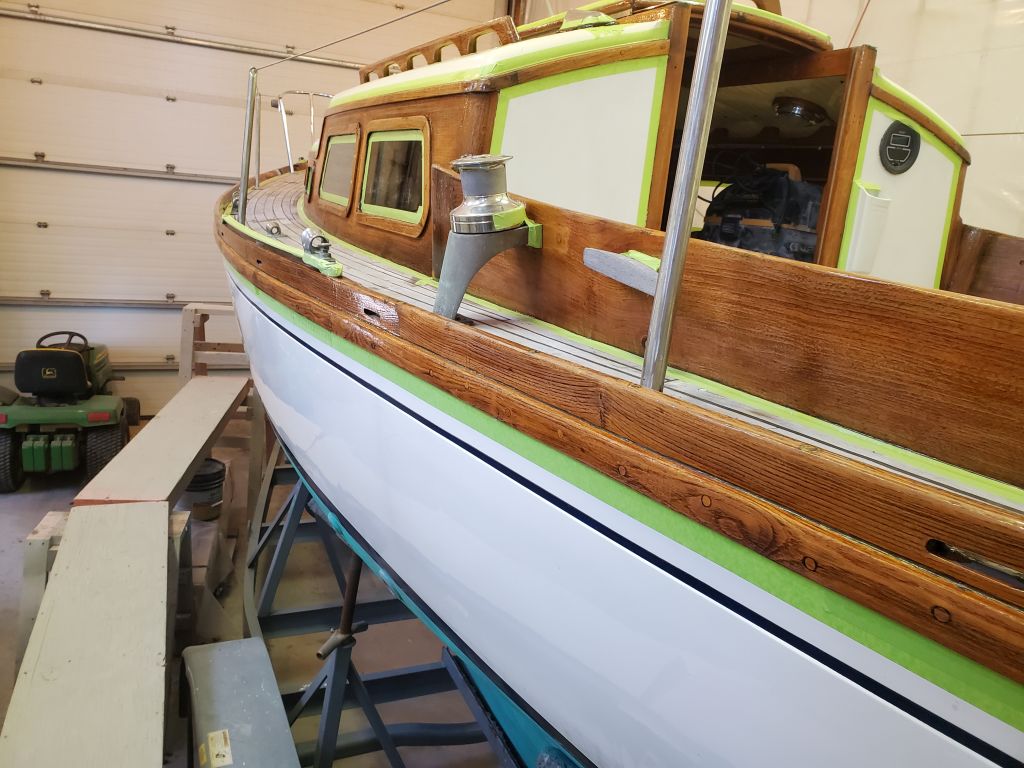
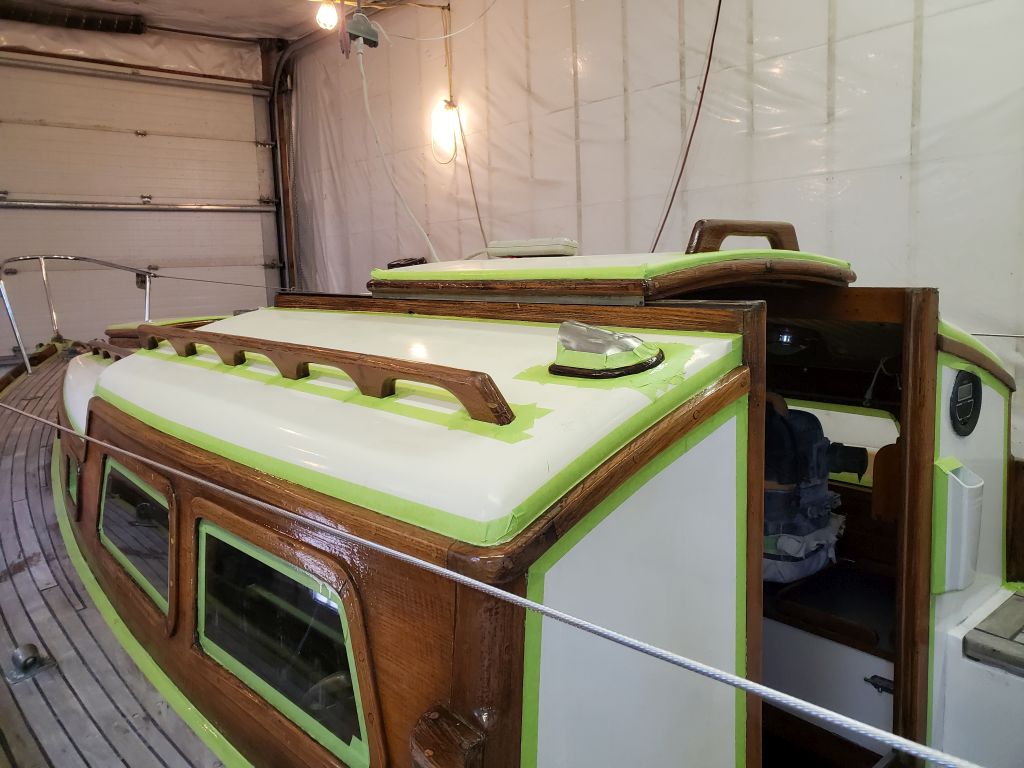
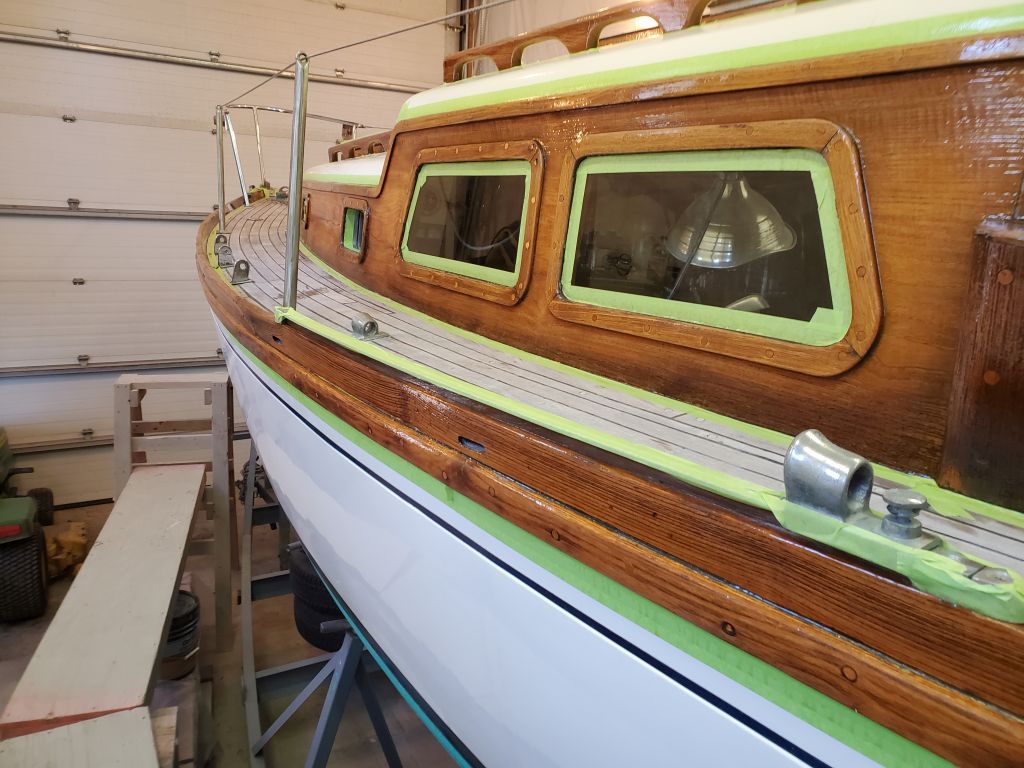
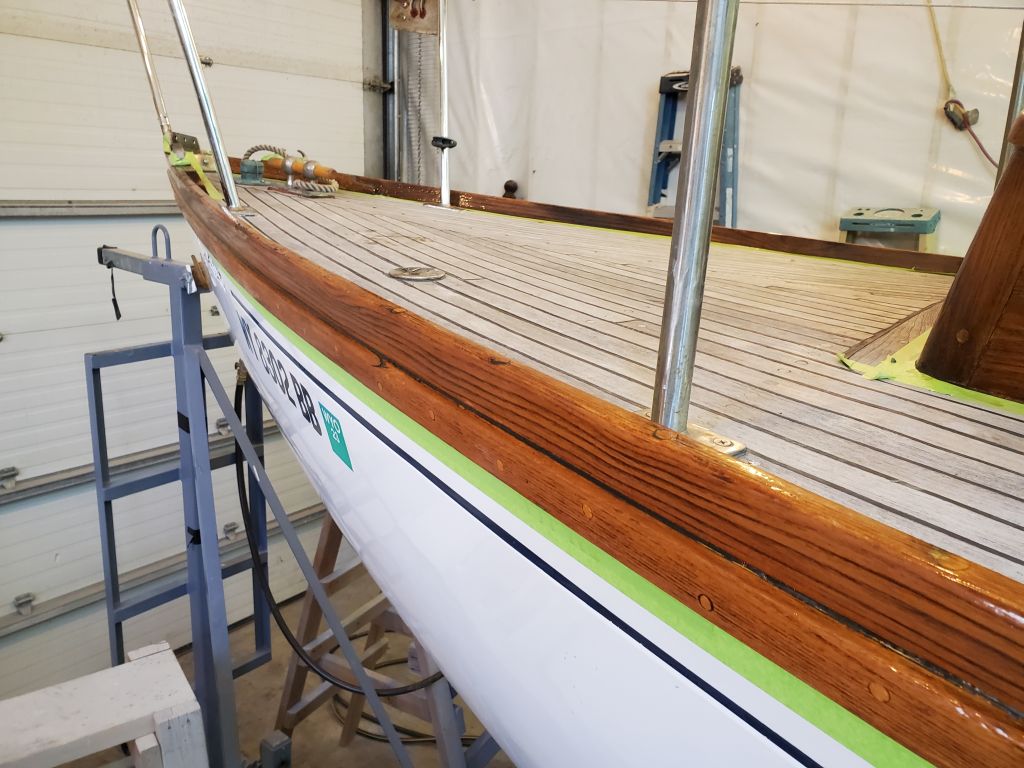
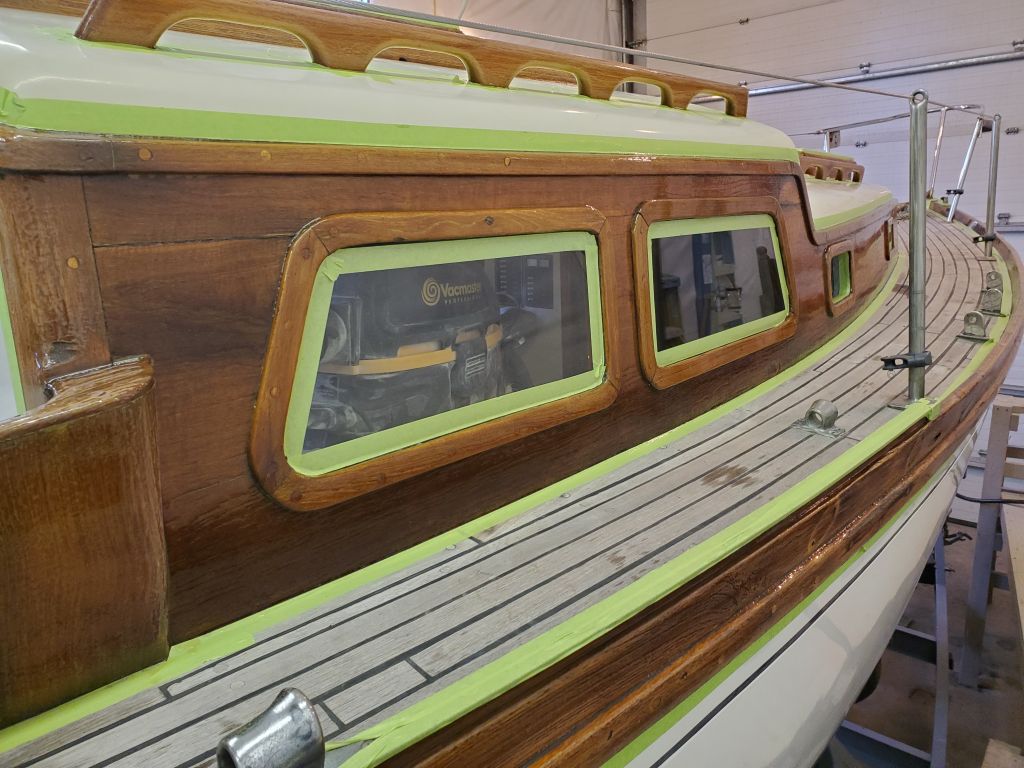
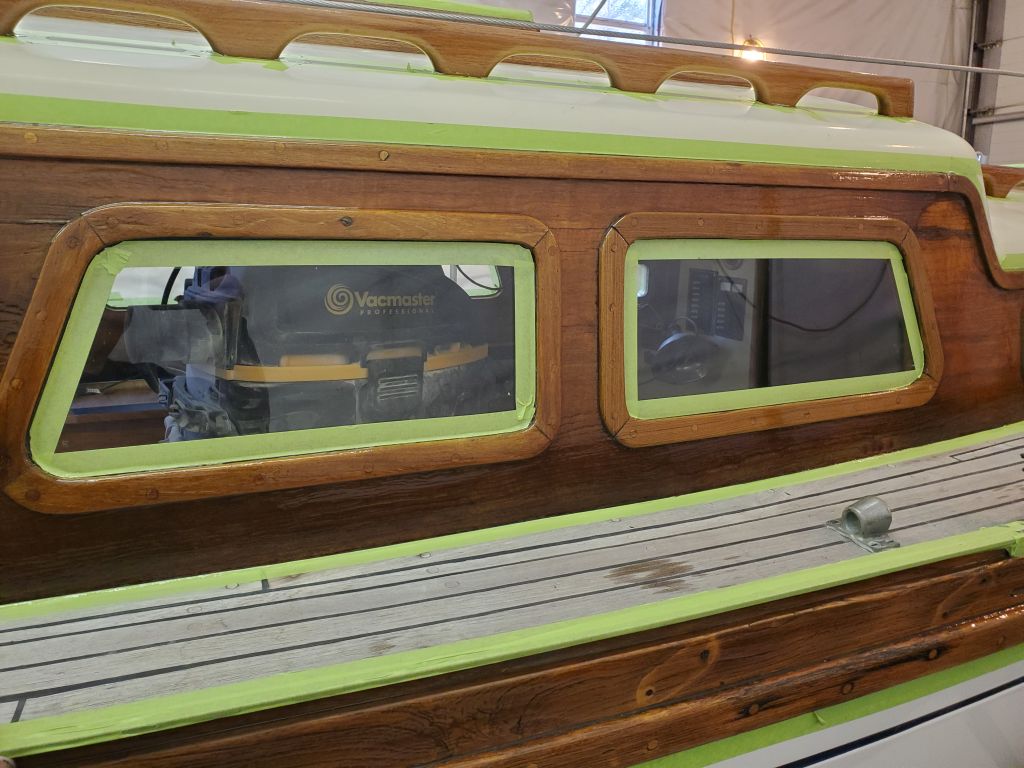
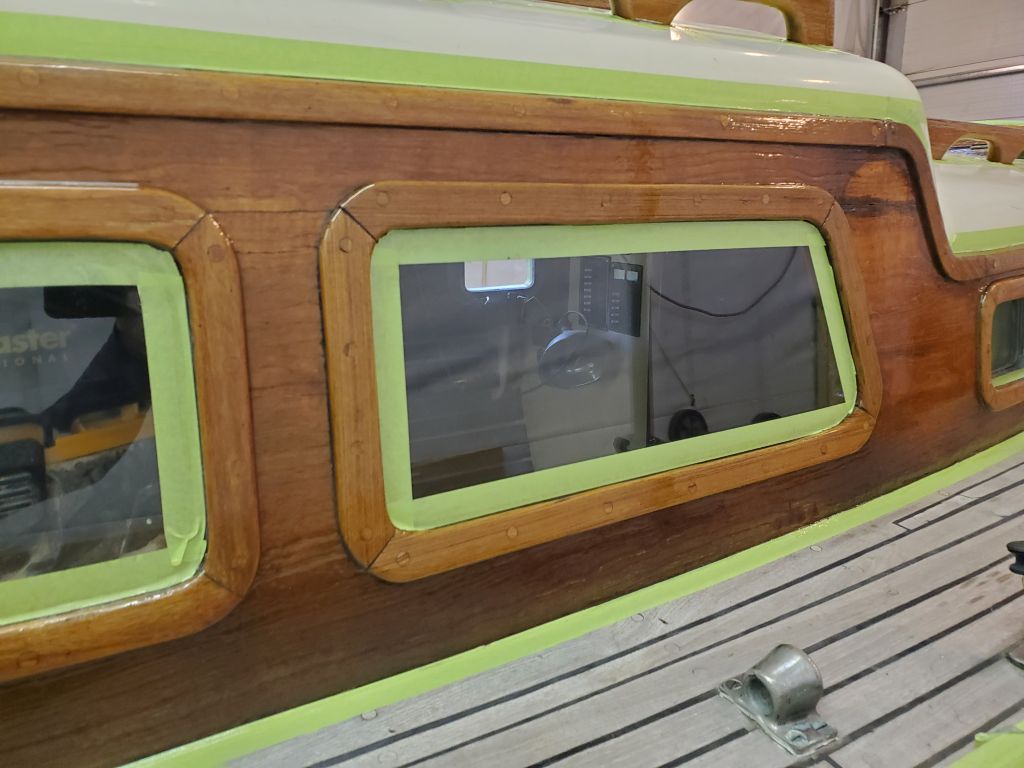
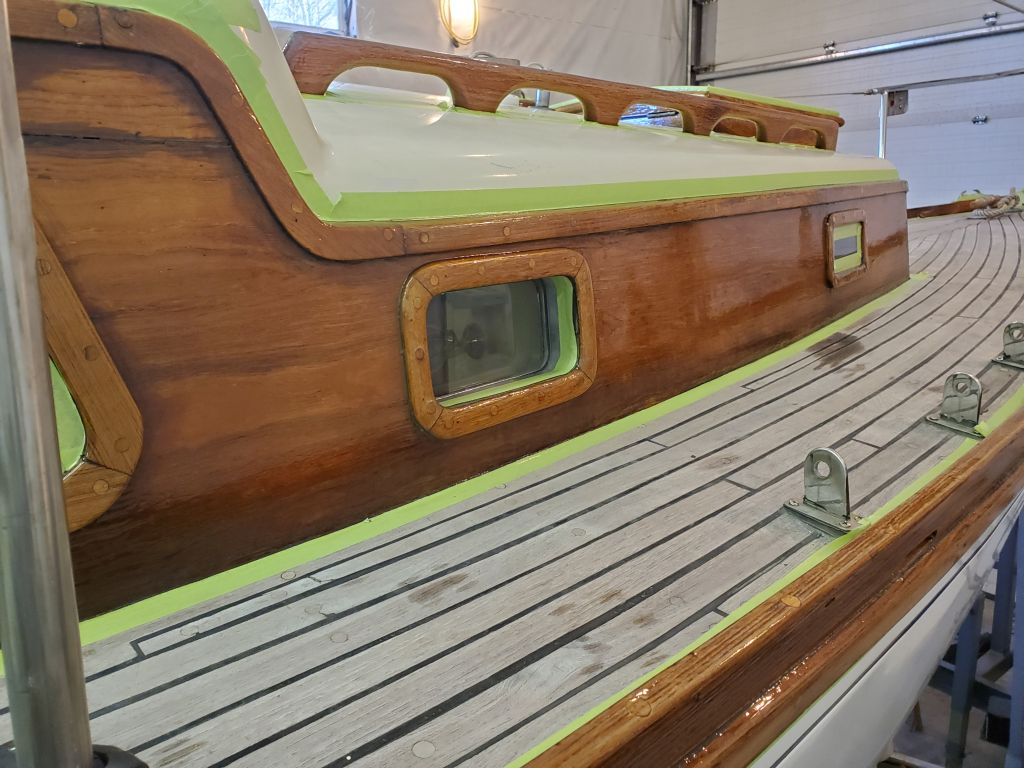
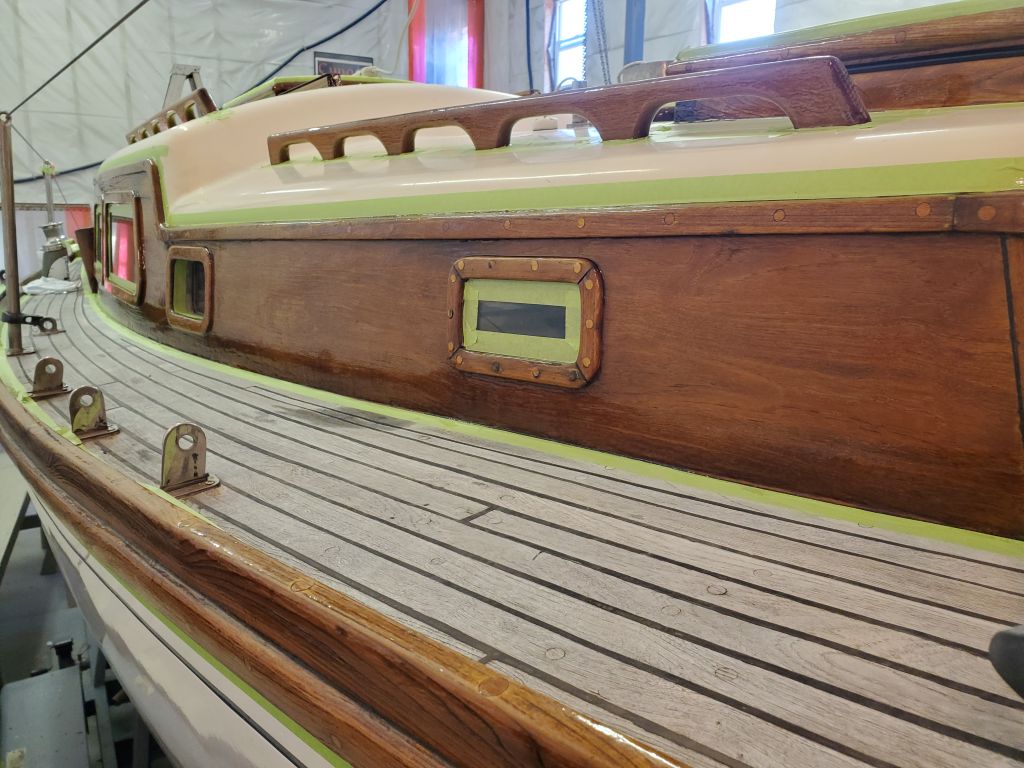
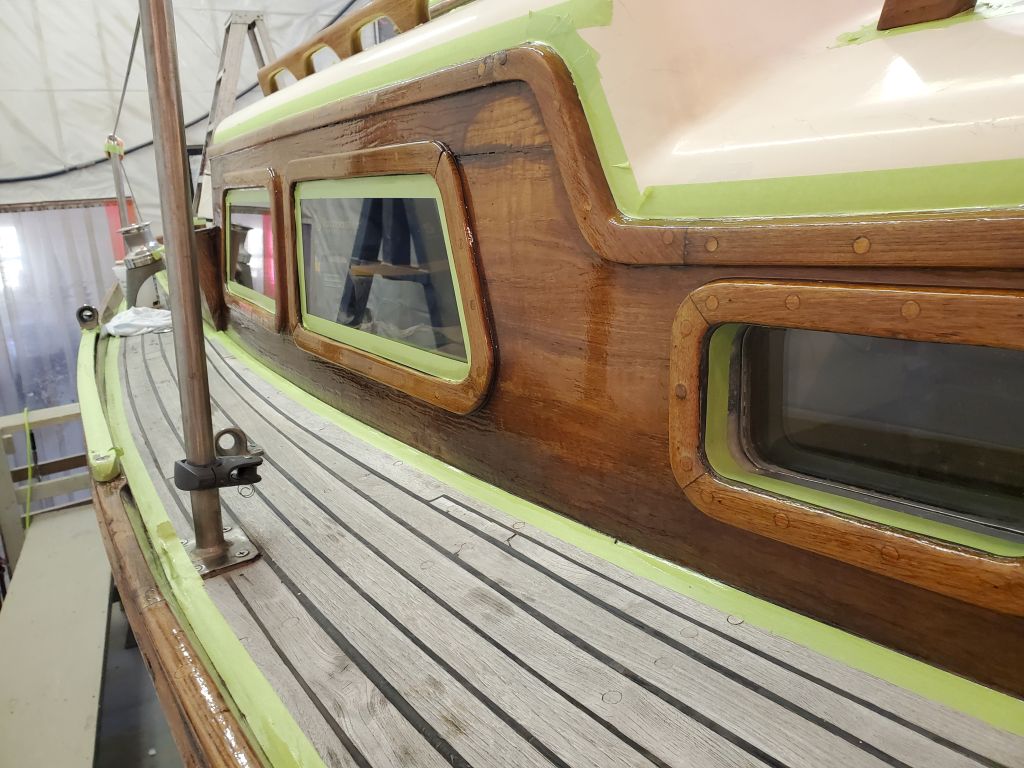
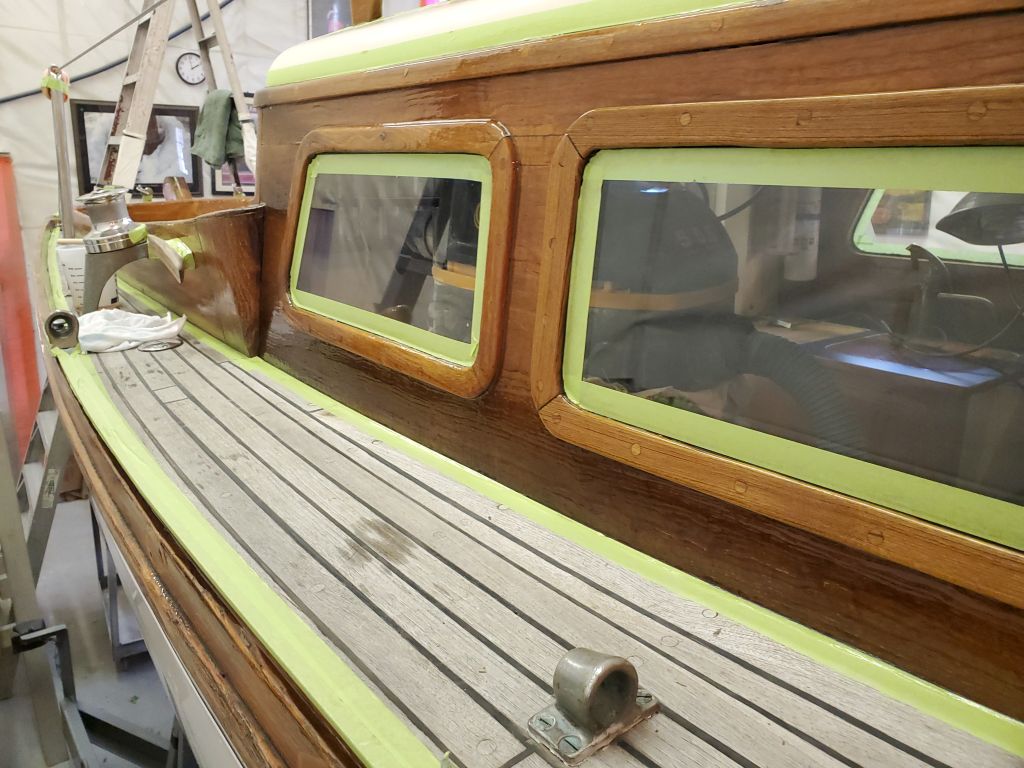
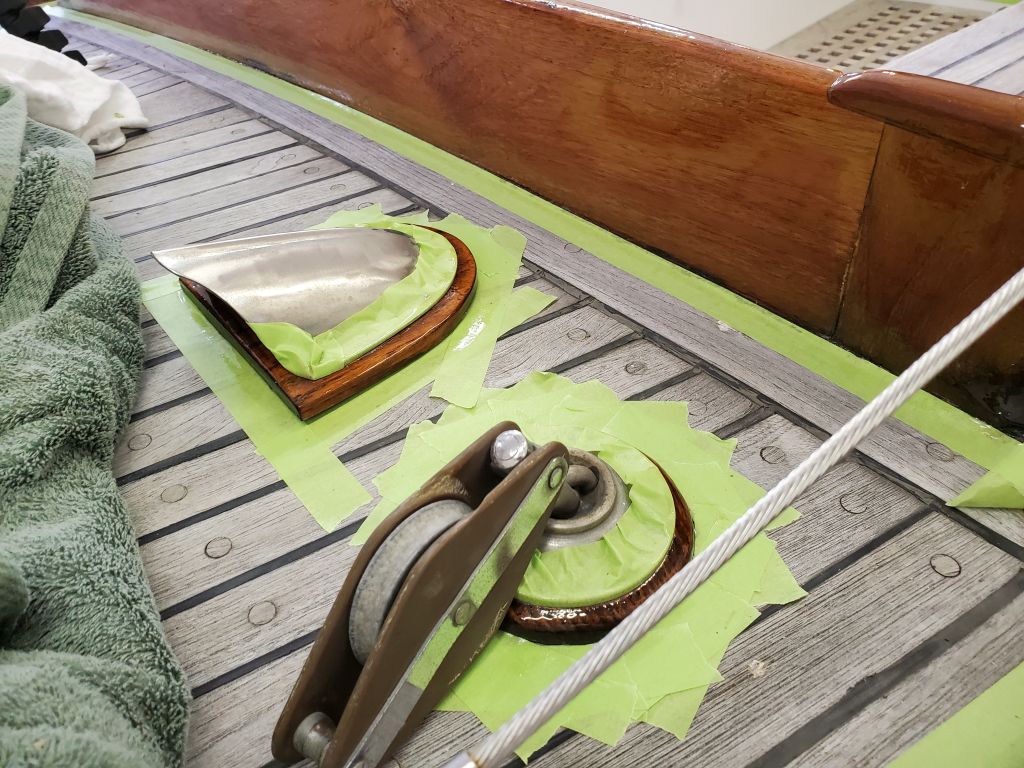
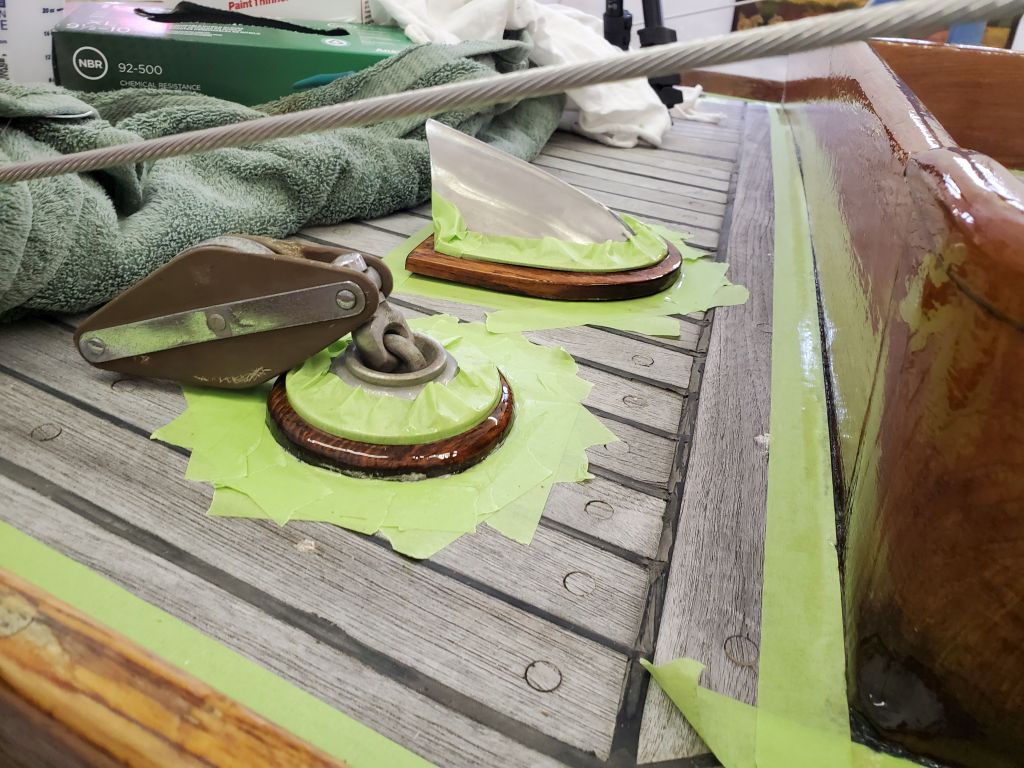
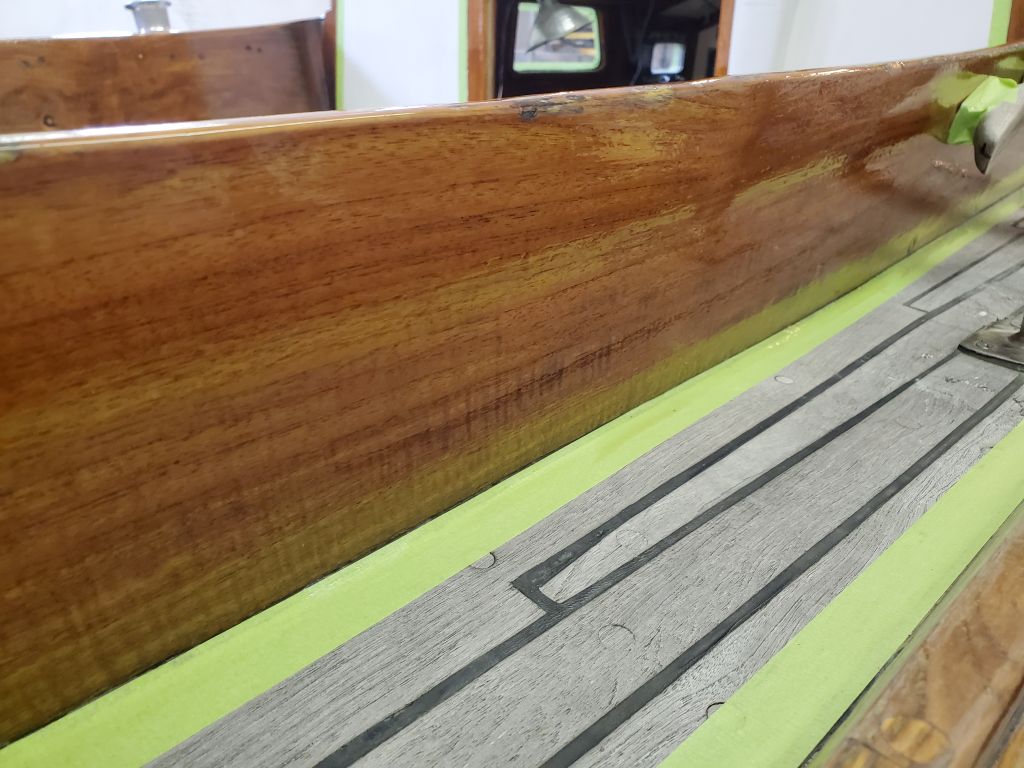
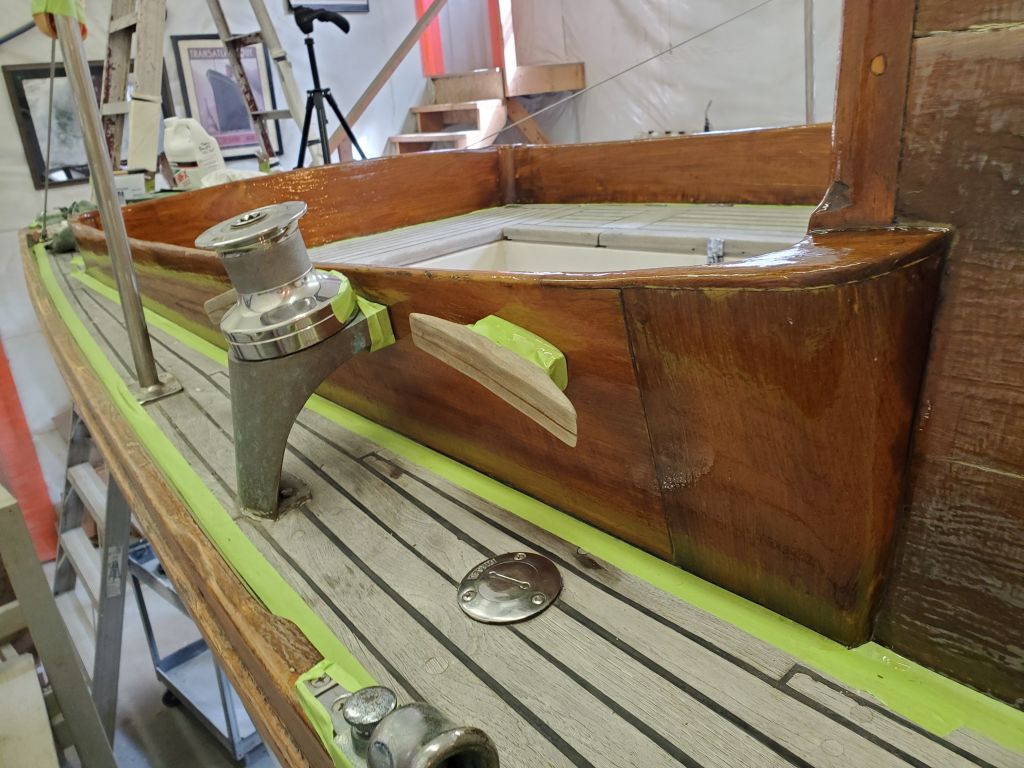
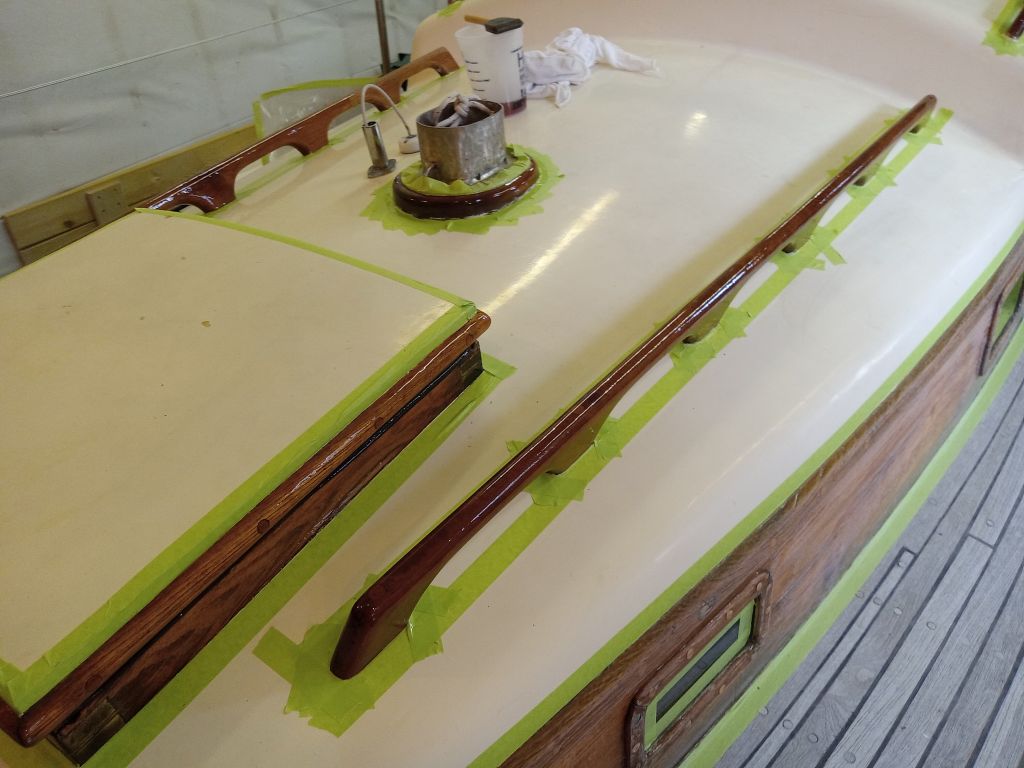
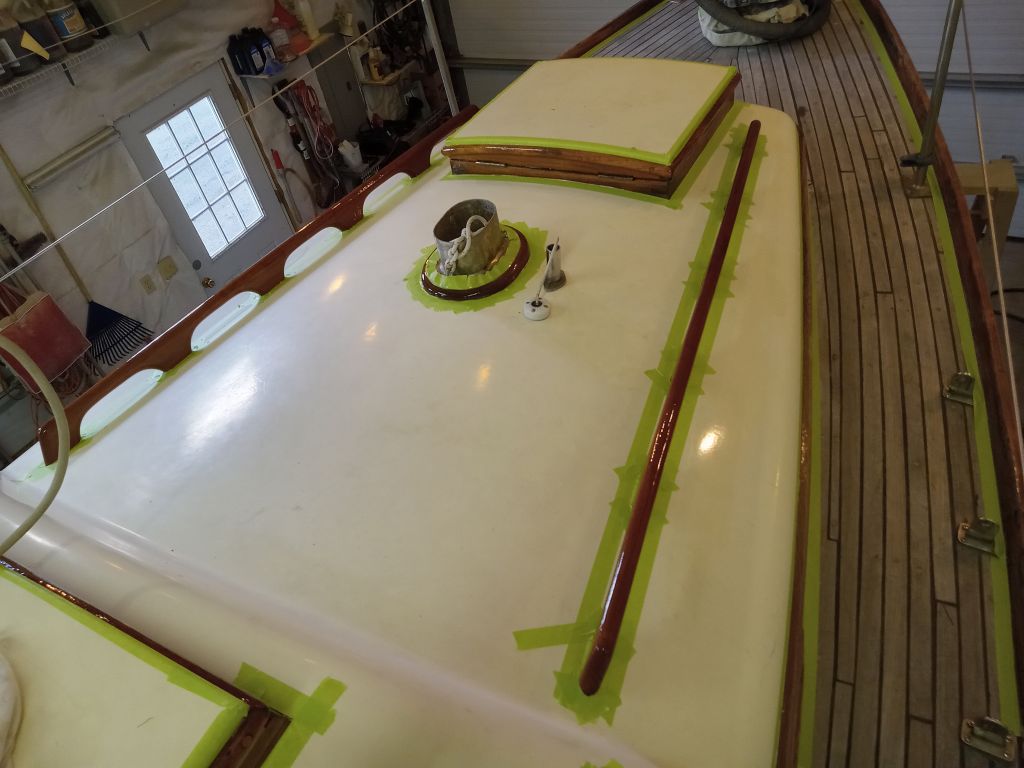
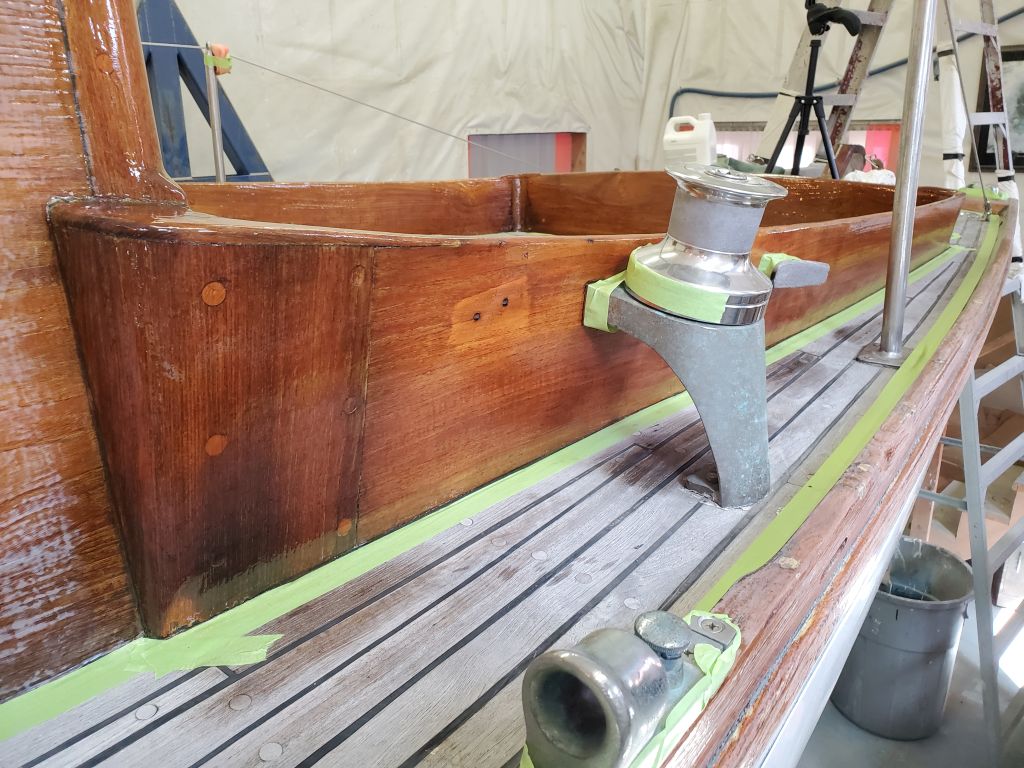
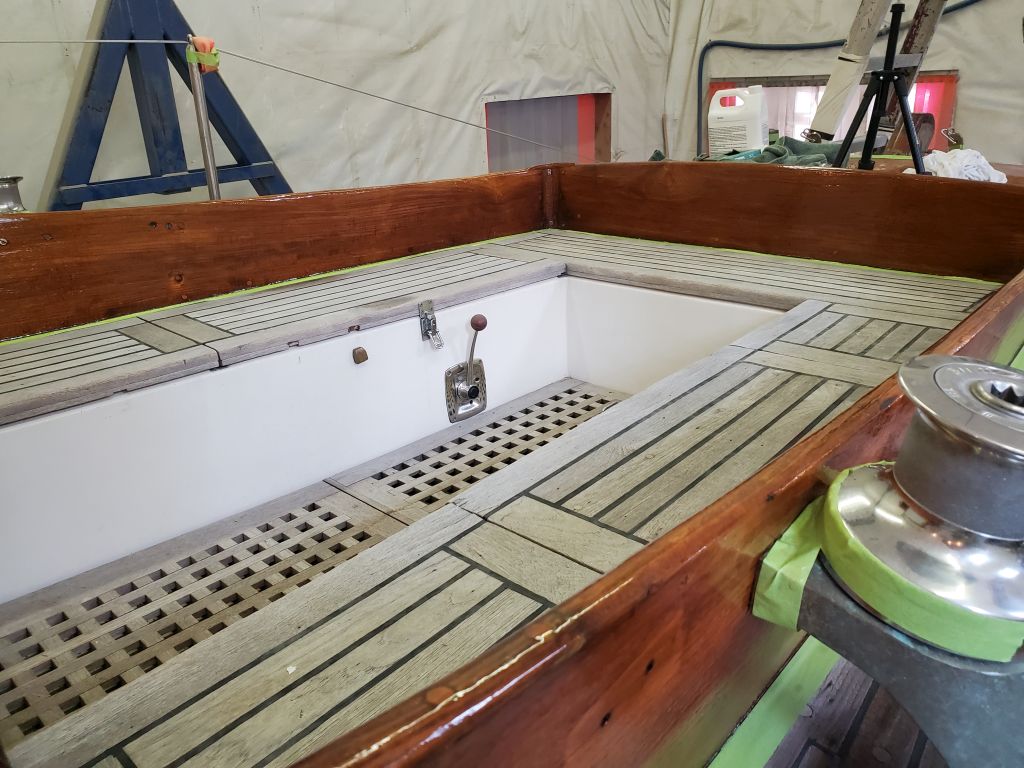
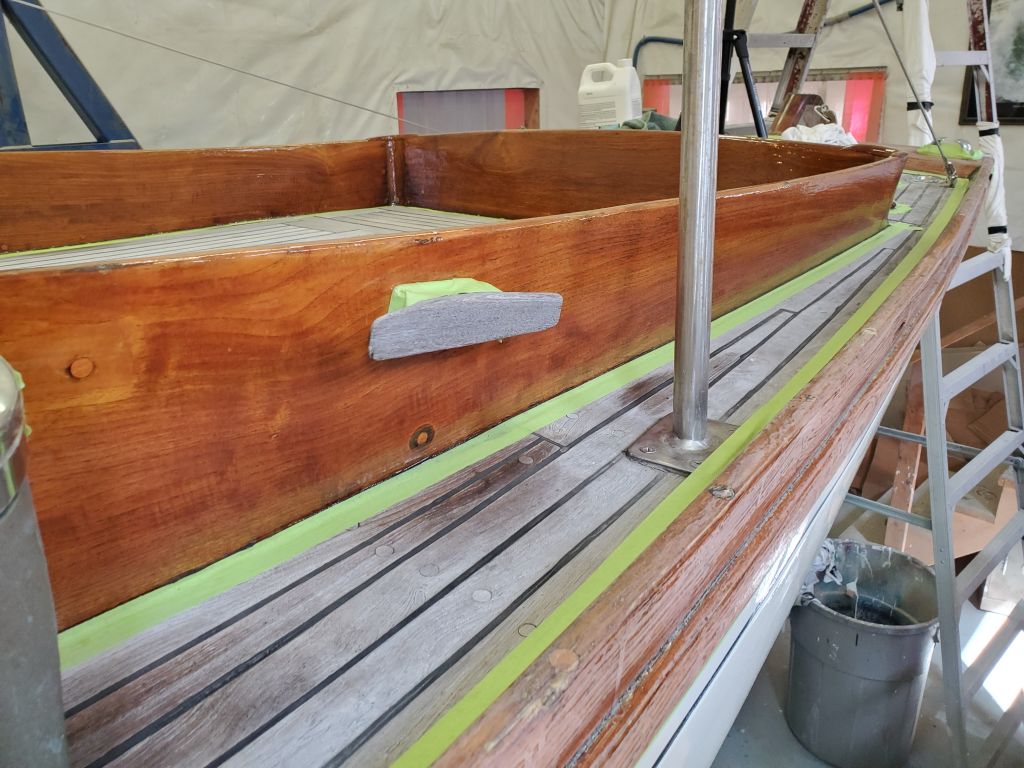
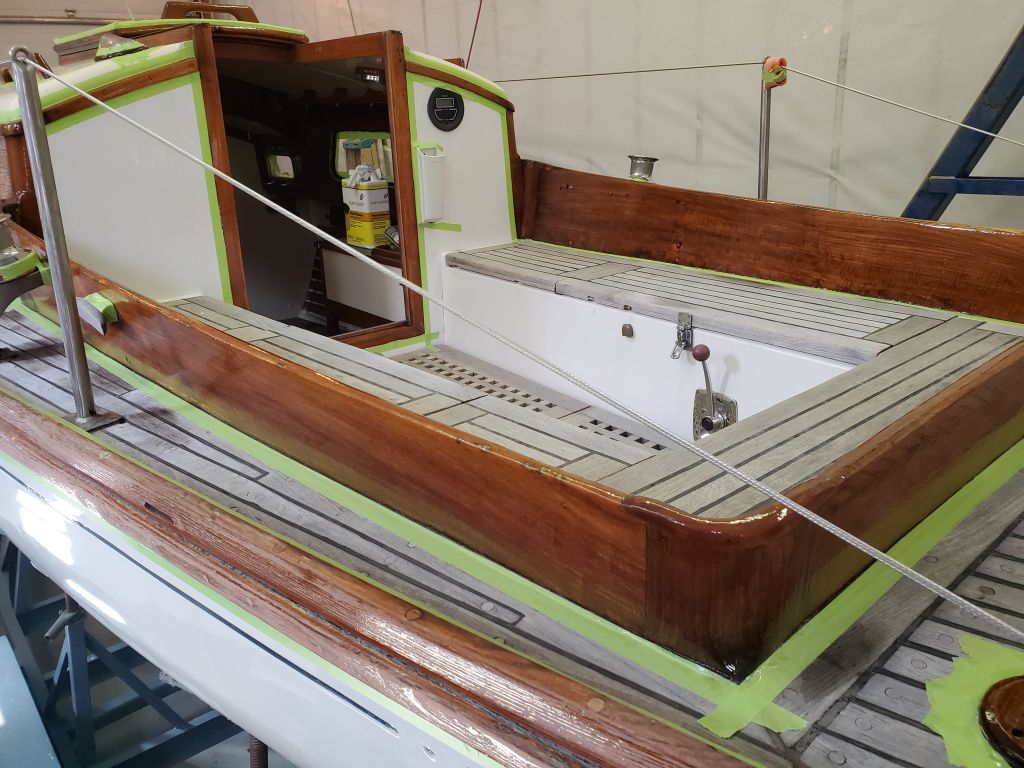
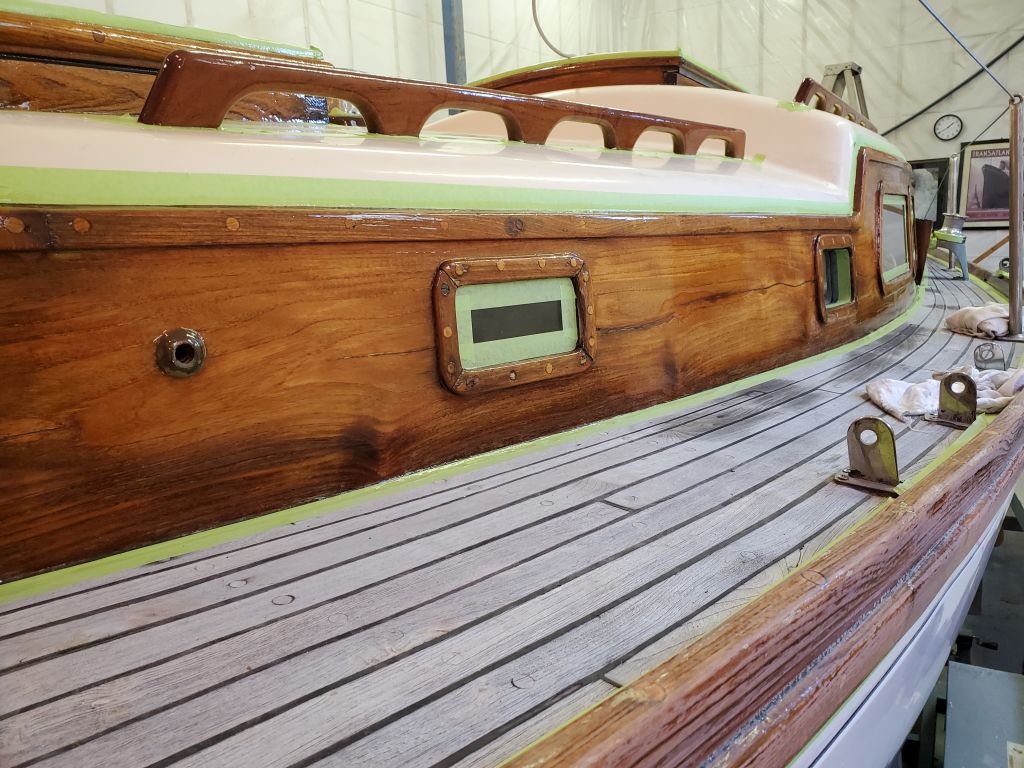
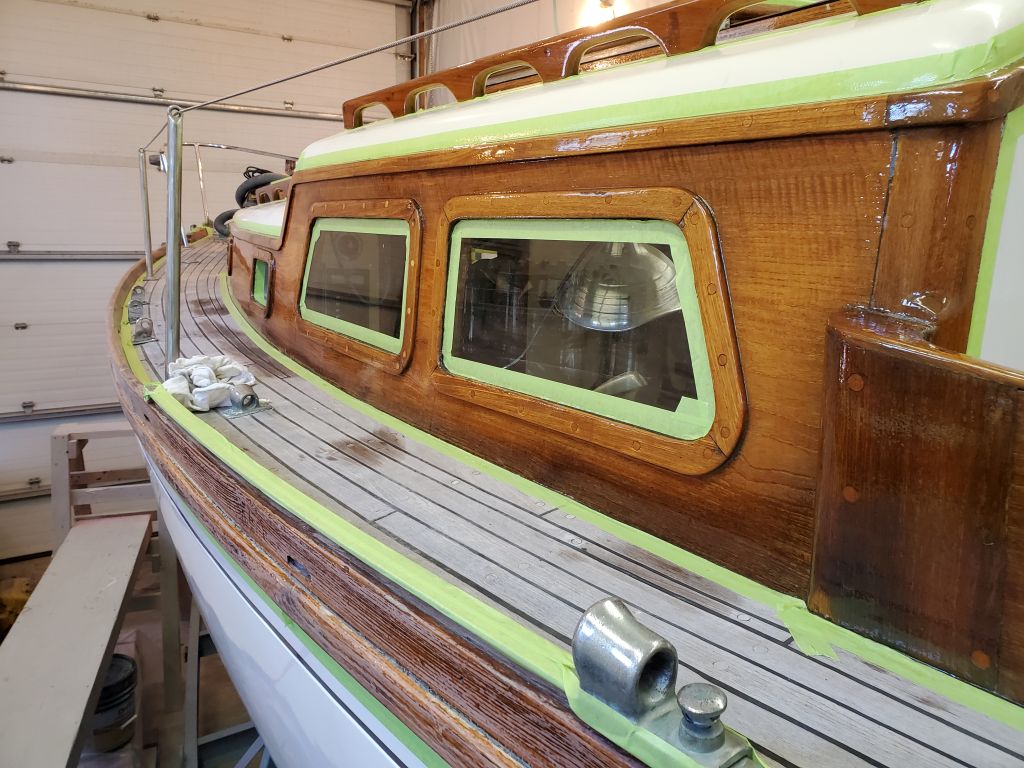
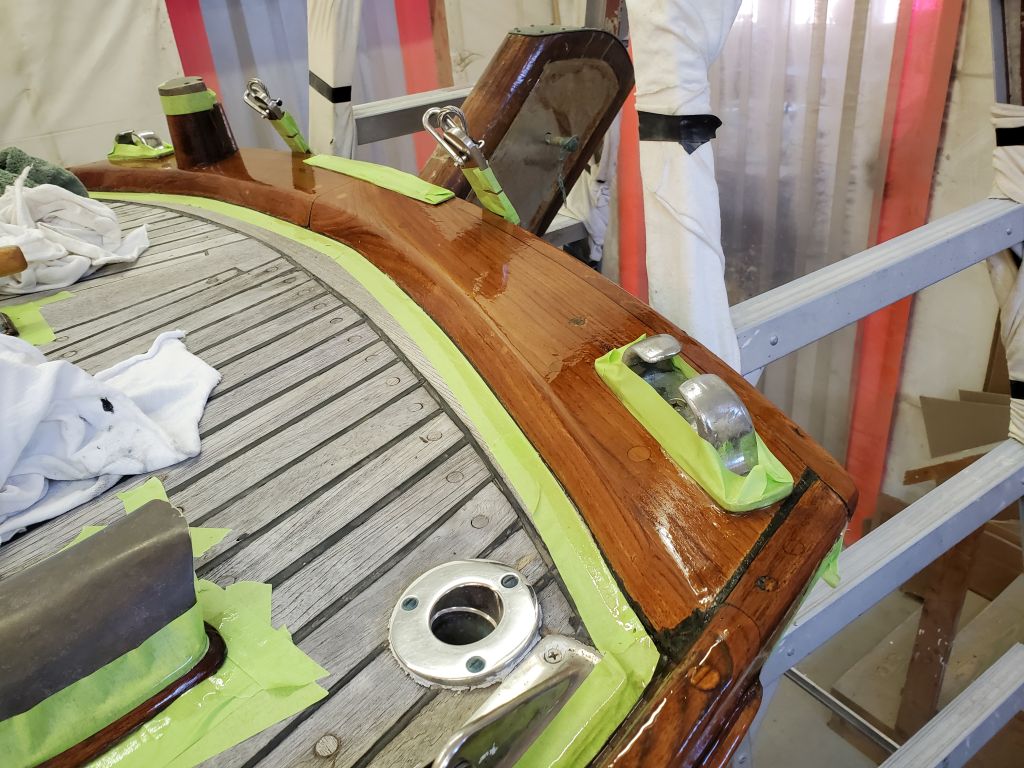
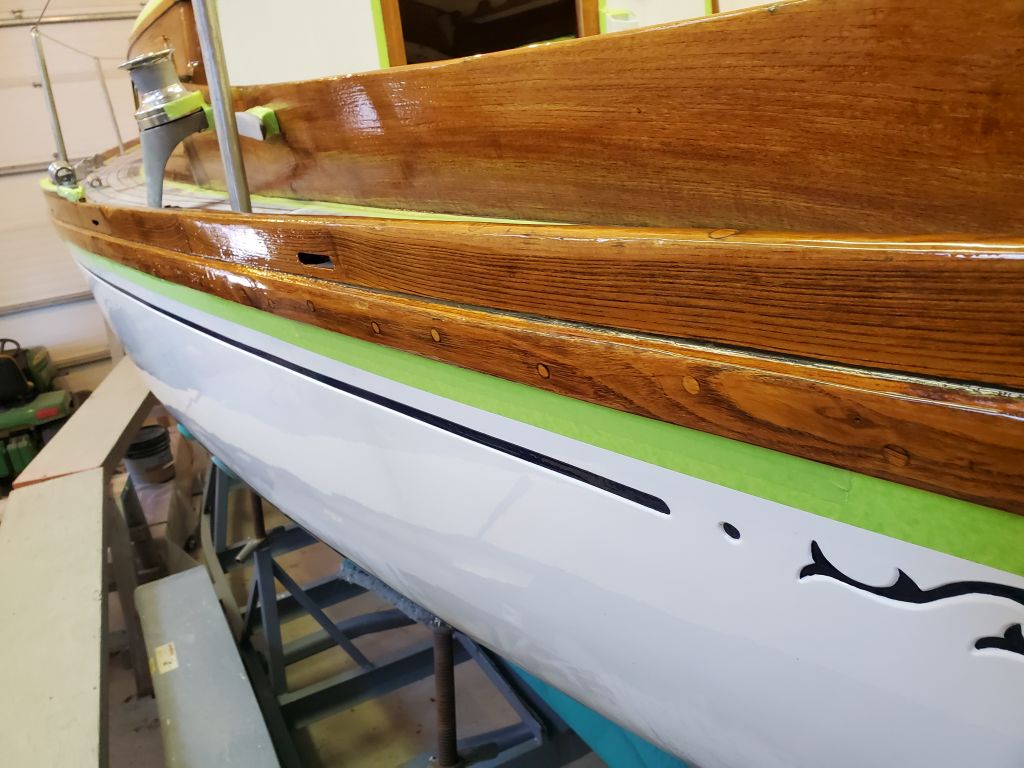
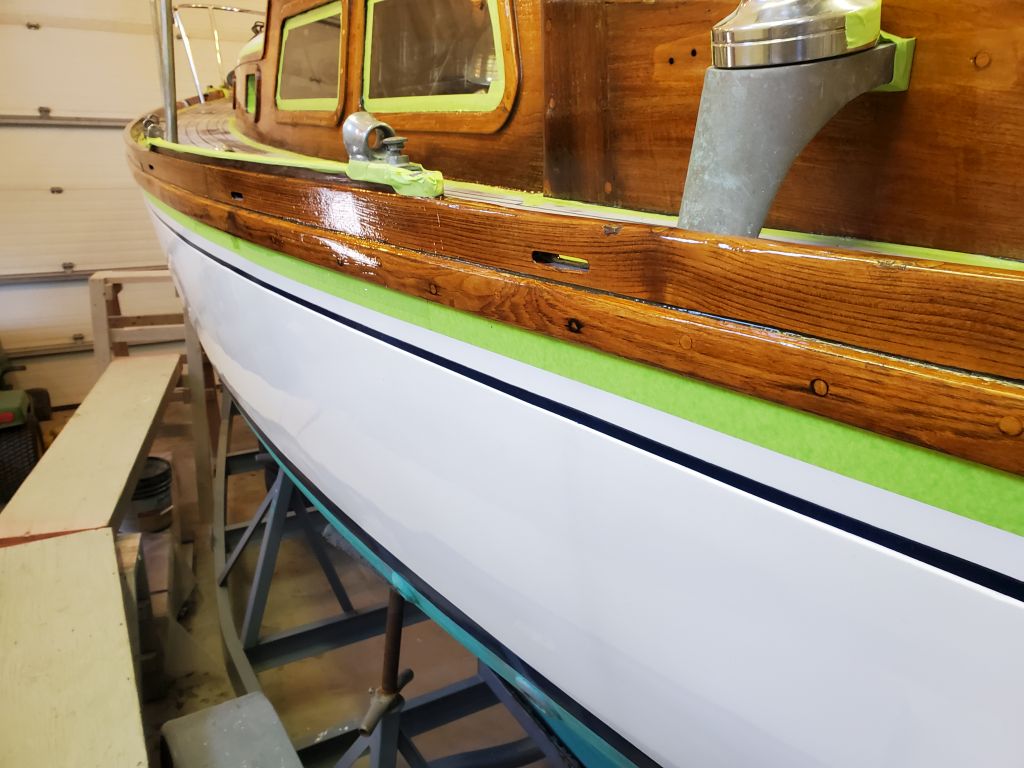
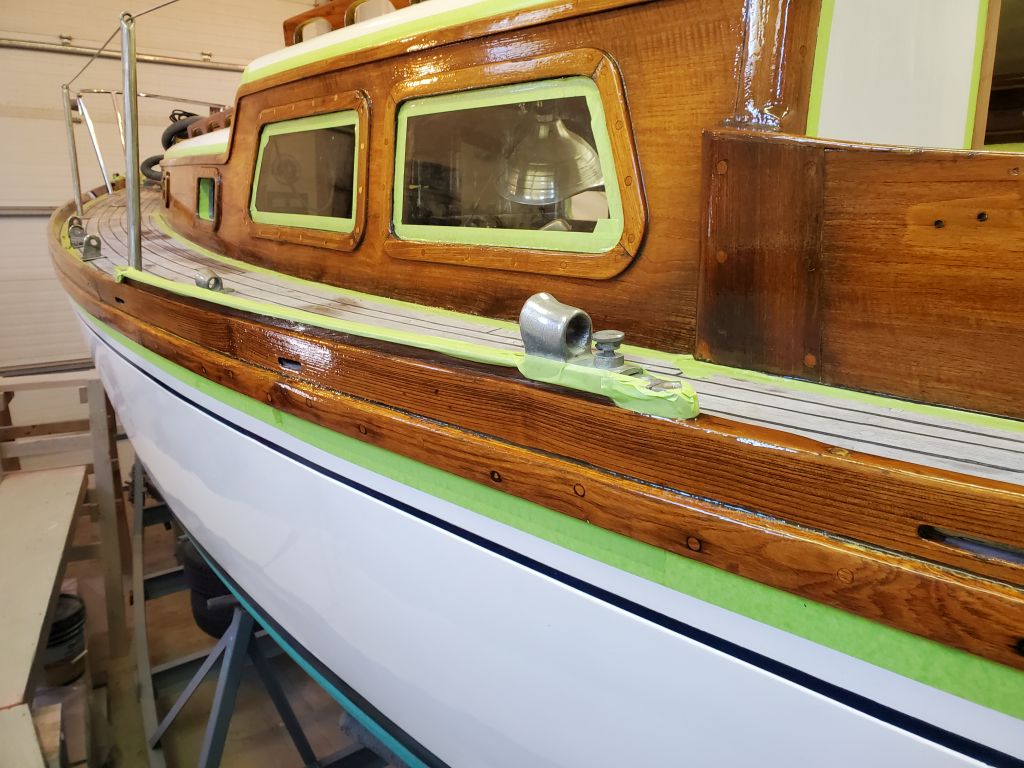
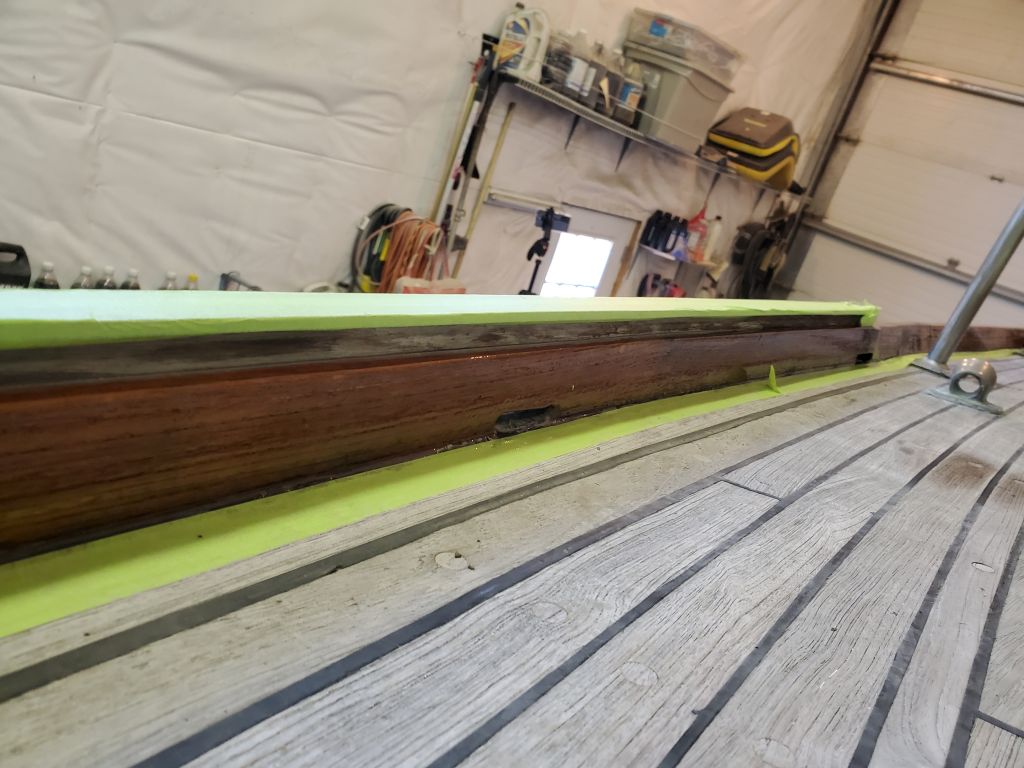
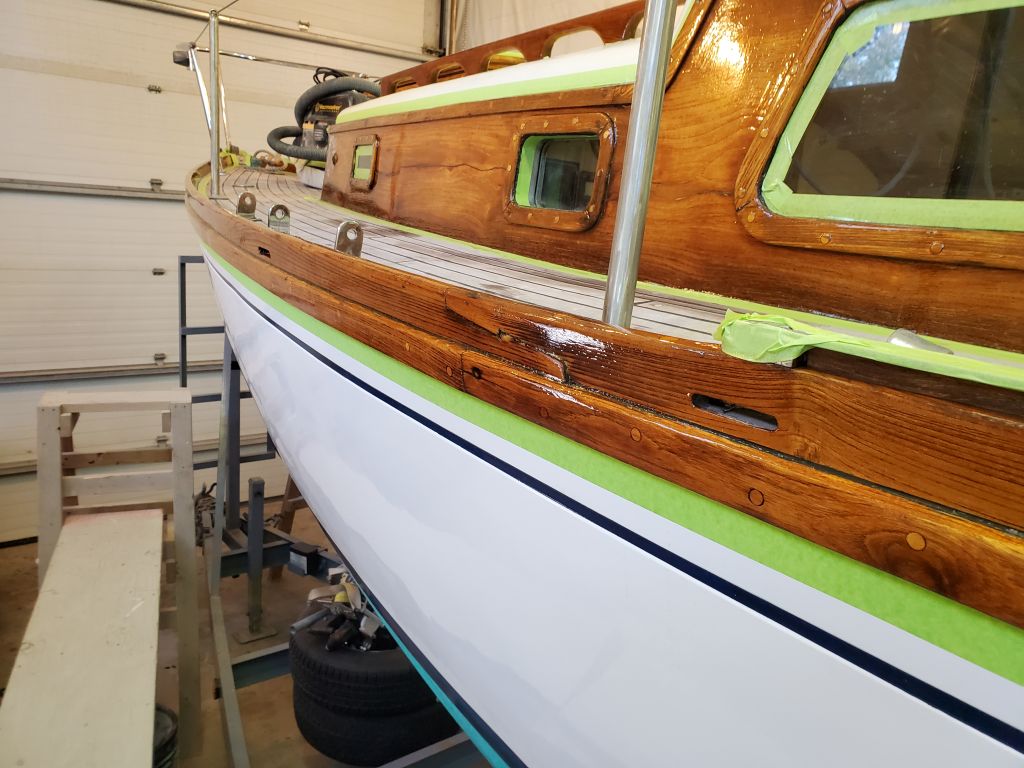
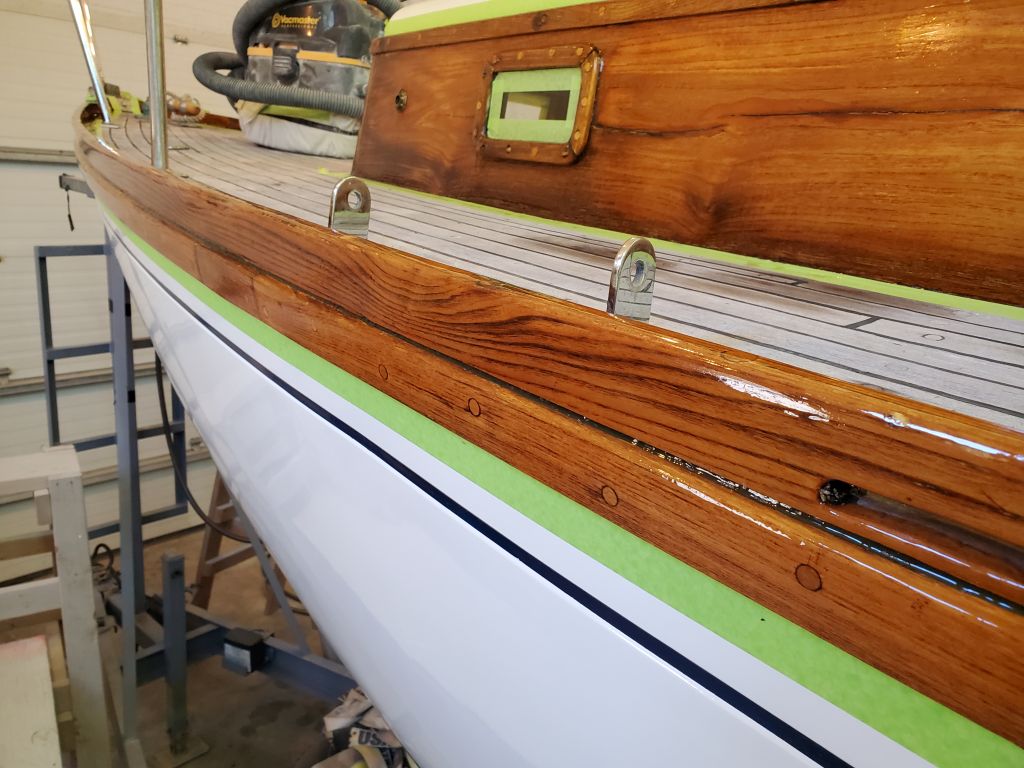
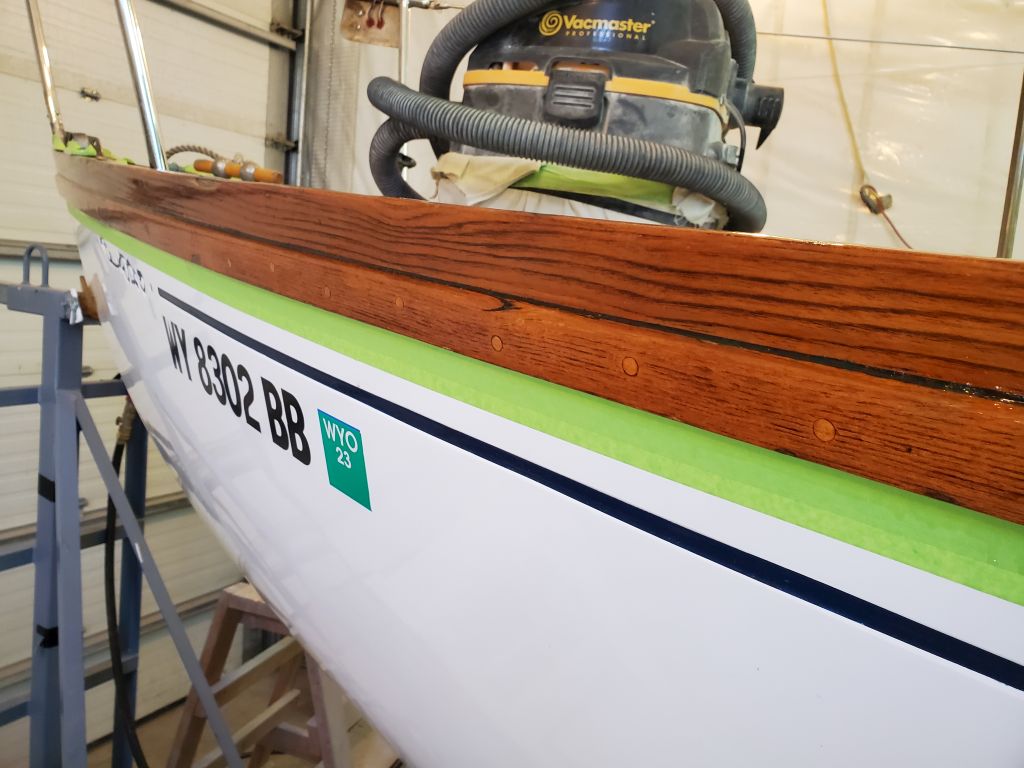
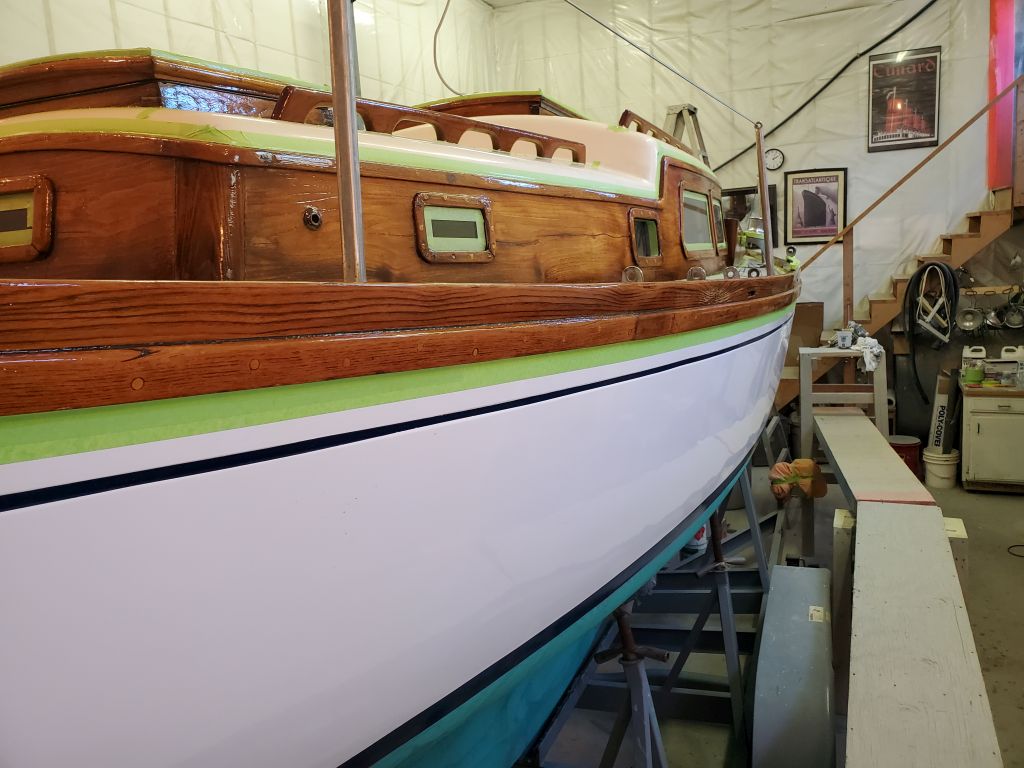
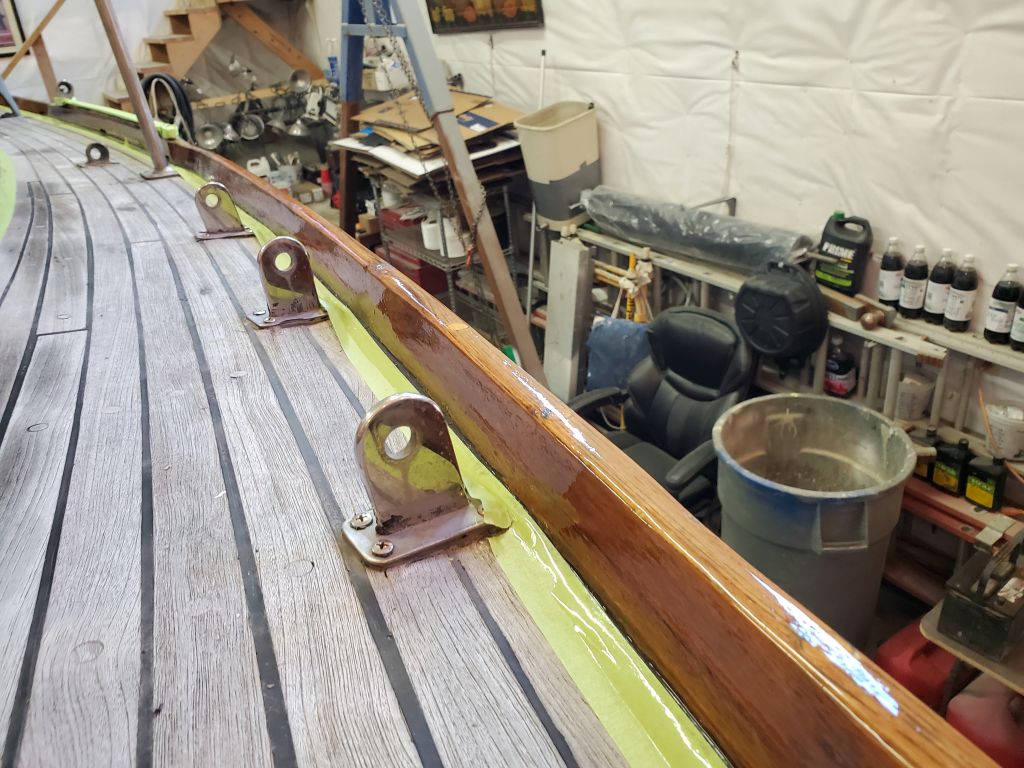
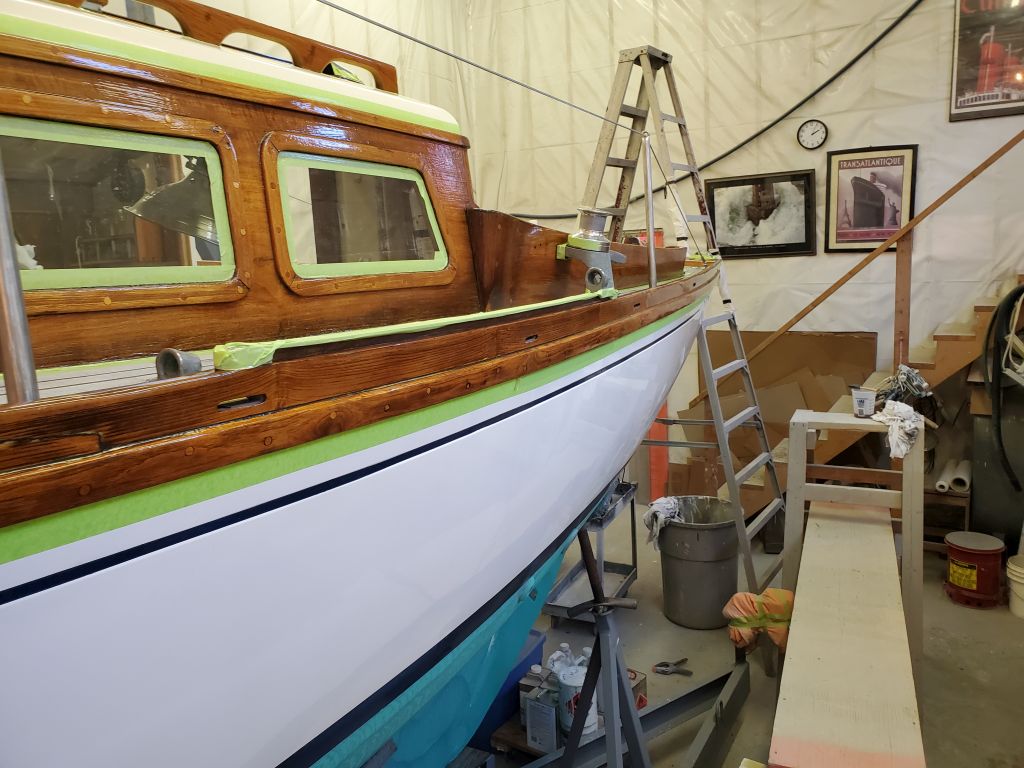
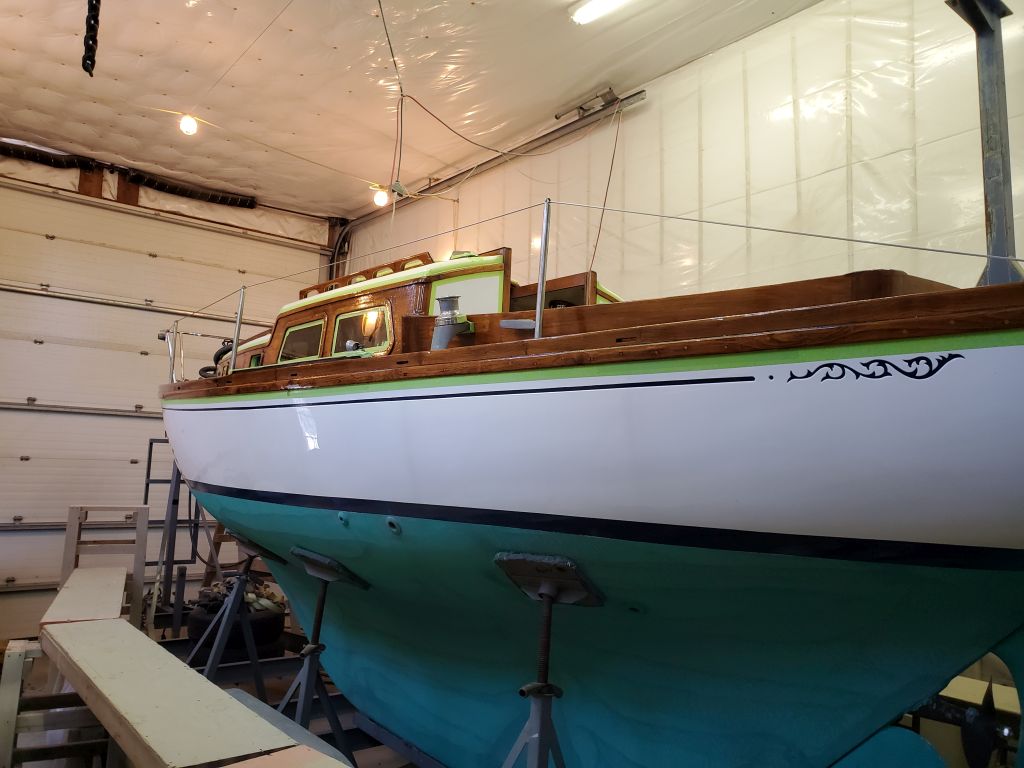
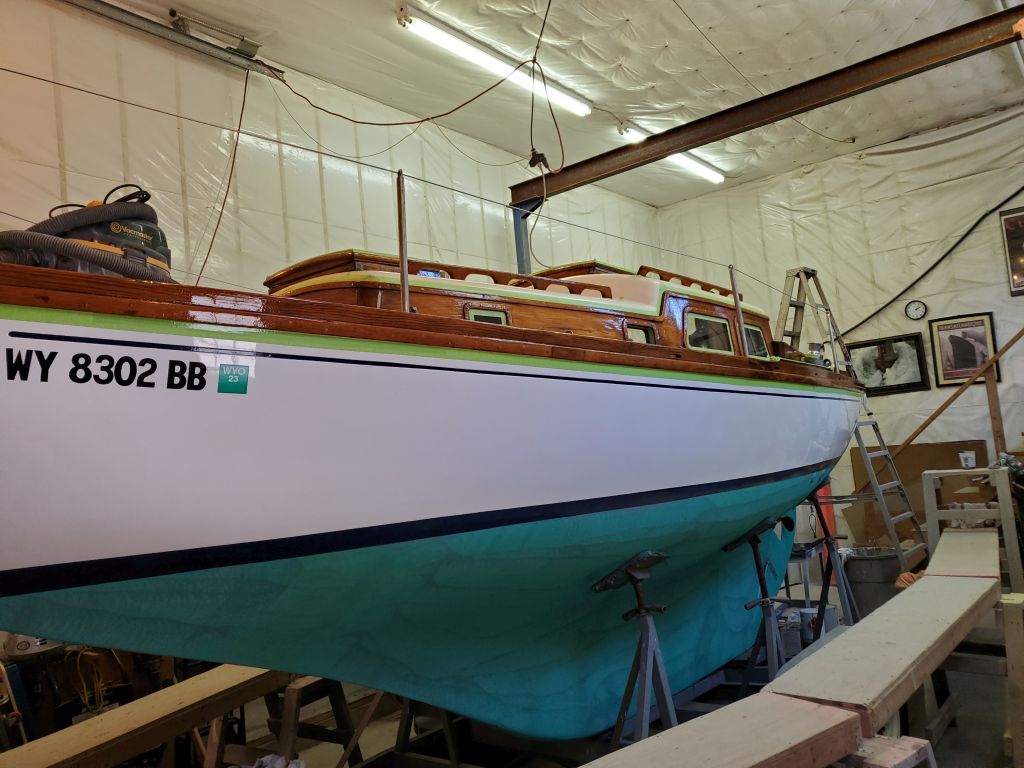
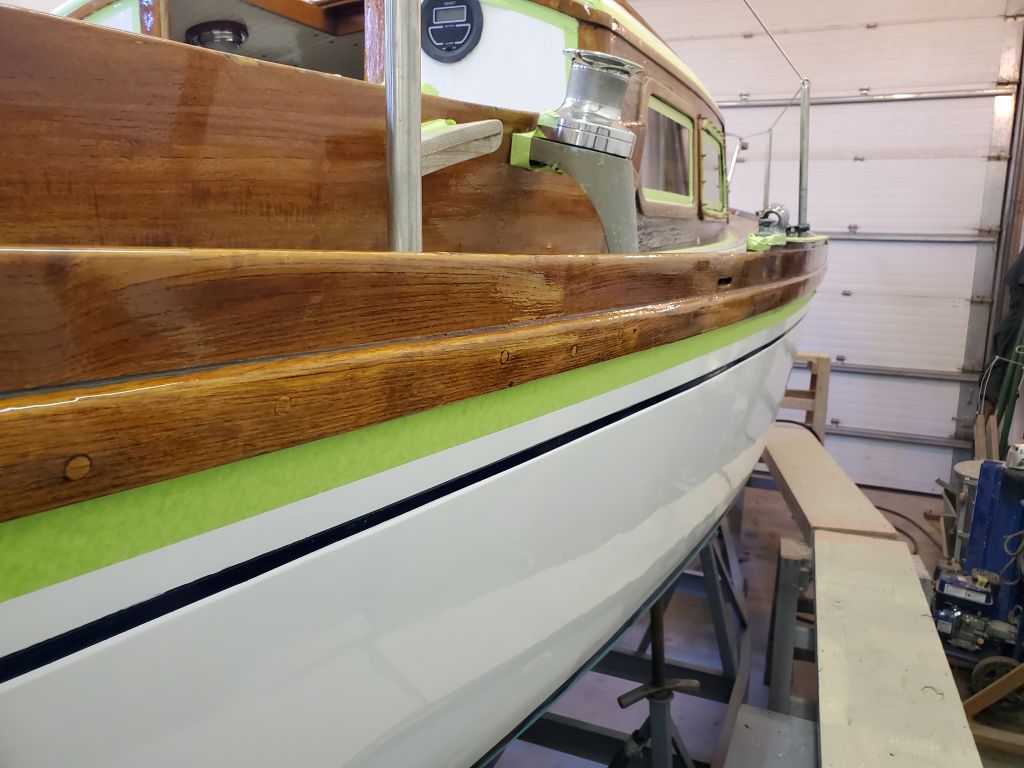
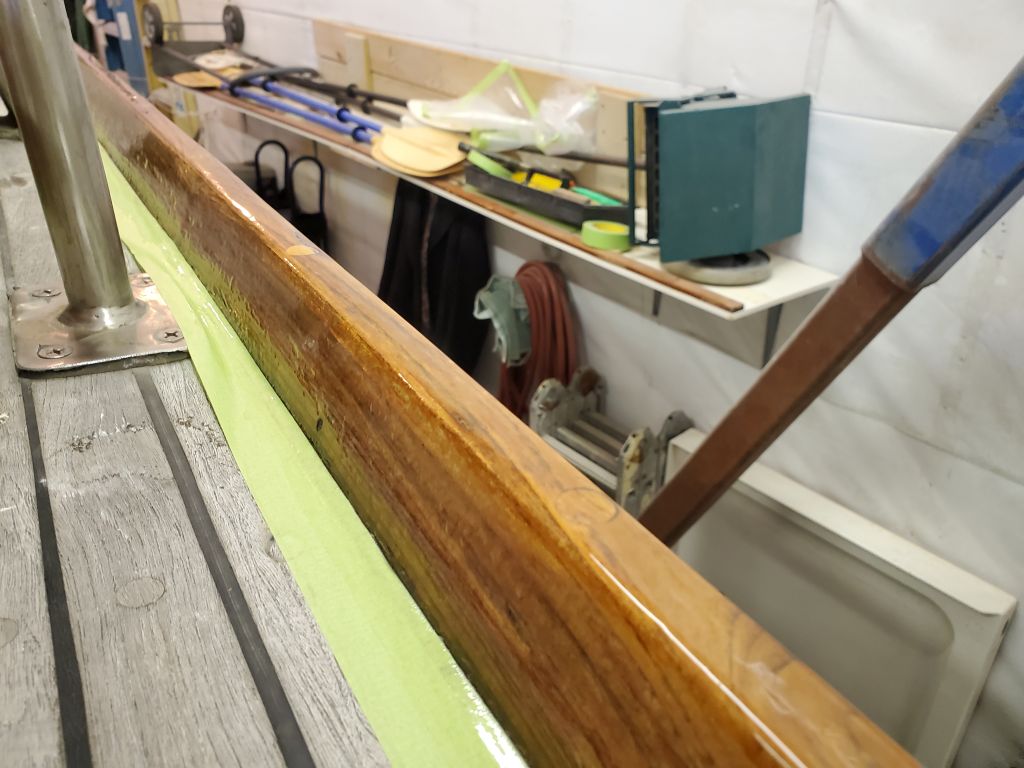
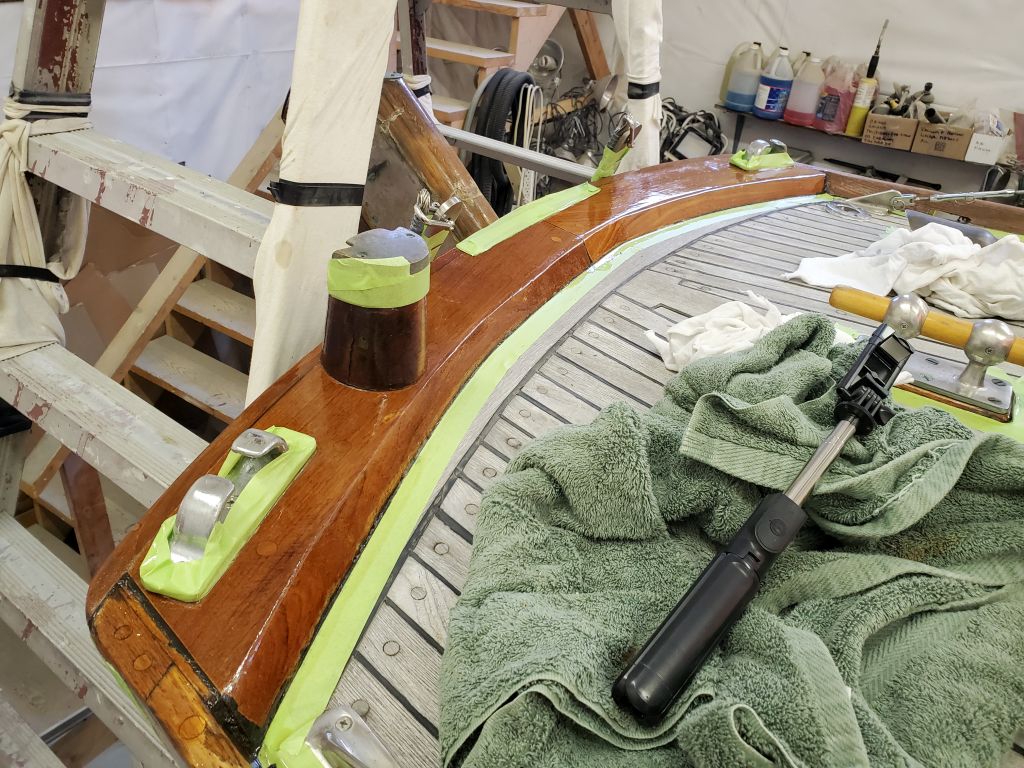
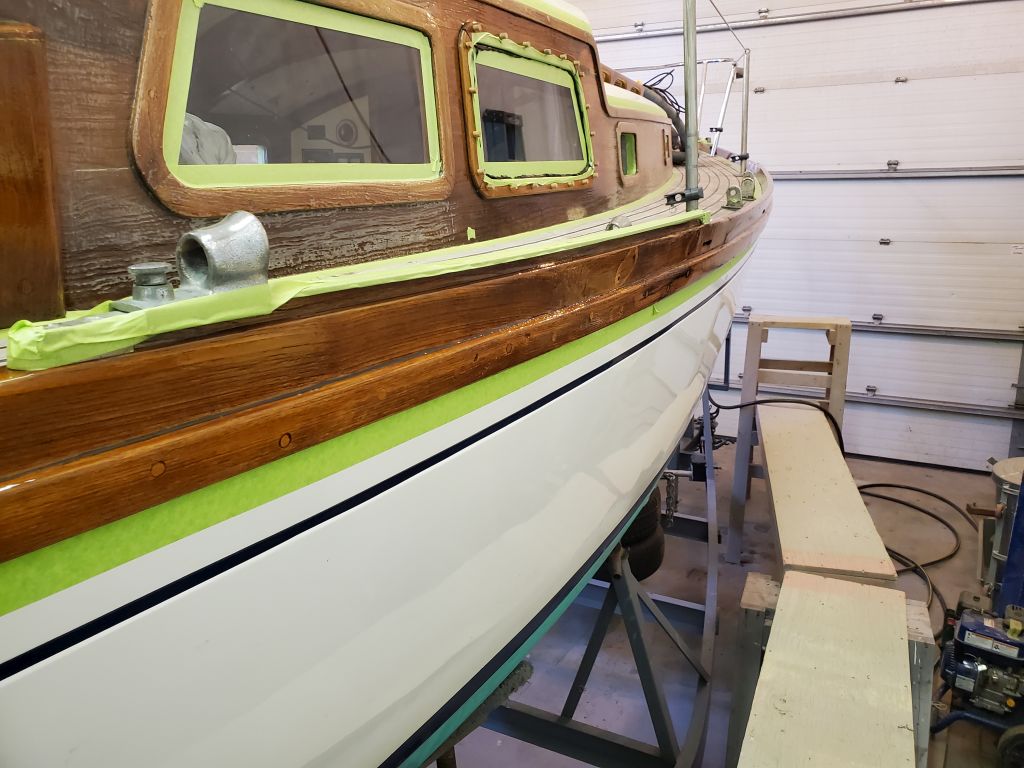
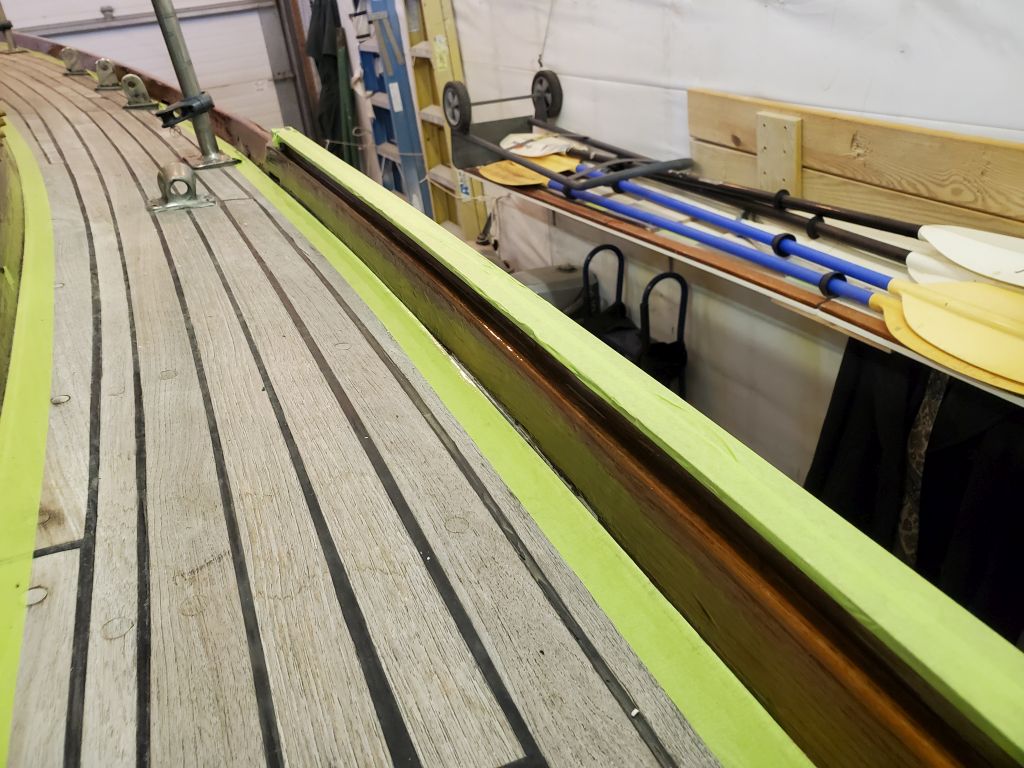
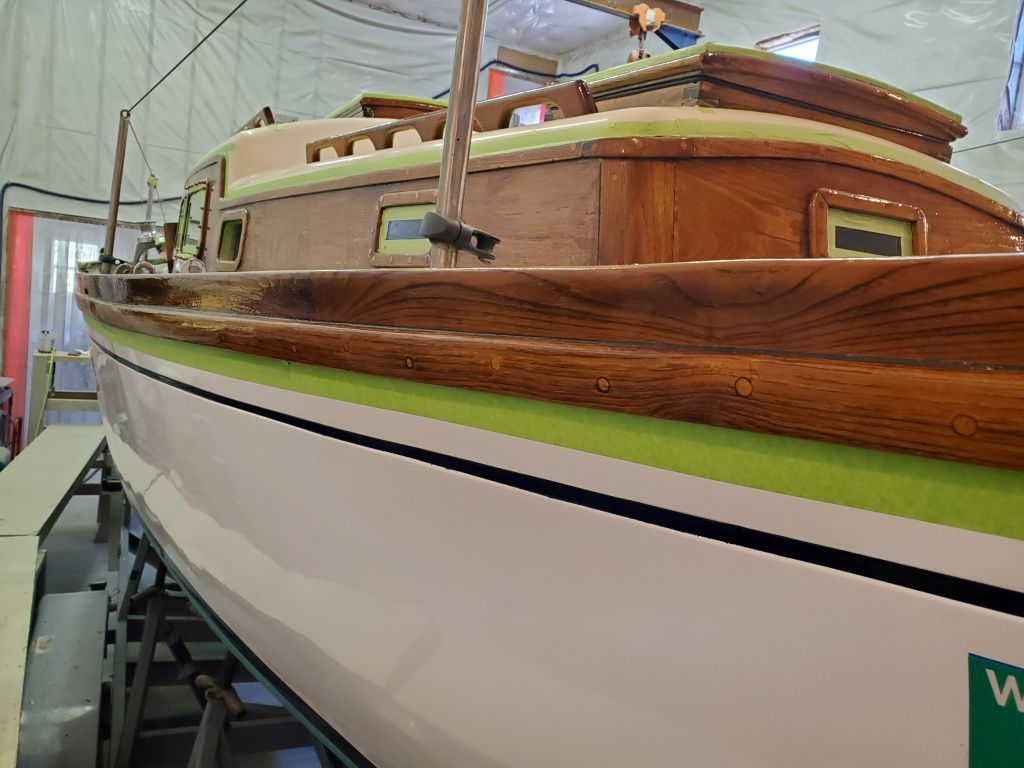
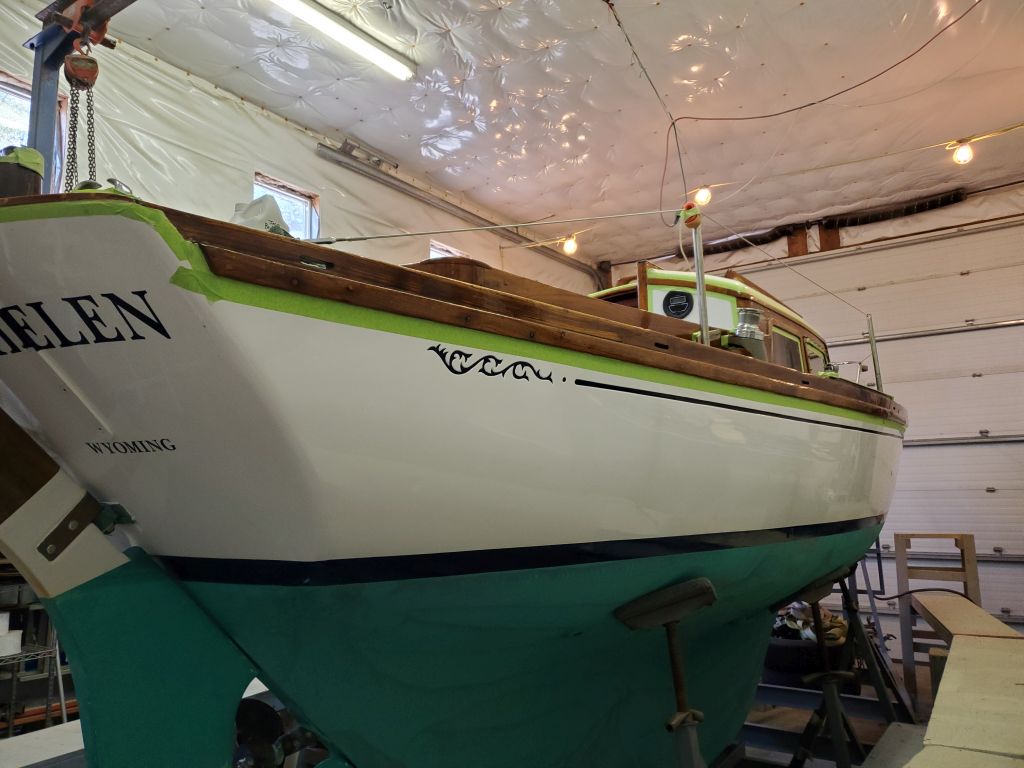
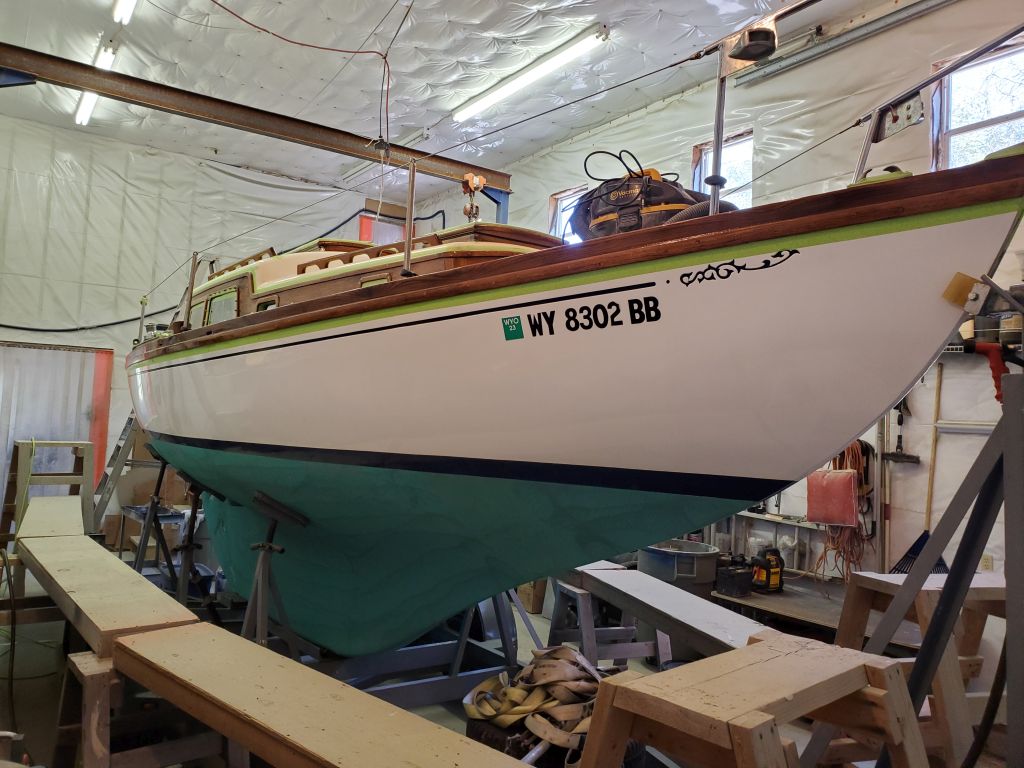
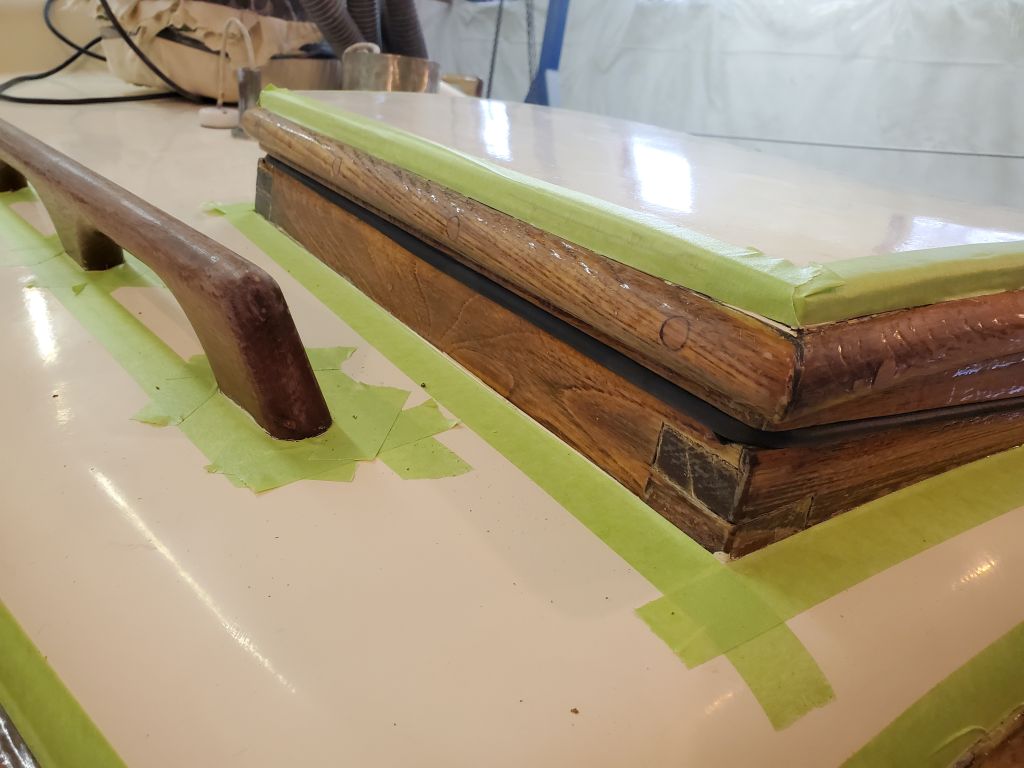
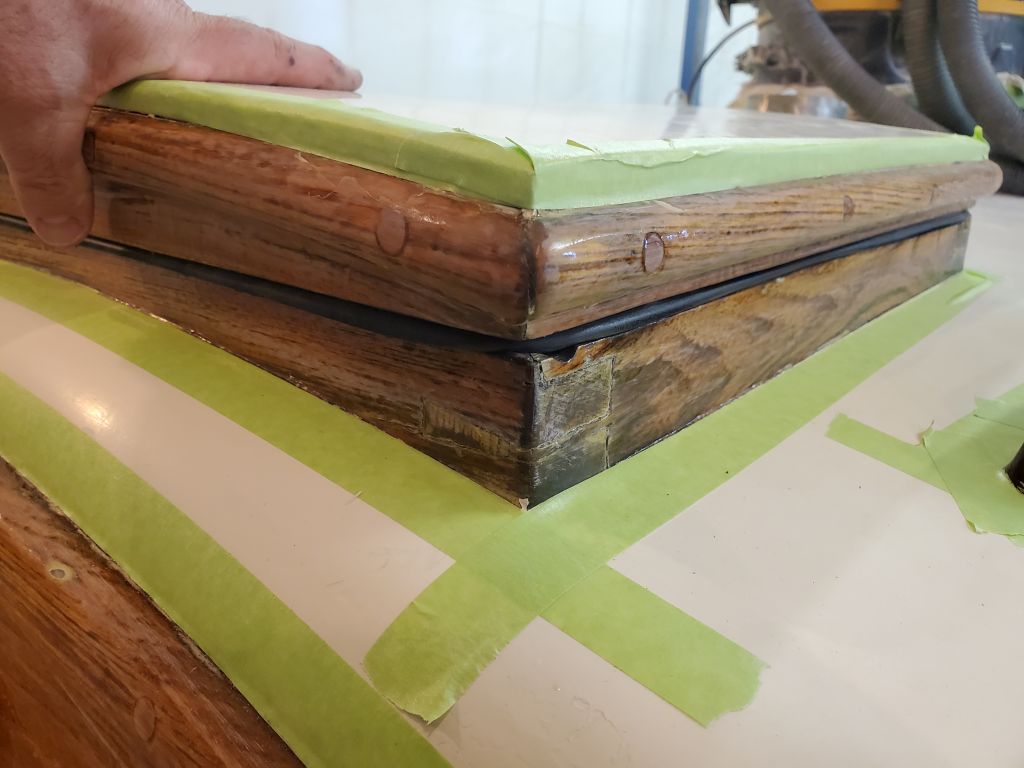
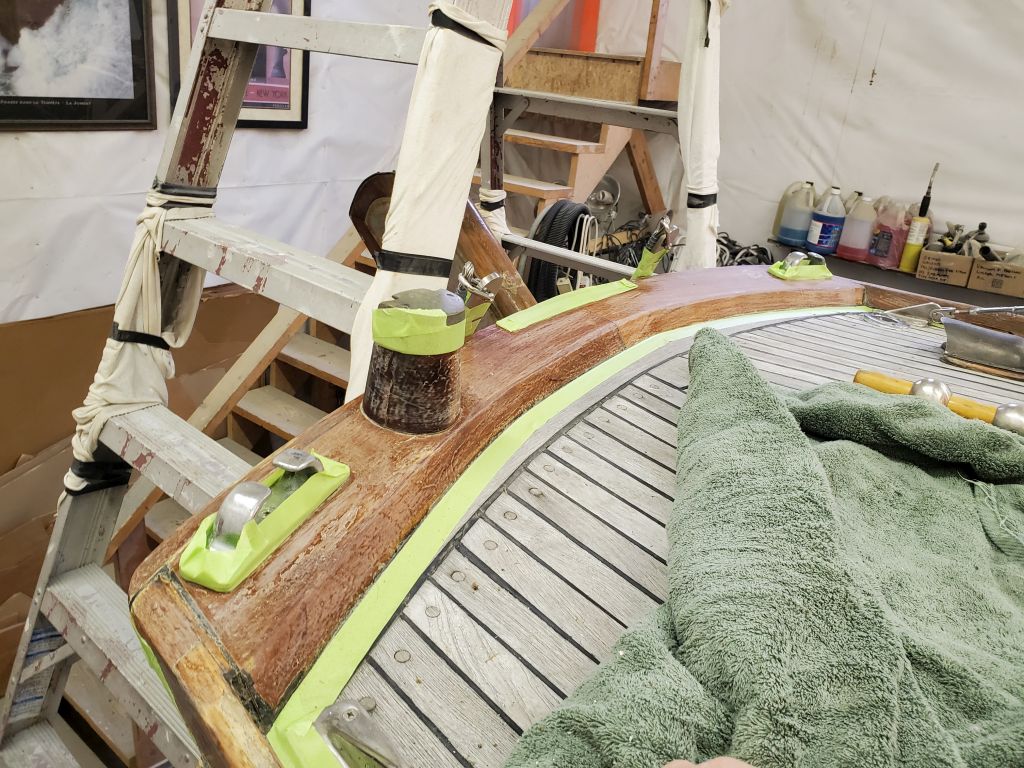
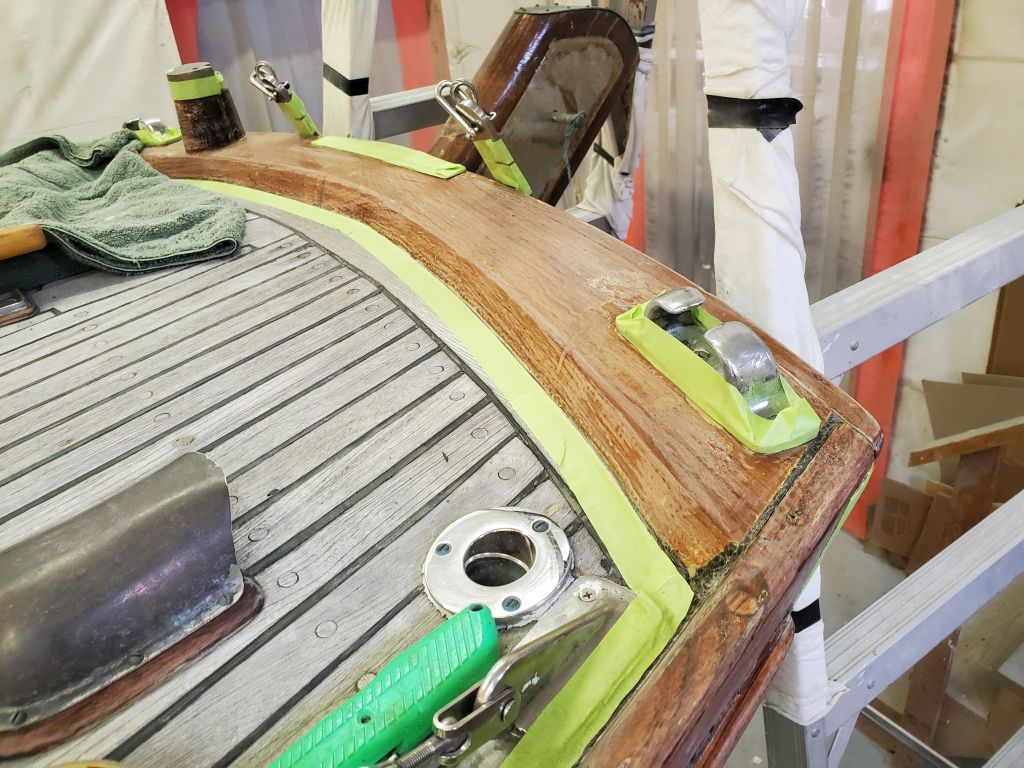
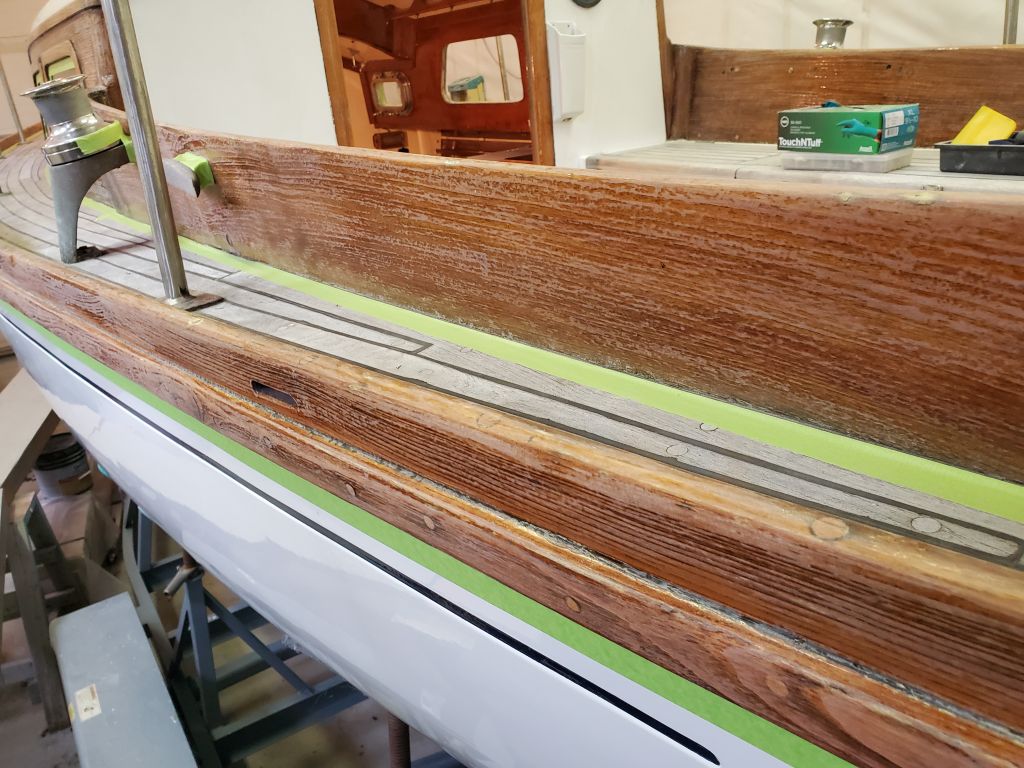
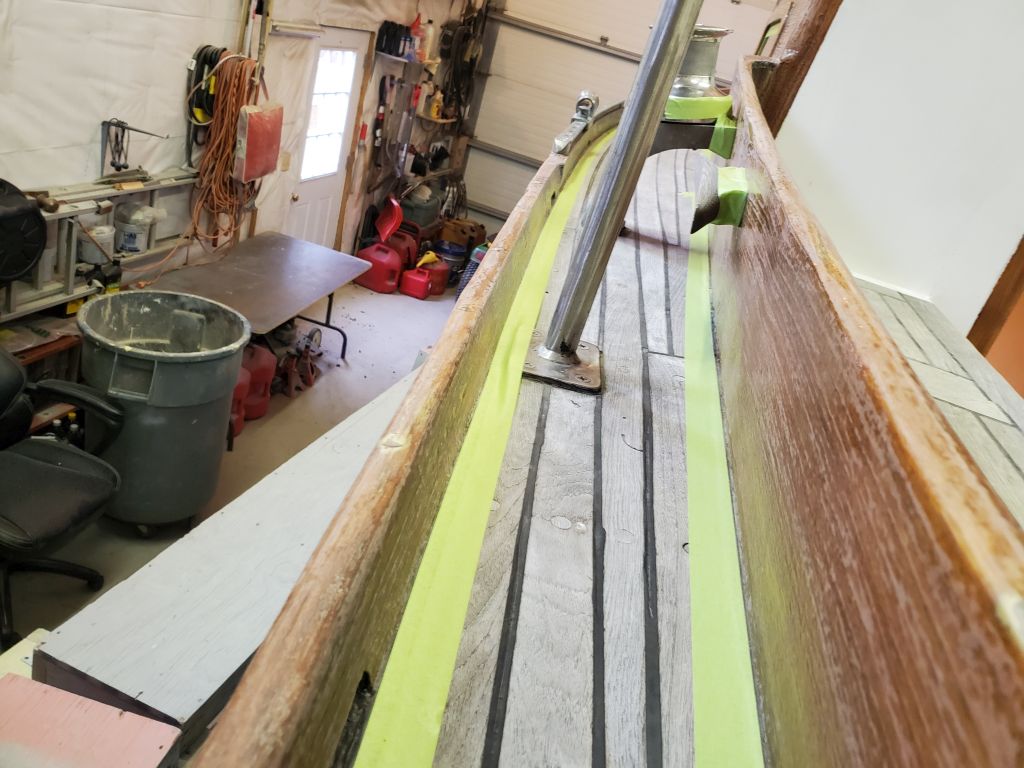
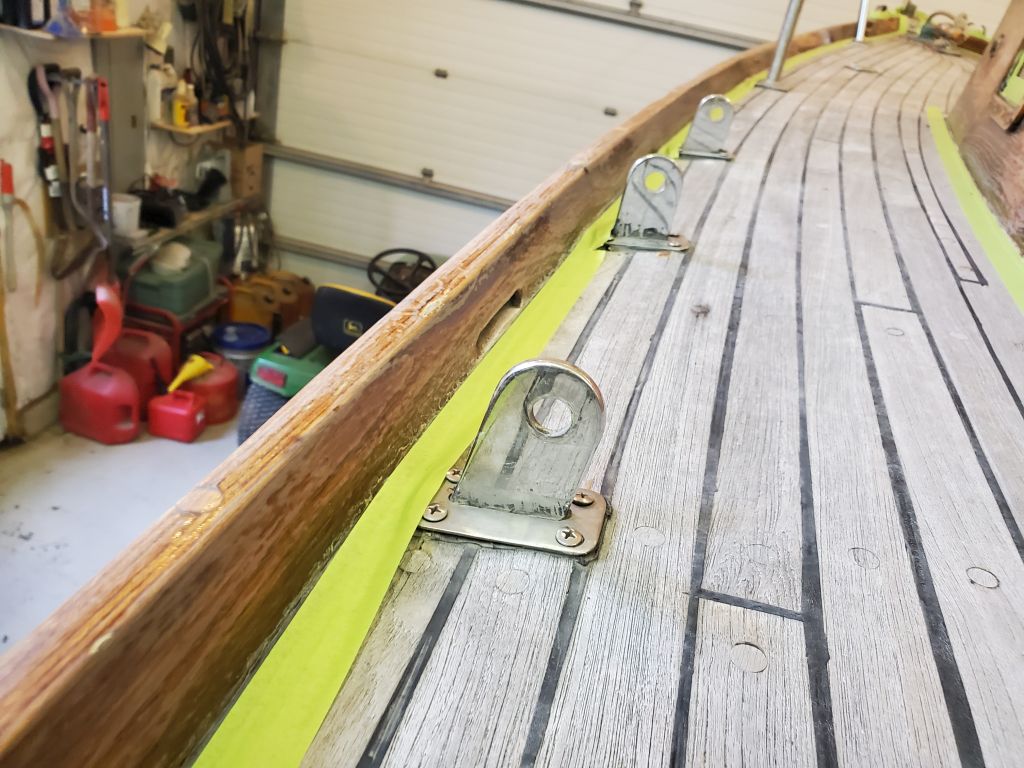
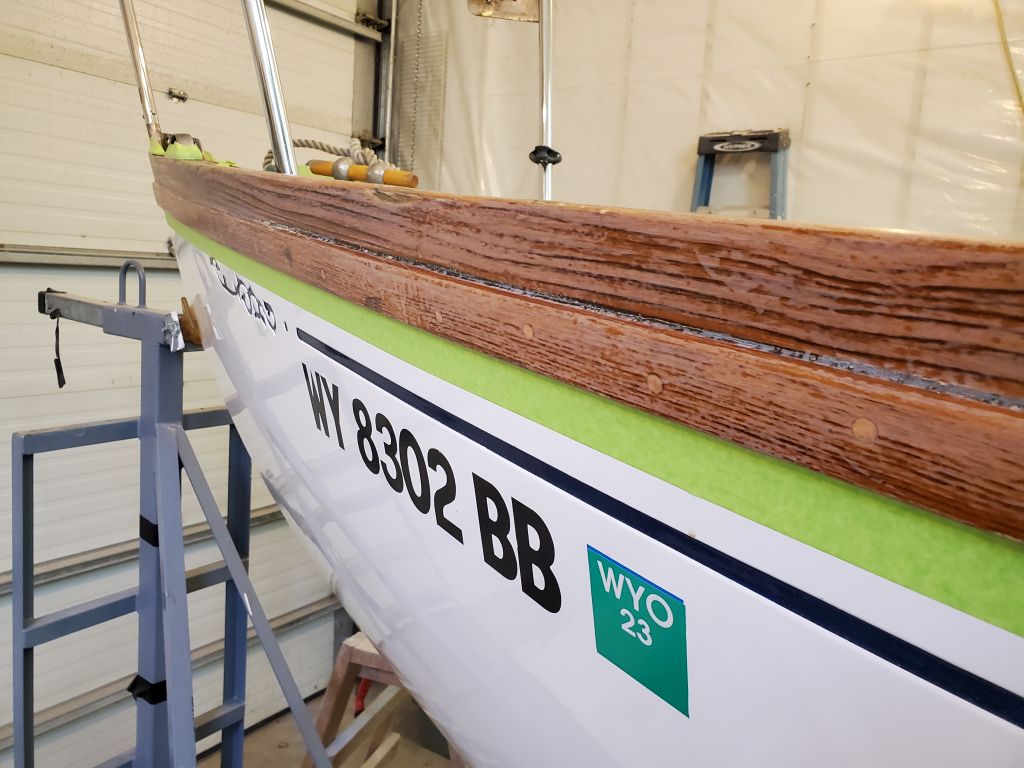
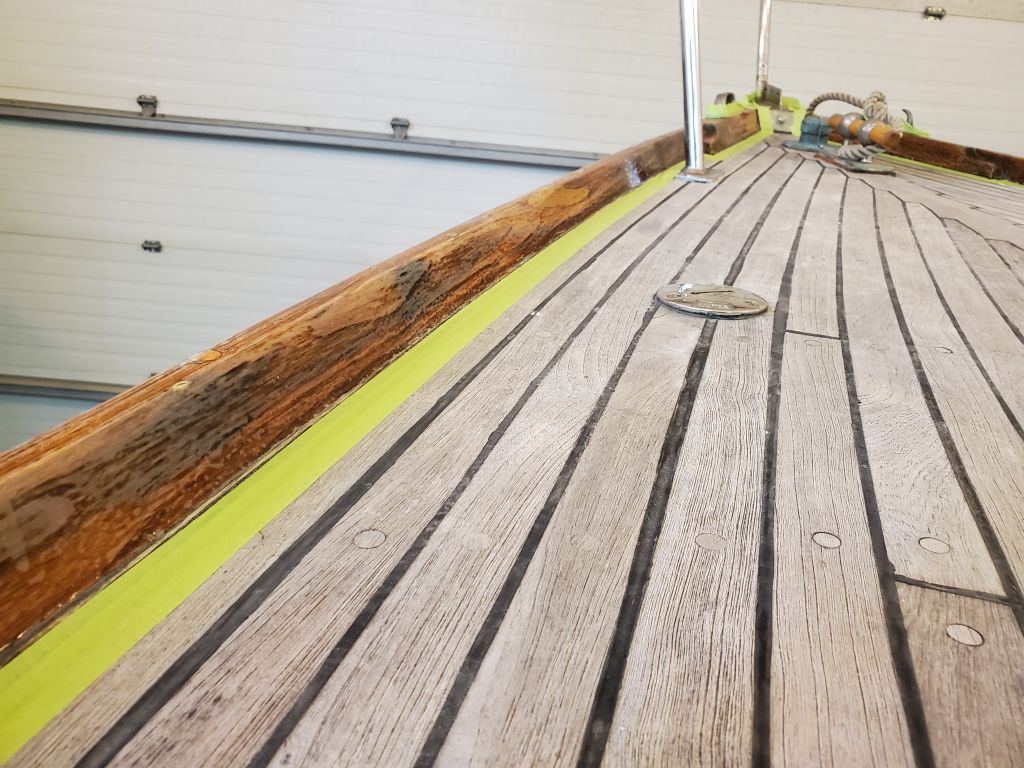
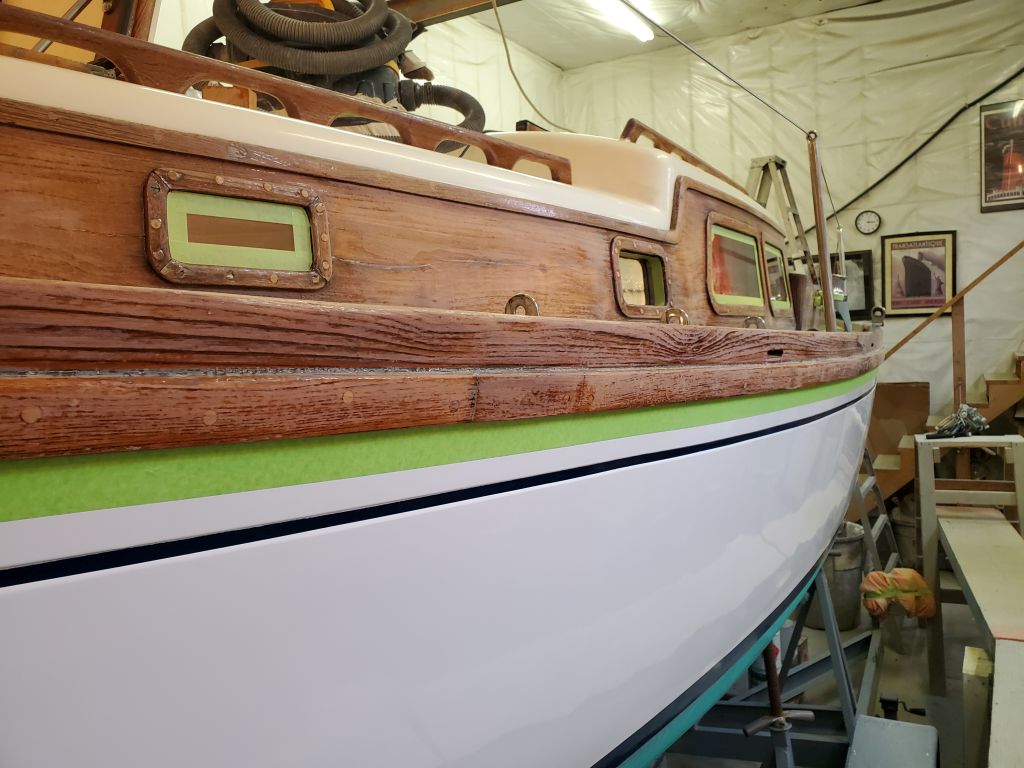
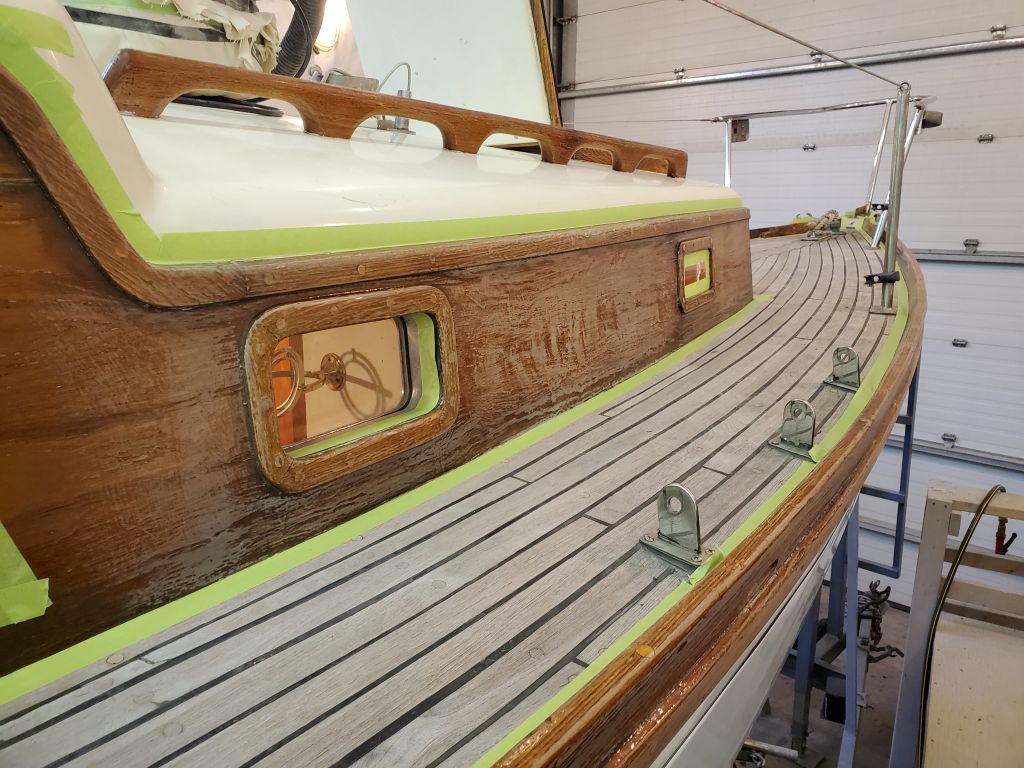
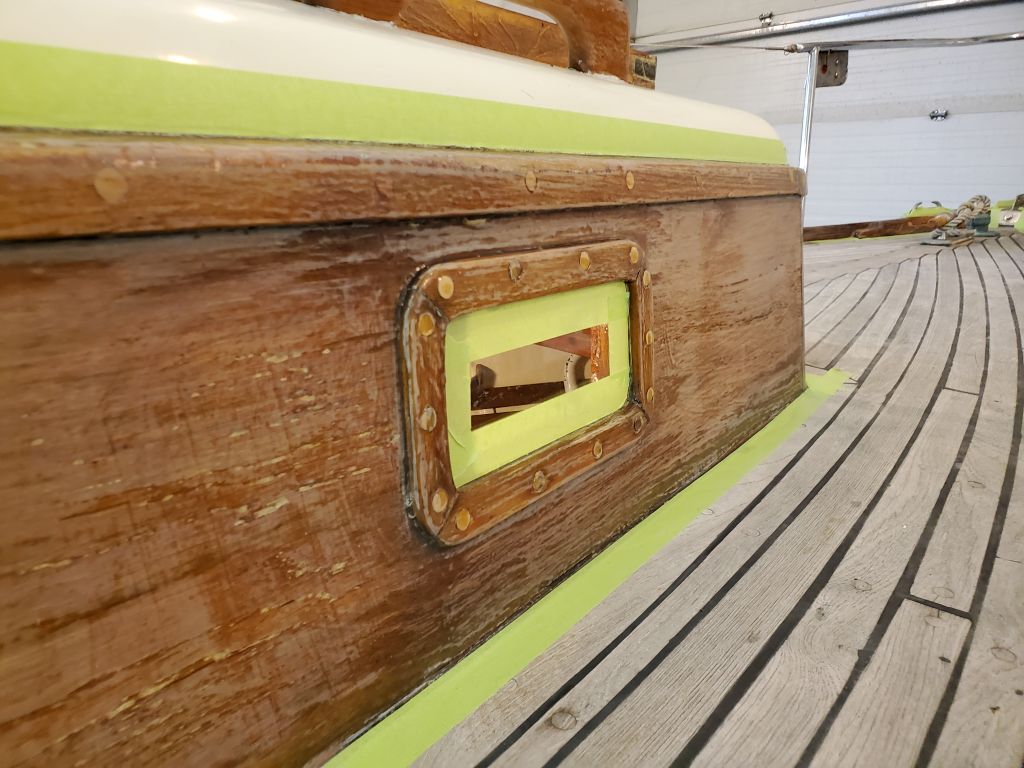
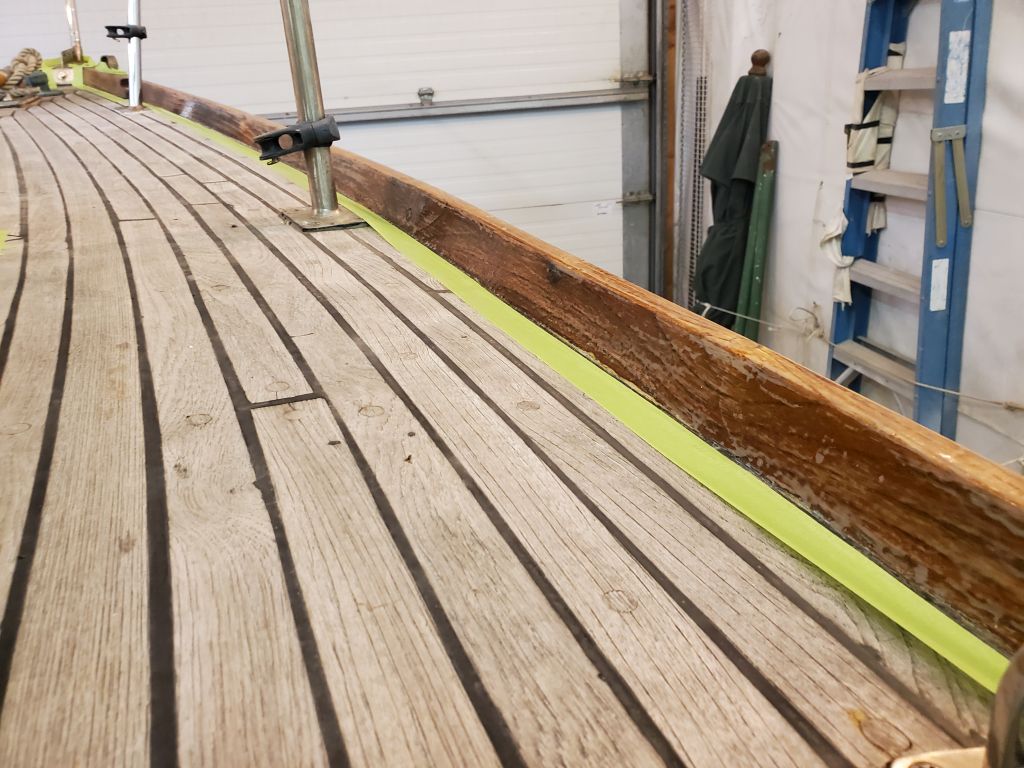
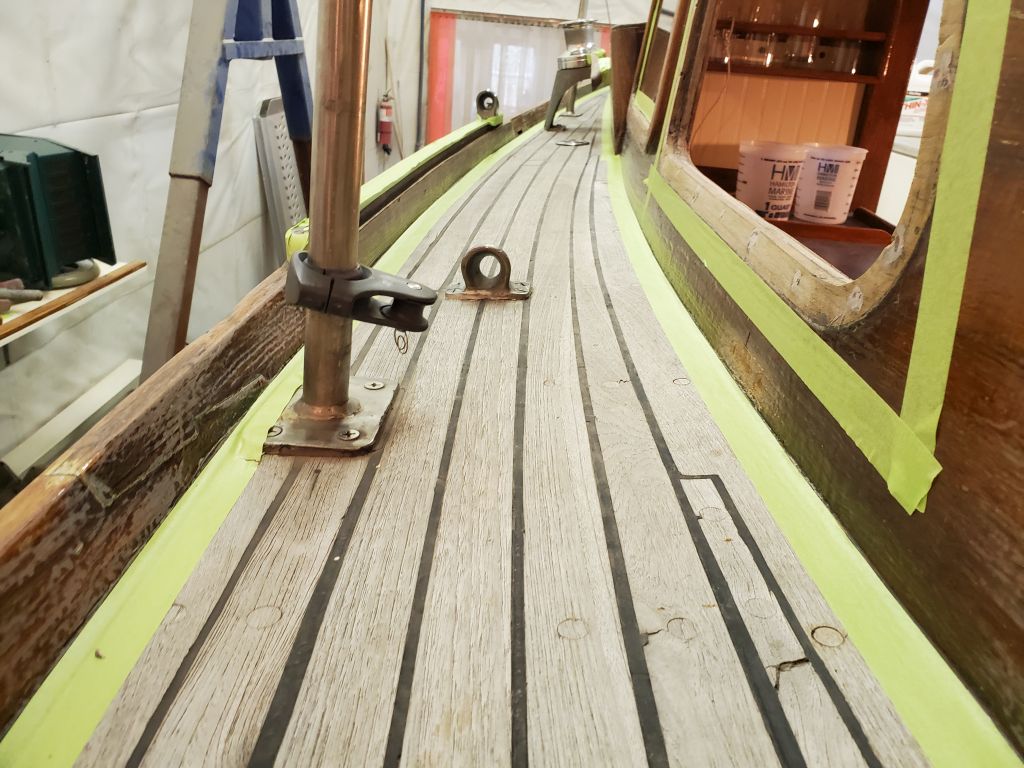
With two good and complete maintenance coats on all the brightwork on deck, I deemed the work complete and removed all the masking tape to finish the job.
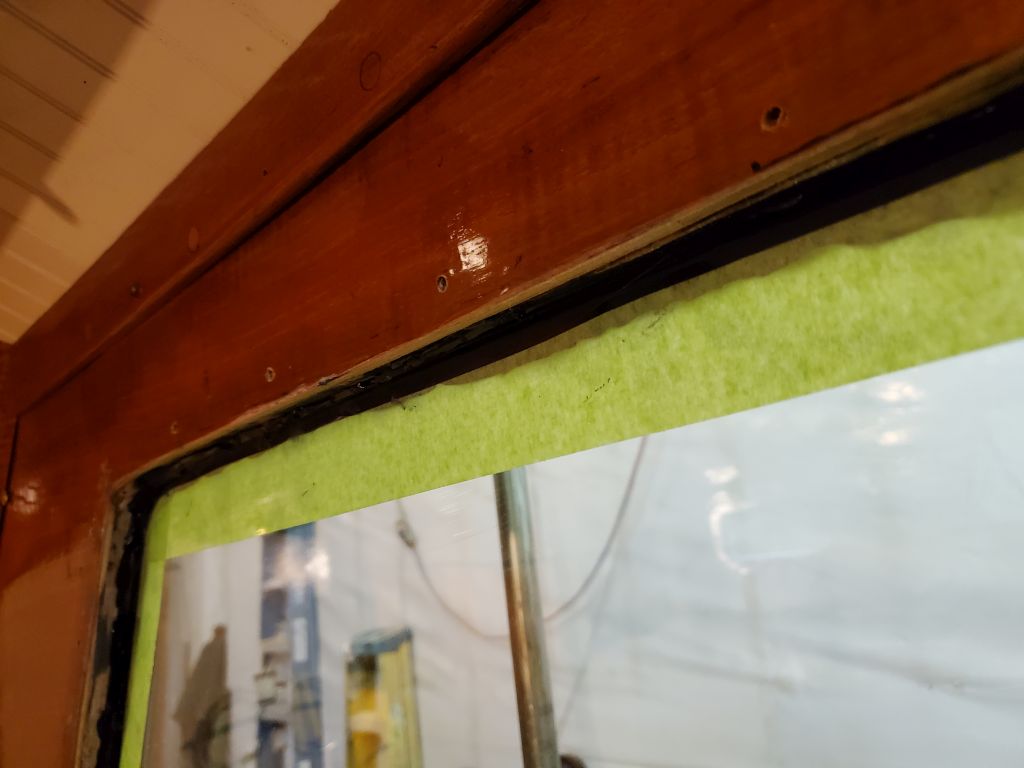
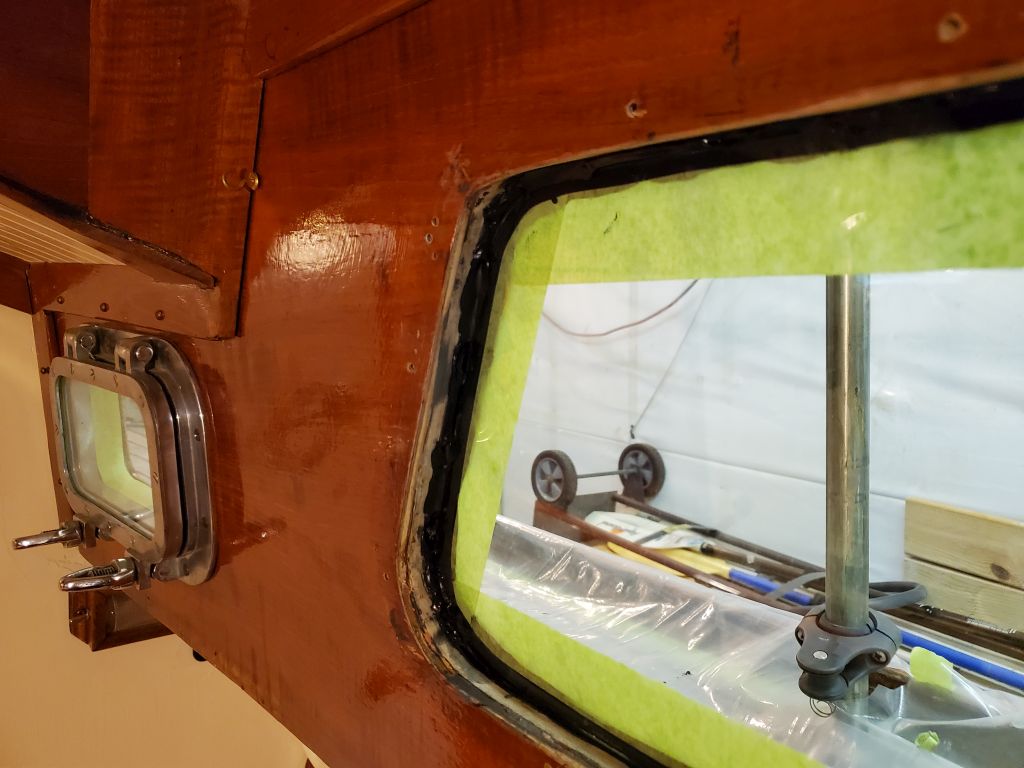
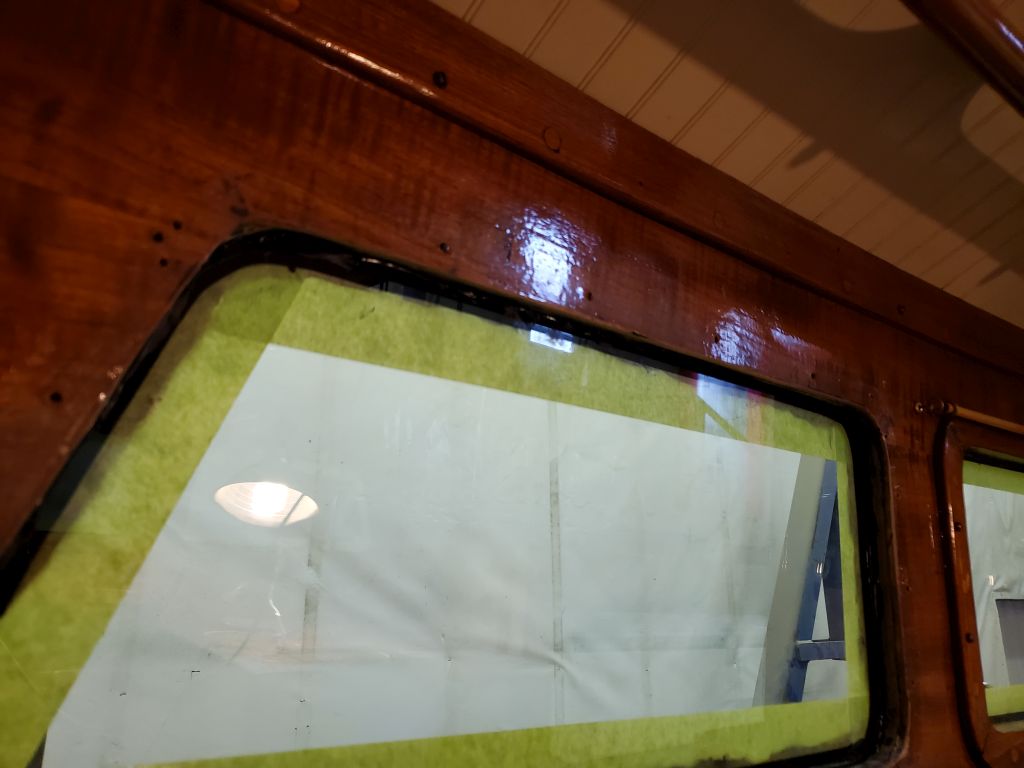
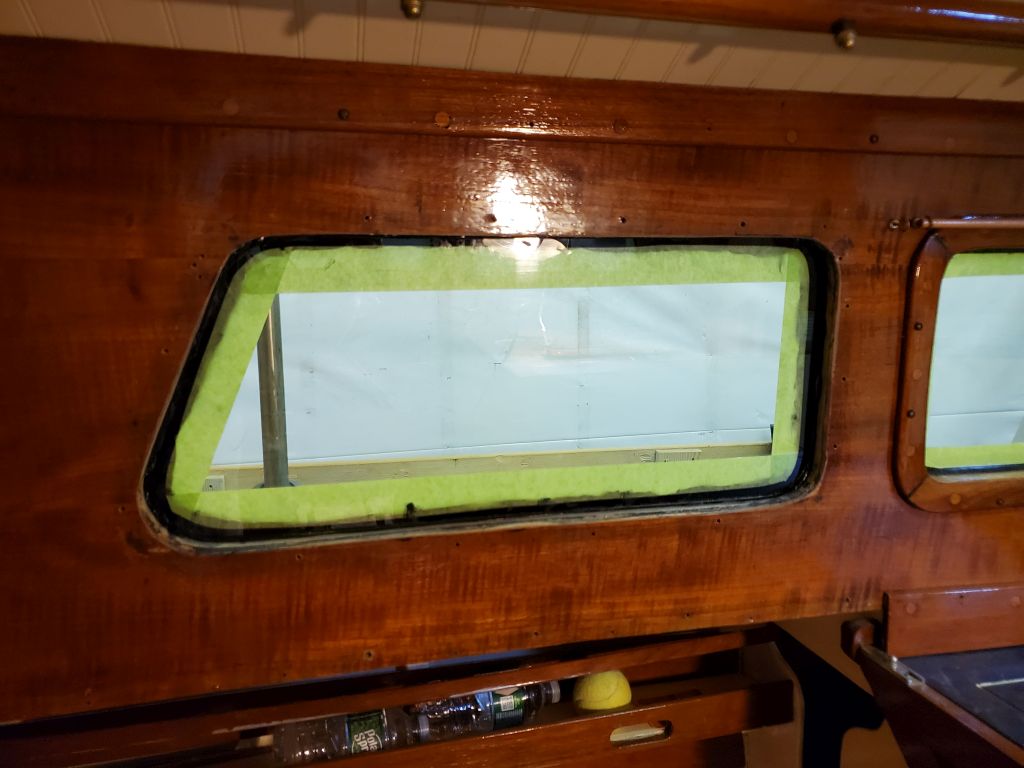
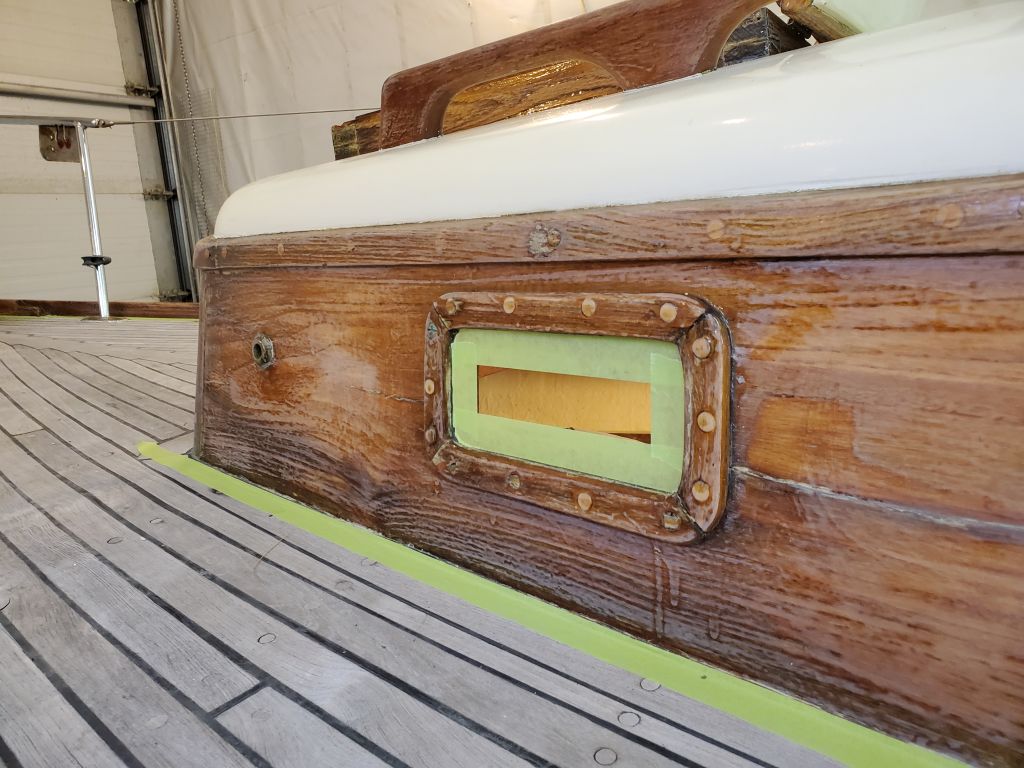
I left the new starboard forward deadlight lens taped for the moment, as I wanted a couple additional coats of varnish on the new trim to ensure the bungs had sufficient coverage. Later, I lightly sanded the trim and applied another coat. I planned to get a coat on each day over the weekend, which would bring things up to snuff.
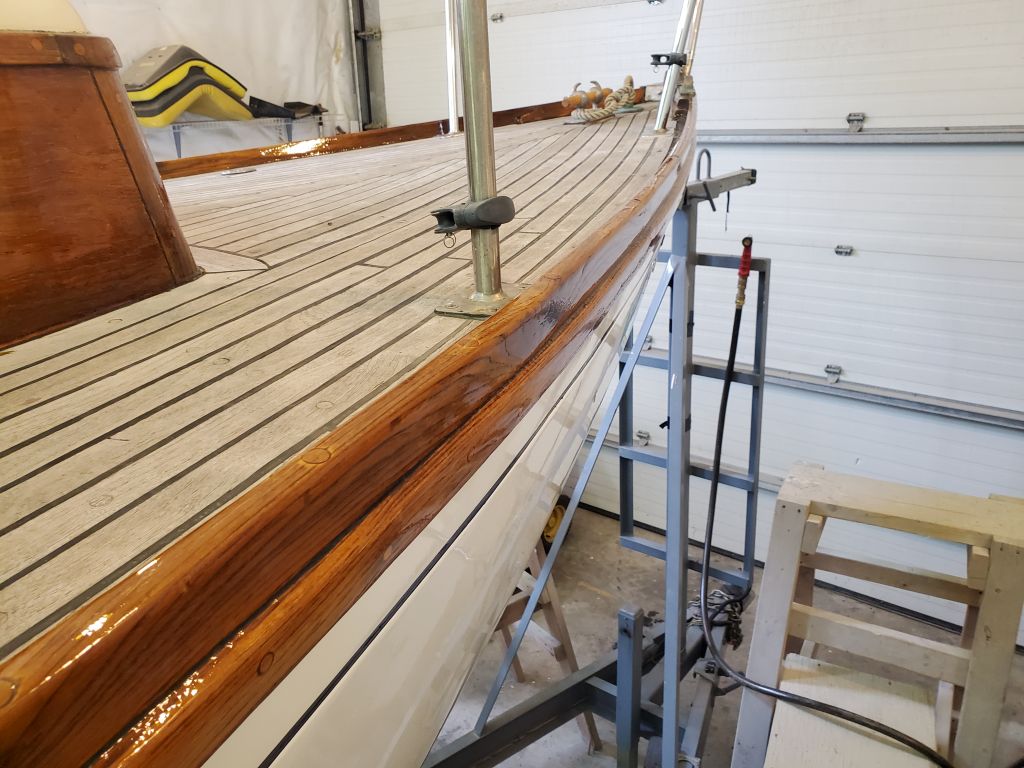
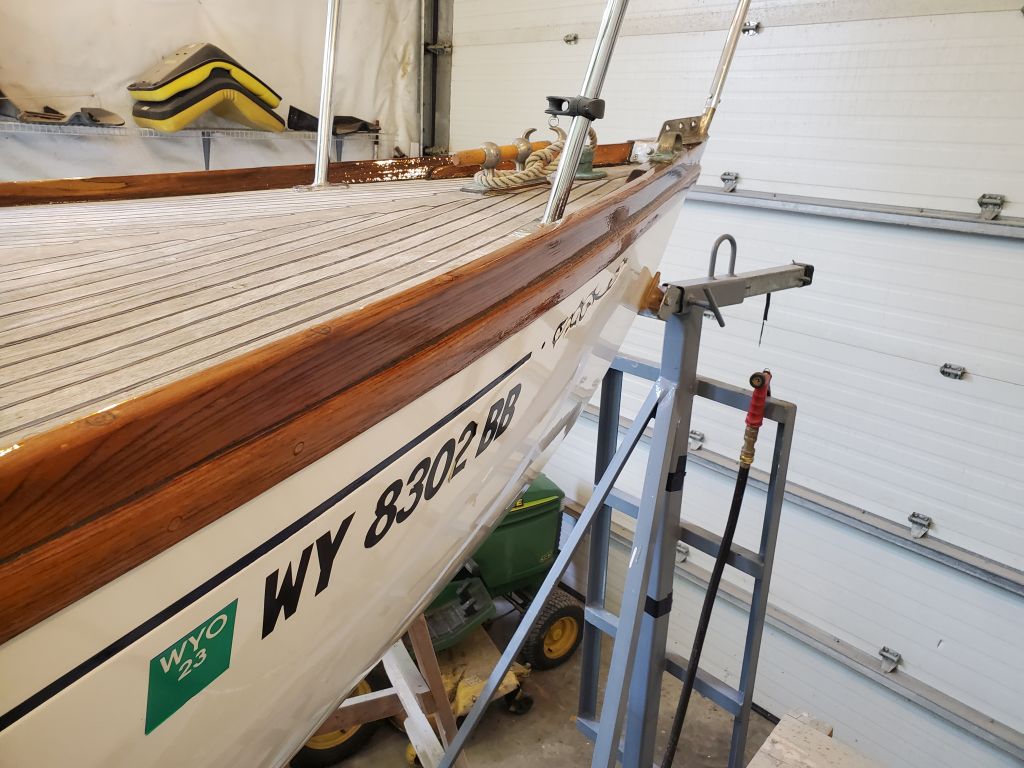
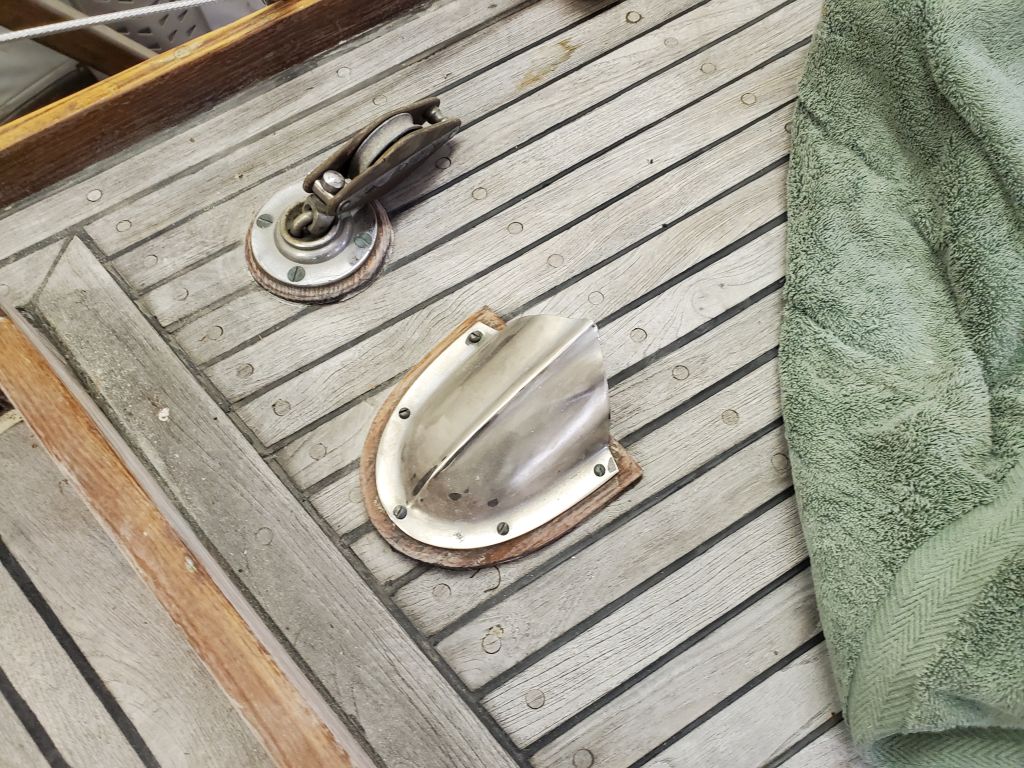
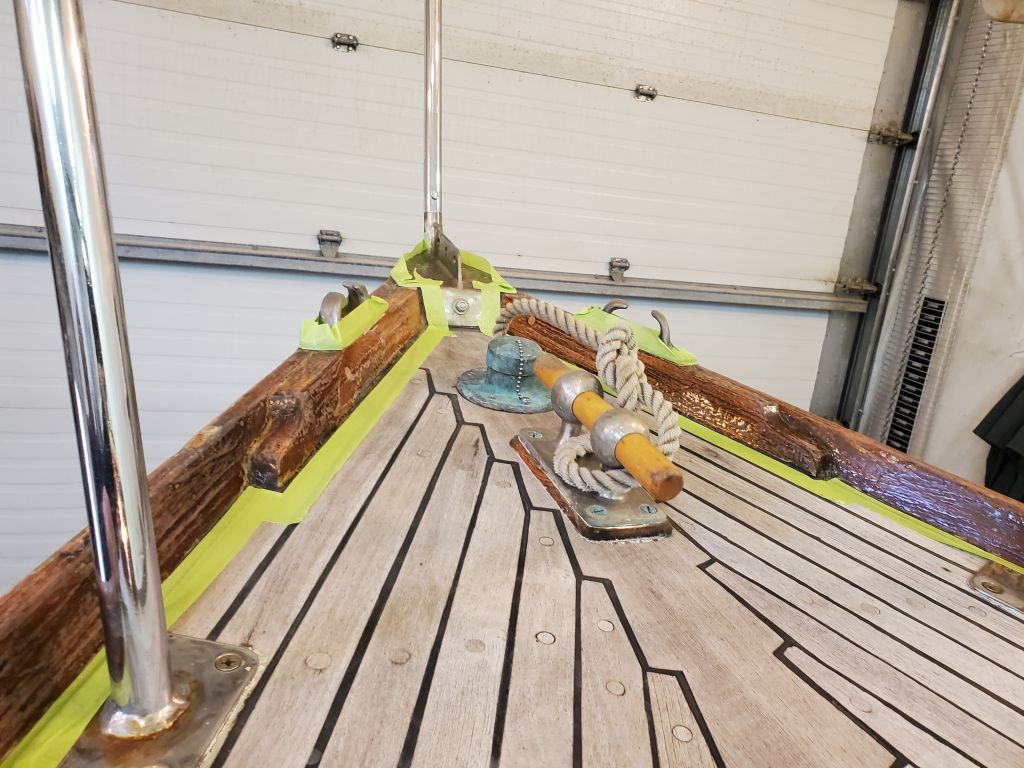
The next project on the agenda was to install an anchor roller to fit a 25# CQR anchor I was giving the owner. With the roller assembly now on hand, I did a visual test fit to check how it might work in the space at the stem, and to look for interferences. Clearance was tight with the bow chock, hawsepipe, and center bow pulpit mount, along with the stem chainplate, but it looked like things would work out or, if needed, I could remove or relocate the bow chock to allow the roller to move a bit as needed.
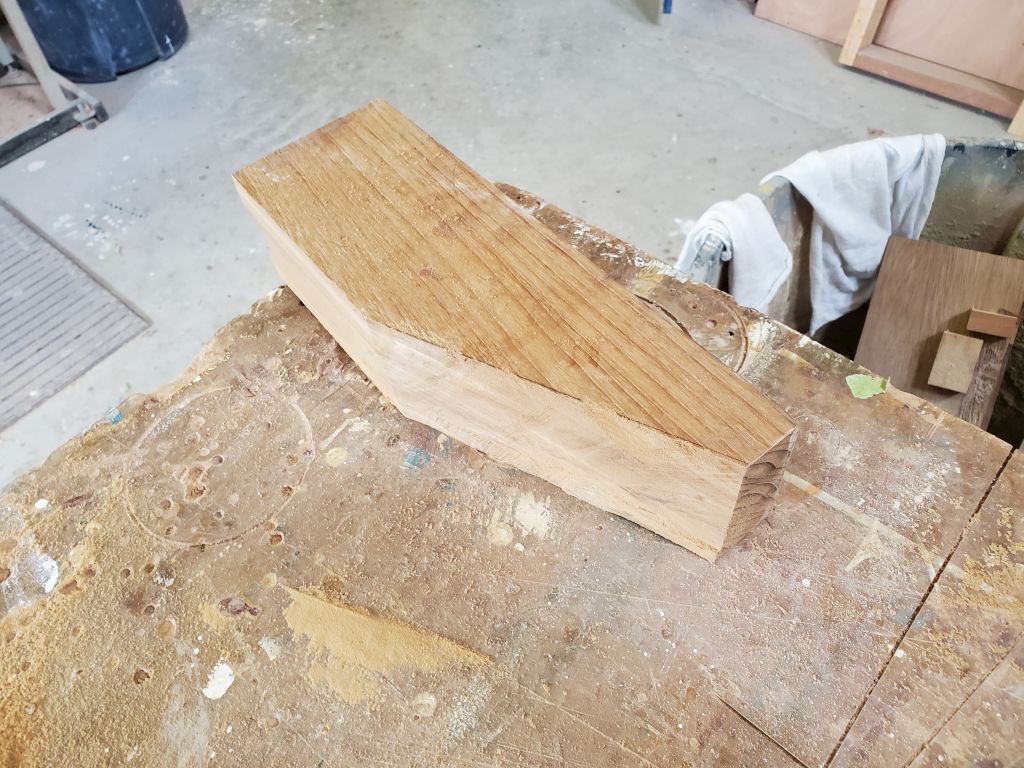
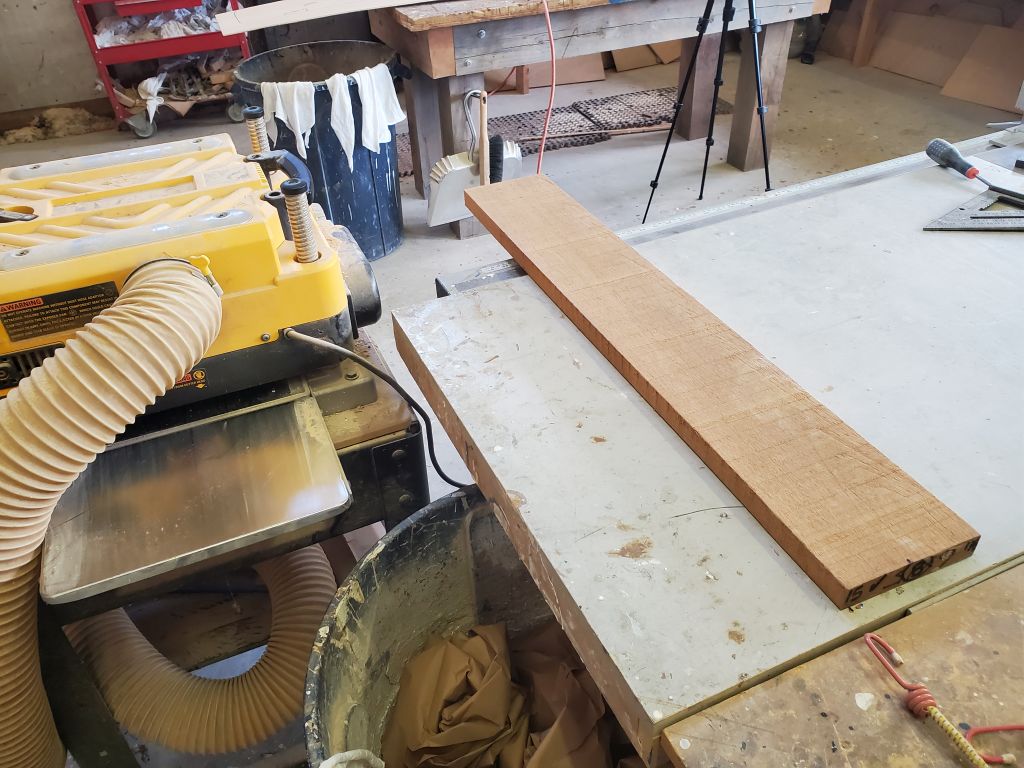
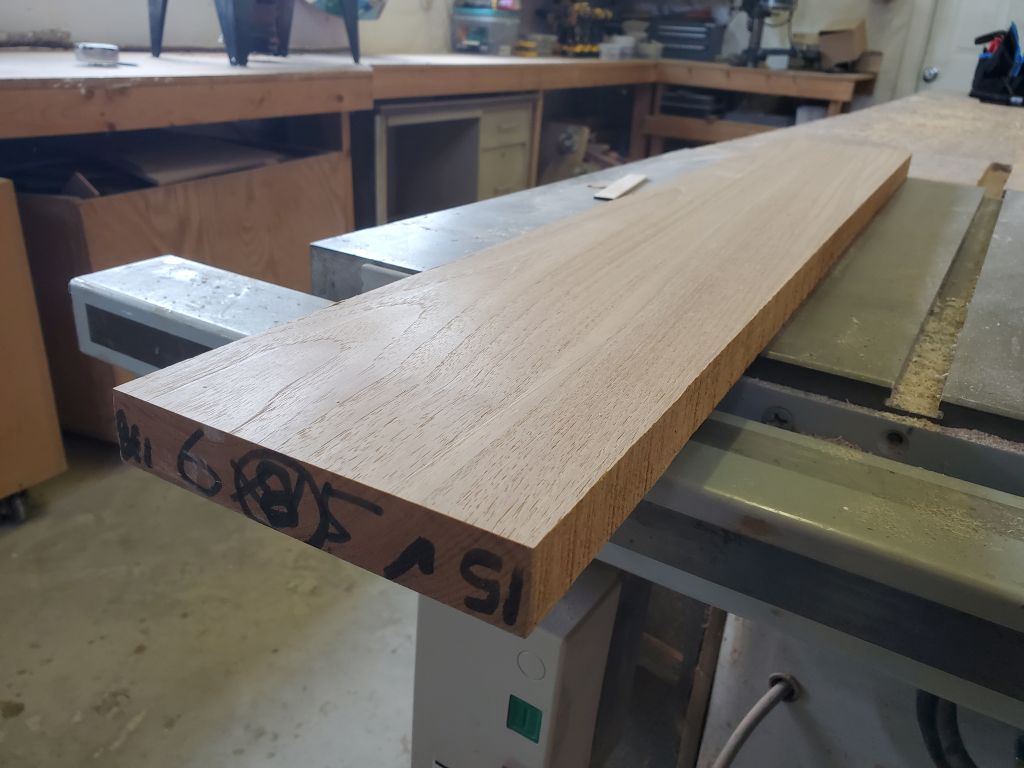
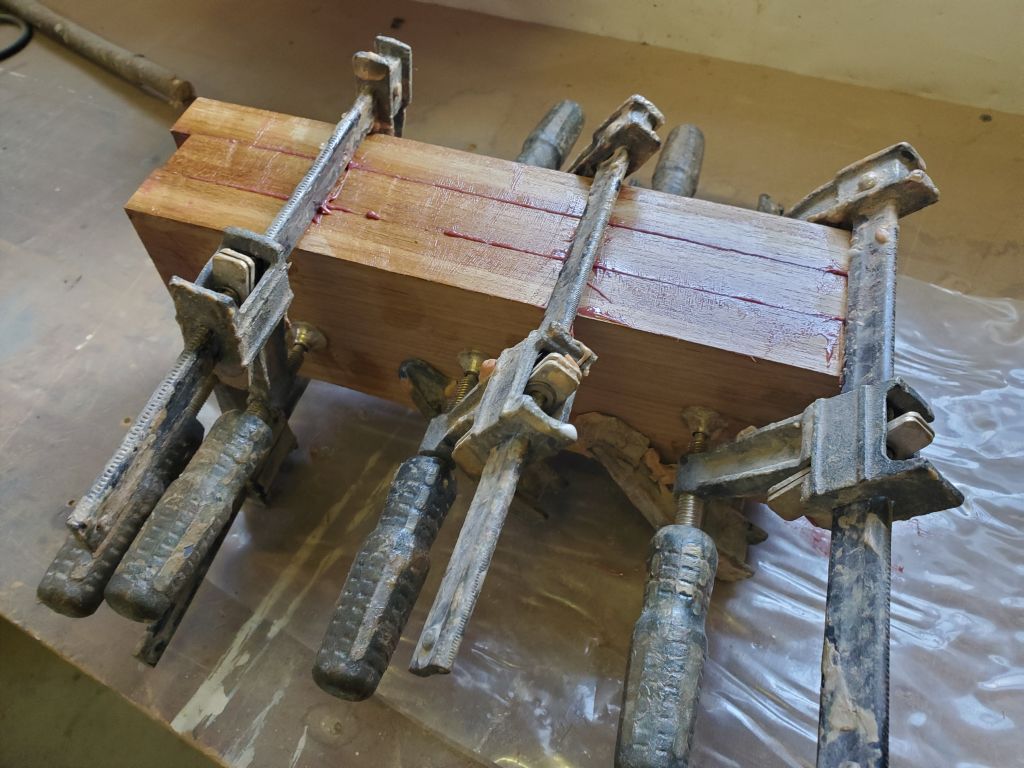
The roller would require a support block to make up the difference between deck height and rail height–approximately 2-1/4″–regardless of final placement, so next I made up a teak blank for the job. From a longer rough-cut teak board of about 6″ width, I cut a piece slightly over 36″ long and planed it just smooth on both sides, leaving me with a 1″ thickness. I cut this into three pieces and laminated them together with epoxy to form a blank of appropriate size. I left this to cure over the weekend.
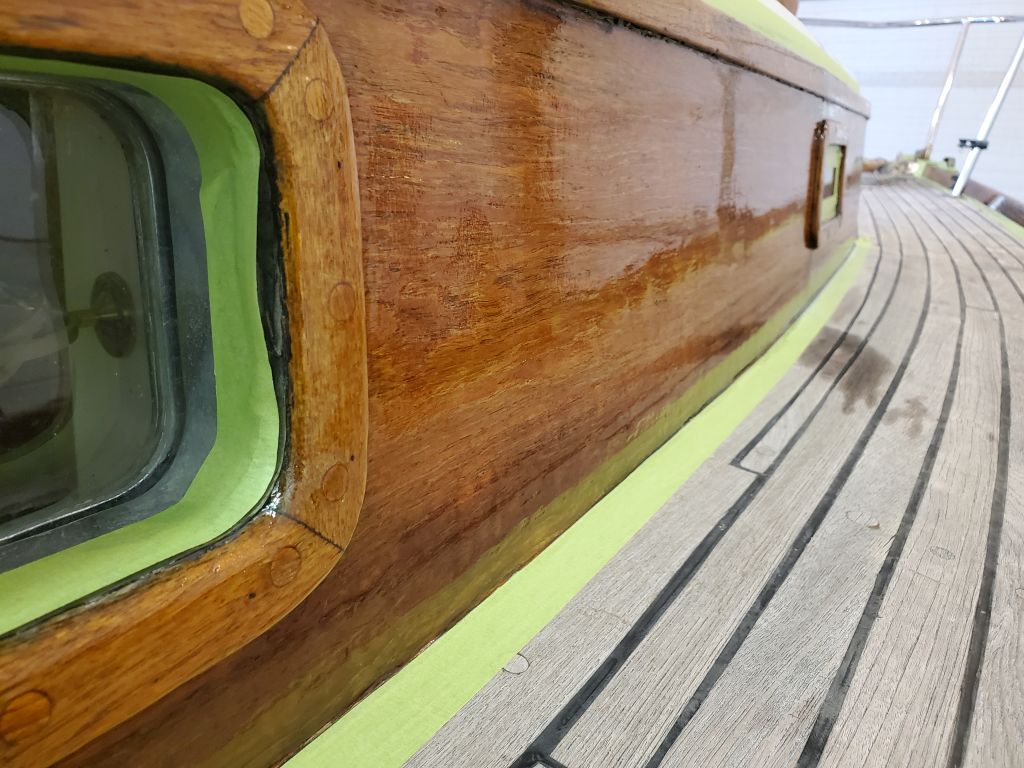
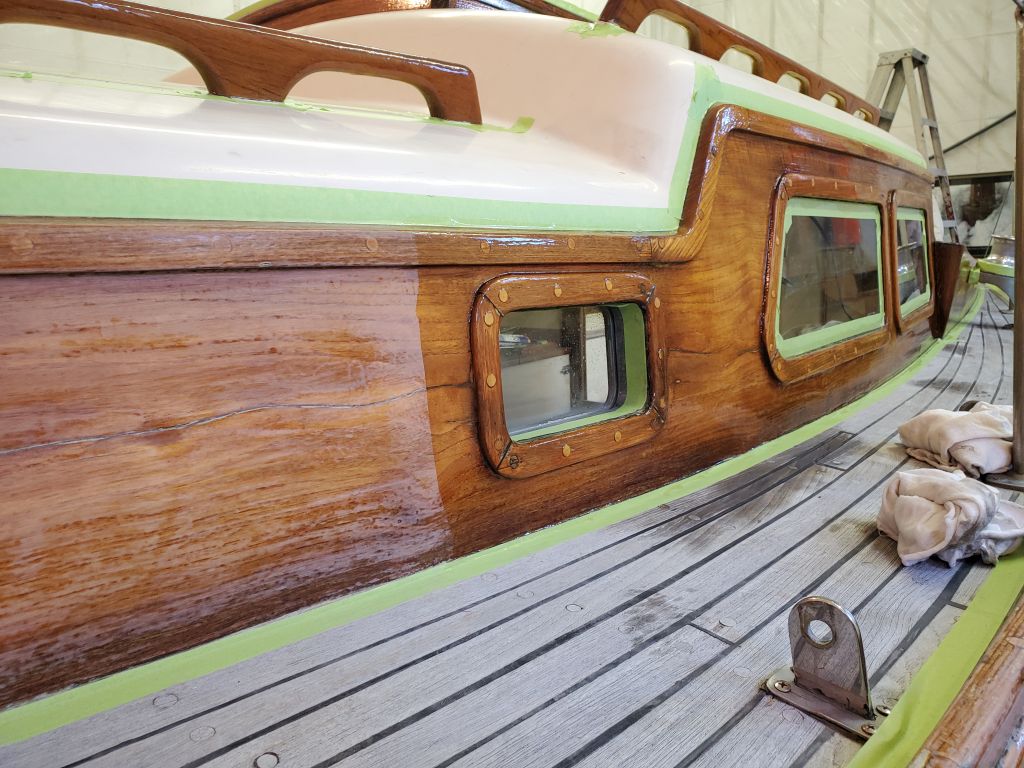
The starboard side of the cabin trunk, with its fresh first coat of varnish from the day before, required a light sanding before I began with the wholesale varnish of the entire boat.
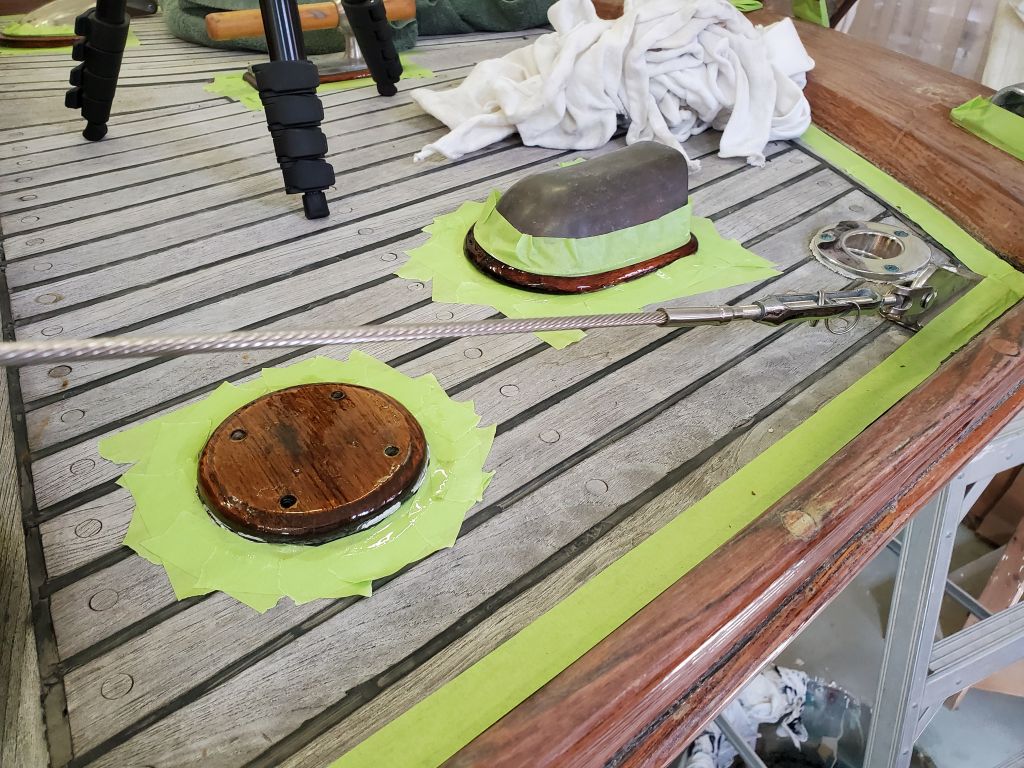
After final cleanup and tacking-off, I started the second maintenance coat of varnish with the on-deck areas, including coachroof trim and handrails, hatch frames, the forward end of the cabin trunk, and the cockpit coamings.
Before continuing with the other work, I dabbed more varnish on the new bungs on the starboard deadlight–any extra varnish I could get on the new wood would help to catch up the total coating–then worked on the port side to varnish the cabin trunk, eyebrow, and window trim, followed by the toerail, rubrail, and taffrail.
Now I repeated the process on the starboard side, starting with the cabin trunk (now the varnish I’d put on the bungs had cured enough that I could go right over it) and then the toerails.
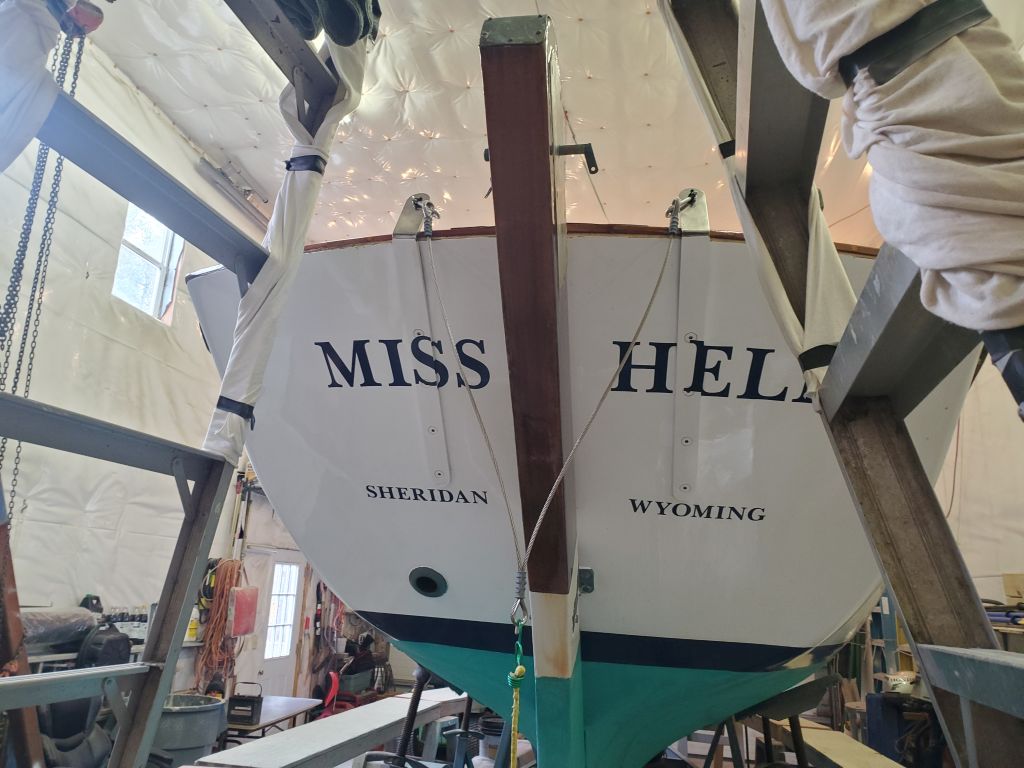
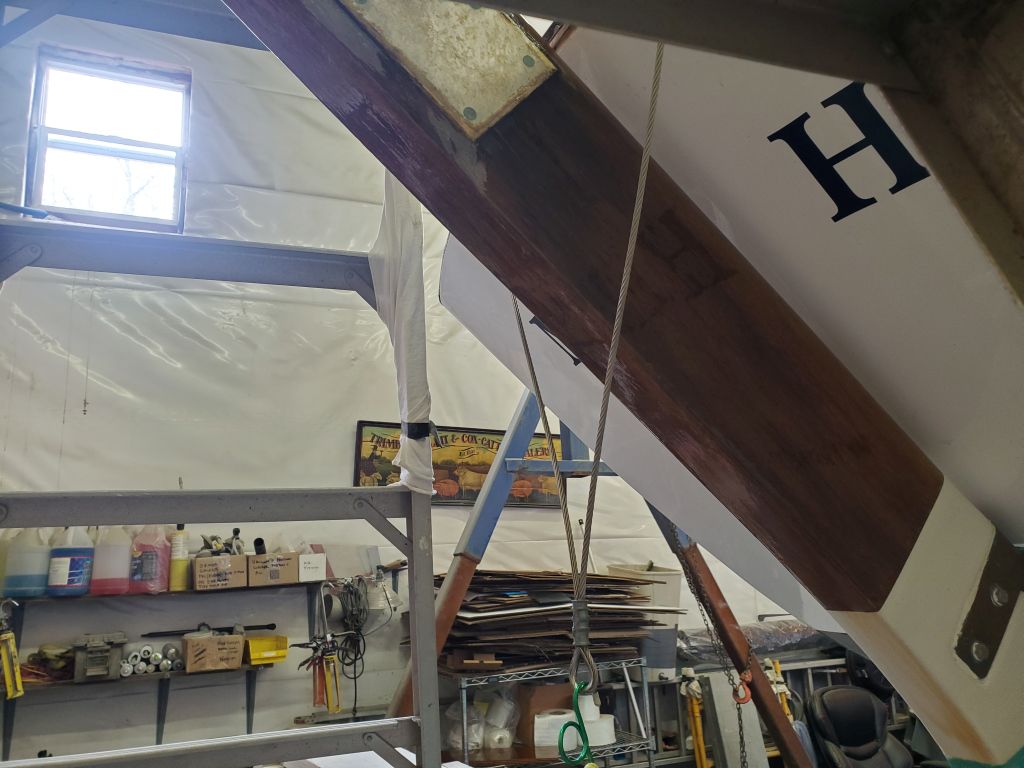
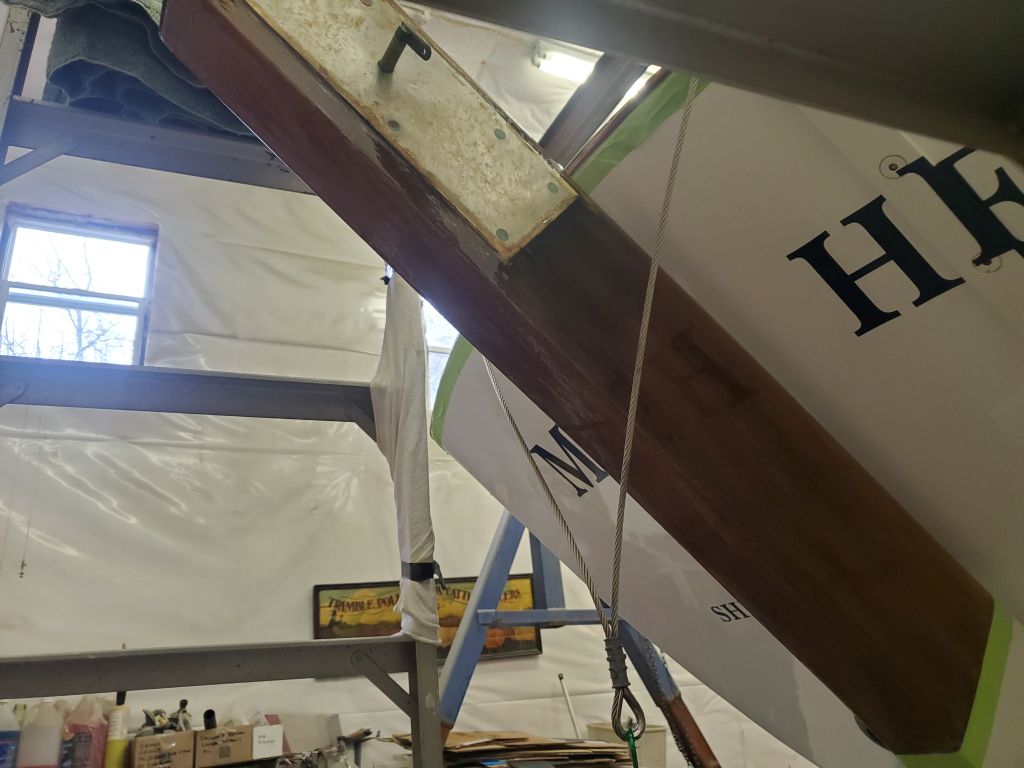
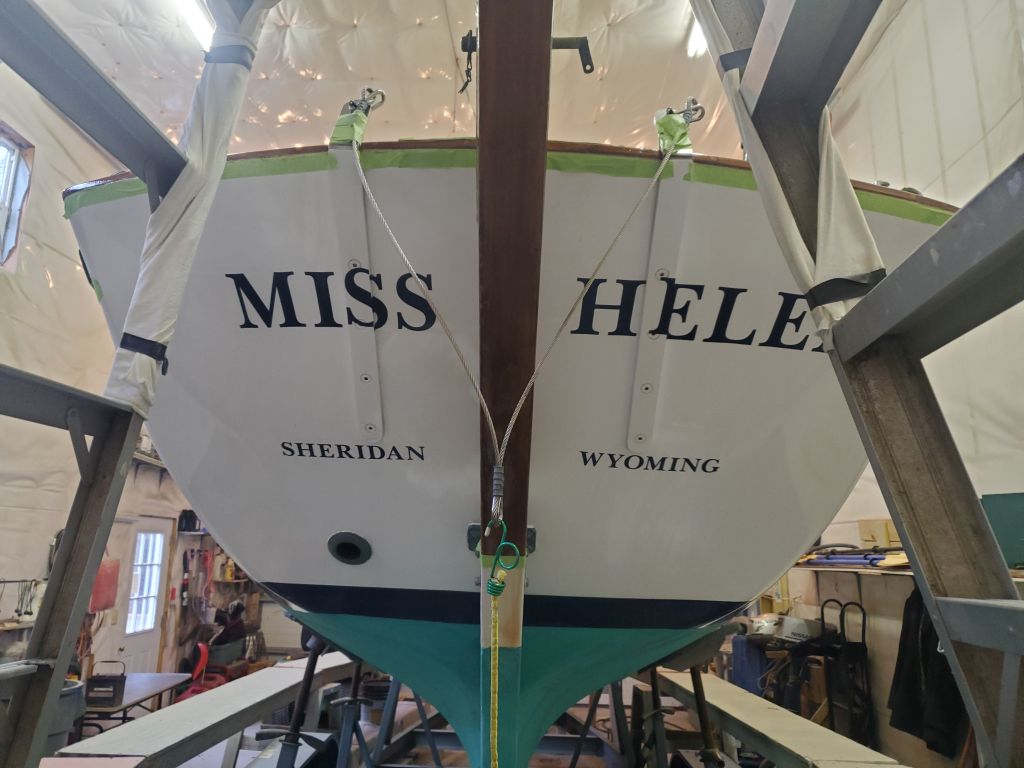
When all was said and done, I applied a coat of varnish to the top part of the outboard rudder.
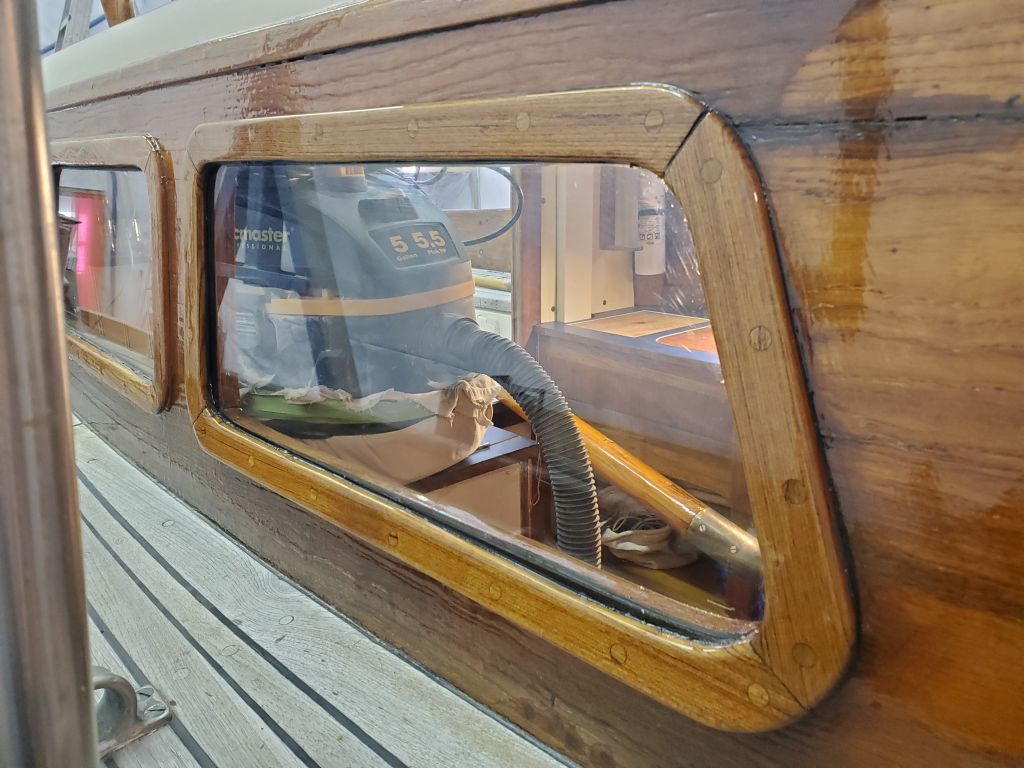
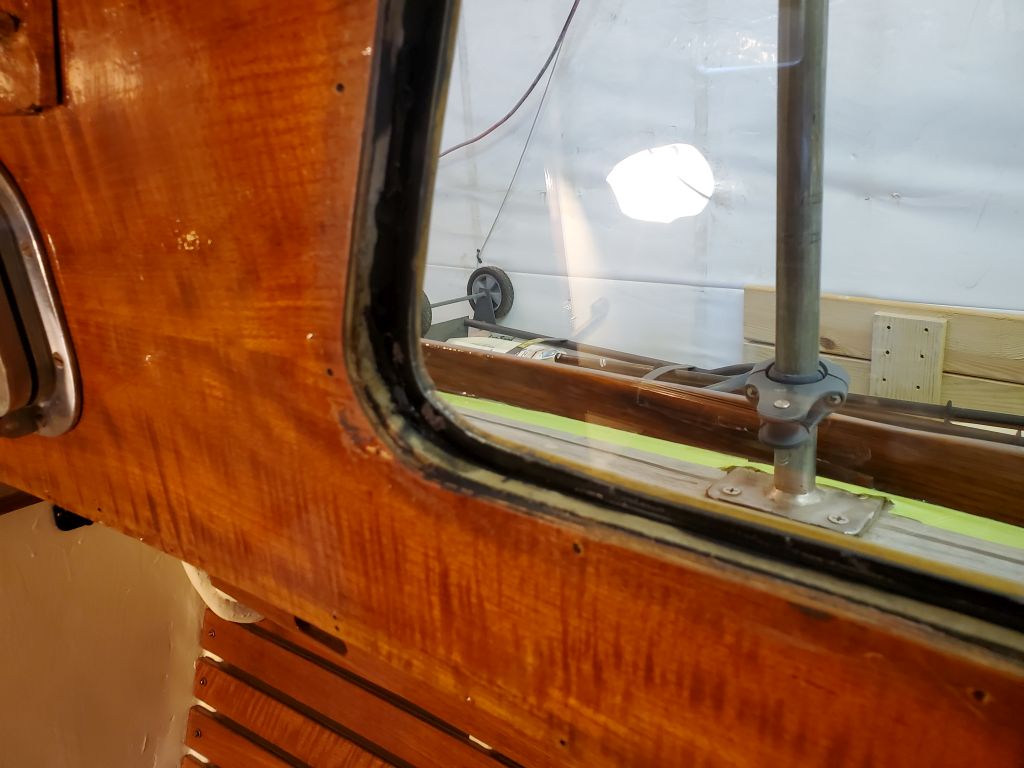
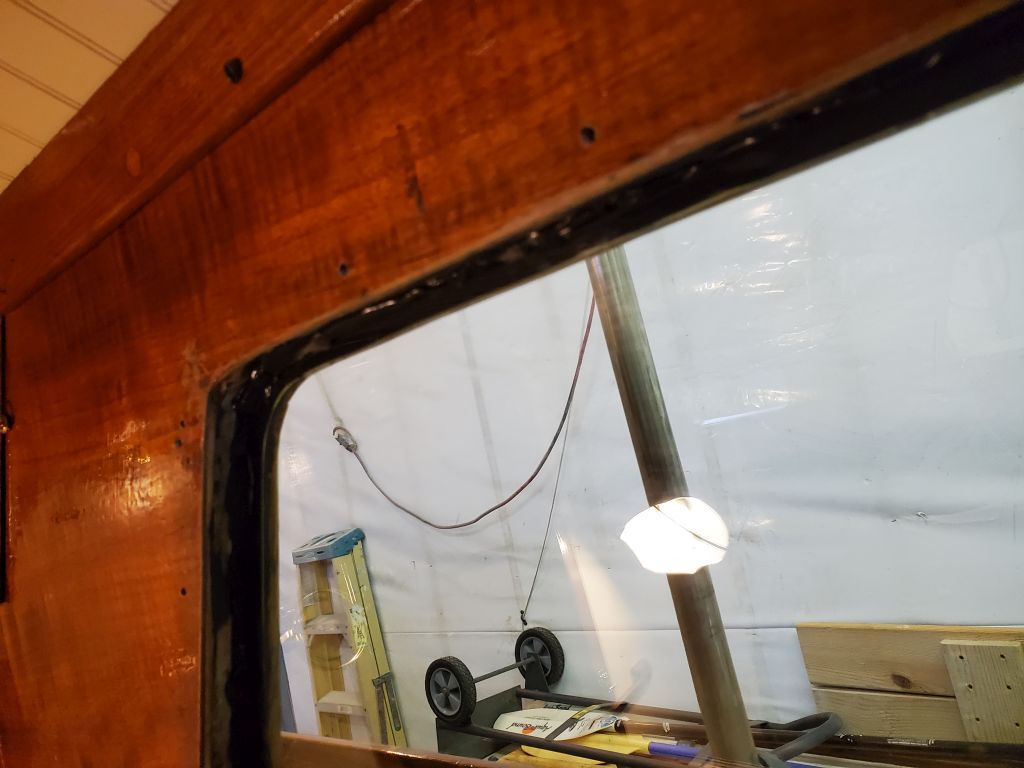
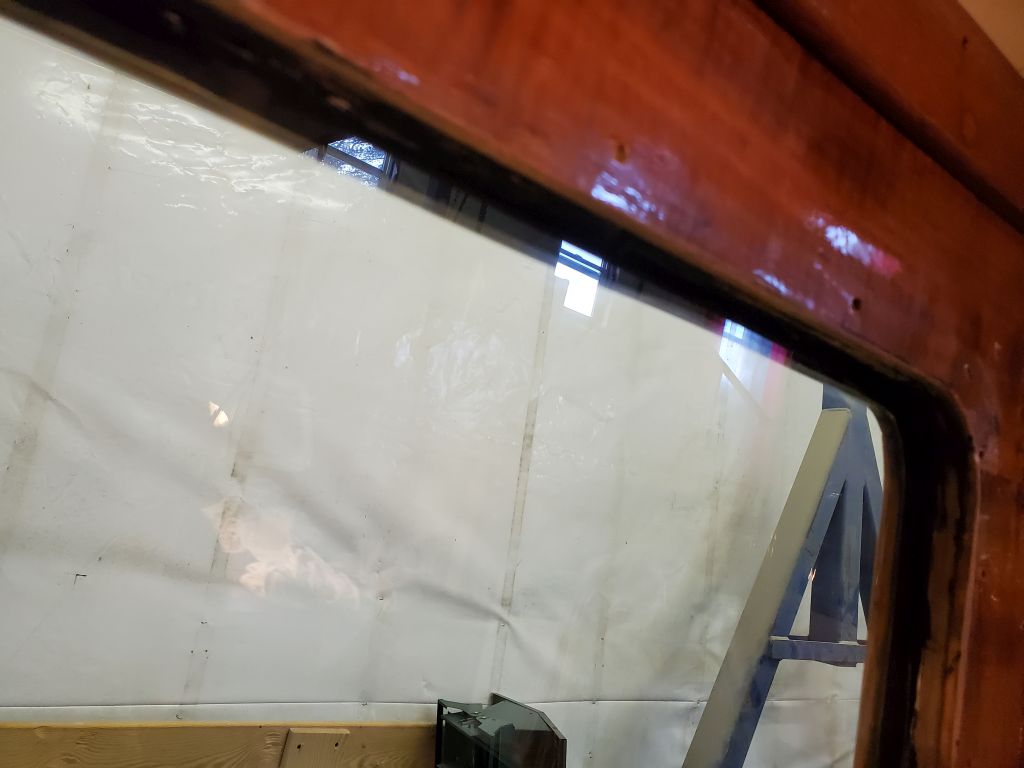
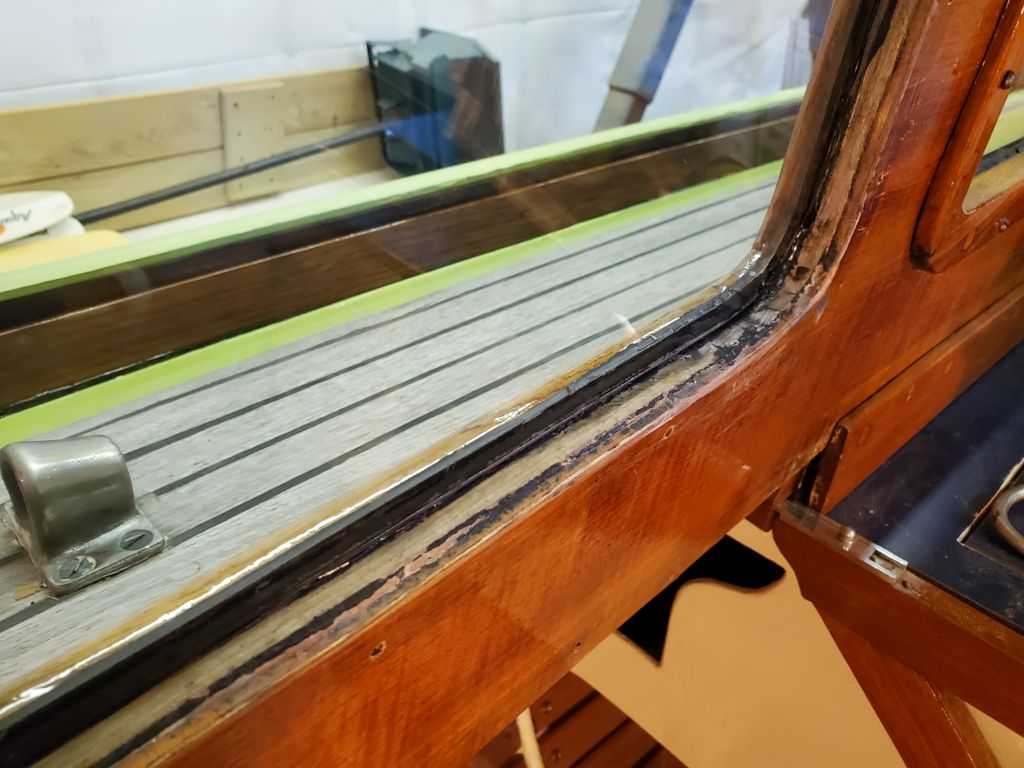
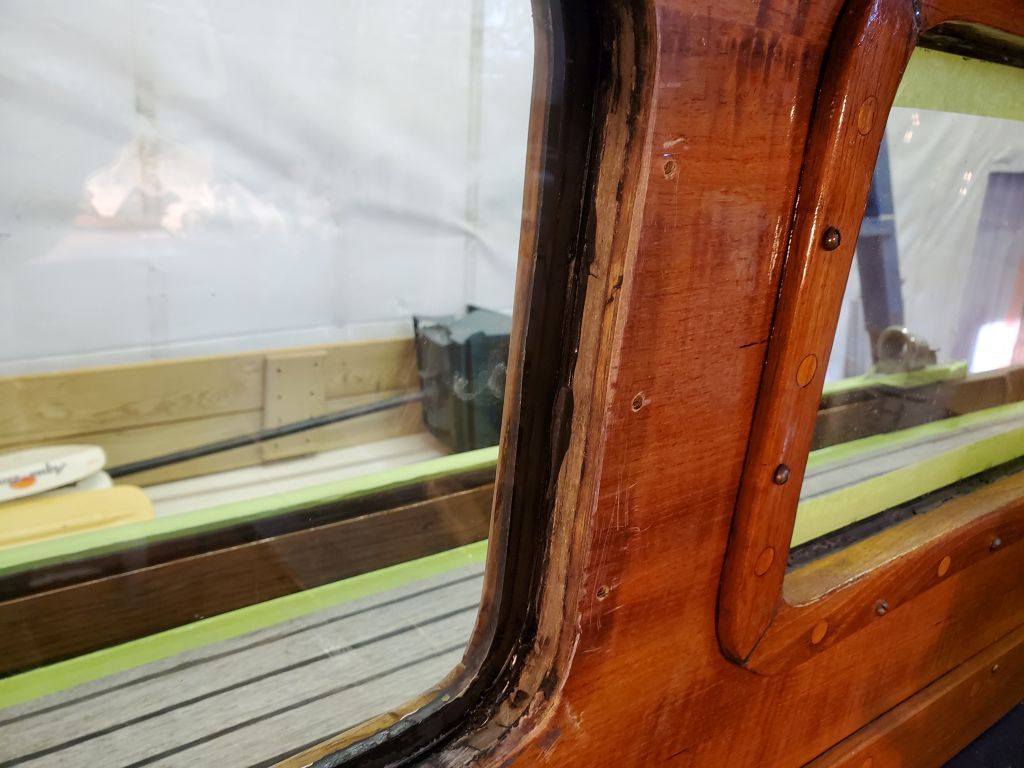
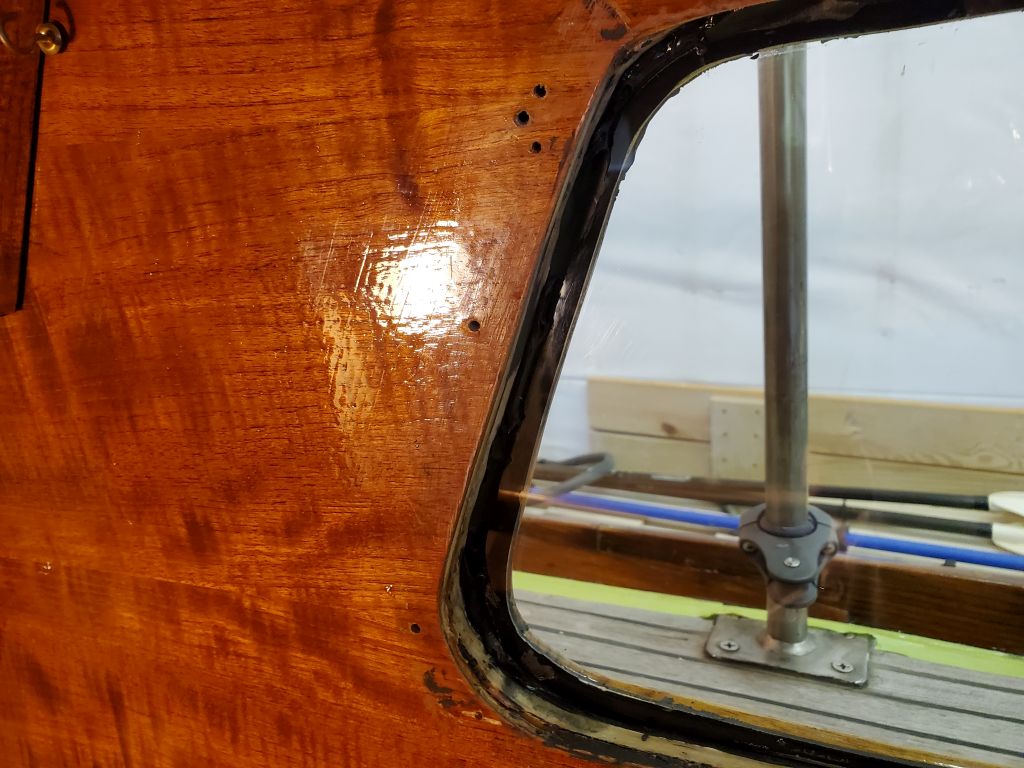
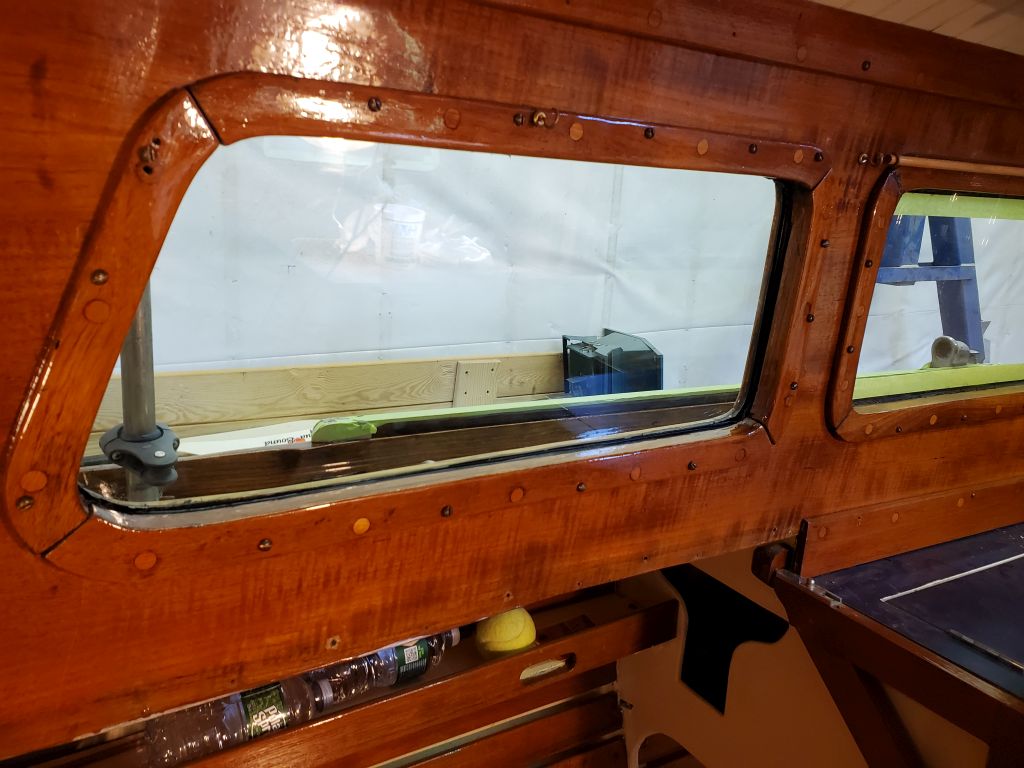
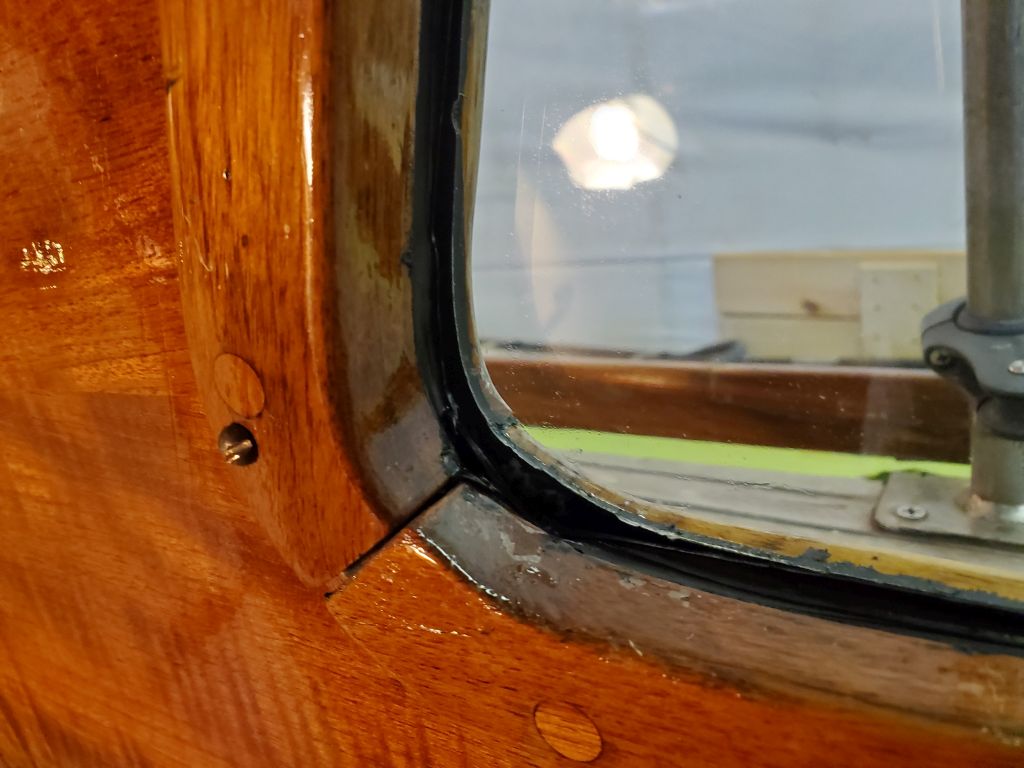
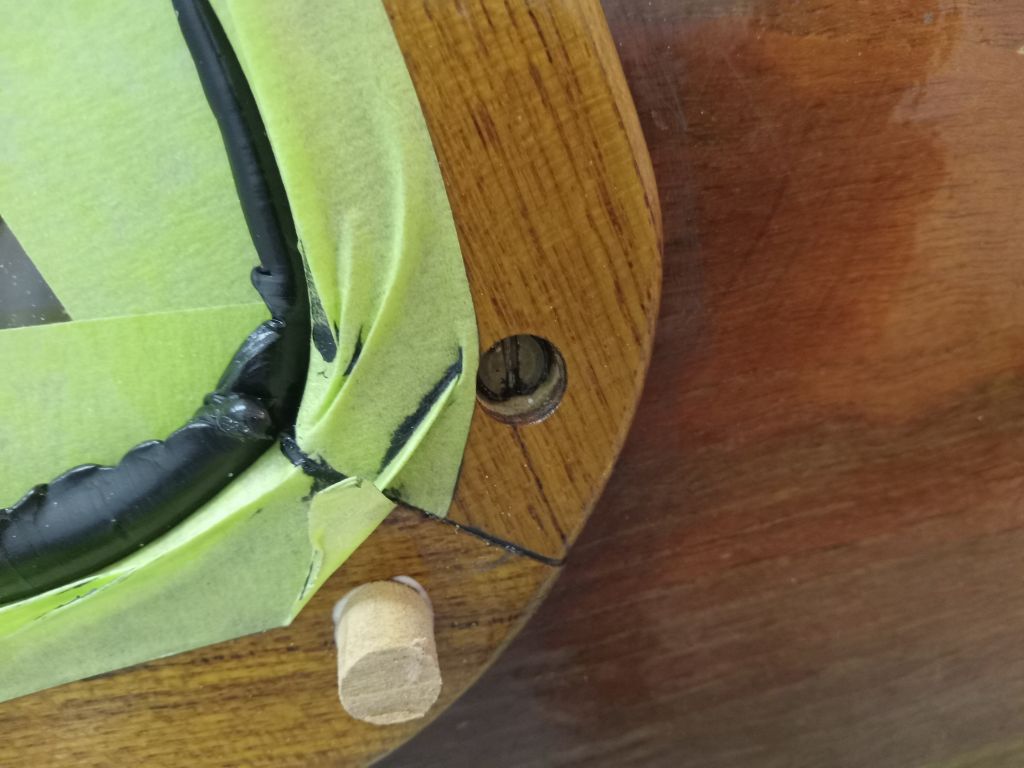
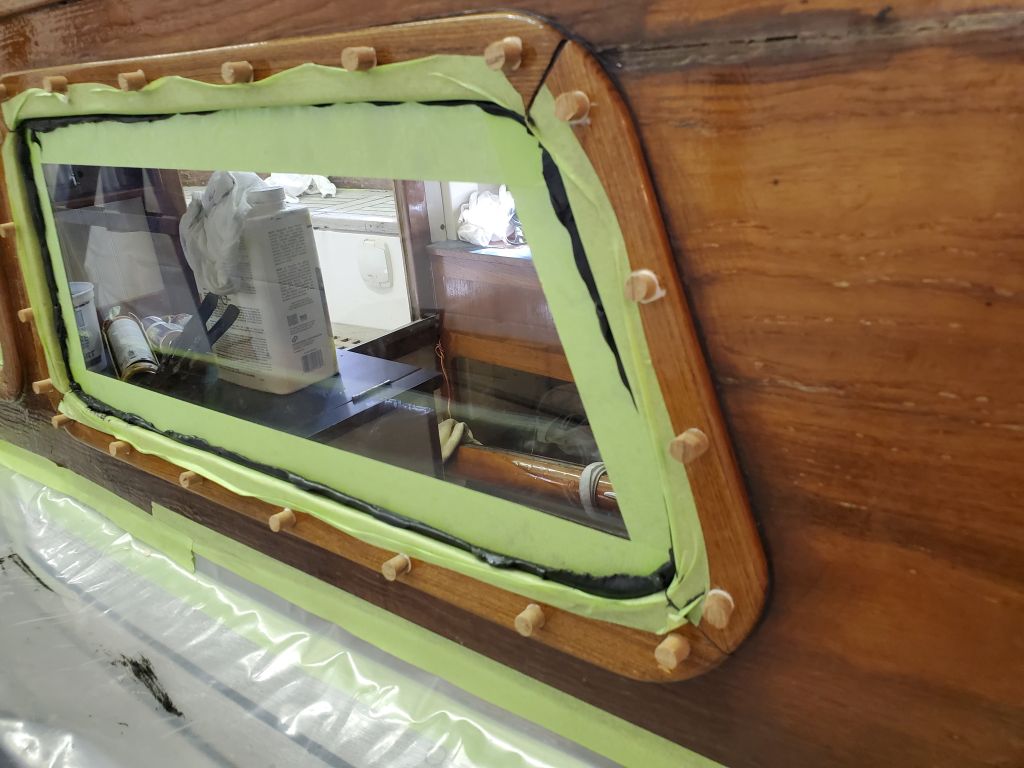
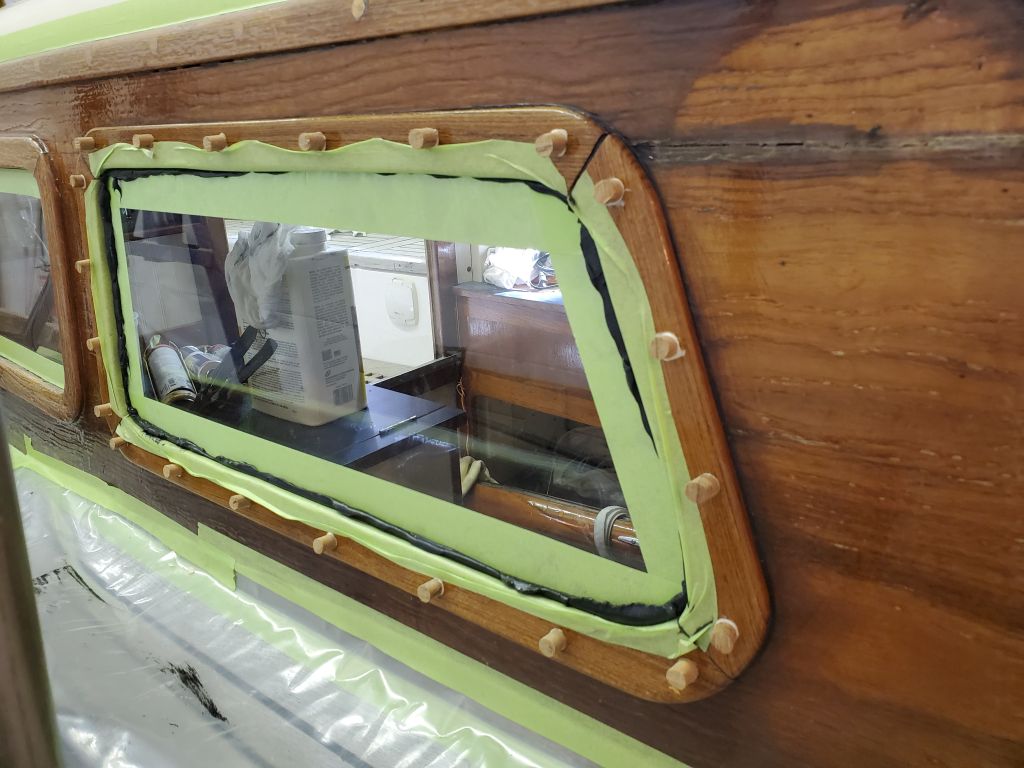
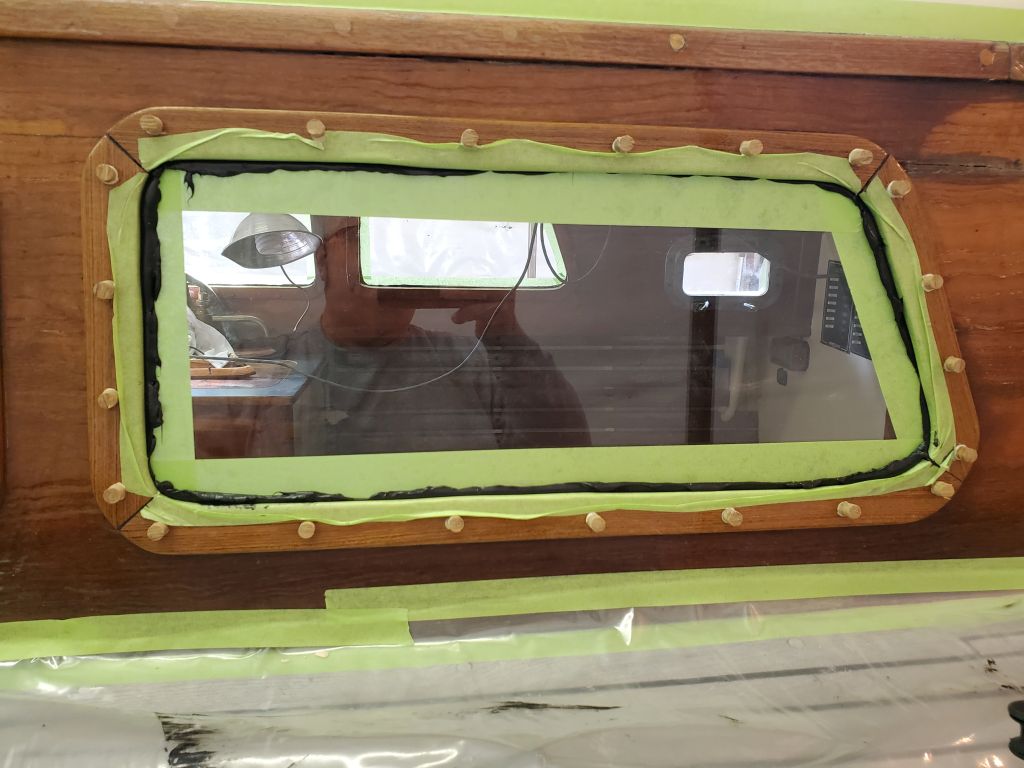
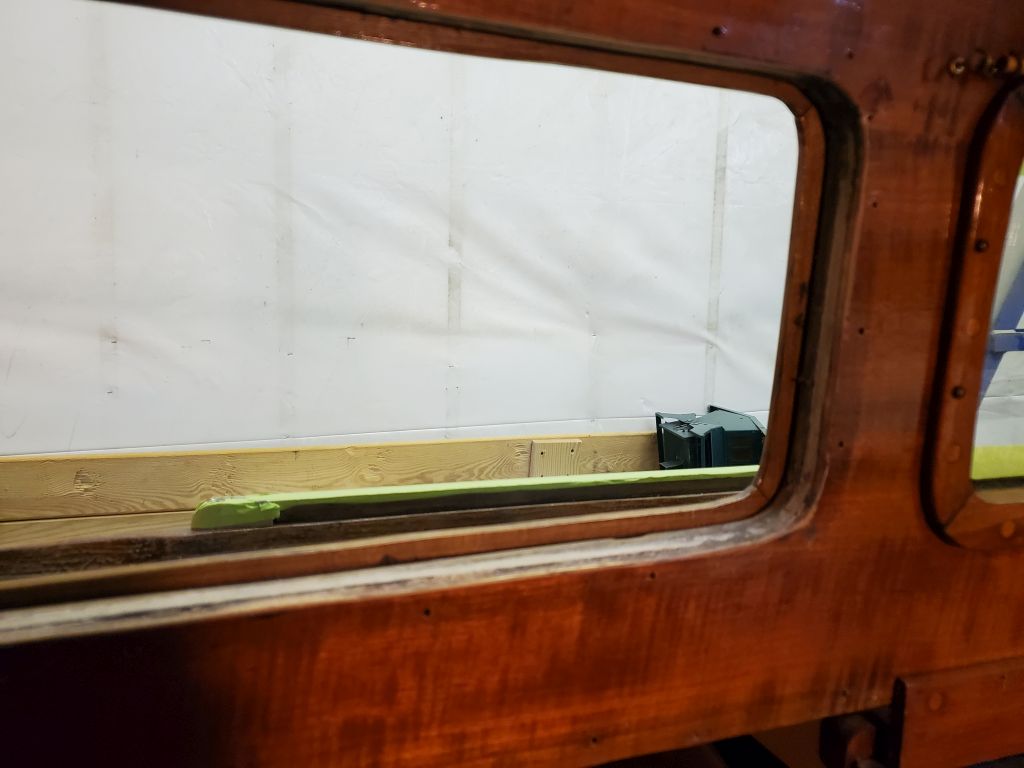
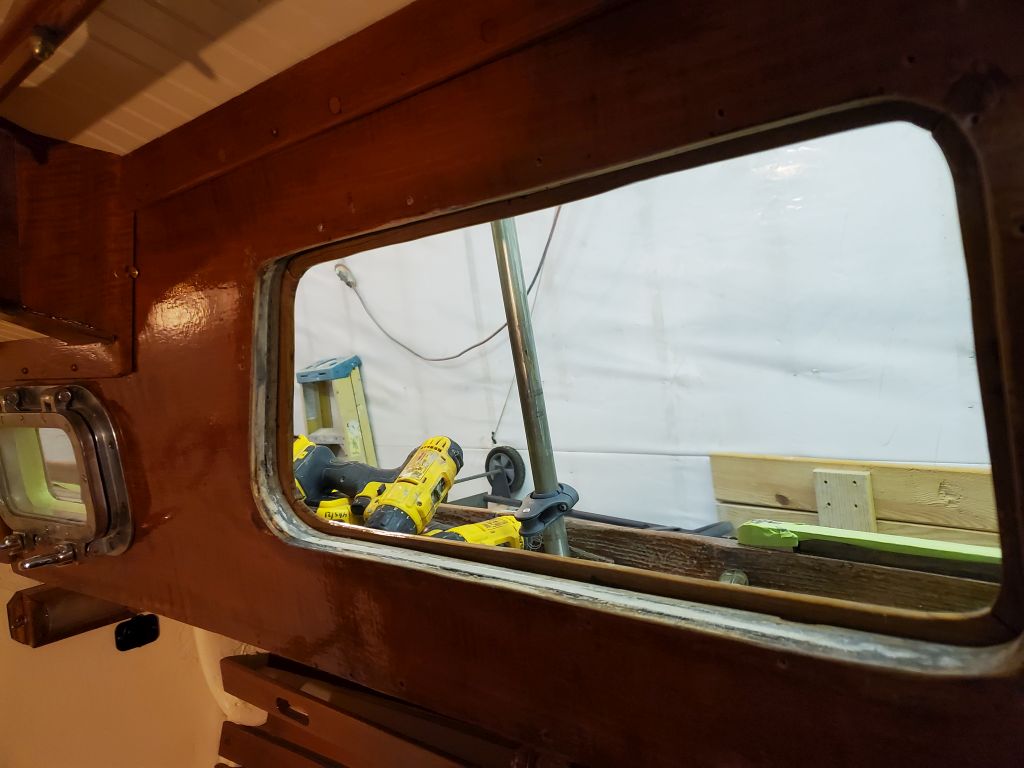
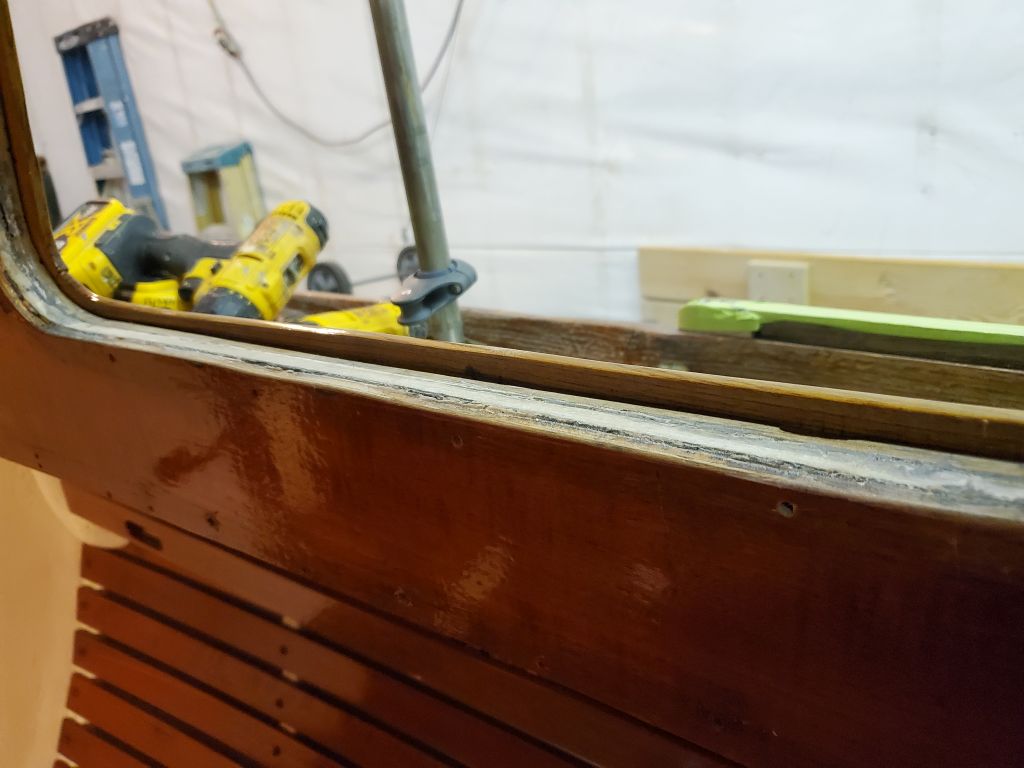
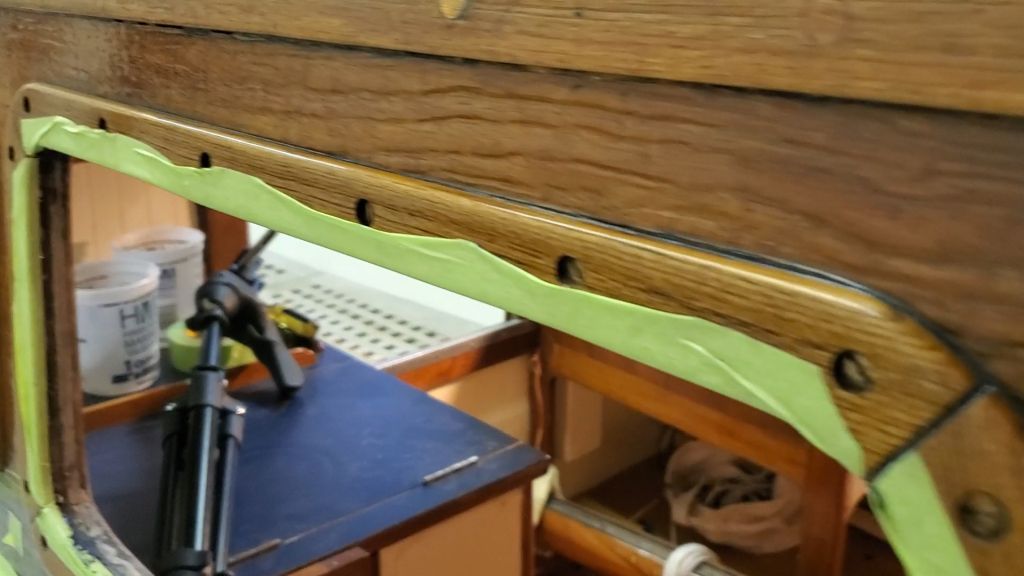
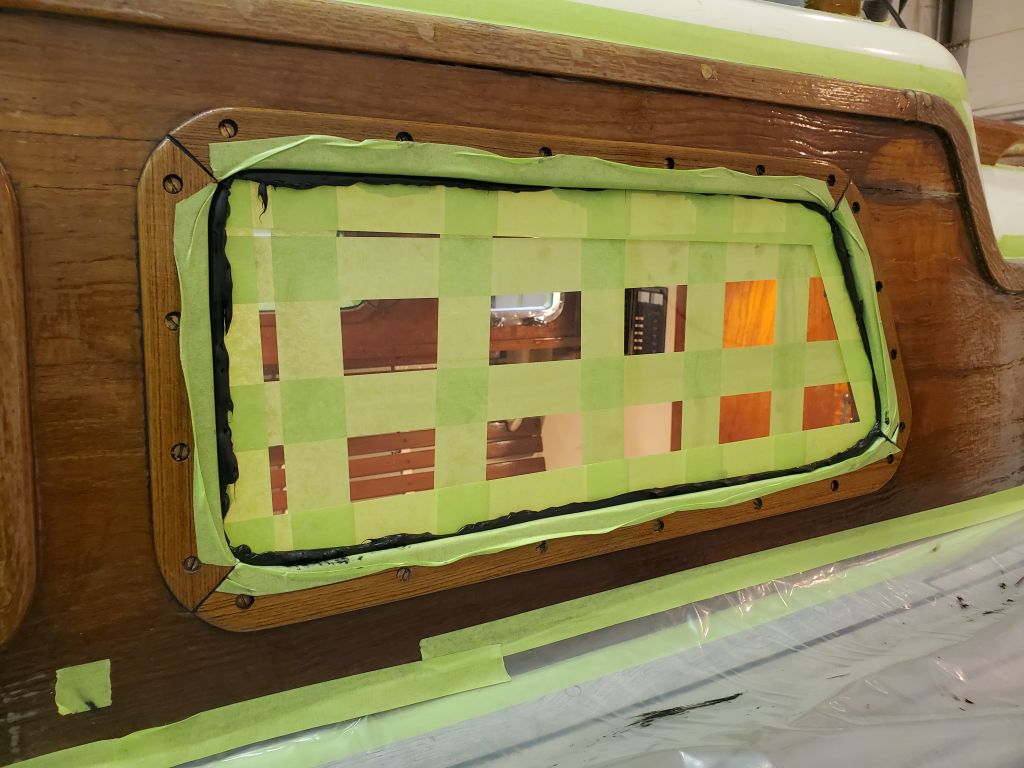
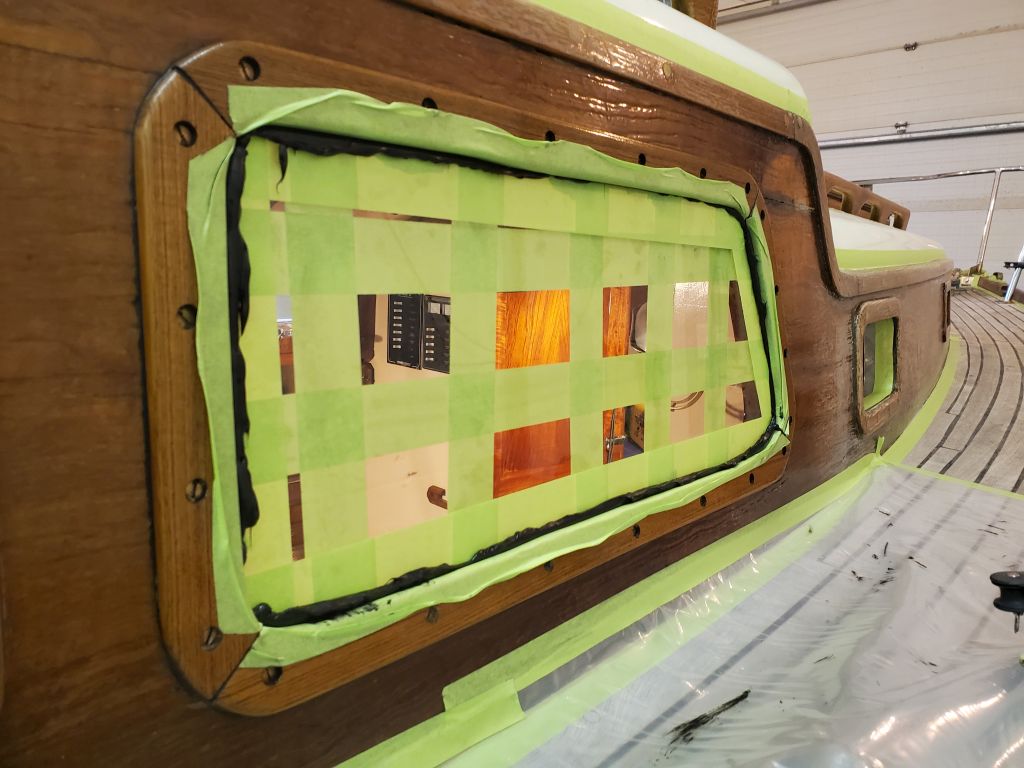
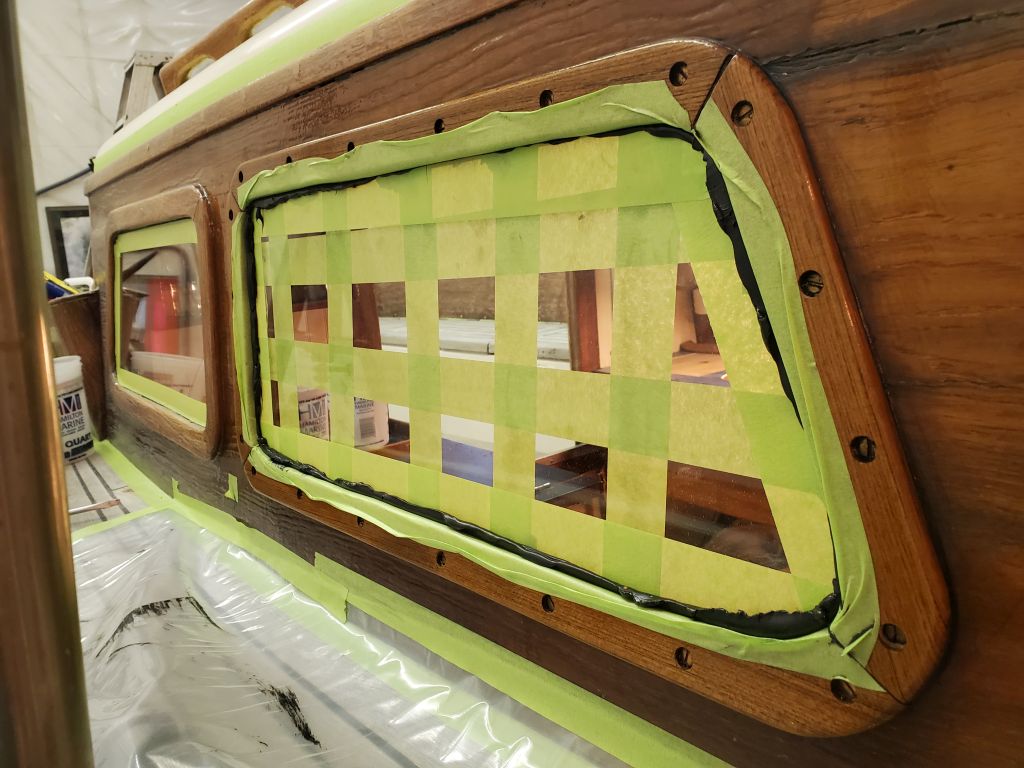
Now that the sealant had had adequate cure time, I removed the excess from the exterior of the window, cutting carefully along the edge then removing the sealant and tape. This posed no issues. Then, I pared away the excess teak bungs and sanded the trim as needed, and sanded the small section of remaining cabin trunk surrounding the window. I vacuumed and solvent-washed to clean up the final debris and sanding dust.
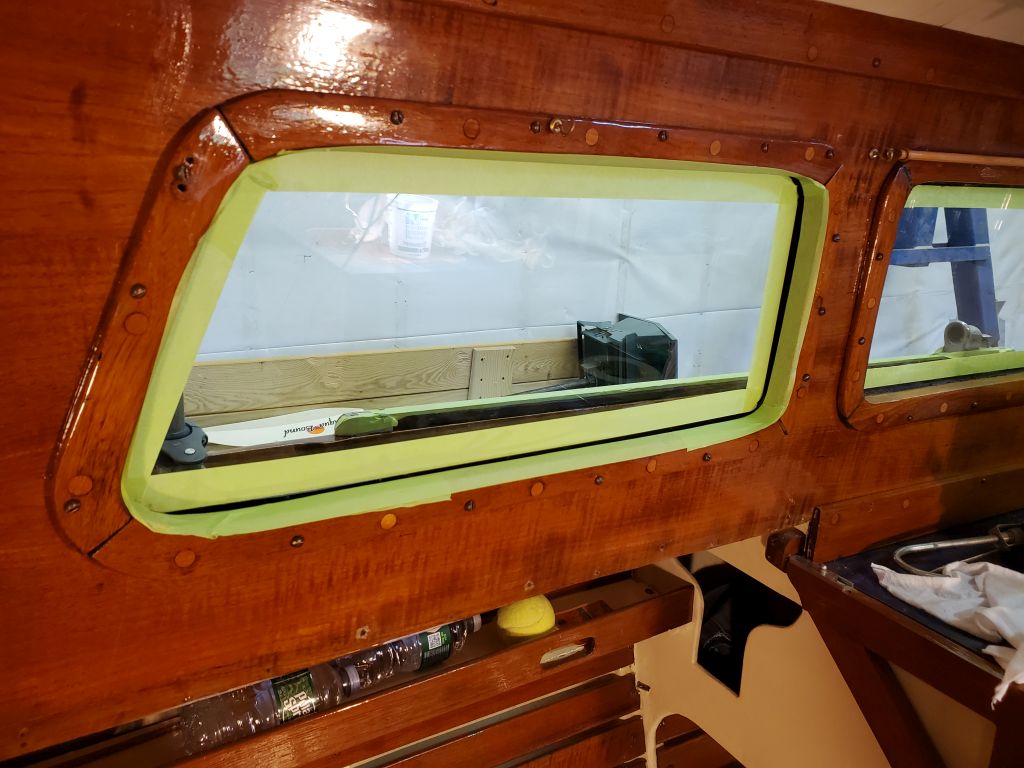
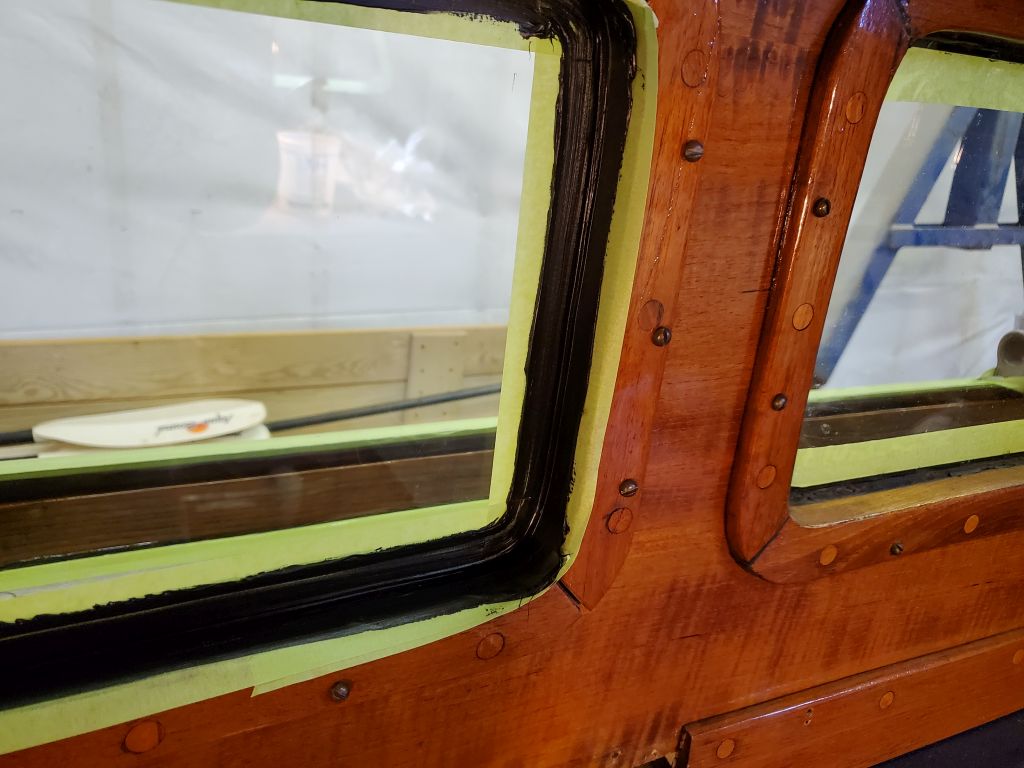
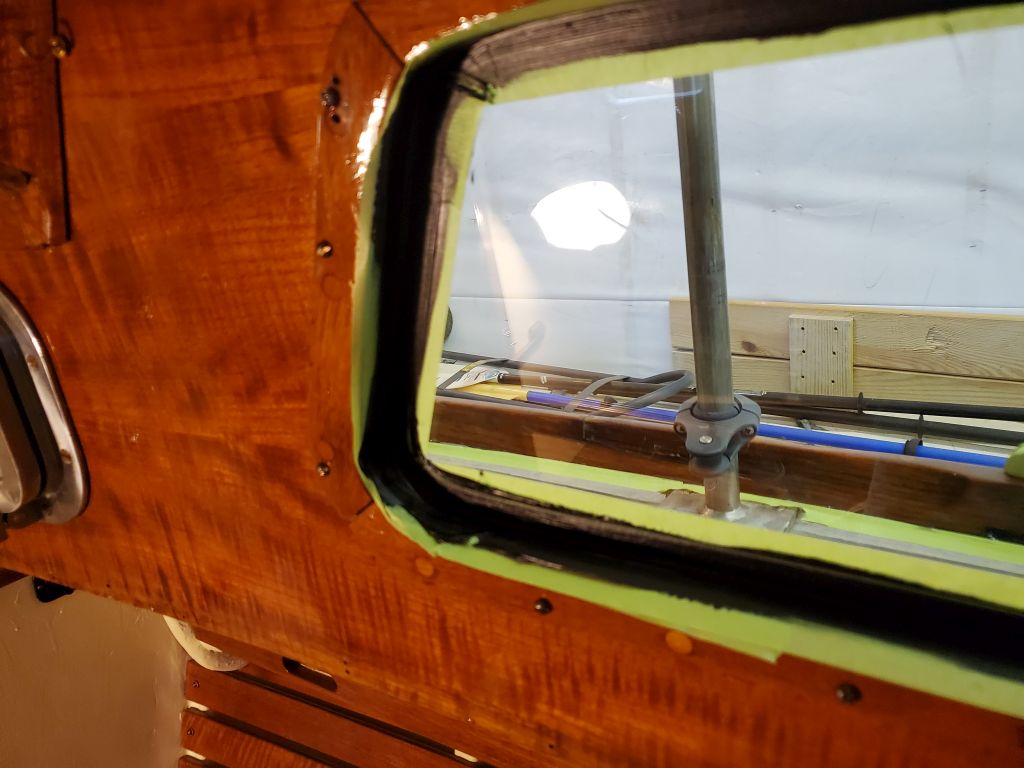
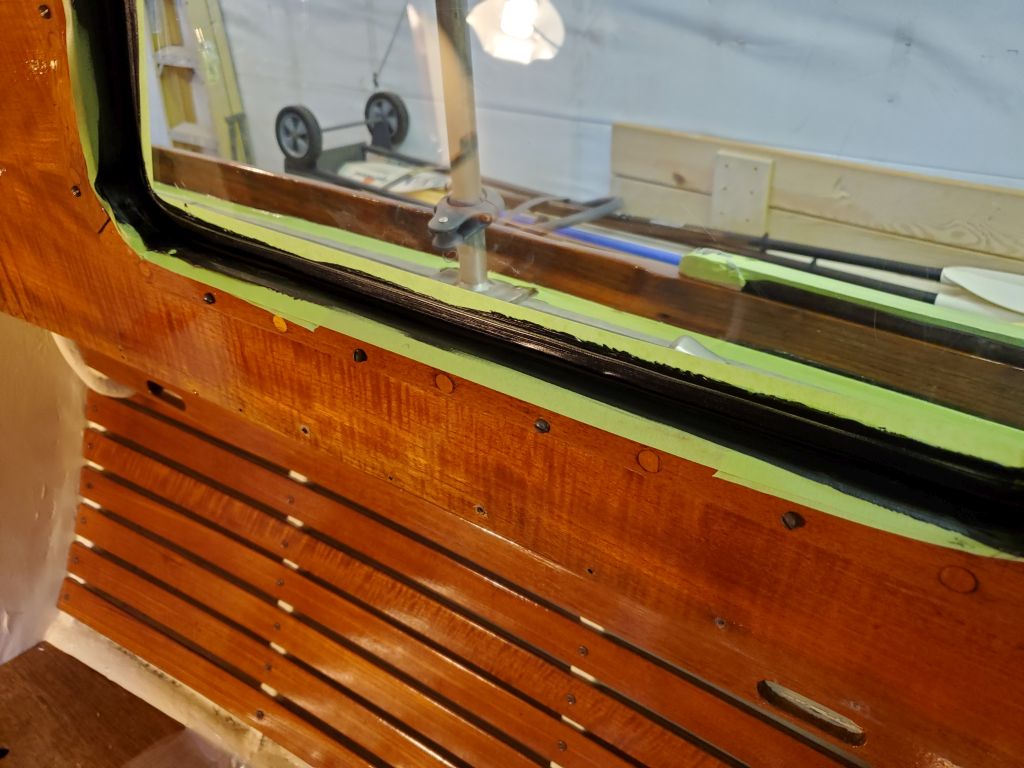
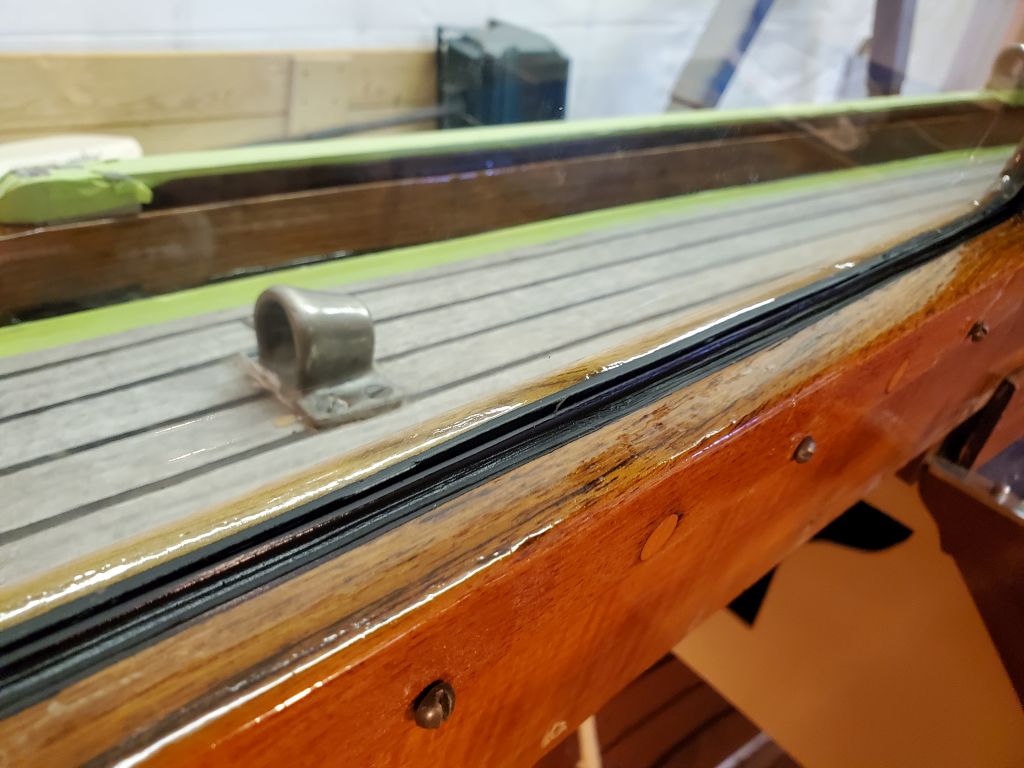
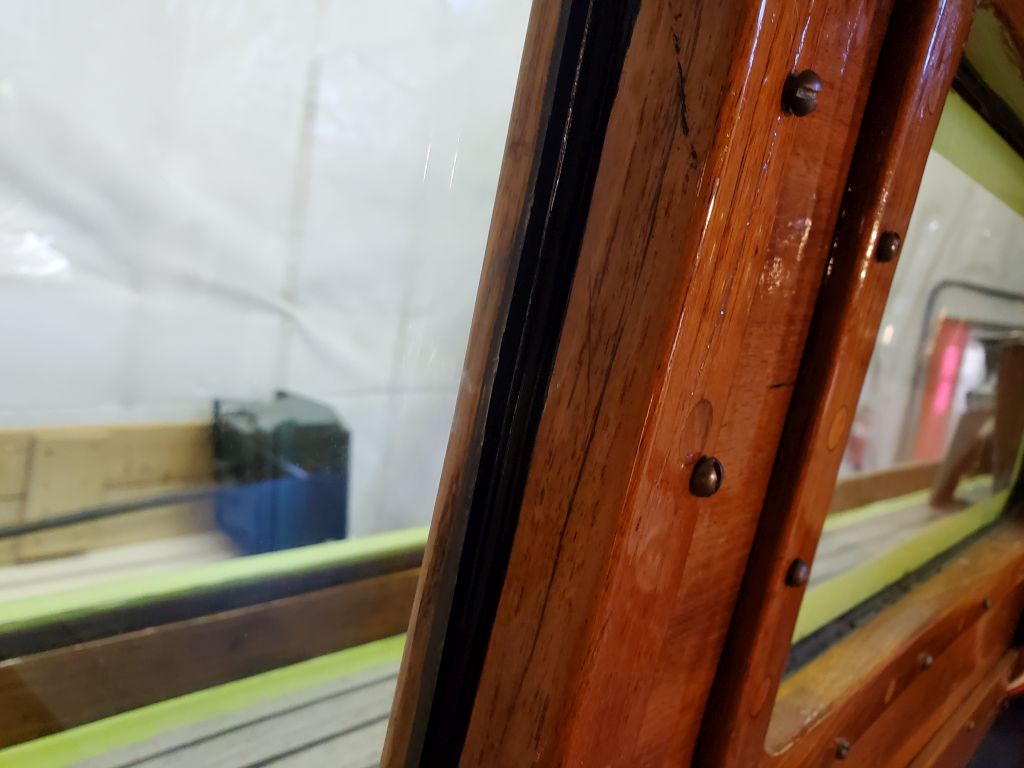
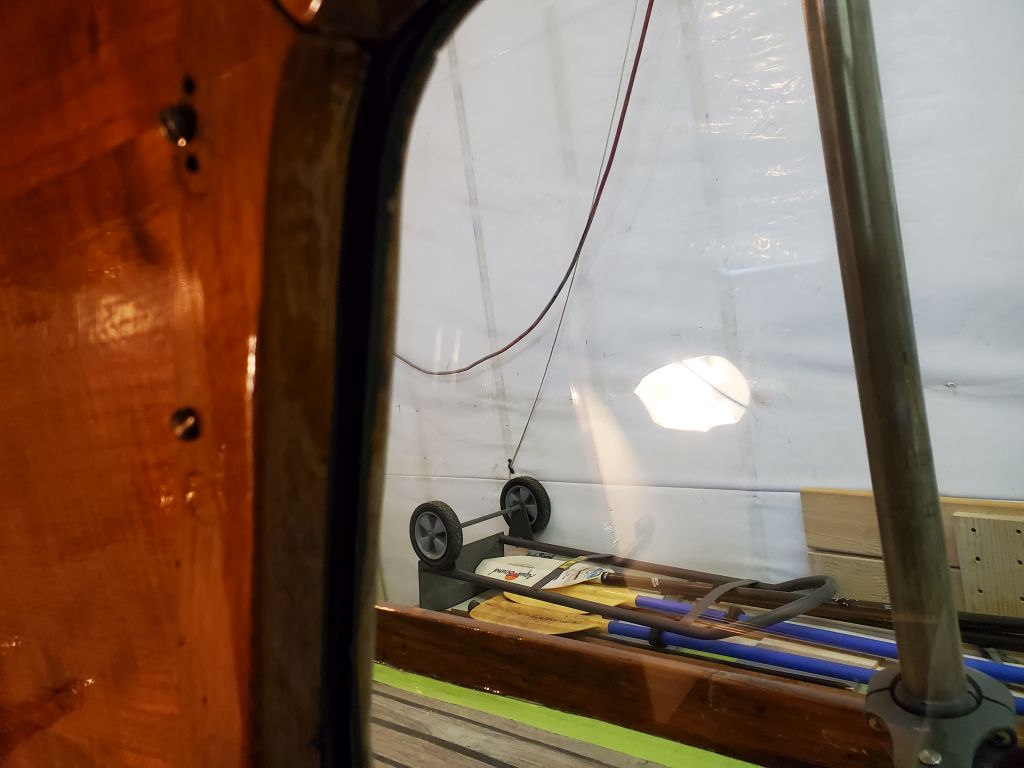
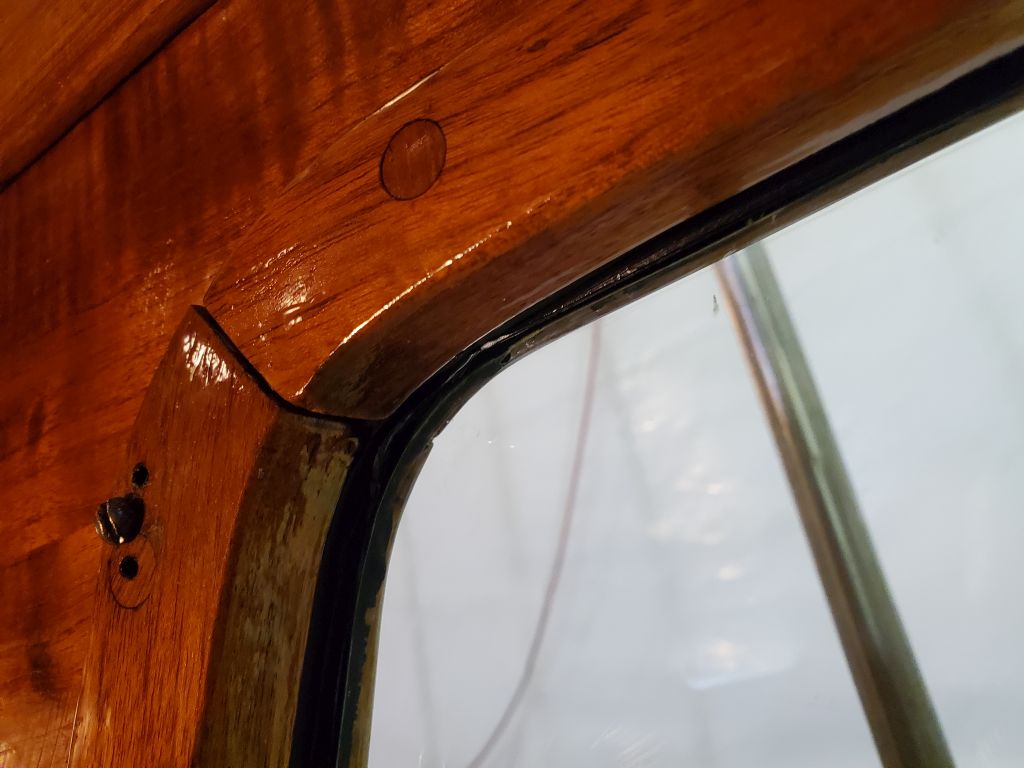
Inside the boat, I cleaned off a few spots of cured sealant on the inside of the glass and checked once more the overall appearance of the seal between glass and exterior trim, now fully visible and with the excess sealant and tape removed from the outside.
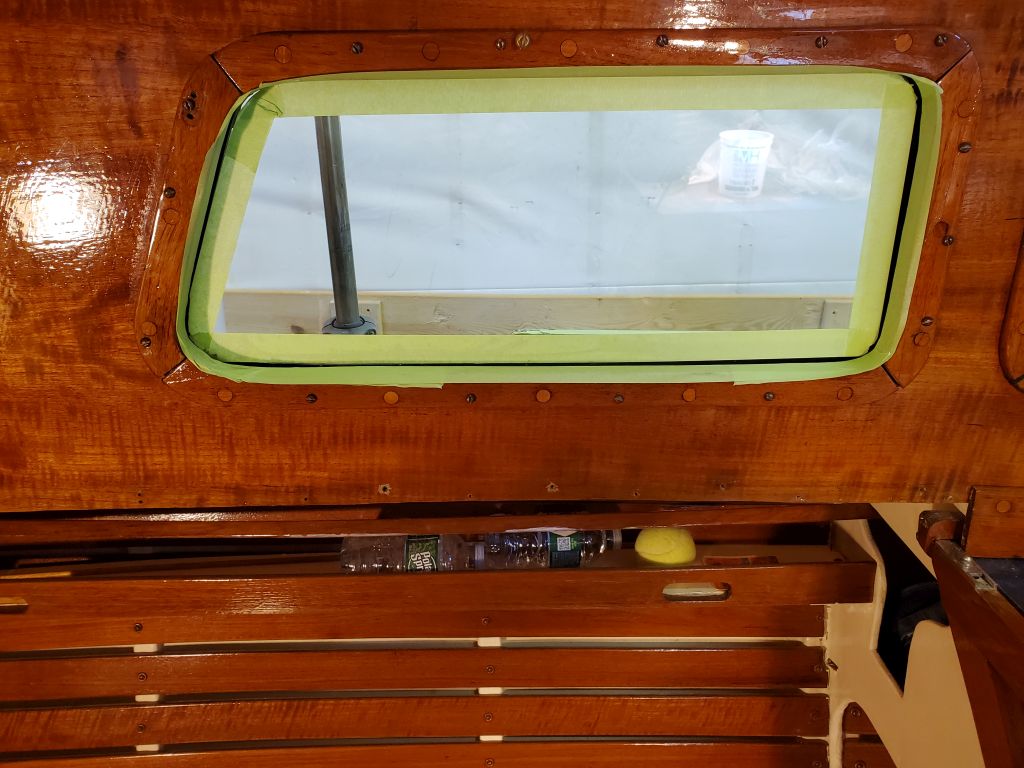
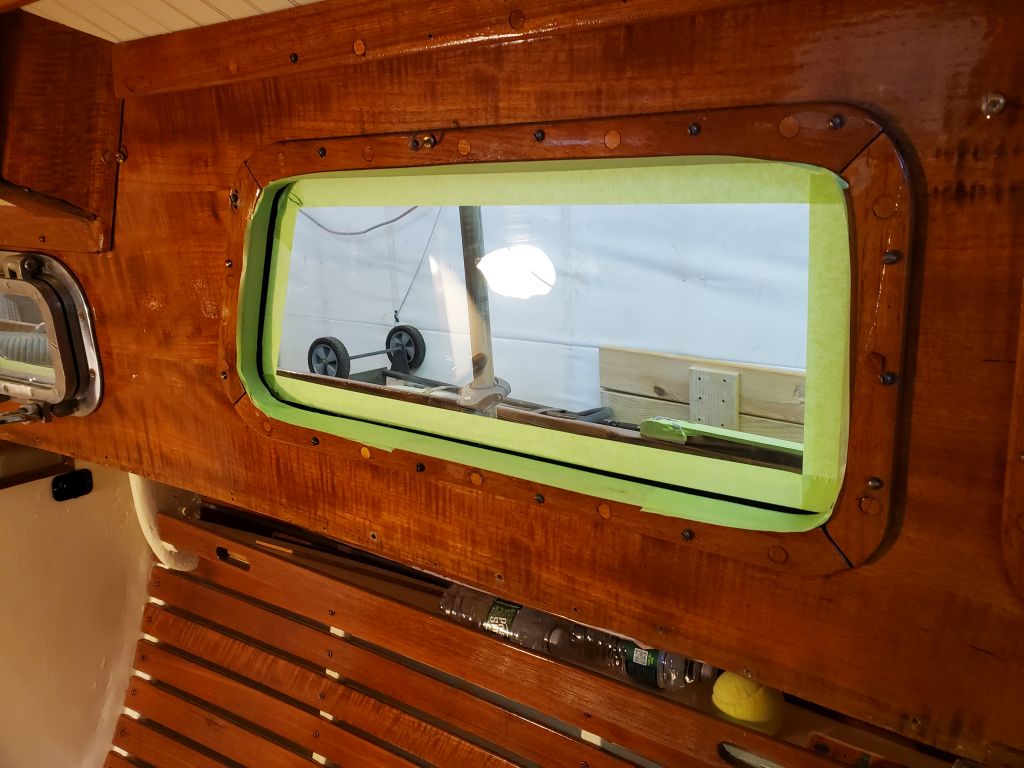
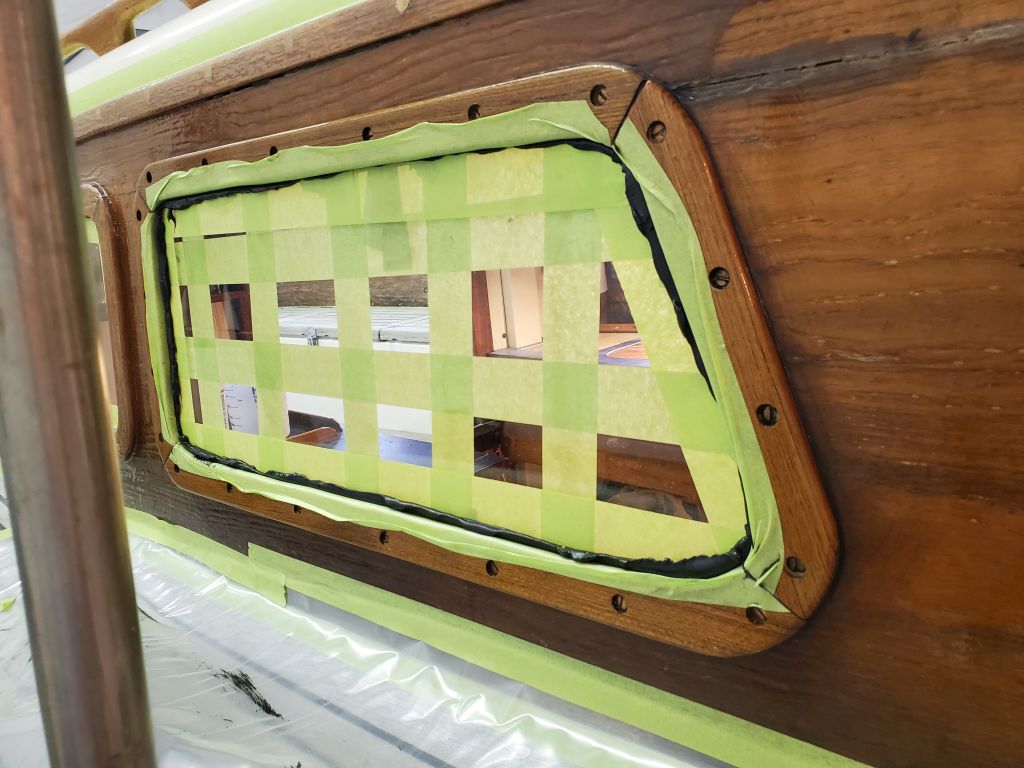
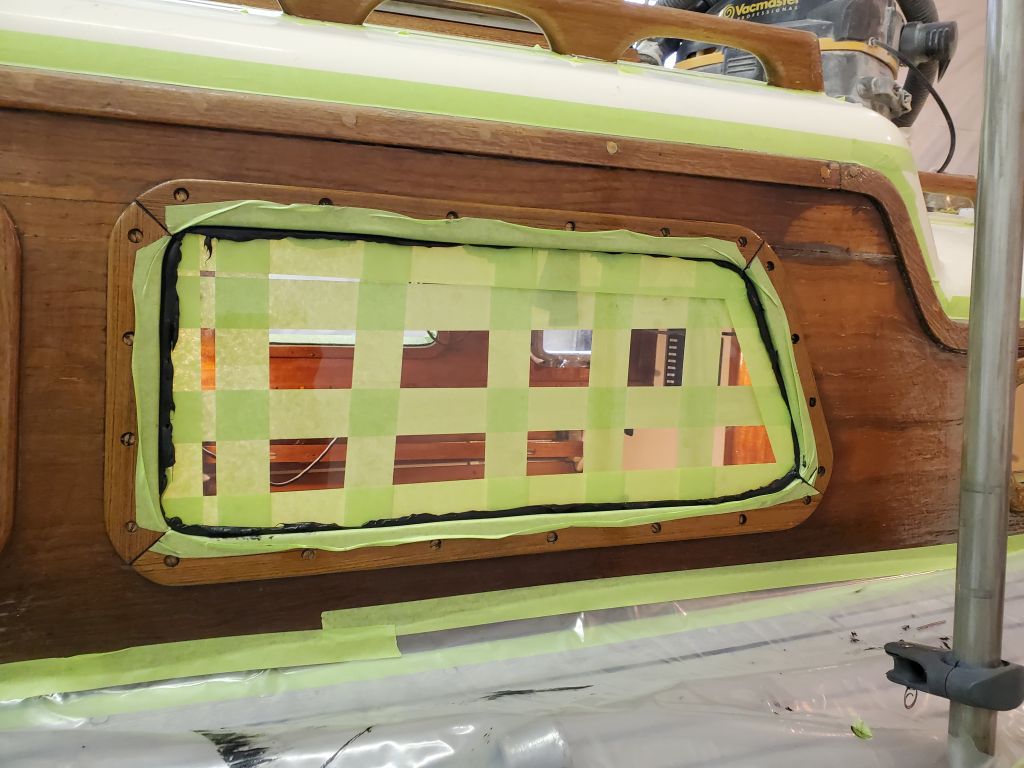
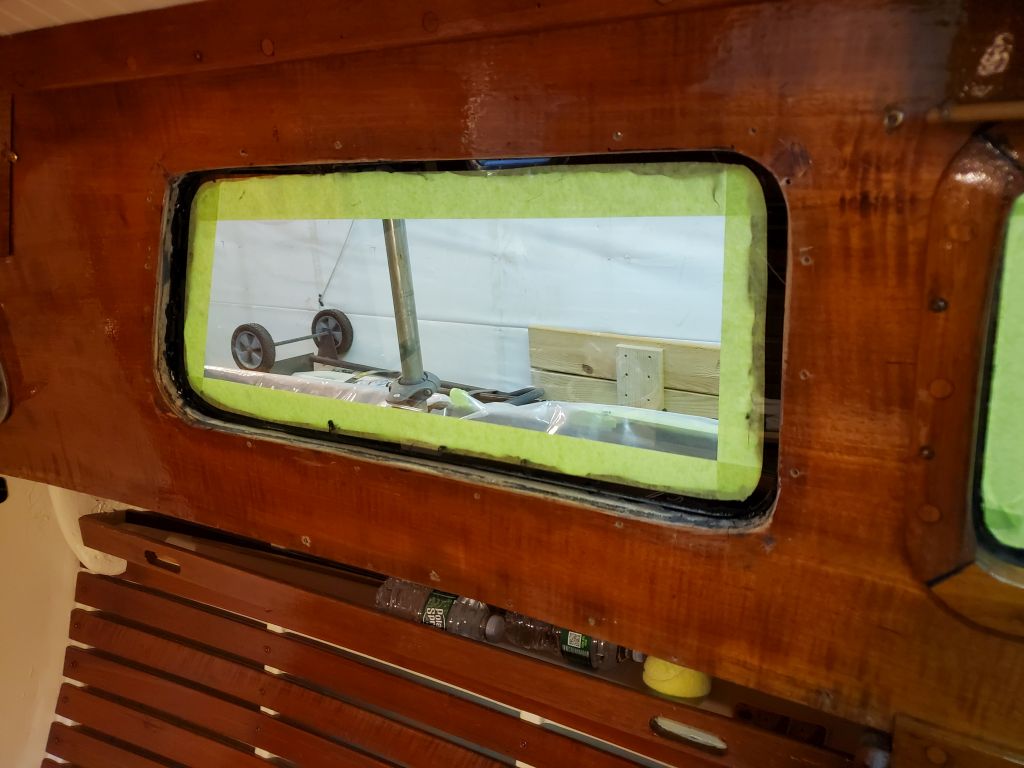
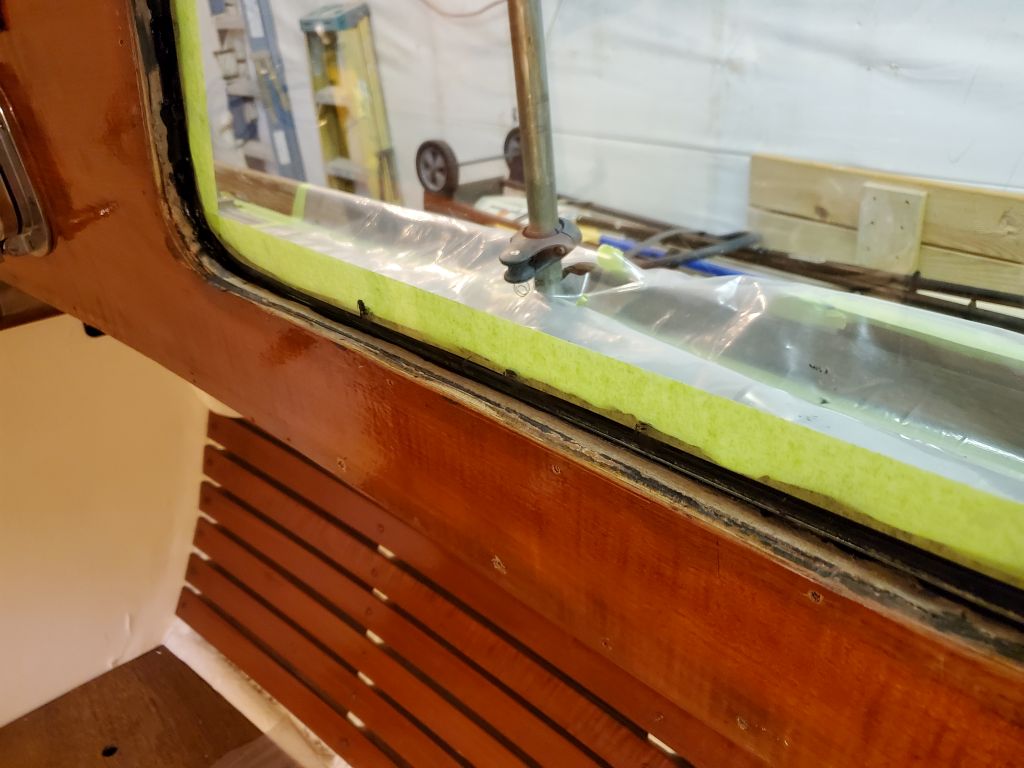
I installed the interior trim, using the screws that had been holding it at the start of the project, then masked the inside face of the trim, closest to the glass, and also masked the glass itself, following the line if the trim were to extend all the way to the glass. The tape would make it easier to tool and clean up the sealant more easily and neatly.
I applied a heavy bead of sealant into the groove between the glass and trim, then pressed and tooled it with a finger to finish off the seam.
Finally, I removed the tape to leave a clean line of sealant, and this wrapped up the installation. I reinstalled the trim I’d removed from the edge between cabin trunk and sidedeck as well.
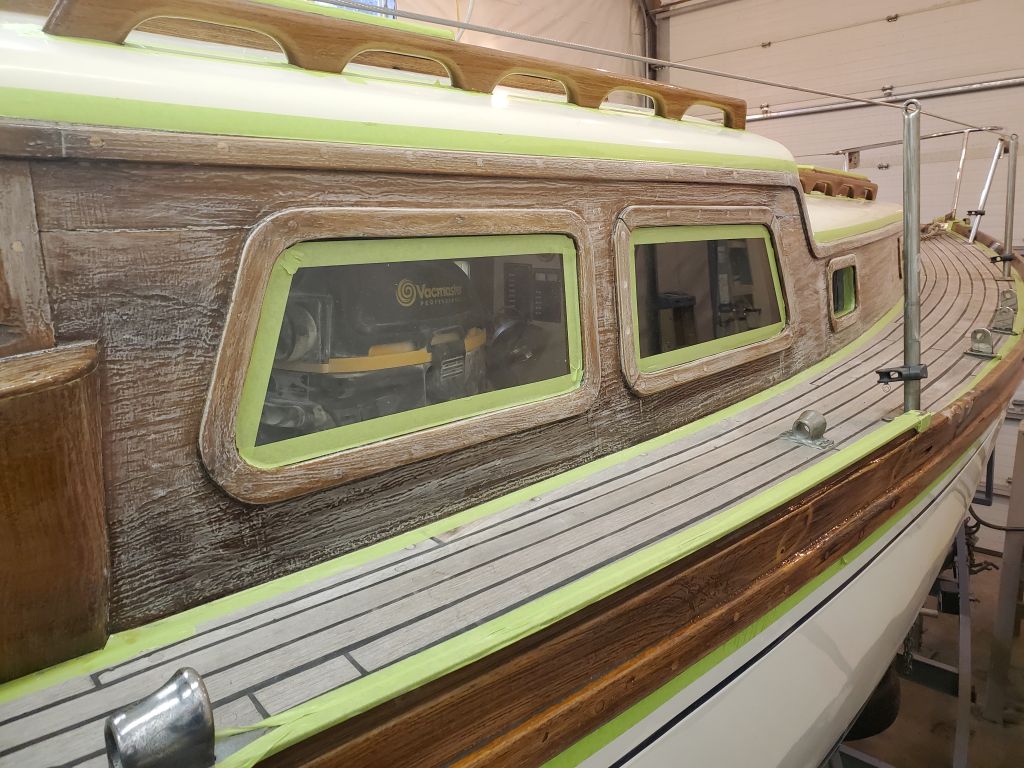
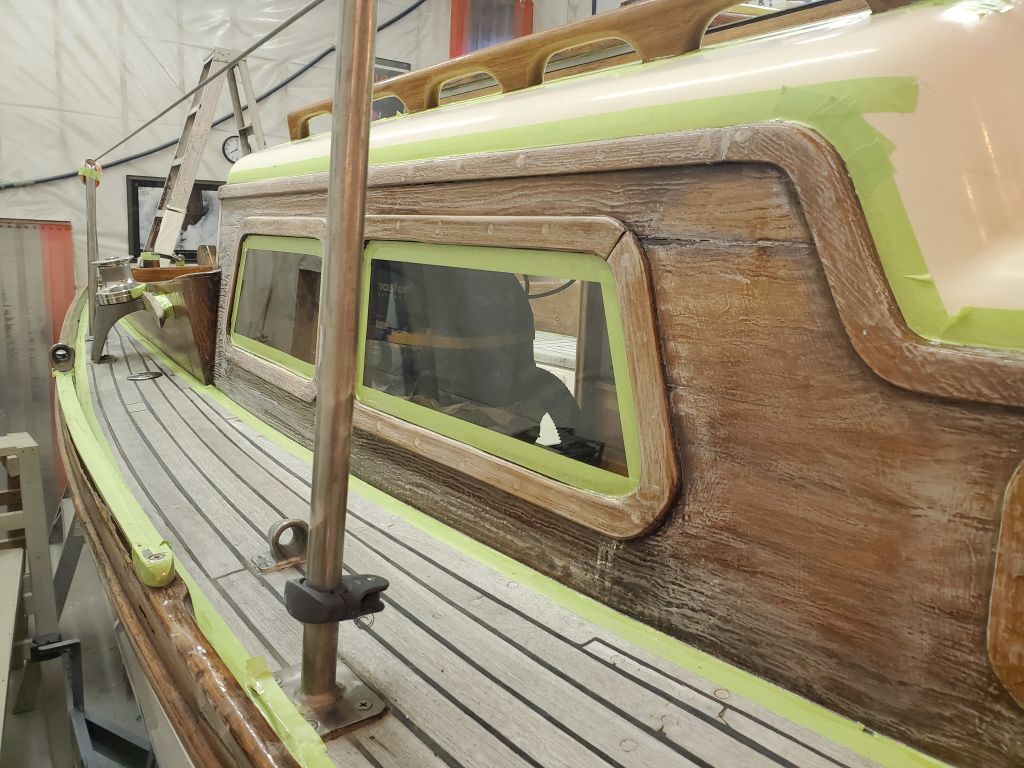
Back on deck, I lightly sanded the first coat of varnish I’d applied to most areas last time, preparing for a second maintenance coat. I vacuumed and solvent-washed thoroughly thereafter. Apparently I forgot to take any pictures from the starboard side, but you get the idea.
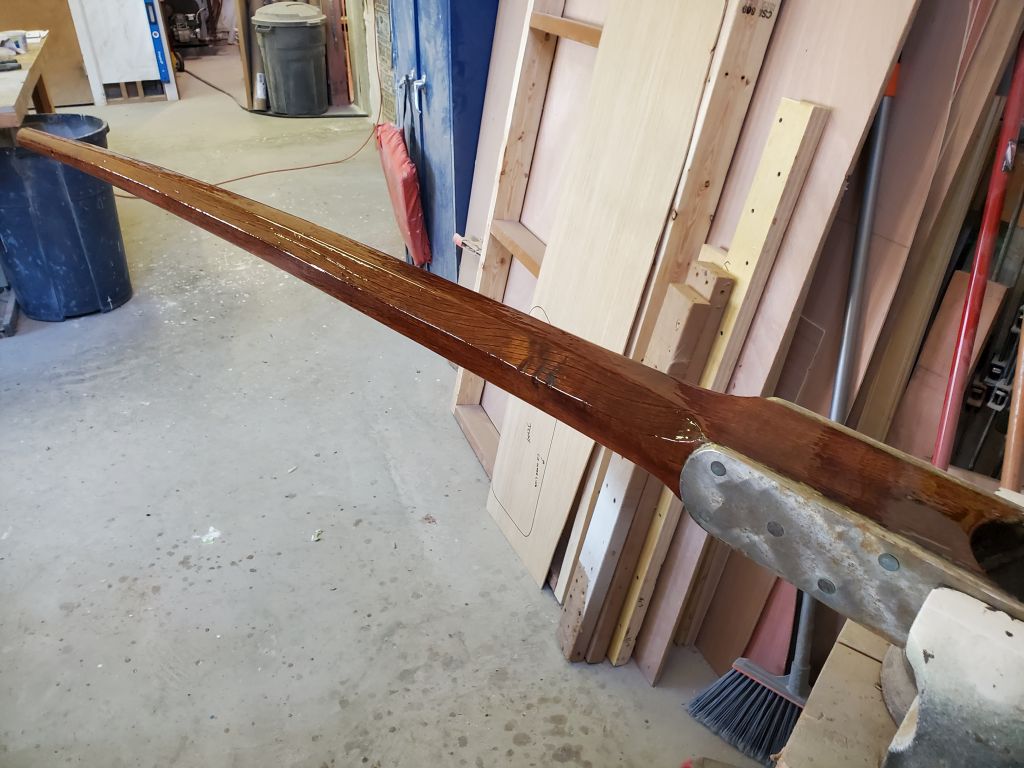
Finally, I applied a coat of varnish to the starboard cabin trunk side, to catch this area up with the rest of the boat, since I’d left this unvarnished till the window trim was complete. Before doing the varnish on the whole side, I’d dabbed some varnish onto the raw teak bungs to get some finish started in those areas first, and ultimately the new window trim would require a few more coats of varnish to build up enough varnish on the new bungs. This was a good opportunity to also take care of the second coat on the swashboards and tiller.
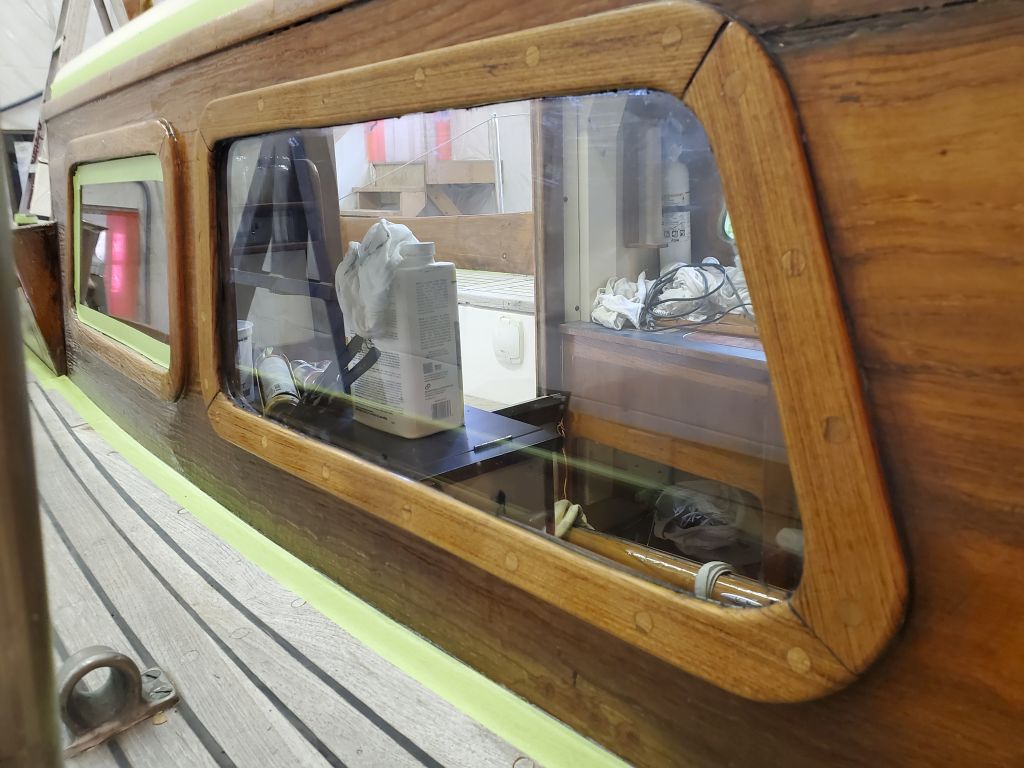
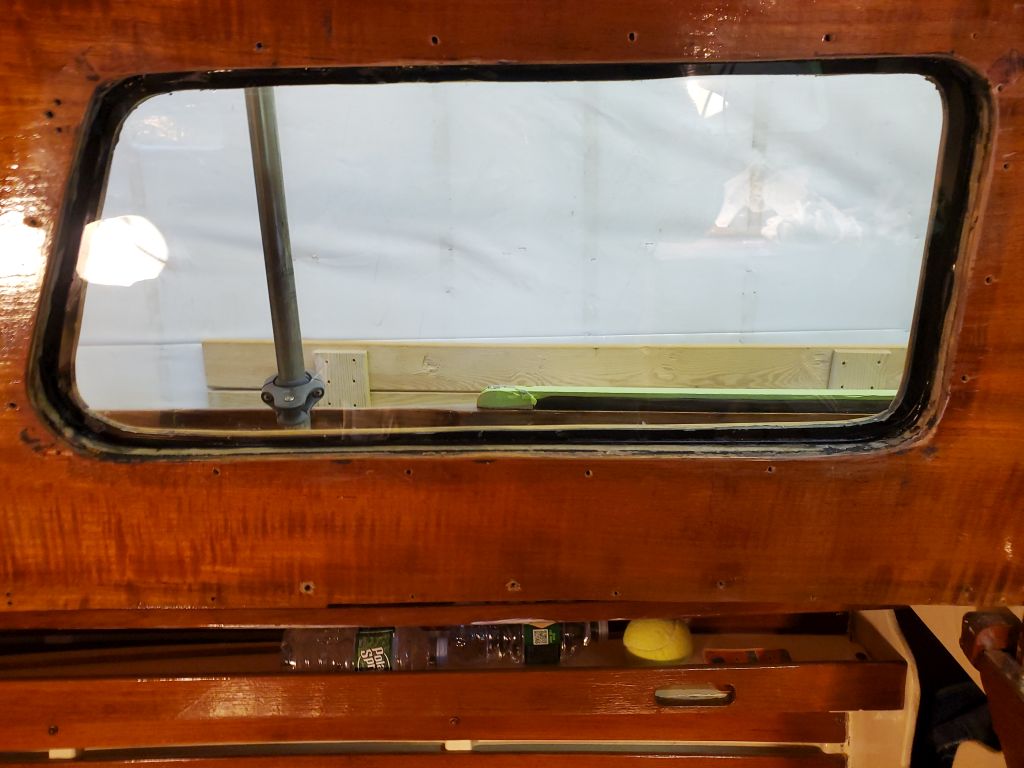
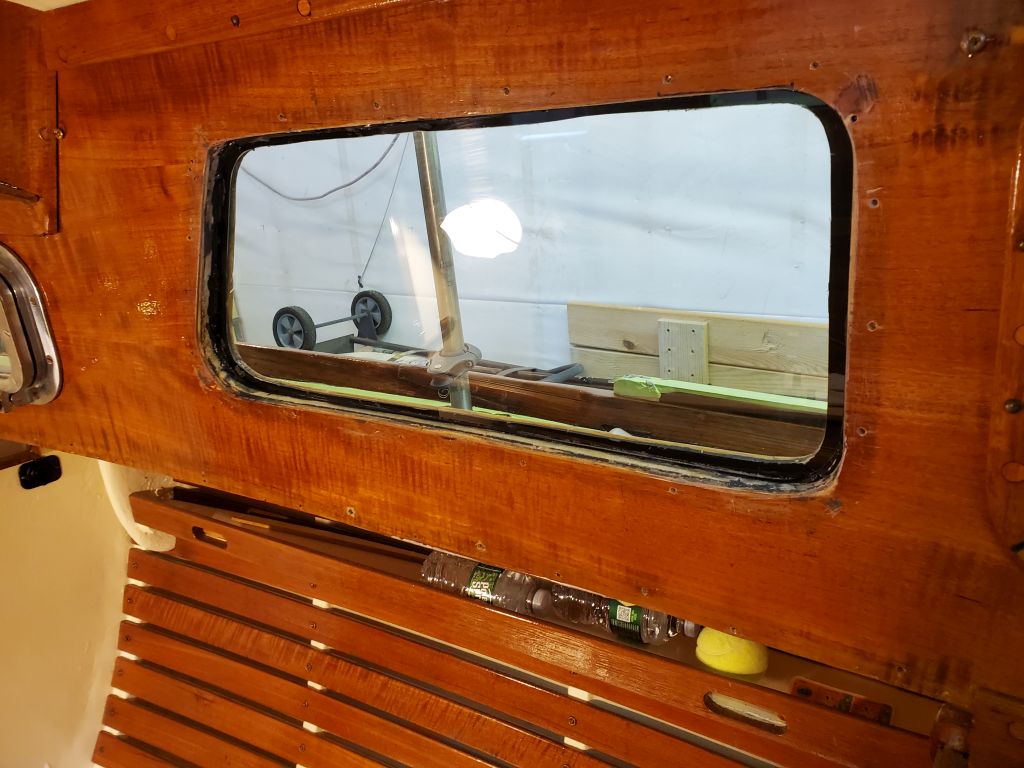
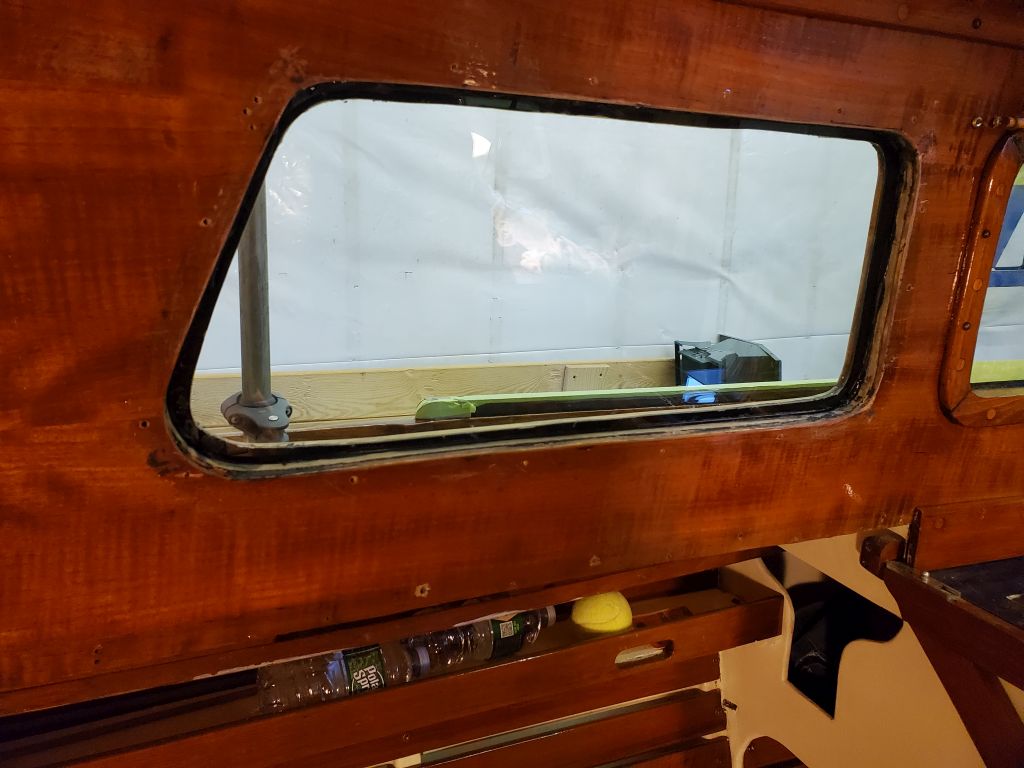
Fortunately, my early morning check of the window after installation had better results than last time: all was sound and intact. I still don’t know what happened to the glass the first time around, but in any event now the window was installed and looking good.
Because it’d been substantially fewer than 24 hours since installation, I chose not to do much more with the window at this point, not wanting to upset the sealant before it had a chance to fully cure, but inside I removed the temporary trim and masking tape to give me a good look at the seal from inside the glass, where the pressed-out sealant was clearly visible around all the edges.
One thing I could do was install bungs in all the screw holes in the exterior trim. I glued these in place and left them to cure for the day. The new trim afforded adequately deep bung holes to accept the bungs and glue.
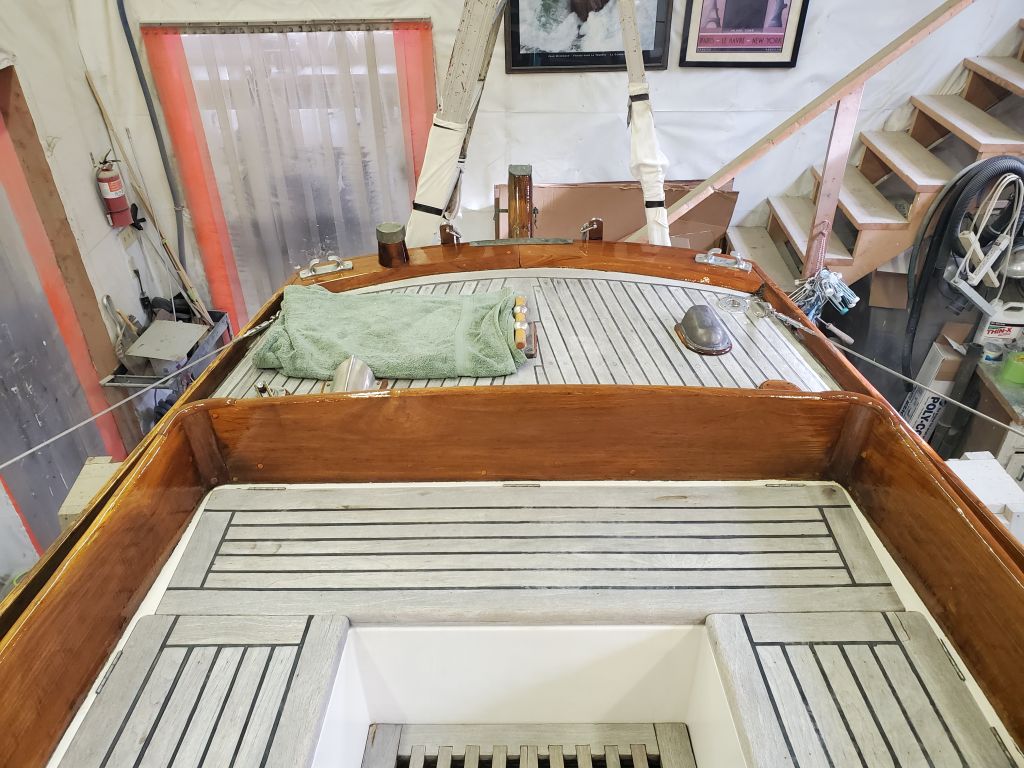
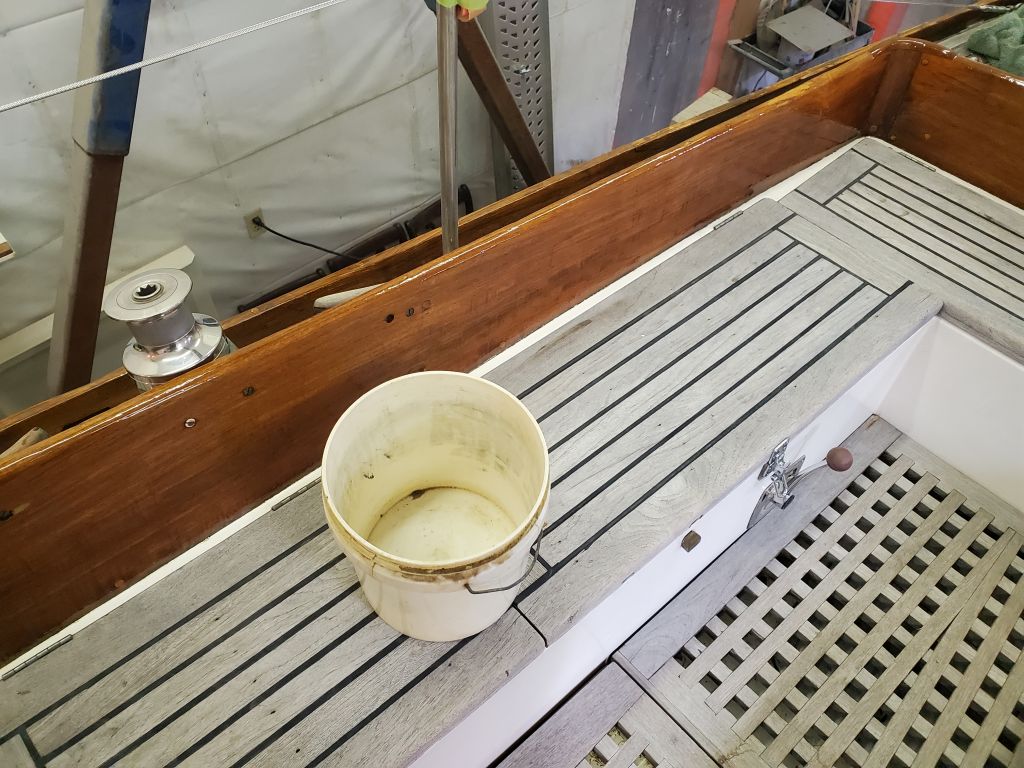
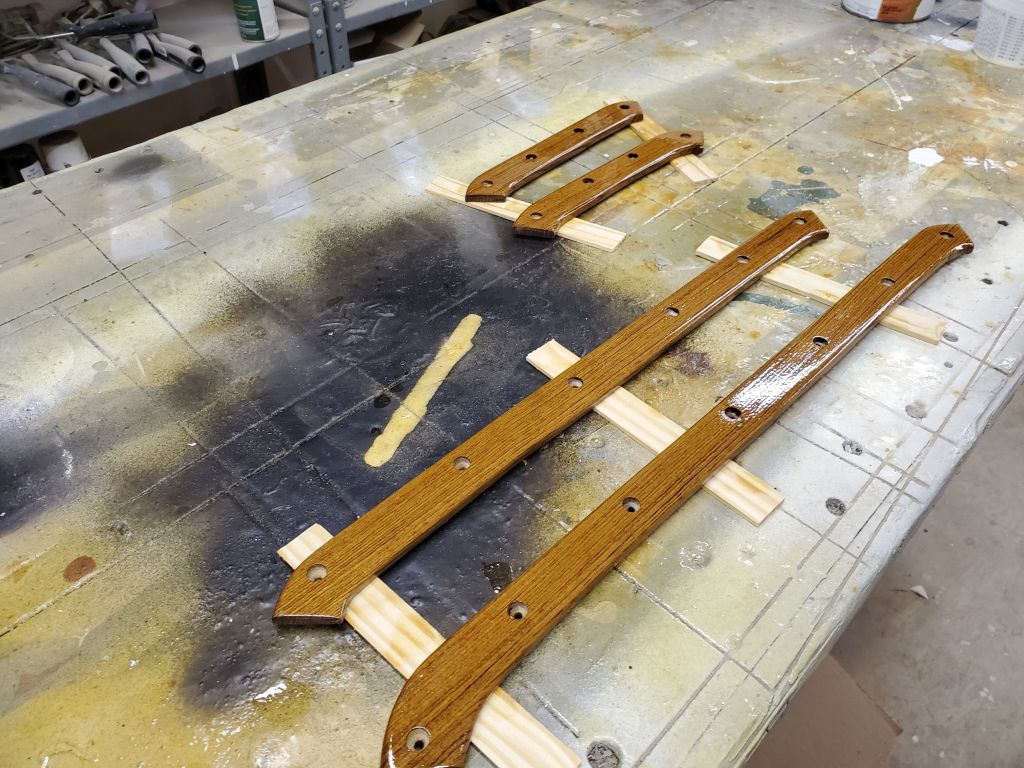
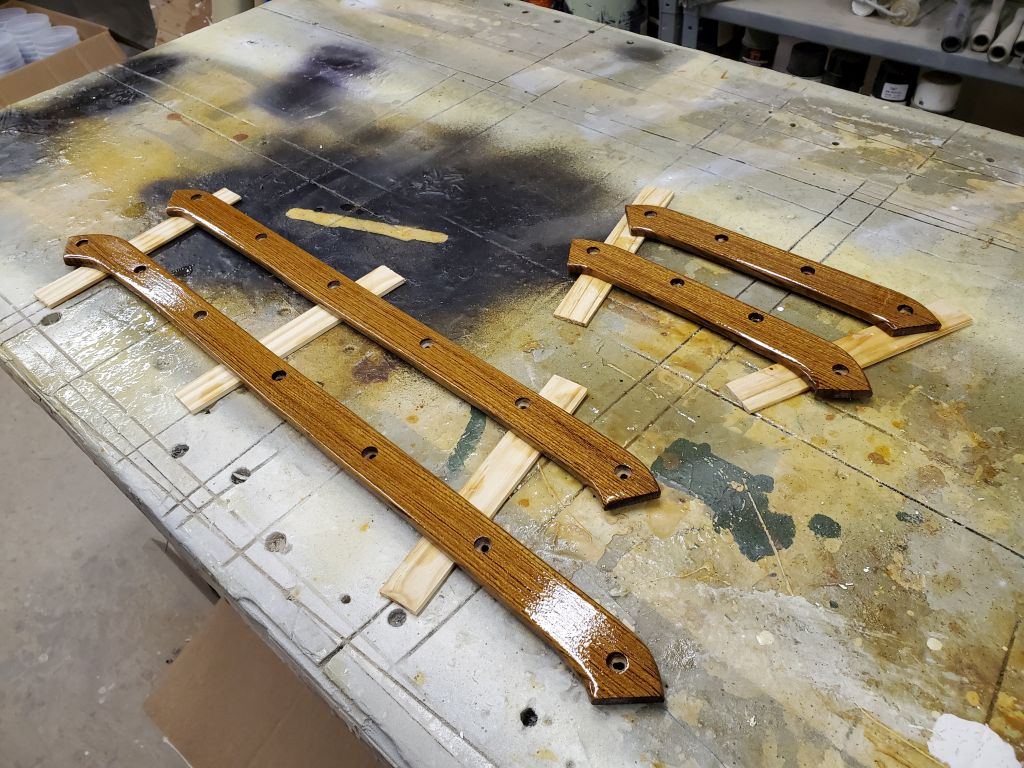
Next, I turned to the brightwork, and after final preparations applied a coat of varnish to the coachroof handrails, hatch trim, forward face of the cabin trunk, and cockpit coamings. It was handy in this case that the wooden cabin trunk had various places to start and stop varnish, such as the vertical corners and trim, so I could do the work in a more convenient and piecemeal fashion.
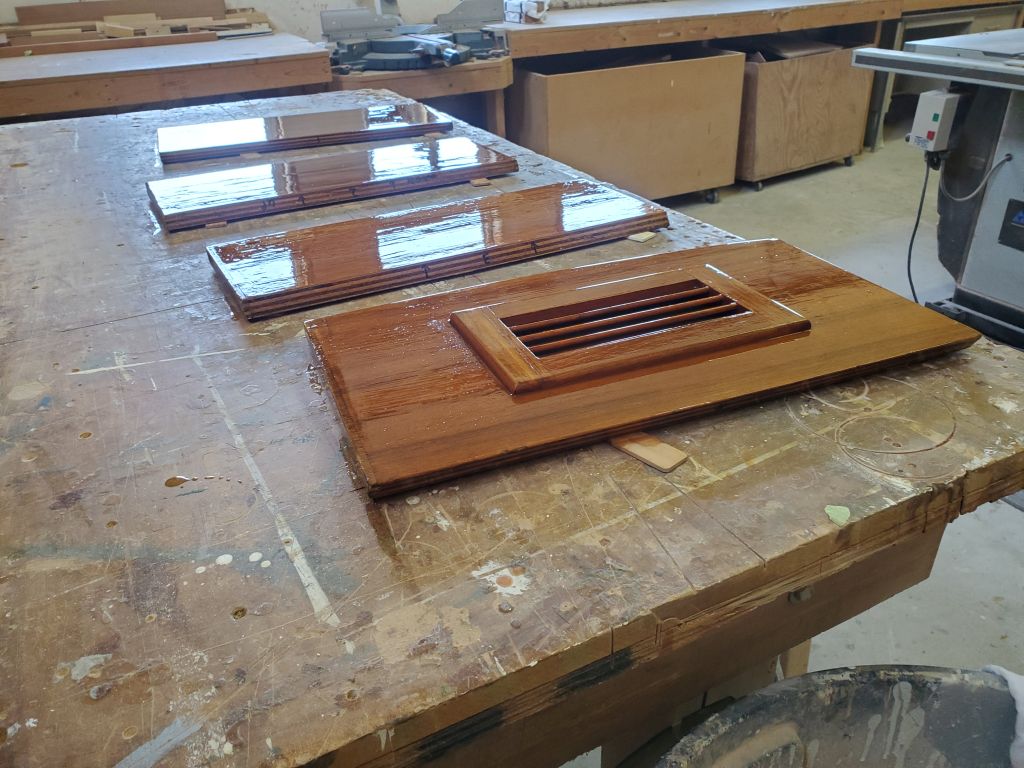
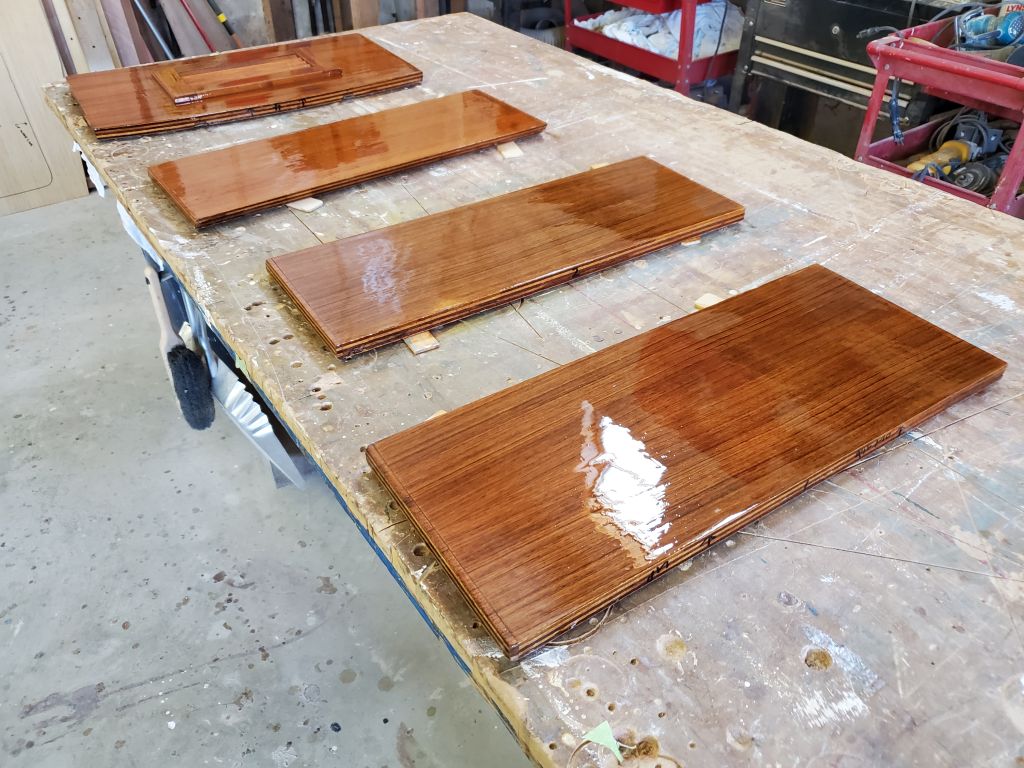
With the deck-based trim under varnish, I continued with the loose pieces in the woodshop–the companionway boards and tiller.
Then, I varnished the port cabin trunk and toerail.
I finished up with a coat on the taffrail and starboard toerail; the starboard cabin trunk would wait till the new deadlight trim was ready for varnish and I’d prepared the area.
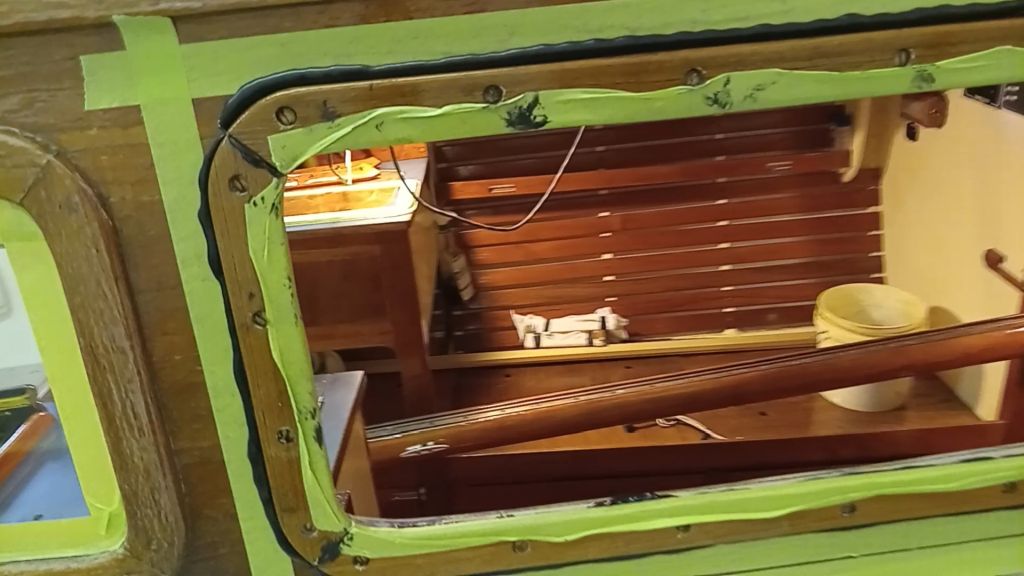
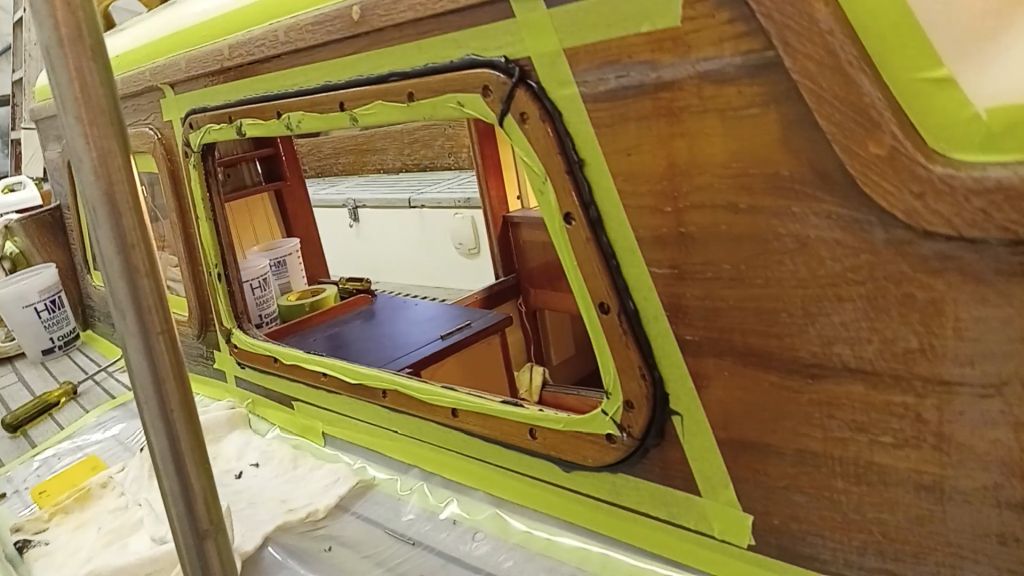
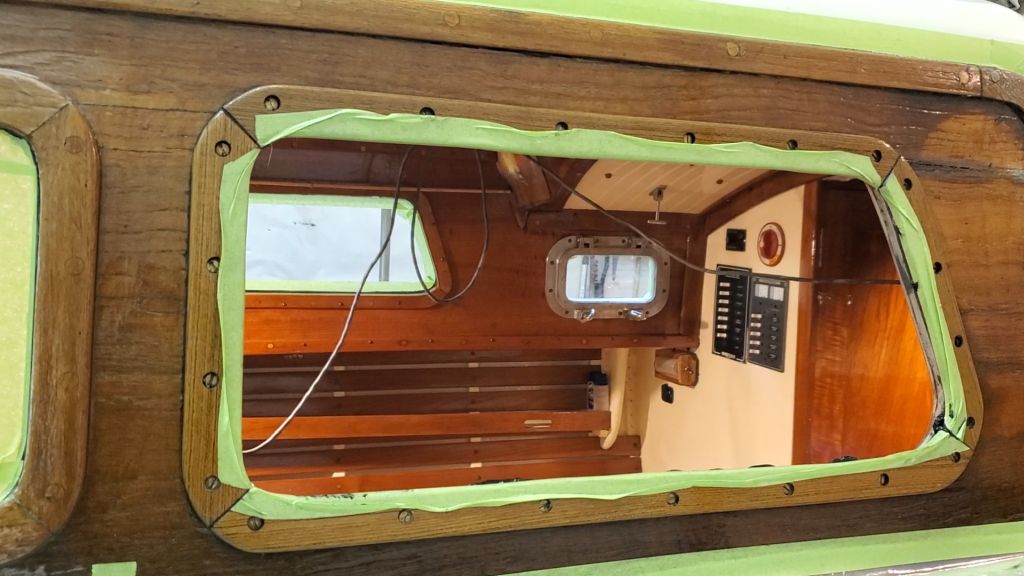
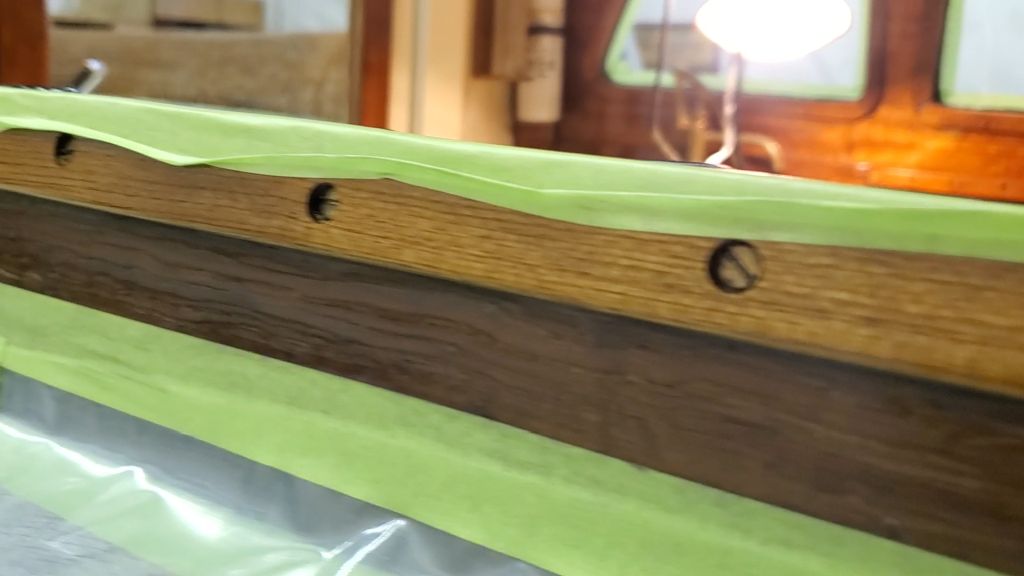
After a few days away from the shop, I was looking forward to finishing up the deadlight installation (again). My time away had given the glass shop time to “almost” finish the new pane of glass–when I called first thing in the morning I was told I could probably pick it up in the afternoon. This gave me time for some unrelated errands, and on my way home I received notice that the glass was done, so I picked up the new pane.
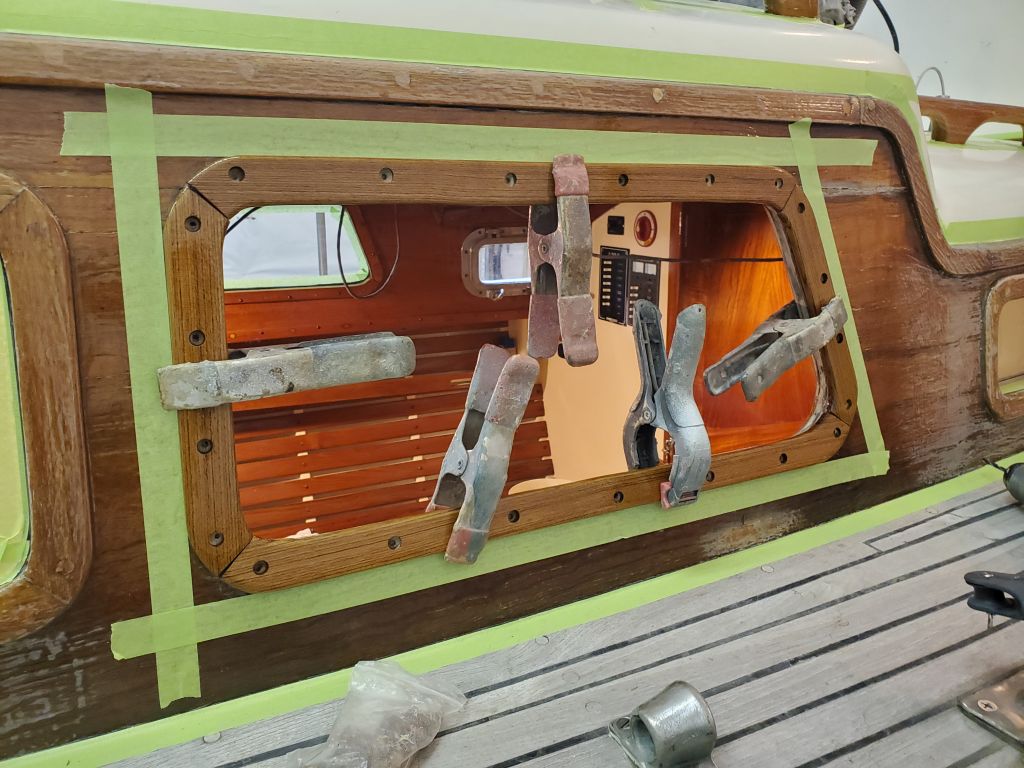
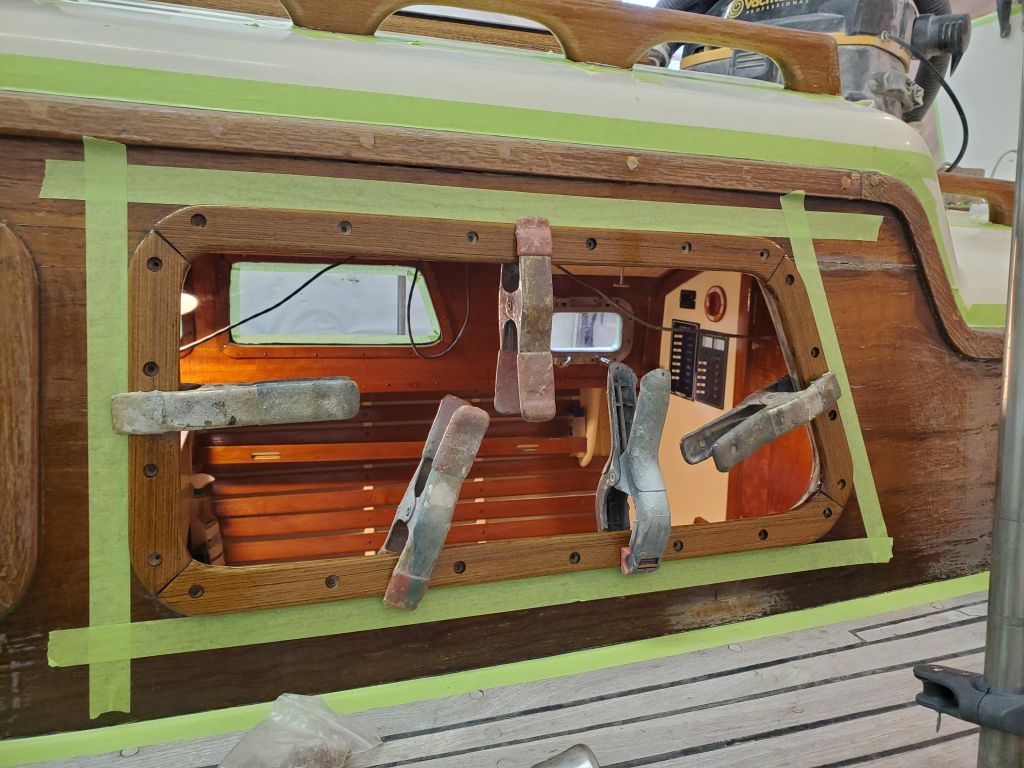
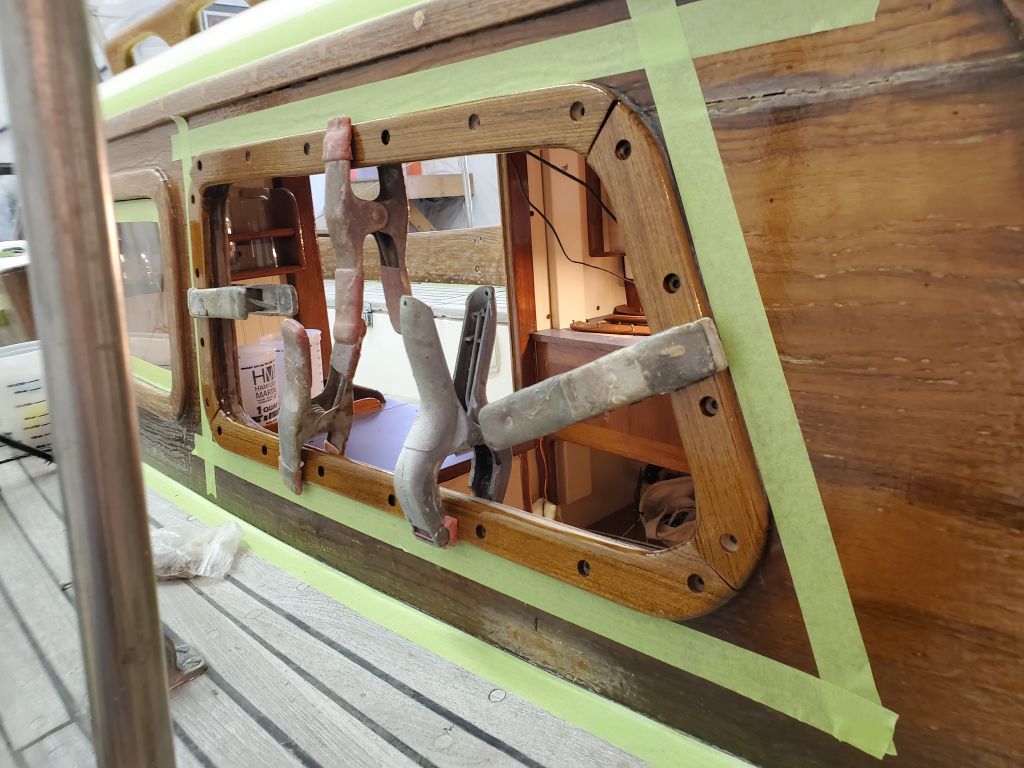
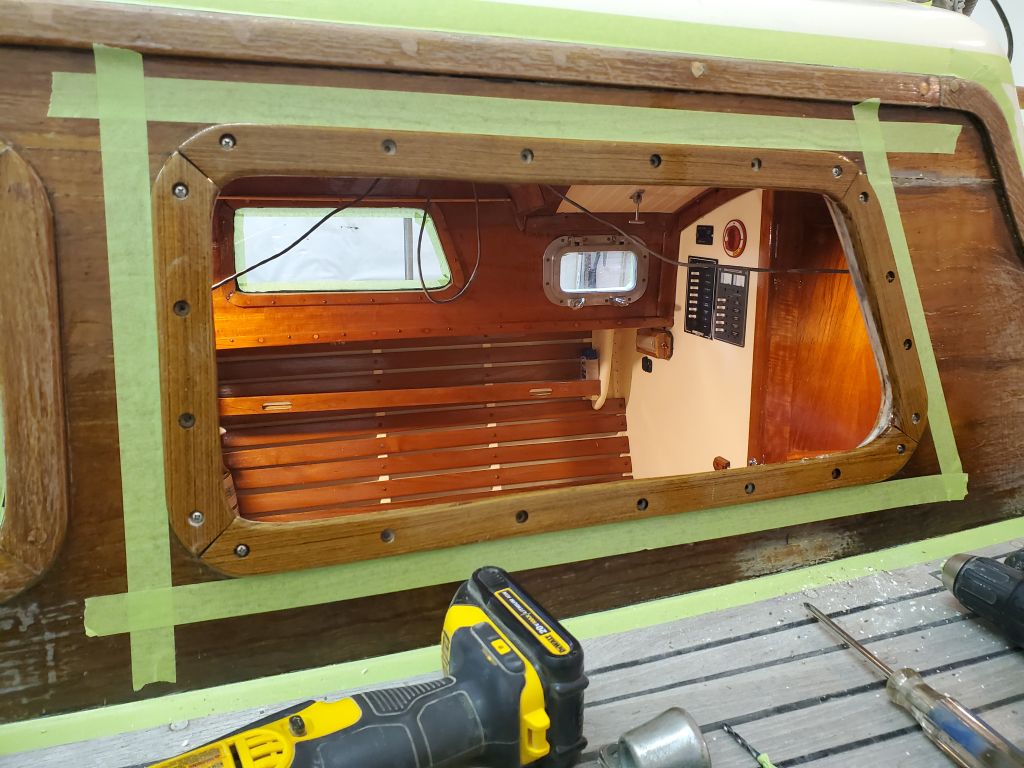
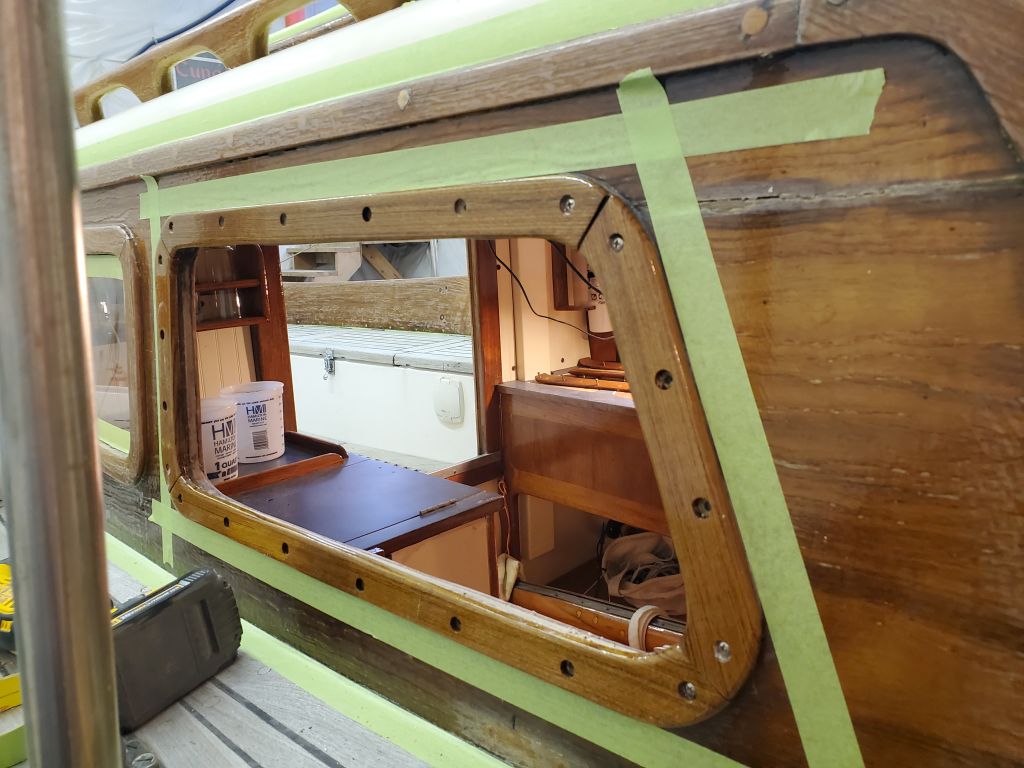
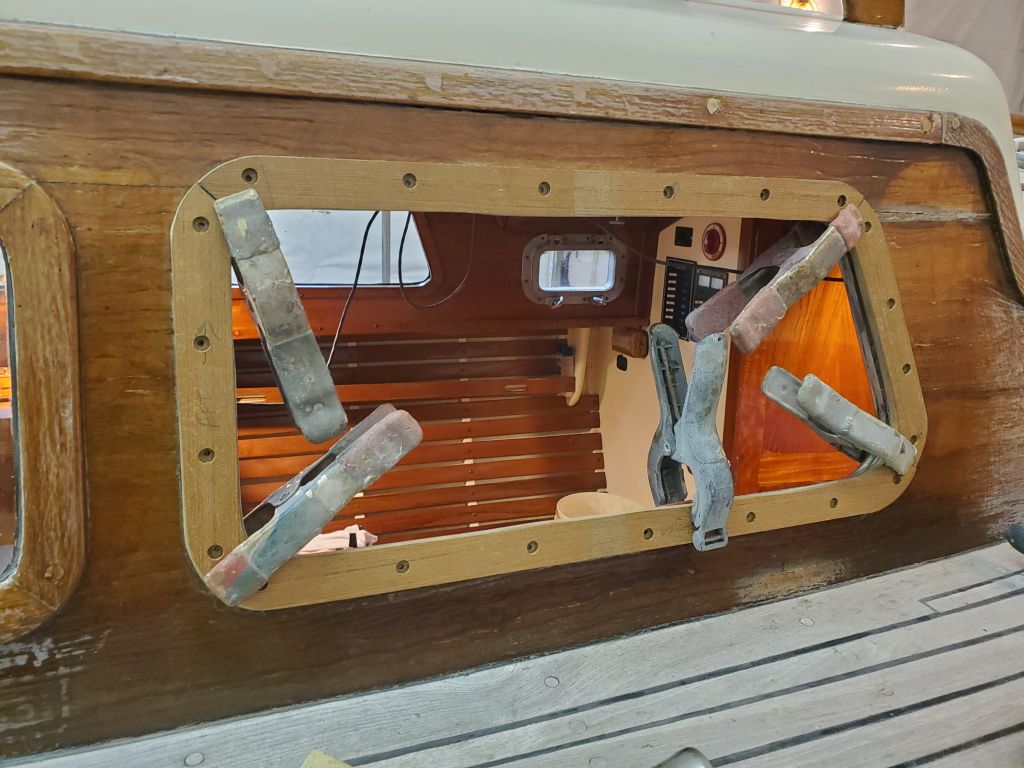
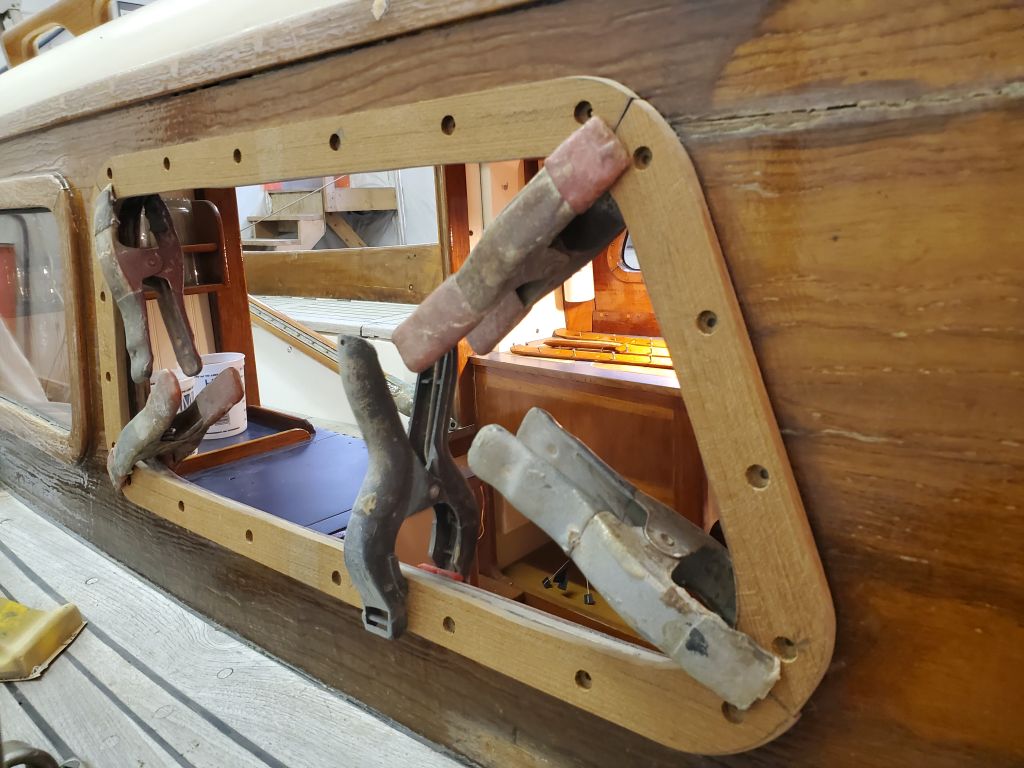
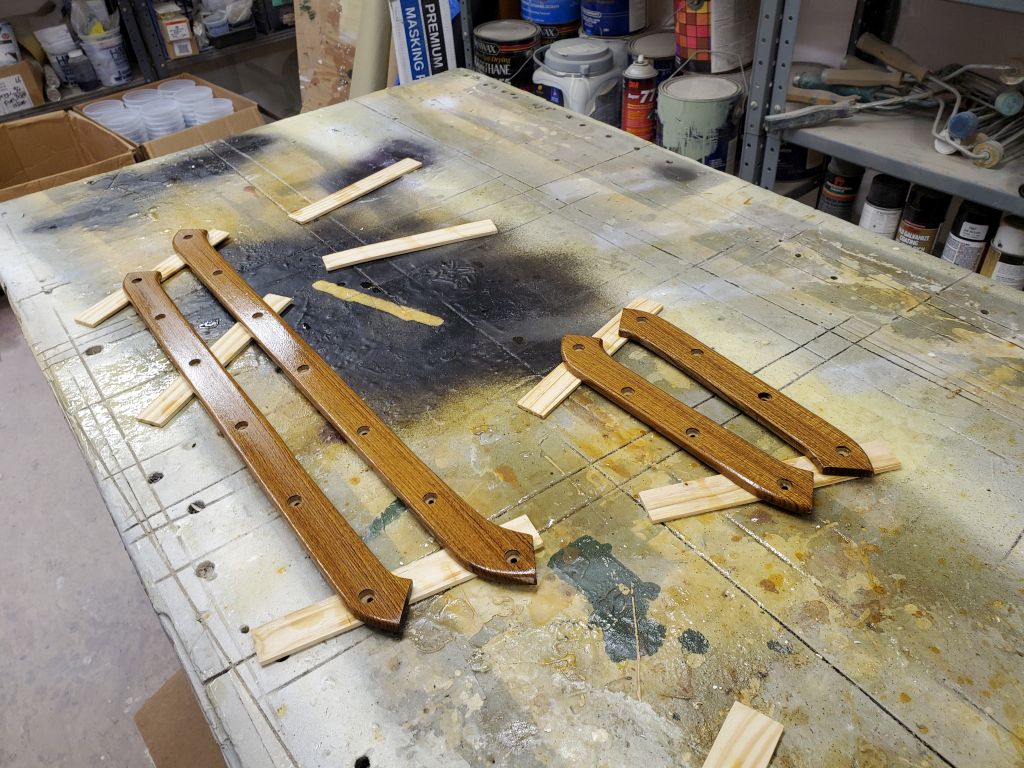
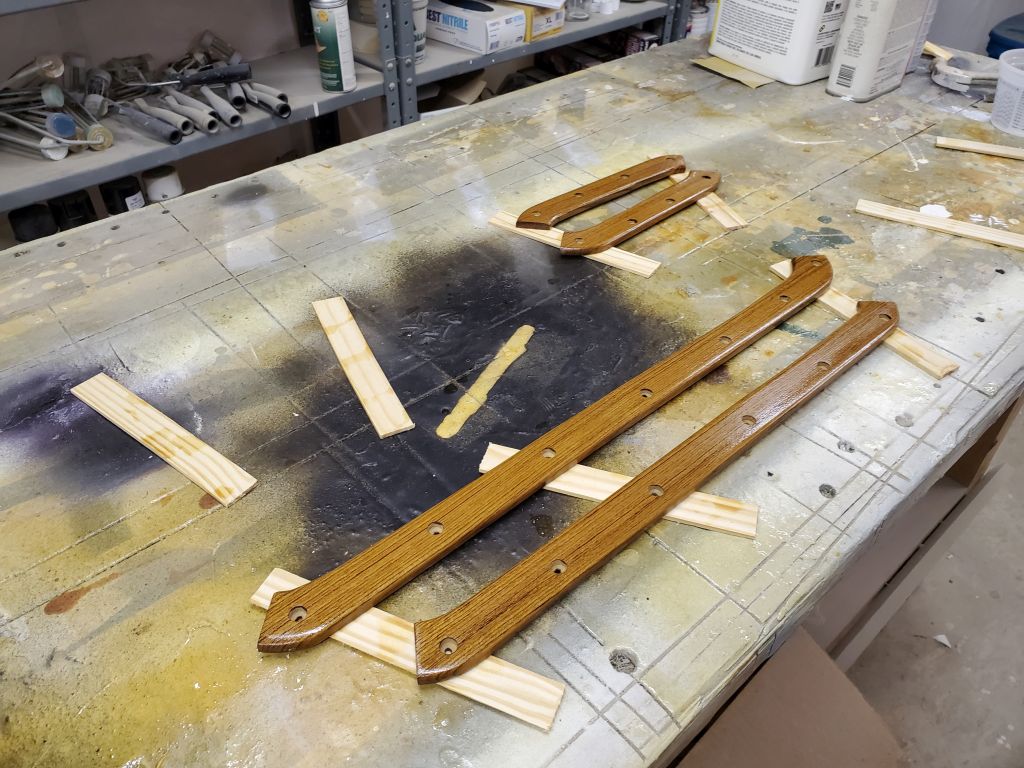
Back at the shop, I started by dry-installing the new window trim, which now had 4 coats of varnish on it. With the trim clamped in place in the proper position, I installed two temporary screws in each piece to hold it, drilling and tapping the cabin sides, with their epoxy-filled holes, for the #8 machine screws. I used temporary stainless steel screws with a Philips pan head because they were easier to manipulate than the “real” slotted bronze screws that I’d use for the final installation.
Inside the boat, I double-checked for proper overhang of the trim to provide a resting place for the glass window.
Next, I test-fit the glass to ensure it fit correctly, then, with tape applied to the exterior edges of the pane, taped it thoroughly in place so I could mark and trim the tape where the trim overlapped it.
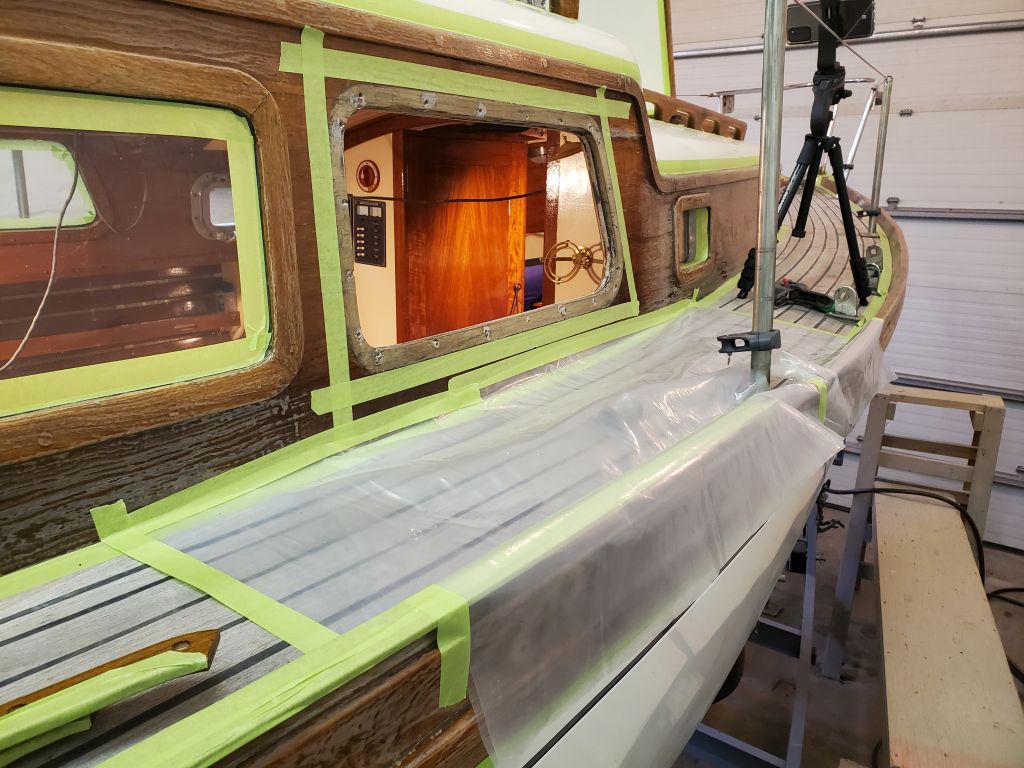
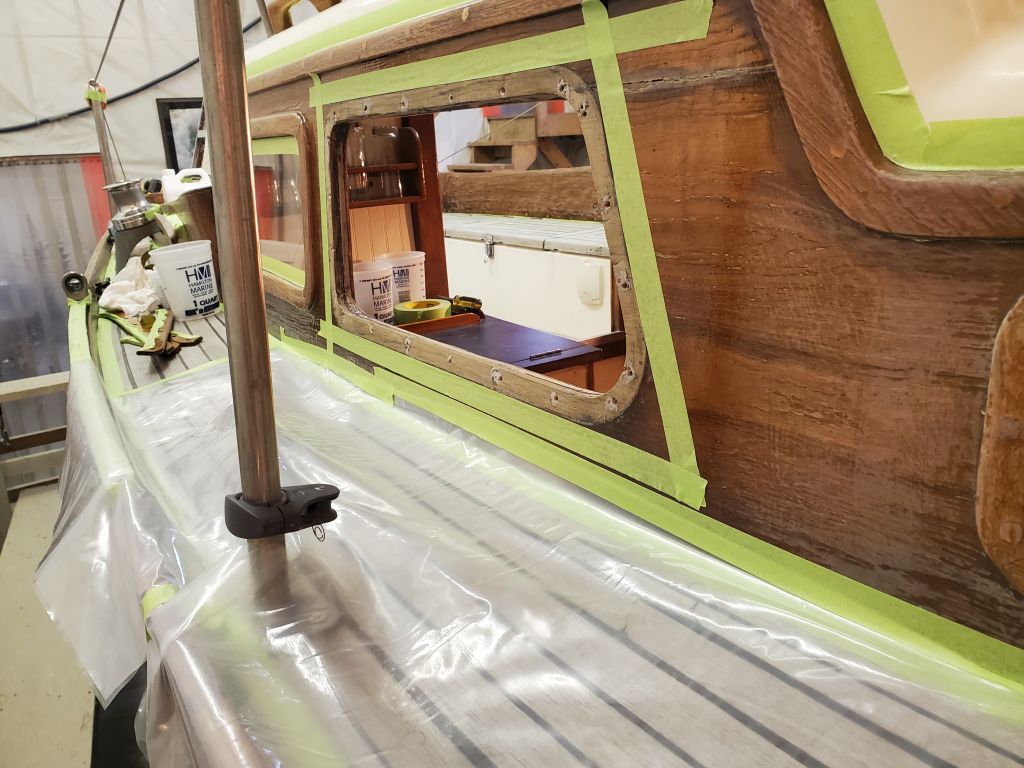
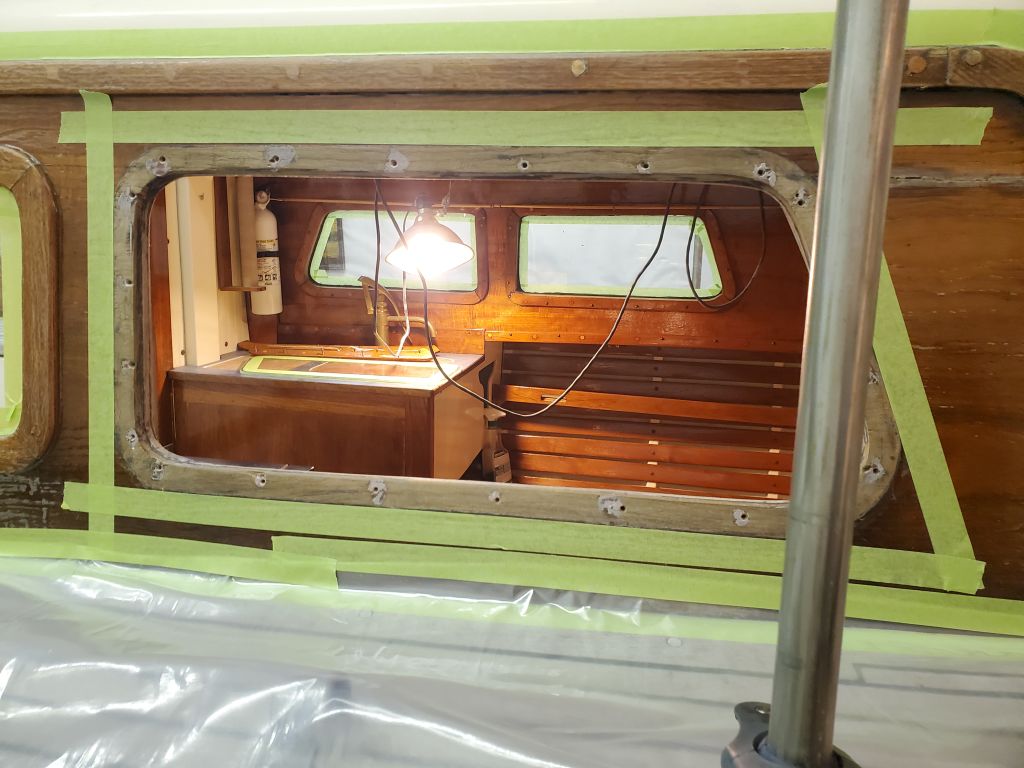
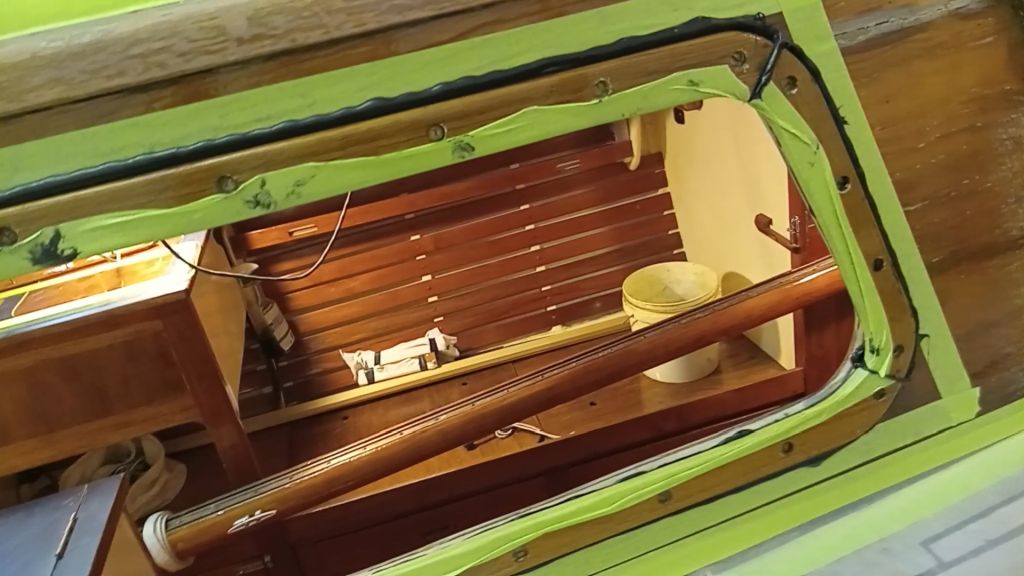
Next, I removed the glass and trimmed the tape where I’d scored it, then used the pilot drill to drill the cabin side for all the remaining screw holes before removing the trim; afterwards I used the 8-32 tap to finish off each hole for the screw threads. Then, I made final preparations for the trim and glass installation, including covering the deck with plastic and masking the inside edge of the trim pieces where they’d meet the glass, since I planned to leave the sealant squeezeout to cure before removing.
Applying a heavy bead of sealant one trim piece at a time, I installed the trim from outside with bronze screws, then cleaned up the sealant around the outer edges.
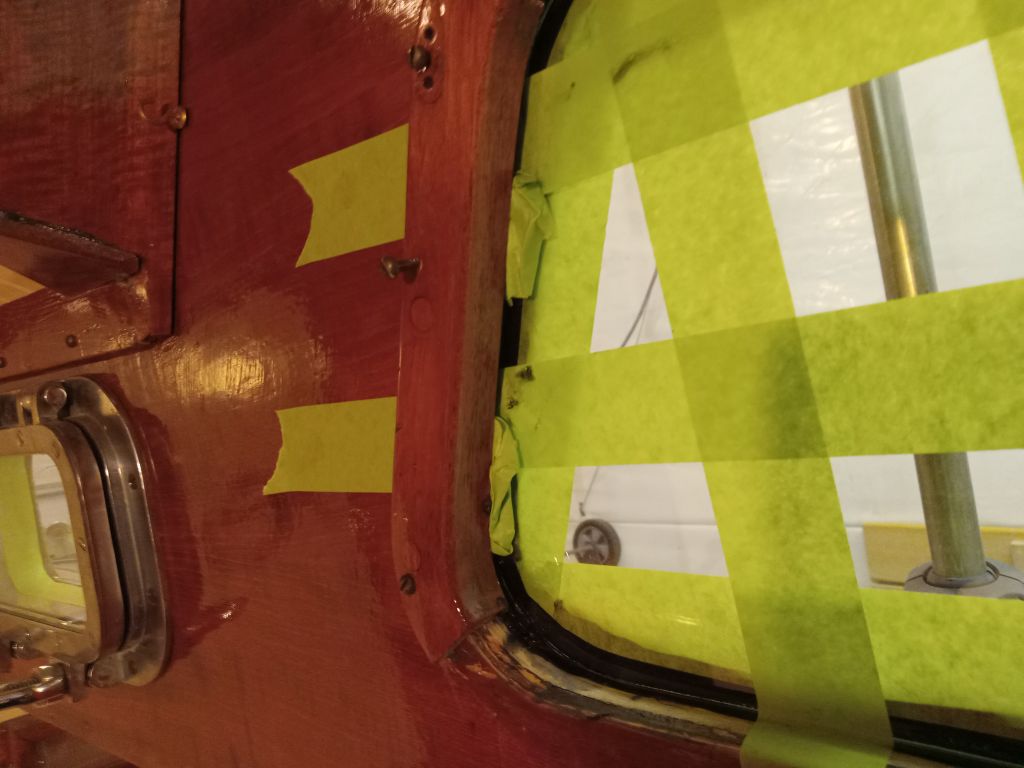
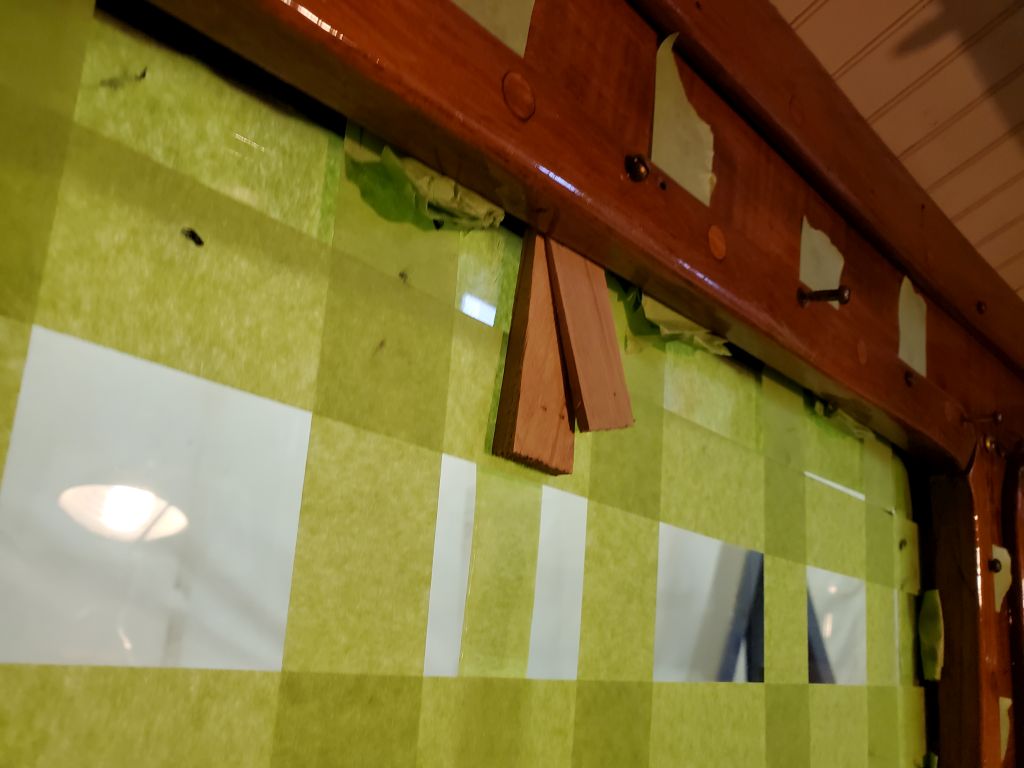
From inside, I added more sealant to the corner between the trim and the cabin sides–there was already a good bead there from the trim itself–and carefully pressed the glass into place, watching the sealant press out evenly from inside the glass to ensure a good seal. Then, I taped the glass in place securely to hold it, and added some of the interior trim as a fail-safe to prevent the glass from falling into the cabin should the worst happen. To help secure the glass further, I rolled up some bundles of tape and used it as wedges between the trim and the glass, and even a couple small and carefully-installed wooden wedges in one area that needed a touch more pressure.
Last time, I’d secured the latch block for the forward hatch to the underside of the lid with epoxy: the screws that had held it before were pulling out of the wood and wouldn’t hold it securely. I thought the existing block, with the new and larger gasket, would allow full closure and gasket compression as is, but it needed a stronger mount. Now, with the epoxy well-cured, I tested the latch and was pleased with the way it compressed the gasket all around.
I continued the varnish work on the new window trim with a quick sanding and third coat.
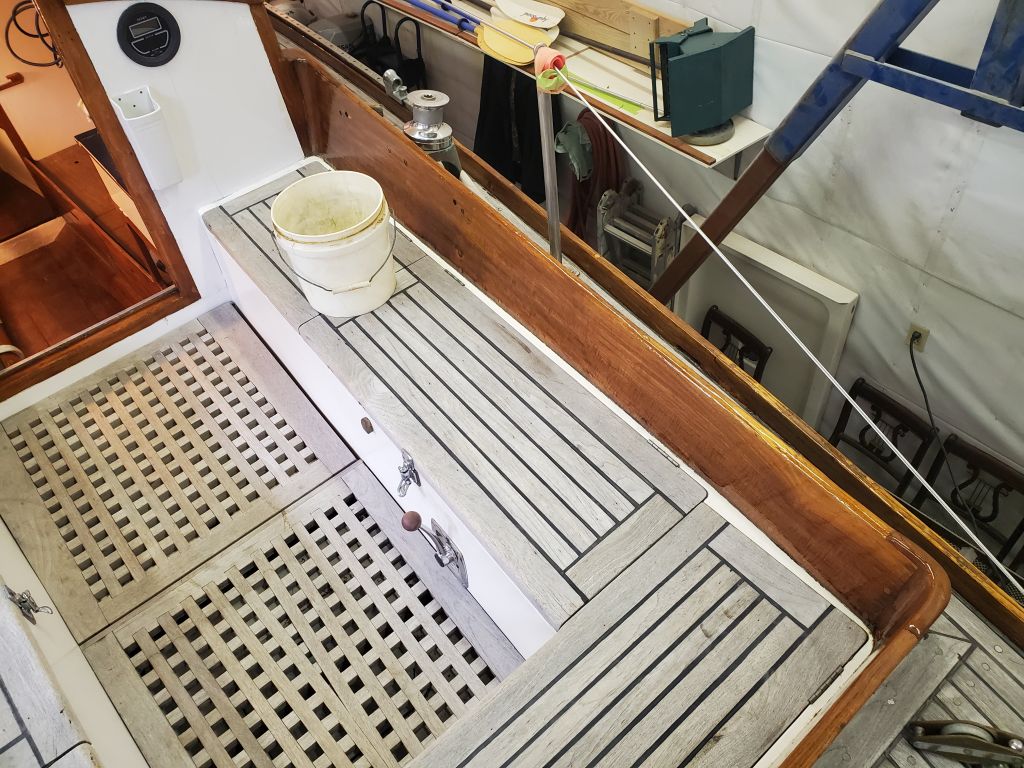
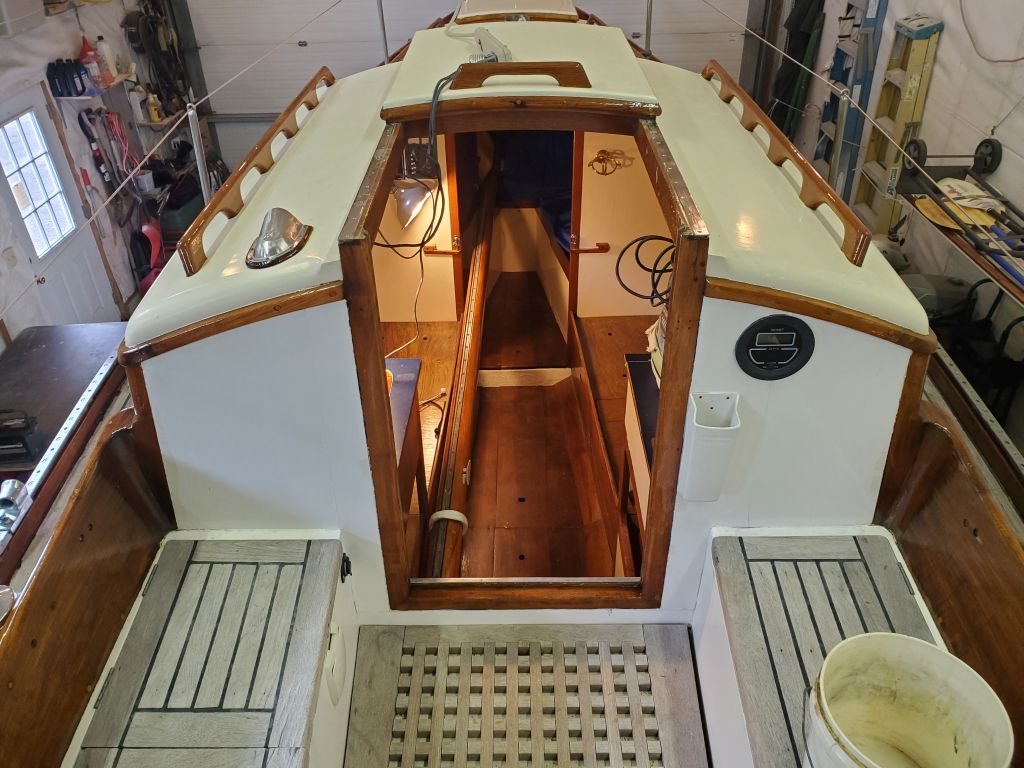
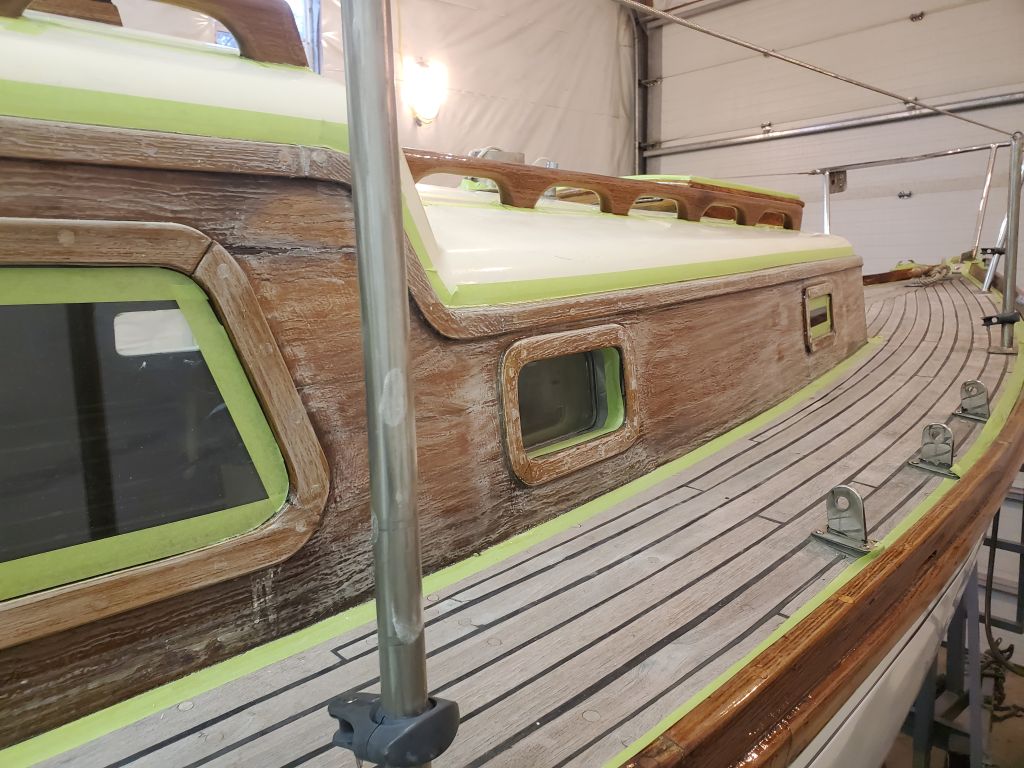
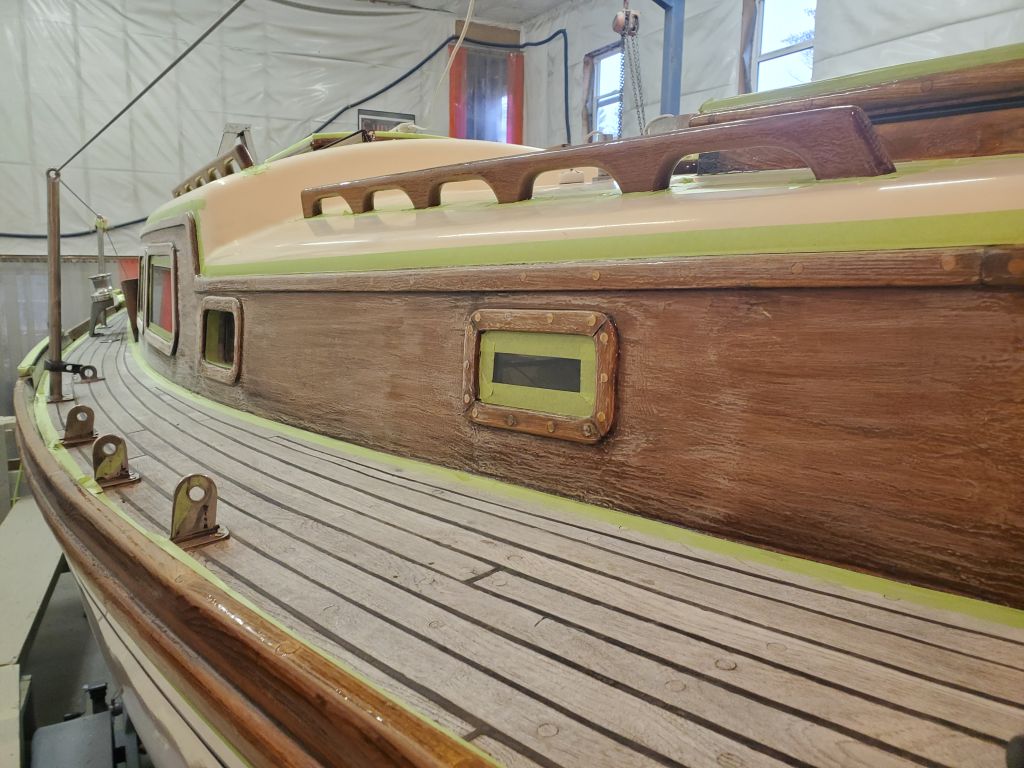
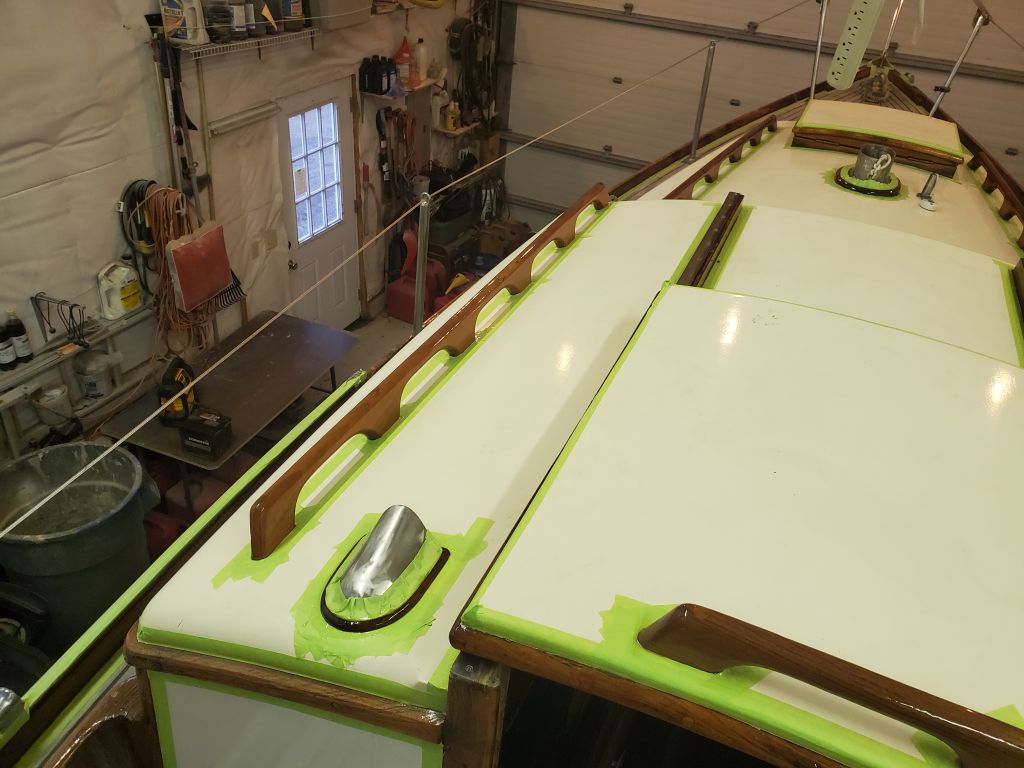
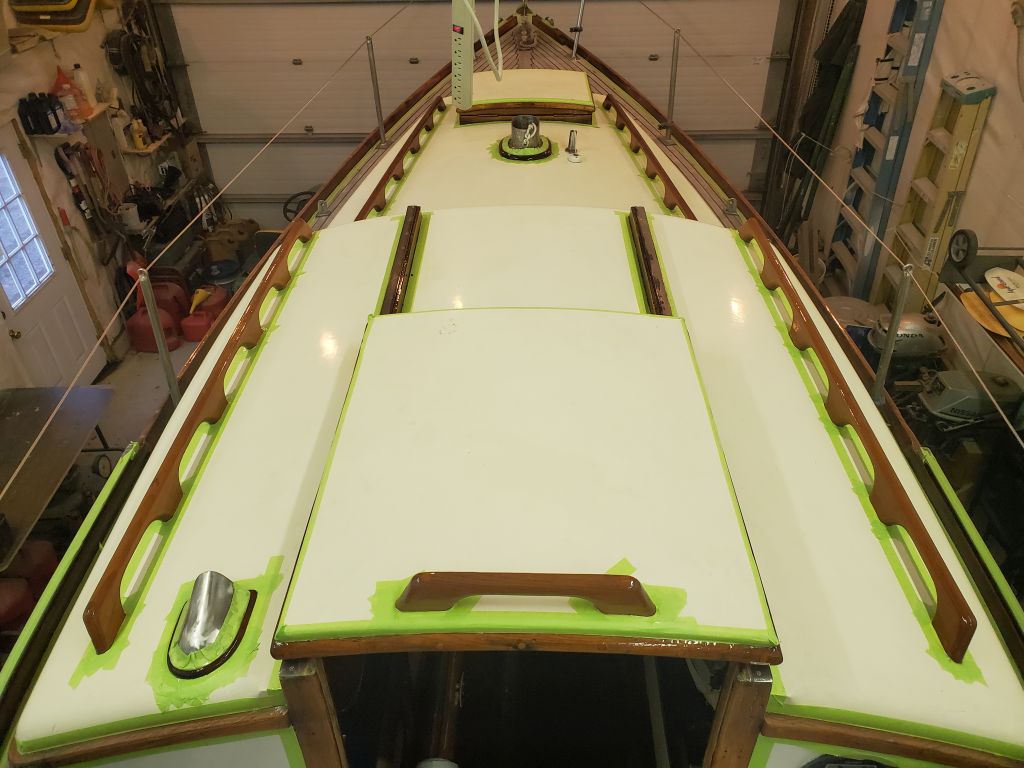
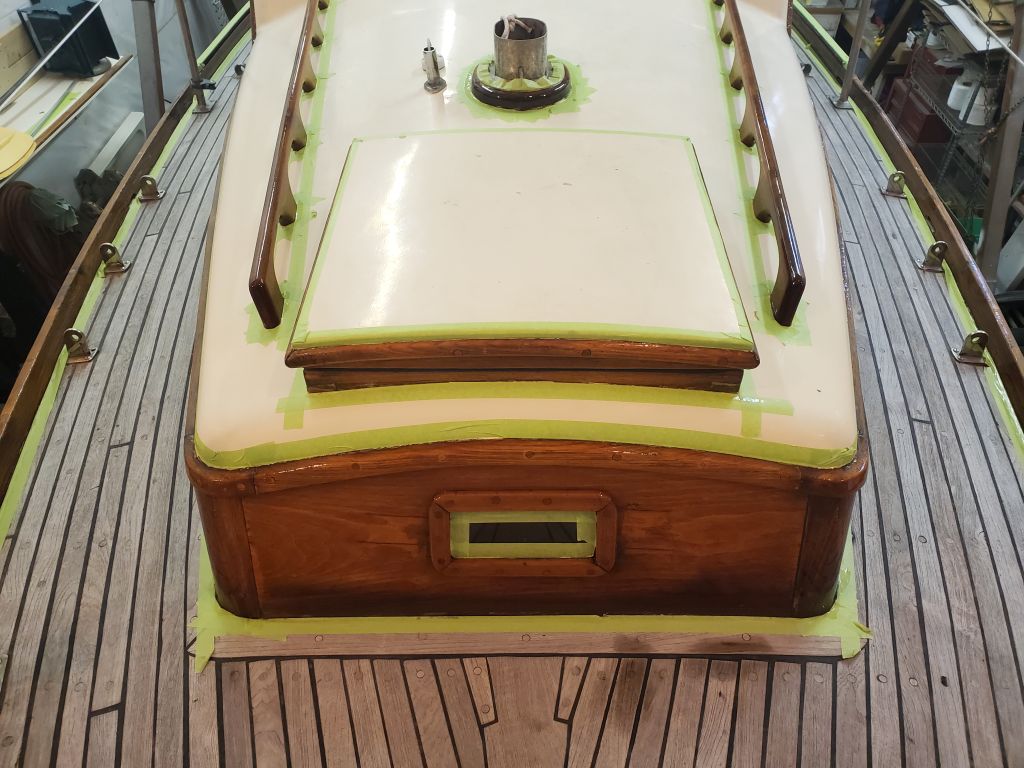
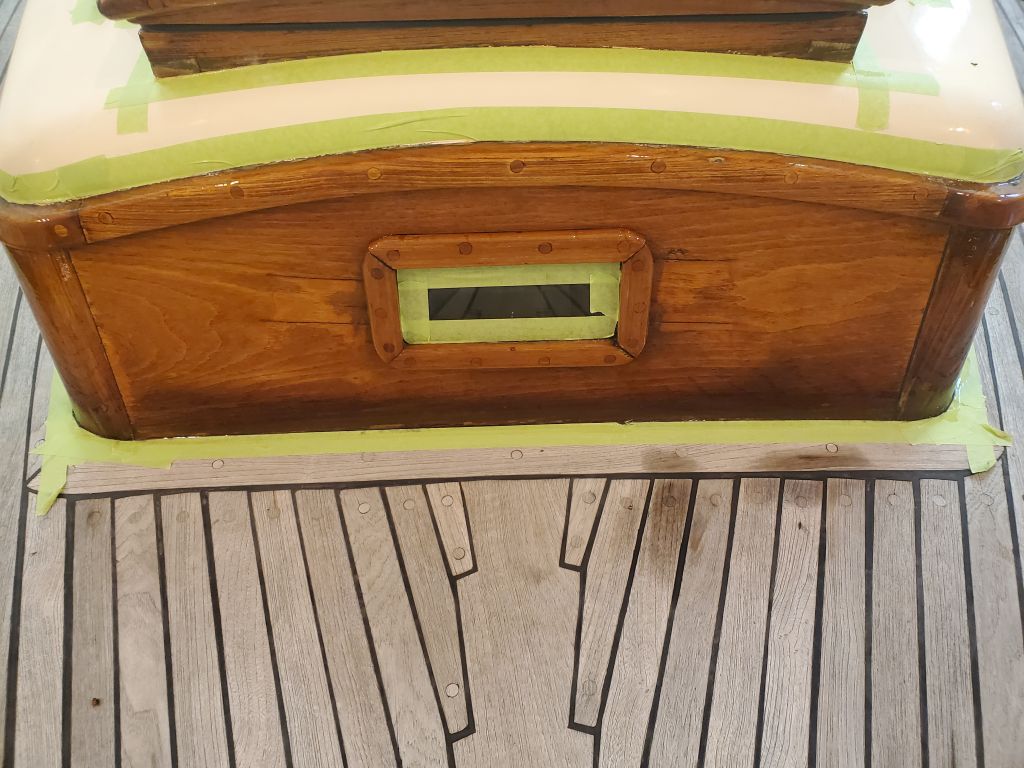
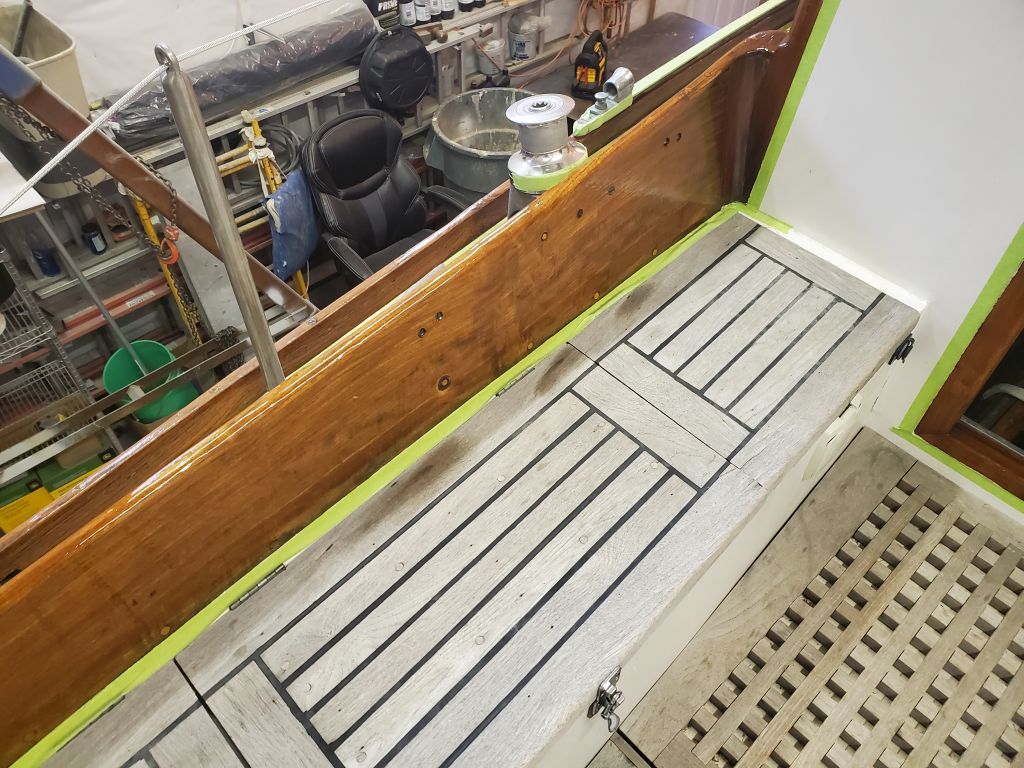
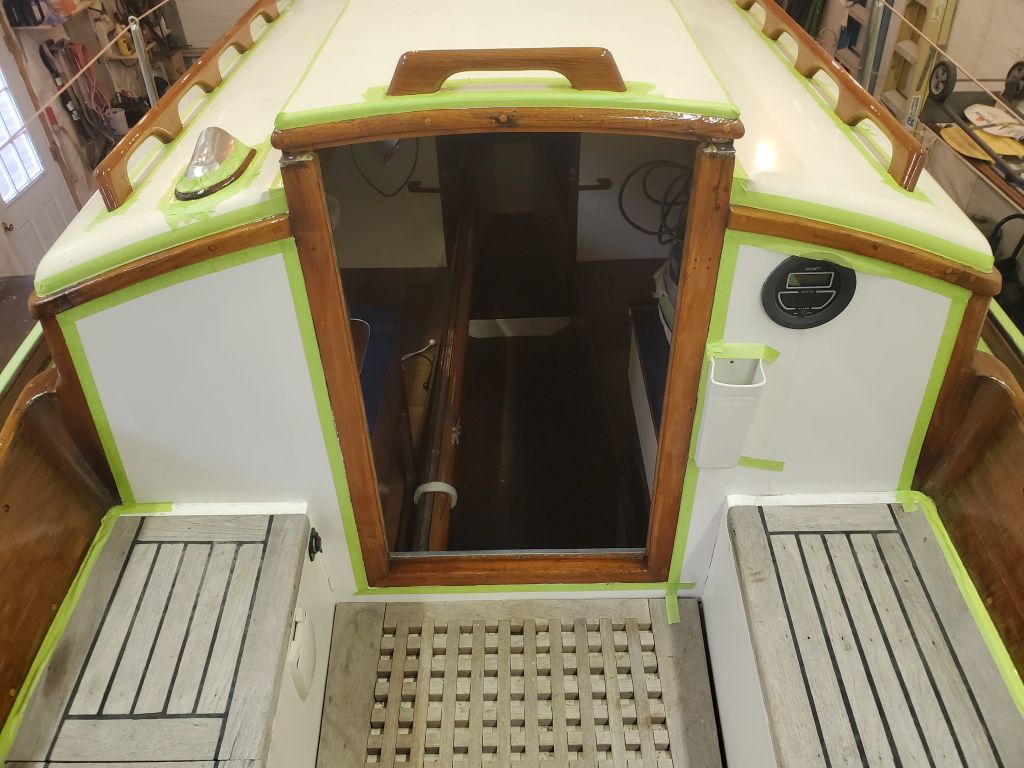
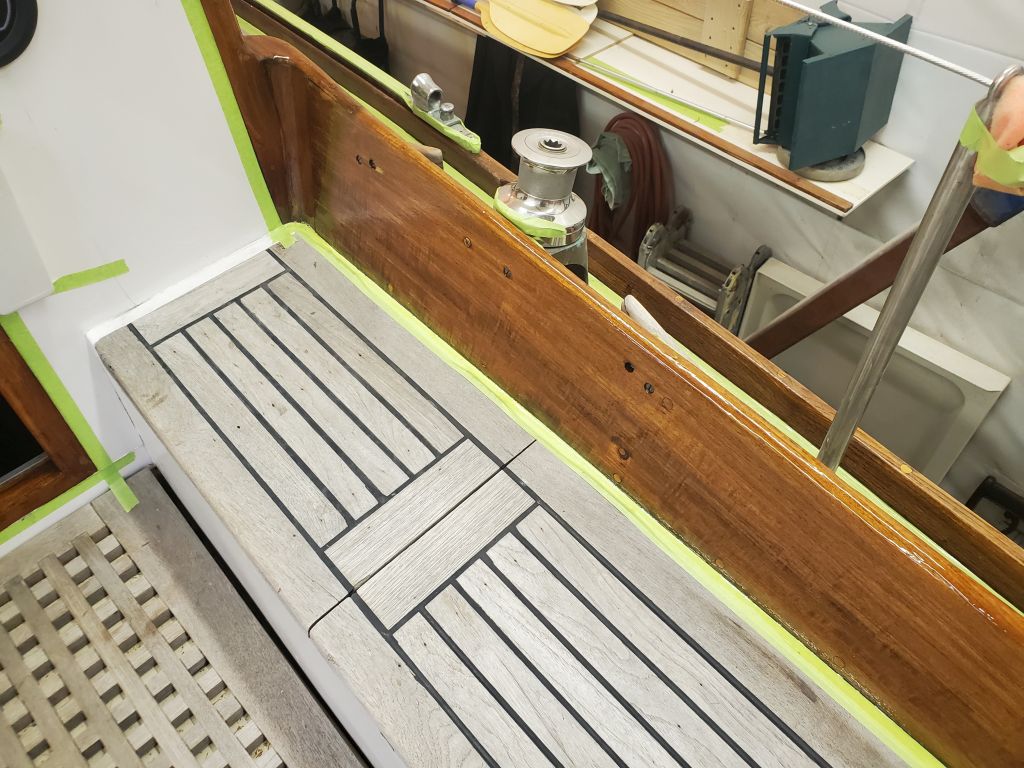
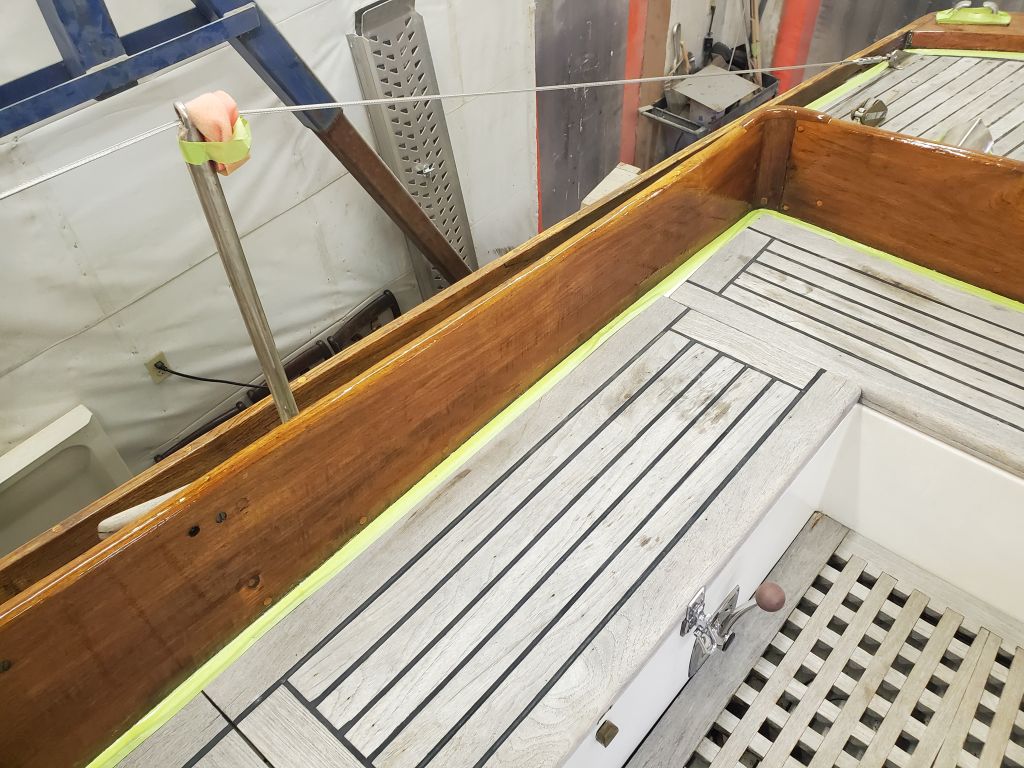
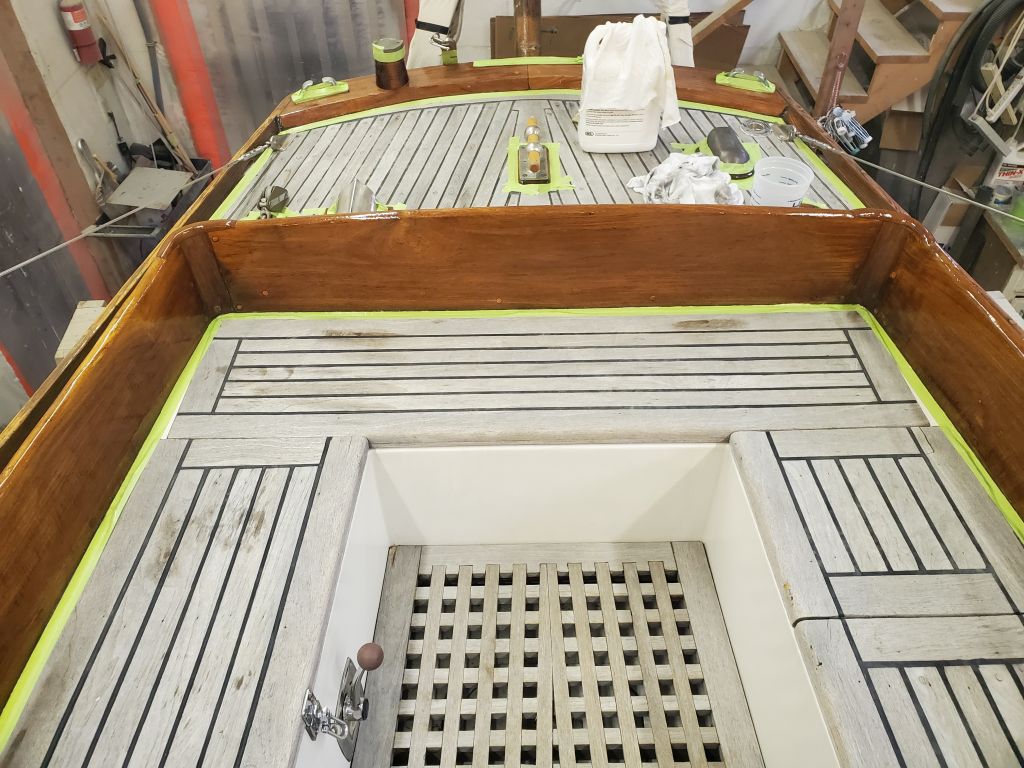
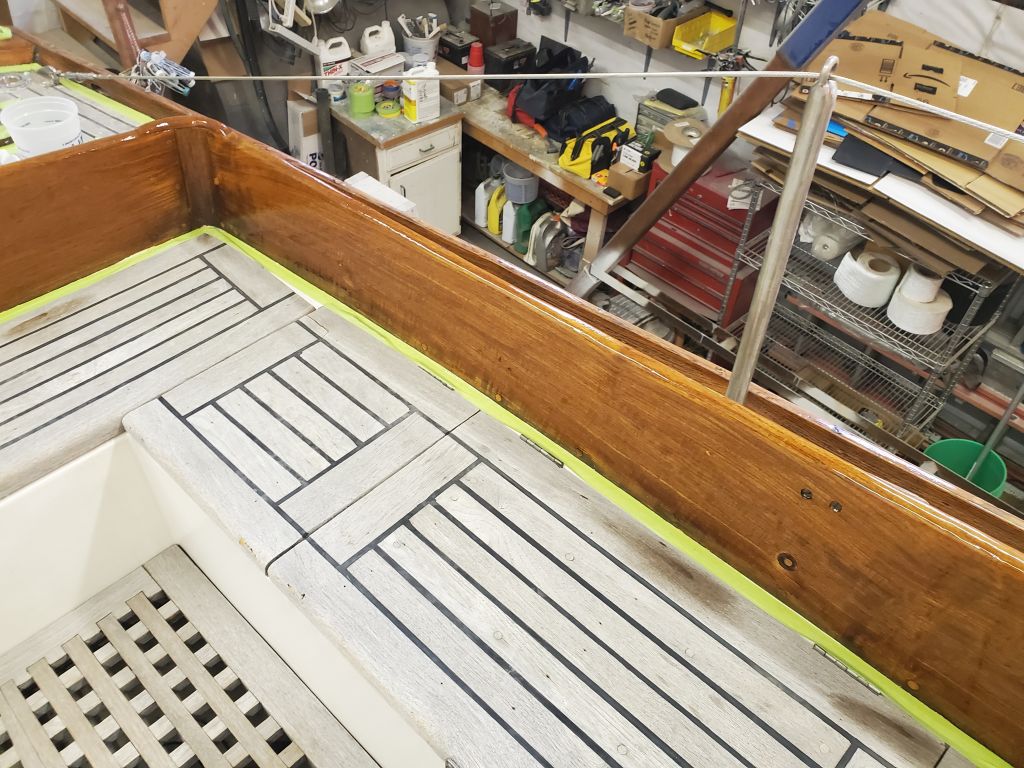
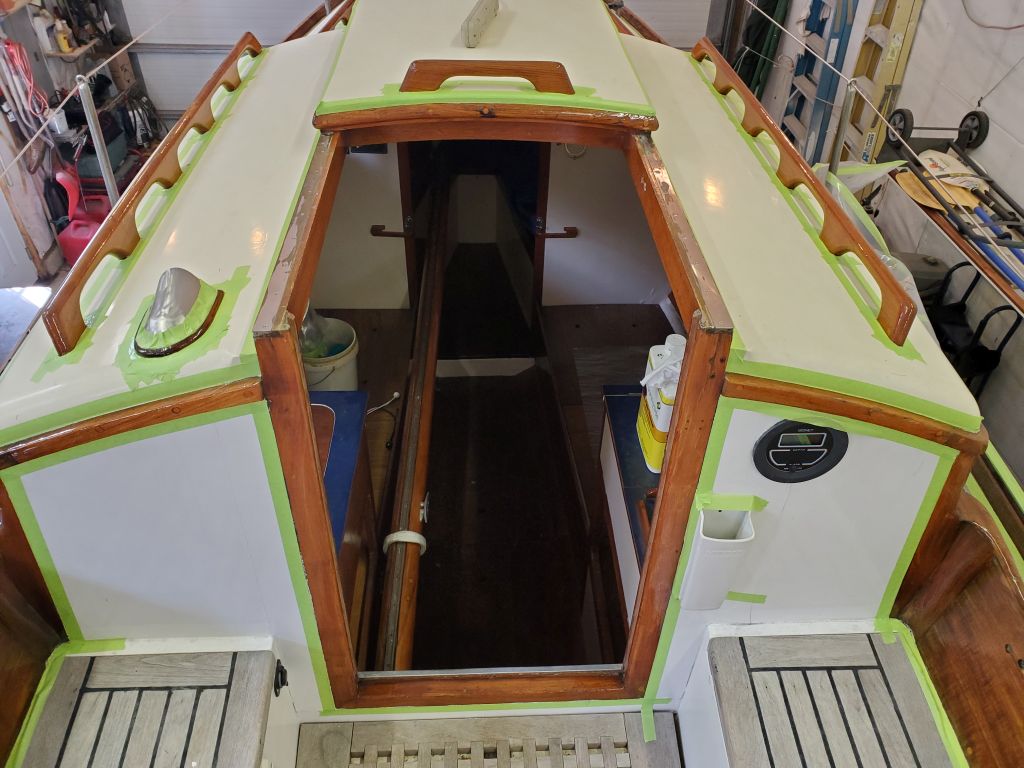
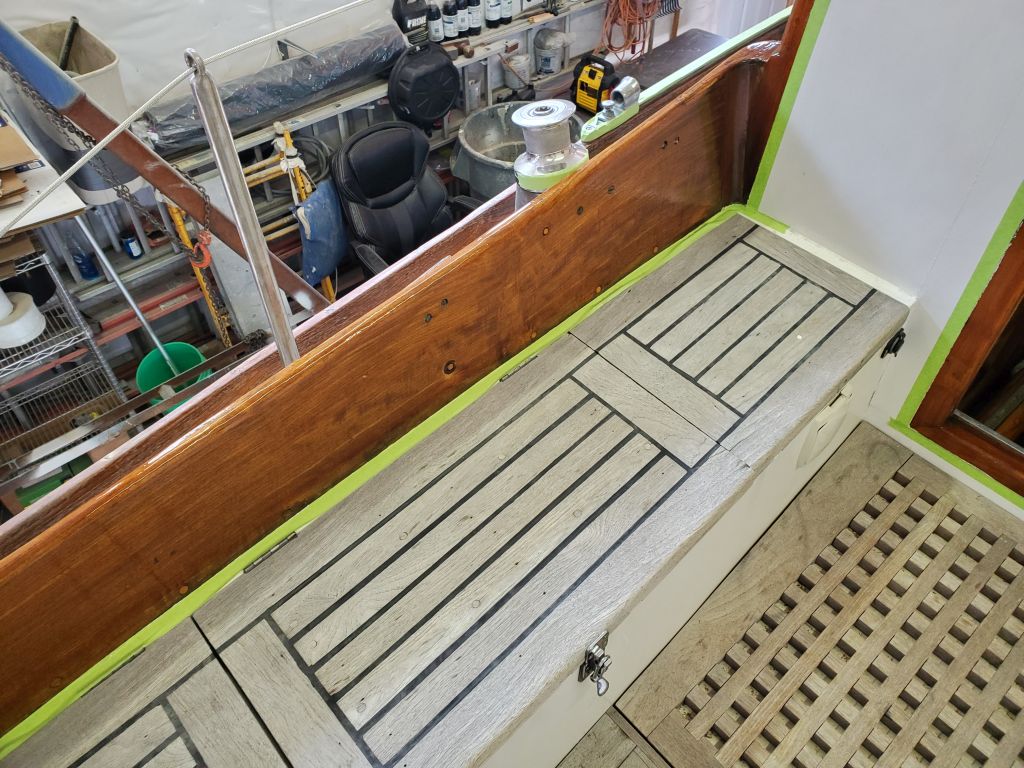
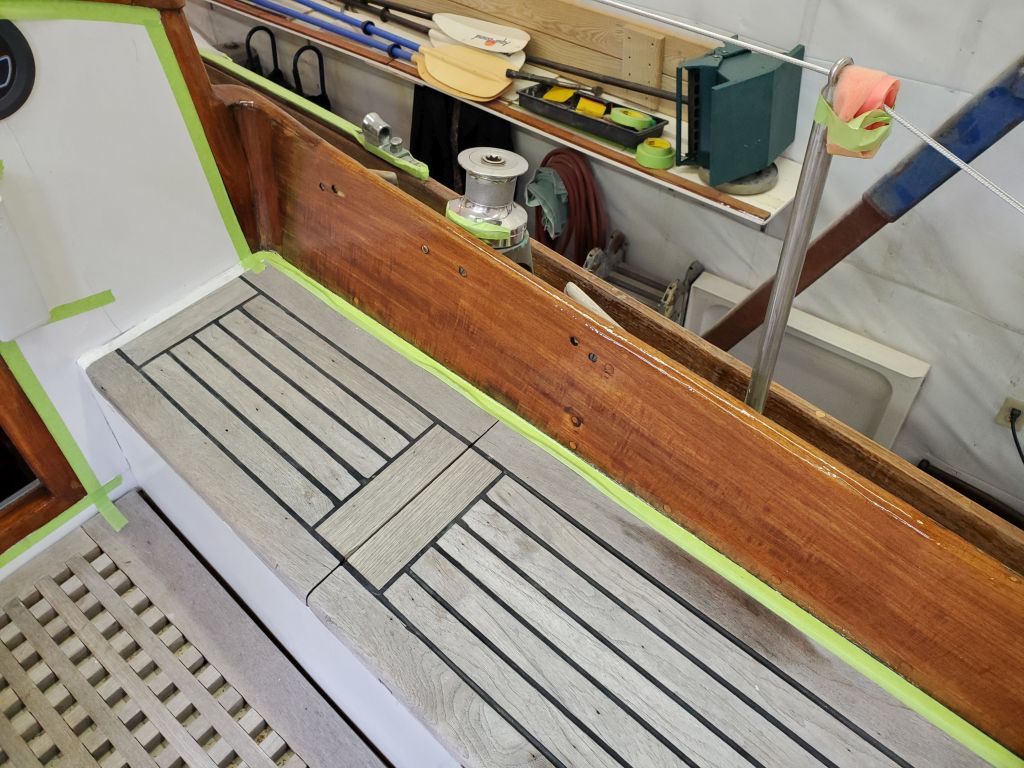
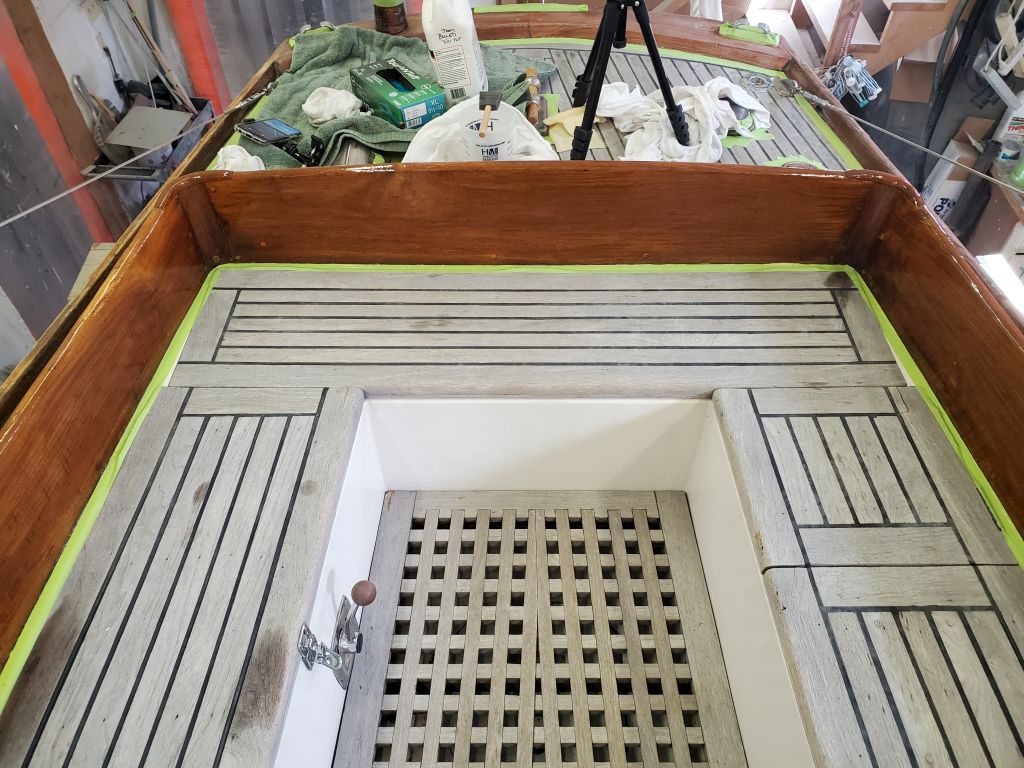
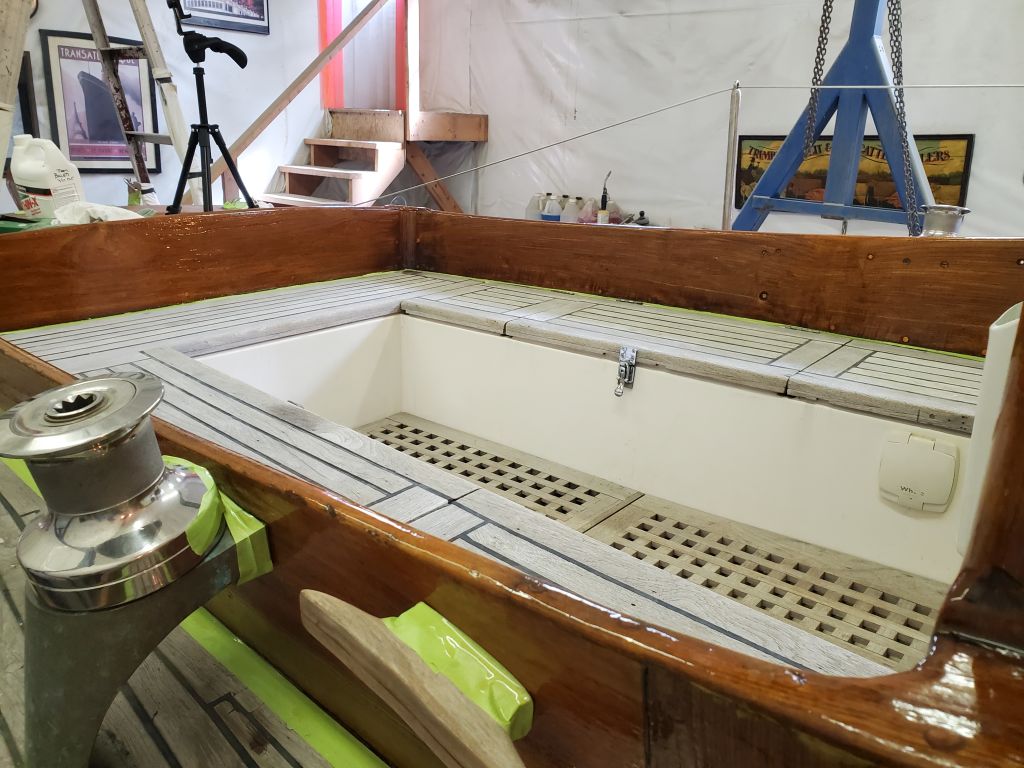
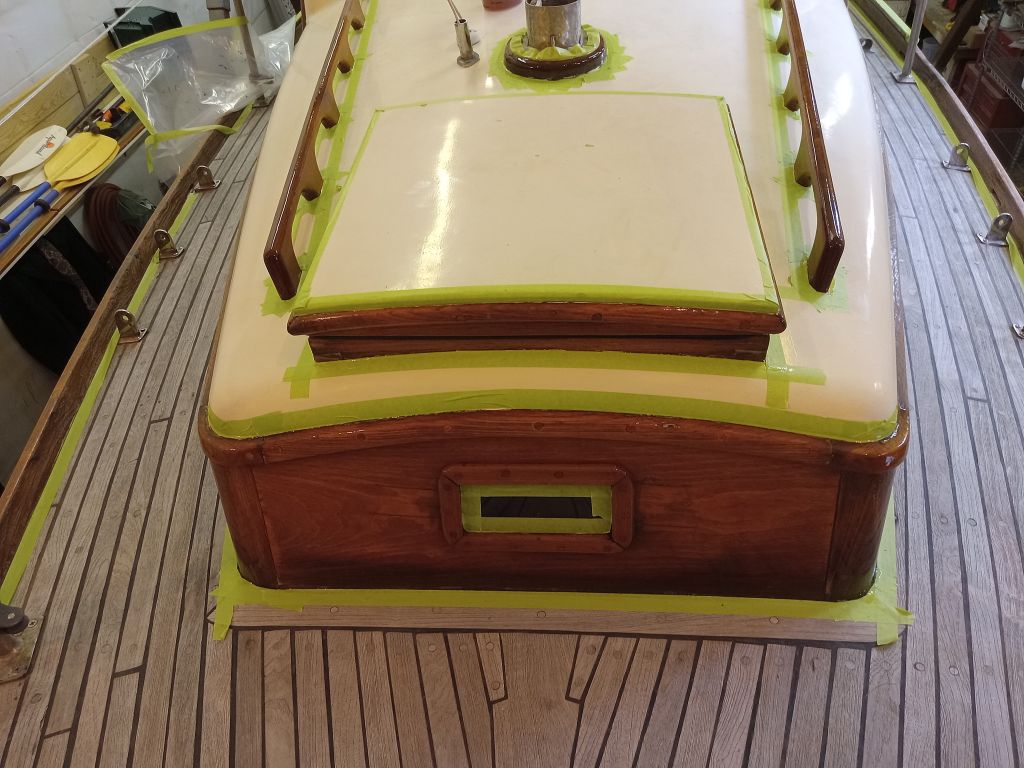
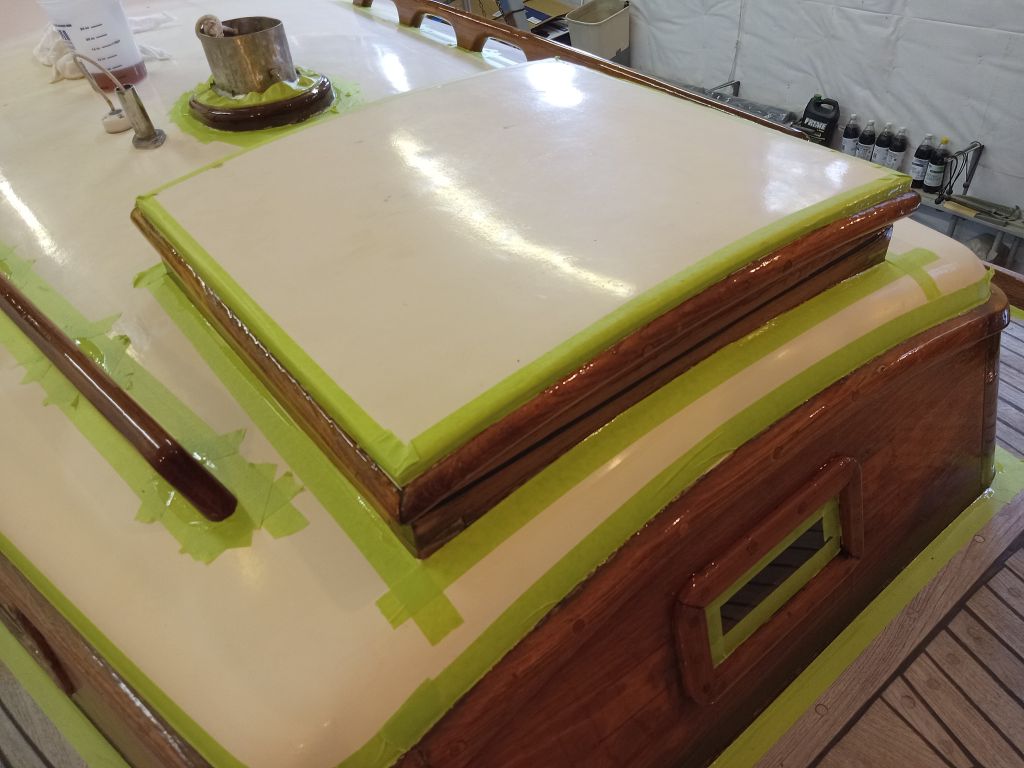
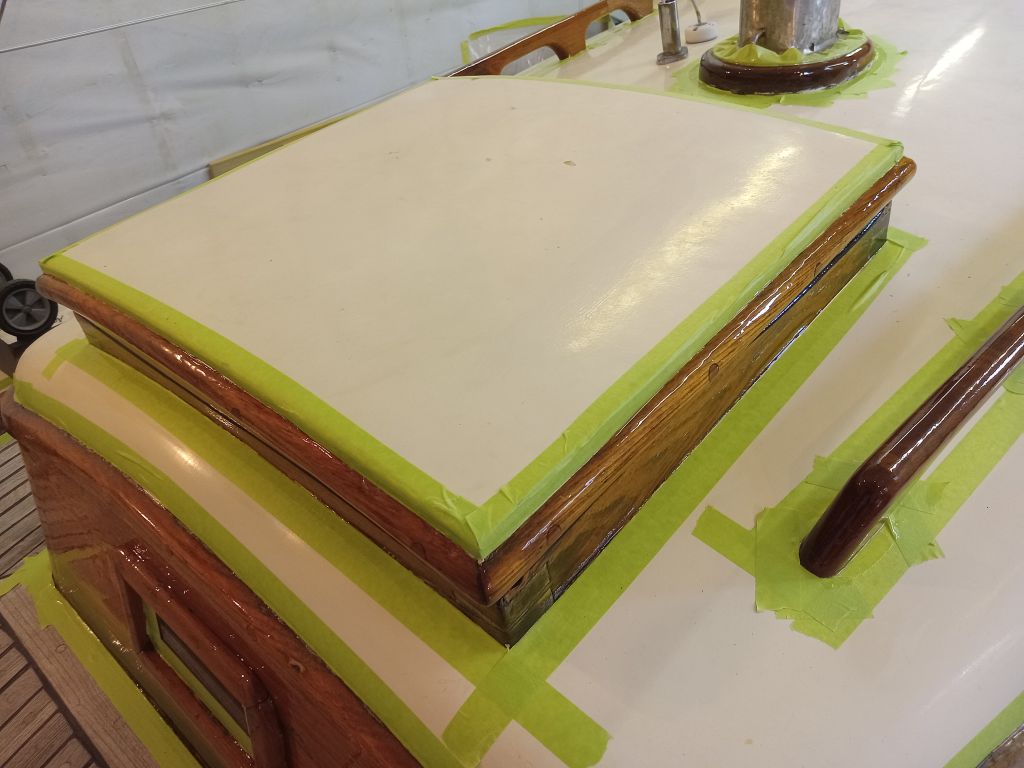
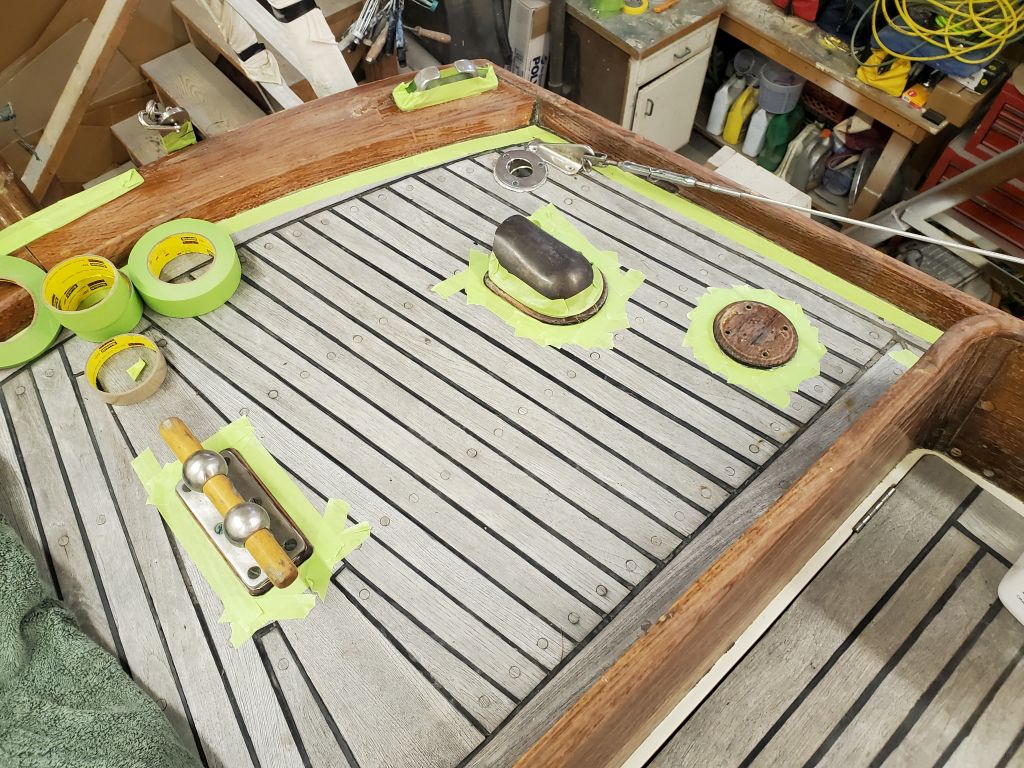
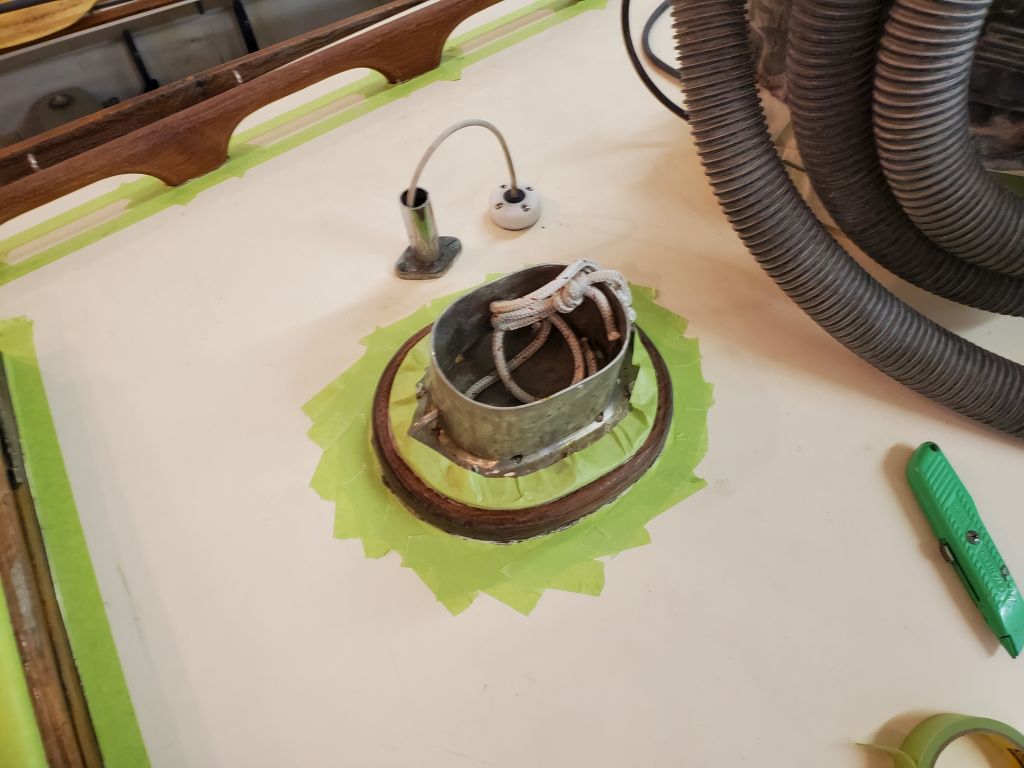
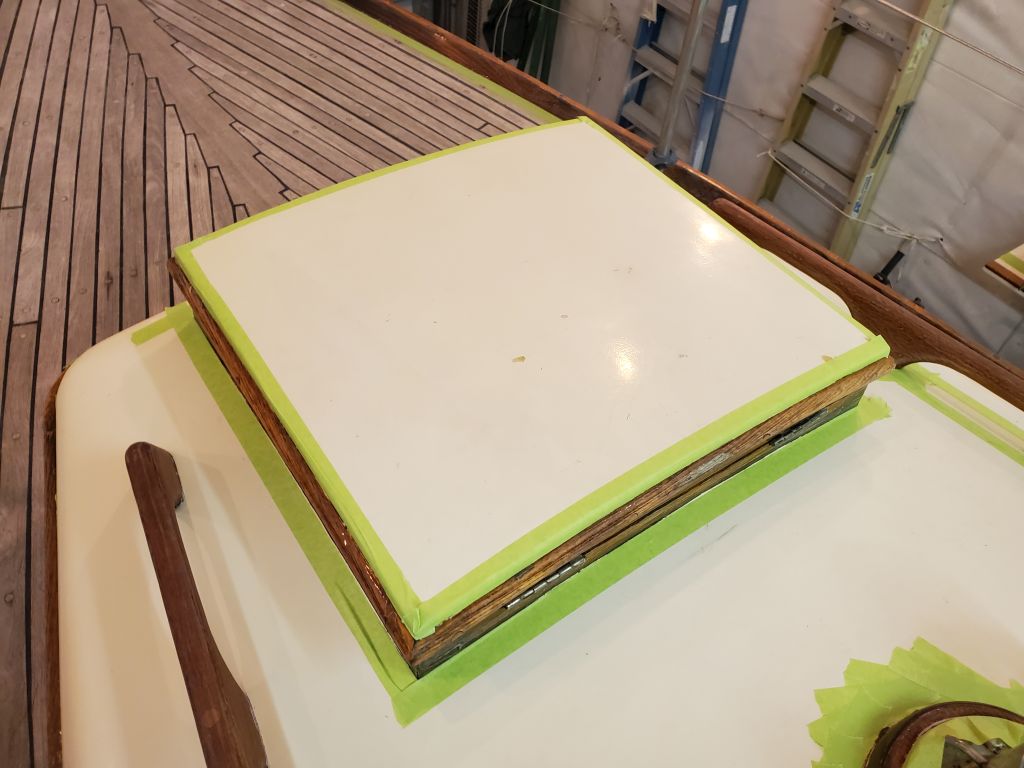
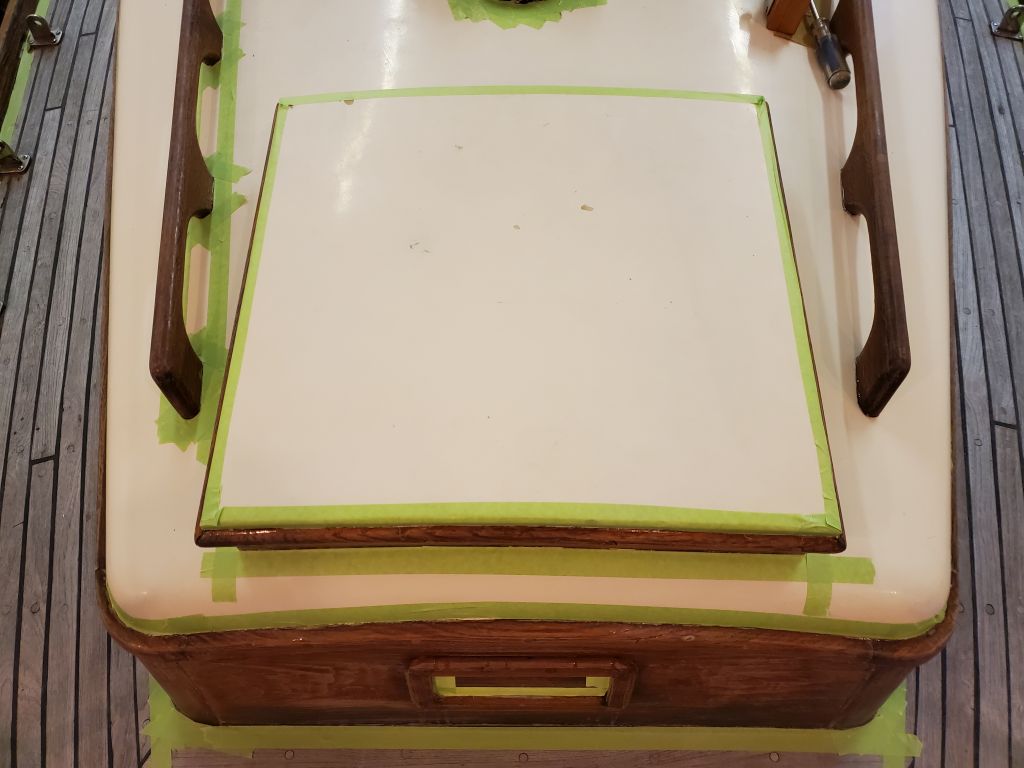
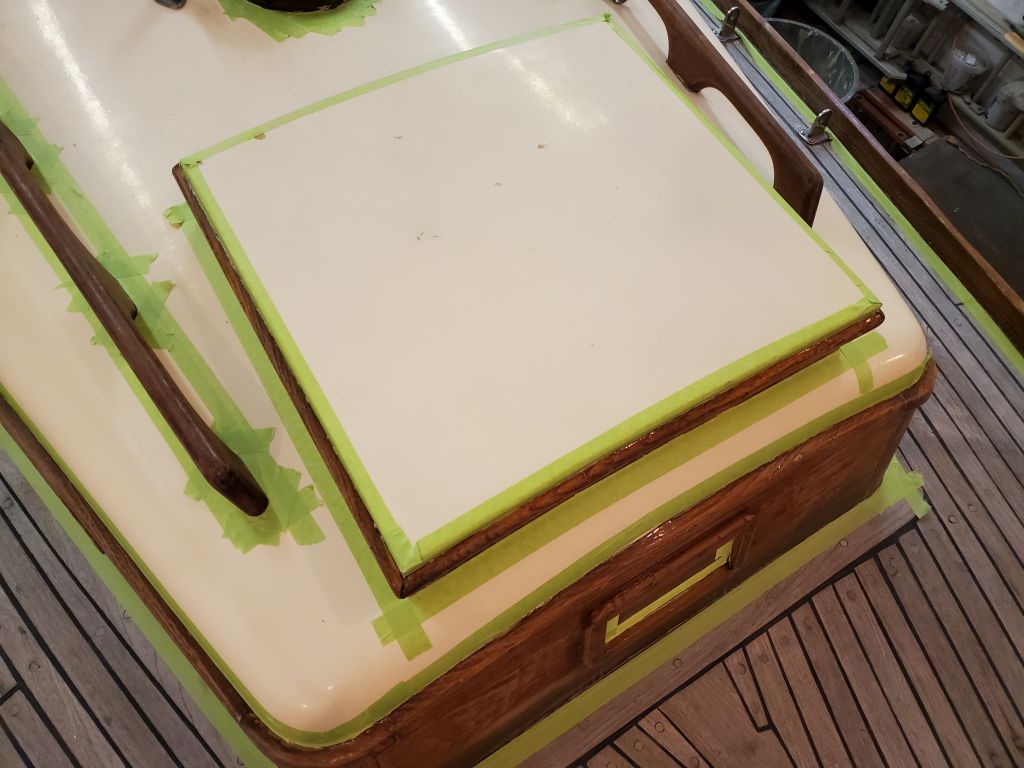
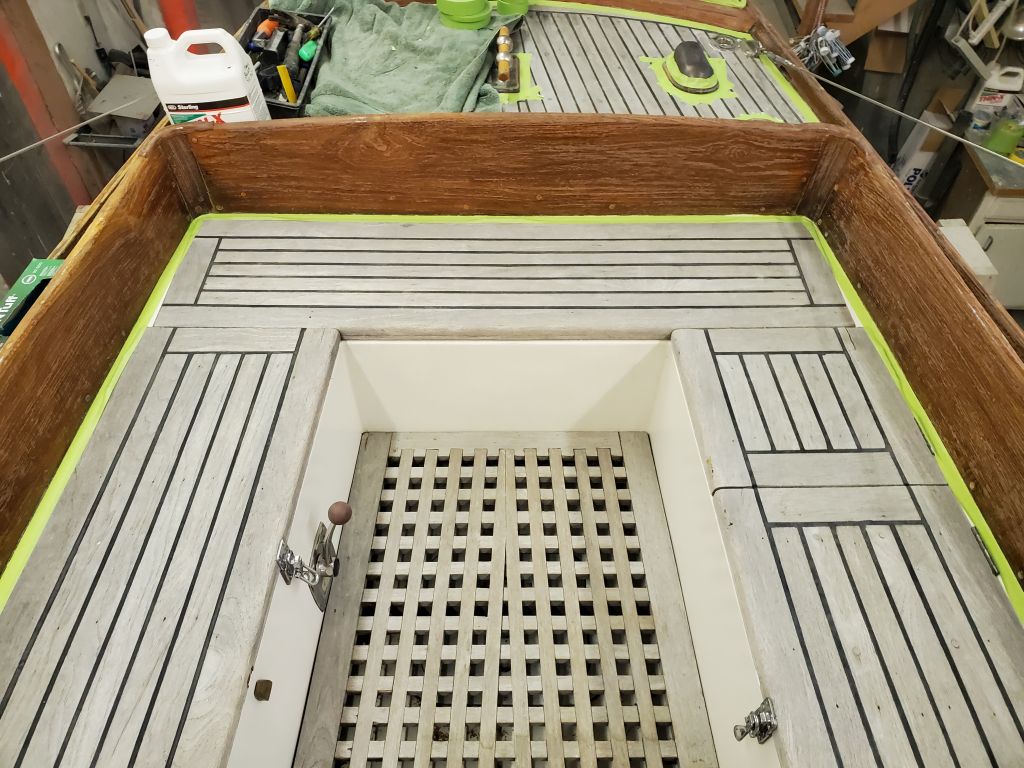
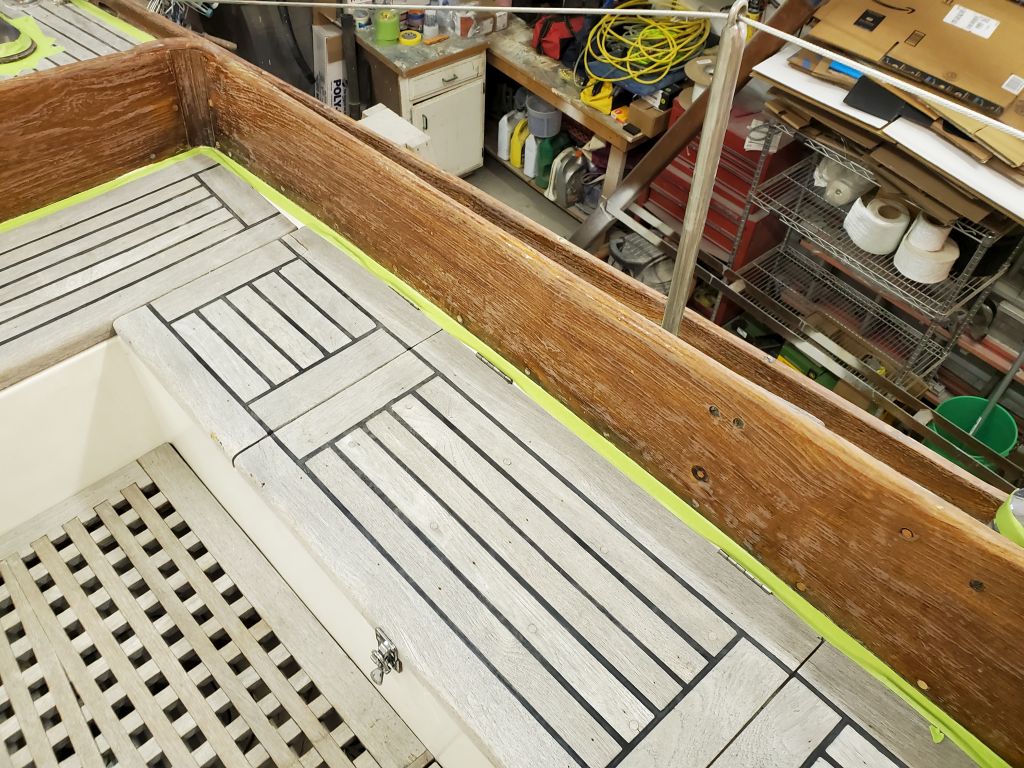
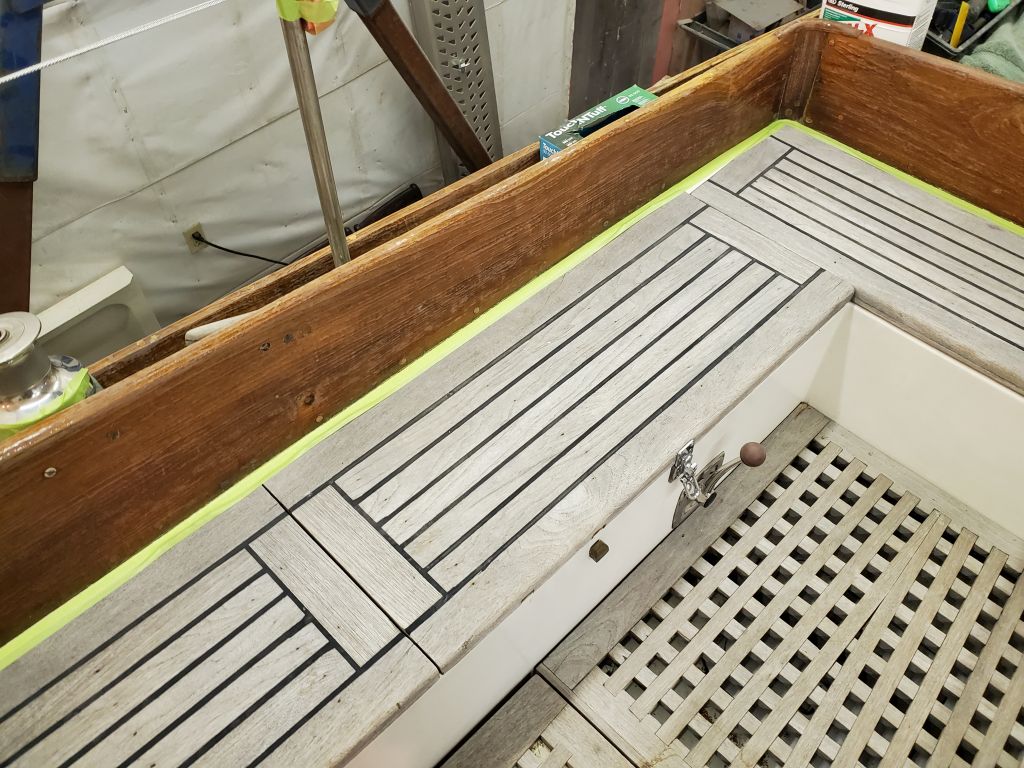
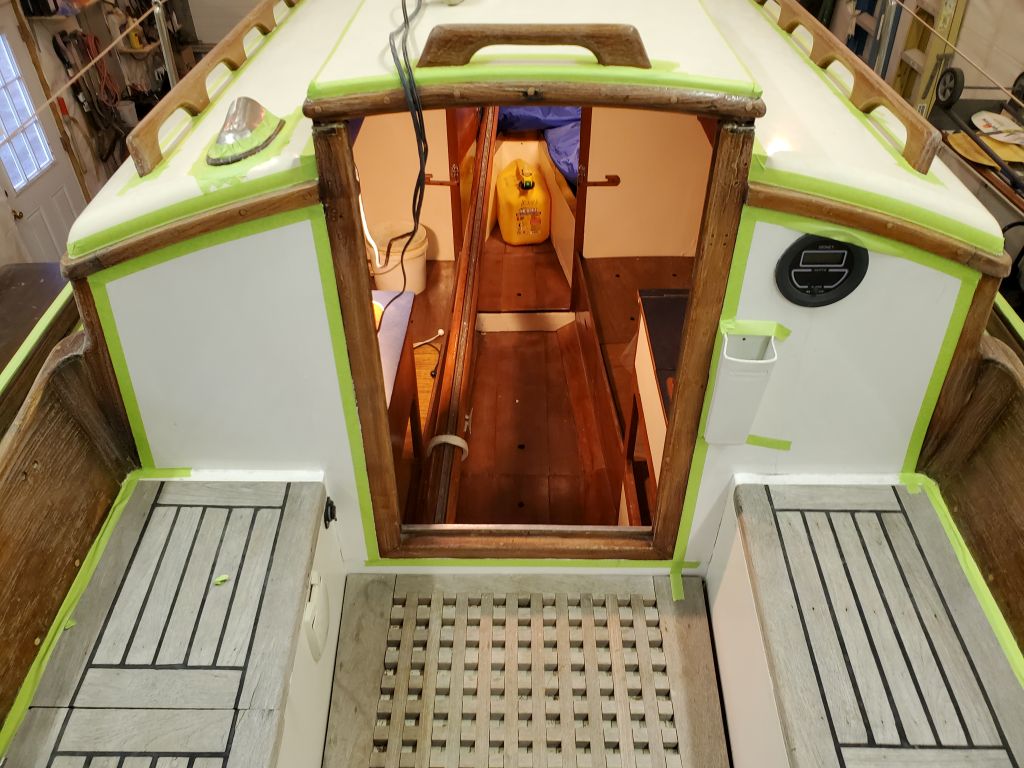
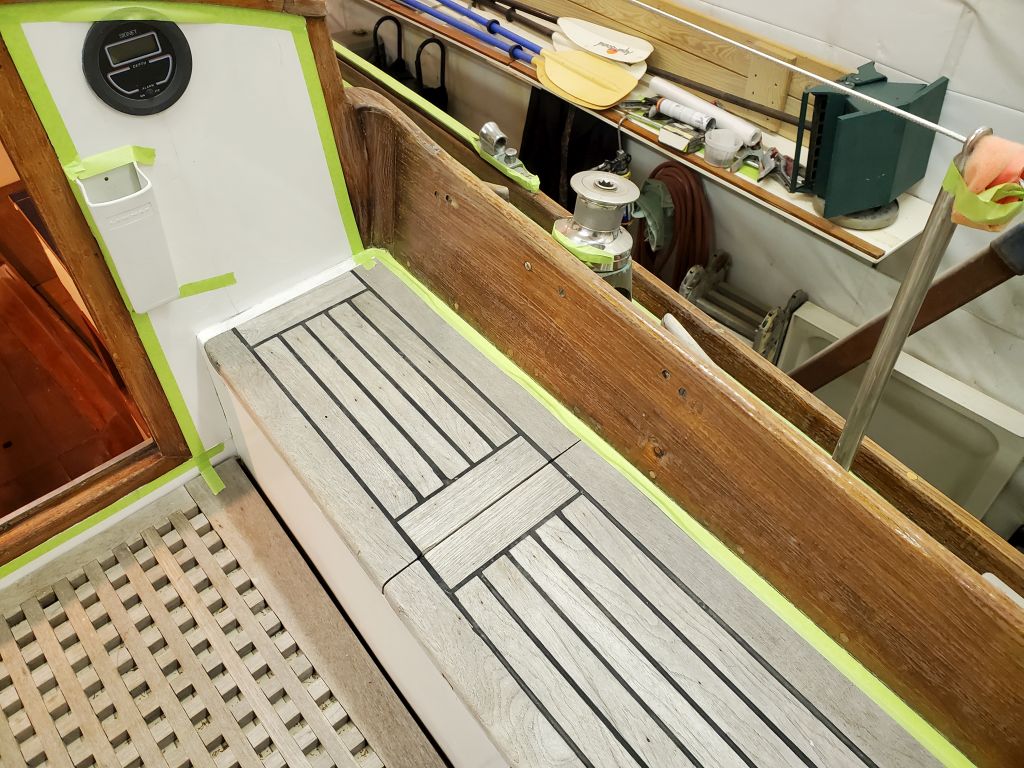
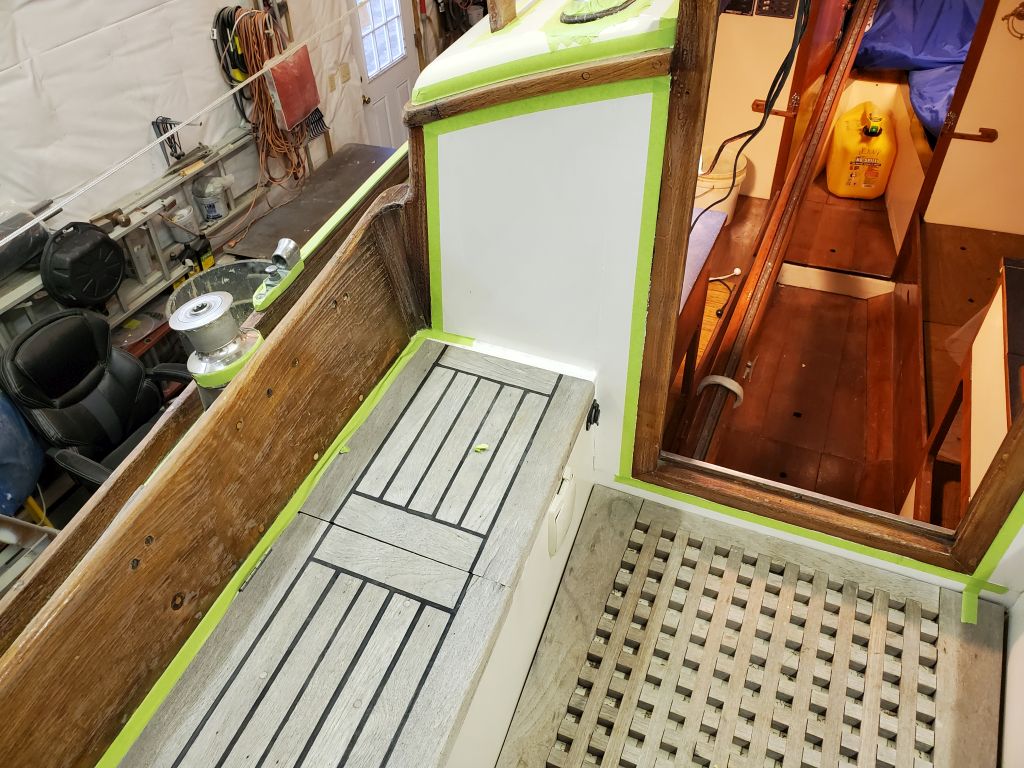
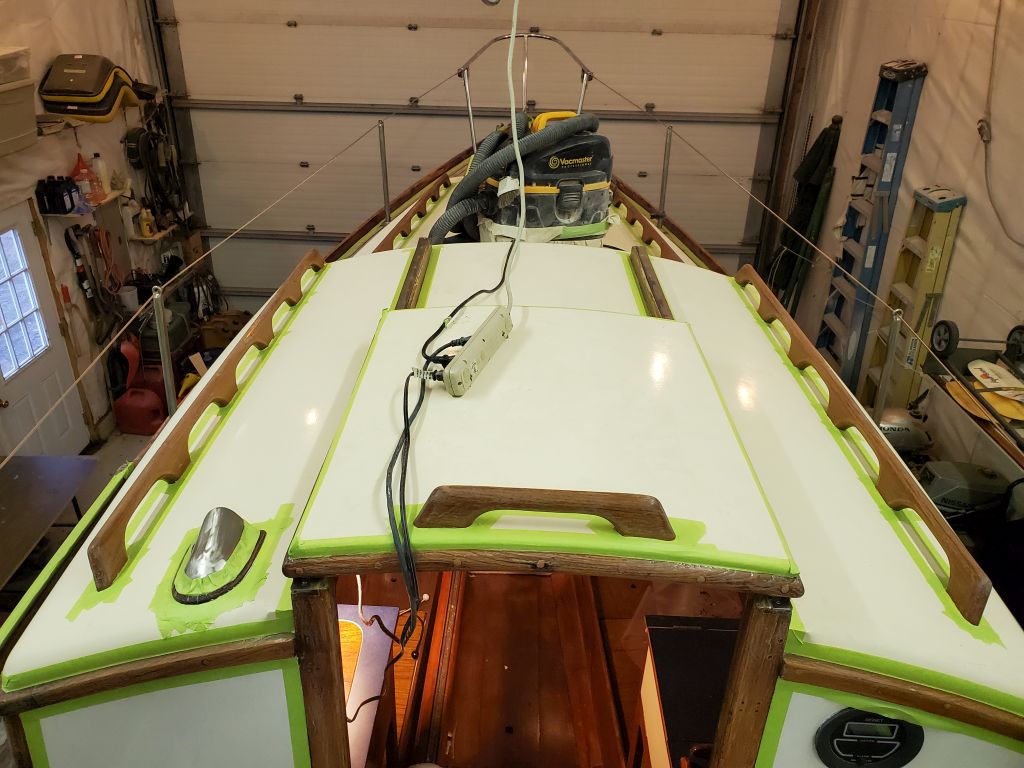
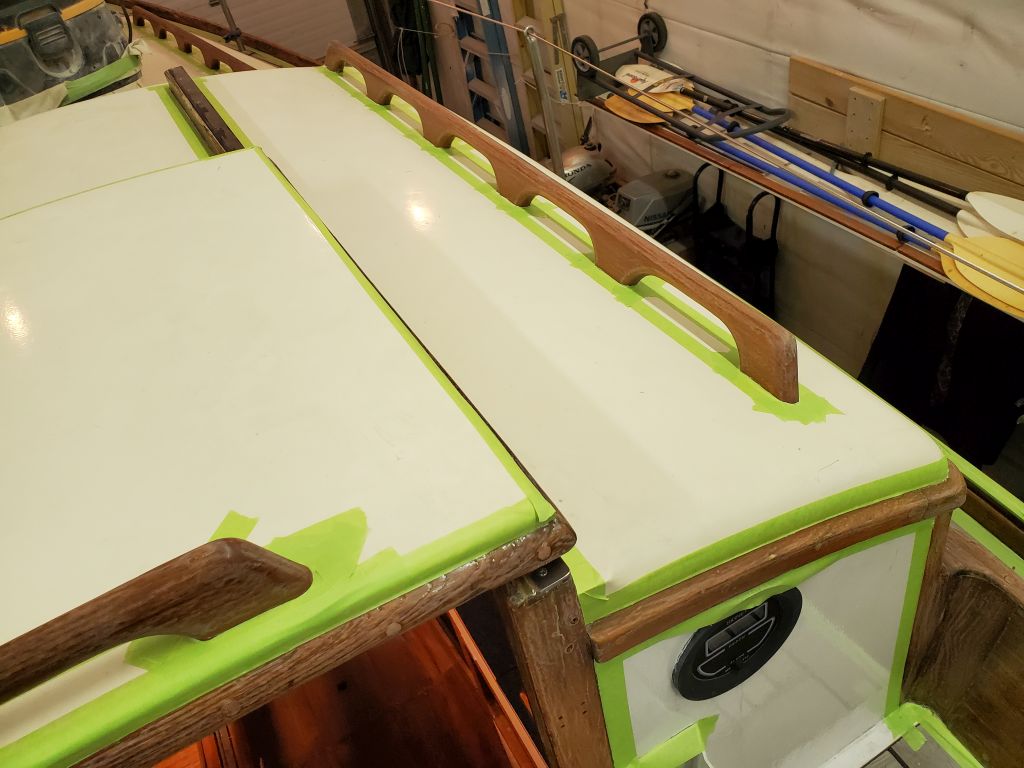
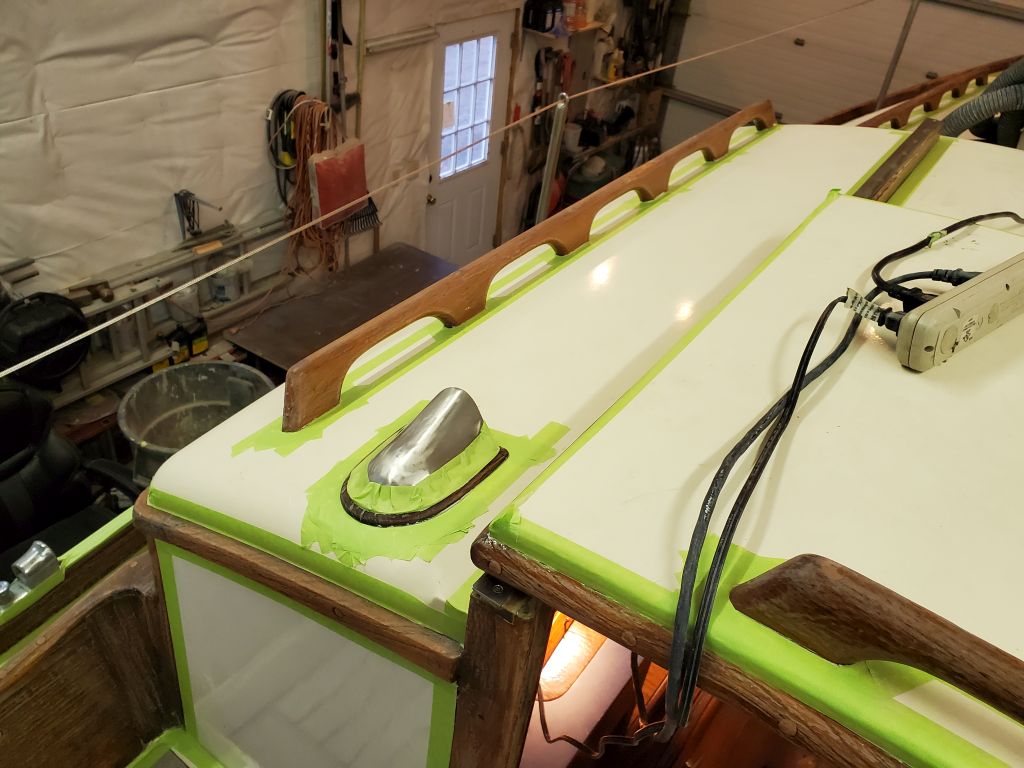
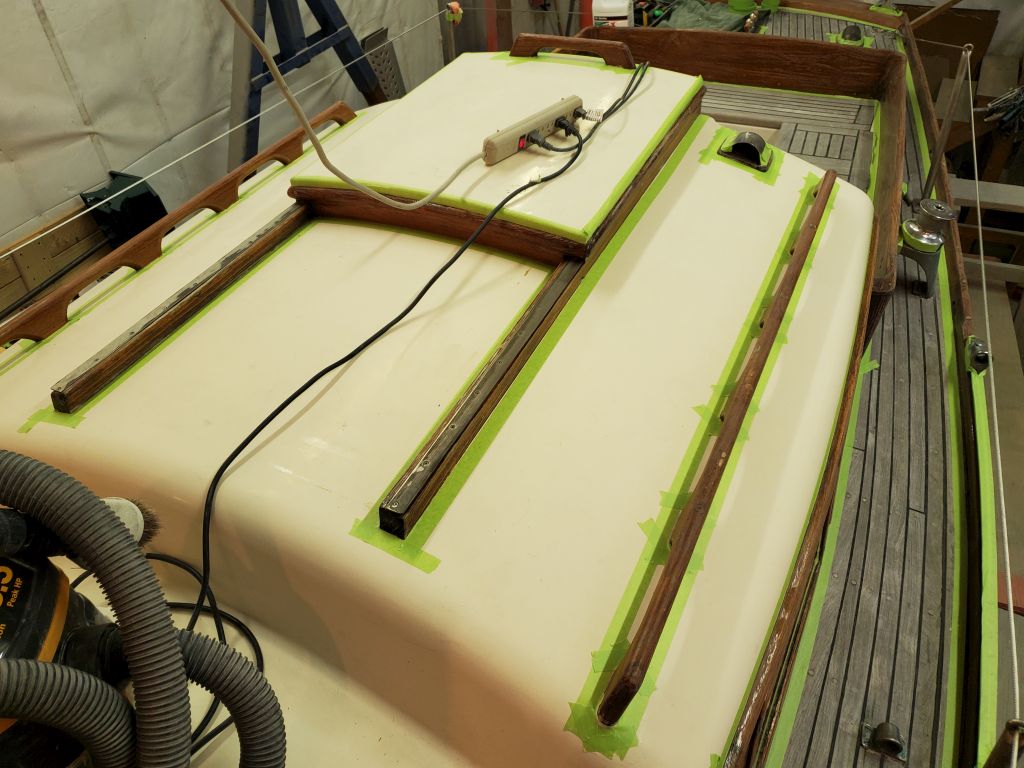
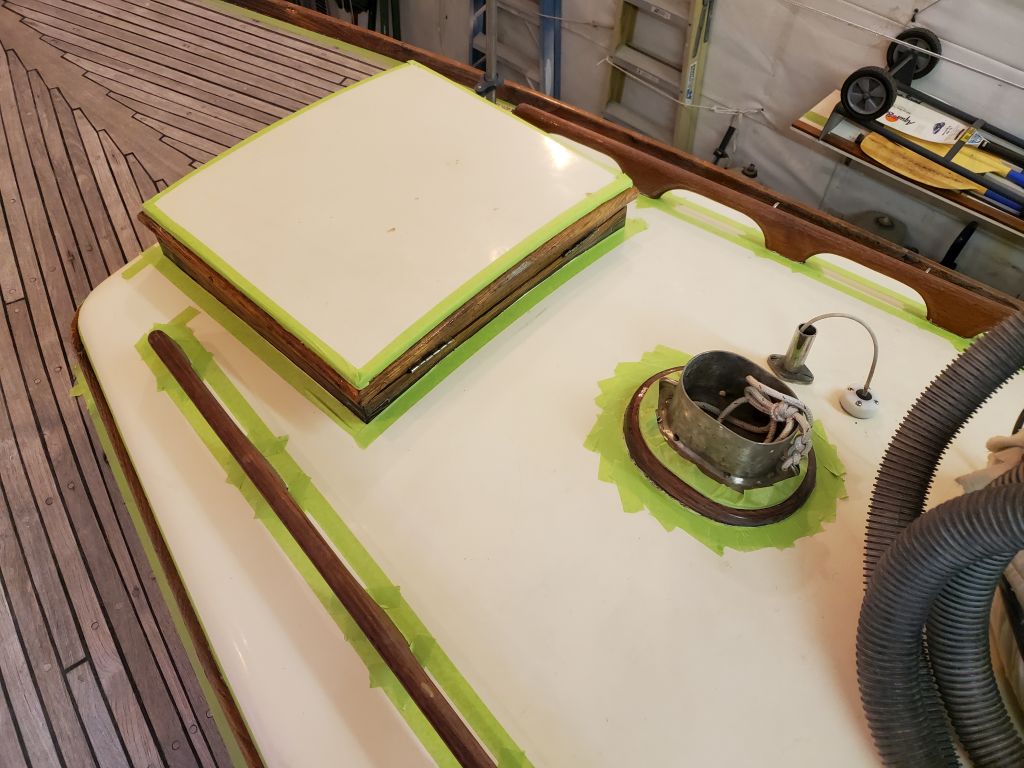
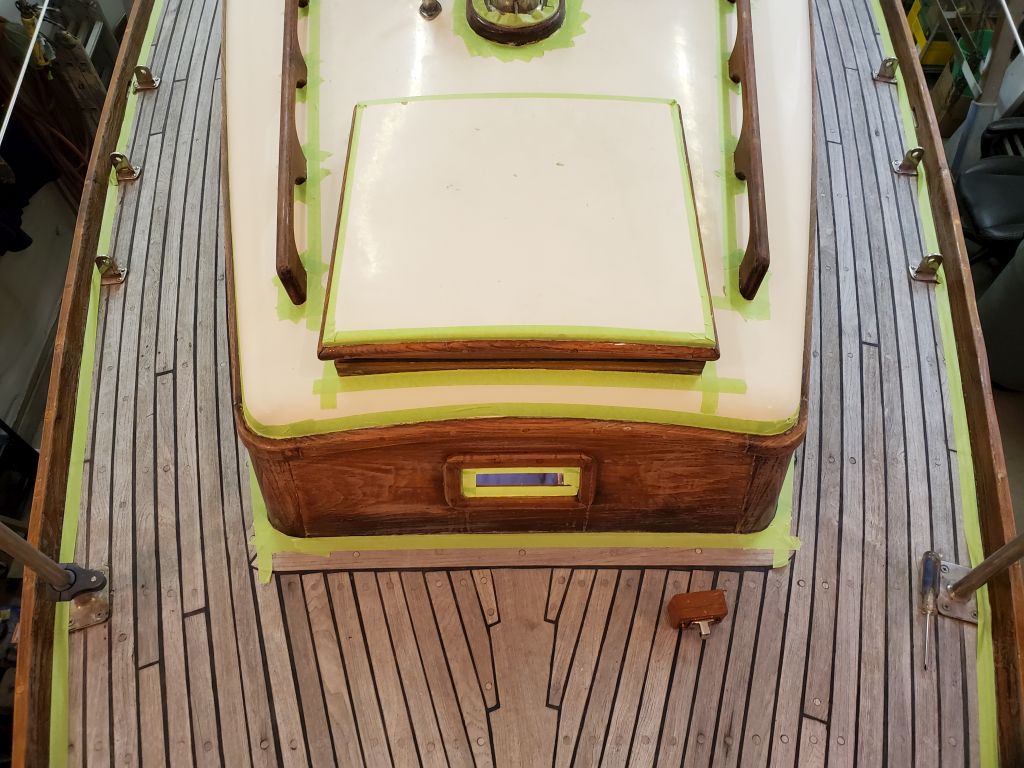
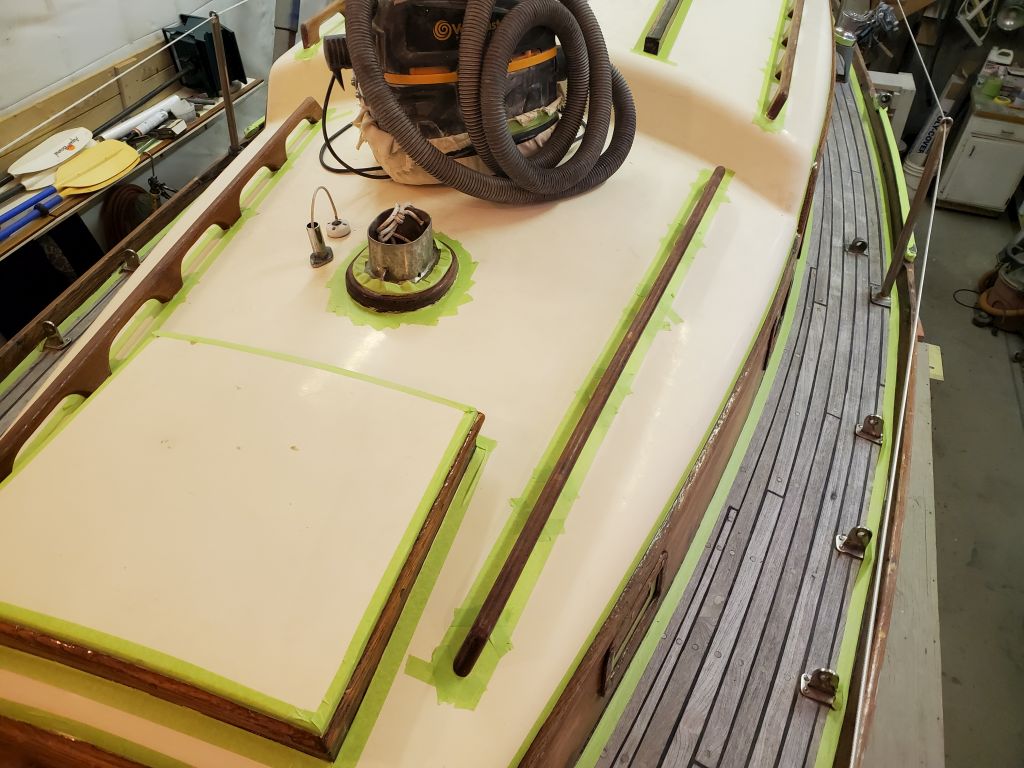
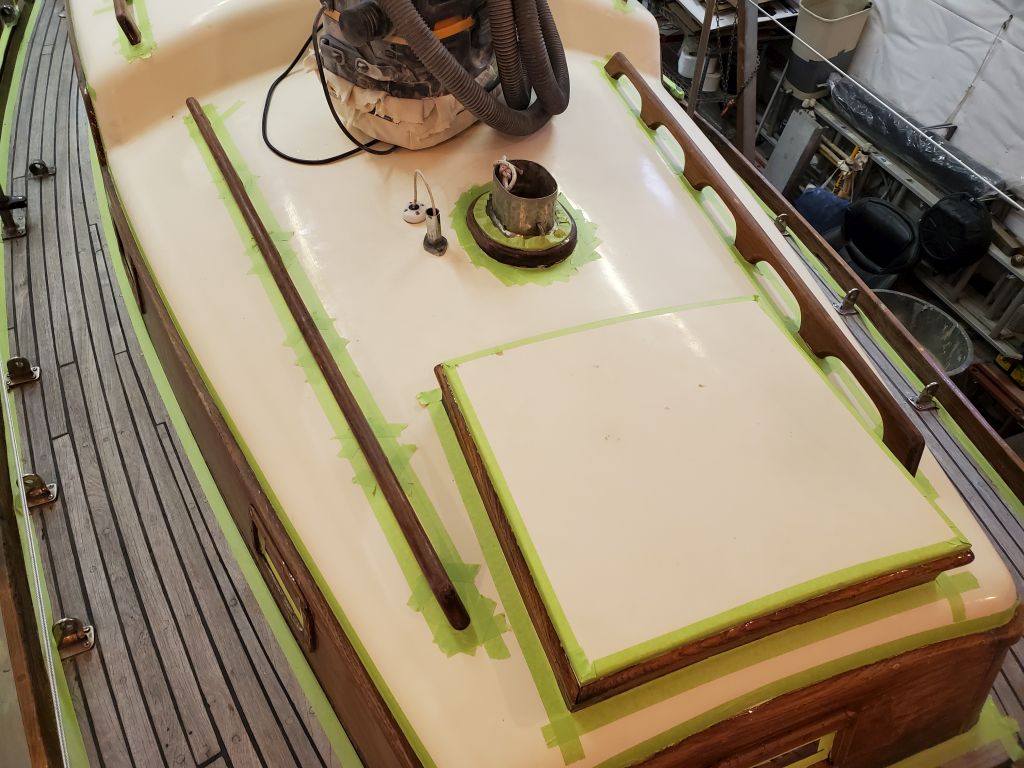
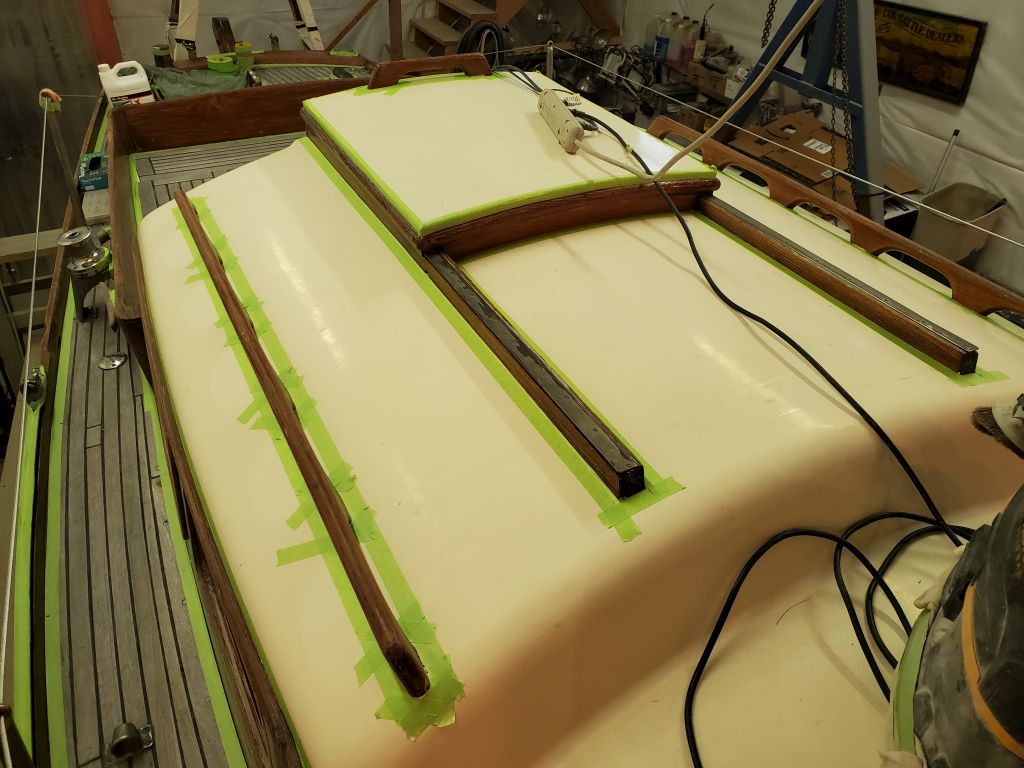
During the remainder of the day, I finished up the masking for the brightwork maintenance on deck, this time focused on the interior of the poop deck, cockpit, and coachroof, along with above the port eyebrow trim.
I lightly sanded the new epoxy filling the old deadlight screw holes to flatten it and remove any hard spots.
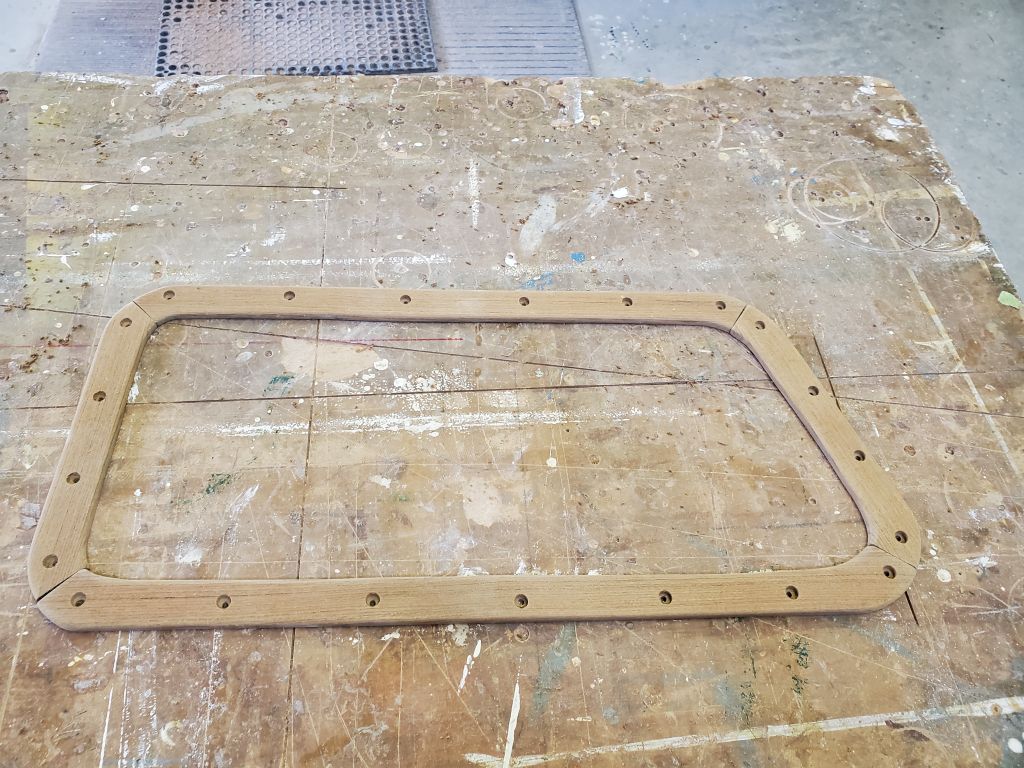
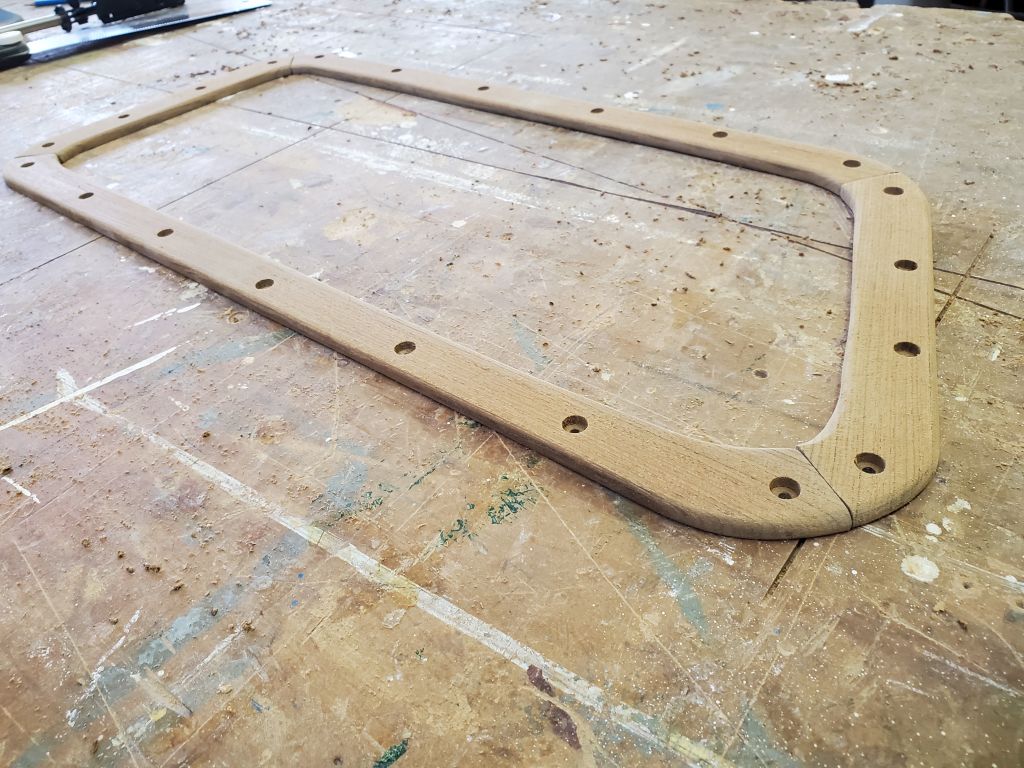
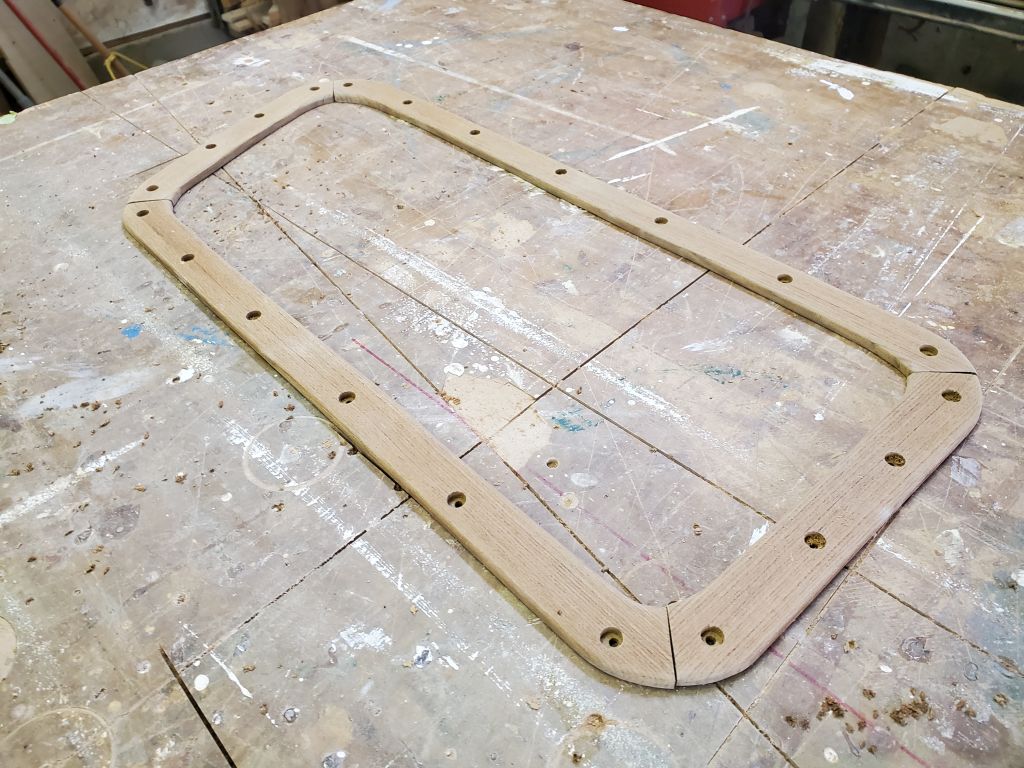
While I had the trim down, and since I’d already drilled small pilot holes at each screw location, I took a moment to drill 3/8″ diameter recesses to accept bungs later. I did this on the drill press to ensure accuracy and consistent depth.
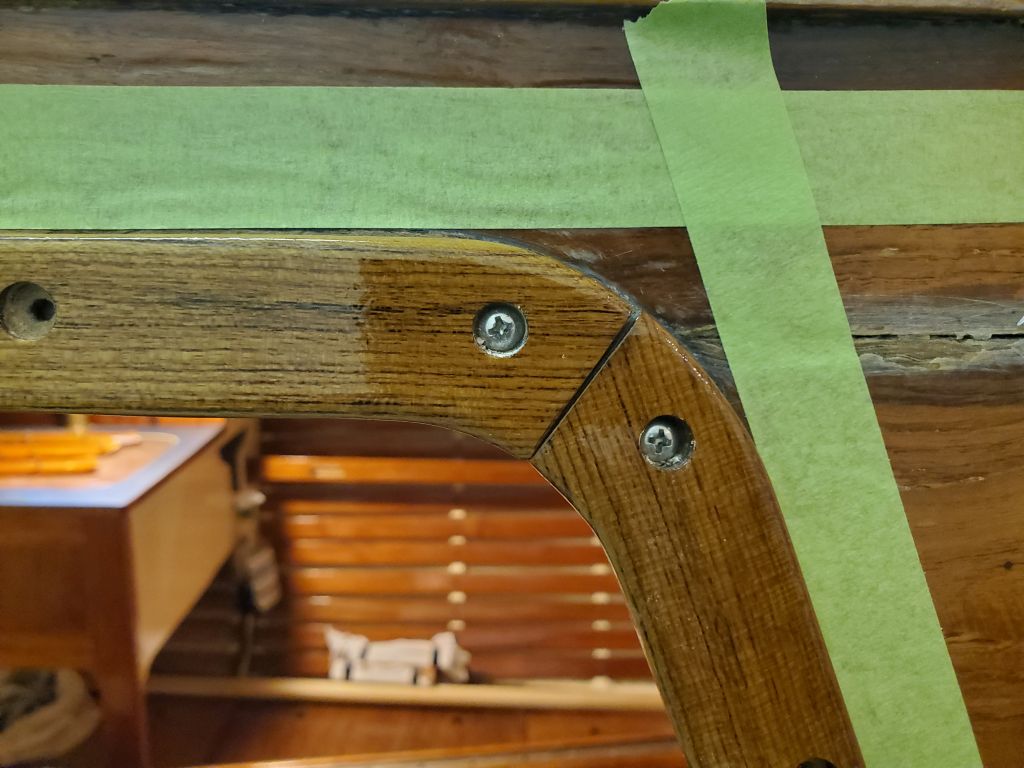
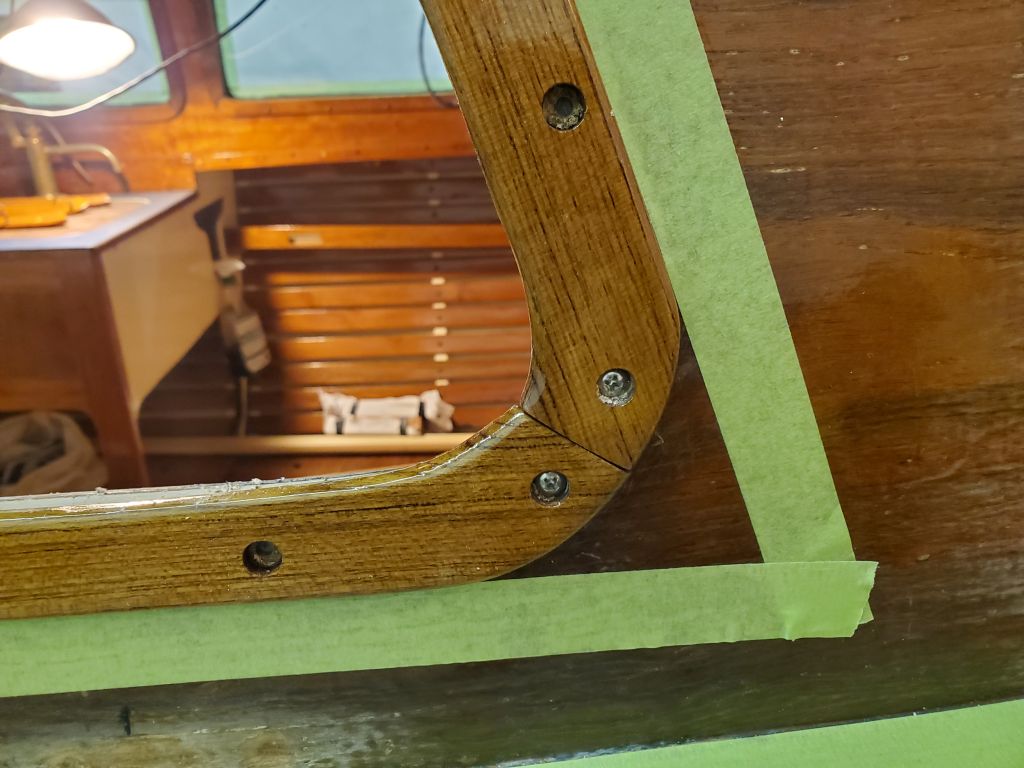
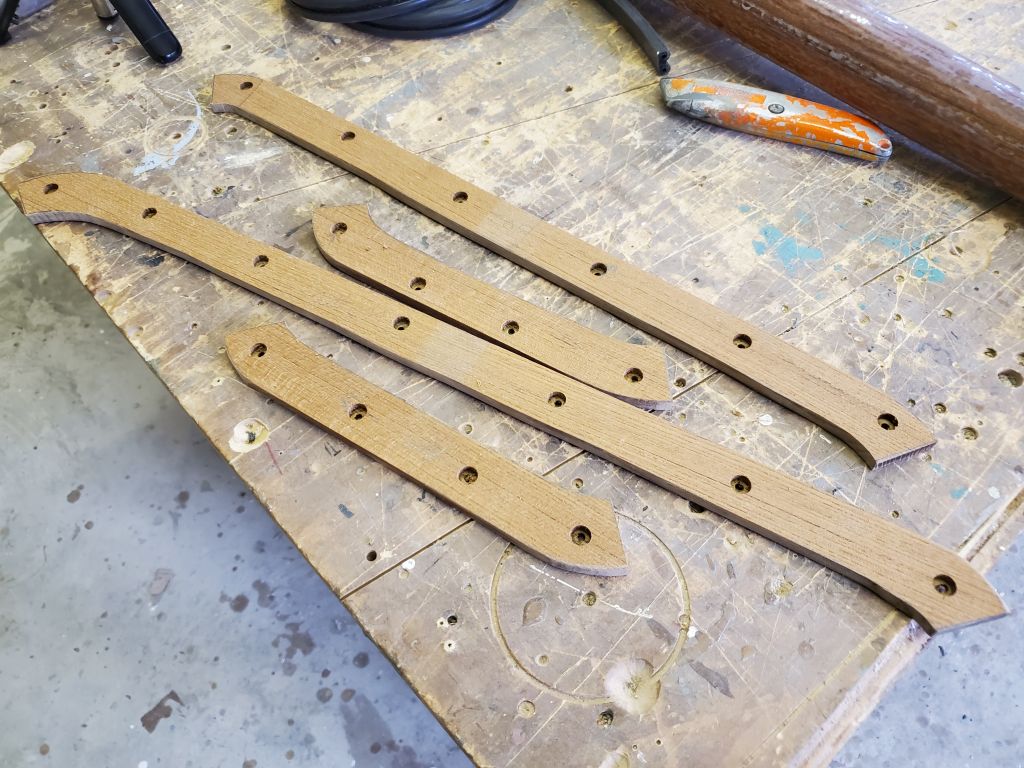
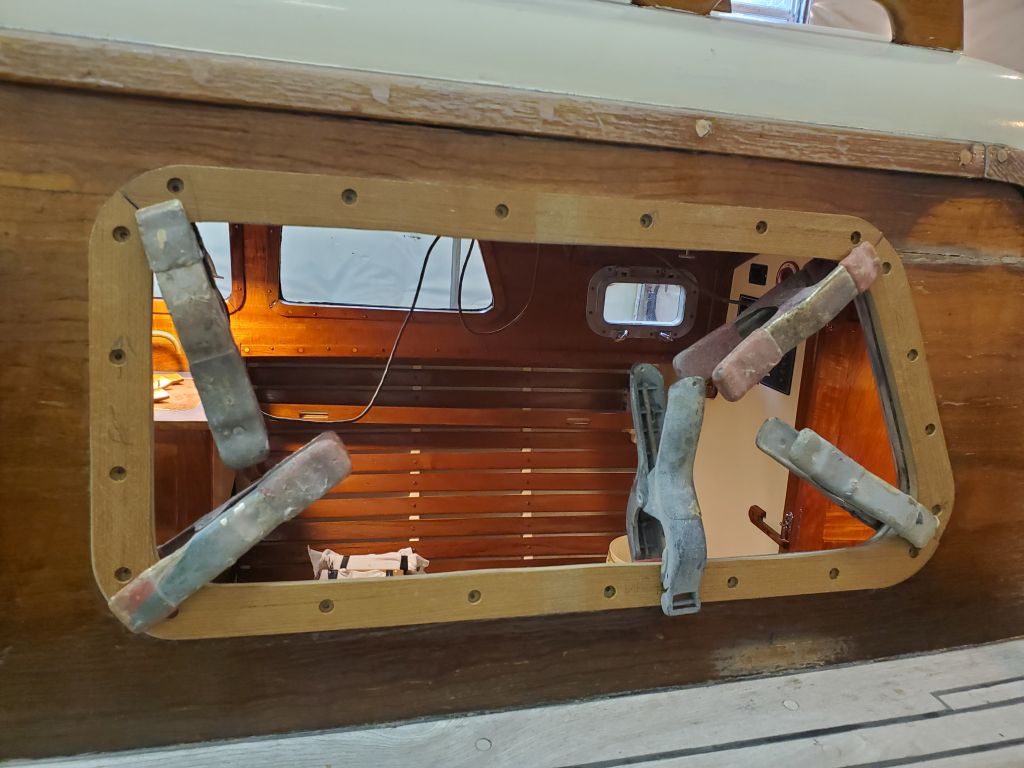
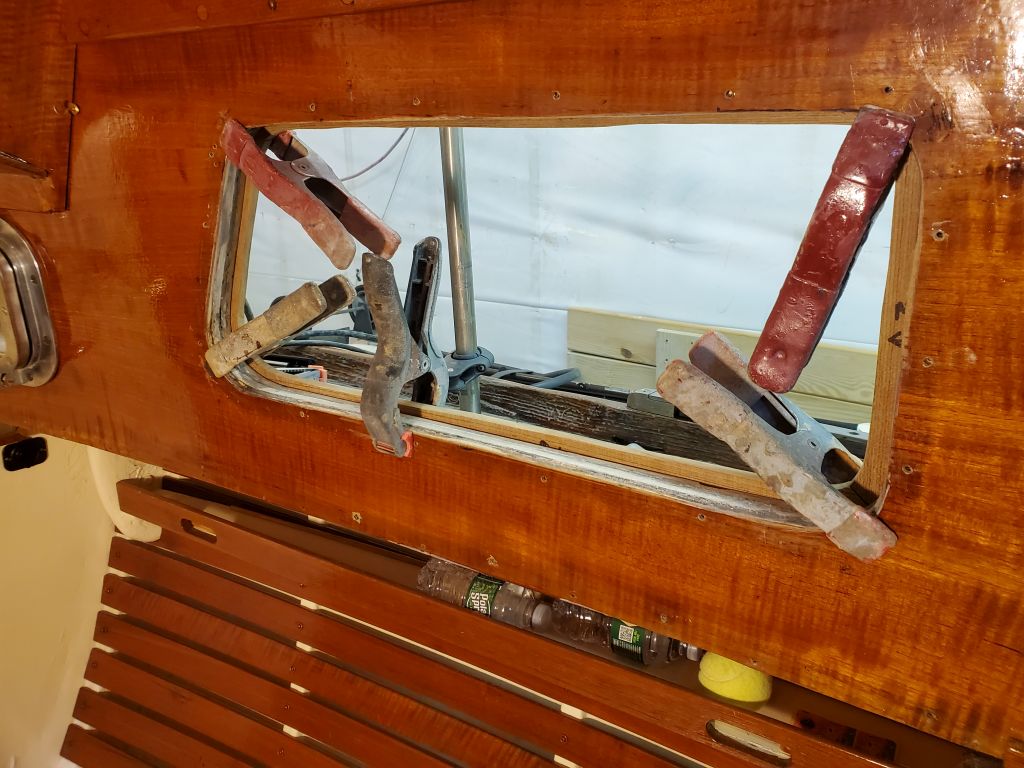
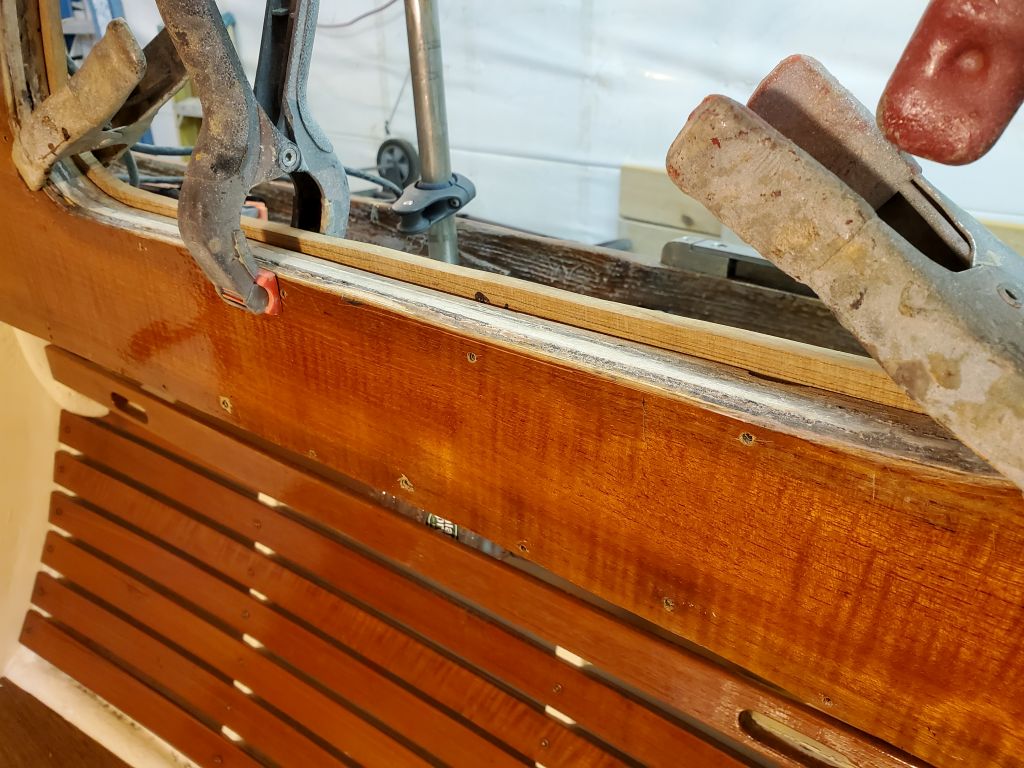
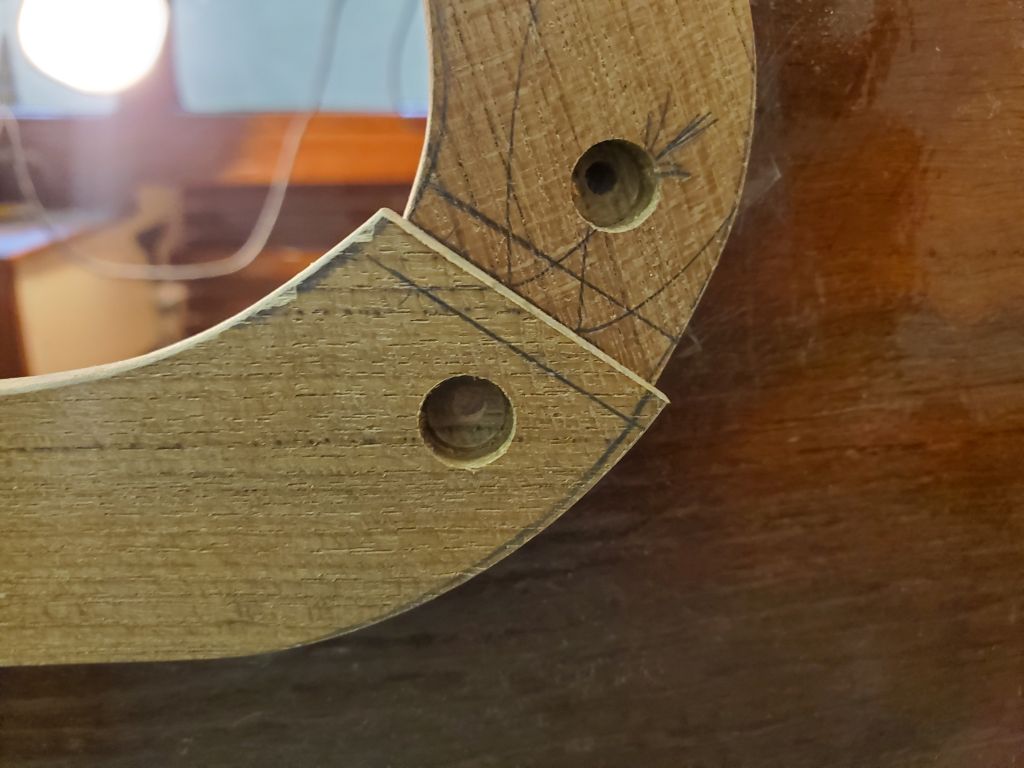
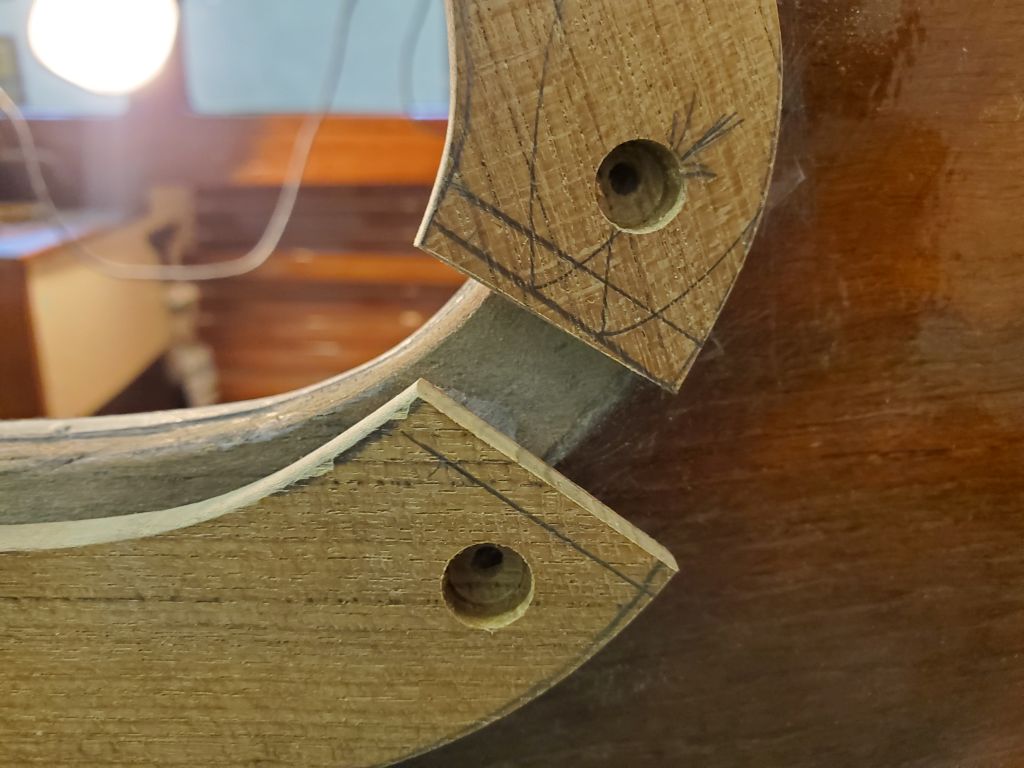
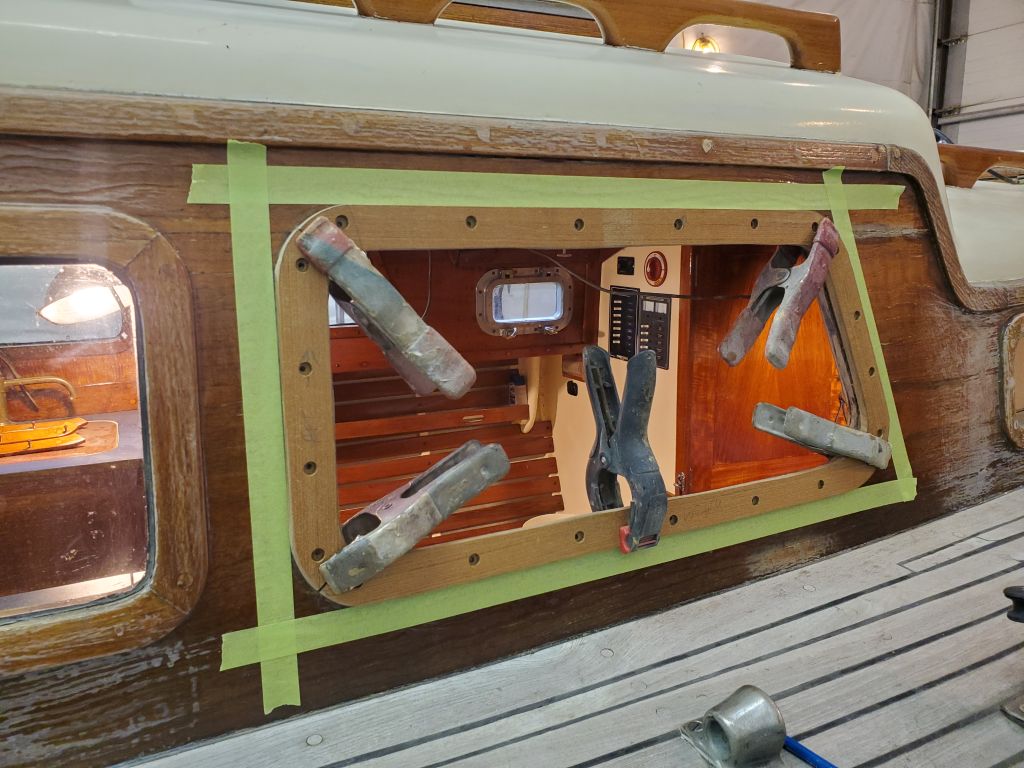
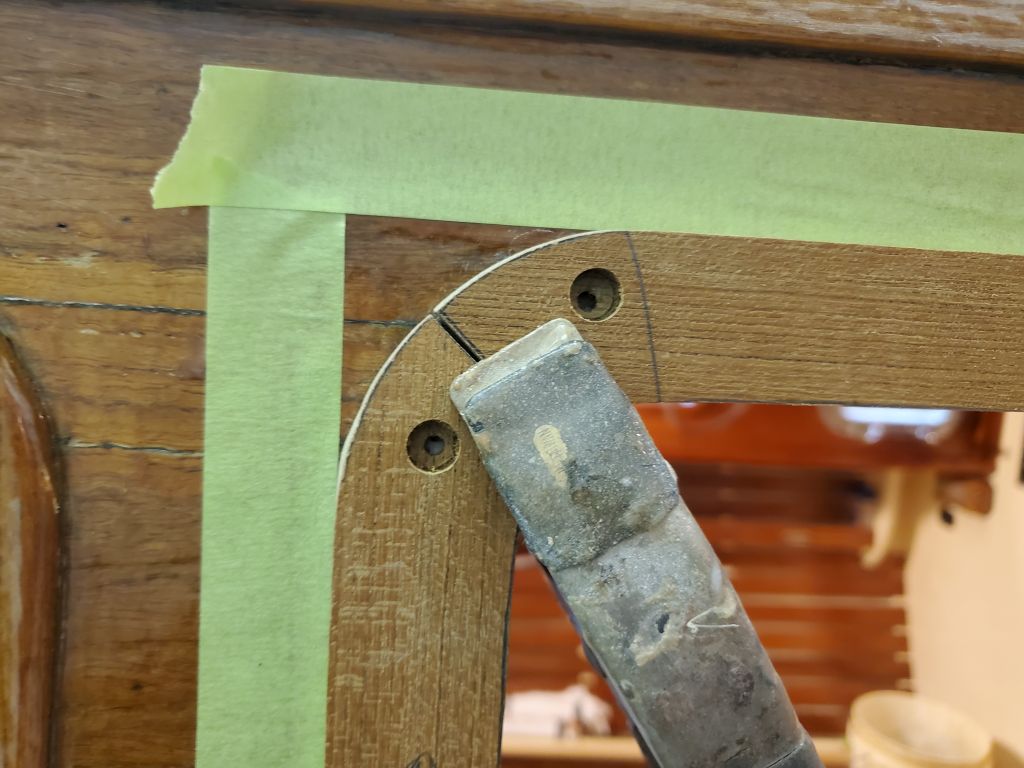
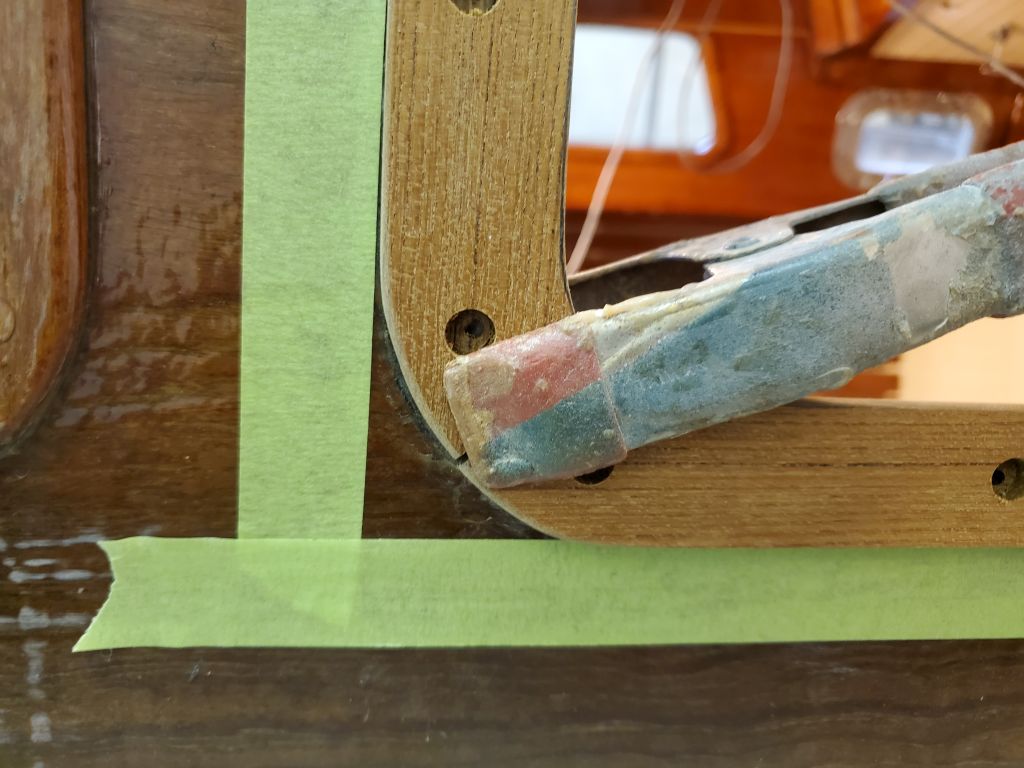
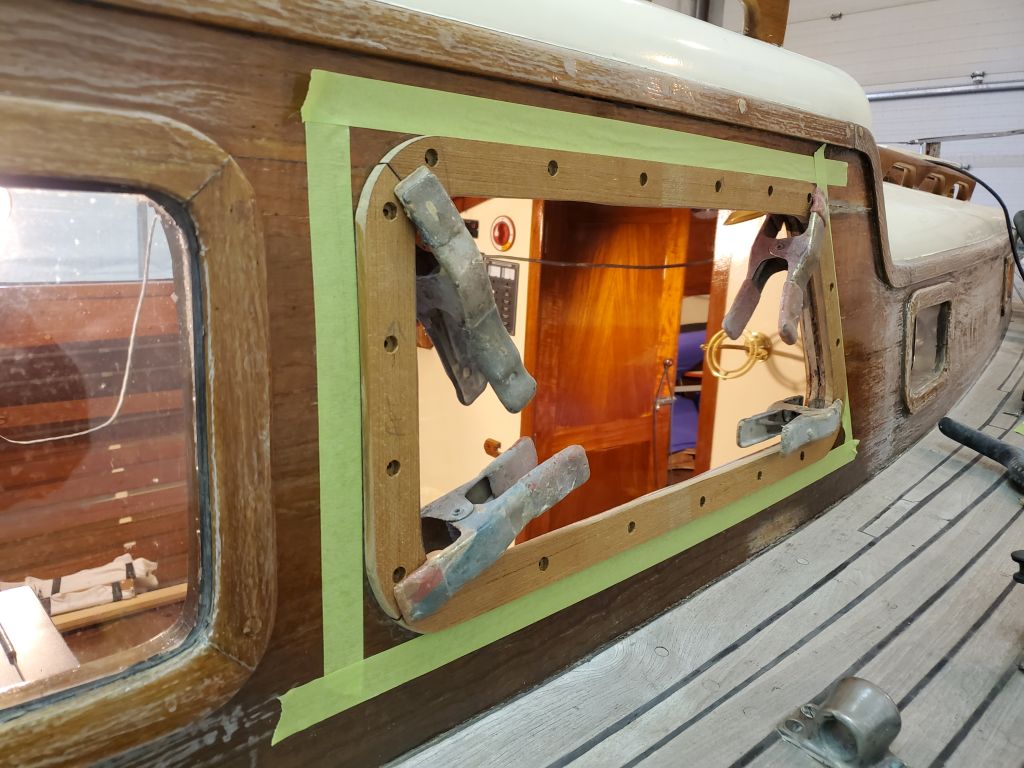
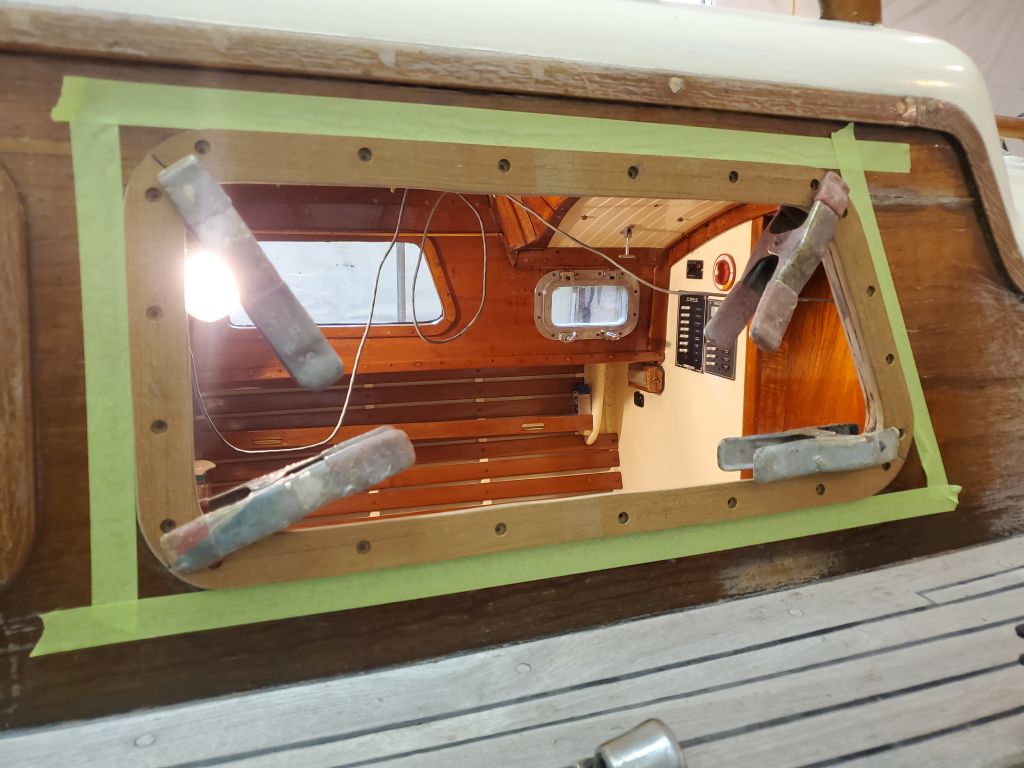
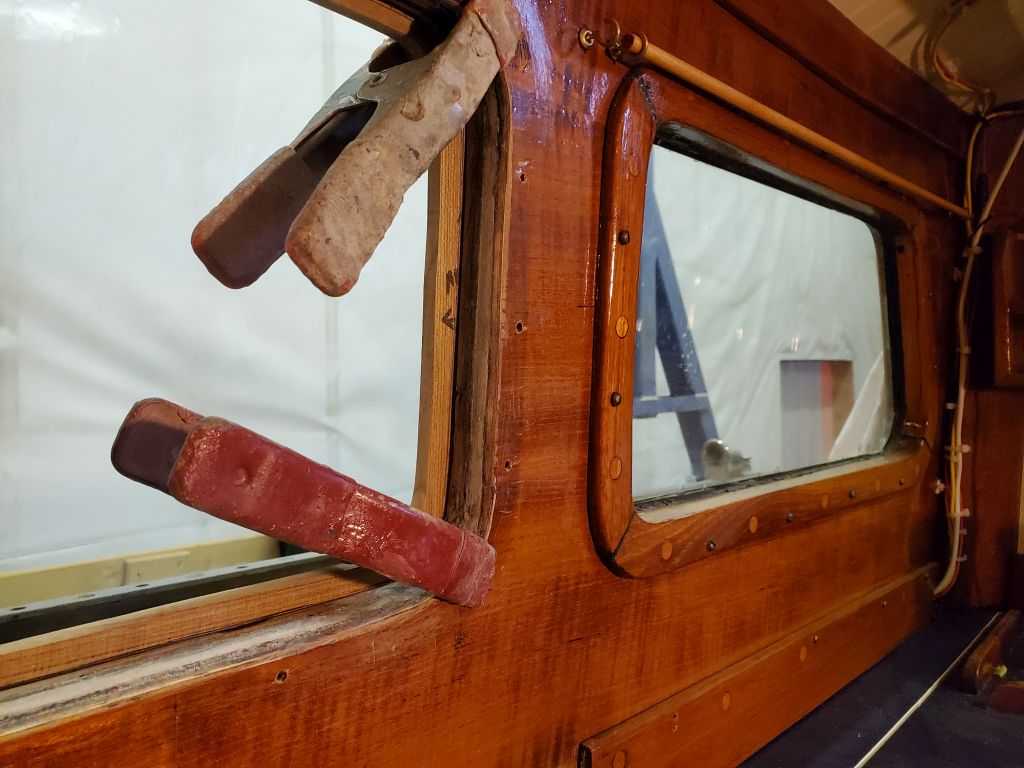
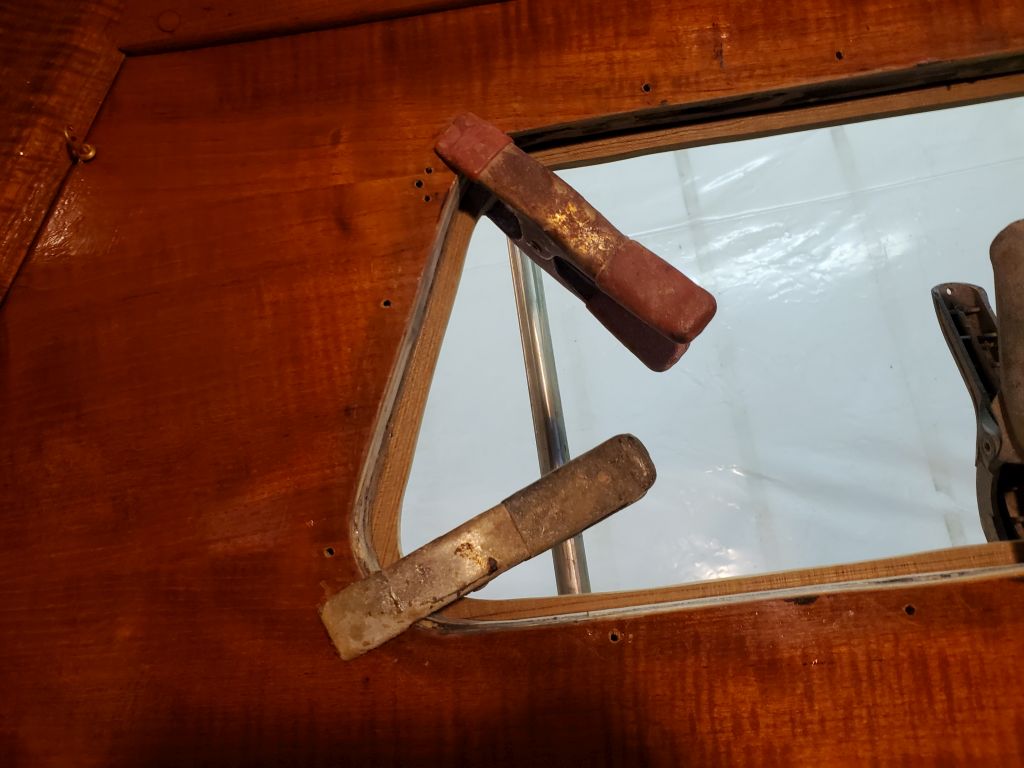
Now I test-fit the trim again. I would have liked to drill and tap for some of the screws to help me hold it, but the fresh epoxy would hold threads better if I gave it come cure time, so for now I relied on clamps. I arranged the trim so it fit in all the corners, and clamped it in place. But checking the reveal inside, I noticed that the lower forward corner was too low, the result of the bottom trim piece being slightly too long. This wasn’t a surprise, since I’d suspected all along that the broken-and-repaired old trim that I’d used as a pattern had “grown” a bit in the process, making it slightly longer than original and therefore skewing the forward joint.
I needed to adjust the joint between the forward end of this lower piece and the forward vertical piece, so from outside I adjusted the lower trim till it was at the correct height, then overlapped the two pieces to make some reference marks for a cut. I started by taking a small amount off each piece of trim, as both required minor shortening, then, on a last test fit, marked the upper trim with a final cut line where the bottom overlapped it. I cut the upper piece because I didn’t want to take more off the lower piece, which might bring the fastener location too close to the edge; there was more room for a cut on the other piece. The line in question in the photos below is marked with two V-shaped pencil marks, or what looks like a W.
After this final cut, the pieces all fit correctly in the corners and with proper reveal all around. To help mark and later recreate the alignment, I used masking tape along the straight outer edges of all the trim, which would make future placement straightforward.
With all the trims fit correctly, and knowing that the outer curves aligned when in place, I removed the trim pieces to the bench where I could clean up the insides of the corner joints as needed and round over the exposed edges, then finally sand the trim clean and smooth. Then, I applied a sealer coat of varnish; since sealer coats largely soak into the wood and dry quickly thanks to the large amount of solvent in the mix, I hoped to do a second coat later in the day.
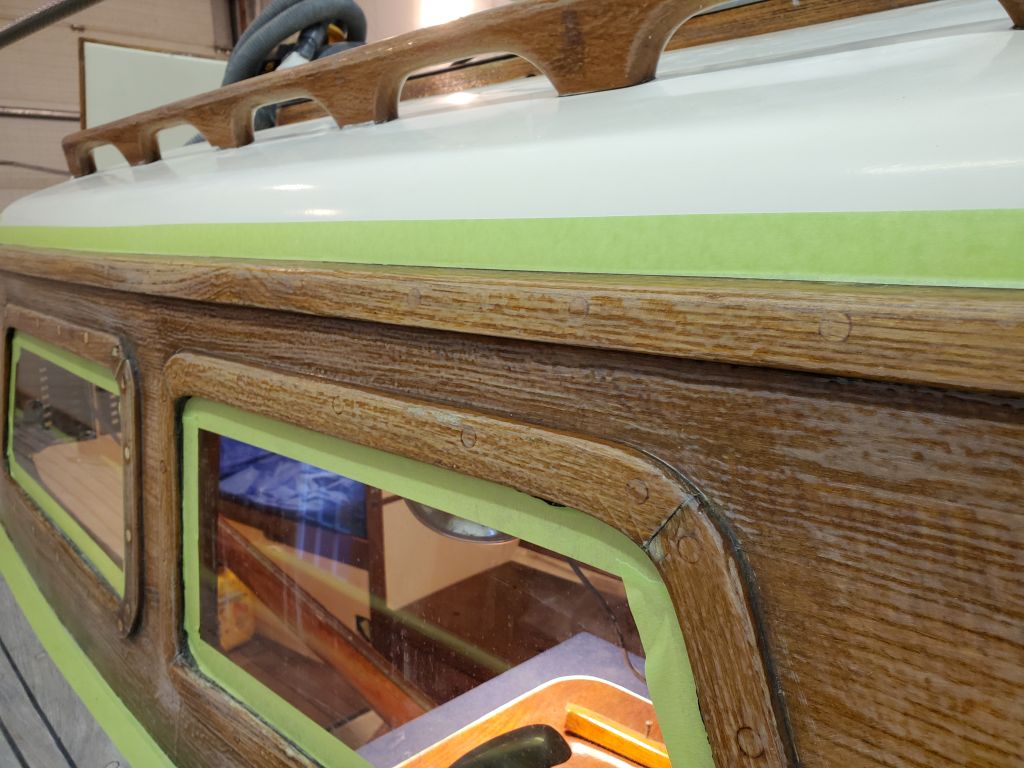
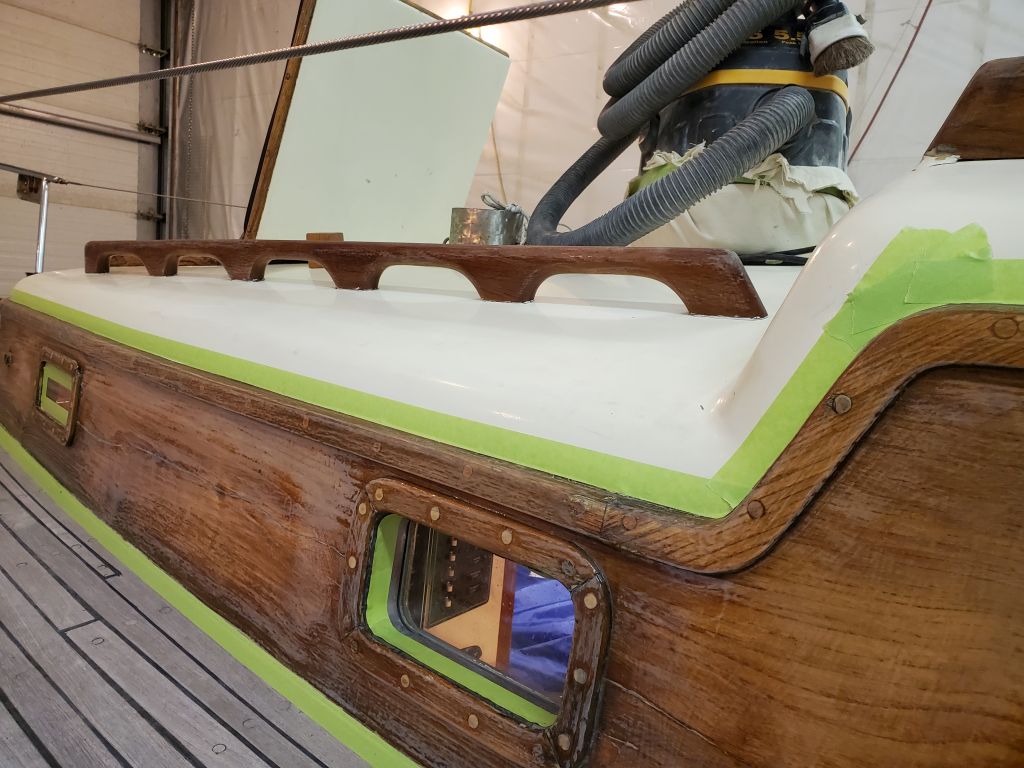
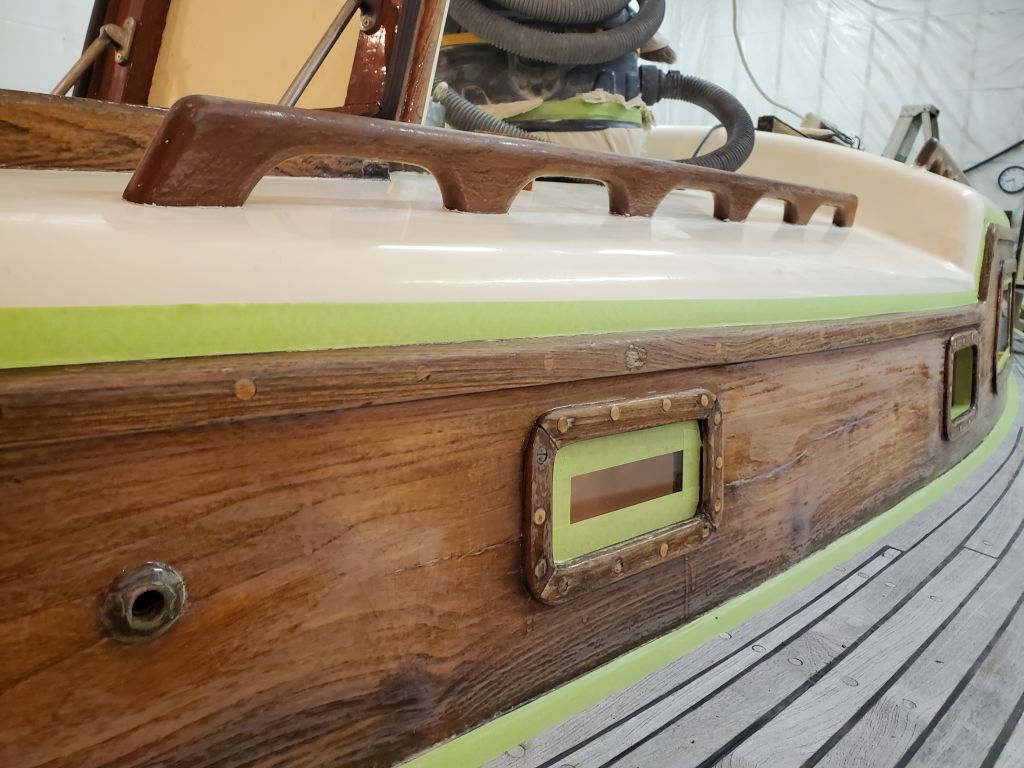
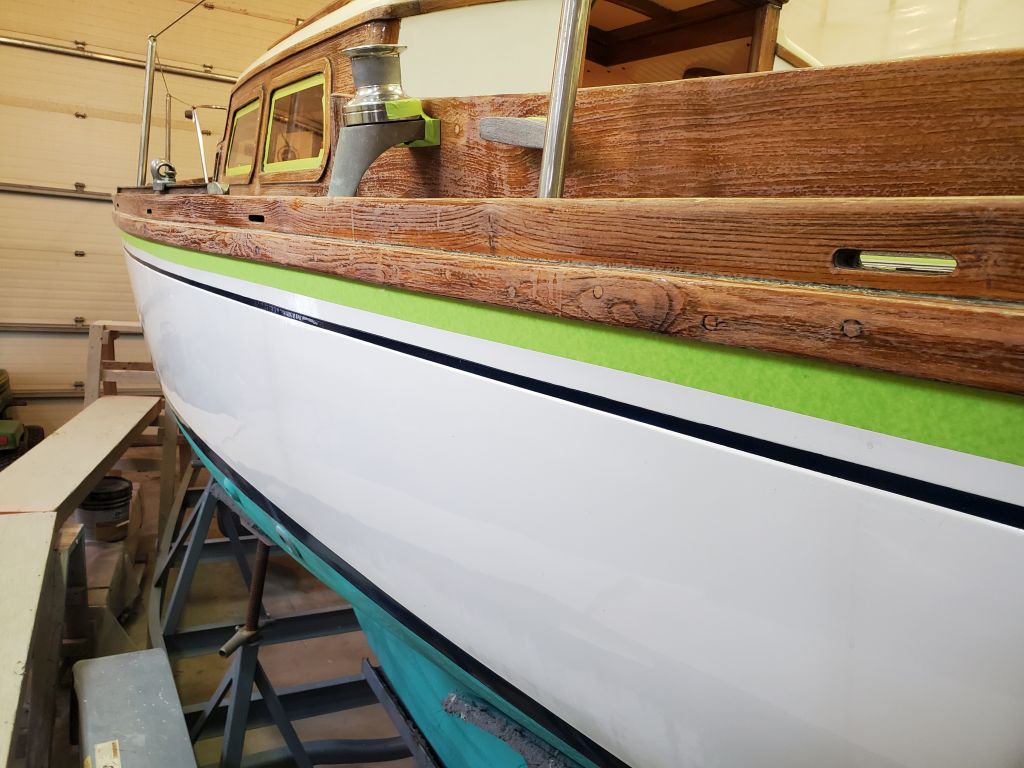
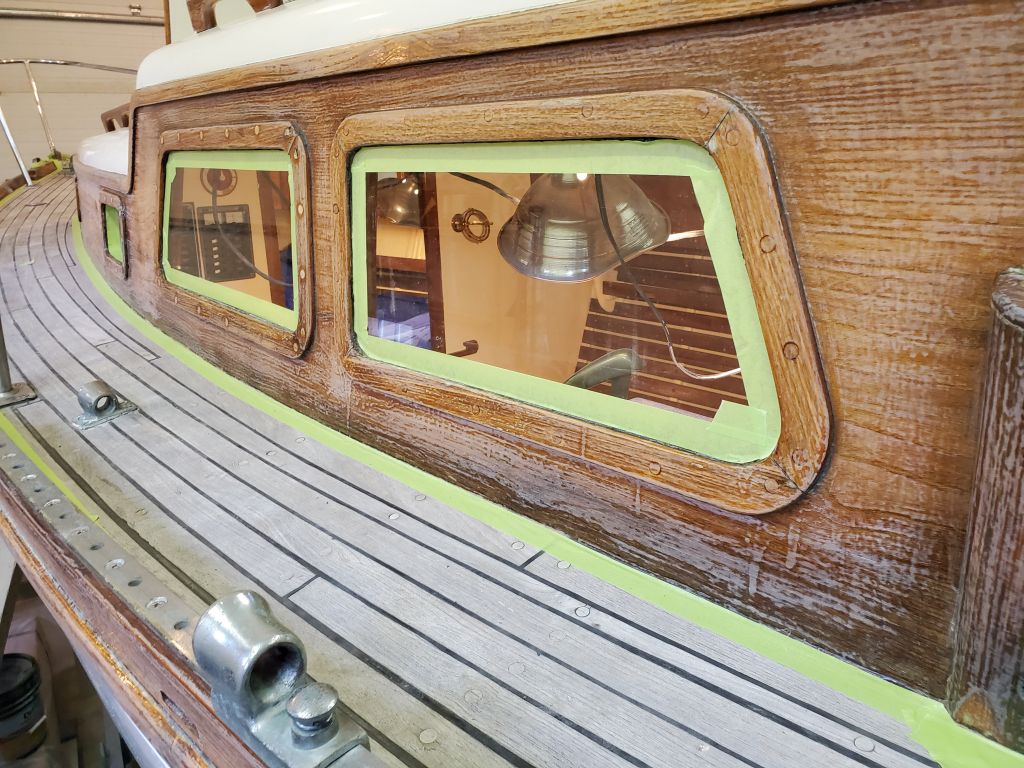
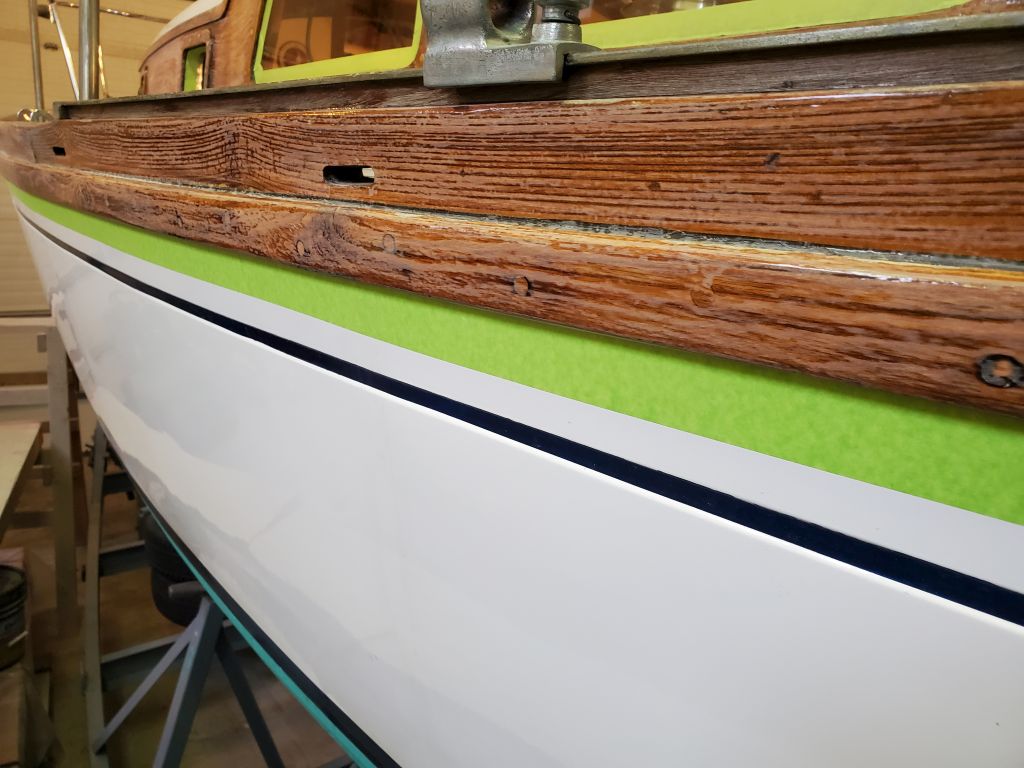
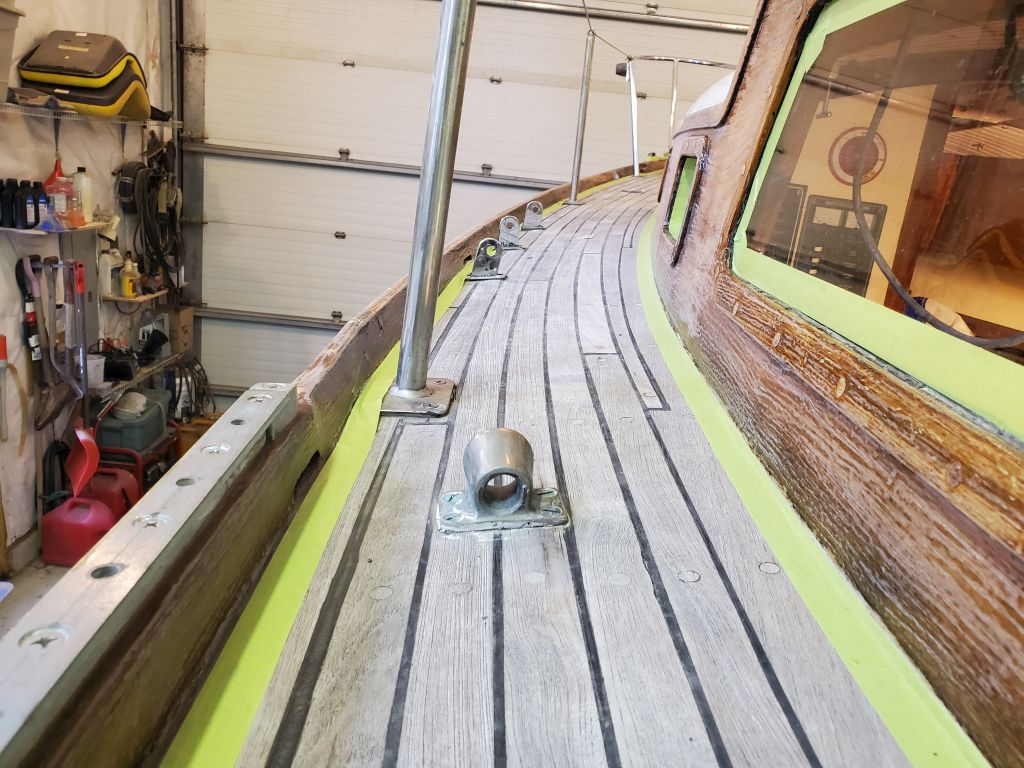
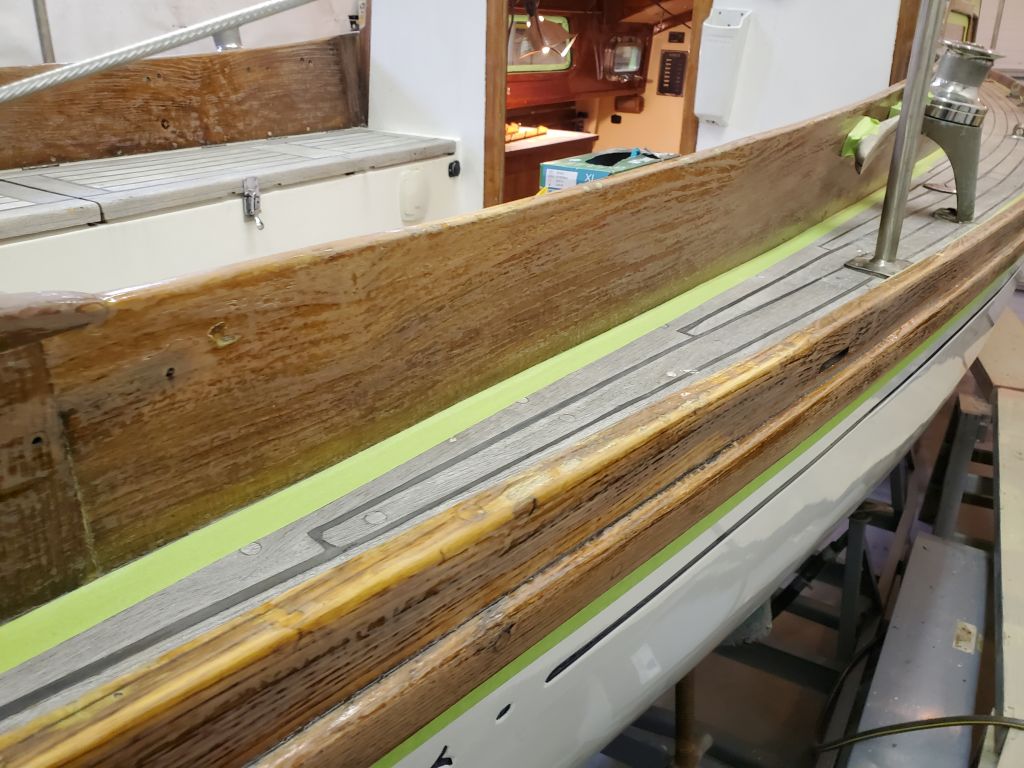
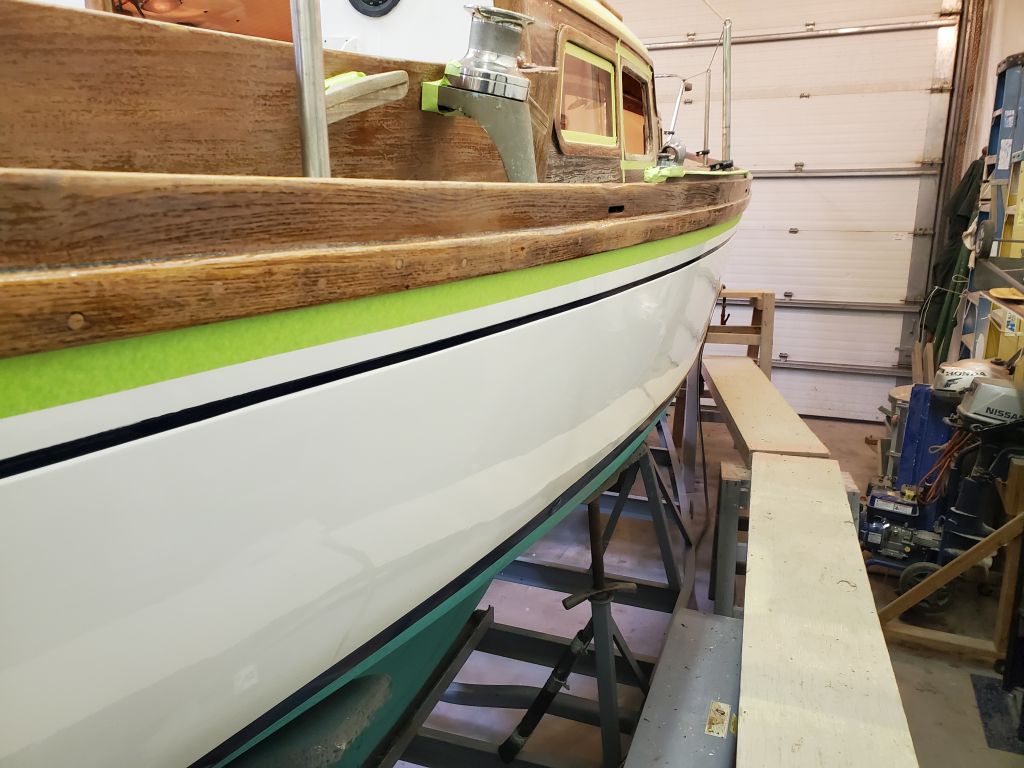
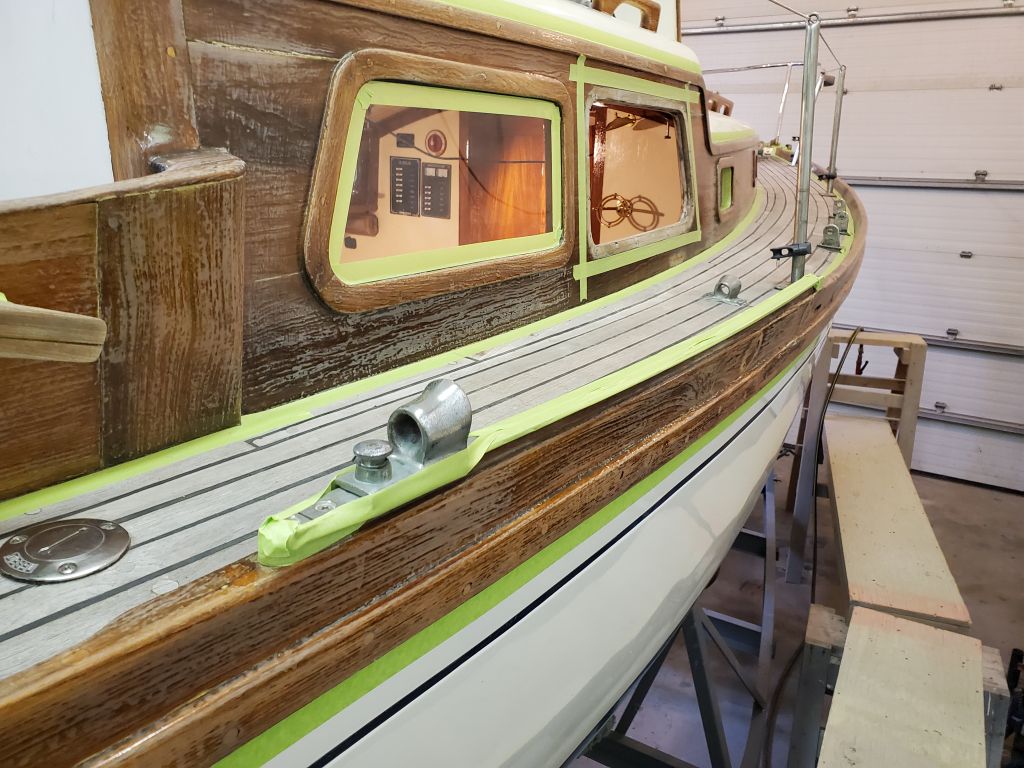
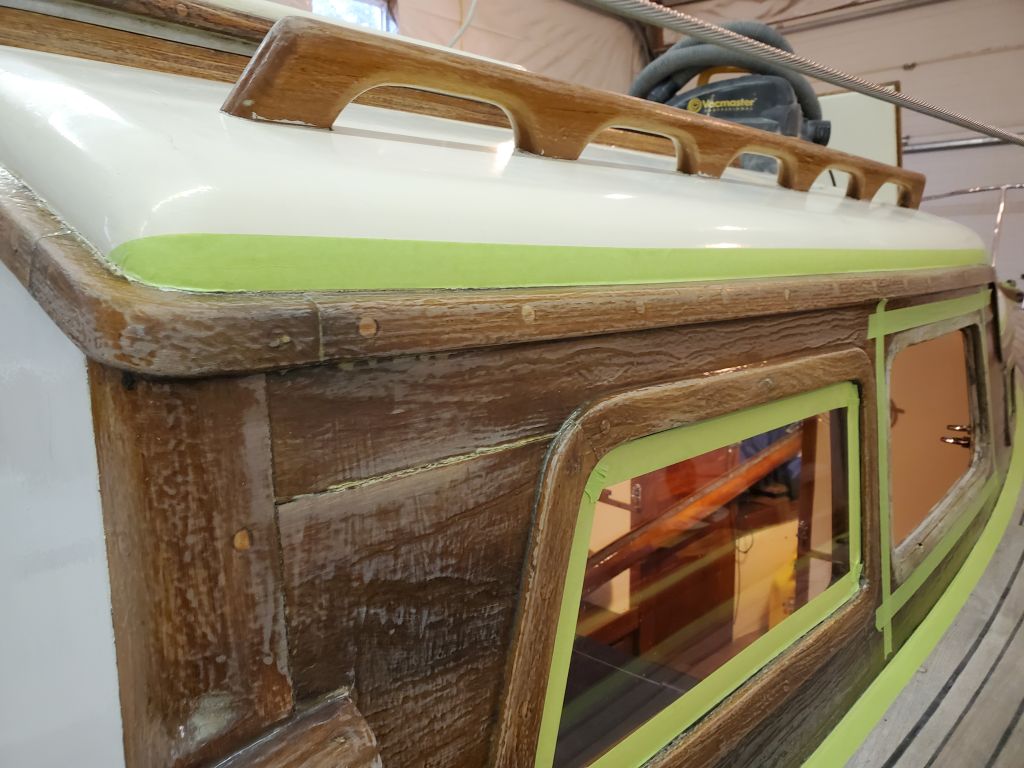
With the work on the deadlight done for now, I turned back to the rest of the brightwork on deck, mainly the interior cockpit coamings, handrails, and some other trim that was not reachable from the staging, and finished up the sanding to prepare for brightwork maintenance. Then, I vacuumed the deck and trim, and solvent-washed everything to prepare for masking.
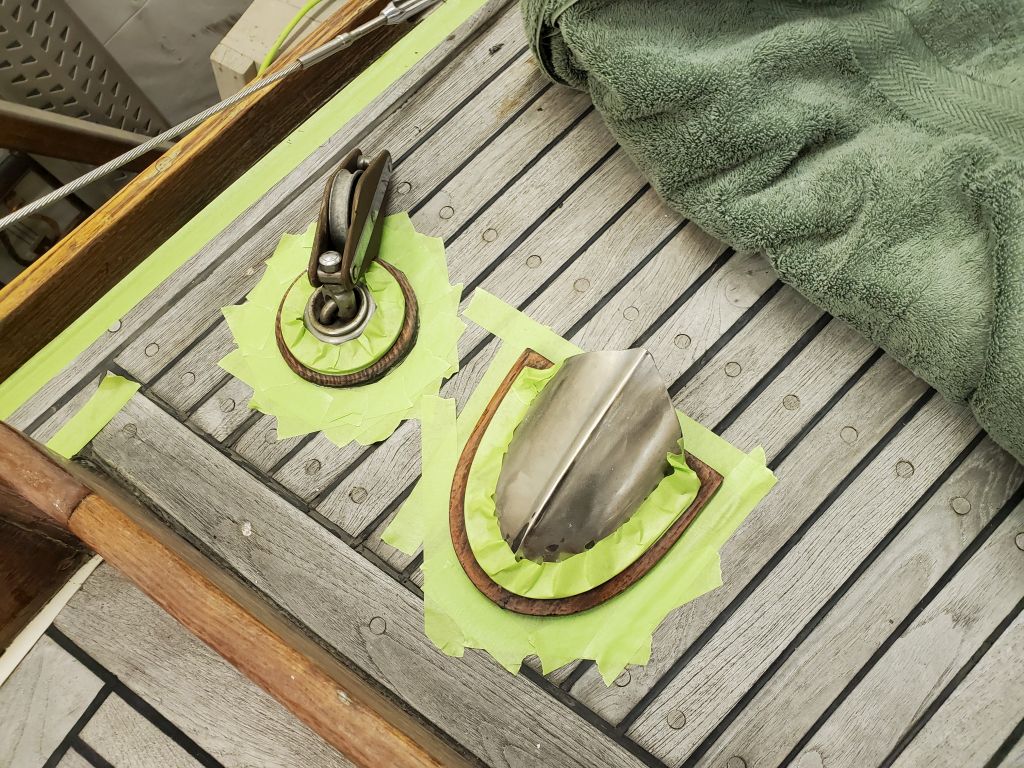
I spent the remainder of the day masking off everything I could reach from the staging: toerail and rubrail; taffrail; outer cockpit coamings; windows and ports; and the edge of the cabin trunk above the eyebrow.